Embarking on a journey of self-discovery? How to Meditate for Enhancing Spiritual Awareness offers a transformative path towards inner peace and profound understanding. This guide delves into the practice of meditation, a time-honored technique for cultivating a deeper connection with oneself and the world around us. We will explore how meditation can unlock the doors to enhanced spiritual awareness, offering practical tools and insights to navigate this enriching experience.
This comprehensive exploration will cover everything from the fundamental principles of spiritual awareness to the practical application of meditation techniques. You’ll learn how to prepare your environment, master basic meditation practices, and even explore advanced techniques like mindfulness and loving-kindness meditation. Whether you’re a complete beginner or have some experience, this guide will provide you with the knowledge and resources to deepen your practice and integrate meditation into your daily life, fostering a greater sense of presence, compassion, and overall well-being.
Defining Spiritual Awareness
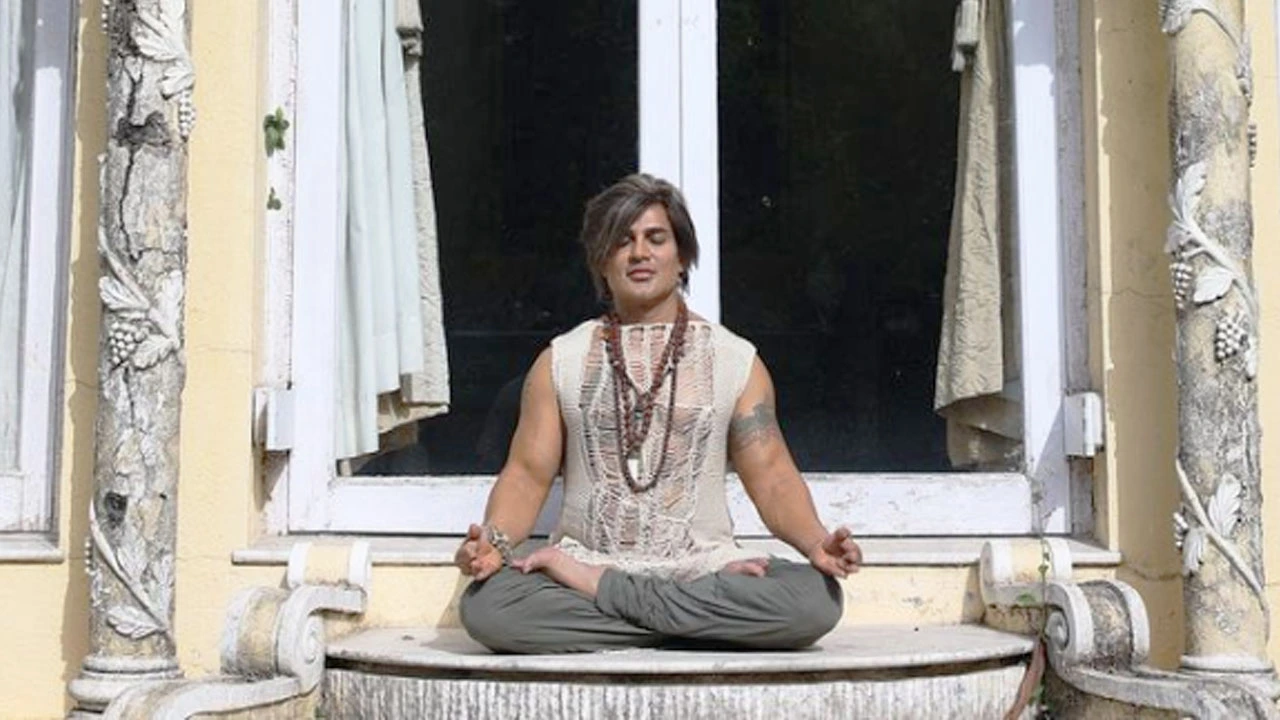
Spiritual awareness, a key aspect of meditation, is the recognition and understanding of one’s inner self and its connection to something larger than oneself. It’s about cultivating a deeper sense of meaning, purpose, and interconnectedness. Through meditation, individuals can explore and enhance this awareness, leading to a more fulfilling and meaningful life.
Spiritual Awareness in the Context of Meditation
Meditation serves as a pathway to cultivate spiritual awareness by providing a space for introspection and self-discovery. During meditation, the mind becomes less cluttered with thoughts and distractions, allowing for a deeper connection to one’s inner being. This process facilitates the recognition of subtle energies, emotions, and insights that often go unnoticed in daily life. Consistent meditation practice helps to quiet the mental chatter, enabling a clearer perception of the present moment and a heightened sense of self-awareness.
The practice encourages individuals to move beyond the limitations of the ego and connect with a deeper sense of peace and understanding.
Examples of Different Levels of Spiritual Awareness
Spiritual awareness manifests at varying levels, each representing a different stage of understanding and connection. These levels are not necessarily linear, and individuals may experience fluctuations.
- Self-Awareness: This foundational level involves recognizing one’s thoughts, feelings, and physical sensations. It’s the ability to observe oneself without judgment, acknowledging internal experiences as they arise. An example of self-awareness is recognizing a feeling of anxiety and understanding its source.
- Awareness of Interconnectedness: This level involves recognizing the interconnectedness of all things, including the understanding that one’s actions impact others and the environment. This could involve the feeling of empathy towards another person, recognizing their feelings as if they were one’s own.
- Awareness of Purpose: This level involves identifying one’s life purpose and understanding the meaning and direction of one’s life. This can manifest as a strong sense of calling, the desire to pursue a specific goal, or the feeling of alignment with one’s values. An example is someone choosing a career path that allows them to help others.
- Awareness of Transcendence: This advanced level involves experiencing a sense of connection to something beyond the self, such as a higher power, the universe, or a state of pure consciousness. This can lead to feelings of profound peace, joy, and a sense of unity. An example of this is experiencing a feeling of oneness during a meditation session.
Distinction Between Spiritual Awareness and Religious Belief
While often intertwined, spiritual awareness and religious belief are distinct concepts. Religious belief typically involves adhering to a specific set of doctrines, practices, and rituals, often within a structured institutional framework. Spiritual awareness, on the other hand, focuses on personal experience, inner exploration, and the development of a connection to something larger than oneself, which may or may not involve religious affiliation.
Spiritual awareness is the exploration of one’s inner world and connection to something beyond the self, whereas religious belief is the adherence to a specific set of doctrines and practices.
Spiritual awareness can be cultivated independently of religious belief, and individuals can experience profound spiritual insights without identifying with a particular religion. Conversely, religious belief can be a pathway to spiritual awareness, but it is not a prerequisite. Many people find that their religious beliefs support and enhance their spiritual journey, while others find their spiritual path outside of organized religion.
The focus of spiritual awareness is on direct experience, personal growth, and a sense of meaning and purpose, regardless of religious affiliation.
The Benefits of Meditation for Spiritual Growth

Meditation offers a profound pathway to spiritual growth, fostering a deeper connection with oneself and the world. Through consistent practice, individuals can unlock a wealth of benefits that nurture the mind, body, and spirit, leading to a more fulfilling and spiritually enriched life. This section explores the specific advantages meditation provides in facilitating spiritual awareness.
Psychological Advantages of Meditation
Meditation profoundly impacts the psychological well-being, creating a fertile ground for spiritual development. It provides tools for managing the internal landscape and cultivating a more resilient and balanced mental state.
- Reduced Stress and Anxiety: Meditation activates the parasympathetic nervous system, often referred to as the “rest and digest” system. This activation helps to counteract the “fight or flight” response triggered by stress, lowering levels of cortisol (the stress hormone). Regular practice can significantly decrease feelings of anxiety and promote a sense of calm. For example, studies have shown that mindfulness meditation can be as effective as some medications in treating anxiety disorders.
- Enhanced Emotional Regulation: Meditation cultivates emotional awareness and the ability to observe thoughts and feelings without judgment. This non-reactive approach allows individuals to develop greater control over their emotional responses. Instead of being swept away by emotions, meditators learn to recognize and process them in a healthy way, leading to increased emotional stability.
- Improved Focus and Concentration: The practice of meditation, particularly focused attention meditation, trains the mind to concentrate on a single point, such as the breath. This strengthens the ability to focus and reduces mind-wandering. As a result, meditators often experience improved cognitive performance, including enhanced memory and attention span.
- Increased Self-Awareness: Meditation encourages introspection and self-reflection. By observing thoughts, feelings, and sensations without judgment, individuals gain a deeper understanding of their own patterns of behavior, motivations, and beliefs. This heightened self-awareness is crucial for spiritual growth, as it allows for the identification and release of limiting beliefs and the cultivation of positive qualities.
- Greater Resilience: Through meditation, individuals develop the capacity to navigate challenges with greater ease and equanimity. This resilience stems from the ability to observe difficult emotions and situations without becoming overwhelmed. By practicing mindfulness, meditators learn to accept the impermanence of life and cultivate a sense of inner strength.
Physiological Benefits of Meditation for Spiritual Awareness
Beyond the psychological realm, meditation also exerts significant positive effects on the physical body, creating a harmonious environment for spiritual exploration. These physiological benefits contribute to a greater sense of well-being and enhance the capacity for spiritual experience.
- Lowered Blood Pressure: Meditation has been shown to lower blood pressure, a significant risk factor for cardiovascular disease. Regular practice can reduce the strain on the heart and improve overall cardiovascular health. Studies have demonstrated that even short periods of meditation can have a noticeable impact on blood pressure levels.
- Improved Sleep Quality: Meditation can promote relaxation and reduce the racing thoughts that often interfere with sleep. By calming the mind and body, meditation helps to induce a state of restful sleep. Individuals who meditate regularly often report improved sleep quality and a decrease in insomnia symptoms.
- Reduced Chronic Pain: Meditation can help to manage chronic pain conditions by altering the way the brain perceives pain signals. Through mindfulness practices, individuals can learn to detach from the experience of pain and reduce its intensity. This can lead to a significant improvement in quality of life for those suffering from chronic pain.
- Enhanced Immune Function: Meditation has been linked to improved immune function. Studies have shown that regular meditation can increase the activity of immune cells, such as natural killer cells, which are responsible for fighting off infections and diseases.
- Increased Brainwave Coherence: Meditation promotes brainwave synchronization, particularly in the alpha and theta frequency ranges. These brainwave patterns are associated with relaxation, creativity, and deep states of awareness. Increased brainwave coherence can enhance cognitive function and promote a sense of mental clarity.
Meditation Cultivates Inner Peace and Self-Acceptance
One of the most profound benefits of meditation is the cultivation of inner peace and self-acceptance. This transformation forms the bedrock of spiritual growth, enabling individuals to embrace their true selves and experience a deeper connection to the world around them.
- Finding Inner Peace: Meditation provides a sanctuary from the external chaos of life. By quieting the mind and cultivating a sense of present-moment awareness, meditators learn to find a deep sense of peace within themselves. This inner peace is not dependent on external circumstances but is a constant state of being that can be accessed regardless of what is happening in the outside world.
- Developing Self-Acceptance: Meditation encourages self-compassion and non-judgmental observation of one’s thoughts and feelings. This leads to a greater acceptance of oneself, including both strengths and weaknesses. As individuals become more accepting of themselves, they are less likely to be critical or self-deprecating.
- Reducing Self-Criticism: Meditation helps to identify and challenge negative self-talk. By observing critical thoughts without judgment, individuals can begin to detach from them and replace them with more positive and supportive self-statements. This reduces the impact of self-criticism and promotes a more positive self-image.
- Cultivating Gratitude: Meditation can enhance the ability to appreciate the good things in life. Through practices such as gratitude meditation, individuals learn to focus on the positive aspects of their lives and cultivate a sense of appreciation for all that they have. This leads to increased happiness and a greater sense of contentment.
- Fostering Compassion: Meditation, particularly loving-kindness meditation, fosters compassion for oneself and others. By cultivating feelings of kindness and empathy, meditators develop a greater understanding of the interconnectedness of all beings. This can lead to a more compassionate and fulfilling life.
Preparing for Meditation
To fully embrace the practice of meditation and enhance spiritual awareness, establishing a supportive environment is crucial. This involves mindful preparation of your physical space, scheduling your practice, and gathering the necessary tools to facilitate a deep and meaningful meditation experience. These elements work synergistically to create an optimal setting for inner exploration and spiritual growth.
Design a Quiet and Comfortable Meditation Space
Creating a dedicated meditation space is paramount for cultivating a consistent and effective practice. This space should be free from distractions and conducive to relaxation and introspection. Consider these key elements when designing your meditation area:
- Location: Choose a location in your home that is naturally quiet. This might be a spare room, a corner of a bedroom, or even a small nook. The goal is to minimize external noises and interruptions.
- Ambiance: The ambiance should be calming and inviting. Soft, natural lighting is preferable. Avoid harsh fluorescent lights. If possible, incorporate natural light or use lamps with warm-toned bulbs.
- Comfort: Ensure physical comfort. This may involve using a meditation cushion or a comfortable chair. Consider the temperature of the room; a slightly cool temperature is often conducive to focus.
- Organization: Keep the space clean and organized. Clutter can be distracting, so remove any unnecessary items. The intention is to create a visually peaceful environment.
- Sensory Elements: Incorporate elements that stimulate the senses in a calming way. This could include:
- Aromatherapy: Use essential oils, such as lavender or sandalwood, to create a relaxing scent.
- Sound: Play calming music, nature sounds, or use a singing bowl.
- Visuals: Include calming visuals like a plant, a candle, or a piece of art that inspires peace.
Organize the Ideal Time of Day for Meditation, Considering Individual Schedules
The timing of your meditation practice significantly impacts its effectiveness. Finding the ideal time of day involves considering your personal schedule, energy levels, and daily routines.
Consider these points when choosing your meditation time:
- Morning Meditation: Meditating in the morning, before the day’s activities begin, can set a positive tone and promote a sense of calm throughout the day. This approach helps to ground you before the stresses of daily life arise. Many practitioners find that morning meditation allows them to start their day with clarity and focus.
- Evening Meditation: Evening meditation can be a way to unwind after a busy day, releasing tension and promoting restful sleep. It provides an opportunity to reflect on the day’s events and cultivate a sense of peace before going to bed.
- Mid-Day Meditation: A short meditation session during a lunch break or a break in your workday can provide a mental reset. This is particularly beneficial for those who experience high levels of stress during the day. Even a brief session can improve focus and reduce anxiety.
- Consistency: The most important factor is consistency. Aim to meditate at the same time each day to establish a routine. This helps to reinforce the practice and make it a natural part of your daily life.
- Experimentation: Experiment with different times to discover what works best for you. Pay attention to your energy levels, your schedule, and your personal preferences. The ideal time is the one that you can consistently commit to.
Create a List of Essential Meditation Accessories
While meditation requires no special equipment, certain accessories can enhance the experience and create a more supportive environment. These items can help to create a sense of ritual and deepen the practice.
Here are some essential meditation accessories:
- Meditation Cushion or Bench: A meditation cushion or bench provides comfortable support for your posture, allowing you to sit comfortably for extended periods. This helps to prevent physical discomfort, which can distract from the practice.
- Blanket or Shawl: A blanket or shawl can keep you warm and comfortable, especially during cooler weather. It can also provide a sense of coziness and security.
- Timer or Meditation App: A timer or meditation app is essential for tracking your meditation sessions. This helps to maintain consistency and provides a sense of structure. Many apps offer guided meditations and ambient sounds.
- Eye Pillow: An eye pillow can block out light and promote relaxation. The gentle weight of the pillow can also help to calm the nervous system.
- Incense or Essential Oils: Incense or essential oils can create a calming and pleasant atmosphere. Choose scents that you find relaxing and conducive to focus.
- Journal and Pen: A journal and pen can be used to record your thoughts and insights after meditation. This can help you to track your progress and reflect on your experiences.
By incorporating these accessories, you can create a personalized meditation space that supports your practice and enhances your spiritual awareness.
Basic Meditation Techniques
Now that you understand the groundwork of spiritual awareness and the benefits of meditation, let’s delve into the practical techniques. These foundational methods will help you cultivate a consistent meditation practice, fostering a deeper connection with your inner self and enhancing your spiritual journey.
The Importance of Posture During Meditation
The physical posture you adopt during meditation plays a crucial role in the effectiveness of your practice. A comfortable and stable posture allows for sustained focus and minimizes physical distractions.Consider the following points regarding posture:
- Sitting Position: The ideal posture involves sitting upright with a straight spine. This can be achieved in various ways, such as:
- Cross-legged (Sukhasana or Lotus Position): This traditional posture is often used but may not be suitable for everyone. Modifications, such as half-lotus, are also acceptable.
- Seated on a Chair: Sit with your feet flat on the floor and your back straight but not stiff.
- Kneeling: Use a cushion or meditation bench for support.
- Spine Alignment: Maintain a natural curve in your spine. Avoid slouching, which can lead to drowsiness, and avoid excessive stiffness, which can cause discomfort. Imagine a string gently pulling you upwards from the crown of your head.
- Hand Position: Place your hands comfortably in your lap or on your knees. Common hand positions include:
- Palms Up: This can promote receptivity.
- Palms Down: This can encourage grounding.
- Gyan Mudra: Touching the tip of your index finger to the tip of your thumb.
- Eyes: You can choose to close your eyes gently or keep them softly focused on a point on the floor in front of you.
- Body Awareness: Regularly check in with your body throughout your meditation session. Make small adjustments as needed to maintain comfort and alertness.
Focusing on the Breath as an Anchor
The breath serves as a powerful anchor for your attention during meditation. It’s a constant and readily available point of focus, helping you to redirect your mind away from wandering thoughts.Here’s how to use the breath as an anchor:
- Find a Comfortable Position: As discussed previously, ensure you are in a comfortable and stable posture.
- Bring Awareness to Your Breath: Notice the natural rhythm of your breath without trying to change it. Observe the sensation of the air entering and leaving your nostrils, or the rise and fall of your abdomen.
- Gentle Observation: Simply observe your breath. Don’t try to control it. Let it flow naturally.
- Returning to the Breath: When your mind wanders – and it will – gently redirect your attention back to your breath. This is a crucial part of the practice; each time you bring your attention back to the breath, you strengthen your ability to focus.
- Acceptance: Accept that your mind will wander. The goal is not to eliminate thoughts, but to observe them without judgment and gently guide your attention back to your breath.
Counting Breaths to Enhance Focus
Counting breaths can be a helpful technique to further enhance your focus and concentration during meditation. This method provides a structured framework to anchor your attention.Consider the following method for counting breaths:
- Establish a Comfortable Posture: Begin as you would with any meditation practice, ensuring you’re in a comfortable position.
- Focus on the Breath: Pay attention to the natural rhythm of your breath, as you would with the breath-awareness technique.
- Counting In and Out:
- Option 1: Count each inhale and exhale as one. For example, “Inhale 1, Exhale 1, Inhale 2, Exhale 2…” Continue counting up to ten, then start again at one.
- Option 2: Count only the inhales or only the exhales. Count from one to ten, and then start again at one.
- Mind Wandering: If you lose count or your mind wanders, gently bring your attention back to the beginning (one).
- Adjust as Needed: You can modify the counting method to suit your needs. Some people find it helpful to count to five or twelve before restarting.
- Benefits: Counting provides a concrete focus, making it easier to recognize when your mind has wandered. It also strengthens your ability to concentrate.
Guided Meditation for Beginners

Guided meditation offers a structured approach to meditation, particularly beneficial for those new to the practice. It provides a framework, guiding the practitioner through specific techniques and visualizations to cultivate inner peace and enhance spiritual awareness. This structured approach reduces the initial challenges often faced by beginners, making the experience more accessible and effective.
A 5-Minute Guided Meditation Script
This script provides a concise introduction to guided meditation, focusing on breath awareness and a simple visualization. It can be easily adapted for longer sessions.Begin by finding a comfortable position, either sitting or lying down. Gently close your eyes.Take a few deep breaths, inhaling deeply through your nose and exhaling slowly through your mouth. Feel the air filling your lungs, and with each exhale, release any tension in your body.Now, bring your attention to your breath.
Notice the sensation of the air as it enters and leaves your body. Feel the rise and fall of your chest or abdomen. Simply observe your breath without trying to change it. If your mind wanders, gently bring your focus back to your breath.(Pause for 1 minute)Now, we will introduce a simple visualization. Imagine a calm and peaceful place.
It could be a serene beach, a lush forest, or a quiet mountain top. Visualize this place in detail: the sights, the sounds, the smells.(Pause for 1 minute)In this peaceful place, visualize a gentle light surrounding you. This light represents your inner peace and tranquility. Feel this light warming you, comforting you, and dissolving any negativity.(Pause for 1 minute)Continue to breathe deeply, and as you exhale, release any remaining tension.
Feel the peace and serenity expanding within you.(Pause for 1 minute)Slowly bring your awareness back to your body. Wiggle your fingers and toes. When you are ready, gently open your eyes. Carry the feeling of peace and tranquility with you throughout your day.
The Use of Visualization Techniques in Guided Meditation
Visualization techniques are powerful tools in guided meditation, allowing practitioners to engage their imagination and create a sense of calm and focus. By vividly imagining specific scenes, objects, or feelings, individuals can enhance their meditation experience and achieve deeper states of relaxation and awareness.Visualization is a key component in many guided meditation practices. The process involves:
- Creating Mental Images: This can involve imagining a peaceful scene, a comforting object, or a positive emotion. For example, a beginner might visualize themselves sitting by a calm lake, feeling the warmth of the sun on their skin.
- Engaging the Senses: Effective visualization incorporates all the senses. Instead of just seeing the lake, the practitioner would also imagine hearing the gentle lapping of water against the shore, smelling the fresh air, and feeling the cool breeze.
- Focusing on Emotions: Visualization can be used to evoke specific emotions, such as peace, gratitude, or compassion. This helps in creating a stronger connection to the meditation and achieving desired outcomes.
For instance, a person struggling with anxiety might visualize a protective bubble of light surrounding them, creating a sense of safety and security. This active engagement of the mind helps to reduce stress and promote inner peace.
Benefits of Using Guided Meditations with Specific Intentions
Guided meditations can be tailored to address specific goals, allowing practitioners to focus their practice on areas they wish to improve, such as reducing stress, cultivating gratitude, or improving sleep. These targeted meditations enhance the effectiveness of the practice by providing a clear direction and focus.Using guided meditations with specific intentions offers several advantages:
- Targeted Outcomes: Meditations can be designed to address particular needs, such as stress reduction, improved sleep, or enhanced self-esteem. For example, a guided meditation focused on self-compassion can help individuals cultivate a kinder and more accepting inner dialogue.
- Enhanced Focus: The structured nature of guided meditations helps maintain focus, particularly beneficial for beginners who may find it challenging to quiet their minds. The script provides a clear path, minimizing distractions.
- Cultivating Positive Emotions: Guided meditations often incorporate visualizations and affirmations that promote positive emotions like gratitude, love, and compassion. This can lead to a more optimistic outlook and improved mental well-being. For example, a meditation focused on gratitude can help shift the practitioner’s focus towards the positive aspects of their life.
- Developing Specific Skills: Some guided meditations are designed to develop specific skills, such as mindfulness, emotional regulation, or improved focus. These can lead to tangible improvements in daily life.
For example, a person preparing for a challenging presentation might use a guided meditation to visualize success and manage pre-performance anxiety. This approach combines the power of visualization with the calming effects of meditation, making it a powerful tool for personal growth and spiritual development.
Advanced Meditation Practices
Having established foundational meditation techniques, the journey towards enhanced spiritual awareness continues with advanced practices. These techniques offer deeper exploration of the mind and spirit, fostering profound insights and transformative experiences. They build upon the basics, requiring consistent practice and dedication to realize their full potential.
Mindfulness Meditation Techniques
Mindfulness meditation cultivates present moment awareness, observing thoughts, feelings, and sensations without judgment. It’s a powerful tool for understanding the nature of the mind and reducing reactivity. Regular practice can significantly improve focus and emotional regulation.To practice mindfulness meditation:
- Find a comfortable posture: Sit or lie down in a position that allows you to remain alert and relaxed.
- Focus on the breath: Pay attention to the sensation of the breath entering and leaving your body. Observe the rise and fall of your abdomen or the sensation of air passing through your nostrils.
- Acknowledge wandering thoughts: As your mind wanders (and it will), gently acknowledge the thought or feeling without judgment. Label it as a “thought,” “feeling,” or “sensation,” and then redirect your attention back to the breath.
- Practice non-reactivity: Observe your thoughts and feelings as an objective observer. Avoid getting carried away by them or engaging in internal narratives.
- Continue with consistency: Practice mindfulness meditation daily, gradually increasing the duration of your sessions.
Loving-Kindness Meditation Methods
Loving-kindness meditation, also known as Metta meditation, cultivates feelings of love, compassion, and kindness towards oneself and others. It involves silently repeating phrases that express goodwill and positive intentions. This practice can reduce feelings of anger, resentment, and self-criticism, fostering greater connection and empathy.Here’s a method for practicing loving-kindness meditation:
- Begin with yourself: Start by directing loving-kindness towards yourself. Silently repeat phrases such as:
“May I be happy. May I be well. May I be safe. May I be peaceful and at ease.”
Visualize yourself surrounded by warmth and light.
- Extend to a loved one: Next, direct the same phrases towards someone you love. Visualize them and feel the warmth of your goodwill extending towards them.
- Extend to a neutral person: Then, think of someone you neither particularly like nor dislike. Direct loving-kindness towards them, wishing them well.
- Extend to a difficult person: This is the most challenging step. Direct loving-kindness towards someone with whom you have difficulty or towards someone you find challenging. It’s important to remember that this is not about condoning their actions, but about cultivating compassion for their suffering.
- Extend to all beings: Finally, expand your loving-kindness to encompass all beings, wishing them happiness, well-being, and peace.
The practice of loving-kindness meditation can profoundly impact relationships and overall well-being. Studies, such as those conducted at the University of North Carolina, have shown that regular Metta meditation increases feelings of social connection and reduces symptoms of depression.
Mantra Meditation Practice
Mantra meditation involves the repetition of a word, phrase, or sound (a mantra) to focus the mind and cultivate a sense of inner peace. Mantras can be Sanskrit, English, or any language that resonates with the practitioner. The repetition of the mantra helps to quiet the mental chatter and access deeper states of awareness.To practice mantra meditation:
- Choose a mantra: Select a mantra that resonates with you. It could be a traditional mantra like “Om Mani Padme Hum” or a simple phrase like “I am peace.”
- Find a comfortable posture: Sit comfortably, with your spine straight and your body relaxed.
- Repeat the mantra silently or aloud: Begin repeating the mantra silently or aloud, focusing your attention on the sound and meaning of the words.
- Maintain focus: When your mind wanders, gently redirect your attention back to the mantra.
- Practice consistently: Aim for a daily practice, starting with short sessions and gradually increasing the duration as you become more comfortable.
Mantra meditation has been shown to have several benefits, including reduced stress, improved focus, and enhanced feelings of well-being. Research, such as studies published in the
Journal of Alternative and Complementary Medicine*, suggests that mantra meditation can positively impact the autonomic nervous system, leading to a more balanced and relaxed state.
Addressing Common Challenges
Meditation, while often profoundly rewarding, can present challenges for practitioners of all levels. It’s crucial to recognize these obstacles as normal and to develop strategies for navigating them. This section explores some of the most common difficulties encountered during meditation and provides practical solutions to help you stay on track.
Mind-Wandering Solutions
Mind-wandering is a natural phenomenon. The human mind is designed to think, and thoughts will inevitably arise during meditation. The key is not to eliminate thoughts, but to manage them.
- Recognizing the Wandering Mind: The first step is simply noticing when your mind has wandered. This is achieved through consistent practice and self-awareness.
- Gentle Redirection: When you notice your mind has wandered, gently redirect your attention back to your chosen focus. This could be your breath, a mantra, or a visual object. Avoid self-criticism; treat the process with kindness and patience.
- Using Anchors: Employing an anchor, such as the breath, provides a constant point of reference. When the mind wanders, returning to the breath serves as a grounding mechanism.
- Labeling Thoughts: Labeling thoughts, such as “thinking,” “planning,” or “remembering,” can help create distance from them. This allows you to observe thoughts without getting carried away by them.
- Short Meditation Breaks: If mind-wandering becomes overwhelming, consider taking short breaks. This allows the mind to reset and regain focus.
- Acceptance: Embrace the fact that mind-wandering is normal. The goal is not to eliminate thoughts, but to develop the ability to return to your focus.
Physical Discomfort Management
Physical discomfort can significantly impact the meditation experience. Finding a comfortable position and addressing discomfort are vital for sustained practice.
- Choosing a Comfortable Posture: Experiment with different postures, such as sitting on a cushion, a chair, or lying down. The goal is to maintain a position that allows for both relaxation and alertness.
- Using Props: Utilize props like cushions, blankets, or bolsters to support your body and alleviate strain.
- Adjusting Position: If you experience discomfort, gently adjust your position. There is no need to suffer in silence.
- Body Scan Meditation: Body scan meditation can help identify areas of tension. This involves bringing awareness to different parts of the body and releasing any held tension.
- Breathing Exercises: Deep breathing exercises can help relax the body and reduce physical tension.
- Mindful Awareness of Discomfort: Acknowledge the discomfort without judgment. Observe the sensations without reacting to them.
Addressing Impatience
Impatience can arise during meditation, particularly when seeking immediate results. Cultivating patience is crucial for long-term progress.
- Understanding Meditation as a Process: Recognize that meditation is a journey, not a destination. Progress is gradual and may not always be immediately apparent.
- Focusing on the Process, Not the Outcome: Shift your focus from achieving specific results to the act of meditating itself. Appreciate the practice, regardless of immediate outcomes.
- Setting Realistic Expectations: Avoid setting unrealistic expectations for your meditation practice. Be patient with yourself and your progress.
- Cultivating Self-Compassion: Treat yourself with kindness and understanding. When you experience impatience, acknowledge it without judgment.
- Regular Practice: Consistent practice, even for short periods, can help build patience over time.
- Mindfulness of Thoughts: Be aware of thoughts related to impatience. Recognize that these thoughts are transient and do not define your experience.
Integrating Meditation into Daily Life
Integrating meditation into daily life is crucial for cultivating sustained spiritual awareness. It’s not enough to meditate occasionally; consistent practice allows you to experience the transformative benefits of meditation throughout your day, fostering a deeper connection to your inner self and the world around you. This integration requires a thoughtful approach, incorporating meditation into your routine and developing strategies to maintain presence amidst daily distractions.
Designing a Daily Meditation Schedule
Creating a realistic and sustainable meditation schedule is essential for consistent practice. This schedule should consider your individual lifestyle, preferences, and time constraints. Consider these factors when designing your plan.
- Morning Meditation: Starting your day with meditation can set a positive tone, reducing stress and enhancing focus. A short session, perhaps 10-20 minutes, before breakfast or your morning routine, can be highly beneficial.
- Lunchtime Meditation: A brief meditation during your lunch break can offer a mental reset, allowing you to return to your afternoon tasks refreshed and centered. Even a 5-10 minute session can make a difference.
- Evening Meditation: Ending your day with meditation can help you unwind, process the day’s events, and prepare for restful sleep. Consider a longer session, perhaps 20-30 minutes, before bed.
- Flexibility: Life is unpredictable. Build flexibility into your schedule. If you miss a session, don’t get discouraged; simply resume your practice as soon as possible. Shifting your meditation time to another point in the day is acceptable.
- Consistency over Length: It’s better to meditate consistently for shorter periods than to attempt long sessions infrequently. Aim for daily practice, even if it’s just for a few minutes.
Maintaining Consistency in Meditation Practice
Consistency is the cornerstone of a successful meditation practice. It’s common to face challenges that can disrupt your routine. Establishing supportive habits can help you stay on track.
- Set Realistic Goals: Avoid setting overly ambitious goals. Start small and gradually increase the duration or frequency of your sessions as you become more comfortable.
- Create a Dedicated Space: Designate a specific area in your home for meditation. This space should be quiet, comfortable, and free from distractions. It acts as a cue, signaling your brain that it’s time to meditate.
- Use Reminders: Set reminders on your phone or use a meditation app to prompt you to meditate. Visual cues, such as a meditation cushion or a framed inspirational quote, can also serve as reminders.
- Find a Meditation Buddy: Meditating with a friend or joining a meditation group can provide support, accountability, and motivation. Sharing your experiences and challenges can also be helpful.
- Track Your Progress: Keep a meditation journal to track your sessions, noting the duration, time, and any observations about your experience. This can help you stay motivated and identify patterns in your practice.
- Be Patient: Results may not be immediately apparent. Consistency is key, and over time, you’ll begin to notice the benefits of meditation.
Staying Present Throughout the Day
The true test of spiritual awareness lies in your ability to maintain presence throughout your daily activities. This involves bringing the mindfulness cultivated during meditation into your interactions, thoughts, and actions. Here are ways to stay present during the day.
- Mindful Breathing Breaks: Take short breaks throughout the day to focus on your breath. Even a few deep breaths can help you reconnect with the present moment.
- Mindful Eating: Pay attention to the taste, texture, and smell of your food. Eat slowly and savor each bite, rather than rushing through your meals.
- Mindful Walking: When walking, pay attention to the sensations of your feet on the ground, the movement of your body, and the sights and sounds around you.
- Mindful Listening: When communicating with others, give them your full attention. Listen actively, without interrupting or formulating your response.
- Practice Gratitude: Regularly express gratitude for the good things in your life. This can help you shift your focus from negativity to positivity. Keep a gratitude journal and write down things you are thankful for.
- Body Scan: Perform a quick body scan throughout the day, noticing any tension or discomfort in your body. This helps bring awareness to the present moment.
- Embrace Imperfection: Accept that you will inevitably experience distractions and moments of mind-wandering. When this happens, gently redirect your attention back to the present moment.
- Use Cues: Associate certain activities with mindfulness. For example, every time you wash your hands, use it as an opportunity to focus on the sensation of the water and soap.
Using Meditation for Specific Spiritual Goals
![How To Meditate As A Christian [Solved!]](https://teknopoint.web.id/wp-content/uploads/2025/10/Angelic-meditations-e1585137547296.jpg "How To Meditate As A Christian [Solved!]")
Meditation, as explored in previous sections, is a versatile tool that can be adapted to achieve various spiritual goals. By focusing our practice, we can harness the power of meditation to enhance specific aspects of our spiritual journey. This section will delve into how meditation can be used to sharpen intuition, connect with nature, and cultivate compassion, providing practical techniques to guide your practice.
Enhancing Intuition Through Meditation
Intuition, often described as a “gut feeling” or inner knowing, is a crucial aspect of spiritual awareness. Meditation provides a fertile ground for cultivating and strengthening this innate ability. Regular practice helps quiet the mental chatter, allowing subtle insights to surface.To enhance intuition, consider these techniques:
- Focused Attention on the Third Eye: The third eye, located between the eyebrows, is often associated with intuition and insight. During meditation, focus your attention on this point, visualizing a gentle light or energy. This practice may help to stimulate the pineal gland, believed to be associated with intuitive abilities.
- Mindfulness of Thoughts and Feelings: Observe your thoughts and feelings without judgment. Pay attention to any recurring patterns or subtle shifts in your inner landscape. This awareness can help you discern between the voice of the ego and the whispers of intuition.
- Intuitive Prompts and Journaling: Before or after your meditation session, pose a question or intention related to a decision or area where you seek guidance. Then, sit quietly and allow any intuitive insights to arise. Afterwards, record any thoughts, feelings, or images that emerged in a journal. This practice can help you track and refine your intuitive process.
- Developing Trust in Intuition: Trust is paramount. As you begin to experience intuitive insights, act on them. Even if the initial guidance seems unclear, take the leap of faith. This builds confidence in your intuition and reinforces its strength.
For example, consider the case of a business owner struggling with a difficult decision. Through consistent meditation, focusing on their intuition, they may receive a subtle feeling or image suggesting a particular course of action. By trusting this inner guidance, even if it seems unconventional, they may find themselves making a more informed decision that leads to success.
Connecting with Nature Through Meditation
Nature provides a powerful source of spiritual connection and healing. Meditation can be used to deepen our relationship with the natural world, fostering a sense of interconnectedness and reverence.To connect with nature through meditation, consider these practices:
- Outdoor Meditation: Find a peaceful spot in nature, such as a forest, park, or garden. Sit comfortably and close your eyes. Focus on the sensations of the environment – the warmth of the sun, the sound of the wind, the scent of the flowers. This practice can ground you in the present moment and connect you to the rhythms of nature.
- Nature Visualization: Close your eyes and visualize a natural scene, such as a flowing river, a towering mountain, or a lush forest. Engage all your senses, imagining the sights, sounds, smells, and textures of the environment. This can evoke a sense of peace and connection to the natural world, even when you are indoors.
- Walking Meditation in Nature: Practice walking meditation in a natural setting. As you walk, focus on the sensation of your feet touching the ground, the movement of your body, and the sights and sounds around you. This practice can enhance your awareness of your body and your connection to the environment.
- Gratitude for Nature: Before or after your meditation, express gratitude for the beauty and abundance of nature. Acknowledge the vital role nature plays in sustaining life and offer your appreciation for its gifts. This can cultivate a sense of reverence and deepen your connection to the natural world.
For example, imagine a person experiencing stress. They may choose to meditate in a forest, focusing on the sounds of birdsong and the rustling leaves. This practice can help them to feel grounded, calm their nervous system, and experience a profound sense of peace and connection to the natural world.
Cultivating Compassion Through Meditation
Compassion, the ability to understand and share the feelings of others, is a fundamental aspect of spiritual growth. Meditation offers effective techniques for cultivating compassion, fostering empathy, and promoting a more loving and interconnected worldview.To cultivate compassion through meditation, consider these methods:
- Loving-Kindness Meditation (Metta): This practice involves directing feelings of loving-kindness towards oneself and others. Begin by focusing on yourself, sending yourself wishes for happiness, health, and well-being. Then, extend these wishes to loved ones, neutral people, difficult people, and eventually, all beings.
- Compassion Visualization: Visualize a person who is suffering. Imagine their pain and suffering, and then send them feelings of compassion and empathy. Visualize yourself radiating love and support towards them. This practice can help to break down barriers of judgment and cultivate a deeper sense of connection to the suffering of others.
- Mindful Listening: Practice mindful listening when interacting with others. Pay attention to their words, tone of voice, and body language. Listen without judgment and try to understand their perspective. This practice can enhance your empathy and deepen your connection to others.
- Reflecting on Shared Humanity: During meditation, reflect on the shared humanity of all beings. Recognize that everyone experiences joy, sorrow, pain, and loss. This understanding can help you to cultivate a sense of empathy and compassion for others.
For example, consider a person struggling with feelings of anger towards someone. By practicing loving-kindness meditation, they may begin to soften their feelings and develop a greater understanding of the other person’s perspective. This can lead to a greater sense of compassion and a more peaceful resolution to the conflict.
Conclusive Thoughts
In conclusion, the path to enhanced spiritual awareness through meditation is a journey of self-discovery, offering a wealth of benefits for the mind, body, and spirit. From establishing a comfortable meditation space to incorporating advanced techniques and addressing common challenges, this guide provides a solid foundation for cultivating inner peace and connecting with your inner self. By embracing the practice of meditation, you can unlock a deeper understanding of yourself and the world, leading to a more fulfilling and meaningful life.
Remember to be patient, persistent, and kind to yourself throughout this transformative process.