How to Meditate for Releasing Stress and Tension offers a practical guide to harnessing the power of meditation to achieve relaxation and mental clarity. By exploring various techniques, preparation methods, and supplementary practices, this approach provides comprehensive insights into creating a peaceful mind amidst everyday stressors. Whether you’re a beginner or looking to deepen your practice, understanding these methods can significantly enhance your well-being.
This guide covers essential steps, from setting up a calming environment to employing guided meditations and breathing exercises, all aimed at reducing tension. It also emphasizes integrating mindfulness into daily routines and overcoming common challenges, ensuring a sustainable and effective stress relief practice. Discover how consistent meditation can transform your mental and physical health over time.
Understanding Meditation for Stress Relief
Meditation is an ancient practice that centers on training the mind to achieve a state of mental clarity, relaxation, and heightened awareness. When tailored for stress relief, meditation becomes a powerful tool to manage and reduce the physiological and psychological impacts of daily pressures. Regular engagement in meditation can foster a sense of calm, improve emotional resilience, and promote overall well-being, making it an accessible approach to combating stress in modern life.
Fundamentally, meditation involves focused attention, controlled breathing, and mindfulness techniques that help in quieting the busy mind. This practice stimulates the parasympathetic nervous system—the body’s natural relaxation response—thereby reducing heart rate, blood pressure, and cortisol levels. Psychologically, meditation cultivates a non-judgmental awareness of thoughts and emotions, fostering acceptance and reducing tendencies toward worry and rumination. The combination of these physiological and psychological benefits underpins the effectiveness of meditation as a stress management strategy.
Meditation Techniques for Stress Reduction
Several meditation techniques are suitable for alleviating stress and tension, each with unique approaches but common goals of relaxation and mental clarity. Understanding the differences can help individuals select practices that best align with their preferences and lifestyles.
| Meditation Type | Benefits | Duration | Recommended Practices |
|---|---|---|---|
| Mindfulness Meditation | Reduces stress by cultivating present-moment awareness, decreasing rumination and emotional reactivity. | 10-30 minutes daily | Focus on breath, bodily sensations, or sounds; observe thoughts without judgment. |
| Guided Visualization | Enhances relaxation by imagining calming scenes, reducing cortisol levels, and promoting mental tranquility. | 15-20 minutes per session | Use recorded scripts or visualize serene landscapes, such as beaches or forests, in detail. |
| Progressive Muscle Relaxation | Relieves physical tension by systematically tensing and relaxing muscle groups, aiding in stress release. | 20-30 minutes | Focus on each muscle group, starting from the toes upwards, and breathe deeply. |
| Breath Awareness Meditation | Calms the nervous system by anchoring attention on natural breathing, lowering heart rate and blood pressure. | 10-15 minutes | Observe the breath’s natural rhythm, inhaling and exhaling slowly and evenly. |
Choosing the right technique depends on individual preferences and specific stress levels. Regular practice, even in short sessions, can lead to significant improvements in stress management and emotional stability, supported by scientific research indicating reduced cortisol levels and enhanced mood following consistent meditation.
Preparing for a Meditation Session
Establishing a tranquil environment and ensuring readiness are essential steps in creating an effective meditation practice aimed at releasing stress and tension. Proper preparation helps in centering the mind and body, enabling you to fully immerse in the meditative experience and reap its maximum benefits.
Thoughtful planning before beginning your meditation session can significantly enhance its calming effects. From selecting a peaceful space to dressing comfortably, each element contributes to a conducive atmosphere that fosters relaxation and mindfulness.
Creating a Calm and Peaceful Environment
An optimal meditation setting minimizes distractions and promotes serenity. The environment should evoke a sense of calm and safety, allowing your focus to remain inward. This involves considering lighting, noise levels, and the presence of calming elements.
Arrange your space so that it is free of interruptions. Dim lighting or natural light through a window can enhance tranquility. If ambient noise is unavoidable, consider using soft instrumental music or white noise machines to mask disruptive sounds. Incorporate elements such as calming artwork, plants, or incense to elevate the ambiance and evoke a sense of peace.
Selecting Comfortable Clothing and Accessories
Comfortable attire facilitates physical ease during meditation sessions. Clothing that is loose-fitting and made from breathable fabrics prevents discomfort, allowing your body to relax fully. Avoid restrictive or tight garments that might cause tension or distraction.
Accessories such as cushions, mats, or meditation chairs support proper posture and comfort. If you prefer sitting on the floor, use a cushion to elevate the hips and maintain spinal alignment. For those who find sitting cross-legged challenging, meditation chairs with supportive backrests can be beneficial. Wearing layers ensures flexibility to adjust clothing based on room temperature.
Mental and Physical Preparation Checklist
Preparing your mind and body before meditation enhances focus and relaxation. A brief mental routine can help transition into a meditative state seamlessly, while physical readiness ensures comfort throughout the session.
The following checklist encapsulates key preparatory steps to optimize your meditation experience:
- Set a specific intention or focus for the session to direct your attention.
- Ensure prior physical activity has been gentle to prevent sluggishness or restlessness.
- Avoid heavy meals at least an hour before meditation to prevent discomfort.
- Limit caffeine and stimulants that might increase alertness and hinder relaxation.
- Engage in brief breathing exercises or gentle stretching to release physical tension.
- Turn off or silence electronic devices to avoid interruptions.
- Arrive at your meditation space at least a few minutes early to settle in.
- Adjust your clothing and accessories for comfort beforehand.
By diligently following these steps, you establish a foundation that fosters mindfulness and tranquility, enabling a more profound and effective meditation session focused on stress relief.
Guided Meditation Techniques for Releasing Stress
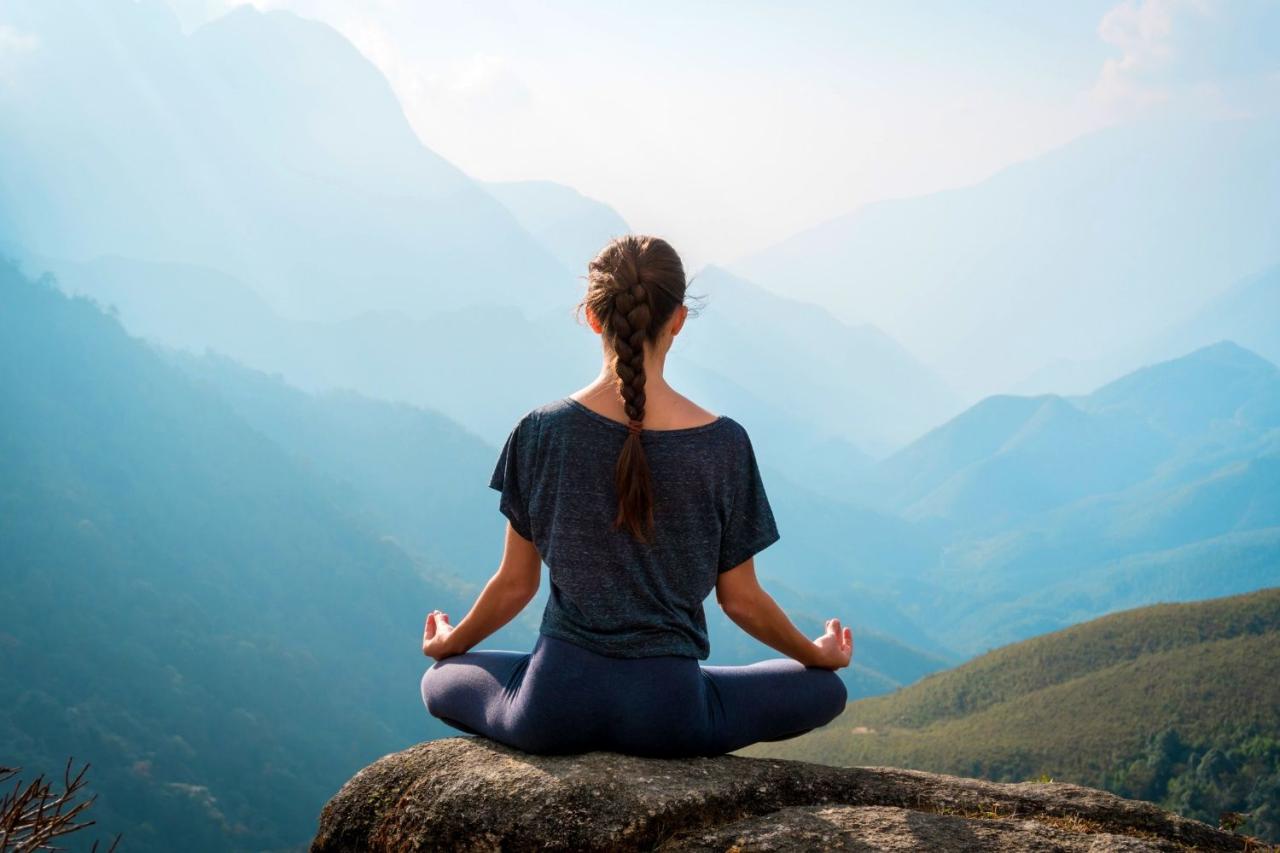
Guided meditations serve as an effective approach to help individuals systematically release stress and tension. By providing verbal cues and visual imagery, these techniques foster a deeper state of relaxation, making them accessible even for beginners. Understanding various guided meditation methods enables practitioners to select approaches that best suit their personal needs and preferences, ultimately promoting mental clarity and physical calmness.
Several guided meditation techniques focus specifically on stress relief, each utilizing different methods such as visualization, body scans, breath awareness, or mantra repetition. These approaches are designed to cultivate mindfulness, diminish anxiety, and release muscular and emotional tension. Practicing guided sessions regularly can significantly reduce overall stress levels and improve emotional resilience.
Visualization Techniques for Relaxation
Visualization is a powerful method within guided meditation that involves creating mental images to evoke feelings of peace and safety. This process directs focus away from stressors and toward calming scenes, allowing the mind and body to unwind progressively. Effective visualization techniques for stress relief often involve imagining a tranquil environment, such as a peaceful beach, lush forest, or serene mountain top, where the individual can immerse themselves in sensory-rich imagery.
During visualization, practitioners are encouraged to engage all senses—visual, auditory, tactile, olfactory—to deepen the relaxation experience. For example, they might imagine feeling the warmth of the sun on their skin, hearing the gentle sound of waves, or smelling fresh pine. These multisensory details enhance immersion and facilitate the release of tension stored in the body.
Structured Script for Guided Meditation Session Targeting Tension Release
“Begin by finding a comfortable seated or lying position. Close your eyes gently and take a deep breath in through your nose, filling your lungs completely. Hold for a moment, then slowly exhale through your mouth, releasing all tension. As you breathe, visualize a soft, radiant light descending over your head, gradually spreading warmth and relaxation throughout your body. Imagine this light dissolving any stress or tightness, starting from your scalp and flowing downward. With each breath, feel your muscles softening and your mind calming. Continue this visualization for several minutes, focusing on the sensation of relaxation spreading through your entire body. When ready, gently bring your awareness back to the present moment, opening your eyes slowly and carrying the sense of calm into your day.”
| Guided Meditation Script | Duration | Focus Areas | Suitable Audiences |
|---|---|---|---|
| Visualizing a Tranquil Nature Scene | 10-15 minutes | Stress reduction, emotional calming, mental clarity | Beginners, individuals experiencing acute stress or anxiety |
| Body Scan for Tension Release | 15-20 minutes | Muscle relaxation, body awareness, tension alleviation | People with chronic muscle tension, practitioners seeking physical relaxation |
| Breath-Focused Guided Meditation | 8-12 minutes | Breath regulation, mindfulness, nervous system calming | Individuals new to meditation, those seeking quick tension relief |
| Mantra Repetition for Inner Peace | 12-20 minutes | Emotional stability, mental focus, stress management | Practitioners comfortable with repetition, those needing mental clarity |
Breathing Exercises to Alleviate Tension
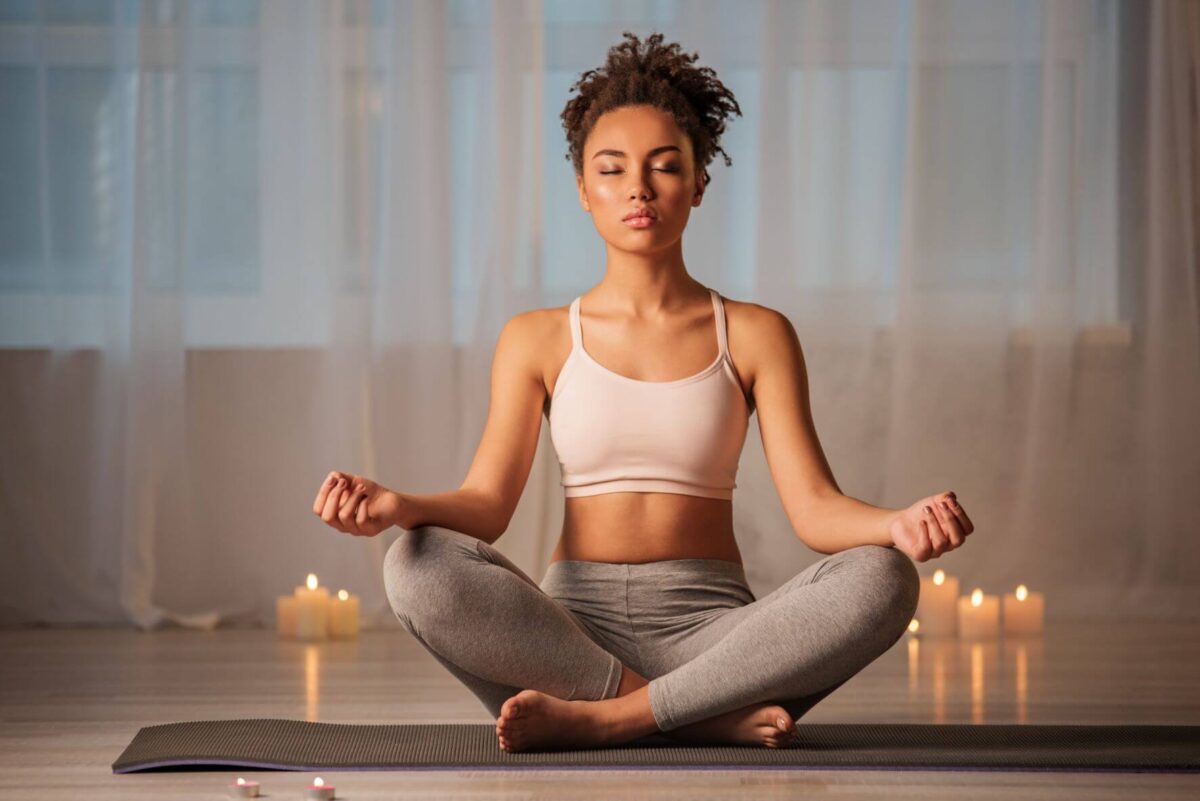
Effective breathing exercises are fundamental tools in managing stress and releasing physical and mental tension. By consciously controlling breath patterns, individuals can stimulate the body’s relaxation response, calming the nervous system and reducing feelings of anxiety and discomfort. Incorporating these techniques into daily routines can lead to noticeable improvements in stress resilience and overall well-being.
These breathing patterns influence the autonomic nervous system, particularly by activating the parasympathetic branch, which promotes relaxation and recovery. When practiced regularly, they can lower heart rate, blood pressure, and cortisol levels, creating a state of calmness and mental clarity.
Deep Breathing
Deep breathing involves taking slow, full breaths that expand the lungs and engage the diaphragm, leading to a state of relaxation. It is simple to perform and highly effective in reducing acute stress and tension.
- Key Steps:
- Find a comfortable seated or lying position, ensuring your back is straight.
- Place one hand on your chest and the other on your abdomen to feel the movement.
- Inhale slowly through your nose, aiming to fill your lungs from the bottom up, causing your abdomen to rise while the chest remains relatively still.
- Pause briefly at the top of the inhale, then exhale slowly and completely through your mouth or nose, releasing all tension.
- Repeat this cycle for 5 to 10 minutes, maintaining a steady, unforced rhythm.
- Tips for Mastery:
- Focus on elongating the exhalation to enhance relaxation.
- Use a calming mantra or count to deepen the breath cycle.
- Avoid forcing the breath; aim for comfort and natural movement.
- Practice in a quiet environment to minimize distractions.
Diaphragmatic Breathing
Diaphragmatic breathing, also known as belly breathing, emphasizes engaging the diaphragm fully, resulting in more efficient oxygen exchange and a profound relaxation response. This technique helps to alleviate muscular tension and improve respiratory function.
- Step-by-Step Procedure:
- Lie flat on your back or sit comfortably with your shoulders relaxed.
- Place one hand gently on your chest and the other on your abdomen, just below your rib cage.
- Inhale slowly through your nose, directing air into your abdomen so that the hand on your belly rises while the chest remains relatively still.
- Allow your diaphragm to expand fully, filling your lungs with air.
- Pause momentarily at the top of the inhale, then exhale slowly and completely through pursed lips or nose, feeling your abdomen fall.
- Repeat this cycle, focusing on the movement of your diaphragm and maintaining a relaxed posture for 10 minutes daily.
- Mastery Tips:
- Use visualizations, such as imagining a balloon inflating and deflating in your abdomen.
- Practice during moments of heightened stress to pre-empt tension build-up.
- Maintain gentle, consistent inhalations and exhalations without forcing airflow.
- Gradually increase session duration as comfort and proficiency improve.
Box Breathing
Box breathing, also known as four-square breathing, is a structured pattern that involves equal inhalation, hold, exhalation, and hold phases. This technique is widely used to enhance concentration, promote calmness, and regulate autonomic responses during stressful situations.
| Step | Description |
|---|---|
| Inhale | Slowly breathe in through the nose for a count of four, filling your lungs completely. |
| Hold | Retain the breath for a count of four, maintaining awareness of the sensation of breath retention. |
| Exhale | Gradually exhale through the mouth or nose for a count of four, releasing all tension. |
| Hold | Pause and hold the empty lungs for another four counts before beginning the next cycle. |
Consistent practice of box breathing can calm hyperactive nervous systems, improve focus, and foster emotional stability by balancing sympathetic and parasympathetic activity.
To practice effectively, sit in a comfortable position, close your eyes if desired, and synchronize your breath with the described counts. Maintaining a steady rhythm and mindfulness during each phase maximizes the calming benefits of this technique.
Incorporating Mindfulness into Daily Routine
Integrating mindfulness practices into everyday activities offers a practical approach to managing stress and cultivating a sense of calm throughout the day. By consciously bringing awareness to our routine actions, we can transform ordinary moments into opportunities for relaxation and mental clarity. This consistent practice not only reduces tension but also enhances overall well-being, making mindfulness an accessible and sustainable stress relief tool.Mindfulness embedded in daily activities encourages individuals to stay present and fully engaged in each moment, reducing automatic pilot tendencies that often lead to increased stress levels.
When practiced intentionally, even simple acts can become a form of meditation, helping to alleviate tension, improve focus, and foster emotional resilience. Establishing a mindful routine requires intentional planning but can be seamlessly incorporated into busy schedules with small, manageable steps.
Methods to Integrate Mindfulness into Everyday Activities
Adopting mindfulness into daily routines involves simple, deliberate practices that can be performed during usual activities. These methods encourage awareness and presence, fostering stress reduction without requiring additional time or special settings.
- Body scans during routine tasks: While commuting, showering, or sitting at your desk, progressively bring awareness to different parts of your body, noticing sensations without judgment.
- Mindful walking: During short walks, focus on the sensation of your feet touching the ground, the movement of your legs, and the environment around you, cultivating grounding and presence.
- Eating mindfully: Pay full attention to the taste, texture, and aroma of your meals, eating slowly and savoring each bite to enhance enjoyment and digestion while reducing stress.
Sample Daily Schedule Emphasizing Moments for Mindful Meditation
Creating a daily schedule that incorporates designated times for mindfulness helps normalize these practices and ensures consistency. Even brief periods of mindful awareness can significantly reduce tension and foster mental clarity.
- Morning routine: Upon waking, spend 5 minutes performing a breathing exercise or body scan to set a calm tone for the day.
- Mid-morning break: Take a 3-5 minute mindful walk outside, focusing on sensory experiences and movement.
- Lunch break: Dedicate time to eat mindfully, paying attention to flavors and textures, avoiding distractions like screens.
- Afternoon pause: Practice a quick body scan or a few deep breaths during a work break to alleviate accumulated tension.
- Evening reflection: Before bed, engage in a short meditation or mindful breathing to release stress from the day.
By embedding these moments into daily life, individuals can develop a habitual mindfulness practice that diminishes tension, enhances focus, and promotes emotional balance. Consistency and gentle commitment are key to making mindfulness a natural and effective part of everyday routines.
Overcoming Common Challenges in Meditation Practice
Engaging in meditation offers numerous benefits for stress relief and mental clarity, but practitioners often encounter obstacles that can hinder their progress. Recognizing and addressing these challenges is essential for establishing a consistent and effective meditation routine. By understanding typical barriers and implementing practical strategies, individuals can deepen their practice and experience the full benefits of meditation.Meditation challenges such as distraction, impatience, and physical discomfort are widespread, especially for beginners.
These issues can lead to frustration or discontinuation if not properly managed. The key is to develop awareness of these barriers and employ targeted solutions that foster a more comfortable and focused meditation experience.
Identifying and Addressing Common Barriers
This section explores prevalent difficulties faced during meditation and offers pragmatic approaches to overcome them. Whether the challenge stems from a restless mind or physical limitations, each obstacle has workable solutions adaptable to individual needs. The following troubleshooting guide presents typical issues alongside effective techniques, providing practical tips to maintain focus, consistency, and comfort.
| Challenge | Solution | Suggested Technique | Additional Tips |
|---|---|---|---|
| Distraction and Wandering Mind | Enhance focus by using anchors such as breath, mantra, or physical sensation. | Count breaths or repeat a calming phrase silently to redirect attention. | Set aside specific times and a quiet environment to reduce external interruptions. Practice patience; distraction is natural. |
| Impatience or Restlessness | Accept feelings of impatience as part of the process and gently bring attention back to the present. | Use a gentle, non-judgmental attitude and employ a timer to set realistic meditation durations. | Start with short sessions, gradually increasing duration to build tolerance and patience. |
| Physical Discomfort or Fatigue | Adjust posture and environment to ensure comfort, and incorporate stretching before meditation. | Use cushions or chairs to support proper alignment, and take brief stretching breaks if needed. | Maintain a warm, ventilated space and avoid practicing during times of extreme fatigue or discomfort. |
| Difficulty Maintaining Consistency | Create a routine with specific times and cues to reinforce the habit. | Use reminders, alarms, or pairing meditation with existing habits like after brushing teeth. | Track progress and celebrate small milestones to foster motivation and commitment. |
| Feeling Overwhelmed or Frustrated | Practice self-compassion and remind oneself that progress is gradual. | Implement brief, guided sessions and acknowledge positive experiences, no matter how small. | Keep a meditation journal to reflect on challenges and achievements, promoting mindfulness and patience. |
Addressing these common barriers with targeted strategies can significantly enhance meditation consistency and effectiveness. Remember that setbacks are natural, and persistence coupled with compassionate self-awareness is key to cultivating a lasting meditation practice.
Enhancing Meditation with Additional Relaxation Techniques
Engaging in meditation to release stress and tension can be significantly amplified by incorporating supplementary relaxation practices. These techniques complement your meditation routine, helping to deepen relaxation, alleviate remaining physical discomfort, and foster a more profound sense of calm. When combined thoughtfully, they can transform a standard meditation session into a comprehensive stress relief experience, promoting both mental clarity and physical tranquility.Integrating additional relaxation methods into your meditation practice allows for a multi-layered approach to stress management.
These techniques can address various sources of tension—whether muscular, emotional, or environmental—and facilitate a smoother transition into a state of relaxation. By doing so, they not only enhance immediate stress relief but also contribute to long-term improvements in stress resilience and overall well-being.
Complementary Practices for Enhanced Relaxation
Below are several effective practices that can be seamlessly incorporated before, during, or after meditation sessions. These methods are supported by both traditional wisdom and contemporary research as powerful tools for stress reduction.
- Progressive Muscle Relaxation (PMR): This technique involves systematically tensing and relaxing muscle groups throughout the body. By focusing on physical sensations, it helps release muscular tension and promotes a sense of physical ease. Implementation includes starting with the feet, gradually progressing upward, tensing each group for a few seconds, then releasing, ideally in conjunction with focused breathing.
- Aromatherapy: The use of essential oils like lavender, chamomile, or ylang-ylang can create a calming environment that enhances relaxation. Diffusing oils or applying diluted versions to pulse points can help soothe the nervous system. Aromatherapy during meditation can deepen the calming effect and foster a serene atmosphere conducive to stress release.
- Gentle Stretching: Incorporating light stretches before or during meditation can help release physical stiffness and improve circulation. Focused stretches targeting neck, shoulders, back, and hips can reduce common areas of tension. Gentle movements performed slowly and mindfully align well with meditation, fostering a harmony between body and mind.
Implementation Ideas for Amplifying Relaxation
To capitalize on these complementary techniques, consider the following strategies:
- Begin your session with a few minutes of progressive muscle relaxation to loosen tight muscles and prepare your body for meditation. Focus on deep, diaphragmatic breathing as you tense and relax each muscle group.
- Create an environment infused with calming aromas using essential oil diffusers or scented candles. Ensure the space is quiet and free from distractions to maximize sensory relaxation.
- Incorporate gentle stretching routines into your routine, especially if you notice physical discomfort or stiffness. Perform slow, deliberate stretches, paying close attention to your body’s sensations to promote mindfulness and physical ease.
- Combine these techniques with your meditation by synchronizing breathing patterns, such as inhaling during stretches or while using aromatherapy, to deepen the relaxation response.
- Adjust the intensity and duration of these practices based on personal preference and comfort, allowing your body to gradually adapt to enhanced relaxation stimuli.
By thoughtfully integrating these additional relaxation techniques, practitioners can create a more holistic approach to stress relief. This layered strategy not only enhances the immediate calming effects of meditation but also cultivates sustainable habits for managing stress in everyday life.
Conclusive Thoughts
In conclusion, mastering the art of meditation for stress release can profoundly impact your overall quality of life. By incorporating the techniques and tips discussed, you can cultivate a more peaceful, focused, and resilient mind. Embracing these practices not only alleviates tension but also fosters long-term mental clarity and emotional balance, paving the way for a healthier and more harmonious lifestyle.