Navigating the complexities of life often means facing periods of significant change, which can bring about a whirlwind of emotions. From career shifts and relationship adjustments to health challenges, these transitions can trigger emotional instability. This guide, “How to Meditate for Balancing Emotions During Change,” provides a comprehensive exploration of meditation techniques designed to help you navigate these turbulent times with greater ease and resilience.
We will delve into the physiological connection between change and emotional responses, providing practical strategies to understand and manage your feelings. This guide will cover everything from preparing your meditation space and mastering foundational techniques to adapting practices for specific emotional states and integrating them into your daily routine. Prepare to embark on a journey of self-discovery, learning how to cultivate inner peace amidst the inevitable changes of life.
Understanding the Link Between Change and Emotional Imbalance

Change is an inevitable aspect of life, often bringing about a spectrum of emotions. While change can be positive and lead to growth, it frequently triggers emotional instability. Understanding the connection between change and emotional responses is crucial for navigating these transitions effectively and maintaining well-being.
Common Emotional Responses to Change
Periods of significant change often elicit a range of emotional responses. These reactions can vary in intensity and duration, depending on the nature of the change, individual personality traits, and available support systems.
- Anxiety: This is a frequent response, characterized by feelings of worry, nervousness, and apprehension about the future. The uncertainty inherent in change can trigger the “fight-or-flight” response, leading to increased heart rate, rapid breathing, and difficulty concentrating.
- Fear: Fear is a natural emotion when facing the unknown. It can manifest as dread, panic, or a sense of being overwhelmed. Fear often arises from the perceived loss of control or the potential for negative outcomes.
- Sadness: Change frequently involves loss, whether it’s the loss of a job, a relationship, or a familiar way of life. This can lead to feelings of sadness, grief, and loneliness.
- Anger: Frustration, resentment, and irritability can arise when change feels imposed or unwanted. Anger can be directed at the circumstances, other people, or oneself.
- Stress: The demands of adapting to new situations and environments place significant stress on the body and mind. This can lead to physical symptoms like headaches, fatigue, and digestive issues, as well as emotional distress.
- Confusion: Change can disrupt established routines and create uncertainty about the future. This can lead to feelings of confusion, disorientation, and difficulty making decisions.
Examples of Change Triggering Emotional Instability
Different types of change can significantly impact emotional stability. The specific emotions experienced often depend on the nature and context of the change.
- Career Change:
- Scenario: An individual is laid off from a long-held position.
- Emotional Impact: The individual might experience a combination of anxiety about financial security, fear of the unknown, sadness over the loss of a job and a sense of identity, and anger towards the company.
- Relationship Changes:
- Scenario: A couple goes through a divorce.
- Emotional Impact: The individuals involved often experience profound sadness, grief, anger, feelings of betrayal, and anxiety about the future. They might also feel loneliness and a loss of identity tied to the relationship.
- Health Changes:
- Scenario: A person receives a diagnosis of a chronic illness.
- Emotional Impact: The diagnosis can trigger fear, anxiety about health and mortality, sadness over the loss of physical abilities, and anger related to the illness. This can also lead to periods of denial and difficulty accepting the situation.
- Relocation:
- Scenario: A family moves to a new city.
- Emotional Impact: The family may feel anxiety about adapting to a new environment, sadness over leaving friends and familiar surroundings, and excitement about new opportunities. Children may experience greater anxiety and sadness compared to adults.
Physiological Mechanisms Connecting Change and Emotional Reactions
The physiological mechanisms underlying the link between change and emotional reactions involve complex interactions within the nervous and endocrine systems. The body’s response to stress and uncertainty plays a central role.
- The Stress Response: When faced with change, the body activates the hypothalamic-pituitary-adrenal (HPA) axis, releasing stress hormones like cortisol. This prepares the body for “fight or flight,” but prolonged activation can lead to chronic stress and emotional dysregulation.
- Neurotransmitter Imbalances: Changes can disrupt the balance of neurotransmitters in the brain, such as serotonin, dopamine, and norepinephrine. These chemicals regulate mood, motivation, and cognitive function. Imbalances can contribute to anxiety, depression, and other emotional disorders.
- The Amygdala and Emotional Processing: The amygdala, a brain region responsible for processing emotions, especially fear and threat, becomes highly active during times of change. This can amplify emotional responses and make it difficult to regulate feelings.
- The Role of the Autonomic Nervous System (ANS): The ANS, comprising the sympathetic and parasympathetic systems, regulates bodily functions. During periods of change, the sympathetic nervous system (the “fight or flight” response) is often activated, leading to increased heart rate, rapid breathing, and other physical symptoms of stress. The parasympathetic nervous system (the “rest and digest” response) may be suppressed, hindering the body’s ability to recover and regulate emotions.
Preparing for Meditation
Establishing a solid foundation before meditation significantly enhances its effectiveness, particularly when navigating emotional changes. This involves carefully curating the environment, adopting a posture that supports both physical and mental ease, and implementing a pre-meditation routine. These preparatory steps prime the mind and body for a more profound and beneficial meditation experience, facilitating better emotional regulation during times of transition.
Optimal Environment for Meditation Practice
The environment plays a crucial role in shaping the meditation experience. A well-chosen space minimizes distractions and fosters a sense of tranquility, allowing for deeper focus and relaxation. Consider these factors when selecting your meditation space.The ideal meditation environment is one that minimizes external distractions and promotes a sense of peace. This can be achieved through several key elements, including the following considerations:
- Quietness: Minimizing external noise is paramount. This might involve closing windows, using earplugs, or selecting a time when disturbances are less likely. If complete silence is unattainable, consider using ambient sounds like nature recordings or white noise to mask disruptive sounds. For instance, studies have shown that exposure to natural sounds can reduce stress hormones like cortisol, promoting a more relaxed state conducive to meditation.
- Comfort: The physical space should be comfortable and conducive to prolonged sitting. This includes factors such as temperature, ventilation, and the presence of supportive seating, such as a cushion or chair. Ensuring a comfortable temperature is important, as being too hot or cold can be a distraction.
- Minimal Distractions: Remove visual clutter and potential sources of interruption. This could include turning off electronic devices, silencing notifications, and tidying the space to create a sense of order and calm.
- Personalization: The space should reflect your personal preferences and create a sense of safety and well-being. This could involve incorporating elements like soft lighting, calming colors, or objects that have personal meaning, such as a photograph or a favorite plant.
Importance of Posture and Its Impact on Emotional Regulation
Proper posture is not merely about physical comfort; it directly influences the mind-body connection, thereby impacting emotional regulation during meditation. A stable and aligned posture supports a more focused and present state of mind.The chosen posture during meditation directly impacts the flow of energy within the body and the ability to maintain focus. The following points highlight the importance of posture.
- Spinal Alignment: Maintaining a straight but relaxed spine is crucial. This allows for optimal breathing and energy flow. Avoid slouching, which can constrict breathing and lead to feelings of sluggishness.
- Stability and Grounding: Choose a posture that provides a sense of stability and grounding. This could be sitting on a cushion with your legs crossed, sitting in a chair with your feet flat on the floor, or lying down. The key is to feel supported and secure.
- Relaxed Shoulders: Keeping the shoulders relaxed helps to release tension in the upper body, allowing for deeper breathing and a greater sense of ease. Gently roll the shoulders back and down to achieve this.
- Hand Position: The hands can be placed in a comfortable position, such as resting gently on the knees or in the lap. The specific hand position is less important than the overall sense of ease and relaxation.
- Breathing: Posture directly affects breathing. A straight spine allows the diaphragm to move freely, enabling deeper, more relaxed breaths. This, in turn, helps to calm the nervous system and regulate emotions.
Designing a Simple Pre-Meditation Routine to Calm the Mind and Body
A pre-meditation routine serves as a bridge between the active world and the meditative state. This routine helps to quiet the mind and relax the body, setting the stage for a more profound meditation experience.A pre-meditation routine can be as simple as a few mindful activities to help transition into a meditative state. Here are a few suggestions:
- Gentle Stretching: Perform some gentle stretches to release physical tension. This could include neck rolls, shoulder stretches, or gentle twists. This helps to loosen the body and prepare it for stillness.
- Deep Breathing Exercises: Practice deep, conscious breathing to calm the nervous system. This could involve box breathing (inhaling for a count of four, holding for four, exhaling for four, and holding for four) or diaphragmatic breathing (belly breathing).
- Mindful Movement: Engage in a few minutes of mindful movement, such as a short walk or some gentle yoga poses. This helps to bring awareness to the body and release any pent-up energy.
- Setting an Intention: Take a moment to set an intention for your meditation. This could be a simple phrase, such as “I am open to peace,” or “I release all tension.” This helps to focus the mind and create a sense of purpose.
- Visualization: Visualize a peaceful scene or image that brings you a sense of calm. This could be a tranquil landscape, a favorite place, or a symbol of peace. This helps to quiet the mind and create a positive mental state.
Essential Elements of a Meditation Space
Creating a dedicated meditation space involves careful consideration of various elements. These factors work together to foster an environment conducive to inner peace and emotional balance.
| Element | Description | Examples |
|---|---|---|
| Lighting | The type and intensity of light significantly impact the mood and focus during meditation. | Soft, natural light is often preferred. Dimming the lights or using candles can create a calming atmosphere. Avoid harsh, fluorescent lighting. Consider the use of Himalayan salt lamps, which are believed to purify the air and promote relaxation. |
| Sound | Sound plays a crucial role in minimizing distractions and promoting a sense of tranquility. | Silence is ideal, but if complete silence is not possible, use ambient sounds like nature recordings, white noise, or instrumental music at a low volume. Avoid music with lyrics, which can distract the mind. |
| Temperature | The temperature of the space affects physical comfort, which in turn influences the ability to focus. | Maintain a comfortable temperature, neither too hot nor too cold. Consider using a fan, heater, or air conditioner to regulate the temperature. A temperature between 68-72 degrees Fahrenheit (20-22 degrees Celsius) is often considered optimal. |
Foundational Meditation Techniques for Emotional Balance

As we navigate periods of change, our emotional landscape can become turbulent. Meditation offers a powerful set of tools to cultivate emotional balance, providing a sanctuary of calm amidst the storm. The following techniques form a solid foundation for managing emotional responses and fostering resilience.
Mindfulness Meditation and Emotional Regulation
Mindfulness meditation is the practice of paying attention to the present moment without judgment. It involves observing thoughts, feelings, bodily sensations, and the surrounding environment as they arise, without getting carried away by them. This practice helps to develop emotional regulation skills by increasing self-awareness and decreasing reactivity.Mindfulness meditation helps to develop emotional regulation in the following ways:
- Increased Self-Awareness: By observing thoughts and feelings without judgment, individuals gain a deeper understanding of their emotional patterns and triggers.
- Reduced Reactivity: Mindfulness cultivates the ability to pause before reacting to emotional stimuli, allowing for a more thoughtful and considered response.
- Improved Emotional Acceptance: Mindfulness encourages acceptance of all emotions, even unpleasant ones, without trying to suppress or avoid them.
- Enhanced Focus and Attention: Regular practice strengthens the ability to focus and concentrate, which can help to prevent the mind from getting lost in worry or rumination.
- Development of Compassion: Mindfulness practice often fosters a sense of compassion towards oneself and others, which can buffer against difficult emotions.
Basic Breath Awareness Meditation Practice
Breath awareness meditation is a fundamental technique for cultivating mindfulness. It involves focusing attention on the sensation of the breath as it enters and leaves the body. This practice is easily accessible and can be done anywhere, anytime.Here is a step-by-step guide to a basic breath awareness meditation:
- Find a Comfortable Position: Sit comfortably on a chair or cushion, or lie down. Ensure your back is straight but not stiff.
- Close Your Eyes or Soften Your Gaze: Gently close your eyes or lower your gaze, focusing on a point a few feet in front of you.
- Bring Your Attention to Your Breath: Notice the sensation of your breath as it enters and leaves your body. You can focus on the feeling of the air passing through your nostrils, the rise and fall of your chest or abdomen, or any other aspect of the breath that is easily noticeable.
- Observe Your Breath Without Trying to Change It: Simply observe the natural rhythm of your breath. Don’t try to control or manipulate it in any way.
- Acknowledge Wandering Thoughts: Your mind will inevitably wander. When you notice your thoughts drifting, gently acknowledge them without judgment and redirect your attention back to your breath. Think of it like a gentle return.
- Continue for a Set Period: Start with a short meditation session, such as 5 or 10 minutes, and gradually increase the duration as you become more comfortable.
- End the Meditation: When you are ready to end the meditation, slowly bring your awareness back to your surroundings. Take a few deep breaths and gently open your eyes.
Common Challenges in Meditation and Solutions
It is common to encounter challenges when learning to meditate. Understanding these challenges and having strategies to overcome them can significantly enhance the meditation experience.Here are some common challenges and solutions:
- Mind Wandering: This is the most common challenge. The mind naturally wanders. Solution: Gently redirect your attention back to the breath or chosen focus whenever you notice your mind has wandered. Be patient with yourself.
- Restlessness and Physical Discomfort: Physical discomfort can be distracting. Solution: Adjust your posture as needed to find a comfortable position. Experiment with different positions, such as sitting on a cushion or lying down.
- Drowsiness: It’s easy to fall asleep during meditation, especially when tired. Solution: Meditate in a well-lit room, sit upright, or take a short walk before meditating.
- Difficulty Concentrating: Focusing the mind can be challenging at first. Solution: Start with short meditation sessions and gradually increase the duration. Use guided meditations to help focus your attention.
- Emotional Upwelling: Meditation can sometimes bring up difficult emotions. Solution: Allow yourself to feel the emotions without judgment. If the emotions become overwhelming, take a break from meditation and practice self-compassion.
- Frustration and Impatience: It takes time and practice to develop a consistent meditation practice. Solution: Be patient with yourself and celebrate small victories. Remember that the goal is not to achieve a perfect meditation experience, but to cultivate awareness.
Body Scan Meditation for Emotional Tension
Body scan meditation is a technique that involves systematically bringing awareness to different parts of the body, noticing any sensations present. This practice is particularly helpful for recognizing and releasing emotional tension stored in the body.Here is how body scan meditation works:
- Find a Comfortable Position: Lie down on your back with your arms at your sides and your legs slightly apart. Close your eyes or soften your gaze.
- Bring Awareness to Your Breath: Take a few deep breaths to relax and settle into the present moment.
- Scan Your Body: Begin by bringing your attention to your toes. Notice any sensations, such as tingling, warmth, or pressure. Stay with the sensation for a few moments, simply observing without judgment.
- Move Through Your Body: Slowly move your attention up your body, from your feet to your ankles, shins, knees, thighs, hips, abdomen, chest, back, shoulders, arms, hands, neck, face, and head.
- Acknowledge and Release Tension: As you move through each part of your body, notice any areas of tension. You might visualize the tension melting away or simply allow the sensation to soften.
- Return to Your Breath: If your mind wanders, gently bring your attention back to the area you are scanning.
- End the Meditation: When you have scanned your entire body, take a few deep breaths and gently bring your awareness back to your surroundings.
Body scan meditation helps to release emotional tension by:
- Increasing Body Awareness: Body scan meditation cultivates a deeper connection with the physical body, allowing for the identification of areas where tension is held.
- Promoting Relaxation: The act of systematically scanning the body and noticing sensations can trigger the relaxation response, which helps to reduce stress and tension.
- Releasing Stored Emotions: Emotional experiences can become physically stored in the body. Body scan meditation can help to gently release these stored emotions by bringing awareness to the physical sensations associated with them.
- Reducing Anxiety and Promoting a Sense of Calm: By bringing awareness to the present moment and the physical body, body scan meditation can help to calm the nervous system and reduce feelings of anxiety.
Adapting Meditation Practices to Different Emotional States

Navigating emotional change requires a flexible approach to meditation. Recognizing that different emotional states benefit from tailored techniques allows for a more effective and personalized practice. This section explores how to adapt meditation to specific emotional challenges, providing practical strategies for cultivating balance and resilience.
Modifying Meditation Techniques for Anxiety
Anxiety often manifests as a racing mind and physical tension. Adapting meditation practices involves techniques that calm the nervous system and redirect focus.
- Deep Breathing Exercises: Employing diaphragmatic breathing (belly breathing) can activate the parasympathetic nervous system, which promotes relaxation. A common technique involves inhaling slowly through the nose, allowing the belly to expand, holding the breath for a few seconds, and then exhaling slowly through the mouth. This can be repeated for several minutes to help reduce anxiety symptoms.
- Body Scan Meditation: This technique involves systematically bringing awareness to different parts of the body, noticing sensations without judgment. This can help ground you in the present moment and release physical tension associated with anxiety. Start by focusing on your toes, then gradually move up your legs, torso, arms, and head.
- Mindful Walking: If restlessness is a prominent symptom, mindful walking can be beneficial. Pay attention to the sensations of your feet on the ground, the movement of your body, and your surroundings. This can help redirect anxious thoughts and promote a sense of calm.
- Focus on a Mantra: Repeating a calming word or phrase (a mantra) can help to quiet the mind and prevent racing thoughts. Examples include “peace,” “calm,” or “I am safe.” Choose a mantra that resonates with you and repeat it silently during meditation.
Comparing and Contrasting Meditation Approaches for Sadness and Grief
Sadness and grief are complex emotions that benefit from meditation practices focused on acceptance, compassion, and self-soothing. Different approaches offer distinct benefits.
- Loving-Kindness Meditation (Metta): This practice involves cultivating feelings of love and kindness towards oneself and others. This can be especially helpful for managing grief, as it fosters self-compassion and connection. The practice typically involves silently repeating phrases such as, “May I be safe. May I be healthy. May I be happy.
May I live with ease.”
- Mindfulness Meditation: Focusing on the present moment without judgment can help individuals acknowledge and accept their sadness or grief without getting carried away by overwhelming emotions. It allows for a deeper understanding of the grieving process.
- Visualization Techniques: Visualizing a comforting space or a loved one can offer solace and promote emotional healing. These visualizations can provide a sense of connection and peace.
- Contrast: While mindfulness helps observe emotions without judgment, loving-kindness actively cultivates positive emotions. Both approaches, however, share the goal of fostering emotional acceptance and self-compassion, crucial for navigating sadness and grief.
Utilizing Visualizations for Cultivating Peace and Resilience
Visualizations provide a powerful tool for fostering emotional resilience during times of stress. By creating mental images of peace and strength, you can train your mind to access these states more readily.
- Creating a Safe Space: Imagine a peaceful place, such as a quiet beach, a serene forest, or a cozy room. Focus on the details – the sights, sounds, smells, and textures. This can create a sense of security and calm. For instance, picture yourself on a beach, feeling the warmth of the sun on your skin, hearing the gentle sound of waves, and breathing in the fresh sea air.
- Envisioning a Protective Shield: Imagine a shield of light or energy surrounding you, protecting you from negativity and stress. Visualize this shield growing stronger with each breath, reinforcing your inner strength.
- Connecting with Inner Strength: Visualize a source of strength within yourself, such as a wise elder or a powerful animal. Imagine drawing on this inner resource to overcome challenges. See yourself embodying the qualities of resilience, courage, and inner peace.
- Practicing Gratitude Visualization: Think of things you are grateful for and visualize them. For instance, you might imagine yourself surrounded by loved ones or enjoying a beautiful sunset, and experience the feelings of appreciation and joy.
Meditation Techniques and Their Corresponding Emotional Benefits
The following table presents a comparative overview of diverse meditation techniques and their respective emotional advantages. This provides a quick reference guide for selecting the most suitable approach based on specific emotional needs.
| Meditation Technique | Description | Primary Emotional Benefit | Supporting Benefit |
|---|---|---|---|
| Deep Breathing | Focusing on slow, controlled breaths, often involving diaphragmatic breathing. | Reduces anxiety and stress; promotes relaxation. | Increases body awareness; improves focus. |
| Body Scan Meditation | Bringing awareness to different parts of the body, noticing sensations without judgment. | Releases physical tension; enhances body awareness. | Reduces anxiety; promotes present moment awareness. |
| Loving-Kindness Meditation (Metta) | Cultivating feelings of love and kindness towards oneself and others. | Fosters self-compassion; reduces feelings of isolation. | Promotes empathy; cultivates a sense of connection. |
| Mindfulness Meditation | Observing thoughts and feelings without judgment. | Enhances emotional awareness; promotes acceptance. | Reduces reactivity; cultivates present moment awareness. |
Integrating Meditation into Daily Life
Successfully incorporating meditation into your daily routine is key to experiencing its long-term benefits for emotional balance, especially during periods of change. This section provides practical strategies and examples to help you seamlessly integrate meditation into your busy schedule and maintain a consistent practice.
Organizing a Practical Meditation Schedule
Creating a realistic schedule is crucial for consistent meditation. The goal is to make meditation a habit, not a burden.
- Morning Meditation: Dedicate a few minutes to meditation immediately after waking up. This can set a positive tone for the day. Even five minutes can be effective. For example, before checking emails or social media, spend a few minutes focusing on your breath.
- Midday Meditation: Incorporate a short meditation break during your lunch hour or mid-afternoon. This can help to reduce stress and improve focus. Consider using a guided meditation app for convenience.
- Evening Meditation: Before dinner or before bed, take time for a longer meditation session. This can help to wind down and prepare for restful sleep.
- Consistency over Duration: It’s better to meditate consistently for shorter periods each day than to sporadically engage in longer sessions. Aim for at least 5-10 minutes daily, even on busy days.
- Schedule Flexibility: Be prepared to adjust your schedule as needed. Life happens, and flexibility is essential. If you miss a session, don’t get discouraged; simply resume your practice as soon as possible.
Tips for Maintaining a Consistent Meditation Practice
Consistency is the cornerstone of a successful meditation practice. Implementing these tips can significantly enhance your ability to maintain your practice over time.
- Set Realistic Goals: Start with manageable goals. Avoid overwhelming yourself with ambitious targets. Beginning with short, daily sessions is more sustainable than infrequent, lengthy ones.
- Find a Dedicated Space: Designate a specific area for meditation, even if it’s just a corner of a room. This creates a mental cue that signals it’s time to meditate. This space should be quiet and free from distractions.
- Use Reminders: Set reminders on your phone or use a meditation app to prompt your sessions. This helps to establish a routine and avoid forgetting.
- Track Your Progress: Keep a journal or use a meditation app to track your sessions. Seeing your progress can be motivating and encourages you to continue. Note the time of day, duration, and any specific challenges or insights.
- Join a Community: Connecting with others who meditate can provide support and accountability. Consider joining a meditation group or online forum.
- Be Patient: It takes time to develop a consistent meditation practice. Don’t be discouraged if you miss sessions or find it challenging at first. Persistence is key.
Using Brief Meditation Breaks for Immediate Emotional Responses
Short meditation breaks can be incredibly effective for managing immediate emotional responses throughout the day. Here are some practical examples.
- The “Breath Awareness Break”: When feeling stressed or anxious, pause and focus on your breath for 1-2 minutes. Inhale deeply, allowing your belly to expand, and exhale slowly. Notice the sensation of the breath entering and leaving your body. This simple technique can calm the nervous system.
- The “Body Scan Break”: If you experience physical tension, take a few minutes to do a quick body scan. Start with your toes and mentally move up your body, noticing any areas of tension. Consciously relax those areas. This is useful in situations like being stuck in traffic or before an important meeting.
- The “Gratitude Break”: When feeling overwhelmed or negative, take a moment to think of things you are grateful for. This can shift your focus and improve your mood. For example, before answering a challenging email, take a moment to list three things you appreciate.
- The “Mindful Observation Break”: If feeling angry or frustrated, observe your thoughts and emotions without judgment. Acknowledge them without getting carried away. Allow yourself to feel the emotion without reacting to it.
Regular meditation practice cultivates emotional resilience, reduces stress, improves focus, and enhances self-awareness. It can lead to a greater sense of calm, improved relationships, and an increased ability to navigate change with grace. These benefits are well-documented in numerous studies, and can be experienced by anyone, regardless of their background or experience.
Advanced Meditation Practices for Change and Emotional Growth
As we navigate the inevitable shifts and transitions of life, cultivating advanced meditation techniques can significantly enhance our capacity to manage and grow from emotional challenges. These practices go beyond foundational techniques, offering deeper tools for self-awareness, compassion, and resilience. They provide pathways to not only weather the storms of change but also to emerge with greater emotional intelligence and a more profound sense of inner peace.
Loving-Kindness Meditation for Cultivating Compassion and Self-Acceptance
Loving-kindness meditation (LKM), also known as Metta meditation, is a powerful practice for fostering compassion and self-acceptance. It involves directing feelings of goodwill, kindness, and love towards oneself and others. This practice is particularly beneficial during times of change, when we may experience self-doubt, fear, or isolation.The core of LKM involves silently repeating phrases such as:
“May I be well. May I be happy. May I be peaceful. May I be free from suffering.”
These phrases are initially directed towards oneself, then extended to loved ones, neutral individuals, difficult people, and eventually, all beings. The process helps to dismantle internal barriers, soften the heart, and cultivate a sense of interconnectedness.* Benefits of Loving-Kindness Meditation:
Increased Self-Compassion
By repeatedly offering oneself kind wishes, we cultivate self-acceptance and reduce self-criticism. Studies, like those published in the
Journal of Clinical Psychology*, have shown that LKM significantly reduces symptoms of depression and anxiety by increasing self-compassion.
Reduced Emotional Reactivity
Practicing LKM can help to regulate the emotional response to difficult situations. Instead of reacting with anger or fear, we can respond with greater understanding and empathy.
Enhanced Social Connection
Extending loving-kindness to others strengthens relationships and fosters a sense of belonging. This is particularly helpful during times of change, when social support is crucial.
Greater Resilience
By cultivating a sense of inner peace and well-being, LKM helps to build resilience in the face of adversity. The ability to bounce back from setbacks is significantly enhanced.
The Role of Guided Meditations in Navigating Challenging Emotions
Guided meditations offer structured support in navigating complex emotional landscapes. A guided meditation provides verbal instructions, often accompanied by calming music or soundscapes, to help focus the mind and explore specific emotional experiences. These meditations are particularly useful when dealing with difficult emotions that can be overwhelming or confusing.* Benefits of Guided Meditations for Emotional Regulation:
Provides Structure and Focus
The guidance helps to quiet the mental chatter and maintain focus on the present moment, preventing the mind from wandering into unhelpful thought patterns.
Offers a Safe Space for Exploration
Guided meditations can create a safe and supportive environment for exploring difficult emotions without judgment. This can be particularly helpful for processing grief, fear, or anger.
Teaches Specific Techniques
Many guided meditations introduce specific techniques for managing emotions, such as mindful breathing, body scans, and visualization.
Increases Self-Awareness
By paying attention to bodily sensations, thoughts, and feelings, guided meditations promote greater self-awareness and insight into emotional patterns.
Accessibility and Convenience
Guided meditations are readily available through apps, websites, and podcasts, making them accessible anytime, anywhere. This ease of access supports consistent practice, which is key to emotional regulation.
Example
A guided meditation for anxiety might involve instructions to focus on the breath, observe anxious thoughts without judgment, and visualize a calm and peaceful scene. This helps to interrupt the anxiety cycle and promote a sense of calm.
Incorporating Movement-Based Meditation for Enhanced Emotional Balance
Movement-based meditation integrates physical movement with mindfulness practices to enhance emotional balance. These practices help to connect the body and mind, releasing physical tension and promoting a sense of groundedness and presence. This is particularly beneficial during times of change, when the body may experience heightened stress and anxiety.* Types of Movement-Based Meditation:
Walking Meditation
Walking meditation involves paying close attention to the sensations of walking – the feeling of the feet on the ground, the movement of the body, and the surrounding environment. This practice helps to cultivate a sense of presence and awareness. Walking meditation is often done at a slow, deliberate pace, encouraging mindfulness in every step.
Yoga
Yoga combines physical postures (asanas), breathing exercises (pranayama), and meditation to promote physical and emotional well-being. The combination of movement, breath, and mindfulness helps to release tension, reduce stress, and cultivate a sense of inner peace. Different styles of yoga, such as Hatha or Yin, can be particularly helpful for emotional balance.
Tai Chi
Tai Chi is a gentle form of exercise that involves slow, flowing movements and deep breathing. It promotes relaxation, improves balance, and enhances body awareness. Tai Chi is often described as “meditation in motion” because it requires a high degree of focus and mindfulness.* Benefits of Movement-Based Meditation:
Reduces Physical Tension
Movement-based practices help to release physical tension stored in the body, which can exacerbate emotional distress.
Improves Body Awareness
By focusing on the sensations of movement, these practices enhance body awareness and promote a greater connection between the mind and body.
Enhances Emotional Regulation
The combination of movement and mindfulness helps to regulate the nervous system and reduce emotional reactivity.
Boosts Mood
Physical activity releases endorphins, which have mood-boosting effects.
Increases Groundedness
Movement-based practices can help to cultivate a sense of groundedness and stability, which is particularly helpful during times of change.
Benefits of Advanced Meditation Techniques
The following table presents the benefits of various advanced meditation techniques for emotional growth:
| Meditation Technique | Benefits | Impact on Emotional Growth |
|---|---|---|
| Loving-Kindness Meditation | Increased self-compassion, reduced emotional reactivity, enhanced social connection, greater resilience. | Cultivates empathy and acceptance, fostering a sense of interconnectedness and reducing self-criticism. |
| Guided Meditations | Provides structure and focus, offers a safe space for exploration, teaches specific techniques, increases self-awareness, accessibility and convenience. | Offers practical tools for managing challenging emotions, promoting emotional regulation, and increasing self-understanding. |
| Movement-Based Meditation (Walking, Yoga, Tai Chi) | Reduces physical tension, improves body awareness, enhances emotional regulation, boosts mood, increases groundedness. | Connects body and mind, releasing tension, promoting presence, and fostering a sense of calm and stability. |
Troubleshooting Common Challenges in Meditation
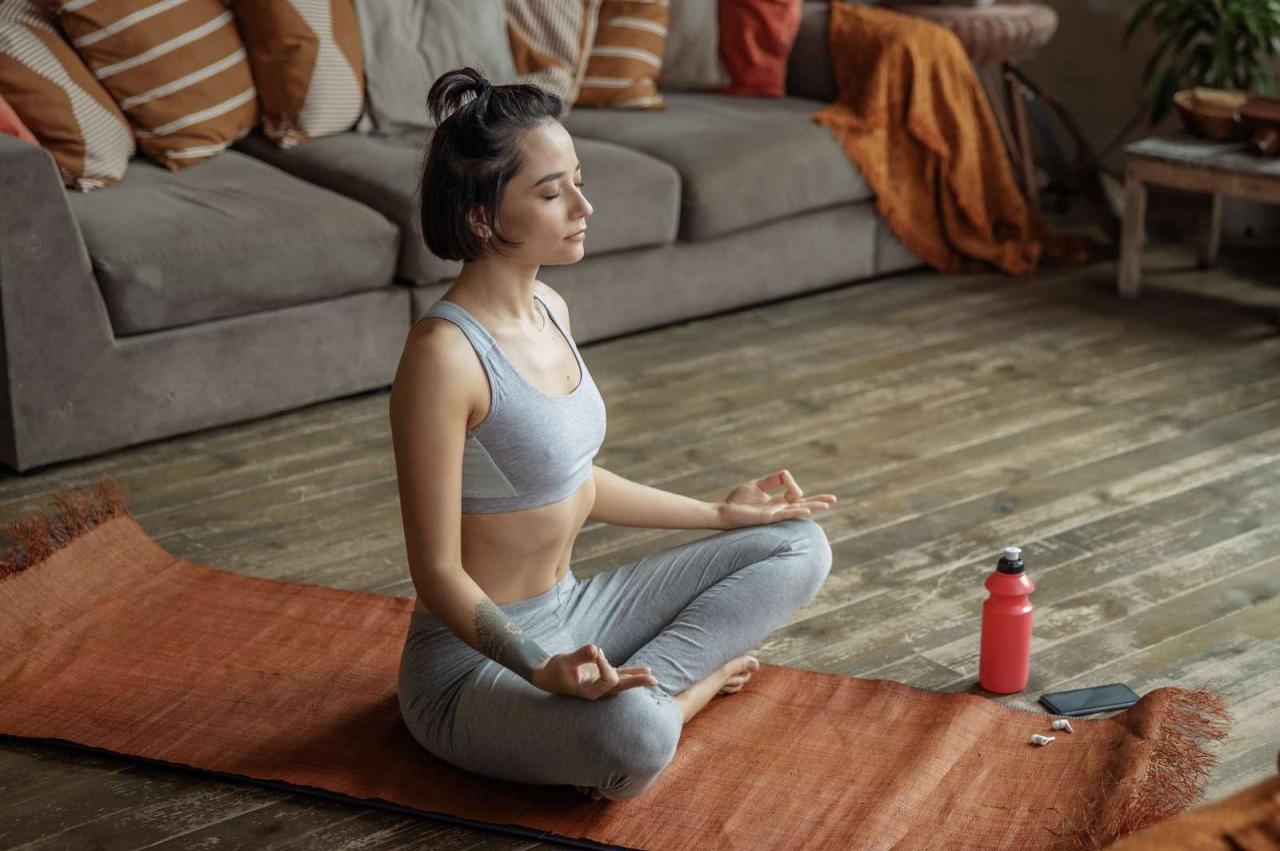
Meditation, while a powerful tool for emotional balance, is not always a smooth journey. It’s common to encounter obstacles that can be discouraging. This section addresses these common hurdles, offering practical strategies to navigate them and deepen your practice.
Identifying Frequent Obstacles in Meditation
Many individuals find themselves struggling with specific challenges when they begin or continue their meditation practice. Recognizing these obstacles is the first step toward overcoming them.
- Intrusive Thoughts: The mind naturally generates thoughts. These thoughts, which can be related to past events, future plans, or current concerns, often interrupt the meditation process.
- Restlessness: Physical or mental unease can make it difficult to maintain a comfortable posture and focus. This restlessness might manifest as fidgeting, a racing mind, or a feeling of impatience.
- Boredom: The stillness and quiet of meditation can sometimes lead to boredom, particularly for beginners accustomed to constant stimulation. This can lead to a loss of focus and motivation.
- Difficulty Concentrating: Maintaining sustained attention on a chosen object, such as the breath or a mantra, can be challenging. The mind may wander, making it difficult to stay present.
- Physical Discomfort: Sitting for extended periods can cause physical discomfort, especially for those unaccustomed to the practice. This can range from minor aches to more significant pain, which can disrupt the meditative state.
- Doubt and Skepticism: Questioning the effectiveness or validity of meditation is a common obstacle. Skepticism about the benefits can hinder commitment and consistency.
Managing Intrusive Thoughts During Meditation
Intrusive thoughts are a natural part of the meditation process. The goal isn’t to eliminate them but to change your relationship with them.
- Observe Without Judgment: Acknowledge the thought without getting carried away by it. Simply notice the thought as it arises and then gently redirect your attention back to your chosen focus, such as your breath.
- Labeling Thoughts: Mentally label thoughts as “thinking” or “a thought” as they arise. This can create distance between you and the thought, preventing you from getting caught up in its content.
- Use a Mantra: Repeating a mantra can help to anchor your attention and provide a focal point to return to when thoughts arise. When a thought appears, gently return to your mantra.
- Visualize the Thoughts Passing: Imagine your thoughts as clouds passing in the sky, leaves flowing down a stream, or any other visual metaphor. This can help you see them as transient and not to be clung to.
- Practice Mindfulness: Cultivate present moment awareness. This involves bringing your attention to the present, the now, without getting lost in thought.
- Acceptance: Understand that intrusive thoughts are normal. Accepting their presence without resistance reduces their power.
Dealing with Restlessness and Boredom During Meditation Sessions
Restlessness and boredom can significantly impact the meditation experience. Strategies for managing these challenges involve adjusting the practice and cultivating a more accepting attitude.
- Adjusting Posture: Ensure you are sitting in a comfortable position. Experiment with different postures, such as sitting on a cushion or using a chair. If physical discomfort arises, make small adjustments.
- Gentle Movement: If you experience restlessness, incorporate gentle movements like stretching or slow walking meditation. These movements can help release tension and maintain focus.
- Varying Meditation Techniques: Experiment with different meditation techniques, such as walking meditation, body scan meditation, or loving-kindness meditation, to keep the practice engaging.
- Shorten Session Length: Start with shorter meditation sessions and gradually increase the duration as you become more comfortable. This can prevent feeling overwhelmed or bored.
- Embrace Boredom: View boredom as an opportunity to deepen your practice. When boredom arises, try to observe it without judgment. See if you can stay present with the feeling.
- Focus on the Senses: Engage your senses to bring you into the present moment. Pay attention to the sounds around you, the feeling of your body, or the sensations of your breath.
Addressing Common Misconceptions About Meditation
Misconceptions about meditation can lead to unrealistic expectations and hinder progress. Understanding these common misunderstandings is crucial for developing a healthy and effective practice.
- Meditation is about emptying the mind: This is not the goal. The goal is to observe thoughts without getting carried away by them. The mind will naturally produce thoughts, and meditation is about cultivating a different relationship with them.
- Meditation is easy: While the principles are simple, mastering meditation takes time and practice. It is like any other skill; it requires patience and consistency.
- Meditation is only for spiritual people: Meditation is a secular practice with benefits for everyone. It is a tool for improving mental and emotional well-being.
- If you are “doing it wrong” if you can’t stop your thoughts: Intrusive thoughts are normal. Meditation is not about eliminating thoughts, but about learning to observe them without judgment.
- You must sit in a specific posture: While a comfortable posture is important, there is no single “correct” posture. You can meditate in a chair, lying down, or even while walking.
- Meditation should always feel peaceful and calm: The experience of meditation can vary. Sometimes it will be peaceful, and other times it may be challenging. All experiences are valid.
Cultivating Self-Compassion through Meditation

As we navigate the inevitable waves of change, our emotional landscape can become turbulent. Cultivating self-compassion, a vital aspect of emotional resilience, provides a steady anchor in these uncertain times. This section explores how meditation can be a powerful tool for nurturing self-compassion, helping us respond to challenges with kindness and understanding.
Understanding Self-Compassion and Emotional Resilience
Self-compassion involves treating ourselves with the same kindness, care, and understanding we would offer a dear friend facing hardship. It’s a recognition that suffering and imperfection are part of the shared human experience, rather than personal failings. Emotional resilience, on the other hand, is the ability to bounce back from adversity, to adapt and thrive in the face of change.
The connection between these two is profound: self-compassion fuels emotional resilience by buffering against the negative effects of stress, fostering a sense of inner strength, and promoting a more balanced emotional response.
Demonstrating Self-Compassion Meditation Practices
Self-compassion meditation typically involves directing feelings of kindness, warmth, and understanding toward oneself. It often begins with focusing on a specific aspect of suffering or difficulty in your life. This could be a feeling of inadequacy, a past mistake, or a current challenge. The practice then involves generating feelings of care and support, allowing these feelings to wash over you.Here’s a structured approach to practicing self-compassion meditation:
- Setting the Stage: Find a comfortable and quiet place. Sit in a position that supports both relaxation and alertness. Close your eyes gently or soften your gaze.
- Identifying the Difficulty: Bring to mind a situation in your life where you are experiencing difficulty, suffering, or feeling inadequate. This could be a stressful event, a perceived failure, or a difficult emotion.
- Acknowledging Common Humanity: Recognize that suffering is a shared human experience. Remind yourself that you are not alone in this experience and that many others have faced similar challenges.
- Generating Self-Kindness: Bring to mind feelings of warmth, care, and kindness. Imagine offering yourself words of support, comfort, and understanding. You might place your hand on your heart or gently hold your arms.
- Using Phrases and Affirmations: Repeat phrases of self-compassion silently to yourself. (See examples below.)
- Extending Compassion: After directing compassion inward, you can extend these feelings outward to others who are experiencing similar challenges.
- Closing: Gently bring your attention back to the present moment. Take a few deep breaths and open your eyes.
Promoting Self-Compassion with Phrases and Affirmations
The use of specific phrases and affirmations can be a powerful way to cultivate self-compassion. These phrases serve as gentle reminders of our inherent worthiness and the shared human experience of suffering.Here are some examples of phrases to use during self-compassion meditation:
- “May I be kind to myself.”
- “May I accept myself as I am.”
- “May I give myself the compassion I need.”
- “May I be patient with myself.”
- “May I be strong.”
- “This is a moment of suffering. Suffering is a part of life.”
- “May I learn to forgive myself.”
- “May I be safe, may I be happy, may I be healthy, may I live with ease.” (This is a traditional loving-kindness meditation phrase, easily adaptable to self-compassion.)
Choose phrases that resonate with you and feel authentic. You can also adapt them to fit your specific needs and circumstances. The key is to use these phrases with genuine intention and a willingness to offer yourself kindness.
The path through change is rarely smooth. Self-compassion is not about avoiding the pain; it’s about acknowledging it, understanding it, and responding with kindness. It’s about recognizing that you are not alone in your struggles, and that you deserve the same care and understanding you would offer a loved one. During periods of change, self-compassion becomes not just a practice, but a necessity, a bedrock upon which we can rebuild our emotional well-being.
Finding Support and Resources
Navigating emotional changes can be challenging, and having a supportive network can significantly enhance your meditation practice and overall well-being. Connecting with others who share similar experiences and seeking guidance from experienced teachers can provide invaluable support and accelerate your progress. This section explores various avenues for finding the support and resources you need to cultivate emotional balance through meditation.
Benefits of Community and Guidance
Joining a meditation group or seeking guidance from a qualified teacher offers numerous advantages. Shared experiences, mutual support, and the opportunity to learn from others can enrich your practice. A teacher can provide personalized feedback, correct your technique, and offer insights tailored to your specific needs and challenges.
- Shared Experience: Connecting with others allows you to share your experiences and learn from their journeys, creating a sense of community and reducing feelings of isolation.
- Mutual Support: Meditation groups often foster a supportive environment where members encourage and motivate each other.
- Expert Guidance: A qualified teacher can provide personalized instruction, answer your questions, and help you navigate difficulties that may arise during your practice.
- Accountability: Regular group sessions or teacher check-ins can help you stay committed to your practice and maintain consistency.
Online Resources and Apps
Numerous online resources and mobile applications can support your meditation practice. These resources offer guided meditations, instructional videos, articles, and community forums, providing accessible and convenient tools for learning and practicing meditation.
- Guided Meditations: Many apps and websites offer guided meditations for various purposes, including stress reduction, anxiety relief, and emotional regulation.
- Instructional Videos: Video tutorials can demonstrate proper techniques and provide visual guidance for different meditation practices.
- Articles and Blogs: Online articles and blogs offer information on various meditation techniques, benefits, and related topics.
- Community Forums: Some platforms provide community forums where you can connect with other meditators, share your experiences, and ask questions.
Finding Local Meditation Centers and Workshops
Exploring local meditation centers and workshops can provide in-person guidance and a sense of community. These centers often offer classes, workshops, retreats, and other events that can deepen your practice.
- Meditation Centers: These centers typically offer regular classes, workshops, and retreats led by experienced teachers.
- Yoga Studios: Many yoga studios also offer meditation classes or integrate meditation into their yoga sessions.
- Community Centers: Some community centers may host meditation groups or workshops.
- Local Events: Search online for local events such as workshops, retreats, or meditation meetups in your area.
Resources for Meditation Practice
The following table provides a curated list of resources, categorized by type, to support your meditation practice.
| Resource Type | Examples |
|---|---|
| Books |
|
| Websites and Apps |
|
The Role of Patience and Persistence
Cultivating emotional balance through meditation is a journey, not a destination. It requires patience and persistence, qualities that are as essential to the practice as the techniques themselves. Understanding and embracing these principles will significantly enhance your ability to navigate change and foster emotional resilience.
Patience as a Cornerstone of Meditation
The development of a successful meditation practice hinges on patience. It is a fundamental aspect of the process, crucial for navigating the inevitable challenges and setbacks that arise.
“Patience is the companion of wisdom.”
Saint Augustine
Patience allows you to observe your thoughts and emotions without immediate judgment or reactivity. It fosters a non-judgmental attitude toward yourself, which is critical for emotional well-being. It helps you to accept that progress isn’t always linear, and that there will be days when your mind feels calm and days when it feels chaotic. Without patience, frustration can quickly derail your practice.
Maintaining a Consistent Practice Amidst Setbacks
Setbacks are a natural part of the meditation journey. Life’s demands, emotional fluctuations, and occasional lack of motivation can all disrupt your practice. Developing strategies to navigate these challenges is key to maintaining consistency.
- Acknowledge and Accept Setbacks: Recognize that setbacks are inevitable. Don’t berate yourself for missing a session or experiencing a difficult meditation. Instead, acknowledge the setback and gently redirect your focus back to your practice.
- Adjust Your Expectations: Be realistic about your progress. Avoid setting overly ambitious goals that can lead to disappointment. Start with short meditation sessions and gradually increase the duration as you become more comfortable.
- Create a Flexible Schedule: Life is unpredictable. Build flexibility into your meditation schedule. If your usual time slot is unavailable, find a different time or a shorter session.
- Focus on the Process: Concentrate on the act of meditating, rather than solely on the results. Enjoy the present moment and the feeling of simply being.
- Seek Support: Talk to a meditation teacher, therapist, or supportive friend. Sharing your experiences and challenges can provide encouragement and perspective.
Long-Term Benefits of Regular Meditation
The benefits of regular meditation for emotional well-being are substantial and far-reaching, extending beyond immediate stress reduction. Consistent practice fosters profound and lasting changes in your emotional landscape.
- Increased Emotional Regulation: Regular meditation strengthens your ability to manage and regulate your emotions. Studies, such as those conducted by the National Center for Biotechnology Information (NCBI), have shown that meditation can reduce activity in the amygdala, the brain region associated with processing emotions like fear and anxiety.
- Reduced Stress and Anxiety: Meditation has been proven to lower levels of cortisol, the stress hormone, promoting a sense of calm and well-being. Research from Harvard Medical School highlights the positive effects of meditation on stress-related disorders.
- Enhanced Self-Awareness: Meditation cultivates greater self-awareness, allowing you to understand your thoughts, feelings, and behaviors more clearly. This heightened awareness helps you to identify and address negative thought patterns.
- Improved Focus and Concentration: Regular meditation strengthens your ability to focus and concentrate, which can improve performance in various aspects of your life, including work and relationships.
- Increased Resilience: Meditation builds emotional resilience, helping you to bounce back from adversity more effectively. It equips you with tools to navigate challenging situations with greater ease and grace.
Illustration: Growth and Resilience
The illustration depicts a resilient plant sprouting from a crack in a weathered stone. The plant, representing the individual’s journey through meditation, is reaching towards the sunlight, symbolizing growth and the attainment of emotional balance. The stone, symbolizing the challenges and changes in life, is cracked and worn, showing the effects of weathering and time.The plant’s roots are firmly embedded in the stone, demonstrating its ability to withstand pressure and grow even in a challenging environment.
The plant’s leaves are lush and green, reflecting its vitality and the positive effects of meditation. The sunlight streams down, illuminating the plant and the stone, representing the clarity and understanding that come with regular practice. Surrounding the stone are small, scattered pebbles, illustrating the smaller setbacks and daily challenges that the individual encounters. The overall image communicates the idea that, through meditation, the individual can grow, adapt, and thrive, even in the face of adversity and constant change.
This visually represents the core principles of patience, persistence, and the long-term benefits of meditation for emotional well-being.
Last Point
In conclusion, “How to Meditate for Balancing Emotions During Change” offers a practical and insightful roadmap for emotional well-being. By understanding the interplay between change and emotion, and by incorporating meditation into your daily life, you can develop the tools to navigate life’s transitions with greater clarity, self-compassion, and resilience. Remember, the journey of meditation is a continuous one, and with patience and persistence, you can cultivate a balanced and peaceful inner state, regardless of the external circumstances.