Mastering the art of meditation requires more than just sitting quietly; it involves understanding and addressing the common challenges of restlessness and distraction that often hinder progress. These obstacles, rooted in both psychological and physiological factors, can significantly impact the effectiveness of your practice and overall mental well-being. By exploring practical techniques and preparation strategies, practitioners can develop a calmer, more focused mind that enhances their meditation experience and promotes inner peace.
Understanding Restlessness and Distraction in Meditation
When engaging in meditation, many practitioners encounter feelings of restlessness and distraction that can impede progress and diminish the calming benefits of the practice. Recognizing the roots and manifestations of these sensations is essential for developing effective strategies to manage and overcome them, ultimately leading to deeper states of mindfulness and tranquility.
Restlessness and distraction are common phenomena rooted in complex psychological and physiological processes. They often manifest as an inability to remain still, persistent wandering of the mind, or a sense of agitation that prevents full immersion in meditation. By understanding these underlying causes, practitioners can cultivate patience and resilience, transforming challenges into opportunities for growth and self-awareness.
Psychological and Physiological Causes of Restlessness and Distraction
Several intertwined factors contribute to feelings of restlessness and distraction during meditation, impacting both mental and physical states. Recognizing these causes helps in tailoring approaches to manage them effectively.
- Psychological Factors:
- Stress and Anxiety: Elevated stress levels or anxiety can cause racing thoughts, a sensation of inner turmoil, or a desire to escape, making it difficult to settle the mind.
- Habitual Mind Wandering: The natural tendency of the mind to drift towards familiar thoughts, worries, or exciting images leads to distraction, especially when the mind seeks stimulation or relief from discomfort.
- Emotional Turmoil: Unprocessed emotions such as anger, grief, or fear can manifest as restlessness, distracting attention away from meditation focus.
- Expectations and Frustration: Impatience or high expectations for immediate progress may generate frustration, which in turn fuels restlessness.
- Physiological Factors:
- Hormonal Fluctuations: Variations in hormones such as adrenaline or cortisol, often linked with stress or lack of sleep, can increase agitation and alertness.
- Physical Discomfort: Uncomfortable sitting positions, fatigue, or pain can cause physical restlessness, diverting attention from meditation.
- Neurotransmitter Imbalances: Imbalances in brain chemicals like serotonin or dopamine influence mood and focus, potentially impairing concentration.
Impact of Restlessness and Distraction on Meditation and Mental Health
The presence of persistent restlessness and distraction can significantly influence the effectiveness of meditation, as well as overall mental well-being. Understanding these impacts emphasizes the importance of addressing these challenges directly.
- Interference with Meditation Depth: Restlessness prevents practitioners from achieving deep states of focus or relaxation, often resulting in superficial practice and limited benefits.
- Reduced Mental Clarity: Distraction hampers the ability to observe thoughts objectively, diminishing mindfulness and self-awareness.
- Increased Stress and Anxiety: Failing to manage restlessness may lead to frustration, which compounds stress levels and perpetuates a cycle of agitation.
- Impact on Emotional Resilience: Chronic distraction can weaken emotional regulation, making individuals more susceptible to mood swings and negative thought patterns.
Signs and Symptoms of Heightened Restlessness and Distraction
Recognizing the physical and mental indicators of increased restlessness and distraction enables practitioners to respond appropriately and adjust their approach accordingly.
- Physical Signs:
- Fidgeting or shifting positions frequently
- Inability to sit still for extended periods
- Restless movements, such as tapping or bouncing
- Muscle tension or discomfort
- Mental and Emotional Signs:
- Persistent wandering thoughts
- Difficulty maintaining focus on meditation objects or breath
- Feeling impatient, irritable, or agitated
- Experiencing a sense of mental fog or confusion
- Frustration or self-critical feelings about progress
Awareness of these signs is crucial for adapting meditation strategies, such as incorporating breath awareness, adjusting posture, or practicing gentle acceptance of discomfort, in order to restore focus and tranquility.
Techniques to Cultivate Focus and Reduce Distraction
Enhancing concentration during meditation is essential for overcoming restlessness and maintaining mental clarity. Employing specific techniques tailored to individual preferences can significantly improve attentiveness and foster a more profound meditative experience. By integrating various methods, practitioners can discover what best supports their focus and gradually diminish the influence of distractions.
These techniques encompass a range of practices, from focusing on the breath to visual and auditory aids, each serving to anchor attention and diminish wandering thoughts. Consistent application of these methods can lead to more stable concentration, ultimately cultivating a calm and centered mind during meditation sessions.
Mindfulness of Breath
Focusing on the natural flow of the breath is one of the most accessible and effective meditation techniques for developing concentration. By paying close attention to the inhalation and exhalation, practitioners create a simple yet powerful anchor for their awareness. This method encourages the mind to stay present and reduces the tendency to drift into distracting thoughts.
To deepen this practice, individuals may count breaths or observe the sensation of air passing through the nostrils. Regular practice enhances the ability to return focus to the breath whenever the mind wanders, strengthening mental discipline over time.
Body Scan Meditation
The body scan technique involves systematically directing attention to different parts of the body, noticing sensations, tensions, or relaxations. This practice encourages a heightened awareness of bodily experiences, which naturally draws focus inward and away from external distractions.
Practitioners typically start from the toes and gradually move upward through the body, maintaining gentle awareness of each region. Incorporating breath awareness with the body scan can further anchor attention and promote a sense of calmness.
Guided Imagery
Guided imagery utilizes visualization to create a vivid mental scene, such as a peaceful forest or a serene beach. This technique captures the imagination and provides a compelling focus point, reducing the likelihood of distraction by external stimuli.
Audio recordings or live guidance can enhance this practice, offering descriptive imagery that engages the senses. The immersive nature of guided imagery makes it an effective method for maintaining sustained attention during meditation sessions, especially for beginners.
Comparison of Focus Techniques
| Technique | Effectiveness | Suitability | Duration of Practice | Notes |
|---|---|---|---|---|
| Breath Awareness | High; promotes present-moment focus | Beginner to advanced | Short to long sessions | Easy to implement; can be practiced anywhere |
| Body Scan | Moderate to high; reduces physical tension and mental distraction | All levels; especially helpful for relaxation | 10-30 minutes | Enhances bodily awareness and mindfulness |
| Guided Imagery | High; engages imagination and senses | Beginners and those seeking relaxation | 10-20 minutes | Best with audio guidance for immersive experience |
| Mantra Repetition | Moderate; stabilizes attention through repetition | Traditional meditators and beginners | Varies; 5-30 minutes | Requires consistent practice for effectiveness |
| Walking Meditation | Moderate; combines movement with focus | Those who find stillness challenging | 15-30 minutes | Focus on steps and bodily sensations during movement |
Visual and Auditory Aids for Sustained Attention
The integration of visual and auditory aids can significantly support practitioners in maintaining focus during meditation. These tools can serve as external anchors, helping to reduce the influence of distracting thoughts and external stimuli.
Visual aids include objects like a candle flame, a mandala, or a simple meditation altar, which provide focal points that naturally draw attention. The gentle flickering of a candle, for example, can help stabilize the gaze and prevent the mind from wandering. Mandalas or sacred symbols can serve as visual anchors that evoke a sense of calm and centeredness.
Auditory aids encompass guided meditations, calming music, nature sounds, or binaural beats. These sounds can create a conducive environment for focus by masking external noise and providing a steady auditory cue. For instance, listening to rhythmic sounds like ocean waves or forest sounds can enhance concentration and induce a meditative state.
When choosing aids, it is essential to select those that resonate personally and do not become sources of distraction themselves. Regular use of visual and auditory tools can train the mind to associate certain stimuli with focus, thereby facilitating a more sustained meditation practice over time.
Strategies for Managing Restlessness During Practice
Meditation often brings to light a variety of physical and mental sensations, including restlessness and distraction. Effectively managing these sensations is essential for deepening concentration and cultivating a peaceful state of mind. Implementing practical strategies can help practitioners maintain focus and navigate moments of discomfort with patience and clarity. These approaches include gentle physical movements, mindful acknowledgment of restless thoughts, and specific breathing techniques designed to restore calmness when agitation arises during meditation.Restlessness can manifest as an urge to move, fidget, or a constant churn of thoughts that pulls attention away from the present moment.
Addressing these sensations proactively involves a combination of physical, mental, and breathing exercises that can be seamlessly integrated into meditation routines. The goal is to create a supportive environment within oneself, allowing for gentle release of excess energy and cultivating awareness of the mind’s activity without judgment.
Gentle Physical Movements and Stretches
Engaging in light physical movements before or during meditation can significantly reduce built-up tension and excess energy that contribute to restlessness. These movements should be slow, deliberate, and aimed at releasing physical discomfort rather than invigorating the body excessively.Consider the following procedures:
- Performing seated stretches by gently tilting the head side to side, rolling the shoulders backward and forward, or stretching the arms overhead to loosen tension in the neck, shoulders, and upper back.
- Standing or seated leg stretches that involve flexing and extending the legs, which can help alleviate stiffness and promote relaxation.
- Taking a few minutes to walk slowly in place or around the meditation space to discharge excess energy, especially if feelings of restlessness are persistent.
These movements should be performed mindfully, with attention to the sensations in the body, encouraging a sense of release and groundedness before returning to stillness.
Acknowledging and Observing Restless Thoughts Without Judgment
Recognizing restless thoughts as natural components of the meditation process fosters a non-reactive attitude that diminishes their disruptive impact. Instead of trying to suppress or eliminate these thoughts, practitioners are encouraged to observe them with gentle awareness.This process involves:
- Noticing the presence of restless thoughts or sensations without labeling them as good or bad, simply acknowledging their existence.
- Using a mental note such as
“Restlessness” or “Thoughts,”
to gently label the experience without attachment or resistance.
- Allowing thoughts to arise and pass like clouds in the sky, maintaining a sense of detachment while remaining attentive to the present moment.
This active observation cultivates a compassionate mindset toward oneself, reducing frustration and preventing the escalation of restlessness. Over time, this awareness diminishes the power of restless thoughts and creates space for a more focused meditation.
Breathing Exercises to Restore Calmness
Breath control is a powerful tool in calming the nervous system and reducing feelings of agitation. Specific breathing practices such as deep diaphragmatic breathing and box breathing are particularly effective for restoring composure during moments of restlessness.Key practices include:
- Deep Diaphragmatic Breathing: Breathe deeply into the abdomen, allowing the belly to rise on inhalation and fall on exhalation. This stimulates the parasympathetic nervous system, which promotes relaxation. Aim for a slow, steady breath, inhaling through the nose for a count of four, holding briefly, then exhaling softly for a count of four.
- Box Breathing: Inhale slowly through the nose for a count of four, hold the breath for four counts, exhale gently for four counts, and then hold the breath out for four counts. This rhythmic pattern helps regulate the nervous system and centers the mind amidst discomfort.
- Progressive Relaxation with Breath: Combine slow, deliberate breathing with tensing and relaxing muscle groups, starting from the toes and moving upward. This technique releases physical tension and promotes a sense of calmness.
Practicing these breathing exercises regularly enhances one’s ability to regain composure when restlessness arises, fostering resilience and patience during meditation sessions. Integrating these strategies ensures that moments of discomfort become opportunities for cultivating mindful awareness and inner tranquility.
Overcoming Common Barriers to Focused Meditation
Practicing meditation consistently often brings to light various obstacles that hinder deep concentration and tranquility. Recognizing these common barriers and understanding effective strategies to overcome them is essential for cultivating a more focused and rewarding meditation practice. By addressing issues such as wandering thoughts, external disruptions, and internal distractions, practitioners can develop resilience and deepen their meditative experience.
Many meditators encounter persistent challenges that can diminish their focus or cause frustration. These hurdles are natural parts of the journey, and learning how to navigate them with patience and practical techniques can significantly enhance progress. The following sections explore typical obstacles, troubleshooting steps for persistent distraction, and tips for building perseverance in meditation.
Common Obstacles in Focused Meditation and Solutions
Understanding the typical barriers faced during meditation enables practitioners to develop tailored approaches for each challenge. Here are some prevalent obstacles and effective solutions:
- Wandering Mind: The most common challenge; the mind drifts away from the object of focus. Solution: Gently acknowledge the distraction without judgment and softly redirect attention back to the breath or chosen focus point. Consistency in practice strengthens mental stability over time.
- External Disturbances: Noises, interruptions, or environmental distractions can break concentration. Solution: Create a dedicated meditation space, use soft music or white noise to mask disturbances, or practice at quieter times of the day.
- Physical Discomfort: Restlessness or physical discomfort can divert attention. Solution: Adjust sitting posture for comfort, use cushions, or change positions as needed, ensuring physical ease without losing alertness.
- Restlessness or Impatience: A desire for quick results or feeling fidgety hampers focus. Solution: Cultivate patience through gentle reminders that progress develops gradually, and focus on accepting each moment as it is.
- Overwhelming Emotions or Thoughts: Anxiety, frustration, or busy thoughts can cloud the mind. Solution: Practice mindfulness of emotions without attachment, and gently bring awareness back to breathing or bodily sensations.
Flowchart for Troubleshooting Persistent Distraction
When distraction continues despite initial efforts, following a systematic troubleshooting flowchart can help identify and address root causes effectively. The flowchart guides meditators through a series of reflective steps to adjust techniques and environment, ultimately restoring focus.
| Step | Action | Outcome |
|---|---|---|
| 1 | Identify the distraction type (internal or external) | Clarifies the source of interruption |
| 2 | If internal (thoughts, emotions), gently acknowledge and return to focus | Reduces mental chatter and refocuses attention |
| 3 | If external (noise, disturbance), modify environment (move, use noise-canceling aids) | Minimizes environmental disruptions |
| 4 | Assess physical comfort; adjust posture or seating | Alleviates physical discomfort that causes restlessness |
| 5 | If distraction persists, reduce session length or change time of practice | Prevents fatigue and enhances concentration |
| 6 | Implement mindfulness cues or short breaks to reset focus | Helps sustain attention over longer periods |
Important: Patience and persistence are key. If distraction persists, recognize it as part of the process, and gently re-engage without self-criticism.
Building Patience and Persistence in Meditation
Overcoming ongoing restlessness requires cultivating a mindset of patience and resilience. Developing these qualities ensures that practitioners remain committed despite setbacks and continue to progress gradually. Here are some tips to foster patience and persistence:
- Set realistic expectations: Understand that progress in meditation is gradual and varies from person to person. Celebrate small improvements and milestones along the way.
- Practice self-compassion: Avoid self-criticism when encountering difficulties. Approach each session with kindness and acceptance, recognizing that challenges are natural.
- Establish a regular routine: Consistency reinforces discipline and helps build mental resilience. Even short daily sessions can accumulate significant benefits over time.
- Use gentle reminders: Affirmations like “This too shall pass” or “With patience, clarity will come” can reinforce a calm and persistent attitude.
- Incorporate mindfulness into daily life: Extending awareness beyond seated meditation fosters patience and acceptance in broader contexts, reinforcing persistence in practice.
Remember: Persistence in meditation is a skill cultivated over time. Each moment of effort, no matter how restless, contributes to greater calmness and focus in the long run.
Incorporating Mindfulness and Acceptance
Integrating mindfulness and acceptance practices into meditation significantly enhances the ability to overcome distractions and cultivate a more focused, peaceful mind. These approaches foster a gentle awareness of present-moment experiences, enabling practitioners to respond to distractions with openness rather than frustration. Over time, this cultivates a resilient mental state that can better navigate restless feelings and fleeting thoughts during meditation sessions.
By embracing mindfulness and acceptance, meditators learn to observe their thoughts, feelings, and sensations without judgment. This non-reactive stance diminishes the tendency to get caught up in distractions, allowing a smoother transition back to focused awareness and deepening the meditative experience.
Cultivating Acceptance of Fleeting Thoughts and Feelings
Acceptance involves recognizing thoughts and emotions as transient phenomena that naturally arise and pass away. This perspective reduces resistance, which often amplifies distraction or frustration. By cultivating acceptance, practitioners learn to view wandering thoughts as a normal part of meditation, rather than failures or interruptions.
Practicing acceptance begins with gentle acknowledgment of each thought or feeling without clinging or pushing away. This attitude creates a mental space where distractions are seen as fleeting visitors, rather than obstacles. Over time, this fosters a more relaxed, resilient attitude toward the natural ebb and flow of mental activity during meditation.
Mindfulness Exercises for Restless Periods
During moments of heightened restlessness, specific mindfulness exercises can be particularly effective in restoring focus. These exercises help anchor awareness in the present moment and promote emotional regulation. The following table Artikels practical mindfulness practices tailored for periods of restlessness:
| Exercise | Description | Implementation Tips |
|---|---|---|
| Body Scan | Systematically bringing attention to different parts of the body to promote relaxation and present-moment awareness. | Start at the toes, slowly move upward, noting sensations without judgment. Use gentle breathing to deepen awareness. |
| Breath Observation | Focusing solely on the natural rhythm of breathing helps anchor attention amidst distraction. | Notice the inhale and exhale, the rise and fall of the abdomen or chest, and gently redirect focus if the mind wanders. |
| Five Senses Exercise | Engaging each sense consciously to reconnect with the present environment, reducing internal restlessness. | Identify five things you see, four you hear, three you feel, two you smell, and one you taste, paying close attention to each sensation. |
| Labeling Thoughts and Feelings | Noticing and silently naming thoughts or emotions as they arise to create emotional distance and acceptance. | Use labels such as “thinking,” “feeling anxious,” or “wandering” to acknowledge mental activity without attachment. |
Incorporating these mindfulness exercises during periods of restlessness encourages a compassionate, non-judgmental attitude while restoring focus and equanimity. Consistent practice enhances resilience against distractions and deepens the meditative experience over time.
Creating a Consistent Meditation Routine
Establishing a regular meditation routine is fundamental to experiencing sustained benefits and overcoming challenges related to restlessness and distraction. Consistency not only deepens your practice but also reinforces mental discipline, making meditation a natural part of your daily life. Building a routine requires deliberate planning, commitment, and mindful tracking to observe progress over time.A structured approach helps in transforming meditation from an occasional activity into a reliable habit.
When practiced consistently, meditation fosters greater mental clarity, emotional stability, and resilience, empowering you to handle stress and distractions more effectively. Developing such a routine involves designing a weekly schedule, monitoring your journey, and cultivating motivating affirmations to maintain enthusiasm and commitment.
Organizing a Weekly Meditation Schedule
Creating a weekly planner template allows you to allocate specific times for meditation, ensuring regularity and prioritization amidst daily commitments. Start by identifying periods of the day when you feel most alert and least likely to be interrupted, such as early mornings or late evenings. Use a calendar or digital planning tool to set aside dedicated slots, aiming for at least 5–7 sessions per week to build momentum.Your weekly schedule should consider your personal rhythms and lifestyle.
For instance, if mornings are your most peaceful time, dedicate 10–15 minutes upon waking. If evenings suit you better, set aside time before bedtime. Flexibility is key; adjust your schedule as needed to maintain consistency without feeling overwhelmed. Mark these sessions clearly on your planner, and treat them as non-negotiable appointments with yourself.
Tracking Progress and Noticing Improvements
Effective progress tracking enhances motivation and provides insight into your meditation journey. Use a journal or digital app to record each session, noting aspects such as duration, focus level, and emotional state before and after practice. Appreciating small improvements, like increased concentration or reduced restlessness, reinforces your commitment.Set aside time weekly to review your entries, observing patterns and growth over time.
For example, you might notice that your ability to maintain focus has improved after a month of consistent practice, or that your restlessness diminishes with regular sessions. Celebrate milestones—such as completing a 30-day streak or noticing fewer distractions—by acknowledging your dedication and progress.
“Progress in meditation is often subtle but cumulative; consistent effort yields profound long-term benefits.”
Designing Motivational Affirmations to Reinforce Commitment
Positive affirmations serve as powerful tools to nurture motivation and reinforce your dedication to meditation. Crafting personalized statements that resonate with your goals can uplift your spirits during challenging days and remind you of the purpose behind your practice.Examples include:
- “I am committed to cultivating inner peace through daily meditation.”
- “Every session brings me closer to greater focus and calm.”
- “My dedication to meditation strengthens my mind and body.”
- “Restlessness is temporary; my practice helps me find lasting tranquility.”
Incorporate these affirmations into your daily routine by repeating them before or after meditation, or placing them visibly in your meditation space. Over time, these positive reinforcements help solidify your mindset, turning meditation into a cherished and empowering habit that withstands life’s distractions and restlessness.
Visual and Descriptive Guidance for Deepening Meditation
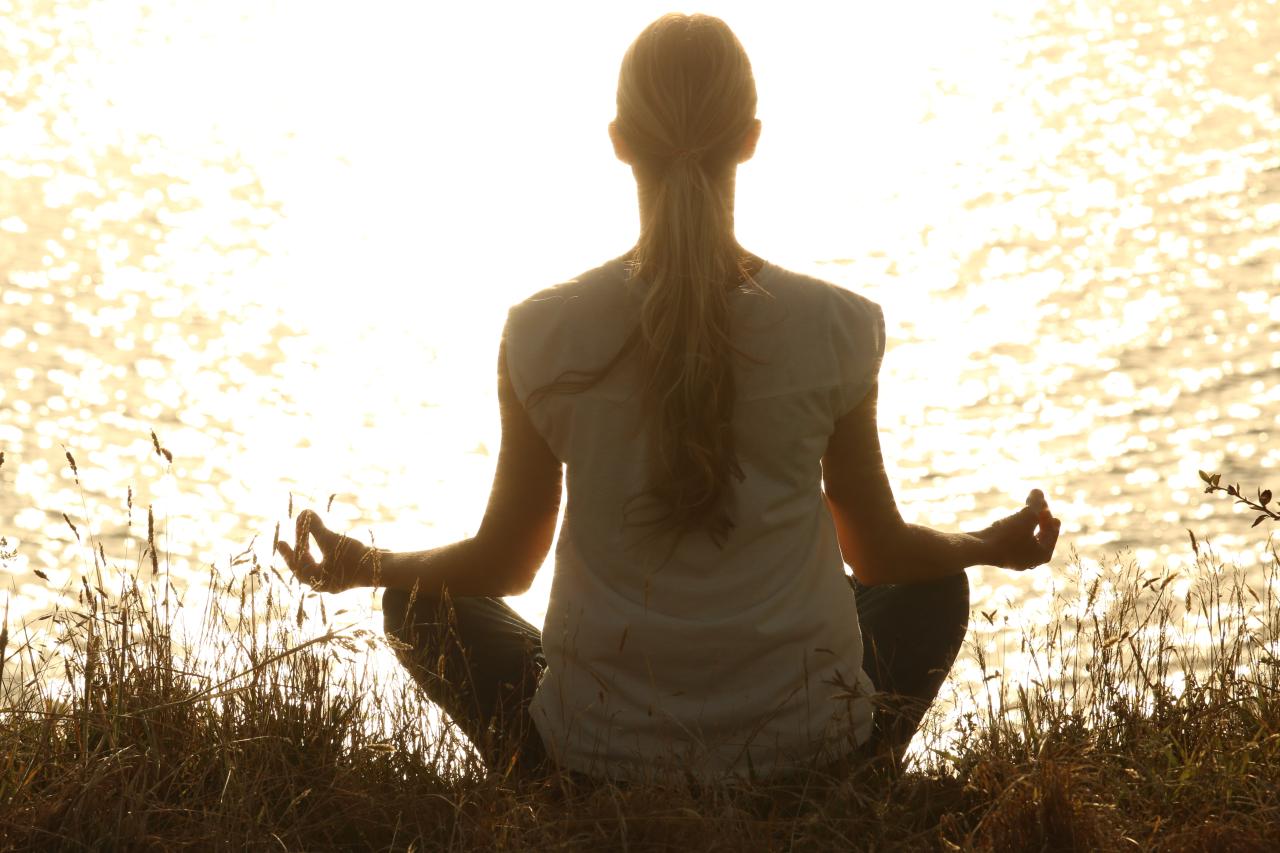
Enhancing meditation practice through vivid visual and descriptive cues can significantly deepen focus and cultivate a tranquil mental state. By consciously engaging the senses and imagination, practitioners can create an environment that fosters calmness, stability, and heightened awareness. This section explores how ideal postures and environments, calming imagery, and visual symbols serve as powerful tools to anchor attention and enrich meditation sessions.
Employing detailed visualizations and sensory descriptions can transform a simple practice into a more immersive experience. These techniques help to maintain concentration, reduce wandering thoughts, and evoke a profound sense of serenity and clarity. Well-designed visual cues and mental images act as anchors, guiding practitioners through moments of restlessness or distraction towards sustained mindfulness and inner stillness.
Ideal Meditation Postures and Environments
Creating the right physical setting and adopting an optimal posture are fundamental for a comfortable and effective meditation practice. A conducive environment minimizes external distractions and promotes a sense of harmony and safety.
- Choose a quiet, clutter-free space where ambient noise is minimal. Natural light or soft, warm lighting enhances relaxation, while a stable environment reduces external disturbances.
- Arrange the seating in a way that supports an upright, relaxed spine. Sitting cross-legged on a cushion, kneeling on a mat, or using a meditation bench maintains stability and comfort. Alternatively, sitting on a straight-backed chair with feet flat on the floor is suitable for those with mobility constraints.
- Ensure the body feels supported, with shoulders relaxed, hands resting comfortably on the lap or knees, and the head aligned with the spine.
Maintaining a posture that is alert yet relaxed facilitates sustained attention and prevents fatigue or drowsiness during meditation. The environment’s tranquility helps deepen focus, while the physical comfort encourages longer, more profound practice sessions.
Imagery to Evoke Calmness and Focus
Visual imagery serves as a mental sanctuary that fosters calmness and heightened concentration. Engaging the imagination with serene natural scenes or peaceful indoor settings evokes feelings of safety and tranquility, anchoring the mind amidst distractions.
- Imagine yourself seated beneath a lush, green canopy in a quiet forest, sunlight filtering softly through leaves, the gentle rustling of foliage calming the mind.
- Visualize standing on a pristine beach at dawn, waves gently lapping against the shore, a cool breeze enveloping you in tranquility.
- Picture a tranquil indoor space, with soft, diffused lighting, a small fountain trickling nearby, and calming colors like soft blue or warm beige surrounding you.
These images activate the sensory pathways, helping the mind transition into a meditative state. The vividness and detail of these scenes can evoke a sense of immersion, making it easier to sustain attention and deepen the practice.
Visual Cues and Symbols to Anchor Attention
Utilizing visual cues or symbols as focal points provides an effective method to maintain attention and manage wandering thoughts. These cues serve as mental landmarks that draw focus back when the mind drifts.
- A simple, luminous orb or dot placed in the mind’s eye acts as a visual anchor, encouraging sustained gaze and concentration during meditation.
- Symbols such as a lotus flower, a flame, or a mandala can be mentally visualized to evoke qualities like purity, energy, or wholeness, reinforcing the intention of the practice.
- Incorporating a physical object, such as a small statue or a meditation bell, can serve as a tangible focal point, enhancing mindfulness through tactile and visual engagement.
By consistently associating the attention with these visual cues, practitioners develop stronger mental discipline, enabling smoother transitions back to focus when distractions arise. These symbols and images act as mental anchors, grounding the practitioner in the present moment and supporting a deeper meditative experience.
Ending Remarks
In conclusion, overcoming restlessness and distraction in meditation involves a combination of proper preparation, specific focus techniques, and mindfulness practices. Cultivating patience and consistency enables practitioners to deepen their focus over time, transforming obstacles into opportunities for growth. Embracing these strategies can lead to a more profound, calming meditation experience and contribute to a balanced, mindful life.