How to Meditate for Boosting Your Focus During Creative Work offers valuable insights into harnessing meditation techniques to enhance concentration and mental clarity. As creative tasks often demand sustained attention and innovative thinking, incorporating meditation into your routine can significantly improve your productivity and inspiration.
This guide explores effective preparation methods, various meditation styles suited for creative professionals, and practical strategies for integrating mindfulness practices into your work sessions. By understanding and applying these techniques, you can unlock deeper focus and foster a more innovative mindset for your creative projects.
Understanding the Benefits of Meditation for Creative Focus
Meditation has gained recognition as a powerful tool for enhancing mental clarity and concentration, particularly during creative endeavors. When engaging in tasks that demand innovation, problem-solving, or artistic expression, a focused mind is essential. Practicing meditation regularly can significantly improve your ability to sustain attention, filter out distractions, and foster a mental environment conducive to creative thinking.
Physiologically, meditation induces changes in the brain and body that support heightened focus and cognitive function. Scientific studies have demonstrated that meditation activates specific regions of the brain associated with executive control and emotional regulation. These changes lead to increased gray matter density in areas responsible for attention and memory, thereby facilitating better concentration. Additionally, meditation reduces the production of stress hormones like cortisol, which can impair cognitive processes and hinder focus during complex creative tasks.
Through consistent practice, individuals often experience a state of heightened mental resilience, allowing for sustained concentration over longer periods and improved overall creative output.
Physiological Effects Supporting Focus
Mindfulness meditation influences several physiological mechanisms that underpin sustained attention and mental agility. One of the primary effects is the regulation of the autonomic nervous system, leading to decreased sympathetic activity (fight-or-flight response) and increased parasympathetic activity (rest-and-digest). This shift promotes a state of relaxation that enhances mental clarity without inducing drowsiness, maintaining alertness needed for creative work.
Research indicates that meditation increases alpha wave activity in the brain, which is associated with relaxed alertness—a state ideal for creative thinking. Moreover, meditation enhances the connectivity between the prefrontal cortex and other brain regions involved in attention and emotion regulation. This improved neural communication supports the ability to stay focused on complex tasks and adapt to new challenges during creative processes.
Connection Between Mindfulness and Creative Output
Mindfulness practices cultivate present-moment awareness, which is crucial for innovative thinking and problem-solving. By training the mind to remain attentive to current experiences without judgment, individuals can access deeper levels of insight and inspiration. This heightened state of awareness often leads to more original ideas and refined artistic expressions.
Empirical evidence suggests that consistent mindfulness meditation enhances cognitive flexibility—the ability to shift perspectives and approach problems from different angles. Such mental agility is vital for fostering creative breakthroughs. Furthermore, mindfulness reduces mental clutter and negative thought patterns, allowing artists, writers, and other creatives to tap into their innate imaginative potential without being hindered by self-doubt or distraction. Overall, integrating mindfulness into daily routines supports a fertile mental environment for innovative and productive creative work.
Preparing for Meditation to Optimize Focus
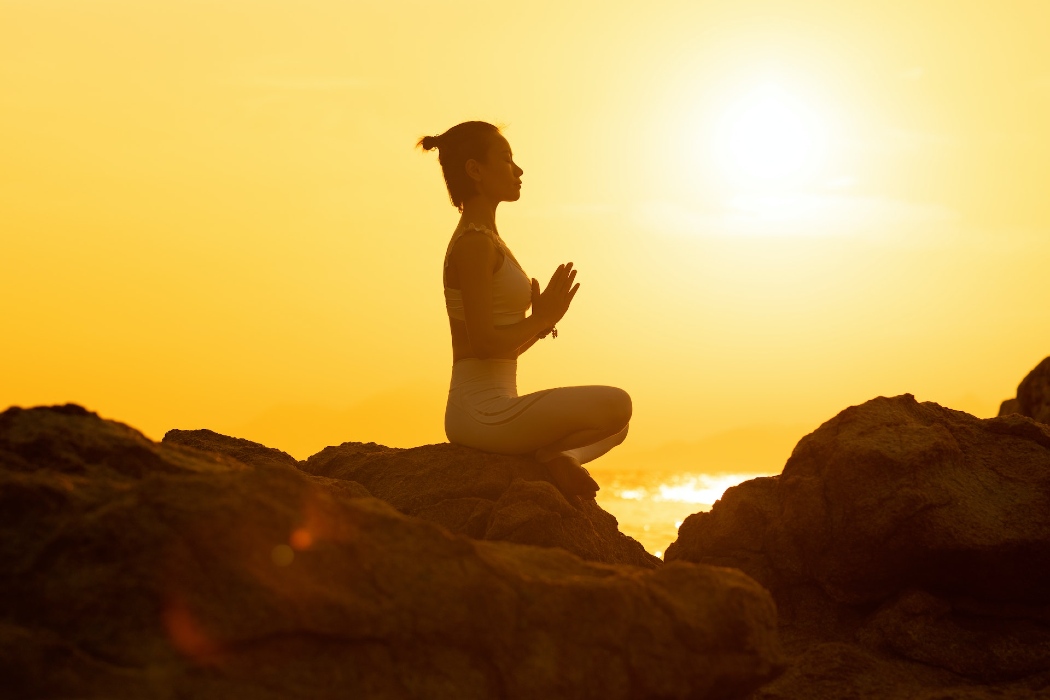
Creating an ideal meditation environment is a foundational step toward enhancing your ability to concentrate during creative work. A well-prepared space minimizes distractions, promotes relaxation, and helps your mind transition smoothly into a focused state. By setting the stage appropriately, you can leverage meditation as a powerful tool to boost your creativity and productivity.
Effective preparation involves selecting the right environment, gathering essential tools, and establishing routines that signal your mind to shift into a meditative mindset. These elements together create a sanctuary conducive to deep focus, making your meditation sessions more effective and consistent.
Designing an Ideal Meditation Environment
To optimize your focus during meditation, it is crucial to craft a space that supports tranquility and minimizes external disturbances. The following steps Artikel how to achieve this:
- Choose a Quiet and Dedicated Space: Select an area free from noise, interruptions, and high foot traffic. This could be a corner of your home, a dedicated room, or even an outdoor spot with minimal distractions. Consistency in location helps your brain associate that space with focused meditation and creativity.
- Control Lighting and Temperature: Use soft, ambient lighting to create a calming atmosphere. Natural light is preferable, but if unavailable, warm lamps or dimmable lights work well. Maintain a comfortable temperature to prevent physical discomfort from disrupting your focus.
- Remove Visual Clutter: Keep the meditation area tidy and free from clutter or electronic devices that might divert your attention. A clean space fosters a sense of calm and clarity, vital for deep concentration.
- Incorporate Nature or Natural Elements: Adding plants, natural textures, or calming visuals can enhance the sense of serenity and connection to nature, which has been shown to promote relaxation and mental clarity.
Establishing these environmental parameters ensures that your physical surroundings support mental focus, allowing you to enter meditative states more effortlessly and sustain them during your creative sessions.
Necessary Tools and Accessories for Effective Meditation
Utilizing specific tools can significantly improve the quality and consistency of your meditation practice. These items serve as focal points, help in timing, or create an immersive ambient experience:
- Meditation Cushions or Chairs: Comfortable seating options, such as cushions, meditation benches, or ergonomic chairs, support proper posture, which is essential for prolonged meditation sessions. Proper alignment alleviates physical discomfort and allows better airflow and focus.
- Timer or Meditation App: A reliable timer, preferably with gentle sounds or intervals, helps prevent the distraction of checking the clock. Many meditation apps offer guided sessions and ambient sounds tailored for focus enhancement.
- Ambient Sound Devices or Nature Recordings: Soft background sounds, including white noise, nature sounds (like flowing water or birdsong), or binaural beats, can drown out external disturbances and deepen your meditative state. These sounds are particularly helpful in maintaining concentration during extended sessions.
- Essential Oils or Incense: Aromatherapy elements, such as lavender or sandalwood, can promote relaxation and mental alertness, creating a multi-sensory environment conducive to focus.
“The right tools can serve as anchors, guiding your mind into a state of calm and focus, essential for productive meditation.”
Routines and Rituals to Transition into a Focused Meditative State
Establishing consistent routines and rituals before meditation enhances your ability to quickly shift into a focused mindset. These practices act as mental cues, signaling to your brain that it is time to transition from daily distractions to a state of mindfulness:
- Set a Specific Time: Practice meditation at the same time each day, such as early morning or during a mid-afternoon break. Regular scheduling conditions your mind to anticipate and prepare for focused sessions, reinforcing habit formation.
- Perform a Brief Physical Warm-Up: Gentle stretching or deep breathing exercises before meditation can release physical tension, improving posture and mental receptivity.
- Use a Pre-Meditation Ritual: Engage in a consistent activity like lighting a candle, ringing a bell, or offering a brief gratitude reflection. These rituals serve as mental anchors that help transition into a calm, focused state.
- Limit External Stimuli: Turn off notifications, silence your phone, and close unrelated tabs or applications. Creating a distraction-free environment signals your intention to focus solely on meditation and your creative work.
- Practice Mindful Breathing: Incorporate a few minutes of deep, conscious breathing to center your attention, calm your nervous system, and prepare your mind for sustained focus during meditation.
Consistently applying these routines not only enhances the effectiveness of each meditation session but also cultivates a mental environment primed for creativity and focused work. Over time, these rituals strengthen your ability to enter a meditative state swiftly and with greater depth, translating into more productive creative endeavors.
Techniques and Methods for Effective Meditation
Implementing the right meditation techniques can significantly enhance your ability to maintain focus during creative work. Different methods suit various preferences and situations, and understanding their nuances enables you to choose the most effective approach for your needs. Exploring diverse meditation styles allows you to discover which practices resonate best, helping to cultivate a sustained mental clarity that fuels your creative processes.
Each meditation technique offers distinct advantages and can be tailored to fit your environment, time constraints, and personal inclinations. By mastering multiple methods, you diversify your focus tools, ensuring you have effective strategies at your disposal whenever you need to sharpen your concentration for creative endeavors.
Guided Meditation
Guided meditation involves listening to a facilitator or recording that directs your attention through specific visualization or mindfulness exercises. This style is particularly beneficial for beginners or those who find it challenging to meditate without external guidance. It combines auditory stimuli with mental focus, making it an engaging way to cultivate mindfulness and concentration.
- Find a quiet and comfortable space where you won’t be disturbed.
- Select a guided meditation recording or session that suits your focus goals.
- Settle into a comfortable seated or lying position.
- Play the recording, and follow the instructions carefully, paying attention to the guidance provided.
- Maintain a relaxed posture, observing any thoughts or sensations that arise without judgment.
- Finish the session by gradually bringing your awareness back to the environment, and take a moment to reflect on your experience.
Breath Awareness Meditation
This technique centers on focusing attention on the breath, which acts as an anchor to the present moment. It is a simple yet powerful method for calming the mind and sharpening focus, making it highly suitable for quick mental resets during creative work sessions.
- Sit comfortably with your back straight and shoulders relaxed.
- Close your eyes gently if preferred, or keep a soft gaze downward.
- Take a few deep breaths, inhaling through the nose and exhaling through the mouth.
- Shift your attention to the natural rhythm of your breath, noticing the sensation of the air entering and leaving your nostrils, or the rise and fall of your chest or abdomen.
- If your mind wanders, gently redirect your focus back to your breath without self-criticism.
- Practice for 5 to 10 minutes, then slowly open your eyes and return to your work with renewed focus.
Body Scan Meditation
The body scan emphasizes awareness of physical sensations across different parts of the body. This technique enhances body-mind connection and releases tension, creating a calm mental state that encourages sustained concentration on creative tasks.
- Lie down or sit comfortably in a quiet space.
- Close your eyes and take a few deep breaths to settle into the practice.
- Begin by directing your attention to your toes, noticing any sensations or tension.
- Gradually move your focus upward through your legs, pelvis, abdomen, chest, shoulders, arms, neck, and face.
- As you observe each area, notice any tightness, warmth, or other sensations without trying to change them.
- If distractions occur, gently bring your focus back to the specific body part you are scanning.
- Conclude the session by taking a few deep breaths and slowly bringing awareness back to your environment.
Comparative Table of Meditation Techniques
| Technique | Benefits | Suitable Contexts |
|---|---|---|
| Guided Meditation | Provides external structure, enhances visualization, eases beginners into meditation | Pre-work sessions, guided focus during breaks, when external guidance is beneficial |
| Breath Awareness | Develops foundational mindfulness, quick focus reset, easy to practice anywhere | Short breaks, transition periods between tasks, during high-stress moments |
| Body Scan | Relieves physical tension, deepens mindfulness, improves mind-body connection | End of workday, relaxation periods, when physical discomfort affects focus |
Meditation Practice Checklist
- Choose the appropriate meditation style for your needs and environment.
- Find a quiet, comfortable space with minimal distractions.
- Set a timer to the desired duration—starting with 5-10 minutes is advisable.
- Adopt a comfortable posture, whether seated or lying down.
- Begin with a few deep breaths to center yourself.
- Follow the specific steps of your chosen technique, maintaining gentle focus.
- If your mind drifts, acknowledge the distraction and gently redirect your attention.
- Finish with a moment of gratitude or positive intention before concluding the session.
- Gradually re-engage with your work, carrying the mental clarity gained into your creative tasks.
Integrating Meditation into Creative Work Sessions
Incorporating meditation seamlessly into your creative workflow can significantly enhance your focus, reduce mental fatigue, and foster a more innovative mindset. Strategic integration ensures that meditation acts as a catalyst for productivity rather than a distraction, providing mental resets at optimal moments during extensive creative endeavors. When practiced thoughtfully, meditation becomes a natural part of your routine, supporting sustained concentration and unlocking deeper levels of creative flow.
Effective integration involves scheduling dedicated intervals for meditation, aligning these moments with your work rhythm, and employing specific exercises tailored to the needs of creative tasks. This approach not only prevents burnout but also cultivates a habit that continuously reinforces mental clarity and emotional resilience, essential qualities for thriving in dynamic, idea-driven environments.
Scheduling Meditation Breaks to Reset Focus During Long Creative Sessions
Long periods of creative work can lead to mental fatigue, diminishing focus and creative output. To combat this, it is beneficial to incorporate regular meditation breaks designed to refresh the mind and restore clarity. The key is to identify natural pauses within your workflow—such as after completing a significant milestone or every 60-90 minutes—and dedicate these intervals to brief meditation exercises.
Practical procedures include setting alarms or timers to remind you when to pause, and creating a designated quiet space or using a portable meditation cushion to facilitate quick transitions. During these breaks, engaging in focused breathing or mindfulness meditation can help clear mental clutter, improve concentration, and sustain your creative momentum throughout the session.
Strategies for Combining Meditation with Work Routines
Integrating meditation into daily work routines amplifies its benefits by establishing consistent mental hygiene practices. Starting the day with a brief mindfulness or breathing exercise can set a positive tone, fostering calmness and focused alertness as you approach your creative tasks. Similarly, incorporating a reflective meditation session at the end of your workday encourages processing insights, releasing stress, and preparing your mind for future projects.
Examples of effective strategies include:
- Pre-work mindfulness sessions lasting 5-10 minutes to cultivate presence and intention before diving into tasks.
- Mid-session meditation breaks to alleviate cognitive overload, utilizing techniques such as body scans or focused breath awareness.
- Post-work reflection, where a brief meditation helps consolidate creative insights and transition into relaxation or leisure activities.
Timed Meditation Exercises Tailored for Creative Tasks
Timed meditation exercises are especially effective when aligned with specific phases of the creative process. These exercises are designed to be concise yet impactful, fitting into the natural rhythm of work sessions and providing mental clarity exactly when needed. Here are some tailored examples:
| Exercise Name | Duration | Description | Application |
|---|---|---|---|
| Focused Breathing Reset | 3-5 minutes | Involves deep inhalation and exhalation, counting breaths to maintain concentration and calmness. | Ideal after completing a complex task or when feeling mentally scattered, to regain focus before starting the next phase. |
| Body Scan Meditation | 5-7 minutes | Progressively focuses attention on different parts of the body, releasing tension and enhancing bodily awareness. | Useful after long periods of physical or mental exertion, helping to restore energy and foster creative relaxation. |
| Visualization Exercise | 5-10 minutes | Engages imagination to visualize successful outcomes or creative ideas, stimulating innovative thinking. | Can be employed before brainstorming sessions to prime mental pathways for creativity or after a project to reflect on progress. |
“Short, purposeful meditation intervals aligned with your creative workflow can act as vital mental refreshers, enabling sustained focus and enhanced productivity.”
Overcoming Common Challenges in Meditation Practice

Engaging in meditation to enhance focus during creative work can sometimes present obstacles that hinder progress and consistency. Recognizing and addressing these common challenges is essential for establishing a sustainable and effective practice. By understanding potential pitfalls and implementing practical strategies, practitioners can maintain motivation, adapt their routines, and experience the full benefits of meditation in their creative endeavors.Distractions, impatience, and inconsistency are among the most prevalent obstacles faced during meditation.
Overcoming these barriers requires a combination of mindful awareness, realistic expectations, and flexible scheduling. Developing resilience against setbacks ensures that meditation remains a supportive tool rather than a source of frustration, ultimately fostering a more focused and productive creative process.
Managing Distraction During Meditation
Distraction is a natural part of the meditation process, especially for beginners or individuals with busy schedules. External noises, wandering thoughts, or physical discomfort can divert attention away from the practice. To effectively manage distractions, practitioners should create a dedicated meditation space that minimizes interruptions, such as a quiet corner or a secluded room. Using gentle auditory aids like soft background music or nature sounds can also help mask disruptive noises.When wandering thoughts arise, instead of resisting them, acknowledge these distractions with a non-judgmental attitude.
Returning focus gradually to the breath or chosen point of concentration helps train the mind to stay attentive over time. Regular practice enhances mental resilience, making it easier to maintain focus during critical creative sessions.
Addressing Impatience and Maintaining Motivation
Impatience is common when progress feels slow, leading to frustration and potential abandonment of meditation routines. To mitigate this, it is beneficial to set realistic expectations, understanding that improvements in focus and mental clarity develop gradually. Celebrating small milestones, such as maintaining focus for a few minutes longer, reinforces positive reinforcement.Maintaining motivation can be achieved by integrating meditation into daily routines and associating it with immediate benefits, like increased productivity or mental calmness.
Keeping a meditation journal to track experiences and insights can also serve as a motivational tool, providing tangible evidence of growth over time. Sharing progress with a community or meditation group offers additional encouragement and accountability.
Adapting Meditation to Fit Busy or Unconventional Schedules
Busy professionals or individuals with unconventional routines often find it challenging to carve out dedicated meditation time. Flexibility in practice is key to overcoming this obstacle. Shortening meditation sessions to as little as five minutes, performed during breaks or between tasks, can still yield meaningful benefits.Incorporating mini-meditations into daily activities, such as mindful breathing while commuting or during moments of transition, allows practitioners to sustain focus without disrupting other responsibilities.
Utilizing guided meditation apps or audio recordings provides structure and convenience, especially when time is limited. Establishing a consistent, adaptable routine ensures that meditation remains a supportive component of a dynamic lifestyle, ultimately enhancing focus during creative work regardless of schedule constraints.
Using Meditation to Enhance Creativity and Inspiration
Meditation is a powerful tool that extends beyond focus and relaxation; it also serves as a catalyst for fostering creativity and generating new ideas. By cultivating a mindful state, individuals open their minds to innovative thinking and artistic inspiration, enabling breakthroughs in their creative pursuits. Engaging regularly in meditative practices can help unlock subconscious insights, making space for originality and problem-solving in various artistic domains.
Through intentional reflection and mental clarity, meditation creates an environment conducive to creative flow. It encourages the subconscious to surface novel perspectives and ideas that might remain hidden amidst everyday distractions. Integrating meditation into creative routines can thus amplify originality, helping artists, writers, designers, and innovators to approach their projects with renewed insight and passion.
Fostering New Ideas and Innovative Thinking
Regular meditation enhances neural connectivity and encourages divergent thinking, which are vital for creativity. Scientific studies have demonstrated that mindfulness practices can increase activity in the default mode network (DMN), a brain region associated with imagination, daydreaming, and creative thought processes. As the DMN becomes more active through meditation, users often report experiencing sudden flashes of inspiration or insights into complex problems.
Moreover, meditation reduces mental clutter, allowing space for novel associations to form. When the mind is less preoccupied with stress or routine thoughts, it can more freely explore unconventional ideas, leading to innovative solutions and artistic breakthroughs. This mental clarity not only fosters individual inspiration but also enhances collaborative creativity by encouraging open-mindedness and receptivity to diverse perspectives.
Channeling Meditative Insights into Creative Projects
Harnessing insights gained during meditation requires intentional techniques to translate inner discoveries into tangible creative outputs. Artists and writers can adopt practices such as journaling immediately after meditation, capturing fleeting ideas and impressions that surface during their practice. Visualization techniques can also be employed—imagining solutions to creative challenges or envisioning the evolution of a project while in a meditative state.
Setting specific intentions before meditation sessions sharpens focus on particular creative goals, such as designing a new product or composing a piece of music. Once insights emerge, it is beneficial to create a dedicated space for reflection—reviewing notes, sketching rough drafts, or brainstorming further ideas inspired by the meditative experience. This process ensures that creative inspiration is effectively integrated into ongoing projects.
Reflective Meditation Focused on Problem-Solving and Artistic Inspiration
Reflective meditation involves consciously directing attention toward specific challenges or artistic themes, fostering deeper understanding and innovative solutions. This technique is particularly effective for artists and problem-solvers seeking clarity or fresh perspectives. It involves setting an intention, such as exploring a visual motif or resolving a conceptual dilemma, and then entering a meditative state to allow insights to surface naturally.
During this process, practitioners often focus on questions or themes related to their work, maintaining a gentle, open awareness without forcing answers. Over time, this practice can reveal underlying patterns, connections, or approaches that were not apparent through conventional thinking. The insights gained can then be refined into concrete ideas, sketches, or plans, providing a wellspring of creative inspiration rooted in quiet reflection.
Additional Tools and Resources for Deepening Practice
Enhancing your meditation practice with supplementary tools and resources can significantly elevate your ability to maintain focus and foster creativity during work sessions. Access to guided recordings, user-friendly apps, and structured courses offers flexible options to support and deepen your meditation journey tailored specifically for creative professionals seeking heightened concentration and inspiration.
Integrating these resources can help establish consistent routines, introduce new techniques, and track your progress effectively. Whether you are a beginner or looking to refine your existing practice, selecting appropriate tools can make your meditation sessions more engaging, purposeful, and aligned with your creative goals.
Recommended Guided Meditation Recordings, Apps, and Courses
Below is a selection of highly regarded resources designed to cater to creative individuals aiming to improve their focus through meditation. These tools offer diverse approaches, from mindfulness and visualization to energy balancing, with features suitable for varying skill levels and schedules.
- Headspace: Offers guided meditations emphasizing focus, clarity, and stress reduction. Features specific sessions for creative professionals including visualization and idea generation. Available on iOS and Android, with a free trial period.
- Calm: Contains a broad library of guided meditations, sleep stories, and breathing exercises tailored for enhancing concentration and inspiration. Suitable for beginners and advanced users alike, accessible across multiple platforms.
- Insight Timer: Provides thousands of free guided meditations, courses, and music tracks created by renowned meditation teachers. Features customizable timers for self-guided sessions focusing on focus and creativity.
- The Mindfulness App: Focuses on practical mindfulness techniques with guided sessions for focus, stress relief, and mental clarity. Allows users to track progress and tailor sessions to personal preferences.
- Creative Meditation Course by Udemy: A comprehensive online course designed specifically for creative professionals, integrating meditation with techniques to boost inspiration and productivity. Offers lifetime access and practical exercises.
Comparison Table of Popular Meditation Resources
Understanding the distinctions among these tools helps in selecting the ones best suited to your specific needs and creative pursuits. The table below compares key features, focus areas, and accessibility for each resource.
| Resource | Focus Areas | Platform Availability | Cost | Unique Features |
|---|---|---|---|---|
| Headspace | Focus, stress reduction, visualization | iOS, Android, Web | Subscription-based; free trial available | Structured courses, “Focus Music” playlists, daily reminders |
| Calm | Mindfulness, sleep, focus, inspiration | iOS, Android, Web | Subscription; free content available | Sleep stories, breathing exercises, masterclasses |
| Insight Timer | Various meditation styles, self-guided focus | iOS, Android, Web | Free; optional paid courses | Extensive library, community features, customizable timers |
| The Mindfulness App | Practical mindfulness, focus, stress management | iOS, Android | Paid with free trial | Progress tracking, personalized session options |
| Creative Meditation Course by Udemy | Creative focus, inspiration, productivity | Online (Web-based) | One-time fee; discounted offers periodically | Structured curriculum, practical exercises, lifetime access |
Tips for Tracking Progress and Setting Personal Goals
Consistent evaluation of your meditation journey helps maintain motivation and ensures meaningful growth. Establishing clear goals and tracking your practice enables you to recognize improvements in focus, creativity, and overall mental clarity.
Set specific, measurable goals: Define what you aim to achieve, such as meditating daily for 10 minutes or maintaining focus during creative sessions without distraction for a set period.
Use app tracking features: Many meditation apps include progress logs, streak counters, and achievement badges that visualize your consistency and milestones.
Maintain a meditation journal: Record daily reflections on your practice, noting changes in concentration levels, creative output, or emotional well-being. This qualitative data deepens self-awareness and guides adjustments.
Schedule regular reviews: Weekly or monthly assessments help identify patterns, areas for improvement, and new objectives for your meditation practice.
Adjust goals gradually: As your focus and meditation skills develop, progressively increase session duration or explore advanced techniques to sustain growth and challenge.
Final Summary
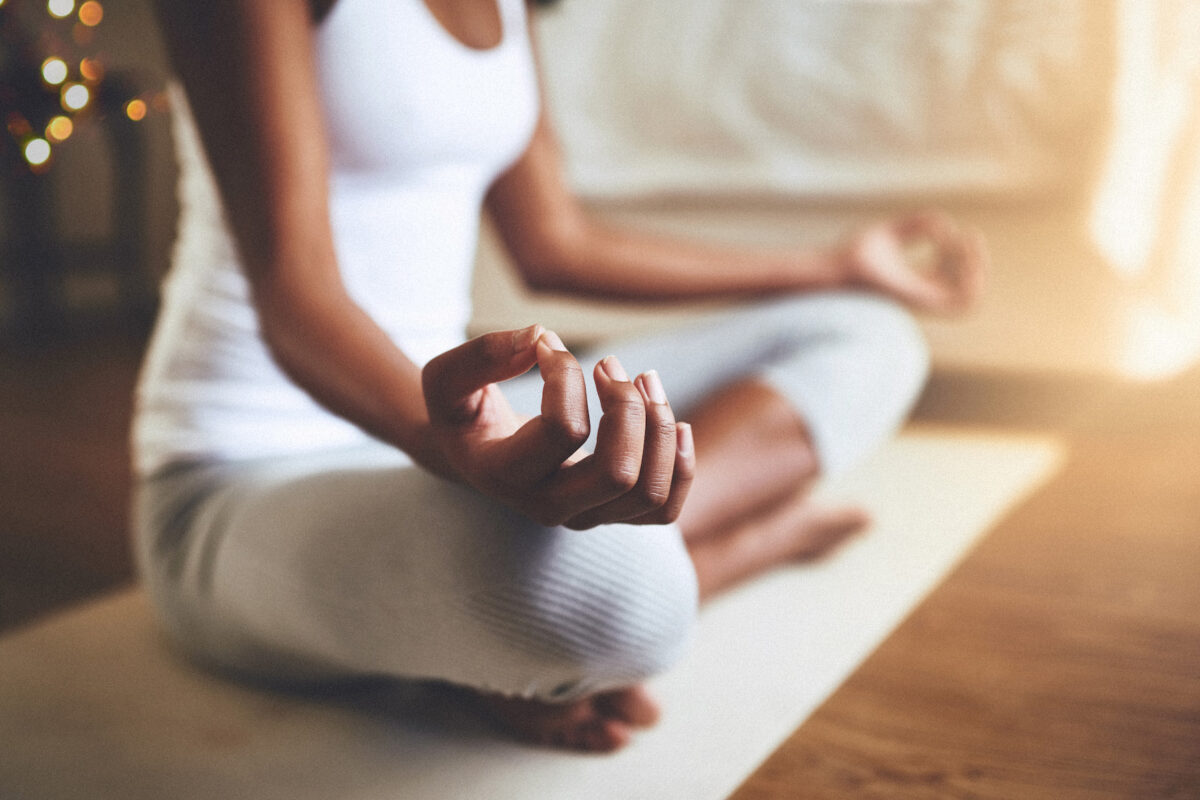
In summary, mastering meditation for creative focus not only sharpens your concentration but also fuels your inspiration and problem-solving abilities. By consistently practicing the techniques Artikeld, you’ll create a sustainable approach to enhance your creative workflow and unlock your full potential.