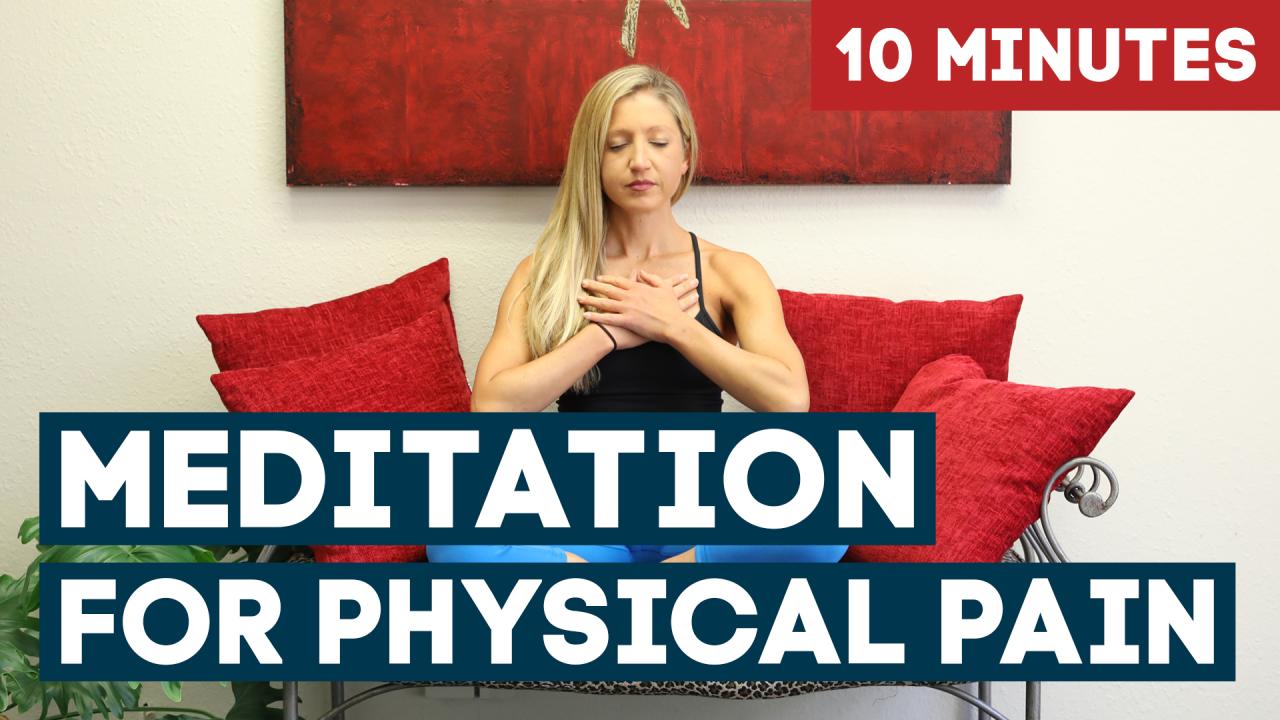
Embarking on a journey of self-discovery, this exploration into How to Meditate for Releasing Past Emotional Pain unveils the profound connection between our inner world and the power of meditation. Emotional pain, often a silent burden, can manifest in various forms, impacting our physical and psychological well-being. This guide offers a structured approach to understanding and addressing these deeply rooted emotions, providing practical techniques to navigate the path towards healing and inner peace.
We will delve into the intricacies of emotional pain, from identifying triggers to understanding its impact. This will be followed by a step-by-step guide on preparing your mind and body for meditation, incorporating breathing exercises and creating the ideal environment for introspection. Furthermore, we’ll explore guided meditation scripts, visualization exercises, and affirmations designed to foster self-compassion and emotional release. This comprehensive approach aims to empower you with the tools needed to process and overcome past emotional wounds.
Understanding Emotional Pain
Emotional pain, a deeply human experience, can manifest in various forms and intensities. It stems from a range of experiences, both significant and seemingly minor, and profoundly influences our thoughts, behaviors, and overall well-being. Recognizing and understanding emotional pain is the first step toward healing and resilience.
Definition of Emotional Pain and Its Forms
Emotional pain is a subjective experience characterized by suffering that arises from psychological distress. It encompasses a broad spectrum of feelings, often associated with a perceived or actual loss, threat, or unmet need. It is as valid and real as physical pain, impacting the individual’s capacity to function optimally. Emotional pain is not a monolithic entity; it presents in diverse forms.* Grief: Experienced after the loss of a loved one, a job, or a significant relationship.
Grief can involve sadness, anger, denial, and ultimately, acceptance.
Anxiety
Marked by excessive worry, fear, and apprehension about the future. Anxiety can manifest in physical symptoms such as rapid heartbeat and difficulty breathing.
Depression
Characterized by persistent sadness, loss of interest in activities, and feelings of hopelessness. It can also include changes in sleep and appetite.
Anger
A response to perceived injustice, frustration, or threat. Uncontrolled anger can lead to aggressive behaviors and strained relationships.
Shame
A painful feeling of self-disapproval and worthlessness. Shame often stems from perceived failures or transgressions.
Guilt
The feeling of regret or responsibility for having done something wrong. Guilt can motivate corrective action but can also be debilitating.
Common Triggers for Past Emotional Pain
Understanding the triggers that activate past emotional pain is crucial for effective management and healing. These triggers are highly personal and can vary widely based on individual experiences, sensitivities, and coping mechanisms. Recognizing these triggers enables individuals to anticipate and navigate potentially challenging situations with greater awareness and resilience.* Anniversaries: Dates that commemorate significant events, such as the death of a loved one, a traumatic incident, or the end of a relationship, can resurface painful memories.
Specific Locations
Places associated with past trauma or loss can trigger emotional distress. For instance, returning to a childhood home where abuse occurred might trigger feelings of fear and sadness.
Sensory Stimuli
Certain sights, sounds, smells, tastes, or tactile sensations can evoke past emotional pain. The scent of a particular perfume, for example, might remind someone of a difficult relationship.
Relationship Dynamics
Interactions with specific individuals or in certain relationship patterns can trigger emotional responses linked to past experiences. For example, a person with a history of abandonment might experience heightened anxiety in new relationships.
Words and Phrases
Specific words or phrases can trigger painful memories or feelings. A casual remark about a past failure, for instance, can reactivate feelings of shame or inadequacy.
Social Situations
Events like parties, meetings, or public gatherings can trigger emotional pain, particularly for those with social anxiety or past experiences of rejection or bullying.
Media Content
Exposure to movies, books, news reports, or social media posts that reflect past traumas or losses can trigger emotional distress.
Physical and Psychological Effects of Holding Onto Emotional Pain
The accumulation of unprocessed emotional pain can have significant and far-reaching effects on both physical and psychological health. Ignoring or suppressing these feelings can lead to a variety of adverse outcomes, impacting daily functioning and overall well-being.* Physical Symptoms: Chronic emotional pain can manifest as physical symptoms. These symptoms include:
Chronic fatigue
Muscle tension and pain
Headaches and migraines
Digestive issues (e.g., irritable bowel syndrome)
Weakened immune system, making individuals more susceptible to illness
Psychological Effects
Holding onto emotional pain significantly impacts mental health. These effects include:
Increased anxiety and panic attacks
Depression and feelings of hopelessness
Difficulty concentrating and making decisions
Irritability and mood swings
Low self-esteem and feelings of worthlessness
Post-traumatic stress disorder (PTSD)
Behavioral Consequences
Unresolved emotional pain often leads to maladaptive behaviors. These behaviors include:
Substance abuse (alcohol, drugs)
Eating disorders
Social isolation
– Self-harm Difficulty forming and maintaining healthy relationships
Cognitive Impairment
Emotional pain can impair cognitive function. Individuals may experience:
Memory problems
Difficulty with executive functions (planning, organization)
Negative thought patterns and cognitive distortions
Increased rumination and obsessive thinking
Preparing for Meditation
Preparing for meditation is a crucial step toward effectively releasing past emotional pain. A well-prepared environment and body significantly enhance the meditation experience, allowing for deeper relaxation and facilitating the emotional release process. This section provides guidance on creating the optimal conditions for a successful meditation practice.
Ideal Environment for Meditation
The environment plays a vital role in the effectiveness of meditation. A conducive space minimizes distractions and promotes a state of focused awareness. Consider these factors when setting up your meditation space.* Lighting: Opt for soft, natural light if possible. Avoid harsh fluorescent lights, which can be overstimulating. If natural light isn’t available, use a dimmable lamp or a salt lamp to create a calming ambiance.
The goal is to create a space that feels peaceful and serene, encouraging a sense of tranquility.
Temperature
Maintain a comfortable temperature. The ideal temperature varies depending on individual preference, but generally, a slightly cool environment is preferable to avoid drowsiness. Ensure the room is well-ventilated.
Noise Levels
Minimize distractions by creating a quiet space. Close windows and doors to block out external noises. Consider using a white noise machine or nature sounds, such as rain or ocean waves, to mask any remaining ambient sounds. These sounds can help create a calming auditory environment, which supports focused meditation.
Preparing the Body for Meditation
Physical preparation is equally important as environmental preparation. Preparing the body through posture and relaxation techniques helps to release physical tension, allowing for a deeper state of meditation and facilitating emotional release.* Posture: Choose a comfortable posture that allows you to remain alert yet relaxed. Common postures include sitting on a cushion or chair with your back straight, or lying down.
Experiment to find what suits you best. The key is to maintain an upright posture without straining your body.
Sitting Posture
Sit on a cushion or chair with your back straight, but not rigid. Place your hands gently in your lap, palms facing up or down. Ensure your feet are flat on the floor.
Lying Down Posture
Lie on your back with your arms at your sides, palms facing up. Ensure your body is relaxed and comfortable.
Relaxation Techniques
Begin by consciously relaxing each part of your body, starting from your toes and working your way up to your head. This can be done through progressive muscle relaxation.
Progressive Muscle Relaxation
Systematically tense and then release different muscle groups, noticing the difference between tension and relaxation. Start with your toes, tense them for a few seconds, and then release, focusing on the feeling of relaxation. Continue this process with your feet, calves, thighs, and so on, until you reach the top of your head.
Breathing Exercises for Relaxation and Emotional Release
Breathing exercises are powerful tools for calming the mind and body, and they are instrumental in facilitating emotional release. These exercises can help to regulate the nervous system, reducing stress and anxiety, and creating a sense of inner peace.* Diaphragmatic Breathing (Belly Breathing): Place one hand on your chest and the other on your abdomen. Inhale deeply through your nose, allowing your abdomen to rise while keeping your chest relatively still.
Exhale slowly through your mouth, allowing your abdomen to fall.
“Focus on expanding your belly as you inhale, and contracting it as you exhale.”
Box Breathing (Square Breathing)
Inhale for a count of four, hold your breath for a count of four, exhale for a count of four, and hold your breath again for a count of four. Repeat this cycle several times. This technique is excellent for quickly calming the nervous system.
Alternate Nostril Breathing (Nadi Shodhana)
Use your thumb to close your right nostril and inhale through your left nostril. Then, release your right nostril and close your left nostril with your ring finger, exhaling through your right nostril. Inhale through your right nostril, then close it with your thumb and exhale through your left nostril. Continue this pattern. This technique helps balance the energy in the body.
Guided Meditation Techniques for Emotional Release

Now that we’ve laid the groundwork, let’s delve into specific guided meditation techniques designed to facilitate emotional release. These practices offer structured pathways to safely and effectively process past pain, promoting healing and self-compassion. These techniques combine focused attention, visualization, and affirmations to gently guide you through the emotional landscape.
Guided Meditation Script for Acknowledging and Accepting Past Emotional Pain
This guided meditation script aims to help you acknowledge and accept past emotional pain. The process involves creating a safe space for difficult emotions to surface, without judgment, allowing for their gradual release.
- Preparation and Setting the Stage: Begin by finding a comfortable and quiet space where you won’t be disturbed. Sit or lie down in a relaxed posture. Close your eyes gently. Take a few deep breaths, inhaling deeply through your nose and exhaling slowly through your mouth. Focus on the sensation of your breath entering and leaving your body.
- Body Scan and Present Moment Awareness: Bring your awareness to your body. Notice any areas of tension or discomfort. Gently scan your body from your toes to the top of your head. As you notice any tension, acknowledge it without judgment. Simply observe the sensations.
- Recalling the Past Emotional Pain: Think about a specific instance of past emotional pain. It could be a difficult experience, a loss, or a time when you felt hurt or betrayed. Allow the memory to surface. Don’t try to force anything; simply observe what comes to mind.
- Acknowledging the Emotion: Once the memory surfaces, identify the emotion you’re feeling. Is it sadness, anger, fear, or shame? Name the emotion. For example, you might silently say, “I am feeling sadness,” or “I am feeling anger.”
- Acceptance and Non-Judgment: Remind yourself that it’s okay to feel this emotion. Avoid judging yourself for feeling this way. Repeat silently to yourself, “It’s okay to feel this. I am not alone.”
- Allowing the Emotion to Be Present: Allow the emotion to be present without trying to change it or suppress it. Imagine the emotion as a wave. Observe the wave rising, peaking, and eventually receding.
- Self-Compassion and Gentle Words: Offer yourself words of comfort and kindness. You might say, “I am here for you,” or “You are strong and resilient.”
- Releasing the Emotion: Imagine the emotion gradually dissolving or transforming. You might visualize it as a cloud dispersing, or as a stream of water flowing away.
- Returning to the Present Moment: Gently bring your awareness back to your breath. Notice the sensation of your breath entering and leaving your body. Take a few more deep breaths.
- Gratitude and Closing: Express gratitude for the opportunity to practice this meditation. Gently open your eyes.
Visualization Exercise for Releasing Pent-Up Emotions
This visualization exercise provides a structured approach to release pent-up emotions. The technique uses imagery to create a safe space where emotions can be acknowledged and released.
- Creating a Safe Space: Begin by finding a comfortable position and closing your eyes. Imagine yourself in a safe and serene environment. This could be a peaceful meadow, a quiet beach, or any place where you feel secure. Focus on the details of this space. Notice the colors, sounds, and smells.
- Identifying the Emotion: Bring to mind a specific emotion you want to release, such as anger, sadness, or fear. Allow the emotion to surface.
- Visualizing the Emotion: Give the emotion a form. This could be a color, a shape, or an object. For example, anger might be visualized as a red ball of fire, while sadness might be a gray cloud.
- Observing the Emotion’s Location: Notice where the emotion is located in your body. Is it in your chest, your stomach, or your throat? Observe the physical sensations associated with the emotion.
- Releasing the Emotion Through Visualization:
- Method 1: Imagine the emotion changing form. If it’s a ball of fire, imagine it slowly dissolving into smoke and dissipating.
- Method 2: Imagine the emotion flowing out of your body and into your safe space. See it as a stream of water, a cloud, or any image that represents release.
- Method 3: Imagine the emotion being absorbed by the earth, transformed by a divine light, or carried away by a gentle breeze.
- Allowing the Release: Allow the release process to unfold naturally. Don’t force anything. Simply observe the changes as they occur.
- Replacing with Positive Energy: Once the emotion is released, imagine your safe space filling with positive energy, such as peace, love, or joy. Feel this positive energy filling your body.
- Returning to the Present: Gently bring your awareness back to your breath. Take a few deep breaths. Slowly open your eyes.
Meditation Practice Incorporating Affirmations for Self-Compassion and Healing
This meditation practice combines focused attention with affirmations to cultivate self-compassion and foster healing. The affirmations provide positive statements that counteract negative self-talk and promote inner peace.
- Preparation: Find a comfortable position and close your eyes. Take a few deep breaths to relax and center yourself.
- Body Awareness: Bring your attention to your body. Notice any areas of tension or discomfort. Gently scan your body from your toes to the top of your head.
- Affirmations and Repetition: Choose affirmations that resonate with you. Some examples include:
- “I am worthy of love and compassion.”
- “I am strong and resilient.”
- “I forgive myself and others.”
- “I am at peace.”
- “I am safe.”
Repeat each affirmation silently to yourself several times. Allow the words to sink in.
- Visualization (Optional): While repeating the affirmations, you can visualize yourself surrounded by a warm, comforting light. Imagine this light filling your body and radiating outwards.
- Embracing the Feelings: As you repeat the affirmations, allow yourself to feel the emotions associated with them. If you feel sadness, allow yourself to feel it without judgment. If you feel joy, embrace it fully.
- Mindful Breathing: If your mind wanders, gently bring your attention back to your breath and the affirmations.
- Integration and Gratitude: Take a few final deep breaths. Express gratitude for the opportunity to practice self-compassion. Gently open your eyes.
Mindfulness and Awareness in Meditation
Cultivating mindfulness and awareness is crucial for effectively navigating and releasing past emotional pain through meditation. This involves developing a non-judgmental observation of your internal experiences, allowing you to process emotions without getting swept away by them. This section delves into the core principles of mindfulness, present moment awareness, and how to skillfully manage emotional triggers that may arise during your meditation practice.
Role of Mindfulness in Observing and Accepting Emotions
Mindfulness plays a pivotal role in transforming how we relate to our emotions. It enables us to step back from the intensity of emotional experiences and observe them with a sense of detached awareness. This process allows for acceptance, rather than resistance, which is essential for emotional healing.
Mindfulness is the awareness that arises from paying attention, on purpose, in the present moment, non-judgementally.
Jon Kabat-Zinn
Mindfulness facilitates the acceptance of emotions by:
- Providing a space for observation: Mindfulness allows you to create a buffer between your experience and your reaction. You become an observer of your emotions, rather than being consumed by them. For example, instead of reacting to sadness with self-criticism, you can simply observe the feeling of sadness as it arises and passes.
- Fostering non-judgment: Mindfulness encourages a non-judgmental attitude towards your emotional experiences. You refrain from labeling emotions as “good” or “bad,” allowing them to be present without adding further layers of suffering. This acceptance prevents the escalation of emotional pain.
- Promoting self-compassion: As you practice mindfulness, you begin to develop self-compassion, which is the ability to treat yourself with kindness and understanding, especially during times of emotional difficulty. This self-compassion softens the intensity of emotional pain and supports the healing process.
Cultivating Present Moment Awareness
Present moment awareness is the cornerstone of mindful meditation. It involves directing your attention to the here and now, without getting lost in thoughts about the past or worries about the future. This practice helps to anchor you in the present, making it easier to observe and accept your emotions as they arise.To cultivate present moment awareness:
- Focus on your breath: The breath serves as a primary anchor for present moment awareness. During meditation, gently bring your attention to the sensation of your breath as it enters and leaves your body. When your mind wanders, gently redirect your attention back to your breath.
- Engage your senses: Pay attention to the sights, sounds, smells, tastes, and tactile sensations around you. Notice the details of your environment without getting caught up in thoughts about them. For example, you might notice the feeling of the cushion beneath you or the sounds of nature outside.
- Body scan meditation: A body scan involves systematically bringing your awareness to different parts of your body. This practice helps to cultivate a deeper connection with your physical sensations, promoting present moment awareness. For instance, you might focus on the feeling of your toes, then your feet, and gradually move your attention up through your body.
- Mindful movement: Engage in mindful movement, such as walking meditation or gentle stretching. Pay attention to the sensations of movement, the feeling of your feet on the ground, or the stretching of your muscles. This anchors your awareness in the present moment.
Recognizing and Responding to Emotional Triggers
Emotional triggers are specific thoughts, memories, situations, or sensations that evoke a strong emotional response. Recognizing and responding to these triggers skillfully is an essential aspect of emotional release through meditation.Methods for recognizing and responding to emotional triggers during meditation include:
- Identifying your triggers: Before meditation, take time to identify your common emotional triggers. What situations, people, or thoughts tend to evoke strong emotional reactions? Keeping a journal to record these triggers can be beneficial.
- Noticing the early warning signs: During meditation, pay attention to the subtle signs that a trigger is arising. These may include changes in your breath, physical sensations like tension, or the appearance of certain thoughts.
- Practicing non-judgmental observation: When a trigger arises, observe the emotional response without judgment. Acknowledge the emotion, but avoid getting carried away by it. Remind yourself that it is a temporary experience.
- Using the breath as an anchor: When a trigger arises, return your attention to your breath. This helps to ground you in the present moment and prevents you from getting swept away by the emotion.
- Practicing self-compassion: Treat yourself with kindness and understanding when a trigger arises. Remind yourself that it is normal to experience difficult emotions and that you are not alone.
- Gradual Exposure: In some cases, it may be beneficial to gently and gradually expose yourself to your triggers within the safe space of meditation. This can help to desensitize you to the trigger over time. For example, if a certain memory triggers sadness, you could bring that memory to mind briefly and observe the associated emotions, gradually increasing the duration of your focus as you feel more comfortable.
This is best done under the guidance of a qualified therapist.
Techniques for Processing Emotions During Meditation
Navigating the emotional landscape during meditation can be challenging, but it’s also where the most profound healing and self-discovery occur. This section provides practical techniques for working with difficult emotions as they arise, offering various methods to facilitate emotional release and foster inner peace. Understanding and applying these techniques can transform your meditation practice into a powerful tool for emotional well-being.
Approaching Difficult Emotions During Meditation
When difficult emotions surface during meditation, it’s essential to approach them with awareness and acceptance rather than judgment or resistance. This approach allows you to observe the emotions without getting swept away by them, creating space for processing and release.* Observe without Judgment: Recognize that emotions are temporary and transient. They are simply energy moving through your body. Avoid labeling them as “good” or “bad.” Instead, observe them as they are, without trying to change or suppress them.
Acknowledge and Name the Emotion
Identifying the emotion by name can help to create distance from it. For example, silently acknowledging “I am feeling sadness” or “I am experiencing anger” can help you separate the emotion from your sense of self.
Allow the Emotion to Be Present
Resist the urge to push the emotion away or distract yourself. Allow yourself to feel the emotion fully, even if it’s uncomfortable. This acceptance is the first step towards processing and releasing the emotion.
Focus on the Physical Sensations
Emotions often manifest physically. Notice where you feel the emotion in your body—the tightness in your chest, the tension in your shoulders, or the churning in your stomach. Paying attention to these physical sensations can help you stay grounded in the present moment and avoid getting lost in thought.
Breathe Through the Emotion
Use your breath as an anchor. When an emotion arises, focus on your breath, allowing it to be a steady and calming presence. Deep, slow breaths can help regulate your nervous system and reduce the intensity of the emotional experience.
Methods for Releasing Emotional Blockages
Several techniques can be employed to release emotional blockages during meditation. Each method offers a unique approach to facilitate emotional processing and promote healing.* Mindful Inquiry: This involves gently exploring the emotion with curiosity. Ask yourself questions like: “What is this emotion telling me?” “What need is unmet?” “Where in my body do I feel this?” This process can help you understand the root cause of the emotion and identify any underlying beliefs or patterns.
Loving-Kindness Meditation
Directing feelings of love and compassion towards yourself and others can help to soften the emotional landscape. Start by offering loving-kindness to yourself, then extend it to loved ones, neutral people, difficult people, and finally, all beings. This practice can help to dissolve feelings of anger, resentment, and self-criticism.
Visualization
Use your imagination to visualize the emotion. You might imagine the emotion as a color, shape, or object. Then, visualize it dissolving, transforming, or being released from your body. This technique can be particularly helpful for processing trauma or deeply rooted emotional patterns. For example, you might visualize a ball of anger slowly dissolving into a peaceful stream.
Journaling
After meditation, write about the emotions that arose. This can help you process your experience and gain clarity about the underlying causes of the emotions. Writing down your thoughts and feelings can also provide a sense of catharsis and release.
Body Scan Meditation
Pay close attention to the physical sensations in your body, moving from your toes to the top of your head. Notice any areas of tension or discomfort. As you become aware of these sensations, gently breathe into them, allowing the tension to soften and release.
Using the Body as a Tool for Emotional Release
The body is a powerful vessel for emotional expression and release. Specific movements and gestures can help to unlock emotional blockages and facilitate the flow of energy.* Gentle Stretching: Engage in gentle stretching to release physical tension associated with emotional holding. Focus on areas where you feel the emotion most strongly, such as the shoulders, neck, or jaw.
For example, you might slowly rotate your neck to release tension related to holding back anger.
Deep Breathing Exercises
Practice deep breathing techniques to regulate the nervous system and promote relaxation. Techniques like diaphragmatic breathing (belly breathing) and alternate nostril breathing can be particularly helpful.
Tapping or EFT (Emotional Freedom Techniques)
This involves tapping on specific acupressure points on the body while focusing on the emotion you are experiencing. This can help to release blocked energy and reduce the intensity of the emotion.
Movement Meditation
Incorporate mindful movement into your meditation practice. This could include gentle yoga poses, walking meditation, or other forms of movement that allow you to connect with your body and release tension.
Specific Gestures
Certain gestures can be used to symbolize and facilitate emotional release.
Open Hands
Holding your palms open can symbolize receptivity and willingness to let go of control.
Clenching and Releasing Fists
This can be a physical expression of releasing anger or frustration. Clench your fists tightly, then slowly release them, allowing the tension to dissipate.
Tears
Crying, if it arises, is a natural and healthy way to release emotional pain. Allow yourself to cry without judgment.
Shaking
Shaking your body can help to release pent-up energy and tension. Allow your body to shake naturally, without trying to control it.
Specific Meditation Practices for Different Types of Emotional Pain

The ability to tailor meditation practices to specific emotional challenges can significantly enhance their effectiveness. This section delves into techniques designed to address grief, anger and resentment, and fear and anxiety, providing a practical guide for navigating these difficult emotions. By understanding the unique characteristics of each emotional state, individuals can employ targeted meditation strategies to foster healing and resilience.
Meditation Techniques for Grief and Loss
Grief is a profound emotional response to loss, and meditation can provide a safe space to process these feelings. The following techniques can support individuals navigating the grieving process.
- Loving-Kindness Meditation for the Deceased: This practice involves directing feelings of love, compassion, and acceptance towards the person who has been lost. Begin by visualizing the individual, recalling positive memories, and silently repeating phrases such as, “May you be well. May you be happy. May you be peaceful.” This practice acknowledges the relationship and allows for the expression of love, even in absence.
- Body Scan Meditation for Grief: The body scan meditation can help bring awareness to the physical sensations of grief, which can manifest as tightness in the chest, tension in the shoulders, or other discomforts. By gently observing these sensations without judgment, individuals can begin to release the physical holding patterns associated with grief.
- Mindfulness of Thoughts and Feelings Related to Loss: Acknowledge the thoughts and feelings that arise related to the loss, allowing them to be present without getting carried away. The goal is not to suppress these emotions but to observe them as transient experiences. This approach allows individuals to develop a more detached relationship with their thoughts and feelings.
- Open Monitoring Meditation for Grief: This practice encourages the awareness of the entire field of experience, including the sensations, thoughts, and emotions associated with grief. By remaining open to whatever arises, without focusing on any particular aspect, individuals can gain a broader perspective and accept the totality of their experience.
Meditation Practices for Dealing with Anger and Resentment
Anger and resentment, often fueled by perceived injustices or unmet expectations, can be effectively addressed through specific meditation practices. The following techniques aim to foster self-awareness and promote emotional regulation.
- Metta (Loving-Kindness) Meditation for Oneself and Others: Practicing Metta, or loving-kindness meditation, can help soften the harshness of anger. Begin by directing feelings of love and compassion towards oneself, then extending those feelings to a neutral person, a loved one, a difficult person, and finally, to all beings. This practice can help cultivate empathy and reduce feelings of resentment.
- Breath Awareness Meditation for Anger Management: When experiencing anger, the breath can become shallow and rapid. Focusing on the breath can help calm the nervous system. Concentrate on the sensation of the breath entering and leaving the body, noticing the rise and fall of the abdomen or chest. This practice provides a grounding point during moments of intense emotion.
- Mindfulness of Thoughts and Feelings of Anger: Acknowledge the thoughts and feelings associated with anger and resentment. Observe these emotions without judgment, recognizing them as transient experiences. This practice can prevent individuals from becoming overly reactive and helps to create space between the trigger and the response.
- Walking Meditation for Anger: Walking meditation can provide a physical outlet for the energy of anger. As you walk, pay attention to the sensations in your feet, the movement of your body, and your breath. This practice can help ground you in the present moment and reduce the intensity of anger.
Meditation Techniques for Overcoming Fear and Anxiety
Fear and anxiety can be debilitating, but meditation offers powerful tools for managing these emotions. The following practices provide pathways to cultivate calm and resilience in the face of anxiety.
- Progressive Muscle Relaxation (PMR): PMR involves systematically tensing and releasing different muscle groups throughout the body. This technique helps individuals become more aware of physical tension and promotes relaxation. Start with your toes and work your way up the body, tensing each muscle group for a few seconds and then releasing.
- Breathwork for Anxiety: Specific breathing exercises can help calm the nervous system. Techniques like diaphragmatic breathing (belly breathing) and box breathing (inhale for 4, hold for 4, exhale for 4, hold for 4) can reduce feelings of anxiety.
- Mindfulness of Body Sensations Related to Anxiety: Anxiety often manifests as physical sensations, such as a racing heart, shallow breathing, or muscle tension. Bring awareness to these sensations without judgment. Recognizing these physical manifestations can help you understand that they are a natural response to anxiety and can reduce the intensity of the experience.
- Visualization for Anxiety Relief: Visualization techniques can be a powerful tool for managing anxiety. Imagine yourself in a safe and peaceful place, such as a quiet beach or a serene forest. Engage all your senses, visualizing the sights, sounds, smells, and textures of this environment. This practice can help shift your focus away from anxious thoughts and promote relaxation.
The Importance of Self-Compassion
Releasing past emotional pain is a challenging but ultimately rewarding journey. While meditation provides powerful tools for processing difficult emotions, it’s crucial to approach this process with kindness and understanding towards yourself. This is where self-compassion becomes an invaluable ally. Cultivating self-compassion fosters resilience, allows for deeper healing, and transforms your relationship with yourself.
Understanding Self-Compassion and Its Role in Healing
Self-compassion involves treating yourself with the same kindness, care, and understanding you would offer a dear friend experiencing hardship. It’s about recognizing that suffering and imperfection are part of the shared human experience, rather than isolating personal failures or shortcomings. Self-compassion comprises three key elements: self-kindness, common humanity, and mindfulness. Self-kindness involves treating yourself with warmth and understanding instead of harsh self-criticism.
Common humanity recognizes that suffering and imperfection are universal experiences. Mindfulness involves observing your thoughts and feelings without judgment.The role of self-compassion in healing emotional pain is profound. When you practice self-compassion, you create a safe and supportive internal environment, making it easier to face and process painful emotions. It reduces the intensity of negative self-judgment, which often exacerbates emotional distress.
Studies have shown that individuals with higher levels of self-compassion experience reduced symptoms of anxiety and depression and increased resilience in the face of adversity. Practicing self-compassion can also improve your overall mental and emotional well-being, making you more adaptable to life’s challenges.
Practices to Cultivate Self-Compassion During and After Meditation
Integrating self-compassion into your meditation practice and daily life is essential for sustained emotional healing. During meditation, when painful emotions arise, use the following techniques:
- Self-Kindness Phrases: Repeat gentle and supportive phrases to yourself, such as “May I be kind to myself,” “May I accept myself as I am,” or “May I be patient with myself.” This helps to soothe the inner critic and foster a sense of self-acceptance.
- Mindful Observation: Acknowledge the emotion without judgment. Simply observe the feeling, noticing its physical sensations and thoughts, without getting carried away by them. This allows you to detach from the intensity of the emotion.
- Common Humanity Reminders: Remind yourself that everyone experiences emotional pain. Knowing that you are not alone in your suffering can reduce feelings of isolation and shame. For instance, you can think, “Many people experience this; I am not alone.”
- Gentle Touch: Place your hand on your heart or gently hug yourself. This physical touch can be a powerful reminder of self-care and compassion.
After meditation, extend self-compassion into your daily life. Here are some practical steps:
- Practice Self-Compassionate Language: Pay attention to how you speak to yourself. Replace self-critical thoughts with kinder, more understanding ones. For example, instead of thinking, “I failed,” try “This was difficult, and I’m learning.”
- Engage in Self-Care Activities: Prioritize activities that nourish your mind and body. This includes things like getting enough sleep, eating nutritious meals, exercising, and spending time in nature.
- Set Healthy Boundaries: Protect your emotional well-being by setting boundaries with others. Learn to say “no” to commitments that drain your energy and create stress.
- Seek Support: Connect with supportive friends, family members, or a therapist. Sharing your experiences with others can provide validation and perspective.
Integrating Self-Compassion into Daily Life
Self-compassion isn’t just a practice for meditation; it’s a way of life. It’s about weaving kindness and understanding into every aspect of your daily existence.Here’s how to practically integrate self-compassion:
- Respond to Mistakes with Kindness: When you make a mistake, resist the urge to berate yourself. Instead, treat yourself with the same understanding you would offer a friend. Ask yourself what you can learn from the situation and how you can move forward with greater self-awareness. For example, if you accidentally overspend, rather than harshly judging yourself, you might say, “This was a mistake, but I’m human.
I’ll create a budget next time.”
- Practice Mindful Awareness in Everyday Moments: Throughout the day, pause to notice your thoughts and feelings without judgment. When you experience difficult emotions, acknowledge them with kindness and curiosity. This helps you to respond to challenges with greater equanimity.
- Cultivate Gratitude: Regularly express gratitude for the good things in your life, no matter how small. This shifts your focus from what’s lacking to what’s present, fostering a sense of contentment and appreciation.
- Engage in Activities That Bring You Joy: Make time for activities that you genuinely enjoy, whether it’s reading, listening to music, spending time in nature, or pursuing a hobby. These activities help to replenish your energy and boost your mood.
- Challenge Self-Critical Thoughts: When negative self-talk arises, challenge the validity of these thoughts. Ask yourself if the thought is helpful or harmful, and consider alternative, more compassionate perspectives.
By consistently practicing self-compassion, you will build a more resilient and compassionate relationship with yourself, which will be invaluable in your journey of healing emotional pain. Remember that self-compassion is a skill that develops with practice, so be patient with yourself and celebrate your progress along the way.
After Meditation Practices and Integration
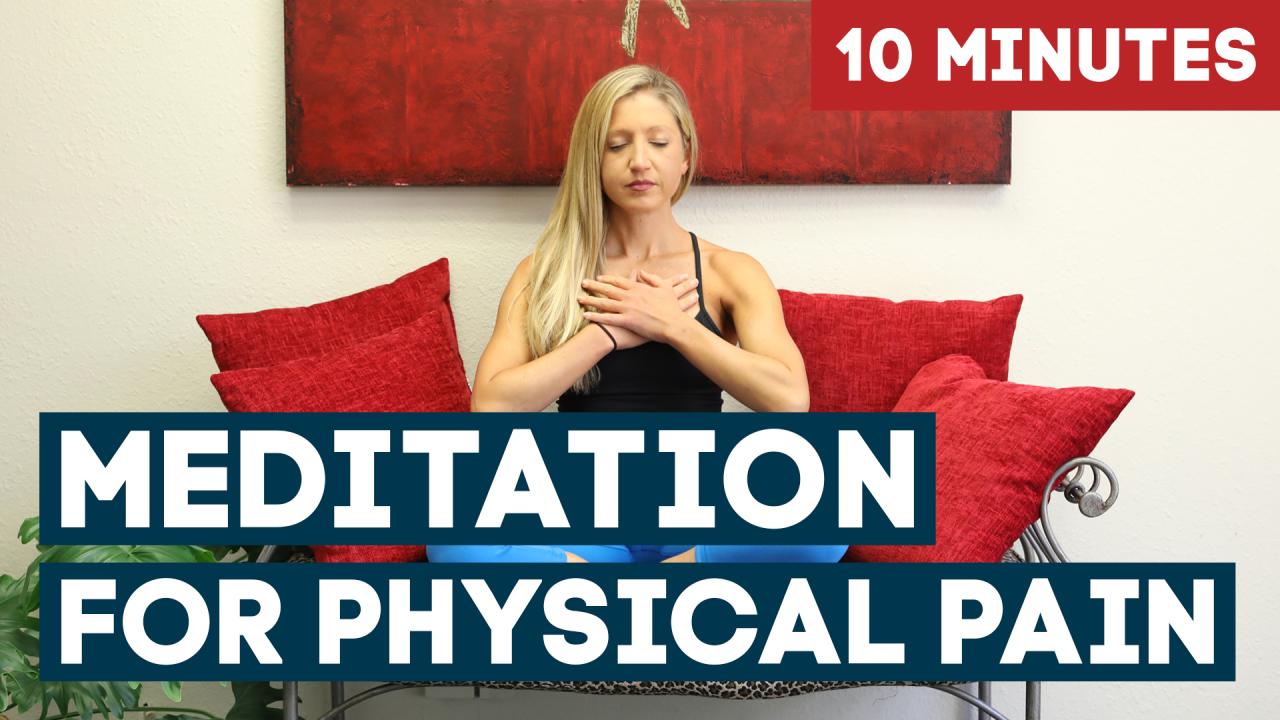
The journey of releasing emotional pain doesn’t end with the closing of your meditation session. It’s a continuous process that extends into your daily life, requiring conscious effort and specific practices to support your emotional well-being and integrate the insights gained during meditation. This section will explore post-meditation practices and ways to seamlessly incorporate these learnings into your everyday routine.
Post-Meditation Practices to Support Emotional Well-being
After a meditation session focused on emotional release, it’s important to provide yourself with gentle care and support. These practices help ground you and facilitate the ongoing processing of emotions.
- Gentle Movement: Engage in light physical activity such as stretching, yoga, or a slow walk. This helps to release any physical tension that may have surfaced during meditation and promotes a sense of calm and grounding. For instance, a short session of mindful stretching, focusing on the breath and the sensations in your body, can be incredibly beneficial.
- Mindful Journaling: Take a few moments to journal about your experience. Write down any thoughts, feelings, or insights that arose during the meditation. This can help you process and understand your emotional landscape more deeply. Consider using prompts such as, “What emotions were most prominent during the meditation?” or “What insights did I gain about my emotional pain?”
- Hydration and Nourishment: Drink a glass of water and eat a nourishing snack or meal. This replenishes your body and mind, supporting your overall well-being. Choose foods that are known for their calming properties, such as herbal teas or foods rich in omega-3 fatty acids.
- Rest and Relaxation: Allow yourself time for rest and relaxation. This might involve listening to calming music, taking a nap, or simply sitting quietly. Creating space for rest helps your nervous system to regulate and allows the insights from your meditation to integrate more fully.
Integrating Insights into Daily Life
The true value of meditation for emotional release lies in its ability to inform and transform your daily life. Here are strategies to seamlessly integrate the insights you’ve gained.
- Mindful Awareness Throughout the Day: Cultivate mindful awareness in your everyday activities. Pay attention to your thoughts, feelings, and bodily sensations as they arise. This practice helps you to catch emotional triggers early and respond to them with greater awareness and compassion.
- Applying Self-Compassion: Extend the self-compassion you practiced during meditation into your daily interactions with yourself. Treat yourself with kindness and understanding, especially when facing challenges or setbacks. Remember that emotional healing is a process, not a destination.
- Establishing Healthy Boundaries: Identify and establish healthy boundaries in your relationships and activities. This might involve saying “no” to commitments that drain your energy or setting limits on your exposure to negative influences.
- Seeking Support: If needed, seek support from trusted friends, family members, or a therapist. Talking about your experiences and emotions can provide valuable perspectives and support your healing journey.
Common Challenges and Coping Strategies Related to Emotional Release
The path of emotional release is not always smooth. You may encounter challenges along the way. The following chart Artikels common challenges and effective coping strategies.
| Challenge | Description | Coping Strategy | Example |
|---|---|---|---|
| Overwhelming Emotions | Experiencing intense or difficult emotions during or after meditation. | Practice grounding techniques, take breaks, and seek support if needed. | If sadness arises intensely, pause the meditation, take deep breaths, and focus on the physical sensations of your body. |
| Resistance to Feelings | Avoiding or suppressing difficult emotions. | Practice allowing and accepting emotions without judgment. Remember that feelings are temporary. | When feeling anger, instead of reacting, acknowledge its presence and observe it without judgment, allowing it to pass. |
| Negative Self-Talk | Engaging in critical or self-deprecating thoughts. | Practice self-compassion and replace negative thoughts with more positive and supportive ones. | If you catch yourself thinking “I’m not good enough,” replace it with “I am worthy of love and compassion.” |
| Difficult Memories | Recalling painful memories or experiences during meditation. | Approach these memories with curiosity and kindness. Practice self-soothing techniques and consider seeking professional support if the memories are overwhelming. | If a difficult memory surfaces, take a moment to acknowledge it, breathe deeply, and remind yourself that you are safe in the present moment. |
When to Seek Professional Help
While meditation can be a powerful tool for processing and releasing emotional pain, it’s essential to recognize its limitations. Meditation is not a substitute for professional mental health care, and there are times when seeking the support of a qualified therapist or counselor is crucial. Knowing when to reach out for professional assistance is a sign of strength, not weakness, and can significantly improve your overall well-being.
Signs Indicating a Need for Professional Support
Recognizing the signs that indicate professional help is needed is crucial for your mental health. These signs suggest that the emotional pain may be overwhelming and require specialized intervention.
- Persistent and Intense Symptoms: Experiencing persistent and intense symptoms of emotional distress, such as prolonged sadness, anxiety, hopelessness, or irritability, despite consistent meditation practice, can indicate a need for professional support. For example, if you find yourself feeling overwhelmed by sadness or anxiety most days of the week for several weeks, it’s time to seek help.
- Impact on Daily Functioning: When emotional pain significantly interferes with your daily life, such as your ability to work, maintain relationships, or engage in activities you once enjoyed, professional intervention is warranted. This could include difficulty concentrating, changes in sleep patterns, or social withdrawal.
- Suicidal Thoughts or Self-Harm: Any thoughts of suicide or self-harm, or any actions related to self-harm, require immediate professional attention. Contact a crisis hotline or seek help from a mental health professional without delay.
- Traumatic Experiences: If you are dealing with the aftermath of a traumatic event, such as abuse, violence, or a natural disaster, professional support is often essential. Therapists specializing in trauma can provide evidence-based treatments to help you process the experience and heal.
- Co-Occurring Mental Health Conditions: If you suspect you may have a co-occurring mental health condition, such as depression, anxiety disorder, or post-traumatic stress disorder (PTSD), professional diagnosis and treatment are necessary. Meditation can be a helpful adjunct to therapy, but it is not a replacement for it.
- Substance Use or Addiction: If you are struggling with substance use or addiction as a way to cope with emotional pain, seeking professional help from a therapist or addiction specialist is essential. These professionals can help you address the underlying issues and develop healthy coping mechanisms.
Types of Therapies that Complement Meditation
Several therapeutic approaches can effectively complement meditation, providing a more comprehensive approach to emotional healing. These therapies can provide tools and strategies that enhance the benefits of meditation.
- Cognitive Behavioral Therapy (CBT): CBT focuses on identifying and changing negative thought patterns and behaviors that contribute to emotional distress. CBT techniques, such as cognitive restructuring and behavioral activation, can help you challenge unhelpful thoughts and develop healthier coping strategies. Meditation can be used to enhance awareness of thoughts and feelings, making it easier to apply CBT techniques.
- Dialectical Behavior Therapy (DBT): DBT is particularly helpful for individuals struggling with intense emotions, such as those with borderline personality disorder. DBT teaches skills in mindfulness, distress tolerance, emotion regulation, and interpersonal effectiveness. Meditation practices are integrated directly into DBT, enhancing mindfulness skills and helping you manage difficult emotions.
- Eye Movement Desensitization and Reprocessing (EMDR): EMDR is a therapy used to process traumatic memories. It involves using bilateral stimulation, such as eye movements, to help reprocess traumatic experiences and reduce their emotional impact. Meditation can be a useful tool for preparing for and integrating the work done in EMDR.
- Psychodynamic Therapy: This type of therapy explores unconscious patterns and past experiences that may be contributing to current emotional difficulties. It involves examining your relationships and understanding how past experiences shape your present. Meditation can help enhance self-awareness and facilitate the process of exploring these deeper issues.
- Acceptance and Commitment Therapy (ACT): ACT encourages acceptance of difficult thoughts and feelings, while focusing on committed action towards values. It teaches mindfulness skills to help you observe your thoughts and feelings without judgment, and helps you define and pursue values-based goals. Meditation and ACT share many similar principles and can be used together to enhance overall well-being.
Resources for Finding Qualified Mental Health Professionals
Finding a qualified mental health professional is a crucial step in seeking help. Several resources can assist you in finding the right therapist or counselor for your needs.
- Your Primary Care Physician: Your primary care physician can be a valuable resource for referrals to mental health professionals in your area. They may also be able to provide initial assessments or recommend local therapists.
- Insurance Provider Directories: Your health insurance provider’s website will typically have a directory of mental health professionals in your network. This ensures that the services you receive are covered by your insurance plan.
- Professional Organizations: Organizations like the American Psychological Association (APA), the American Psychiatric Association (APA), and the National Association of Social Workers (NASW) offer online directories to help you find licensed therapists, psychologists, psychiatrists, and social workers in your area.
- Online Therapy Platforms: Several online platforms, such as BetterHelp, Talkspace, and Amwell, connect you with licensed therapists for virtual therapy sessions. This can be a convenient option if you prefer online therapy or live in an area with limited access to mental health services.
- University Counseling Centers: If you are a student, your university’s counseling center is a great resource for affordable or free mental health services. They often provide individual and group therapy, as well as workshops and other resources.
- Local Community Mental Health Centers: These centers provide a range of mental health services, often on a sliding scale based on income. They can be a valuable resource for those who may not have insurance or have limited financial resources.
- Employee Assistance Programs (EAPs): If you are employed, your employer may offer an EAP, which provides confidential counseling and support services to employees and their families.
Advanced Meditation Techniques (Optional)

Exploring advanced meditation practices can provide deeper insights into emotional landscapes. These techniques, built upon a foundation of consistent practice, offer pathways to navigate complex emotional experiences with greater awareness and resilience. They are best approached after establishing a solid base in foundational meditation methods, as they often involve more intense focus and self-awareness.
Mantra Meditation for Emotional Release
Mantra meditation utilizes the repetitive chanting of a word or phrase to focus the mind and facilitate emotional processing. This technique, rooted in various spiritual traditions, can be particularly helpful in releasing deeply held emotional patterns.The procedure for using mantra meditation to aid emotional release is as follows:
- Choose a Mantra: Select a mantra that resonates with you and your intentions. It could be a simple word like “peace” or “love,” a phrase like “I am worthy,” or a more complex mantra derived from spiritual traditions. Consider mantras like “Om Mani Padme Hum,” a Buddhist mantra associated with compassion, or “So Hum,” which translates to “I am That.”
- Find a Comfortable Posture: Sit in a comfortable position, either cross-legged, in a chair with your feet flat on the floor, or lying down. Ensure your spine is straight but not stiff.
- Close Your Eyes: Gently close your eyes to minimize distractions and turn your focus inward.
- Focus on Your Breath: Take a few deep breaths to center yourself and relax your body.
- Begin Chanting the Mantra: Silently or aloud, begin repeating your chosen mantra. Focus on the sound and rhythm of the words.
- Notice Your Thoughts and Emotions: As you chant, thoughts and emotions may arise. Acknowledge them without judgment, and gently redirect your attention back to the mantra. Don’t suppress the emotions; simply observe them.
- Breathe with the Mantra: Coordinate your breath with the mantra. For example, inhale while silently saying part of the mantra and exhale while saying the rest. This can enhance the meditative experience.
- Continue for a Set Time: Meditate for a specific duration, starting with 5-10 minutes and gradually increasing the time as you become more comfortable. A timer can be helpful.
- Conclude the Meditation: When the time is up, slowly bring your awareness back to your surroundings. Take a few deep breaths and gently open your eyes.
- Integrate Your Experience: Reflect on any insights or emotional releases that occurred during the meditation. Journaling can be a helpful way to process your experience.
The effectiveness of mantra meditation can be enhanced by consistent practice and a sincere intention to heal.
Meditation Practice Incorporating Movement for Emotional Healing
Walking meditation, or other forms of mindful movement, can be integrated into a meditation practice to facilitate emotional healing. The combination of physical activity and focused awareness can provide a powerful means of releasing stored emotions and promoting a sense of groundedness.A meditation practice incorporating movement for emotional healing involves:
- Choose a Location: Select a quiet and safe environment where you can walk comfortably. This could be a park, a garden, or even a spacious room.
- Begin with Stillness: Before you start walking, take a few moments to stand or sit still. Close your eyes and bring your attention to your breath.
- Start Walking Slowly: Begin walking at a slow and deliberate pace. Pay attention to the sensation of your feet making contact with the ground.
- Focus on the Physical Sensations: Notice the movement of your body – the lifting and lowering of your feet, the swing of your arms, and the feeling of the air against your skin.
- Bring Awareness to Your Emotions: As you walk, allow your emotions to surface. Acknowledge them without judgment. Notice where you feel the emotions in your body.
- Use Affirmations (Optional): If helpful, silently repeat affirmations related to emotional healing, such as “I release this pain” or “I am safe and loved.”
- Adjust Your Pace as Needed: If an emotion becomes overwhelming, slow down your pace or stop walking momentarily to regain your composure.
- Integrate Breathing: Coordinate your breath with your steps. Inhale as you take a step, and exhale as you take the next.
- Continue for a Set Time: Meditate for a specific duration, gradually increasing the time as you become more comfortable.
- Conclude the Meditation: When the time is up, slowly bring your awareness back to your surroundings. Take a few deep breaths and pause for a moment before returning to your regular activities.
Walking meditation is particularly useful for those who find it difficult to sit still during meditation, as the movement can help to channel and process emotions.
Epilogue
In conclusion, this guide on How to Meditate for Releasing Past Emotional Pain offers a holistic approach to healing, emphasizing the importance of self-compassion and mindfulness. Through guided practices, we have explored techniques to acknowledge, accept, and release past emotional burdens. By integrating these practices into daily life, you can cultivate a deeper understanding of your emotions and build resilience.
Remember, the journey to emotional healing is a personal one, and this guide serves as a supportive companion on your path to inner peace and well-being.