In today’s fast-paced work environments, maintaining a positive and productive mindset is more crucial than ever. This guide, “How to Meditate for Improving Your Mindset at Work,” delves into the powerful practice of meditation, offering a practical roadmap to enhance your mental well-being and boost your professional performance. We’ll explore how a focused mind can transform your approach to challenges, improve collaboration, and ultimately, contribute to a more fulfilling work life.
This comprehensive guide will walk you through the fundamentals of mindset and meditation, providing step-by-step techniques suitable for the workplace. From understanding the benefits of mindfulness to integrating short meditation breaks into your daily routine, we will equip you with the tools and knowledge necessary to cultivate a more resilient and focused mindset. Discover how to create a conducive meditation space, handle interruptions, and overcome common challenges to establish a consistent practice.
Defining Mindset and Its Impact at Work
Mindset, in the professional realm, is the established set of attitudes, beliefs, and assumptions that a person holds, which significantly impacts their approach to work, problem-solving, and interactions with colleagues. It acts as a filter through which individuals perceive challenges and opportunities, influencing their performance, collaboration, and overall success within the workplace. Cultivating a positive and growth-oriented mindset is crucial for thriving in today’s dynamic work environments.
Understanding Mindset in Professional Environments
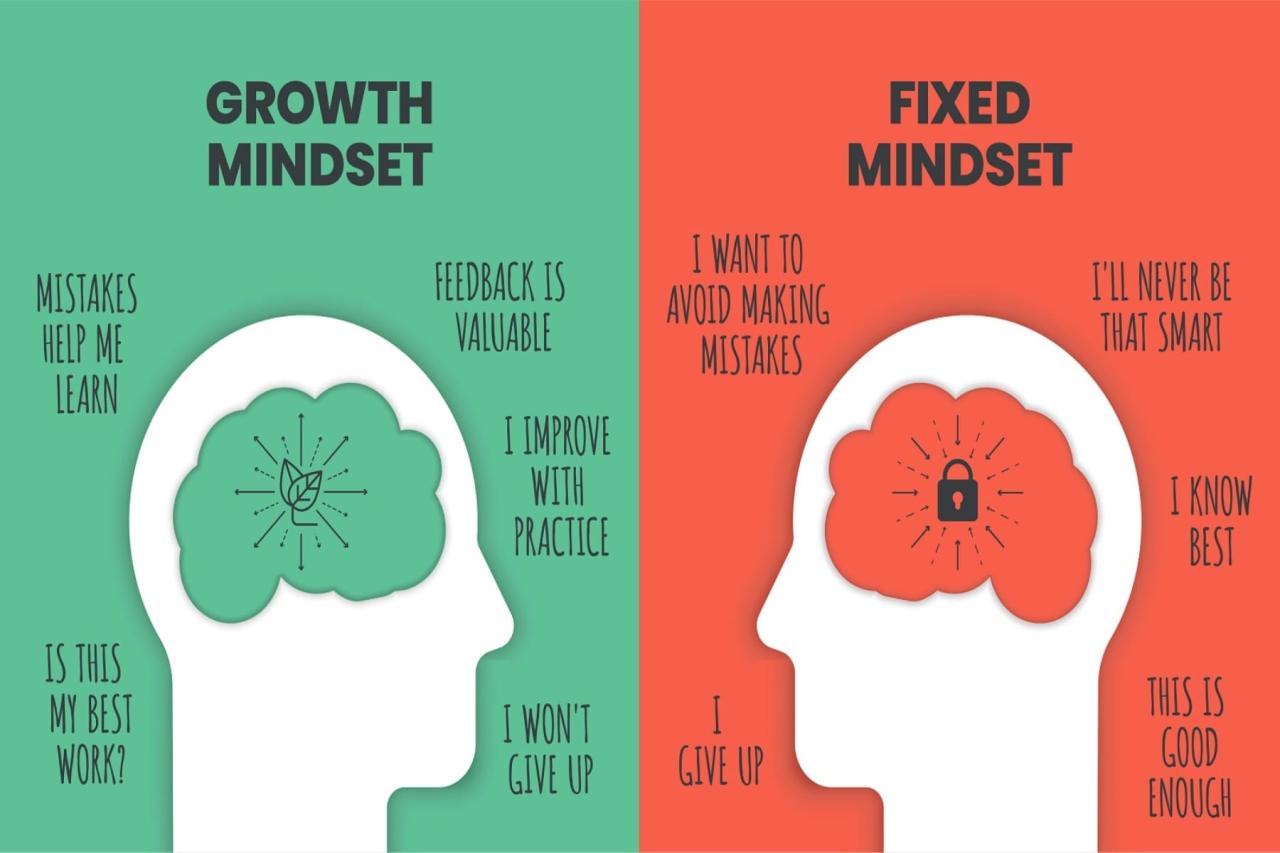
Mindset encompasses an individual’s deeply ingrained thoughts and beliefs about their abilities, intelligence, and the nature of success. It can be broadly categorized into two primary types: growth mindset and fixed mindset. A growth mindset, as defined by Dr. Carol Dweck, emphasizes the belief that abilities and intelligence can be developed through dedication and hard work. Conversely, a fixed mindset assumes that abilities are innate and unchangeable.
The professional application of these mindsets dictates how employees approach challenges, feedback, and learning opportunities. For instance, a growth mindset encourages individuals to view setbacks as learning experiences, while a fixed mindset might lead to avoidance of challenges or a fear of failure.
Positive Mindset and Its Influence on Productivity and Collaboration
A positive mindset, characterized by optimism, resilience, and a belief in one’s abilities, fosters increased productivity and enhanced collaboration within the workplace. Individuals with this mindset are more likely to:
- Embrace challenges as opportunities for growth and development, leading to innovative solutions and increased problem-solving capabilities.
- Exhibit greater resilience in the face of setbacks, viewing failures as temporary and learning experiences rather than permanent reflections of their abilities.
- Foster stronger collaborative relationships with colleagues by approaching interactions with a constructive and supportive attitude, facilitating better teamwork and communication.
- Demonstrate a higher level of engagement and commitment to their work, resulting in improved performance and a stronger sense of job satisfaction.
For example, a software engineer with a positive mindset might view a complex coding bug not as a personal failure but as a puzzle to be solved, approaching it with persistence and creativity, ultimately leading to a more efficient and effective solution. This approach contrasts sharply with a negative mindset, which might lead to frustration and a reluctance to tackle the problem.
Negative Mindset and Its Hindrance on Performance and Team Dynamics
A negative mindset, often characterized by pessimism, self-doubt, and a fear of failure, can significantly hinder individual performance and disrupt team dynamics. This can manifest in several ways:
- Decreased Productivity: Individuals with a negative mindset may experience lower levels of motivation, leading to procrastination, reduced effort, and ultimately, decreased productivity.
- Avoidance of Challenges: A fear of failure can lead to the avoidance of challenging tasks or projects, limiting opportunities for growth and development.
- Poor Collaboration: Negative attitudes can create friction within teams, leading to conflict, communication breakdowns, and a lack of trust among colleagues.
- Resistance to Feedback: Individuals with a negative mindset may be more likely to dismiss or become defensive when receiving constructive criticism, hindering their ability to learn and improve.
Consider a sales team where some members consistently believe they are not capable of meeting their targets. This self-doubt can manifest as a reluctance to make calls, a pessimistic attitude during client interactions, and ultimately, lower sales figures for the team. This negativity can also spread, impacting the morale and performance of other team members.
The Importance of Mindset in Leadership Roles
Mindset plays a crucial role in leadership. Leaders with a growth mindset inspire and motivate their teams by:
- Setting a positive example: Their own belief in growth and development encourages team members to embrace challenges and learn from mistakes.
- Fostering a culture of continuous improvement: They create an environment where feedback is valued, and learning is prioritized.
- Empowering their teams: They provide opportunities for their team members to develop their skills and take on new challenges.
- Encouraging innovation: They are more likely to support risk-taking and experimentation, leading to creative solutions and improved performance.
A leader who embraces a fixed mindset, on the other hand, may be less likely to provide opportunities for growth, be less receptive to feedback, and may create a more rigid and less adaptable work environment. For instance, a CEO who believes that talent is innate might focus on hiring already-skilled individuals rather than investing in the development of their current employees.
This can limit the company’s ability to adapt to changing market conditions and retain top talent.
Understanding Meditation and Its Benefits

Meditation, a practice with roots in ancient traditions, offers a powerful pathway to enhance mental well-being and improve performance in the workplace. Understanding the fundamental principles and diverse techniques of meditation, along with their associated benefits, is crucial for incorporating this practice into a professional setting. This section will explore the core elements of meditation, examine various techniques suitable for the workplace, and highlight the significant physiological and psychological advantages it provides.
Basic Principles of Meditation
The core of meditation revolves around cultivating awareness and focusing the mind. This typically involves directing attention to a specific object, thought, or sensation, and gently redirecting it when the mind wanders. The goal isn’t to eliminate thoughts but to observe them without judgment.
Different Types of Meditation Techniques Suitable for Workplace Application
Various meditation techniques can be adapted for the workplace, offering flexibility and ease of integration into a busy schedule.
- Mindfulness Meditation: This involves paying attention to the present moment without judgment. It can be practiced during everyday activities, such as eating or walking, or during dedicated meditation sessions.
- Focused Attention Meditation: This technique involves concentrating on a single point of focus, such as the breath, a mantra, or a visual object. When the mind wanders, the focus is gently brought back.
- Loving-Kindness Meditation (Metta): This practice involves cultivating feelings of kindness and compassion towards oneself and others. It often involves repeating phrases of goodwill.
- Body Scan Meditation: This technique involves systematically bringing awareness to different parts of the body, noticing sensations without judgment.
- Walking Meditation: This is a form of meditation practiced while walking slowly and deliberately, focusing on the sensations of the feet and body.
Physiological and Psychological Benefits of Meditation
Regular meditation practice yields numerous benefits, impacting both the body and the mind.
- Physiological Benefits: Meditation has been shown to reduce the production of cortisol, the primary stress hormone. This, in turn, can lead to lower blood pressure, improved sleep quality, and a strengthened immune system. Studies have shown that regular meditation can increase the density of gray matter in brain regions associated with emotional regulation and attention.
- Psychological Benefits: Meditation enhances emotional regulation, reduces anxiety and depression, and increases self-awareness. It can also improve focus, concentration, and memory. Research published in the
-Journal of the American Medical Association* found that mindfulness meditation was effective in reducing symptoms of anxiety.
Meditation’s Role in Reducing Stress and Improving Focus
Meditation is a powerful tool for managing stress and enhancing concentration, both critical for workplace success. By calming the nervous system and promoting relaxation, meditation counteracts the physiological effects of stress.
The practice of meditation provides tools to recognize and respond to stressful situations with greater equanimity, reducing the likelihood of impulsive reactions and improving decision-making.
Meditation also cultivates focus by training the mind to stay present. This increased attention span translates into improved productivity and a greater ability to manage distractions. For instance, studies indicate that even short meditation sessions (e.g., 10 minutes) can significantly improve cognitive performance, including attention and working memory.
Comparison of Meditation Techniques
This table provides a comparison of various meditation techniques, considering time commitment and workplace suitability.
| Meditation Technique | Description | Time Commitment | Workplace Suitability |
|---|---|---|---|
| Mindfulness Meditation | Paying attention to the present moment without judgment. | 5-30 minutes per day, or practiced throughout the day. | Highly suitable; can be practiced anywhere, anytime. |
| Focused Attention Meditation | Concentrating on a single point of focus (breath, mantra). | 10-20 minutes per day. | Suitable; requires a quiet space, but can be done at a desk. |
| Loving-Kindness Meditation (Metta) | Cultivating feelings of kindness and compassion. | 10-20 minutes per day. | Suitable; can be done quietly at a desk or in a break room. |
| Body Scan Meditation | Bringing awareness to different parts of the body. | 15-30 minutes per day. | Moderately suitable; requires a comfortable, private space. |
| Walking Meditation | Meditating while walking slowly and deliberately. | 15-30 minutes per day. | Moderately suitable; requires a designated walking area, or a quiet place where you can walk slowly. |
Preparing for Workplace Meditation

Taking time to meditate during the workday requires thoughtful planning and preparation. This section will explore practical strategies for integrating meditation into your work life, maximizing its benefits while navigating the unique challenges of different work environments. The goal is to equip you with the knowledge and tools to cultivate a mindful practice, regardless of your workplace setting.
Ideal Times and Locations for Meditation Breaks
Finding the right time and place for meditation is crucial for establishing a consistent practice. Strategic planning allows you to seamlessly incorporate meditation into your daily work routine.
Consider these options:
- Before the Workday Begins: Meditating before starting work can set a positive tone for the day, reducing stress and increasing focus.
- During Lunch Breaks: Utilizing lunch breaks for meditation provides a structured opportunity to de-stress and recharge before the afternoon.
- Mid-Morning/Mid-Afternoon Breaks: Short meditation sessions during breaks can help combat afternoon slumps or periods of intense work, promoting mental clarity.
- Transition Times: Consider meditating during transitions, such as between meetings or tasks, to reset your mind and prevent mental fatigue.
- Quiet Spaces: Identify quiet areas within the office or your home, such as unused meeting rooms, empty offices, or a dedicated meditation corner.
- Outdoor Spaces: If possible, meditate outdoors in a park, garden, or other natural setting for a refreshing experience.
- Remote Work Flexibility: Remote work offers greater flexibility; you can easily meditate at home, tailoring the timing and location to your preference.
Creating a Conducive Meditation Space
Establishing a dedicated meditation space, whether at the office or home, can significantly enhance your practice. The environment plays a vital role in setting the mood and minimizing distractions.
Follow these steps:
- Choose a Quiet Location: Select a space free from noise and interruptions. This could be a corner of your office, a spare room at home, or any area where you can find peace.
- Minimize Clutter: A clean and organized space promotes a sense of calm. Clear away unnecessary items and create a tidy environment.
- Provide Comfortable Seating: Use a comfortable cushion, chair, or bench that supports good posture. The goal is to be relaxed but alert.
- Incorporate Soothing Elements: Add elements that promote relaxation, such as soft lighting, plants, or a calming color scheme.
- Use Natural Light: If possible, position your meditation space near a window to benefit from natural light, which can boost mood and energy levels.
- Personalize the Space: Add items that inspire you, such as inspirational quotes, artwork, or personal mementos. This creates a space that feels welcoming and supportive.
Minimizing Distractions During Meditation Sessions
Distractions are inevitable, but minimizing them is key to a successful meditation practice. Proactive strategies can help you maintain focus and derive maximum benefit from each session.
Here are some techniques:
- Inform Colleagues/Household Members: Let others know when you’re meditating to avoid interruptions.
- Turn Off Notifications: Silence your phone, close email and messaging apps, and turn off any other sources of alerts.
- Use Noise-Canceling Headphones: If noise is a persistent issue, use noise-canceling headphones or earplugs to block out distractions.
- Set a Timer: Using a timer helps you stay focused and prevents you from checking the time repeatedly.
- Practice Mindful Awareness: When distractions arise, acknowledge them without judgment and gently redirect your attention back to your breath or chosen meditation object.
- Create a Routine: Establishing a consistent routine can help your mind anticipate and prepare for meditation, making it easier to focus.
Adapting Meditation Practices for Different Work Environments
The ability to adapt meditation practices to various work environments ensures that you can maintain your practice, regardless of your setting. Flexibility and creativity are key.
Consider these adaptations:
- Open-Plan Offices: In open-plan offices, use noise-canceling headphones, find a quiet corner, or take short meditation breaks in a restroom or empty meeting room.
- Remote Work: Remote work provides flexibility. Create a dedicated meditation space at home, schedule meditation breaks into your day, and experiment with different meditation techniques.
- Office Cubicles: If you work in a cubicle, use a small cushion or chair, close your eyes during meditation, and utilize short meditation sessions.
- Travel: When traveling for work, use travel-friendly meditation apps, practice mindful breathing during flights or train rides, and meditate in your hotel room.
- Meetings: Incorporate brief mindfulness exercises, such as deep breathing, before or during meetings to improve focus and reduce stress.
- Virtual Meetings: During virtual meetings, use the time when others are speaking to practice mindful listening or short meditations.
Step-by-Step Meditation Techniques for Work
Integrating meditation into your workday can significantly enhance your focus, reduce stress, and improve your overall mindset. These techniques are designed to be easily implemented during short breaks or even at your desk, offering a practical toolkit for cultivating mindfulness and emotional resilience in the workplace. Regular practice can lead to a calmer, more productive, and more fulfilling professional life.
Basic Breath Awareness Meditation Technique
Breath awareness meditation is a foundational practice that helps anchor your attention and calm the mind. This technique involves focusing on the natural rhythm of your breath without trying to control it. This can be done anywhere, making it an accessible tool for managing stress and improving focus throughout the workday.Here’s how to practice breath awareness meditation:
- Find a Comfortable Position: Sit upright in a chair with your feet flat on the floor, or sit cross-legged on a cushion. Ensure your back is straight but not rigid, and your shoulders are relaxed.
- Close or Soften Your Eyes: Gently close your eyes or soften your gaze, looking down at the floor.
- Focus on Your Breath: Bring your attention to your breath. Notice the sensation of the air entering and leaving your body. You can focus on the rise and fall of your abdomen, the feeling of the air passing through your nostrils, or the movement of your chest.
- Observe the Breath: Simply observe your breath without trying to change it. Notice the length of each inhale and exhale, and the natural pauses between breaths.
- Acknowledge Wandering Thoughts: Your mind will inevitably wander. When you notice your thoughts drifting, gently acknowledge them without judgment. Then, redirect your attention back to your breath. Don’t get frustrated; this is a normal part of the process.
- Continue for a Set Time: Start with 2-3 minutes and gradually increase the duration as you become more comfortable. Set a timer to avoid constantly checking the time.
- End with Awareness: When the timer goes off, slowly open your eyes and take a moment to notice how you feel. Carry this sense of calm and awareness with you as you return to your work.
Guided Body Scan Meditation
A body scan meditation involves systematically bringing awareness to different parts of your body, noticing any sensations without judgment. This technique can help release tension, improve body awareness, and promote a sense of relaxation. It’s a great way to take a break from mental activity and reconnect with your physical self.Here’s a script you can use for a body scan meditation:
- Preparation: Find a comfortable position, either sitting or lying down. Close your eyes or soften your gaze. Take a few deep breaths to settle your mind.
- Focus on Your Feet: Bring your attention to your feet. Notice any sensations: warmth, coolness, tingling, or pressure. Simply observe without judgment.
- Move Upward: Slowly move your attention up your body. Notice the sensations in your ankles, calves, and knees. Observe any areas of tension or relaxation.
- Continue Upward: Continue moving your awareness up your body, including your thighs, hips, abdomen, lower back, chest, upper back, shoulders, arms, hands, neck, and head.
- Observe the Whole Body: Once you have scanned your entire body, take a moment to notice your overall experience. Notice how your body feels as a whole.
- Return to the Present: Gently bring your attention back to your breath. Take a few deep breaths and slowly open your eyes.
Mindfulness Meditation Exercise Focused on Thoughts and Emotions
This exercise helps you observe your thoughts and emotions without getting carried away by them. It encourages you to develop a sense of detachment, allowing you to respond to challenging situations with greater clarity and composure. This is especially helpful in a workplace environment where stressful situations can arise frequently.Here’s a step-by-step guide for practicing this meditation:
- Find a Quiet Space: Sit comfortably in a quiet place, free from distractions. Close your eyes or soften your gaze.
- Focus on Your Breath: Begin by taking a few deep breaths, focusing on the sensation of the air entering and leaving your body. This helps anchor your attention.
- Observe Thoughts: As thoughts arise, simply observe them as if they were clouds passing in the sky. Don’t try to suppress or analyze them. Acknowledge their presence without getting caught up in their content. You might say to yourself, “Thinking,” as a thought appears.
- Acknowledge Emotions: When emotions arise, whether positive or negative, observe them in the same way. Notice where you feel the emotion in your body. Acknowledge the feeling without judgment. You might say to yourself, “Feeling,” as an emotion arises.
- Practice Detachment: Remember that thoughts and emotions are temporary. They come and go. Remind yourself that you are not your thoughts or emotions; you are the observer.
- Return to Your Breath: When you find yourself getting carried away by a thought or emotion, gently bring your attention back to your breath.
- End with Awareness: Continue this practice for a few minutes, and then slowly open your eyes, carrying the sense of detachment and awareness into your day.
Procedure for a Short Walking Meditation to Practice During Breaks
Walking meditation is a dynamic way to cultivate mindfulness, bringing awareness to the physical sensations of walking. It can be a refreshing break from sitting at your desk and a great way to incorporate movement into your workday. This can be done during a short break, helping you to return to your work feeling refreshed and focused.Here’s how to practice walking meditation:
- Find a Suitable Space: Choose a quiet area where you can walk without interruption, such as a hallway or a less busy part of the office.
- Stand and Center Yourself: Stand upright with your feet hip-width apart. Close your eyes or soften your gaze. Take a few deep breaths to center yourself.
- Begin Walking Slowly: Start walking very slowly, paying attention to each movement. Notice the sensation of your feet making contact with the ground.
- Focus on Each Step: Bring your attention to each step. Notice the lifting of your foot, the forward movement, and the placement of your foot on the ground. Feel the weight shift from one foot to the other.
- Observe Your Body: Notice any sensations in your body as you walk: the movement of your arms, the rise and fall of your chest, the feeling of the air on your skin.
- Acknowledge Thoughts and Emotions: As thoughts or emotions arise, gently acknowledge them without getting carried away. Redirect your attention back to your walking.
- Maintain a Steady Pace: Walk at a consistent pace, focusing on the present moment.
- End the Meditation: After a few minutes, gradually slow down your pace and come to a stop. Take a moment to notice how you feel before returning to your work.
Step-by-Step Guide for a Loving-Kindness Meditation Practice
Loving-kindness meditation, also known as metta meditation, cultivates feelings of goodwill, compassion, and kindness towards yourself and others. This practice can help reduce feelings of anger, resentment, and stress, fostering a more positive and supportive work environment. Regular practice can enhance relationships and create a sense of connection.Here’s a step-by-step guide:
- Find a Comfortable Position: Sit comfortably in a quiet space. Close your eyes or soften your gaze. Take a few deep breaths to settle your mind.
- Focus on Yourself: Begin by directing loving-kindness towards yourself. Silently repeat phrases such as:
“May I be well.”
“May I be happy.”
“May I be peaceful.”
“May I be free from suffering.”Visualize yourself surrounded by warmth and compassion.
- Extend to a Loved One: Bring to mind a person you care about. Direct the same loving-kindness phrases towards them, visualizing them happy and well.
- Extend to a Neutral Person: Think of someone you don’t know very well, perhaps a colleague or someone you see regularly but don’t have a strong relationship with. Offer them the same wishes for well-being.
- Extend to a Difficult Person: This can be the most challenging part. Think of someone with whom you have a difficult relationship. Silently offer them the same wishes for well-being. This doesn’t mean you have to condone their behavior, but rather to wish them happiness and peace.
- Extend to All Beings: Finally, extend your loving-kindness to all beings, including yourself, your loved ones, neutral people, and difficult people. Visualize the world filled with love and compassion. Repeat the phrases:
“May all beings be well.”
“May all beings be happy.”
“May all beings be peaceful.”
“May all beings be free from suffering.” - End the Meditation: Slowly open your eyes, carrying the feeling of loving-kindness with you throughout your day.
Integrating Meditation into the Workday

Incorporating meditation into your workday can significantly enhance your focus, reduce stress, and improve overall well-being. This section provides practical strategies and insights to help you seamlessly integrate meditation into your daily work routine. The goal is to make mindfulness a regular practice, fostering a more productive and positive work environment.
Strategies for Short Meditation Breaks
Taking short meditation breaks throughout the workday can be remarkably effective. These breaks don’t need to be long; even a few minutes can make a difference.
- Schedule Breaks: Integrate short meditation sessions into your calendar, much like you would schedule meetings or lunch breaks. This helps to ensure that you dedicate time to mindfulness.
- Use Reminders: Set reminders on your phone or computer to prompt you to meditate. These reminders can serve as gentle nudges to take a break and recenter yourself.
- Micro-Meditations: Practice “micro-meditations” throughout the day. This could involve taking a few deep breaths before a meeting, focusing on your breath while waiting for a document to load, or briefly closing your eyes to calm your mind.
- Dedicated Spaces: Identify quiet spaces in your workplace where you can meditate. This might be a break room, an empty office, or even your desk, if you can create a sense of privacy.
- Guided Meditations: Utilize guided meditation apps or online resources for short, guided sessions. These can be particularly helpful for beginners or when you’re short on time.
Handling Interruptions During Meditation
Interruptions are inevitable, but they don’t have to derail your meditation practice. Here’s how to manage them effectively:
- Acknowledge and Redirect: If you’re interrupted, gently acknowledge the interruption, and then redirect your attention back to your breath or meditation focus.
- Establish Boundaries: If possible, let colleagues know when you’ll be meditating and request that they avoid interrupting you during that time.
- Use Visual Cues: Consider using a visual cue, such as a sign or a headset, to signal to others that you are meditating and should not be disturbed.
- Practice Non-Attachment: Recognize that interruptions are a part of life. Practice non-attachment to the interruption and avoid getting frustrated or losing your composure.
- Shorten Sessions: If interruptions are frequent, consider shortening your meditation sessions to accommodate the realities of your workday.
Maintaining Consistency with a Meditation Practice
Consistency is key to reaping the full benefits of meditation. Here are some tips to help you maintain a regular practice:
- Start Small: Begin with short meditation sessions, such as five to ten minutes, and gradually increase the duration as you become more comfortable.
- Establish a Routine: Meditate at the same time each day to make it a habit. Linking your meditation practice to an existing routine, such as your morning coffee or lunch break, can be helpful.
- Track Your Progress: Keep a journal or use a meditation app to track your progress. This can help you stay motivated and see how your practice is evolving.
- Be Patient: Don’t get discouraged if you miss a day or two. Simply return to your practice as soon as possible.
- Find a Buddy: Meditate with a colleague or friend. Having a meditation buddy can provide support and accountability.
Comparing Morning Versus Afternoon Meditation Sessions
Both morning and afternoon meditation sessions offer unique benefits. The choice depends on your personal preferences and work schedule.
- Morning Meditation:
- Benefits: Sets a positive tone for the day, enhances focus, reduces stress before the workday begins, and can improve overall productivity.
- Considerations: Requires waking up earlier, which may not be feasible for everyone.
- Afternoon Meditation:
- Benefits: Helps to combat afternoon fatigue, reduces stress accumulated throughout the day, and can improve decision-making in the second half of the workday.
- Considerations: May require finding a quiet space amidst the workday’s demands, potentially competing with work deadlines.
Setting Realistic Goals for a Workplace Meditation Practice
Setting realistic goals is crucial for a successful meditation practice. Avoid overwhelming yourself with ambitious targets from the start.
- Start with Duration: Begin with short meditation sessions, such as 5-10 minutes per day, and gradually increase the duration as you become more comfortable.
- Frequency over Duration: Focus on consistency, even if the sessions are short. It’s better to meditate for 5 minutes every day than for 30 minutes once a week.
- Define Specific Times: Schedule your meditation sessions at specific times during the workday to make them a habit.
- Track Progress: Keep a journal or use a meditation app to track your progress. This can help you stay motivated and adjust your goals as needed.
- Be Flexible: Life happens. Allow yourself to miss a session occasionally without feeling discouraged. Simply return to your practice as soon as possible.
“Mindfulness isn’t difficult, we just need to remember to do it.” – Sharon Salzberg, Co-founder of the Insight Meditation Society.
Addressing Challenges and Common Issues
It’s common to encounter obstacles when incorporating meditation into your workday. These challenges are a normal part of the process, and understanding how to navigate them is key to building a sustainable practice. This section provides practical strategies to overcome common hurdles and maintain a consistent meditation routine.
Managing Racing Thoughts During Meditation
Racing thoughts are a frequent experience during meditation. The mind naturally wanders, and thoughts, memories, and anxieties can surface. The goal isn’t to eliminate these thoughts, but rather to learn how to observe them without judgment and gently redirect your attention.* Acknowledge and Observe: Recognize that thoughts are arising. Don’t fight them or get caught up in their content.
Simply acknowledge their presence.
Labeling
Mentally label the thoughts as “thinking,” “planning,” or “worrying.” This helps to create distance between you and the thoughts.
Gentle Redirection
When you notice your mind wandering, gently bring your attention back to your chosen anchor, such as your breath, a mantra, or a body scan. Avoid self-criticism; it’s a sign that you are meditating.
Practice and Patience
The ability to manage racing thoughts improves with consistent practice. The more you meditate, the better you become at recognizing and redirecting your attention.
Dealing with Physical Discomfort During Meditation
Physical discomfort can be a significant distraction during meditation. Finding a comfortable position is crucial for maintaining focus and relaxation. Experiment with different postures and make adjustments as needed.* Choosing a Comfortable Position: Sit in a chair with your back straight but not rigid, or on a cushion on the floor. You can also lie down, but be mindful of falling asleep.
Making Adjustments
If you experience discomfort, gently adjust your posture. Stretch your legs, shift your weight, or change your arm position.
Using Props
Utilize props like cushions, blankets, or back supports to improve comfort. These can help to alleviate pressure points and promote relaxation.
Body Scan Meditation
Regularly practice body scan meditation. This technique involves bringing awareness to different parts of your body, which can help you identify and release tension.
Overcoming the Feeling of Being Too Busy to Meditate
The demands of a busy workday can make it challenging to find time for meditation. However, even short meditation sessions can provide significant benefits. Reframing your perspective and integrating meditation into your existing routine can help.* Prioritize Meditation: Treat meditation as an important task, like a meeting or a deadline. Schedule it into your calendar and protect that time.
Start Small
Begin with short meditation sessions, such as 5 or 10 minutes. You can gradually increase the duration as you become more comfortable.
Integrate Meditation into Existing Activities
Combine meditation with other activities, such as your commute or your lunch break.
Recognize the Benefits
Remind yourself of the benefits of meditation, such as reduced stress, improved focus, and enhanced emotional regulation. This can motivate you to prioritize it.
Identifying and Clarifying Common Misconceptions About Meditation
Several misconceptions can prevent people from trying or sticking with meditation. Dispelling these myths can help you develop a more realistic understanding of the practice.* Misconception: Meditation is about emptying your mind.
Clarification
The goal of meditation isn’t to eliminate thoughts, which is nearly impossible. Instead, it’s about learning to observe your thoughts without judgment.
Misconception
Meditation is only for people who are “spiritual” or “religious.”
Clarification
Meditation is a secular practice with roots in various traditions. It’s accessible to anyone, regardless of their beliefs.
Misconception
You need to sit in a specific posture to meditate.
Clarification
While some postures are traditional, you can meditate in any comfortable position. The focus is on mental practice, not physical perfection.
Misconception
Meditation is difficult and requires a lot of time.
Clarification
Meditation can be learned by anyone, and even short sessions can be beneficial. Consistency is more important than duration.
Outlining Potential Roadblocks to a Consistent Meditation Practice
Several factors can hinder the development of a consistent meditation practice. Recognizing these potential roadblocks can help you proactively address them and maintain your commitment.* Lack of Time: The perception of being too busy is a significant barrier.
Discomfort
Physical discomfort or restlessness can make meditation challenging.
Difficulty Concentrating
Racing thoughts and a wandering mind can be frustrating.
Lack of Motivation
It can be challenging to maintain motivation, especially when initial results are not immediately apparent.
Unrealistic Expectations
Expecting perfection or instant results can lead to discouragement.
External Distractions
Noise, interruptions, and a busy environment can disrupt meditation.
Inconsistency
Irregular practice can hinder progress and make it harder to establish a habit.
Measuring the Impact of Meditation on Mindset
Tracking the effectiveness of workplace meditation is crucial for understanding its benefits and optimizing its implementation. This section Artikels practical methods for assessing the impact of meditation on stress levels, focus, mindset, and overall work performance, providing tools and techniques for ongoing self-assessment and improvement.
Tracking Changes in Stress Levels and Focus
It is important to establish a system for monitoring changes in stress levels and focus, as these are primary indicators of meditation’s impact. Consistent tracking allows for objective evaluation and adjustments to the meditation practice.
- Stress Level Tracking: Utilize tools such as self-reported scales, physiological monitoring, and objective assessments.
- Self-Reported Scales: Regularly use validated stress scales, such as the Perceived Stress Scale (PSS) or the Depression Anxiety Stress Scales (DASS), to quantify stress levels before and after consistent meditation practice. Administer these scales at regular intervals (e.g., weekly or bi-weekly) to track changes over time.
- Physiological Monitoring: Consider using wearable devices, like smartwatches or fitness trackers, that monitor heart rate variability (HRV). Higher HRV generally indicates lower stress levels. Track HRV before and after meditation sessions and note the overall trends. For example, a study published in the
-Journal of Alternative and Complementary Medicine* found a significant increase in HRV among participants who meditated regularly. - Objective Assessments: Incorporate assessments such as measuring cortisol levels (through saliva or blood tests) before and after meditation. Cortisol is a stress hormone; lower levels indicate reduced stress. While this method requires professional assistance, it provides a concrete, measurable metric.
- Focus Tracking: Methods for measuring focus improvements include performance-based tasks and self-assessment.
- Performance-Based Tasks: Use tasks designed to measure attention span and cognitive performance. For example, the Stroop test (which assesses cognitive flexibility) or the Sustained Attention to Response Task (SART) can be administered periodically to track improvements in focus and attention. These tests can be found online or through cognitive assessment software.
- Self-Assessment of Focus: Keep a daily or weekly journal noting instances of improved focus, such as fewer distractions, increased concentration during tasks, and enhanced ability to stay on track with work.
Methods for Self-Assessment of Mindset Improvements
Self-assessment is essential for understanding how meditation affects one’s mindset. This involves introspection and consistent reflection on thoughts, feelings, and behaviors.
- Identifying Core Mindset Shifts: Determine the areas of mindset improvement. This includes:
- Increased Self-Awareness: Notice increased ability to recognize and understand emotions, thoughts, and behaviors.
- Enhanced Emotional Regulation: Observe greater ability to manage and regulate emotional responses, such as remaining calm under pressure.
- Improved Optimism and Positivity: Detect a shift toward a more positive outlook and increased feelings of hope and gratitude.
- Reduced Negative Self-Talk: Note fewer instances of self-criticism and more frequent positive self-affirmations.
- Regular Reflection and Journaling: Journaling provides a structured way to assess changes in mindset.
- Daily/Weekly Journaling: Dedicate time each day or week to reflect on experiences, challenges, and successes. Write about any changes in thoughts, feelings, and behaviors related to work.
- Specific Prompts: Use specific prompts to guide the reflection process. For example, “What challenges did I face today, and how did I respond? Did I react with patience, or did I feel overwhelmed?” or “What am I grateful for today?”
- Tracking Patterns: Look for patterns in journaling entries. Notice how frequently specific thoughts or emotions arise and how they evolve over time.
- Utilizing Feedback: Gathering feedback from colleagues or supervisors can provide valuable insights into changes in workplace behavior.
- Seeking Feedback: Periodically ask colleagues or supervisors for feedback on work performance, communication, and interactions.
- Anonymous Surveys: Use anonymous surveys to gather feedback. This may encourage more honest responses.
Examples of Gauging Improvements in Work Performance
Work performance metrics can provide objective evidence of the impact of meditation on workplace productivity and effectiveness. It is important to establish a baseline and monitor changes over time.
- Productivity Metrics: Track key performance indicators (KPIs) to assess changes in output.
- Task Completion Rates: Measure the number of tasks completed within a specific timeframe before and after implementing meditation.
- Project Deadlines Met: Monitor the percentage of projects completed on time and within budget.
- Error Rates: Track error rates in work output, such as fewer mistakes in reports or documents.
- Quality of Work: Evaluate the quality of work output.
- Performance Reviews: Analyze performance reviews for comments on improved quality of work, attention to detail, and problem-solving abilities.
- Customer Feedback: Monitor customer feedback for improvements in service quality and satisfaction.
- Collaboration and Communication: Assess improvements in teamwork and communication skills.
- Team Meeting Participation: Observe the frequency and quality of participation in team meetings.
- Communication Effectiveness: Assess clarity and effectiveness of written and verbal communication.
- Attendance and Punctuality: Track attendance and punctuality to assess changes in overall well-being and work engagement.
- Absenteeism: Monitor the number of sick days taken before and after starting a meditation practice.
- Punctuality: Track instances of arriving late to work or meetings.
The Importance of Journaling as a Tool to Monitor Progress
Journaling serves as a crucial tool for monitoring progress and gaining deeper insights into the effects of meditation. It offers a personal record of thoughts, feelings, and behaviors, facilitating self-awareness and the identification of patterns.
- Capturing Subjective Experiences: Journaling captures the personal experiences and subjective changes that may not be easily measured through objective metrics. This includes changes in mood, stress levels, and overall well-being.
- Identifying Patterns and Trends: Regular journaling helps identify patterns and trends in thoughts, feelings, and behaviors over time. For example, one might notice a decrease in anxiety before important meetings after consistent meditation.
- Promoting Self-Awareness: The process of journaling enhances self-awareness by encouraging introspection and reflection. This increased awareness can lead to a deeper understanding of oneself and one’s reactions to different situations.
- Tracking Progress: Journaling provides a tangible record of progress, allowing individuals to see how their mindset and well-being evolve over time. This can be a powerful motivator and a source of encouragement.
- Adjusting Practices: The insights gained from journaling can be used to adjust and refine meditation practices to better meet individual needs and goals. For instance, if journaling reveals that stress levels are particularly high before a certain type of meeting, one might adapt the meditation practice to focus on managing those specific stressors.
Designing a Simple Survey to Assess the Impact of Meditation on Workplace Well-being
Surveys provide valuable data to assess the impact of meditation on workplace well-being. These should be designed to gather both quantitative and qualitative data.
- Survey Structure: Design a survey with a mix of question types.
- Demographic Information: Include basic demographic questions (e.g., age, department) to analyze data across different groups.
- Quantitative Questions: Use Likert scales (e.g., “On a scale of 1 to 5, how stressed do you feel at work?”) to quantify feelings and experiences.
- Qualitative Questions: Include open-ended questions (e.g., “In what ways has meditation impacted your work life?”) to gather detailed feedback.
- Survey Questions: Develop specific questions to address key areas of impact.
- Stress Levels: “How often do you feel stressed at work?” (Likert scale) “Has meditation helped you manage stress at work?” (Open-ended)
- Focus and Concentration: “How would you rate your ability to concentrate on tasks?” (Likert scale) “Have you noticed any improvements in your focus and concentration?” (Open-ended)
- Emotional Regulation: “How well do you manage your emotions at work?” (Likert scale) “Has meditation helped you regulate your emotions?” (Open-ended)
- Work Performance: “Do you feel that your work performance has improved since starting to meditate?” (Likert scale) “In what ways has your work performance improved?” (Open-ended)
- Overall Well-being: “How satisfied are you with your overall well-being at work?” (Likert scale) “Do you feel that meditation has improved your overall well-being at work?” (Open-ended)
- Survey Administration: Implement a consistent and anonymous survey process.
- Frequency: Administer the survey at regular intervals (e.g., monthly or quarterly) to track changes over time.
- Anonymity: Ensure anonymity to encourage honest responses.
- Confidentiality: Assure participants that their responses will be kept confidential.
- Distribution Method: Distribute the survey electronically (e.g., via email or online survey platforms) for ease of access and data collection.
- Data Analysis: Analyze the collected data to identify trends and patterns.
- Quantitative Analysis: Calculate averages, percentages, and other statistical measures to identify changes in responses over time.
- Qualitative Analysis: Review the open-ended responses to identify common themes and insights.
- Correlation Analysis: Analyze correlations between different survey questions to identify relationships between variables (e.g., how stress levels relate to focus).
Additional Resources and Support
Cultivating a mindful mindset at work is a journey, and it’s beneficial to have readily available resources to support your practice. Access to guided meditations, educational materials, and community support can significantly enhance your ability to integrate mindfulness into your workday and achieve lasting positive changes. This section provides valuable tools to help you on your path.
Recommended Apps and Websites for Guided Meditation
Numerous apps and websites offer guided meditations, making it easier than ever to access mindfulness practices. These resources provide a diverse range of options, from short, focused meditations to longer sessions addressing specific needs like stress reduction or improved focus.
- Headspace: Known for its beginner-friendly approach and visually appealing interface, Headspace offers a wide variety of guided meditations, courses, and sleep sounds. It’s particularly helpful for those new to meditation.
- Calm: Calm features guided meditations, sleep stories, relaxing music, and masterclasses. Its focus is on promoting relaxation, reducing anxiety, and improving sleep quality.
- Insight Timer: This app provides access to a vast library of free guided meditations, music, and talks from various teachers and traditions. It also features a community component, allowing users to connect with others.
- UCLA Mindful Awareness Research Center (MARC): The MARC website offers free guided meditations and resources based on the research and teachings of UCLA’s mindfulness experts. These are a great option for accessing evidence-based practices.
- YouTube Channels: Many YouTube channels offer free guided meditations, including those by qualified meditation teachers and mindfulness experts. This is a great resource for trying different styles and teachers.
Resources for Learning More About Mindfulness and Meditation
Deepening your understanding of mindfulness and meditation can enhance your practice. Several resources provide in-depth information on the science, philosophy, and practical application of mindfulness.
- Books: Numerous books explore the principles and practices of mindfulness. (See the list of recommended books below.)
- Websites and Blogs: Websites and blogs dedicated to mindfulness, such as Mindful.org and the Greater Good Science Center at UC Berkeley, offer articles, research, and insights on various aspects of mindfulness.
- Online Courses: Platforms like Coursera and edX offer courses on mindfulness and meditation taught by experts from universities and meditation centers.
- Podcasts: Podcasts dedicated to mindfulness provide interviews with meditation teachers, discussions on mindfulness topics, and guided meditations.
Guidance on Finding Local Meditation Groups or Workshops
Connecting with a community of like-minded individuals can provide support, motivation, and a sense of belonging as you develop your mindfulness practice. Local meditation groups and workshops offer opportunities for in-person practice, guidance, and connection.
- Search Online: Use online search engines to find local meditation centers, groups, and workshops in your area. Search terms like “meditation group near me” or “mindfulness workshop [your city]” can be helpful.
- Community Centers: Check with local community centers, libraries, and yoga studios, as they often host meditation classes or workshops.
- Meetup.com: This website is a great resource for finding local groups focused on meditation and mindfulness.
- Ask for Recommendations: Ask friends, colleagues, or acquaintances if they know of any local meditation groups or teachers.
Benefits of Seeking Professional Guidance from a Meditation Teacher or Therapist
While self-guided meditation can be beneficial, seeking professional guidance from a qualified meditation teacher or therapist can provide personalized support and address specific challenges.
- Personalized Guidance: A teacher or therapist can provide tailored advice based on your individual needs and experiences.
- Addressing Challenges: They can help you navigate difficulties that may arise during meditation, such as distractions, emotional blocks, or physical discomfort.
- Deepening Practice: They can guide you in exploring more advanced techniques and deepen your understanding of mindfulness.
- Developing a Personalized Practice: A professional can help you create a meditation practice that aligns with your goals and lifestyle.
Books on Mindfulness and Workplace Well-being
Reading books is a great way to learn more about mindfulness and its application in the workplace. Here are some recommended books:
- “Wherever You Go, There You Are: Mindfulness Meditation in Everyday Life” by Jon Kabat-Zinn: A foundational text on mindfulness meditation, providing practical guidance for integrating mindfulness into daily life.
- “Mindfulness for Beginners: Reclaiming the Present Moment and Your Life” by Jon Kabat-Zinn: A simplified introduction to mindfulness practices for those new to the concept.
- “10% Happier” by Dan Harris: A journalist’s personal journey from skepticism to embracing meditation, offering a relatable and engaging perspective.
- “The Mindful Way Through Depression: Freeing Yourself from Chronic Unhappiness” by Mark Williams, John Teasdale, Zindel Segal, and Jon Kabat-Zinn: This book provides a practical guide to using mindfulness-based cognitive therapy (MBCT) to manage depression.
- “Search Inside Yourself” by Chade-Meng Tan: This book combines mindfulness practices with emotional intelligence to help readers cultivate happiness and success in the workplace.
End of Discussion
By understanding the principles of meditation and applying the practical techniques Artikeld in this guide, you can unlock a new level of focus, reduce stress, and cultivate a more positive mindset at work. From simple breath awareness exercises to loving-kindness meditations, the practices detailed here offer a pathway to improved productivity, enhanced teamwork, and greater overall well-being. Embrace the power of mindfulness and transform your professional life, one meditation session at a time.
Remember to be patient with yourself, celebrate your progress, and continue to explore the benefits of this transformative practice.