Discover effective techniques to calm your racing thoughts at night through mindful meditation practices. This guide offers practical steps to create a peaceful environment, select suitable meditation methods, and establish a calming nightly routine. By integrating these habits, you can improve your sleep quality and achieve mental clarity after a busy day.
Understanding the Need for Nighttime Meditation to Calm Racing Thoughts
As the day comes to an end, many individuals find themselves overwhelmed by a surge of racing thoughts that hinder their ability to relax and transition smoothly into restful sleep. These persistent and intrusive mental distractions can significantly diminish sleep quality, leading to a cycle of fatigue and stress. Recognizing the underlying causes and exploring effective calming techniques, such as meditation, can make a profound difference in achieving restful nights.
Nighttime meditation offers a practical and accessible method to address the psychological and physiological factors contributing to racing thoughts. By dedicating a few minutes to mindful practices before bed, individuals can create a peaceful mental environment conducive to sleep. Meditation not only quiets the mind but also promotes a series of health benefits, including reduced stress levels, improved mental clarity, and enhanced relaxation, all of which are essential for restorative sleep.
Common Causes of Racing Thoughts at Night
Understanding why the mind becomes restless at night is crucial for implementing effective calming strategies. Several factors contribute to the phenomenon of racing thoughts during nighttime hours:
- Stress and Anxiety: Daily pressures, unresolved worries, or anxiety disorders can cause the mind to remain active, leading to difficulty shutting down thoughts at bedtime.
- Overstimulation from Technology: Exposure to screens and digital devices before sleep can interfere with the production of melatonin, the hormone responsible for sleep regulation, and stimulate mental activity.
- Irregular Sleep Patterns: Inconsistent sleep schedules can disrupt the circadian rhythm, making it harder for the mind to settle and relax when trying to sleep.
- Caffeine and Stimulants: Consuming caffeine or other stimulants late in the day can increase alertness and impede the natural winding-down process.
- Unresolved Worries or Emotional Stress: Personal concerns, work-related stress, or emotional conflicts often surface in the quiet of night, intensifying mental chatter.
These causes not only delay sleep onset but also reduce sleep quality, resulting in fragmented rest, increased fatigue, and impaired cognitive function the following day.
Impact on Sleep Quality and Overall Well-being
Racing thoughts at night can have far-reaching effects on an individual’s physical and mental health. When the mind remains active and unable to achieve a calm state, the following issues may arise:
- Sleep Disruption: Difficulty in falling asleep or maintaining sleep leads to decreased sleep duration and poor sleep architecture, which impacts overall restfulness.
- Increased Stress Levels: Persistent mental agitation elevates cortisol levels, the body’s primary stress hormone, further impairing sleep and recovery processes.
- Impaired Cognitive Function: Lack of restorative sleep diminishes alertness, concentration, and memory, affecting daily performance and decision-making.
- Emotional Instability: Insufficient sleep heightens emotional reactivity and can exacerbate symptoms of anxiety and depression.
- Physical Health Risks: Chronic sleep deprivation associated with racing thoughts has been linked to cardiovascular issues, weakened immune response, and metabolic disturbances.
Given these consequences, integrating soothing practices such as meditation into nighttime routines becomes a vital strategy to promote mental clarity, emotional balance, and physical well-being. Meditation acts as a bridge to transition from a busy, overstimulated mind to a calm, receptive state conducive to sleep, enabling individuals to wake up refreshed and energized for the day ahead.
Preparing Your Environment for Effective Nighttime Meditation
Creating an optimal environment is a vital step in establishing a calming nighttime meditation routine. A well-prepared space minimizes distractions, enhances relaxation, and encourages a focused inward experience. Ensuring your surroundings are conducive to tranquility can significantly improve the effectiveness of your meditation session, helping to calm racing thoughts and promote restful sleep.
Attention to environmental details—such as lighting, scents, sounds, and overall organization—can foster a peaceful atmosphere that invites your mind to unwind. By intentionally designing your meditation space, you set the stage for a more profound and consistent practice, ultimately leading to better mental clarity and emotional balance during nighttime hours.
Creating a Comfortable, Quiet, and Distraction-Free Space
Establishing a dedicated meditation area involves selecting a quiet spot free from interruptions or disturbances. Choose a location away from high-traffic areas or noisy appliances, such as bedrooms, corners of a living room, or a cozy nook in a study. Use furniture that supports comfort, like a padded cushion, a meditation bench, or a comfortable chair, ensuring your posture remains relaxed yet alert.
Minimize clutter in the designated space to prevent visual distractions that could interfere with your focus. Consider reserving this area exclusively for meditation to build a mental association between the space and relaxation, reinforcing the habit and deepening its calming effect over time.
Enhancing the Environment with Ambient Elements
Thoughtfully integrating ambient elements can elevate the calming quality of your meditation space. Soft lighting, gentle scents, and soothing sounds work synergistically to promote relaxation and facilitate a transition into a peaceful state of mind. These sensory cues signal to your brain that it is time to unwind and prepare for restful sleep.
Lighting options include dimmable lamps, salt lamps, or candles (safety permitting), which emit a warm, gentle glow that mimics natural twilight. Aromatherapy with lavender, chamomile, or sandalwood can be used via diffusers or scented candles to induce tranquility. For sound, consider playing ambient nature sounds, white noise, or calming meditation music at a low volume to drown out disruptive noises and create a serene atmosphere.
Calming Environment Setup Checklist
| Element | Purpose | Tips |
|---|---|---|
| Lighting | Creates a soothing visual environment that signals relaxation | Use dimmable lamps, candles, or soft LED lights; avoid harsh or bright illumination |
| Scent | Promotes calmness and enhances sensory relaxation | Incorporate essential oils like lavender or chamomile through diffusers or scented candles |
| Sound | Masks disruptive noises and fosters a peaceful auditory environment | Play ambient nature sounds, white noise, or gentle music at a low volume |
| Furniture | Supports comfortable and stable sitting posture | Use cushions, meditation mats, or chairs with supportive backrests |
| Organization | Reduces visual clutter, enabling better focus | Keep the space tidy, reserving it solely for meditation to establish mental associations |
Selecting Suitable Meditation Techniques for Calming Thoughts
Choosing the appropriate meditation technique is essential for effectively calming racing thoughts at night. Different methods cater to diverse preferences and mental states, allowing individuals to find the approach that best facilitates relaxation and prepares the mind for restful sleep. An understanding of these techniques enables the creation of a personalized nightly routine that enhances tranquility and mental clarity.
Each meditation method offers unique pathways to serenity, whether through focusing attention, scanning the body, or visualizing peaceful scenes. By exploring their distinctive features and recommended practices, individuals can identify the strategies that resonate with their needs and foster a calm, centered mind before bedtime.
Mindfulness Meditation
Mindfulness meditation involves paying deliberate, non-judgmental attention to present-moment experiences, including thoughts, sensations, and emotions. This technique encourages observers to acknowledge racing thoughts without becoming entangled in them, promoting mental clarity and calmness.
To practice mindfulness meditation effectively at night, find a quiet, comfortable position, close your eyes, and focus on your breath or bodily sensations. When thoughts arise, gently acknowledge them and redirect your focus to your breath or a specific point of awareness. This practice can be enhanced by using a simple script such as:
“As thoughts come and go, I observe them without judgment. I gently bring my focus back to my breathing, allowing my mind to settle.”
Consistent practice for 10-15 minutes can significantly reduce nighttime rumination and foster a peaceful mental state conducive to sleep.
Body Scan Meditation
The body scan technique emphasizes systematically bringing attention to different parts of the body, promoting relaxation and greater bodily awareness. It is particularly effective for releasing physical tension that may accompany restless thoughts or anxiety at night.
Begin by lying comfortably in your bed, closing your eyes, and taking slow, deep breaths. Starting at the toes, focus on sensations or tension, then intentionally relax that area before moving upward through the legs, abdomen, chest, arms, neck, and face. The practice typically involves silently noting sensations such as warmth, tension, or tingling, and consciously releasing tension as you progress.
An example of a guiding phrase is:
“Notice your toes, relax them completely. Move your attention upward, relaxing each muscle group as you go.”
Engaging in a body scan for about 15 minutes can help diminish physical and mental restlessness, making it easier to transition into sleep.
Guided Imagery
Guided imagery involves visualizing calming, peaceful scenes or scenarios to induce relaxation and distract the mind from racing thoughts. This technique leverages the power of imagination to create a mental environment conducive to sleep.
To practice guided imagery, find a comfortable position, close your eyes, and imagine a tranquil setting such as a quiet beach, a peaceful forest, or a gentle stream. Use all your senses to enhance the visualization—imagine the sound of waves, the scent of pine, or the warmth of sunlight. An example script might be:
“Picture yourself lying on soft sand, feeling the warmth of the sun and hearing the gentle sound of waves. Allow yourself to relax completely in this peaceful scene.”
Practicing guided imagery for 10-20 minutes can effectively divert your thoughts from anxiety or stress, helping you drift into restful sleep with a sense of calm.
Comparison of Meditation Methods
| Method | Key Features | Recommended Duration |
|---|---|---|
| Mindfulness Meditation | Focuses on present moment awareness without judgment. Encourages observing thoughts and sensations. | 10-15 minutes |
| Body Scan Meditation | Systematic attention to bodily sensations, promoting physical relaxation and tension release. | 15 minutes |
| Guided Imagery | Uses visualization of peaceful scenes to foster mental calmness and distraction from racing thoughts. | 10-20 minutes |
Each technique serves different preferences and needs, with mindfulness fostering acceptance, body scan emphasizing physical relaxation, and guided imagery using vivid mental scenes. Selecting a method aligned with personal comfort and mental state can significantly enhance sleep quality.
Step-by-Step Guide to Meditating for Nighttime Calmness
Practicing meditation at night can be a transformative way to quiet a restless mind and promote restful sleep. A structured approach ensures you effectively transition from a busy, racing thought pattern to a state of tranquility. This guide offers a detailed process to initiate your meditation session, incorporating calming breathing exercises, optimal posture, and techniques to transition into a peaceful mental state.
By following these steps, you create a conducive environment for mindfulness, allowing your mind to detach from nightly worries and embrace a calm, centered presence. Consistency and patience are key to experiencing the full benefits of nighttime meditation.
Preparing for the Meditation Session
Before beginning, ensure your environment is quiet, dimly lit, and free from distractions. Wear comfortable clothing, and have your meditation space set up to foster relaxation. This preliminary preparation sets the tone for a focused and undisturbed practice, enabling your mind to shift smoothly from active thoughts to serenity.
Initiating the Meditation Session
Start by finding a comfortable seated or lying position that allows your body to relax fully. Gently close your eyes or soften your gaze, keeping your focus inward. Begin with a series of calming breathing exercises to ease your mind into a receptive state for meditation.
Breathing Exercises to Reduce Racing Thoughts
Deep, controlled breathing can significantly diminish mental chatter and induce a state of calmness. Focused breathing helps shift your attention from external worries to your internal experience, creating a foundation for deeper meditation.
- diaphragmatic breathing: Inhale slowly through your nose, allowing your abdomen to rise as your lungs fill with air. Exhale gently through your mouth or nose, feeling your abdomen fall. Repeat this cycle, emphasizing deep, full breaths.
- box breathing: Inhale slowly for a count of four, hold the breath for four counts, exhale for four counts, and hold again for four counts before the next inhale. This rhythmic pattern stabilizes your nervous system and calms racing thoughts.
- mindful breathing: Pay close attention to each inhale and exhale, observing the sensation of air passing through your nostrils or expanding your chest and abdomen. When your mind wanders, gently bring your focus back to your breath.
Posture and Positioning Tips for Maximum Comfort and Focus
Comfortable posture is essential for maintaining focus during meditation. The goal is to support alertness while ensuring physical relaxation. The following tips assist in achieving an ideal position:
- Find a seated position with your back straight but not stiff, allowing your spine to elongate naturally. You may sit on a cushion or chair, ensuring your feet are flat on the floor.
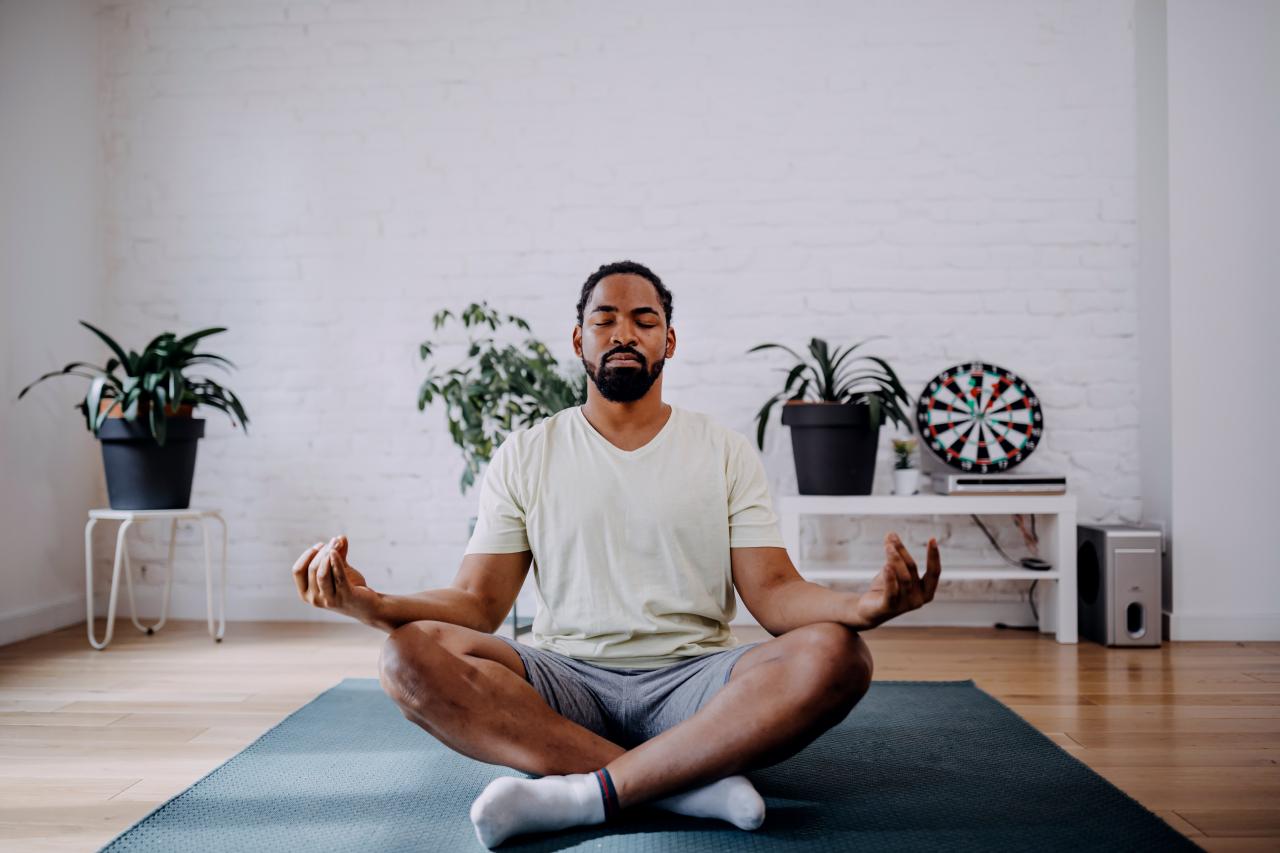
- Rest your hands comfortably on your lap or knees, with palms facing upward or downward depending on preference. Maintain a relaxed yet upright posture to facilitate deep breathing.
- If lying down, ensure your head and neck are supported to prevent discomfort. Use a pillow if needed, but avoid sleeping during meditation to prevent drifting into sleep rather than meditative calmness.
- Keep your shoulders relaxed and away from your ears, and relax your jaw and facial muscles. This physical relaxation supports mental tranquility.
Transitioning from Active Thoughts to a Calm Mental State
The transition from a busy mind to a calm one requires gentle guidance and patience. The aim is to observe your thoughts without attachment or judgment, gradually diminishing their intensity and frequency.
Begin by acknowledging your racing thoughts without resistance, as if watching clouds drift across the sky. Then, gently redirect your focus back to your breath or a chosen calming mental image.
Use mental techniques like visualization—imagine a serene place, a calming color, or a peaceful scene—to anchor your attention. If your mind remains restless, incorporate a mantra or a simple affirmation, softly repeating it to yourself to foster a sense of stability and calmness.
Consistency in practice and patience are vital. Over time, these methods help your mind habituate to settling into a peaceful state more quickly, making it easier to transition from a state of mental agitation to tranquility each night.
Overcoming Common Obstacles During Night Meditation
Engaging in nighttime meditation to calm racing thoughts can sometimes present challenges, especially for beginners or those experiencing heightened restlessness. Recognizing and addressing these common obstacles is essential for establishing a consistent practice and achieving the calming benefits meditation offers. Patience and perseverance are key, as overcoming difficulties often requires adjustments and understanding of personal tendencies during meditation sessions.When meditating at night, many individuals encounter issues such as a wandering mind, physical restlessness, or difficulty focusing on their chosen technique.
These challenges can hinder progress but are natural aspects of developing a meditation habit. Employing specific strategies can help navigate these obstacles effectively, enhancing your experience and fostering greater resilience in your practice.
Dealing with a Wandering Mind
Distractions and intrusive thoughts are typical during nighttime meditation, especially when the mind is accustomed to rapid activity or external stimuli that disrupt focus. To manage this, practitioners can:
- Use Anchors: Focus on a specific point such as the breath, a mantra, or a visual object to anchor attention and reduce mind wandering.
- Gentle Redirection: When noticing the mind drifting, gently guide it back to the chosen focus without judgment or frustration.
- Practice Mindfulness Throughout the Day: Developing mindfulness during daily activities can improve concentration during night meditation sessions.
Consistent effort in redirecting attention will gradually strengthen mental focus over time.
Addressing Restlessness and Physical Discomfort
Restlessness can manifest as physical fidgeting or an inability to sit still comfortably. To mitigate this:
- Select Comfortable Postures: Use supportive cushions or chairs to maintain comfort, reducing physical distractions.
- Incorporate Gentle Movement: Gentle stretching or body scans before meditation can release tension and promote relaxation.
- Adjust the Environment: Ensure the room is warm enough and free from disturbances that might cause discomfort.
Acknowledging physical sensations without reacting to them fosters a more relaxed state conducive to meditation.
Maintaining Consistency and Patience
One of the most significant challenges is staying committed, especially when progress seems slow or initial experiences differ from expectations. To cultivate perseverance:
- Set Realistic Goals: Focus on short, manageable sessions rather than lengthy practices to build confidence and consistency.
- Create Routine: Meditate at the same time each night to establish a habit, reinforcing the ritual through regularity.
- Celebrate Small Wins: Recognize and appreciate progress, such as longer periods of calmness or reduced restlessness.
Building patience is essential; meditation is a skill that develops gradually through persistent practice.
Troubleshooting Ineffective Techniques and Alternative Approaches
Sometimes, initial meditation methods may not yield the desired calming effect. Troubleshooting involves:
- Experimenting with Different Techniques: If focused breathing feels distracting, try body scans or loving-kindness meditation to find what resonates best.
- Shortening Sessions: Reducing meditation duration can prevent overwhelm and help sustain engagement until comfort increases.
- Incorporating Guided Meditation: Listening to calming guided sessions can provide structure and external guidance, making it easier to stay focused.
Adapting techniques based on personal response enhances effectiveness and prevents frustration.
Motivational Examples and Success Stories
Many individuals have overcome obstacles through perseverance. For instance, Sarah, a busy professional, initially struggled with a wandering mind and frequent restlessness. She found that focusing on her breath for just five minutes before bed, combined with gentle stretching, gradually improved her focus and sleep quality. Over months, her nights became calmer, and she reported feeling more rested and less anxious.
Such stories highlight that consistent effort and flexibility in approach can lead to significant improvements, inspiring others to persist despite initial difficulties.
Incorporating Additional Relaxation Practices Alongside Meditation
Enhancing your nightly routine with supplementary relaxation techniques can significantly deepen your sense of calm and facilitate a more restful sleep. When combined with meditation, these practices help to relax both the mind and body, reducing stress and easing racing thoughts that often interfere with sleep quality. Integrating activities such as deep breathing exercises, progressive muscle relaxation, or gentle stretches creates a holistic approach to winding down after a busy day and preparing your mind for restorative rest.These complementary relaxation methods are easily incorporated into your evening schedule and can be tailored to suit personal preferences and physical comfort.
They serve to reinforce the calming effects of meditation, making it easier to attain a tranquil state conducive to sleep. By establishing a consistent routine that combines these practices, you can cultivate a peaceful nightly environment that promotes mental clarity and physical relaxation.
Deep Breathing Exercises
Deep breathing is a straightforward yet powerful relaxation tool that can immediately reduce stress and slow your heart rate, signaling your body to relax. Incorporating focused breathing exercises alongside meditation enhances the calming process.
- Practice diaphragmatic breathing by inhaling slowly through your nose, allowing your abdomen to expand fully, then exhaling gently through your mouth. Repeat this cycle for 5-10 minutes.
- Use a breathing pattern such as 4-7-8, inhaling for four seconds, holding the breath for seven seconds, and exhaling slowly over eight seconds to promote relaxation.
Progressive Muscle Relaxation
Progressive muscle relaxation involves systematically tensing and relaxing muscle groups throughout your body, which helps to release physical tension accumulated during the day. This practice complements meditation by reducing bodily discomfort and mental distraction.
- Begin at your feet, tensing the muscles for 5 seconds, then releasing and noticing the sensation of relaxation.
- Progress upward through the body—legs, abdomen, chest, arms, neck, and face—tensing each group briefly before relaxing.
- Perform this sequence slowly, focusing on the contrast between tension and relaxation to deepen your sense of calm.
Gentle Stretches and Yoga Poses
Gentle stretching or restorative yoga poses can alleviate physical stiffness and promote circulation, easing both mental and physical tension before sleep. These stretches should be mild and avoid any movements that cause discomfort.
- Incorporate stretches such as spinal twists, hamstring stretches, or shoulder rolls to release muscle tightness.
- Holding poses like Child’s Pose, Legs-Up-The-Wall, or Reclining Butterfly for 1-3 minutes allows the body to unwind and signals the nervous system to relax.
Sample Evening Routine Schedule Incorporating Relaxation Practices
Below is an example schedule illustrating how to structure your evening to incorporate meditation and relaxation activities seamlessly:
| Time | Activity | Description |
|---|---|---|
| 8:30 PM | Light Evening Exercise | Engage in gentle stretches or a brief walk to unwind physically. |
| 8:50 PM | Deep Breathing Exercise | Practice diaphragmatic breathing for 5 minutes to promote relaxation. |
| 9:00 PM | Progressive Muscle Relaxation | Systematically tense and relax muscle groups from feet to head over 10 minutes. |
| 9:15 PM | Meditation Session | Engage in a 15-minute mindfulness meditation focusing on breathing or body scan. |
| 9:30 PM | Preparation for Sleep | Dim the lights, avoid screens, and settle into bed with a calming mindset. |
By carefully blending these relaxation practices into your nightly routine, you create a comprehensive approach to calming racing thoughts and fostering deep, restorative sleep. Consistency is key, and over time, these techniques can become a natural part of your evening, promoting long-term mental and physical well-being.
Last Recap

Implementing nighttime meditation into your routine can significantly reduce mental clutter and promote restful sleep. With patience and consistency, you will find it easier to transition into a state of relaxation, paving the way for rejuvenating nights and improved overall well-being. Embrace these practices and enjoy the journey toward tranquility.