Embark on a journey to discover the profound impact of meditation on your well-being with “How to Meditate for Calming the Nervous System.” This guide delves into the intricate workings of your nervous system, exploring how it responds to stress and the powerful role meditation plays in restoring balance. We’ll unravel the science behind the “fight-or-flight” response, the detrimental effects of chronic stress, and the common symptoms of an overactive nervous system.
This exploration is more than just theory; it’s a practical roadmap. We will equip you with the tools and techniques to cultivate inner peace. You’ll learn how to prepare your space, master foundational meditation practices, and navigate the challenges of intrusive thoughts and emotions. Whether you’re a beginner or have some experience, this guide offers invaluable insights and actionable strategies for integrating meditation into your daily life and deepening your practice.
Understanding the Nervous System and Its Response to Stress
Our nervous system is a complex communication network that orchestrates our body’s responses to internal and external stimuli. Understanding how it functions, particularly its reactions to stress, is crucial for developing effective strategies to calm the nervous system and promote overall well-being. This section will delve into the intricacies of the nervous system, its responses to perceived threats, and the impact of chronic stress.
The Autonomic Nervous System and Its Branches
The autonomic nervous system (ANS) is a crucial component of the nervous system that regulates involuntary bodily functions. It operates largely outside of our conscious control, managing processes like heart rate, digestion, breathing, and blood pressure. The ANS has two primary branches that work in opposition to maintain homeostasis: the sympathetic nervous system and the parasympathetic nervous system.The sympathetic nervous system is often referred to as the “fight-or-flight” system.
It is activated during times of stress or perceived threat, preparing the body for action.
- Activation: When triggered, the sympathetic nervous system releases hormones like adrenaline and cortisol.
- Effects: This leads to increased heart rate, rapid breathing, heightened alertness, and the diversion of blood flow to muscles.
- Purpose: The primary goal is to mobilize the body’s resources to either confront the threat or escape from it.
The parasympathetic nervous system, on the other hand, is known as the “rest-and-digest” system. It promotes relaxation and recovery.
- Activation: It becomes dominant when the body is in a state of calm and safety.
- Effects: It slows the heart rate, lowers blood pressure, stimulates digestion, and conserves energy.
- Purpose: The parasympathetic system is responsible for the body’s maintenance and repair functions.
The balance between these two systems is essential for maintaining overall health. Ideally, they should work in harmony, with the sympathetic system activating during times of stress and the parasympathetic system taking over during periods of rest and recovery.
The Fight-or-Flight Response
The fight-or-flight response is a fundamental survival mechanism, triggered by the sympathetic nervous system in response to perceived threats. This response prepares the body to either fight the threat or flee from it.The process unfolds as follows:
- Perception of Threat: The amygdala, the brain’s emotional processing center, detects a potential danger.
- Activation of the Hypothalamus: The amygdala sends signals to the hypothalamus, which activates the sympathetic nervous system.
- Hormonal Release: The adrenal glands release adrenaline and cortisol. Adrenaline increases heart rate and blood flow to muscles, while cortisol provides a sustained release of energy.
- Physical Changes: The body experiences various physical changes, including increased heart rate, rapid breathing, tensed muscles, and heightened senses.
- Focus and Reaction: The individual becomes highly focused and prepared to either confront the threat or escape from it.
This response is incredibly efficient in acute situations. For example, imagine a person suddenly encountering a bear in the wild. The fight-or-flight response would immediately kick in, preparing the body to either fight the bear or run away.
The Impact of Chronic Stress
Chronic stress occurs when the body’s stress response is activated repeatedly over an extended period. This constant activation can have detrimental effects on the nervous system and overall health.
- Overstimulation of the Sympathetic Nervous System: The body remains in a state of heightened alert, leading to a constant release of stress hormones.
- Disruption of the Parasympathetic Nervous System: The “rest-and-digest” system becomes suppressed, hindering the body’s ability to recover and repair itself.
- Physical Health Consequences: Chronic stress is linked to a variety of health problems, including:
- Cardiovascular disease
- Weakened immune system
- Digestive issues
- Sleep disturbances
- Mental Health Consequences: Prolonged stress can also contribute to:
- Anxiety disorders
- Depression
- Burnout
For example, consider a person constantly facing financial difficulties or job-related pressures. If these stressors persist for months or years, the chronic activation of the stress response can lead to serious health problems, highlighting the importance of stress management techniques.
Symptoms of an Overactive Nervous System
An overactive nervous system manifests through a range of physical and emotional symptoms. Recognizing these symptoms is the first step in addressing the issue and seeking appropriate interventions.Common physical symptoms include:
- Fatigue: Persistent tiredness, even after adequate rest.
- Muscle tension: Chronic aches and pains, particularly in the shoulders, neck, and back.
- Headaches: Frequent or persistent headaches, often tension headaches.
- Digestive problems: Irritable bowel syndrome (IBS), stomach upset, or changes in bowel habits.
- Sleep disturbances: Difficulty falling asleep, staying asleep, or experiencing restful sleep.
- Increased heart rate: Rapid or irregular heartbeat.
Common emotional symptoms include:
- Anxiety: Excessive worry, nervousness, and feelings of unease.
- Irritability: Easily frustrated, short-tempered, and prone to outbursts.
- Difficulty concentrating: Trouble focusing, forgetfulness, and mental fogginess.
- Mood swings: Experiencing rapid and unpredictable shifts in mood.
- Feeling overwhelmed: A sense of being unable to cope with daily demands.
- Depression: Feelings of sadness, hopelessness, and loss of interest in activities.
If an individual experiences several of these symptoms consistently, it may indicate an overactive nervous system, and seeking professional guidance for stress management techniques is recommended.
Preparing for Meditation: Setting the Stage for Calm
Preparing for meditation is crucial for cultivating a calm and focused state of mind. Creating an environment and routine that supports your practice significantly enhances the benefits of meditation, allowing you to more effectively regulate your nervous system and experience a deeper sense of peace. This section Artikels essential steps to help you prepare effectively for your meditation sessions.
Finding a Quiet and Comfortable Space
The environment plays a significant role in the effectiveness of your meditation practice. A space free from distractions and conducive to relaxation can significantly improve your ability to focus and calm your nervous system.Consider these factors when selecting your meditation space:
- Minimize Distractions: Choose a location where you are unlikely to be interrupted by noise, conversations, or other disturbances. Turn off electronic devices, such as phones and televisions. Inform family members or housemates about your meditation schedule to minimize interruptions.
- Create a Comfortable Ambiance: Ensure the room is at a comfortable temperature and well-ventilated. Soft lighting, natural light if possible, can enhance the calming effect. Avoid harsh overhead lights.
- Designate a Dedicated Space: Ideally, designate a specific area solely for meditation. This helps to create a mental association with the practice and reinforces the habit. Even a small corner of a room can serve this purpose.
- Personalize the Space: Decorate your meditation space with items that promote a sense of peace and tranquility. This could include plants, candles, inspirational objects, or artwork.
Comfortable Meditation Postures
Choosing a comfortable posture is essential for allowing your body to relax and your mind to focus. Experiment with different postures to find what works best for you. Remember that the goal is to maintain a posture that allows you to be alert without causing physical strain.Here are some common meditation postures:
- Seated Postures:
- Cross-legged (Sukhasana or Easy Pose): Sit on the floor with your legs crossed comfortably. This is a good starting point for many. You may use a cushion or blanket to elevate your hips if needed.
- Half Lotus (Ardha Padmasana): Place one foot on the opposite thigh, keeping the other leg crossed underneath. This posture requires some flexibility.
- Full Lotus (Padmasana): Place both feet on the opposite thighs. This posture is more advanced and may not be suitable for everyone.
- Seated in a Chair: Sit upright in a chair with your feet flat on the floor. Keep your back straight but not stiff.
- Lying Down (Savasana or Corpse Pose): Lie on your back with your arms at your sides, palms facing up. This posture is particularly useful for relaxation and can be helpful if you experience physical discomfort in a seated position. Ensure your spine is straight and your body is relaxed.
- Walking Meditation: Walk slowly and mindfully, paying attention to the sensations of your feet on the ground. This is a good option for those who find it difficult to sit still.
Helpful Items to Enhance the Meditation Experience
Using supportive items can enhance your meditation experience, making it more comfortable and conducive to relaxation.Consider incorporating these items into your practice:
- Cushions and Blankets: Use a meditation cushion (zafu) or a folded blanket to elevate your hips, promoting a comfortable seated posture. Blankets can also provide warmth and support.
- Eye Mask or Eye Pillow: An eye mask or eye pillow can block out light, promoting relaxation and deeper focus.
- Comfortable Clothing: Wear loose, comfortable clothing that doesn’t restrict your movement.
- Aromatherapy: Use essential oils, incense, or candles with calming scents, such as lavender or chamomile, to create a relaxing atmosphere. Always use with caution and ensure proper ventilation.
- Sound: Use a singing bowl, chime, or nature sounds to help focus your mind. Avoid sounds that are overly stimulating.
- Timer: Use a meditation timer to track your session duration. This helps to avoid checking the time and disrupting your focus.
Establishing a Consistent Meditation Schedule
Consistency is key to reaping the benefits of meditation. Establishing a regular meditation schedule, even for short durations, is more effective than sporadic longer sessions.Follow these guidelines to create a sustainable meditation schedule:
- Frequency: Aim to meditate daily. Consistency is more important than the length of each session. Even a few minutes of daily practice can yield significant benefits.
- Duration: Start with short sessions, such as 5-10 minutes, and gradually increase the duration as you become more comfortable. Many people find that 15-20 minutes is an ideal amount of time for effective meditation.
- Time of Day: Choose a time of day that works best for your schedule and energy levels. Some people prefer to meditate in the morning to set a positive tone for the day, while others find evening meditation helpful for winding down. Experiment to find what suits you.
- Schedule Flexibility: Life happens. If you miss a session, don’t get discouraged. Simply resume your practice as soon as possible.
- Create a Routine: Incorporate meditation into your daily routine. For example, meditate after you brush your teeth or before you eat breakfast.
Consider the example of a busy professional who commits to meditating for 10 minutes each morning before starting work. Over time, this consistent practice helps them manage stress more effectively and improves their focus throughout the day. This illustrates the tangible benefits of a regular meditation schedule.
Foundational Meditation Techniques for Calming the Nervous System

Now that we understand the nervous system’s response to stress and have prepared ourselves for meditation, let’s explore some foundational meditation techniques specifically designed to calm the nervous system. These practices provide practical tools for cultivating inner peace and resilience in the face of everyday challenges. They are accessible to everyone, regardless of experience, and offer a direct pathway to regulating the body’s stress response.
Core Principles of Breath Awareness Meditation
Breath awareness meditation centers on focusing attention on the breath, observing its natural rhythm without attempting to control it. This practice serves as an anchor, grounding the mind in the present moment and gently redirecting attention away from racing thoughts and anxieties. It cultivates a sense of calm observation, allowing one to become more aware of the body’s sensations and the mind’s fluctuations without judgment.
Step-by-Step Instructions for Mindful Breathing Exercises
Mindful breathing exercises are simple yet powerful techniques. Regular practice can significantly reduce stress and promote relaxation.
- Find a Comfortable Position: Sit comfortably, either on a cushion on the floor or in a chair with your back straight but not stiff. You can close your eyes or keep them softly focused on a point in front of you.
- Bring Awareness to the Breath: Gently shift your attention to the sensation of your breath. Notice the natural rhythm of your inhales and exhales.
- Observe the Breath’s Characteristics: Pay attention to the qualities of your breath, such as its depth, speed, and any sensations associated with it (e.g., the rise and fall of your abdomen or chest, the feeling of air entering and leaving your nostrils).
- Acknowledge and Redirect Wandering Thoughts: Your mind will inevitably wander. When you notice your thoughts drifting, gently acknowledge them without judgment and redirect your attention back to your breath.
- Practice Regularly: Aim for consistent practice, even if it’s just for a few minutes each day. Consistency is key to experiencing the benefits of mindful breathing.
Focusing on Different Aspects of the Breath
The breath offers various points of focus, each offering a unique experience of presence and calm. Experimenting with these different aspects can deepen your meditation practice.
- The Sensation of Air Entering and Leaving the Body: Focus on the feeling of the air as it enters your nostrils or mouth, noticing its temperature and texture. Then, observe the sensation of the air leaving your body.
- The Rise and Fall of the Abdomen: Place your hand on your abdomen and feel the gentle rise and fall with each inhale and exhale. This provides a tangible connection to the breath.
- The Pause Between Breaths: Notice the brief pause that occurs between the inhale and the exhale. This subtle moment of stillness can be particularly calming.
- The Sound of the Breath: Listen to the sound of your breath, which can be especially helpful if you find it difficult to focus on other sensations.
Process of Body Scan Meditation and Its Benefits for Stress Reduction
Body scan meditation involves systematically bringing awareness to different parts of the body, noticing any sensations present without judgment. This practice promotes a deep sense of relaxation and body awareness, helping to release tension and reduce stress. It fosters a greater connection between the mind and body, allowing for early detection and management of physical and emotional stress responses.
- Find a Comfortable Position: Lie down on your back, with your arms at your sides and your legs extended. You can also sit in a comfortable position.
- Begin with the Feet: Start by bringing your attention to your feet. Notice any sensations, such as warmth, tingling, or pressure. If you feel any tension, simply acknowledge it without trying to change it.
- Systematically Scan the Body: Slowly move your attention up your body, systematically scanning each part: ankles, calves, knees, thighs, hips, lower back, abdomen, chest, upper back, shoulders, arms, hands, neck, face, and head.
- Acknowledge Sensations Without Judgment: As you move through each part of your body, simply observe the sensations present. If you encounter any areas of tension or discomfort, acknowledge them without trying to change them.
- Practice Non-Judgmental Awareness: The goal is not to eliminate sensations, but to become aware of them. If your mind wanders, gently redirect your attention back to the body.
Incorporating Progressive Muscle Relaxation Techniques into a Meditation Practice
Progressive muscle relaxation (PMR) is a technique that involves systematically tensing and then releasing different muscle groups throughout the body. This practice helps to identify and release physical tension, promoting deep relaxation and reducing the physical symptoms of stress. Combining PMR with meditation enhances the benefits of both practices, creating a powerful synergy for calming the nervous system.
- Start with a Comfortable Position: Lie down or sit comfortably.
- Tense a Muscle Group: Begin by tensing a specific muscle group, such as your hands. Make a fist and tense your muscles for about 5-10 seconds.
- Release the Tension: Suddenly release the tension and notice the feeling of relaxation that follows. Allow your muscles to soften and relax.
- Focus on the Sensation of Relaxation: Pay attention to the difference between tension and relaxation. Notice how the muscles feel as they release.
- Repeat with Other Muscle Groups: Systematically work through different muscle groups, such as your arms, shoulders, face, abdomen, and legs.
- Incorporate Deep Breathing: Coordinate your tensing and releasing with your breath. Inhale as you tense the muscles and exhale as you release the tension.
Guided Meditations for Nervous System Regulation
Guided meditations are a powerful tool for actively calming the nervous system and promoting a sense of inner peace. They provide structured practices to help individuals focus their attention, regulate their emotional responses, and cultivate a sense of present-moment awareness. These scripts offer practical examples for integrating these techniques into daily life, facilitating nervous system regulation.
Five-Minute Guided Meditation Script for Calming the Nervous System
This brief meditation is designed to be a quick and effective method for reducing stress and promoting relaxation. It can be used anytime, anywhere, to regain a sense of calm.
Begin by finding a comfortable position, either sitting or lying down. Close your eyes gently. Take a few deep breaths, inhaling slowly through your nose, allowing your belly to expand, and exhaling slowly through your mouth. Bring your awareness to your body. Notice any areas of tension. With each exhale, imagine the tension melting away. Now, focus on your breath. Notice the sensation of the air entering and leaving your body. If your mind wanders, gently guide your attention back to your breath. Feel the rise and fall of your chest or abdomen. With each breath, allow yourself to sink deeper into relaxation. (Pause for a few breaths) Now, gently bring your awareness back to your surroundings. Take a few more deep breaths. When you are ready, open your eyes. Carry this sense of calm with you throughout your day.
Fifteen-Minute Guided Meditation Script with Visualizations and Affirmations
This longer meditation incorporates visualization and affirmations to deepen the relaxation response and promote positive self-talk, further supporting nervous system regulation.
Find a comfortable position, either sitting with your back straight or lying down. Close your eyes. Take several deep breaths, inhaling deeply and exhaling slowly, releasing any tension. Imagine yourself in a peaceful place. It could be a beach, a forest, or any place where you feel safe and at ease. Visualize the details: the sights, the sounds, the smells. Feel the warmth of the sun on your skin, the gentle breeze, or the soft ground beneath you. (Pause for 30 seconds) Now, focus on your breath. Notice the rhythm of your inhales and exhales. As you inhale, imagine you are drawing in peace and calmness. As you exhale, release any stress or anxiety. (Pause for 1 minute) Repeat the following affirmations silently to yourself:
- “I am safe.”
- “I am calm.”
- “My body is relaxed.”
- “My mind is at peace.”
- “I am worthy of love and happiness.”
(Pause for 1 minute after each affirmation) Visualize a warm, golden light surrounding your body, radiating from your heart center. This light represents healing and peace. Allow this light to fill every cell of your body. (Pause for 1 minute) Gently bring your awareness back to your body. Take a few more deep breaths. When you are ready, slowly open your eyes, carrying the sense of peace and calm with you.
Different Types of Guided Meditations
Various guided meditation styles cater to different preferences and needs, offering diverse approaches to calming the nervous system.
- Loving-Kindness Meditation: This practice involves cultivating feelings of love and compassion, first for oneself, then for loved ones, neutral individuals, difficult people, and finally, all beings. This can reduce feelings of isolation and enhance social connection, both of which can regulate the nervous system. For example, a person experiencing social anxiety could start by directing loving-kindness towards themselves, acknowledging their feelings and offering self-compassion, which helps reduce the fight-or-flight response.
- Body Scan Meditation: This involves systematically bringing awareness to different parts of the body, noticing sensations without judgment. This practice can help to release physical tension and increase body awareness, which can be helpful in recognizing and managing stress responses. An example would be a person who is experiencing chronic pain. By focusing on the sensations in the affected area, they can learn to observe their pain without reacting, reducing the stress response.
- Nature Sounds Meditation: This involves focusing on the sounds of nature, such as rain, birdsong, or ocean waves, to promote relaxation and reduce mental chatter. These sounds are naturally calming and can help shift the brainwave patterns towards a more relaxed state. For example, a person experiencing insomnia might listen to ocean waves to help them fall asleep, reducing the nervous system’s overactivity that often contributes to sleep difficulties.
Specific Sound Frequencies and Their Impact on the Nervous System
Certain sound frequencies, such as binaural beats, can influence brainwave activity and impact the nervous system. These techniques are often used to promote relaxation, reduce anxiety, and improve sleep.
- Binaural Beats: These are auditory illusions created by playing two slightly different frequencies in each ear. The brain perceives a third frequency, which is the difference between the two.
For example, if a frequency of 400 Hz is played in one ear and 410 Hz in the other, the brain perceives a 10 Hz beat.
These beats are often associated with specific brainwave states:
- Delta Waves (0.5-4 Hz): Associated with deep sleep and relaxation.
- Theta Waves (4-8 Hz): Linked to deep relaxation, meditation, and creativity.
- Alpha Waves (8-12 Hz): Associated with a relaxed, alert state.
- Beta Waves (12-30 Hz): Associated with alertness and focus.
Using binaural beats can entrain the brain to a specific frequency, promoting a desired state. A person suffering from insomnia might listen to binaural beats in the delta range to encourage deeper, more restful sleep. Studies have shown that listening to binaural beats in the alpha or theta range can reduce anxiety levels and improve mood.
Dealing with Distractions and Difficult Emotions During Meditation
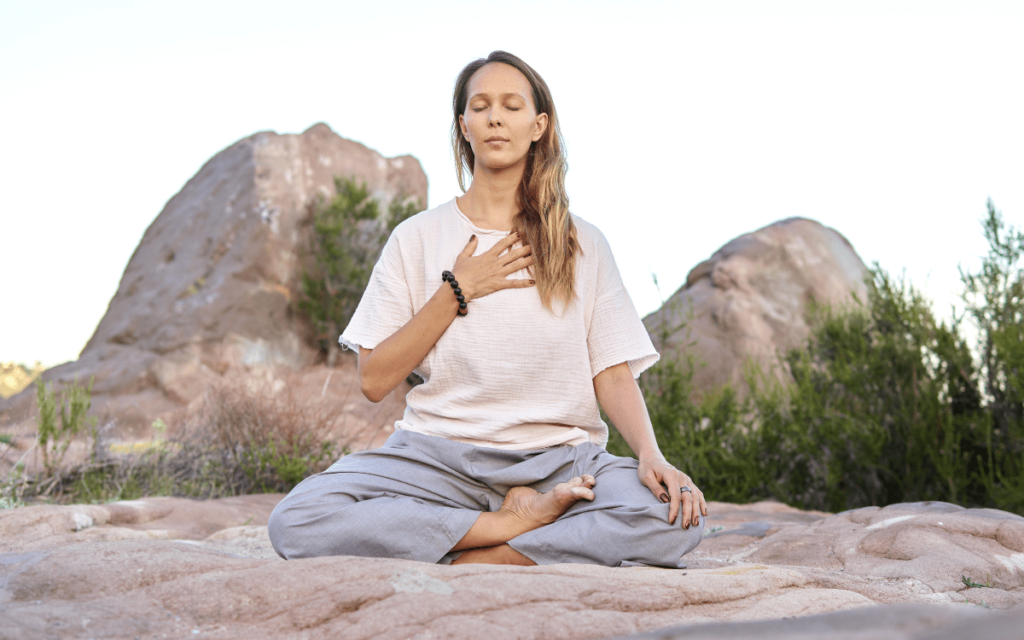
Meditation, particularly for calming the nervous system, isn’t always a peaceful experience. It’s common to encounter distractions, intrusive thoughts, and challenging emotions. This section provides guidance on navigating these inevitable occurrences with self-compassion and practical techniques, fostering a more resilient and beneficial practice.
Approaching Intrusive Thoughts and Emotions
Intrusive thoughts and emotions are a natural part of the human experience, and they will inevitably arise during meditation. The goal isn’t to eliminate them, which is often impossible, but to change your relationship with them.
The key is to observe these thoughts and emotions without judgment, recognizing them as temporary phenomena that will eventually pass.
- Acknowledgment: Acknowledge the thought or emotion without getting caught up in its content. Simply notice it. For example, “I’m noticing a thought about work,” or “I’m feeling a sense of anxiety.”
- Labeling: Briefly label the thought or emotion. This can be as simple as “thinking,” “worry,” or “sadness.” Labeling helps create distance and prevents you from identifying with the thought or emotion.
- Gentle Return: Once you’ve acknowledged and labeled the distraction, gently redirect your attention back to your chosen meditation focus, such as your breath, a mantra, or a body scan.
- Patience and Persistence: This process takes practice. Don’t be discouraged if your mind wanders repeatedly. Each time you bring your attention back, you are strengthening your ability to focus and cultivate present moment awareness.
Strategies for Redirecting Attention
Redirecting your attention is a crucial skill in meditation. There are several strategies to facilitate this process.
- Anchor Points: Return to your chosen anchor, such as the breath. Notice the sensation of the breath entering and leaving your body. If the mind wanders, gently bring your attention back to the breath.
- Counting Breaths: Counting each inhale and exhale can provide a concrete focus. If your mind wanders, simply start the count over. This can be especially helpful for beginners.
- Repeating a Mantra: A mantra is a word or phrase that you repeat silently. When your mind wanders, return to the mantra. This provides a stable point of focus. For example, a mantra like “I am calm” can be used.
- Body Scan: If the mind is racing, try a body scan. Systematically bring your awareness to different parts of your body, noticing any sensations without judgment. This can ground you in the present moment.
The Importance of Self-Compassion and Non-Judgment
Self-compassion is essential for a successful meditation practice, particularly when dealing with distractions and difficult emotions. It involves treating yourself with the same kindness, understanding, and care you would offer a friend.
- Recognize Common Humanity: Understand that everyone experiences distractions and difficult emotions during meditation. You are not alone.
- Practice Mindfulness of Self: Pay attention to your inner experience with curiosity and kindness. Notice any self-critical thoughts or feelings.
- Treat Yourself with Kindness: When you notice self-criticism, respond with gentle self-talk. For example, “It’s okay that my mind is wandering. I’ll just bring my attention back to my breath.”
- Embrace Imperfection: Meditation is not about achieving a perfect state of calm. It’s about the process of learning to be present with whatever arises.
Techniques for Managing Anxiety and Restlessness
Anxiety and restlessness can be particularly challenging during meditation. Specific techniques can help manage these feelings.
- Adjusting Posture: Ensure your posture is comfortable but alert. Experiment with different positions to find what works best for you. This can include sitting, lying down, or walking.
- Deep Breathing Exercises: Practice deep, slow breathing, such as diaphragmatic breathing (belly breathing). This can activate the parasympathetic nervous system, promoting relaxation. For example, inhale slowly through your nose, allowing your abdomen to expand, and exhale slowly through your mouth.
- Progressive Muscle Relaxation: Systematically tense and release different muscle groups in your body. This can help release physical tension associated with anxiety. Start with your toes, tense them, hold the tension for a few seconds, and then release. Progress up your body, tensing and releasing each muscle group.
- Mindful Movement: If restlessness persists, incorporate gentle movement, such as mindful walking or stretching, before or during your meditation.
- Short Meditation Sessions: Start with shorter meditation sessions, gradually increasing the duration as you become more comfortable. This can help prevent overwhelm.
Incorporating Meditation into Daily Life
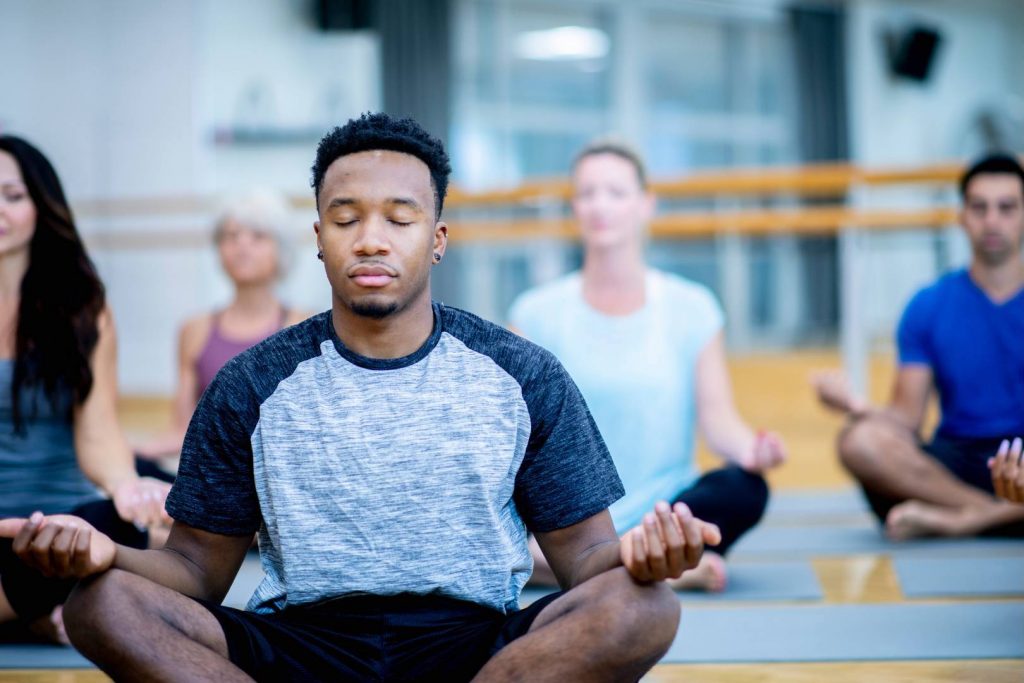
Integrating meditation into your daily routine is key to reaping its long-term benefits for nervous system regulation. It’s not about finding vast amounts of free time; rather, it’s about incorporating mindful practices into the moments you already have. This section offers practical strategies and examples to help you seamlessly weave meditation into your busy schedule.
Practical Tips for Integrating Meditation into a Busy Schedule
Finding time for meditation can seem challenging, but with a few adjustments, it becomes manageable. The goal is consistency, not perfection.
- Start Small: Begin with short meditation sessions, even just 5-10 minutes. This is more achievable than aiming for longer sessions initially.
- Schedule It: Treat meditation like any other important appointment. Block out time in your calendar and stick to it.
- Find Convenient Times: Identify moments in your day where you can easily meditate. This might be first thing in the morning, during your lunch break, or before bed.
- Use Reminders: Set reminders on your phone or use a meditation app to prompt you to meditate.
- Combine with Existing Routines: Link meditation to activities you already do, such as brushing your teeth or waiting for your coffee to brew.
- Create a Dedicated Space: Designate a quiet and comfortable area in your home where you can meditate without distractions.
- Be Flexible: Some days will be easier than others. Don’t get discouraged if you miss a session; simply get back on track the next day.
Benefits of Short, Frequent Meditation Sessions Throughout the Day
Short, frequent meditation sessions offer significant advantages for nervous system regulation. They provide a continuous stream of calming input, helping to counteract the effects of stress throughout the day.
- Reduced Stress: Brief meditations can quickly lower cortisol levels, the primary stress hormone.
- Improved Focus: Regular practice enhances attention span and reduces mental fatigue.
- Enhanced Emotional Regulation: Short meditations can help you become more aware of your emotions and respond to them more calmly.
- Increased Resilience: Consistent practice builds resilience to stress, making you better equipped to handle challenges.
- Easier Integration: Short sessions are easier to fit into a busy schedule, increasing the likelihood of consistent practice.
Practicing Mindfulness in Everyday Activities
Mindfulness is the practice of paying attention to the present moment without judgment. It can be incorporated into any activity, transforming mundane tasks into opportunities for calm.
- Eating: Focus on the taste, texture, and aroma of your food. Chew slowly and savor each bite. Notice your body’s signals of hunger and fullness.
- Walking: Pay attention to the sensation of your feet on the ground, the movement of your body, and the sights and sounds around you.
- Washing Dishes: Focus on the feel of the water, the scent of the soap, and the movements of your hands.
- Waiting in Line: Instead of becoming frustrated, observe your thoughts and feelings. Notice your breath and gently bring your attention back to the present moment.
- Listening: When someone is speaking, give them your full attention. Resist the urge to interrupt or formulate your response. Simply listen.
Comparison of Meditation Apps and Resources
Several apps and resources can support your meditation practice. Choosing the right one depends on your individual needs and preferences. The following table provides a comparison of some popular options:
| App/Resource | Features | Pros | Cons |
|---|---|---|---|
| Headspace | Guided meditations, courses, sleep sounds, and animated videos. | User-friendly interface, variety of content for different needs, and science-backed approach. | Subscription-based; some features are only available with a paid plan. |
| Calm | Guided meditations, sleep stories, music, and nature sounds. | Extensive library of content, beautiful design, and partnerships with well-known figures. | Subscription-based; some content may feel overly commercial. |
| Insight Timer | Free guided meditations, music, talks, and courses; vast library created by a diverse community. | Large selection of free content, customizable features, and community features. | Quality of content can vary; interface may feel overwhelming to some users. |
| YouTube | Free guided meditations and mindfulness exercises from various creators. | Free and accessible, wide variety of content available, easy to find specific topics. | Quality of content varies, potential for distractions (ads, suggested videos). |
Advanced Meditation Practices for Deepening Calm
As you progress in your meditation practice, exploring advanced techniques can significantly enhance your ability to calm the nervous system and cultivate a deeper sense of inner peace. These practices build upon foundational techniques, offering more sophisticated tools for navigating the complexities of the mind and emotions. They encourage a more profound level of self-awareness and resilience, fostering a lasting sense of tranquility.
Mindfulness Meditation and Its Benefits
Mindfulness meditation involves paying attention to the present moment without judgment. This practice cultivates a heightened awareness of thoughts, feelings, bodily sensations, and the surrounding environment as they arise. The aim is not to suppress or change these experiences but to observe them with a curious and accepting attitude.
- Enhanced Self-Awareness: Mindfulness allows for a clearer understanding of your internal landscape, including triggers, patterns, and emotional responses.
- Reduced Reactivity: By observing thoughts and emotions without getting carried away by them, you develop the ability to respond to situations with greater clarity and less impulsivity.
- Improved Emotional Regulation: Mindfulness helps to develop the capacity to manage difficult emotions more effectively, leading to increased emotional stability.
- Stress Reduction: Regular mindfulness practice has been shown to lower cortisol levels (the primary stress hormone) and reduce feelings of anxiety and overwhelm.
- Increased Focus and Attention: Mindfulness training strengthens the ability to concentrate and maintain focus, improving cognitive function.
Loving-Kindness Meditation
Loving-kindness meditation (Metta) focuses on cultivating feelings of love, compassion, and kindness towards oneself and others. This practice involves directing well-wishes towards oneself, loved ones, neutral individuals, difficult people, and eventually, all beings. It is a powerful tool for transforming negative emotions and fostering a sense of connection.The practice generally follows these steps:
- Begin with Yourself: Silently repeat phrases of loving-kindness towards yourself, such as “May I be well. May I be happy. May I be peaceful. May I be free from suffering.”
- Extend to a Loved One: Visualize a person you care about and repeat the same phrases, directing them towards that individual.
- Include a Neutral Person: Think of someone you don’t know well and extend the same well-wishes to them.
- Consider a Difficult Person: Visualize someone you find challenging and, with compassion, offer them the same phrases. This step can be particularly transformative.
- Expand to All Beings: Finally, broaden your focus to include all beings, wishing them well-being, happiness, peace, and freedom from suffering.
The practice can promote feelings of empathy and reduce feelings of isolation. Research consistently shows that regular practice can boost feelings of social connection and happiness.
Incorporating Walking Meditation into Your Routine
Walking meditation combines the physical act of walking with mindful awareness. It provides a unique opportunity to integrate meditation into daily life, promoting a sense of presence and calm even while moving. This practice can be done anywhere, inside or outside.The key steps include:
- Find a Quiet Space: Choose a quiet area where you can walk without distractions. This could be a park, a hallway, or even a room in your home.
- Begin with Awareness of Posture: Stand tall, with your spine straight, shoulders relaxed, and arms at your sides. Notice the sensation of your feet on the ground.
- Slow, Deliberate Walking: Walk slowly and deliberately, paying attention to each step. Notice the feeling of your feet lifting, moving forward, and touching the ground.
- Focus on Sensations: Observe the sensations of walking – the movement of your body, the air on your skin, the sounds around you.
- Return to the Present: When your mind wanders, gently redirect your attention back to the sensations of walking.
Walking meditation offers a practical way to cultivate mindfulness throughout the day, improving balance, and reducing anxiety. Studies have demonstrated that this practice can be as effective as sitting meditation in lowering stress levels.
Mantra Meditation and Its Effects on the Mind
Mantra meditation involves the repetition of a word, phrase, or sound to focus the mind. The mantra can be a word with personal significance, a sacred syllable (like “Om”), or a phrase that reflects your intentions. The repetition of the mantra helps to quiet the mental chatter and promote a state of deep relaxation.The process typically involves:
- Choosing a Mantra: Select a mantra that resonates with you. This could be a word, a phrase, or a sound. Consider choosing a mantra that reflects your intention, such as “peace” or “calm.”
- Finding a Comfortable Position: Sit in a comfortable position, either cross-legged, in a chair, or any position that allows you to relax.
- Repeating the Mantra: Silently repeat the mantra, either aloud or internally. You can count the repetitions on your fingers or use a mala (prayer beads).
- Focusing on the Sound: Pay attention to the sound of the mantra, the vibrations in your body, and the rhythm of the repetition.
- Redirecting the Mind: When your mind wanders, gently redirect your attention back to the mantra.
Mantra meditation can reduce stress, improve focus, and promote feelings of inner peace. The repetitive nature of the mantra provides a focal point for the mind, allowing it to quiet down and enter a state of deep relaxation. The use of mantras has been shown to be effective in managing anxiety and promoting a sense of well-being, with studies demonstrating changes in brainwave activity associated with deep relaxation.
Addressing Specific Nervous System Challenges with Meditation
Meditation, a practice with roots in ancient traditions, offers a powerful set of tools for navigating the complexities of the nervous system. Its ability to cultivate awareness and regulate physiological responses makes it a valuable resource for addressing a variety of challenges, offering practical strategies for managing anxiety, panic, insomnia, and chronic pain. The following sections delve into specific applications, providing guidance and techniques for utilizing meditation to promote well-being.
Managing Anxiety Symptoms with Meditation
Anxiety, a common human experience, manifests as excessive worry, fear, and physical symptoms. Meditation provides effective methods for mitigating these symptoms. Regular practice can help interrupt the cycle of anxious thoughts and reduce the physiological arousal associated with anxiety.
- Mindfulness Meditation: This technique involves focusing on the present moment, observing thoughts and feelings without judgment. This helps create distance from anxious thoughts, preventing them from escalating. For instance, if a person experiences racing thoughts related to a work deadline, mindfulness meditation encourages them to acknowledge the thoughts (“I’m having thoughts about the deadline”) without getting carried away by them.
- Body Scan Meditation: By bringing awareness to different parts of the body, body scan meditation helps to identify and release physical tension, a common symptom of anxiety. A practitioner systematically directs their attention to various body parts, noticing sensations like tension, warmth, or tingling, and consciously relaxing those areas.
- Loving-Kindness Meditation: This practice cultivates feelings of compassion and kindness towards oneself and others. By generating positive emotions, it counteracts the negative self-talk and feelings of inadequacy often associated with anxiety. The practitioner begins by directing loving-kindness towards themselves (“May I be safe, may I be healthy, may I be peaceful, may I be happy”), then extends it to loved ones, neutral individuals, difficult people, and eventually, all beings.
- Breathing Exercises: Techniques like diaphragmatic breathing (deep belly breathing) can quickly calm the nervous system. Slow, deep breaths activate the parasympathetic nervous system, which promotes relaxation. The individual focuses on inhaling deeply into the abdomen, allowing the belly to rise, and exhaling slowly, feeling the body relax.
Coping with Panic Attacks Through Meditation
Panic attacks, characterized by sudden, intense fear and physical symptoms, can be incredibly distressing. Meditation offers tools to manage these episodes. Regular practice builds resilience, and specific techniques can be employed during a panic attack to regain control.
- Anchor to the Breath: During a panic attack, focusing on the breath provides a tangible point of reference. The individual concentrates on the sensation of breathing, counting breaths, or simply observing the natural rhythm of the breath. This can help ground them in the present moment and reduce the intensity of panic.
- Mindful Observation of Physical Sensations: Instead of resisting the physical symptoms of a panic attack (e.g., racing heart, dizziness), the individual practices observing them without judgment. They acknowledge the sensations as temporary and harmless, which can lessen the fear associated with them.
- Using Affirmations: Repeating calming phrases can help to counteract the negative thoughts that fuel panic. Examples include “This will pass,” “I am safe,” or “I am in control.” The repetition of these phrases can provide a sense of reassurance.
- Progressive Muscle Relaxation (PMR): While not a meditation technique in the strictest sense, PMR can be a helpful tool. It involves systematically tensing and releasing different muscle groups, promoting relaxation and reducing physical tension. This technique can be practiced regularly to build a baseline of relaxation and employed during a panic attack.
Reducing Insomnia Symptoms with Meditation
Insomnia, the difficulty falling asleep or staying asleep, is often linked to an overactive nervous system. Meditation can help calm the mind and body, making it easier to achieve restful sleep.
- Guided Meditation for Sleep: Many guided meditations are specifically designed to promote relaxation and prepare the body for sleep. These meditations often involve visualizations, gentle music, and soothing narration to guide the individual into a state of calm.
- Body Scan Before Bed: Performing a body scan before bed can help to release physical tension and identify areas of discomfort that might be interfering with sleep. This practice encourages the body to relax, making it easier to fall asleep.
- Mindfulness of Thoughts: If racing thoughts are keeping you awake, mindfulness meditation can help. By observing thoughts without getting caught up in them, you can reduce mental activity and allow the mind to settle. The practitioner acknowledges thoughts as they arise, gently letting them pass without dwelling on them.
- Breathing Exercises: Practicing deep breathing exercises, such as diaphragmatic breathing, can slow down the heart rate and promote relaxation. This signals to the body that it is safe to rest. The individual focuses on slow, deep breaths, allowing the belly to rise and fall.
“Meditation, in its various forms, has shown promise in supporting the management of chronic pain. Studies have indicated that mindfulness meditation, in particular, can reduce pain intensity, improve coping skills, and decrease the emotional distress associated with chronic pain conditions like fibromyalgia or back pain. The practice cultivates a different relationship with pain, helping individuals observe and accept the sensation without judgment, leading to reduced suffering and an improved quality of life.”
Outcome Summary
In conclusion, “How to Meditate for Calming the Nervous System” provides a comprehensive understanding of the nervous system and the transformative power of meditation. From foundational techniques to advanced practices, this guide equips you with the knowledge and skills to navigate stress, manage emotions, and cultivate a sense of calm and well-being. Embrace the journey, and unlock the potential of meditation to transform your life, one breath at a time.