How to Meditate for Cultivating Spiritual Awareness offers a profound journey into the art of meditation as a pathway to deepen your spiritual connection and personal enlightenment. This guide explores time-honored practices across cultures, emphasizing how dedicated meditation can foster inner peace and spiritual growth.
By understanding the foundational principles, preparing an ideal environment, and exploring various techniques, you can cultivate a consistent practice that elevates your spiritual consciousness. Incorporating mindfulness and reflective exercises further enriches this journey, leading to lasting transformation and a greater sense of purpose.
Understanding Meditation for Spiritual Awareness
Meditation serves as a foundational practice in the journey toward cultivating spiritual awareness. It offers a pathway for individuals to explore the depths of their inner selves, connect with a higher consciousness, and foster a sense of inner peace and enlightenment. Across cultures and historical periods, meditation has been revered as a vital tool for spiritual development and self-realization, emphasizing its universal significance and enduring relevance.
In essence, meditation for spiritual awareness involves intentional mental focus and mindfulness practices aimed at transcending ordinary perception. By quieting the mind and fostering a heightened sense of presence, practitioners can attain insights into their true nature and their interconnectedness with the universe. This process not only nurtures personal growth but also aligns individuals with their spiritual purpose, facilitating a profound sense of harmony and enlightenment.
Historical Overview of Meditation Practices Across Cultures
Throughout history, diverse cultures have embraced meditation as a means of spiritual exploration and enlightenment. Recognizing its universal appeal, many ancient civilizations developed distinct techniques suited to their philosophical and religious contexts.
In Ancient India, meditation forms the core of Hindu spiritual traditions, notably within the practices of Yoga and Vedanta, emphasizing union with the divine through focused awareness, breath control, and mantra chanting. The Upanishads, sacred texts dating back to around 800 BCE, highlight meditation as a path to understanding ultimate reality (Brahman).
Within Buddhist traditions, meditation evolved as a central practice for cultivating mindfulness (sati), concentration (samadhi), and insight (vipassana). Notable techniques such as Vipassana and Zen meditation have been passed down through centuries, guiding practitioners toward awakening and liberation (nirvana).
Chinese spiritual practices, including Taoist meditation, emphasize harmony with nature and the flow of qi (life energy). Techniques like seated meditation (zuo chan) and visualization foster balance, longevity, and spiritual insight, deeply integrated within Taoist philosophy.
In Western cultures, meditation gained prominence in the 20th century through adaptations such as Transcendental Meditation, emphasizing mantra repetition for achieving mental silence and transcendence. Today, mindfulness meditation, rooted in Buddhist traditions, has become widely integrated into mental health practices globally, highlighting its universal applicability.
The Role of Meditation in Personal Spiritual Growth and Enlightenment
Meditation acts as a vital conduit for personal spiritual evolution by fostering self-awareness, compassion, and a deeper understanding of one’s inner nature. Regular practice allows individuals to transcend superficial thoughts and emotional disturbances, revealing core truths about themselves and their relationship with the universe.
By cultivating a calm and focused mind, meditation facilitates the dissolution of ego-based perceptions and the awakening to a higher consciousness. This process often leads to experiences of interconnectedness, unconditional love, and spiritual insight, which are viewed as milestones on the path to enlightenment.
Furthermore, meditation supports the development of virtues such as patience, humility, and gratitude, essential qualities in spiritual growth. As practitioners progress, they often report a sense of inner harmony, purpose, and clarity, reinforcing their commitment to continued spiritual exploration.
In various spiritual traditions, meditation is regarded as the primary tool to attain enlightenment—an ultimate state of liberation and self-realization—where the individual recognizes their unity with all existence. The consistent application of meditation practices thus becomes a transformative journey toward inner enlightenment and spiritual fulfillment.
Preparing for Meditation Practice
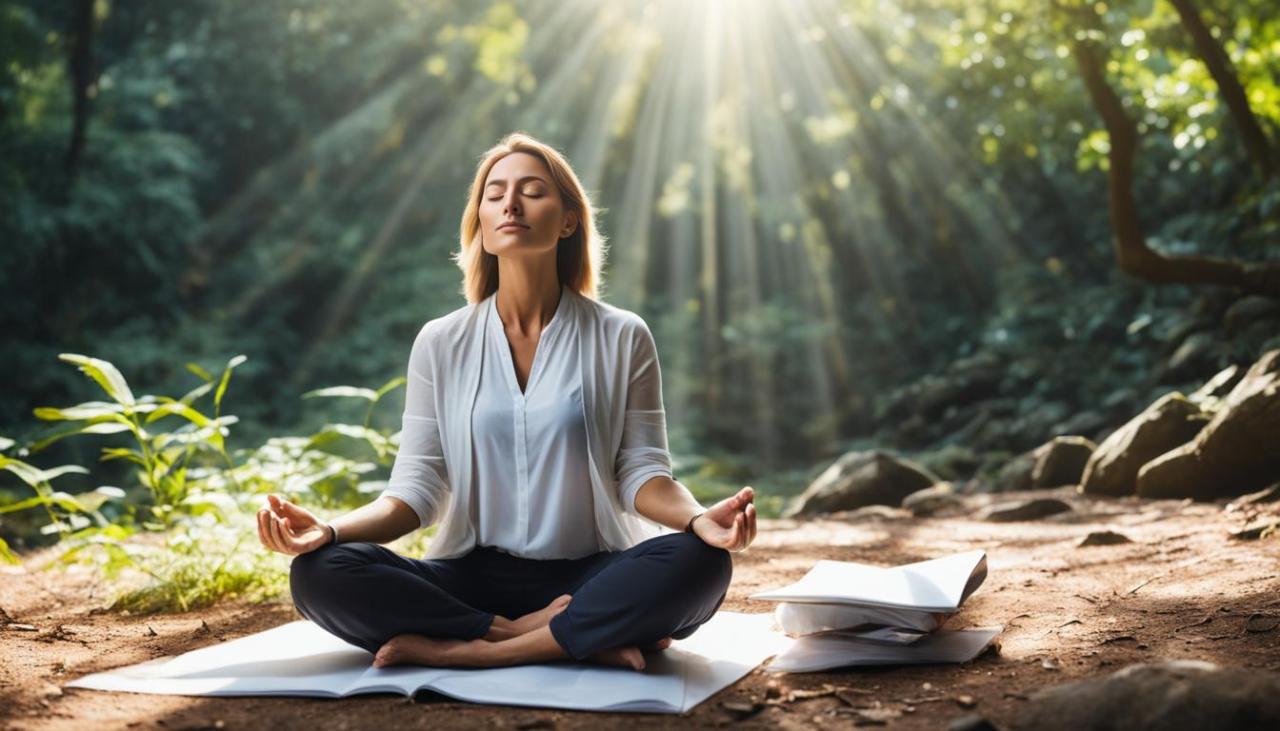
Establishing an optimal environment and adopting appropriate postures are crucial steps in creating a conducive setting for meditation. Proper preparation enhances focus, promotes comfort, and deepens your spiritual awareness during practice. Additionally, setting clear intentions before each session helps to clarify your goals and align your mindset with your meditative journey.
By intentionally preparing, you cultivate a disciplined practice that encourages consistency, mindfulness, and meaningful spiritual growth. The following detailed guidance offers practical steps and organizational tools to support your meditation preparations effectively.
Creating an Ideal Environment for Focused Meditation
The environment where you meditate significantly influences the quality and effectiveness of your practice. A well-designed space minimizes distractions and fosters relaxation, allowing you to connect more deeply with your inner self.
Consider the following elements to optimize your meditation space:
- Quiet and Peaceful Location: Choose a space away from loud noises and frequent interruptions. A quiet corner of your home, a dedicated room, or a natural outdoor setting can be ideal.
- Comfortable Temperature and Lighting: Maintain a moderate temperature that prevents discomfort and use soft, natural lighting or dimmed lamps to create a calming ambiance.
- Minimal Clutter: Keep the area tidy to reduce visual distractions. Use simple decor or natural elements such as plants or stones to enhance tranquility.
- Dedicated Space: Designate a specific area solely for meditation, which helps condition your mind to associate that space with peaceful practice.
Enhancing the environment with gentle sounds, such as soft instrumental music or nature sounds, can further support concentration. However, the key is to personalize your space to resonate with your preferences and promote a sense of sanctuary.
Selecting Comfortable Postures and Maintaining Proper Alignment
The posture adopted during meditation profoundly impacts your ability to remain alert and relaxed simultaneously. Proper alignment not only prevents discomfort but also facilitates energy flow and mental clarity.
Below are guidelines for choosing and maintaining effective postures:
- Sitting Posture: Sit upright with your back straight, shoulders relaxed, and head aligned over your spine. This position encourages alertness without tension.
- Cross-Legged or Seated Support: You may sit cross-legged on a cushion or in a chair with your feet flat on the ground. Use cushions or blocks to elevate your hips if necessary, ensuring that your knees are comfortably lower than your hips.
- Hands Placement: Rest your hands comfortably in your lap or on your knees, palms facing upward or downward, depending on personal preference or tradition.
- Neck and Head Alignment: Keep your neck relaxed and your chin slightly tucked, with your gaze directed softly downward or closed, based on your meditation style.
Maintaining a posture that aligns your body in a balanced and relaxed manner allows energy to flow freely, reduces physical discomfort, and enhances mental focus.
Step-by-Step Procedure for Setting Intentions Before Meditation
Clarifying your intentions before each session grounds your practice and directs your focus towards specific spiritual or personal goals. A mindful approach to intention-setting can deepen your awareness and foster meaningful experiences.
Follow this structured approach:
- Find a Quiet Moment: Spend a few moments in silence or gentle breathing to center yourself and cultivate a calm state of mind.
- Reflect on Your Purpose: Consider what you wish to achieve through your meditation—be it inner peace, spiritual insight, stress relief, or compassion.
- Formulate a Clear Intention: Express your purpose in a positive, present-tense statement. For example, “I am open to experiencing inner clarity” or “I intend to cultivate compassion.”
- Commit to Your Intention: Verbally affirm or mentally reinforce your intention, allowing it to serve as the guiding focus during your practice.
- Visualize the Outcome: Briefly imagine yourself embodying the qualities or achieving the awareness you seek, reinforcing your commitment and receptivity.
Regularly setting intentions before meditation fosters a purposeful mindset and aligns your practice with your broader spiritual aspirations.
Essential Supplies or Items to Enhance Meditation Focus
Having the right tools can create a more comfortable and distraction-free environment, supporting sustained attention and deepening your spiritual awareness during meditation sessions.
| Item | Purpose and Benefits |
|---|---|
| Cushion or Meditation Pillow | Provides support for comfortable seated posture, elevates hips to reduce strain on knees and back, promotes alignment. |
| Blanket or Shawl | Offers warmth and comfort, especially during longer sessions; helps maintain relaxation. |
| Timer or Bell | Assists in managing session duration without frequent glances at a clock, and signals the start or end of meditation. |
| Incense or Essential Oils | Creates a calming aroma that fosters a peaceful atmosphere and enhances sensory focus. |
| Quiet Space or Sound Machine | Reduces external noise, providing a serene environment conducive to concentration and spiritual connection. |
| Comfortable Clothing | Allows unrestricted movement and maintains comfort, preventing physical discomfort from distracting you during practice. |
Techniques for Meditation to Cultivate Spiritual Awareness
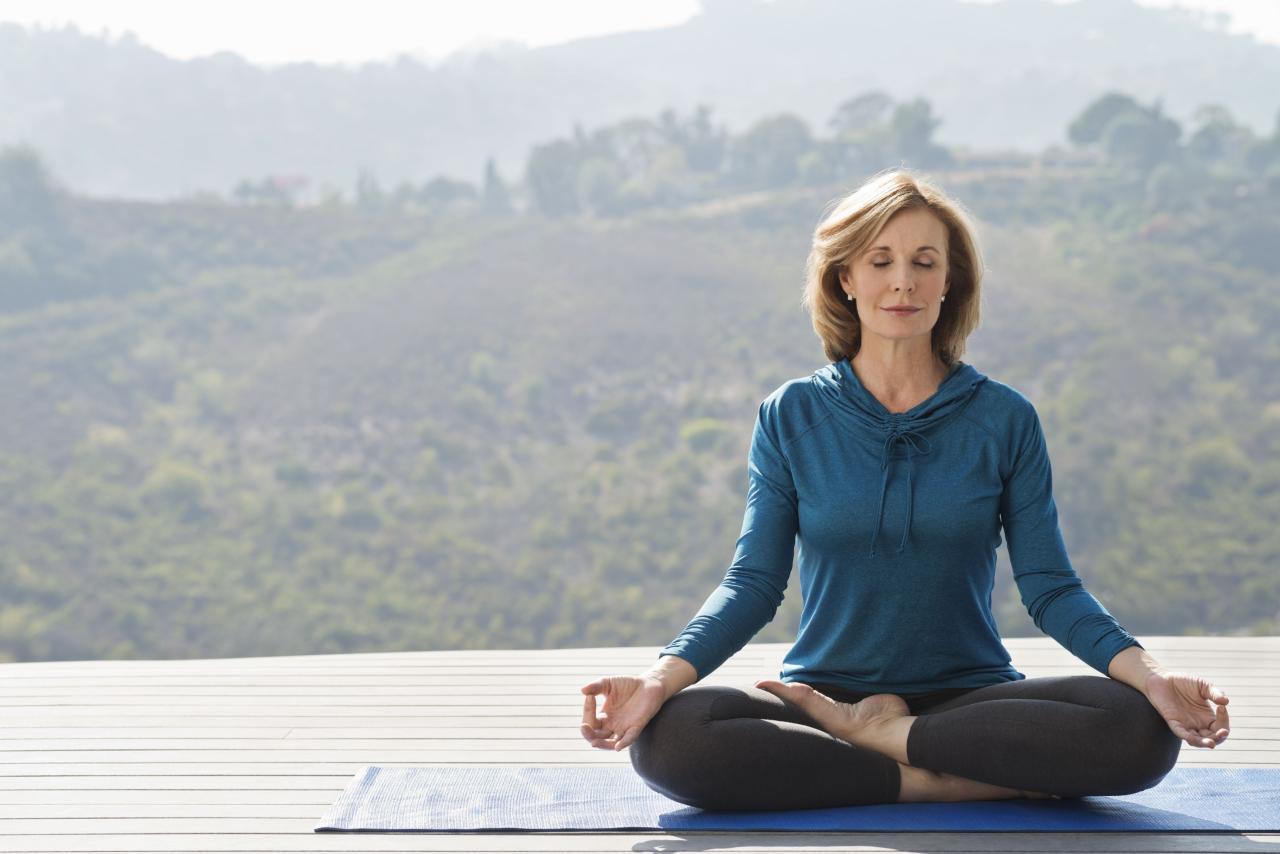
Developing spiritual awareness through meditation involves employing various techniques that deepen one’s connection to the inner self and the universe. Different methods cater to diverse preferences and spiritual goals, making it essential to understand their unique approaches and benefits. By exploring these techniques, practitioners can discover which methods resonate most profoundly with their spiritual journey, fostering growth, clarity, and inner peace.
Each meditation technique offers distinct pathways to elevate consciousness, whether through focused attention, visualization, or the repetition of sacred symbols. When practiced consistently, these methods can facilitate heightened spiritual sensitivity, a sense of unity, and a clearer perception of one’s purpose within the larger cosmos. The following sections detail some of the most effective meditation practices for cultivating spiritual awareness, along with insights into their comparative effectiveness.
Mindfulness Meditation
Mindfulness meditation emphasizes present-moment awareness and non-judgmental observation of thoughts, sensations, and feelings. This approach enhances spiritual awareness by encouraging practitioners to observe their inner experiences without attachment or aversion, fostering a sense of acceptance and interconnectedness.
- Find a quiet, comfortable space and sit in a relaxed position.
- Close your eyes or soften your gaze, focusing on your breath.
- Notice the sensation of air entering and leaving your nostrils, the rise and fall of your chest, or the feeling of your abdomen expanding.
- When your mind wanders, gently bring your attention back to your breath without self-criticism.
- Maintain this practice for 10-20 minutes daily to deepen awareness.
Research indicates that mindfulness meditation can enhance spiritual sensitivity by increasing awareness of the present moment, leading to a profound sense of unity with all beings and a clearer perception of spiritual truths.
Breath-Focused Meditation
This technique centers on the deliberate regulation and observation of the breath to anchor the mind and facilitate spiritual connection. By tuning into the breath, practitioners can transcend mundane thoughts and access deeper states of consciousness.
- Sit comfortably with a straight spine and close your eyes.
- Inhale slowly and deeply through the nose, filling the lungs completely.
- Exhale gently, releasing tension and mental clutter.
- Focus solely on the sensation of breathing, noticing the temperature, rhythm, and movement.
- With consistent practice, this method can lead to a state of heightened spiritual awareness, where the boundary between self and universe becomes more permeable.
This method is highly effective for calming the mind and fostering a sense of oneness, often used in conjunction with other spiritual practices.
Guided Visualization
Guided visualization involves mentally imagining vivid scenarios or spiritual symbols that evoke inner peace, divine presence, or higher states of consciousness. This technique can accelerate spiritual awakening by engaging the imagination and emotional centers of the mind.
- Choose a quiet environment and sit comfortably.
- Follow a recorded or live guide, or create your own visualization script.
- Imagine a luminous light descending from above, enveloping your body and mind in divine energy.
- Visualize sacred symbols such as a lotus, mandala, or divine figure that resonate with your spiritual path.
- Experience feelings of love, gratitude, and spiritual connection as you immerse yourself in the imagery.
- Practice for 15-30 minutes, allowing the visualization to deepen your sense of spiritual presence.
This method is particularly effective for manifesting intentions, accessing inner divine qualities, and strengthening spiritual bonds.
Focusing on Spiritual Symbols or Mantras
Concentrating on specific symbols or repeating sacred mantras serves as a powerful meditative technique for aligning with higher energies and cultivating spiritual awareness. These focal points act as gateways to higher consciousness, anchoring the mind in divine aspects.
- Select a spiritual symbol, mantra, or sacred phrase aligned with your spiritual tradition.
- Sit comfortably in a distraction-free space and close your eyes.
- Repeat the mantra silently or aloud, aligning your breath with the repetition.
- Visualize the chosen symbol vividly, allowing it to become a focal point for your meditation.
- Allow the vibration of the mantra or the energy of the symbol to elevate your consciousness and foster a sense of divine presence.
- Maintain this focus for 10-20 minutes, gradually increasing duration as comfort grows.
Using symbols and mantras acts as a spiritual anchor, aligning the practitioner’s energy with divine qualities and facilitating a deeper connection to universal wisdom.
Comparative Analysis of Meditation Methods
Each meditation technique offers unique avenues for spiritual growth, with varying levels of accessibility, intensity, and focus. Understanding their effectiveness helps practitioners tailor their practice to suit their spiritual objectives and personal preferences.
| Technique | Primary Focus | Effectiveness for Spiritual Awareness | Suitable For | Duration |
|---|---|---|---|---|
| Mindfulness Meditation | Present-moment awareness | High — enhances interconnectedness and insight | Beginners, those seeking mental clarity | 10-30 minutes daily |
| Breath-Focused Meditation | Breath regulation and observation | Moderate — calms the mind, opens spiritual channels | All levels, stress reduction | 10-20 minutes |
| Guided Visualization | Imagery and emotional engagement | High — accelerates divine connection and manifestation | Creative individuals, those seeking inspiration | 15-30 minutes |
| Symbols and Mantras | Focused spiritual energy | Very high — deepens divine awareness and inner peace | Practitioners familiar with spiritual symbols | 10-20 minutes |
While all methods can facilitate spiritual awareness, combining techniques or selecting the most resonant approach can enhance overall spiritual development. Experimentation allows practitioners to discover which techniques best support their individual spiritual pathway.
Visual Diagram of Meditation Flow for Spiritual Growth
The following describes a visual diagram representing the flow of a meditation session aimed at spiritual growth:
A circular flow chart begins with preparation, where the practitioner finds a quiet space and sets an intention. The next phase involves choosing and engaging with a specific meditation technique—such as mindfulness, breath-focused, or visualization. This is followed by deepening the meditation through sustained focus on symbols, mantras, or breath. The session concludes with a period of reflection, integrating insights gained and expressing gratitude. This cycle repeats regularly, creating a continuous process of spiritual expansion and heightened awareness.
Developing Consistency and Deepening Practice
Achieving lasting spiritual growth through meditation necessitates cultivating consistent habits and progressively deepening one’s practice. Regular engagement not only solidifies meditation as an integral part of daily life but also enhances the depth of spiritual awareness over time. By establishing structured routines and embracing advanced techniques, practitioners can transcend initial experiences and reach higher levels of insight and mindfulness.
Consistency is fundamental to transforming meditation from an occasional activity into a profound spiritual discipline. Overcoming common obstacles such as distractions, fatigue, or waning motivation requires deliberate strategies. As practitioners progress, they can explore advanced practices that foster deeper awareness, allowing for sustained growth and a more profound connection with their spiritual essence.
Establishing Routines and Schedules
Developing a disciplined approach to meditation begins with creating structured routines that fit seamlessly into daily life. Consistency is reinforced through specific times and settings dedicated solely to practice, making meditation an expected and natural part of the daily schedule.
Practical steps include:
- Designating specific times each day, such as early morning or evening, to practice meditation, creating a predictable rhythm.
- Allocating a quiet, comfortable space free from distractions to foster focus and serenity.
- Using reminders or alarms to reinforce the daily habit and prevent lapses.
- Tracking progress through a journal or meditation app to observe growth and reinforce commitment.
Overcoming Obstacles and Distractions
Distractions and common obstacles can hinder the consistency and effectiveness of meditation. Recognizing these challenges allows practitioners to develop targeted strategies for overcoming them and maintaining focus during practice.
Addressing typical hurdles involves:
- Reducing external distractions: Ensuring a quiet environment, turning off electronic devices, and informing others not to disturb during meditation
- Managing internal distractions: Gentle acknowledgment of wandering thoughts without judgment, returning focus to breath or mantra
- Dealing with physical discomfort: Adjusting posture, using cushions or supports, and practicing gentle stretching before meditation
- Maintaining motivation: Setting realistic goals, celebrating small successes, and reminding oneself of the spiritual benefits
“The key to overcoming obstacles is patience and gentle persistence, recognizing that each distraction is an opportunity to deepen mindfulness.”
Deepening Spiritual Awareness Through Advanced Practices
As foundational meditation becomes well-established, practitioners can incorporate advanced techniques to deepen their spiritual awareness and attain higher states of consciousness. These practices often require increased focus, intention, and patience but yield profound insights and growth.
Some advanced methods include:
- Open-awareness meditation: Cultivating a broad, non-judgmental awareness of all sensations, thoughts, and feelings as they arise in the present moment.
- Contemplative visualization: Using vivid mental imagery to connect with spiritual symbols, guides, or divine qualities, enhancing insight and compassion.
- Chanting or mantra repetition: Engaging in focused vocal or silent repetition to deepen concentration and access altered states of consciousness.
- Extended retreats: Participating in silent meditation retreats of varying lengths to immerse oneself fully, fostering profound breakthroughs and clarity.
Structured Practice for Sustained Growth
To maintain momentum and facilitate continuous development, practitioners can adopt a structured approach to their meditation schedule, integrating daily, weekly, and monthly exercises.
Suggested routines might include:
- Daily: 15-30 minutes of mindfulness or concentration meditation, focusing on breath, body scans, or loving-kindness practices.
- Weekly: Longer sessions of 45-60 minutes, incorporating different techniques such as open-awareness or guided visualization, allowing for deeper exploration.
- Monthly: Participating in retreats, workshops, or group meditations to gain new insights, receive guidance, and reinforce commitment.
Consistently engaging in these varied practices nurtures spiritual growth, refines awareness, and sustains motivation, creating a progressive path toward higher states of consciousness and inner peace.
Incorporating Mindfulness and Reflection
Integrating mindfulness techniques into everyday life enhances the benefits of meditative practices by fostering present-moment awareness beyond dedicated meditation sessions. Reflection through journaling allows practitioners to deepen their understanding of their mental and emotional patterns, track progress, and identify areas for growth. Combining these practices creates a holistic approach to cultivating spiritual awareness, encouraging a mindful outlook in all aspects of daily living.Mindfulness extends beyond formal meditation by embedding awareness into routine activities, leading to greater clarity, reduced stress, and a stronger sense of connection with the present moment.
Reflection, especially through journaling, reinforces insights gained during meditation, helping practitioners recognize recurring themes, emotional responses, and shifts in perception. This comprehensive approach cultivates a sustainable spiritual practice that supports ongoing personal development and emotional resilience.
Integrating Mindfulness into Daily Activities
The practice of mindfulness involves intentionally paying attention to the present moment without judgment during everyday tasks. It transforms routine activities into opportunities for cultivating awareness, thereby reinforcing meditative insights throughout the day.
- Mindful Eating: Focusing fully on the taste, texture, and aroma of each bite, which enhances appreciation and promotes healthier relationships with food.
- Mindful Walking: Paying close attention to the sensation of each step, the movement of muscles, and the environment around you, fostering a sense of grounding and presence.
- Mindful Listening: Engaging actively in conversations by truly hearing without planning responses, which deepens interpersonal connections.
- Breath Awareness Throughout the Day: Using conscious breathing techniques during moments of stress or distraction to regain calm and centeredness.
Reflective Journaling After Meditation Sessions
Reflection through journaling amplifies the spiritual benefits of meditation by allowing practitioners to process their experiences and insights. It helps identify subtle shifts in perception, emotional responses, and thought patterns, facilitating a deeper understanding of one’s spiritual journey.
- Record Immediate Impressions: Briefly note sensations, emotions, or thoughts experienced during meditation, capturing raw insights.
- Identify Patterns: Review journal entries periodically to recognize recurring themes or emotional responses that may inform future practice.
- Set Intentions: Use reflections to establish mindful goals or areas of focus for upcoming practices, supporting continuous growth.
- Express Gratitude and Compassion: Document moments of gratitude or feelings of compassion experienced, fostering positive emotional states.
Comparison Table: Mindfulness During Meditation vs. Daily Activities
| Aspect | Mindfulness During Meditation | Mindfulness During Daily Activities |
|---|---|---|
| Focus | Centered on breath, sensations, or a specific object of attention. | Awareness of actions, thoughts, and environment during routine tasks. |
| Environment | Typically in a quiet, controlled setting. | Various settings, often with distractions or interruptions. |
| Purpose | Cultivate focused attention and deepen internal awareness. | Embed mindfulness into everyday life to maintain presence and reduce reactivity. |
| Practice Method | Formal sitting or lying meditation with guided or unguided focus. | Informal, continuous awareness integrated into activities like walking, cooking, or commuting. |
| Benefits | Enhanced concentration, mental clarity, emotional regulation. | Reduced stress, better decision-making, improved relationships. |
Cultivating Gratitude and Compassion through Meditation
Practicing gratitude and compassion within meditation sessions nurtures positive emotional states and deepens spiritual awareness. These qualities promote a sense of interconnectedness and foster kindness toward oneself and others, enriching the spiritual practice.
- Gratitude Meditation: Focus on acknowledging and appreciating the positive aspects of life, which shifts attention from scarcity to abundance and fosters contentment.
- Loving-Kindness (Metta) Meditation: Cultivate feelings of compassion and warmth toward oneself and others by silently repeating well-wishes, enhancing empathy and reducing negative emotions.
- Visualization Techniques: Imagine scenarios or individuals receiving kindness and support, thereby strengthening feelings of compassion and gratitude.
- Reflective Affirmations: Incorporate affirmations of gratitude and compassion into daily routines or post-meditation reflections to reinforce these qualities.
“Practicing gratitude and compassion in meditation opens the heart, aligning spiritual awareness with the universal flow of kindness and appreciation.”
Visual and Descriptive Elements for Meditation Guidance
Incorporating rich visual and descriptive elements into meditation practices significantly enhances the depth of spiritual connection and awareness. By creating vivid mental imagery and cultivating sacred environments within the mind, practitioners can deepen their meditative experience and foster a stronger sense of spiritual presence. Thoughtful visualization techniques serve as bridges between the physical and the spiritual realms, allowing for a more profound engagement with inner energies and divine symbols.
Effective use of visual and descriptive elements involves understanding how to craft detailed mental landscapes that evoke serenity, sacredness, and energetic flow. These elements act as anchors, guiding the practitioner through their spiritual journey and facilitating a clearer connection to higher consciousness. The following s provide comprehensive insights into developing these visualizations and integrating symbolic imagery into meditation.
Creating Visualizations that Enhance Spiritual Connection
Visualization is a potent tool in meditation that stimulates the mind’s eye to conjure images and sensations aligned with spiritual growth. To craft effective visualizations, practitioners should focus on clarity, specificity, and emotional resonance. Imagine not just the visual aspects but also the sensations, sounds, and feelings associated with each image, as these multi-sensory details amplify the immersive experience.
Begin by choosing a focal point that resonates with your spiritual goal, such as a divine figure, a sacred object, or an abstract symbol of universal energy. Picture this element vividly, paying attention to its colors, textures, and movements. As you deepen your visualization, allow the imagined energy to flow through your body, connecting your consciousness with the divine or universal source.
Regular practice of detailed visualizations nurtures a sense of divine presence and enhances intuitive understanding.
Sacred Spaces and Symbols in Meditation
Sacred spaces and symbols serve as powerful anchors that elevate meditation into a realm of reverence and sacredness. Developing mental images of sacred environments—such as temples, gardens, or celestial realms—creates a sanctuary within the mind that promotes peace and spiritual openness. Symbols like mandalas, lotus flowers, or sacred geometries embody profound spiritual truths and serve as focal points to deepen concentration and connection.
To incorporate these elements, visualize yourself within a sacred space, observing the intricate details of its architecture, lighting, and ambiance. Engage with symbols by imagining their textures and radiance, or by meditating upon their meanings. For example, visualizing a lotus blooming signifies spiritual awakening, while a mandala represents unity and wholeness. These mental images cultivate a sense of divine order and facilitate a harmonious flow of spiritual energy.
Visualizing Energy Flows and Spiritual Light
One of the most effective visualization techniques involves imagining the flow of spiritual energy and light within and around the body. These visualizations serve to activate energetic centers, clear blockages, and foster a sense of vitality and divine presence. Visualizing energy as luminous streams or waves can heighten awareness of spiritual flow and foster inner harmony.
Practitioners may visualize radiant beams of light entering through the crown chakra, filling the body with warmth and clarity. Alternatively, imagine energy currents flowing along the spine, energizing each chakra and connecting to universal sources of light. Visualizing this luminous energy as pure, healing light or vibrant colors like gold, violet, or white enhances the feeling of divine grace and spiritual awakening.
Consistent visualization of energy flow accelerates spiritual growth and deepens meditative absorption.
Inspired Imagery for Vivid Mental Landscapes
Using evocative imagery stimulates the imagination and anchors the mind in a rich, spiritual landscape. Here are some detailed descriptions to inspire vivid mental scenes that foster spiritual awareness:
- A serene mountain peak bathed in golden dawn light, with clouds swirling beneath, symbolizing elevation of consciousness and divine clarity.
- A sacred grove filled with ancient trees whose leaves shimmer with iridescent hues, embodying wisdom, stability, and spiritual rootedness.
- An expansive ocean of luminous water, where gentle waves ripple with shimmering light, representing the flow of universal life energy and emotional cleansing.
- A celestial temple floating amidst the stars, with intricate carvings glowing softly, serving as a divine sanctuary for inner reflection and connection.
- A radiant lotus pond at sunrise, with blossoms opening slowly, symbolizing spiritual awakening and purity of heart.
- Vivid streams of multicolored light weaving through a vast, dark night sky, illustrating the interconnectedness of all beings through divine energy.
By cultivating these detailed mental landscapes, practitioners can deepen their meditative immersion, facilitating a stronger bond with their spiritual essence and the divine universe. These visualizations not only enhance focus but also align the practitioner’s energy with higher vibrational states of consciousness, fostering ongoing spiritual growth.
Final Conclusion

In conclusion, mastering the art of meditation for spiritual awareness is a rewarding endeavor that requires dedication, patience, and mindfulness. As you develop your practice, you unlock deeper insights and a more profound connection to your inner self and the universe. Embrace this journey of continuous growth and let meditation become a guiding light in your spiritual life.