Discover effective meditation techniques designed to enhance your self-discipline and mental resilience. By incorporating consistent meditation practices into your daily routine, you can cultivate greater focus, impulse control, and overall discipline, empowering you to achieve your personal goals with clarity and confidence.
This guide explores the essential steps for preparing, practicing, and maintaining a meditation routine tailored specifically to strengthen your self-control. From creating a conducive environment to overcoming common challenges, you’ll gain practical insights to integrate meditation seamlessly into your self-improvement journey.
Understanding the Role of Meditation in Self-Discipline
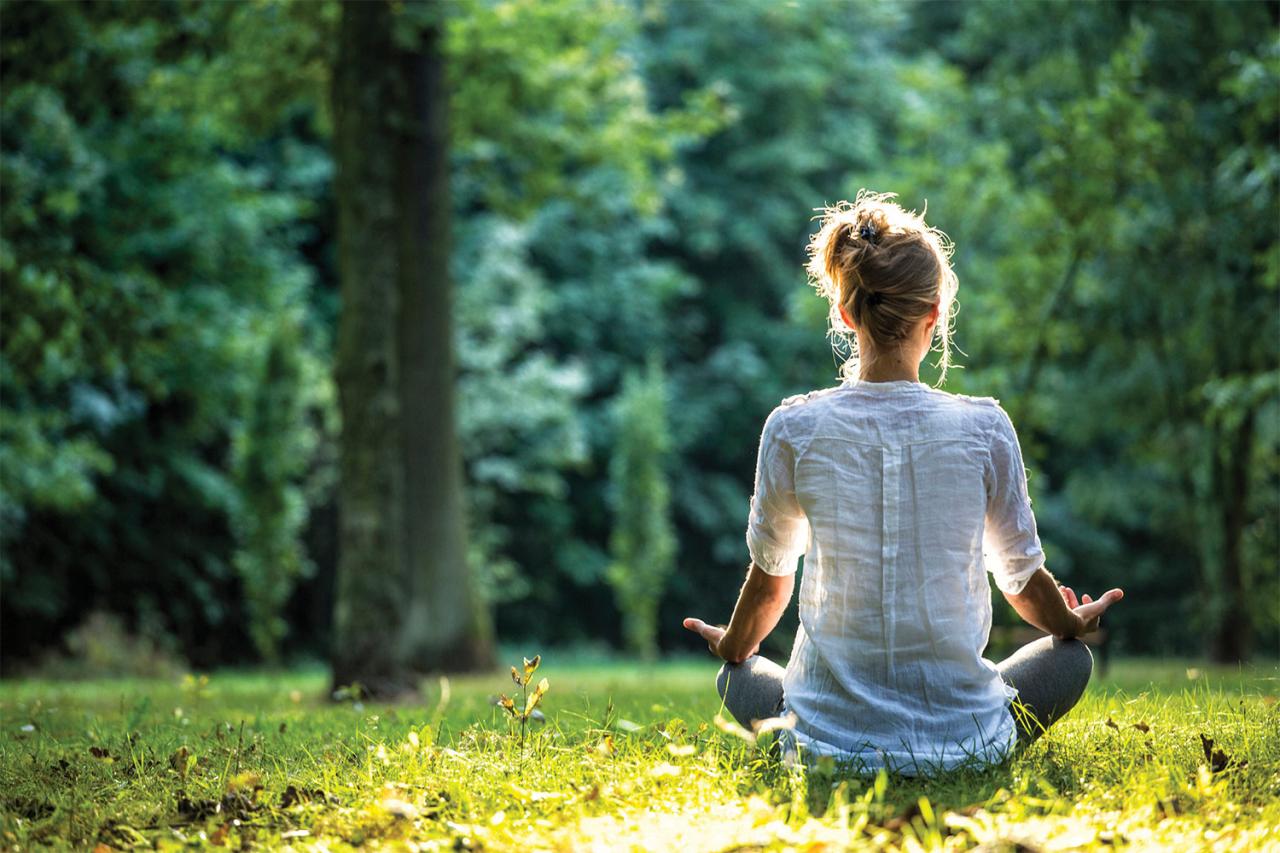
Meditation serves as a fundamental tool in cultivating and strengthening self-discipline by fostering greater mental clarity, emotional regulation, and focus. When practiced consistently, meditation can significantly enhance an individual’s ability to resist temptations, maintain goal-oriented behaviors, and develop resilience against distractions and setbacks. This process not only supports personal growth but also empowers individuals to manage their impulses more effectively, leading to improved overall self-control.
The connection between meditation and self-control is rooted in the way meditation influences brain function. Regular practice encourages changes in neural pathways associated with decision-making, impulse control, and emotional regulation. These changes contribute to a more resilient mind capable of maintaining discipline even in challenging circumstances. Additionally, meditation cultivates mindfulness—a state of heightened awareness of one’s thoughts, feelings, and surroundings—which is essential for recognizing and redirecting impulsive behaviors before they occur.
Enhancement of Mental Resilience through Consistent Practice
Consistent meditation practice builds mental resilience by gradually increasing an individual’s capacity to handle stress, frustration, and temptation without resorting to impulsive reactions. Over time, meditation trains the mind to remain calm and focused, even amidst chaos or emotional upheaval. This emotional stability is crucial for sustaining self-discipline, as it allows individuals to stay committed to their goals despite obstacles or setbacks.
Research indicates that individuals who meditate regularly exhibit lower levels of cortisol, the stress hormone, and show improved activity in the prefrontal cortex—the area responsible for executive functions such as planning, decision-making, and impulse control. This neuroplasticity fosters a more disciplined mind capable of long-term goal pursuit, regardless of external pressures or internal urges.
Psychological Mechanisms That Enhance Focus through Meditation
Meditation enhances focus by activating specific psychological mechanisms that strengthen attentional control and reduce mental clutter. One key mechanism is the development of sustained attention, which involves training the mind to maintain focus on a chosen object—such as the breath or a mantra—for extended periods.
Another critical process is the reduction of mind-wandering and distraction. Meditation encourages individuals to observe their thoughts without judgment, thereby increasing awareness of when the mind drifts. This heightened awareness enables practitioners to gently redirect their attention back to their focal point, gradually improving their capacity to concentrate over time.
“Focused attention meditation enhances neural pathways associated with concentration, leading to improved self-regulation and increased mental stamina.”
Furthermore, meditation promotes neurochemical changes, such as increased production of gamma-aminobutyric acid (GABA), which has calming effects on the nervous system, and elevated levels of dopamine, associated with motivation and reward. These neurochemical shifts contribute to a more alert, motivated, and disciplined mind capable of sustained effort toward long-term objectives.
Preparing for Meditation Sessions
Establishing a proper environment and mental readiness is crucial for effective meditation that enhances self-discipline. Proper preparation minimizes distractions, fosters focus, and creates a conducive atmosphere that supports consistent practice. Developing a routine for preparation helps reinforce discipline and ensures each session is as beneficial as possible.
Careful preparation involves both organizing your physical space and cultivating the right mental attitude. When these elements align, meditation becomes an integral part of your daily discipline, allowing you to experience deeper states of awareness and self-control.
Creating a Conducive Environment for Meditation
A tranquil, organized space is essential to foster concentration and relaxation during meditation sessions. The environment should be free from interruptions and designed to promote calmness. The following steps can help you curate such an environment:
- Choose a quiet, private area where external noises are minimized and interruptions are unlikely.
- Ensure good ventilation and comfortable temperature to avoid physical discomfort during the session.
- Designate a specific corner or spot exclusively for meditation to condition your mind to associate that space with focus and tranquility.
- Declutter the area to avoid visual distractions, maintaining a clean and orderly space that invites serenity.
- Use soft lighting or candlelight to create a gentle ambiance, avoiding harsh or bright lights that may cause strain or alertness.
- Incorporate elements that evoke calmness, such as plants, calming artwork, or soothing sounds, if they support your focus.
Creating a dedicated and intentional space reinforces your commitment and helps signal to your mind that it’s time to shift into a state of mindfulness and discipline.
Checklist of Necessary Tools and Props
Gathering appropriate tools and props can enhance your comfort and stability during meditation. Having a prepared set of items ensures minimal disruption and allows you to focus fully on your practice. Here is a comprehensive checklist:
| Item | Purpose and Description |
|---|---|
| Comfortable Cushion or Meditation Mat | Provides support for proper posture, reducing physical strain and promoting longer sessions. Choose a firm cushion or mat that supports your sitting bones. |
| Chair or Stool | For those who prefer or require an alternative to sitting on the floor, ensuring proper back support. |
| Blanket or Shawl | Helps maintain warmth and comfort, especially in cooler environments, preventing distraction caused by feeling cold. |
| Timer or Meditation App | Assists in tracking session duration without needing to watch the clock, maintaining focus and discipline. |
| Incense or Essential Oils | Optional aromas that promote relaxation and a calming atmosphere, if they do not cause discomfort or allergies. |
| Low-Volume Sound Source | Such as gentle music, nature sounds, or guided meditation recordings, to help anchor your attention and drown out background noise. |
| Clock or Watch | For quick reference if you prefer not to use digital timers, ensuring you keep track of your session length. |
Having these tools ready beforehand reduces interruptions and helps you settle into your practice seamlessly, reinforcing your self-discipline.
Mental Preparation Routines Before Each Session
Transitioning into a focused state of mind prior to meditation enhances the effectiveness of your discipline-building efforts. Establishing a pre-meditation routine primes your mind for the session and creates consistency. The following practices are recommended:
- Begin with a few minutes of deep breathing or gentle stretching to release physical tension and alert your body.
- Set a clear intention or goal for the session, such as cultivating patience, mindfulness, or emotional stability.
- Engage in a brief affirmation or positive visualization to foster motivation and focus, like silently repeating a phrase such as “I am centered and disciplined.”
- Avoid engaging with distracting electronic devices or stressful thoughts immediately before starting, to clear mental clutter.
- Take a moment to acknowledge your commitment to self-discipline and appreciate this time dedicated to your growth.
- Establish a consistent ritual, such as lighting a candle or taking a few deep breaths, which signals to your mind that it’s time to meditate.
Developing these routines helps embed meditation into your daily schedule, making it a habitual act of self-discipline. Over time, this mental preparation becomes automatic, supporting your long-term commitment and fostering inner resilience.
Techniques for Meditating to Build Self-Discipline
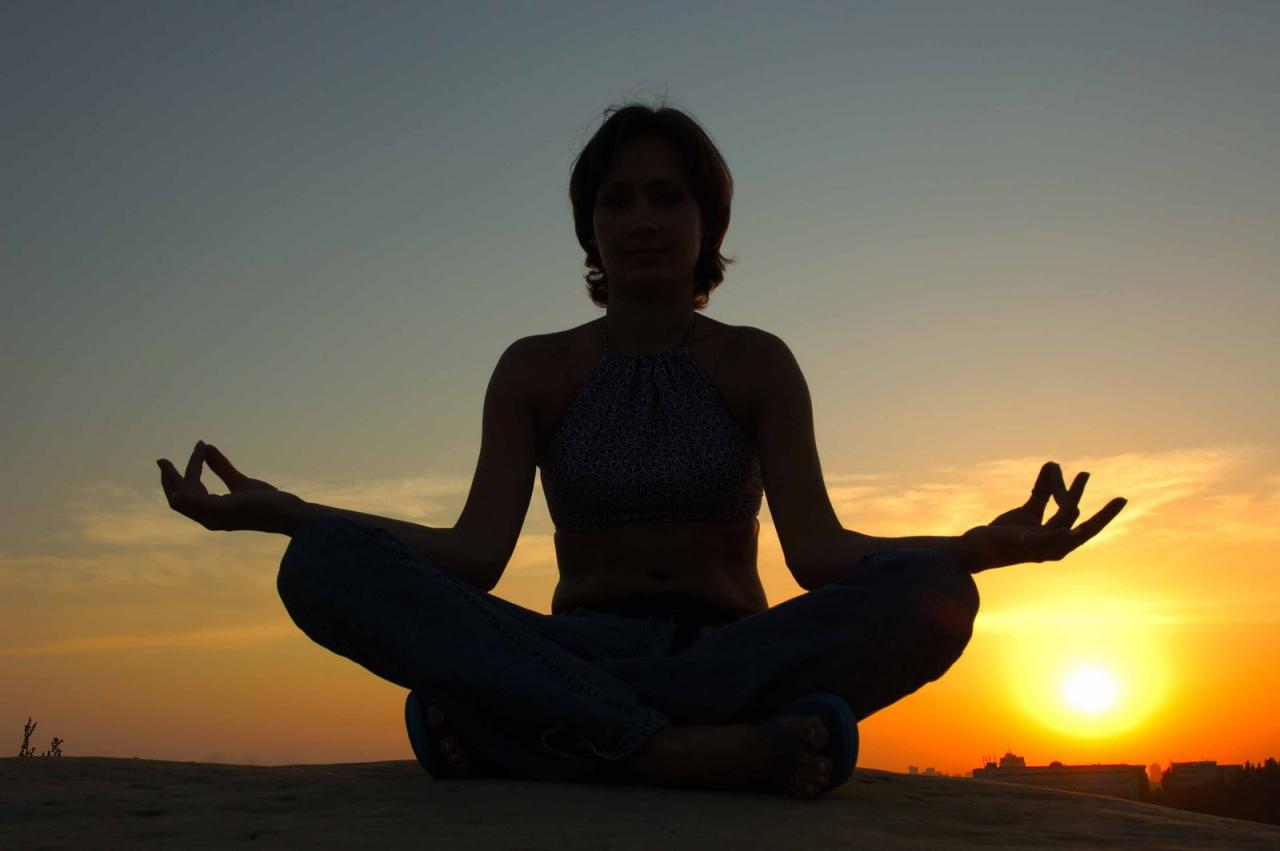
Developing self-discipline through meditation involves embracing specific techniques that cultivate focus, mental resilience, and consistency. Each method offers unique benefits and can be tailored to fit individual preferences and schedules, enhancing the effectiveness of discipline-building practices over time. Integrating these techniques into daily routines requires understanding their core principles and adopting strategies to maintain long-term adherence.
Below are various meditation methods designed to strengthen self-discipline, along with detailed step-by-step guides and strategies for establishing sustainable meditation habits.
Mindfulness Meditation
Mindfulness meditation emphasizes present-moment awareness, fostering mental clarity and emotional regulation, which are essential for cultivating discipline. This technique helps practitioners recognize distractions and impulses, enabling better control over actions and thoughts.
- Find a Quiet Space: Select a comfortable, distraction-free environment where you can sit undisturbed for the duration of your session.
- Adopt a Comfortable Posture: Sit upright with your back straight but relaxed, ensuring alertness without tension.
- Focus on Your Breath: Close your eyes gently and direct your attention to the sensation of breathing—notice the inhale and exhale without controlling it.
- Notice Distractions: When your mind wanders, acknowledge the distraction without judgment and gently redirect your focus back to your breath.
- Maintain Consistency: Start with short sessions of 5–10 minutes daily, gradually increasing duration as comfort and familiarity grow.
Practicing mindfulness cultivates a non-reactive awareness, empowering you to respond thoughtfully rather than impulsively, thus reinforcing self-discipline in daily choices.
To develop a sustainable schedule, set fixed times each day, such as morning or evening, and track your progress with a journal or meditation app that provides reminders and motivational feedback.
Guided Meditation
Guided meditation involves listening to an instructor or recorded session that leads you through visualization, body scans, or affirmations. This approach can enhance focus and motivation, especially for beginners working on discipline.
- Choose a Reputable Guide: Select guided sessions from trusted sources that align with your discipline goals, such as apps or online programs dedicated to self-management.
- Create a Calm Environment: Find a quiet place free from interruptions, ideally with comfortable seating and minimal external stimuli.
- Set a Clear Intention: Before starting, define your purpose—such as strengthening willpower or reducing impulsivity—to reinforce commitment.
- Engage Fully in the Session: Listen attentively without multitasking, following the guidance step-by-step, and visualizing concepts clearly.
- Establish Routine: Schedule regular guided sessions, beginning with 10–15 minutes, and increase duration as your familiarity deepens.
Consistency in guided meditation nurtures mental discipline by linking structured practice with intentional personal growth, reinforcing habits that translate into everyday decisions.
Adherence strategies include integrating guided sessions into existing routines, like during lunch breaks or before bedtime, and tracking progress with digital tools that provide feedback and encouragement.
Breath Control Meditation (Pranayama)
Breath control techniques focus on regulating inhalation, exhalation, and retention to strengthen mental resilience and concentration. Mastery of breath control can serve as a foundation for increased self-discipline in various areas of life.
- Begin with Comfort: Sit in a relaxed but upright posture, ensuring your respiratory system is unobstructed.
- Focus on Natural Breathing: Observe your breathing pattern without attempting to change it initially, becoming aware of breath rhythm and depth.
- Practice Controlled Breathing: Incorporate specific patterns such as inhaling slowly through the nose for a count of four, holding the breath for four counts, and exhaling gently for four counts.
- Use Visualization: Visualize the flow of energy or focus entering and leaving your body with each breath cycle, reinforcing concentration.
- Gradually Increase Practice Duration: Start with 5-minute sessions, increasing gradually to 15–20 minutes as your capacity for focus improves.
Regular breath control practice enhances self-regulation, enabling you to manage stress and impulses more effectively, which are critical components of self-discipline.
To maintain long-term adherence, integrate breath control exercises into daily routines, such as during morning preparations or midday breaks, and employ timers or mobile apps to ensure consistency.
Establishing a Consistent Meditation Routine
A structured and consistent meditation routine is fundamental to enhancing self-discipline. Developing a routine that aligns with your personal lifestyle and goals ensures that meditation becomes an integral part of daily life, fostering ongoing progress and reinforcing discipline over time. Establishing such a routine requires deliberate planning, realistic goal-setting, and ongoing reflection to adapt the practice to your evolving needs.Creating a sustainable meditation schedule involves setting clear, achievable objectives that serve as milestones for your self-discipline enhancement journey.
This foundational step ensures that your practice remains manageable and motivating, preventing feelings of overwhelm or inconsistency. Regularly tracking your progress provides valuable insights into your commitment and helps maintain momentum, while periodic reflections allow for adjustments that optimize your routine and deepen your discipline.
Setting Realistic Meditation Goals for Personal Discipline
Setting goals that are attainable within your current lifestyle is crucial for maintaining motivation and ensuring long-term adherence to your meditation practice. Begin by identifying specific aspects of self-discipline you wish to strengthen, such as focus, patience, or resilience. For example, a goal might be to meditate for five minutes daily, gradually increasing duration as consistency improves. Goals should be SMART: Specific, Measurable, Achievable, Relevant, and Time-bound.
For instance, “Meditate for 10 minutes every morning for the next four weeks to improve concentration.” Writing down these objectives enhances commitment and provides a clear direction. As your practice deepens, adjust your goals to challenge yourself further without compromising your consistency.
Methods for Tracking Progress and Maintaining Motivation
Monitoring your meditation routine is essential for reinforcing discipline and recognizing achievements. Use tools such as meditation journals, mobile apps, or calendar markings to log each session. Record details like duration, time of day, and any notable experiences or challenges encountered. This documentation helps identify patterns, such as optimal times or preferred techniques, fostering a sense of mastery and control.To maintain motivation, celebrate milestones, whether it’s completing a week of daily practice or reaching a new duration.
Sharing progress with a support group or an accountability partner can also boost commitment by providing encouragement and external reinforcement. Reflecting periodically on your journey allows you to recognize growth, address obstacles, and realign your goals to stay motivated and disciplined.
Designing a Weekly Meditation Plan Template
A well-structured weekly plan provides clarity and consistency, serving as a practical tool to embed meditation into your routine. Below is a sample template with explanations for customization:
| Day | Time | Duration | Technique | Focus/Goal | Notes/Reflections |
|---|---|---|---|---|---|
| Monday | 6:30 AM | 10 minutes | Mindfulness Breathing | Enhance focus for the day | Felt more centered; difficulty avoiding distractions |
| Tuesday | 7:00 PM | 15 minutes | Body Scan | Relaxation and stress reduction | Noticed tension in shoulders; plan to include stretching |
This plan encourages flexibility, allowing for adjustments based on daily experiences. Reflecting on the notes section helps identify which techniques resonate most and when adjustments are necessary. Regular weekly reviews can lead to personalized modifications—such as increasing duration, trying new techniques, or rescheduling sessions—to sustain motivation and discipline.By establishing a realistic, trackable, and adaptable meditation routine, practitioners reinforce their self-discipline foundation, making meditation a powerful tool for personal growth and behavioral consistency over time.
Overcoming Challenges During Meditation Practice
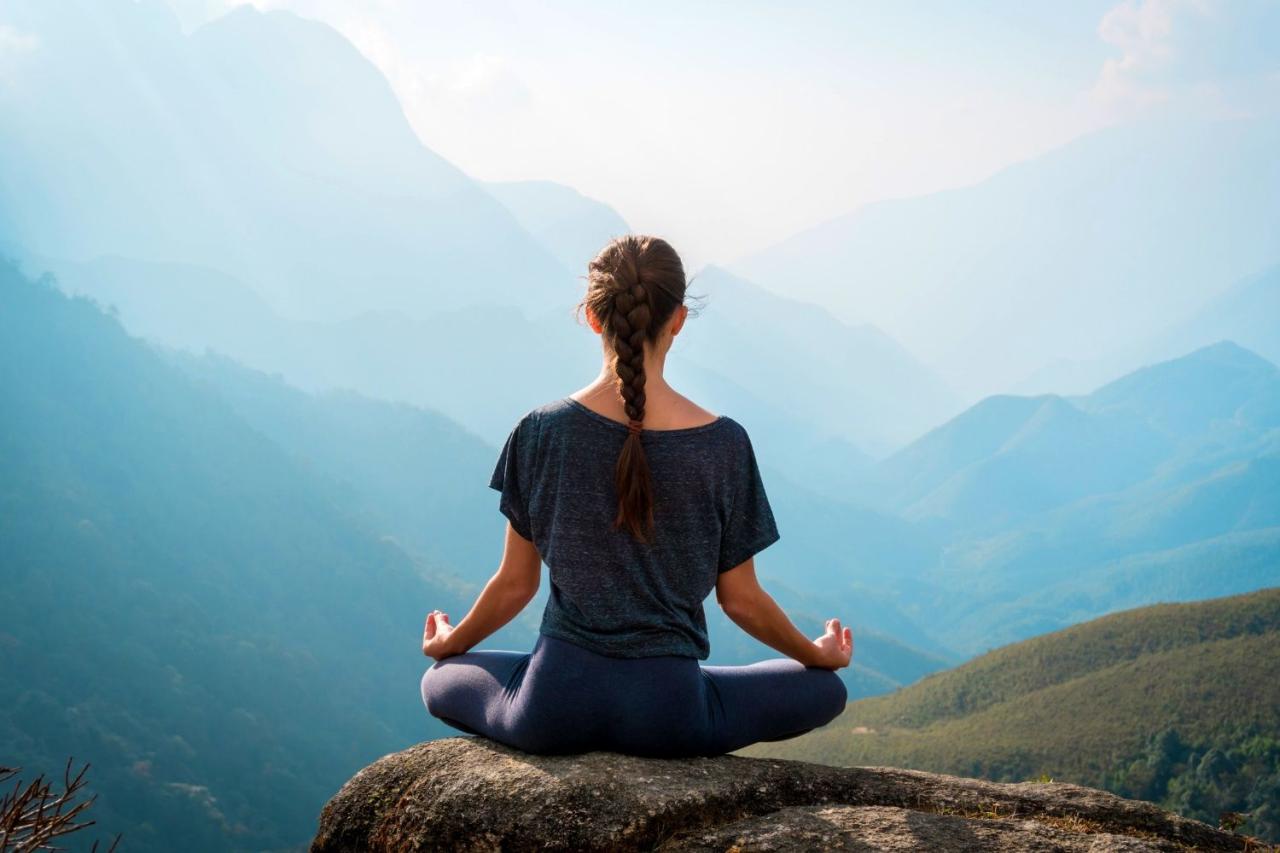
Meditation can significantly enhance self-discipline, but it often presents obstacles that may hinder progress. Recognizing these common challenges and implementing effective strategies to address them is crucial for maintaining a consistent and fruitful meditation routine. Even experienced practitioners encounter setbacks; understanding how to navigate these hurdles ensures ongoing growth and commitment to your self-discipline journey.These challenges, such as distraction, impatience, and inconsistency, are natural parts of developing a meditation habit.
The key lies in approaching them with patience and practical solutions, transforming obstacles into opportunities for deeper self-awareness and resilience. By actively working through these barriers, you reinforce your resolve and deepen your understanding of your mental and emotional patterns, ultimately strengthening your self-discipline.
Managing Distractions During Meditation
Distraction is one of the most common obstacles faced during meditation sessions. An active mind, external noises, or unrelated thoughts can divert attention away from focused practice. To effectively manage distractions, it is important to create a conducive environment and develop mindful awareness of wandering thoughts.First, choose a quiet, comfortable space for meditation, free from external disturbances. Using a dedicated meditation area helps condition the mind to associate that space with focus and calmness.
Second, employ gentle techniques such as anchoring attention to the breath or a specific mantra. When distractions arise, acknowledge them without judgment and gently redirect attention back to the point of focus. Practicing this non-reactive approach gradually enhances your capacity to maintain concentration over time.
Addressing Impatience and Frustration
Impatience and frustration are natural reactions when progress feels slow or meditation feels difficult. These emotions can undermine motivation and cause practitioners to abandon their routines prematurely. Cultivating patience is essential for building enduring self-discipline in meditation.To overcome these feelings, set realistic expectations and recognize that progress in meditation is often gradual. Incorporate short, manageable sessions initially, gradually increasing duration as comfort and focus improve.
Use positive reinforcement strategies, such as acknowledging small successes, to maintain motivation. Reminding yourself that setbacks are part of the learning process helps foster resilience. Additionally, adopting a gentle attitude towards yourself during difficult moments can reduce frustration and promote perseverance.
Maintaining Consistency Amid Fluctuating Motivation
Fluctuations in motivation are common, especially when external circumstances or internal states change. Sustaining a consistent meditation practice requires deliberate effort and strategic planning to navigate these periods of low enthusiasm.Developing a structured routine is fundamental. Establish specific times and durations for meditation, embedding these into daily schedules to cultivate habit formation. When motivation wanes, revisit your underlying reasons for practicing meditation—such as enhancing self-control or achieving mental clarity—to reignite commitment.
Incorporating variety in meditation techniques or practicing mindfulness throughout the day can also prevent stagnation. During setbacks, focus on the long-term benefits and give yourself grace, understanding that consistency over time yields the most profound results in strengthening self-discipline.
Integrating Meditation into Daily Discipline Practices
Embedding meditation into your daily routines can significantly reinforce core habits such as time management, goal setting, and impulse control. When practiced regularly, meditation cultivates a heightened sense of awareness and self-regulation, which directly enhances your ability to stay disciplined across various aspects of life. By thoughtfully integrating meditation into existing routines, individuals can create a powerful synergy that promotes sustained personal growth and effective habit formation.
Through consistent practice, meditation helps to anchor discipline-related behaviors by fostering mindfulness, reducing stress-induced impulsiveness, and improving focus. This integration supports not only mental clarity but also the development of habits that align with long-term objectives, making the pursuit of self-improvement more sustainable and impactful.
Examples of How Meditation Reinforces Discipline Habits
Implementing meditation can serve as a foundational activity that strengthens other discipline practices. Here are some practical examples:
- Time Management: Starting the day with a brief meditation session can enhance awareness of how time is spent, encouraging better planning and prioritization. Regular mindfulness practice helps recognize procrastination patterns and develop strategies to stay on schedule.
- Goal Setting: Meditation fosters clarity and intentionality, enabling individuals to visualize their goals more vividly. This mental focus can increase motivation and commitment, leading to more deliberate action towards achieving objectives.
- Impulse Control: Mindfulness meditation enhances the ability to pause before reacting impulsively. Practicing regular meditation creates a mental pause, allowing for more thoughtful responses instead of habitual, reactive behaviors.
Methods to Combine Meditation with Other Self-Improvement Routines
To maximize the benefits of meditation, it is advantageous to align it with other daily self-improvement activities. These methods facilitate a holistic approach to personal discipline:
- Morning Routine Integration: Incorporate a short meditation session immediately after waking to set a mindful tone for the day. Follow this with planning or reviewing goals to align intentions with actions.
- Post-Exercise Meditation: Engage in meditation after physical activity to deepen relaxation and reinforce mental discipline. This practice can enhance recovery and mental resilience.
- Mindful Breaks During Work: Schedule brief meditation or breathing exercises during work hours to reset focus, reduce stress, and maintain productivity throughout the day.
- Evening Reflection: Use meditation to reflect on daily achievements and challenges, fostering awareness and learning that supports ongoing discipline.
Comparison of Meditation Benefits with Other Discipline-Enhancing Activities
| Activity | Primary Benefits | Impact on Self-Discipline |
|---|---|---|
| Meditation | Enhances mindfulness, emotional regulation, stress reduction, focus, and impulse control. | Builds mental resilience, improves decision-making, and reinforces consistent habits. |
| Physical Exercise | Boosts energy, improves mood, develops perseverance, and promotes health. | Strengthens discipline through routine, goal achievement, and perseverance. |
| Goal Setting and Planning | Provides clarity, direction, and motivation for progress. | Encourages strategic thinking, accountability, and sustained effort. |
| Journaling | Facilitates self-awareness, reflection, and emotional processing. | Supports behavioral change and reinforces commitment to goals. |
Combining meditation with other discipline routines creates a comprehensive framework that enhances mental clarity, emotional stability, and goal-oriented behaviors, leading to a more disciplined and fulfilled life.
Measuring Progress and Success
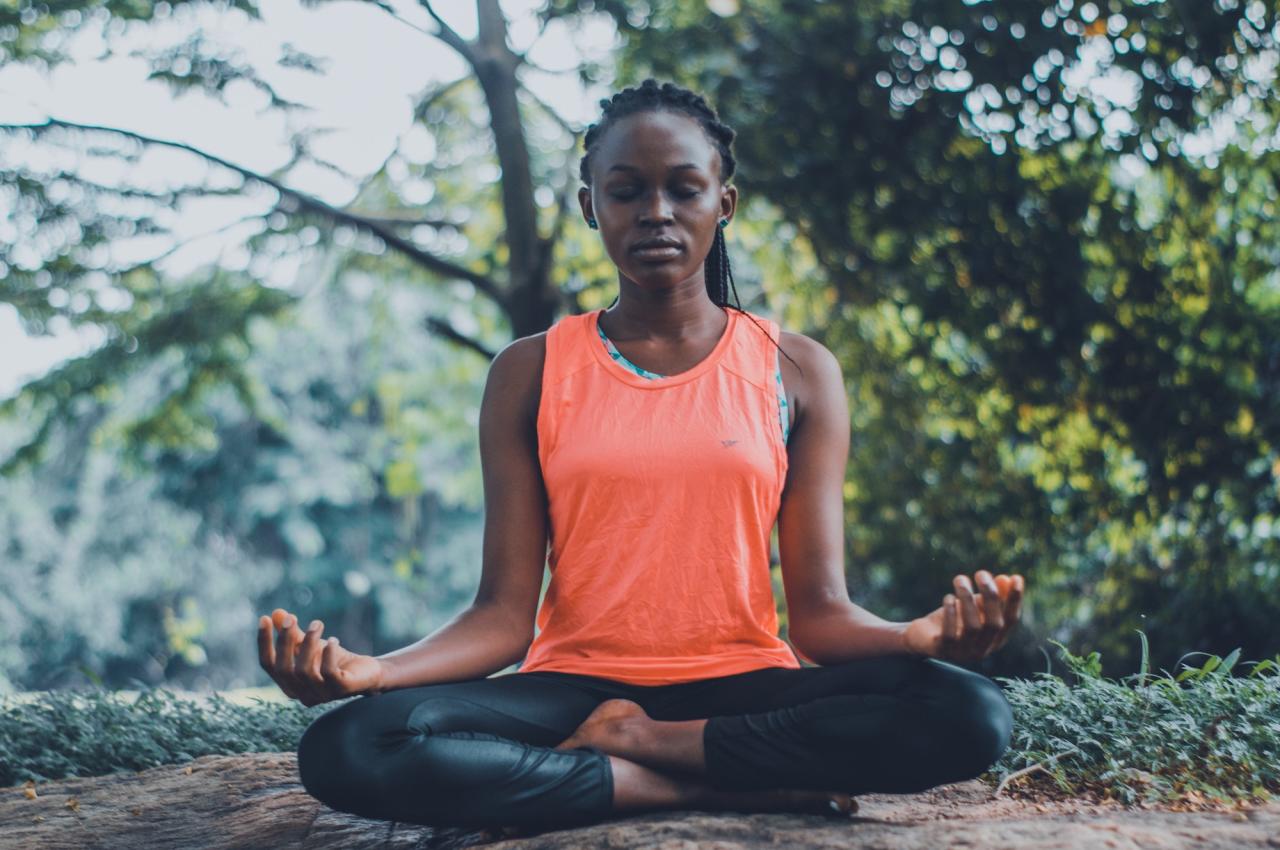
Monitoring advancements in self-discipline through meditation is essential to maintain motivation, identify areas for improvement, and tailor practices for optimal results. By establishing clear indicators and systematic evaluation methods, individuals can effectively gauge their growth and adapt their routines accordingly, ensuring a sustainable and impactful meditation journey.Assessing progress in self-discipline via meditation involves both qualitative and quantitative measures. Consistent reflection and data collection enable practitioners to recognize behavioral changes, increased mental resilience, and overall discipline enhancement.
The following sections Artikel practical metrics, journaling templates, and strategies for adjusting practices based on feedback.
Metrics and Indicators to Evaluate Improvements
Understanding specific signs of progress helps in objectively measuring self-discipline development. These indicators serve as tangible proof of the benefits gained through regular meditation.
- Consistency in Practice: Maintaining a regular meditation schedule without significant gaps demonstrates commitment and discipline. Tracking the frequency and duration of sessions provides a clear metric.
- Focus and Attention Span: An increase in the ability to concentrate during meditation and in daily activities signifies improved self-control. This can be observed through self-assessment or timed focus exercises.
- Emotional Regulation: Reduced emotional reactivity and enhanced patience are markers of disciplined mental habits. Noticing fewer impulsive reactions or quicker recovery from emotional disturbances indicates progress.
- Reduced Stress and Anxiety Levels: A decline in perceived stress or anxiety, measured through self-report scales or physiological indicators like heart rate variability, reflects effective self-discipline in managing emotional responses.
- Achievement of Goals: Setting specific milestones—such as meditating for a certain period or practicing daily for a month—and reaching them demonstrates growing discipline.
Templates for Journaling Insights Gained Through Meditation
Journaling serves as a vital tool for introspection and tracking progress. Structured templates facilitate consistent recording of experiences, challenges, and breakthroughs.
Meditation Insight Journal Template:
Date: ________
Duration: ________
Type of Meditation: ________
Focus Area/Intention: ________
Observations: (Describe mental state, physical sensations, emotional responses)
Challenges Encountered: (Distractions, difficulties, resistance)
Successes and Notable Moments: (Moments of clarity, calmness, achievements)
Lessons Learned: (Insights, adjustments needed)
Next Steps/Goals: ________
Additional prompts can include reflections on emotional shifts, changes in thoughts, and how meditation impacts daily discipline. Regularly reviewing these entries reveals patterns and highlights areas requiring attention.
Approaches for Adjusting Meditation Practices Based on Progress Feedback
Adapting meditation routines is crucial for continuous growth. Feedback from self-assessment and journaling informs necessary modifications to optimize effectiveness.
- Increasing Duration or Frequency: If progress plateaus, gradually extending meditation sessions or increasing session frequency can deepen discipline and awareness.
- Altering Techniques: Shifting between focused attention, mindfulness, or visualization can prevent stagnation and stimulate new insights.
- Modifying Environment: Creating a distraction-free space or changing the time of day may enhance focus and consistency based on observed challenges.
- Setting New Goals: Establishing additional or more challenging milestones sustains motivation and encourages ongoing development.
- Seeking External Support: Joining meditation groups or consulting with experienced practitioners can provide fresh perspectives and accountability, aiding adjustments.
By systematically evaluating these metrics and insights, practitioners can progressively fine-tune their meditation routines, reinforcing self-discipline and fostering long-term personal growth.
Visual and Descriptive Explainings for Illustrations
Effective visual representations play a crucial role in enhancing understanding and motivation during meditation practices aimed at strengthening self-discipline. Clear, detailed illustrations not only serve as guides for correct postures and environments but also evoke the mental clarity and self-control participants strive to achieve. This section provides comprehensive descriptions of images designed to depict meditation poses focused on discipline, serene environments conducive to focused practice, and visual cues that highlight mental states of clarity and restraint.
Through detailed visual descriptions, learners can better visualize and internalize meditation practices that foster discipline, making their routines more accessible and engaging. The following explanations aim to create vivid mental images that reinforce the importance of proper posture, environment, and mental focus.
Meditation Poses Focused on Discipline
Illustrations of meditation poses emphasizing discipline should showcase postures that promote stability, alertness, and composure. These images often depict seated postures with a straight spine, relaxed shoulders, and hands resting comfortably, embodying discipline and focus.
- Sukhasana (Easy Pose): An image portrays a person seated cross-legged on a cushion, with hands resting on the knees, palms facing upward, and eyes gently closed. The spine is straight, and the face exudes calm determination, symbolizing rootedness and self-control.
- Vajrasana (Thunderbolt Pose): The illustration shows an individual kneeling with the shins flat on the floor, hands resting on thighs, and a focused yet relaxed expression. This pose emphasizes discipline through physical stability and mental alertness.
- Seated with a Meditation Bench: An image features a person seated upright on a low bench, feet flat on the ground, with a straight back and hands resting on thighs. The environment highlights alertness and discipline, with a serene facial expression symbolizing mental clarity.
Depictions of Serene Environments for Focused Meditation
Creating an environment conducive to discipline involves visualizing tranquil settings that minimize distractions and evoke peace. These illustrations serve as inspiration for setting up personal meditation spaces that reinforce commitment and focus.
- Natural Settings: Images depict individuals meditating amidst lush forests or by quiet lakes, with gentle sunlight filtering through trees. The surroundings emphasize harmony with nature, fostering a deep sense of calm and discipline.
- Minimalist Indoor Spaces: Visuals show simple, uncluttered rooms with soft lighting, a comfortable cushion or chair, and minimal decor. The emphasis is on a dedicated space that encourages regular, disciplined practice.
- Zen Gardens or Courtyards: Illustrations include traditional Japanese gardens with rocks, sand, and sparse greenery, creating an environment that promotes mindfulness and self-restraint through visual simplicity.
Visual Representations of Mental Clarity and Self-Control
Illustrations aimed at depicting mental clarity and self-control focus on symbolic and abstract visuals that communicate inner discipline. These images serve as mental cues or anchors during meditation sessions.
- Clear, Calm Waters: An image shows a tranquil lake with mirror-like surface reflecting a clear sky, symbolizing mental clarity and emotional stability. The stillness emphasizes self-control and inner peace.
- Light Radiating from the Head: Visuals portray a person with a soft, glowing aura around their head, illustrating heightened awareness, mental focus, and enlightened discipline.
- Mandala or Geometric Patterns: Detailed illustrations of symmetrical mandalas or precise geometric shapes represent mental order, discipline, and harmonious inner states. These serve as visual focal points to cultivate concentration.
By incorporating these detailed visual and descriptive elements into meditation training materials, practitioners are better equipped to understand and embody the qualities of discipline, focus, and mental clarity essential for strengthening self-control through meditation.
Concluding Remarks
Incorporating meditation into your daily life offers a powerful pathway to enhance your self-discipline and mental clarity. By staying committed and reflective on your progress, you can build lasting habits that support your personal growth and disciplined lifestyle. Embrace these practices to unlock greater focus and resilience every day.