Meditation offers a powerful approach to managing anxiety and fear by fostering mental clarity and emotional balance. Understanding how to properly prepare and employ various techniques can significantly enhance overall well-being. This guide provides practical insights into establishing an effective meditation routine designed to promote calmness and resilience in the face of daily stressors.
By exploring guided practices, breathing exercises, body scans, and visualization methods, individuals can develop personalized strategies to release negative emotions. Incorporating supportive elements such as gentle movement and calming sounds further enriches the experience. Consistency and mindful adjustments are key to achieving lasting tranquility and emotional strength.
Introduction to Meditation for Releasing Anxiety and Fear
Meditation has long been recognized as a powerful tool for enhancing mental and emotional well-being. In the context of anxiety and fear, meditation offers a gentle yet effective means to calm the mind, reduce stress, and cultivate a sense of inner peace. As contemporary lifestyles become increasingly fast-paced and demanding, the importance of integrating meditation into daily routines has grown significantly, providing individuals with a practical approach to managing overwhelming emotions.
Through consistent practice, meditation influences both the mind and body by fostering relaxation, improving emotional regulation, and promoting a balanced perspective. It allows individuals to observe their thoughts and feelings without judgment, creating space for clarity and resilience. This process not only alleviates immediate feelings of anxiety and fear but also builds long-term mental strength. Despite its proven benefits, there are common misconceptions that often hinder people from embracing meditation fully.
Many believe that meditation requires special skills, extensive time, or that it involves emptying the mind completely, which can discourage beginners from starting. Understanding these misconceptions and recognizing meditation as an accessible and adaptable practice can empower more individuals to harness its full potential for emotional health.
Understanding the Role of Meditation in Mental and Emotional Health
Meditation influences mental and emotional health by engaging the parasympathetic nervous system, which promotes relaxation and counters the body’s stress response. Regular practice has been linked to reductions in cortisol levels, a hormone associated with stress, thereby decreasing feelings of anxiety and fear. Additionally, meditation enhances self-awareness, enabling individuals to identify early signs of emotional distress and respond more skillfully.
It also encourages mindfulness—a state of present-moment awareness—helping individuals detach from unhelpful thought patterns and avoid being overwhelmed by worries about the future or regrets about the past. With these benefits, meditation serves as a mental health support that complements other therapeutic approaches and promotes overall resilience.
Common Misconceptions about Meditation in the Context of Anxiety Relief
Many people hold misconceptions about meditation that can prevent them from experiencing its benefits fully. One prevalent myth is that meditation requires clearing the mind of all thoughts, which can be unrealistic and discouraging for beginners. In reality, meditation involves observing thoughts without attachment or judgment, allowing for a gentle mental training process. Another misconception is that meditation is only effective if practiced for long periods; however, even brief daily sessions can yield significant benefits.
Additionally, some believe meditation is a religious or spiritual practice exclusive to certain cultures, whereas it is a universal technique accessible to everyone regardless of background. Recognizing these misconceptions allows individuals to approach meditation with an open mind, reducing hesitation and enhancing their likelihood of establishing a consistent practice that effectively supports anxiety and fear management.
Preparing for Meditation Sessions
Creating a suitable environment and mental state before beginning your meditation can significantly enhance its effectiveness in releasing anxiety and fear. Proper preparation sets the foundation for a focused, peaceful, and restorative experience. By thoughtfully arranging your space, setting clear intentions, and gathering necessary tools, you cultivate an ambiance conducive to deep relaxation and mindful awareness. This preparatory phase is essential for overcoming distractions and anchoring yourself fully in the practice.
Implementing these preparation steps ensures that each meditation session becomes a reliable refuge where you can effectively process and release feelings of anxiety and fear, fostering greater emotional resilience and inner calm.
Creating a Calming Environment
Establishing a tranquil space minimizes external disruptions and facilitates a focused meditation practice. Consider the following steps to craft an environment that promotes relaxation:
- Choose a Quiet Location: Select a space away from loud noises, high traffic areas, or busy household activities. A quiet corner or dedicated room helps maintain silence and reduces sensory overload.
- Optimize Lighting: Use soft, dim lighting or natural light to create a soothing atmosphere. Avoid harsh fluorescents that can interfere with relaxation.
- Control Temperature and Ventilation: Maintain a comfortable temperature and ensure good airflow. Cool or warm environments can distract or cause discomfort during meditation.
- Minimize Visual Distractions: Keep the area tidy and free of clutter. Decorate with calming elements such as nature-inspired artwork, plants, or serene images.
- Incorporate Calming Scents: Use essential oils like lavender, chamomile, or sandalwood through diffusers or incense to foster tranquility and mental ease.
Creating a dedicated space that appeals to the senses and encourages calmness helps condition the mind to associate this environment with relaxation and mindfulness, making it easier to enter a meditative state.
Setting Intentions and Mental Readiness
Prior to starting your meditation, it is vital to cultivate a mindset focused on openness and acceptance. Clear intentions serve as guiding principles that deepen your engagement and reinforce your purpose in releasing anxiety and fear:
- Define Your Purpose: Reflect on the specific feelings or thoughts you aim to release. For example, you might set an intention to let go of worries about health or relationships.
- Practice Mindful Breathing: Engage in a few deep breaths to center your attention and calm your nervous system. This establishes a state of mental readiness.
- Use Affirmations or Mantras: Repeating positive phrases like “I am safe,” “I release fear,” or “I embrace calm” can reinforce your intentions and foster a sense of control over your emotional state.
- Visualize Desired Outcomes: Imagine yourself free from anxiety and fear, experiencing peace and clarity. Visualization anchors your focus on the goals of your meditation.
“Setting a clear intention before meditation aligns your mind with your desired emotional outcome, transforming the practice into a purposeful journey toward healing.”
Tools and Props for Meditation
Using specific tools and props can enhance comfort and concentration, making your meditation sessions more effective. Here is a checklist of commonly used items:
| Item | Purpose |
|---|---|
| Cushions or Meditation Chairs | Provides ergonomic support, maintains proper spinal alignment, and increases comfort during seated meditation. |
| Blankets | Offers warmth and comfort, especially during longer sessions, and helps create a cozy environment. |
| Calming Scents or Aromatherapy | Enhances relaxation through olfactory cues, promoting mental serenity and reducing tension. |
| Timer or Meditation App | Helps structure the session without the distraction of checking the clock, ensuring complete focus. |
| Essential Oils or Incense | Facilitates sensory engagement and creates an ambiance conducive to mindfulness. |
| Eye Pillow or Eye Mask | Supports gentle pressure over the eyes, blocking visual stimuli to deepen relaxation. |
Having these tools at hand allows for a seamless, comfortable meditation experience, enabling you to focus inward and maximize the benefits of your practice in releasing anxiety and fear.
Techniques and Methods for Meditation to Release Anxiety and Fear
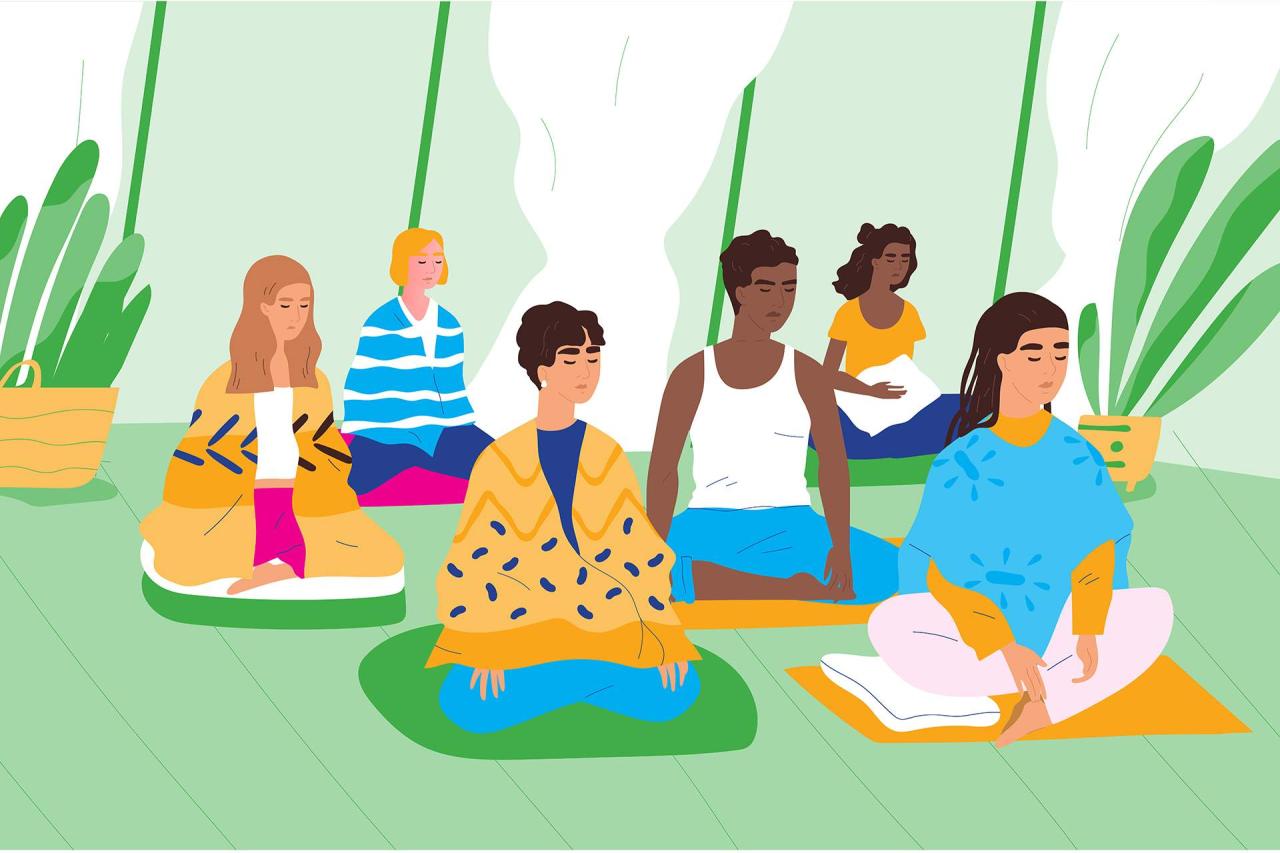
Releasing anxiety and fear through meditation involves employing specific techniques that help calm the mind and relax the body. Different approaches can be tailored to individual preferences, allowing for effective management of emotional distress. These methods focus on fostering mindfulness, bodily awareness, and positive visualization to cultivate a sense of safety and serenity.
Implementing diverse meditation practices provides a comprehensive toolkit for overcoming anxiety and fear. From guided sessions that direct focus and intention to simple breathing exercises that soothe the nervous system, these techniques are accessible and adaptable for both beginners and experienced practitioners.
Guided Meditation Practices for Anxiety Relief
Guided meditation sessions are especially effective for individuals experiencing heightened anxiety, as they offer clear instructions and visualization cues to facilitate relaxation. These practices often involve a trained narrator or recorded script that guides the participant through calming imagery and affirmations, helping to shift focus away from distressing thoughts.
Below is a table illustrating various guided meditation techniques designed for anxiety relief, highlighting their core focus and typical structure:
| Technique | Focus | Typical Structure |
|---|---|---|
| Body Relaxation Guided Meditation | Physical tension release and body awareness | Sequential guidance through different body parts, releasing tension progressively |
| Visualization of Safe Place | Creating a mental sanctuary to foster feelings of security | Imagining a peaceful environment, engaging all senses to deepen relaxation |
| Positive Affirmations Guided Session | Reframing negative thoughts and cultivating positive feelings | Repetition of calming affirmations that reinforce safety and self-compassion |
| Breathing and Heart Coherence Visualizations | Syncing breath and heartbeat to stabilize emotions | Guided focus on rhythmic breathing and visualizing coherence between breath and heart rate |
Breath-Focused Meditation Methods to Calm the Nervous System
Mastering breath awareness is a cornerstone of calming anxiety. Focusing on controlled breathing techniques stimulates the parasympathetic nervous system, reducing stress hormones and promoting relaxation. These exercises can be practiced anywhere and at any moment when feelings of fear or tension arise.
Here are some effective breathing exercises designed to soothe the nervous system:
- Deep Diaphragmatic Breathing: Inhale slowly through the nose, allowing the abdomen to expand fully, then exhale gently through the mouth or nose, focusing on complete exhalation to release tension.
- Box Breathing: Inhale for a count of four, hold the breath for four, exhale slowly for four, and pause for another four before repeating. This pattern stabilizes breathing and calms the mind.
- 4-7-8 Breathing: Inhale quietly through the nose for a count of four, hold the breath for a count of seven, then exhale completely through the mouth for a count of eight. This technique encourages relaxation and reduces anxiety symptoms.
- Alternate Nostril Breathing: Close one nostril with a finger, inhale through the open nostril, then switch and exhale through the other nostril. This balances the nervous system and fosters a sense of inner calm.
Body Scan Meditation Procedures for Releasing Tension
The body scan meditation is a systematic process that helps individuals become aware of physical sensations and identify areas of tension or discomfort. By consciously relaxing these areas, practitioners can alleviate built-up stress and foster a state of calmness essential for releasing anxiety and fear.
The typical procedure involves lying or sitting comfortably and following these steps:
- Begin by closing the eyes and taking a few deep breaths to settle into the practice.
- Start at the crown of the head, directing attention to any sensations or tensions present there.
- Slowly move attention downward, scanning the forehead, eyes, cheeks, jaw, neck, shoulders, arms, hands, chest, abdomen, pelvis, legs, and feet.
- At each body part, observe sensations without judgment, then consciously breathe into areas of tension, visualizing the tension melting away with each exhalation.
- If distracting thoughts arise, gently acknowledge them and return focus to the body part being scanned.
- Complete the scan by bringing awareness back to the entire body, feeling grounded and relaxed.
This mindful process enhances bodily awareness, releases stored stress, and cultivates a sense of safety within oneself.
Visualization Techniques that Promote Safety and Calm
Visualization is a powerful tool for rewiring the mind towards feelings of safety, serenity, and control. By creating detailed mental images, individuals can evoke positive emotions and counteract feelings of fear and anxiety. Effective visualization involves engaging all senses to deepen the experience and reinforce a sense of inner security.
Some descriptive visualization techniques include:
- Imagining a Protective Light: Visualize a warm, luminous light surrounding your body, forming an impenetrable shield. Feel its gentle warmth and protective presence, which filters out negativity and fear.
- Envisioning a Calm, Safe Place: Picture yourself in a peaceful setting such as a tranquil beach, lush forest, or cozy room. Engage your senses by imagining the sounds, smells, textures, and sights—like hearing gentle waves, smelling fresh pine, feeling soft grass beneath your feet, or seeing sunlight filtering through leaves.
- Building a Fortress of Calm: Visualize constructing a strong, comforting fortress inside your mind, where only positive, calming energies can enter. Imagine the fortress walls repelling anxious thoughts and allowing only peaceful ones to pass.
- Healing Light Visualization: Imagine a healing, golden light descending from above, enveloping your entire body. Feel this light soothing every muscle and calming your mind, replacing fear with warmth and reassurance.
These visualization methods foster a sense of internal safety and empower individuals to reduce anxiety effectively by creating mental environments of peace and security.
Step-by-Step Procedures for Effective Meditation Practice
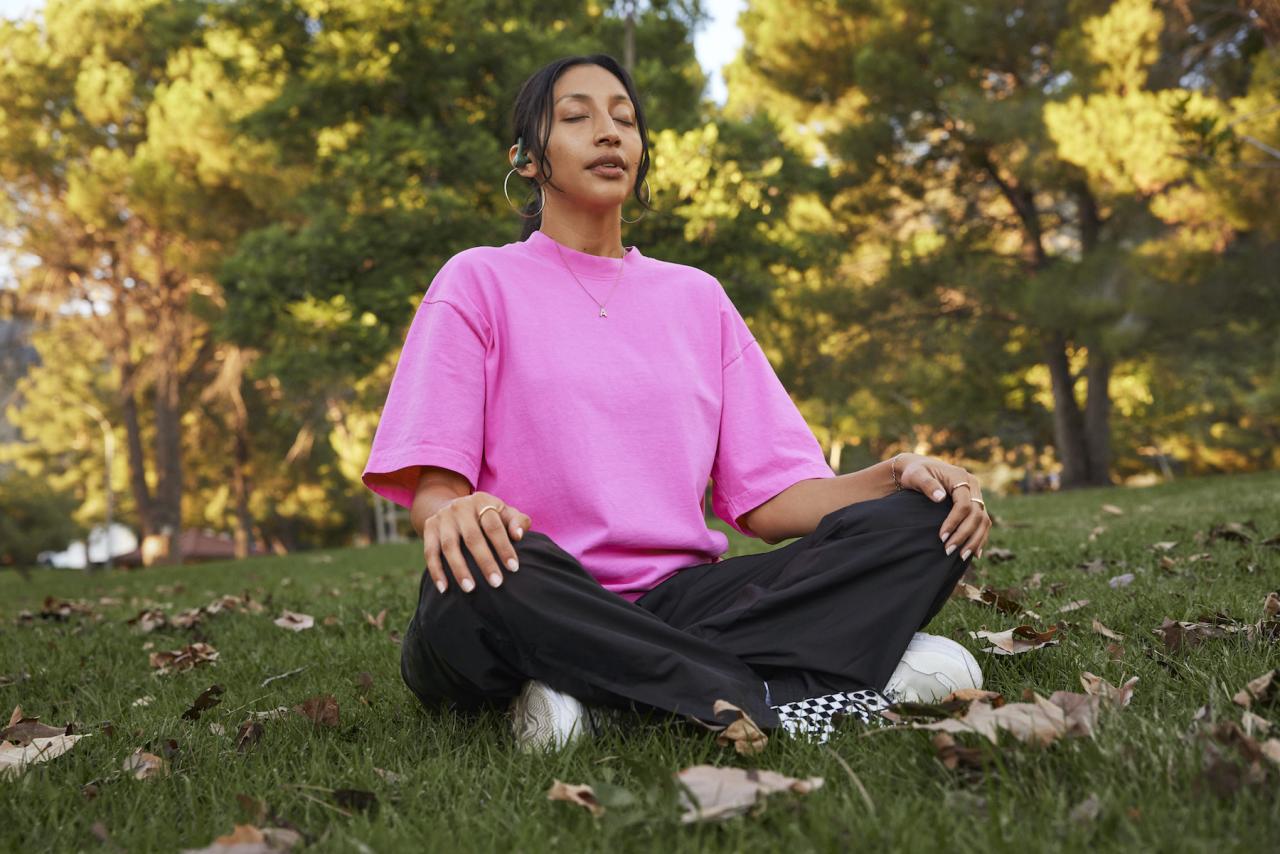
Establishing a structured and mindful approach to meditation can significantly enhance its benefits in releasing anxiety and fear. A clear, step-by-step routine helps beginners gain confidence and maintain consistency, ultimately fostering a calmer, more centered state of mind. The following detailed procedures are designed to guide you through an effective meditation session tailored specifically for anxiety release, along with tips for integrating it into your daily routine and overcoming common challenges.
Adopting these steps can streamline your practice, making it accessible and sustainable, whether you are new to meditation or seeking to deepen your existing practice. Consistency and patience are key, as regular practice will gradually diminish anxiety symptoms and promote emotional resilience.
Simple Meditation Session for Releasing Anxiety and Fear
This straightforward session is designed to cultivate calmness and reduce feelings of anxiety through focused breathing and gentle awareness. It can be completed in as little as 10 minutes, making it suitable for busy schedules.
- Find a Quiet, Comfortable Space: Sit or lie down in a calm environment where you will not be disturbed. Use a chair, cushion, or mat that supports a relaxed posture.
- Set an Intention: Briefly acknowledge your purpose, such as releasing anxiety or fostering inner peace. This intention will serve as a gentle reminder throughout the session.
- Begin with Deep Breathing: Close your eyes if comfortable. Inhale slowly through your nose for a count of four, allowing your abdomen to rise. Exhale gently through your mouth or nose for a count of six, releasing tension with the breath.
- Focus on Your Breath: Direct your attention to the sensation of the breath entering and leaving your body. Notice the cooler air at the nostrils during inhalation and the warmer sensation during exhalation.
- Observe and Release Tension: As thoughts or worries arise, acknowledge them without judgment and gently redirect your focus back to your breath. Visualize inhaling calm and exhaling tension or fear.
- Gradual Transition Out: After 10 minutes, slowly bring your awareness back to your surroundings. Wiggle your fingers and toes, and open your eyes consciously, carrying the sense of calm into your day.
Daily Meditation Routine with Time Suggestions and Focus Areas
Consistency amplifies the effectiveness of meditation in alleviating anxiety. Incorporating a daily routine with specific time slots and focus points helps establish a habit and ensures ongoing mental health benefits. The following routine serves as an example, adaptable to individual schedules and preferences.
| Time of Day | Duration | Focus Area | Notes |
|---|---|---|---|
| Morning (upon waking) | 10-15 minutes | Setting intentions, cultivating calmness | Begin your day with a clear, peaceful mindset |
| Midday (lunch break or midday pause) | 5-10 minutes | Releasing accumulated tension, refocusing | Use this time to reset and alleviate midday stress |
| Evening (before bed) | 10-15 minutes | Relaxation, letting go of worries | Promotes restful sleep and emotional release |
During each session, focus on different aspects such as breath awareness, body scan, or visualization of calm environments. Tailor the focus areas to your needs, emphasizing techniques that resonate personally.
Tips for Overcoming Common Challenges During Meditation Sessions
Even experienced practitioners encounter obstacles; understanding common challenges and strategies to address them ensures ongoing progress and prevents frustration. Recognize these hurdles as part of the learning process and approach them with patience.
- Restlessness or Distracting Thoughts: Accept that the mind naturally wanders. Gently acknowledge distractions and redirect your focus to your breath or chosen focal point without self-criticism.
- Physical Discomfort: Adjust your posture to find a comfortable position. Use cushions or chairs to support your back and avoid unnecessary tension.
- Lack of Motivation: Remind yourself of the benefits of meditation in managing anxiety. Incorporate short sessions into your daily schedule to build consistency and motivation.
- Difficulty Maintaining Focus: Use guided meditations or structured scripts to provide external guidance. Incorporate gentle visualizations or mantra repetitions to anchor your attention.
- Time Constraints: Start with brief sessions, such as five minutes, and gradually extend the duration as your practice becomes habitual.
Sample Meditation Script for Beginners
Begin by finding a comfortable seated position, with your back straight but relaxed. Close your eyes gently or soften your gaze. Take a deep breath in through your nose, filling your lungs completely. Hold for a moment, then exhale slowly through your mouth or nose, releasing tension. Repeat this deep breathing a few times, allowing your body to settle. Now, focus your attention on your breath, noticing the coolness of the air as you inhale and the warmth as you exhale. Whenever your mind drifts to worries or thoughts, gently acknowledge them and return your focus to the sensation of breathing. Continue this process for the allotted time, carrying the sense of calm with you as you transition back to your daily activities.
This simple script provides a gentle starting point for individuals new to meditation, emphasizing mindful breathing and non-judgmental awareness as tools for anxiety release.
Techniques for Deepening Meditation Practice
Enhancing your meditation practice allows for a more profound experience of calmness and mindfulness, which is especially beneficial when working to release anxiety and fear. By employing advanced techniques, practitioners can cultivate greater presence, reduce stress more effectively, and integrate a sense of tranquility into everyday life. These methods are designed to deepen your meditative state, making your sessions more impactful and sustainable over time.
Implementing these techniques requires consistent effort, patience, and awareness. They serve to elevate your existing practice and foster a resilient mental state capable of managing anxiety beyond the meditation cushion. The following strategies focus on increasing mindfulness, refining breathing practices, utilizing affirmations, and seamlessly incorporating meditation into daily routines for ongoing stress relief and emotional balance.
Enhancing Mindfulness and Presence During Meditation
Developing a heightened sense of mindfulness involves consciously directing your awareness to the present moment, observing your thoughts, feelings, and bodily sensations without judgment. This heightened state of presence reduces the tendency to ruminate on past events or worry about the future, which are common sources of anxiety.
Practitioners can deepen mindfulness by adopting techniques such as body scan meditation, where attention is systematically directed to different parts of the body, or mindful observation, where one attentively observes sounds, smells, or visual stimuli without attachment or interpretation. Incorporating gentle movement, like mindful walking or slow yoga, also enhances awareness and anchors the mind in the present, making the meditation more effective in calming the nervous system.
Advanced Breathing Techniques for Stress Reduction
Breathing methods play a pivotal role in activating the parasympathetic nervous system, which counteracts stress responses. Advanced breathing techniques can deepen relaxation and facilitate emotional regulation, essential for releasing anxiety and fear.
- Box Breathing: Inhale slowly through the nose to a count of four, hold the breath for four counts, exhale gently for four counts, and pause for another four before repeating. This cyclical pattern stabilizes the nervous system and promotes mental clarity.
- 4-7-8 Breathing: Inhale quietly through the nose for a count of four, hold the breath for a count of seven, then exhale through the mouth with a gentle whoosh for a count of eight. This method reduces anxiety by calming the mind and improving oxygenation.
- Alternate Nostril Breathing (Nadi Shodhana): Using your thumb and ring finger to alternate closing each nostril, inhale deeply through one nostril, switch to exhale through the other, and repeat. This technique balances hemispheric activity and fosters emotional stability.
Using Mantra or Affirmation Repetition to Reinforce Calmness
The repetition of a calming mantra or affirmation can serve as a powerful anchor during meditation, reinforcing feelings of safety, peace, and confidence. This practice helps to override negative thought patterns associated with anxiety and fear, gradually rewiring the mind for resilience.
“Sankalpa”, or intentional affirmation, when repeated consistently, can reinforce a sense of calm and foster positive mental states. Examples include “I am safe,” “I am grounded,” or “Peace flows through me.”
To incorporate mantra repetition effectively, choose a simple, meaningful phrase that resonates with your inner state. During meditation, silently or softly repeat the affirmation in tandem with your breath, allowing it to become a focal point that diminishes intrusive thoughts and cultivates a sense of inner tranquility.
Integrating Meditation into Daily Life for Ongoing Anxiety Management
Transitioning meditation from a scheduled session to a continuous practice throughout the day helps sustain calmness and manage anxiety more effectively. Consistent integration ensures that the benefits of meditation extend beyond the cushion, influencing emotional responses in real-life situations.
Simple methods to incorporate include mindful pauses before responding to stressful stimuli, conscious breathing during work breaks, or brief grounding exercises when feeling overwhelmed. Setting reminders or alarms to prompt momentary mindfulness can foster a habitual practice, gradually reducing the intensity and frequency of anxiety episodes. Engaging in routine activities with full attention—such as eating, walking, or even washing dishes—further reinforces mindfulness and stabilizes emotional health over time.
Incorporating Additional Elements to Support Meditation and Anxiety Release
Enhancing your meditation practice with supplementary elements can significantly deepen relaxation and facilitate a more effective release of anxiety and fear. These elements serve to create a nurturing environment, promote physical ease, and reinforce positive mental states. By integrating gentle movements, calming sounds, reflective journaling, and personalized affirmations, practitioners can cultivate a holistic approach that addresses both mind and body, fostering ongoing emotional resilience and tranquility.Incorporating these supportive practices not only enriches the meditation experience but also helps establish routines that sustain mental well-being.
They act as complementary tools, enabling individuals to navigate anxiety more effectively and develop a sense of empowerment and calmness that extends beyond the meditation session itself.
Gentle Movement and Yoga to Complement Meditation
Gentle movements and yoga poses can act as a physical bridge to mental relaxation, helping to release tension stored in the body and prepare the mind for meditation. These movements stimulate circulation, reduce muscular tightness, and promote a sense of groundedness, which enhances overall emotional stability.Consider incorporating poses such as:
- Child’s Pose (Balasana): Provides gentle stretch to the back and shoulders, promoting relaxation and a sense of safety.
- Cat-Cow Pose (Marjaryasana-Bitilasana): Encourages spinal flexibility and relieves tension along the back and neck.
- Legs-Up-the-Wall Pose (Viparita Karani): Facilitates venous return, calms the nervous system, and reduces anxiety.
- Seated Forward Bend (Paschimottanasana): Soothes the nervous system and stretches the hamstrings, helping to center the mind.
Engaging in slow, mindful movements before meditation can help release pent-up stress, making the subsequent practice more effective and deeply calming.
Using Calming Sounds and Music During Practice
Sound plays a crucial role in shaping emotional states and can significantly enhance meditation sessions aimed at releasing anxiety and fear. Calming sounds create an auditory environment that supports relaxation, blocks out distracting noise, and guides the mind into a peaceful state.Suggestions include:
- Nature sounds: Gentle rain, flowing water, bird songs, or ocean waves evoke a sense of serenity and connection to nature.
- Instrumental music: Soft, slow-tempo music with minimal instrumentation helps reduce mental chatter and encourages focus.
- Ambient soundscapes: Binaural beats or tau sound frequencies can facilitate deeper meditative states and stress reduction.
- Guided meditations with soothing voiceovers: Narrations that gently guide breathing and awareness foster a sense of safety and reassurance.
Ensuring volume levels are subtle and unobtrusive allows the sounds to enhance rather than distract from the meditation process.
Journaling Reflections After Meditation
Post-meditation journaling offers a valuable opportunity to process emotions, acknowledge progress, and reinforce positive insights gained during practice. It helps to externalize thoughts, reduce mental clutter, and cultivate self-awareness.Effective journaling practices include:
- Writing about feelings experienced during meditation, noting any shifts in anxiety or fear.
- Reflecting on physical sensations, thoughts, or insights that emerged during the session.
- Identifying recurring themes or triggers related to anxiety to better understand personal patterns.
- Expressing gratitude for moments of calm and progress, fostering a positive mindset.
Maintaining a dedicated journal or notebook facilitates tracking personal growth over time and encourages continued commitment to mental health practices.
Creating Personalized Affirmation Lists for Ongoing Reassurance
Personal affirmations serve as mental anchors that reinforce feelings of safety, control, and self-compassion, especially when faced with anxiety or fear. Developing tailored affirmation lists ensures that the messages resonate deeply and provide ongoing reassurance.Ideas for creating effective affirmations include:
- Focusing on present-moment safety and stability, such as “I am safe in this moment” or “I am grounded and secure.”
- Reinforcing self-compassion and resilience, like “I am capable of handling my emotions” or “I deserve peace and calm.”
- Incorporating positive future-oriented statements, such as “With each breath, I release fear” or “I am moving toward greater tranquility.”
- Personalizing affirmations based on specific fears or anxieties, making them more impactful and meaningful.
Regularly reviewing and repeating these affirmations, especially during meditation or challenging moments, helps reprogram the mind toward a more positive and reassuring perspective, supporting ongoing anxiety management and emotional healing.
Tracking Progress and Adjusting Meditation Practices
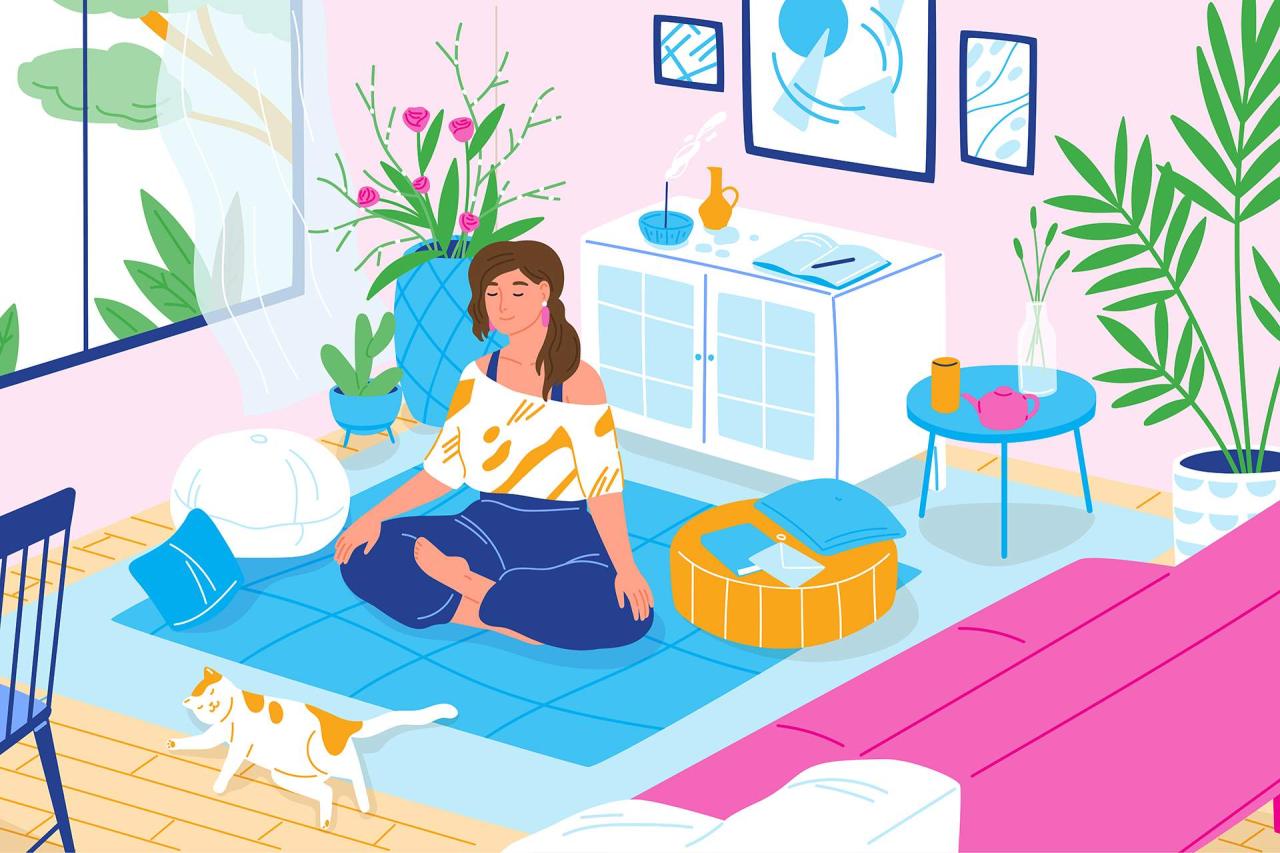
Maintaining awareness of your meditation journey is essential for ensuring its effectiveness in alleviating anxiety and fear. Regular assessment allows you to recognize improvements, identify challenges, and refine your approach for better outcomes. As your practice evolves, making informed adjustments helps sustain motivation and deepens the benefits experienced over time. Patience and consistency are vital components in this ongoing process, enabling you to cultivate a mindful awareness of your emotional and mental landscape.Effective tracking and responsive modifications empower you to personalize your meditation practice, ensuring it continues to serve your unique needs and promotes emotional resilience.
By systematically observing your progress, you can fine-tune techniques, incorporate new methods as necessary, and foster a sustainable, supportive meditation routine.
Assessing the Effectiveness of Meditation in Reducing Anxiety
To evaluate how well your meditation practice is helping in reducing anxiety and fear, it is important to establish objective and subjective measures. Self-assessment tools provide valuable insights into your emotional and mental states over time.
- Maintain a daily or weekly journal documenting your feelings, noting instances of anxiety and fear, as well as moments of calm and clarity. Record the intensity and frequency of these experiences to identify trends.
- Use standardized scales, such as the State-Trait Anxiety Inventory (STAI) or the General Anxiety Disorder 7 (GAD-7), periodically to quantify anxiety levels.
- Observe physiological indicators, including heart rate variability, breathing patterns, or muscle tension, which can reflect underlying anxiety levels.
- Solicit feedback from trusted friends or family members who can observe changes in your mood, behavior, and overall demeanor.
Tracking these parameters over weeks or months allows you to determine if your meditation practice is yielding measurable improvements or if adjustments are needed.
Modifying Meditation Techniques Based on Personal Response
Personal response to meditation varies, necessitating flexibility in technique application. Monitoring your experiences during and after practice can guide modifications to optimize benefits.
- If you notice increased restlessness or difficulty concentrating, incorporate shorter meditation sessions initially, gradually increasing duration as comfort improves.
- For feelings of emotional overwhelm, emphasize grounding techniques such as body scans or guided visualizations that foster a sense of safety.
- Should certain methods, like mantra meditation or breath awareness, induce discomfort or ineffectiveness, experiment with alternative practices such as mindfulness walking or progressive relaxation.
- Adjust the environment to reduce distractions, for example, by choosing a quieter space or adjusting lighting, to enhance focus and comfort.
- Incorporate supportive elements like soothing music, aromatherapy, or gentle background sounds if they help deepen your concentration and relaxation.
Personalization ensures that your meditation routine remains engaging, sustainable, and aligned with your evolving needs.
Tools and Logs for Tracking Emotional and Mental Changes
Utilizing specific tools can facilitate consistent and comprehensive tracking of your meditation progress.
- Journals or dedicated notebooks serve as simple yet effective means for recording daily reflections, emotional states, and notable experiences.
- Digital apps specifically designed for meditation and mindfulness offer features such as mood tracking, guided exercises, and progress charts. Examples include Insight Timer, Calm, or Headspace.
- Emotion tracking charts or mood diaries allow you to visualize fluctuations over time, helping identify patterns related to specific techniques, times of day, or external circumstances.
- Using tables or spreadsheets to log variables such as meditation duration, technique used, emotional responses, and physical sensations can provide a structured overview of your journey.
Consistently documenting your experiences creates a feedback loop that informs necessary adjustments and highlights your progress.
The Importance of Consistency and Patience in Meditation Practices
Achieving meaningful reductions in anxiety through meditation is a gradual process that requires ongoing commitment. Consistency ensures that the brain and nervous system adapt to the practice, reinforcing positive neural pathways associated with calmness and emotional regulation.
- Establishing a regular schedule, such as morning or evening sessions, helps build habits that become integral to your daily routine.
- Recognize that immediate results are not always apparent; patience is essential as the benefits of meditation often accrue cumulatively over weeks or months.
- Celebrate small successes, such as increased ease in meditation, reduced anxiety episodes, or enhanced emotional resilience, to maintain motivation.
- Avoid self-criticism during periods of stagnation or difficulty; instead, approach practice with kindness and openness.
- Understand that fluctuations are natural; persistent practice combined with gentle adjustments will gradually elevate your capacity to manage anxiety and fear effectively.
Emphasizing patience and consistency transforms meditation from a short-term remedy into a sustainable pathway toward emotional well-being.
Closing Notes
In conclusion, mastering meditation techniques for releasing anxiety and fear can profoundly improve mental health and emotional stability. Regular practice, combined with thoughtful integration of supplementary methods, empowers individuals to cultivate a peaceful state of mind. Embracing patience and adapting approaches over time ensures continued growth on this journey toward serenity and self-awareness.