Embarking on the journey to relax your nervous system through meditation offers a path to profound tranquility and well-being. Understanding how meditation influences the intricate balance of your nervous system can unlock powerful tools to manage stress and foster physical and mental harmony. Whether you are seeking a gentle introduction or seeking to deepen your practice, this guide provides valuable insights to help you cultivate lasting calmness.
By exploring effective techniques, creating a conducive environment, and incorporating mindfulness, you can significantly enhance your relaxation response. From breathing exercises to guided visualizations, each method is designed to soothe your sympathetic nervous system and activate your body’s natural relaxation mechanisms. Embrace this journey to a calmer, more centered self with practical steps and expert tips tailored for effective nervous system calming.
Understanding the Nervous System and Meditation
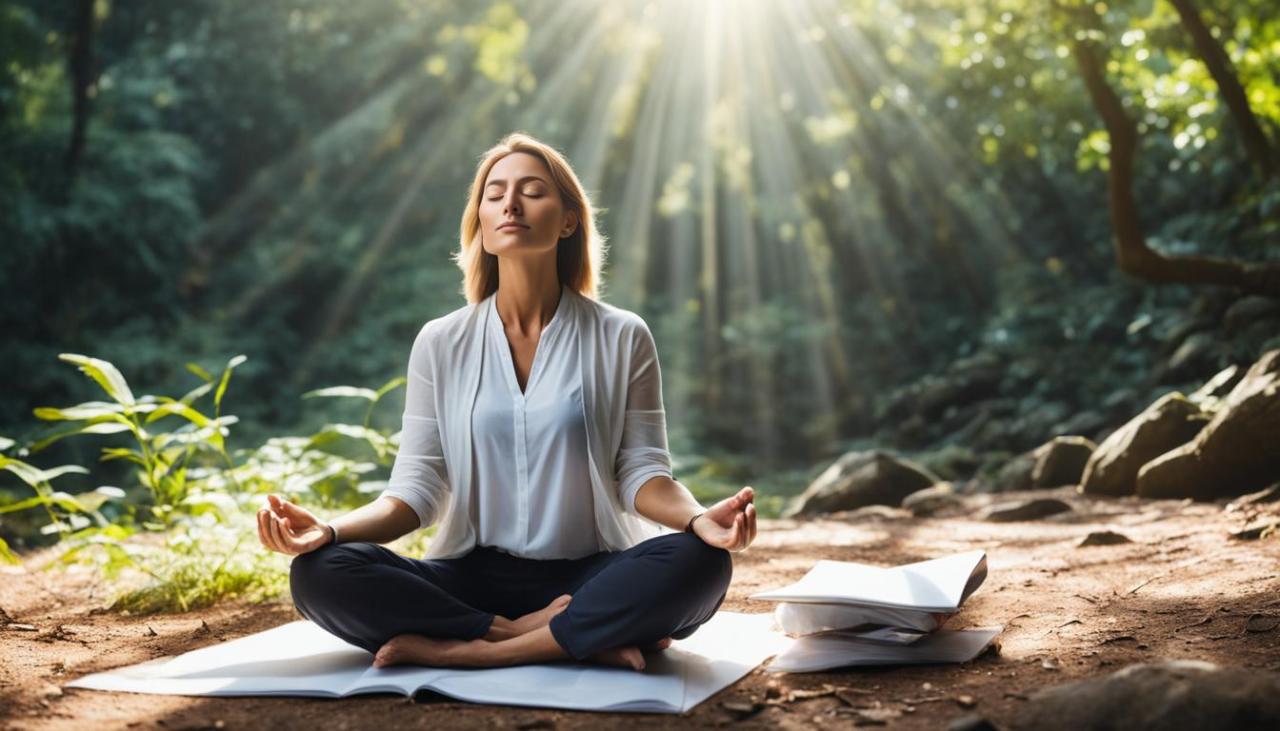
The nervous system is a complex network responsible for coordinating all the body’s activities, from basic reflexes to intricate cognitive functions. Its regulation is essential for maintaining overall health, especially in managing stress and relaxation. Meditation has emerged as a powerful practice that influences nervous system regulation, helping to restore balance and promote a state of calmness. To fully appreciate how meditation facilitates this process, it is important to understand the fundamental structure and functions of the nervous system and how different branches interact during stress and relaxation responses.
The nervous system is broadly divided into two main branches: the sympathetic nervous system and the parasympathetic nervous system. These components work together to regulate physiological responses to internal and external stimuli. Meditation primarily impacts these branches by reducing sympathetic activation—commonly associated with stress—and enhancing parasympathetic activity, which promotes relaxation and recovery. This balance is vital for managing stress, improving mental clarity, and supporting overall health.
By modulating the nervous system, meditation helps individuals respond more adaptively to life’s challenges, fostering resilience and emotional well-being.
Structure and Function of the Nervous System
The nervous system consists of two primary parts:
- Central Nervous System (CNS): Composed of the brain and spinal cord, the CNS acts as the control center, processing sensory information and coordinating responses.
- Peripheral Nervous System (PNS): Made up of all nerves outside the CNS, including sensory and motor neurons that connect the CNS to limbs and organs.
The PNS further divides into the somatic nervous system, which controls voluntary movements, and the autonomic nervous system, which manages involuntary functions such as heart rate, digestion, and respiratory rate. The autonomic nervous system is crucial in stress responses and relaxation states, operating largely beneath conscious awareness.
The Sympathetic and Parasympathetic Branches
The autonomic nervous system operates via two complementary branches:
- Sympathetic Nervous System: Often referred to as the “fight-or-flight” system, it prepares the body for immediate action in response to perceived threats or stress. Activation results in increased heart rate, rapid breathing, pupil dilation, and the release of stress hormones like adrenaline and cortisol.
- Parasympathetic Nervous System: Known as the “rest-and-digest” system, it promotes relaxation, recovery, and conservation of energy. Activation reduces heart rate, promotes digestion, and facilitates restorative processes, fostering a calm and balanced state.
These systems work in opposition to regulate physiological states. Under normal circumstances, a healthy balance between sympathetic and parasympathetic activity allows for appropriate responses to varying situations. Chronic stress can skew this balance toward sympathetic dominance, leading to health issues such as hypertension, anxiety, and immune suppression.
Effects of Meditation on the Nervous System
Meditation influences the nervous system by shifting activity from sympathetic dominance toward greater parasympathetic activation. This transition helps mitigate the physiological effects of stress, enabling the body to relax and recover. Regular meditation practice can lead to measurable changes, including decreased heart rate, lowered blood pressure, and reduced levels of stress hormones.
“Meditation promotes parasympathetic activity, encouraging relaxation and restoring balance to the nervous system.”
Scientific studies have demonstrated that meditation can modulate neural circuits involved in stress regulation, reduce amygdala activity (associated with fear and stress), and increase prefrontal cortex activity (linked to calmness and executive control). These neural adaptations contribute to improved emotional regulation, resilience, and overall wellbeing.
Furthermore, meditation enhances heart rate variability (HRV), a marker of healthy autonomic nervous system function, indicating better adaptability to stress. These physiological benefits exemplify how meditation can serve as a potent tool for managing nervous system dysregulation and fostering a state of relaxation and inner balance.
Comparison Table: Effects of Meditation on Nervous System Components
This table illustrates the contrasting effects of meditation practices on the sympathetic and parasympathetic branches, highlighting their roles in stress and relaxation responses.
| Component | Pre-Meditation State | Post-Meditation State | Physiological Effects |
|---|---|---|---|
| Sympathetic Nervous System | Elevated activity due to stress or arousal | Reduced activity, decreased stress hormone levels | Lowered heart rate, decreased blood pressure, decreased cortisol |
| Parasympathetic Nervous System | Suppressed activity during stress | Enhanced activity during meditation | Increased heart rate variability, improved digestion, relaxed muscles |
| Neural Activity | High amygdala activation, low prefrontal cortex activity | Decreased amygdala activation, increased prefrontal activity | Better emotional regulation, reduced anxiety |
Preparing for Meditation Practice
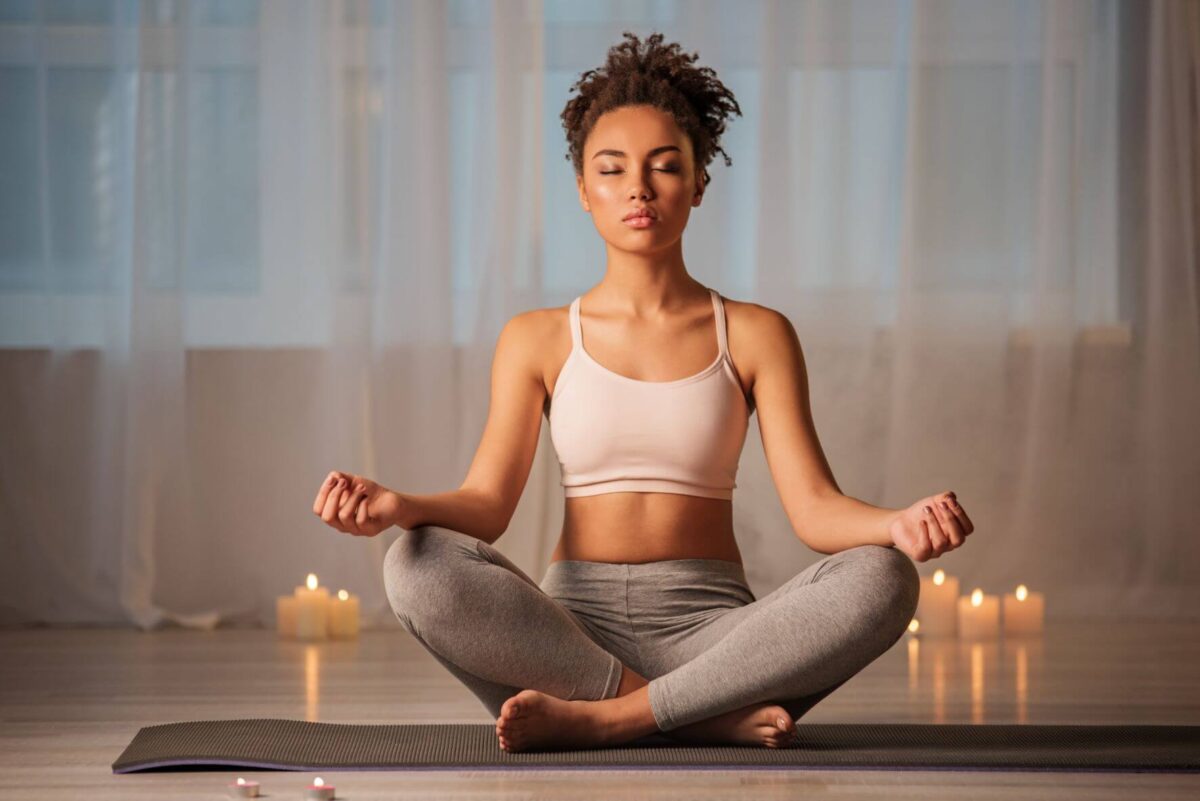
Establishing an optimal environment and routine is essential for effective meditation, especially when aiming to relax the nervous system. Proper preparation enhances focus, cultivates calmness, and supports the overall benefits of your practice. Thoughtful setup and consistency lay the groundwork for deeper relaxation and mindfulness.
In this section, we will explore methodical steps to create a calming meditation environment, identify essential tools that facilitate nervous system relaxation, and Artikel strategies to help establish and maintain a regular meditation schedule.
Creating an Ideal Meditation Environment
Constructing a tranquil space that minimizes distractions and promotes comfort is fundamental to successful meditation practice. A well-designed environment encourages deeper relaxation and helps condition the mind to associate that space with calmness and mindfulness.
- Choose a quiet, clutter-free area away from noise and interruptions. This space should feel safe and inviting, possibly with natural light or soft lighting to enhance serenity.
- Set the temperature to a comfortable level, neither too hot nor too cold, to prevent physical discomfort from interfering with your focus.
- Arrange a comfortable seat, such as a cushion, meditation chair, or mat, ensuring proper posture that supports both relaxation and alertness.
- Incorporate calming elements such as gentle nature sounds, candles, or essential oils like lavender that promote tranquility without overwhelming the senses.
- Avoid electronic devices or keep them in silent mode to prevent distractions. If using a timer or meditation app, set it beforehand to avoid interruptions.
Essential Tools and Items for Meditation
Utilizing specific tools can significantly enhance the calming effect of meditation, especially for nervous system relaxation. These items serve to create a sensory environment conducive to mindfulness and help deepen your practice.
- Meditation Cushion or Seat: Provides ergonomic support, encouraging proper posture to facilitate breathing and reduce physical tension.
- Timer or Meditation App: Assists in maintaining consistent practice durations without the need to check the clock frequently.
- Essential Oils or Incense: Aromatherapy can evoke relaxation; lavender, chamomile, or sandalwood are popular choices for calming the nervous system.
- Blanket or Shawl: Keeps you warm and comfortable during longer sessions, preventing physical discomfort that may hinder focus.
- Headphones or Speakers: If incorporating guided meditations or ambient sounds, quality audio devices enhance clarity and immersion.
Tips for Establishing a Consistent Meditation Routine
Consistency is key to experiencing the long-term benefits of meditation. Establishing a structured schedule helps in building discipline and integrating meditation into daily life, making relaxation a natural part of your routine.
| Frequency | Time of Day | Duration | Notes |
|---|---|---|---|
| Daily | Morning | 10-15 minutes | Start your day with a calming practice to set a peaceful tone. |
| Daily | Evening | 15-20 minutes | Use before bedtime to unwind and promote restful sleep. |
| Weekly | Weekend mornings | 30 minutes | Extended sessions to deepen your mindfulness practice. |
Consistency transforms meditation from an occasional activity into a lifelong habit, gradually rewiring the nervous system towards resilience and calmness.
To support adherence, set reminders, keep your meditation space accessible, and reflect on your progress regularly. Flexibility is also important; adapt your schedule as needed to sustain long-term engagement and relaxation benefits.
Techniques for Relaxing the Nervous System through Meditation
Implementing effective meditation techniques is essential for soothing the nervous system and alleviating stress. Different methods target various sensory and mental pathways, allowing individuals to find the approach that best suits their needs and preferences. By practicing these techniques regularly, one can foster a state of deep relaxation, enhance mental clarity, and promote overall well-being.
Each meditation method emphasizes specific sensory engagement and mental focus, providing diverse pathways to achieve nervous system relaxation. Below, we explore some of the most effective techniques, along with a structured sequence designed to maximize calming effects.
Diaphragmatic Breathing
Diaphragmatic breathing, also known as abdominal or belly breathing, involves deep, slow inhalations that expand the diaphragm and fill the lungs completely. This technique activates the parasympathetic nervous system—the body’s natural relaxation response. During practice, focus on the sensation of the breath entering the nostrils, filling the lungs, and causing the abdomen to rise.
- Position yourself comfortably, either sitting or lying down, with one hand on your chest and the other on your abdomen.
- Inhale slowly through the nose, allowing the air to expand the diaphragm and push the abdomen outward.
- Maintain a gentle, steady exhale through pursed lips or nose, feeling the abdomen fall inward.
- Repeat this cycle, paying close attention to the sensory experience of each breath—temperature, movement, and sound.
Body Scan Meditation
The body scan meditation directs attention systematically through different parts of the body, fostering a heightened sense of bodily awareness and releasing tension. This technique engages the sensory system by encouraging the practitioner to notice physical sensations such as warmth, coolness, tingling, or tightness.
- Lie comfortably in a quiet environment and close your eyes.
- Begin by focusing on your breath for a few moments to center your awareness.
- Gradually shift your attention to your toes, observing any sensations without judgment.
- Move upward through the feet, ankles, calves, knees, thighs, pelvis, abdomen, chest, back, shoulders, arms, hands, neck, and finally the head.
- At each region, notice physical sensations such as tension, discomfort, or relaxation, and consciously breathe into areas of tightness.
Guided Imagery
Guided imagery involves mentally visualizing peaceful, calming scenes that stimulate the senses and promote mental relaxation. This technique leverages the power of imagination to create sensory-rich experiences that soothe the nervous system and reduce stress responses.
- Choose a comfortable position and close your eyes.
- Listen to a recorded guided imagery session or imagine a tranquil scene, such as a serene beach, lush forest, or gentle mountain stream.
- Engage all your senses: imagine the sounds, sights, smells, textures, and even tastes associated with the scene.
- Focus your attention on the details, allowing the mental picture to deepen, fostering a profound sense of calm.
Structured Sequence for Nervous System Calm
This sequence combines the techniques above to create a comprehensive meditation practice aimed at calming the nervous system effectively:
- Begin with diaphragmatic breathing: Sit or lie comfortably, and practice deep belly breaths for 5 minutes, focusing on the sensation of inhaling and exhaling to initiate relaxation.
- Proceed to a body scan: Transition into a systematic scan from your toes to your head, paying attention to physical sensations and releasing tension as you go, for approximately 10 minutes.
- Engage in guided imagery: Close your eyes and visualize a peaceful natural environment, immersing your senses in this scene for 10-15 minutes to deepen the relaxation response.
- Conclude with mindful breathing: Finish with a few minutes of gentle diaphragmatic breathing to maintain the calming state and integrate the experience.
By following this sequence regularly, individuals can reliably activate their parasympathetic nervous system, reduce stress hormones, and nurture a profound sense of tranquility and well-being.
Guided Meditation Exercises
Guided meditation exercises serve as practical tools to help individuals relax their nervous systems effectively. By following structured scripts, practitioners can experience profound calming effects, reduce stress, and enhance overall well-being. These exercises are especially beneficial for those new to meditation or anyone seeking a straightforward approach to relaxation.
Structured guidance ensures that participants can focus entirely on the process without being overwhelmed by choices or distractions. The scripts typically include stages such as initial relaxation, deepening focus, and closing calmness, each designed to progressively deepen the relaxation response. Incorporating techniques like deep breathing, visualization, and progressive muscle relaxation enhances the effectiveness of these exercises, allowing the nervous system to transition smoothly into a state of calmness.
Initial Relaxation Stage
This initial stage focuses on easing the body into a state of relaxation and preparing the mind for deeper focus. It involves gentle awareness of the present moment and simple breathing exercises.
- Guided Script: Starting with Breath Awareness
“Begin by finding a comfortable seated or lying position. Close your eyes gently and start to pay attention to your breath. Take slow, deep breaths through your nose, feeling the air fill your lungs completely. Exhale slowly and fully, releasing any tension as you breathe out. Allow your body to settle into a natural rhythm, noticing the sensation of breath entering and leaving your body.”
- Key Techniques:
- Deep Breathing: Focused inhalation and exhalation to activate the parasympathetic nervous system, which promotes relaxation.
- Body Scan: Progressively bring awareness to different parts of the body, starting from the toes and moving upward, releasing tension in each area.
Deepening Focus Stage
In this phase, practitioners deepen their focus to enhance relaxation and quiet the nervous system. Visualization and progressive muscle relaxation are particularly effective at this stage.
- Guided Script: Visualization and Muscle Relaxation
“Imagine yourself in a peaceful, safe place—perhaps a quiet beach, a lush forest, or a serene meadow. Visualize the details vividly—the colors, sounds, and sensations. As you breathe slowly, imagine the tension melting away from each part of your body. Progressively tense and then relax major muscle groups, starting with your feet and moving upward, allowing each muscle to release built-up stress. With each exhale, feel yourself sinking deeper into calmness.”
- Key Techniques:
- Visualization: Creating mental images of tranquil settings to evoke feelings of safety and peace, which calm the nervous system.
- Progressive Muscle Relaxation (PMR): Alternately tensing and relaxing muscle groups to reduce physical tension and promote relaxation.
Closing Calmness Stage
This final stage helps to gently transition the mind and body back to regular awareness while maintaining the sense of calm achieved during the session. It emphasizes gentle breathing and positive affirmation.
- Guided Script: Gentle Return and Affirmation
“Begin to bring your awareness back to the present moment. Notice the sensation of your body resting on the surface beneath you. Take a few deep breaths, feeling the air fill your lungs once more. Slowly wiggle your fingers and toes, and when you are ready, gently open your eyes. Carry the sense of calm with you throughout your day, reminding yourself that this peaceful state is always accessible through your breath and awareness.”
- Key Techniques:
- Slow, Deep Breathing: To reawaken the nervous system gently without causing abrupt stimulation.
- Positive Affirmations: Repeating calming phrases such as “I am relaxed” or “I am at peace” to reinforce the relaxation state and promote mental tranquility.
Incorporating Mindfulness and Body Awareness
Integrating mindfulness and body awareness into meditation practices significantly enhances the calming effect on the nervous system. These approaches deepen the user’s connection with their present experience, fostering greater relaxation and reducing stress responses. By consciously paying attention to physical sensations and mental states during meditation, individuals can cultivate a more profound sense of calm and resilience in daily life.
Mindfulness and body awareness are central to modern meditative techniques because they encourage a non-judgmental observation of one’s internal environment. This process helps to diminish the habitual reactivity of the nervous system to stressors, promoting parasympathetic activation—the body’s relaxation response. Incorporating these practices can lead to sustained improvements in emotional regulation, physical health, and overall well-being.
Methods for Integrating Mindfulness Practices into Meditation Sessions
Effective integration of mindfulness into meditation involves intentional focus on the present moment without distraction or judgment. Practitioners can adopt several methods to embed mindfulness seamlessly into their sessions:
- Focused Attention: Directing awareness to a specific object, such as the breath, bodily sensations, or sounds, helps anchor attention. This focus cultivates a state of sustained present-moment awareness essential for calming the nervous system.
- Open Monitoring: Observing thoughts, feelings, and bodily sensations as they arise, without attempting to change or judge them, fosters a gentle acceptance that reduces emotional reactivity and stress.
- Body Scan Meditation: Systematically directing attention through different parts of the body allows individuals to notice sensations, tensions, or discomforts, facilitating relaxation and reducing muscular tension associated with stress responses.
- Mindful Breathing: Paying close attention to the natural rhythm of breathing can serve as an anchor, calming the autonomic nervous system and promoting parasympathetic activation.
The Importance of Body Awareness and Techniques to Cultivate It
Body awareness is the conscious recognition of physical sensations, posture, and tension levels, which plays a vital role in stress regulation. Enhancing body awareness during meditation enables practitioners to detect early signs of tension or agitation, allowing for timely intervention to promote relaxation.
To cultivate body awareness during meditation:
- Progressive Muscle Relaxation: Tensing and releasing muscle groups sequentially heightens awareness of physical tension, aiding in releasing stored stress and promoting relaxation.
- Posture Check-ins: Regularly assessing and adjusting posture during meditation ensures comfort, reduces physical strain, and prevents the amplification of stress signals originating from poor alignment.
- Breath-Body Connection: Synchronizing breath with bodily sensations, such as the rise and fall of the abdomen or chest, fosters a deeper connection between mental state and physical experience.
- Sensorial Focus: Paying attention to sensory inputs like the contact of the body with the chair, clothing texture, or ambient sounds enhances present-moment awareness and grounding.
Comparison of Traditional Meditation with Mindfulness-Based Techniques
Understanding the distinctions and overlaps between traditional meditation and mindfulness-based approaches can guide practitioners in selecting methods that best suit their needs. The following table highlights key differences and similarities:
| Aspect | Traditional Meditation | Mindfulness-Based Techniques |
|---|---|---|
| Focus | Often centered on concentration on a specific object, mantra, or visualization to transcend active thought. | Centered on present-moment awareness of thoughts, feelings, and bodily sensations without attachment or judgment. |
| Goal | Achieve a state of deep mental stillness or enlightenment. | Develop a continuous, non-reactive awareness that enhances emotional regulation and reduces stress. |
| Approach | May involve structured practices with specific postures and breathing techniques. | Incorporates open awareness and acceptance into daily life, often integrated into everyday activities. |
| Application | Practiced in dedicated sessions, often seated or in a quiet environment. | Can be applied informally throughout the day, fostering ongoing mindfulness in various contexts. |
| Effect on Nervous System | Primarily promotes relaxation through focused attention and mental discipline. | Reduces automatic stress responses by cultivating acceptance and attentiveness to present experiences. |
Tips for Enhancing Meditation Efficacy
Engaging consistently in meditation can significantly improve your nervous system’s relaxation response, but practitioners often encounter obstacles such as restless thoughts or physical discomfort. Implementing practical strategies can enhance the depth and effectiveness of your practice, helping foster a deeper state of calm and resilience. This section offers actionable advice to overcome common challenges and deepen your meditative experience.Physical discomfort and mental agitation are frequent barriers that can diminish the benefits of meditation.
By applying specific techniques and creating a conducive environment, you can facilitate easier entry into a relaxed state and sustain it longer during your sessions.
Overcoming Restless Thoughts and Mental Distractions
Restless thoughts often interfere with achieving a focused and relaxed mind. Developing awareness of your mental patterns and employing targeted techniques can help reduce mental chatter.
- Use Gentle Labeling or Noticing: When distracting thoughts arise, observe them without judgment, simply noting them as “thinking” or “wandering.” This practice creates psychological distance and allows thoughts to pass more easily.
- Practice Focused Breathing: Concentrate on the sensation of your breath—the rise and fall of your chest or the feeling of air passing through your nostrils. Returning attention to your breath whenever your mind drifts reinforces concentration and calms mental activity.
- Employ Visualization Techniques: Visualize a calming scene, such as a tranquil lake or a peaceful forest, which can redirect your focus away from intrusive thoughts and cultivate a sense of serenity.
Managing Physical Discomfort
Physical discomfort can disrupt meditation and reduce its relaxing effects. Adjusting your posture and environment can alleviate discomfort and promote sustained relaxation.
- Optimize Your Posture: Sit on a supportive cushion or chair that maintains your spine’s natural alignment. Ensure your feet are flat on the ground, and your hands rest comfortably on your lap or knees. Gentle adjustments can prevent strain and enhance comfort.
- Use Supportive Props: Incorporate cushions, bolsters, or blankets to support the lower back, knees, or neck. Proper support reduces muscular tension and allows you to relax more fully.
- Adjust Temperature and Clothing: Wear loose, comfortable clothing and ensure the room temperature is moderate. A comfortable environment minimizes physical distractions and helps you settle into meditation more easily.
Deepening Relaxation through Breath and Visualization
Enhancing relaxation involves extending practices that promote calmness, such as deepening breathing exercises and focusing on soothing mental imagery.
Extended breath holds can amplify the parasympathetic response, promoting a profound state of relaxation. Similarly, engaging in calming visualizations can help anchor your attention and foster tranquility.
- Extend Breath Holds: After inhaling slowly through the nose, gently hold your breath for a count of four to six seconds before exhaling slowly. Gradually increase the duration of holds as comfort allows, ensuring the practice remains gentle and non-straining. This technique deepens the relaxation response by stimulating the vagus nerve.
- Focus on Calming Visualizations: Picture a serene environment, such as a gently flowing stream or a peaceful sunset. Imagine the details vividly—the colors, sounds, scents, and sensations—allowing your mind to settle into this calming scene. Repeated visualization enhances mental tranquility and supports nervous system regulation.
Creating an Optimal Environment with Ambient Supports
Environmental factors significantly influence the effectiveness of meditation. Incorporating sensory elements can reinforce relaxation and facilitate a more profound meditative state.
- Ambient Sounds: Gentle, natural sounds like flowing water, rustling leaves, or calming instrumental music can mask distracting noises and promote focus. Use white noise or nature recordings to establish a tranquil auditory environment that reduces mental restlessness.
- Sensory Scents: Aromatherapy with scents such as lavender, chamomile, or sandalwood can evoke relaxation and enhance mindfulness. Diffuse essential oils or use scented candles in your meditation space to create a soothing atmosphere.
- Posture and Setting: Find a quiet, clutter-free space where you feel safe and comfortable. Use a supportive cushion or mat to maintain proper posture, which can prevent discomfort and help sustain focus during longer sessions.
Tracking Progress and Adjusting Practices
Maintaining a consistent meditation routine aimed at relaxing the nervous system requires attentive monitoring and periodic adjustments. By tracking your progress, you can better understand how your body and mind respond to different techniques over time. This process helps in refining your practice to maximize relaxation, reduce stress, and address individual needs effectively. Regular evaluation fosters a conscious awareness of what works best for your unique nervous system, ensuring sustained benefits and growth in your meditation journey.Monitoring relaxation levels and the effectiveness of meditation involves both subjective experiences and, when possible, objective measures.
Recognizing patterns in your mental and physical state allows you to identify improvements or areas needing modification. Adjusting techniques based on these insights ensures that your practice remains engaging and beneficial, preventing stagnation and promoting ongoing progress.
Monitoring Relaxation and Effectiveness
To effectively track your meditation progress, it is essential to observe subtle changes in your relaxation levels, mental clarity, and emotional stability. These observations can be recorded through daily or weekly reflections, noting sensations like calmness, tension release, or feelings of rejuvenation. Additionally, paying attention to physiological cues such as heart rate variability, breathing patterns, or muscle tension can provide tangible indicators of nervous system relaxation.Creating a structured way to record your experiences encourages consistency and provides valuable data for future adjustments.
Keeping a journal, either digitally or on paper, facilitates an ongoing evaluation of how different techniques influence your relaxation state. Over time, this record becomes a valuable tool for recognizing trends, identifying effective practices, and pinpointing areas for improvement.
Sample Meditation Tracking Chart
The following simple chart template enables you to systematically log key aspects of your meditation sessions:
| Date | Frequency (per week) | Duration (minutes) | Perceived Relaxation Level | Notes / Changes |
|---|---|---|---|---|
| 2024-04-10 | 3 | 15 | High | Increased focus using breath awareness |
| 2024-04-11 | 2 | 20 | Moderate | Struggled with wandering thoughts, tried body scan |
This table can be adapted to your preferences, with additional columns such as technique used or emotional state, enhancing your ability to analyze what most effectively promotes relaxation.
Adjusting Meditation Techniques for Individual Nervous System Responses
Every nervous system responds uniquely to various meditation practices, necessitating personalized adjustments to optimize outcomes. Recognizing your body’s signals—such as increased tension, restlessness, or deep relaxation—guides modifications to your routine.Incorporating flexibility in your practice allows you to experiment with different techniques, durations, or environmental settings. For example, if seated meditation causes discomfort or agitation, transitioning to lying down or gentle walking meditation might yield better relaxation responses.
If focusing on breath induces anxiety, shifting to progressive muscle relaxation or guided imagery can be more soothing.Monitoring your feedback over time enables you to identify which practices most effectively calm your nervous system. Adjustments may include altering the length of sessions, integrating mindful movement, or varying the focus of meditation (such as sound, visualization, or body awareness). The goal is to tailor your routine in ways that support your nervous system’s needs, ensuring sustained relaxation and mental clarity.
Last Point
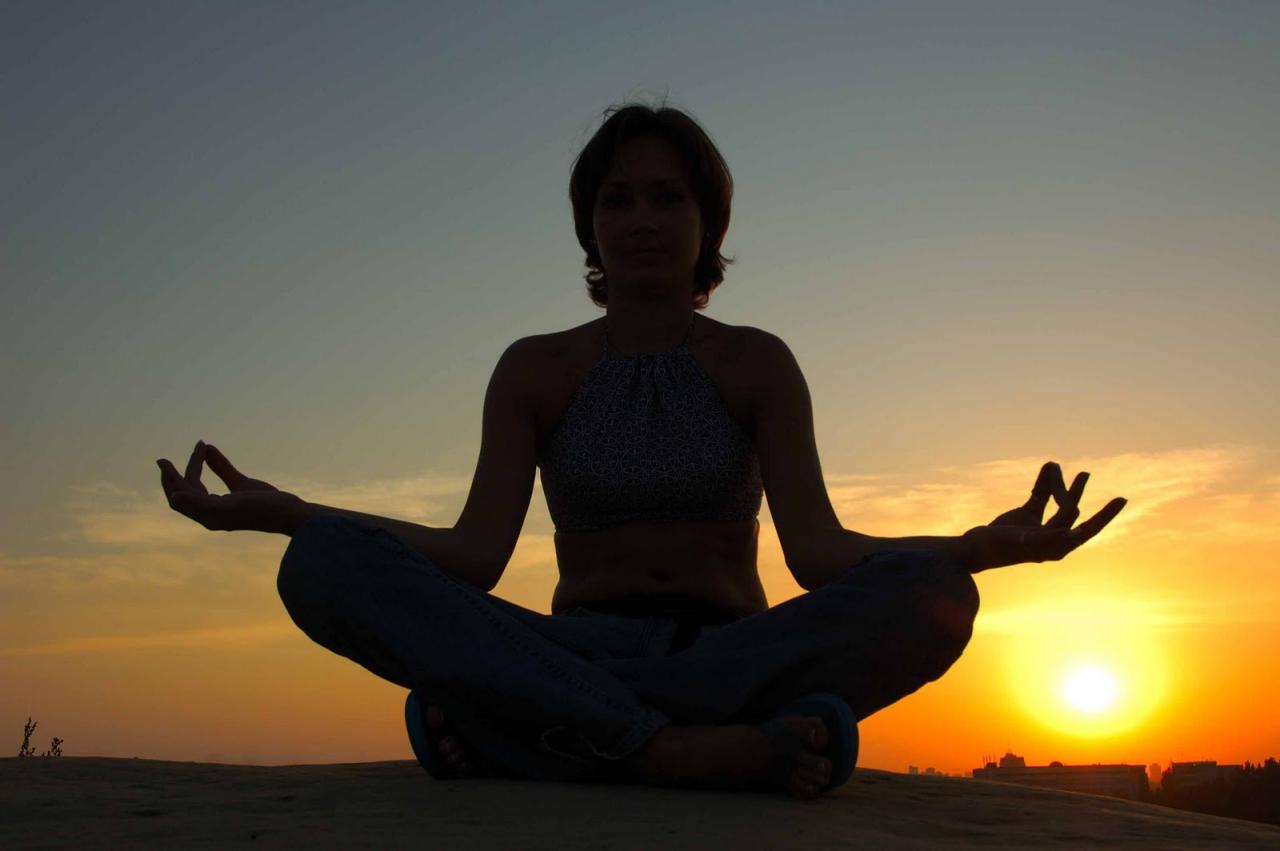
In conclusion, integrating meditation into your routine offers a transformative way to relax your nervous system and improve overall well-being. Consistency, mindful practice, and personalized adjustments can yield powerful results, allowing you to navigate daily stresses with greater ease and resilience. Embrace these techniques to foster a peaceful mind and a balanced body, unlocking the potential for lasting inner calm.