Embark on a journey of self-discovery with How to Meditate for Managing Emotional Overload, an exploration of how meditation can be a powerful tool in navigating the complexities of our emotional landscape. In today’s fast-paced world, emotional overload is a common challenge, often triggered by everyday stressors and demands. This guide delves into the science behind emotional regulation and meditation, offering practical techniques and strategies to cultivate inner peace and resilience.
We’ll explore the physiological and psychological impacts of emotional overload, uncovering the intricate relationship between our minds and bodies. From understanding the nervous system’s role to harnessing the power of specific meditation techniques, this comprehensive guide provides a roadmap for transforming overwhelming emotions into opportunities for growth. You’ll learn how to prepare your environment, master foundational meditation practices, and integrate these techniques into your daily life for lasting benefits.
Understanding Emotional Overload
Emotional overload is a state of being overwhelmed by intense emotions. It can significantly impact our well-being, making it difficult to function effectively. Recognizing and understanding emotional overload is the first step toward managing it.
Defining Emotional Overload and Common Triggers
Emotional overload occurs when the demands placed on our emotional resources exceed our ability to cope. This can manifest as feeling overwhelmed, exhausted, and unable to process information or make decisions effectively. Various factors can trigger this state.Common triggers of emotional overload include:
- Stressful Life Events: Significant life changes, such as job loss, relationship difficulties, or the death of a loved one, can create immense emotional pressure. These events often require substantial adaptation and can deplete emotional reserves.
- Chronic Stress: Persistent stressors, like financial worries, work-related pressures, or ongoing relationship conflicts, can wear down our emotional resilience over time. This constant exposure to stress can make us more vulnerable to emotional overload.
- Sensory Overload: Environments with excessive noise, bright lights, or crowded spaces can overwhelm the senses, leading to emotional distress, particularly for individuals sensitive to sensory input.
- Information Overload: Constant exposure to news, social media, and other sources of information can be overwhelming. The sheer volume of data we process daily can contribute to feelings of anxiety and emotional exhaustion.
- Physical Illness or Pain: Chronic pain or serious illness can significantly impact emotional well-being. The physical discomfort and limitations associated with these conditions can exacerbate feelings of stress, anxiety, and frustration.
Physiological and Psychological Symptoms of Emotional Overload
Emotional overload manifests in a variety of physiological and psychological symptoms. Recognizing these symptoms is crucial for early intervention and effective management.Physiological symptoms may include:
- Increased Heart Rate and Blood Pressure: The body’s stress response activates the sympathetic nervous system, leading to a faster heart rate and elevated blood pressure. This can contribute to feelings of anxiety and physical tension.
- Muscle Tension: Muscles often tense up in response to stress. This can cause headaches, back pain, and other physical discomforts.
- Digestive Issues: Stress can disrupt the digestive system, leading to symptoms like stomachaches, nausea, and changes in bowel habits.
- Fatigue: Emotional overload can be incredibly draining, leading to persistent feelings of tiredness and exhaustion.
- Sleep Disturbances: Difficulty falling asleep, staying asleep, or experiencing restful sleep is a common symptom, further exacerbating the cycle of stress and exhaustion.
Psychological symptoms may include:
- Anxiety: Feeling excessive worry, nervousness, or fear is a common response to emotional overload. This can manifest as racing thoughts, restlessness, and difficulty concentrating.
- Irritability: Individuals experiencing emotional overload may become easily frustrated, short-tempered, and prone to outbursts of anger.
- Difficulty Concentrating: The mind can become scattered and unable to focus, making it challenging to complete tasks or make decisions.
- Feeling Overwhelmed: A sense of being unable to cope with the demands of daily life is a hallmark of emotional overload.
- Changes in Mood: Emotional overload can lead to significant mood swings, including feelings of sadness, hopelessness, and even depression.
Examples of Everyday Situations Leading to Emotional Overload
Emotional overload can arise from various everyday situations, highlighting the importance of self-awareness and proactive coping strategies.Here are some examples:
- Work-Related Stress: Meeting tight deadlines, dealing with difficult colleagues, or facing a heavy workload can lead to chronic stress and emotional exhaustion. For example, a project manager juggling multiple projects simultaneously, facing constant pressure from superiors, and experiencing interpersonal conflicts within their team, may find themselves increasingly overwhelmed.
- Family Responsibilities: Balancing work, childcare, eldercare, and household chores can be incredibly demanding. A parent caring for young children, managing their schedules, and dealing with financial constraints may experience significant emotional strain.
- Financial Difficulties: Money worries, such as debt, job insecurity, or unexpected expenses, can trigger intense anxiety and stress. An individual struggling to make ends meet, facing potential eviction, and constantly worrying about bills is a prime example.
- Social Interactions: Dealing with difficult people, attending social events when feeling introverted, or navigating complex relationships can be emotionally draining. Someone attending a family gathering where they know conflicts may arise or an individual with social anxiety forced to attend a networking event may experience significant emotional distress.
- Exposure to Traumatic Events: Witnessing or experiencing a traumatic event, such as a car accident, natural disaster, or act of violence, can lead to post-traumatic stress and emotional overload.
The Science Behind Meditation and Emotional Regulation
Understanding the scientific basis of meditation’s impact on emotional regulation provides valuable insights into its effectiveness. This section explores how meditation influences the nervous system, the brain structures involved in emotional processing, and the brainwave patterns associated with meditative states. This knowledge empowers individuals to understand and utilize meditation as a tool for managing emotional overload.
Meditation’s Impact on the Nervous System
Meditation profoundly affects the nervous system, primarily through the activation of the parasympathetic nervous system – often referred to as the “rest and digest” system. This contrasts with the sympathetic nervous system, which governs the “fight or flight” response. Regular meditation practice cultivates a state of relaxation and reduces the physiological markers of stress.
- Reduced Heart Rate and Blood Pressure: Meditation slows the heart rate and lowers blood pressure. Studies, such as those published in the
-Journal of the American Medical Association*, have demonstrated these effects. The reduction in heart rate variability, a measure of the heart’s adaptability to stress, indicates a calmer physiological state. - Decreased Cortisol Levels: Meditation helps to lower cortisol, the primary stress hormone. Chronic stress and elevated cortisol levels can negatively impact mood, sleep, and overall health. Research published in
-Psychoneuroendocrinology* has shown that consistent meditation practice can significantly reduce cortisol levels. - Increased Activity in the Vagus Nerve: The vagus nerve plays a critical role in the parasympathetic nervous system. Meditation can stimulate the vagus nerve, promoting relaxation and reducing inflammation. Increased vagal tone is associated with improved emotional regulation and resilience.
The Amygdala, Prefrontal Cortex, and Meditation
The brain’s structure and function are significantly altered through meditation. Two key areas involved in emotional processing, the amygdala and the prefrontal cortex, are particularly affected.
- Amygdala: The amygdala is the brain’s “emotional center,” responsible for processing fear, anxiety, and other strong emotions. Meditation has been shown to reduce the activity and reactivity of the amygdala. This can lead to a decreased tendency to react impulsively to stressful situations. For example, a person prone to anger might find themselves less likely to lash out when confronted with a frustrating situation.
- Prefrontal Cortex: The prefrontal cortex (PFC) is involved in higher-level cognitive functions, including planning, decision-making, and emotional regulation. Meditation strengthens the connections within the PFC, enhancing its ability to regulate emotional responses. This can lead to improved impulse control and a greater capacity for self-awareness. Individuals may become more mindful of their thoughts and feelings, enabling them to respond to challenges with greater clarity and composure.
- Amygdala and Prefrontal Cortex Interaction: Meditation helps to foster a more balanced interaction between the amygdala and the prefrontal cortex. The PFC can exert greater control over the amygdala, mitigating the impact of negative emotions. This enhanced connection contributes to better emotional regulation.
Brainwave Patterns and Meditation’s Effects on Mood
Different brainwave patterns are associated with various states of consciousness. Meditation influences these brainwave patterns, promoting specific mental states that contribute to emotional well-being.
- Alpha Waves: Alpha waves (8-12 Hz) are associated with a relaxed and alert state. Meditation often increases alpha wave activity, promoting a sense of calm and reducing feelings of stress. This is often observed during the early stages of meditation when the mind begins to settle.
- Theta Waves: Theta waves (4-7 Hz) are linked to deeper states of relaxation, creativity, and intuition. Experienced meditators often exhibit increased theta wave activity. This can lead to a greater sense of presence and a more profound connection to one’s inner self.
- Gamma Waves: Gamma waves (above 30 Hz) are associated with heightened awareness, focus, and cognitive processing. Some types of meditation, particularly those focused on compassion and loving-kindness, have been shown to increase gamma wave activity. This can lead to improved cognitive function and a more positive outlook.
Preparing for Meditation: Setting the Stage
Embarking on a meditation practice, particularly when aiming to manage emotional overload, requires mindful preparation. Creating a conducive environment and establishing a consistent routine significantly enhances the effectiveness of meditation, fostering a deeper sense of calm and promoting emotional regulation. This section focuses on the essential elements of preparation.
Designing a Calming Environment Conducive to Meditation
The physical space where you meditate profoundly influences your experience. Creating a sanctuary free from distractions and conducive to relaxation is paramount. Consider the following aspects when setting up your meditation space.
- Minimizing Distractions: Identify a quiet space where you are unlikely to be interrupted. This could be a dedicated room, a corner of a room, or even a quiet outdoor area. Turn off or silence electronic devices, such as phones, televisions, and computers. Inform family members or housemates of your meditation time to minimize disruptions.
- Creating a Comfortable Atmosphere: The environment should be comfortable and inviting. Ensure the room temperature is pleasant. Use soft, diffused lighting, such as natural light or dim lamps. Avoid harsh fluorescent lights. Consider using calming colors, such as blues, greens, or neutral tones, for the walls and decor.
- Incorporating Sensory Elements: Engage your senses to enhance relaxation. Use essential oils with calming scents, such as lavender or chamomile, with a diffuser. Play soft, ambient music or nature sounds, if desired. Incorporate comfortable elements, such as a meditation cushion, blanket, or a comfortable chair.
- Decluttering the Space: A cluttered environment can contribute to mental clutter. Before meditating, clear away any unnecessary items from your meditation space. A clean and organized space promotes a sense of peace and order.
- Personalizing the Space: Incorporate elements that bring you joy and inspiration. This could include a favorite piece of artwork, a plant, a candle, or a small statue. Personalizing the space creates a sense of ownership and connection, making it more conducive to meditation.
Detailing the Importance of Posture and Its Impact on Meditation Effectiveness
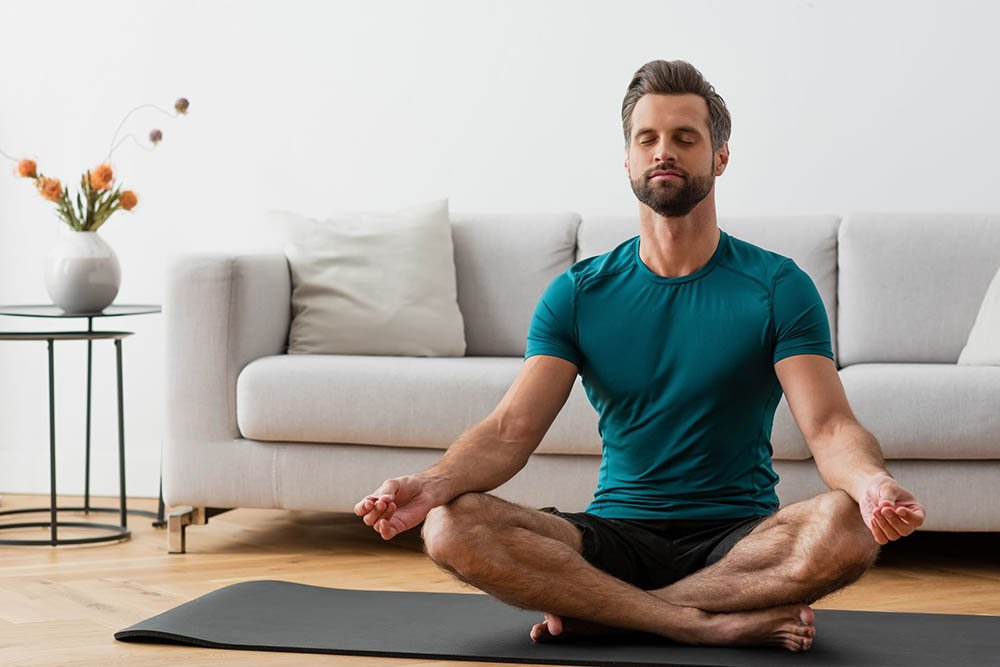
Proper posture is a cornerstone of effective meditation. It facilitates physical comfort, promotes mental clarity, and allows for the free flow of energy. Maintaining a correct posture is essential for staying alert and focused during meditation sessions.
- Upright but Relaxed: The goal is to maintain an upright posture without rigidity. Avoid slouching, which can lead to drowsiness, and excessive tension, which can cause discomfort.
- Spine Alignment: Ensure your spine is straight but not stiff. Imagine a string pulling you gently upward from the crown of your head. This promotes proper alignment and allows for easy breathing.
- Sitting Positions:
- Cross-legged: A traditional position, suitable for those who find it comfortable. You can use a meditation cushion or a folded blanket to elevate your hips, which can help maintain a straight spine.
- Seated in a chair: Sit with your feet flat on the floor and your back straight but not against the chair’s back. Avoid crossing your legs.
- Kneeling: Kneel on a cushion or a folded blanket, ensuring your spine is straight.
- Hand Position: Place your hands gently in your lap or on your knees. You can rest your hands with palms facing upwards or downwards, or create a mudra (a symbolic hand gesture).
- Head and Neck: Keep your head level and your neck relaxed. Avoid tilting your head forward or backward. Gently close your eyes or lower your gaze.
- Impact on Meditation: Proper posture allows for deeper breathing, reduces physical discomfort, and promotes mental alertness. This, in turn, allows for a more focused and effective meditation practice, reducing distractions and enhancing the experience.
Organizing a Pre-Meditation Routine, Including Breathing Exercises
A well-structured pre-meditation routine can significantly enhance the quality of your meditation sessions. It prepares both your body and mind for the practice, making it easier to enter a state of calm and focus. Breathing exercises are particularly crucial in this preparation.
- Establishing a Consistent Time: Meditate at the same time each day to establish a routine. This helps your body and mind anticipate and prepare for the practice. Choose a time when you are least likely to be interrupted and when you feel most alert.
- Preparing the Body: Engage in gentle stretching or movement to release physical tension. This could include stretching your arms, legs, and back, or performing gentle yoga poses. Avoid strenuous exercise immediately before meditating.
- Breathing Exercises (Pranayama): Breathing exercises, or pranayama, are a fundamental aspect of pre-meditation routines. They help to calm the nervous system, reduce anxiety, and focus the mind.
- Deep Belly Breathing (Diaphragmatic Breathing): Place one hand on your chest and the other on your abdomen. Inhale deeply through your nose, allowing your abdomen to rise while keeping your chest relatively still. Exhale slowly through your mouth, allowing your abdomen to fall.
This technique helps to calm the nervous system.
- Alternate Nostril Breathing (Nadi Shodhana): Close your right nostril with your right thumb and inhale deeply through your left nostril. Close your left nostril with your ring finger and release your thumb, exhaling through your right nostril. Inhale through your right nostril, close it with your thumb, and exhale through your left nostril. Repeat for several rounds.
- Box Breathing (Square Breathing): Inhale for a count of four, hold your breath for a count of four, exhale for a count of four, and hold your breath for a count of four. Repeat this cycle several times.
- Deep Belly Breathing (Diaphragmatic Breathing): Place one hand on your chest and the other on your abdomen. Inhale deeply through your nose, allowing your abdomen to rise while keeping your chest relatively still. Exhale slowly through your mouth, allowing your abdomen to fall.
- Setting an Intention: Before you begin meditating, set a clear intention for your practice. This could be to cultivate calmness, reduce stress, or simply to be present in the moment. Having a clear intention can help you stay focused and motivated.
- Gentle Transition: Allow a few minutes of quiet reflection or journaling after your breathing exercises to transition smoothly into meditation.
Foundational Meditation Techniques

Having established the groundwork for understanding and preparing for meditation, we now delve into the core techniques. These foundational practices provide the tools to cultivate present moment awareness and regulate emotional responses. Mastering these techniques will empower you to effectively manage emotional overload and promote overall well-being.
Basic Principles of Mindfulness Meditation
Mindfulness meditation focuses on cultivating present moment awareness without judgment. It involves paying attention to your thoughts, feelings, bodily sensations, and the surrounding environment as they arise, without getting carried away by them. This practice helps to create space between you and your reactions, allowing for more thoughtful responses rather than impulsive reactions.Mindfulness meditation is rooted in several key principles:
- Present Moment Focus: The core of mindfulness is to be fully present in the current moment. This means observing your experience as it unfolds, rather than dwelling on the past or worrying about the future.
- Non-Judgmental Observation: A critical aspect of mindfulness is to observe your thoughts, feelings, and sensations without judgment. This means accepting them as they are, without labeling them as good or bad, right or wrong.
- Acceptance: Acceptance involves acknowledging your experiences, even the difficult ones, without resistance. This does not mean liking or agreeing with your experiences, but rather allowing them to be present without trying to change them.
- Patience: Cultivating mindfulness takes time and practice. Be patient with yourself and understand that your mind will wander. The key is to gently redirect your attention back to your chosen focus.
- Beginner’s Mind: Approach each meditation session with a sense of curiosity and openness, as if you are experiencing it for the first time. This can help to reduce preconceptions and promote a deeper level of awareness.
Body Scan Meditation Technique
The body scan meditation is a technique that involves bringing awareness to different parts of your body, one area at a time. This practice helps to increase body awareness, reduce tension, and promote relaxation. It is particularly helpful for managing emotional overload, as it allows you to notice and address physical manifestations of stress and anxiety.Here’s how to practice a body scan meditation:
- Find a Comfortable Position: Lie down on your back on a comfortable surface, or sit in a chair with your feet flat on the floor. Ensure your body is relaxed and supported.
- Close Your Eyes: Gently close your eyes or soften your gaze.
- Bring Awareness to Your Breath: Begin by taking a few deep breaths, noticing the sensation of the air entering and leaving your body.
- Scan Your Body: Starting with your toes, bring your attention to the sensations in your feet. Notice any tension, tingling, warmth, or other sensations without judgment.
- Move Upward: Gradually move your awareness up your body, from your feet to your ankles, calves, knees, thighs, hips, abdomen, chest, back, hands, arms, shoulders, neck, and head.
- Observe and Accept: As you scan each area, simply observe the sensations present. If you notice tension, acknowledge it without trying to change it. If your mind wanders, gently redirect your attention back to the body part you are focusing on.
- Hold Awareness: Spend a few moments with each body part, allowing yourself to fully experience the sensations present.
- End the Meditation: When you reach the top of your head, take a few more deep breaths, and slowly bring your awareness back to the room. Gently open your eyes.
Body scan meditation can be beneficial in various situations. For example, a person experiencing a panic attack can use this technique to focus on physical sensations, helping to ground them in the present moment and reduce the intensity of their anxiety. A 2014 study published in the
Journal of Alternative and Complementary Medicine* found that body scan meditation significantly reduced pain and improved well-being in individuals with chronic pain.
Focused-Attention Meditation: Step-by-Step Practice
Focused-attention meditation involves concentrating your attention on a single point of focus, such as your breath, a mantra, or a visual object. This practice helps to train your mind to stay focused, which in turn strengthens your ability to manage distractions and regulate emotions.Here’s a step-by-step guide to practicing focused-attention meditation:
- Find a Quiet Space: Choose a quiet and comfortable environment where you can sit or lie down without being disturbed.
- Assume a Comfortable Posture: Sit upright with your back straight, but not stiff. You can sit in a chair, on a cushion, or on the floor. Ensure your body is relaxed.
- Close Your Eyes or Soften Your Gaze: Gently close your eyes or lower your gaze to a point on the floor in front of you.
- Choose a Focus: Select a point of focus, such as your breath (the sensation of air entering and leaving your nostrils or the rise and fall of your abdomen), a mantra (a word or phrase repeated silently), or a visual object (such as a candle flame).
- Focus on Your Chosen Object: Direct your attention to your chosen object of focus. When your mind wanders (and it will), gently redirect your attention back to your chosen focus.
- Acknowledge and Redirect: Do not judge yourself when your mind wanders. Simply acknowledge the thought or distraction and gently bring your attention back to your chosen focus.
- Practice Regularly: Start with short meditation sessions (5-10 minutes) and gradually increase the duration as you become more comfortable. Consistency is key.
- End the Meditation: After your meditation session, gently bring your awareness back to the room. Take a few deep breaths and slowly open your eyes.
Focused-attention meditation has demonstrated effectiveness in improving attention and reducing stress. A study published inPsychological Science* in 2010 showed that participants who engaged in focused-attention meditation experienced improvements in attention and working memory compared to a control group. This technique can be adapted to manage specific emotional triggers; for example, focusing on a calming mantra can help to reduce the intensity of anger or anxiety.
Breathing Techniques for Emotional Regulation

Breathing techniques are powerful tools for managing emotional overload, offering a direct pathway to calm the nervous system and regain a sense of control. These practices work by influencing the autonomic nervous system, which governs involuntary bodily functions such as heart rate and respiration. By consciously controlling our breath, we can effectively influence our physiological responses to stress, anxiety, and other overwhelming emotions.
The following techniques provide practical methods for regulating your emotional state through mindful breathing.
Diaphragmatic Breathing
Diaphragmatic breathing, also known as belly breathing, is a fundamental technique that promotes relaxation and reduces stress. It involves engaging the diaphragm, a large muscle located at the base of the lungs, to facilitate deeper, more efficient breaths. This type of breathing can trigger the parasympathetic nervous system, often referred to as the “rest and digest” system, which helps to counteract the “fight or flight” response associated with emotional overload.The benefits of diaphragmatic breathing include:
- Reduced Stress and Anxiety: Deep, slow breaths signal the brain to calm down, reducing the release of stress hormones like cortisol.
- Improved Heart Rate Variability: Diaphragmatic breathing can increase heart rate variability (HRV), a measure of the time intervals between heartbeats, which is often associated with better emotional regulation and overall well-being.
- Lowered Blood Pressure: By promoting relaxation, this breathing technique can help to lower blood pressure.
- Increased Oxygenation: Deep breaths allow for greater oxygen intake, which can improve cognitive function and energy levels.
- Enhanced Relaxation Response: Regular practice can train the body to enter a relaxed state more easily, making it a valuable tool for managing emotional overload.
4-7-8 Breathing Technique
The 4-7-8 breathing technique is a simple yet effective method for quickly calming the nervous system. This technique, developed by Dr. Andrew Weil, involves a specific pattern of inhaling, holding the breath, and exhaling to promote relaxation and reduce anxiety.The 4-7-8 breathing technique procedure is as follows:
- Preparation: Find a comfortable position, either sitting or lying down. Place the tip of your tongue behind your upper front teeth and exhale completely through your mouth, making a whooshing sound.
- Inhale: Close your mouth and inhale quietly through your nose for a count of 4.
- Hold: Hold your breath for a count of 7.
- Exhale: Exhale completely through your mouth, making a whooshing sound, for a count of 8.
- Repeat: Repeat this cycle at least four times.
The key is to focus on the rhythm of the breath, and the counts don’t have to be exact. Adjust the counts to suit your comfort level, but maintain the ratio of 4-7-8.
Alternate Nostril Breathing (Nadi Shodhana)
Alternate nostril breathing, or Nadi Shodhana, is a yogic breathing technique designed to balance the nervous system and promote mental clarity. “Nadi” refers to the subtle energy channels in the body, and “Shodhana” means purification. This technique involves alternating the breath through each nostril, which is believed to balance the flow of energy and calm the mind.The procedure for alternate nostril breathing is as follows:
- Preparation: Sit comfortably with your spine straight. Close your eyes and relax your body.
- Right Nostril Closure: Use your right thumb to gently close your right nostril.
- Left Nostril Inhale: Inhale deeply through your left nostril.
- Left Nostril Closure and Right Nostril Opening: Close your left nostril with your ring finger and exhale through your right nostril.
- Right Nostril Inhale: Inhale deeply through your right nostril.
- Right Nostril Closure and Left Nostril Opening: Close your right nostril with your thumb and exhale through your left nostril.
- Continue the Cycle: Continue alternating the breath, inhaling through one nostril and exhaling through the other.
- Duration: Practice for 5-10 minutes, focusing on the rhythm of your breath and the sensation of air flowing in and out of your nostrils.
This technique can be practiced at any time and place to help manage stress and promote a sense of calm. Regular practice of Nadi Shodhana can lead to improved emotional regulation and a greater sense of inner peace.
Guided Meditations for Emotional Overload
Guided meditations offer a structured and supportive approach to navigating emotional overload. They provide a framework for focusing the mind, practicing specific techniques, and cultivating a sense of calm and self-awareness. These meditations are designed to be accessible to individuals of all experience levels, providing practical tools for managing challenging emotions and promoting emotional well-being.
Guided Meditation for Accepting Emotions
This guided meditation focuses on accepting emotions as they arise, without judgment or resistance. The practice encourages observing feelings without getting carried away by them, fostering a sense of detachment and equanimity.
Begin by finding a comfortable position, either sitting or lying down. Gently close your eyes, or soften your gaze.
Focus on your breath. Notice the sensation of each inhale and exhale. Let your breath be your anchor, returning your attention to it whenever your mind wanders.As you settle into the meditation, become aware of any emotions present in your body. It could be sadness, anger, anxiety, or any other feeling.Rather than trying to push the emotion away or change it, simply acknowledge its presence.
Notice where you feel it in your body. Perhaps it’s a tightness in your chest, a knot in your stomach, or a racing heart.Visualize the emotion as a wave. Observe it as it rises, peaks, and eventually subsides. Recognize that emotions are temporary, like waves on the ocean. They come and go.
Repeat silently to yourself: “This is an emotion. It is here. It is okay.”
Allow yourself to fully experience the emotion without getting caught up in the story behind it. Avoid judging the emotion as good or bad. Simply observe it with curiosity and acceptance.If your mind starts to wander, gently bring your attention back to your breath and the sensation of the emotion. Remember that the goal is not to eliminate the emotion, but to accept it.Continue to observe the emotion, noticing its intensity, its texture, and any physical sensations associated with it.
Allow yourself to feel it fully, without resistance.As you continue to observe, you may notice the emotion begin to shift and change. It may soften, fade, or transform into something else.
Repeat silently to yourself: “I am safe. I am here. I am okay.”
When you feel ready, gently bring your attention back to your breath. Take a few deep breaths, and slowly open your eyes. Carry the sense of acceptance and awareness with you throughout your day.
Guided Meditation to Cultivate Compassion and Self-Kindness
This guided meditation is designed to foster compassion and self-kindness, providing a balm for emotional distress. It encourages the cultivation of a gentle and understanding attitude towards oneself, particularly during times of difficulty.
Find a comfortable and quiet place. You can sit, lie down, or choose any position that feels right for you. Close your eyes gently.
Begin by taking a few deep breaths. Inhale deeply, allowing your belly to expand, and exhale slowly, releasing any tension you might be holding.Bring to mind a person you care about, someone you love unconditionally. Visualize them clearly. See their face, their body, and their expression.Imagine this person is experiencing some form of suffering, whether it’s physical pain, emotional distress, or a difficult situation.Silently, offer them words of kindness and compassion.
Repeat to yourself: “May you be safe. May you be healthy. May you be free from suffering. May you be happy.”
Feel the warmth and sincerity of your wishes as you offer them to this person.Now, gently shift your focus to yourself. Visualize yourself in the same way you visualized the other person.Imagine yourself experiencing some form of suffering, whether it’s a difficult emotion, a challenging situation, or physical pain.Silently, offer yourself the same words of kindness and compassion.
Repeat to yourself: “May I be safe. May I be healthy. May I be free from suffering. May I be happy.”
Feel the warmth and sincerity of your wishes as you offer them to yourself. Allow yourself to receive this kindness and compassion.Acknowledge any feelings of self-criticism or judgment that may arise. Recognize that these feelings are often rooted in fear or insecurity.Gently remind yourself that you are worthy of love, kindness, and compassion.Continue to offer yourself these words of kindness and compassion, allowing them to soothe and comfort you.
Repeat to yourself: “I am worthy of love. I am worthy of kindness. I am worthy of compassion.”
Take a few more deep breaths, allowing the feelings of compassion and self-kindness to permeate your being.When you are ready, gently bring your attention back to your breath. Take a few deep breaths, and slowly open your eyes. Carry the sense of compassion and self-kindness with you throughout your day.
Guided Meditation for Releasing Tension and Stress
This guided meditation provides a pathway to release physical and mental tension, promoting relaxation and a sense of calm. It uses progressive muscle relaxation techniques and visualization to help individuals unwind and reduce the effects of stress.
Find a comfortable position, either sitting or lying down. Ensure you are in a quiet space where you will not be disturbed. Close your eyes gently.
Begin by taking a few deep breaths. Inhale deeply, allowing your belly to expand, and exhale slowly, releasing any tension you might be holding.Bring your awareness to your toes. Tense the muscles in your toes by curling them tightly. Hold this tension for a few seconds.
Now, release the tension. Feel the muscles in your toes relax and soften.
Imagine the tension flowing away from your toes. Notice the feeling of relaxation spreading through your feet.Move your awareness to your feet and ankles. Tense the muscles in your feet and ankles by pointing your toes towards your shins. Hold this tension for a few seconds.
Now, release the tension. Feel the muscles in your feet and ankles relax and soften.
Imagine the tension flowing away from your feet and ankles. Notice the feeling of relaxation spreading through your lower legs.Continue this process, moving your awareness up your body. Tense and release the muscles in your:
- Calves
- Thighs
- Buttocks
- Abdomen
- Chest
- Back
- Hands
- Forearms
- Upper arms
- Shoulders
- Neck
- Face (including your jaw, forehead, and eyes)
As you release each area of tension, imagine the tension flowing away from that part of your body. Feel the muscles relax and soften.Once you have tensed and released all the major muscle groups in your body, take a few deep breaths.
Visualize yourself in a peaceful and relaxing place. It could be a beach, a forest, a mountain, or any place that brings you a sense of calm.
Imagine the sights, sounds, and smells of this place. Feel the warmth of the sun on your skin, the gentle breeze, and the sounds of nature.Allow yourself to fully relax and let go of any remaining tension.Take a few more deep breaths, allowing the feelings of relaxation and calm to permeate your being.When you are ready, gently bring your attention back to your breath.
Take a few deep breaths, and slowly open your eyes. Carry the sense of relaxation and calm with you throughout your day.
Integrating Meditation into Daily Life
Incorporating meditation into your daily routine can significantly enhance your ability to manage emotional overload. It’s not about finding vast stretches of free time, but rather about strategically inserting short, mindful practices into your existing schedule. This section will explore practical strategies for seamless integration, address the management of emotional triggers, and highlight the importance of consistency in cultivating a sustainable meditation habit.
Strategies for Short Meditation Breaks
Finding time for meditation might seem challenging, but short breaks can be incredibly effective. The key is to identify opportunities within your day to practice mindfulness.
- Morning Rituals: Begin your day with a short meditation session. Even five minutes can set a positive tone. This can be done immediately after waking up, before checking emails or starting your commute.
- Workplace Integration: Utilize brief breaks at work. Step away from your desk for a few minutes to practice mindful breathing or a short body scan. The Pomodoro Technique, which involves focused work intervals followed by short breaks, provides natural opportunities for meditation.
- Commuting Mindfulness: If you commute by public transport, use the time for meditation. Focus on your breath, observe your surroundings, or practice a walking meditation. If driving, focus on the sensations of driving.
- Mealtime Mindfulness: Before eating, take a moment to appreciate your food. Engage your senses and savor each bite. This simple practice can cultivate present-moment awareness.
- Evening Wind-Down: End your day with a calming meditation session. This can help you release the day’s stresses and prepare for restful sleep.
Managing Unexpected Emotional Triggers
Emotional triggers can arise during meditation, leading to feelings of discomfort or distraction. It’s crucial to approach these moments with awareness and compassion.
- Recognize and Acknowledge: The first step is to acknowledge the trigger without judgment. Simply observe the emotion as it arises, without getting carried away by it. This is where the skills learned in foundational meditation techniques come into play.
- Gentle Re-Focus: When a trigger arises, gently redirect your attention back to your breath or chosen meditation object. Avoid trying to suppress the emotion; instead, acknowledge its presence and then refocus.
- Use Breathing Techniques: Employ breathing techniques, such as diaphragmatic breathing or alternate nostril breathing, to regulate your nervous system. These techniques can help calm your body and mind during emotionally charged moments.
- Cultivate Self-Compassion: Treat yourself with kindness and understanding. Remind yourself that it’s normal to experience emotional triggers and that you are not failing if they arise.
- Journaling: After your meditation session, consider journaling about any triggers that surfaced. This can help you process your emotions and gain insights into your patterns.
The Role of Consistency in Developing a Meditation Habit
Consistency is paramount in developing a sustainable meditation practice. Regular practice, even for short durations, yields greater benefits than sporadic, longer sessions.
- Set Realistic Goals: Start with manageable goals, such as meditating for five minutes each day. Gradually increase the duration as you become more comfortable.
- Establish a Routine: Integrate meditation into your daily schedule. Choose specific times that you can consistently dedicate to practice.
- Create a Dedicated Space: Designate a quiet and comfortable space for meditation. This can help you create a sense of ritual and commitment.
- Track Your Progress: Use a meditation app or journal to track your sessions. This can help you stay motivated and observe your progress over time.
- Be Patient: Building a meditation habit takes time and effort. Don’t get discouraged if you miss a session or experience challenges. Simply return to your practice as soon as possible.
Troubleshooting Common Challenges

Meditation, while often profoundly beneficial, isn’t always a smooth journey. It’s common to encounter obstacles that can feel discouraging. Understanding and addressing these challenges proactively is key to cultivating a sustainable and effective meditation practice. This section provides strategies for navigating some of the most frequent difficulties encountered during meditation, allowing you to persevere and reap the full benefits.
Handling Racing Thoughts During Meditation
Racing thoughts are a nearly universal experience for beginners and experienced meditators alike. The mind is naturally active, and attempting to completely silence it is often counterproductive. The goal is not to eliminate thoughts but to change your relationship with them.
- Recognize and Acknowledge: When a thought arises, simply notice it without judgment. Think of yourself as an observer. Mentally label the thought – “thinking,” “planning,” “remembering” – and then gently redirect your attention back to your chosen anchor, such as your breath.
- Use the Breath as an Anchor: The breath serves as a constant point of focus. Whenever your mind wanders, gently bring your attention back to the sensation of breathing. Focus on the rise and fall of your abdomen, the feeling of air entering and leaving your nostrils, or any other aspect of your breath.
- Practice Non-Attachment: Understand that thoughts are transient. They come and go. Don’t get carried away by them. Avoid getting involved in the stories your thoughts create. Recognize that thoughts are not facts; they are simply mental events.
- Shorten Meditation Sessions Initially: If racing thoughts are overwhelming, start with shorter meditation sessions, perhaps five or ten minutes. As you become more comfortable, gradually increase the duration.
- Consider Guided Meditations: Guided meditations often provide a framework for focus, which can be helpful when the mind is particularly active. The guided voice can act as a focal point, making it easier to stay present.
- Acceptance and Patience: Remember that it takes time and practice to tame a restless mind. Be patient with yourself. Don’t get discouraged if your mind wanders frequently. Each time you bring your attention back to your anchor, you are strengthening your ability to focus.
Addressing Physical Discomfort During Meditation
Physical discomfort can be a significant barrier to a comfortable and effective meditation session. Addressing these issues proactively is essential for a positive experience.
- Choose a Comfortable Posture: You don’t need to sit in the lotus position. Experiment with different postures, such as sitting in a chair with your feet flat on the floor, lying down, or sitting on a cushion. The key is to find a position that allows you to maintain a straight spine without strain.
- Use Props for Support: Cushions, blankets, and bolsters can provide support and comfort. Place a cushion under your hips if you find it difficult to sit upright. Use a blanket to support your lower back or to keep you warm.
- Adjust Your Position as Needed: It’s perfectly acceptable to adjust your position during meditation if you experience discomfort. Gently shift your weight, stretch, or reposition yourself as needed. The goal is to maintain a balance between comfort and alertness.
- Pay Attention to Body Sensations: Regularly scan your body for areas of tension. If you notice tension, consciously relax those muscles. For example, if you feel tension in your shoulders, drop them down and away from your ears.
- Breathe Through Discomfort: When you experience discomfort, use your breath to soften around the sensation. Focus on your breath and allow the discomfort to be present without resistance. This can help you develop a greater tolerance for physical sensations.
- Consider a Movement Practice: Incorporating gentle movement, such as yoga or stretching, into your daily routine can help improve flexibility and reduce physical tension, making meditation more comfortable.
Strategies for Dealing with Boredom or Restlessness During Meditation
Boredom and restlessness are common challenges, especially for beginners. They often arise from a lack of stimulation or a desire for something more engaging. However, there are strategies to address these feelings and maintain a focused practice.
- Adjust the Duration: If you find yourself getting bored, try shortening your meditation sessions. Sometimes, a shorter, more focused session is more effective than a longer one where your mind is wandering.
- Vary Your Meditation Techniques: Experiment with different meditation techniques, such as walking meditation, body scan meditation, or loving-kindness meditation. This can help keep things fresh and prevent boredom.
- Focus on the Present Moment: When boredom arises, remind yourself to focus on the present moment. Notice the sensations of your breath, the sounds around you, or the physical sensations in your body. The present moment is always fresh and new.
- Cultivate Curiosity: Approach your meditation with a sense of curiosity. Explore the workings of your mind without judgment. What thoughts are arising? What emotions are present? This can make the experience more engaging.
- Acceptance and Non-Judgment: Remember that boredom is a natural human experience. Don’t fight it. Accept it as part of the process. Observe the feeling without judgment and allow it to pass.
- Increase Physical Activity: Regular physical activity can help reduce restlessness. Incorporate exercise into your daily routine to help burn off excess energy.
- Use Guided Meditations: Guided meditations can provide structure and direction, making it easier to stay focused and engaged. The voice of the guide can act as an anchor, preventing the mind from wandering.
Advanced Meditation Practices
Building upon the foundational techniques, advanced meditation practices offer deeper avenues for emotional regulation and self-discovery. These practices extend beyond simple mindfulness, exploring different mental landscapes and cultivating specific qualities to navigate emotional overload with greater ease and resilience. By incorporating these techniques, individuals can further personalize their meditation journey and deepen their capacity for inner peace.
Comparing and Contrasting Meditation Styles Beyond Basic Mindfulness
Various meditation styles exist, each with unique focuses and benefits. Understanding these differences allows for a tailored approach to emotional regulation.
- Mindfulness Meditation: Focuses on observing thoughts, feelings, and sensations without judgment. It cultivates present moment awareness and is a foundational practice for many other styles.
- Loving-Kindness Meditation (Metta): Cultivates feelings of love, compassion, and kindness towards oneself and others. It directly addresses feelings of anger, resentment, and isolation.
- Transcendental Meditation (TM): Uses a mantra to quiet the mind and promote a state of deep relaxation and inner peace. It is often practiced for 10-20 minutes twice a day.
- Walking Meditation: Combines mindful movement with meditation, focusing on the sensations of walking. It helps integrate mindfulness into daily activities and can be particularly helpful for those who find it difficult to sit still.
- Yoga Nidra: A guided meditation that induces a state of conscious relaxation, often described as a state between wakefulness and sleep. It can be beneficial for stress reduction and promoting restful sleep.
Incorporating Loving-Kindness Meditation
Loving-kindness meditation (Metta) is a powerful practice for cultivating compassion and reducing negative emotions. The core of this practice involves directing feelings of kindness and goodwill towards oneself and others.
The practice typically involves the following steps:
- Preparation: Find a comfortable seated position and gently close your eyes. Take a few deep breaths to center yourself.
- Directing Kindness to Self: Begin by directing loving-kindness towards yourself. Silently repeat phrases like:
“May I be happy. May I be healthy. May I be safe. May I live with ease.”
- Extending Kindness to Loved Ones: Visualize a loved one and repeat the same phrases, directing the loving-kindness towards them.
- Extending Kindness to Neutral People: Think of someone you feel neutral towards (e.g., a cashier or a neighbor). Repeat the phrases, extending kindness to them.
- Extending Kindness to Difficult People: Visualize someone with whom you have a challenging relationship. This can be the most difficult part, but it’s crucial for healing. Repeat the phrases, even if you don’t feel the emotion fully.
- Extending Kindness to All Beings: Finally, expand your loving-kindness to encompass all beings, wishing them happiness, health, safety, and ease.
Regular practice of loving-kindness meditation can foster greater empathy, reduce feelings of anger and resentment, and promote a sense of interconnectedness. A 2017 study published in the journal
-Psychological Science* found that loving-kindness meditation increased positive emotions and social connectedness, even among individuals with symptoms of social anxiety. This study highlights the tangible benefits of this practice.
Detailing the Practice of Visualization Techniques to Manage Emotions
Visualization involves creating mental images to evoke specific emotions or states of being. It is a powerful tool for managing emotional overload by providing a sense of control and promoting relaxation.
Here’s how to practice visualization for emotional regulation:
- Choose a Calm Setting: Find a quiet place where you won’t be disturbed. Sit comfortably and close your eyes.
- Identify the Emotion: Acknowledge the emotion you are experiencing (e.g., anxiety, anger, sadness).
- Create a Visualization: Choose a scene, object, or person that represents calmness and peace. This could be a serene landscape, a peaceful beach, or a loved one.
- Engage the Senses: Use all your senses to make the visualization vivid. Imagine the sights, sounds, smells, tastes, and textures of the scene.
- Focus on the Visualization: Dwell on the image, allowing it to fill your mind. Notice how it affects your body and emotions.
- Breathe Deeply: As you visualize, take slow, deep breaths, allowing the calmness of the scene to permeate your being.
- Repeat Regularly: Practice visualization regularly, especially when feeling overwhelmed. The more you practice, the easier it will become to access this state of calm.
For example, if experiencing anxiety, one might visualize a calm, flowing river. The individual focuses on the gentle sounds of the water, the cool sensation of the air, and the serene landscape. This helps to shift the focus away from anxious thoughts and towards a feeling of peace. Athletes often use visualization to mentally rehearse performances, managing pre-competition anxiety and improving their focus.
Similarly, those facing emotional overload can use visualization to create a mental sanctuary, reducing stress and promoting emotional balance.
Resources and Support
Managing emotional overload is a journey, and it’s crucial to have access to reliable resources and support systems. This section provides a curated list of online platforms, mental health organizations, and tools to aid your practice and well-being.
Remember, seeking support is a sign of strength, and there are numerous avenues available to help you navigate challenges and build resilience.
Online Meditation Resources and Apps
Numerous online resources and mobile applications offer guided meditations, mindfulness exercises, and tools for managing emotional well-being. These platforms cater to various experience levels and preferences, providing accessible support for incorporating meditation into your daily routine. Here are some reputable options:
- Headspace: Offers a wide range of guided meditations, courses, and animations for all levels. They provide content for stress management, sleep, focus, and more.
- Calm: Features guided meditations, sleep stories, relaxing music, and masterclasses. Calm is known for its soothing interface and focus on relaxation and sleep.
- Insight Timer: A free app with a vast library of guided meditations, music tracks, and talks from various teachers. It also includes a social community feature.
- Meditation Studio: Provides a curated selection of guided meditations and courses led by expert teachers. It focuses on specific needs, such as anxiety, pain management, and self-esteem.
- UCLA Mindful Awareness Research Center (MARC): Offers free guided meditations and resources based on scientific research. The MARC focuses on mindfulness and compassion practices.
- Mindful.org: A website providing articles, videos, and guided meditations on mindfulness practices. It covers a wide range of topics related to mindfulness and well-being.
Organizations Offering Mental Health Support
Several organizations provide crucial support for individuals experiencing mental health challenges. These resources offer counseling, therapy, crisis intervention, and educational materials. Reaching out to these organizations can provide immediate assistance and long-term support for managing emotional overload.
- The National Alliance on Mental Illness (NAMI): NAMI offers support groups, educational programs, and advocacy for individuals and families affected by mental illness. They provide information and resources to help navigate mental health challenges.
- The Mental Health America (MHA): MHA provides resources, screening tools, and support for mental health conditions. They work to promote mental health awareness and advocate for improved access to care.
- The Crisis Text Line: This service offers free, 24/7 crisis support via text message. Trained crisis counselors provide immediate support and guidance.
- The Substance Abuse and Mental Health Services Administration (SAMHSA): SAMHSA provides information and resources for mental health and substance use disorders. They offer a national helpline and a behavioral health treatment locator.
- The World Health Organization (WHO): The WHO provides global mental health information and resources. Their website offers data, reports, and guidelines on mental health topics.
Meditation App Comparison Table
The following table compares several popular meditation apps, highlighting key features, pricing structures, and user reviews. This information can help you select an app that best suits your individual needs and preferences.
| App Name | Key Features | Pricing | User Reviews (Approximate) |
|---|---|---|---|
| Headspace | Guided meditations, courses, sleep sounds, animations | Subscription (monthly/annual), free trial available | 4.8 stars (based on thousands of reviews on app stores) |
| Calm | Guided meditations, sleep stories, relaxing music, masterclasses | Subscription (monthly/annual), free trial available | 4.7 stars (based on thousands of reviews on app stores) |
| Insight Timer | Free guided meditations, music, talks, social community | Free (premium subscription available for extra features) | 4.9 stars (based on hundreds of thousands of reviews on app stores) |
| Meditation Studio | Curated guided meditations, courses by expert teachers | Subscription (monthly/annual), free trial available | 4.6 stars (based on thousands of reviews on app stores) |
Disclaimer: User review ratings are approximate and may vary. Pricing and features are subject to change. Always review the app’s terms of service and privacy policy before subscribing.
Final Thoughts
In conclusion, How to Meditate for Managing Emotional Overload empowers you to take control of your emotional well-being. By understanding the principles of meditation, practicing various techniques, and integrating them into your daily routine, you can cultivate a sense of calm, clarity, and resilience. Embrace the journey, be patient with yourself, and allow the transformative power of meditation to guide you toward a more balanced and fulfilling life.
Remember, the path to emotional well-being is a continuous process, and every moment of practice brings you closer to inner peace.