How to Meditate for Improving Sleep and Deep Rest offers a valuable pathway towards achieving restful nights through mindful practices. This guide explores how meditation can positively influence sleep quality, soothe the nervous system, and foster restorative relaxation. Understanding the different meditation techniques and creating a conducive environment can significantly enhance your nightly routine, leading to more peaceful and uninterrupted sleep cycles.
Introduction to Meditation for Sleep Improvement
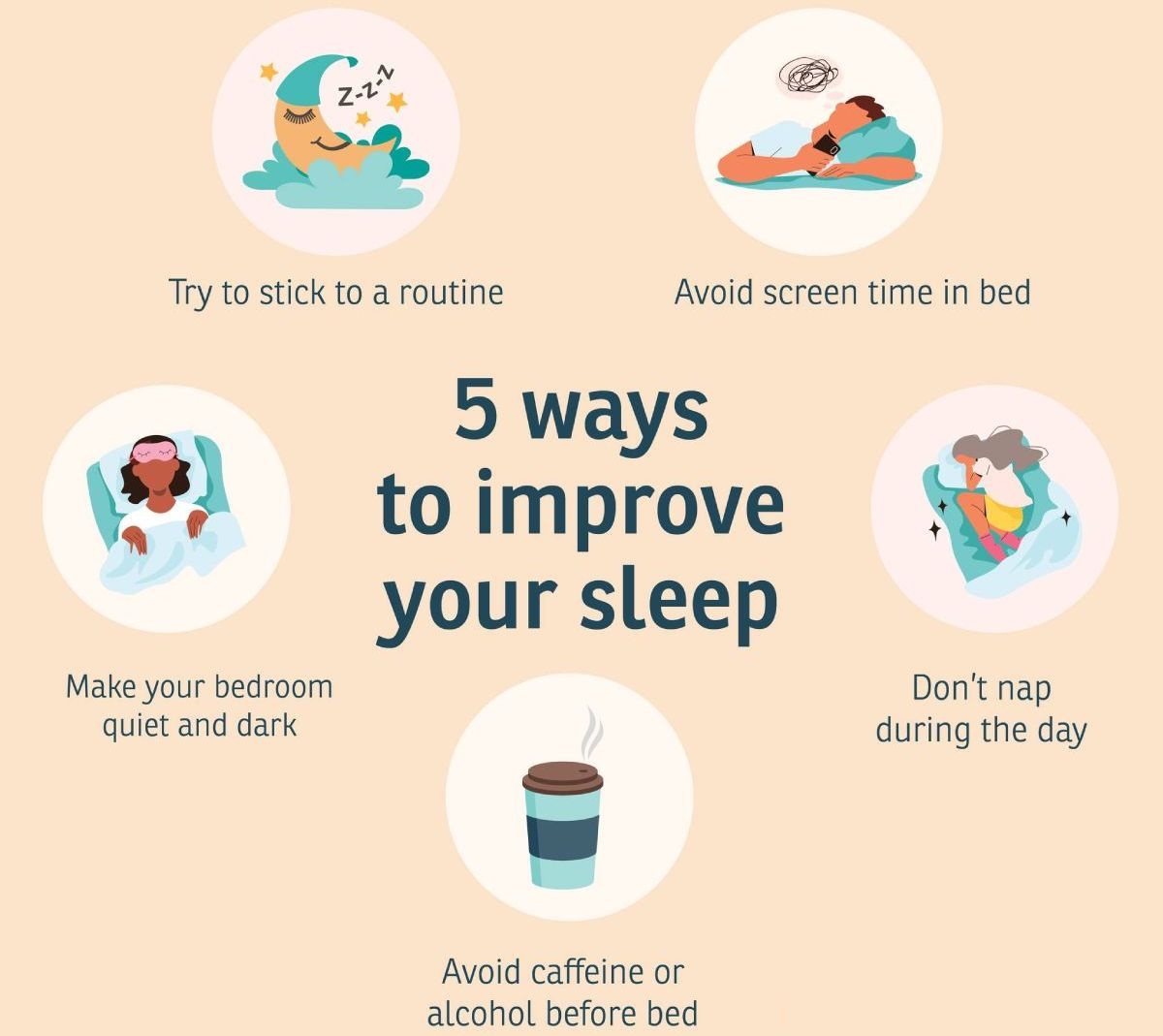
In today’s fast-paced and often stressful world, many individuals struggle with achieving restful and restorative sleep. Meditation has emerged as a natural and effective approach to enhance sleep quality by calming the mind and relaxing the body. Incorporating meditation into a nightly routine can significantly contribute to deeper, more restorative sleep cycles, leading to improved overall well-being.
Research indicates that meditation influences the nervous system by reducing sympathetic nervous activity—commonly associated with the ‘fight or flight’ response—and activating the parasympathetic nervous system, which promotes rest and digestion. This shift helps prepare the body for sleep, making it easier to transition into a state of deep rest. Additionally, meditation can regulate the production of sleep-related hormones, such as melatonin, further supporting healthy sleep patterns.
Understanding Meditation’s Role in Sleep Enhancement
Meditation practices designed specifically for sleep focus on cultivating relaxation, reducing racing thoughts, and decreasing stress levels—factors that often interfere with falling asleep or maintaining deep sleep. By fostering a state of calmness, meditation can improve sleep onset, prolong deep sleep stages, and reduce nighttime awakenings.
It is common to misconceive meditation as merely sitting quietly or relaxing superficially. However, its true power lies in training the mind to let go of distractions and cultivate a focused awareness on the present moment. This mental discipline can diminish the negative impact of anxiety, worry, and rumination, which are frequent culprits of sleep disturbances.
Furthermore, many misconceptions suggest that meditation requires hours of practice to be effective. In reality, even brief daily sessions—ranging from five to fifteen minutes—can produce meaningful benefits for sleep quality. Consistency and patience are key to experiencing its full potential.
Types of Meditation Techniques for Better Sleep

Enhancing sleep quality through meditation involves exploring various techniques that calm the mind and relax the body. Each method offers unique benefits and can be tailored to individual preferences or specific sleep difficulties. Understanding these styles allows for a personalized approach to achieving deep rest and restful sleep.
Different meditation practices serve different purposes and appeal to diverse personalities. Some focus on cultivating mindfulness and present-moment awareness, while others employ visualization or loving-kindness to foster emotional tranquility. Selecting a suitable technique can significantly improve sleep onset and duration, contributing to overall health and well-being.
Mindfulness Meditation
Mindfulness meditation involves paying deliberate attention to the present moment without judgment. It encourages observing thoughts, sensations, and emotions as they arise, promoting mental clarity and reducing stress. When practiced before sleep, mindfulness helps clear racing thoughts, creating a calm mental state conducive to falling asleep naturally.
Example of a mindfulness meditation script for sleep:
“Begin by finding a comfortable position lying down. Close your eyes gently and take a few deep breaths, inhaling slowly through your nose and exhaling softly through your mouth. Bring your attention to your body, noticing any areas of tension. As thoughts come and go, acknowledge them without attachment and gently redirect your focus back to your breath or the sensations in your body. Continue this practice for 10-15 minutes, allowing your mind to settle and your body to relax.”
Guided Imagery
Guided imagery involves visualizing peaceful and relaxing scenes to soothe the mind and promote sleep. It employs mental images that evoke sensations of safety, comfort, and calmness, helping to distract from stressors and reduce anxiety. This technique is particularly effective for those who respond well to visualization and auditory cues.
Example of a guided imagery script for sleep:
“Imagine yourself lying on a soft, warm beach. Feel the gentle breeze caressing your skin and listen to the rhythmic sound of waves washing onto the shore. Visualize the sun setting, casting a golden glow over the water, and sense your body becoming heavier and more relaxed with each wave. Stay with this scene for several minutes, immersing yourself in the tranquility and allowing your mind to drift into restful sleep.”
Body Scan Meditation
The body scan technique involves systematically directing attention to different parts of the body, noticing sensations, and releasing tension. This method fosters a deep sense of relaxation by increasing body awareness and reducing physical discomfort or stress that may hinder sleep. It is especially helpful for those experiencing insomnia or restless nights.
Example of a body scan meditation steps:
- Begin by lying comfortably on your back with your eyes closed.
- Focus your attention on your toes, noticing any sensations or tension, and consciously relax them.
- Slowly move your focus upward through your feet, ankles, calves, knees, thighs, and continue up to your head, pausing at each area to observe and release tension.
- As you proceed, breathe naturally, maintaining awareness of each area without judgment.
- Once you reach your head, imagine a wave of relaxation washing over your entire body, sinking you into a peaceful sleep state.
Loving-Kindness Meditation
Loving-kindness meditation, or Metta, involves cultivating feelings of compassion and goodwill toward oneself and others. This technique fosters emotional healing, reduces negative thoughts, and generates a sense of safety and warmth that can ease the transition into sleep. It is particularly beneficial for individuals experiencing emotional distress or loneliness.
Example of a loving-kindness meditation script for sleep:
“Begin by sitting comfortably or lying down. Close your eyes and take a few deep breaths. Silently repeat phrases such as, ‘May I be happy. May I be healthy. May I be at peace.’ Visualize yourself enveloped in a warm, loving light. Then extend these wishes outward to loved ones, friends, and even those with whom you have difficulties, repeating similar phrases for each. Allow the feelings of compassion and kindness to deepen, filling your heart and calming your mind as you prepare for restful sleep.”
Comparison Table of Meditation Techniques for Sleep
| Method | Duration | Ideal Use Cases |
|---|---|---|
| Mindfulness Meditation | 10-20 minutes | Racing thoughts, anxiety, difficulty relaxing |
| Guided Imagery | 10-15 minutes | Stress, overwhelm, desire for vivid relaxation |
| Body Scan Meditation | 15-30 minutes | Insomnia, physical tension, restless sleep |
| Loving-Kindness Meditation | 10-20 minutes | Emotional distress, loneliness, emotional agitation |
Step-by-Step Guide to Meditating Before Bed
Establishing a consistent nightly meditation routine can significantly enhance the quality of your sleep and promote deep relaxation. By following a structured approach, you can create a calming bedtime ritual that signals your body and mind to unwind and prepare for restful sleep. This section provides a detailed procedural guide to help you incorporate meditation seamlessly into your nightly routine, ensuring optimal benefits for deep rest.
Implementing a mindful meditation practice before bed involves careful consideration of timing, environment, posture, breathing exercises, and mental focus. These elements work together to facilitate a transition from daytime activity to nighttime calm, helping your nervous system relax and ease into restorative sleep.
Establishing a Nightly Meditation Routine
Creating a consistent bedtime meditation routine involves setting a dedicated time, preparing the environment, choosing a comfortable posture, and following specific breathing and mental focus techniques. These steps help reinforce the habit and maximize the calming effects of meditation, leading to deeper and more restorative sleep.
- Optimal Timing
- Environment Setup
- Posture Considerations
- Breathing Exercises
- Mental Focus Points
Choose a fixed time each evening, ideally 30 to 60 minutes before your usual sleep time. Consistency helps train your body and mind to associate this period with relaxation. Avoid meditating immediately after heavy meals or strenuous activity, as these can interfere with the calming effects. Instead, aim for a time when you feel naturally tired and ready to wind down, such as after your evening routine or a warm shower.
The environment should be quiet, dimly lit, and free from distractions to foster tranquility. Use soft lighting or a calming nightlight, and consider incorporating elements like gentle aromatherapy with lavender or chamomile to enhance relaxation. Ensure the space is clean, uncluttered, and comfortable—using a cushion or meditation mat can help maintain a relaxed yet alert posture.
Maintain a posture that promotes comfort and alertness without causing strain. Sitting upright with your back straight, shoulders relaxed, and hands resting gently on your lap or knees encourages alertness and proper breathing. Alternatively, if sitting is uncomfortable, lying down in a relaxed position can be effective, provided you remain attentive to avoid falling asleep prematurely. The key is to find a position that allows deep breathing and mental focus without physical discomfort.
Breathing techniques are fundamental to calming the nervous system and preparing the body for deep sleep. Begin with slow, deep breaths, inhaling through the nose for a count of four, holding for a count of four, then exhaling slowly through the mouth for a count of six to eight. This pattern enhances parasympathetic nervous system activation, reducing stress and promoting relaxation.
Practicing diaphragmatic (belly) breathing helps deepen the breath, further calming the mind and body.
Direct your mental focus to calming, positive, or neutral stimuli to anchor your meditation. Visualize a peaceful scene, such as a quiet beach or a lush forest, or silently repeat a soothing phrase or mantra like “deep rest” or “peaceful sleep.” Alternatively, focus on the sensation of your breath entering and leaving your body. These mental anchors help prevent wandering thoughts and foster a state of mindfulness conducive to sleep.
Additional Tips for Enhancing Your Bedtime Meditation
To optimize your meditation practice, consider incorporating gentle stretching or yoga poses before sitting down, which can release tension accumulated throughout the day. Maintain a consistent routine even on weekends to reinforce the habit. If your mind remains restless, extend your breathing exercises or mental focus practice by a few minutes. Over time, this routine becomes a natural part of your nightly ritual, significantly improving your ability to fall asleep swiftly and enjoy deep, restorative sleep.
Creating an Ideal Meditation Environment for Sleep
Establishing a tranquil and inviting space is a fundamental step in cultivating a meditation routine that promotes restful sleep. A well-designed environment minimizes distractions and fosters a sense of calm, making it easier to transition into a relaxed state before bedtime. Thoughtfully arranging your space can significantly enhance the effectiveness of your meditation practice and support deeper, more restorative sleep.
An optimal meditation environment combines various elements that soothe the senses and create a peaceful atmosphere. By paying attention to lighting, temperature, aromatherapy, and sound, you can craft a setting that naturally encourages relaxation and mindfulness, helping your mind and body prepare for sleep.
Elements for a Calming Meditation Space
Designing a sleep-friendly meditation environment involves selecting specific elements that promote tranquility and comfort. These components work together to reduce stress and foster a sense of safety and calm, essential for deep rest.
- Lighting: Use soft, dim lighting or warm-toned lamps to create a cozy ambiance. Avoid harsh or bright lights that can stimulate alertness. Consider blackout curtains or eye masks to block out external light, especially if natural daylight intrudes during your meditation time.
- Temperature: Maintain a comfortable room temperature, ideally between 18°C to 21°C (64°F to 70°F). A cooler environment can facilitate better sleep, provided it is not uncomfortably cold. Use fans or space heaters as needed to achieve this balance.
- Aromatherapy: Incorporate calming scents such as lavender, chamomile, or sandalwood through diffusers, candles, or essential oils. Aromatherapy can enhance relaxation by activating the limbic system, which influences emotions and sleep patterns.
Role of Background Sounds and Music
Incorporating gentle background sounds or music can significantly elevate the relaxation experience during meditation for sleep. These auditory elements serve to mask disruptive noises, create a soothing atmosphere, and help focus the mind away from stressful thoughts.
Natural sounds such as flowing water, rain, or rustling leaves are often preferred for their calming properties. Alternatively, specially designed meditation or sleep music with slow tempos, soft melodies, and minimal abrupt changes can induce a state of deep relaxation. Playing these sounds at a low volume, just enough to create a cocoon of tranquility, can facilitate the transition into sleep and promote longer, uninterrupted rest.
Incorporating Breathing and Body Awareness into Sleep Meditation
Enhancing sleep quality through meditation can be significantly improved by integrating focused breathing exercises and body awareness techniques. These practices help calm the nervous system, reduce stress, and facilitate a transition into a restful state conducive to deep sleep. When performed deliberately, they enable you to shift attention inward, releasing tension accumulated throughout the day and promoting relaxation at bedtime.
By emphasizing controlled breathing and mindful attention to bodily sensations, individuals can establish a calming routine that prepares both mind and body for restorative sleep. Below are effective methods that can be seamlessly incorporated into your nightly meditation practice to deepen relaxation and improve sleep onset.
Diaphragmatic Breathing
Diaphragmatic breathing, also known as abdominal or belly breathing, involves engaging the diaphragm to maximize oxygen intake and enhance relaxation. This technique encourages slow, deep breaths that activate the parasympathetic nervous system, often referred to as the body’s “rest and digest” response.
Practicing diaphragmatic breathing before bed helps reduce heart rate, lower blood pressure, and diminish anxiety, creating an ideal environment for sleep. It is especially effective for individuals experiencing heightened stress or racing thoughts that interfere with falling asleep.
- Lie down comfortably on your back with knees slightly bent and hands resting on your abdomen.
- Inhale slowly through your nose, directing the breath into your belly so that it rises beneath your hands.
- Ensure your chest remains relatively still while your abdomen expands, emphasizing diaphragmatic engagement.
- Pause briefly at the top of the inhale, then exhale slowly through pursed lips or nose, allowing your abdomen to gently fall.
- Repeat this cycle for 5 to 10 minutes, maintaining a steady, smooth rhythm.
“Focus on the gentle rise and fall of your belly, allowing each breath to deepen your state of calm.”
4-7-8 Breathing Technique
The 4-7-8 breathing method is a simple yet powerful practice that helps regulate the nervous system, promote relaxation, and facilitate sleep. It involves inhaling, holding, and exhaling for specific counts that create a calming rhythmic pattern, reducing anxiety and mental chatter.
This technique is particularly effective when practiced consistently before bedtime, as it can quickly ease the transition into sleep by calming an overactive mind and relaxing tense muscles.
- Start by sitting or lying down in a comfortable position.
- Close your eyes and exhale completely through your mouth, making a gentle “whoosh” sound.
- Inhale quietly through your nose for a count of four, focusing on filling your lungs fully.
- Hold your breath for a count of seven, maintaining awareness of the stillness within.
- Exhale completely through your mouth for a count of eight, releasing tension and mental noise.
- Repeat this cycle at least four times, gradually increasing repetitions as you become more comfortable.
“The 4-7-8 pattern anchors your attention, soothing your nervous system and easing you into restful sleep.”
Progressive Muscle Relaxation
Progressive muscle relaxation (PMR) involves systematically tensing and releasing muscle groups throughout the body, helping to identify and diminish physical tension that can hinder sleep. By bringing awareness to bodily sensations, PMR fosters a deep sense of relaxation and stress relief.
This technique is especially beneficial for individuals who experience physical discomfort or persistent muscle tightness at bedtime, as it encourages a gradual transition from tension to relaxation, paving the way for deep, restorative sleep.
- Lie flat on your back in a comfortable position, with arms resting by your sides.
- Begin by tensing the muscles in your toes, holding the tension for about five seconds.
- Release the tension slowly, noticing the contrast between tension and relaxation.
- Move upward through your body, repeating the tensing and relaxing process for each muscle group: calves, thighs, abdomen, chest, back, shoulders, arms, neck, and face.
- Focus on the sensation of relaxation that follows each release, maintaining awareness of the physical contrast.
- Finish by taking a few deep, diaphragmatic breaths, enjoying the overall sense of calmness.
“With each tension and release, you teach your body to let go of stress, creating a peaceful pathway into sleep.”
Developing Consistency and Tracking Progress
Maintaining a regular meditation practice before sleep is essential for experiencing its full benefits. Consistency fosters habit formation, allowing meditation to become a natural part of your nightly routine. Tracking progress helps in understanding how meditation influences sleep quality over time and encourages sustained commitment. By establishing clear methods to monitor your practice and improvements, you can stay motivated and make informed adjustments as needed.Creating a dependable routine and monitoring outcomes are vital steps toward achieving deeper, more restorative sleep through meditation.
Implementing practical strategies ensures that the benefits of meditation are long-lasting and meaningful in your overall sleep health.
Methods for Maintaining a Regular Meditation Practice Before Bed
Consistency in meditation requires deliberate effort and structured planning. Establishing a specific time each evening dedicated to meditation helps reinforce the habit, making it less likely to be overlooked amidst daily distractions. Incorporating meditation into your nightly routine, such as after brushing your teeth or changing into sleepwear, integrates the practice seamlessly into your evening activities.Setting up a predictable sequence of actions before meditation can signal to your brain that it is time to wind down, fostering mental association with relaxation.
Making meditation accessible and simple—using guided recordings, a comfortable space, or minimal equipment—removes barriers, encouraging adherence. Additionally, involving family members or housemates in your routine can increase accountability and create a supportive environment.
Ideas for Tracking Sleep Improvements Related to Meditation
Monitoring your sleep patterns over time provides valuable insight into how meditation influences your rest quality. Keeping a sleep journal or sleep diary is an effective, low-cost method to record details such as bedtime, wake-up time, number of awakenings, perceived sleep quality, and energy levels during the day.Detailed tracking enables you to identify trends and patterns, such as improved sleep onset or reduced night awakenings, correlating directly with your meditation practice.
Using a dedicated sleep tracking app or device that records sleep stages, duration, and disruptions can supplement manual entries, providing quantitative data on sleep improvements.Including notes on meditation sessions—such as duration, type, and perceived effectiveness—can help establish links between specific practices and sleep outcomes. Regularly reviewing the journal fosters awareness of progress and motivates continued effort.
Setting Reminders or Cues to Reinforce Routine Adherence
Consistent cues and reminders act as external prompts that reinforce your meditation routine, ensuring it remains a priority amid busy schedules. Visual cues, such as placing your meditation cushion or headphones in a prominent location, serve as physical reminders to meditate each night.Alarm clocks, smartphone notifications, or calendar alerts scheduled at your designated meditation time can prompt you to begin without relying solely on memory.
Creating a calming pre-meditation routine, such as dimming the lights or lighting a candle, also signals to your mind that it is time to prepare for restful sleep.Incorporating these cues gradually strengthens the association between the ritual and relaxation, making it easier to maintain consistency. Over time, the routine becomes ingrained, reducing the likelihood of skipping sessions and maximizing the sleep-enhancing benefits of meditation.
Overcoming Common Challenges in Sleep Meditation Practice
Practicing meditation before sleep can sometimes present obstacles that hinder its effectiveness and consistency. Recognizing these common challenges enables individuals to implement targeted strategies, ensuring a more calming and restful experience. Addressing issues such as wandering thoughts, difficulty relaxing, or extended sleep latency can significantly enhance the benefits of your meditation routine and promote deeper, more restorative sleep.
Many practitioners encounter mental and environmental hurdles that interfere with their meditation session. These challenges may lead to frustration or abandonment of the practice, which diminishes its potential advantages. By understanding these obstacles and applying practical solutions, you can cultivate a sustainable and effective sleep meditation habit that supports your overall well-being and sleep quality.
Wandering Thoughts and Mental Distractions
One of the most common challenges during sleep meditation is the tendency for the mind to wander. Thoughts about daily concerns, upcoming tasks, or past events can intrude upon the meditation session, making it difficult to attain a state of calm and focus. This mental chatter can prevent relaxation and prolong the time it takes to fall asleep.
To counteract wandering thoughts, practitioners can utilize mental reframing techniques. Instead of resisting or trying to suppress thoughts, acknowledge them without judgment and gently redirect focus back to the chosen point of meditation, such as the breath or body sensations. Repeating calming phrases or mantras can also serve as anchors that bring the mind back to the present moment.
Difficulty Relaxing and Physical Tension
Physical tension or difficulty relaxing can impede the transition into restful sleep. Stress, anxiety, or improper sleep environments can contribute to persistent muscle tightness or discomfort, making it hard to settle into a meditative state. Without proper relaxation, the body remains in a heightened state of alertness, delaying sleep onset.
Environmental adjustments play a crucial role in overcoming this challenge. Ensuring the bedroom is cool, dark, and quiet can facilitate relaxation. Incorporating gentle stretching or progressive muscle relaxation before meditation can release physical tension. Guided meditations focusing on body scans are particularly effective in helping practitioners notice and gently release areas of tightness.
Sleep Latency and Extended Time to Fall Asleep
Extended sleep latency, or the time taken to fall asleep, can be a discouraging obstacle for those practicing sleep meditation. Anxiety about sleep or frustration with perceived lack of progress may exacerbate difficulties in falling asleep, creating a cycle of worry and sleeplessness.
Strategies to address this include adopting a non-judgmental attitude toward sleep difficulties and focusing on the relaxation process rather than the outcome. Maintaining a consistent sleep schedule, avoiding stimulating activities before bedtime, and practicing patience with the meditation process can help reduce sleep latency. Setting realistic expectations and remembering that progress may take time encourages persistence and resilience.
Practical Troubleshooting Tips
Implementing specific troubleshooting strategies can significantly improve your sleep meditation experience. Below are some effective tips:
- Designate a regular meditation time: Practicing at the same time each night helps train your body and mind to associate that period with relaxation.
- Limit electronic device use before meditation: Reducing exposure to blue light and mental stimulation from screens supports melatonin production and relaxation.
- Create a calming environment: Use dim lighting, calming scents like lavender, and comfortable seating or lying arrangements to foster tranquility.
- Use guided meditations: Audio recordings with calming instructions can help maintain focus and reduce wandering thoughts.
- Practice gentle physical routines: Gentle stretches or yoga poses before meditation can ease muscle tension and promote relaxation.
- Accept and observe distractions: When thoughts or noises arise, acknowledge them without judgment and return your focus to your breath or body sensations.
- Maintain patience and consistency: Recognize that overcoming obstacles takes time, and regular practice will gradually enhance your ability to meditate effectively for sleep.
“Progress in sleep meditation is often gradual; patience and persistence are key to overcoming challenges and reaping the benefits of improved sleep quality.”
Additional Techniques to Deepen Sleep and Rest
Enhancing your sleep quality often requires integrating supplementary relaxation methods that complement meditation practices. These techniques can help transition your mind and body into a more restful state, reducing stress and promoting deeper, more restorative sleep. Incorporating a variety of methods tailored to individual preferences can lead to more effective and personalized sleep routines, fostering long-term benefits for overall health and well-being.
By thoughtfully combining these practices, you can create a comprehensive pre-sleep ritual that not only prepares you physically and mentally for rest but also cultivates a calming environment conducive to deep sleep cycles. Below are some of the most effective supplementary techniques, along with guidance on designing personalized relaxation routines that fit your unique lifestyle and sleep needs.
Complementary Practices for Enhancing Sleep Quality
The following methods are widely recognized for their ability to deepen sleep and promote sustained relaxation. When used consistently and in conjunction with meditation, these techniques can significantly improve sleep onset, duration, and quality.
- Progressive Relaxation: This technique involves systematically tensing and relaxing muscle groups throughout the body to release physical tension and promote calmness. It is most effective when practiced 15 to 30 minutes before bedtime, helping to ease muscle stiffness and reduce anxiety that may hinder sleep.
- Visualization or Guided Imagery: Engaging the mind with peaceful mental images, such as lying on a serene beach or walking through a lush forest, can divert thoughts from stressors and foster tranquility. Visualization sessions can be incorporated into your bedtime routine, lasting about 10 to 15 minutes, to create a mental environment conducive to sleep.
- Sound Therapy: Listening to calming sounds, such as white noise, nature sounds, or soft instrumental music, can mask disruptive background noises and soothe the nervous system. Playing these sounds for 30 to 60 minutes before sleep or throughout the night aids in establishing a consistent auditory environment that signals the body it’s time to rest.
Designing Personalized Relaxation Routines
Creating an effective and individualized relaxation routine involves selecting techniques that resonate with your preferences and lifestyle, ensuring consistency and ease of practice. Begin by assessing your specific sleep challenges—whether it’s difficulty falling asleep, frequent awakenings, or restless sleep—and then tailor your routines accordingly. For example, if muscle tension is a primary concern, incorporate progressive relaxation into your nightly ritual.
If mental chatter or anxiety dominates, visualization and breathing exercises may be more suitable.
To design a personalized routine, consider establishing a consistent pre-sleep schedule that blends various techniques in a sequence that feels natural and calming. For instance, you might start with gentle stretching or progressive muscle relaxation, followed by deep breathing or visualization, and conclude with ambient sound therapy. Keeping a sleep journal can help track the effectiveness of different practices, allowing adjustments over time to optimize results.
Remember, the key is regularity; practicing these techniques nightly or several times a week can create a powerful conditioning effect that signals your body and mind to enter a state of deep rest more readily.
Final Review

In conclusion, incorporating meditation into your bedtime routine can be a transformative step toward better sleep and profound relaxation. By choosing suitable techniques, establishing consistency, and creating an ideal environment, you can enjoy deeper rest and overall improved well-being. Embrace these practices to unlock the restful sleep you deserve and wake up refreshed each day.