Embarking on a journey to understand How to Meditate for Improving Emotional Balance opens a path to profound self-discovery and inner peace. This guide delves into the intricate relationship between meditation and emotional well-being, offering practical techniques and insights to navigate the complexities of our inner world.
We’ll explore the fundamental principles of emotional balance, providing a clear understanding of its importance in our daily lives and illustrating how imbalances can manifest. From establishing the ideal meditation environment to mastering various techniques like focused attention and loving-kindness, this comprehensive resource equips you with the tools to cultivate resilience and tranquility.
Understanding Emotional Balance
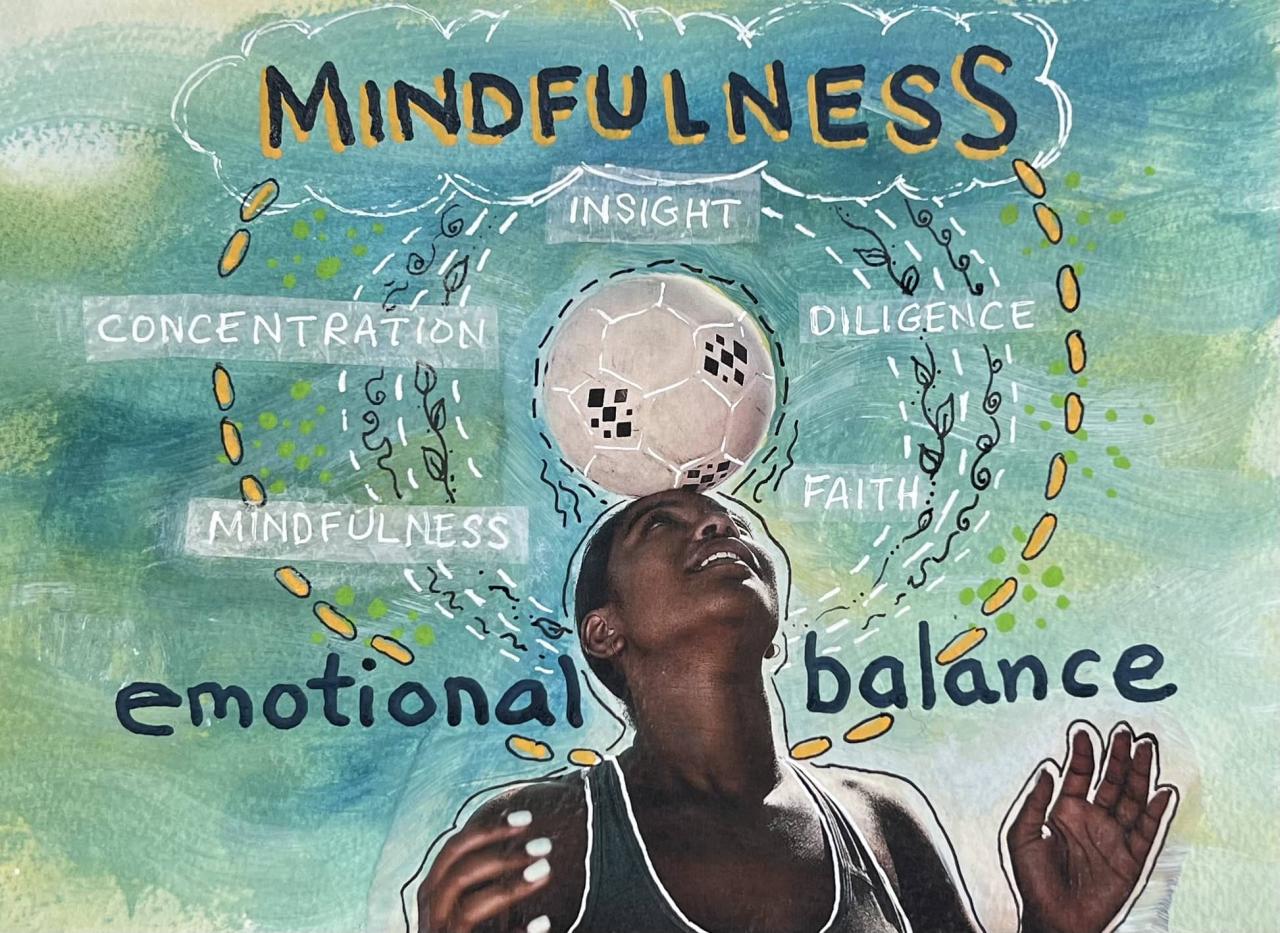
Emotional balance is the ability to experience a wide range of emotions while maintaining a stable and composed state of mind. It’s not about eliminating negative emotions, but rather about acknowledging and processing them in a healthy way, preventing them from overwhelming you. Achieving emotional balance is crucial for overall well-being, impacting everything from relationships and work performance to physical health.
Defining Emotional Balance
Emotional balance can be understood as a state of psychological well-being characterized by an awareness and acceptance of one’s emotions, coupled with the ability to regulate them effectively. This involves a balanced approach to both positive and negative feelings, preventing emotional extremes. It’s about finding a middle ground where emotions don’t control you, but instead, you have control over them.
Manifestations of Emotional Imbalance
Emotional imbalance can surface in various ways, impacting different aspects of life. Recognizing these signs is the first step toward regaining equilibrium.
- In Relationships: Individuals experiencing emotional imbalance might exhibit excessive jealousy, frequent arguments, difficulty empathizing, or withdrawing from social interactions. For instance, someone consistently misinterpreting their partner’s actions, leading to conflict, exemplifies emotional instability.
- At Work: Emotional imbalance can manifest as chronic stress, difficulty concentrating, procrastination, or outbursts of anger. A person struggling with perfectionism and constantly feeling inadequate, despite achieving goals, is a clear example.
- In Daily Life: Everyday activities can become challenging. This might involve persistent feelings of anxiety, difficulty sleeping, overeating or undereating, or engaging in impulsive behaviors. For example, someone experiencing panic attacks when faced with everyday situations, like public transport, is showing emotional imbalance.
Benefits of Emotional Balance
Cultivating emotional balance yields numerous benefits, enhancing various facets of life. These advantages contribute to a more fulfilling and resilient existence.
- Improved Mental Health: Emotional balance reduces the risk of developing mental health conditions such as depression and anxiety. It promotes a more positive outlook on life and fosters greater resilience in the face of adversity.
- Enhanced Relationships: Individuals with emotional balance are better equipped to communicate effectively, resolve conflicts constructively, and build stronger, more meaningful connections with others.
- Increased Productivity: By managing stress and maintaining focus, emotional balance allows for improved performance in both personal and professional settings.
- Better Physical Health: Emotional well-being is closely linked to physical health. Managing stress and promoting relaxation can lower blood pressure, strengthen the immune system, and reduce the risk of chronic diseases.
Preparing for Meditation
Preparing your mind and body is crucial for a successful meditation practice. Creating the right conditions allows you to settle into a state of calm and focus more easily, maximizing the benefits of your meditation session. This section Artikels the essential steps to prepare effectively.
Creating the Ideal Environment
The environment significantly impacts your ability to meditate. Minimizing distractions and creating a sense of tranquility is key.
- Noise Considerations: Find a quiet space where you’re less likely to be disturbed. External noises like traffic, conversations, or electronic devices can disrupt your focus. Consider using earplugs or noise-canceling headphones if complete silence isn’t possible. White noise, such as a fan or ambient music, can also help mask distracting sounds.
- Light Considerations: The lighting should be conducive to relaxation. Dim, natural light is often preferred, as it promotes a sense of calm. Avoid harsh, bright lights, which can be stimulating and make it difficult to settle. If natural light is unavailable, use soft, diffused lighting.
- Temperature Considerations: Maintain a comfortable temperature. Being too hot or too cold can be distracting. Aim for a temperature that allows you to relax without feeling the need to adjust your clothing or environment frequently. A slightly cool room is often ideal for promoting a sense of ease and preventing drowsiness.
Establishing Comfortable Posture
The physical posture you adopt during meditation plays a vital role in your comfort and ability to remain still. The goal is to find a position that supports both alertness and relaxation.
- Sitting Posture: Sitting upright with a straight back, but not rigid, is the most common position. You can sit on a cushion or directly on the floor, in a chair with your feet flat on the ground, or in a cross-legged position like the lotus or half-lotus pose. The key is to maintain a natural curve in your spine.
- Lying Down Posture: Lying down, usually on your back (supine position), is an option, particularly if you experience physical discomfort. However, it can increase the likelihood of falling asleep. Ensure your arms are resting comfortably at your sides and your legs are slightly apart.
- Other Postures: You can also meditate while walking or in other positions that feel comfortable and supportive, such as kneeling. The best posture is the one that allows you to remain present and alert without strain.
Implementing a Preparation Routine
A brief preparation routine can significantly enhance your meditation experience. This routine helps you transition from your active daily life to a state of calm awareness.
- Stretching: Gentle stretching can help release physical tension and improve circulation. Focus on areas where you typically hold stress, such as your shoulders, neck, and back. Simple neck rolls, shoulder rotations, and gentle twists can be effective.
- Breathing Exercises: Breathing exercises, or pranayama, are excellent for calming the nervous system and focusing the mind. A simple exercise is the “4-7-8” technique: Inhale deeply through your nose for a count of four, hold your breath for a count of seven, and exhale slowly through your mouth for a count of eight. Repeating this several times can promote relaxation.
- Body Scan: A body scan involves bringing your awareness to different parts of your body, noticing any sensations without judgment. This helps you become more aware of physical tension and release it. Starting with your toes and working your way up to the top of your head, notice any areas of tension or discomfort.
- Setting an Intention: Before you begin, set a clear intention for your meditation. This could be to cultivate mindfulness, reduce stress, or simply to be present in the moment. Having an intention can give your practice direction and focus.
Basic Meditation Techniques
Having established the foundations of emotional balance and prepared for meditation, it’s time to delve into practical techniques. These techniques provide accessible methods for cultivating present moment awareness, reducing stress, and fostering emotional regulation. Consistent practice of these methods can significantly enhance your ability to manage emotions and improve overall well-being.
Focused Attention Meditation
Focused attention meditation involves concentrating on a single point of focus to calm and center the mind. This could be the breath, a visual object, a sound, or a specific mantra. The goal is to maintain awareness on this chosen focal point, redirecting attention whenever the mind wanders. This technique is highly effective for developing concentration and improving the ability to disengage from distracting thoughts.
- Choosing a Focus: Select a single point of focus. The breath is a common and readily available choice, as is a visual object like a candle flame or a specific sound, such as a mantra.
- Establishing a Comfortable Posture: Sit comfortably, either on a cushion, chair, or bench, with your spine straight but not stiff. Ensure your body is relaxed.
- Focusing on the Chosen Point: Gently direct your attention to your chosen focus. If it’s the breath, observe the sensation of the air entering and leaving your nostrils or the rise and fall of your abdomen.
- Recognizing and Redirecting Wandering Thoughts: The mind will inevitably wander. When you notice your attention has drifted, acknowledge the thought without judgment and gently redirect your focus back to your chosen point.
- Consistency and Patience: Practice regularly, even for short periods. The benefits of focused attention meditation become more apparent with consistent effort.
Body Scan Meditation
Body scan meditation involves systematically bringing awareness to different parts of the body, noticing any sensations present. This practice helps to increase body awareness, reduce physical tension, and cultivate a sense of grounded presence. It is a useful technique for identifying areas of stress or discomfort and promoting relaxation.
- Preparing for the Meditation: Lie down comfortably on your back. Close your eyes and allow your body to relax. Take a few deep breaths to settle into the present moment.
- Scanning the Body: Begin by bringing your attention to your toes. Notice any sensations – warmth, tingling, pressure, or simply the absence of sensation.
- Moving Systematically: Gradually move your attention up your body, from your feet to your ankles, shins, knees, thighs, hips, torso, hands, arms, shoulders, neck, and head.
- Observing Without Judgment: As you scan each part of your body, simply observe the sensations without judgment. Accept whatever you feel without trying to change it.
- Addressing Areas of Tension: If you encounter areas of tension or discomfort, acknowledge them without trying to force them to change. You can simply direct your breath towards the area, imagining that you are breathing in relaxation and breathing out tension.
Breath Awareness Meditation
Breath awareness meditation involves paying attention to the natural rhythm of your breath, observing the inhalation, the exhalation, and the pauses in between. This practice is a foundational meditation technique that helps to anchor the mind in the present moment, reduce mental chatter, and promote a sense of calm. It is readily accessible and can be practiced anywhere, anytime.
- Finding a Comfortable Position: Sit comfortably with your spine straight, or lie down. The key is to be relaxed and alert.
- Focusing on the Breath: Gently bring your attention to the sensation of your breath. Notice the air entering and leaving your nostrils, or the rise and fall of your abdomen.
- Observing the Natural Rhythm: Do not try to control your breath. Simply observe its natural rhythm, without trying to change its depth or pace.
- Handling Distracting Thoughts: The mind will naturally wander. When you notice your thoughts have drifted, acknowledge them without judgment. Think, “thinking,” and gently redirect your attention back to your breath.
- Returning to the Breath: Each time your mind wanders, gently guide your attention back to your breath. This is a core part of the practice and strengthens your ability to focus.
- Integrating into Daily Life: Breath awareness meditation can be practiced for a few minutes each day, gradually increasing the duration as your comfort level grows. It is also helpful to use it throughout the day as a way to return to the present moment and manage stress.
Meditation for Emotional Regulation
Meditation offers a powerful pathway to navigate the complexities of our emotional landscape. It cultivates the ability to observe and understand emotions without being swept away by them, leading to greater emotional stability and resilience. Through dedicated practice, meditation equips us with the tools to regulate our emotional responses, fostering a sense of inner peace and well-being.
Recognizing and Accepting Emotions Without Judgment
A core tenet of meditation for emotional regulation is the cultivation of non-judgmental awareness. This means observing our emotions as they arise, without labeling them as good or bad, right or wrong. This approach is crucial because judgment often fuels emotional reactivity. By simply acknowledging the presence of an emotion, we begin to create space between ourselves and the feeling, preventing it from overwhelming us.
- Observing Emotions: The practice involves bringing our attention to the sensations in our body that accompany an emotion. For instance, when feeling anger, we might notice a tightening in our chest, a racing heart, or a furrowed brow.
- Labeling Emotions: We then gently label the emotion, using words like “anger,” “sadness,” or “joy.” This provides a cognitive framework for understanding what we are experiencing.
- Accepting Emotions: Crucially, we accept the emotion as a natural and valid experience, without trying to suppress it or change it. We simply allow it to be present.
This practice is rooted in mindfulness principles, which emphasize present-moment awareness. By staying present with our emotions, we prevent ourselves from getting lost in thought patterns that amplify the intensity of the feeling. This allows us to experience emotions with greater clarity and equanimity.
Observing Thoughts and Feelings Without Reacting
The ability to observe thoughts and feelings without reacting is a cornerstone of emotional regulation. It allows us to create a buffer zone between our experiences and our responses, enabling us to choose how we react rather than being automatically driven by our emotions. This skill is developed through consistent meditation practice, particularly through techniques that focus on observing the flow of thoughts and feelings.
- Recognizing Thought Patterns: We begin by becoming aware of our thought patterns. We notice the types of thoughts that arise – worries, judgments, memories, plans – and how they are connected to our emotions.
- Detaching from Thoughts: We learn to detach from our thoughts by viewing them as mental events, not as objective truths. We can use techniques like mentally labeling thoughts (“thinking,” “planning”) or visualizing them as clouds passing in the sky.
- Observing Feelings as Sensations: Similarly, we learn to observe feelings as bodily sensations. Instead of getting caught up in the story associated with the feeling, we focus on the physical sensations, such as tightness, pressure, or warmth.
- Choosing a Response: With this awareness, we can consciously choose how to respond to our thoughts and feelings. We are no longer slaves to our emotions but can make choices that are aligned with our values and goals.
For example, if you are feeling anxious about an upcoming presentation, you might observe the racing thoughts (“I’m going to fail,” “Everyone will judge me”) and the physical sensations (butterflies in your stomach, rapid heartbeat). Instead of reacting with panic, you can recognize these as temporary experiences and choose to focus on your breath, practice relaxation techniques, or prepare further.
Procedure for Practicing Loving-Kindness Meditation and Its Impact on Emotional Balance
Loving-kindness meditation (LKM) is a powerful practice that cultivates feelings of compassion, empathy, and connection, which are crucial for emotional balance. It involves directing feelings of love and kindness towards oneself and others, gradually expanding the circle of compassion to include those we find challenging. Regular practice of LKM has been shown to increase positive emotions, reduce stress, and improve social connections.
- Preparation: Find a comfortable and quiet place to sit. Close your eyes gently and take a few deep breaths to relax.
- Focus on Yourself: Begin by directing feelings of love and kindness towards yourself. Silently repeat phrases such as:
“May I be happy. May I be healthy. May I be safe. May I live with ease.”
Visualize yourself as a recipient of these wishes, feeling the warmth and compassion flow through you.
- Extend to a Loved One: Next, bring to mind a person you love and care about. Direct the same phrases of loving-kindness towards them, visualizing them happy, healthy, and safe.
- Extend to a Neutral Person: Then, think of a neutral person – someone you encounter regularly but don’t have strong feelings about (e.g., a cashier, a neighbor). Direct the loving-kindness phrases towards them.
- Extend to a Difficult Person: This is the most challenging part. Think of someone you find difficult or challenging. Direct the same phrases of loving-kindness towards them. This does not mean you condone their actions, but rather that you are wishing them well.
- Extend to All Beings: Finally, expand your circle of compassion to include all beings, wishing them happiness, health, safety, and ease.
The impact of LKM on emotional balance is significant. Studies have shown that regular LKM practice can increase positive emotions, reduce symptoms of anxiety and depression, and improve social connectedness. The practice helps us to:
- Increase Compassion: LKM cultivates compassion for ourselves and others, reducing self-criticism and fostering empathy.
- Reduce Stress: By focusing on positive emotions and connection, LKM can buffer the effects of stress and promote relaxation.
- Improve Relationships: The practice helps to foster a sense of connection with others, improving communication and reducing conflict.
Common Challenges and Solutions
Starting a meditation practice can be a rewarding journey, but it’s not always easy. Many individuals encounter various obstacles that can hinder their progress. Understanding these common challenges and having practical solutions can significantly improve your chances of developing a consistent and beneficial meditation routine. This section will address some of the most frequently experienced hurdles and provide actionable strategies to overcome them.
Dealing with Distractions During Meditation
Distractions are a near-inevitable part of meditation, especially for beginners. These can range from intrusive thoughts and physical discomfort to external noises. Learning to manage these distractions is key to deepening your practice.
Here are several strategies for handling distractions effectively:
- Acceptance of Thoughts: The most crucial first step is to acknowledge that thoughts will arise. Don’t fight them; instead, observe them without judgment. Imagine your thoughts as clouds passing in the sky. Simply notice them and let them go. This approach prevents you from getting caught up in mental narratives.
- Redirecting Attention: When you notice your mind wandering, gently redirect your focus back to your chosen anchor, such as your breath, a mantra, or a visual point. This can be repeated as many times as needed.
- Modifying Your Environment: Create a meditation space that is conducive to focus. This might involve minimizing noise, dimming the lights, or ensuring a comfortable temperature. Using noise-canceling headphones or playing ambient sounds like nature sounds can also be helpful.
- Adjusting Your Posture: Physical discomfort can be a significant distraction. Experiment with different sitting positions to find one that is both comfortable and allows you to maintain an upright posture. You can sit in a chair, on a cushion, or even lie down if necessary. Ensure your spine is straight to avoid slouching.
- Breathing Techniques: Utilize breathing exercises to anchor your attention. Counting breaths or practicing deep, slow breathing can help quiet the mind. The 4-7-8 breathing technique (inhale for 4 seconds, hold for 7 seconds, exhale for 8 seconds) is particularly effective for calming the nervous system.
Maintaining a Consistent Meditation Practice Over Time
Consistency is essential for reaping the full benefits of meditation. However, life’s demands can often make it challenging to maintain a regular practice. Developing strategies to overcome these challenges is key.
The following methods are effective for establishing and maintaining a consistent meditation schedule:
- Setting Realistic Goals: Start small. Begin with short meditation sessions, such as 5 or 10 minutes a day, and gradually increase the duration as you become more comfortable. Avoid setting overly ambitious goals that might lead to discouragement.
- Establishing a Routine: Integrate meditation into your daily routine. Choose a specific time and place for your practice and treat it like any other important appointment. This could be first thing in the morning, during your lunch break, or before bed.
- Creating a Dedicated Space: Designate a specific area in your home or office solely for meditation. This space can act as a cue, signaling your brain that it’s time to meditate. Decorate it with items that inspire calmness, such as plants, candles, or inspirational artwork.
- Using Reminders: Set reminders on your phone or use a meditation app to prompt you to meditate. This can help you stay on track, especially when you’re just starting out.
- Tracking Your Progress: Keep a meditation journal to record your sessions. Note the date, duration, and any insights or challenges you encountered. This can help you stay motivated and track your progress over time.
- Joining a Community: Consider joining a meditation group or finding a meditation buddy. Sharing your experiences with others can provide support and accountability. Learning from experienced meditators can also be incredibly helpful.
- Being Patient and Kind to Yourself: There will be days when you miss your meditation session. Don’t get discouraged. Simply acknowledge the lapse and get back on track as soon as possible. Remember that consistency is more important than perfection.
For example, consider a study published in the
-Journal of Consulting and Clinical Psychology* which found that individuals who maintained a regular meditation practice for at least 10 minutes a day over an eight-week period experienced significant reductions in anxiety and stress levels compared to those who did not meditate. (Source: Goyal, M., Singh, S., Sibinga, E. M. S., Gould, N.
F., Rowland-Seymour, A., Sharma, R., … & Haythornthwaite, J. A. (2014). Meditation programs for psychological stress and well-being: a systematic review and meta-analysis.
-JAMA Internal Medicine*,
-174*(3), 357-368.)
Methods for Deepening the Practice
As you progress in your meditation journey and begin to experience the benefits of emotional balance, you may wish to explore methods for deepening your practice. This involves finding ways to make your meditation more effective, consistent, and ultimately, more transformative. Several techniques can help you cultivate a more profound and enriching meditation experience, leading to greater emotional resilience and well-being.
Guided Meditations and Finding Suitable Ones
Guided meditations provide structured support for your practice, especially beneficial for beginners. They involve a teacher or guide leading you through the meditation, offering instructions, visualizations, and affirmations. The role of guided meditations is to provide a framework, reducing mental wandering and helping you focus.To find suitable guided meditations, consider the following factors:
- Your Preferences: Explore different styles, such as mindfulness, loving-kindness, body scan, or visualization. Experiment to find what resonates with you. For example, if you are struggling with anxiety, you might find guided meditations focused on calming the nervous system and releasing tension more helpful.
- The Guide’s Voice and Style: The voice and delivery of the guide should be soothing and easy to understand. The tone should be appropriate for the type of meditation. Some people prefer a gentle and calming voice, while others might find a more direct and assertive style more effective.
- Length and Duration: Start with shorter meditations (5-10 minutes) and gradually increase the duration as you become more comfortable. Choose lengths that fit into your daily schedule. For example, if you only have 15 minutes available, don’t choose a 30-minute guided meditation.
- Thematic Relevance: Select meditations that address your specific needs and goals. If you are focusing on emotional regulation, look for meditations specifically designed for stress reduction, anger management, or cultivating compassion.
- Accessibility and Availability: Consider whether you prefer free resources (YouTube, podcasts) or paid subscriptions (meditation apps). Ensure the resources are readily available to you.
Examples of popular and reliable sources for guided meditations include:
- Apps: Headspace, Calm, Insight Timer, and others (discussed in the next section).
- Websites and Podcasts: Websites like UCLA Mindful Awareness Research Center offer free guided meditations. Podcasts like “Tara Brach” and “Ten Percent Happier” feature guided meditations and talks on mindfulness.
- YouTube: Numerous channels offer guided meditations on various topics, ranging from anxiety and sleep to stress reduction and self-compassion. Search terms such as “guided meditation for anxiety” or “guided meditation for sleep” can help you find relevant options.
Meditation Apps and Their Features
Meditation apps offer a convenient and comprehensive way to access a wide range of meditation resources, including guided meditations, courses, and tracking tools. The key features vary, so it’s helpful to compare options to find the best fit for your needs.Here’s a comparison of some popular meditation apps and their features:
| App | Key Features | Pricing | Strengths | Weaknesses |
|---|---|---|---|---|
| Headspace | Guided meditations, courses, sleep sounds, animations, progress tracking. | Subscription-based (monthly/annual). Free trial available. | User-friendly interface, wide variety of content, excellent for beginners. | Subscription can be expensive. Limited free content. |
| Calm | Guided meditations, sleep stories, music, nature sounds, breathing exercises, masterclasses. | Subscription-based (monthly/annual). Free trial available. | Extensive library of content, beautiful interface, focus on sleep and relaxation. | Subscription can be expensive. Some content requires a premium subscription. |
| Insight Timer | Vast library of free guided meditations, music, talks, and courses; community features; live events; offline access. | Free with in-app purchases. | Large free content library, diverse content, community features, offline access. | Interface can be overwhelming due to the sheer volume of content. |
| Ten Percent Happier | Guided meditations, talks, and courses from leading meditation teachers, personalized recommendations. | Subscription-based (monthly/annual). Free trial available. | High-quality content from expert teachers, focus on science-backed practices. | Subscription can be expensive. Limited free content. |
When selecting a meditation app, consider:
- Content Variety: Look for apps that offer a wide range of guided meditations, courses, and other resources to keep your practice engaging.
- Ease of Use: The app’s interface should be intuitive and easy to navigate.
- Tracking Features: Progress tracking helps you monitor your consistency and identify patterns in your practice.
- Personalization: Some apps offer personalized recommendations based on your preferences and goals.
- Cost: Evaluate the subscription cost and compare it to the features offered. Consider whether the app offers a free trial.
Creating a Schedule for Incorporating Meditation into a Daily Routine
Consistency is crucial for deepening your meditation practice and experiencing its benefits. Establishing a regular meditation schedule can significantly improve your ability to maintain a consistent practice. This involves integrating meditation into your daily routine, making it a non-negotiable part of your day.Here’s how to create a meditation schedule:
- Identify Ideal Times: Choose times that are realistic and convenient for you. Consider morning, lunchtime, or evening. Morning meditation can set a positive tone for the day, while evening meditation can help you unwind.
- Start Small: Begin with short meditation sessions (5-10 minutes) and gradually increase the duration as you become more comfortable.
- Set Reminders: Use your phone or a calendar app to set reminders to meditate. This will help you stay on track.
- Integrate into Existing Routines: Link your meditation practice to existing habits, such as brushing your teeth or drinking your morning coffee. This can make it easier to remember and incorporate into your day.
- Create a Dedicated Space: Designate a quiet and comfortable space for meditation. This could be a specific corner of your room or a meditation cushion.
- Be Flexible: Life happens. If you miss a session, don’t beat yourself up. Simply resume your practice as soon as possible.
- Track Your Progress: Use a journal or meditation app to track your sessions and monitor your progress. This can help you stay motivated.
- Example Schedule: Consider a sample schedule to follow. For example:
- Morning (7:00 AM): 10-minute guided meditation before breakfast.
- Lunchtime (1:00 PM): 5-minute mindful breathing exercise.
- Evening (9:00 PM): 15-minute guided meditation before bed.
Remember, the most effective meditation schedule is the one you can consistently adhere to.
The Role of Mindfulness
Mindfulness is a cornerstone of emotional balance, offering a pathway to understanding and managing our emotions with greater awareness and resilience. By cultivating present moment awareness, we gain the ability to observe our thoughts and feelings without judgment, allowing us to respond to challenges with greater clarity and composure. This section explores the profound connection between mindfulness and emotional equilibrium, providing practical exercises and techniques to integrate mindfulness into daily life.
Connection Between Mindfulness and Emotional Balance
Mindfulness acts as a powerful tool for emotional regulation by fostering a non-reactive awareness of our internal experiences. It allows us to observe emotions as they arise, rather than being swept away by them. This practice of observing, rather than reacting, helps to create space between a stimulus and our response, preventing impulsive behaviors and promoting more considered choices.
Mindfulness helps to create space between a stimulus and our response, preventing impulsive behaviors and promoting more considered choices.
This non-judgmental observation allows us to recognize the impermanent nature of emotions, understanding that they, like everything else, will eventually pass. This realization reduces the intensity of emotional reactions and prevents us from becoming overly identified with our feelings. By cultivating this awareness, we build emotional resilience and gain the ability to navigate difficult emotions with greater ease and grace.
Practical Exercises for Cultivating Mindfulness in Everyday Activities
Integrating mindfulness into daily routines can be achieved through a variety of simple exercises. These practices train our attention, allowing us to become more present and aware of our experiences. Regular practice strengthens our ability to stay grounded in the present moment, which is crucial for emotional balance.
- Mindful Breathing: Focus your attention on the sensation of your breath. Notice the rise and fall of your chest or abdomen. When your mind wanders, gently redirect your attention back to your breath. Practice this for a few minutes several times a day.
- Mindful Eating: When eating, pay close attention to the taste, texture, and smell of your food. Eat slowly and savor each bite. Notice any thoughts or emotions that arise during the meal. This practice helps to cultivate awareness of the present moment and reduce mindless eating.
- Mindful Walking: While walking, focus on the sensations of your feet making contact with the ground. Notice the movement of your body and the surrounding environment. This can be done during a short walk or even while moving from one room to another.
- Mindful Listening: When engaging in conversations, fully focus your attention on the speaker. Listen attentively without interrupting or formulating your response. Notice the tone of voice, body language, and the words being spoken. This enhances your ability to connect with others and understand their perspectives.
- Mindful Washing Dishes: Turn a mundane chore into a mindfulness practice. Pay attention to the feeling of the water on your hands, the scent of the soap, and the movement of the dishes. This practice helps to ground you in the present moment and reduce stress.
Applying Mindfulness Techniques During Stressful Situations
Mindfulness techniques can be particularly helpful in managing stress and navigating difficult emotions. When faced with a stressful situation, practicing mindfulness can help to prevent the situation from escalating, and promotes a calmer response.
- Pause and Breathe: When you feel stressed, take a moment to pause and focus on your breath. Take a few deep, slow breaths, allowing your body to relax. This simple technique can help to calm your nervous system and reduce feelings of anxiety.
- Observe Your Thoughts and Feelings: Acknowledge the thoughts and feelings that are arising without judgment. Recognize that these are temporary experiences and do not define you. This helps to create distance from the stressful situation and prevents you from becoming overwhelmed.
- Body Scan Meditation: If you feel overwhelmed, conduct a brief body scan. Bring your attention to different parts of your body, noticing any tension or discomfort. As you become aware of these sensations, gently release them. This practice helps to calm the mind and body.
- Focus on the Present Moment: Instead of dwelling on the past or worrying about the future, focus your attention on the present moment. Notice your surroundings, the sensations in your body, and the sounds around you. This practice can help to ground you and reduce feelings of anxiety.
- Use a Mantra: Repeat a calming phrase or mantra to yourself, such as “I am okay” or “This too shall pass.” This helps to quiet the mind and provide a sense of reassurance during stressful times.
Meditation and Specific Emotions
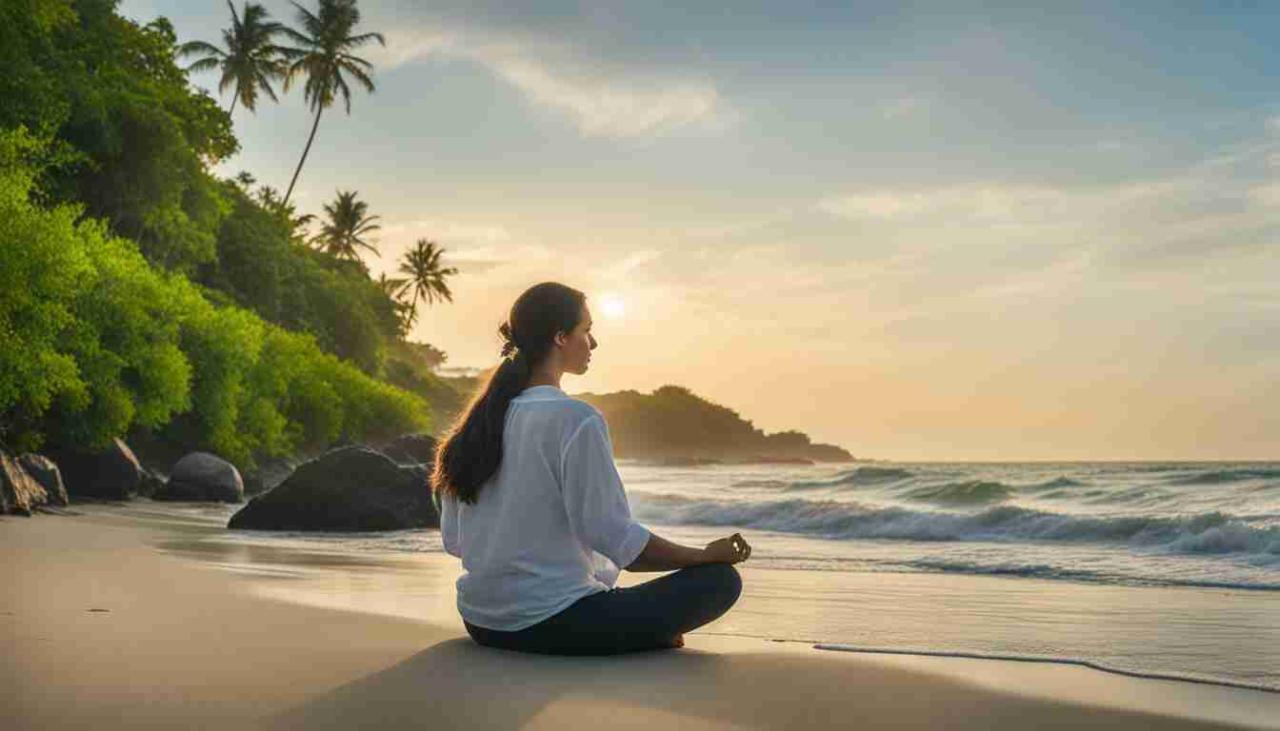
Meditation offers a powerful toolkit for navigating the complex landscape of human emotions. By cultivating awareness and non-judgmental observation, meditation practices can help individuals develop greater resilience and equanimity in the face of challenging feelings. This section explores how meditation can be applied to manage specific emotions, providing practical techniques and strategies for emotional well-being.
Managing Anxiety with Meditation
Anxiety, characterized by excessive worry and fear, can significantly impact daily life. Meditation provides a valuable approach to managing anxiety by calming the nervous system and promoting a sense of inner peace.
- Mindfulness of Breath: Focusing on the breath is a foundational technique for anxiety management. By paying attention to the sensation of each inhale and exhale, individuals can anchor their awareness in the present moment, diverting attention away from anxious thoughts. Regular practice can help reduce the intensity and frequency of anxious feelings.
- Body Scan Meditation: Body scan meditation involves systematically bringing awareness to different parts of the body. This practice can help identify areas of tension associated with anxiety, such as tight shoulders or a racing heart. By acknowledging and accepting these sensations without judgment, individuals can cultivate a sense of relaxation and release.
- Loving-Kindness Meditation: Loving-kindness meditation involves directing feelings of compassion and goodwill towards oneself and others. This practice can help counter the self-critical thoughts often associated with anxiety, fostering a sense of self-acceptance and reducing feelings of isolation. Studies have shown that consistent loving-kindness meditation can decrease anxiety symptoms.
- Progressive Muscle Relaxation: This technique involves tensing and releasing different muscle groups in the body. This process can help individuals become more aware of physical tension and learn to relax their muscles on command, which is beneficial in managing the physical symptoms of anxiety.
Dealing with Anger Through Meditation
Anger, a strong emotion often triggered by perceived injustice or threat, can lead to destructive behaviors if not managed effectively. Meditation offers methods for observing and regulating anger, promoting a more balanced response.
- Observing Anger: The first step in managing anger is to recognize and observe it without judgment. This involves noticing the physical sensations, thoughts, and emotions associated with anger without reacting to them. By observing anger, individuals can create a space between the trigger and their response.
- Mindful Breathing during Anger: When anger arises, returning to the breath can help calm the nervous system. Deep, slow breaths can counteract the physiological effects of anger, such as increased heart rate and rapid breathing. Focusing on the breath can provide a grounding point in the midst of intense emotions.
- Metta (Loving-Kindness) for Anger: Practicing loving-kindness meditation towards oneself and the person or situation causing anger can help soften the emotional response. This practice can help shift perspective and cultivate compassion, thereby reducing the intensity of anger.
- Visualization Techniques: Visualizing a peaceful scene or a calming image can help to soothe the mind and emotions during moments of anger. For example, picturing a serene landscape or a beloved person can offer a sense of tranquility.
Coping with Sadness Using Meditation Practices
Sadness, a natural human emotion, can become overwhelming and debilitating. Meditation provides tools to navigate sadness with greater resilience and self-compassion.
- Acceptance and Non-Judgment: The core principle in dealing with sadness is acceptance. Meditation encourages individuals to acknowledge their sadness without judgment, recognizing that it is a valid and temporary experience. Avoiding resistance to the emotion is crucial.
- Mindfulness of Thoughts and Feelings: Observing the thoughts and feelings associated with sadness without getting carried away by them is a key practice. This allows individuals to understand the nature of their sadness and prevent it from spiraling into deeper despair.
- Self-Compassion Practices: Treating oneself with kindness and understanding during periods of sadness is essential. This involves recognizing that suffering is a shared human experience and offering oneself the same compassion one would offer a friend. Phrases such as, “May I be kind to myself in this moment” can be helpful.
- Gentle Movement and Meditation: Incorporating gentle movement practices, such as walking meditation or gentle yoga, can help release physical tension and promote emotional well-being during times of sadness. The combination of movement and meditation fosters a sense of presence and self-care.
Integrating Meditation into Daily Life

Integrating meditation into daily life is crucial for sustaining the benefits of your practice and cultivating lasting emotional balance. It’s about extending the awareness and equanimity developed during meditation sessions into the everyday challenges and interactions we face. This involves actively applying the principles of mindfulness and present moment awareness in various situations, rather than treating meditation as an isolated activity.
Applying Meditation Principles in Social Interactions
Applying meditation principles to social interactions can significantly improve communication, reduce reactivity, and foster more meaningful relationships. This involves practicing mindful communication, active listening, and responding with compassion.
- Mindful Communication: This involves being aware of your thoughts and emotions before speaking, allowing you to choose your words more carefully and avoid impulsive reactions. For example, before responding to a critical comment, take a moment to breathe and consider your response. This can prevent escalating conflicts and promote understanding.
- Active Listening: Active listening goes beyond simply hearing words; it involves fully focusing on the speaker, understanding their perspective, and responding in a way that demonstrates empathy. This means putting aside your own thoughts and judgments to truly hear what the other person is saying.
- Responding with Compassion: When interacting with others, especially in difficult situations, try to approach the interaction with compassion. This means recognizing that everyone is dealing with their own struggles and that their behavior may be influenced by their experiences. Responding with kindness and understanding, even when challenged, can de-escalate tension and build stronger relationships.
- Setting Boundaries: Meditation can help you become more aware of your own needs and boundaries. Recognizing your limits and communicating them assertively, yet kindly, is essential for maintaining emotional well-being in social settings. This might involve saying no to commitments that overextend you or disengaging from conversations that become draining.
- Managing Conflict: When conflicts arise, bring awareness to your body and breath. This can help you regulate your emotional response and avoid reacting defensively. Instead of immediately responding, take a pause to observe your feelings and choose a more thoughtful response.
Using Meditation to Improve Sleep Quality
Meditation can be a powerful tool for improving sleep quality by calming the mind, reducing stress, and promoting relaxation. Incorporating specific meditation practices into your bedtime routine can significantly enhance your ability to fall asleep and stay asleep.
- Creating a Relaxing Bedtime Routine: Establish a consistent bedtime routine that includes activities that signal to your body that it’s time to sleep. This might include taking a warm bath, reading a book, or listening to calming music. Avoid screen time (phones, tablets, computers) at least an hour before bed, as the blue light emitted from these devices can interfere with sleep.
- Practicing Body Scan Meditation: A body scan meditation involves bringing your awareness to different parts of your body, noticing any tension or discomfort, and gently releasing it. This practice can help you become more aware of physical sensations and promote relaxation.
An example of a body scan practice is as follows: Lie comfortably in bed. Close your eyes and take a few deep breaths.
Begin by bringing your awareness to your toes, noticing any sensations. Then, slowly move your attention up your legs, your torso, your arms, your neck, and finally, your head. With each breath, release any tension you find.
- Guided Meditation for Sleep: Guided meditations specifically designed for sleep can help quiet the mind and promote relaxation. These meditations often involve visualizations, gentle music, and affirmations to help you drift off to sleep. There are numerous apps and online resources that offer guided sleep meditations.
- Mindfulness of Breath: Focusing on your breath is a simple yet effective technique for calming the mind and preparing for sleep. As you lie in bed, simply bring your attention to the sensation of your breath, noticing the rise and fall of your abdomen or the air passing in and out of your nostrils. When your mind wanders, gently bring your attention back to your breath.
- Avoiding Caffeine and Alcohol Before Bed: Both caffeine and alcohol can disrupt sleep patterns. Avoid consuming these substances close to bedtime. Caffeine is a stimulant that can keep you awake, while alcohol can initially make you feel sleepy but can lead to fragmented sleep later in the night.
Creating a Plan for Incorporating Short Meditation Breaks During Work Hours
Incorporating short meditation breaks into your workday can significantly reduce stress, improve focus, and boost productivity. This requires planning and consistency to make it a regular part of your schedule.
- Scheduling Breaks: Schedule short meditation breaks throughout your workday, ideally every two to three hours. These breaks can be as short as 5-10 minutes. Treat these breaks as non-negotiable appointments, just like any other important meeting or task.
- Choosing a Quiet Space: Identify a quiet and comfortable space where you can meditate undisturbed. This might be your office, a break room, or even a quiet corner outside. Ensure you have a place where you can sit comfortably and close your eyes without distractions.
- Types of Meditation for Work: There are several types of meditation that are well-suited for short work breaks:
- Mindfulness of Breath: Focusing on your breath for a few minutes can quickly calm the mind and reduce stress.
- Body Scan: A quick body scan can help release tension that accumulates during the workday.
- Loving-Kindness Meditation: This can help cultivate positive emotions and reduce feelings of stress.
- Setting Reminders: Use reminders on your phone or computer to prompt you to take your meditation breaks. These reminders can serve as a gentle nudge to take a moment for yourself.
- Starting Small: If you’re new to meditation, start with shorter breaks and gradually increase the duration as you become more comfortable. Even a few minutes of meditation can make a significant difference.
- Integrating Movement: Consider incorporating gentle stretching or yoga poses before or after your meditation break. This can help release physical tension and improve circulation.
- Dealing with Interruptions: If you are interrupted during your meditation break, acknowledge the interruption without judgment and gently return to your practice. Don’t let interruptions derail your efforts.
Further Exploration and Resources
The journey of cultivating emotional balance through meditation is ongoing, and the resources available to support this practice are vast. This section offers guidance for those seeking to deepen their understanding and practice, providing a pathway for continuous growth and exploration.
Recommended Books and Websites
Expanding one’s knowledge base through reading and online resources is a crucial step in enhancing a meditation practice. The following list offers some highly regarded resources.
- Books:
- “Wherever You Go, There You Are” by Jon Kabat-Zinn: This book provides a foundational understanding of mindfulness and meditation, making it accessible to beginners. It emphasizes the integration of mindfulness into daily life.
- “Full Catastrophe Living” by Jon Kabat-Zinn: A comprehensive guide to mindfulness-based stress reduction (MBSR), offering detailed instructions and scientific backing for the practice.
- “Mindfulness for Beginners” by Jon Kabat-Zinn: A simplified introduction to mindfulness meditation, perfect for those new to the practice. It focuses on practical exercises and techniques.
- “10% Happier” by Dan Harris: A journalist’s personal journey into meditation, offering a relatable and humorous perspective on the benefits of meditation for stress reduction and emotional well-being.
- “The Mindful Way Through Depression” by Mark Williams, John Teasdale, Zindel Segal, and Jon Kabat-Zinn: This book combines mindfulness practices with cognitive therapy techniques to address and manage depression.
- Websites:
- Mindful.org: Offers articles, guided meditations, and resources for various meditation practices and mindfulness-based approaches.
- UCLA Mindful Awareness Research Center (MARC): Provides guided meditations, research, and information on mindfulness practices.
- Headspace.com: A subscription-based platform offering guided meditations, courses, and tools for mindfulness and meditation.
- InsightTimer.com: A free app with a vast library of guided meditations, music, and talks from various teachers and traditions.
Resources for Finding Meditation Teachers or Groups
Finding a qualified teacher or joining a meditation group can significantly enhance one’s practice by providing guidance, support, and a sense of community.
- Online Directories:
- The Meditation Society of America: Provides a directory of meditation teachers and centers across the United States.
- The International Meditation Teachers Association (IMTA): Offers a directory of certified meditation teachers worldwide.
- Local Centers and Retreats:
- Search for local meditation centers, yoga studios, or Buddhist temples in your area. Many offer introductory classes, workshops, and ongoing group meditation sessions.
- Consider attending a meditation retreat to deepen your practice in a supportive environment. These retreats range in length and intensity, catering to various experience levels.
- Apps and Online Platforms:
- Some meditation apps, like Headspace and Insight Timer, offer live group meditations or allow users to connect with teachers for guidance.
Advanced Meditation Techniques for Further Exploration
Once the foundational techniques are mastered, exploring advanced practices can deepen the experience and further refine emotional regulation skills.
- Loving-Kindness Meditation (Metta): This practice involves cultivating feelings of love, compassion, joy, and equanimity towards oneself and others. It is a powerful tool for reducing self-criticism and fostering positive relationships. The practice typically involves repeating phrases such as “May I be well, may I be happy, may I be peaceful, may I be free from suffering” directed initially towards oneself, then loved ones, neutral individuals, difficult people, and eventually all beings.
- Vipassana Meditation (Insight Meditation): This technique involves observing the breath, body sensations, thoughts, and emotions without judgment. It cultivates a deep awareness of the present moment and can lead to profound insights into the nature of reality. Vipassana retreats, lasting from several days to weeks, are often used to facilitate intensive practice.
- Transcendental Meditation (TM): TM involves using a mantra, a specific sound or word, to quiet the mind. The practice is typically done twice a day for 10-20 minutes. TM is known for its ability to promote deep relaxation and reduce stress.
- Choiceless Awareness: Choiceless awareness involves simply observing all mental phenomena as they arise, without selecting, rejecting, or judging them. This practice cultivates a state of pure awareness and can lead to greater mental clarity.
- Mindfulness of the Elements: This practice involves focusing on the elements of earth, water, fire, air, and space within the body and mind. It can help to cultivate a deeper understanding of the interconnectedness of all things and to develop equanimity in the face of changing conditions.
Final Review
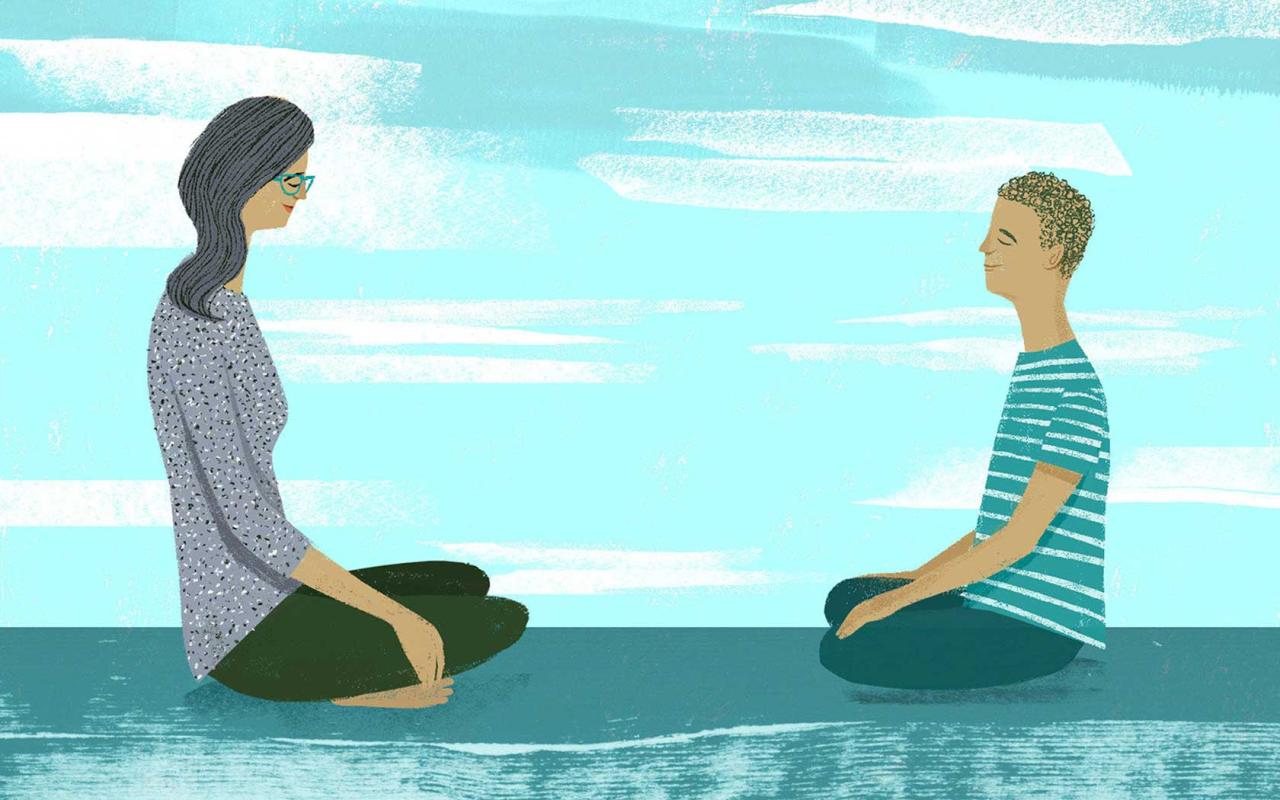
In conclusion, this exploration of How to Meditate for Improving Emotional Balance provides a roadmap for cultivating a more balanced and fulfilling life. By understanding the core principles, practicing the techniques, and integrating mindfulness into our daily routines, we can effectively manage emotions, reduce stress, and foster a deeper sense of inner peace. Embrace the journey, and discover the transformative power of meditation.