How to Meditate for Improving Clarity of Thought delves into the transformative power of meditation, a practice that can unlock mental clarity and enhance your daily life. We’ll explore how this ancient technique, easily accessible to anyone, can sharpen focus, reduce stress, and cultivate a more present and aware state of mind. This journey promises to equip you with the knowledge and tools needed to navigate the complexities of modern life with greater ease and effectiveness.
This guide will provide a comprehensive understanding of meditation, from its fundamental principles to advanced techniques. You’ll learn how meditation affects the brain, the best ways to prepare for a successful session, and how to integrate mindfulness into your everyday routine. We’ll also address common misconceptions and provide practical strategies for overcoming obstacles, ensuring a fulfilling and sustainable meditation practice.
Introduction: Understanding the Link Between Meditation and Mental Clarity

Mental clarity is the ability to think clearly, focus effectively, and make sound decisions. It’s the mental state where your thoughts are organized, your perceptions are sharp, and you can process information efficiently. This state is crucial for navigating daily life, from complex work tasks to simple everyday choices.
Definition of Meditation
Meditation, in its simplest form, is a practice of training your mind to focus and redirect your thoughts. It involves techniques to cultivate a state of mental calmness and emotional stability. This is typically achieved by focusing on a specific object, thought, or activity, such as the breath, a mantra, or a specific sensation.
Effects of Meditation on the Brain and Focus
Meditation has a demonstrable impact on brain structure and function, leading to improved focus and cognitive performance. Regular meditation can bring significant changes, as observed in various studies.
- Increased Gray Matter Density: Research using neuroimaging techniques like MRI has shown that meditation can increase the density of gray matter in brain regions associated with attention, emotional regulation, and self-awareness. For example, studies have found increased gray matter in the prefrontal cortex, which is critical for focus and decision-making.
- Enhanced Connectivity: Meditation also enhances the connectivity between different brain regions. This improved communication can lead to more efficient information processing and better cognitive function.
- Reduced Activity in the Default Mode Network (DMN): The DMN is a network of brain regions active when the mind is wandering. Meditation has been shown to reduce activity in the DMN, which can lead to fewer distractions and improved focus. When the DMN is less active, the mind is less prone to mind-wandering, allowing for better concentration on the present moment.
- Improved Attention Span: Regular meditation practice can increase attention span and improve the ability to focus on tasks. Studies have demonstrated that meditators can sustain attention for longer periods and are less susceptible to distractions.
- Stress Reduction: Meditation is known to reduce stress levels by lowering the production of cortisol, the stress hormone. Lower stress levels contribute to improved mental clarity and focus.
The effects of meditation on the brain are not immediate; they develop with consistent practice. It’s akin to exercising a muscle; the more you practice, the stronger and more resilient it becomes.
Preparing for Meditation
Establishing a conducive environment and routine is paramount to a successful meditation practice. This involves minimizing distractions and cultivating a state of physical and mental readiness. A well-prepared space and a consistent pre-meditation ritual significantly enhance the likelihood of achieving the desired state of focused awareness and mental clarity.
Ideal Environment for Meditation
The environment in which you meditate plays a significant role in your ability to focus and relax. Creating an environment that minimizes distractions is key to a productive meditation session.
- Noise Considerations: Minimize external noise. This could involve closing windows to block street sounds, turning off electronic devices, or using a white noise machine or nature sounds to mask disruptive noises. The goal is to create a sanctuary of silence, allowing your mind to settle.
- Lighting Preferences: Soft, natural light is generally preferred. Avoid harsh, direct light, which can be distracting. If natural light is unavailable, opt for a dimmable lamp to create a calming atmosphere. Some individuals find it helpful to meditate in near darkness, while others prefer some ambient light.
- Temperature and Ventilation: Ensure the room is at a comfortable temperature and well-ventilated. Stuffy or overly cold rooms can be distracting. A comfortable physical environment contributes to a more relaxed mental state.
- Decluttering and Space: Keep the meditation space clean and free of clutter. A tidy environment contributes to a sense of peace and order, indirectly aiding in mental clarity. The space should be dedicated solely to meditation if possible, to reinforce the association.
Comfortable Posture for Meditation
Choosing a comfortable posture is crucial for maintaining focus during meditation. The goal is to find a position that allows you to remain alert without causing physical discomfort.
- Sitting Postures:
- Seated on a Cushion: This is a popular option that promotes proper spinal alignment. You can sit on a meditation cushion (zafu) or a folded blanket. This elevates the hips, allowing the spine to naturally curve and the pelvis to tilt forward.
- Chair Sitting: For those with back issues or who find floor sitting uncomfortable, sitting in a chair is a perfectly acceptable alternative. Ensure your feet are flat on the floor and your back is straight, but not rigid.
- Cross-Legged (Sukhasana): This is a classic pose, but it may not be suitable for everyone. If you choose this pose, ensure your knees are not higher than your hips. Use a cushion under your hips if needed.
- Lying Down (Savasana): Lying down can be a comfortable option, especially for relaxation-focused meditations. However, there’s a higher risk of falling asleep.
- Lie flat on your back with your arms at your sides, palms facing up.
- Ensure your body is relaxed and supported. You can place a pillow under your knees for added comfort.
- Body Type Considerations:
- Flexibility: Individuals with limited flexibility may find certain seated positions challenging. Modify poses as needed, using cushions or supports.
- Back Issues: If you have back problems, prioritize seated postures with good back support, such as a chair or a supported meditation cushion.
- Body Weight: Consider your body weight when selecting a posture. Heavier individuals may find certain seated positions more comfortable with additional support.
- General Guidelines for Posture:
- Keep your spine straight but not stiff.
- Relax your shoulders.
- Gently close your eyes or keep them softly focused on a point in front of you.
- Rest your hands comfortably on your lap or knees.
Pre-Meditation Routine
Establishing a pre-meditation routine helps prepare your body and mind for meditation. This routine should be consistent and performed before each meditation session.
- Gentle Stretching: Perform simple stretches to release physical tension. This can include neck rolls, shoulder stretches, and gentle twists. Holding each stretch for a few breaths can improve flexibility and reduce stiffness.
- Breathing Exercises (Pranayama): Practice breathing exercises to calm the nervous system and focus the mind.
- Deep Breathing: Inhale deeply through your nose, filling your belly with air, and exhale slowly through your mouth.
- Alternate Nostril Breathing (Nadi Shodhana): This technique involves alternately blocking one nostril while inhaling and exhaling through the other. This is believed to balance the energy channels in the body.
- Mindful Movement: Engage in mindful movement, such as walking slowly or performing gentle yoga poses, to bring awareness to your body.
- Setting Intentions: Before you begin, set a clear intention for your meditation session. This can help you focus your mind and direct your practice. For example, you might set an intention to cultivate calmness or to increase self-awareness.
- Consistency and Time: Aim to establish a consistent routine, practicing at the same time each day if possible. Even a few minutes of preparation can make a significant difference.
Meditation Cushion Comparison
Selecting the right meditation cushion is essential for comfortable and effective meditation. The following table compares different types of cushions based on their features, suitability, and typical price ranges.
| Cushion Type | Material | Shape & Features | Pros | Cons | Price Range (USD) |
|---|---|---|---|---|---|
| Zafu (Round Cushion) | Buckwheat hulls, cotton | Round or oval, often with a carrying handle. Adjustable fill for height. | Provides good support for the spine. Encourages proper posture. Widely available. | Buckwheat hulls can shift, requiring occasional adjustment. May not be suitable for all body types. | $30 – $70 |
| Zabuton (Floor Mat) | Cotton, foam | Rectangular mat to place under the zafu, providing cushioning for the ankles and knees. | Adds extra comfort and support. Protects joints from hard surfaces. | Takes up more space. Can be more expensive when purchased with a zafu. | $40 – $100 |
| Bench | Wood, cushioned | Angled bench that supports the knees and allows for a more upright posture. | Ideal for those with back or knee issues. Promotes good posture. | Can be less comfortable for some. May require getting used to. | $50 – $150 |
| Hybrid Cushion (Zafu/Zabuton Combo) | Various | Combination of a zafu and zabuton, often sold as a set. | Offers comprehensive support and comfort. Convenient. | Can be bulkier and take up more storage space. | $70 – $200 |
Foundational Meditation Techniques for Clarity
Now that we’ve established the link between meditation and mental clarity, and prepared for the practice, let’s delve into specific techniques you can use to cultivate a clearer mind. These foundational methods provide the building blocks for a consistent and effective meditation practice, helping you to sharpen focus, reduce mental clutter, and enhance overall cognitive function. Consistent practice with these techniques will allow you to build a strong foundation for deeper exploration of meditation and its benefits.
Mindfulness Meditation: Cultivating Present-Moment Awareness
Mindfulness meditation is the cornerstone of many meditation practices. It focuses on cultivating a non-judgmental awareness of the present moment. This involves paying attention to your thoughts, feelings, bodily sensations, and the surrounding environment without getting carried away by them. By observing these experiences as they arise and pass, you begin to detach from mental chatter and develop a greater sense of presence.
- The core principle is to bring your attention back to the present moment whenever your mind wanders. This “returning” is the practice.
- You’re not trying to empty your mind; rather, you’re training yourself to notice thoughts and feelings without getting caught up in them. This awareness reduces reactivity and improves emotional regulation.
- Mindfulness can be applied to any activity, not just formal meditation sessions. Eating, walking, or even washing dishes can become opportunities for mindful practice.
Breath Awareness Meditation: A Step-by-Step Guide
Breath awareness meditation is a simple yet powerful technique that uses the breath as an anchor for your attention. The breath is always available, providing a constant point of focus, making it an excellent starting point for beginners. This technique can calm the nervous system and reduce stress, paving the way for greater mental clarity.
- Find a comfortable position: Sit upright, either on a cushion or chair, with your back straight but not stiff. You can close your eyes or gently lower your gaze.
- Bring your attention to your breath: Notice the sensation of the breath as it enters and leaves your body. Focus on the feeling of the air moving in and out of your nostrils, the rise and fall of your abdomen, or any other sensation that captures your attention.
- Observe the breath without judgment: Allow the breath to flow naturally. Don’t try to control it or change its rhythm. Simply observe.
- When your mind wanders, gently redirect your attention: It’s natural for your mind to wander. When you notice your thoughts drifting, acknowledge them without judgment and gently bring your attention back to your breath. This is the core practice.
- Practice for a set period: Start with 5-10 minutes and gradually increase the duration as you become more comfortable. Regular practice is key.
Body Scan Meditation: Identifying and Releasing Tension
Body scan meditation involves systematically bringing your attention to different parts of your body, noticing any sensations present. This practice can help you identify areas of tension and release it, promoting relaxation and increased body awareness. It’s a valuable tool for reducing stress and improving mental clarity, as physical tension often correlates with mental clutter.
- Find a comfortable position: Lie down on your back, with your arms at your sides and your legs slightly apart. You can close your eyes.
- Begin with your toes: Bring your attention to the toes of your left foot. Notice any sensations – warmth, tingling, pressure, or nothing at all.
- Move systematically through your body: Slowly move your attention up your left foot, then to your left ankle, calf, knee, thigh, and hip. Then, repeat the process on your right leg.
- Continue to scan the body: Move your attention to your pelvis, abdomen, lower back, chest, upper back, shoulders, arms, hands, neck, and head.
- Notice any areas of tension: When you encounter an area of tension, simply acknowledge it. You can imagine your breath flowing into that area, softening and releasing the tension.
- Release and relax: After scanning the entire body, take a few moments to feel the overall sense of relaxation.
Common Obstacles and Ways to Overcome Them During Meditation
Meditation, like any new skill, presents challenges. Understanding these common obstacles and developing strategies to navigate them is crucial for a successful practice. These challenges are a normal part of the process, and learning to manage them will strengthen your ability to meditate effectively and experience its benefits.
- Mind Wandering: The mind will naturally wander. When you notice your mind has wandered, gently redirect your attention back to your chosen anchor (breath, body sensations, etc.). Avoid getting frustrated; this is the practice.
- Restlessness and Agitation: If you find yourself feeling restless, try adjusting your posture or taking a few deep breaths. Acknowledge the feeling without judgment. If restlessness persists, consider shortening your meditation session or practicing in a different environment.
- Drowsiness: If you feel sleepy, sit upright, open your eyes slightly, or meditate at a time when you are more alert.
- Physical Discomfort: Adjust your posture as needed. Use a cushion or chair for support. If discomfort persists, take a short break and gently stretch.
- Negative Thoughts and Emotions: Acknowledge these thoughts and emotions without getting carried away by them. Observe them as passing phenomena and gently redirect your attention back to your chosen anchor.
Advanced Meditation Techniques for Enhancing Thought Clarity

Building upon foundational practices, advanced meditation techniques offer deeper avenues for cultivating mental clarity. These methods delve into specific aspects of mental training, providing tools to manage the complexities of thought and enhance focus in daily life. Regular practice of these advanced techniques can lead to profound shifts in awareness, emotional regulation, and cognitive function.
Mantra Meditation for Quieting the Mind and Improving Focus
Mantra meditation involves the repetition of a word, phrase, or sound to quiet the mind and direct attention. The consistent repetition of a mantra acts as an anchor, preventing the mind from wandering and reducing mental chatter. This practice fosters a state of focused awareness, which can significantly improve cognitive performance.To practice mantra meditation, find a comfortable seated position and close your eyes.
Silently repeat your chosen mantra, focusing on the sound or the feeling of the words. When your mind wanders, gently redirect your attention back to the mantra. The mantra can be anything that resonates with you, from a simple word like “peace” or “calm” to a more complex phrase. Choose a mantra that feels meaningful and inspiring. Practice for 10-20 minutes daily for optimal results.
Loving-Kindness Meditation and Its Impact on Thought Patterns
Loving-kindness meditation, also known as metta meditation, cultivates feelings of love, compassion, and kindness towards oneself and others. This practice involves directing well-wishes towards yourself, loved ones, neutral individuals, difficult people, and eventually, all beings. The process actively reframes negative thought patterns, promoting emotional resilience and reducing stress.The practice starts with directing loving-kindness towards oneself, repeating phrases such as:
“May I be well. May I be happy. May I be peaceful. May I be free from suffering.”
Subsequently, the same phrases are directed towards loved ones, followed by neutral individuals, difficult people, and finally, all beings. Regular practice of loving-kindness meditation can lead to increased feelings of empathy, reduced anger, and improved relationships. Studies have shown that loving-kindness meditation can alter brain activity, increasing activity in areas associated with empathy and social connection.
Incorporating Walking Meditation into Daily Routines
Walking meditation integrates mindfulness into the act of walking, allowing practitioners to cultivate presence and awareness of the body and surroundings. This practice is easily integrated into daily routines, providing opportunities for mindful breaks throughout the day.To practice walking meditation, begin by finding a quiet space where you can walk comfortably. Stand upright, and take a few deep breaths to center yourself.
Focus on the sensations of walking: the feeling of your feet making contact with the ground, the movement of your legs and arms, and the air on your skin. Walk at a slow, steady pace, paying attention to each step. If your mind wanders, gently bring your attention back to the sensations of walking. Start with 5-10 minutes of walking meditation and gradually increase the duration as you become more comfortable.
Consider using walking meditation during your commute, a walk in nature, or even a short stroll around your home.
Different Types of Guided Meditations and Their Benefits
Guided meditations involve a facilitator leading participants through a specific meditation practice. These can be particularly beneficial for beginners, as they provide structure and guidance. Various types of guided meditations cater to different needs and preferences.
- Body Scan Meditation: This type of meditation involves bringing awareness to different parts of the body, noticing sensations without judgment. It can reduce physical tension, increase body awareness, and promote relaxation.
- Visualization Meditation: This practice involves creating mental images, often focusing on positive scenarios or desired outcomes. Visualization can enhance creativity, reduce anxiety, and improve goal attainment. An example would be visualizing oneself successfully completing a task.
- Breath Awareness Meditation: This technique focuses on the breath as an anchor for attention. It can calm the nervous system, improve focus, and reduce stress.
- Mantra-Based Guided Meditation: This combines the benefits of mantra meditation with the guidance of a facilitator. It helps to quiet the mind, improve focus, and cultivate positive affirmations.
- Mindfulness Meditation: Guided mindfulness meditation encourages awareness of the present moment, including thoughts, feelings, and sensations, without judgment. It promotes emotional regulation, reduces reactivity, and cultivates a sense of inner peace.
Practical Application: Integrating Meditation into Daily Life
The true power of meditation for enhancing clarity of thought lies not just in the practice itself, but in its integration into the rhythm of daily life. This section focuses on practical strategies to seamlessly incorporate meditation into a busy schedule, maintain consistency, manage distractions, and track progress, ultimately optimizing the benefits of the practice.
Identifying Time Slots for Meditation
Finding time for meditation can seem challenging, but with a little planning, it can become a regular part of your day. The key is to identify specific time slots that align with your personal schedule and energy levels.
- Morning Meditation: Starting the day with meditation can set a positive tone, promoting mental clarity and focus for the tasks ahead. Consider meditating immediately after waking up, before checking emails or engaging in other activities. A 10-15 minute session can be highly effective.
- Lunch Break Meditation: The midday slump can be a perfect opportunity for a brief meditation session. A 5-10 minute practice can help refresh your mind and improve concentration for the afternoon. This can be done at your desk, in a quiet room, or even outside if the weather permits.
- Evening Meditation: Before or after dinner, meditation can help to unwind after a long day, reduce stress, and improve sleep quality. This can also serve as a way to process the day’s events and promote a sense of calm. Aim for 15-20 minutes.
- Commuting Meditation: If you use public transport, use the time for mindful breathing exercises or guided meditations. This can transform your commute into a valuable opportunity for self-reflection.
- Micro-Meditations: Even short bursts of mindfulness, lasting just a few minutes, can be incredibly beneficial. Integrate these throughout the day – while waiting for coffee to brew, during a short break at work, or while standing in line.
Maintaining a Consistent Meditation Practice
Consistency is crucial for reaping the long-term benefits of meditation. Establishing a routine and sticking to it, even when life gets hectic, is essential.
- Set Realistic Goals: Start with short meditation sessions (e.g., 5-10 minutes) and gradually increase the duration as you become more comfortable. Overly ambitious goals can lead to discouragement.
- Establish a Routine: Schedule meditation into your calendar, just like any other important appointment. Treat it as non-negotiable.
- Create a Dedicated Space: Designate a quiet and comfortable space where you can meditate without distractions. This could be a specific corner of a room or a dedicated meditation cushion.
- Find a Meditation Buddy: Meditating with a friend or family member can provide accountability and support. You can encourage each other to stay consistent.
- Use Technology Wisely: Utilize meditation apps or online resources to guide your practice and track your progress. However, be mindful of screen time and avoid using technology immediately before bed.
- Be Patient and Kind to Yourself: There will be days when you miss a session or struggle to focus. Don’t get discouraged. Simply acknowledge it and get back on track as soon as possible.
Handling Distractions During Meditation
Distractions are inevitable during meditation. The key is not to eliminate them entirely, but to develop the ability to observe them without getting carried away.
- Acknowledge and Accept Distractions: When a thought or sensation arises, simply acknowledge it without judgment. Label it as “thinking,” “a sound,” or “a sensation” and gently redirect your attention back to your breath or chosen focus.
- Use Anchors: Return your focus to a chosen anchor, such as your breath, a mantra, or a visual object. Whenever your mind wanders, gently bring your attention back to your anchor.
- Change Your Posture: If physical discomfort is a distraction, adjust your posture. Sit comfortably, with your spine straight but not rigid.
- Address External Distractions: If possible, minimize external distractions by turning off your phone, closing the door, or informing others that you need quiet time.
- Practice Non-Attachment: Understand that thoughts and sensations are temporary. They will come and go. Don’t cling to them or try to push them away.
- Progressive Approach: Start by meditating in a quiet environment. Gradually, as you become more experienced, you can practice in environments with more background noise or activity.
Tracking Progress and Adjusting the Meditation Practice
Tracking your progress helps you to stay motivated, identify areas for improvement, and adjust your meditation practice to maximize its effectiveness.
- Keep a Meditation Journal: After each session, jot down notes about your experience. What thoughts or emotions arose? How focused were you? How did you feel afterward? This can provide valuable insights into your practice.
- Use a Meditation App: Many apps offer tracking features, allowing you to monitor your meditation time, number of sessions, and other metrics.
- Assess Your Clarity of Thought: Regularly evaluate your mental clarity. Do you feel more focused at work? Are you making decisions more easily? Are you less prone to mind-wandering?
- Adjust Your Practice as Needed: If you’re struggling with a particular technique or experiencing a plateau, consider trying a different meditation style, adjusting the duration of your sessions, or seeking guidance from a meditation teacher.
- Be Patient and Persistent: Progress in meditation is not always linear. There will be ups and downs. The key is to remain patient, persistent, and committed to the practice.
- Regular Self-Reflection: Take time periodically (e.g., monthly or quarterly) to review your progress, identify any challenges, and celebrate your achievements. This can help you to stay motivated and make necessary adjustments to your practice.
Addressing Common Concerns and Misconceptions

Meditation, while increasingly popular, is often shrouded in misunderstandings. These misconceptions can deter individuals from exploring its benefits. This section aims to dispel these myths and provide clarity on the practice, offering practical strategies to overcome common challenges.
Common Myths About Meditation
Many misconceptions exist about what meditation entails. Understanding these can help individuals approach the practice with realistic expectations and avoid discouragement.
- The Myth of the Empty Mind: A pervasive myth is that meditation requires a completely blank mind. This is unrealistic and often leads to frustration. The goal isn’t to eliminate thoughts, but rather to observe them without judgment. Thoughts will arise; the practice involves gently redirecting your attention back to your chosen focus, such as your breath, each time this happens. This is the core skill of meditation, training the mind to be less reactive.
- Meditation is Only for Certain Types of People: Another common misconception is that meditation is only suitable for those with specific personalities or beliefs. Meditation is a universal practice, adaptable to anyone regardless of age, background, or belief system. The benefits, such as reduced stress and improved focus, are available to everyone.
- Meditation is Difficult and Takes Years to Master: While consistent practice deepens the experience, the fundamental techniques are accessible to anyone. Even short daily sessions can yield noticeable benefits. The perceived difficulty often stems from unrealistic expectations or comparing oneself to others.
- Meditation Requires a Specific Environment: While a quiet space can be helpful, meditation can be practiced almost anywhere. It’s possible to meditate while sitting on a bus, waiting in line, or even during a short break at work. The key is to cultivate awareness regardless of the surrounding environment.
Dealing with Racing Thoughts During Meditation
Racing thoughts are a common experience during meditation, especially for beginners. Learning to manage these thoughts is a crucial part of the practice.
When the mind wanders, it’s important to approach the experience with kindness and patience. Acknowledge the thought without judgment, then gently guide your attention back to your chosen focus. This could be your breath, a mantra, or a visual object. It’s helpful to view thoughts as clouds passing in the sky – observing them without getting carried away.
Several strategies can help manage racing thoughts:
- Focus on the Breath: The breath provides a readily available and consistent anchor. Each time your mind wanders, bring your attention back to the sensation of breathing.
- Use a Mantra: Repeating a word or phrase can help to quiet the mind. Choose a mantra that resonates with you, such as “calm,” “peace,” or “I am present.”
- Body Scan Meditation: This involves bringing awareness to different parts of the body. It helps to ground you in the present moment and reduces mental chatter.
- Acceptance: Recognize that thoughts are natural and inevitable. Avoid getting caught up in judging your thoughts. Instead, simply observe them.
- Regular Practice: The more you meditate, the easier it becomes to manage racing thoughts. Consistency is key.
Comparing Meditation with Other Relaxation Techniques
Meditation is often confused with other relaxation techniques. While these techniques share the common goal of reducing stress, they differ in their approach and long-term effects.
Other relaxation techniques include progressive muscle relaxation, deep breathing exercises, and guided imagery. These techniques can be beneficial for immediate stress relief, but meditation offers additional benefits that extend beyond relaxation.
Here’s a comparison:
| Technique | Primary Focus | Benefits | Key Difference |
|---|---|---|---|
| Meditation | Cultivating awareness and mental clarity. | Reduced stress, improved focus, emotional regulation, self-awareness. | Develops the ability to observe thoughts and emotions without judgment, leading to deeper self-understanding. |
| Deep Breathing Exercises | Slowing down the breath. | Immediate stress relief, reduced heart rate, improved oxygenation. | Focuses on physiological responses. |
| Progressive Muscle Relaxation | Tensing and releasing different muscle groups. | Physical relaxation, reduced muscle tension. | Focuses on physical sensations. |
| Guided Imagery | Creating calming mental images. | Reduced anxiety, improved mood. | Focuses on mental visualization. |
Advice from a Meditation Teacher
“Daily meditation is like tending a garden. Initially, weeds (distractions) will grow, but with consistent effort, you learn to gently remove them and cultivate a beautiful, thriving landscape (a clear mind). Regular practice doesn’t just offer fleeting moments of calm; it fundamentally reshapes your relationship with your thoughts and emotions. Over time, you’ll notice increased resilience to stress, improved focus, and a greater sense of inner peace. The benefits compound with each session, transforming not just your mental state, but also your overall well-being.”
The Science Behind Meditation and Clarity
Meditation’s impact on mental clarity is not merely anecdotal; it’s supported by a growing body of scientific evidence that illuminates the physiological and neurological changes that occur during practice. Understanding these changes provides a deeper appreciation for how meditation enhances cognitive function and improves overall mental well-being.
Brainwave Activity During Meditation
Meditation demonstrably alters brainwave patterns, offering insights into the mechanisms by which it enhances mental clarity. These brainwaves are categorized based on their frequency, each associated with different states of consciousness.
- Alpha Waves: Alpha waves, with a frequency range of 8-12 Hz, are typically dominant during relaxed, wakeful states, such as when the eyes are closed or during light meditation. Increased alpha wave activity is associated with reduced stress, improved mood, and enhanced creativity. Meditation promotes alpha wave production, fostering a state of calm and focused awareness.
- Beta Waves: Beta waves (12-30 Hz) are associated with active thinking, problem-solving, and focused attention. While necessary for daily tasks, excessive beta activity can contribute to anxiety and mental fatigue. Meditation helps to regulate beta wave activity, preventing overstimulation and promoting a more balanced state of mental alertness.
- Theta Waves: Theta waves (4-8 Hz) are more prominent during states of deep relaxation, meditation, and sleep. They are linked to increased intuition, creativity, and emotional processing. Meditation can increase theta wave activity, facilitating a deeper level of introspection and self-awareness.
Impact on the Prefrontal Cortex
The prefrontal cortex (PFC), located at the front of the brain, plays a crucial role in executive functions, including attention, decision-making, working memory, and impulse control. Meditation significantly impacts the PFC, leading to improvements in these cognitive domains.
- Increased Gray Matter: Studies have shown that regular meditation can increase gray matter density in the PFC. Gray matter is composed of neuronal cell bodies, and increased density suggests enhanced neural connections and improved cognitive processing.
- Enhanced Connectivity: Meditation promotes stronger connections between different regions of the PFC and other brain areas, such as the amygdala (responsible for emotional processing). This enhanced connectivity facilitates better emotional regulation and improved cognitive control.
- Improved Attention Span: Meditation training has been shown to improve sustained attention and reduce mind-wandering. This is largely attributed to the PFC’s ability to regulate attention and filter out distractions, making meditation a powerful tool for enhancing focus.
Physiological Changes During Meditation
Beyond the neurological effects, meditation also triggers several physiological changes that contribute to mental clarity and overall well-being. These changes are indicative of the body’s relaxation response, the opposite of the stress response.
- Reduced Heart Rate: Meditation typically leads to a decrease in heart rate, indicating a reduction in the body’s stress response. This can improve cardiovascular health and promote a sense of calm.
- Lowered Blood Pressure: Studies have demonstrated that regular meditation can lower blood pressure, which is beneficial for overall health and reduces the risk of cardiovascular diseases.
- Decreased Cortisol Levels: Cortisol is a stress hormone. Meditation has been shown to lower cortisol levels, reducing feelings of anxiety and promoting a sense of well-being.
- Increased Skin Conductance: Skin conductance measures the activity of the sweat glands, which are part of the sympathetic nervous system. Meditation often results in increased skin conductance, indicating a heightened state of awareness and focus.
Illustration: The Brain and Meditation’s Impact
Imagine a detailed, color-coded illustration of the human brain. The prefrontal cortex, highlighted in a vibrant blue, is clearly labeled and depicted as a prominent area. Surrounding the prefrontal cortex are other key areas, each in a different color, such as the amygdala (red), the hippocampus (green), and the parietal lobe (yellow). Arrows are strategically placed, illustrating the impact of meditation on these areas.
- Prefrontal Cortex (Blue): The arrows show increased gray matter density and enhanced connectivity. The prefrontal cortex is also shown as having increased activity and efficiency, represented by brighter hues and clearer pathways.
- Amygdala (Red): The arrows indicate a reduction in activity, signifying decreased emotional reactivity and improved emotional regulation.
- Hippocampus (Green): The arrows indicate an increase in volume and connectivity, associated with improved memory and learning.
- Overall Brain Activity: The illustration also depicts the overall brainwave patterns, showing a shift towards increased alpha and theta wave activity, visualized as subtle waves of light emanating from the brain. The illustration uses these visual cues to represent the physiological changes that occur during meditation.
Cultivating a Mindful Lifestyle for Sustained Clarity
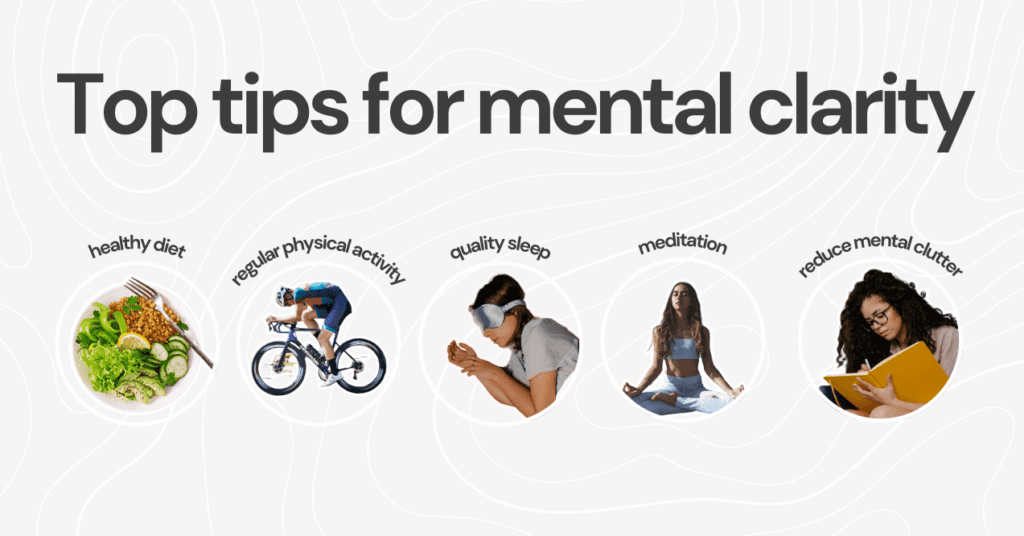
Living a mindful lifestyle is crucial for sustaining mental clarity. It involves integrating awareness into various aspects of daily life, from the food we eat to the way we move and rest. This conscious approach fosters a deeper connection with ourselves and our environment, ultimately promoting a clearer and more focused mind.
Practicing Mindful Eating
Mindful eating enhances awareness of food and its impact on the body and mind. It moves beyond simply consuming meals to engaging all senses in the experience.To practice mindful eating, begin by minimizing distractions such as television or phones. Before eating, take a moment to observe the food – its colors, textures, and aroma. Then, slowly and deliberately savor each bite, paying attention to the flavors and sensations.
Notice the textures, the temperature, and the changes in taste as you chew. Pay attention to your body’s signals of hunger and fullness. This practice helps to prevent overeating and fosters a healthier relationship with food. For example, research published in the
Journal of the American Dietetic Association* indicates that mindful eating can lead to reduced binge eating and improved weight management.
Incorporating Mindful Movement
Mindful movement, such as yoga or Tai Chi, is a powerful way to cultivate mental clarity and improve physical well-being. These practices combine physical postures, controlled breathing, and focused attention, creating a holistic approach to mindfulness.Yoga, for instance, involves holding various poses (asanas) while maintaining awareness of the breath and body sensations. Tai Chi, a gentle form of martial arts, focuses on slow, flowing movements coordinated with deep breathing.
Both practices help to reduce stress, improve focus, and enhance body awareness. Incorporating mindful movement into daily routines can be as simple as taking a few minutes each day to stretch, practice deep breathing, or follow a guided yoga session. This consistent practice can significantly enhance mental clarity and promote a sense of calm. For instance, a study published in
Psychology Today* found that regular yoga practice increased focus and attention in participants.
The Role of Sleep and Its Connection to Mental Clarity
Sleep plays a vital role in maintaining mental clarity. During sleep, the brain consolidates memories, processes information, and removes toxins. Insufficient or poor-quality sleep can impair cognitive functions, including attention, memory, and decision-making.Adequate sleep allows the brain to function optimally, leading to improved focus, concentration, and overall mental clarity. The National Sleep Foundation recommends that adults get between seven and nine hours of sleep per night for optimal cognitive performance.
Establishing a regular sleep schedule, creating a relaxing bedtime routine, and ensuring a comfortable sleep environment can significantly improve sleep quality and, consequently, mental clarity. Chronic sleep deprivation can lead to significant cognitive decline. Research published in the journal
Sleep* has demonstrated a direct correlation between sleep duration and cognitive performance, with insufficient sleep associated with decreased alertness and impaired executive functions.
Strategies for Incorporating Mindfulness into Work
Integrating mindfulness into the workplace can enhance focus, reduce stress, and improve overall productivity. Here are strategies for incorporating mindfulness into work:
- Mindful Breaks: Take short, regular breaks throughout the day to practice mindfulness. This could involve a few minutes of deep breathing, a short walk, or simply focusing on the present moment. For example, a 2019 study by the University of California, Santa Barbara found that taking short breaks, even as brief as a few minutes, helped employees to feel more refreshed and better able to concentrate on their tasks.
- Mindful Communication: Practice mindful communication by actively listening to colleagues, responding thoughtfully, and avoiding multitasking during conversations.
- Mindful Task Management: Approach tasks with focused attention, minimizing distractions and setting realistic goals. Prioritize tasks and focus on one activity at a time to enhance concentration and productivity.
Last Recap
In conclusion, mastering How to Meditate for Improving Clarity of Thought is a journey of self-discovery and empowerment. By understanding the science, embracing various techniques, and integrating mindfulness into your daily life, you can unlock a profound sense of mental clarity and well-being. Embrace the practice, be patient with yourself, and witness the remarkable transformation that meditation can bring. Remember, the path to a clearer mind begins with a single breath.