Embarking on a journey of self-discovery, this guide, “How to Meditate for Developing Emotional Maturity,” offers a comprehensive exploration of the profound connection between meditation and emotional well-being. We delve into the core characteristics of emotional maturity, examining behaviors that exemplify it and contrasting them with those that hinder it. This introduction sets the stage for understanding the transformative power of meditation in cultivating self-awareness and fostering emotional regulation, leading to enhanced personal and professional relationships.
This guide will provide a structured approach, from establishing a conducive meditation space and learning fundamental techniques to navigating common challenges and embracing advanced practices. We will explore practical methods for integrating mindfulness into daily life and evaluating progress, equipping you with the tools to nurture emotional resilience and navigate life’s complexities with grace and understanding. Real-world examples and actionable strategies will empower you to embark on your path towards emotional maturity.
Understanding Emotional Maturity
Emotional maturity is a crucial aspect of personal development, impacting our ability to navigate life’s challenges and build meaningful relationships. It’s not simply about age; it’s a process of learning and growth that allows us to manage our emotions effectively, respond thoughtfully to situations, and understand ourselves and others with greater clarity. Cultivating emotional maturity leads to a more fulfilling and resilient life.
Core Characteristics of an Emotionally Mature Individual
Emotionally mature individuals possess a set of key characteristics that define their approach to life and interactions. These characteristics are developed over time and contribute to their ability to handle stress, build strong relationships, and make sound decisions.
- Self-Awareness: Emotionally mature individuals have a strong understanding of their own emotions, strengths, weaknesses, values, and motivations. They can identify their feelings as they arise and understand how these feelings influence their thoughts and behaviors. For example, a person experiencing anger might recognize the underlying trigger, such as feeling disrespected, rather than simply reacting impulsively.
- Self-Regulation: This involves the ability to manage and control one’s emotions and impulses. Emotionally mature people can remain calm under pressure, avoid impulsive reactions, and think clearly even when facing difficult situations. This doesn’t mean suppressing emotions, but rather responding in a thoughtful and constructive manner.
- Empathy: The capacity to understand and share the feelings of others is a cornerstone of emotional maturity. Emotionally mature individuals can see situations from other people’s perspectives, recognize their emotions, and respond with compassion and understanding. This facilitates stronger relationships and effective communication.
- Social Skills: Emotionally mature individuals possess strong interpersonal skills, including effective communication, active listening, and conflict resolution abilities. They can build and maintain healthy relationships, navigate social situations with ease, and adapt their communication style to different audiences.
- Responsibility: Taking ownership of one’s actions, accepting responsibility for mistakes, and learning from experiences are hallmarks of emotional maturity. These individuals understand that they are accountable for their choices and strive to act in ways that align with their values. They don’t blame others for their problems but instead focus on finding solutions.
- Resilience: The ability to bounce back from adversity is a crucial aspect of emotional maturity. Emotionally mature individuals are able to cope with stress, setbacks, and challenges in a healthy way. They learn from their experiences and use them to grow and develop.
Behaviors that Demonstrate Emotional Immaturity
In contrast to emotionally mature individuals, those who exhibit emotional immaturity often display specific behaviors that can negatively impact their relationships and overall well-being. Recognizing these behaviors is the first step towards addressing them and fostering personal growth.
- Difficulty Managing Emotions: This can manifest as frequent mood swings, excessive anger, anxiety, or sadness. Individuals struggling with emotional regulation may have difficulty calming down after a stressful event and might react impulsively.
- Blaming Others: Emotionally immature individuals often avoid taking responsibility for their actions and instead blame others for their problems or mistakes. They may struggle to acknowledge their own role in conflicts.
- Poor Communication Skills: This can include being unable to express feelings effectively, engaging in passive-aggressive behavior, or using harsh or accusatory language. They might also struggle with active listening and understanding the perspectives of others.
- Difficulty with Boundaries: Emotionally immature people may have trouble setting and maintaining healthy boundaries in relationships. They might become overly dependent on others, be overly controlling, or have difficulty respecting the boundaries of others.
- Impulsivity: Making decisions without considering the consequences is a common sign of emotional immaturity. This can lead to reckless behavior, poor choices, and difficulty achieving long-term goals.
- Need for External Validation: Individuals who are emotionally immature often rely heavily on the approval of others to feel good about themselves. They might be overly concerned with what others think of them and struggle to maintain a strong sense of self-worth.
Benefits of Emotional Maturity in Personal and Professional Relationships
Cultivating emotional maturity offers significant advantages in both personal and professional contexts. These benefits enhance the quality of our relationships and contribute to overall well-being and success.
- Stronger Relationships: Emotionally mature individuals are better equipped to build and maintain healthy relationships. Their ability to communicate effectively, empathize with others, and resolve conflicts constructively fosters deeper connections and mutual respect.
- Improved Communication: Emotionally mature people are skilled communicators. They can express their needs and feelings clearly, listen actively to others, and engage in constructive dialogue, which helps prevent misunderstandings and strengthens relationships.
- Enhanced Conflict Resolution: Emotionally mature individuals approach conflicts with a focus on finding solutions rather than assigning blame. They are able to remain calm, listen to all sides of an issue, and work towards mutually beneficial outcomes.
- Increased Resilience: Emotionally mature people are better able to cope with stress, setbacks, and challenges. They possess a strong sense of self and are able to bounce back from adversity, which contributes to greater overall well-being.
- Greater Professional Success: In the workplace, emotional maturity is a valuable asset. It leads to better teamwork, improved leadership skills, and enhanced ability to navigate complex situations. Emotionally mature individuals are more likely to be seen as reliable, trustworthy, and capable. For example, a study by the Center for Creative Leadership found that emotional intelligence, a key component of emotional maturity, is a significant predictor of leadership success.
- Improved Mental and Physical Health: Managing emotions effectively can significantly reduce stress and improve overall mental and physical health. Emotionally mature individuals are less likely to experience chronic stress, anxiety, and depression.
The Connection Between Meditation and Emotional Maturity

Meditation, at its core, is a practice of training the mind to focus and redirect thoughts. This practice offers a powerful pathway to developing emotional maturity. By consistently engaging in meditation, individuals can cultivate a deeper understanding of their inner world, leading to enhanced emotional regulation and resilience. The connection between meditation and emotional maturity is multifaceted, influencing various aspects of emotional processing and response.
Cultivating Self-Awareness Through Meditation
Self-awareness is a fundamental component of emotional maturity. It involves recognizing and understanding one’s emotions, thoughts, and behaviors. Meditation serves as a powerful tool for cultivating this crucial skill.Through regular meditation practice, individuals learn to observe their thoughts and feelings without judgment. This non-judgmental observation allows for a clearer understanding of emotional patterns and triggers. The ability to step back and witness one’s inner experiences, rather than being consumed by them, is a hallmark of self-awareness.
- Mindfulness of Thoughts: Meditation encourages the observation of thoughts as they arise and pass. This helps individuals recognize the difference between thoughts and reality, reducing the tendency to identify with negative or unhelpful thought patterns. This practice is similar to watching clouds drift across the sky; the meditator observes the thoughts without getting swept away by them.
- Body Scan Meditation: Techniques like body scan meditation involve bringing awareness to different parts of the body. This practice enhances the ability to notice physical sensations associated with emotions, such as a racing heart during anxiety or muscle tension during stress. This connection between the body and emotional state provides valuable information for understanding and managing emotional responses.
- Breath Awareness: Focusing on the breath is a common meditation technique. By paying attention to the breath, individuals learn to stay present in the moment, reducing mind-wandering and promoting self-awareness. When the mind wanders, the meditator gently brings their attention back to the breath, strengthening the ability to focus and be present.
Influencing Emotional Regulation with Meditation
Emotional regulation is the ability to manage and modulate emotional responses. Meditation provides effective strategies for improving this skill. Regular meditation practice strengthens the prefrontal cortex, the area of the brain associated with emotional regulation.Meditation helps individuals respond to emotional triggers in a more balanced and measured way. Instead of reacting impulsively, meditators can cultivate a pause, allowing for a more thoughtful and considered response.
This ability to regulate emotions is crucial for navigating challenging situations and maintaining healthy relationships.
- Impulse Control: Meditation cultivates a sense of inner stillness and calm, reducing the tendency to act on impulsive emotional reactions. This is particularly helpful in situations that trigger anger or frustration. The meditator develops a greater capacity to resist the urge to react immediately and instead chooses a more appropriate response.
- Emotional Acceptance: Meditation promotes the acceptance of emotions, even unpleasant ones. Instead of fighting or suppressing difficult feelings, meditators learn to acknowledge and experience them without judgment. This acceptance can significantly reduce the intensity of negative emotions.
- Cognitive Reappraisal: Meditation can facilitate cognitive reappraisal, a technique for changing the way one thinks about a situation to alter its emotional impact. For example, if someone experiences a setback at work, they might use meditation to reframe the situation as an opportunity for growth rather than a personal failure.
Managing Stress and Anxiety Through Meditation
Stress and anxiety are common challenges that can significantly impact emotional well-being. Meditation provides effective tools for managing these conditions. By calming the nervous system and promoting a sense of inner peace, meditation can reduce the physiological and psychological symptoms of stress and anxiety.The practice of meditation triggers the relaxation response, a physiological state characterized by decreased heart rate, lower blood pressure, and reduced levels of stress hormones like cortisol.
This relaxation response counteracts the fight-or-flight response, helping individuals to feel calmer and more centered.
- Reducing Cortisol Levels: Studies have shown that regular meditation can lower cortisol levels, the primary stress hormone. This reduction in cortisol can lead to decreased feelings of anxiety and improved overall well-being.
- Promoting a Sense of Calm: Meditation helps to quiet the mind and reduce mental chatter, creating a sense of inner calm. This can be particularly beneficial for individuals who experience racing thoughts or excessive worry.
- Improving Sleep Quality: Meditation can improve sleep quality, which is often disrupted by stress and anxiety. Better sleep, in turn, contributes to improved emotional regulation and resilience. Many people find that meditating before bed helps them to fall asleep more easily and sleep more soundly.
Preparing for Meditation
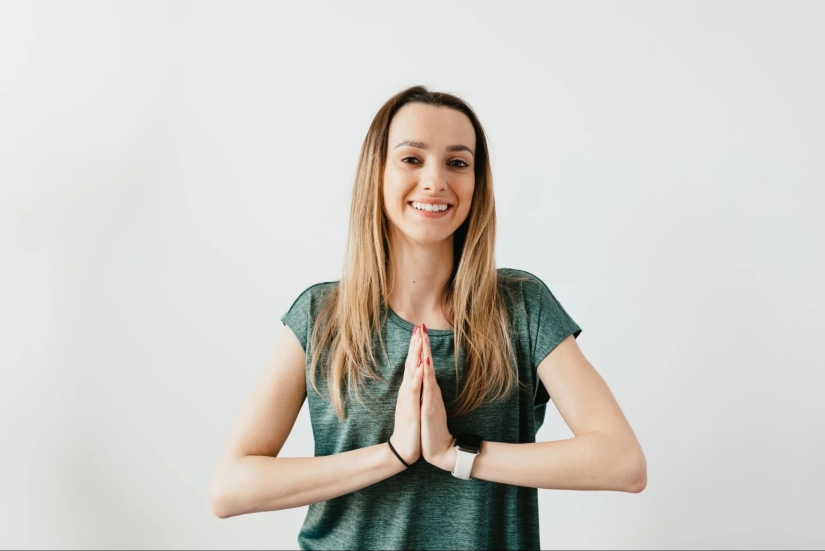
To cultivate emotional maturity through meditation, establishing a consistent and supportive practice environment is crucial. This involves carefully designing a dedicated space, creating a realistic schedule, and gathering essential items to enhance your meditation sessions. By preparing the stage effectively, you set yourself up for success in your journey towards emotional well-being.
Design a Comfortable Meditation Space
Creating a dedicated meditation space is fundamental to establishing a consistent practice. This space should be a sanctuary where you feel safe, calm, and undisturbed.Consider these elements when designing your meditation space:
- Location: Choose a quiet area in your home, away from distractions such as television, phones, or high-traffic zones. A spare bedroom, a corner of a room, or even a small closet can work. The key is to find a place where you feel a sense of peace and privacy.
- Ambiance: The atmosphere significantly impacts your meditation experience. Soft lighting, natural light if possible, and a comfortable temperature are beneficial. You might consider using candles (safely placed), essential oil diffusers, or a Himalayan salt lamp to create a calming environment.
- Comfort: Ensure you have comfortable seating. This could be a meditation cushion, a chair with good back support, or even a comfortable rug. The goal is to maintain a posture that allows you to sit comfortably for an extended period without strain.
- Minimalism: Keeping the space uncluttered can help to minimize distractions. Remove any items that don’t contribute to a sense of tranquility. A simple, clean space promotes mental clarity.
- Personalization: Incorporate elements that inspire and motivate you. This might include a small statue of a spiritual figure, a piece of artwork, a plant, or a journal and pen. These personal touches can make the space feel more meaningful and supportive.
Organize a Schedule for Daily Meditation Sessions
Consistency is paramount when it comes to reaping the benefits of meditation. Creating a regular schedule helps to establish a habit and ensures you dedicate time to your practice.Here’s how to create a realistic and effective meditation schedule:
- Determine Frequency: Start with a frequency that is manageable. Even 5-10 minutes of daily meditation can be beneficial. As you become more comfortable, you can gradually increase the duration and frequency of your sessions.
- Choose a Time: Decide on a specific time of day for your meditation. Morning, before starting your day, is a popular choice. Evening, before bed, can also be effective. The best time is the one you can consistently commit to.
- Set Reminders: Use reminders on your phone or a calendar to help you stay on track. This can be a gentle nudge to remind you to meditate.
- Integrate into Routine: Incorporate meditation into your existing daily routine. For example, you might meditate immediately after brushing your teeth or before eating breakfast.
- Be Flexible: Life happens. If you miss a session, don’t get discouraged. Simply resume your practice as soon as possible. The key is to be consistent, but also forgiving of yourself.
- Track Progress: Keep a meditation journal or use a meditation app to track your sessions. This can help you monitor your progress and stay motivated.
Create a List of Essential Items for a Meditation Practice
Having the right tools can enhance your meditation experience. Gathering a few essential items can create a more comfortable and supportive environment for your practice.Here’s a list of items to consider:
- Meditation Cushion or Bench: Provides comfortable support for your posture, allowing you to sit for extended periods without discomfort.
- Blanket or Shawl: Keeps you warm and comfortable, especially if you tend to feel cold during meditation.
- Timer: Helps you track the duration of your meditation sessions without constantly checking the clock. Many meditation apps include built-in timers.
- Journal and Pen: Useful for recording your thoughts, feelings, and insights after meditation. This can help you reflect on your practice and track your progress.
- Eye Covering: (Optional) A comfortable eye mask or a folded scarf can help to block out light and enhance relaxation.
- Incense or Essential Oils: (Optional) Can create a calming and pleasant atmosphere. Be mindful of any sensitivities to scents.
- Water Bottle: Staying hydrated is important. Have a bottle of water nearby to sip from after your meditation session.
Basic Meditation Techniques for Beginners

Now that we’ve explored the foundations of emotional maturity and the role meditation plays in cultivating it, let’s delve into practical techniques. These techniques are designed to be accessible for beginners, providing a gentle introduction to the practice of meditation and its benefits. They offer a structured approach to developing mindfulness and self-awareness, which are crucial components of emotional maturity.
Mindfulness Meditation: Step-by-Step Practice
Mindfulness meditation focuses on cultivating present moment awareness. It involves observing thoughts, feelings, and sensations without judgment. Regular practice can enhance your ability to manage stress, regulate emotions, and increase self-awareness.
- Find a Comfortable Position: Sit comfortably, either on a cushion, chair, or the floor. Ensure your back is straight but not stiff, and your shoulders are relaxed. Your hands can rest in your lap or on your knees.
- Close Your Eyes or Soften Your Gaze: Gently close your eyes or lower your gaze, focusing on a point a few feet in front of you. This helps minimize distractions and encourages inward focus.
- Bring Awareness to Your Breath: Pay attention to the natural rhythm of your breath. Notice the sensation of the air entering and leaving your nostrils, or the rise and fall of your abdomen.
- Observe Your Thoughts and Feelings: As thoughts and feelings arise, acknowledge them without getting carried away. Simply observe them as they pass, like clouds drifting across the sky. Avoid judging or analyzing them.
- Gently Redirect Your Attention: When your mind wanders – and it will – gently redirect your attention back to your breath. Don’t get frustrated; this is a natural part of the process. Each time you bring your attention back, you strengthen your ability to focus.
- Practice for a Set Duration: Start with short sessions, such as 5-10 minutes, and gradually increase the duration as you become more comfortable. Regularity is more important than length.
- End with Gentle Awareness: When you’re ready to finish, gently bring your awareness back to your surroundings. Take a few moments to notice the sounds, sensations, and your overall state of being.
Focusing on the Breath During Meditation
Focusing on the breath is a foundational technique in meditation. It serves as an anchor to the present moment, helping to quiet the mind and reduce mental chatter. By paying close attention to the breath, you cultivate a sense of calm and centeredness.
- Choosing a Breath Focus: You can focus on various aspects of your breath: the sensation of air entering and leaving your nostrils, the expansion and contraction of your abdomen, or the feeling of your chest rising and falling. Choose the area that feels most natural and comfortable for you.
- Noticing the In-Breath and Out-Breath: Simply observe the in-breath and out-breath without trying to control them. Notice the subtle differences between the two. The in-breath might feel cool, while the out-breath might feel warmer.
- Counting Breaths (Optional): Some people find it helpful to count their breaths to maintain focus. Count each in-breath and out-breath as one. When you reach ten, start again at one. If your mind wanders, gently return to one.
- Addressing Mind Wandering: It is inevitable that your mind will wander. When you notice your thoughts drifting, gently acknowledge them without judgment, and then redirect your attention back to your breath.
- Deep Breathing Exercises: Consider incorporating deep breathing exercises, such as diaphragmatic breathing (belly breathing), to deepen your meditation practice. Inhale deeply into your abdomen, allowing it to expand, and exhale slowly, feeling the tension release.
Benefits of Body Scan Meditation
Body scan meditation is a technique that involves systematically bringing awareness to different parts of your body. It helps to increase body awareness, release physical tension, and cultivate a sense of presence. This technique can be particularly helpful for managing stress and improving emotional regulation.
The practice involves systematically bringing your attention to different parts of your body, noticing any sensations present, such as tension, relaxation, warmth, or tingling. It promotes a deeper connection with your physical self and enhances your ability to recognize and respond to bodily signals.
- Find a Comfortable Position: Lie down on your back, with your arms at your sides and your palms facing up. Ensure your body is relaxed and supported.
- Start with Your Toes: Begin by bringing your attention to the toes of your left foot. Notice any sensations you feel, without trying to change anything.
- Move Systematically Through Your Body: Gradually move your attention up your left leg, then your right leg, your torso, arms, neck, and head. Take your time with each area, noticing any sensations.
- Acknowledge Sensations Without Judgment: As you move through your body, you may encounter areas of tension or discomfort. Acknowledge these sensations without judgment. Simply observe them.
- Use Visualization (Optional): You can visualize your breath flowing through each part of your body, bringing relaxation and release.
- Conclude with a Sense of Wholeness: After scanning your entire body, take a few moments to experience a sense of overall well-being and integration.
Addressing Common Challenges in Meditation

Meditation, while profoundly beneficial, isn’t always a smooth journey. You’ll likely encounter various hurdles along the way, but recognizing these challenges and having strategies to overcome them is key to developing a consistent and fruitful practice. This section provides practical guidance on navigating some of the most common obstacles meditators face.
Handling a Wandering Mind During Meditation
A wandering mind is perhaps the most ubiquitous challenge in meditation. Thoughts, emotions, and distractions will inevitably arise. The goal isn’t to eliminate these thoughts but to cultivate awareness of them and gently redirect your attention.
- Acknowledging and Accepting Thoughts: Recognize that thoughts are natural and that it’s okay to have them. Avoid judging yourself for thinking; instead, simply observe the thought without getting carried away. This practice is often referred to as “noting” or “labeling” your thoughts.
- Employing the Anchor: Your anchor is the focal point of your meditation, such as your breath. Whenever you notice your mind wandering, gently bring your attention back to your anchor. Imagine your breath as a river and your thoughts as leaves floating by. You observe the leaves (thoughts) without jumping in the river with them.
- Using Visualization: Visualize your thoughts as clouds passing in the sky. Allow them to drift by without clinging to them. This can create a sense of detachment and reduce the tendency to become engrossed in your thoughts. Another visualization technique involves picturing your thoughts as bubbles, which appear, float by, and then disappear.
- Practicing Patience: Be patient with yourself. It takes time and consistent practice to develop the ability to maintain focus. Don’t get discouraged if your mind wanders frequently; it’s a sign that you’re practicing! Each time you gently bring your attention back to your anchor, you are strengthening your ability to focus.
Dealing with Physical Discomfort While Meditating
Physical discomfort can significantly impede your meditation practice. Sitting for extended periods, especially if you’re new to meditation, can lead to aches, pains, and restlessness. The key is to find a comfortable position and address discomfort as it arises.
- Finding a Comfortable Posture: Experiment with different postures, such as sitting in a chair with your feet flat on the floor, sitting cross-legged on a cushion (a “zafu”), or even lying down. The most important factor is that you can maintain a relatively upright posture without straining your body.
- Adjusting Your Position: Don’t hesitate to adjust your position during meditation. If you feel pain or discomfort, gently shift your body. It’s better to move slightly than to endure significant pain, which can distract you.
- Using Props: Utilize props such as cushions, blankets, or a meditation bench to support your body and improve comfort. These tools can help to align your spine and reduce strain on your joints. For instance, using a meditation bench can alleviate pressure on the knees and ankles.
- Practicing Gentle Stretching: Incorporate gentle stretching exercises before and after your meditation sessions to improve flexibility and reduce stiffness. Simple stretches, such as neck rolls, shoulder rotations, and gentle backbends, can be very helpful.
- Acknowledging and Accepting Discomfort: Sometimes, discomfort is unavoidable. When you experience it, acknowledge it without judgment. Observe the sensation without reacting to it. Try to breathe into the discomfort and allow it to be present without letting it dominate your attention.
Maintaining Consistency in Your Meditation Practice
Consistency is paramount for reaping the full benefits of meditation. Establishing a regular practice, even for short periods, is more effective than sporadic longer sessions.
- Setting Realistic Goals: Start small. Begin with short meditation sessions, such as 5 or 10 minutes, and gradually increase the duration as you become more comfortable. Overly ambitious goals can lead to discouragement and abandonment of the practice.
- Scheduling Your Meditation: Treat your meditation sessions like important appointments. Schedule them in your calendar and set reminders. Choose a specific time of day that works best for you, and try to stick to it.
- Creating a Dedicated Space: Designate a quiet, comfortable space in your home where you can meditate without distractions. This space can serve as a cue to help you enter a meditative state. Even a small corner can work, but consistency in the space is essential.
- Using Meditation Apps or Guided Meditations: Utilize meditation apps or guided meditations to support your practice. These resources can provide structure, guidance, and motivation, especially for beginners. Many apps offer reminders, progress tracking, and a variety of guided meditations to suit different needs and preferences.
- Tracking Your Progress: Keep a journal or use a meditation tracker to monitor your progress. This can help you stay motivated and identify any patterns or challenges in your practice. Seeing your progress, even small gains, can be a great motivator.
- Joining a Meditation Group or Community: Connecting with other meditators can provide support, encouragement, and accountability. Sharing your experiences and learning from others can enhance your motivation and understanding of meditation.
- Making it a Habit: Integrate meditation into your daily routine. The more you practice, the more natural it will become. Link your meditation practice to an existing habit, such as meditating after brushing your teeth or before your morning coffee.
Advanced Meditation Practices for Emotional Growth
As you progress in your meditation journey and cultivate a regular practice, you can explore more advanced techniques specifically designed to foster emotional maturity. These practices delve deeper into the landscape of your inner world, allowing for a more profound understanding and regulation of your emotions. This section will explore several advanced meditation practices, including loving-kindness meditation, visualization techniques, and the role of guided meditations in fostering emotional growth.
Loving-Kindness Meditation
Loving-kindness meditation, also known as Metta meditation, is a powerful practice aimed at cultivating feelings of compassion, empathy, and unconditional love. It involves directing well-wishes towards oneself and others, thereby fostering a more positive and compassionate emotional state. This practice can be particularly beneficial in developing emotional maturity by increasing self-compassion and improving relationships.The core practice of loving-kindness meditation typically involves the following steps:
- Preparation: Begin by finding a comfortable seated position and closing your eyes. Take a few deep breaths to center yourself.
- Self-Compassion: Start by directing loving-kindness towards yourself. Silently repeat phrases like:
“May I be happy. May I be well. May I be safe. May I be peaceful and at ease.”
Visualize yourself bathed in a warm, loving light. Acknowledge your inherent worthiness of happiness and well-being.
- Expanding the Circle: Gradually expand your focus to include others. First, think of a loved one and direct the same well-wishes towards them. Visualize their face and imagine them experiencing happiness and peace.
- Neutral Individuals: Next, bring to mind a neutral person – someone you encounter regularly but don’t have strong feelings about. Offer them the same well-wishes. This helps to broaden your capacity for compassion.
- Difficult Individuals: Now, think of someone with whom you have a challenging relationship or who evokes negative feelings. Direct loving-kindness towards them, even if it feels difficult. Acknowledge their humanity and offer them the same well-wishes. This is often the most challenging but also the most rewarding aspect of the practice.
- Expanding to All Beings: Finally, expand your loving-kindness to encompass all beings, wishing happiness and well-being to everyone in the world.
Regular practice of loving-kindness meditation can lead to significant emotional shifts. Studies have shown that it can reduce stress, increase feelings of social connection, and improve overall well-being. For example, research published in the
Journal of Consulting and Clinical Psychology* demonstrated that individuals who practiced loving-kindness meditation experienced reduced symptoms of anxiety and depression.
Visualization Techniques for Cultivating Positive Emotions
Visualization is a powerful tool for cultivating positive emotions and shaping your inner experience. It involves creating mental images and scenarios that evoke desired feelings, such as joy, gratitude, or peace. This practice can be a valuable aid in developing emotional maturity by allowing you to consciously choose and nurture positive emotional states.Here are some ways to use visualization techniques:
- Creating a Safe Space: Imagine a place where you feel completely safe, secure, and at peace. It could be a natural setting, such as a forest or a beach, or an abstract space. Engage your senses by visualizing the sights, sounds, smells, and textures of this space. Spend a few minutes each day immersed in this safe space to cultivate feelings of calm and security.
- Visualizing Gratitude: Think about things you are grateful for in your life. Visualize each one in detail, focusing on the positive aspects and the feelings of appreciation they evoke. For example, you could visualize a loved one and feel gratitude for their presence in your life. This practice can increase feelings of contentment and satisfaction.
- Visualizing Success: If you are facing a challenge or working towards a goal, visualize yourself succeeding. Imagine yourself overcoming obstacles, feeling confident, and achieving your desired outcome. This can boost your self-efficacy and reduce anxiety. For instance, if you are preparing for a presentation, visualize yourself speaking confidently and connecting with your audience.
- Visualizing Forgiveness: If you are holding onto resentment or anger towards someone, visualize yourself forgiving them. Imagine the person, and then visualize yourself releasing the negative feelings. Visualize them being happy and peaceful. This practice can help you to let go of negative emotions and foster a sense of inner peace.
- Visualizing Compassion: Visualize yourself extending compassion to others. Imagine people in need and send them loving-kindness. Visualize yourself offering help and support. This can increase empathy and promote prosocial behavior.
The effectiveness of visualization techniques has been demonstrated in various fields, including sports psychology and therapy. For example, athletes often use visualization to improve their performance by mentally rehearsing their movements and strategies. In therapy, visualization is used to help individuals cope with trauma and develop more positive self-perceptions.
The Role of Guided Meditations in Developing Emotional Maturity
Guided meditations provide structured support and guidance for meditation practice. They often involve a voice leading you through a specific meditation technique, such as mindfulness of breath, body scan, or loving-kindness meditation. Guided meditations can be particularly helpful for developing emotional maturity because they offer specific instructions and prompts to focus your attention on your emotions and develop self-awareness.The benefits of guided meditations are numerous:
- Structure and Support: Guided meditations provide a clear structure and framework for your practice, making it easier to stay focused and engaged, especially for beginners. The guidance can help you navigate difficult emotions and stay on track.
- Specific Techniques: Guided meditations often focus on specific techniques, such as mindfulness of emotions, body scans, or loving-kindness. This allows you to target specific areas of emotional development and learn new skills.
- Expert Guidance: Guided meditations are often led by experienced meditation teachers or therapists who can offer insights and guidance. This can help you to deepen your understanding of your emotions and develop more effective coping strategies.
- Accessibility: Guided meditations are widely available online, through apps, and in audio formats, making them easily accessible to anyone, regardless of their location or experience level.
- Cultivating Self-Awareness: Guided meditations can help you to develop greater self-awareness by directing your attention to your thoughts, feelings, and bodily sensations. This is a crucial step in developing emotional maturity, as it allows you to recognize and understand your emotions.
- Developing Emotional Regulation Skills: Guided meditations can teach you techniques for regulating your emotions, such as deep breathing, body scans, and mindfulness of thoughts and feelings. These skills can help you to respond to challenging situations with greater calm and resilience.
For example, a guided meditation focused on mindfulness of emotions might involve the following steps: the guide will invite you to find a comfortable posture, and then will prompt you to bring awareness to your breath. Then, you will be invited to notice any emotions that are present in your body, without judgment. You will be guided to observe the emotions as they arise and pass away, and to recognize the physical sensations associated with each emotion.
This practice cultivates emotional awareness and acceptance.
Integrating Meditation into Daily Life
The true power of meditation lies not just in the quiet moments of practice, but in its ability to reshape how we navigate the complexities of daily life. This section explores how to seamlessly weave mindfulness and the insights gained from meditation into the everyday routines and challenges we encounter. It offers practical strategies for maintaining a mindful presence throughout the day, applying meditative principles to everyday interactions, and harnessing meditation to cultivate more effective communication skills.
Practicing Mindfulness Throughout the Day
Integrating mindfulness into daily routines involves cultivating an awareness of the present moment in all activities, from mundane tasks to significant interactions. This continuous practice helps to reduce reactivity and increase our capacity to respond thoughtfully to the world around us.
- Mindful Eating: Pay attention to the taste, texture, and smell of your food. Notice the sensations of chewing and swallowing. This practice helps to curb overeating and fosters a deeper appreciation for the nourishment we receive. For instance, a study published in the
-Journal of the American Dietetic Association* found that mindful eating practices were associated with reduced binge eating and emotional eating. - Mindful Walking: When walking, focus on the sensations of your feet making contact with the ground. Observe your posture, the movement of your body, and the surrounding environment. This can transform a simple commute into an opportunity for presence and awareness.
- Mindful Listening: When someone is speaking, give them your full attention. Resist the urge to interrupt or formulate your response while they are still talking. Truly listening allows for deeper understanding and connection.
- Mindful Breathing Breaks: Take short breaks throughout the day to focus on your breath. Even a few deep breaths can reset your nervous system and bring you back to the present moment. A 2017 study in the
-Journal of Occupational Health Psychology* demonstrated that short mindfulness interventions in the workplace can reduce stress and improve well-being. - Mindful Observation of Thoughts and Emotions: Throughout the day, simply notice your thoughts and emotions without judgment. Recognize that they are transient and do not define you. This practice helps to detach from negative thought patterns and cultivate emotional resilience.
Applying Meditation Insights to Everyday Situations
The insights gained during meditation, such as increased self-awareness, emotional regulation, and a non-judgmental attitude, can be directly applied to everyday situations to foster emotional maturity.
- Responding Instead of Reacting: When faced with a challenging situation, pause before reacting. Take a deep breath and consider your response. This allows you to choose a more thoughtful and appropriate action, rather than being driven by impulsive emotions.
- Practicing Self-Compassion: Extend the same kindness and understanding to yourself that you would offer to a friend. Acknowledge your imperfections and mistakes without self-criticism. Research published in
-Clinical Psychology Review* highlights the benefits of self-compassion in reducing symptoms of anxiety and depression. - Cultivating Gratitude: Regularly take time to appreciate the positive aspects of your life. This practice shifts your focus away from negativity and fosters a sense of contentment. Keeping a gratitude journal is a simple yet effective way to cultivate this habit.
- Accepting Impermanence: Recognize that everything is constantly changing. This understanding can help you to navigate difficult situations with greater ease and resilience. This acceptance helps in dealing with losses and setbacks.
- Observing Without Judgment: Practice observing situations and people without labeling them as “good” or “bad.” This allows for a more objective perspective and reduces unnecessary stress and conflict.
Using Meditation to Improve Communication Skills
Meditation can significantly enhance communication skills by fostering active listening, empathy, and clear expression. By cultivating these qualities, individuals can build stronger relationships and navigate interpersonal conflicts more effectively.
- Active Listening: Meditation enhances the ability to focus and pay attention, which is crucial for active listening. By quieting the internal chatter, you can give your full attention to the speaker, understanding their perspective and responding thoughtfully.
- Empathy and Compassion: Meditation practices, such as loving-kindness meditation, cultivate empathy and compassion. This allows you to connect with others on a deeper level and understand their feelings and experiences, leading to more effective communication.
- Clear and Calm Expression: Through meditation, you learn to regulate your emotions and reduce reactivity. This allows you to express your thoughts and feelings in a clear, calm, and assertive manner, avoiding misunderstandings and conflicts.
- Mindful Responses to Criticism: Meditation helps you to remain centered and non-reactive when faced with criticism. You can respond calmly and thoughtfully, rather than becoming defensive.
- Nonviolent Communication (NVC): NVC is a communication method based on the principles of empathy, honesty, and compassion. Meditation can support the practice of NVC by increasing self-awareness and the ability to connect with others on a deeper level. This includes observing without judgment, identifying feelings, recognizing needs, and making requests.
Evaluating Progress and Adjusting Your Practice
Regularly assessing your progress and adapting your meditation practice is crucial for sustaining emotional growth. This involves actively monitoring your emotional state, recognizing positive changes, and modifying your approach to ensure it continues to serve your evolving needs. This section will provide practical methods for tracking your progress, identifying signs of emotional maturity, and adjusting your meditation techniques for optimal results.
Methods for Tracking Emotional Well-being Over Time
Tracking your emotional well-being requires a systematic approach to gather and analyze data about your emotional state. This allows you to identify patterns, assess progress, and make informed adjustments to your meditation practice.
- Keeping a Meditation Journal: A meditation journal is a valuable tool for documenting your experiences. Regularly write down your thoughts, feelings, and any physical sensations before and after each meditation session. Note any specific triggers or challenges that arise. This can help you identify patterns and track changes in your emotional state over time. For example, you might notice a decrease in anxiety levels after meditating regularly for a few weeks, or that certain thoughts consistently arise during your sessions.
- Utilizing Mood Tracking Apps: Various mood tracking apps are available that allow you to log your mood daily and track it over time. These apps often provide visualizations of your mood trends, helping you to identify periods of emotional ups and downs. You can correlate these trends with your meditation practice to see if there’s a positive impact. Some apps also allow you to add notes about your activities, helping you to understand what influences your emotional state.
- Employing Regular Self-Assessments: Periodically conduct self-assessments using questionnaires or scales designed to measure emotional well-being. These assessments can provide a more objective measure of your emotional state, allowing you to track changes in areas such as anxiety, depression, or overall life satisfaction. Many free and validated scales are available online. For instance, the Beck Depression Inventory (BDI) or the Generalized Anxiety Disorder 7-item (GAD-7) scale can be used to monitor symptoms.
- Seeking Feedback from Trusted Sources: Consider sharing your experiences with a trusted friend, family member, or therapist. Their observations can provide an external perspective on your emotional growth. They might notice changes in your behavior or reactions that you may not be aware of yourself. Be open to their feedback and use it as another data point in evaluating your progress.
Recognizing Signs of Progress in Emotional Maturity
Emotional maturity is a complex process, and progress may not always be linear. However, several key indicators can signal that your meditation practice is positively impacting your emotional development.
- Increased Self-Awareness: A primary indicator of progress is an enhanced ability to recognize and understand your emotions. You’ll become more aware of your emotional triggers and patterns of behavior. This heightened self-awareness allows you to respond to situations more thoughtfully rather than react impulsively. You will find it easier to label your feelings accurately, such as recognizing the difference between frustration and disappointment.
- Improved Emotional Regulation: You’ll experience greater control over your emotions. This means you’ll be better able to manage intense feelings such as anger, sadness, or anxiety without being overwhelmed by them. You may find that you can respond to stressful situations with greater calm and resilience. For example, instead of immediately lashing out in anger, you might pause, take a deep breath, and choose a more constructive response.
- Enhanced Empathy and Compassion: Meditation can cultivate empathy and compassion, allowing you to connect with others on a deeper level. You’ll become more understanding of their perspectives and experiences. You may find yourself more willing to forgive and less likely to judge others. This increased empathy can improve your relationships and overall sense of connection with the world.
- Greater Resilience to Stress: Meditation builds resilience, enabling you to cope with stress and adversity more effectively. You’ll bounce back more quickly from setbacks and challenges. You may find that you worry less about things outside of your control and that you are better able to adapt to changing circumstances. This resilience allows you to navigate life’s difficulties with greater ease and confidence.
- Improved Interpersonal Skills: Meditation can enhance your ability to communicate effectively, resolve conflicts peacefully, and build stronger relationships. You may become a better listener, more assertive in expressing your needs, and more adept at setting healthy boundaries. You’ll likely experience fewer misunderstandings and conflicts in your interactions with others.
Strategies for Adapting Your Meditation Practice
Your needs and circumstances will change over time, necessitating adjustments to your meditation practice. Flexibility and adaptability are key to ensuring your practice remains effective and supportive of your emotional growth.
- Adjusting Meditation Duration and Frequency: Experiment with different durations and frequencies to find what best suits your schedule and energy levels. If you’re experiencing a particularly stressful period, you might increase the frequency of your sessions. Conversely, if you’re feeling overwhelmed, you might shorten the duration or take a break. The key is to find a balance that you can maintain consistently.
- Modifying Meditation Techniques: Explore different meditation techniques to keep your practice engaging and relevant. If you’ve been practicing mindfulness meditation, you might try loving-kindness meditation or body scan meditation. This can help you address different emotional needs and prevent your practice from becoming stagnant. Each technique targets different aspects of emotional growth.
- Changing the Meditation Environment: Experiment with different locations and times of day to find the environment that best supports your practice. If you usually meditate at home, try meditating outdoors in nature or in a quiet public space. Consider the time of day when you are most alert and focused. A change of scenery can sometimes refresh your perspective and deepen your experience.
- Addressing Obstacles and Challenges: Identify any obstacles or challenges that are hindering your progress. This might include difficulty focusing, intrusive thoughts, or a lack of motivation. Explore different strategies for overcoming these challenges, such as guided meditations, group meditation sessions, or seeking guidance from a meditation teacher. Acknowledging and addressing these issues will help you stay on track.
- Seeking Professional Guidance: Consider seeking guidance from a meditation teacher or therapist, especially if you’re struggling with significant emotional challenges. They can provide personalized advice, support, and techniques to help you deepen your practice and address specific emotional needs. A professional can offer valuable insights and support tailored to your individual circumstances.
Methods to deal with Difficult Emotions during Meditation
During meditation, it’s common to encounter a range of emotions, some pleasant, others challenging. Learning to navigate these difficult emotions is crucial for developing emotional maturity. This section explores techniques for observing, accepting, and processing these feelings, ultimately fostering resilience.
Observing Difficult Emotions Without Judgment
The ability to observe difficult emotions without judgment is a cornerstone of mindful meditation. This practice allows individuals to experience their emotions without getting swept away by them. It’s about creating space and awareness.
- Recognizing the Emotion: The first step involves identifying the specific emotion. Is it sadness, anger, fear, or something else? Acknowledging the emotion is the initial step toward managing it. For example, if you feel a surge of anger during meditation, simply recognize, “I am feeling anger.”
- Non-Attachment: Practice observing the emotion as a passing phenomenon, like clouds in the sky. Remember that emotions are temporary. Avoid labeling them as “good” or “bad.” This detachment prevents emotional reactivity.
- Mindful Breathing: When a difficult emotion arises, focus on your breath. Notice the sensation of the breath entering and leaving your body. This provides an anchor and shifts your focus away from the emotion itself.
- Body Scan: Conduct a body scan to identify where the emotion is being held physically. Does your chest feel tight with anxiety? Is your jaw clenched with anger? Becoming aware of the physical sensations associated with the emotion can help in understanding it better.
- Acceptance: Accept the emotion as it is, without trying to change it or suppress it. This acceptance is not about condoning the emotion, but rather allowing it to be present without resistance. The goal is to acknowledge the emotion and accept its existence without getting entangled in it.
Accepting and Processing Challenging Feelings
Accepting and processing challenging feelings is a vital part of meditation practice. This process involves allowing oneself to fully experience these emotions while maintaining a sense of inner stability. It is a proactive approach to mental well-being.
- Creating Space: Allow yourself the space to feel the emotion fully. Do not try to push it away or suppress it. This involves creating a safe and supportive environment, both internally and externally.
- Naming the Emotion: Putting a name to the emotion can help to demystify it. For example, instead of just feeling “bad,” name the emotion – “I am feeling grief,” or “I am feeling fear.” This provides clarity and understanding.
- Allowing the Experience: Permit the emotion to run its course without interruption. Avoid getting caught up in the narrative or the story surrounding the emotion. Just let the feeling be.
- Self-Compassion: Treat yourself with kindness and understanding. Remind yourself that it is normal to experience difficult emotions. Acknowledge that everyone goes through these experiences.
- Journaling: After meditation, consider journaling about the emotion. Writing about the experience can provide further insight and help to process the feelings in a constructive way.
Practices for Cultivating Resilience in the Face of Adversity
Cultivating resilience is about developing the capacity to bounce back from difficult experiences. Meditation provides tools to strengthen this ability.
- Loving-Kindness Meditation: Direct loving-kindness towards yourself and others, including those who may have caused you pain. This practice cultivates compassion and reduces feelings of anger or resentment.
May I be safe. May I be happy. May I be healthy. May I live with ease.
- Gratitude Practice: Regularly reflect on things you are grateful for. This shifts your focus from what is lacking to what is present, increasing feelings of positivity and resilience.
- Mindful Movement: Incorporate mindful movement practices like yoga or tai chi. These practices combine physical activity with mindful awareness, helping to regulate the nervous system and build resilience.
- Developing a Growth Mindset: Embrace the belief that challenges are opportunities for growth. View setbacks as learning experiences rather than failures. This is a critical aspect of resilience.
- Seeking Support: Recognize the importance of social connection. Reach out to trusted friends, family members, or a therapist when facing difficult emotions. Sharing your experiences can provide perspective and support.
Examples of Meditation and Emotional Maturity in Action
Understanding how meditation cultivates emotional maturity is best illustrated through practical examples. This section provides real-world scenarios, a transformation table, and case studies to demonstrate the tangible benefits of integrating meditation into daily life. These examples highlight how meditation can equip individuals with the skills to navigate challenging situations with greater resilience, empathy, and self-awareness.
Scenarios of Emotionally Mature Responses
The following scenarios illustrate how individuals, through consistent meditation practice, can respond to difficult situations with emotional maturity. Each scenario demonstrates the application of skills such as self-awareness, emotional regulation, empathy, and effective communication.
- Scenario 1: Workplace Conflict
A project deadline is missed, and a team member is responsible. An emotionally immature response might be to publicly berate the team member, leading to defensiveness and resentment. An emotionally mature response, cultivated through meditation, would involve:
- Taking a moment to breathe and observe the initial surge of frustration without reacting impulsively.
- Privately discussing the issue with the team member, expressing concerns calmly and factually.
- Focusing on problem-solving rather than blame, exploring the reasons for the missed deadline and collaboratively finding solutions.
- Demonstrating empathy by acknowledging the team member’s potential stress and offering support.
- Scenario 2: Relationship Disagreement
A couple disagrees about a significant decision. An emotionally immature response might involve shouting, withdrawing, or resorting to passive-aggressive behavior. An emotionally mature response, fostered by meditation, would include:
- Recognizing the rising tension and pausing to take a few deep breaths.
- Actively listening to the partner’s perspective without interrupting or formulating a rebuttal.
- Expressing personal feelings using “I” statements (“I feel frustrated when…”) rather than accusatory language.
- Seeking common ground and compromise, understanding that differing opinions are normal.
- Scenario 3: Personal Criticism
Receiving negative feedback at work. An emotionally immature response could involve defensiveness, denial, or taking the criticism personally. An emotionally mature response, nurtured by meditation, would entail:
- Pausing to observe the initial emotional reaction (e.g., anger, sadness) without judgment.
- Objectively evaluating the feedback, separating constructive criticism from personal attacks.
- Asking clarifying questions to better understand the feedback.
- Accepting responsibility where appropriate and using the feedback as an opportunity for growth.
Transformation of Negative Thought Patterns through Meditation
Meditation can fundamentally alter negative thought patterns, which often fuel emotionally immature reactions. The following table illustrates how meditation techniques can interrupt and transform these patterns, leading to more balanced and mature responses.
| Negative Thought Pattern | Meditation Technique | Transformation | Resulting Emotionally Mature Response |
|---|---|---|---|
| Constant self-criticism: “I’m not good enough.” | Mindfulness of thoughts: Observing thoughts without judgment. | Recognizing thoughts as mental events, not facts; developing self-compassion. | Acceptance of imperfections; increased self-worth; willingness to try new things. |
| Rumination on past mistakes: “I should have done things differently.” | Focus on the present moment: Redirecting attention to breath or body sensations. | Breaking the cycle of rumination; shifting focus to the present and what can be controlled. | Increased resilience; ability to learn from the past without being consumed by it; forgiveness of self and others. |
| Anxiety about the future: “What if something goes wrong?” | Loving-kindness meditation: Cultivating feelings of goodwill towards oneself and others. | Reducing anxiety by promoting feelings of safety and connection; fostering a sense of perspective. | Calmness in the face of uncertainty; proactive problem-solving; reduced reactivity. |
| Uncontrolled anger: “They made me angry!” | Body scan meditation: Becoming aware of physical sensations associated with anger. | Developing awareness of early warning signs of anger; creating space between the trigger and the reaction. | Emotional regulation; ability to express anger constructively; increased empathy. |
Case Studies of Individuals Benefiting from Meditation
These case studies provide insights into how individuals have personally experienced the positive effects of meditation on their emotional maturity. These are based on real-life experiences and demonstrate the transformative power of consistent practice.
- Case Study 1: Sarah, the Overwhelmed Professional
Sarah, a high-achieving professional, struggled with chronic stress and anxiety. Her work life was often filled with conflict, and she found herself reacting defensively and emotionally. After starting a daily 20-minute mindfulness meditation practice, Sarah noticed significant changes. She reported feeling less reactive in meetings, being able to remain calm during stressful deadlines, and communicating more effectively with her team.
She developed greater self-awareness, recognizing her triggers and responding with greater compassion, both towards herself and others.
- Case Study 2: David, the Recovering Addict
David, in recovery from substance abuse, used meditation as a crucial tool in his journey. Before meditation, he was prone to impulsive behaviors and emotional outbursts. He found that regular meditation helped him to manage cravings, reduce anxiety, and increase his self-control. Meditation provided him with the space to observe his thoughts and emotions without acting on them, allowing him to develop healthier coping mechanisms and build a more stable and emotionally mature life.
- Case Study 3: Maria, the Anxious Student
Maria, a college student, experienced severe test anxiety and social phobia. She found that meditation, specifically focusing on breath and body awareness, helped her to ground herself in the present moment and reduce her racing thoughts. She learned to manage her anxiety during exams, developed more confidence in social situations, and built stronger, more supportive relationships. Meditation enabled her to develop emotional resilience, allowing her to face challenges with greater equanimity.
Final Wrap-Up
In conclusion, “How to Meditate for Developing Emotional Maturity” provides a practical roadmap for cultivating inner peace and emotional resilience. By embracing the principles Artikeld in this guide, you can unlock the transformative potential of meditation, fostering self-awareness, emotional regulation, and improved relationships. Remember that consistency and patience are key. As you integrate these practices into your daily routine, you will witness a profound shift in your ability to navigate life’s challenges with greater clarity, compassion, and emotional maturity, leading to a more fulfilling and balanced existence.