How to Meditate for Creating Harmony in Family Life explores a path to serenity and connection within your most cherished relationships. This guide unveils the power of meditation not just as a personal practice, but as a transformative tool for fostering understanding, reducing stress, and building stronger family bonds. Imagine a home where conflicts are met with calm, empathy flourishes, and every member feels seen and heard.
This is the potential of integrating meditation into your family life.
From the physiological benefits of reducing stress and anxiety to the psychological gains of enhanced communication and empathy, this guide provides a comprehensive roadmap. You will learn how to create a dedicated meditation space, develop age-appropriate practices for children, and navigate the common challenges families face when embarking on this journey together. This is not just about sitting in silence; it’s about cultivating a deeper connection with yourself and your loved ones, leading to a more harmonious and fulfilling family life.
Introduction: Understanding Family Harmony
Family harmony represents a state of peaceful coexistence within a family unit, characterized by mutual respect, understanding, and cooperation. It’s a dynamic process, not a static state, requiring ongoing effort and commitment from all members. Achieving family harmony is crucial for the well-being of each individual and the overall health of the family system. It fosters a supportive environment where members feel safe, loved, and valued, allowing them to thrive emotionally, socially, and psychologically.Maintaining family harmony, however, can be a significant challenge, especially in today’s complex world.
Various factors can disrupt this delicate balance, leading to conflict and stress.
Defining Family Harmony
Family harmony is more than just the absence of arguments; it’s a positive state of being where family members experience:
- Strong Communication: Open and honest communication is essential. Family members can express their feelings, needs, and opinions respectfully, and listen attentively to others.
- Mutual Respect: Each member’s individuality, values, and beliefs are acknowledged and respected, even when disagreements arise.
- Emotional Support: Families provide a safe space for members to express their emotions and receive comfort and encouragement during difficult times.
- Shared Values and Goals: A sense of unity is fostered through shared values, goals, and activities, strengthening the family bond.
- Conflict Resolution Skills: Families possess effective strategies for resolving conflicts peacefully, such as compromise, negotiation, and seeking external help when necessary.
Challenges Disrupting Family Harmony
Several common challenges can erode family harmony, including:
- Poor Communication: Misunderstandings, assumptions, and a lack of active listening can lead to conflicts.
- Financial Stress: Money problems are a significant source of tension, especially when there is a lack of financial planning or disagreements about spending.
- Differing Values and Beliefs: Disagreements over values, such as religious beliefs, political views, or parenting styles, can cause friction.
- Unresolved Conflicts: Ignoring or suppressing conflicts without addressing the underlying issues can lead to resentment and further problems.
- External Stressors: External factors like work pressures, health issues, or societal problems can spill over into family life, increasing stress and conflict.
- Lack of Time Together: In today’s busy world, families may struggle to find quality time together, leading to feelings of disconnection and isolation.
Real-Life Examples of Disharmony and Consequences
The consequences of family disharmony can be far-reaching and can impact every member of the family. Here are a few real-life examples:
Example 1: The Miller Family
The Millers, a family of four, experienced constant arguments over finances. The parents had different spending habits, and their children, teenagers, were caught in the middle. The resulting stress led to increased anxiety, sleep disturbances, and a decline in academic performance for the children. The parents, unable to resolve their financial disagreements, eventually separated, further destabilizing the family.
Example 2: The Rodriguez Family
The Rodriguez family, a multi-generational household, struggled with differing cultural values and parenting styles. The grandparents, immigrants, clashed with their adult children regarding child-rearing practices, creating tension and resentment. The lack of clear communication and mutual respect led to frequent arguments and emotional withdrawal from the younger generation. This created a stressful environment for the children.
Example 3: The Chen Family
The Chen family faced a major health crisis when the father was diagnosed with a serious illness. The stress of dealing with the illness, coupled with financial strain and emotional exhaustion, led to a breakdown in communication and support. The children, feeling neglected and overwhelmed, struggled with their schoolwork and experienced increased anxiety. Without seeking professional help, the family found it difficult to navigate the crisis, leading to a decline in overall well-being for everyone.
These examples highlight the devastating impact of disharmony, emphasizing the need for strategies to build and maintain a harmonious family environment. They also showcase the importance of seeking help when necessary to prevent conflicts from escalating and causing further damage.
The Benefits of Meditation for Family Life
Meditation offers a powerful pathway to fostering greater harmony within families. By cultivating inner peace and emotional regulation, meditation can transform the dynamics of family interactions, creating a more supportive and understanding environment. This section delves into the specific advantages of incorporating meditation into family life, exploring both individual and collective benefits.
Physiological and Psychological Benefits of Meditation
Meditation provides a wide range of physiological and psychological benefits. These benefits contribute significantly to an individual’s overall well-being and positively impact their interactions within the family. Regular practice can lead to noticeable improvements in both mental and physical health.
- Reduced Stress Hormones: Meditation lowers cortisol levels, the primary stress hormone. Studies, such as those published in the
-Journal of Alternative and Complementary Medicine*, have shown that consistent meditation practice can significantly reduce cortisol levels, leading to a more relaxed and less reactive state. This reduction in stress hormones helps individuals to remain calm and composed, even during challenging family situations. - Improved Cardiovascular Health: Meditation has been linked to improved cardiovascular health. Research published in the
-American Journal of Hypertension* indicates that meditation can help lower blood pressure, reduce heart rate, and improve overall cardiovascular function. A healthier heart contributes to a greater sense of well-being, which can enhance an individual’s ability to connect with and support their family members. - Enhanced Cognitive Function: Meditation can sharpen focus, improve memory, and increase attention span. The
-Journal of Cognitive Enhancement* has published studies demonstrating the positive effects of meditation on cognitive abilities. Improved cognitive function allows individuals to be more present, attentive, and understanding in their interactions with family members, leading to more effective communication and conflict resolution. - Increased Emotional Regulation: Meditation helps individuals become more aware of their emotions and develop the ability to regulate them effectively. This enhanced emotional regulation, as supported by research in the
-Emotion* journal, allows family members to respond to challenging situations with greater composure and empathy, reducing the likelihood of conflicts escalating. - Reduced Symptoms of Anxiety and Depression: Regular meditation practice has been shown to alleviate symptoms of anxiety and depression. Studies in the
-Journal of Consulting and Clinical Psychology* have demonstrated the effectiveness of meditation in reducing these mental health challenges. By managing these symptoms, individuals can create a more positive and supportive atmosphere within the family.
Reducing Stress and Anxiety Within a Family
Stress and anxiety can significantly impact family dynamics, leading to increased conflict and emotional distance. Meditation offers a practical approach to mitigating these challenges, creating a more peaceful and supportive environment for everyone.
- Creating a Calm Baseline: Consistent meditation practice establishes a calm baseline for family members. This baseline helps individuals to respond to stressful situations with greater resilience and emotional stability. When family members are less reactive to stress, the overall atmosphere becomes more harmonious.
- Improving Communication: Meditation enhances self-awareness and empathy, leading to improved communication within the family. Family members who practice meditation are better equipped to listen attentively, express their needs clearly, and understand the perspectives of others. This enhanced communication fosters stronger relationships and reduces misunderstandings.
- Modeling Healthy Coping Mechanisms: Parents or caregivers who meditate model healthy coping mechanisms for their children. By demonstrating how to manage stress and anxiety through meditation, they teach their children valuable life skills. This modeling effect helps children develop their own strategies for coping with challenges.
- Reducing Conflict: Meditation helps to reduce conflict within the family by promoting emotional regulation and fostering empathy. Family members who practice meditation are less likely to react impulsively or engage in aggressive behavior during disagreements. Instead, they are more likely to approach conflicts with a sense of understanding and a willingness to find solutions.
- Creating a Supportive Environment: Meditation creates a more supportive and understanding environment within the family. When family members feel safe and supported, they are more likely to thrive. This supportive environment helps to strengthen family bonds and promotes overall well-being.
Impact of Meditation on Individual Family Members Versus the Collective Family Unit
The benefits of meditation extend beyond individual well-being, significantly impacting the dynamics of the entire family unit. While individual practice is crucial, the collective practice of meditation can create a powerful synergy, amplifying the positive effects.
- Individual Benefits: Each family member benefits individually from meditation. These benefits include reduced stress, improved emotional regulation, and enhanced cognitive function. These improvements allow individuals to become more present, patient, and understanding in their interactions with others. For example, a parent who meditates regularly may find themselves better able to manage the stresses of work and parenting, leading to more positive interactions with their children.
- Collective Benefits: The collective practice of meditation can create a powerful positive feedback loop within the family. When multiple family members meditate, they create a shared sense of calm and well-being. This shared experience can foster a deeper connection and a stronger sense of unity. The family unit as a whole benefits from the reduced stress, improved communication, and increased empathy among its members.
- Synergistic Effects: The synergistic effects of individual and collective meditation are substantial. When individual family members are practicing meditation, they are more likely to support each other’s practice and encourage each other to maintain their routines. This support system can amplify the positive effects of meditation, leading to even greater improvements in family harmony.
- Examples of Collective Practice: Families can practice meditation together by creating a dedicated meditation space in their home or by participating in guided meditations. They can also incorporate meditation into their daily routines, such as starting the day with a short meditation session or ending the day with a family mindfulness practice. For instance, a family could begin their day with a five-minute guided meditation, setting a positive tone for the day and promoting a sense of togetherness.
- Creating a Culture of Mindfulness: Encouraging and incorporating meditation into the family routine creates a culture of mindfulness. This culture can extend beyond the meditation practice itself, influencing how family members interact with each other throughout the day. This promotes mindful eating, active listening, and a greater appreciation for the present moment, strengthening family bonds and promoting overall well-being.
Preparing for Meditation
Setting the stage for family meditation is crucial for a successful and enjoyable experience. It involves creating a conducive environment, selecting the right time and duration, and gathering essential items. Careful preparation can significantly enhance the effectiveness of meditation and foster a deeper sense of harmony within the family.
Ideal Environment for Meditation
Creating a peaceful and supportive environment is paramount for effective meditation. This space should be designed to minimize distractions and promote relaxation.Consider these elements:
- Quiet Location: Choose a room or area in your home that is generally quiet and free from interruptions. This could be a spare bedroom, a corner of the living room, or even a dedicated outdoor space.
- Comfortable Ambiance: Ensure the space is comfortable. This involves controlling the temperature, ensuring adequate ventilation, and providing comfortable seating or cushions.
- Soft Lighting: Opt for soft, natural lighting or dim artificial light. Harsh lighting can be distracting and hinder relaxation. Consider using candles (safely and under supervision, if desired) or Himalayan salt lamps to create a calming atmosphere.
- Minimal Distractions: Minimize visual and auditory distractions. Turn off electronic devices, such as televisions and phones. Consider using a door sign to indicate that meditation is in progress.
- Clutter-Free Zone: Keep the meditation space tidy and free from clutter. A clean and organized environment promotes a sense of peace and tranquility.
- Optional Elements: Incorporate elements that enhance relaxation and focus. This could include plants, calming artwork, or a small water fountain. Consider incorporating soft music or nature sounds, if the family finds it helpful.
Choosing the Right Time and Duration
Selecting the appropriate time and duration for family meditation sessions is key to integrating the practice seamlessly into your daily routine. The optimal choices depend on individual family schedules and preferences.Consider these factors when deciding:
- Consistency is Key: Establish a regular meditation schedule. This could be daily, several times a week, or weekly. Consistent practice is more effective than sporadic sessions.
- Time of Day: Experiment with different times of day to determine the best fit for your family. Early mornings, before the day’s activities begin, can be a good choice. Evenings, before dinner or bedtime, may also work.
- Duration: Start with shorter sessions, such as 5-10 minutes, and gradually increase the duration as your family becomes more comfortable. Longer sessions, up to 20 minutes, may be appropriate for experienced meditators.
- Family Schedules: Consider the schedules of all family members. Choose a time when everyone is available and less likely to be distracted by other commitments.
- Flexibility: Be flexible. Some days may require shorter sessions or adjustments to the schedule. The goal is to find a time that works consistently.
- Example: A family with young children might find a short, daily meditation session before bedtime most manageable. A family with older children might prefer a longer session on weekends.
Checklist of Essential Items
Gathering essential items ensures a comfortable and supportive meditation practice. This checklist provides a starting point.Here’s a checklist to get started:
- Comfortable Seating: Provide cushions, meditation benches, or chairs that allow for comfortable posture. Ensure everyone can sit with a straight back.
- Blankets or Shawls: Offer blankets or shawls to provide warmth and comfort, especially during cooler weather.
- Timer or Meditation App: Use a timer or meditation app to track the duration of the session. This helps maintain focus and avoid distractions.
- Optional Items:
- Incense or Essential Oils: Use incense or essential oils to create a calming aroma. Ensure that all family members are comfortable with the scent.
- Soft Music or Nature Sounds: Have access to soft music or nature sounds to enhance relaxation, if desired.
- Journal and Pen: Provide a journal and pen for reflection after the meditation session.
- Water: Keep water nearby for hydration.
- Create a designated meditation space: If possible, create a designated meditation space with a dedicated cushion or mat. This helps to create a sense of ritual and routine.
Basic Meditation Techniques for Families

Implementing meditation practices can significantly enhance family harmony. Introducing these techniques requires understanding the foundational methods and adapting them to a family setting. This section explores three key meditation approaches suitable for families: focused-attention meditation, guided meditation, and mindful breathing.
Focused-Attention Meditation Fundamentals
Focused-attention meditation involves concentrating on a single point of focus, such as the breath, a sound, or an object, to calm the mind. This technique helps to train the mind to resist distractions and cultivate a sense of presence.To practice focused-attention meditation as a family, consider the following steps:
- Find a Quiet Space: Designate a quiet, comfortable space free from interruptions. This could be a specific room, a corner of a room, or even outdoors in a peaceful area. The space should be conducive to relaxation and focus.
- Establish a Comfortable Posture: Sit comfortably. You can sit on a cushion, a chair, or the floor. Ensure your back is straight but not stiff, and your hands can rest comfortably in your lap or on your knees. Encourage children to find a position that feels right for them.
- Choose a Focal Point: Select a single point of focus. This could be the breath (observing the sensation of the air entering and leaving the nostrils), a specific sound (like a gentle chime), or a visual object (like a candle flame).
- Focus on the Chosen Focal Point: Gently bring your attention to your chosen focal point. When your mind wanders (and it will!), acknowledge the thought or distraction without judgment, and gently redirect your attention back to your focal point. This is the core of the practice.
- Practice Regularly: Start with short sessions, perhaps 5-10 minutes, and gradually increase the duration as the family becomes more comfortable. Consistency is key to experiencing the benefits.
Regular practice of focused-attention meditation can improve concentration, reduce stress, and foster a sense of calm within the family.
Incorporating Guided Meditation
Guided meditation involves following the instructions of a narrator who leads you through a meditation. This can be particularly helpful for families, especially those new to meditation. The narrator provides prompts and visualizations to help guide the practice.To incorporate guided meditation into family life, consider these guidelines:
- Choose Age-Appropriate Content: Select guided meditations designed for children and families. There are many free and paid resources available online, including apps and websites.
- Select Relevant Themes: Choose themes that resonate with the family’s needs and interests. Examples include:
- Loving-Kindness Meditation: Focuses on cultivating feelings of love and compassion for oneself and others.
- Gratitude Meditation: Encourages appreciation for the good things in life.
- Body Scan Meditation: Brings awareness to different parts of the body to promote relaxation and reduce tension.
- Nature Visualization: Uses imagery of nature to promote calmness and reduce anxiety.
- Create a Routine: Establish a regular time for guided meditation, such as before bedtime or on weekend mornings. This helps to build a consistent practice.
- Participate Together: Encourage all family members to participate, even if some find it challenging initially. The shared experience can strengthen family bonds.
- Discuss Experiences: After the meditation, take a few minutes to discuss the experience. Share what each person felt, what they visualized, and how they felt afterward. This can foster open communication and understanding.
Mindful Breathing Techniques
Mindful breathing, also known as breath awareness, is a simple yet powerful technique for calming the mind and reducing stress. It involves paying attention to the breath without trying to change it. This practice can be easily incorporated into daily family life.To practice mindful breathing with your family, consider the following:
- Find a Comfortable Position: Sit or lie down comfortably. Close your eyes gently or keep them softly focused.
- Observe the Breath: Bring your attention to the sensation of your breath. Notice the air entering and leaving your body. Pay attention to the rise and fall of your chest or abdomen.
- Practice Different Breathing Patterns: Introduce various breathing patterns to increase the impact of the technique:
- Diaphragmatic Breathing (Belly Breathing): Place a hand on your belly and breathe deeply, feeling your belly rise and fall.
- Box Breathing (Square Breathing): Inhale for a count of four, hold for four, exhale for four, and hold for four. Repeat this cycle.
- Alternate Nostril Breathing (Nadi Shodhana): Gently close one nostril and inhale through the other. Then, close the second nostril and exhale through the first. Alternate sides.
- Guide the Practice: You can gently guide family members through the practice by saying things like, “Notice the air as it enters your nose,” or “Feel your belly rise and fall.”
- Practice Regularly: Integrate mindful breathing into daily routines. Practice it during moments of stress, before meals, or before bedtime.
Mindful breathing can be used as a quick and effective tool to manage stress and promote relaxation in family life. It is easily accessible and can be practiced anywhere, at any time.
Integrating Meditation into Family Routines
Establishing a consistent meditation practice within a family requires careful planning and a flexible approach. Integrating meditation seamlessly into daily or weekly routines can significantly enhance its effectiveness and make it a sustainable habit for everyone involved. This section provides guidance on how to create a practical schedule, involve family members of all ages, and address potential challenges.
Creating a Meditation Schedule
Creating a meditation schedule involves considering the family’s overall routine and individual preferences. The goal is to find times that are convenient and conducive to a peaceful practice.
- Assess Family Schedules: Begin by reviewing the family’s weekly schedule, including work, school, extracurricular activities, and other commitments. Identify potential time slots where meditation can be incorporated without causing disruption. Consider both daily and weekly options. For example, a daily 10-minute session before breakfast or a longer session on weekends.
- Choose Appropriate Times: Select times when family members are generally less stressed and more receptive to quiet activities. Mornings can be effective for setting a positive tone for the day, while evenings can help to wind down before bed.
- Establish a Consistent Routine: Consistency is key. Once a schedule is chosen, stick to it as much as possible. This helps to create a habit and makes meditation a regular part of family life. Post the schedule in a visible place, such as the refrigerator or a family bulletin board, to serve as a reminder.
- Flexibility and Adaptability: Life is unpredictable, and there will be times when the schedule needs to be adjusted. Be prepared to be flexible and adapt the schedule as needed. The most important thing is to maintain the practice, even if the timing or duration changes occasionally.
- Examples of Schedules:
- Daily: 7:00 AM – 10 minutes of silent meditation before breakfast. 8:00 PM – 5 minutes of guided meditation before bedtime.
- Weekly: Saturday mornings – 20 minutes of family meditation followed by a healthy breakfast. Sunday evenings – 15 minutes of mindful breathing together.
Involving Children of Different Age Groups
Adapting meditation practices to suit the age and developmental stage of children is essential for their engagement and enjoyment. Different approaches and techniques will resonate with children of various ages.
- Toddlers (Ages 1-3): For toddlers, meditation can be introduced through simple activities that promote calmness and focus. Short, guided meditations with gentle sounds or visualizations work well.
- Activity: Encourage them to sit quietly for a minute or two, focusing on their breath or listening to a calming song.
- Preschoolers (Ages 3-5): Preschoolers can benefit from more structured meditation practices that incorporate movement, storytelling, and visualization.
- Activity: Use guided meditations with themes like “finding your calm place” or “breathing like a bunny.”
- Example: During a guided meditation, a child might imagine they are a tree swaying gently in the wind, focusing on their breath as the wind blows.
- School-Age Children (Ages 6-12): School-age children can engage in more advanced meditation techniques, including mindful breathing, body scans, and visualizations. They can also start to understand the concept of emotions and how meditation can help manage them.
- Activity: Introduce mindful breathing exercises, such as counting breaths or practicing the “square breath.”
- Example: The “square breath” involves inhaling for a count of four, holding for four, exhaling for four, and holding for four.
- Teenagers (Ages 13+): Teenagers can explore a variety of meditation practices, including mindfulness meditation, loving-kindness meditation, and walking meditation. They can also learn about the science behind meditation and its benefits for mental health.
- Activity: Encourage them to experiment with different meditation apps or techniques to find what resonates with them.
- Example: Use guided meditations focused on managing stress, improving focus, or cultivating self-compassion.
- Make it Fun and Engaging: Incorporate elements of play and creativity into the meditation practices to keep children interested. Use props, music, and stories to make the experience enjoyable.
- Lead by Example: Children are more likely to participate in meditation if they see their parents or caregivers practicing it regularly.
Addressing Resistance and Lack of Interest
It’s common for family members, especially children and teenagers, to initially resist or show a lack of interest in meditation. Patience, understanding, and a flexible approach are crucial for overcoming these challenges.
- Identify the Reasons for Resistance: Understand the underlying reasons for the resistance. It could be a lack of understanding about the benefits, a perception that meditation is boring, or a general dislike of quiet time.
- Start Small and Gradually Increase: Begin with very short meditation sessions (e.g., 1-2 minutes) and gradually increase the duration as family members become more comfortable.
- Make it a Choice, Not a Requirement: Avoid forcing anyone to meditate. Instead, present meditation as an option and encourage participation without pressure.
- Offer Variety: Experiment with different types of meditation techniques, guided meditations, and activities to find what resonates with each family member.
- Address Concerns and Misconceptions: Discuss any concerns or misconceptions about meditation openly and honestly. Explain the benefits in a way that is relevant and understandable to each family member.
- Create a Positive and Supportive Environment: Make the meditation space comfortable and inviting. Offer positive reinforcement and encouragement.
- Be Patient and Persistent: It takes time to establish a meditation habit. Don’t get discouraged by initial resistance. Continue to offer opportunities and be patient with the process.
- Involve the Whole Family: Engage everyone in the process. If one person shows interest, the others may follow. When family members see each other participating, they may be more likely to try it themselves.
- Seek External Resources: Consider using guided meditations designed for children or teenagers. There are numerous apps, websites, and books available that can provide guidance and support.
Communication and Conflict Resolution Through Meditation
Meditation offers a powerful toolkit for enhancing communication and resolving conflicts within the family unit. By cultivating inner peace and self-awareness, family members can develop the emotional resilience and clarity needed to navigate challenging interactions with greater understanding and compassion. This section explores how meditation practices can transform family dynamics, fostering more effective communication and peaceful conflict resolution.
Improving Family Communication Skills Through Meditation
Meditation cultivates several skills crucial for effective communication. These skills include active listening, non-judgmental observation, and the ability to respond rather than react. Regularly practicing meditation can significantly improve how family members interact with each other.
- Enhancing Active Listening: Meditation encourages focused attention, allowing individuals to truly hear and understand what others are saying. It reduces mental clutter, making it easier to concentrate on the speaker’s words and non-verbal cues. This focused attention prevents interruptions and misunderstandings.
- Example: A parent, after meditating, might be better able to listen to their child’s concerns about school without interrupting or offering unsolicited advice.
They would be able to fully understand the child’s perspective before responding.
- Example: A parent, after meditating, might be better able to listen to their child’s concerns about school without interrupting or offering unsolicited advice.
- Promoting Non-Judgmental Observation: Meditation teaches individuals to observe their thoughts and feelings without judgment. This skill translates into family interactions, allowing members to listen to each other without immediately labeling or criticizing. This promotes a more open and accepting environment.
- Example: A teenager expressing anger might be met with understanding rather than defensiveness, allowing for a more constructive dialogue.
- Cultivating Emotional Regulation: Meditation helps regulate emotions, reducing reactivity and impulsivity. This enables family members to respond to difficult situations with greater calm and clarity. It provides space between a trigger and a reaction.
- Example: Instead of yelling in frustration, a parent might take a few deep breaths, allowing them to respond calmly and rationally to a child’s misbehavior.
- Developing Empathy and Compassion: Regular meditation, particularly practices like loving-kindness meditation, cultivates empathy and compassion. This allows family members to understand and share the feelings of others, fostering stronger bonds and reducing conflict.
- Example: A sibling might be more understanding of a brother or sister’s stress, offering support instead of criticism during a difficult time.
Strategies for Peaceful Conflict Resolution Through Meditation
Meditation provides a framework for approaching and resolving family conflicts peacefully. It equips family members with tools to manage their emotions, de-escalate tense situations, and find common ground.
- Creating a Calm Space: Before addressing a conflict, create a calm and neutral space. This could involve taking a few deep breaths together or practicing a short meditation. This helps to center everyone and reduce anxiety.
- Example: Before discussing a disagreement, the family could sit together for a few minutes of mindful breathing, focusing on the present moment.
- Practicing Mindful Communication: Encourage mindful communication during the discussion. This means speaking and listening with awareness, paying attention to both verbal and non-verbal cues.
- Example: Using “I” statements to express feelings (“I feel hurt when…”) instead of blaming (“You always…”).
- Taking Breaks for Reflection: If the discussion becomes heated, suggest taking a break to meditate or reflect individually. This allows everyone to cool down and gain perspective before continuing.
- Example: If a conflict escalates, family members can retreat to their rooms to meditate for 10-15 minutes before reconvening.
- Focusing on Shared Values: Remind everyone of their shared values and goals as a family. This can help shift the focus from blame to finding solutions that benefit everyone.
- Example: If a disagreement arises over chores, the family could remind themselves of their shared value of cooperation and fairness.
- Using Loving-Kindness Meditation: Before and during conflict resolution, practice loving-kindness meditation, sending positive thoughts to each family member. This can help foster empathy and compassion.
- Example: Before a family meeting, each member could silently send loving-kindness to the others, wishing them happiness and well-being.
Role-Playing Scenario: Conflict Resolution Using Meditation Techniques
This role-playing scenario illustrates how a family can use meditation techniques to resolve a conflict over screen time.
| Characters | Scenario | Meditation Technique | Outcome |
|---|---|---|---|
| Mom, 14-year-old daughter, 10-year-old son | The children are arguing about how much time they each spend on their devices. The daughter feels her brother gets more time, and the son feels his sister always hogs the devices. |
|
The family agrees on a new schedule for device usage, with set times and limits. They also plan regular device-free family time. Both children feel heard and understood, and the conflict is resolved peacefully. Mom feels less stressed and more connected to her children. The children have developed communication skills and a better understanding of each other’s needs. |
Cultivating Empathy and Understanding
Meditation, particularly mindfulness and loving-kindness practices, offers a powerful pathway to deepen empathy and understanding within the family unit. By cultivating a greater awareness of our own internal states and the emotions of others, family members can foster more compassionate and supportive relationships. This section explores how meditation can enhance empathy, provides methods for practicing loving-kindness, and demonstrates how to use meditation to cultivate forgiveness and compassion.
Enhancing Empathy Through Meditation
Meditation fosters empathy by training the mind to observe thoughts and feelings without judgment. This non-judgmental awareness extends to the experiences of others, allowing family members to connect with each other on a deeper level. Through regular practice, individuals become more attuned to the emotional cues of their loved ones, improving communication and strengthening bonds.
- Increased Self-Awareness: Mindfulness meditation cultivates self-awareness. As family members become more aware of their own emotions, they become better equipped to recognize and understand the emotions of others. This self-awareness is a foundational step toward empathy.
- Reduced Reactivity: Meditation helps to reduce impulsive reactions. Instead of reacting automatically to a family member’s behavior, individuals can pause, observe, and respond with greater understanding and compassion. This leads to more constructive interactions.
- Enhanced Perspective-Taking: Meditation can improve the ability to see things from another person’s point of view. By practicing mindfulness, individuals can temporarily set aside their own perspectives and consider the experiences and feelings of others.
- Improved Emotional Regulation: Meditation techniques help to regulate emotions. This can be especially beneficial in family settings, where strong emotions can often arise. Improved emotional regulation allows for more calm and supportive responses.
Practicing Loving-Kindness Meditation Within a Family
Loving-kindness meditation, also known as metta meditation, is a powerful practice for cultivating feelings of love, compassion, and goodwill. Practicing this type of meditation within a family setting can significantly enhance emotional connection and understanding.
Here’s how to practice loving-kindness meditation as a family:
- Setting the Stage: Find a quiet and comfortable space where the family can sit together. Guide everyone to sit in a relaxed posture, with eyes closed or softly focused.
- Beginning with Self: Start by directing loving-kindness toward oneself. Silently repeat phrases like:
“May I be happy. May I be well. May I be safe. May I be peaceful and at ease.”
Encourage each family member to silently repeat these phrases, focusing on the feeling of love and compassion for themselves.
- Extending to Loved Ones: Next, shift the focus to loved ones. This could be any family member present. Silently repeat phrases such as:
“May you be happy. May you be well. May you be safe. May you be peaceful and at ease.”
Visualize the person and send them these wishes.
- Expanding the Circle: Gradually expand the circle of loving-kindness to include neutral people, difficult people, and eventually, all beings. This step can be adapted based on the family’s comfort level.
- Closing the Meditation: Gently bring the meditation to a close. Take a few deep breaths and slowly open the eyes. Discuss the experience as a family, sharing any feelings or insights that arose.
Example: A family with a teenager struggling with anxiety might practice loving-kindness meditation together. The parents would guide the teenager through the practice, focusing on phrases of self-compassion and extending wishes of well-being. This could help the teenager feel more supported and understood.
Using Meditation to Foster Forgiveness and Compassion
Meditation can be a valuable tool for fostering forgiveness and compassion within a family. By practicing mindfulness and cultivating a non-judgmental attitude, family members can learn to let go of resentments and develop greater understanding for one another.
Here are some ways to use meditation to foster forgiveness and compassion:
- Mindful Observation of Emotions: When experiencing anger or resentment, practice mindful observation. Acknowledge the emotion without judgment. This allows the emotion to pass without escalating.
- Reframing Negative Thoughts: Use meditation to challenge negative thoughts about a family member. Replace judgmental thoughts with more compassionate ones.
- Practicing Loving-Kindness: Direct loving-kindness towards the person you are struggling to forgive. This can help to soften feelings of anger and resentment.
- Cultivating Gratitude: Focus on the positive aspects of the relationship and express gratitude for the good things in the family.
Example: A family member who feels hurt by a sibling’s actions can use meditation to practice forgiveness. They might start by acknowledging their hurt feelings through mindful observation. Then, they could direct loving-kindness towards their sibling, wishing them happiness and well-being. This practice can help to release the emotional grip of resentment and foster compassion.
Creating a Family Meditation Space
Creating a dedicated meditation space within your home is crucial for establishing a consistent and effective meditation practice for your family. This designated area provides a sanctuary, signaling to everyone that it’s a place for peace, focus, and connection. It helps to minimize distractions and cultivate a sense of calm, making it easier for family members of all ages to engage in meditation.
Elements of a Dedicated Meditation Space
The elements of a dedicated meditation space should be carefully considered to maximize its calming and conducive qualities. The space doesn’t need to be large; a small corner or unused room can work perfectly. The key is to create an environment that feels safe, comfortable, and inviting.
- Location: Choose a quiet location, away from high-traffic areas and potential distractions like televisions or noisy appliances. A room with natural light is ideal, but not essential.
- Comfort: Ensure the space is comfortable. This includes comfortable seating, such as cushions, meditation benches, or chairs. The floor should be soft or covered with a rug.
- Organization: Keep the space clean and organized. Clutter can be a significant distraction, so minimize unnecessary items.
- Atmosphere: Create a relaxing atmosphere through soft lighting, calming colors, and elements that appeal to the senses.
Decorations and Objects for a Calming Environment
The decorations and objects you choose for your family meditation space should promote a sense of peace and tranquility. They should also reflect the values and preferences of your family. The goal is to create a space that is both visually appealing and emotionally supportive.
- Colors: Use calming colors like blues, greens, soft grays, or earth tones on the walls and in the decor. These colors are known to have a relaxing effect on the nervous system.
- Lighting: Opt for soft, diffused lighting. Natural light is best, but if that’s not possible, use lamps with warm-toned bulbs or Himalayan salt lamps.
- Natural Elements: Incorporate natural elements such as plants, stones, or crystals. Plants purify the air and bring a sense of life and vitality to the space.
- Aromatherapy: Use essential oil diffusers with calming scents like lavender, chamomile, or sandalwood. Always research the safety of essential oils, especially if there are young children or pets in the family.
- Sound: Play calming music, nature sounds, or use a singing bowl to create a soothing auditory environment.
- Imagery: Include artwork, photographs, or inspirational quotes that resonate with your family’s values.
- Meditation Tools: Provide cushions, blankets, or meditation benches for comfortable seating. You might also include a journal and pen for reflection.
Visual Description of the Ideal Family Meditation Space
The ideal family meditation space is a haven of tranquility. Imagine a corner of a room bathed in soft, natural light filtering through sheer curtains. The walls are painted a gentle, calming blue, and a plush, neutral-colored rug covers the floor.A low, comfortable meditation cushion sits in the center of the space, surrounded by a few smaller cushions and a folded blanket for added support.
Beside the cushion, a small wooden table holds a singing bowl, a small vase with fresh flowers, and a framed print of a peaceful landscape. A Himalayan salt lamp casts a warm, inviting glow.In another corner, a small bookshelf holds a selection of meditation books and journals. A diffuser gently releases the scent of lavender into the air. Throughout the space, there are a few strategically placed plants, adding touches of green and life.
The overall effect is one of serenity and peace, a space designed to nurture the well-being of the entire family. This visual description encapsulates the core principles of creating a space that is both functional and aesthetically pleasing, designed to facilitate deep relaxation and mindfulness.
Maintaining a Consistent Practice
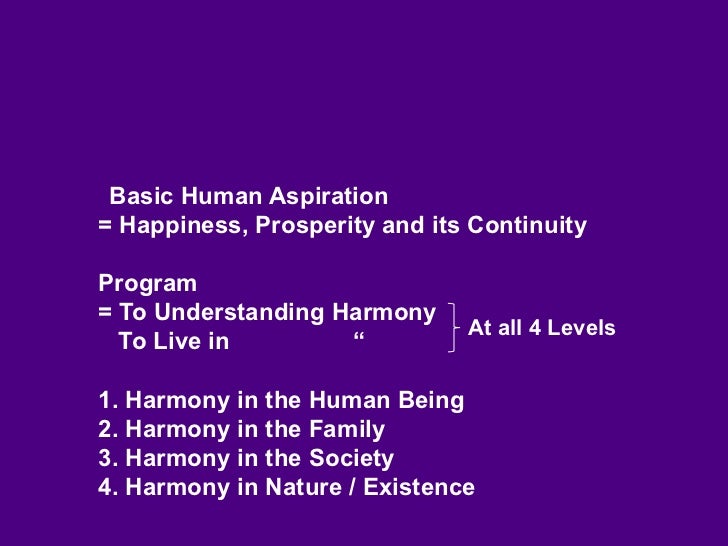
Establishing a consistent meditation practice within a family requires dedication and a strategic approach. It’s easy to get discouraged when life’s demands interfere, but with thoughtful planning and a supportive environment, families can build a sustainable meditation routine. This section focuses on strategies to stay committed, manage setbacks, and track progress, ensuring that meditation becomes an integral part of family life.
Tips for Staying Committed to a Regular Family Meditation Practice
Consistency is the cornerstone of a successful meditation practice. To foster this, consider the following:
- Schedule it Like an Important Appointment: Treat family meditation as a non-negotiable part of the daily or weekly routine, just like school, work, or mealtimes. Choose a specific time that works best for the family, whether it’s in the morning, before dinner, or before bedtime.
- Make it a Group Activity: Encourage all family members to participate. The shared experience can build camaraderie and accountability. If some members are hesitant, start with shorter sessions and gradually increase the duration.
- Create a Dedicated Space: Designate a quiet, comfortable area specifically for meditation. This could be a corner of a room, a spare bedroom, or even a small outdoor space. Make it inviting with soft lighting, comfortable cushions or chairs, and perhaps some calming decorations.
- Set Realistic Expectations: Don’t aim for perfection. Some days will be easier than others. The goal is consistency, not flawless execution. Even a few minutes of meditation are beneficial.
- Incorporate Variety: Explore different meditation techniques to keep things interesting. This could include guided meditations, mindful movement, or loving-kindness practices. Consider using apps or online resources that offer a variety of options.
- Lead by Example: Parents who model a consistent meditation practice will inspire their children to do the same. When children see their parents prioritizing meditation, they are more likely to embrace it as well.
- Use Visual Reminders: Place reminders in visible locations, such as on the refrigerator or bathroom mirror, to prompt meditation sessions. This can be a simple note, a drawing, or a printout of a meditation guide.
Strategies for Dealing with Setbacks and Maintaining Motivation
Setbacks are inevitable, but how a family responds to them determines their long-term success. Here are strategies for navigating challenges:
- Acknowledge and Accept Imperfection: It’s okay if a session is missed or interrupted. Don’t let occasional setbacks derail the entire practice. Instead, acknowledge the situation and gently return to the routine as soon as possible.
- Identify and Address Obstacles: Determine the reasons behind the setbacks. Is it a scheduling conflict, lack of motivation, or a specific family member’s resistance? Once identified, work together to find solutions.
- Adjust the Routine: If the current schedule isn’t working, modify it. Experiment with different times, durations, or locations to find what best suits the family’s needs.
- Seek Support: Connect with other families who meditate or join a meditation group. Sharing experiences and challenges can provide encouragement and new perspectives.
- Reframe Challenges as Opportunities: View setbacks as opportunities for growth and learning. Use these moments to practice patience, resilience, and self-compassion.
- Celebrate Small Victories: Acknowledge and celebrate even the smallest achievements. This could be as simple as completing a meditation session or noticing a positive change in family dynamics.
- Practice Self-Compassion: Be kind to yourselves. Remember that everyone experiences ups and downs. Forgive yourselves for any perceived failures and focus on moving forward.
Designing a System for Tracking Progress and Celebrating Milestones
Tracking progress and celebrating milestones reinforces the value of meditation and keeps the family motivated. Consider these approaches:
- Use a Visual Tracker: Create a visual tracker, such as a calendar or chart, to mark each meditation session. This provides a clear picture of consistency and can be a source of pride. The tracker could be a simple checklist or a more elaborate system with stickers or rewards.
- Keep a Family Journal: Encourage family members to write down their experiences, thoughts, and feelings related to meditation. This can help track the impact of meditation over time and identify any patterns or trends.
- Set Realistic Goals: Establish achievable goals for meditation, such as meditating for a certain number of minutes each day or week. When these goals are met, celebrate them.
- Celebrate Milestones: Acknowledge significant milestones, such as meditating consistently for a month or reaching a specific number of sessions. This could involve a special family activity, a small gift, or a shared meal.
- Share Success Stories: Encourage family members to share their positive experiences with meditation. This could involve discussing how meditation has helped them manage stress, improve their relationships, or feel more present.
- Incorporate Rewards: Offer small, non-material rewards for achieving goals or milestones. This could be extra screen time, a family game night, or a special outing. The rewards should be meaningful and aligned with the family’s values.
- Regularly Review and Adjust: Periodically review the tracking system and make adjustments as needed. If something isn’t working, be willing to try a different approach. The goal is to create a system that is sustainable and enjoyable for the entire family.
Advanced Techniques and Variations

As families become more comfortable with meditation, exploring advanced techniques can deepen the practice and enhance its benefits. These variations offer opportunities to personalize meditation sessions and address specific needs within the family dynamic. They allow for greater engagement and a more profound experience of harmony.
Incorporating Movement and Gentle Stretching
Integrating movement and stretching into meditation sessions can enhance physical awareness and reduce tension, particularly beneficial for family members of all ages. Gentle movements can help to release physical blockages, allowing for a deeper meditative state.
- Warm-up: Begin with a few minutes of gentle stretches, such as neck rolls, shoulder rotations, and side bends. This prepares the body for stillness and promotes relaxation.
- Yoga Poses: Incorporate simple yoga poses like child’s pose, cat-cow stretches, or seated twists. These poses can be held for a few breaths, focusing on the sensation in the body. For example, holding child’s pose for 30 seconds can help calm the nervous system.
- Mindful Walking: Alternate periods of seated meditation with mindful walking. Focus on the sensations of the feet touching the ground, the movement of the body, and the surrounding environment. This can be particularly helpful for children who may find it difficult to sit still for extended periods.
- Breathing Exercises: Combine movement with breathing exercises. For example, inhale as you reach your arms overhead and exhale as you bring them down. This synchronizes breath and movement, deepening the meditative experience.
- Cool-down: Conclude the session with a few minutes of lying down in Savasana (corpse pose) or seated meditation to integrate the experience.
Using Visualization Techniques to Promote Family Goals
Visualization is a powerful technique that can be used to create positive change. For families, visualization can be particularly effective in fostering shared goals, improving relationships, and building a sense of unity.
- Creating a Shared Vision: Begin by discussing family goals, such as improved communication, spending more quality time together, or supporting each other’s dreams. Then, guide the family in visualizing these goals as already achieved. For instance, if the goal is improved communication, visualize family members actively listening to each other with empathy and understanding.
- Positive Affirmations: Encourage the use of positive affirmations during visualization. For example, “We are a supportive family,” or “We communicate with kindness and respect.” Repeating these affirmations reinforces positive beliefs and attitudes.
- Guided Imagery: Use guided imagery to create vivid and engaging visualizations. Describe scenes that evoke positive emotions and experiences. For instance, imagine the family on a fun outing, laughing and enjoying each other’s company. This helps to create a shared positive experience.
- Emotional Connection: Focus on the emotions associated with the goals. Visualize the feelings of joy, love, and connection that will result from achieving the goals. This emotional connection strengthens the visualization and makes it more powerful.
- Regular Practice: Make visualization a regular part of the family’s meditation practice. Even short sessions, such as five minutes each day, can make a significant difference over time. Consistent practice reinforces the visualizations and helps to manifest the desired outcomes.
Comparison of Meditation Styles and Benefits for Families
Different meditation styles offer various approaches to achieving inner peace and harmony. Selecting the right style can depend on the family’s preferences and needs. Understanding the characteristics of each style allows families to experiment and find the most suitable practices.
| Meditation Style | Description | Benefits for Families | Example |
|---|---|---|---|
| Mindfulness Meditation | Focuses on present moment awareness, observing thoughts and feelings without judgment. | Reduces stress and anxiety, improves focus and attention, enhances emotional regulation, and promotes mindful communication. | Sitting together and noticing the sensations of breathing, or focusing on the taste of a piece of fruit while eating it. |
| Loving-Kindness Meditation (Metta) | Cultivates feelings of love, kindness, and compassion towards oneself and others. | Increases empathy and compassion, strengthens family bonds, reduces conflict, and promotes forgiveness. | Silently repeating phrases such as, “May you be happy, may you be healthy, may you be safe, may you live with ease,” directed towards oneself, loved ones, and even difficult people. |
| Guided Meditation | Involves following the instructions of a teacher or guide, often using visualizations and specific themes. | Provides structure and support, offers diverse themes to address specific needs (e.g., stress reduction, sleep), and is suitable for all ages. | Listening to a recording that guides the family through a visualization of a peaceful place, or a guided body scan to release tension. |
| Movement Meditation | Combines meditation with physical activity, such as yoga or Tai Chi. | Improves physical and mental well-being, increases body awareness, releases tension, and promotes relaxation. | Practicing yoga poses together, or doing a gentle stretching routine with a focus on the breath. |
Addressing Challenges and Troubleshooting
Family meditation, while beneficial, can present unique hurdles. It requires patience, understanding, and a willingness to adapt. This section addresses common obstacles families encounter and offers practical solutions to navigate them successfully.
Common Challenges in Family Meditation
Several challenges frequently arise when families begin meditating together. Recognizing these issues is the first step towards overcoming them.
- Distractions: Children, in particular, may struggle to remain still and quiet, leading to interruptions. The environment, such as a noisy house or uncomfortable seating, can also contribute to distractions.
- Lack of Time: Busy family schedules often make it difficult to find a consistent time for meditation. Competing priorities and commitments can easily derail the practice.
- Resistance from Family Members: Some family members, especially teenagers or those new to meditation, might resist participating. They may feel uncomfortable, skeptical, or simply uninterested.
- Difficulty with Consistency: Maintaining a regular meditation practice requires discipline. Life events, stress, or simply forgetting can lead to inconsistent practice, making it harder to reap the benefits.
- Boredom and Lack of Engagement: If the meditation sessions feel monotonous or uninteresting, family members may lose enthusiasm and stop participating.
Solutions for Distractions and Restlessness
Managing distractions and restlessness is crucial for a successful family meditation practice. Implementing these strategies can help create a more conducive environment.
- Creating a Dedicated Meditation Space: Designate a quiet, comfortable area free from interruptions. This could be a corner of a room, a spare bedroom, or even a small outdoor space. The space should be inviting and conducive to relaxation. Consider using soft lighting, comfortable cushions or chairs, and calming decorations.
- Setting Clear Expectations: Before each session, establish clear guidelines for behavior. This might include asking everyone to be quiet, avoid fidgeting, and remain seated. Positive reinforcement and gentle reminders can be more effective than scolding.
- Using Guided Meditations: Guided meditations, especially those designed for children, can help maintain focus and provide structure. They offer a voice to follow and specific instructions, which can be helpful for beginners.
- Adjusting the Duration: Start with short meditation sessions (e.g., 5-10 minutes) and gradually increase the duration as family members become more comfortable. Shorter sessions are often easier to manage, especially for younger children.
- Incorporating Movement: If restlessness is a persistent issue, incorporate gentle movement exercises, such as stretching or yoga poses, before or after meditation. This can help release pent-up energy and improve focus.
- Addressing Underlying Issues: If restlessness is related to anxiety or stress, consider addressing these issues through other means, such as therapy or stress-reduction techniques.
Resources for Supporting Family Meditation Practice
Numerous resources are available to support and enhance family meditation. These resources offer guidance, tools, and inspiration for families at all stages of their meditation journey.
- Books:
- Meditation for Beginners by Jack Kornfield and Tara Brach: Provides a foundational understanding of meditation and mindfulness practices.
- Peaceful Kids: 7 Ways to Help Children Find Peace, Strength, and Happiness by Eileen McDargh: Offers practical exercises and techniques for teaching children mindfulness.
- Websites:
- Mindful.org: Offers articles, guided meditations, and resources on mindfulness for all ages.
- Headspace.com: Provides guided meditations and mindfulness exercises for adults and children.
- SmilingMind.com.au: Offers free, evidence-based mindfulness programs for all ages.
- Apps:
- Headspace: Features guided meditations, sleep sounds, and mindfulness exercises for various needs and age groups.
- Calm: Offers guided meditations, sleep stories, and relaxing music.
- Insight Timer: Provides a vast library of free guided meditations, including those for children and families.
- Workshops and Classes: Consider attending workshops or classes specifically designed for family meditation. These can provide valuable instruction, support, and a sense of community. Search local community centers, yoga studios, or online platforms for family-friendly options.
The Role of the Family Leader
The family leader, often a parent or guardian, plays a crucial role in establishing and nurturing a successful family meditation practice. Their guidance, modeling, and facilitation are essential for creating a supportive environment where all family members can benefit from the practice. This section will explore the specific responsibilities of the family leader and provide practical strategies for effectively guiding family meditation.
Guiding Family Meditation: Responsibilities
The family leader serves as the primary facilitator and role model for family meditation. This involves setting the tone, creating a dedicated space, and providing consistent encouragement. They are responsible for ensuring the practice remains a positive and enjoyable experience for everyone involved.
- Setting the Example: The leader demonstrates the value of meditation by practicing regularly themselves. This encourages others to participate and shows that meditation is a priority.
- Creating a Dedicated Space: The leader helps designate a quiet and comfortable area in the home specifically for meditation. This could be a corner of a room, a specific cushion, or a designated meditation room.
- Establishing a Routine: The leader helps establish a consistent schedule for family meditation sessions. Regularity helps integrate the practice into the family’s daily or weekly routines.
- Providing Guidance: The leader guides family members through meditation techniques, offering support and encouragement. This includes explaining techniques, answering questions, and adapting the practice to suit different ages and abilities.
- Managing the Session: The leader takes charge during meditation sessions, ensuring a smooth and focused experience. This might involve starting and ending the session, guiding the meditation, and managing any distractions.
- Adapting the Practice: The leader tailors the meditation practice to the family’s needs and preferences. This could include modifying the length of sessions, incorporating different techniques, or using guided meditations that resonate with the family.
- Encouraging Participation: The leader encourages all family members to participate, but without coercion. They emphasize the benefits of meditation and make it a positive experience, avoiding any sense of obligation or pressure.
- Addressing Challenges: The leader helps family members overcome any challenges they may encounter during meditation. This might involve providing support, offering alternative techniques, or adapting the practice as needed.
Modeling Meditation Practices
Modeling meditation practices involves demonstrating the behavior you wish to see in others. This is a powerful tool for influencing children and other family members to embrace meditation. By consistently practicing meditation themselves, leaders can naturally encourage participation and demonstrate the benefits firsthand.
- Consistent Personal Practice: The family leader should make meditation a regular part of their own routine. This visible commitment serves as a strong example. For instance, a parent who meditates daily for 10-15 minutes is likely to encourage children to see meditation as a normal and valuable activity.
- Verbalizing the Benefits: Share how meditation makes you feel and the positive impact it has on your life. For example, “I feel much calmer and less stressed after my meditation session this morning” can be a simple and effective statement.
- Including Children in Your Practice (When Appropriate): Invite children to join you in meditation sessions, even if it’s just for a few minutes. This can be particularly effective for younger children.
- Discussing Challenges and Solutions: Share any difficulties you encounter while meditating and how you overcome them. This normalizes the process and shows that meditation is not always easy.
- Creating a Meditation-Friendly Environment: Foster a home environment that supports meditation. This could include a designated meditation space, soft lighting, and quiet times.
- Responding Calmly to Stressful Situations: Demonstrate the use of meditation techniques in stressful situations. For example, when faced with a frustrating situation, take a moment to breathe deeply and respond calmly.
- Sharing Resources: Share books, articles, or apps related to meditation with your family. This provides additional support and information.
Framework for Leading a Family Meditation Session
A structured framework helps ensure a focused and effective family meditation session. This provides a predictable routine that family members can become familiar with, making the practice more comfortable and enjoyable. This framework can be adapted to suit the family’s age groups, preferences, and the time available.
Here is a sample framework for a 15-minute family meditation session:
- Preparation (2 minutes):
- Gather everyone in the designated meditation space.
- Ensure everyone is comfortable (sitting, lying down).
- Briefly explain the focus of the meditation (e.g., gratitude, body scan).
- Introduction (1 minute):
- Begin with a few deep breaths to center everyone.
- Set the intention for the session (e.g., to cultivate peace, to reduce stress).
- Guided Meditation (8 minutes):
- Lead a guided meditation appropriate for the family’s age and experience. This could involve focusing on the breath, visualizing a peaceful scene, or practicing loving-kindness.
- Use a calm and soothing voice.
- Adjust the pace and content to maintain interest.
- Silence/Reflection (3 minutes):
- Allow a few minutes of silence for personal reflection.
- Encourage family members to notice their thoughts and feelings without judgment.
- Alternatively, guide a brief reflective exercise, such as focusing on what they are grateful for.
- Closing (1 minute):
- Gently bring the session to a close.
- Offer a short positive affirmation or a few final deep breaths.
- Thank everyone for participating.
Example of a Guided Meditation for Younger Children:
“Let’s close our eyes gently. Imagine you are a beautiful flower, opening up to the sun. Feel the warmth of the sun on your petals. Take a deep breath in, and as you breathe out, let go of any worries or busy thoughts. Now, imagine your roots are growing deep into the earth, feeling safe and strong. Breathe in, and feel the earth supporting you. Breathe out, and let go of any feelings that are not helping you feel happy. Now, imagine you are smiling from the inside out. Let your smile grow bigger and bigger. Take one last deep breath and when you are ready, gently open your eyes.”
Measuring the Impact of Meditation

Assessing the effects of meditation on family dynamics is crucial to understanding its effectiveness and tailoring the practice to individual needs. Various methods can be employed to track changes, from informal observations to more structured assessments. This allows families to gauge progress and make adjustments to their meditation routines for optimal benefits.
Methods for Assessing Family Dynamics
Several methods can be used to measure the impact of meditation on family dynamics. These approaches range from simple observation to more formal surveys and assessments. The key is to choose methods that are appropriate for the family’s age, personalities, and commitment level.
- Journaling: Family members can keep individual journals to record their thoughts, feelings, and behaviors before and after meditation sessions. This can reveal shifts in emotional responses and communication patterns.
- Observation: Parents can observe interactions between family members, noting changes in conflict resolution, empathy, and cooperation. This can involve documenting specific instances of positive or negative behaviors.
- Family Meetings: Regular family meetings provide a structured platform to discuss experiences with meditation, share observations, and identify areas for improvement.
- Surveys and Questionnaires: Standardized questionnaires, such as the Family Assessment Device (FAD) or custom-designed surveys, can be used to assess family functioning across various dimensions like communication, problem-solving, and emotional responsiveness. These tools provide quantitative data that can be tracked over time.
- Tracking Conflict Resolution: Documenting the frequency and intensity of conflicts before and after meditation can reveal its impact on communication and problem-solving skills.
- Analyzing Communication Patterns: Observing and analyzing how family members communicate, including tone, active listening, and the ability to express feelings, can highlight improvements in communication skills.
Examples of Positive Changes
Families who consistently practice meditation often report significant improvements in their relationships. These changes are often gradual, but the cumulative effect can be transformative. Real-life examples illustrate the potential benefits of integrating meditation into family life.
- Reduced Conflict: A family with two teenagers and a younger child noticed a significant decrease in arguments after introducing daily family meditation. The parents reported that the children were more likely to calmly discuss disagreements rather than escalate into shouting matches.
- Improved Communication: A couple struggling with communication issues found that regular meditation sessions enhanced their ability to listen actively and express their needs more effectively. They reported feeling more connected and understanding each other better.
- Increased Empathy: A family with a child struggling with social anxiety observed that meditation helped the child become more empathetic toward others. The child started to understand different perspectives and showed more compassion.
- Enhanced Emotional Regulation: Parents reported that their children became better at managing their emotions and responding to stressful situations. They observed a decrease in tantrums and an increase in self-soothing behaviors.
- Strengthened Family Bonds: A family that started meditating together experienced an increase in overall family cohesion. They reported spending more quality time together and feeling a stronger sense of unity.
Common Improvements in Family Relationships
Meditation fosters a variety of positive changes within family dynamics. These improvements are often interconnected, creating a ripple effect that benefits all family members. The following chart summarizes common improvements:
| Area of Improvement | Description | Observable Indicators |
|---|---|---|
| Communication | Enhanced ability to listen actively and express feelings openly. |
|
| Conflict Resolution | Improved ability to manage conflicts calmly and constructively. |
|
| Emotional Regulation | Better management of emotions, including stress, anxiety, and anger. |
|
| Empathy and Understanding | Increased ability to understand and share the feelings of others. |
|
| Family Cohesion | Strengthened bonds and a greater sense of unity and belonging. |
|
Dealing with Different Family Dynamics
Family dynamics are diverse, and meditation practices need to be adaptable to suit the unique needs and stages of each family member. Successfully integrating meditation requires understanding and accommodating the varied perspectives, attention spans, and emotional landscapes within the family unit. This section provides tailored guidance for adapting meditation practices to different age groups and family structures.
Adapting Meditation Practices for Families with Young Children
Young children have shorter attention spans and a greater need for movement. Meditation practices for this age group should be brief, engaging, and playful.
- Short Sessions: Keep meditation sessions to 5-10 minutes, or even shorter for very young children. This respects their limited attention capacity.
- Guided Imagery: Use guided imagery to engage their imaginations. Describe peaceful scenes, such as a sunny beach or a quiet forest, and encourage them to visualize these places.
- Movement and Play: Incorporate movement and play into meditation. Gentle stretches, yoga poses, or mindful walking can help children stay engaged and release energy.
- Breathing Exercises: Teach simple breathing exercises, such as “belly breathing” (placing a hand on their stomach and feeling it rise and fall) or blowing bubbles.
- Storytelling: Use storytelling to introduce meditation concepts. Create or find stories about characters who use mindfulness to overcome challenges.
- Sensory Activities: Engage their senses. Use calming scents (like lavender), soft music, or textured objects to enhance the meditation experience.
- Positive Reinforcement: Praise and reward their efforts. Acknowledge their participation and the positive impact of meditation on their mood and behavior.
Including Teenagers and Adults in Meditation Sessions
Teenagers and adults may have different needs and preferences when it comes to meditation. It is important to create an environment that supports their comfort and engagement.
- Offer Choices: Provide a variety of meditation techniques to choose from, such as mindfulness meditation, loving-kindness meditation, or body scan meditation.
- Respect Privacy: Respect their need for privacy. Some teenagers and adults may prefer to meditate alone or in a separate space.
- Address Skepticism: Acknowledge any skepticism or resistance. Explain the benefits of meditation, such as stress reduction, improved focus, and emotional regulation, in a way that resonates with their experiences.
- Incorporate Technology: Use meditation apps or online resources that appeal to their preferences. These resources can provide guided meditations, music, and other tools.
- Set a Good Example: Demonstrate the benefits of meditation through your own practice. Teenagers and adults are more likely to participate if they see the positive effects in others.
- Create a Regular Schedule: Establish a consistent meditation schedule that fits into their routines. This could be daily, weekly, or at specific times.
- Facilitate Discussions: Encourage open communication about their experiences with meditation. Discuss any challenges or successes, and offer support.
Considerations for Blended Families and Families with Special Needs
Blended families and families with special needs may require additional considerations when integrating meditation practices.
In blended families, it is important to foster a sense of unity and acceptance. Encourage open communication and understanding between all family members. In families with special needs, adapt meditation practices to meet the individual needs of each family member. Consider sensory sensitivities, attention spans, and physical limitations. Consult with therapists or specialists for guidance on appropriate techniques and modifications. For example, children with autism may benefit from structured meditation routines and visual aids, while those with ADHD might thrive with movement-based meditation practices.
The Long-Term Impact

The consistent practice of family meditation offers profound and lasting benefits, extending far beyond immediate stress reduction. Over time, the accumulated effects of mindful practice reshape family dynamics, fostering resilience, empathy, and a deep sense of connection. This section explores the enduring positive consequences of integrating meditation into family life.
Strengthening Family Bonds Over Time
Meditation’s impact on family relationships deepens with consistent practice. It creates a foundation of emotional understanding and resilience that strengthens family bonds in several key ways.
- Enhanced Communication: Regular meditation cultivates mindful listening and clear expression. Family members become more adept at understanding each other’s perspectives, reducing misunderstandings and fostering open communication.
- Increased Empathy and Compassion: Through meditation, individuals develop greater awareness of their own emotions and those of others. This heightened emotional intelligence fosters empathy and compassion, leading to more supportive and understanding relationships.
- Improved Conflict Resolution: Meditation equips family members with tools to manage difficult emotions and approach conflicts with a calmer, more rational mindset. This can prevent disagreements from escalating and promote constructive dialogue.
- Shared Experiences and Rituals: Establishing a family meditation practice creates a shared experience and ritual that strengthens the sense of belonging and unity within the family. These shared practices can become cherished traditions that provide comfort and connection.
Visual Description of a Harmonious Family Life
Imagine a family deeply connected through shared meditation practices. Picture a living room bathed in soft, natural light.
“The father, mother, and children, ranging in ages, sit comfortably on cushions. The atmosphere is calm, yet vibrant with the energy of presence. There is a palpable sense of ease and acceptance. Communication flows effortlessly, marked by active listening and genuine understanding. Conflicts are addressed with empathy and a willingness to find solutions together. Laughter and joy fill the home, not as a result of the absence of challenges, but from the ability to navigate them with grace and resilience. The children, secure in their emotional environment, exhibit self-confidence and respect for others. The parents, having cultivated their own practices, serve as mindful role models, fostering a sense of calm and stability. Each member feels heard, valued, and loved, contributing to a home that is a sanctuary of peace and connection.”
This harmonious family life is not a utopian fantasy but a tangible outcome achievable through the consistent and dedicated practice of family meditation. It’s a testament to the power of mindfulness to transform individuals and, consequently, the very fabric of family relationships.
Closure
In conclusion, How to Meditate for Creating Harmony in Family Life offers a practical and inspiring framework for weaving mindfulness into the fabric of your family. By embracing these techniques, you’ll not only equip your family with valuable tools for navigating life’s challenges but also lay the foundation for lasting peace, understanding, and joy. Remember, the journey to family harmony begins with a single breath, a moment of presence, and a commitment to cultivate a more loving and connected home.