In today’s hyper-connected world, digital technology has woven itself into the fabric of our daily lives, offering unprecedented access to information and communication. However, this constant connectivity comes at a cost: digital stress. This guide, “How to Meditate for Reducing Digital Stress,” delves into the pervasive issue of digital stress, exploring its origins, symptoms, and detrimental effects on our well-being.
We’ll uncover how technology, while beneficial, can also contribute to feelings of overwhelm, anxiety, and burnout.
This comprehensive exploration will equip you with the knowledge and practical tools to combat digital stress. We’ll journey through the benefits of meditation, the science behind its effectiveness, and the step-by-step techniques that can be readily integrated into your life. From setting up your meditation space to navigating common challenges, this guide will provide a roadmap for cultivating digital wellbeing, allowing you to reclaim your mental clarity and find balance in the digital age.
This guide will show you how to cultivate mindfulness, manage your digital consumption, and ultimately, live a more present and fulfilling life.
Defining Digital Stress
Digital stress is a modern phenomenon, a specific type of stress that arises from the constant use of and interaction with digital technologies. It encompasses a range of physical, emotional, and cognitive responses to the demands of the digital world. Understanding digital stress is the first step towards managing its effects and improving overall well-being in the digital age.
Defining Digital Stress and Its Common Symptoms
Digital stress manifests as a variety of symptoms, impacting both physical and mental health. These symptoms can vary in intensity and presentation, but recognizing them is crucial for identifying and addressing the underlying causes.
- Physical Symptoms: The physical toll of digital stress can include headaches, eye strain, and musculoskeletal problems. Prolonged screen time and repetitive movements associated with technology use contribute to these issues. Insomnia is another common physical symptom, often linked to the blue light emitted from screens, which disrupts the body’s natural sleep-wake cycle. Studies have shown that consistent exposure to blue light before bed can significantly reduce sleep quality.
- Emotional Symptoms: Emotionally, digital stress can lead to feelings of anxiety, irritability, and overwhelm. The constant influx of information, notifications, and the pressure to be constantly connected can trigger these emotional responses. The fear of missing out (FOMO), a social anxiety characterized by the desire to stay continually connected with what others are doing, is a significant contributor to emotional distress.
- Cognitive Symptoms: Cognitive functions are also affected. Digital stress can impair concentration and focus, making it difficult to complete tasks. It can also lead to memory problems and a general sense of mental fatigue. The brain’s ability to process information effectively is challenged by the constant demands of the digital environment, leading to cognitive overload.
How Technology Contributes to Digital Stress
Technology’s role in digital stress is multifaceted, stemming from its inherent characteristics and how it’s integrated into daily life. Several factors contribute to the development and exacerbation of digital stress.
- Constant Connectivity: The always-on nature of digital devices creates a sense of constant availability. This can lead to an inability to disconnect, blurring the lines between work and personal life. The expectation of immediate responses to emails, messages, and other notifications contributes to heightened stress levels.
- Information Overload: The sheer volume of information available online can be overwhelming. The constant bombardment of news, social media updates, and other digital content can lead to cognitive overload, making it difficult to process and filter information effectively. This overload can trigger feelings of anxiety and stress.
- Social Media Pressure: Social media platforms contribute to digital stress through the pressure to maintain a perfect online persona, compare oneself to others, and constantly seek validation through likes and comments. The curated nature of social media often presents an unrealistic view of life, leading to feelings of inadequacy and low self-esteem.
- Work-Life Imbalance: The integration of technology into the workplace has blurred the boundaries between work and personal time. The expectation to be available outside of regular work hours can lead to increased stress and burnout. This constant connectivity can make it difficult to switch off and relax, further contributing to digital stress.
Behaviors Indicating Digital Stress
Recognizing the behavioral signs of digital stress is crucial for early intervention. These behaviors often reflect the physical, emotional, and cognitive strains associated with excessive technology use.
- Excessive Device Use: Spending an inordinate amount of time on digital devices, even when there is no specific task or need, is a key indicator. This includes constantly checking social media, emails, or news feeds. This behavior often stems from a need for constant stimulation or a fear of missing out.
- Difficulty Disconnecting: Inability to detach from digital devices, even when attempting to relax or sleep, suggests digital stress. This includes checking emails or social media before bed, or feeling anxious when away from a device. This difficulty disconnecting can disrupt sleep patterns and hinder the ability to fully relax.
- Withdrawal from Real-World Activities: A decline in engagement with real-world activities and relationships, in favor of digital interactions, is another indicator. This includes spending less time with family and friends, or neglecting hobbies and interests in favor of online activities. This withdrawal can lead to social isolation and exacerbate feelings of stress.
- Changes in Sleep Patterns: Disrupted sleep, such as difficulty falling asleep, staying asleep, or experiencing poor sleep quality, is a common symptom. This can be linked to blue light exposure from screens, as well as the mental stimulation associated with digital activities. Consistent sleep disturbances can worsen other symptoms of digital stress.
Understanding the Benefits of Meditation

Meditation, a practice with roots in ancient traditions, offers a wealth of benefits for mental and physical well-being. It provides a powerful tool for navigating the complexities of modern life, particularly in an age dominated by digital distractions and stressors. By cultivating a state of focused awareness, meditation can profoundly impact various aspects of our lives, promoting a sense of calm, clarity, and resilience.
General Benefits of Meditation for Mental Well-being
Meditation offers a range of advantages that significantly enhance mental well-being. These benefits contribute to a more balanced and fulfilling life, providing tools to manage stress, improve focus, and cultivate a greater sense of self-awareness.
- Stress Reduction: Meditation is a potent stress reducer. Studies consistently show that regular meditation can lower cortisol levels, the primary stress hormone. For instance, a study published in the
-Journal of Consulting and Clinical Psychology* found that mindfulness meditation significantly reduced stress levels in participants compared to a control group. - Improved Focus and Concentration: Regular meditation practice strengthens the ability to focus and concentrate. By training the mind to stay present, meditation helps to reduce mind-wandering and improve attention span. Research published in
-Psychological Science* demonstrated that even short meditation sessions can improve focus and working memory. - Enhanced Self-Awareness: Meditation cultivates self-awareness by promoting a deeper understanding of thoughts, emotions, and bodily sensations. This increased awareness allows individuals to respond to challenges with greater clarity and emotional regulation. This can be particularly beneficial in managing digital stress, where constant notifications and demands can easily lead to overwhelm.
- Emotional Regulation: Meditation helps individuals develop greater emotional resilience and the ability to regulate their emotions more effectively. It provides tools for recognizing and managing difficult emotions, such as anxiety and anger. A study in the
-Journal of Abnormal Psychology* found that mindfulness-based interventions were effective in reducing symptoms of anxiety and depression. - Reduced Anxiety and Depression: Meditation has been shown to be an effective intervention for reducing symptoms of anxiety and depression. By calming the nervous system and promoting a sense of inner peace, meditation can help alleviate the symptoms of these mental health conditions. Numerous studies, including those published in
-JAMA Internal Medicine*, have supported the use of meditation as a complementary therapy for these conditions.
Impact of Meditation on the Nervous System
Meditation has a profound impact on the nervous system, influencing both the central and autonomic nervous systems. These effects contribute to the various mental and physical benefits associated with the practice.
- Activation of the Parasympathetic Nervous System: Meditation activates the parasympathetic nervous system, often referred to as the “rest and digest” system. This activation counteracts the effects of the sympathetic nervous system, which is responsible for the “fight or flight” response. This shift promotes relaxation and reduces stress.
- Changes in Brainwave Activity: Meditation alters brainwave patterns, leading to a shift towards alpha and theta brainwave frequencies. These frequencies are associated with relaxation, calmness, and increased creativity. Electroencephalogram (EEG) studies have consistently demonstrated these changes in brainwave activity during meditation.
- Impact on the Amygdala: Meditation can reduce activity in the amygdala, the brain region responsible for processing fear and threat. This reduction in amygdala activity can lead to decreased anxiety and improved emotional regulation. Functional magnetic resonance imaging (fMRI) studies have shown this effect in experienced meditators.
- Increased Gray Matter Density: Long-term meditation practice has been linked to increased gray matter density in brain regions associated with attention, emotional regulation, and self-awareness. This suggests that meditation can lead to structural changes in the brain that support these cognitive and emotional functions.
- Release of Neurotransmitters: Meditation can influence the release of various neurotransmitters, including serotonin and dopamine, which are associated with mood regulation and feelings of well-being. This can contribute to the positive effects of meditation on mental health.
Physiological Changes That Occur During Meditation
During meditation, the body undergoes several physiological changes that contribute to the overall experience of relaxation and well-being. These changes are a direct result of the nervous system’s response to the practice.
- Decreased Heart Rate: Meditation slows down the heart rate, indicating a decrease in the body’s stress response. This is a direct result of the activation of the parasympathetic nervous system.
- Lowered Blood Pressure: Regular meditation practice can lead to a decrease in blood pressure. This is due to the relaxation of blood vessels and the reduction of stress hormones. Research published in the
-American Journal of Hypertension* has shown the benefits of meditation on blood pressure. - Reduced Respiratory Rate: Meditation often involves slower, deeper breathing, which reduces the respiratory rate. This helps to calm the nervous system and promote relaxation.
- Increased Skin Conductance: Skin conductance, which measures the activity of sweat glands, often decreases during meditation, indicating a reduction in the body’s stress response.
- Changes in Hormone Levels: Meditation can lead to changes in hormone levels, including a decrease in cortisol (the stress hormone) and an increase in melatonin (the sleep hormone). This can contribute to improved mood, sleep quality, and overall well-being.
Preparing for Meditation
Setting the stage for meditation is crucial for maximizing its effectiveness in reducing digital stress. A well-prepared environment and a mindful approach to timing significantly enhance the meditative experience. This section focuses on the practical aspects of preparing for meditation, ensuring a comfortable and conducive practice.
Designing a Suitable Meditation Environment
Creating a dedicated meditation space is beneficial for establishing a consistent practice. This space should be a sanctuary where you feel safe, calm, and undisturbed.Consider these elements when designing your meditation environment:
- Location: Choose a quiet area, away from distractions like televisions, phones, and busy thoroughfares. If possible, select a space that receives natural light and ventilation.
- Ambiance: The atmosphere should promote relaxation. Consider the following:
- Temperature: Ensure the room is at a comfortable temperature.
- Lighting: Soft, natural light is ideal. Dim the lights if needed, or use candles or Himalayan salt lamps for a calming glow.
- Sound: Minimize noise. Use earplugs, noise-canceling headphones, or play ambient sounds like nature sounds or instrumental music at a low volume.
- Aromatherapy: Use essential oils like lavender or sandalwood to promote relaxation. However, be mindful of allergies or sensitivities.
- Comfort: Provide comfortable seating. This could be a meditation cushion, a chair with good back support, or a comfortable mat.
- Organization: Keep the space tidy and uncluttered. A clean environment promotes mental clarity.
- Personalization: Add elements that inspire you, such as inspirational quotes, artwork, or plants.
Organizing Items Needed for a Comfortable Meditation Session
Gathering the necessary items before you begin ensures a smooth and uninterrupted meditation session. This preparation minimizes distractions and allows you to focus on your practice.Here’s a list of items you may find helpful:
- Comfortable Seating: As mentioned above, this could be a cushion, chair, or mat. Ensure it provides adequate support.
- Blanket or Shawl: Use a blanket or shawl to stay warm, especially if the room is cool or if you tend to feel cold during meditation.
- Eye Cover or Pillow: A soft eye cover or pillow can block out light and enhance relaxation.
- Timer or Meditation App: Use a timer to track your meditation duration. There are many meditation apps available that offer guided meditations and timers.
- Journal and Pen: Keep a journal and pen nearby to jot down any thoughts or insights that arise during or after your meditation.
- Water: Have a glass of water nearby to stay hydrated.
- Comfortable Clothing: Wear loose, comfortable clothing that doesn’t restrict your movement or breathing.
- Earplugs or Noise-Canceling Headphones: If you anticipate noise, use these to minimize distractions.
- Essential Oils or Incense (Optional): If you enjoy aromatherapy, have your preferred scents ready.
Creating a Guide on How to Choose the Right Time for Meditation
Choosing the right time for meditation is essential for establishing a consistent practice. The optimal time varies depending on your lifestyle, preferences, and personal rhythms. The key is to find a time when you are least likely to be interrupted and when your mind is relatively calm.Consider these factors when choosing your meditation time:
- Morning: Many people find that meditating first thing in the morning sets a positive tone for the day. It can help reduce stress and increase focus. However, it might be challenging if you are not a morning person.
- Lunch Break: A short meditation during your lunch break can provide a refreshing mental reset, helping you to manage afternoon stress.
- Evening: Meditating in the evening can help you unwind after a long day and prepare for restful sleep. It can also help you process your thoughts and emotions.
- Consistency: The most important factor is consistency. Try to meditate at the same time each day to establish a routine.
- Experimentation: Experiment with different times to see what works best for you. Pay attention to how you feel before, during, and after your meditation sessions.
- Listen to Your Body: If you find yourself consistently feeling tired or restless at a particular time, try adjusting your schedule.
- Flexibility: Life happens. Be flexible with your schedule. If you miss a session, don’t get discouraged. Simply resume your practice as soon as possible.
- Duration: Start with short sessions (5-10 minutes) and gradually increase the duration as you become more comfortable.
Regularly practicing meditation at a consistent time of day can help create a habit, making it easier to incorporate into your daily routine and experience its benefits.
Foundational Meditation Techniques

To effectively reduce digital stress, it’s crucial to master some fundamental meditation techniques. These techniques provide the building blocks for cultivating a calmer and more focused mind. This section will explore three core practices: mindfulness meditation, focused attention meditation, and breath awareness.
Basic Steps of Mindfulness Meditation
Mindfulness meditation cultivates present moment awareness without judgment. It involves observing thoughts, feelings, and sensations as they arise, allowing them to pass without getting carried away.
- Finding a Comfortable Position: Sit in a chair with your feet flat on the floor or cross-legged on a cushion. Maintain a straight but relaxed posture, allowing your spine to be naturally aligned. This posture promotes alertness and reduces the likelihood of falling asleep.
- Setting Your Intention: Before beginning, quietly set your intention for the meditation session. This might be to observe your thoughts without judgment or to cultivate a sense of calm.
- Focusing on the Breath: Gently bring your attention to the sensation of your breath. Notice the rise and fall of your abdomen or the feeling of air moving in and out of your nostrils. This serves as an anchor to the present moment.
- Observing Thoughts and Feelings: As thoughts, feelings, or sensations arise, simply observe them without getting caught up in them. Acknowledge their presence and then gently redirect your attention back to your breath.
- Practicing Non-Judgment: It’s common for your mind to wander. When you realize your attention has drifted, simply acknowledge the thought or feeling without judgment and gently bring your focus back to your breath.
- Ending the Session: When you’re ready to finish, slowly bring your attention back to your surroundings. Take a few deep breaths and gently open your eyes.
Practicing Focused Attention Meditation
Focused attention meditation concentrates on a single point of focus to train the mind. This could be the breath, a mantra, a visual object, or a sound. The goal is to strengthen the ability to maintain attention and resist distractions.
- Choosing Your Focus: Select a focus point, such as your breath, a specific word or phrase (a mantra), or a visual object like a candle flame. The choice should be something you find calming and engaging.
- Establishing a Consistent Practice: Aim for regular practice sessions, even if they are short. Consistency is key to building mental focus. Start with 5-10 minutes and gradually increase the duration as you become more comfortable.
- Returning to Your Focus: Your mind will inevitably wander. When you notice this, gently redirect your attention back to your chosen focus. Avoid self-criticism; this is a normal part of the process.
- Dealing with Distractions: Distractions, such as sounds or physical sensations, are common. Acknowledge these distractions without judgment and gently return your focus to your chosen point.
- Increasing the Challenge: As you become more proficient, you can gradually increase the length of your meditation sessions or introduce more challenging focus points. This helps to further strengthen your attention span.
Using Breath Awareness as a Meditation Anchor
Breath awareness is a fundamental technique that utilizes the breath as an anchor to the present moment. It’s a readily accessible and effective method for calming the mind and reducing stress.
- Finding a Comfortable Position: Sit comfortably with a straight back. You can sit in a chair, on a cushion, or lie down. Ensure you are in a position that allows you to breathe freely.
- Bringing Awareness to the Breath: Close your eyes or soften your gaze. Begin to notice the sensation of your breath. Feel the air moving in and out of your nostrils, or observe the rise and fall of your abdomen.
- Following the Breath: Track the entire breath cycle, from the beginning of the inhalation to the end of the exhalation. Notice the pauses between breaths.
- Noticing Distractions: Your mind will likely wander. Thoughts, sounds, and physical sensations will arise. When you become aware of a distraction, gently acknowledge it and redirect your attention back to your breath.
- Deepening the Practice: As you become more familiar with breath awareness, you can deepen your practice by focusing on the quality of your breath. Notice its rhythm, depth, and any areas of tension.
- Benefits of Breath Awareness: Regular practice of breath awareness can lead to reduced stress, increased focus, and a greater sense of calm. It provides a simple yet powerful tool for managing digital stress by bringing you back to the present moment.
Meditation Techniques for Digital Stress
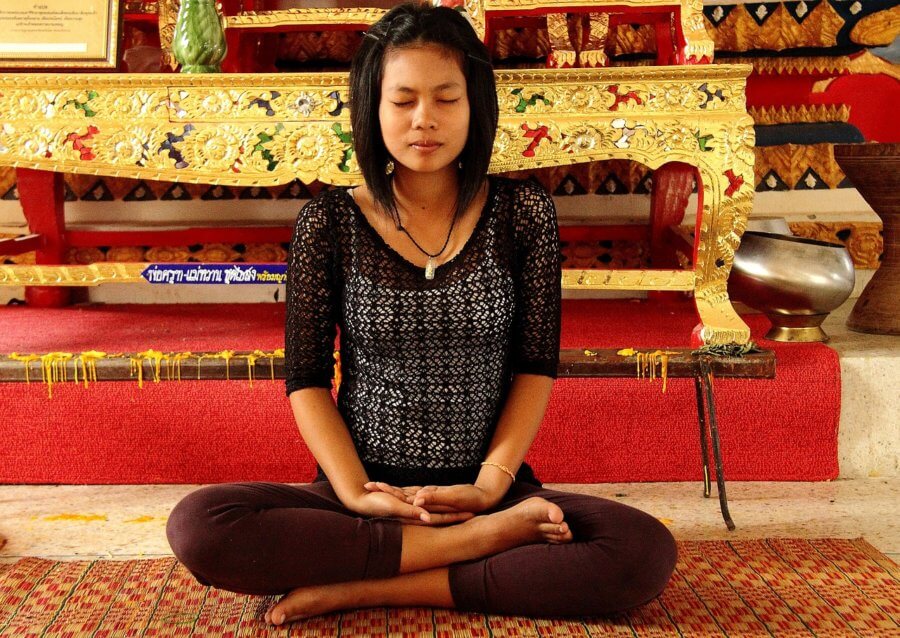
Digital stress, a modern affliction, manifests in various ways, from constant notifications to the pressure of online presence. Fortunately, specific meditation practices can effectively counter these stressors, promoting a calmer, more focused state of mind. This section delves into these tailored techniques, providing practical strategies for integrating them into your daily routine.
Specific Meditation Practices Tailored to Digital Stress
Several meditation practices directly address the challenges posed by the digital world. These techniques help to cultivate awareness, reduce reactivity, and foster a sense of inner peace amidst the constant connectivity.
- Mindfulness Meditation: This foundational practice involves focusing on the present moment, observing thoughts and feelings without judgment. It helps to detach from the constant stream of digital information and cultivate a non-reactive stance towards notifications and online pressures. By simply noticing the urge to check devices, without acting on it, one can begin to break the cycle of digital compulsion.
- Loving-Kindness Meditation (Metta): This practice cultivates feelings of love, compassion, and kindness towards oneself and others. It is particularly helpful in combating the negative self-talk and social comparison that often arise from social media use. By extending feelings of warmth and goodwill, individuals can lessen the impact of digital negativity.
- Breath Awareness Meditation: Focusing on the breath provides an anchor to the present moment. This practice is useful for calming the nervous system and reducing the physical sensations of stress, such as a racing heart or shallow breathing, often associated with prolonged screen time.
- Walking Meditation: Integrating meditation into daily activities, like walking, helps to ground the mind and body. During walking meditation, the focus is on the physical sensations of walking – the feeling of the feet on the ground, the movement of the legs, and the breath. This practice can be particularly helpful for those who find it difficult to sit still.
- Body Scan Meditation: This technique cultivates awareness of the body’s sensations. It is highly effective in identifying and releasing physical tension caused by prolonged device use, such as neck strain, eye fatigue, and wrist pain.
Techniques for Managing the Urge to Check Devices During Meditation
The urge to check devices is a common challenge during meditation, especially for those accustomed to constant digital stimulation. Several strategies can help manage this urge and maintain focus.
- Set Clear Intentions: Before meditating, establish a clear intention to resist the urge to check devices. Remind yourself of the benefits of meditation and the importance of staying present.
- Create a Dedicated Meditation Space: Designate a quiet, distraction-free space for meditation. This could be a specific room, corner, or even a comfortable chair. The physical separation from devices helps to reinforce the intention to disconnect.
- Silence Notifications: Turn off all notifications on devices before meditating. Place devices out of sight and reach to minimize visual cues that trigger the urge to check them.
- Acknowledge and Accept the Urge: When the urge to check a device arises, acknowledge it without judgment. Simply notice the thought or feeling and gently redirect your attention back to your chosen meditation object, such as the breath or a body scan.
- Practice Progressive Relaxation: Incorporate relaxation techniques, such as deep breathing or progressive muscle relaxation, to calm the nervous system and reduce the physical sensations of anxiety that might trigger the urge to check devices.
- Start Small: Begin with short meditation sessions and gradually increase the duration as your ability to maintain focus improves. This allows the mind to adapt to the practice without feeling overwhelmed.
- Use a Guided Meditation: Guided meditations can provide structure and support, especially for beginners. The voice of the guide can help to keep the mind focused and redirect attention away from distractions.
Step-by-Step Guide on How to Use Body Scan Meditation to Alleviate Tech-Induced Tension
Body scan meditation is a powerful tool for releasing physical tension accumulated from prolonged device use. This guided practice involves systematically bringing awareness to different parts of the body, noticing any sensations without judgment, and gently releasing any tension found.
- Find a Comfortable Position: Lie down on your back with your arms at your sides, palms facing up, or sit in a comfortable position with your back straight but not stiff. Ensure your body is supported and relaxed.
- Close Your Eyes Gently: Close your eyes softly, or if that is uncomfortable, gently lower your gaze.
- Bring Awareness to Your Breath: Begin by taking a few deep, slow breaths. Feel the sensation of the breath entering and leaving your body.
- Scan the Body (Feet): Gently bring your awareness to your feet. Notice any sensations – warmth, coolness, tingling, pressure. Do not try to change anything; simply observe.
- Move Up the Body: Slowly move your attention up your body, from your feet to your ankles, then to your lower legs, and so on, progressively moving up through the body.
- Notice Sensations: As you move through each body part, notice any sensations you experience – tension, relaxation, warmth, coolness, tingling, or numbness. Acknowledge these sensations without judgment.
- Release Tension: If you encounter tension, imagine breathing into the area and, with each exhale, visualizing the tension dissolving or softening.
- Continue the Scan: Continue the body scan, moving through the body, from your legs to your abdomen, chest, back, shoulders, arms, hands, neck, face, and head.
- Return to the Breath: If your mind wanders, gently bring your attention back to the body scan or your breath.
- Conclude the Meditation: Once you have scanned your entire body, take a few more deep breaths. Gently wiggle your fingers and toes. Slowly open your eyes when you are ready.
Incorporating Meditation into Daily Life
Integrating meditation into a life dominated by digital devices and constant connectivity requires mindful planning and consistent effort. It’s about finding moments of stillness amidst the chaos and making them a non-negotiable part of your routine. This section provides practical strategies to seamlessly weave meditation into your daily schedule and offers resources to support your journey.
Strategies for Integrating Meditation into a Busy Schedule
Making time for meditation can seem daunting, but with strategic planning, it’s achievable. It’s crucial to remember that even short meditation sessions offer significant benefits.
- Schedule It: Treat meditation like any other important appointment. Block out specific times in your calendar, even if it’s just for five or ten minutes. Consistency is key.
- Micro-Meditations: Incorporate short, focused meditation breaks throughout the day. A few deep breaths before checking emails, a minute of mindfulness while waiting for a coffee, or a brief body scan during a work break can make a difference.
- Leverage Commute Time: If you use public transportation, utilize your commute for guided meditations or mindfulness exercises. Many meditation apps offer content specifically designed for commutes. However, avoid meditation if you are driving.
- Combine with Existing Routines: Link meditation with existing habits. Meditate immediately after waking up, before meals, or before bed. This helps build a consistent practice.
- Create a Dedicated Space: Designate a quiet, comfortable space for meditation, even if it’s just a corner of a room. This helps signal to your mind that it’s time to meditate.
- Be Realistic: Don’t aim for perfection. Some days you might meditate for 20 minutes; other days, five minutes will suffice. The most important thing is to show up consistently.
“Consistency is the key to unlocking the transformative power of meditation.”
Comparison of Meditation Apps and Resources
Numerous apps and online resources can guide and support your meditation practice. Each offers different features and caters to varying preferences. The table below provides a comparison of some popular options.
| App/Resource | Key Features | Cost | Target Audience |
|---|---|---|---|
| Headspace | Guided meditations, courses, sleep sounds, and animation videos. | Subscription-based (monthly/annual) | Beginners to advanced meditators; those seeking structured guidance and a visually appealing interface. |
| Calm | Guided meditations, sleep stories, music, and breathing exercises. | Subscription-based (monthly/annual) | Individuals looking for relaxation, stress reduction, and sleep improvement. |
| Insight Timer | Free meditations (thousands), guided sessions, music, and community features. | Free (premium features available) | A broad audience; those seeking variety, community interaction, and free content. |
| Smiling Mind | Free, evidence-based mindfulness programs for all ages, including children. | Free | Families, educators, and anyone seeking accessible mindfulness resources. |
The information in this table is based on the general features and pricing models of these apps as of the last update. Pricing and features may vary. Always check the app stores for the most current information.
Importance of Consistency in Meditation Practice
Consistency is the cornerstone of a successful meditation practice. It’s not about achieving perfection in every session, but rather about showing up regularly, regardless of how you feel or how much time you have.
- Neuroplasticity: Regular meditation promotes neuroplasticity, the brain’s ability to reorganize itself by forming new neural connections throughout life. Consistent practice strengthens these neural pathways, leading to more significant and lasting benefits.
- Habit Formation: Consistency transforms meditation from a chore into a habit. The more frequently you meditate, the easier it becomes to incorporate it into your daily routine.
- Stress Reduction: Consistent meditation helps to build resilience to stress. With each session, you train your mind to react less impulsively and more calmly to stressful situations.
- Increased Self-Awareness: Regular practice fosters self-awareness. You become more attuned to your thoughts, emotions, and physical sensations, allowing you to respond more thoughtfully to challenges.
- Long-Term Benefits: The benefits of meditation, such as reduced anxiety, improved focus, and enhanced emotional regulation, are cumulative. The more consistently you meditate, the more pronounced and sustainable these benefits become.
Troubleshooting Common Challenges
Meditation, while beneficial, isn’t always a smooth journey. It’s common to encounter obstacles. This section addresses some of the most frequent challenges faced by those practicing meditation, especially when aiming to reduce digital stress, and provides practical solutions to overcome them.
Handling Distractions During Meditation
Distractions are inevitable during meditation, particularly in a digitally saturated environment. The key is not to eliminate them entirely, but to learn how to respond to them constructively.
Here are some strategies for dealing with distractions:
- Acknowledging and Letting Go: When a distraction arises, such as a sound, a thought, or a physical sensation, simply acknowledge it without judgment. Label it mentally – “sound,” “thought,” “sensation” – and then gently redirect your attention back to your chosen focus, such as your breath. This process is not about suppressing the distraction, but about observing it and allowing it to pass.
- Adjusting Your Environment: Minimize external distractions by creating a conducive meditation space. This might involve turning off notifications on your devices, closing the door, or using noise-canceling headphones. Consider using a white noise machine or nature sounds to mask distracting environmental noises.
- Developing a Consistent Practice: Regular meditation practice strengthens your ability to focus and reduces the impact of distractions. The more you meditate, the easier it becomes to maintain your concentration amidst interruptions.
- Using Anchors: Employ a consistent anchor point, like the breath, a mantra, or a visual image. When a distraction pulls your attention away, gently return your focus to your anchor. The anchor serves as a constant point of reference, helping you regain your center.
- Acceptance: Understand that distractions are a normal part of the meditation process. Expect them, and view them as opportunities to practice your focus. Don’t get discouraged if you find your mind wandering; simply bring your attention back to your anchor.
Solutions for Dealing with Racing Thoughts
Racing thoughts are a common experience, especially for those experiencing digital stress. The constant stream of information and stimulation from digital devices can exacerbate this tendency.
Here are techniques for managing racing thoughts:
- Recognizing Thought Patterns: Become aware of the types of thoughts that tend to arise during meditation. Are they related to work, relationships, or future anxieties? Identifying these patterns can help you understand the underlying causes of your mental chatter.
- Using a Mantra: A mantra is a word or phrase repeated silently or aloud. It can act as a focal point, helping to quiet the mind and interrupt the flow of racing thoughts. Examples include “Om,” “Peace,” or a personally chosen affirmation.
- Breath Awareness: Focus on your breath. When thoughts arise, gently redirect your attention back to the sensation of breathing. Observe the inhale and exhale, and the pauses in between. This simple act can ground you in the present moment.
- Thought Journaling: Before or after your meditation session, take a few minutes to write down the thoughts that are swirling in your mind. This can help you process them and reduce their impact during meditation.
- Visualization Techniques: Use visualization techniques to calm the mind. Imagine your thoughts as clouds passing in the sky, or leaves floating down a stream. This can create distance between you and your thoughts, reducing their power.
- Mindful Acceptance: Acknowledge the thoughts without judgment. Understand that they are just thoughts, not facts. Let them come and go without getting caught up in their content. This practice of mindful acceptance is crucial for managing racing thoughts.
Coping with Physical Discomfort During Meditation Sessions
Physical discomfort can be a significant barrier to effective meditation. Prolonged sitting, especially for those unaccustomed to it, can lead to aches, pains, and restlessness.
Here’s how to address physical discomfort:
- Choosing a Comfortable Posture: Experiment with different meditation postures to find what works best for you. This could include sitting in a chair with your feet flat on the floor, sitting cross-legged on a cushion (if comfortable), or lying down. The key is to maintain a posture that is both alert and relaxed.
- Using Props: Utilize props like cushions, blankets, or meditation benches to support your body and reduce strain. For example, placing a cushion under your hips can help to tilt your pelvis forward, making it easier to sit upright.
- Taking Breaks: If you experience discomfort, take short breaks during your meditation session. Gently stretch or change your posture. A few minutes of movement can alleviate physical tension.
- Gentle Stretching Before Meditation: Before you begin meditating, engage in some gentle stretching to loosen up your body and prepare it for sitting. Focus on areas that tend to hold tension, such as your shoulders, neck, and back.
- Listening to Your Body: Pay attention to the signals your body is sending. Don’t push yourself to sit in a position that causes significant pain. Adjust your posture or shorten your meditation session if necessary.
- Mindful Awareness of Sensations: When discomfort arises, bring your awareness to it without judgment. Observe the sensations without trying to change them. This can help you develop a greater tolerance for physical sensations and reduce your reactivity to them.
Cultivating Digital Wellbeing
Digital wellbeing is not just about reducing screen time; it’s about consciously designing a relationship with technology that supports your overall health and happiness. It involves establishing healthy habits, setting boundaries, and intentionally filling your life with activities that bring joy and fulfillment. This section provides a practical guide to help you cultivate a balanced and mindful approach to the digital world.
Designing a Plan to Establish Healthy Digital Habits
Creating a personalized plan is essential for fostering healthy digital habits. It requires self-awareness, goal setting, and consistent effort. Begin by assessing your current digital habits. Consider how much time you spend on various devices, the types of content you consume, and the emotional impact of your digital interactions.The process involves several key steps:
- Assess Current Habits: Track your screen time across all devices for a week. Most smartphones and operating systems have built-in screen time tracking features. Analyze which apps and activities consume the most time and identify patterns of usage. For example, are you checking social media first thing in the morning or right before bed? Are you constantly refreshing your email?
- Set Realistic Goals: Based on your assessment, set achievable goals. Instead of aiming for zero screen time, which is often unrealistic, aim for a specific reduction. For instance, “Reduce social media usage by 30 minutes per day” or “Check email only twice a day.” Make your goals SMART: Specific, Measurable, Achievable, Relevant, and Time-bound.
- Create a Schedule: Integrate technology use into your daily schedule. Allocate specific times for checking email, social media, and other digital activities. Outside of these designated times, consciously avoid these activities. Consider using website blockers or app timers to enforce these boundaries.
- Establish Tech-Free Zones: Designate specific areas or times as tech-free zones. For example, ban phones from the bedroom, dining table, or during family time. This helps create physical and mental space from technology.
- Implement Accountability Measures: Find ways to stay accountable. This could involve sharing your goals with a friend or family member, using apps that track your progress, or joining a support group.
- Review and Adjust: Regularly review your plan and make adjustments as needed. Your needs and circumstances will change over time. What works today might not work tomorrow. Be flexible and willing to adapt your approach.
Organizing Tips for Setting Boundaries with Technology
Setting clear boundaries is crucial for protecting your time, attention, and mental health. It involves consciously defining how and when you interact with technology. This requires discipline, but the benefits – increased focus, reduced stress, and improved relationships – are well worth the effort.Here are several practical tips:
- Turn Off Notifications: Disable non-essential notifications on your phone and other devices. This prevents constant interruptions and allows you to focus on the task at hand. Consider only allowing notifications from essential apps or contacts.
- Schedule Specific Times for Checking Email and Social Media: Allocate specific times for checking email and social media. Avoid the urge to constantly check these platforms throughout the day. This helps you regain control over your time and attention.
- Use Website Blockers and App Timers: Utilize website blockers and app timers to limit access to distracting websites and apps. This can be particularly helpful for social media, news websites, or other time-consuming platforms.
- Create Tech-Free Zones: Designate specific areas or times as tech-free zones. For example, ban phones from the bedroom, dining table, or during family time. This helps create physical and mental space from technology.
- Establish Clear Communication Boundaries: Communicate your availability to others. Let colleagues, friends, and family know when you are available and when you are not. This helps manage expectations and reduces the pressure to respond immediately.
- Unsubscribe from Unnecessary Emails: Regularly unsubscribe from newsletters and email lists that you no longer read. This helps reduce inbox clutter and saves you time.
- Practice Digital Minimalism: Consider adopting a digital minimalist approach. This involves consciously choosing the technology and apps that truly add value to your life and eliminating the rest.
- Use “Do Not Disturb” Mode: Utilize the “Do Not Disturb” mode on your phone and other devices to silence notifications and calls during specific times or activities.
Creating a List of Activities to Replace Excessive Screen Time
Replacing excessive screen time with engaging and fulfilling activities is key to cultivating digital wellbeing. This involves identifying activities that provide similar benefits, such as relaxation, connection, or learning, without the negative effects of excessive technology use.Here are some suggestions:
- Engage in Physical Activity: Go for a walk, run, bike ride, swim, or participate in a team sport. Exercise releases endorphins, reduces stress, and improves overall health.
- Read Books or Magazines: Curl up with a good book or magazine. Reading is a great way to escape, learn new things, and relax.
- Spend Time in Nature: Go for a hike, sit in a park, or simply enjoy the outdoors. Connecting with nature has been shown to reduce stress and improve mood.
- Pursue Hobbies: Engage in hobbies that you enjoy, such as painting, playing a musical instrument, gardening, or crafting. Hobbies provide a sense of purpose and fulfillment.
- Connect with Loved Ones: Spend quality time with family and friends. Have conversations, play games, or simply enjoy each other’s company.
- Practice Mindfulness or Meditation: Dedicate time to mindfulness or meditation practices. These practices can reduce stress and improve focus.
- Learn a New Skill: Take an online course, attend a workshop, or learn a new skill. Learning new things can be stimulating and rewarding.
- Volunteer: Volunteer your time to help others. Volunteering is a great way to give back to the community and feel good about yourself.
- Get Creative: Write, draw, paint, or engage in any other creative activity. Creative expression can be therapeutic and enjoyable.
- Cook or Bake: Prepare a meal or bake something delicious. Cooking and baking can be relaxing and satisfying.
- Play Board Games or Card Games: Gather friends or family for a board game or card game night. These games promote social interaction and can be a lot of fun.
- Listen to Music or Podcasts: Listen to music or podcasts that you enjoy. Music and podcasts can be a great source of entertainment and information.
Advanced Meditation Practices
As you progress in your meditation journey and gain a deeper understanding of your mind, exploring advanced practices can further enhance your ability to manage digital stress and cultivate inner peace. These techniques offer sophisticated tools for cultivating compassion, visualizing desired outcomes, and deepening your meditative state. This section delves into some of these advanced practices.
Loving-Kindness Meditation
Loving-kindness meditation, also known as Metta meditation, is a powerful practice that cultivates feelings of love, kindness, and compassion towards oneself and others. It involves directing specific phrases of goodwill towards different groups of people, starting with oneself, then extending outwards.
- The Practice: Begin by finding a comfortable seated position. Close your eyes gently and focus on your breath for a few moments to center yourself. Then, silently repeat phrases such as:
“May I be happy. May I be healthy. May I be safe. May I live with ease.”
Direct these phrases towards yourself, visualizing yourself enveloped in warmth and positivity.
- Expanding the Circle: Once you’ve cultivated these feelings for yourself, extend them to someone you care about, such as a loved one or a friend. Visualize this person and repeat the same phrases, directing your goodwill towards them.
- Broadening the Scope: Next, expand your circle of goodwill to include a neutral person – someone you see regularly but don’t know well, such as a colleague or a shopkeeper. Offer them the same phrases of kindness and well-being.
- Including Difficult People: The most challenging part of loving-kindness meditation is extending these feelings to someone you find difficult or challenging. This could be someone who has caused you pain or frustration. This step helps to break down barriers and foster empathy. Visualize this person and offer them the same phrases.
- Extending to All Beings: Finally, broaden your loving-kindness to include all beings, encompassing everyone in the world. This fosters a sense of interconnectedness and universal compassion.
Loving-kindness meditation is a transformative practice that can significantly reduce digital stress by counteracting feelings of isolation, anger, and frustration often associated with excessive screen time and online interactions. By cultivating compassion, you create a buffer against the negativity that can arise in the digital world.
Visualization Techniques for Reducing Digital Stress
Visualization is a powerful tool that harnesses the mind’s ability to create vivid mental images. By consciously visualizing desired outcomes, you can influence your thoughts, feelings, and behaviors. In the context of digital stress, visualization can be used to create a sense of calm, manage anxieties, and reinforce healthy habits.
- Creating a Calm Sanctuary: Begin by finding a quiet space and closing your eyes. Imagine a peaceful environment, such as a serene beach, a lush forest, or a cozy room. Engage all your senses: visualize the colors, hear the sounds, feel the textures, and smell the scents. This visualization can help to reduce stress and create a sense of relaxation. For example, imagine a beach scene: feel the warmth of the sun on your skin, hear the gentle lapping of the waves, and smell the salty air.
- Visualizing Healthy Boundaries: Imagine yourself confidently setting boundaries with technology. Visualize yourself turning off notifications, scheduling dedicated tech-free time, and resisting the urge to constantly check your devices. Picture yourself feeling empowered and in control of your digital life.
- Visualizing Successful Outcomes: Imagine yourself successfully navigating a stressful online situation. For example, if you’re worried about an upcoming online meeting, visualize yourself feeling calm, confident, and articulate. See yourself handling the meeting effectively and achieving a positive outcome.
- Practicing Gratitude Visualization: Take a moment to visualize all the things you are grateful for. This practice helps shift your focus from the negative aspects of digital stress to the positive aspects of your life. For example, you might visualize the support you receive from your friends and family, the beauty of nature, or the opportunities that technology provides.
Visualization techniques provide a powerful means of reshaping your mental landscape and proactively managing the challenges of the digital world. By regularly practicing these visualizations, you can build resilience to stress and cultivate a greater sense of well-being.
Advanced Techniques for Deepening Meditation Practice
As you become more experienced with meditation, you can explore advanced techniques to deepen your practice and enhance its benefits. These techniques can help you achieve a more profound state of awareness and cultivate greater inner peace.
- Mindfulness of Thoughts: Instead of trying to suppress thoughts, acknowledge them without judgment. Observe them as they arise and pass, like clouds moving across the sky. This practice cultivates a sense of detachment and helps to reduce the power of negative thoughts.
- Body Scan Meditation: Deepen your awareness of your physical sensations by systematically scanning your body from head to toe. Notice any areas of tension or discomfort and consciously release them. This practice promotes relaxation and increases body awareness.
- Breathwork Techniques: Explore different breathing patterns to enhance your meditative state. Techniques like alternate nostril breathing (Nadi Shodhana) or diaphragmatic breathing can calm the nervous system and deepen your focus.
- Extended Meditation Retreats: Consider participating in a meditation retreat, where you can dedicate several days or weeks to intensive practice. This immersion can provide a profound experience and accelerate your progress.
- Integrating Meditation into Daily Activities: Extend your meditation practice beyond formal sitting sessions by bringing mindfulness to your everyday activities, such as eating, walking, or working. This integration fosters a continuous state of awareness and presence.
By incorporating these advanced techniques, you can further deepen your meditation practice, cultivate greater self-awareness, and enhance your ability to manage digital stress and cultivate a more fulfilling life.
Tracking Progress and Maintaining Motivation
Tracking your progress and staying motivated are crucial aspects of a successful meditation practice. It allows you to see the benefits you’re experiencing, adjust your approach if needed, and maintain consistency. This section provides guidance on how to effectively monitor your progress and cultivate the motivation necessary for long-term practice.
Tracking Progress in Meditation Practice
Tracking progress helps you understand how meditation impacts your well-being. It allows you to recognize improvements, identify areas for growth, and maintain a consistent practice. Several methods can be employed to track your progress effectively.
- Keeping a Meditation Journal: Regularly documenting your experiences is a valuable tool. Note down the date, time, and duration of your meditation sessions. Include details about your state of mind before, during, and after meditation. Describe any physical sensations, thoughts, emotions, and insights you experienced. For example, after a week of daily meditation, you might note a decrease in racing thoughts and an increased sense of calm.
- Using Meditation Apps: Many apps offer built-in tracking features. These apps often record session duration, frequency, and consistency. Some apps provide visualizations of your progress, such as streak counts or graphs showing the number of minutes meditated per week. They might also offer features like mood tracking, allowing you to monitor changes in your emotional state over time.
- Self-Assessment Questionnaires: Periodically assess your well-being using questionnaires. These can be created yourself or found online. They might include questions about your stress levels, sleep quality, focus, and overall mood. Compare your scores over time to identify any trends or changes. For instance, you could rate your stress levels on a scale of 1 to 10 before starting meditation and then track how this score changes over weeks or months.
- Setting Realistic Goals: Setting achievable goals is important. Start with small, manageable targets, such as meditating for five minutes a day. As you become more comfortable, gradually increase the duration or frequency. This approach prevents discouragement and promotes consistent practice. For example, after achieving a consistent five-minute daily practice, you might set a goal to meditate for ten minutes three times a week.
- Measuring Physiological Changes: Consider using tools to measure physiological changes associated with meditation. Heart rate variability (HRV) monitors, for example, can track changes in your nervous system’s activity, which may reflect the effects of meditation on stress. While these tools provide objective data, they should be used in conjunction with subjective experiences.
Methods for Staying Motivated to Meditate Regularly
Maintaining motivation requires conscious effort. The following strategies can help sustain your practice and prevent it from fading.
- Establishing a Routine: Integrating meditation into your daily schedule can make it a habit. Choose a specific time and place for your practice and stick to it as consistently as possible. For example, you might decide to meditate for 10 minutes every morning before work or before going to bed.
- Creating a Dedicated Meditation Space: Designate a quiet, comfortable space where you can meditate without distractions. This could be a corner of a room, a specific chair, or a cushion. This dedicated space signals to your mind that it’s time to meditate, helping you enter a meditative state more easily.
- Finding a Meditation Buddy or Group: Meditating with others can provide support and accountability. Sharing experiences and encouraging each other can make the practice more enjoyable and help you stay committed. You could join a local meditation group, or find an online community to connect with.
- Experimenting with Different Meditation Techniques: Variety can prevent boredom and keep your practice engaging. Explore different meditation techniques, such as mindfulness, loving-kindness, or body scan meditation, to find what resonates with you. This keeps the practice fresh and relevant to your needs.
- Celebrating Milestones: Acknowledge and celebrate your progress. Recognize your achievements, such as completing a week of daily meditation or reaching a specific meditation duration. Reward yourself for your dedication. This can be as simple as enjoying a relaxing activity or treating yourself to something you enjoy.
- Focusing on the Benefits: Remind yourself of the positive effects of meditation. Review your journal entries or reflect on how meditation has improved your well-being. This helps reinforce the value of your practice and motivates you to continue.
- Being Kind to Yourself: Understand that there will be days when you miss a session or struggle to meditate. Don’t get discouraged. Treat yourself with compassion and simply return to your practice the next day.
Resources for Continued Learning and Support
Access to reliable resources can enhance your meditation journey. Numerous options are available for continued learning and support.
- Meditation Apps: Meditation apps offer guided meditations, tracking tools, and educational content. Some popular apps include Headspace, Calm, Insight Timer, and Ten Percent Happier. These apps provide structured programs for beginners and advanced practitioners alike.
- Books and Articles: Numerous books and articles explore the principles and practices of meditation. Some recommended authors include Jon Kabat-Zinn, Thich Nhat Hanh, and Pema Chödrön. Reading about meditation can deepen your understanding and inspire your practice.
- Online Courses and Workshops: Online platforms offer a variety of meditation courses and workshops. These can provide structured learning and guidance from experienced teachers. Platforms like Coursera, Udemy, and Skillshare offer diverse meditation programs.
- Retreats and Workshops: Participating in retreats or workshops provides immersive experiences and opportunities to deepen your practice. These events often offer guided meditations, group discussions, and teachings from experienced meditation instructors.
- Local Meditation Centers and Groups: Local meditation centers and groups provide in-person support and community. These groups often offer guided meditations, workshops, and opportunities to connect with other practitioners.
- Mental Health Professionals: Therapists and counselors can provide guidance and support for integrating meditation into your life, especially if you’re dealing with stress, anxiety, or other mental health challenges. They can offer personalized recommendations and help you address any difficulties you encounter.
Wrap-Up
In conclusion, “How to Meditate for Reducing Digital Stress” provides a holistic approach to navigating the complexities of the digital age. By understanding the nature of digital stress and embracing the power of meditation, we can cultivate a more balanced and mindful relationship with technology. This guide empowers you to take control, set healthy boundaries, and rediscover the peace and tranquility that technology often obscures.
Remember, the journey to digital wellbeing is a continuous one, and with consistent practice and mindful awareness, you can transform your relationship with technology and enhance your overall quality of life.