Embarking on a journey towards a more tranquil and productive life starts with the simple act of meditation, and this guide, “How to Meditate for Building a Calm Morning Routine,” serves as your compass. We delve into the core principles of cultivating a peaceful morning, moving beyond the usual rush to embrace sensory experiences and mental clarity. This exploration promises not just a calmer start to your day but also a sustained sense of well-being that ripples throughout all your activities.
This guide offers a structured approach, beginning with the fundamentals of a calm morning routine and progressing through meditation basics, preparation, and step-by-step guidance. You will learn how to establish a dedicated meditation space, master breathing techniques, and navigate thoughts and emotions. We’ll explore the integration of mindfulness into daily life, utilizing technology to enhance your practice, and overcoming challenges to stay motivated.
Furthermore, advanced techniques like body scanning, visualization, and the use of affirmations will be introduced, providing a complete toolkit for your meditation journey.
Defining a Calm Morning Routine
A calm morning routine is a deliberate set of practices designed to cultivate a sense of peace, focus, and well-being at the start of the day. It contrasts sharply with a rushed morning, which often involves frantic activity, stress, and a lack of intention. Establishing a calm morning routine is a powerful tool for setting a positive tone for the entire day, contributing to improved mental clarity, productivity, and overall well-being.
Core Components of a Peaceful Morning Routine
The core components of a peaceful morning routine revolve around activities that nurture the mind, body, and spirit. These practices are typically done before the demands of the day fully take hold. This routine should be a personal and flexible one, adjusted to fit your individual needs and preferences.
- Mindfulness and Meditation: Starting the day with a few minutes of mindfulness or meditation is a cornerstone of a calm morning. This practice helps to quiet the mind, reduce stress, and cultivate a sense of presence. It allows you to observe your thoughts and emotions without judgment, fostering a greater sense of self-awareness. For example, a 10-minute guided meditation focusing on breath can significantly reduce morning anxiety.
- Gentle Movement: Incorporating gentle movement, such as stretching, yoga, or a short walk, helps to wake up the body and improve circulation. This can release tension, increase energy levels, and promote a feeling of well-being. Consider a gentle yoga flow to enhance flexibility and body awareness.
- Hydration and Nourishment: Drinking water upon waking and eating a nourishing breakfast provides the body with essential hydration and fuel. This supports physical energy and cognitive function. A simple breakfast, such as oatmeal with berries and nuts, provides sustained energy throughout the morning.
- Gratitude Practice: Taking a few moments to reflect on things you are grateful for can shift your focus to positivity and contentment. This practice can improve your mood and outlook on the day. Writing down three things you are grateful for each morning can be a powerful way to cultivate gratitude.
- Planning and Intention Setting: Taking a few minutes to plan your day and set intentions helps to create a sense of purpose and direction. This can reduce feelings of overwhelm and increase productivity. Reviewing your to-do list and prioritizing tasks can make your day more manageable.
Activities that Contribute to a Calm Start
A calm morning routine emphasizes sensory experiences that promote relaxation and well-being. These experiences help to create a sense of peace and presence, counteracting the potential for a rushed and stressful start to the day.
- Sensory Experiences: Consider the following activities:
- Smell: The aroma of freshly brewed coffee or tea can be incredibly comforting and invigorating. You could also use essential oils, such as lavender or chamomile, in a diffuser to promote relaxation. The scent of citrus, for example, has been shown to improve mood.
- Sound: Listening to calming music, nature sounds, or a guided meditation can help to quiet the mind and reduce stress. Soft instrumental music or ambient sounds can create a peaceful atmosphere.
- Touch: The feeling of a warm cup of tea in your hands or a soft blanket can provide comfort and a sense of grounding. Practicing self-massage or gentle stretching can also be beneficial.
- Taste: Savoring a healthy and delicious breakfast can be a mindful experience. Eating slowly and paying attention to the flavors and textures of your food can enhance your enjoyment and promote a sense of well-being.
- Sight: Looking at calming colors, such as blues and greens, or spending time in nature can be visually soothing. Sunlight exposure can also help to regulate your circadian rhythm and improve mood.
- Examples:
- Morning Walk: A walk in nature, observing the sunrise and listening to the birds, can be a deeply calming experience. This allows you to connect with the natural world and clear your mind.
- Journaling: Writing down your thoughts and feelings can be a therapeutic way to process emotions and gain clarity. This can help to release stress and promote a sense of self-awareness.
- Reading: Reading a book or inspirational material can be a relaxing and stimulating way to start the day. This can expand your knowledge and provide a sense of escape.
Benefits of a Calm Morning Routine on Mental Clarity and Productivity
The benefits of a calm morning routine extend far beyond simply feeling more relaxed at the start of the day. The practices incorporated into a calm morning routine have a significant impact on mental clarity, productivity, and overall well-being.
- Improved Mental Clarity: A calm morning routine helps to clear the mind of distractions and promote focus. This can lead to improved cognitive function, better decision-making, and enhanced creativity. For example, research has shown that regular meditation can improve attention span and reduce mind-wandering.
- Increased Productivity: By setting a positive tone for the day and establishing a sense of purpose, a calm morning routine can increase productivity. People who begin their day with intention tend to be more organized, efficient, and effective in their work. Planning your day in the morning can significantly improve your focus and the quality of your work.
- Reduced Stress and Anxiety: Practices like meditation and mindfulness help to reduce stress and anxiety levels. A calmer mind is better equipped to handle challenges and setbacks. A consistent morning routine can lead to a significant decrease in stress hormones, such as cortisol.
- Enhanced Mood and Emotional Regulation: Starting the day with gratitude and positive intentions can improve your mood and promote emotional regulation. This can lead to greater resilience and a more positive outlook on life. Practicing gratitude has been shown to increase feelings of happiness and satisfaction.
- Improved Sleep Quality: A calm morning routine can indirectly improve sleep quality by regulating your circadian rhythm and reducing stress. Better sleep leads to improved mental and physical health. A consistent morning routine helps to signal to your body when it’s time to wake up and be active, leading to more restful sleep.
Understanding Meditation Basics

Meditation, at its core, is a practice designed to train your mind to focus and redirect your thoughts. It cultivates awareness and a state of mental clarity by observing your thoughts without judgment. This section will delve into the fundamental principles, explore various styles, and debunk common misconceptions about this ancient practice.
Fundamental Principles of Meditation
The core of meditation revolves around several key principles that work in concert to facilitate mental clarity and inner peace. Mastering these fundamentals is crucial for a successful and fulfilling meditation practice.The primary principles include:* Posture: Maintaining a comfortable yet alert posture is essential. This allows for proper breathing and prevents physical distractions. While sitting cross-legged on a cushion (such as a Zafu) is a traditional posture, it’s not mandatory.
You can also sit in a chair with your feet flat on the floor, or even lie down. The key is to keep your spine relatively straight to allow for easy breathing, while avoiding any tension that might cause discomfort.* Focus: The act of meditation often involves focusing on a specific object, such as your breath, a mantra (a repeated word or phrase), or a visual image.
When your mind wanders, as it inevitably will, gently redirect your attention back to your chosen focus. This constant returning is the essence of the practice, strengthening your ability to concentrate.* Breathwork: Paying attention to your breath is a common and effective technique. Observe the natural rhythm of your inhalation and exhalation. Some practices involve counting breaths, visualizing the breath entering and leaving the body, or using specific breathing exercises (like diaphragmatic breathing) to calm the nervous system.
This focused attention on the breath helps to anchor the mind in the present moment.
Different Meditation Styles
There are numerous meditation styles, each with its unique approach and benefits. Understanding the differences between these styles can help you find the practice that best suits your individual needs and preferences.Here’s a comparison of some popular meditation styles:* Mindfulness Meditation: This style focuses on observing your thoughts, feelings, and sensations without judgment. The goal is to cultivate present moment awareness.
It involves paying attention to your breath, body sensations, sounds, and thoughts as they arise, without getting carried away by them.* Loving-Kindness Meditation (Metta): This practice cultivates feelings of compassion and loving-kindness towards oneself and others. It involves silently repeating phrases of goodwill, such as “May I be happy, May I be healthy, May I be safe, May I live with ease,” and extending these wishes to loved ones, neutral people, difficult people, and eventually, all beings.
Research suggests that this practice can increase feelings of social connection and reduce negative emotions.* Transcendental Meditation (TM): TM involves the use of a mantra, a specific word or sound, that is silently repeated to quiet the mind. The mantra is typically given by a certified teacher and is chosen based on the individual. This practice aims to achieve a state of restful alertness, promoting deep relaxation and stress reduction.* Walking Meditation: This style involves mindful movement, typically walking slowly and deliberately while paying attention to the sensations of your feet on the ground, your body posture, and your surroundings.
It can be a good way to integrate meditation into your daily life and to be more present in your environment.* Body Scan Meditation: This technique involves systematically bringing awareness to different parts of the body, noticing any sensations without judgment. This can help to increase body awareness, reduce tension, and promote relaxation.
Common Misconceptions About Meditation
Many misconceptions surround meditation, often preventing people from trying it or leading them to feel discouraged when they do. Addressing these misunderstandings can help you approach meditation with realistic expectations and greater success.Some common misconceptions include:* “Meditation is about stopping your thoughts.” This is a common misunderstanding. The goal of meditation isn’t to completely eliminate thoughts, which is nearly impossible. Instead, it’s about observing your thoughts without getting carried away by them.
The practice involves gently redirecting your attention back to your chosen focus whenever your mind wanders.* “You need to be able to sit still for hours.” Meditation sessions can be as short as a few minutes. While longer sessions can be beneficial, even a few minutes of daily practice can have a significant impact on your well-being. Start with a manageable amount of time and gradually increase it as you become more comfortable.* “Meditation is only for people who are already calm.” Meditation can actually be particularly helpful for people who are struggling with stress, anxiety, or other mental health challenges.
It provides tools for managing difficult emotions and developing a greater sense of inner peace.* “Meditation is a religious practice.” While meditation is often associated with certain religions, it is not inherently religious. It is a secular practice that can be practiced by anyone, regardless of their beliefs. The focus is on training the mind, not on religious dogma.* “If you’re not feeling anything, you’re doing it wrong.” Meditation is not about achieving a specific feeling or state.
It’s about the process of training your mind to focus and observe. Some days you may feel calm and peaceful, and other days you may feel restless. Both experiences are valid. The key is to simply observe whatever arises without judgment.
“Meditation is not a way of making your mind quiet. It is a way of entering into the quiet that is already there.”
Deepak Chopra
Preparing Your Morning Meditation Space
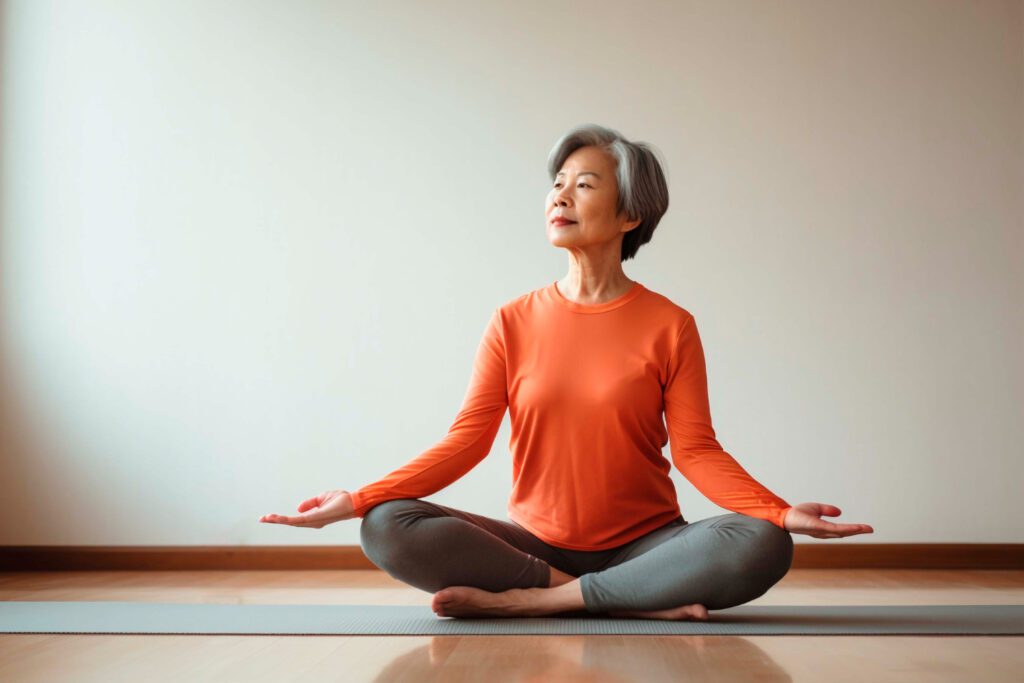
Creating a dedicated meditation space in your home can significantly enhance your morning meditation practice. This space should be a sanctuary, a place where you feel safe, comfortable, and undisturbed. By thoughtfully designing this environment, you can cultivate a stronger connection to your practice and foster a deeper sense of calm. The goal is to create a space that supports your meditation, not distracts from it.
Creating a Comfortable and Inviting Meditation Environment at Home
The ideal meditation space is personal and tailored to your needs. Consider factors such as lighting, temperature, and noise levels when designing your space. The key is to minimize distractions and maximize comfort, allowing you to fully immerse yourself in your practice.To begin, select a location that is relatively quiet and free from interruptions. This could be a spare room, a corner of a bedroom, or even a designated area in your living room.
Once you’ve chosen your spot, focus on making it comfortable. A soft cushion or meditation bench can support your posture and prevent discomfort during extended meditation sessions. Ensure the room is well-ventilated and the temperature is conducive to relaxation; neither too hot nor too cold.Consider the following for your space:
- Lighting: Opt for soft, natural light whenever possible. Avoid harsh overhead lighting. Consider using a dimmer switch or a floor lamp with a warm-toned bulb. If natural light is limited, use a full-spectrum bulb to mimic natural sunlight.
- Seating: Choose a comfortable seating arrangement. This could be a meditation cushion, a bench, a chair, or even a comfortable blanket on the floor. The most important thing is that you can sit with a straight back and a relaxed posture.
- Temperature: Maintain a comfortable temperature. Ensure the room is not too hot or too cold. Consider using a fan, air conditioner, or heater as needed.
- Noise: Minimize noise distractions. This might involve closing windows, using earplugs, or playing calming background sounds.
- Clutter: Keep the space tidy and free of clutter. A clean and organized space promotes a sense of peace and tranquility.
Checklist for Essential Items Needed for Meditation Practice
Having the right tools can significantly enhance your meditation experience. A well-equipped meditation space provides everything you need to support your practice. This checklist covers the essential items to consider.Essential items for your meditation practice include:
- Meditation Cushion or Bench: Provides support for your posture, promoting comfort and preventing discomfort during extended meditation sessions.
- Blanket or Shawl: Offers warmth and comfort, especially during cooler months or if you tend to get cold.
- Timer or Meditation App: Helps you track your meditation sessions and ensures you meditate for the desired duration. Many apps offer guided meditations and ambient sounds.
- Water Bottle: Staying hydrated is important. Keep a water bottle nearby to sip from before or after your meditation.
- Journal and Pen: Useful for recording thoughts, feelings, or insights that arise during or after your meditation.
- Eye Mask or Pillow: Can help block out light and enhance relaxation.
- Incense, Candles, or Diffuser (optional): Used to create a calming atmosphere with soothing scents. Ensure you use these safely.
Organizing Calming Elements for Enhanced Experience
Incorporating calming elements can significantly enhance your meditation experience. These elements engage your senses, creating a more immersive and relaxing environment. Consider incorporating sounds, scents, and visual aids to create a truly tranquil space.Here’s a list of calming elements to consider:
- Sounds:
- Ambient Music: Gentle instrumental music, such as nature sounds (rain, ocean waves, birdsong), or ambient soundscapes can help to mask outside noises and create a relaxing atmosphere.
- Singing Bowls: The resonant tones of singing bowls can promote relaxation and focus.
- White Noise: White noise machines or apps can mask distracting sounds and create a consistent background sound.
- Scents:
- Essential Oils: Diffuse calming essential oils such as lavender, chamomile, or sandalwood. Always use essential oils safely and according to instructions.
- Incense: Burning incense can create a pleasant and calming aroma. Choose scents that you find relaxing.
- Candles: Scented candles can provide a soft glow and a calming fragrance. Be sure to use candles safely and never leave them unattended.
- Visual Aids:
- Soft Lighting: Use dimmable lights or candles to create a warm and inviting atmosphere.
- Nature-Inspired Decor: Incorporate elements of nature, such as plants, stones, or artwork depicting natural scenes.
- Images or Objects: Place a calming image or object, such as a Buddha statue, a picture of a peaceful landscape, or a meaningful object, to focus your gaze during meditation.
Step-by-Step Guide to Morning Meditation
Embarking on a morning meditation practice can seem daunting, but breaking it down into manageable steps makes it accessible for everyone, regardless of experience. This guide provides a clear, beginner-friendly approach to cultivate a calming morning routine.
Setting Up Your Meditation Session
Preparing for your meditation is crucial for a successful and peaceful experience. This involves creating the right environment and setting the intention for your practice.
- Find Your Spot: Choose your prepared meditation space. Ensure it’s quiet, comfortable, and free from distractions. Consider factors such as temperature and lighting to enhance comfort.
- Posture Preparation: Sit comfortably. You can sit in a chair with your feet flat on the floor, on a cushion in a cross-legged position (Sukhasana), or in any position that allows you to maintain a straight spine without strain.
- Set Your Timer: Use a meditation timer or a simple phone app. Start with a short duration, such as 5 or 10 minutes, and gradually increase the time as you become more comfortable. This allows you to build consistency.
- Close Your Eyes Gently: Close your eyes softly or, if you prefer, keep them slightly open with a downward gaze.
- Take a Few Deep Breaths: Before beginning the formal meditation, take three to five deep, conscious breaths. Inhale slowly and deeply through your nose, filling your belly with air, and exhale slowly through your mouth.
The Meditation Process
Once you’re set up, the core of the meditation practice begins. This involves focusing your attention and observing your thoughts without judgment.
- Focus on Your Breath: Bring your attention to your breath. Notice the sensation of the air entering and leaving your body. Feel the rise and fall of your abdomen or the sensation of the breath at your nostrils. This is your anchor.
- Observe Your Thoughts: As thoughts arise, and they will, acknowledge them without judgment. See them as clouds passing in the sky. Do not engage with them or try to push them away. Simply observe.
- Gently Redirect Your Attention: When you notice your mind has wandered (and it will), gently and without self-criticism, redirect your attention back to your breath. This is the core of meditation practice.
- Maintain Awareness: Stay present with each breath. If you find your mind wandering frequently, that is perfectly normal. The practice is in the returning.
- End Your Session: When the timer goes off, slowly bring your awareness back to your surroundings. Take a few more deep breaths. Gently open your eyes. Take a moment to notice how you feel.
Managing Distractions During Meditation
Distractions are an inevitable part of meditation, especially for beginners. The key is to learn how to handle them effectively.
- Acknowledge Distractions: Recognize that thoughts, sounds, and physical sensations are normal. Do not fight them.
- Return to Your Anchor: The breath is your primary anchor. When a distraction arises, gently bring your focus back to your breath.
- Acceptance is Key: Accept the presence of distractions without judgment. Trying to eliminate them creates more tension.
- Modify Your Environment: If external distractions (like noise) are persistent, consider using earplugs or moving to a quieter space.
- Be Patient with Yourself: Building concentration takes time and practice. Be kind to yourself and celebrate small victories.
Consistency and Patience in Building a Meditation Habit
Developing a consistent meditation practice requires patience and commitment. The benefits accumulate over time.
- Start Small: Begin with short meditation sessions, even just 5 minutes a day. Consistency is more important than duration.
- Establish a Routine: Meditate at the same time each day, ideally in the morning, to build a habit.
- Be Realistic: There will be days when you miss your meditation session. Don’t let this discourage you. Simply return to your practice the next day.
- Track Your Progress: Keeping a meditation journal can help you track your progress and notice changes in your mood and focus over time.
- Celebrate Your Efforts: Acknowledge and celebrate your dedication to your meditation practice. Recognize the positive impact it has on your life.
Incorporating Meditation into Your Routine
Integrating meditation into your morning routine can significantly enhance its effectiveness, transforming it from a series of tasks into a holistic practice that cultivates inner peace and sets a positive tone for the day. This section provides practical strategies for seamlessly incorporating meditation into your existing schedule, offering tips for optimizing timing and adapting the practice to various circumstances.
Seamless Integration into Your Schedule
Successfully incorporating meditation hinges on its integration into your daily routine. It should feel natural, not like an added burden.
- Assess Your Current Routine: Begin by thoroughly reviewing your current morning schedule. Identify the tasks you perform, the time each takes, and the points where you feel the most stress or rush. Consider how long you currently spend on activities like getting ready, eating breakfast, or commuting. This assessment provides a clear picture of where meditation can be strategically placed.
- Identify Available Time Slots: Look for potential pockets of time. Even five minutes can make a difference. Consider waking up slightly earlier, meditating while your coffee brews, or utilizing time before you begin work. This proactive approach ensures that meditation doesn’t feel like a last-minute addition.
- Gradual Implementation: Start small. Begin with a short meditation session, perhaps five minutes, and gradually increase the duration as you become more comfortable. This approach minimizes resistance and makes it easier to establish a consistent practice.
- Pair with Existing Habits: Link meditation to an existing habit. For example, you could meditate immediately after brushing your teeth or before you check your emails. This association makes it easier to remember and integrate meditation into your routine.
- Set Realistic Expectations: There will be days when you are pressed for time or face unexpected disruptions. Accept this and don’t let it derail your practice. Even a brief meditation session is beneficial. Focus on consistency rather than perfection.
Optimal Time for Meditation
Determining the best time to meditate within your morning routine depends on personal preferences and lifestyle. Experiment to find what works best for you.
- Early Morning Meditation: Meditating first thing in the morning can be highly effective. It allows you to start your day with a sense of calm and clarity, setting a positive intention for the hours ahead. Many find this the most beneficial time because the mind is generally less cluttered before the day’s demands.
- Post-Activity Meditation: Some prefer to meditate after completing a physical activity, such as exercise or a brisk walk. This can help to calm the body and mind after exertion, allowing you to transition into a more focused state.
- Before Breakfast Meditation: Meditating before eating can provide a sense of grounding and presence, allowing you to savor your meal more fully. It also helps prevent rushing through your breakfast, which can lead to stress.
- Experimentation: The ideal time varies from person to person. The best time to meditate is when you can consistently fit it into your schedule. Experiment with different times to find what works best for you.
- Consistency is Key: Regardless of the time you choose, the most important factor is consistency. Regular practice, even for short periods, yields the greatest benefits.
Adapting to Travel and Busy Schedules
Maintaining a meditation practice while traveling or during busy periods requires flexibility and adaptability.
- Shorten Meditation Sessions: When time is limited, reduce the duration of your meditation. Even a few minutes of focused breathing can provide benefits.
- Use Guided Meditations: Guided meditations are particularly helpful when traveling or in unfamiliar environments. They provide structure and direction, making it easier to focus. Many apps and online resources offer guided meditations of varying lengths.
- Find Quiet Spaces: When traveling, look for quiet spaces where you can meditate. This could be a park bench, a hotel room, or even a quiet corner of an airport lounge.
- Practice Mindful Moments: If you cannot dedicate time to formal meditation, incorporate mindful moments throughout your day. Pay attention to your breath, the sensations in your body, or the details of your surroundings.
- Embrace Imperfection: Don’t strive for perfect meditation sessions. Acknowledge that distractions and interruptions are inevitable. The key is to return your focus to your breath or chosen meditation object whenever your mind wanders.
- Utilize Travel-Friendly Tools: Consider using noise-canceling headphones or a travel pillow to create a more comfortable and conducive environment for meditation while traveling.
Breathing Techniques for Calmness
Incorporating specific breathing techniques into your morning meditation can significantly enhance its calming effects. These exercises are designed to regulate the breath, promoting relaxation and reducing feelings of anxiety. Regular practice can cultivate a sense of inner peace and prepare you for a more centered and productive day.
Physiological Effects of Deep Breathing
Deep breathing exercises trigger a cascade of beneficial physiological responses. When you consciously slow and deepen your breath, you activate the parasympathetic nervous system, often referred to as the “rest and digest” system. This counteracts the “fight or flight” response associated with the sympathetic nervous system.
- Reduced Heart Rate: Deep breathing helps to slow down the heart rate, contributing to a sense of calm. This is because the vagus nerve, a major component of the parasympathetic nervous system, is stimulated, leading to a reduction in the heart’s pace.
- Lowered Blood Pressure: Similar to heart rate, deep breathing can also help lower blood pressure. This is another effect of the parasympathetic nervous system’s influence on the cardiovascular system.
- Increased Oxygenation: Deep breaths ensure a greater intake of oxygen, which is essential for the proper functioning of all bodily systems, including the brain. This can lead to improved cognitive function and a feeling of alertness without the associated anxiety.
- Reduced Cortisol Levels: Cortisol is a stress hormone. Deep breathing has been shown to help lower cortisol levels, which contributes to a reduction in feelings of stress and anxiety.
- Muscle Relaxation: Conscious breathing helps relax the muscles, which tend to tense up during periods of stress. This can alleviate physical tension and promote a sense of overall well-being.
Different Breathing Techniques and Their Benefits
Various breathing techniques can be incorporated into your morning meditation practice. Each technique offers unique benefits, contributing to a comprehensive approach to relaxation and stress reduction. The following table details several effective breathing exercises:
| Breathing Technique | Description | Benefits | Considerations |
|---|---|---|---|
| Diaphragmatic Breathing (Belly Breathing) | Inhale deeply through your nose, allowing your belly to rise. Exhale slowly through your mouth, letting your belly fall. Place one hand on your chest and the other on your belly to monitor the movement. The hand on your belly should rise more than the one on your chest. | Reduces stress, lowers heart rate, improves oxygenation, and promotes relaxation. It’s a fundamental technique that can be used anytime, anywhere. | May take practice to master. Some people find it easier to practice lying down initially. |
| 4-7-8 Breathing | Inhale deeply through your nose for a count of 4. Hold your breath for a count of 7. Exhale slowly through your mouth for a count of 8, making a “whooshing” sound. Repeat this cycle several times. | Rapidly induces relaxation, reduces anxiety, and helps with sleep. It is a simple technique that can be used to calm the mind. | Not recommended for people with severe respiratory conditions. It is important to exhale completely. |
| Alternate Nostril Breathing (Nadi Shodhana) | Sit comfortably. Close your right nostril with your right thumb and inhale deeply through your left nostril. Close your left nostril with your ring finger, release your thumb, and exhale through your right nostril. Inhale through your right nostril, then close it and exhale through your left nostril. Continue alternating nostrils. | Balances the nervous system, calms the mind, reduces stress, and improves focus. It is often used in yoga and meditation practices. | May require some practice to coordinate the breath and nostril control. |
| Box Breathing (Square Breathing) | Inhale for a count of 4. Hold your breath for a count of 4. Exhale for a count of 4. Hold your breath for a count of 4. Repeat this cycle several times. | Improves focus, reduces stress, and promotes a sense of calm. This technique is easy to remember and can be used in various situations. | Requires a consistent rhythm. It’s important to maintain an even count for each phase. |
Dealing with Thoughts and Emotions
The practice of meditation is not about emptying the mind; it’s about observing the constant flow of thoughts and emotions without getting swept away by them. This section will explore techniques for navigating the inner landscape with greater awareness and equanimity, fostering a calmer and more resilient morning routine.
Observing Thoughts and Emotions Without Judgment
Developing the ability to observe thoughts and emotions without judgment is a cornerstone of effective meditation. This involves recognizing that thoughts are simply mental events, not necessarily facts or reflections of reality. The goal is to cultivate a detached awareness, like watching clouds drift across the sky, acknowledging their presence without getting caught up in their shape or intensity.
- Recognizing the Nature of Thoughts: Understand that thoughts are transient and impermanent. They arise, exist for a while, and then dissipate. This perspective helps to lessen their power over you.
- Labeling Thoughts and Emotions: Mentally label thoughts and emotions as they arise. For example, you might think, “That’s a thought about work,” or “That’s a feeling of anxiety.” This creates a space between you and the thought, making it easier to observe.
- Focusing on the Breath: Gently redirect your attention to your breath whenever you notice your mind wandering. The breath serves as an anchor, bringing you back to the present moment and preventing you from getting lost in thought.
- Cultivating Acceptance: Accept that thoughts and emotions will arise. Trying to suppress or fight them often makes them stronger. Instead, practice allowing them to be present without judgment.
Cultivating a Non-Reactive Approach to Difficult Feelings
Difficult feelings are inevitable. The key is to develop a non-reactive approach, responding to these emotions with awareness and compassion rather than impulsive reactions. This is a crucial skill for managing stress and building emotional resilience.
- Identifying Triggers: Become aware of the situations, thoughts, or sensations that tend to trigger difficult emotions. This self-awareness allows you to anticipate and prepare for these challenges.
- Pausing Before Reacting: When a difficult emotion arises, pause before reacting. Take a few deep breaths and observe the feeling without judgment. This pause creates space for a more thoughtful response.
- Practicing Self-Compassion: Treat yourself with the same kindness and understanding you would offer a friend. Acknowledge that it’s okay to feel difficult emotions and that you are not alone in your experience.
- Mindful Body Scan: Pay attention to the physical sensations associated with the emotion. Notice where you feel the tension or discomfort in your body. This can help you become more grounded in the present moment.
Methods for Releasing Negative Emotions and Fostering Inner Peace
Releasing negative emotions and cultivating inner peace are essential components of a healthy morning routine. Several techniques can help you process and release these emotions, creating space for greater calm and well-being.
- Journaling: Writing about your thoughts and feelings can be a powerful way to process and release them. Don’t worry about grammar or structure; simply let your thoughts flow onto the page.
- Visualization: Visualize the negative emotion as a physical object or energy. Then, imagine releasing it from your body, perhaps through your breath or into the earth.
- Loving-Kindness Meditation: Direct feelings of love and compassion towards yourself and others. This practice can help to soften difficult emotions and cultivate a sense of connection and well-being. For instance, you can start by silently repeating phrases like “May I be happy. May I be healthy. May I be safe.
May I live with ease.”
- Physical Activity: Engage in physical activity, such as walking, yoga, or dancing. Exercise can help to release pent-up emotions and promote a sense of calm. A brisk walk in the morning, for example, can help to clear the mind and release stress hormones.
Cultivating Mindfulness in Daily Life
Extending the principles of mindfulness beyond your dedicated meditation sessions is crucial for experiencing its full benefits. It transforms mindfulness from a practice into a way of being, fostering a deeper sense of presence, reducing stress, and enhancing your overall well-being. This section explores how to integrate mindfulness into everyday activities, creating a more calm and fulfilling existence.
Extending Mindfulness Beyond Meditation
The goal is to carry the awareness cultivated during meditation into your daily routines. This involves consciously applying the principles of present-moment awareness, non-judgment, and acceptance to every aspect of your life.
- Setting Intentions: Begin each day by setting an intention to be mindful. This could be as simple as intending to pay attention to your senses throughout the day or to approach each task with a sense of curiosity.
- Mindful Pauses: Incorporate brief mindful pauses throughout the day. Take a few deep breaths and notice your surroundings, your body sensations, and your thoughts without judgment. These pauses can be as short as a minute or two.
- Body Scan Throughout the Day: Periodically check in with your body. Notice any areas of tension or discomfort. Gently release any tension by consciously relaxing those areas. This can be done while sitting at your desk, waiting in line, or even during a conversation.
- Mindful Observation: Practice observing your thoughts and emotions without getting carried away by them. Acknowledge their presence and let them pass without reacting. This helps you to develop emotional resilience and prevent impulsive behaviors.
- Creating Reminders: Use visual cues, such as sticky notes or phone alarms, to remind yourself to be mindful. These reminders can prompt you to take a mindful pause or to focus on your breath.
Mindful Eating
Mindful eating involves paying full attention to the experience of eating – the taste, texture, smell, and appearance of your food – without judgment. It is a powerful tool for improving your relationship with food, enhancing digestion, and promoting overall health.
- Slowing Down: Eat slowly, savoring each bite. This allows you to fully appreciate the flavors and textures of your food.
- Engaging the Senses: Before you take a bite, observe your food. Notice its color, shape, and aroma. As you eat, pay attention to the textures and tastes.
- Chewing Thoroughly: Chew your food thoroughly. This aids digestion and allows you to extract the maximum flavor from your meal.
- Eating Without Distractions: Minimize distractions such as television, phones, or reading. This allows you to focus fully on the experience of eating.
- Listening to Your Body’s Cues: Pay attention to your body’s hunger and fullness cues. Stop eating when you feel satisfied, not overly full.
Mindful eating can lead to a better understanding of your body’s needs and a healthier relationship with food. For example, a study published in the
Journal of the American Dietetic Association* found that mindful eating interventions were effective in reducing binge eating and emotional eating behaviors.
Mindful Activities for Daily Integration
Many everyday activities can be transformed into opportunities for mindfulness. By approaching these activities with awareness, you can cultivate a greater sense of presence and peace.
- Mindful Walking: Pay attention to the sensation of your feet on the ground, the movement of your body, and the sights and sounds around you.
- Mindful Listening: When someone is speaking, give them your full attention. Listen without interrupting or formulating your response. Focus on understanding their perspective.
- Mindful Washing Dishes: Focus on the feel of the water, the scent of the soap, and the movements of your hands. Approach the task with a sense of calm and presence.
- Mindful Commuting: Instead of letting your mind wander, focus on the present moment. Notice the sensations of your body, the sounds of the environment, and the rhythm of your breath.
- Mindful Showering: Pay attention to the warmth of the water, the feeling of the soap on your skin, and the scent of the shampoo. Enjoy the simple pleasure of the experience.
Using Technology to Support Meditation

Technology offers numerous resources to support and enhance your meditation practice, particularly within a morning routine. From guided meditations to ambient soundscapes, various digital tools can make meditation more accessible and enjoyable, especially for beginners. These resources can provide structure, guidance, and motivation, helping you cultivate a consistent and effective practice.
Using Apps and Guided Meditations to Enhance Practice
Meditation apps and guided meditations provide structured sessions led by experienced instructors. These resources are particularly beneficial for beginners as they offer step-by-step instructions, reducing the likelihood of feeling lost or overwhelmed. They also provide varying lengths of sessions, allowing you to fit meditation into your schedule, even when time is limited. The availability of different voices, styles, and themes ensures you can find a guide that resonates with your preferences and needs.
Recommended Meditation Apps and Their Features
There are many meditation apps available, each with unique features. Here are some popular options, along with their key functionalities:
- Headspace: Offers guided meditations for various themes like stress, sleep, and focus. Features include courses, single sessions, and a progress tracker. It also provides SOS sessions for moments of high stress.
- Calm: Provides guided meditations, sleep stories, music, and nature sounds. It has a daily meditation feature and programs for specific goals, such as reducing anxiety or improving sleep quality. Calm also features breathing exercises and body scan meditations.
- Insight Timer: This app offers a vast library of free guided meditations, music, and talks. It includes meditations from a variety of teachers, as well as community features like groups and discussions. Insight Timer also provides advanced statistics and personalized recommendations.
- Smiling Mind: A free app developed by psychologists and educators. It offers programs for adults and children, focusing on mindfulness and well-being. Smiling Mind provides structured courses and individual meditations tailored to different age groups and needs.
- Breethe: This app combines guided meditations, music, and talks to promote relaxation and stress reduction. It includes content for sleep, anxiety, and self-esteem, with personalized recommendations based on your preferences. Breethe also features breathing exercises and nature sounds.
Choosing the Right Meditation Resources for Your Needs
Selecting the appropriate meditation resources involves considering several factors to ensure a practice that suits your individual needs and preferences.
- Consider Your Experience Level: If you are new to meditation, opt for apps or guided meditations designed for beginners. These resources often provide clear instructions and simpler techniques. As you gain experience, you can explore more advanced practices and longer sessions.
- Identify Your Goals: Determine what you hope to achieve through meditation. Are you aiming to reduce stress, improve sleep, or enhance focus? Choose resources that align with your specific goals. Some apps offer specialized programs targeting particular issues.
- Explore Different Styles: Experiment with various meditation styles and instructors to find what resonates with you. Different teachers have different voices, approaches, and techniques. Try a few different apps or instructors before committing to one.
- Assess the App’s Features: Evaluate the app’s features to determine if they meet your needs. Consider the availability of guided meditations, music, timers, and progress tracking. Some apps offer personalized recommendations and community features, which can enhance your experience.
- Check the Pricing and Accessibility: Review the pricing structure of the apps and resources. Some apps offer free content, while others require a subscription. Ensure that the cost aligns with your budget and the value you receive. Consider the app’s accessibility, ensuring it is available on your preferred devices.
Remember, the best meditation resource is the one that you will consistently use. Experiment and find what works best for you.
Overcoming Challenges and Staying Motivated
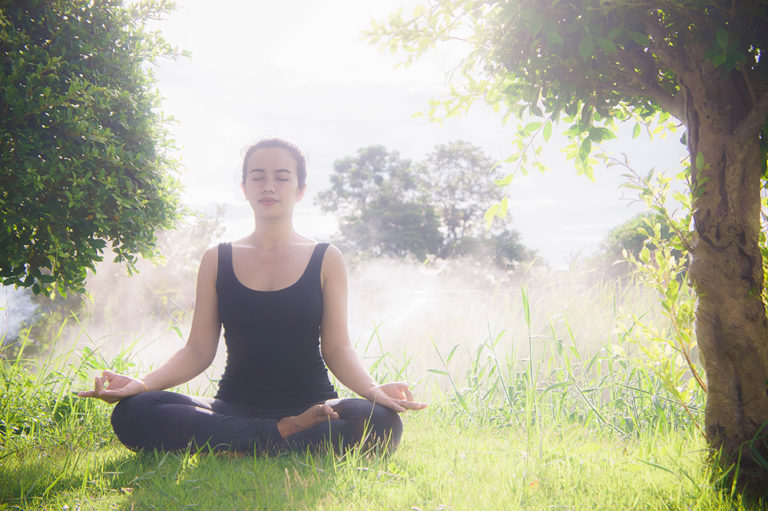
Establishing and maintaining a calm morning routine, particularly one centered around meditation, can be challenging. It requires consistent effort and a willingness to navigate inevitable obstacles. Understanding these challenges and developing effective strategies to overcome them is crucial for long-term success and reaping the benefits of a calmer, more centered start to the day.
Common Obstacles to Consistent Meditation Practice
Several factors can hinder the development and maintenance of a regular meditation practice. Recognizing these obstacles is the first step toward addressing them effectively.
- Lack of Time: The perception of not having enough time is a frequent barrier. The demands of work, family, and other commitments can make it seem impossible to carve out even a few minutes for meditation.
- Difficulty Focusing: A wandering mind is a natural part of the meditation process, but it can be frustrating. The inability to quiet the mind and maintain focus can lead to discouragement.
- Physical Discomfort: Physical discomfort, such as back pain or stiffness, can make meditation sessions unpleasant and difficult to sustain.
- Boredom and Impatience: Meditation can sometimes feel monotonous, especially in the beginning. The lack of immediate, tangible results can lead to impatience and a loss of interest.
- Self-Doubt and Negative Thoughts: Negative self-talk, such as “I’m not good at this” or “This isn’t working,” can undermine motivation and self-confidence.
- Environmental Distractions: Noise, interruptions, and other environmental factors can disrupt the meditation process and make it difficult to find a sense of peace.
Strategies for Maintaining Motivation and Overcoming Setbacks
Developing strategies to address these challenges is key to building a sustainable meditation practice. These approaches can help you stay on track, even when faced with difficulties.
- Start Small: Begin with short meditation sessions, even just 5-10 minutes. This makes it easier to fit meditation into a busy schedule and reduces the pressure to perform perfectly.
- Be Patient and Persistent: Understand that progress takes time. Don’t get discouraged by setbacks or a wandering mind. Consistency is more important than perfection.
- Create a Dedicated Space: Designate a specific area for meditation. This helps to create a sense of ritual and signals to your mind that it’s time to focus. It could be a corner of a room, a specific cushion, or any space that feels calm and inviting.
- Experiment with Different Meditation Techniques: Explore various meditation styles, such as mindfulness meditation, loving-kindness meditation, or guided meditation, to find what resonates with you. This can help keep the practice engaging.
- Use Guided Meditations: Guided meditations can be particularly helpful for beginners. They provide structure and support, making it easier to stay focused and navigate the meditation process. Numerous apps and online resources offer a wide variety of guided meditations.
- Track Your Progress: Keep a journal or use a meditation app to track your sessions. Seeing your progress can be motivating and help you identify patterns or areas for improvement.
- Join a Meditation Group or Community: Connecting with others who meditate can provide support, encouragement, and accountability. Sharing experiences and learning from others can also enhance your practice.
- Be Kind to Yourself: Acknowledge that everyone experiences challenges. Don’t judge yourself harshly. If you miss a session, simply start again the next day.
Tips for Staying Committed to a Calm Morning Routine
Maintaining a calm morning routine requires a proactive approach and a commitment to making it a sustainable part of your life. Here are some actionable tips to help you stay committed.
- Set Realistic Goals: Avoid overwhelming yourself by setting achievable goals. Start with a manageable time commitment for meditation and gradually increase it as you become more comfortable.
- Prioritize Your Routine: Treat your morning routine as a non-negotiable appointment with yourself. Schedule it into your day and protect it from interruptions.
- Prepare the Night Before: Make it easier to stick to your routine by preparing the night before. This might include laying out your meditation cushion, setting out your clothes, or preparing your breakfast.
- Establish a Consistent Wake-Up Time: Waking up at the same time each day, even on weekends, can help regulate your body’s natural sleep-wake cycle and make it easier to wake up feeling refreshed and ready to meditate.
- Minimize Screen Time: Avoid checking your phone or computer immediately after waking up. This can disrupt your focus and create a sense of urgency. Instead, start your day with meditation.
- Incorporate Other Calming Activities: Combine meditation with other calming activities, such as gentle stretching, deep breathing exercises, or journaling, to create a more holistic morning routine.
- Find an Accountability Partner: Share your goals with a friend or family member and ask them to check in with you regularly. This can provide extra motivation and support.
- Celebrate Your Successes: Acknowledge and celebrate your progress. Reward yourself for sticking to your routine, even if it’s just a small treat or a moment of self-appreciation.
- Adjust Your Routine as Needed: Life is dynamic, and your needs may change over time. Be flexible and willing to adjust your routine to accommodate changes in your schedule or lifestyle.
Advanced Meditation Techniques
As you progress in your meditation journey and establish a consistent practice, you might find yourself ready to explore more sophisticated techniques. These advanced methods delve deeper into the realms of awareness and self-discovery, offering opportunities to enhance your mindfulness and cultivate a profound sense of inner peace. This section will guide you through practices that can significantly deepen your meditation experience.
Body Scanning
Body scanning is a powerful technique designed to increase body awareness and release tension. It involves systematically bringing your attention to different parts of your body, noticing any sensations without judgment.
Here’s how to practice body scanning:
- Begin by finding a comfortable seated or lying position. Close your eyes gently.
- Start by focusing on the sensation of your breath. Observe the natural rhythm of your inhales and exhales for a few moments.
- Direct your attention to your toes. Notice any sensations: warmth, tingling, pressure, or nothing at all. Don’t judge what you feel; simply observe.
- Slowly move your attention up your body: the feet, ankles, calves, knees, thighs, hips, abdomen, lower back, chest, upper back, shoulders, arms, hands, neck, face, and head.
- Spend a few moments with each body part, noticing the sensations. If your mind wanders, gently bring your attention back to the body scan.
- Once you’ve scanned your entire body, take a few moments to feel the overall sense of your body as a whole.
Body scanning helps to:
- Reduce physical tension and stress.
- Increase body awareness and interoception (the sense of the internal state of the body).
- Promote relaxation and a sense of calm.
Visualization
Visualization involves creating mental images to enhance your meditation practice. This technique can be used for various purposes, such as cultivating positive emotions, achieving goals, or simply experiencing a sense of peace and tranquility.
Here’s how to practice visualization:
- Find a comfortable position and close your eyes.
- Begin by focusing on your breath to quiet your mind.
- Choose an image or scenario to visualize. This could be a peaceful landscape, a positive outcome, or a feeling you want to cultivate, such as compassion or joy.
- Use all your senses to bring the image to life. Imagine what you see, hear, smell, taste, and feel.
- Engage with the image, allowing yourself to experience the emotions associated with it.
- If your mind wanders, gently bring your attention back to the visualization.
- After a few minutes, slowly release the image and return your focus to your breath.
Visualization can be used for:
- Reducing stress and anxiety.
- Enhancing creativity and problem-solving.
- Improving self-esteem and confidence.
- Achieving goals and manifesting desires.
Exploring Different Levels of Awareness
Advanced meditation practices often involve exploring different levels of awareness, moving beyond the basic observation of thoughts and feelings. This can lead to a deeper understanding of the mind and its processes.
Techniques for exploring levels of awareness include:
- Witnessing Awareness: Observe your thoughts, emotions, and sensations without judgment, as if you are a detached observer. This cultivates a sense of spaciousness and allows you to see the impermanent nature of all experiences.
- Concentrative Awareness: Focus intently on a single object or point of focus, such as your breath or a mantra, to develop concentration and mental clarity.
- Open Monitoring Awareness: Cultivate a broad, receptive awareness that allows you to notice all experiences as they arise, without focusing on any particular one. This promotes a sense of spaciousness and equanimity.
Through consistent practice, these techniques can:
- Increase self-awareness and understanding.
- Develop greater emotional regulation.
- Cultivate a sense of inner peace and well-being.
Deepening the Meditation Experience
Several techniques can deepen your meditation experience, leading to a more profound sense of inner peace and self-awareness. These practices require dedication and patience, but they can yield significant rewards.
Techniques for deepening your meditation experience:
- Extended Practice: Gradually increase the duration of your meditation sessions. Longer sessions allow you to settle more deeply into the present moment and explore the subtleties of your experience.
- Retreats: Participate in meditation retreats, where you can immerse yourself in intensive practice for several days or weeks. This provides a supportive environment to deepen your practice and break through limiting patterns.
- Guidance from a Teacher: Seek guidance from an experienced meditation teacher. A teacher can provide personalized instruction, answer questions, and offer support as you navigate your journey.
- Mindful Movement: Incorporate mindful movement practices, such as yoga or tai chi, into your routine. These practices can enhance body awareness, release tension, and promote a deeper connection with your inner self.
- Integrating Meditation into Daily Life: Extend your meditation practice beyond your formal sessions by cultivating mindfulness in your daily activities. Pay attention to your thoughts, emotions, and sensations throughout the day, and bring awareness to everything you do.
Visualizing and Affirmations
Integrating visualization and affirmations into your morning meditation practice can significantly amplify its benefits, helping to shape your mindset and intentions for the day. Visualization involves creating mental images, while affirmations are positive statements that reinforce desired beliefs and behaviors. Combining these techniques fosters a powerful synergy, promoting a sense of calm, focus, and self-belief.
Guide to Visualization Techniques
Visualization is a powerful tool for creating mental images and engaging the senses. It allows you to mentally rehearse desired outcomes and experiences, influencing your subconscious mind and ultimately your actions. This practice, rooted in the principles of neuroplasticity, can reshape neural pathways, making positive changes more accessible.Here’s a step-by-step guide to effective visualization:
- Find a Quiet Space: Choose a comfortable and distraction-free environment for your meditation.
- Relax and Center Yourself: Begin with deep breaths, as described in the previous modules, to calm your mind and body.
- Define Your Goal: Clearly identify what you want to visualize. This could be a specific feeling, a successful outcome, or a desired state of being.
- Engage Your Senses: Create a vivid mental picture, engaging all your senses. Imagine the sights, sounds, smells, tastes, and tactile sensations associated with your goal. For example, if visualizing a calm morning, imagine the gentle sunlight, the quiet sounds, and the feeling of peace.
- Focus on the Positive: Maintain a positive focus throughout the visualization. Avoid dwelling on negative thoughts or potential obstacles.
- Hold the Image: Sustain the mental image for several minutes, allowing yourself to fully experience it.
- Incorporate Movement (Optional): Sometimes, incorporating gentle movements can help ground the visualization. This might include slow stretches or small, deliberate gestures.
- End with Gratitude: Conclude your visualization with a feeling of gratitude for the experience and the positive outcomes you are manifesting.
Writing and Using Positive Affirmations
Affirmations are positive statements that you repeat to yourself to reinforce desired beliefs and behaviors. They work by reprogramming the subconscious mind, replacing negative self-talk with positive and empowering messages. The key to effective affirmations is to make them specific, present-tense, and emotionally charged.Here’s how to write and use affirmations:
- Identify Your Goals: Clearly define what you want to achieve or the qualities you want to cultivate.
- Write in the Present Tense: Frame your affirmations as if they are already true. For example, instead of “I will be calm,” use “I am calm.”
- Use Positive Language: Focus on what you
- do* want, rather than what you
- don’t* want.
- Be Specific: The more specific your affirmations, the more effective they will be.
- Make Them Personal: Tailor your affirmations to your unique needs and goals.
- Repeat Regularly: Repeat your affirmations daily, ideally during your morning meditation.
- Feel the Emotion: As you repeat your affirmations, feel the emotions associated with them. This will help to strengthen their impact.
Examples of Affirmations for a Calm Morning Routine
Here are some examples of affirmations you can use to support a calm morning routine:
- “I greet each morning with peace and serenity.”
- “I am present in each moment, fully aware and engaged.”
- “My mind is clear, and my thoughts are positive.”
- “I am grateful for this new day and all its opportunities.”
- “I release any stress or anxiety, allowing myself to be calm.”
- “I am confident in my ability to create a peaceful morning.”
- “I choose to focus on what brings me joy and tranquility.”
- “My breath is my anchor, keeping me grounded and centered.”
- “I am energized and ready to embrace the day with a calm spirit.”
- “I am worthy of a peaceful and fulfilling morning routine.”
End of Discussion
In conclusion, “How to Meditate for Building a Calm Morning Routine” offers a transformative roadmap to a more centered and fulfilling existence. By embracing the practices Artikeld, from establishing a peaceful morning to incorporating advanced meditation techniques, you are equipped to cultivate a lasting sense of calm, resilience, and mindful presence. The journey to a more balanced life is achievable, one meditation session at a time, leading to increased productivity, reduced stress, and a deeper connection with yourself.