Embark on a journey of self-discovery with “How to Meditate for Enhancing Clarity of Emotion.” This guide delves into the profound connection between meditation and emotional well-being, exploring how this ancient practice can transform your relationship with your feelings. Discover the neurological underpinnings of emotional regulation and learn how to navigate the complexities of your inner world with greater ease and understanding.
This comprehensive exploration will provide practical techniques, from foundational breath awareness to advanced visualization methods. You will learn to cultivate mindfulness, manage emotional triggers, and integrate meditation into your daily life. We will also address common challenges, offering strategies to overcome obstacles and develop a consistent practice. Prepare to unlock a deeper level of emotional clarity and resilience.
Understanding the Link Between Meditation and Emotional Clarity

Meditation, at its core, is a practice that cultivates awareness of the present moment. This heightened awareness has a profound impact on our emotional landscape, providing a pathway to greater clarity and understanding. By training the mind to observe thoughts and feelings without judgment, meditation fosters emotional regulation and resilience. This section delves into the neurological mechanisms, practical applications, and mindful techniques that connect meditation with enhanced emotional clarity.
Neurological Processes of Emotional Regulation Through Meditation
Meditation alters brain structure and function, specifically influencing regions associated with emotional regulation. Studies using neuroimaging techniques, such as fMRI, have shown that regular meditation practice can lead to increased gray matter density in the prefrontal cortex (PFC). The PFC is responsible for executive functions, including planning, decision-making, and emotional regulation.
- Amygdala Reduction: Meditation can reduce activity in the amygdala, the brain’s emotional center, particularly the region responsible for processing fear and threat. A calmer amygdala means fewer impulsive reactions to perceived dangers.
- Increased Connectivity: Meditation strengthens the connections between the PFC and the amygdala. This improved communication allows the PFC to exert greater control over emotional responses, preventing the amygdala from hijacking the mind.
- Enhanced Default Mode Network (DMN) Awareness: The DMN is active when the mind wanders, often dwelling on past events or future anxieties. Meditation helps to increase awareness of DMN activity, allowing individuals to recognize when their thoughts are drifting and to gently redirect their attention back to the present moment.
- Neurotransmitter Modulation: Meditation can influence the levels of neurotransmitters like serotonin and dopamine, which play crucial roles in mood regulation and overall well-being. Higher levels of these neurotransmitters are often associated with feelings of calmness and happiness.
Differentiating Reactive and Responsive Behaviors Through Meditation
Meditation provides the space to distinguish between reactive and responsive behaviors. Reactive behaviors are impulsive, often driven by emotions without conscious thought. Responsive behaviors, in contrast, are thoughtful and considered, allowing for a measured reaction to a situation.
- Increased Pause: Meditation cultivates a “pause” between a stimulus and a response. This pause allows for observation and consideration before acting, preventing knee-jerk reactions.
- Emotional Awareness: Meditation increases awareness of the emotional state. Recognizing the emotions allows one to choose a more appropriate response.
- Reduced Identification with Emotions: Meditation teaches that emotions are temporary and not defining aspects of the self. This detachment reduces the power emotions have over behavior.
- Example Scenario: Consider a situation where a colleague criticizes your work. A reactive response might involve anger and defensiveness. A responsive response, cultivated through meditation, could involve calmly listening to the feedback, seeking clarification, and thoughtfully addressing the concerns.
The Role of Mindfulness in Recognizing and Accepting Emotions Without Judgment
Mindfulness, a core component of meditation, is the practice of paying attention to the present moment without judgment. This non-judgmental awareness is essential for understanding and accepting emotions.
- Non-Judgmental Observation: Mindfulness encourages observing emotions without labeling them as good or bad. This neutral observation reduces the tendency to suppress or amplify emotions.
- Acceptance as a Process: Accepting emotions does not mean condoning the behaviors associated with them; it means acknowledging their presence. It’s a process of allowing emotions to arise and pass without resistance.
- Body Scan Meditation: Body scan meditation helps to develop awareness of physical sensations associated with emotions. This can aid in recognizing early signs of emotional states, such as a racing heart or tense muscles.
- Example: Experiencing sadness is inevitable. Mindfulness allows you to acknowledge the sadness, feel it fully, and then allow it to pass without getting lost in rumination or self-criticism.
Mitigating the Impact of Common Emotional Triggers Through Meditation
Emotional triggers are situations, people, or thoughts that elicit strong emotional reactions. Meditation provides tools to navigate these triggers more effectively.
- Identifying Triggers: Regular meditation practice enhances self-awareness, helping to identify personal emotional triggers. Keeping a journal to record emotional responses to specific events can be helpful.
- Developing a Response Strategy: Meditation techniques, such as deep breathing or mindful observation, can be employed when a trigger is encountered. This creates space for a more considered response.
- De-escalation Techniques: Meditation offers specific techniques to calm the nervous system when triggered. For example, slow, deep breaths can help to regulate the heart rate and reduce feelings of anxiety.
- Common Triggers and Mitigation:
- Criticism: Practice observing the feeling of defensiveness without reacting, and then consider the validity of the criticism.
- Conflict: Use mindful communication techniques, such as active listening and seeking to understand the other person’s perspective, before formulating a response.
- Failure: Practice self-compassion, recognizing that mistakes are a part of learning.
- Stress: Engage in regular meditation to build resilience and reduce the impact of stressors.
Preparing for Meditation: Setting the Stage for Clarity

Preparing for meditation is as crucial as the practice itself. A well-prepared environment and routine can significantly enhance your ability to cultivate emotional clarity. This section details how to create the optimal conditions for a successful meditation session, focusing on the physical and mental aspects of preparation.
Ideal Environment for a Meditation Session: Sensory Considerations
The environment plays a significant role in setting the stage for effective meditation. Creating a space that minimizes distractions and promotes relaxation is key. Sensory considerations are paramount in achieving this.
- Lighting: Opt for soft, natural light if possible. Avoid harsh overhead lights, which can be jarring. If natural light is unavailable, use dimmable lamps or candles to create a gentle, calming ambiance. For example, consider the soft glow of a Himalayan salt lamp or a candle flame, known for their soothing effect on the nervous system.
- Sound: Minimize external noise. This might involve closing windows, turning off electronic devices, or using noise-canceling headphones. Some people find ambient sounds, such as nature sounds or instrumental music, helpful. However, the goal is to reduce auditory distractions. The absence of sound is often the best choice.
- Temperature: Ensure the room is at a comfortable temperature. Being too hot or too cold can be distracting. Adjust the thermostat or add blankets or fans as needed. A comfortable temperature supports physical relaxation.
- Smell: Consider using aromatherapy to create a calming atmosphere. Essential oils like lavender, chamomile, or sandalwood are known for their relaxing properties. However, avoid strong or overpowering scents, which can be distracting.
- Visuals: Keep the space clean and uncluttered. A visually simple environment helps reduce mental clutter. Consider a blank wall or a simple, calming image. A clean space contributes to a clearer mind.
Simple Pre-Meditation Routine to Promote Relaxation and Focus
A consistent pre-meditation routine prepares the mind and body for the practice. This routine should be brief and easily replicable. The goal is to transition smoothly from the demands of daily life to a state of focused awareness.
- Set a timer: Determine the duration of your meditation session. Start with 5-10 minutes and gradually increase the time as you become more comfortable. A timer eliminates the need to constantly check the clock.
- Gentle stretching: Perform some light stretches to release physical tension. Focus on areas where you typically hold stress, such as the neck, shoulders, and back. This enhances physical comfort.
- Deep breathing exercises: Practice a few rounds of deep breathing. Inhale deeply through your nose, hold your breath for a few seconds, and exhale slowly through your mouth. This activates the parasympathetic nervous system, promoting relaxation. For example, try the 4-7-8 breathing technique: inhale for 4 seconds, hold for 7 seconds, and exhale for 8 seconds.
- Mindful intention setting: Briefly reflect on your intention for the meditation session. This could be to cultivate compassion, reduce stress, or simply to observe your thoughts and emotions without judgment. A clear intention provides direction.
- Choose a comfortable posture: Transition into your chosen meditation posture, ensuring you are comfortable and stable. This sets the stage for sustained focus.
Step-by-Step Guide for Establishing a Comfortable and Stable Meditation Posture
A comfortable and stable posture is essential for sustained meditation. It allows the body to relax while maintaining alertness. The following steps provide a guide to establishing the ideal posture.
- Choose your posture: Select a posture that is comfortable and sustainable for the duration of your meditation. Common postures include sitting on a cushion (zazen), sitting in a chair with your feet flat on the floor, or lying down (although this can sometimes lead to sleepiness).
- Sitting Posture (e.g., Zazen): If sitting on a cushion, ensure your hips are slightly higher than your knees. This allows the spine to maintain its natural curve. Cross your legs comfortably, avoiding any strain.
- Chair Posture: If sitting in a chair, sit upright with your back straight but not stiff. Your feet should be flat on the floor. Avoid leaning back.
- Hand Position: Rest your hands comfortably in your lap. Common hand positions include:
- Dhyana Mudra: Place one hand on top of the other, palms facing upwards, with the thumbs touching.
- Palms Down: Rest your hands on your thighs, palms facing downwards.
- Spine Alignment: Maintain a straight but relaxed spine. Imagine a string pulling you upwards from the crown of your head. This promotes alertness and prevents slouching.
- Shoulder Relaxation: Relax your shoulders, letting them drop naturally. Avoid hunching or tensing your shoulders.
- Head Position: Gently tuck your chin slightly towards your chest. This helps to elongate the neck and maintain a straight spine.
- Eye Position: You can choose to close your eyes gently or keep them slightly open, gazing downwards at a fixed point. This minimizes visual distractions.
- Body Scan: Before beginning your meditation, perform a quick body scan to identify any areas of tension. Adjust your posture as needed to enhance comfort.
Tips for Managing Distractions During Meditation
Distractions are a natural part of meditation. Learning to manage them effectively is key to deepening your practice. These tips can help you navigate distractions.
- Acknowledge and return: When a thought or sensation arises, simply acknowledge it without judgment. Then, gently redirect your attention back to your chosen focal point (e.g., your breath). This practice of noticing and returning is fundamental to meditation.
- Don’t engage: Avoid getting caught up in the content of your thoughts. Do not analyze, judge, or follow the train of thought. Simply observe the thought and let it pass.
- Use a mantra: If your mind is particularly restless, use a mantra (a word or phrase) to anchor your attention. Repeat the mantra silently to yourself.
- Focus on the breath: The breath is a reliable anchor. When distracted, gently bring your attention back to the sensation of breathing – the rise and fall of your abdomen, or the air moving in and out of your nostrils.
- Acceptance: Accept that distractions are inevitable. Do not get frustrated with yourself for being distracted. Self-compassion is essential.
- Gradual Practice: Start with shorter meditation sessions and gradually increase the duration. This builds your capacity to maintain focus.
- Environmental Adjustments: Ensure your environment is conducive to meditation. Minimize external distractions as described earlier.
- Consistent Practice: Regular practice, even for short periods, builds resilience to distractions over time. Daily meditation strengthens your ability to focus.
Foundational Meditation Techniques for Emotional Clarity

Cultivating emotional clarity requires consistent practice and the right tools. Several foundational meditation techniques serve as powerful anchors, providing a pathway to understanding and managing emotions. These techniques, when practiced regularly, can help individuals develop a deeper awareness of their inner landscape, leading to greater emotional resilience and well-being. This section will explore three core meditation practices designed to enhance emotional clarity.
Core Principles of Breath Awareness Meditation
Breath awareness meditation, also known as mindfulness of breathing, is a foundational practice. It serves as a simple yet profound method for cultivating present moment awareness. This technique involves focusing attention on the natural rhythm of the breath, observing the sensations of each inhale and exhale without judgment.The core principles include:
- Anchoring Attention: The breath acts as an anchor, gently bringing the mind back to the present moment whenever it wanders. This helps to reduce mental chatter and improve focus.
- Observing, Not Controlling: The practice emphasizes observing the breath as it is, without attempting to change its pace or depth. This cultivates a non-judgmental attitude towards the present experience.
- Recognizing and Releasing Thoughts: As thoughts and emotions arise, the practitioner acknowledges them without getting carried away. The focus returns to the breath, gently releasing the distractions.
- Cultivating Acceptance: The practice encourages accepting the present moment as it is, with all its challenges and imperfections. This fosters a sense of equanimity and resilience.
The primary goal of breath awareness meditation is not to empty the mind, but to train it to be present.
Practicing Body Scan Meditation for Cultivating Emotional Awareness
Body scan meditation enhances emotional awareness by systematically bringing attention to different parts of the body. This practice involves mentally scanning the body from head to toe, noticing any sensations—whether pleasant, unpleasant, or neutral—without judgment. It fosters a deeper connection to the physical body and provides valuable insights into the interplay between physical sensations and emotional states.Steps for practicing body scan meditation include:
- Finding a Comfortable Position: Begin by lying down or sitting comfortably, with your eyes closed or gently lowered.
- Focusing on the Breath: Start by taking a few deep breaths to settle the mind and body.
- Scanning the Body: Bring your attention to the toes of your left foot. Notice any sensations present, such as tingling, warmth, or pressure. Stay with the sensation for a few moments.
- Moving Upward: Slowly move your attention up the left leg, to the ankle, calf, knee, and thigh, noticing the sensations in each area.
- Continuing the Scan: Continue scanning the body, moving up the torso, arms, neck, and head. Pay attention to the sensations in each area, including the face, jaw, and scalp.
- Acknowledging Emotions: As you scan, notice any emotions that arise. Acknowledge them without judgment, and allow them to pass.
- Returning to the Breath: If the mind wanders, gently bring your attention back to the body or the breath.
- Concluding the Practice: Once you have scanned the entire body, take a few more deep breaths and gently open your eyes.
Body scan meditation helps to identify areas of tension, allowing for a more conscious response to stress and emotional triggers. For example, someone might notice a tightening in their shoulders when feeling anxious. This awareness can then be used to implement relaxation techniques, such as deep breathing, to mitigate the physical manifestation of the anxiety.
Demonstrating the Use of Loving-Kindness Meditation to Foster Compassion and Empathy
Loving-kindness meditation (Metta) is a practice that cultivates feelings of love, compassion, and kindness towards oneself and others. It involves silently repeating phrases of goodwill, directing them towards oneself, loved ones, neutral individuals, difficult people, and ultimately, all beings. This practice helps to soften the heart, reduce feelings of anger and resentment, and foster a sense of interconnectedness.The practice of loving-kindness meditation involves:
- Starting with Yourself: Begin by directing loving-kindness phrases towards yourself, such as “May I be happy. May I be healthy. May I be safe. May I live with ease.”
- Extending to Loved Ones: Next, direct the phrases towards someone you care about, visualizing them and wishing them well.
- Including Neutral Individuals: Then, direct the phrases towards a neutral person, someone you don’t know well, such as a cashier or a coworker.
- Addressing Difficult People: Gradually extend the practice to include those with whom you have a challenging relationship. This is often the most difficult, but also the most rewarding.
- Expanding to All Beings: Finally, direct the phrases towards all beings, wishing them well-being and happiness.
- Repeating the Phrases: Silently repeat the phrases, allowing the feelings of loving-kindness to permeate your heart.
The core of loving-kindness meditation lies in the intention to cultivate compassion and kindness, transforming the way you relate to yourself and others.
For example, someone struggling with anger towards a family member might practice loving-kindness meditation by silently wishing them well. Over time, this practice can soften feelings of resentment and foster a more compassionate understanding of their actions.
Comparing Different Meditation Techniques, Their Benefits, and Potential Challenges
The following table compares the different meditation techniques discussed, their benefits, and potential challenges:
| Meditation Technique | Benefits | Potential Challenges |
|---|---|---|
| Breath Awareness Meditation |
|
|
| Body Scan Meditation |
|
|
| Loving-Kindness Meditation |
|
|
The choice of which technique to use often depends on individual preferences and goals. It is possible to experiment with different techniques to find the one that resonates best. For instance, a person struggling with high levels of anxiety might find breath awareness meditation particularly helpful for grounding themselves in the present moment, while someone dealing with interpersonal conflict could benefit greatly from loving-kindness meditation.
Addressing Common Challenges in Meditation
Meditation, while profoundly beneficial, is not always easy. Practitioners often encounter obstacles that can hinder their progress. Recognizing and understanding these challenges is the first step toward overcoming them and cultivating a consistent and effective meditation practice that enhances emotional clarity.
Wandering Thoughts and Restlessness
One of the most prevalent challenges in meditation is the tendency of the mind to wander. Thoughts, memories, and anxieties inevitably arise, pulling attention away from the present moment. Restlessness, both physical and mental, often accompanies this mental wandering, making it difficult to maintain focus.Strategies for addressing these challenges include:
- Acknowledging and Accepting Thoughts: Instead of fighting thoughts, simply acknowledge their presence without judgment. Label them (e.g., “thinking,” “planning”) and gently redirect your attention back to your chosen focal point, such as the breath.
- Using Anchors: Employing a specific anchor, like the breath, a mantra, or a body scan, provides a consistent point of return for the mind when it wanders.
- Mindful Movement: Incorporating gentle stretches or mindful walking before or during meditation can help reduce physical restlessness.
- Regular Practice: The more you meditate, the more you train your mind to focus. Consistency is key in developing the ability to manage wandering thoughts and restlessness.
- Adjusting Expectations: Understand that a completely thought-free mind is not the goal. The aim is to observe thoughts without getting carried away by them.
Dealing with Difficult Emotions
Meditation can sometimes bring difficult emotions to the surface. This is often due to the increased self-awareness and the stillness that allows suppressed feelings to arise. It’s crucial to approach these emotions with compassion and understanding.Strategies for navigating difficult emotions include:
- Non-Judgmental Observation: Observe the emotion without labeling it as good or bad. Simply notice the sensations in your body and the thoughts associated with the emotion.
- Acceptance: Accept the emotion as a natural part of the human experience. Resisting the emotion can often intensify it.
- Allowing and Feeling: Allow yourself to fully feel the emotion without trying to change it. This can involve simply sitting with the feeling and allowing it to run its course.
- Breathing Techniques: Utilize deep breathing exercises to calm the nervous system and create space around the emotion. Techniques such as box breathing (inhale for 4, hold for 4, exhale for 4, hold for 4) can be particularly helpful.
- Seeking Support: If difficult emotions become overwhelming, consider seeking support from a therapist or counselor. They can provide guidance and support in processing these feelings.
Patience and Consistency in Meditation Practice
Developing a meditation practice is a journey that requires patience and consistency. Progress is not always linear, and there will be times when you feel you are not making progress. Maintaining a regular practice, even for short periods, is more important than the length of each session.Key principles include:
- Establishing a Routine: Set aside a specific time each day for meditation. This helps create a habit and makes it easier to stick with the practice.
- Starting Small: Begin with short meditation sessions (e.g., 5-10 minutes) and gradually increase the duration as you become more comfortable.
- Being Kind to Yourself: Avoid self-criticism. Recognize that everyone experiences challenges in meditation.
- Celebrating Small Wins: Acknowledge and celebrate your progress, no matter how small. This reinforces the positive aspects of the practice.
- Understanding Setbacks: Expect setbacks. If you miss a session or find yourself struggling, don’t give up. Simply return to your practice the next day.
Flow Chart: Returning to the Present Moment
The following flow chart illustrates the process of returning to the present moment when distracted during meditation:
Start: Meditating
Step 1: Awareness of Distraction (e.g., wandering thought, physical sensation)
Step 2: Acknowledge the Distraction: “Thinking”, “Feeling”
Step 3: Gently Redirect Attention
Step 4: Return to Anchor (e.g., breath, mantra)
Step 5: Continue Meditating
End
Description of the Flow Chart:
The flowchart begins with the individual actively meditating. The first step is the awareness of a distraction, such as a wandering thought or a physical sensation. Next, the distraction is acknowledged; this involves recognizing and labeling the experience without judgment (e.g., labeling the thought as “thinking”). The following step involves gently redirecting the attention away from the distraction. Then, the attention is returned to the chosen anchor, such as the breath or a mantra.
Finally, the individual continues meditating, restarting the process if another distraction arises. The chart highlights a cyclical and iterative process, emphasizing the importance of gently returning to the present moment.
Integrating Meditation into Daily Life
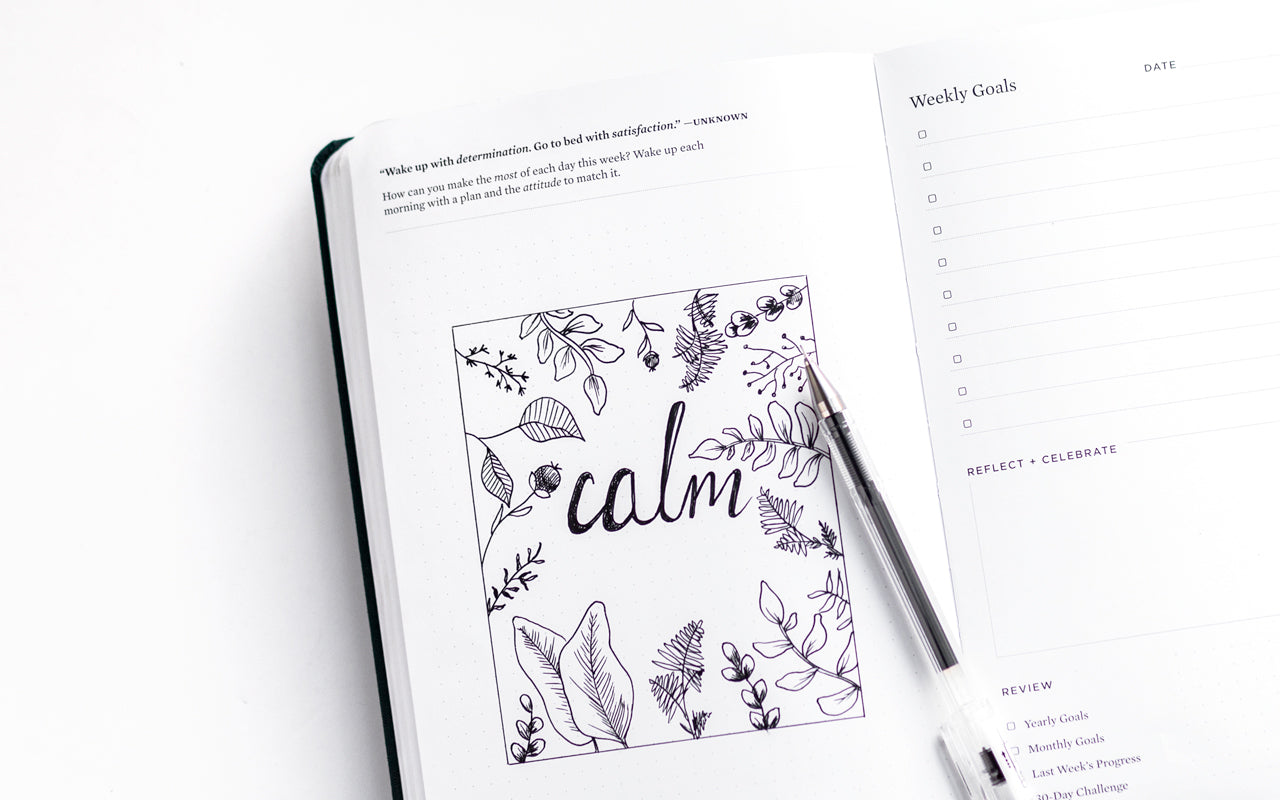
Incorporating meditation into your daily routine is crucial for sustaining emotional clarity and reaping the long-term benefits of your practice. It transforms meditation from a separate activity into an integral part of your life, supporting your ability to navigate daily challenges with greater awareness and resilience. This section provides practical strategies and actionable steps to seamlessly weave mindfulness into your everyday experiences.
Methods for Brief Meditation Sessions Throughout the Day
Integrating short meditation sessions throughout the day can be more effective than longer, infrequent sessions. This approach builds momentum and reinforces your practice.
- Morning Meditation: Start your day with 5-10 minutes of meditation. This can set a positive tone and prepare you for the day’s activities. Focus on your breath, body sensations, or a guided meditation.
- Midday Mindfulness Break: Schedule a 5-minute break during your lunch or work period. Close your eyes, focus on your breath, and observe any thoughts or emotions that arise without judgment. This can help to reset and reduce stress.
- Commuting Meditation: If you commute by public transport, use this time for mindful observation. Focus on the sights, sounds, and sensations around you. Alternatively, use a guided meditation audio.
- Evening Reflection: Before bed, take 5-10 minutes to reflect on your day. Acknowledge your experiences, both positive and negative, and practice gratitude. This can improve sleep quality and promote emotional balance.
- Waiting Time Meditation: Utilize waiting times (e.g., at a doctor’s office, in a queue) for brief mindfulness exercises. Focus on your breath or body sensations to stay present.
Applying Mindfulness Techniques in Everyday Situations
Mindfulness extends beyond formal meditation. Applying mindfulness techniques in everyday situations cultivates greater awareness and emotional regulation.
- Mindful Eating: Pay attention to the taste, texture, and smell of your food. Eat slowly, savoring each bite. This can reduce overeating and increase appreciation for your meals. For example, consciously noticing the aroma of coffee in the morning or the texture of a piece of fruit.
- Mindful Listening: When engaging in conversations, actively listen to what others are saying without interrupting or formulating your response. Pay attention to the speaker’s tone, body language, and the emotions conveyed. This improves communication and builds stronger relationships.
- Mindful Walking: Focus on the sensation of your feet touching the ground. Observe your surroundings with curiosity. Notice the movement of your body and the environment around you. This can transform a mundane activity into a mindful practice.
- Mindful Breathing Breaks: Take a few deep breaths throughout the day, especially during stressful moments. Focus on the sensation of your breath entering and leaving your body. This can help to calm your nervous system.
- Mindful Task Performance: Approach everyday tasks, such as washing dishes or doing laundry, with full attention. Focus on the present moment and the physical sensations involved in the task. This can make mundane activities more enjoyable.
Activities That Complement a Meditation Practice
Certain activities can enhance the benefits of meditation and support emotional clarity. These activities often promote relaxation, self-awareness, and a balanced lifestyle.
- Yoga and Tai Chi: These practices combine physical postures, breathing techniques, and meditation, promoting physical and mental well-being. The mindful movements and focus on breath can deepen your meditation practice.
- Nature Walks: Spending time in nature can reduce stress and promote a sense of calm. Observe the natural world with curiosity, paying attention to the sights, sounds, and smells around you.
- Journaling: Writing down your thoughts and feelings can help you to process emotions and gain insights into your inner world. Regularly journaling can clarify your emotional state.
- Creative Activities: Engaging in creative activities, such as painting, writing, or playing music, can provide an outlet for emotional expression and promote relaxation.
- Mindful Movement: Activities like dancing or swimming that focus on body awareness can enhance mindfulness. Paying attention to the movement of your body in these activities can cultivate presence and emotional awareness.
Establishing a Consistent Meditation Schedule
Establishing a consistent meditation schedule is key to making meditation a sustainable habit. This involves planning and commitment.
- Choose a Time: Select a time of day that works best for you. Consistency is more important than the specific time. Mornings or evenings are often ideal, but choose a time when you are least likely to be interrupted.
- Set a Realistic Duration: Start with short sessions (5-10 minutes) and gradually increase the duration as you become more comfortable. Consistency is more important than session length.
- Create a Dedicated Space: Designate a quiet and comfortable space for meditation. This could be a specific room, a corner of a room, or even a comfortable chair. A consistent space can help you to focus and enter a meditative state more easily.
- Use Reminders: Set reminders on your phone or use a meditation app to prompt you to meditate. These reminders help to maintain consistency.
- Be Flexible: It’s okay if you miss a session occasionally. Don’t let setbacks discourage you. Simply return to your practice as soon as possible. Adjust your schedule as needed to accommodate your lifestyle.
Advanced Techniques: Deepening Emotional Clarity
As your meditation practice strengthens, you can explore advanced techniques designed to deepen your emotional clarity. These methods build upon foundational practices, allowing for a more profound understanding of your inner landscape. This section will delve into open monitoring meditation, mindful movement, and visualization exercises, each offering a unique pathway to enhanced emotional awareness.
Open Monitoring Meditation
Open monitoring meditation involves cultivating a state of non-reactive awareness. It’s a practice where you observe all aspects of your experience – thoughts, feelings, bodily sensations, and external stimuli – without judgment or attachment. The goal is to develop a spacious, accepting awareness that allows you to see your emotions clearly without getting caught up in them.
Mindful Movement Practices
Mindful movement, such as walking meditation, provides another avenue for cultivating emotional clarity. It combines physical activity with present-moment awareness, allowing you to observe how emotions manifest in your body and influence your experience. This practice fosters a deeper connection between your mind and body, promoting emotional regulation.
- Walking Meditation: Walking meditation involves slow, deliberate steps, paying attention to the sensations of your feet touching the ground, the movement of your body, and your breath. As you walk, notice any emotions that arise. Do you feel calm, anxious, or excited? Observe these emotions without trying to change them. Simply acknowledge their presence.
- Yoga and Tai Chi: Yoga and Tai Chi are also forms of mindful movement. These practices combine physical postures, controlled breathing, and focused attention. They can help to release physical tension, which often accompanies emotional stress, promoting a sense of calm and clarity.
- Benefits of Mindful Movement: Mindful movement can help to improve body awareness, reduce stress, and cultivate a greater sense of presence. By paying attention to your body’s sensations and the emotions that arise during movement, you can gain a deeper understanding of your emotional patterns.
Visualization Techniques for Exploring and Understanding Emotions
Visualization involves using your imagination to create mental images, sounds, and sensations. It’s a powerful tool for exploring and understanding your emotions. By visualizing specific scenarios or emotional states, you can gain insights into the triggers and patterns of your emotional responses.
Visualization Exercise: The Safe Place
Find a comfortable seated position and close your eyes. Begin by taking a few deep breaths to relax your body and mind. Imagine a safe place, a place where you feel completely secure and at peace. This could be a place you’ve visited before or a place you create in your imagination. It might be a serene forest, a cozy room, or a sunny beach.
As you visualize this place, notice the details: the sights, sounds, smells, and textures. What colors are present? What sounds do you hear? What do you smell? How does the air feel on your skin?
Now, imagine an emotion you’re currently experiencing, such as anxiety or sadness, gently entering this safe place. Observe the emotion as it manifests in your visualization. Does it have a color, shape, or texture? Where does it reside in your imagined space? Does it interact with the elements of your safe place?
Allow yourself to simply observe the emotion without judgment. Notice how your safe place responds to the emotion. Does it remain calm and steady, or does it react in some way? By observing the emotion in this safe, protected environment, you can begin to understand its nature and how it impacts your inner world. Allow the visualization to continue for several minutes, then gently bring your awareness back to the present moment, taking a few deep breaths.
Measuring and Tracking Progress
Tracking progress is essential to understand the impact of meditation on emotional clarity and to maintain motivation. By regularly assessing the effects of meditation, you can adjust your practice and tailor it to your specific needs, ensuring you are effectively enhancing your emotional well-being. This section provides practical methods for measuring progress, recording experiences, identifying observable changes, and setting realistic goals.
Methods for Assessing the Impact of Meditation on Emotional Clarity
Several methods can be employed to evaluate the influence of meditation on emotional clarity. These methods, used consistently, offer valuable insights into the effectiveness of your practice.
- Self-Report Questionnaires: These questionnaires are designed to gauge your emotional state and can be administered before and after periods of meditation. Standardized tools like the Profile of Mood States (POMS) or the Depression Anxiety Stress Scales (DASS) can provide quantitative data on mood and emotional well-being. These assessments can reveal changes in emotional states over time. For instance, a study using the POMS might show a reduction in negative mood states (tension, depression, anger, fatigue, and confusion) and an increase in positive mood states (vigor) following a consistent meditation practice.
- Behavioral Observation: Observing changes in daily behavior can be a powerful indicator of progress. This involves noting how you react to stressful situations, your ability to regulate impulses, and the quality of your relationships. Keeping a journal to document these observations can help track patterns and changes. For example, a person might notice they are less likely to react impulsively to a frustrating event, such as a traffic jam, or that they are better able to communicate their needs assertively without becoming angry.
- Physiological Measures: Although more complex, physiological measures such as heart rate variability (HRV) and electrodermal activity (EDA) can offer objective data on the impact of meditation. HRV, reflecting the balance between the sympathetic and parasympathetic nervous systems, often improves with meditation, indicating better emotional regulation. EDA measures skin conductance, which can indicate stress levels. Monitoring these metrics can offer scientific validation of the benefits of meditation.
A study published in the
-Journal of Alternative and Complementary Medicine* demonstrated that consistent meditation practice was associated with increased HRV and decreased EDA, suggesting improved emotional resilience. - Mindfulness Exercises and Practices: Regularly performing mindfulness exercises, such as body scans or mindful breathing, and noting the ease and depth of the practice, can provide insights. Increased focus and awareness during these exercises indicate progress. For example, if, during a body scan, you are able to maintain focus on different parts of your body for longer periods without your mind wandering, it suggests increased present moment awareness and enhanced emotional clarity.
Design of a Simple Journal Template for Recording Meditation Experiences and Insights
A well-structured journal can be an invaluable tool for tracking progress. The template below provides a framework for documenting meditation sessions and the resulting insights.
- Date and Time: Record the date and time of the meditation session.
- Meditation Duration: Note the length of the meditation session (e.g., 10 minutes, 20 minutes).
- Meditation Technique: Specify the type of meditation practiced (e.g., mindfulness of breath, loving-kindness).
- Pre-Meditation State: Describe your emotional state before meditation (e.g., stressed, calm, anxious). Use a scale of 1-10 to rate your emotional state, with 1 being the lowest and 10 the highest intensity.
- During Meditation: Detail any thoughts, sensations, or emotions that arose during the session. Include any challenges or distractions encountered.
- Insights: Record any insights or realizations that emerged during the meditation. These could be related to emotions, relationships, or personal values.
- Post-Meditation State: Describe your emotional state after meditation, using the same scale as before. Note any changes in your feelings.
- Key Takeaways: Summarize the main takeaways from the meditation session.
- Areas for Improvement: Identify areas where you can improve your meditation practice or where you need to focus more attention.
Organization of a List of Observable Changes That May Indicate Progress in Emotional Regulation
Recognizing observable changes in your behavior and emotional responses is crucial for understanding the impact of meditation. These changes serve as indicators of enhanced emotional clarity.
- Increased Self-Awareness: Becoming more aware of your thoughts, feelings, and bodily sensations in the present moment. This awareness enables you to identify and understand your emotional triggers more effectively. For example, you may notice the physical sensations of anger (e.g., clenched jaw, rapid heartbeat) before the emotion fully escalates.
- Improved Emotional Regulation: Developing the ability to manage and regulate your emotions more effectively. This includes being less reactive to stressors, responding to difficult situations with greater calm, and experiencing less intense emotional fluctuations. For example, you might find yourself remaining calm and composed during a conflict with a colleague, rather than becoming defensive or angry.
- Reduced Reactivity: Exhibiting a decreased tendency to react impulsively or emotionally to external stimuli. This allows for more thoughtful responses rather than impulsive actions. An example would be responding thoughtfully to a negative comment on social media rather than immediately reacting defensively.
- Enhanced Empathy and Compassion: Showing greater empathy and compassion towards yourself and others. This can manifest as increased understanding and kindness in interactions with others. You might find yourself listening more attentively to a friend’s problems and offering support without judgment.
- Improved Focus and Concentration: Experiencing increased focus and concentration, both during meditation and in daily activities. This can lead to improved productivity and a greater sense of mental clarity. For instance, you may find that you can work on a task for a longer period without getting distracted by unrelated thoughts.
- Decreased Stress and Anxiety: Noticing a reduction in overall stress and anxiety levels. This can manifest as fewer physical symptoms of stress, such as headaches or muscle tension, and a general sense of calmness and well-being. You might find yourself feeling less overwhelmed by daily demands.
- Enhanced Resilience: Developing greater resilience in the face of adversity. This means being better able to cope with challenges and bounce back from setbacks. For example, after a disappointment, you might be able to recover more quickly and focus on solutions.
- Improved Sleep Quality: Experiencing better sleep quality, including easier time falling asleep, staying asleep, and feeling more rested upon waking.
Framework for Setting Realistic Goals Related to Emotional Clarity and Meditation
Setting realistic goals is crucial for maintaining motivation and achieving lasting results. This framework guides the process of establishing and tracking progress toward emotional clarity.
- Define Specific Goals: Start by identifying specific, measurable, achievable, relevant, and time-bound (SMART) goals. Instead of a vague goal like “improve emotional clarity,” set a goal such as “Meditate for 10 minutes each day for the next month to reduce feelings of anxiety.”
- Start Small: Begin with manageable goals to build momentum. This could involve starting with short meditation sessions (e.g., 5 minutes) and gradually increasing the duration.
- Break Down Goals: Break larger goals into smaller, more manageable steps. For example, if your goal is to meditate for 20 minutes daily, break it down into two 10-minute sessions or four 5-minute sessions.
- Track Progress: Use the journal template or other methods to track your progress regularly. Note any improvements in your emotional state, behaviors, or physiological measures.
- Review and Adjust: Regularly review your goals and progress. If you are not meeting your goals, adjust them as needed. Be flexible and patient, as progress may not always be linear.
- Celebrate Successes: Acknowledge and celebrate your achievements, no matter how small. This can help reinforce positive behaviors and maintain motivation. Reward yourself for achieving milestones. For example, if you meditate consistently for a week, treat yourself to a relaxing activity like a walk in nature or listening to your favorite music.
- Seek Support: Consider joining a meditation group or seeking guidance from a meditation teacher or therapist. Having support can provide encouragement and help you stay on track.
Summary
In conclusion, “How to Meditate for Enhancing Clarity of Emotion” offers a practical roadmap for cultivating emotional well-being through the power of meditation. By embracing these techniques and integrating them into your daily routine, you can foster a greater sense of self-awareness, manage emotional challenges with grace, and ultimately, live a more fulfilling life. Remember, the journey of emotional clarity is a continuous process, and with patience and consistency, you can unlock the transformative potential within.