How to Meditate for Building Daily Mindful Habits is more than just a guide; it’s an invitation to transform your life. This exploration delves into the heart of mindfulness, offering practical techniques and insights to cultivate a calmer, more focused, and present state of being. We’ll uncover the profound benefits of incorporating mindfulness into your daily routine, demonstrating how simple practices can significantly impact your well-being.
From understanding the fundamentals of mindfulness and setting the stage for effective meditation to navigating distractions and integrating these practices into everyday activities, this guide provides a comprehensive roadmap. You’ll learn step-by-step techniques, explore advanced practices, and discover invaluable resources to support your journey. Whether you’re a complete beginner or looking to deepen your practice, this resource will empower you to build lasting mindful habits.
Introduction: Defining Mindfulness and Its Benefits
Mindfulness, at its core, is about paying attention to the present moment without judgment. It’s a simple yet powerful practice that can profoundly impact your daily life. It involves observing your thoughts, feelings, and bodily sensations as they arise, without getting carried away by them. This allows you to cultivate a greater sense of awareness and presence in your everyday experiences.Incorporating mindfulness into your daily routine offers a multitude of benefits, contributing to improved mental and emotional well-being.
It fosters a deeper understanding of yourself and your reactions, enabling you to navigate challenges with greater resilience and clarity.
Understanding Mindfulness: A Simple Explanation
Mindfulness is often described as a form of mental training that encourages you to focus on the present moment. It’s about intentionally directing your attention to what you are experiencing right now, whether it’s your breath, the sounds around you, or the physical sensations in your body. The key element is observing these experiences without getting caught up in your thoughts or emotions.
It’s not about emptying your mind or stopping thoughts; rather, it’s about recognizing thoughts and letting them pass without judgment.
Core Benefits of Daily Mindfulness Practice
Practicing mindfulness regularly yields significant benefits, influencing various aspects of your well-being.
- Stress Reduction: Mindfulness helps regulate the stress response. Studies have shown that regular mindfulness practice can lower cortisol levels, the primary stress hormone. By becoming more aware of stress triggers and your reactions to them, you can develop healthier coping mechanisms.
- Improved Focus and Concentration: Mindfulness trains your mind to stay present. This can significantly enhance your ability to focus on tasks and reduce distractions. Research published in the
-Journal of Cognitive Enhancement* indicates that mindfulness meditation can improve attention span and cognitive flexibility. - Emotional Regulation: Mindfulness cultivates emotional awareness, allowing you to observe your emotions without being overwhelmed by them. This leads to improved emotional regulation, reducing reactivity and promoting a more balanced emotional state.
- Enhanced Self-Awareness: Mindfulness encourages introspection, fostering a deeper understanding of your thoughts, feelings, and motivations. This self-awareness is crucial for making informed decisions and living in alignment with your values.
- Increased Compassion: Mindfulness promotes compassion, both for yourself and others. By practicing non-judgmental awareness, you develop a greater capacity for empathy and understanding.
Real-Life Examples of Mindfulness in Action
Mindfulness can be integrated into everyday activities, enhancing their quality and your overall experience.
- Mindful Eating: Instead of eating while distracted (e.g., watching TV or working), focus on the taste, texture, and smell of your food. Pay attention to your hunger and fullness cues. This can lead to healthier eating habits and a greater appreciation for your meals.
- Mindful Walking: When walking, pay attention to the sensation of your feet on the ground, the movement of your body, and the sights and sounds around you. This simple practice can transform a mundane activity into a grounding experience.
- Mindful Listening: When someone is speaking to you, give them your full attention. Avoid interrupting or formulating your response while they are still talking. This practice enhances communication and fosters deeper connections.
- Mindful Breathing: Throughout the day, take a few moments to focus on your breath. Notice the sensation of the air entering and leaving your body. This simple exercise can quickly calm your mind and reduce stress.
- Mindful Commuting: Instead of letting your commute be a source of frustration, use it as an opportunity to practice mindfulness. Observe the traffic, the surroundings, and your own thoughts and feelings without judgment.
Preparing for Meditation: Setting the Stage
Preparing for meditation is about creating an environment and state of mind conducive to mindfulness. This involves minimizing distractions, finding a comfortable posture, and gathering any tools that can enhance the experience. The goal is to cultivate a space where you can easily focus on your breath and the present moment.
Ideal Meditation Environment
Creating an optimal environment is essential for a successful meditation practice. The right setting minimizes external stimuli, allowing for deeper focus and relaxation. Consider these elements:
- Noise: Minimize disruptive sounds. This might involve meditating in a quiet room, using earplugs or noise-canceling headphones, or playing calming ambient music or nature sounds. The ideal environment is one where you are not constantly interrupted by external noises.
- Light: Soft, natural light is generally preferred. Avoid harsh, direct sunlight, which can be distracting. Dimming the lights or meditating in a room with indirect light can create a more serene atmosphere.
- Distractions: Eliminate potential interruptions. Turn off your phone, inform others that you need uninterrupted time, and ensure that pets or children are cared for. A clear, uncluttered space promotes a clear mind.
Comfortable Meditation Postures
Choosing a comfortable posture is crucial for maintaining focus during meditation. The goal is to find a position that allows you to remain still for an extended period without discomfort. Here are several options:
- Sitting: This is the most common posture. You can sit on a cushion or a chair.
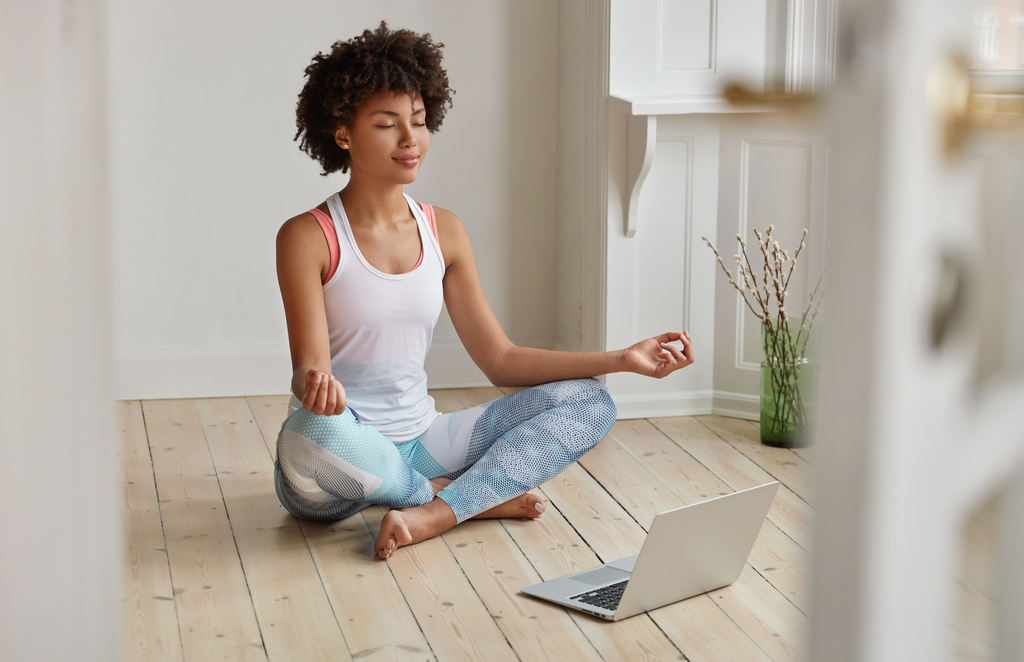
- Seated on a cushion: Sit cross-legged, or in the lotus position (if comfortable), with your spine straight but not stiff. The cushion elevates your hips, making it easier to maintain this posture.
- Seated in a chair: Sit with your feet flat on the floor and your back straight but not touching the back of the chair.
- Lying Down: This posture is suitable for relaxation, especially if you are feeling tired or have physical limitations. Lie on your back with your arms at your sides, palms facing up. Ensure your spine is aligned and that you are comfortable. This position can be more prone to falling asleep, so be mindful.
- Walking: Walking meditation involves slow, mindful steps. Focus on the sensation of your feet touching the ground. This posture can be a good option if you find it difficult to sit still.
Essential Meditation Tools
Certain items can enhance your meditation practice. These tools are designed to create a more comfortable and supportive environment, aiding in focus and relaxation.
- Meditation Cushion or Bench: Provides support and comfort for sitting postures. Elevating the hips can help maintain a straight spine. Consider a Zafu cushion or a meditation bench.
- Blanket or Shawl: Keeps you warm and comfortable, especially during longer meditation sessions or in cooler environments.
- Timer or Meditation App: Helps you track your meditation duration. Many apps also offer guided meditations and ambient sounds. Consider using a timer that gently alerts you when your session is over, avoiding jarring alarms.
- Eye Pillow: A small, weighted pillow placed over the eyes can help block out light and promote relaxation.
- Comfortable Clothing: Loose-fitting clothing made of natural fabrics like cotton or linen allows for free movement and minimizes distractions.
Basic Meditation Techniques
Having established the foundational understanding of mindfulness and the preparations necessary for meditation, we now delve into practical techniques. These techniques offer tangible ways to cultivate present moment awareness, reduce stress, and enhance overall well-being. They provide a framework for your daily practice, allowing you to experience the benefits of mindfulness firsthand.
Breath Awareness Technique
The breath awareness technique is a foundational meditation practice. It involves focusing attention on the natural rhythm of your breath, serving as an anchor to the present moment. This simple yet powerful method helps to calm the mind and cultivate a sense of inner peace.To practice the breath awareness technique:
- Find a Comfortable Position: Sit comfortably, either on a cushion, chair, or in any position where you can maintain a straight spine without strain. Ensure your back is straight but relaxed. Your hands can rest gently in your lap or on your knees.
- Close Your Eyes or Soften Your Gaze: Gently close your eyes or soften your gaze downwards. This helps minimize distractions and allows you to turn your attention inward.
- Bring Awareness to Your Breath: Notice the sensation of your breath as it enters and leaves your body. You can focus on the feeling of the air passing through your nostrils, the rise and fall of your abdomen, or the expansion and contraction of your chest.
- Observe the Breath: Simply observe the breath without trying to change it. Notice its natural rhythm, depth, and any subtle sensations associated with it.
- Acknowledge and Redirect Wandering Thoughts: Your mind will inevitably wander. When you notice your thoughts drifting, gently acknowledge them without judgment and redirect your attention back to your breath. You can mentally label the thought as “thinking” and then return your focus to the breath.
- Maintain a Consistent Practice: Begin with short sessions, perhaps five to ten minutes, and gradually increase the duration as you become more comfortable. Consistency is key to developing this practice.
The breath awareness technique, when practiced regularly, helps to build a stronger connection with the present moment. It provides a readily available tool for managing stress and improving focus.
Body Scan Meditation Technique
The body scan meditation technique involves systematically bringing awareness to different parts of your body, noticing any sensations present. This practice helps to increase body awareness, release tension, and cultivate a sense of acceptance towards your physical experience.To practice the body scan meditation technique:
- Find a Comfortable Position: Lie down on your back, ensuring your body is relaxed and supported. You can place a pillow under your knees for added comfort.
- Close Your Eyes or Soften Your Gaze: Gently close your eyes or soften your gaze.
- Start with Your Feet: Begin by bringing your attention to your feet. Notice any sensations present, such as warmth, tingling, or pressure. Stay with the sensation for a few moments.
- Move Upward: Gradually move your attention upward through your body, focusing on each part for a short time. This can include your ankles, calves, knees, thighs, hips, lower back, abdomen, chest, upper back, shoulders, arms, hands, neck, and head.
- Notice Sensations Without Judgment: As you move through each part of your body, simply observe any sensations without trying to change them. Accept whatever you experience, whether it is pleasant, unpleasant, or neutral.
- Acknowledge and Redirect Wandering Thoughts: As with the breath awareness technique, your mind may wander. When you notice your thoughts drifting, gently acknowledge them and redirect your attention back to the part of your body you are currently scanning.
- End with a Sense of Gratitude: Once you have scanned your entire body, take a few moments to appreciate the overall experience. Acknowledge the interconnectedness of your body and the present moment.
The body scan meditation helps to cultivate a deeper awareness of your body and its signals. Regular practice can improve your ability to recognize and release physical tension, contributing to a greater sense of ease and well-being.
Loving-Kindness Meditation
Loving-kindness meditation, also known as metta meditation, cultivates feelings of compassion and goodwill towards oneself and others. This practice can help to reduce feelings of anger, resentment, and isolation, fostering a greater sense of connection and empathy.To practice loving-kindness meditation:
- Find a Comfortable Position: Sit comfortably, either on a cushion or chair, maintaining a straight but relaxed posture.
- Close Your Eyes or Soften Your Gaze: Gently close your eyes or soften your gaze.
- Focus on Yourself: Begin by directing loving-kindness towards yourself. You can silently repeat phrases such as:
- “May I be filled with loving-kindness.”
- “May I be well.”
- “May I be peaceful and at ease.”
- “May I be happy.”
- Extend Loving-Kindness to Others: After a few minutes of focusing on yourself, expand your loving-kindness to others. You can begin with someone you love, then a neutral person, then someone you find difficult, and finally, all beings. Use phrases similar to those used for yourself, adjusting the wording as needed. For example: “May [Name] be filled with loving-kindness.”
- Visualize and Feel the Emotions: As you repeat the phrases, visualize the person you are directing your loving-kindness towards. Try to genuinely feel the emotions of love, compassion, and goodwill.
- Expand the Circle: Continue expanding your loving-kindness to include more people, communities, and eventually, all beings. This practice can foster a sense of interconnectedness and reduce feelings of separation.
Loving-kindness meditation promotes a more positive outlook and strengthens emotional resilience. It can create a more compassionate and understanding approach to yourself and others, ultimately leading to a more fulfilling life.
Building a Daily Meditation Routine
Establishing a consistent meditation practice is fundamental to cultivating mindful habits. This section focuses on creating a sustainable routine, providing tools to track progress, and offering strategies to navigate common challenges. Consistent practice amplifies the benefits of mindfulness, leading to greater self-awareness, reduced stress, and enhanced emotional regulation.
Creating a Meditation Schedule
Developing a structured meditation schedule is essential for integrating mindfulness into daily life. Identifying specific times and sticking to them promotes consistency and makes meditation a non-negotiable part of your routine. The best time to meditate often depends on individual preferences and lifestyles.
- Morning Meditation: Many find morning meditation beneficial for setting a positive tone for the day. Aiming for 10-20 minutes immediately after waking up can help reduce morning stress and increase focus.
- Mid-day Meditation: A short meditation session during a lunch break or mid-afternoon can provide a mental reset, counteracting the effects of stress and fatigue. This could be as short as 5-10 minutes.
- Evening Meditation: Evening meditation, before or after dinner, can help to wind down and prepare for restful sleep. This practice, lasting 10-20 minutes, allows for reflection and can ease the transition into a relaxed state.
- Flexibility: While a set schedule is helpful, it’s also important to remain flexible. If a scheduled time isn’t feasible, try to find alternative moments during the day. Even a few minutes of mindful breathing can make a difference.
Tracking Meditation Progress
Monitoring progress is a valuable tool for maintaining motivation and understanding the impact of meditation. A simple tracking system allows you to visualize your commitment and identify patterns in your practice. This system provides a clear record of sessions, duration, and any observed effects.
A straightforward method for tracking progress is by using a meditation log. Consider the following example of a simple table:
| Date | Time | Duration (minutes) | Notes/Observations |
|---|---|---|---|
| 2024-07-26 | 7:00 AM | 15 | Felt calm and focused throughout the day. |
| 2024-07-26 | 1:00 PM | 5 | Quick reset during a busy workday. |
| 2024-07-26 | 9:00 PM | 10 | Helped with relaxation before bed. |
| 2024-07-27 | 7:00 AM | 20 | Increased awareness of thoughts and emotions. |
Overcoming Obstacles to Consistent Meditation
Consistency is frequently challenged by various obstacles. Implementing strategies to navigate these challenges is essential for maintaining a regular meditation practice. Common obstacles include lack of time, motivation, and distractions.
- Lack of Time: Shorten meditation sessions to fit your schedule. Even 5 minutes of mindful breathing can be beneficial. Integrate meditation into existing routines, such as while commuting or waiting for an appointment.
- Lack of Motivation: Remind yourself of the benefits of meditation, such as reduced stress and increased focus. Start small and gradually increase the duration. Find a meditation buddy for support and accountability. Celebrate milestones to stay motivated.
- Distractions: Choose a quiet, comfortable space for meditation. Use noise-canceling headphones or a white noise machine to minimize external sounds. Accept that distractions will arise and gently redirect your attention back to your breath or chosen focus.
- Inconsistency: If you miss a session, don’t give up. Simply return to your practice as soon as possible. Remember that consistency is more important than perfection. Acknowledge and learn from missed sessions, adapting your approach as needed.
Dealing with Distractions: Staying Focused
Meditation, at its core, is about cultivating present moment awareness. However, the mind is naturally prone to wandering. This section addresses the common challenges of maintaining focus during meditation and provides practical strategies for navigating distractions. The goal is not to eliminate distractions entirely, but to develop the skill of gently redirecting your attention back to the chosen focal point.
Common Distractions During Meditation
The mind can be a busy place, and numerous internal and external factors can pull you away from your meditation practice. Recognizing these common distractions is the first step toward managing them effectively.
- Physical Sensations: These include discomfort, such as an itch, a backache, or temperature fluctuations.
- Thoughts: The mind generates a constant stream of thoughts, ranging from mundane to complex, often involving planning, remembering, or worrying.
- Emotions: Feelings like joy, sadness, anger, or anxiety can arise and disrupt focus.
- External Stimuli: Noises from the environment, such as traffic, conversations, or even the sound of a fan, can distract you.
- Boredom or Restlessness: Feeling fidgety or losing interest in the meditation practice can also pull you away from the present moment.
Techniques for Redirecting the Mind
When distractions inevitably arise, the key is to respond with kindness and non-judgment. These techniques can help you gently guide your attention back to your chosen focal point.
- Acknowledging and Labeling: When a distraction appears, simply acknowledge it without judgment. You can mentally label it (e.g., “thinking,” “noise,” “itch”). This helps create distance from the distraction.
- Gentle Redirection: Instead of fighting the distraction, gently redirect your attention back to your breath, a mantra, or another focal point. Think of it as a soft nudge, not a forceful push.
- Returning to the Anchor: Regularly returning to your chosen anchor (e.g., the breath) is essential. Each time you notice your mind has wandered, simply return your focus to the anchor.
- Using the “Observer” Perspective: Cultivating the ability to observe thoughts and emotions without getting carried away by them is a powerful technique. Recognize that you are not your thoughts; you are the observer of them.
- Short, Focused Practice: Starting with shorter meditation sessions can be helpful, especially when dealing with persistent distractions. Gradually increase the duration as your ability to maintain focus improves.
Handling Thoughts and Emotions
Thoughts and emotions are natural occurrences during meditation. Learning to navigate them with awareness and compassion is crucial for a successful practice.
- Thoughts: Treat thoughts as mental events that come and go. Don’t get caught up in analyzing or judging them. Simply observe them and gently redirect your attention back to your chosen focus. If a thought is particularly persistent, acknowledge it and then visualize it drifting away like a cloud.
- Emotions: Allow emotions to arise without suppressing or amplifying them. Observe them with curiosity and acceptance. Recognize that emotions are temporary. The more you practice, the more easily you will learn to create space between yourself and your emotions.
- Practicing Loving-Kindness: When difficult emotions arise, practicing loving-kindness meditation can be helpful. Direct feelings of compassion and goodwill towards yourself and others. This can help transform negative emotions into positive ones.
- Understanding the Source: If certain thoughts or emotions consistently arise, it may be helpful to explore their underlying causes. Consider journaling, talking to a therapist, or engaging in other practices that promote self-awareness.
Advanced Meditation Practices: Expanding Your Skills
As you progress in your meditation journey, you’ll discover various techniques to deepen your practice and cultivate a more profound sense of mindfulness. These advanced practices build upon the foundational techniques, offering new ways to engage with your mind and body. Exploring these techniques can lead to enhanced self-awareness, emotional regulation, and a more fulfilling daily life.
Mindful Movement Practice
Mindful movement combines the principles of mindfulness with physical activity. It involves paying close attention to the sensations in your body while moving, bringing awareness to each breath and movement. This practice can enhance body awareness, reduce stress, and improve coordination.To practice mindful movement:* Choose a movement: Select an activity like walking, yoga, Tai Chi, or even simple stretching.
Focus on your breath
Notice the rhythm of your breath, and how it connects to your movements.
Pay attention to sensations
Observe the physical sensations in your body—the feeling of your feet on the ground, the stretch in your muscles, or the flow of your breath.
Be present
Avoid getting caught up in thoughts about the past or future. Instead, bring your attention back to the present moment, to the experience of moving.
Practice regularly
Dedicate a few minutes each day to mindful movement to experience its benefits.Mindful movement offers a powerful way to integrate mindfulness into your daily life, promoting physical and mental well-being.
Benefits of Guided Meditations and Resources
Guided meditations involve a teacher or guide leading you through a meditation session, often with specific instructions and visualizations. These meditations can be particularly helpful for beginners, as they provide structure and support. They also offer a way to explore different meditation styles and focus on specific goals.Guided meditations offer several benefits:* Structure and guidance: The guided format provides a clear framework for meditation, making it easier to stay focused.
Specific themes
Many guided meditations focus on particular areas, such as stress reduction, sleep improvement, or cultivating compassion.
Expert instruction
Guided meditations often feature experienced teachers who can offer insights and techniques.
Accessibility
They are readily available through various platforms, making it easy to meditate anytime, anywhere.You can find guided meditations on numerous platforms, including:* Meditation apps: Apps like Headspace, Calm, and Insight Timer offer extensive libraries of guided meditations.
Online resources
Websites and YouTube channels provide free and paid guided meditations.
Podcasts
Numerous podcasts dedicated to meditation and mindfulness feature guided sessions.
Local classes
Yoga studios, meditation centers, and community centers often offer guided meditation classes.Exploring these resources can significantly enhance your meditation practice.
Different Types of Meditation
There are various types of meditation, each with a unique focus and approach. Understanding these different styles can help you find the practices that best suit your needs and preferences.* Mindfulness Meditation: This involves focusing on the present moment, observing thoughts, feelings, and sensations without judgment. It’s a foundational practice for developing awareness.
Loving-Kindness Meditation (Metta)
This practice cultivates feelings of love, kindness, and compassion towards oneself and others. It involves repeating phrases like “May I be happy, may I be healthy, may I be safe, may I live with ease.”
Body Scan Meditation
This technique involves systematically bringing awareness to different parts of the body, noticing sensations without judgment. It promotes body awareness and relaxation.
Walking Meditation
This practice combines mindfulness with walking. It involves paying attention to the sensations of walking, such as the feeling of your feet on the ground and the movement of your body.
Transcendental Meditation (TM)
This technique involves repeating a mantra, a specific word or sound, silently to oneself to quiet the mind and achieve a state of deep relaxation.
Zen Meditation (Zazen)
This practice, rooted in Zen Buddhism, involves sitting in a specific posture and focusing on the breath or posture to cultivate awareness and insight.
Visualization Meditation
This involves creating mental images to promote relaxation, reduce stress, or achieve specific goals. It can involve visualizing peaceful scenes, positive outcomes, or desired states of being.
Yoga and Meditation
Yoga often incorporates meditation, focusing on physical postures (asanas), breathwork (pranayama), and mindfulness to enhance overall well-being.Experimenting with different types of meditation can help you discover the practices that resonate most with you and support your personal growth.
Integrating Mindfulness into Daily Activities: Beyond Meditation
The true power of mindfulness lies not just in formal meditation, but in its integration into every aspect of daily life. This involves bringing mindful awareness to everyday activities, transforming them from mindless routines into opportunities for presence and deeper engagement with the world. By cultivating this awareness, we can significantly reduce stress, improve focus, and enhance our overall well-being.
Mindful Eating: Engaging the Senses
Mindful eating is a practice that involves paying full attention to the experience of eating – the taste, smell, texture, and appearance of food – without judgment. This approach helps to foster a healthier relationship with food and can lead to better digestion and weight management.
- Savoring the Taste: Before taking a bite, observe the food’s appearance. Notice its colors, shapes, and textures. Then, bring the food close to your nose and inhale its aroma. Take a small bite, and slowly chew the food, paying attention to the flavors as they unfold on your tongue. Notice how the flavors change as you chew and swallow.
- Paying Attention to Texture: Consider the textures of the food in your mouth. Is it crunchy, soft, smooth, or chewy? How does the texture feel against your tongue and teeth?
- Listening to Your Body: Pause between bites and check in with your body. Are you truly hungry? Are you starting to feel full? This helps to avoid overeating. It’s important to listen to your body’s signals, such as the feeling of fullness or satisfaction, to avoid eating past the point of comfort.
- Mindful Drinking: If you’re drinking something, like tea or water, observe the color, temperature, and how it feels in your mouth. Notice the subtle flavors and how they change as you drink.
Incorporating Mindfulness into Everyday Tasks
Many daily activities can be transformed into mindful practices. By approaching these tasks with intention and awareness, we can cultivate a sense of calm and presence throughout the day.
- Mindful Walking: Pay attention to the sensations of walking. Feel your feet making contact with the ground. Notice the movement of your legs and arms. Observe your surroundings – the sights, sounds, and smells. For example, when walking to work, focus on each step, the feeling of the ground beneath your feet, and the air against your skin.
- Mindful Washing Dishes: Instead of rushing through this chore, focus on the task at hand. Feel the warmth of the water, the texture of the soap, and the movements of your hands. Notice the details of the dishes – their shape, color, and how they feel in your hands.
- Mindful Commuting: Use your commute as an opportunity to practice mindfulness. Observe your thoughts and feelings without getting carried away by them. Pay attention to the sounds of the traffic, the movement of the train or bus, and the people around you. When stuck in traffic, instead of becoming frustrated, try to observe the experience with curiosity and acceptance.
Using Mindfulness to Manage Stress and Improve Focus
Mindfulness offers practical tools for managing stress and enhancing focus in the midst of daily challenges.
- The Power of the Breath: When feeling stressed or overwhelmed, take a few moments to focus on your breath. Inhale deeply, filling your lungs, and exhale slowly, releasing tension. This simple practice can calm the nervous system and bring you back to the present moment. For instance, before a stressful meeting, take a few deep breaths to center yourself.
- Body Scan for Stress Relief: A body scan involves bringing awareness to different parts of your body, noticing any tension or discomfort. This practice can help you become more aware of stress held in your body and release it. Lie down or sit comfortably and systematically bring your attention to different parts of your body, starting with your toes and moving up to your head.
- Mindful Breaks: Take short breaks throughout the day to practice mindfulness. Step away from your work, close your eyes, and focus on your breath for a few minutes. This can help to refresh your mind and improve your focus. A brief mindful break during a workday can prevent burnout and improve productivity.
- Acceptance and Non-Judgment: Mindfulness emphasizes accepting your thoughts and feelings without judgment. When you notice stressful thoughts, acknowledge them without getting carried away by them. This practice helps to reduce the emotional impact of stressful situations.
Common Challenges and Troubleshooting
Starting a meditation practice can be incredibly rewarding, but it’s also common to encounter obstacles along the way. Understanding these challenges and having strategies to overcome them is crucial for building a sustainable and beneficial mindfulness practice. This section addresses some of the most frequently encountered difficulties and offers practical solutions.
Common Beginner Challenges
New meditators often face a variety of hurdles that can discourage them. These challenges are a normal part of the learning process. Recognizing these issues is the first step toward navigating them effectively.
- Restlessness and an Overactive Mind: The mind naturally tends to wander, especially when asked to be still. Thoughts, worries, and plans often flood the awareness, making it difficult to focus.
- Difficulty Concentrating: Maintaining focus on a single point, such as the breath, can be challenging. The mind easily gets distracted by external stimuli or internal thoughts.
- Physical Discomfort: Sitting still for extended periods can lead to physical discomfort, including aches, pains, and stiffness. This can make the meditation experience unpleasant.
- Boredom and Impatience: The initial stages of meditation can sometimes feel monotonous, leading to boredom and a desire to stop. Impatience to see results can also hinder progress.
- Self-Doubt and Frustration: Beginners may experience self-doubt, feeling they are “doing it wrong” or not making progress. Frustration with the process can quickly derail the practice.
Handling Restlessness and Boredom
Restlessness and boredom are common experiences in meditation. They don’t indicate failure but rather highlight the natural activity of the mind. Addressing these feelings requires patience and specific techniques.
- Acknowledge and Accept: The first step is to acknowledge the feelings of restlessness or boredom without judgment. Observe them as passing phenomena, not as indicators of personal inadequacy.
- Adjust Your Posture: Make sure your posture is comfortable, allowing for alertness without strain. Slight adjustments can sometimes alleviate physical discomfort that contributes to restlessness.
- Vary Your Focus: If focusing on the breath becomes monotonous, experiment with different objects of meditation, such as body scan, sounds, or visualisations.
- Set Realistic Expectations: Understand that the mind will wander, and boredom may arise. The goal isn’t to eliminate these experiences but to develop the ability to observe them without getting carried away.
- Practice Loving-Kindness: If boredom persists, try directing loving-kindness towards yourself. This can help shift your perspective and create a more positive internal environment. For example, silently repeat phrases like “May I be happy, may I be peaceful, may I be free from suffering.”
Dealing with Difficult Emotions
Meditation can sometimes bring difficult emotions to the surface. This can be challenging, but it also presents an opportunity for growth and healing. The key is to approach these emotions with awareness and compassion.
- Allow the Emotions to Arise: Do not suppress or avoid difficult emotions. Allow them to surface and be present in your awareness.
- Observe Without Judgment: Notice the emotions without labeling them as “good” or “bad.” Simply observe the sensations, thoughts, and feelings associated with the emotion.
- Practice Mindfulness of the Body: Pay attention to the physical sensations associated with the emotion. Where do you feel it in your body? How does it manifest?
- Label the Emotion (Optional): Sometimes, simply labeling the emotion can help to create distance and reduce its intensity. For example, you might silently say to yourself, “This is anger,” or “This is sadness.”
- Use Breathing Techniques: Deep, slow breathing can help to calm the nervous system and regulate emotions. Practice diaphragmatic breathing, focusing on the rise and fall of your abdomen.
- Consider Seeking Support: If difficult emotions become overwhelming or persistent, consider seeking support from a therapist, counselor, or trusted friend.
Resources and Support: Continuing Your Journey
Embarking on a mindfulness journey is a continuous process of growth and self-discovery. Having access to reliable resources and a supportive community can significantly enhance your practice and help you navigate any challenges you may encounter. This section provides a curated list of resources and guidance to support your ongoing mindfulness practice.
Recommended Books on Mindfulness and Meditation
Reading can offer invaluable insights and techniques to deepen your mindfulness practice. The following books provide a strong foundation and offer diverse perspectives on meditation and mindful living.
- “Wherever You Go, There You Are: Mindfulness Meditation in Everyday Life” by Jon Kabat-Zinn: This book is a classic introduction to mindfulness, making it accessible to beginners. It explains the principles of mindfulness and how to incorporate it into daily life. It’s widely considered a foundational text.
- “Mindfulness for Beginners: Reclaiming the Present Moment and Your Life” by Jon Kabat-Zinn: A more focused and practical guide from Kabat-Zinn, providing exercises and techniques for developing mindfulness in everyday situations.
- “10% Happier: How I Tamed the Voice in My Head, Reduced Stress Without Losing My Edge, and Found Self-Help That Actually Works–A True Story” by Dan Harris: A personal account of a news anchor’s journey into meditation, offering a relatable and humorous perspective on mindfulness. Harris explores how mindfulness helped him manage stress and improve his well-being.
- “The Miracle of Mindfulness: An Introduction to the Practice of Meditation” by Thich Nhat Hanh: A practical guide to mindfulness, emphasizing the importance of being present in every moment. It provides simple exercises and techniques for cultivating mindfulness in daily activities.
- “Real Happiness: The Power of Meditation: A 28-Day Program” by Sharon Salzberg: A structured program that provides a step-by-step approach to developing a meditation practice. Salzberg’s book includes guided meditations and practical advice for beginners.
Reliable Websites and Apps for Guided Meditations
Utilizing online resources can provide structure, guidance, and variety to your meditation practice. Numerous websites and apps offer guided meditations, which can be particularly helpful for beginners.
- Headspace: Headspace offers a wide range of guided meditations for various needs, including stress, sleep, and focus. The app provides structured courses and individual meditations, making it suitable for all levels of experience. A key feature is its user-friendly interface.
- Calm: Calm provides guided meditations, sleep stories, and relaxing music to help reduce stress and improve sleep quality. The app’s content is designed to promote relaxation and well-being, featuring a soothing aesthetic and a variety of programs.
- Insight Timer: Insight Timer is a free app with a vast library of guided meditations, music, and talks from various teachers. It offers a community aspect, allowing users to connect with others and participate in group meditations.
- UCLA Mindful Awareness Research Center (MARC): MARC provides free guided meditations and resources for learning about mindfulness. Their website offers audio recordings and educational materials, promoting evidence-based practices.
- YouTube Channels: Many YouTube channels offer free guided meditations. Search for specific types of meditations (e.g., body scan, loving-kindness) or teachers to find options that resonate with you.
Finding a Meditation Community or Group for Support and Encouragement
Connecting with others who share a similar interest in mindfulness can provide valuable support, motivation, and encouragement. Participating in a meditation community can also foster a sense of accountability and belonging.
- Local Meditation Centers: Search for meditation centers or groups in your area. These centers often offer guided meditations, workshops, and retreats. Attending in-person sessions provides opportunities for direct interaction with teachers and fellow practitioners.
- Online Meditation Communities: Numerous online platforms host meditation communities, allowing you to connect with others virtually. These communities often offer discussion forums, live sessions, and peer support.
- Meetup Groups: Websites like Meetup.com host various meditation groups and events. Joining a local Meetup group can provide opportunities to practice with others and attend social gatherings.
- Workplace Wellness Programs: If your workplace offers a wellness program, it may include mindfulness or meditation sessions. Participating in these programs can provide a convenient way to practice and connect with colleagues.
- Retreats and Workshops: Attending meditation retreats or workshops offers an immersive experience. These events provide focused practice, instruction, and opportunities to connect with like-minded individuals. Consider retreats led by experienced teachers for in-depth learning.
Visualizing and Illustrations: Enhancing Understanding
Visual aids can significantly improve the comprehension and practice of meditation. They transform abstract concepts into tangible experiences, making mindfulness more accessible and effective. By visualizing the breath, creating a serene environment, and understanding various postures, individuals can deepen their practice and integrate it more fully into their lives.
Visualizing the Breath: Emphasizing the Flow
Visualizing the breath is a powerful technique for anchoring awareness. It allows practitioners to observe the breath’s natural rhythm and cultivate a sense of presence. This visualization technique involves focusing on the breath as it enters and leaves the body, promoting a deeper understanding of the present moment.
- Inhalation: Imagine the air as a gentle, luminous stream entering the body through the nostrils. This stream could be visualized as a soft, white light or a cool, refreshing mist. As the breath moves inward, picture it flowing down through the throat, filling the lungs, and expanding the abdomen. This visualization should be slow and smooth, reflecting the natural pace of the breath.
- Exhalation: As you exhale, visualize the same luminous stream gently reversing its course. Imagine the air moving back up from the abdomen, through the lungs, and out through the nostrils. This flow is not forced but rather a passive release, like a gentle wave receding. Visualize any tension or stress dissolving with each exhalation, leaving the body feeling lighter and more relaxed.
- The Cycle: Picture the continuous cycle of the breath, the inhale and exhale, as an endless loop of light and energy. This cyclical visualization can help anchor awareness to the present moment, reducing mental chatter and fostering a sense of calm. The focus is on the seamless transition between each breath, cultivating a feeling of being present and aware.
Designing a Serene Meditation Environment: Natural Light and Comfortable Seating
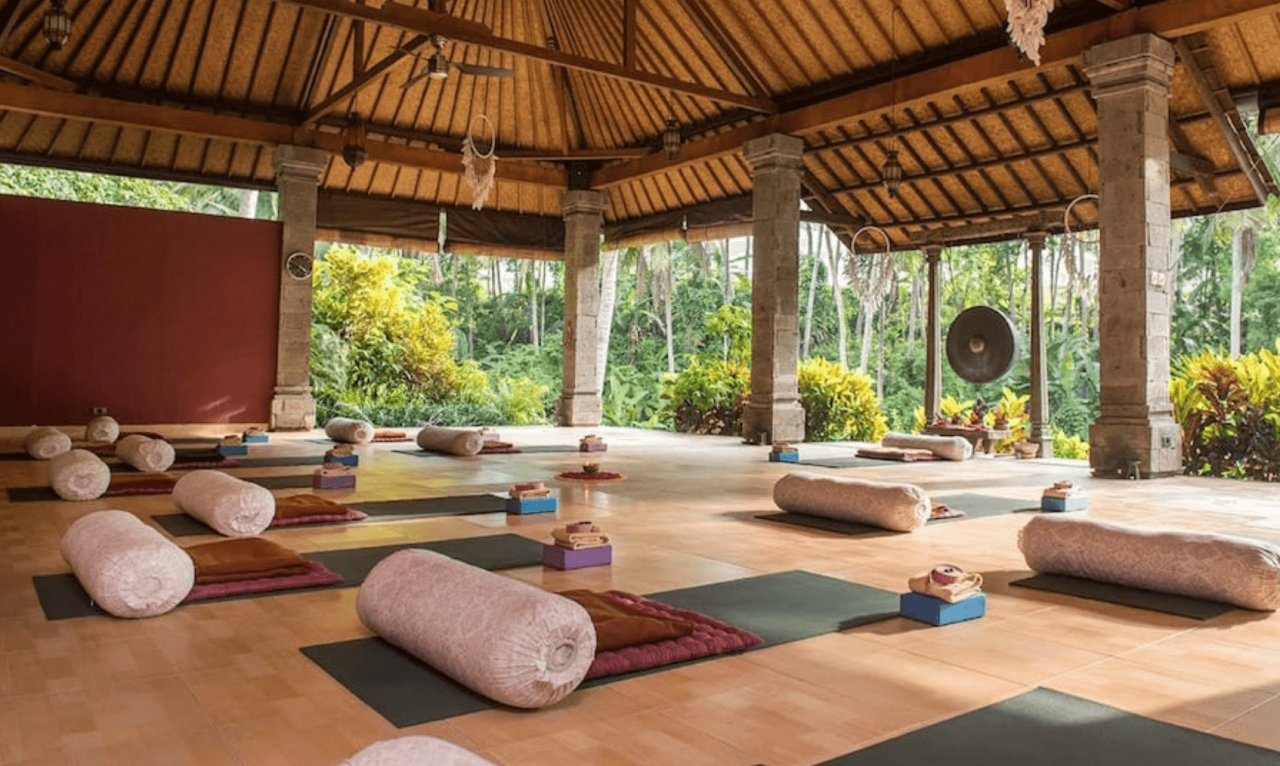
Creating a conducive meditation environment is crucial for enhancing the practice. The physical space should be designed to minimize distractions and promote relaxation. The environment’s elements, such as lighting, seating, and surrounding objects, significantly influence the overall meditation experience.
- Natural Light: The room should be filled with soft, diffused natural light. Avoid direct sunlight, which can be distracting. The light can enter through a window, perhaps softened by sheer curtains or blinds. The quality of the light should be gentle, promoting a sense of peace and tranquility.
- Comfortable Seating: A comfortable seating arrangement is essential. This could include a meditation cushion (zafu) placed on a flat surface, allowing the spine to remain straight. Alternatively, a comfortable chair with good back support can be used. The choice of seating should allow the body to relax while maintaining alertness.
- Color Palette: The walls should be painted in soothing, neutral colors, such as soft blues, greens, or creams. These colors promote calmness and reduce visual stimulation. Avoid bright or jarring colors that might distract the meditator.
- Minimalist Décor: The space should be free of clutter and distractions. Keep the décor minimal, with only a few carefully chosen items. This could include a plant, a calming piece of art, or a small statue representing peace or mindfulness.
- Temperature and Ventilation: The room should be well-ventilated with a comfortable temperature. Avoid extremes of hot or cold. The air should be fresh and clean, contributing to a feeling of ease and relaxation.
- Ambient Sounds: Consider incorporating soft ambient sounds, such as nature sounds or instrumental music. This can help to mask distracting external noises and create a more immersive meditation experience. The sounds should be subtle and not interfere with the focus on the breath.
Illustrating Different Postures for Meditation
The posture adopted during meditation significantly impacts the experience. Proper posture supports the body and mind, allowing for greater comfort and focus. There are several postures suitable for meditation, each offering unique benefits.
- Sitting Posture: This is the most common posture for meditation. The key is to maintain an upright but relaxed spine. This can be achieved in several ways:
- Seated on a Cushion: Sit on a meditation cushion (zafu) with your legs crossed in the lotus position (legs crossed with each foot resting on the opposite thigh) or half-lotus position (one foot resting on the opposite thigh, the other leg crossed underneath). The hips should be slightly elevated, allowing the spine to remain straight.
- Seated in a Chair: Sit in a chair with your feet flat on the floor and your back straight but not stiff. The back can be supported by the chair’s backrest, but avoid slouching. Your hands can rest gently on your lap or thighs.
- General Guidelines: Keep your head level, with your chin slightly tucked. Close your eyes gently or keep them slightly open, gazing downward. Relax your shoulders and allow your arms to rest comfortably.
- Lying-Down Posture: This posture is especially useful for relaxation and can be helpful for those with physical limitations or those who are feeling tired.
- Supine Position: Lie on your back on a comfortable surface, such as a yoga mat or bed. Extend your legs and let your feet fall open naturally. Place your arms at your sides, palms facing up or down.
- Relaxation: Allow your body to sink into the surface, releasing any tension. Focus on relaxing each part of your body, starting with your toes and working your way up to your head.
- Caution: Be mindful of the tendency to fall asleep in this posture. If sleepiness becomes an issue, try meditating in a sitting posture.
- Walking Posture: Walking meditation integrates mindfulness into physical movement. This can be practiced indoors or outdoors.
- Slow Pace: Walk at a slow, deliberate pace. Pay attention to each step, feeling the contact of your feet with the ground.
- Awareness: Focus on the sensations of walking – the movement of your legs, the shifting of your weight, and the feeling of the air on your skin.
- Gaze: Keep your gaze lowered, a few feet in front of you. Avoid looking around excessively.
Conclusive Thoughts
In conclusion, mastering How to Meditate for Building Daily Mindful Habits opens doors to a life filled with greater awareness, reduced stress, and enhanced clarity. By consistently practicing the techniques Artikeld, you’ll not only transform your meditation practice but also cultivate a deeper connection with yourself and the world around you. Embrace the journey, be patient with yourself, and celebrate the small victories along the way.
The path to a more mindful life is within your reach.