Embarking on a journey of self-discovery, this guide, “How to Meditate for Increasing Emotional Understanding,” offers a detailed exploration of meditation as a powerful tool for enhancing emotional awareness. It unveils the core principles of meditation, presenting it not merely as a practice, but as a pathway to profound self-knowledge and improved mental well-being. This guide will illuminate the significant connection between mindfulness and emotional intelligence, inviting you to delve into a world where understanding your emotions becomes an attainable skill.
This exploration delves into the art of preparing your mind and body, offering practical techniques and strategies to create an optimal environment for meditation. From mastering mindful breathing and body scans to cultivating compassion through loving-kindness practices, we will navigate the fundamentals of meditation. Further, it provides insights into overcoming common obstacles, embracing advanced techniques, and understanding the science that supports the profound impact of meditation on emotional regulation and mental health.
This guide serves as your companion on a path to deeper self-awareness, improved relationships, and overall well-being.
Introduction to Meditation and Emotional Understanding
Meditation, at its core, is a practice of training your mind to focus and redirect your thoughts. It involves techniques designed to cultivate a state of mental clarity and emotional calmness. This process often involves focusing on a specific object, thought, or activity to achieve a mentally clear and emotionally calm state. Emotional understanding, in contrast, is the ability to recognize, comprehend, and manage your own emotions and those of others.
This skill is crucial for navigating social interactions, making sound decisions, and building healthy relationships. The intersection of meditation and emotional understanding provides a powerful pathway to enhanced self-awareness and improved well-being.
Defining Meditation
Meditation, in essence, is a mental exercise. It is not about emptying the mind entirely, but rather about observing thoughts and feelings without judgment. This practice helps individuals develop a greater sense of presence and self-awareness.
- Focused Attention: Many meditation techniques involve focusing on a specific point, such as the breath, a mantra, or a visual object. This focused attention helps to train the mind to stay present and reduces the tendency to wander.
- Open Monitoring: This type of meditation involves observing all thoughts, feelings, and sensations that arise in awareness without getting carried away by them. The practitioner remains a detached observer, allowing thoughts to come and go without judgment.
- Mindfulness: Mindfulness meditation emphasizes being present in the moment, paying attention to the present experience without judgment. This involves being aware of thoughts, feelings, bodily sensations, and the surrounding environment.
Understanding Emotions
Emotional understanding is a multifaceted skill. It encompasses the ability to identify and label emotions, understand their causes and consequences, and manage them effectively. This skill is fundamental to social intelligence and overall mental health.
- Emotional Awareness: This is the ability to recognize and name your own emotions as they arise. It involves being able to distinguish between different feelings and understanding the physical sensations associated with them.
- Emotional Regulation: Emotional regulation refers to the ability to manage and modify your emotional responses. This includes techniques for calming down when feeling overwhelmed, boosting positive emotions, and coping with difficult situations.
- Empathy: Empathy is the capacity to understand and share the feelings of others. It involves being able to see things from another person’s perspective and respond to their emotions with compassion.
The Relationship Between Meditation and Emotional Awareness
Meditation practices can profoundly influence emotional awareness. By cultivating a state of non-judgmental observation, meditation allows individuals to become more aware of their emotional landscape. This increased awareness is a critical first step towards emotional understanding and management.
- Increased Self-Awareness: Regular meditation practice enhances self-awareness. By observing thoughts and feelings without judgment, individuals gain a clearer understanding of their emotional patterns and triggers.
- Reduced Reactivity: Meditation helps to reduce emotional reactivity. By creating space between thoughts and feelings, practitioners can learn to respond to difficult emotions with greater composure rather than reacting impulsively.
- Improved Emotional Regulation: Through consistent practice, meditation can improve emotional regulation skills. Individuals learn to manage their emotions more effectively, leading to reduced stress, anxiety, and improved overall well-being.
“The mind is everything. What you think you become.” – Buddha.
Preparing for Meditation
To cultivate emotional understanding through meditation, establishing a conducive environment and a consistent preparatory routine is crucial. This preparation lays the groundwork for a deeper, more focused, and ultimately more rewarding meditation experience. By carefully considering these aspects, individuals can maximize the benefits of their practice.
Optimal Environment for Meditation
The environment significantly impacts the meditation experience. Factors like lighting, noise, and temperature play critical roles in creating a space that promotes relaxation and focus.
The following points highlight key environmental considerations:
- Lighting: Soft, natural light or dim artificial light is ideal. Harsh or flickering lights can be distracting and hinder relaxation. Consider using candles (safely) or Himalayan salt lamps to create a warm, inviting ambiance.
- Noise: Minimize distractions by choosing a quiet location. Ambient noise, such as nature sounds or white noise, can be helpful, but loud or sudden noises should be avoided. Use earplugs or noise-canceling headphones if necessary.
- Temperature: Maintain a comfortable temperature. Being too hot or too cold can disrupt focus. The ideal temperature varies from person to person, but generally, a slightly cool room is preferable.
- Location: Select a dedicated space for meditation, if possible. This helps to mentally associate the area with relaxation and mindfulness. It can be a specific room, a corner, or even a comfortable chair.
- Clutter: A clean and organized space promotes mental clarity. Remove clutter and create a visually appealing environment that is free from distractions.
Preparing the Body and Mind Before Meditation
A structured routine before meditation can enhance its effectiveness. This preparation helps to calm the mind and relax the body, making it easier to enter a meditative state.
This routine should incorporate the following elements:
- Gentle Stretching: Perform gentle stretches to release physical tension. Focus on areas where tension often accumulates, such as the neck, shoulders, and back. This can involve simple exercises like neck rolls, shoulder shrugs, and torso twists.
- Deep Breathing Exercises: Practice deep, diaphragmatic breathing to calm the nervous system. Inhale slowly and deeply through the nose, allowing the abdomen to expand, and exhale slowly through the mouth. Try box breathing, which involves inhaling for a count of four, holding for four, exhaling for four, and holding for four.
- Mindfulness Exercises: Engage in brief mindfulness exercises to bring awareness to the present moment. This could involve focusing on the breath, observing bodily sensations, or noticing thoughts and emotions without judgment.
- Hydration: Drink a glass of water before meditating. Staying hydrated supports overall well-being and can improve focus.
- Posture: Choose a comfortable posture. This could be sitting cross-legged, kneeling, or sitting in a chair with the feet flat on the floor. Maintain a straight spine to promote proper breathing and energy flow.
- Mental Preparation: Set an intention for the meditation session. This could be to cultivate compassion, reduce stress, or simply observe the breath. This helps to guide the focus of the meditation.
Essential Tools and Accessories for Meditation
Various tools and accessories can enhance the meditation experience. These items are designed to create a more comfortable and supportive environment.
Consider these accessories to enhance the meditation practice:
- Meditation Cushion or Bench: Provides support for the spine and promotes comfortable posture during extended meditation sessions. There are different shapes and sizes available to suit various preferences.
- Blanket or Shawl: Keeps the body warm and comfortable, especially during cooler temperatures. This is particularly useful if meditating in a drafty area.
- Eye Pillow: Blocks out light and promotes relaxation. These pillows are often filled with flaxseed or lavender for added comfort and aromatherapy benefits.
- Incense or Essential Oils: Creates a calming and pleasant atmosphere. Choose scents that promote relaxation and focus, such as lavender, sandalwood, or frankincense. Use a diffuser to safely disperse essential oils.
- Timer or Meditation App: Helps to keep track of the meditation session duration. Meditation apps often provide guided meditations, ambient sounds, and other features to enhance the experience.
- Comfortable Clothing: Wear loose-fitting, comfortable clothing that allows for ease of movement and doesn’t restrict breathing. Avoid clothing with tight waistbands or restrictive materials.
- Journal and Pen: Provides a space to record thoughts, feelings, and insights gained during or after meditation. This can be a valuable tool for self-reflection and tracking progress.
Basic Meditation Techniques for Emotional Insight
Developing emotional understanding requires practice and the application of specific techniques. Meditation provides a structured pathway to observe and navigate the intricate landscape of our emotions. The following techniques offer practical methods to cultivate emotional awareness, foster self-compassion, and build resilience in the face of challenging feelings. These practices are designed to be accessible to anyone, regardless of prior experience with meditation.
Mindful Breathing Practice
Mindful breathing serves as a fundamental practice for grounding oneself in the present moment and observing the ebb and flow of emotions. By focusing on the breath, practitioners can develop a heightened awareness of their internal state and cultivate a sense of calm amidst emotional turbulence. This technique is a cornerstone of many meditation traditions and provides a readily available tool for managing stress and anxiety.The benefits of mindful breathing are numerous, including reduced stress, improved focus, and increased self-awareness.
Regular practice can help to regulate the nervous system, promoting a sense of well-being.To execute mindful breathing effectively, follow these steps:
- Find a comfortable position, either sitting or lying down. Ensure your back is straight but relaxed.
- Gently close your eyes or soften your gaze.
- Bring your attention to your breath. Notice the sensation of the air entering and leaving your body. You can focus on the feeling of the breath at your nostrils, in your chest, or in your abdomen.
- As thoughts arise, acknowledge them without judgment and gently redirect your attention back to your breath. Do not try to suppress or fight your thoughts; simply observe them as they pass.
- Continue this practice for 5-10 minutes, gradually increasing the duration as you become more comfortable.
“The breath is the anchor to the present moment.”
Thich Nhat Hanh.
Body Scan Meditation
Body scan meditation is a technique that enhances the ability to identify and understand physical sensations, which are often closely linked to emotional experiences. This practice involves systematically bringing awareness to different parts of the body, noticing any sensations present without judgment. By cultivating this awareness, individuals can gain insights into the physical manifestations of their emotions and develop a greater capacity for self-regulation.Body scan meditation is particularly useful for recognizing and responding to stress and anxiety.
By paying attention to physical sensations, such as muscle tension or a racing heart, individuals can become more aware of their emotional state and take proactive steps to manage their reactions. This technique can also be helpful for managing chronic pain.To perform a body scan meditation, follow these steps:
- Find a comfortable position, either lying down or sitting.
- Close your eyes or soften your gaze.
- Begin by bringing your attention to your toes. Notice any sensations present, such as warmth, tingling, or pressure.
- Slowly move your attention up your body, focusing on each part in turn: your feet, ankles, calves, knees, thighs, hips, abdomen, chest, back, shoulders, arms, hands, neck, face, and head.
- As you scan each part of your body, simply observe any sensations without judgment. If you encounter areas of tension or discomfort, acknowledge them and allow yourself to breathe into those areas.
- If your mind wanders, gently bring your attention back to the body scan.
- Continue this practice for 10-20 minutes.
Loving-Kindness Meditation
Loving-kindness meditation, also known as Metta meditation, is a practice that cultivates feelings of compassion, kindness, and goodwill towards oneself and others. This technique involves silently repeating phrases of loving-kindness, directing them first towards oneself, then towards loved ones, neutral individuals, difficult people, and finally, all beings. This practice helps to foster self-acceptance, reduce feelings of isolation, and promote a sense of connection with others.Loving-kindness meditation can be particularly beneficial for individuals struggling with self-criticism, anxiety, or depression.
By cultivating feelings of compassion and kindness, practitioners can develop a more positive and accepting relationship with themselves and others.A simple loving-kindness meditation exercise includes these steps:
- Find a comfortable seated position and close your eyes.
- Begin by directing loving-kindness towards yourself. Silently repeat phrases such as:
- “May I be well.”
- “May I be happy.”
- “May I be peaceful.”
- “May I be free from suffering.”
- Next, direct the phrases towards a loved one, visualizing them and silently repeating the same phrases.
- Then, direct the phrases towards a neutral person, someone you neither particularly like nor dislike.
- After that, direct the phrases towards a difficult person, someone you find challenging or with whom you have conflict.
- Finally, expand your loving-kindness to all beings, repeating the phrases with a sense of universality.
- Continue this practice for 10-15 minutes.
Common Obstacles and How to Overcome Them
Embarking on a meditation journey can be profoundly beneficial, but it’s also natural to encounter challenges along the way. Recognizing these obstacles and developing strategies to navigate them is crucial for cultivating a consistent and effective meditation practice. This section addresses the most common hurdles faced by beginners and offers practical techniques to overcome them, fostering a more fulfilling and sustainable meditation experience.
Wandering Mind and Distractions
One of the most frequent challenges in meditation is the wandering mind. Thoughts, memories, and external stimuli can easily pull us away from the present moment. Managing these distractions requires patience and specific techniques.The mind naturally produces thoughts, and attempting to suppress them can often be counterproductive. Instead, the goal is to observe these thoughts without judgment and gently redirect your attention back to your chosen focus, such as your breath or a mantra.
- Acknowledging and Accepting Thoughts: When a thought arises, simply acknowledge its presence. You might silently label it as “thinking” or “thought” and then gently let it pass. This approach helps to create distance between you and your thoughts, preventing you from getting carried away by them.
- Returning to the Focus: Whenever you realize your mind has wandered, gently guide your attention back to your chosen anchor. This could be your breath, a mantra, or a specific point in your body. Each time you do this, you are strengthening your ability to focus.
- Minimizing External Distractions: Create a meditation environment that minimizes external distractions. This might involve meditating in a quiet room, turning off your phone, and informing others of your need for uninterrupted time.
- Using Guided Meditations: Guided meditations can be particularly helpful for beginners. The voice of the guide provides a framework for focus and helps to gently redirect your attention when your mind wanders.
Physical Discomfort
Physical discomfort is another common obstacle to meditation. Prolonged sitting, especially for those unaccustomed to it, can lead to aches, pains, and restlessness. Addressing this requires a proactive approach to comfort and mindful body awareness.
- Choosing a Comfortable Posture: Experiment with different meditation postures to find one that suits you. This might include sitting on a cushion, using a chair with good back support, or even lying down. The key is to maintain a posture that is both stable and relaxed.
- Using Props: Utilize props such as cushions, blankets, or yoga blocks to support your body and promote comfort. These aids can help to alleviate pressure points and improve alignment.
- Body Scanning: Regularly scan your body for tension. If you notice any areas of discomfort, gently adjust your posture or take a few deep breaths to release the tension.
- Taking Breaks: If you experience significant discomfort, take short breaks during your meditation session. Stretch, move around, and then gently return to your meditation practice.
- Gradual Practice: Start with shorter meditation sessions and gradually increase the duration as your body becomes more accustomed to the posture.
Dealing with Difficult Emotions
Meditation can sometimes bring difficult emotions to the surface. This can be a challenging but also potentially transformative experience. Learning how to navigate these emotions with awareness and compassion is essential.
- Recognizing and Accepting Emotions: Allow yourself to feel whatever emotions arise without judgment. Acknowledge the presence of the emotion and recognize that it is a temporary experience.
- Mindful Observation: Observe your emotions without getting carried away by them. Notice where you feel the emotion in your body and how it changes over time. This process helps you to understand your emotional responses.
- Using Compassion and Self-Kindness: Treat yourself with compassion and understanding. Remind yourself that it’s okay to feel difficult emotions and that you are not alone in your experience.
- Seeking Support: If you find yourself struggling with intense emotions, consider seeking support from a therapist, counselor, or meditation teacher. They can provide guidance and support as you navigate these challenging experiences.
- Practice Loving-Kindness Meditation: Incorporate loving-kindness meditation into your practice. This involves directing feelings of love and kindness towards yourself and others, which can help to balance difficult emotions.
Advanced Meditation Practices for Deeper Emotional Awareness
As you progress in your meditation practice, you can explore advanced techniques designed to cultivate a deeper understanding of your emotional landscape. These practices build upon the foundational skills you’ve already learned, offering new ways to observe, explore, and integrate emotional awareness into your daily life. This section will delve into practices that foster emotional detachment, visualization techniques, and the integration of meditation into your everyday routines.
Observing Thoughts and Emotions Without Judgment
The practice of observing thoughts and emotions without judgment is a cornerstone of advanced meditation. It involves cultivating a detached awareness of your inner experiences, allowing you to witness them without getting carried away by them. This practice is crucial for developing emotional detachment, which is not about suppressing or denying emotions, but rather about creating space between you and your emotional reactions.
- The Foundation of Non-Judgment: Begin by acknowledging that your thoughts and emotions are simply mental events. They arise, they change, and they pass. Avoid labeling them as “good” or “bad,” “right” or “wrong.” This non-judgmental stance allows for a more objective observation.
- Mindful Observation: During meditation, when a thought or emotion arises, simply notice it. You might mentally label it (“thinking,” “sadness,” “anger”) to help you recognize it. The key is to remain present with the experience without getting caught up in the story or reactivity associated with it.
- Creating Space: By observing without judgment, you create space between yourself and your emotions. This space allows you to see that you are not your emotions; you are the observer of your emotions. This is a fundamental step towards emotional detachment.
- The Benefits of Detachment: Emotional detachment, cultivated through this practice, does not mean becoming cold or indifferent. Instead, it allows you to respond to situations with greater clarity, wisdom, and compassion. You are less likely to be overwhelmed by difficult emotions and more capable of making choices that align with your values. For example, if you experience a wave of anger, you can observe it without immediately reacting.
This pause gives you the opportunity to choose a more constructive response.
Using Visualization Techniques to Explore and Understand Emotional Patterns
Visualization is a powerful tool for exploring and understanding your emotional patterns. By creating mental images and scenarios, you can delve deeper into the root causes of your emotions and gain valuable insights into your internal world.
- Guided Imagery: Begin with guided imagery, where a facilitator or recording leads you through a visualization. This can involve imagining a safe and peaceful space, or visualizing a specific emotional experience. For example, you could visualize a time you felt intense joy and notice the physical sensations, thoughts, and emotions associated with that experience.
- Exploring Emotional Triggers: Visualize a situation or person that typically triggers a strong emotional response in you. Observe the emotions that arise, the thoughts that accompany them, and the physical sensations in your body. This allows you to identify patterns and gain insight into your triggers.
- Uncovering Underlying Beliefs: Visualization can also help you uncover underlying beliefs that fuel your emotional responses. For example, if you often feel anxious in social situations, you could visualize yourself in those situations and pay attention to the thoughts and beliefs that surface. Are you afraid of judgment? Of failure? Identifying these beliefs is the first step toward changing them.
- Working with Emotional Memories: Visualize a past emotional experience. Revisit the scene in your mind’s eye. Observe the emotions, thoughts, and physical sensations that arise. Approach this memory with compassion and self-awareness. Allow yourself to feel the emotions without judgment.
This can help you process past experiences and release the emotional charge associated with them.
- Creating New Emotional Landscapes: You can also use visualization to create new emotional landscapes. Imagine a future scenario where you respond to a challenging situation with calmness and resilience. Visualize yourself acting in alignment with your values. This can help you develop new patterns of behavior and cultivate positive emotional states.
Integrating Meditation into Daily Life
Integrating meditation into your daily life is essential for sustaining the benefits of your practice and cultivating ongoing emotional awareness. It’s about finding ways to weave mindfulness into your everyday activities, making it a natural part of your routine.
- Short Practices Throughout the Day: Even a few minutes of meditation can make a difference. Schedule short meditation sessions throughout the day, such as:
- A 5-minute meditation in the morning to set your intention for the day.
- A 2-minute breathing exercise before a stressful meeting.
- A 3-minute body scan during your lunch break.
- Mindful Activities: Transform everyday activities into opportunities for mindfulness. For example:
- Mindful Eating: Pay attention to the taste, texture, and smell of your food. Eat slowly and savor each bite.
- Mindful Walking: Focus on the sensation of your feet on the ground, the movement of your body, and the sights and sounds around you.
- Mindful Listening: When someone is speaking, give them your full attention. Listen without interrupting or formulating your response.
- Creating a Supportive Environment: Make your environment conducive to meditation.
- Designate a quiet space in your home for meditation.
- Use a meditation cushion or chair to sit comfortably.
- Minimize distractions, such as phones and computers.
- Using Reminders and Rituals: Use reminders and rituals to stay consistent with your practice.
- Set a daily alarm to remind you to meditate.
- Create a pre-bedtime ritual that includes meditation or mindful breathing.
- Use a meditation app to track your progress and stay motivated.
- Dealing with Challenges: There will be times when it’s difficult to meditate. When faced with challenges, be kind to yourself and adjust your approach as needed.
- If you are struggling to sit still, try walking meditation or mindful movement.
- If your mind is racing, focus on your breath or a simple mantra.
- If you are feeling overwhelmed, shorten your meditation session.
The Science Behind Meditation and Emotions
Understanding the science behind meditation provides crucial insight into its effectiveness for emotional well-being. Scientific research offers compelling evidence of meditation’s positive impact on emotional regulation and mental health. This section will explore these findings, comparing meditation to other stress-reduction techniques and delving into the neural mechanisms involved.
Scientific Studies on Meditation’s Impact
Numerous studies have investigated the effects of meditation on emotional regulation and mental health. These studies utilize various methodologies, including brain imaging, psychological assessments, and physiological measurements, to provide robust evidence.
- Neuroimaging Studies: Functional Magnetic Resonance Imaging (fMRI) and electroencephalography (EEG) studies have demonstrated that meditation can alter brain structure and function. For example, regular meditation practice has been linked to increased gray matter density in brain regions associated with attention, emotional regulation (such as the prefrontal cortex and the amygdala), and self-awareness. A study published in
-Psychiatry Research: Neuroimaging* found increased gray matter in the hippocampus, which is involved in learning and memory, after an eight-week mindfulness meditation program. - Psychological Assessments: Studies employing standardized psychological tests, such as the Beck Depression Inventory (BDI) and the State-Trait Anxiety Inventory (STAI), have consistently shown that meditation can reduce symptoms of anxiety and depression. A meta-analysis published in the
-Journal of Consulting and Clinical Psychology* reviewed multiple studies and concluded that mindfulness meditation is an effective treatment for anxiety disorders. - Physiological Measurements: Research also explores the physiological impact of meditation. Studies often measure heart rate variability (HRV), cortisol levels (a stress hormone), and immune function. Meditation has been shown to increase HRV, indicating improved cardiovascular health and reduced stress. Lower cortisol levels and enhanced immune function are also commonly observed in meditators.
Comparing Meditation to Other Stress Reduction Methods
Comparing the effects of meditation to other stress-reduction methods provides a broader understanding of its unique benefits. The following table presents a comparison of meditation, exercise, medication (specifically, SSRIs – Selective Serotonin Reuptake Inhibitors), and therapy.
| Method | Mechanism of Action | Benefits | Limitations |
|---|---|---|---|
| Meditation | Focuses on present-moment awareness, training the mind to observe thoughts and emotions without judgment. It involves techniques like breath awareness, body scanning, and mindful movement, promoting relaxation and reducing mental chatter. | Reduced stress and anxiety, improved emotional regulation, increased self-awareness, enhanced focus and attention, potential for structural changes in the brain. | Requires consistent practice and dedication, benefits may take time to manifest, potential for challenging emotions to arise during practice, may not be suitable for individuals with severe mental health conditions without professional guidance. |
| Exercise | Involves physical activity, such as running, swimming, or weightlifting, which releases endorphins, the body’s natural mood boosters. Exercise also reduces cortisol levels and improves cardiovascular health. | Reduced stress and anxiety, improved mood, increased energy levels, enhanced physical health, improved sleep quality. | Requires physical exertion and time commitment, may not be suitable for individuals with physical limitations, effects can be temporary if exercise is discontinued, may not directly address the root causes of emotional distress. |
| Medication (SSRIs) | Targets neurotransmitter imbalances in the brain, particularly serotonin, to alleviate symptoms of depression and anxiety. SSRIs work by increasing the availability of serotonin in the synaptic cleft. | Can provide rapid relief from symptoms of depression and anxiety, may improve sleep and appetite, can be effective for severe mental health conditions. | Potential side effects (e.g., nausea, insomnia, sexual dysfunction), requires medical supervision, does not address underlying psychological issues, may be less effective for some individuals. Long-term use may lead to dependence. |
| Therapy (e.g., Cognitive Behavioral Therapy – CBT) | Involves talking with a trained therapist to identify and change negative thought patterns and behaviors. CBT focuses on present-day problems and helps individuals develop coping skills. | Provides insights into the root causes of emotional distress, teaches coping mechanisms, improves communication skills, promotes long-term emotional well-being. | Requires time and commitment, can be emotionally challenging, effectiveness depends on the therapist-client relationship, may not be accessible to everyone due to cost or availability. |
Neural Pathways and Emotional Processing
Meditation influences the neural pathways involved in emotional processing. These pathways include the amygdala, the prefrontal cortex, and the default mode network (DMN).
- Amygdala: The amygdala is the brain’s “fear center,” responsible for processing emotions, particularly fear and anxiety. Meditation can reduce the activity of the amygdala, leading to a decreased reactivity to stressful stimuli. For instance, studies have shown that experienced meditators exhibit a smaller amygdala response to emotional images compared to non-meditators.
- Prefrontal Cortex: The prefrontal cortex (PFC), especially the ventromedial prefrontal cortex (vmPFC) and the dorsolateral prefrontal cortex (dlPFC), plays a crucial role in emotional regulation, decision-making, and attention. Meditation enhances the connectivity and function of the PFC, improving the ability to regulate emotions and make mindful choices. Research suggests that mindfulness meditation strengthens the connections between the PFC and the amygdala, enabling better control over emotional responses.
- Default Mode Network (DMN): The DMN is a network of brain regions active when the mind is at rest, often associated with mind-wandering, self-referential thought, and rumination. Excessive activity in the DMN can contribute to negative thought patterns and emotional distress. Meditation has been shown to reduce DMN activity, leading to a decrease in mind-wandering and an increase in present-moment awareness. Studies using fMRI have demonstrated that regular meditation practice can alter the structure and function of the DMN.
Building a Consistent Meditation Practice

Establishing a consistent meditation practice is crucial for reaping the long-term benefits of emotional understanding. Regularity allows the mind to become more accustomed to the practice, fostering deeper introspection and emotional awareness. This section provides practical strategies to integrate meditation into your daily life, ensuring its sustainability and effectiveness.
Designing a Weekly Meditation Schedule
Creating a structured weekly schedule is essential for building a consistent meditation habit. The schedule should be realistic and adaptable to accommodate individual lifestyles and commitments. The key is to start small and gradually increase the duration and frequency as comfort and experience grow.Here’s a sample weekly meditation schedule:
| Day | Time | Duration | Activity |
|---|---|---|---|
| Monday | Morning (7:00 AM) | 10 minutes | Mindfulness meditation |
| Tuesday | Evening (8:00 PM) | 15 minutes | Body scan meditation |
| Wednesday | Morning (7:00 AM) | 10 minutes | Loving-kindness meditation |
| Thursday | Evening (8:00 PM) | 15 minutes | Breath awareness meditation |
| Friday | Morning (7:00 AM) | 10 minutes | Mindfulness meditation |
| Saturday | Flexible (Anytime) | 20 minutes | Walking meditation or a longer guided session |
| Sunday | Flexible (Anytime) | 10 minutes | Reflection and journaling |
This schedule is a starting point; the times and durations can be adjusted. For instance, someone with a demanding work schedule might prefer shorter sessions in the morning and evening, while someone with more flexibility could opt for longer sessions on weekends. It’s important to be flexible and adjust the schedule as needed, but try to maintain consistency as much as possible.
Organizing Resources for a Consistent Practice
Having readily available resources can significantly enhance the meditation journey. A variety of tools and materials can provide guidance, support, and inspiration, making it easier to maintain a consistent practice.Here is a curated list of resources:
- Guided Meditation Apps: Apps like Headspace, Calm, Insight Timer, and Waking Up offer a wide range of guided meditations, including those focused on emotional understanding, mindfulness, and specific emotions. These apps provide convenient access to guided sessions, especially for beginners.
- Books: Numerous books provide guidance on meditation techniques and emotional well-being. Some examples include “Wherever You Go, There You Are” by Jon Kabat-Zinn, “Mindfulness for Beginners” by Jon Kabat-Zinn, and “Emotional Intelligence 2.0” by Travis Bradberry and Jean Greaves. These books offer insights into the theory and practice of meditation and emotional intelligence.
- Online Courses: Platforms like Coursera, Udemy, and edX offer online courses on meditation and mindfulness. These courses provide structured learning, expert guidance, and a supportive community.
- Meditation Centers and Retreats: Local meditation centers and retreat centers offer in-person classes, workshops, and retreats. These environments provide a dedicated space for practice and the opportunity to connect with experienced practitioners.
- Websites and Blogs: Websites and blogs dedicated to meditation, mindfulness, and emotional well-being offer articles, tips, and resources. These platforms provide ongoing support and inspiration.
Creating a Plan for Tracking Progress and Celebrating Milestones
Tracking progress and celebrating milestones are essential for maintaining motivation and recognizing the benefits of meditation. This involves documenting the journey and acknowledging achievements, no matter how small.Here is a plan for tracking progress and celebrating milestones:
- Journaling: Regularly journal about meditation experiences, noting any insights, challenges, and emotional shifts. This provides a record of the progress and allows for reflection.
- Using a Meditation Tracker: Apps and websites often include built-in trackers that record the duration, frequency, and type of meditation sessions. This data helps visualize the consistency of the practice.
- Setting Realistic Goals: Establish achievable goals, such as meditating for a certain number of minutes per day or completing a specific meditation course. Achieving these goals provides a sense of accomplishment.
- Celebrating Milestones: Acknowledge milestones, such as meditating daily for a week, a month, or a year. Celebrate these achievements with rewards, such as treating oneself to a relaxing activity, spending time in nature, or sharing the experience with a friend.
- Self-Reflection: Periodically reflect on the changes in emotional understanding, such as increased self-awareness, improved emotional regulation, and enhanced relationships. Recognizing these positive changes reinforces the value of the practice.
“Consistency is key. Regular meditation, even for short periods, is more effective than sporadic, longer sessions.”
Meditation and Specific Emotions
Meditation offers a powerful toolkit for navigating the complex landscape of human emotions. By cultivating present moment awareness, meditation provides a space to observe, understand, and ultimately, manage emotional experiences with greater clarity and resilience. This section explores how specific meditation practices can be applied to different emotional states, fostering both emotional regulation and the cultivation of positive emotions.
Meditation for Managing Negative Emotions
Negative emotions, such as anger, fear, and sadness, can often feel overwhelming. Meditation provides techniques to observe these emotions without judgment, preventing reactive behaviors and promoting a more balanced response.
- Anger: Anger often arises from perceived threats or unmet needs. Meditation, particularly mindfulness practices, can help identify the physical sensations associated with anger (e.g., a racing heart, clenched jaw) and the thoughts that fuel it. By observing these without getting swept away, individuals can create a space to respond rather than react. For example, a person feeling angry after a traffic jam can use meditation to acknowledge the frustration, recognize the physical manifestations, and choose a calmer response, such as deep breathing, rather than aggressive driving or yelling.
- Fear: Fear, often rooted in anticipation of danger, can be debilitating. Meditation techniques, such as body scan meditation, can help individuals become aware of the physical sensations of fear (e.g., muscle tension, shallow breathing) and ground themselves in the present moment. This can lessen the intensity of the fear response. For instance, someone facing a public speaking event can use body scan meditation to recognize the physical sensations of anxiety, allowing them to separate from the fear and approach the event with more composure.
- Sadness: Sadness, a natural response to loss or disappointment, can be processed more healthily through meditation. Practices like loving-kindness meditation can cultivate self-compassion and acceptance of difficult emotions. Meditation encourages allowing the sadness to be present without resistance, facilitating the natural process of grief and healing. For example, someone experiencing the loss of a loved one can use meditation to acknowledge the sadness, offer themselves compassion, and find moments of peace amidst the grief.
Meditation for Cultivating Positive Emotions
Beyond managing negative emotions, meditation can also be used to actively cultivate positive emotions, fostering greater well-being and resilience. Practices focused on joy, gratitude, and love can enhance overall emotional health.
- Joy: Cultivating joy involves intentionally focusing on positive experiences and sensations. Meditation can involve visualizing joyful moments, recalling positive memories, or simply noticing the small pleasures of daily life. This practice helps to strengthen the neural pathways associated with joy, making it more accessible. An example is someone who, feeling down, can use meditation to recall a happy memory, like a successful accomplishment or a joyful interaction, and allow the feeling of joy to permeate their being.
- Gratitude: Gratitude meditation involves consciously acknowledging and appreciating the positive aspects of life. This can involve reflecting on the people, experiences, and things for which one is thankful. Regular gratitude practice has been linked to increased happiness and reduced stress. For example, a person feeling stressed can use gratitude meditation to focus on the positive aspects of their life, such as their health, relationships, or the beauty of nature, thereby shifting their focus away from stress and towards appreciation.
- Love: Loving-kindness meditation, or metta, is specifically designed to cultivate feelings of love, compassion, and kindness towards oneself and others. This practice involves silently repeating phrases of goodwill and directing them towards oneself, loved ones, neutral individuals, difficult people, and eventually, all beings. This process fosters a sense of interconnectedness and reduces feelings of isolation and negativity. An example is a person struggling with self-criticism can use loving-kindness meditation to offer themselves phrases of self-compassion and acceptance, helping to build a more positive self-image.
“Meditation is not a way of making your mind quiet. It’s a way of entering into the quiet that’s already there – buried under the 50,000 thoughts the average person thinks every day.”
Deepak Chopra
Integrating Meditation with Other Practices
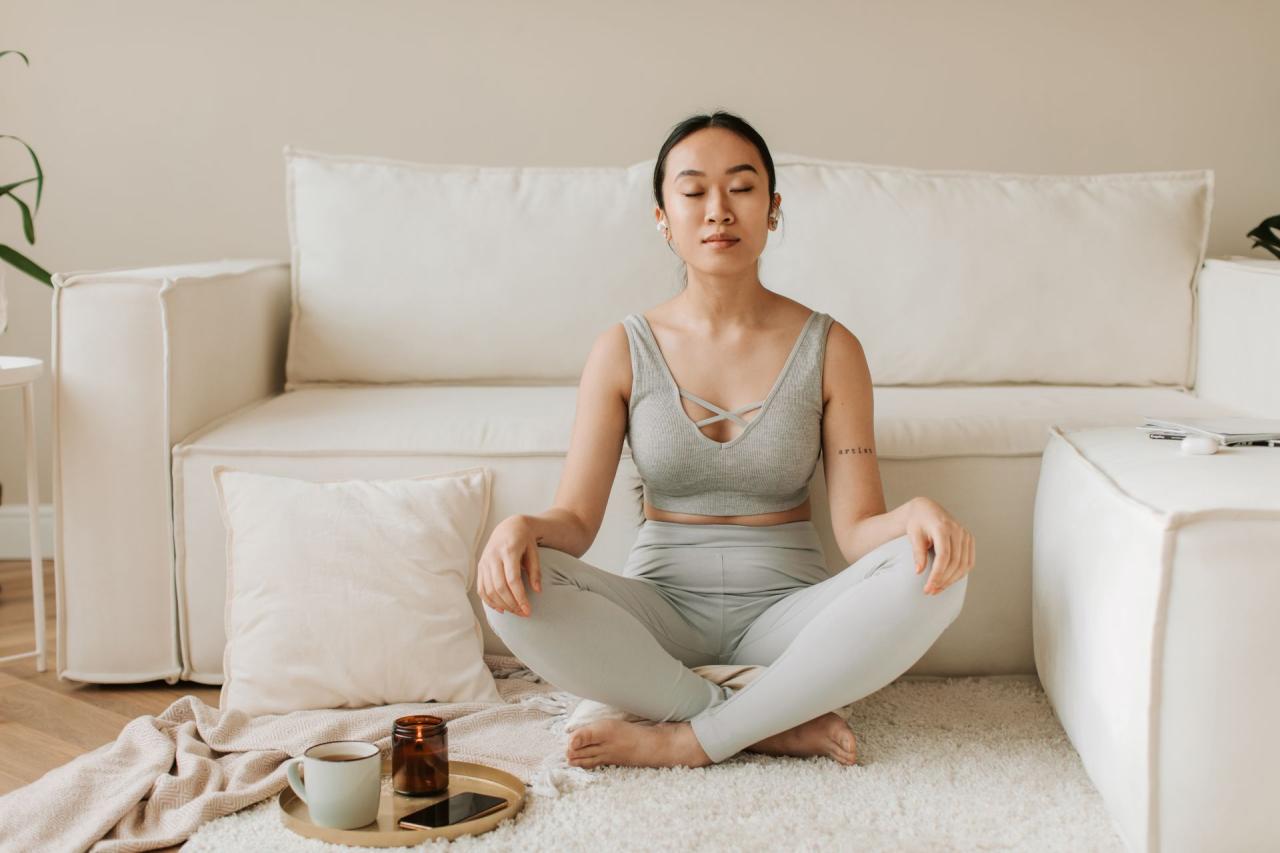
Combining meditation with other practices can significantly enhance its benefits, creating a synergistic effect that deepens emotional understanding and promotes overall well-being. Integrating these practices offers a holistic approach to self-awareness and emotional regulation, leading to a more profound and lasting impact on one’s mental and emotional health.
Combining Meditation with Mindfulness Practices
Integrating meditation with other mindfulness practices amplifies the benefits of each. Yoga and Tai Chi, for instance, cultivate present moment awareness, mirroring the core principle of meditation. The physical postures and movements in these practices encourage a deeper connection with the body, which can be a powerful tool for emotional insight.Yoga, with its emphasis on asanas (postures), pranayama (breath control), and dhyana (meditation), naturally complements meditation.
The physical practice helps release tension and stress, preparing the mind for deeper meditative states. The focus on breath during yoga, similar to breath-focused meditation, anchors the practitioner in the present, reducing mental chatter and fostering emotional clarity.Tai Chi, often described as “meditation in motion,” offers another powerful combination. The slow, flowing movements of Tai Chi cultivate a sense of calm and focus.
The gentle, deliberate actions bring awareness to the body and breath, allowing for a heightened sensitivity to internal sensations and emotional states. Both yoga and Tai Chi can be viewed as active meditations, facilitating a transition into a seated meditation practice.
The Role of Journaling in Enhancing Emotional Awareness
Journaling acts as a valuable companion to meditation, providing a means to process and understand the emotions that arise during practice. Writing about one’s experiences allows for a deeper exploration of feelings, identifying patterns, and tracking progress in emotional understanding.Journaling can be approached in several ways to enhance emotional awareness:
- Free Writing: Simply writing whatever comes to mind without judgment or editing. This can help release pent-up emotions and uncover hidden thoughts.
- Prompt-Based Journaling: Using specific prompts to guide reflection. For example, “What emotions did I experience today, and what triggered them?” or “What limiting beliefs are holding me back?”
- Gratitude Journaling: Focusing on things one is grateful for, which can shift the focus from negative emotions to positive ones.
- Mindfulness Journaling: Describing the present moment, focusing on sensory details and bodily sensations, fostering greater self-awareness.
Regular journaling provides a record of emotional experiences, allowing individuals to track their progress, identify triggers, and develop coping mechanisms. This self-reflection process complements meditation by translating the insights gained during meditation into actionable self-knowledge.
Foods and Lifestyle Choices to Complement Meditation
Certain dietary and lifestyle choices can significantly support and enhance a meditation practice. Nourishing the body and mind with wholesome foods and creating a supportive environment can amplify the benefits of meditation.A healthy diet that supports meditation should focus on:
- Whole Foods: Prioritizing fruits, vegetables, whole grains, and lean proteins. These foods provide essential nutrients that support brain function and reduce inflammation, contributing to a calmer mind.
- Hydration: Drinking plenty of water is crucial for overall health and cognitive function. Dehydration can lead to fatigue and mental fogginess, hindering meditative practice.
- Limiting Processed Foods and Sugars: Processed foods and refined sugars can contribute to mood swings and energy crashes, making it difficult to maintain focus during meditation.
- Healthy Fats: Incorporating sources of healthy fats like avocados, nuts, and olive oil supports brain health and emotional regulation.
Lifestyle choices also play a critical role:
- Adequate Sleep: Getting sufficient sleep is essential for mental and emotional well-being. Aim for 7-9 hours of quality sleep per night. Sleep deprivation can exacerbate stress and impair cognitive function, hindering meditation.
- Regular Exercise: Engaging in regular physical activity, such as walking, running, or swimming, helps reduce stress and improve mood. Exercise can also enhance focus and concentration, making it easier to meditate.
- Creating a Quiet and Comfortable Environment: Establishing a dedicated meditation space, free from distractions, can greatly enhance the experience. This could involve a quiet room, comfortable seating, and calming decor.
- Mindful Consumption of Caffeine and Alcohol: While not necessarily eliminating these substances entirely, mindful consumption is key. Excessive caffeine can lead to anxiety and restlessness, while alcohol can disrupt sleep and impair cognitive function.
By incorporating these dietary and lifestyle choices, individuals can create a supportive environment that optimizes the benefits of their meditation practice, fostering deeper emotional understanding and overall well-being.
Long-Term Benefits of Meditation for Emotional Understanding

Regular meditation, far from being a fleeting activity, cultivates profound and lasting changes in our emotional landscape. The consistent practice of mindfulness and self-awareness through meditation yields significant long-term advantages, affecting emotional regulation, interpersonal relationships, and overall well-being. These benefits, often subtle in their initial manifestation, become increasingly apparent with sustained commitment.
Enhanced Emotional Regulation
Over time, meditation strengthens the brain’s capacity for emotional regulation. This leads to a greater ability to manage and respond to emotional experiences in a balanced and healthy manner.
- Reduced Reactivity: Meditation fosters a space between stimulus and response. This allows individuals to observe their emotions without immediately reacting to them. For instance, someone prone to anger might find themselves pausing before reacting to a frustrating situation, choosing a more measured response instead.
- Increased Resilience: Regular meditation practice enhances resilience to stress and adversity. This is achieved by altering the brain’s stress response system, making it less reactive to perceived threats. Individuals are better equipped to navigate challenging situations and bounce back from setbacks.
- Improved Mood Stability: Meditation contributes to greater emotional stability. Studies have shown that consistent meditation practice can lead to a reduction in the frequency and intensity of mood swings. This can be particularly beneficial for individuals struggling with anxiety or depression.
Improved Relationships
The increased self-awareness and empathy cultivated through meditation have a positive impact on relationships. By fostering a deeper understanding of one’s own emotions and those of others, meditation can transform the way individuals interact with the world.
- Enhanced Empathy: Meditation promotes empathy by increasing activity in brain regions associated with perspective-taking and emotional understanding. This allows individuals to better understand and share the feelings of others, leading to more compassionate interactions.
- Improved Communication: Meditation can improve communication skills by promoting active listening and reducing reactivity. Individuals become more attuned to nonverbal cues and are less likely to interrupt or become defensive during conversations.
- Strengthened Social Connections: By fostering empathy, compassion, and improved communication, meditation can lead to stronger and more fulfilling relationships. Individuals are better equipped to navigate conflict, offer support, and build deeper connections with others.
Greater Self-Awareness and Personal Growth
Meditation serves as a powerful tool for self-discovery, facilitating a deeper understanding of one’s thoughts, feelings, and behaviors. This self-awareness is a cornerstone of personal growth and transformation.
- Identification of Thought Patterns: Meditation helps individuals become more aware of their habitual thought patterns, including negative or self-limiting beliefs. This awareness allows for the conscious modification of these patterns, leading to more positive and empowering perspectives.
- Increased Self-Acceptance: Through meditation, individuals learn to observe their thoughts and feelings without judgment, fostering self-acceptance and self-compassion. This can lead to a greater sense of inner peace and well-being.
- Facilitation of Personal Values: Meditation helps individuals connect with their core values, guiding them towards living a more authentic and fulfilling life. This can involve making conscious choices that align with their values and contribute to a sense of purpose and meaning.
Meditation’s Role in Fostering Empathy and Compassion
The practice of meditation significantly enhances empathy and compassion, enabling individuals to connect with others on a deeper emotional level. This transformation has a profound impact on both personal and interpersonal well-being.
- Cultivating Perspective-Taking: Meditation exercises often involve visualizing situations from different perspectives, fostering the ability to understand and share the feelings of others. This perspective-taking is crucial for empathy.
- Reducing Self-Centeredness: Mindfulness practices shift focus away from self-centered thoughts and towards a broader awareness of the interconnectedness of all beings. This can reduce feelings of isolation and promote compassion.
- Developing Loving-Kindness: Meditation techniques like loving-kindness meditation specifically cultivate feelings of goodwill and compassion towards oneself and others. This practice involves directing positive thoughts and intentions towards various individuals, including those who are challenging.
Final Review

In conclusion, “How to Meditate for Increasing Emotional Understanding” provides a complete roadmap for integrating meditation into your life, leading to enhanced emotional intelligence and a deeper understanding of yourself. By addressing common challenges, exploring advanced practices, and highlighting the science behind meditation, this guide offers you the tools and knowledge needed to embark on a transformative journey. It’s not just about learning to meditate; it’s about cultivating resilience, fostering empathy, and ultimately, living a more balanced and fulfilling life through the practice of meditation.