Embarking on a journey towards emotional equilibrium, “How to Meditate for Staying Emotionally Balanced” provides a comprehensive guide to understanding and cultivating inner peace. In today’s fast-paced world, maintaining emotional balance is more crucial than ever. This exploration delves into the core of emotional well-being, offering practical techniques and insights to navigate life’s challenges with resilience and grace.
This guide will cover the foundational principles of emotional balance, examining its significance in daily life and the impact it has on our physical and mental health. We will then move to practical aspects, such as preparing for meditation, mastering basic techniques, and addressing emotional challenges that may arise. Ultimately, you’ll learn how to integrate mindfulness into your daily routine and track your progress towards a more balanced and fulfilling life.
Understanding Emotional Balance
Emotional balance is a cornerstone of well-being, acting as the ability to navigate the full spectrum of human emotions without being overwhelmed or controlled by them. It’s about experiencing emotions fully while maintaining a sense of stability and perspective, allowing individuals to respond thoughtfully rather than react impulsively. This balance is crucial for fostering resilience, making sound decisions, and building healthy relationships.
Defining Emotional Balance and Its Significance
Emotional balance is a state of mental and emotional equilibrium where an individual can effectively manage their feelings, thoughts, and behaviors. It doesn’t mean the absence of negative emotions; rather, it signifies the capacity to experience a range of emotions without being consumed by them. This includes the ability to understand and accept one’s feelings, to regulate emotional responses, and to adapt to changing circumstances.
The significance of emotional balance lies in its profound impact on various aspects of life.
Identifying Emotional Imbalance: Behaviors and Feelings
Emotional imbalance manifests in various ways, impacting both internal experiences and external behaviors. Recognizing these signs is the first step towards achieving greater emotional stability.
- Excessive Mood Swings: Experiencing rapid and unpredictable shifts in mood, from extreme joy to deep sadness or anger, can indicate an underlying emotional imbalance. For example, a person might be elated one moment and then become irritable or withdrawn shortly after, with no apparent trigger.
- Difficulty Managing Anger: Frequent outbursts of anger, disproportionate to the situation, or an inability to control angry feelings are common indicators. This can include verbal aggression, physical actions, or passive-aggressive behaviors.
- Persistent Anxiety or Worry: Constant feelings of anxiety, worry, or fear, even in the absence of real threats, suggest an imbalance. This can manifest as racing thoughts, physical symptoms like a racing heart, or avoidance of social situations.
- Chronic Sadness or Depression: Prolonged feelings of sadness, hopelessness, or a loss of interest in activities that were once enjoyable can be signs of emotional imbalance. This can also involve changes in sleep patterns, appetite, and energy levels.
- Withdrawal from Social Activities: Isolating oneself from friends, family, and social interactions can be a sign of emotional distress. This can be a way to cope with overwhelming emotions or to avoid potential triggers.
- Difficulty Concentrating: A reduced ability to focus, pay attention, or make decisions can be another manifestation. This can impact work, studies, or daily tasks.
- Self-Destructive Behaviors: Engaging in behaviors that are harmful to oneself, such as substance abuse, self-harm, or reckless actions, can be a way of coping with difficult emotions.
The Benefits of Emotional Balance on Physical Health and Relationships
Maintaining emotional balance has significant positive effects on both physical health and interpersonal relationships. When emotions are well-managed, individuals are better equipped to navigate stress, build resilience, and cultivate meaningful connections.
- Improved Physical Health: Emotional balance reduces the impact of chronic stress on the body. Studies have shown a strong link between chronic stress and a weakened immune system, cardiovascular problems, and other health issues. Practicing emotional regulation techniques can lower cortisol levels (the stress hormone), promoting better sleep, improved digestion, and a stronger immune response. For instance, individuals who regularly practice mindfulness or meditation often report fewer physical symptoms of stress, such as headaches or muscle tension.
- Enhanced Relationships: Emotionally balanced individuals are better communicators and more empathetic. They are more likely to listen actively, express their needs clearly, and resolve conflicts constructively. This leads to stronger bonds with family, friends, and partners. For example, a person who can manage their anger is less likely to damage relationships through outbursts, and more likely to build trust and intimacy.
- Increased Resilience: Emotional balance fosters resilience, the ability to bounce back from adversity. When faced with challenges, emotionally balanced individuals can process their feelings without being overwhelmed, allowing them to adapt and find solutions more effectively. This can involve reframing negative thoughts, seeking support from others, and learning from difficult experiences.
- Better Decision-Making: Emotional balance improves cognitive function, allowing for clearer thinking and more rational decision-making. When emotions are in check, individuals are less likely to make impulsive choices or be swayed by fear or anxiety. This can lead to better outcomes in both personal and professional life.
Signs of Emotional Imbalance vs. Emotional Balance
The following table provides a direct comparison of the common signs of emotional imbalance and emotional balance, to facilitate a clearer understanding of the differences.
| Sign of Emotional Imbalance | Description | Sign of Emotional Balance | Description |
|---|---|---|---|
| Frequent Mood Swings | Rapid shifts in mood, from joy to sadness or anger, with little apparent cause. | Emotional Stability | Experiencing a range of emotions with a stable emotional baseline. |
| Difficulty Managing Anger | Frequent outbursts, disproportionate reactions, or inability to control angry feelings. | Healthy Expression of Anger | Acknowledging and expressing anger in a constructive and appropriate manner. |
| Persistent Anxiety or Worry | Constant feelings of anxiety, fear, or worry, often without a clear trigger. | Calmness and Presence | Ability to remain calm in stressful situations and focus on the present moment. |
| Withdrawal from Social Activities | Isolating oneself from friends, family, and social interactions. | Healthy Social Engagement | Maintaining meaningful relationships and participating in social activities. |
Preparing for Meditation
Before diving into the practice of meditation, setting the stage for a successful session is crucial. Proper preparation significantly enhances the experience, making it easier to achieve a state of calm and focus. This section Artikels key elements to consider before you begin meditating, focusing on the environment, posture, essential items, and mental preparation.
Ideal Environment for Meditation
Creating an optimal environment is fundamental to a successful meditation session. The physical space directly influences your ability to relax and concentrate. Consider these aspects when setting up your meditation area:* Temperature: The ideal temperature for meditation is generally between 68-72°F (20-22°C). This range promotes comfort and prevents distractions caused by feeling too hot or cold. If the room temperature is not within this range, use a fan, heater, or adjust your clothing to maintain comfort.* Lighting: Soft, natural light or dim artificial light is preferred.
Avoid harsh, direct light that can strain the eyes and disrupt relaxation. Consider using candles (safely placed, of course), a Himalayan salt lamp, or simply dimming the overhead lights.* Noise Levels: Minimize distractions by creating a quiet space. This can involve closing windows, turning off electronic devices, and using earplugs or noise-canceling headphones if necessary. Ambient sounds like nature sounds or instrumental music can also be used to mask unwanted noise, provided they do not distract from the meditation.
For example, a study published in the
Journal of Environmental Psychology* found that exposure to natural sounds (like birdsong or flowing water) significantly reduced stress levels compared to exposure to silence or artificial sounds.
Comfortable Meditation Postures
Choosing a comfortable posture is essential for sustained focus during meditation. The goal is to maintain a posture that is both stable and relaxed, allowing the body to remain still with minimal effort. Here are some common postures and their advantages and disadvantages:* Sitting on a Cushion (Zafu):
Pros
Elevates the hips, promoting a straight spine and reducing pressure on the lower back. Provides good support for longer meditation sessions.
Cons
Requires a specific cushion (zafu) or a substitute. Can be challenging for individuals with knee or hip issues.
Illustration
Imagine a round, firm cushion placed on the floor. The meditator sits on top, with their legs crossed comfortably. The cushion elevates the hips, allowing the spine to lengthen naturally. Sitting in a Chair:
Pros
Accessible for all, especially those with mobility limitations. The feet can be flat on the floor, and the back is supported, which can make it easier to maintain a straight posture.
Cons
It can be tempting to lean back, which may lead to slouching and reduced alertness.
Illustration
Picture a standard chair with a straight back. The meditator sits upright, feet flat on the floor, and the back supported by the chair. The hands can rest in the lap or on the knees. Cross-Legged (Sukhasana):
Pros
A classic posture that promotes a grounded feeling. Relatively easy to adopt for many individuals.
Cons
Can be uncomfortable for extended periods, especially if the hips are tight. May cause strain on the knees.
Illustration
Visualize a person sitting on the floor with their legs crossed. The ankles rest near the opposite thighs, and the spine is straight. Hands can rest in the lap or on the knees. Burmese Posture:
Pros
Similar to cross-legged but with the feet closer to the body, providing more stability.
Cons
Can still be uncomfortable for those with tight hips or knees.
Illustration
Envision a person sitting on the floor with their legs crossed. The feet are positioned closer to the body than in the cross-legged posture, with the ankles resting on the floor. Lying Down (Savasana):
Pros
Very relaxing and can be helpful for people who have back problems or struggle with sitting postures.
Cons
Can lead to drowsiness. Not ideal for active meditation practices where alertness is key.
Illustration
Picture a person lying flat on their back on the floor. The arms are resting at the sides, palms facing up. The legs are relaxed and slightly apart.*
Checklist of Essential Items
Having the right items readily available can significantly enhance your meditation experience. This checklist ensures you have everything you need to create a comfortable and supportive environment:* Meditation Cushion or Seat: A zafu, bench, or comfortable chair.
Comfortable Clothing
Loose-fitting clothing that allows for free movement and doesn’t restrict circulation.
Blanket or Shawl
For warmth, especially if the room temperature is cool.
Eye Mask or Pillow
To block out light and enhance relaxation.
Timer or Meditation App
To track your meditation duration.
Water
To stay hydrated.
Optional Items
Incense, candles, essential oils, or calming music.
Preparing Your Mind Before Meditation
Before beginning your meditation session, it is important to prepare your mind. This involves techniques to calm the mind and release stress and racing thoughts. Here are some helpful strategies:* Deep Breathing Exercises: Practicing deep, conscious breathing can quickly calm the nervous system. Try the 4-7-8 technique: Inhale deeply through your nose for a count of four, hold your breath for a count of seven, and exhale slowly through your mouth for a count of eight.
Repeating this several times can help to reduce anxiety and promote relaxation.* Body Scan Meditation: Bring awareness to different parts of your body, noticing any tension or discomfort. This practice helps to release physical stress and promotes a sense of presence.
Example
Start with your toes, then your feet, your ankles, and move slowly upward through your body. Mindfulness of Thoughts: Acknowledge the thoughts that arise without judgment. Observe them as if they were clouds passing in the sky. Allow them to come and go without getting caught up in them. This practice cultivates detachment and reduces mental clutter.* Gentle Stretching: Gentle stretches can release physical tension and promote relaxation.
Focus on areas where you typically hold tension, such as the neck, shoulders, and back.* Visualization: Use visualization techniques to create a sense of calm and peace.
Example
Visualize a peaceful scene, such as a tranquil beach or a serene forest.* This can help to shift your focus away from stressful thoughts.* Journaling: Write down any thoughts or concerns that are occupying your mind. This can help to clear your mental space and allow you to approach meditation with a clearer focus.
Remember: Consistency is key. Practicing these techniques regularly will make it easier to prepare your mind for meditation and experience its benefits.
Basic Meditation Techniques
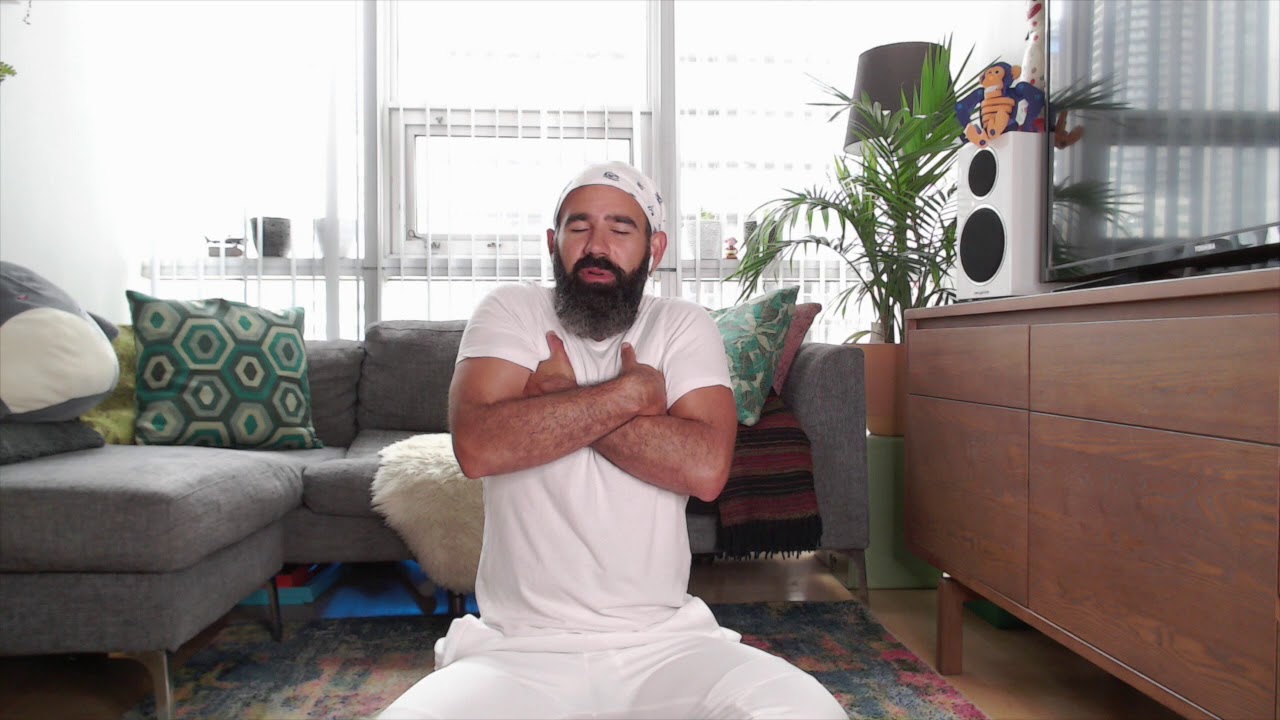
Developing proficiency in meditation techniques is crucial for cultivating emotional balance. These practices provide tangible tools for managing stress, increasing self-awareness, and fostering a sense of inner peace. Regular practice allows individuals to navigate challenging emotions with greater ease and resilience.
Breath Awareness Meditation
Breath awareness meditation serves as a foundational practice, providing a readily accessible anchor for the mind. Focusing on the breath allows practitioners to observe the present moment without judgment, promoting a sense of calm and reducing mental chatter.The following steps guide the process of breath awareness meditation:
- Find a Comfortable Position: Sit in a comfortable position, either on a cushion, chair, or lying down. Ensure your back is straight but not rigid. The aim is to find a posture that promotes both relaxation and alertness.
- Close or Soften Your Eyes: Gently close your eyes or soften your gaze, allowing your focus to turn inward. This minimizes external distractions and helps to quiet the mind.
- Bring Awareness to Your Breath: Notice the sensation of your breath as it enters and leaves your body. You can focus on the rise and fall of your abdomen, the feeling of air passing through your nostrils, or the sensation of your chest expanding and contracting.
- Observe Without Judgment: As your mind wanders (and it will), simply acknowledge the thoughts or feelings without judgment. Gently redirect your attention back to your breath. Avoid getting caught up in the content of your thoughts.
- Continue for a Set Time: Start with short sessions, such as five or ten minutes, and gradually increase the duration as you become more comfortable. Consistency is key; practicing regularly is more important than meditating for long periods infrequently.
- Gently End the Meditation: When your session is complete, slowly bring your awareness back to your surroundings. Take a few deep breaths and open your eyes. Notice how you feel.
Body Scan Meditation
Body scan meditation is a powerful technique for increasing body awareness and releasing physical tension. It involves systematically bringing your attention to different parts of your body, noticing any sensations without judgment. This practice can promote relaxation and reduce stress.Here’s how to perform a body scan meditation:
- Find a Comfortable Position: Lie down on your back with your arms at your sides and your palms facing up. You can also sit in a chair, ensuring your back is supported.
- Close or Soften Your Eyes: Gently close your eyes or soften your gaze.
- Bring Awareness to Your Breath: Take a few deep breaths to settle into the present moment. Notice the sensation of your breath entering and leaving your body.
- Focus on Your Toes: Bring your attention to the toes of your left foot. Notice any sensations – warmth, tingling, pressure, or anything else. Stay with the sensation for a few breaths.
- Move Up Your Left Foot: Slowly move your attention to the sole of your left foot, then the heel, the ankle, the calf, the knee, the thigh, and finally the hip. Notice any sensations in each area.
- Repeat on the Right Side: Repeat the process, moving from your toes to your hip on your right leg.
- Focus on Your Pelvis and Abdomen: Bring your attention to your pelvis and abdomen. Notice any sensations, such as tension or relaxation.
- Focus on Your Chest and Back: Move your attention to your chest, then your back. Notice the sensation of your breath moving through your chest.
- Focus on Your Shoulders, Arms, and Hands: Bring your attention to your left shoulder, arm, and hand, noticing any sensations. Repeat on the right side.
- Focus on Your Neck and Head: Bring your attention to your neck, face, and head. Notice any sensations, such as tension in your jaw or forehead.
- Observe the Whole Body: Take a moment to scan your entire body, noticing any overall sensations.
- Return to Your Breath: Gently bring your awareness back to your breath.
- Gently End the Meditation: Slowly bring your awareness back to your surroundings. Take a few deep breaths and open your eyes.
Guided Meditation Script: Loving-Kindness Meditation
Loving-kindness meditation cultivates feelings of compassion and empathy, first towards oneself and then extending outwards to others. This practice can reduce feelings of isolation and promote a sense of connection. The following script provides a framework for a loving-kindness meditation session.
Begin by finding a comfortable position and closing your eyes. Take a few deep breaths to settle into the present moment.
First, direct your loving-kindness towards yourself. Repeat these phrases silently:
- May I be filled with loving-kindness.
- May I be well.
- May I be peaceful and at ease.
- May I be happy.
Next, bring to mind a loved one, such as a friend or family member. Visualize them clearly. Direct these phrases towards them:
- May you be filled with loving-kindness.
- May you be well.
- May you be peaceful and at ease.
- May you be happy.
Now, think of a neutral person, someone you encounter regularly but don’t have strong feelings about, like a cashier or a colleague. Direct these phrases towards them:
- May you be filled with loving-kindness.
- May you be well.
- May you be peaceful and at ease.
- May you be happy.
Then, bring to mind someone with whom you have a difficult relationship. It might be someone you find challenging or frustrating. Direct these phrases towards them:
- May you be filled with loving-kindness.
- May you be well.
- May you be peaceful and at ease.
- May you be happy.
Finally, extend your loving-kindness to all beings everywhere, including yourself, your loved ones, neutral people, and difficult people. Direct these phrases towards everyone:
- May all beings be filled with loving-kindness.
- May all beings be well.
- May all beings be peaceful and at ease.
- May all beings be happy.
Take a few moments to feel the warmth of loving-kindness. When you are ready, gently bring your awareness back to your breath. Slowly open your eyes.
Basic Mindfulness Meditation Session Steps
A basic mindfulness meditation session involves a series of steps designed to cultivate present moment awareness. Consistent practice of these steps can help in developing greater emotional regulation.Here are the key steps involved:
- Find a Quiet Space: Choose a quiet and comfortable environment where you can sit or lie down without being disturbed.
- Adopt a Comfortable Posture: Sit upright with your back straight, or lie down comfortably. Ensure you can maintain this position for the duration of the meditation.
- Close or Soften Your Eyes: Gently close your eyes or soften your gaze to minimize distractions.
- Focus on Your Breath: Bring your attention to the sensation of your breath as it enters and leaves your body. Observe the natural rhythm of your breathing.
- Acknowledge Thoughts and Feelings: As your mind wanders (which it inevitably will), simply acknowledge the thoughts and feelings that arise without judgment. Observe them as passing phenomena.
- Gently Redirect Your Attention: When you notice your mind has wandered, gently redirect your attention back to your breath. Do not get discouraged; this is a normal part of the process.
- Maintain a Non-Judgmental Attitude: Approach the meditation with a non-judgmental attitude. There is no right or wrong way to meditate. The goal is simply to observe your experience.
- Practice Regularly: Meditate for a set period each day, even if it’s just for a few minutes. Consistency is more important than the length of the session.
- Gently End the Meditation: When your session is complete, slowly bring your awareness back to your surroundings. Take a few deep breaths and open your eyes.
Addressing Emotional Challenges During Meditation
Meditation, while a powerful tool for emotional well-being, can sometimes bring challenging emotions to the surface. This is a natural part of the process, as meditation often involves increased self-awareness and a willingness to observe one’s inner world without judgment. Recognizing and understanding these challenges is crucial for navigating them effectively and continuing to reap the benefits of meditation.
Common Emotional Challenges During Meditation
It’s important to be aware of the various emotional hurdles that might arise during meditation. These are common experiences and are not signs of failure, but rather opportunities for growth and self-understanding.
- Anxiety: Feelings of worry, nervousness, or unease can surface, often triggered by thoughts about the future, past experiences, or the present moment. The quiet environment of meditation can sometimes amplify these feelings.
- Sadness: Memories of loss, grief, or disappointment can emerge, leading to feelings of melancholy or sorrow. Meditation can act as a catalyst for processing unresolved emotions.
- Frustration: Difficulty concentrating, physical discomfort, or a perceived lack of progress can lead to feelings of impatience and annoyance.
- Restlessness: The mind may become hyperactive, jumping from one thought to another, making it difficult to settle into a meditative state.
- Boredom: A lack of stimulation can sometimes lead to feelings of boredom or disinterest, especially for those new to meditation.
- Irritability: Small annoyances, both internal and external, can feel magnified during meditation, leading to feelings of anger or frustration.
Techniques for Handling Difficult Emotions During Meditation
When challenging emotions arise, it’s important to approach them with compassion and understanding. The following techniques can help you navigate these experiences.
- Observe and Acknowledge: Recognize the emotion without judgment. Simply notice it, name it (e.g., “This is anxiety”), and allow it to be present without getting carried away by it. This is a core principle of mindfulness.
- Breathe Deeply: Deep, slow breaths can help regulate the nervous system and calm the body. Focus on the breath as a grounding technique, bringing your attention back to the present moment. Try box breathing (inhale for 4 counts, hold for 4 counts, exhale for 4 counts, hold for 4 counts).
- Soften and Allow: Instead of resisting the emotion, try to soften your attitude towards it. Allow it to be there without trying to change it. This can involve physically relaxing your body and opening your heart to the experience.
- Gentle Re-Focus: When the emotion is overwhelming, gently redirect your attention back to your chosen meditation object (e.g., breath, a mantra, a visual image). Avoid self-criticism if your mind wanders; simply bring your focus back.
- Grounding Techniques: Use techniques to connect with the present moment, such as noticing the sensations of your body, the sounds around you, or the feeling of the chair beneath you. This can help you feel more stable and centered.
- Shorten Your Session: If an emotion becomes too intense, it’s okay to shorten your meditation session. Gradually increase the duration as you become more comfortable handling challenging emotions.
- Seek Support: If difficult emotions persist or become overwhelming, consider seeking support from a therapist, counselor, or meditation teacher. They can provide guidance and support in navigating these experiences.
Affirmations to Promote Emotional Stability During Meditation
Affirmations are positive statements that can be repeated during meditation to promote emotional well-being. They can help to reframe negative thought patterns and cultivate a more positive mindset.
- “I am safe and secure.”
- “I am worthy of love and compassion.”
- “I am strong and resilient.”
- “I am at peace within myself.”
- “I accept myself fully, just as I am.”
- “I release any fear or anxiety.”
- “I am grateful for this moment.”
- “I am connected to something larger than myself.”
- “I choose to be kind to myself.”
- “I am capable of handling any challenge.”
Flow Chart: Dealing with Intrusive Thoughts During Meditation
The following flowchart illustrates the process of handling intrusive thoughts during meditation.
| Start | Begin meditation session |
|---|---|
| Intrusive Thought Arises | Notice the thought without judgment |
| Acknowledge the thought (“I am having the thought of…”) | |
| Redirect Focus | Gently bring your attention back to your chosen meditation object (e.g., breath, mantra) |
| If the mind wanders again, repeat the process. | |
| Avoid getting carried away by the thought. | |
| If Emotion is Overwhelming | If emotion becomes overwhelming, shorten session and try again later. |
| Continue Meditation | Continue meditating, returning to your focus whenever your mind wanders. |
| End | End meditation session. |
The flowchart is a simple diagram, visually representing the steps involved in dealing with intrusive thoughts during meditation. It begins with “Start,” indicating the initiation of the meditation session. Next, it shows “Intrusive Thought Arises,” followed by the steps of noticing the thought without judgment and acknowledging it. The next phase involves redirecting focus back to the chosen meditation object, and if the mind wanders again, repeating the process.
It also indicates that the meditator should avoid getting carried away by the thought. If the emotion becomes overwhelming, it is recommended to shorten the session and try again later. Finally, the chart concludes with “Continue Meditation,” emphasizing the importance of returning to the focus whenever the mind wanders, and “End,” marking the conclusion of the meditation session.
Regular Practice and Consistency
Establishing a consistent meditation practice is crucial for cultivating and maintaining emotional balance. Regularity allows the mind to become accustomed to the practice, making it easier to access a state of calm and equanimity. This section will delve into the optimal frequency and duration of meditation sessions, strategies for integrating meditation into a busy lifestyle, and tips for staying motivated and committed to a consistent practice.
Recommended Frequency and Duration
The frequency and duration of meditation sessions can significantly impact their effectiveness. Consistency is more important than the length of each session.The benefits of meditation are often observed with even short, daily sessions. Studies, such as those conducted by the Mayo Clinic, suggest that even a few minutes of meditation each day can reduce stress, improve focus, and enhance emotional regulation.
However, to experience more profound and lasting effects on emotional balance, a more structured approach is often recommended.A good starting point is to aim for at least 10-20 minutes of meditation daily. If time is a constraint, even 5 minutes of mindful breathing can provide benefits. As comfort and familiarity with meditation techniques grow, the duration can be gradually increased.
For instance, one might begin with 10 minutes and gradually extend the session to 20 minutes, and then possibly to 30 minutes or longer, as desired and feasible. The key is to find a sustainable practice that fits into your daily routine.
Strategies for Incorporating Meditation into a Busy Daily Schedule
Integrating meditation into a busy schedule requires planning and adaptability. Identifying specific times and locations for meditation can help establish a routine.Here are some practical strategies:
- Schedule Meditation Like Any Other Important Appointment: Treat meditation as an essential part of the day, just like meetings or appointments. Block out specific times in the calendar and commit to those slots.
- Utilize Micro-Meditations: If longer sessions are challenging, incorporate short “micro-meditations” throughout the day. These could involve a few minutes of mindful breathing while waiting for a coffee, during a commute, or before a meeting.
- Combine Meditation with Existing Routines: Integrate meditation into existing habits. For example, meditate immediately after waking up, before eating breakfast, or before going to bed.
- Create a Dedicated Meditation Space: Having a designated space, even a small corner, can help signal to the mind that it is time for meditation. This space should be quiet and free from distractions.
- Use Technology: Apps and guided meditations can be invaluable resources for busy individuals. They provide structure, guidance, and reminders to practice.
Tips for Staying Motivated and Committed to a Regular Meditation Practice
Maintaining motivation and commitment to meditation involves setting realistic goals, tracking progress, and seeking support.Here are some helpful tips:
- Start Small and Be Patient: Don’t aim for perfection. Begin with short sessions and gradually increase the duration as comfort grows. The goal is consistency, not necessarily length.
- Track Progress: Keep a journal or use a meditation app to track the frequency, duration, and any observations about the experience. This can provide a sense of accomplishment and motivation.
- Set Realistic Goals: Avoid setting unrealistic expectations. Celebrate small victories and acknowledge progress, rather than focusing on perceived failures.
- Find a Meditation Partner or Group: Practicing with others can provide support, accountability, and encouragement. Sharing experiences and insights can also enhance motivation.
- Experiment with Different Techniques: If one technique doesn’t resonate, try others. There are various meditation styles, such as mindfulness, loving-kindness, and body scan meditations. Finding the right fit is key.
- Be Kind to Yourself: There will be days when it is difficult to meditate. Don’t get discouraged by missed sessions. Simply acknowledge the lapse and return to the practice as soon as possible.
Weekly Meditation Schedule Example
The following table illustrates a sample weekly meditation schedule. This is a suggestion and can be adapted to fit individual needs and preferences.
| Day | Time | Technique | Duration |
|---|---|---|---|
| Monday | 7:00 AM | Mindful Breathing | 15 minutes |
| Tuesday | 12:00 PM | Body Scan Meditation | 10 minutes |
| Wednesday | 7:00 AM | Mindful Breathing | 20 minutes |
| Thursday | 12:00 PM | Loving-Kindness Meditation | 15 minutes |
| Friday | 7:00 AM | Mindful Breathing | 10 minutes |
| Saturday | 9:00 AM | Walking Meditation | 20 minutes |
| Sunday | 9:00 AM | Guided Meditation | 20 minutes |
Exploring Different Meditation Styles
The beauty of meditation lies in its adaptability. There isn’t a single “right” way to meditate; instead, a variety of styles exist, each offering unique pathways to emotional balance. Exploring these different approaches allows you to find the techniques that resonate best with your personality, needs, and the specific emotional challenges you face. This section delves into some of the most popular and effective meditation styles, highlighting their distinct features and benefits.
Comparing and Contrasting Meditation Styles
Different meditation styles employ diverse methods to cultivate inner peace and emotional regulation. While the ultimate goal remains consistent – achieving a state of calm awareness – the techniques used vary significantly.
- Walking Meditation: This practice involves mindful movement. It can be performed anywhere, indoors or outdoors, by focusing on the sensations of walking: the feeling of your feet on the ground, the rhythm of your breath, and the surrounding environment. It contrasts with seated meditation by incorporating physical activity, making it accessible for those who find stillness challenging.
- Guided Meditation: This style involves listening to a guide who leads you through a meditation, often using visualizations, affirmations, or prompts to focus your attention. It’s particularly helpful for beginners as the guide provides structure and direction. The guide’s voice and instructions act as a focal point, making it easier to manage a wandering mind.
- Mantra Meditation: This involves repeating a word or phrase (a mantra) silently or aloud. The repetition of the mantra helps to quiet the mind and focus attention. This technique can be particularly effective in managing racing thoughts and promoting a sense of calm.
Benefits of Each Meditation Style for Emotional Regulation
Each meditation style offers unique advantages for emotional regulation, addressing different aspects of the emotional landscape.
- Walking Meditation: It fosters present moment awareness, reducing anxiety and rumination about the past or future. By focusing on the physical sensations of walking, you become more grounded in your body and less susceptible to emotional reactivity. Walking meditation can be especially helpful for managing feelings of restlessness or agitation. For example, imagine someone feeling overwhelmed by work stress. Engaging in walking meditation during a lunch break could provide a much-needed break, shifting their focus from stressful thoughts to the present moment, thereby reducing their stress levels.
- Guided Meditation: It provides tools for managing difficult emotions. Guided meditations often include techniques for recognizing and accepting emotions, cultivating self-compassion, and reframing negative thoughts. The guided nature of this meditation is also extremely helpful when managing panic attacks or high anxiety levels. For example, someone experiencing a panic attack can follow a guided meditation focused on deep breathing and body awareness, to regain a sense of control and reduce the intensity of the attack.
- Mantra Meditation: It helps to quiet the mental chatter that often fuels emotional distress. The repetition of a mantra can act as a mental anchor, preventing the mind from wandering into negative thought patterns. This can be useful in managing feelings of anger, fear, or sadness. Consider a person struggling with self-doubt. Repeating a mantra like “I am worthy” during mantra meditation can help to counteract these negative self-perceptions, fostering self-esteem and emotional resilience.
Resources for Learning Different Meditation Styles
Numerous resources are available for learning and practicing different meditation styles.
- Online Platforms: Websites and apps like Headspace, Calm, and Insight Timer offer a vast library of guided meditations, including various styles. These platforms provide structured programs, allowing you to learn at your own pace.
- Books and Publications: Many books offer detailed instructions on different meditation techniques. Authors like Jon Kabat-Zinn and Sharon Salzberg have written extensively on mindfulness and meditation, providing accessible guidance for beginners.
- Meditation Centers and Classes: Local meditation centers and yoga studios often offer in-person classes and workshops, providing a supportive environment for learning and practicing meditation. This offers the benefit of direct instruction and feedback from experienced teachers.
- YouTube Channels: Numerous YouTube channels provide free guided meditations and tutorials. These channels offer a convenient and accessible way to explore different styles and find teachers who resonate with you.
Mantra Meditation Example: Mantra meditation involves focusing on a specific word or phrase. A common mantra is “Om,” a sacred sound in Hinduism and Buddhism. The meditator silently repeats “Om,” focusing on the sound’s vibration and meaning. This practice helps to quiet the mind, reduce mental chatter, and promote a sense of peace and well-being. The repetition of the mantra acts as an anchor, allowing practitioners to detach from distracting thoughts and cultivate a state of mindful awareness.
Cultivating Mindfulness in Daily Life
The benefits of meditation extend far beyond the confines of a seated practice. Integrating mindfulness into everyday activities transforms ordinary moments into opportunities for presence and awareness, fostering a deeper connection with oneself and the world. This section explores practical strategies for extending mindfulness into your daily routine, enriching your experience of life and promoting lasting emotional balance.
Extending Mindfulness Beyond Meditation Sessions
The core principle of extending mindfulness beyond formal meditation is to cultivate a continuous state of awareness. This involves consciously bringing your attention to the present moment, regardless of the activity. By practicing this consistently, mindfulness becomes less of a separate practice and more of a way of being.
Incorporating Mindfulness into Everyday Activities
Mindfulness can be integrated into nearly every aspect of daily life. This involves intentionally engaging with the present moment during routine tasks, such as eating, walking, or working. This practice transforms these activities from thoughtless actions into opportunities for heightened awareness and appreciation.
Practical Exercises for Cultivating Mindfulness Throughout the Day
Several simple exercises can be employed to cultivate mindfulness throughout the day. These practices are designed to be easily incorporated into existing routines, promoting a sustained state of presence.
- Mindful Eating: Before eating, take a moment to observe the food. Notice its color, texture, and aroma. When you begin to eat, pay close attention to the sensations of taste, smell, and texture. Chew slowly and savor each bite, noticing the different flavors and how they change. Avoid distractions like television or reading during the meal.
This practice cultivates gratitude for the food and enhances the enjoyment of the meal.
- Mindful Walking: While walking, focus on the physical sensations of each step. Feel your feet making contact with the ground, the movement of your legs, and the sway of your body. Pay attention to the sights, sounds, and smells around you. Avoid letting your mind wander to the past or future. If your mind does wander, gently bring your attention back to the present moment.
- Mindful Listening: When someone is speaking to you, give them your full attention. Listen actively, without interrupting or formulating your response. Focus on the words being spoken, the tone of voice, and the nonverbal cues. Notice your own reactions and thoughts, and let them pass without judgment. This practice fosters deeper connections and improves communication.
- Mindful Breathing Breaks: Throughout the day, take short breaks to focus on your breath. Close your eyes if possible, and simply observe the sensation of your breath entering and leaving your body. Notice the rise and fall of your chest or abdomen. These short pauses can help to reduce stress and increase awareness.
- Mindful Washing Dishes: As you wash dishes, pay attention to the feel of the water, the scent of the soap, and the movements of your hands. Focus on the task at hand, and avoid letting your mind wander. This simple activity can become a form of meditation.
- Mindful Working: When working, bring your full attention to the task at hand. Avoid multitasking, and focus on completing one task at a time. Notice your thoughts and feelings, and gently bring your attention back to the work if your mind wanders. This practice can improve focus and productivity.
Descriptive Details for an Illustration Depicting a Person Practicing Mindful Eating
The illustration depicts a person seated at a table, engaging in mindful eating. The setting is a brightly lit room, possibly a kitchen or dining area. The person is of average build, with a relaxed posture, sitting upright in a chair. They are looking down at a plate of food, a colorful salad with various vegetables. The person’s expression is one of focused attention and serenity, their eyes are soft and their face is calm, indicating a state of present-moment awareness.
Their hands are gently placed on the table near the plate, poised to take a bite. The plate itself is clean and inviting, with the food arranged in an appealing manner. The lighting is soft and natural, casting gentle shadows and highlighting the details of the food. The overall impression is one of peacefulness and appreciation for the simple act of eating.
The background is uncluttered, allowing the focus to remain on the person and their mindful practice.
Tracking Progress and Adjusting Your Practice
Tracking progress is essential for understanding the effectiveness of your meditation practice and making informed adjustments to enhance its benefits for emotional balance. Regular assessment allows you to identify patterns, celebrate successes, and address any challenges that arise. This section will explore various methods for tracking your progress, assessing your emotional well-being, and tailoring your practice to your specific needs.
Methods for Tracking Meditation Progress
To effectively monitor your meditation journey, consider implementing several tracking methods. These methods provide valuable insights into your practice and help you identify areas for improvement.
- Meditation Journaling: Maintaining a meditation journal is a powerful way to document your experiences. Each session, record the date, time, duration, and the specific meditation technique used. Include details about your physical sensations, thoughts, and emotions that arose during the session. Note any distractions encountered and how you managed them. Reflect on your overall experience and any insights gained.
- Using Meditation Apps: Numerous meditation apps offer built-in tracking features. These apps often record session duration, frequency, and the types of meditations practiced. Some apps provide visualizations of your progress, such as streaks and graphs, which can be motivating. They may also allow you to log your emotional state before and after each session.
- Regular Self-Assessment: Periodically, perhaps weekly or monthly, take time to reflect on your overall experience with meditation. Consider the following questions:
- How consistent have you been with your practice?
- Have you noticed any changes in your emotional reactivity?
- Are you experiencing increased awareness of your thoughts and feelings?
- Do you feel more present and less overwhelmed by daily stressors?
- Are you sleeping better?
Answering these questions provides a broader perspective on your progress.
- Seeking Feedback: If you feel comfortable, consider sharing your experiences with a meditation teacher or a trusted friend. They may offer valuable insights and perspectives that you might not have noticed yourself. This external feedback can help you identify areas for growth and receive support.
Assessing Emotional Well-being
Regularly assessing your emotional well-being is crucial to understanding the impact of meditation on your emotional state. This involves monitoring various aspects of your emotional life and identifying any changes over time.
- Mood Tracking: Use a mood tracker to monitor your emotional state throughout the day. This could involve rating your mood on a scale (e.g., 1-10, with 1 being low and 10 being high) or using a simple system of emojis to represent different emotions. Note any triggers or events that seem to influence your mood. This will provide insight into patterns.
- Identifying Emotional Triggers: Pay attention to situations, people, or thoughts that tend to trigger negative emotions such as anger, anxiety, or sadness. When these triggers arise, try to recognize them and note your physical and emotional responses. This awareness can help you develop strategies to manage your reactions.
- Measuring Stress Levels: Use tools to assess your stress levels. Consider using a stress scale or questionnaire to measure your perceived stress. Be mindful of physical signs of stress, such as muscle tension, headaches, or changes in sleep patterns.
- Monitoring Interpersonal Relationships: Observe your interactions with others. Are you communicating more effectively? Are you experiencing less conflict? Are you more empathetic and understanding towards others? Changes in your relationships can be an indicator of improved emotional balance.
Adjusting Your Meditation Practice
The beauty of meditation lies in its adaptability. As you progress, you may need to adjust your practice to suit your evolving needs and experiences. This flexibility ensures that your meditation remains effective and relevant to your emotional well-being.
- Experimenting with Different Techniques: If a particular meditation technique is no longer resonating with you, don’t hesitate to try something different. Explore various styles, such as mindfulness meditation, loving-kindness meditation, or body scan meditation, to find what best supports your needs at any given time.
- Adjusting Duration and Frequency: If you find that you are struggling to maintain consistency, adjust the duration and frequency of your sessions. Short, more frequent sessions may be more manageable than longer, less frequent ones. Start with a few minutes each day and gradually increase the time as you become more comfortable.
- Modifying Your Environment: Consider the impact of your meditation environment. Experiment with different settings, such as a quiet room, a park, or a beach. Adjust the lighting, temperature, and sounds to create a space that promotes relaxation and focus.
- Addressing Challenges: If you encounter specific challenges during meditation, such as persistent thoughts or physical discomfort, develop strategies to address them. This might involve changing your posture, focusing on your breath, or gently redirecting your attention back to your chosen object of focus.
- Seeking Guidance: If you are struggling with your practice, consider seeking guidance from a meditation teacher or experienced practitioner. They can offer personalized advice and support to help you overcome obstacles and deepen your practice.
Log Template for Tracking Meditation Sessions and Emotional States
Creating a log is a useful tool to keep track of your meditation practice and emotional well-being. Below is a template you can use to get started.
| Date | Time | Duration | Meditation Technique | Pre-Meditation Mood | During Meditation (Notes) | Post-Meditation Mood | Insights/Reflections |
|---|---|---|---|---|---|---|---|
| [Date] | [Time] | [Duration in minutes] | [Technique Used] | [Mood Scale/Description] | [Thoughts, Sensations, Distractions] | [Mood Scale/Description] | [Insights, Challenges, Successes] |
| [Date] | [Time] | [Duration in minutes] | [Technique Used] | [Mood Scale/Description] | [Thoughts, Sensations, Distractions] | [Mood Scale/Description] | [Insights, Challenges, Successes] |
| [Date] | [Time] | [Duration in minutes] | [Technique Used] | [Mood Scale/Description] | [Thoughts, Sensations, Distractions] | [Mood Scale/Description] | [Insights, Challenges, Successes] |
Example: A person might record their meditation session. They practiced mindfulness meditation for 15 minutes. Before the session, they rated their mood as 4/10 (feeling anxious). During the session, they noted that they struggled with racing thoughts but managed to bring their attention back to their breath. After the session, they rated their mood as 7/10 (feeling calmer).
They noted that they felt a sense of peace and clarity.
Final Review
In conclusion, “How to Meditate for Staying Emotionally Balanced” offers a roadmap to achieving and sustaining emotional well-being. By integrating the techniques and practices Artikeld, you can cultivate a deeper understanding of your emotions, manage challenges with greater ease, and experience a more balanced and fulfilling life. Consistent practice and a commitment to mindfulness are key to unlocking the profound benefits of meditation, empowering you to navigate life’s complexities with grace and resilience.