Discovering effective meditation techniques to unlock inner calm can profoundly transform your response to stressful days. By understanding how meditation influences your nervous system and implementing practical routines, you can cultivate a sense of peace amidst chaos. Embracing these methods not only alleviates immediate stress but also fosters long-term emotional resilience and physiological well-being.
Understanding the Concept of Meditation for Inner Calm
Meditation is a timeless practice that serves as a pathway to achieving inner peace amidst the chaos of everyday life. Its core objective is to cultivate a state of mental clarity, emotional stability, and physical relaxation, especially during stressful periods. By understanding the fundamental principles of meditation, individuals can effectively harness its benefits to foster resilience and tranquility in challenging times.
When practiced consistently, meditation influences various aspects of the nervous system, leading to significant reductions in stress levels. It encourages the activation of the parasympathetic nervous system, which is responsible for the body’s relaxation response, counteracting the stress-induced sympathetic response. This physiological shift results in lowered heart rate, blood pressure, and cortisol levels, creating a profound sense of calm. Additionally, meditation promotes neuroplasticity, enhancing the brain’s ability to adapt and respond positively to stressors over time.
Fundamental Principles of Meditation for Stress Relief
Effective meditation for inner calm hinges on several core principles that guide practitioners toward achieving mental and emotional balance. These principles serve as a foundation for developing a consistent and transformative practice:
- Focused Attention: Concentrating on a specific object, thought, or sensation to anchor the mind and prevent it from wandering into stressful or distracting thoughts. This focus fosters mental clarity and reduces rumination.
- Breath Awareness: Utilizing deliberate and slow breathing patterns to induce relaxation. Breathing deeply and evenly stimulates the vagus nerve, promoting a sense of calm throughout the body.
- Present Moment Engagement: Cultivating mindfulness by being fully present in the current experience without judgment. This reduces anxiety about the past or future, which are common sources of stress.
- Non-Judgmental Observation: Observing thoughts and feelings without attachment or criticism, allowing emotional responses to diminish and fostering emotional regulation.
- Consistent Practice: Regular meditation, even for a few minutes daily, builds resilience and enhances the cumulative benefits over time, making it an essential aspect of stress management.
Impact of Meditation on the Nervous System and Stress Reduction
Understanding how meditation influences the nervous system offers insight into its effectiveness as a stress-relief technique. The human nervous system comprises two primary components: the sympathetic nervous system, responsible for the fight-or-flight response, and the parasympathetic nervous system, which promotes relaxation and recovery. Meditation primarily activates the parasympathetic response, leading to several physiological benefits:
- Reduction of Stress Hormones: Regular meditation decreases cortisol and adrenaline levels, hormones associated with stress and anxiety. Lower levels contribute to improved mood and physiological stability.
- Lowered Heart Rate and Blood Pressure: Meditation encourages cardiovascular relaxation, which benefits individuals with hypertension or stress-related cardiac concerns.
- Enhanced Autonomic Regulation: Better balance between sympathetic and parasympathetic activity results in improved resilience to stressors and quicker recovery from stress episodes.
- Neurochemical Changes: Meditation increases the production of neurotransmitters such as serotonin and gamma-aminobutyric acid (GABA), which are associated with relaxation and mood regulation.
This physiological modulation not only alleviates immediate stress but also contributes to long-term mental health stability. Psychological benefits include greater emotional resilience, improved concentration, and a more positive outlook, while physiological benefits encompass reduced muscle tension, enhanced immune function, and improved sleep quality.
Preparing for Meditation Sessions During Stressful Days
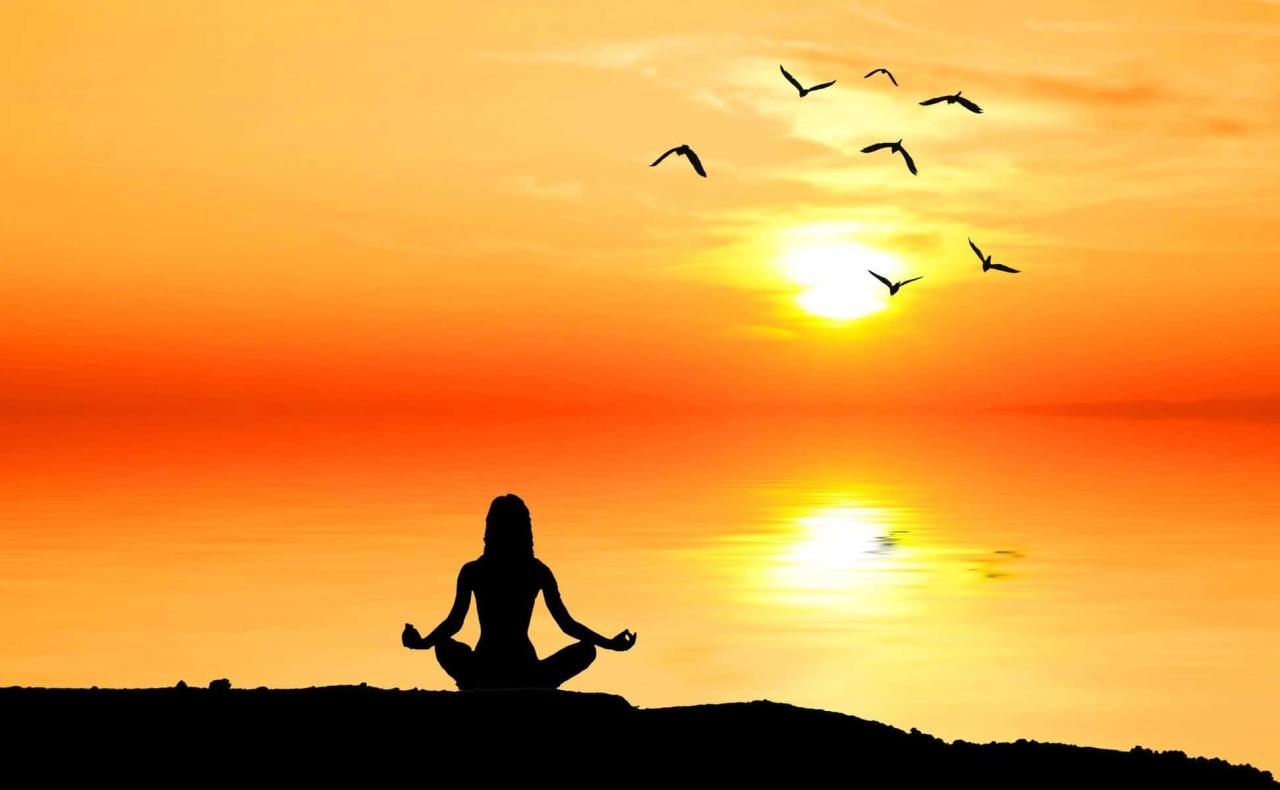
During stressful days, setting up an appropriate environment and establishing a routine are crucial steps to facilitate effective meditation. Proper preparation helps calm the mind before each session, making it easier to achieve inner tranquility despite external pressures. Creating a conducive space and choosing optimal times contribute significantly to maintaining consistency and enhancing the benefits of meditation, particularly during challenging periods.To maximize the effectiveness of your meditation practice amid stress, it is essential to lay the groundwork thoughtfully.
This involves selecting a quiet, comfortable space, timing your sessions when your mind is least occupied, and dressing appropriately to enhance relaxation. These preparatory steps can transform meditation from a daunting task into a restorative practice that helps you regain clarity and inner peace during hectic days.
Creating a Conducive Environment for Meditation
A peaceful environment is fundamental to achieving a focused and undisturbed meditation session. Begin by choosing a space that naturally minimizes noise and distractions. This could be a corner of your bedroom, a quiet spot in your living room, or a dedicated corner in your office if possible. Ensure the area is clean and tidy, as clutter can subconsciously contribute to feelings of chaos and agitation.Implement soft lighting, such as natural sunlight or warm lamps, to foster a calming atmosphere.
Incorporating elements like indoor plants, calming artwork, or a small water fountain can further enhance serenity. If external sounds are unavoidable, consider using noise-canceling headphones or playing gentle background sounds like nature noises or ambient music. Ensure the space is well-ventilated to prevent feelings of stuffiness, which can interfere with relaxation.
Choosing Appropriate Times and Spaces for Daily Meditation
Scheduling your meditation during specific times each day helps establish a consistent routine, making it easier to integrate into busy schedules. Ideal times are early in the morning before the day’s activities commence or in the evening after work when stress levels tend to peak. These periods allow for mental reset and provide a fresh perspective for handling daily challenges.Selecting a space that is easily accessible and familiar fosters comfort and reduces resistance to practice.
Establishing a dedicated corner or cornered-off area specifically for meditation creates a mental association with calmness and focus. Consider your daily schedule to identify moments when you are less likely to be interrupted or distracted, such as during lunch breaks or before bedtime, ensuring that your sessions are both feasible and effective.
Choosing Comfortable Clothing and Minimizing Distractions
Comfortable clothing plays a vital role in facilitating relaxation during meditation. Opt for loose, breathable fabrics that do not constrict movement or cause discomfort over time. Materials like cotton, linen, or soft synthetics are ideal, especially if you plan to meditate for an extended period. Avoid tight or restrictive clothing that can distract or cause physical discomfort.Minimizing distractions involves more than just environment; it encompasses managing external stimuli and digital interruptions.
Before starting your session, turn off notifications on electronic devices and silence phones to prevent interruptions. Inform family members or colleagues of your meditation time to ensure peace and quiet. If possible, keep your meditation space free from clutter, electronic devices, or any items that might divert your attention. Employing a meditation cushion or comfortable chair can help maintain proper posture, promoting physical ease and mental focus.
Techniques and Methods for Effective Meditation
Implementing various meditation techniques can significantly enhance your ability to achieve inner calm, especially during stressful days. Each method offers unique benefits and caters to different preferences and needs. Understanding these techniques allows individuals to select the most suitable approach to foster relaxation, mental clarity, and emotional balance during challenging times.
Below is a comparative overview of popular meditation styles, accompanied by detailed descriptions and recommended durations tailored for stressful days. This guidance aims to help you incorporate these practices into your routine effectively, making it easier to unlock tranquility amidst chaos.
Comparison of Meditation Styles
| Style | Description | How It Unlocks Inner Calm | Recommended Duration for Stressful Days |
|---|---|---|---|
| Mindfulness Meditation | Focuses on paying deliberate attention to present-moment experiences without judgment, including thoughts, sensations, and emotions. | Helps cultivate awareness and acceptance, reducing reactivity to stressful stimuli and promoting mental clarity. | 10-20 minutes |
| Guided Visualization | Involves listening to a facilitator or recording that guides the practitioner through a detailed mental imagery scenario, often depicting peaceful scenes. | Engages imagination to evoke feelings of serenity and safety, effectively distracting from stressors and fostering emotional relaxation. | 10-15 minutes |
| Breathing Exercises | Centers on controlled, diaphragmatic breathing techniques such as deep inhalations, exhalations, and breath retention. | Slows heart rate, lowers blood pressure, and activates the parasympathetic nervous system, instantly calming the mind and body. | 5-10 minutes |
| Body Scan | Guides awareness sequentially through different parts of the body, noting sensations, tensions, or discomfort without judgment. | Releases physical tension, increases body awareness, and promotes relaxation, reducing the physical symptoms of stress. | 10-20 minutes |
Details of Each Meditation Technique
Each meditation method serves a distinct purpose, yet all aim to cultivate a state of inner calm. Selecting the appropriate technique depends on individual preferences, time availability, and specific stress responses. Incorporating these practices regularly can build resilience and improve your capacity to remain centered during demanding days.
Mindfulness Meditation
This practice involves observing thoughts, feelings, and bodily sensations in a non-judgmental manner. By anchoring attention to the present moment, it reduces rumination about past stressors or worries about future outcomes. Consistent mindfulness practice enhances emotional regulation and resilience, making it easier to navigate stressful situations with composure. For stressful days, a session of 10-20 minutes can significantly lower stress levels and improve overall mental clarity.
Guided Visualization
Guided visualization employs mental imagery to evoke calming scenes, such as a tranquil beach or a peaceful forest. Listening to a recorded guide or imagining these scenarios yourself helps divert attention from stressors, activating the body’s relaxation response. This method fosters emotional relief, reduces anxiety, and creates a sense of safety. For effective stress relief, 10-15 minutes of visualization can bring immediate calming effects and rejuvenate mental resources.
Breathing Exercises
Focusing on intentional, deep breathing helps regulate the nervous system and diminish physiological symptoms of stress. Techniques such as diaphragmatic breathing, box breathing, or 4-7-8 breaths are simple yet powerful tools to induce calm rapidly. Regular practice within 5-10 minutes can stabilize your mood, lower cortisol levels, and improve emotional resilience during high-pressure moments.
Body Scan
The body scan technique involves systematically directing attention to different bodily regions, noticing sensations without judgment. This practice helps identify and release physical tension accumulated during stressful days, fostering a profound sense of relaxation. Spending 10-20 minutes on a body scan can enhance body awareness, reduce muscle tightness, and promote a tranquil mental state, making it a highly effective method for stress management.
Breathing Exercises to Calm the Mind
In moments of heightened stress, deliberate breathing exercises serve as powerful tools to anchor the mind and restore a sense of tranquility. These techniques help regulate the nervous system, reduce cortisol levels, and promote mental clarity, making them essential components of a meditation practice during challenging days.
Implementing specific breathing methods can be seamlessly integrated into daily routines, enabling individuals to access calmness quickly and effectively. Whether during a busy workday, a hectic commute, or moments of personal overwhelm, mastering these techniques offers reliable relief from stress and cultivates inner peace.
Diaphragmatic Breathing
Also known as deep belly breathing, diaphragmatic breathing emphasizes engaging the diaphragm to maximize lung capacity and promote relaxation. This technique encourages a full oxygen exchange, calming the nervous system and alleviating feelings of anxiety.
- Find a comfortable seated or lying position, ensuring your back is straight and shoulders relaxed.
- Place one hand on your chest and the other on your abdomen, just below your rib cage.
- Inhale slowly through your nose, directing the breath toward your abdomen so that the hand on your belly rises while the hand on your chest remains relatively still.
- Pause briefly at the top of the inhalation, feeling the expansion in your stomach.
- Exhale slowly and completely through your nose or mouth, allowing your abdomen to fall inward.
- Repeat this cycle for 5 to 10 minutes, focusing on smooth, diaphragmatic breaths.
Tip: Incorporate diaphragmatic breathing into your daily routine by practicing during moments of pause, such as before meetings or during breaks, to reinforce a calm state of mind throughout the day.
Box Breathing (Square Breathing)
Box breathing is a structured technique that involves equal phases of inhaling, holding, exhaling, and holding again, each lasting for the same duration. This method fosters mental clarity, enhances focus, and reduces stress levels effectively.
- Begin by sitting comfortably with your back straight and shoulders relaxed.
- Inhale slowly through your nose for a count of four, filling your lungs completely.
- Hold your breath for the same four-count duration, maintaining relaxed muscles.
- Exhale gradually and evenly through your mouth or nose for four counts, releasing all air.
- Hold your breath again for four counts before starting the next cycle.
- Repeat this process for 1-3 minutes, maintaining a steady rhythm.
Tip: Use box breathing during stressful moments, such as before public speaking or during tense work negotiations, to regain composure and focus.
4-7-8 Breathing Method
The 4-7-8 technique involves controlled breathing that promotes relaxation and can aid in falling asleep or calming a racing mind. This method emphasizes extended exhalation, which activates the parasympathetic nervous system.
- In a comfortable seated position, close your eyes and relax your body.
- Inhale quietly through your nose for a count of four, filling your lungs completely.
- Hold your breath for a count of seven, maintaining a relaxed posture.
- Exhale slowly and audibly through your mouth for a count of eight, ensuring all air is expelled.
- Repeat this cycle for four to eight repetitions, gradually increasing as you become more accustomed.
Tip: Practice the 4-7-8 technique before bedtime or during moments of acute stress to initiate a calming response and improve sleep quality.
Seamlessly incorporating these breathing exercises into daily life helps create a resilient mental foundation, allowing individuals to navigate stressful situations with greater ease and inner serenity. Consistent practice enhances the effectiveness of each technique, transforming them into reliable tools for maintaining calm amid chaos.
Incorporating Mindfulness into Daily Life
Practicing mindfulness throughout the day transforms routine activities into opportunities for cultivating calm, focus, and presence. Integrating mindfulness into everyday tasks allows individuals to maintain a sense of inner peace, even during stressful situations. Developing a consistent practice enables resilience and promotes emotional well-being, making mindfulness an accessible and valuable tool in managing daily stressors.
By deliberately bringing awareness to common activities such as eating, walking, and working, individuals can create moments of calm amid busy schedules. These practices enhance concentration, reduce anxiety, and foster a holistic sense of balance. Incorporating mindfulness into daily routines encourages a proactive approach to stress management, helping to sustain inner calm during challenging days.
Structured Plan for Practicing Mindfulness in Everyday Activities
An effective way to embed mindfulness into daily life is by establishing a structured routine that dedicates specific moments for conscious awareness. This plan involves setting aside brief periods during activities like meals, walks, or work tasks, where full attention is given to the present moment. Consistency is key; gradually increasing the duration and frequency of these mindful practices reinforces their benefits and integrates them seamlessly into daily habits.
Examples of Mindful Exercises with Detailed Descriptions
Engaging in mindful exercises enhances awareness and cultivates a steady presence during routine activities. Here are some practical examples:
- Mindful Eating: Sit in a quiet space without distractions, such as phones or television. Take small bites, paying close attention to the taste, texture, and aroma of each bite. Chew slowly, savoring the flavors and noticing how your body responds to the food. This practice not only improves digestion but also fosters gratitude and prevents overeating.
- Mindful Walking: Choose a quiet, familiar path or space to walk slowly. Focus on the sensation of your feet making contact with the ground, the movement of your legs, and the rhythm of your breath. Observe the sights, sounds, and smells around you without judgment. If your mind drifts, gently bring it back to the sensation of walking.
- Mindful Working: During work tasks, set aside fixed intervals to pause and reset your focus. For example, during computer work, periodically take a few deep breaths, stretch, and observe your surroundings. Pay attention to your posture, the feel of the keyboard or mouse, and the sounds in your environment. This reduces mental fatigue and enhances concentration.
Maintaining Focus and Presence During Stressful Situations
Mindfulness serves as a powerful tool to sustain focus and maintain emotional equilibrium during stressful scenarios. Cultivating an attentive attitude helps individuals recognize signs of escalating stress early, allowing for timely intervention. When faced with pressure, grounding techniques such as sensory awareness or brief breathing exercises can anchor attention in the present moment, preventing overwhelm.
Adopting a non-judgmental attitude towards one’s thoughts and feelings fosters acceptance, reducing resistance and emotional reactivity during stressful events.
Practicing mindful observation of thoughts and emotions without attachment enables a person to respond more thoughtfully rather than react impulsively. In high-pressure situations, pausing to take a few deep, intentional breaths can slow the heart rate and clear the mind. Similarly, visualizing a calming scene or recalling a peaceful moment reinforces a sense of inner calm. These strategies, when practiced regularly, build resilience and empower individuals to navigate stressful days with greater ease and stability.
Visualizations and Guided Meditation Practices
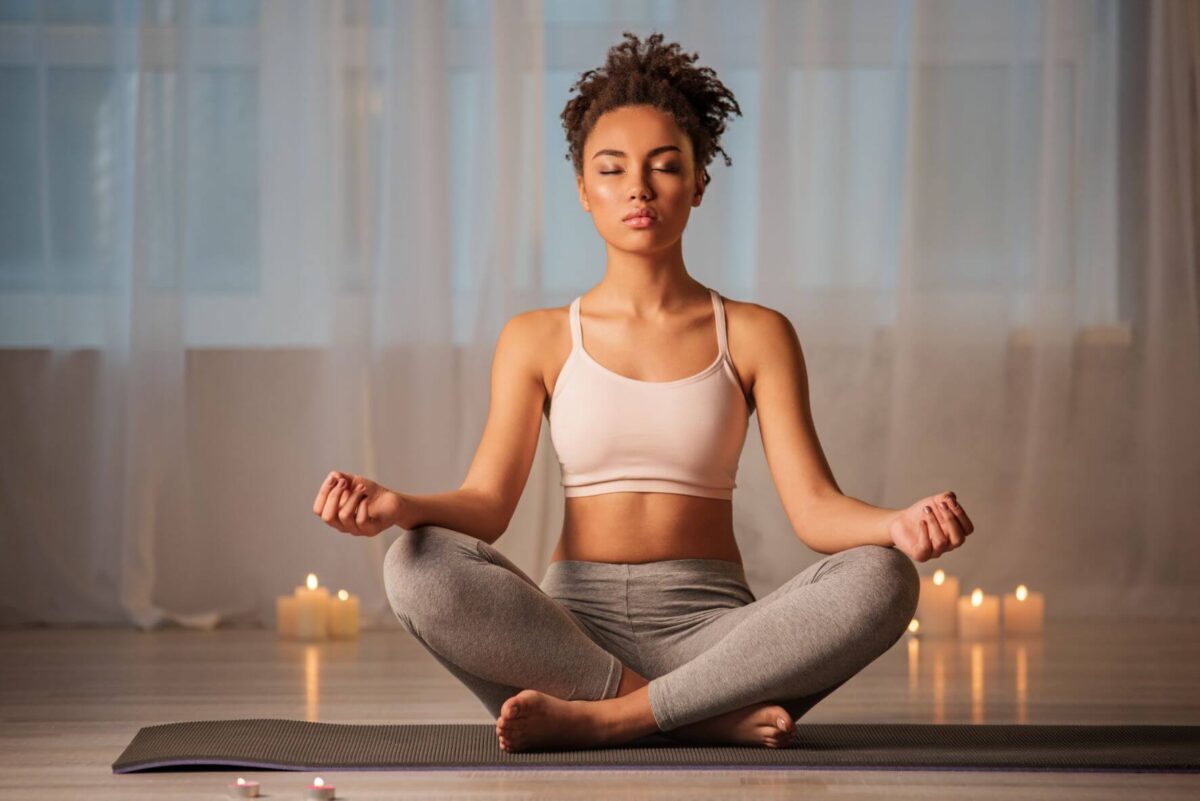
Creating and engaging with guided meditation scripts and visualization scenarios are powerful tools for fostering inner calm, especially during stressful days. These practices help anchor your mind in positive, calming imagery, reducing stress levels and promoting emotional balance. Developing personalized scripts and utilizing recordings can significantly enhance your meditation routine, making it more effective and tailored to your needs.Guided meditation practices rely on spoken instructions, often accompanied by calming background sounds, to lead individuals through a series of relaxation techniques and visualization exercises.
They serve as an accessible way to deepen meditation, especially for beginners or those experiencing heightened stress. Crafting your own scripts allows customization that resonates with your personal experiences and stress triggers, making the practice more meaningful and impactful.
Creating Personal Guided Meditation Scripts for Inner Calm
Developing your own guided meditation scripts involves a thoughtful process of identifying calming imagery and affirmations that evoke relaxation. Begin by reflecting on what scenes or sensations bring you peace—such as a tranquil beach, a lush forest, or a gentle stream. Incorporate sensory details to make these scenes vivid, engaging visual, auditory, and even tactile senses.Focus on positive affirmations that reinforce feelings of safety, peace, and confidence.
Use present-tense language to anchor the mind in the current moment, avoiding future or past references that might distract or induce anxiety. For example, a simple affirmation might be, “I am calm and centered right now.” Write your script in a soothing, gentle tone, ensuring each step guides your mind progressively into deeper relaxation.Personalized scripts should include:
- Introduction to settle the mind and body
- Guided breathing prompts to deepen relaxation
- Detailed visualization scenarios tailored to your preferences
- Affirmations that reinforce calmness and resilience
- Gradual transition back to wakefulness with positive intentions
Crafting Visualization Scenarios to Promote Relaxation and Stress Relief
Effective visualization scenarios are rich in sensory details that evoke tranquility and safety. When designing scenes, consider elements that evoke positive emotional responses and physical relaxation. The scenarios should be simple enough to imagine clearly yet detailed enough to engage all senses.Begin by choosing a setting that resonates personally, such as a peaceful garden, a serene mountain peak, or a quiet lakeside.
Incorporate descriptions of what one might see, hear, feel, smell, and even taste within these scenes. For example, describing the warm sun on the skin, the scent of blooming flowers, the gentle rustling of leaves, and the calming sound of water can immerse the mind fully.Effective visualization exercises include:
- Imagining a safe, peaceful place where stress melts away
- Visualizing a glowing light that gradually envelops the body, symbolizing calm and healing
- Envisioning each breath as soothing waves washing over the mind and body
Creating scenarios that connect with personal positive memories or aspirations can further enhance their calming effects. Visualizations should be practiced regularly, ideally during meditation sessions, to strengthen their effectiveness over time.
Methods to Record or Access Guided Meditations for Regular Practice
Access to guided meditations can be facilitated through various methods, making consistent practice more manageable and accessible. Recording your personalized scripts ensures that you can engage with them at any time, whether during a hectic workday or evening relaxation.To record guided meditations:
- Use a high-quality microphone to ensure clear audio
- Speak in a calm, steady tone, pausing appropriately to allow reflection
- Incorporate gentle background music or nature sounds to enhance relaxation
- Save files in common formats such as MP3 or WAV for easy access on multiple devices
Alternatively, numerous apps and online platforms offer extensive libraries of guided meditations, many of which permit customization or creation of personalized tracks. These resources often include features such as scheduled reminders, progress tracking, and varied themes suited to different stress levels or goals.For ongoing practice, establish a routine by:
- Designating specific times each day for meditation
- Using your recordings consistently to build familiarity and comfort
- Updating scripts periodically to reflect evolving needs or new visualizations
Whether through self-recordings or digital platforms, consistent engagement with guided meditation practices enhances their effectiveness, helping you maintain a sense of inner calm during even the most stressful days.
Overcoming Common Challenges in Meditation
Meditation during stressful days can be immensely beneficial, yet practitioners often encounter obstacles that hinder their progress. Recognizing these common challenges and implementing practical solutions can significantly enhance consistency and the effectiveness of your practice. Developing resilience against these hurdles ensures that meditation remains a reliable tool for inner calm, regardless of external circumstances.Stressful days often introduce disruptions such as restless thoughts, physical discomfort, or feelings of overwhelm that make meditation seem difficult or unproductive.
Understanding these barriers enables practitioners to approach their sessions with patience and adaptability, transforming obstacles into opportunities for growth and deeper self-awareness.
Identifying Typical Obstacles During Stressful Days
In high-stress situations, it is common to face several recurring challenges that can interfere with meditation practice. These include difficulty focusing, physical discomfort, emotional turbulence, and environmental distractions. Recognizing these issues early allows for tailored strategies to address them effectively.
- Difficulty Focusing: Stress and anxiety tend to flood the mind with racing thoughts, making it hard to maintain attention during meditation.
- Physical Discomfort: Tension, fatigue, or pain can distract from the practice and diminish its benefits.
- Emotional Turmoil: Feelings of frustration, impatience, or sadness may surface, complicating the process of achieving inner calm.
- Environmental Distractions: Noisy surroundings, interruptions, or an uncomfortable setting can interfere with concentration.
Practical Solutions to Common Obstacles
Implementing specific strategies can help navigate these challenges, fostering a more resilient and fruitful meditation experience even during stressful days.
For optimal results, consider the following approaches:
- Redirecting Focus with Guided Practices: Utilizing guided meditations, such as audio recordings or apps, can provide structure and external cues to help maintain attention amidst a busy mind.
- Adjusting Posture and Environment: Sitting comfortably in a quiet, clutter-free space and using supportive cushions can reduce physical discomfort, making it easier to settle into meditation.
- Allowing Emotional Acceptance: Recognizing and accepting feelings as they arise—without judgment—can prevent emotional turbulence from escalating. Techniques like labeling emotions or gentle acknowledgment can facilitate emotional regulation.
- Creating a Portable Practice Routine: When environment is unpredictable, practicing in short, manageable intervals—such as 5-minute sessions—can sustain consistency and prevent overwhelm.
Maintaining Motivation and Consistency
Discipline in meditation practice often wanes during stressful periods; thus, cultivating motivation is essential. Establishing tangible goals, embracing flexibility, and celebrating small achievements can bolster ongoing commitment.
Strategies to sustain your meditation routine include:
- Setting Realistic Expectations: Accept that some days may be less productive and view every session as progress, reducing frustration and fostering perseverance.
- Integrating Rituals and Reminders: Incorporate meditation into daily routines, such as morning or bedtime rituals, and use reminders or alarms to reinforce consistency.
- Tracking Progress and Reflecting: Keep a meditation journal to note feelings, challenges, and improvements, providing motivation through visible growth.
- Seeking Support and Community: Joining meditation groups or forums can offer encouragement, shared experiences, and accountability, especially during challenging times.
Adapting Meditation Techniques to Varying Stress Levels and Environments
Flexibility in approach allows meditation to remain effective across different scenarios and stress intensities. Adjusting techniques based on circumstances ensures that practice remains accessible and beneficial.
Some adaptation methods include:
- Shortening Session Duration: During highly stressful days, reducing meditation time from 20 minutes to 5 or 10 minutes can still provide relief without feeling overwhelming.
- Choosing Active Meditation Forms: Techniques such as walking meditation or mindful movement can be more suitable when sitting still feels challenging due to agitation or restlessness.
- Using Focused Breathing or Grounding Exercises: Employing simple breathing techniques or body scans can help anchor awareness quickly, especially in environments with distractions.
- Creating Portable Rituals: Practicing mindfulness during routine activities, like commuting or waiting in line, can help maintain a sense of calm throughout the day.
Adapting meditation practices to fit your unique circumstances empowers you to maintain progress and resilience, turning everyday stressors into opportunities for growth and inner stability.
Tracking Progress and Enhancing Meditation Practice
Maintaining a consistent meditation routine during stressful days requires not only commitment but also an effective way to monitor progress and refine techniques. Tracking your experiences enables you to recognize patterns, measure emotional shifts, and identify which practices yield the most calming effects. This ongoing assessment fosters a deeper understanding of your meditation journey and promotes continuous improvement, leading to greater inner calm amid daily stressors.Keeping detailed records of your meditation practice helps to visualize growth over time and provides motivation during challenging periods.
It also allows for adjustments tailored to your evolving needs, ensuring your meditation routine remains effective and enriching. By implementing structured tracking methods, you can better integrate meditation as a vital tool for managing stress and enhancing overall well-being.
Methods for Journaling Insights and Emotional Changes
Effective journaling after each meditation session captures valuable insights and tracks emotional fluctuations. Writing down thoughts, sensations, and emotional responses fosters self-awareness and helps identify triggers or patterns associated with stress levels. Consider dedicating a few minutes post-meditation to note specific feelings, physical sensations, or mental states experienced during practice.Use prompts such as:
- What emotions arose during meditation?
- Did I notice any physical sensations or tension release?
- Were there particular thoughts or distractions that persisted?
- How do I feel immediately after the session compared to before?
Maintaining a consistent journaling practice enhances mindfulness and provides qualitative data to evaluate progress over time. It also encourages reflection on how meditation influences daily life and stress management.
Templates and Table Formats for Monitoring Frequency and Effects
Structured templates simplify tracking meditation frequency and its effects, making pattern recognition more accessible. Utilizing tables or formatted logs enables you to quantify your practice and observe correlations between meditation habits and emotional well-being.An example table format might include columns such as:
| Date | Duration of Session | Meditation Technique Used | Time of Day | Emotional State Before | Emotional State After | Notable Insights |
|---|---|---|---|---|---|---|
| 2024-04-20 | 15 minutes | Breathing Exercise | Morning | Stress, Restlessness | Calm, Focused | Felt more centered throughout the day |
| 2024-04-21 | 20 minutes | Guided Visualization | Evening | Anxious, Distracted | Relaxed, Sleepy | Helped ease anxiety before sleep |
Regularly updating this table helps to identify which sessions are most beneficial and at what times, guiding adjustments to optimize results.
Strategies for Incorporating Feedback and Refining Meditation Routines
Incorporating insights gained from journaling and tracking into your meditation practice ensures continuous growth and adaptation. Review your notes periodically to recognize successful techniques or times of day when meditation feels more effective. Use this feedback to modify your routine by experimenting with different meditation styles, durations, or environmental settings.For example, if journaling indicates that morning sessions reduce stress more effectively, prioritize meditating early in the day.
If certain techniques, such as visualization, consistently produce calming effects, consider integrating them more frequently or extending their duration. Additionally, pay attention to emotional and physical feedback—if you notice persistent tension or distraction, explore alternative methods like guided meditation or breathing exercises to enhance your experience.Creating a flexible, responsive approach to your meditation routine fosters resilience and ensures it remains a powerful tool for managing stress during demanding days.
By tracking, reflecting, and refining regularly, you strengthen your capacity to maintain inner calm, regardless of external pressures.
Outcome Summary
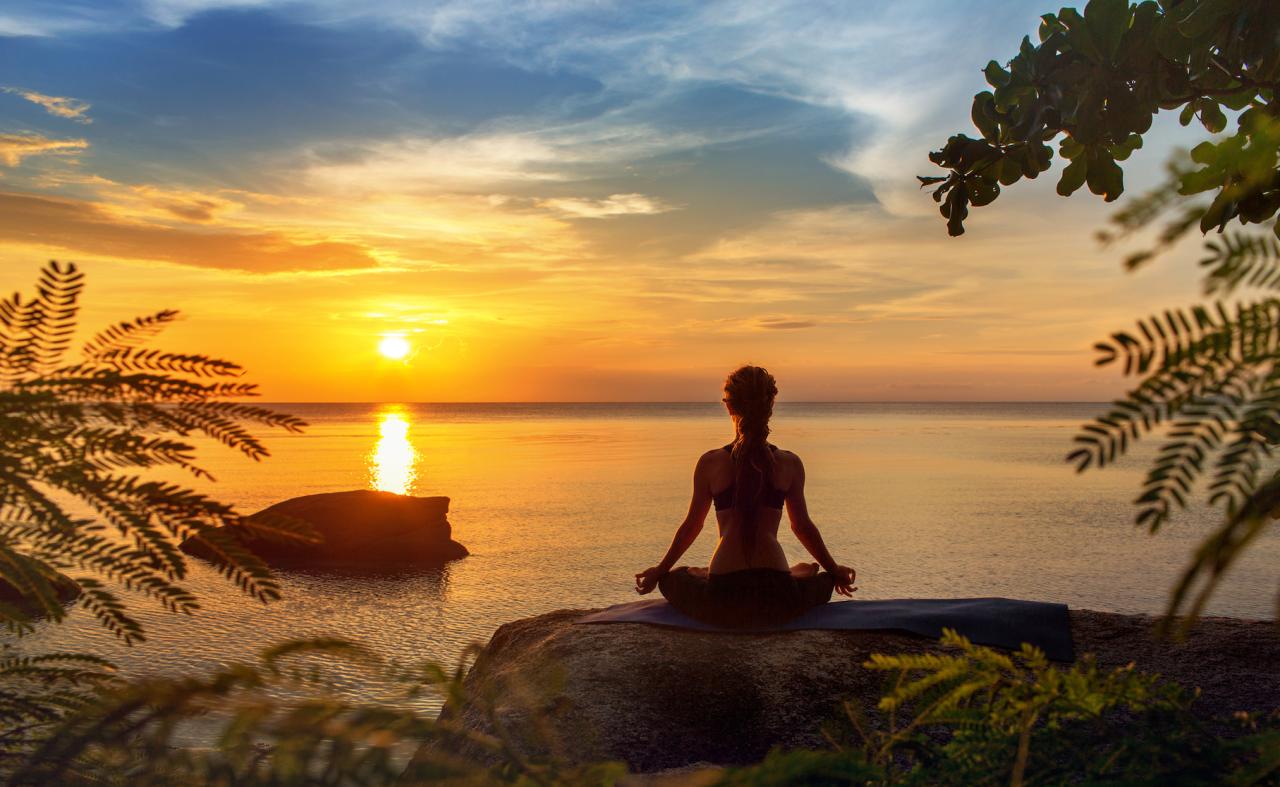
Incorporating meditation into your daily routine offers a powerful pathway to maintaining inner calm during life’s most challenging moments. Through consistent practice, mindful awareness, and tailored techniques, you can better navigate stress and nurture a sense of tranquility that lasts. Remember, patience and perseverance are key to unlocking the full benefits of meditation for a calmer, more balanced life.