Discover effective meditation techniques designed to help you conquer self-doubt and alleviate worries. By incorporating mindful practices into your daily routine, you can foster greater self-confidence and emotional resilience. This guide offers practical steps and insights to support your journey toward mental clarity and inner peace.
Understanding Meditation and Its Role in Overcoming Self-Doubt and Worry
Meditation is a time-honored practice rooted in fostering mental clarity, emotional stability, and a deeper connection with oneself. Its fundamental principles revolve around cultivating mindfulness, focused attention, and a non-judgmental awareness of the present moment. By embracing these principles, individuals can develop a clearer understanding of their thoughts and feelings, which is essential in overcoming negative self-perceptions and pervasive worries.
Engaging regularly in meditation creates a mental environment conducive to reducing self-doubt and worry. As practitioners learn to observe their thoughts without attachment or judgment, they gradually diminish the power of negative self-talk and anxious patterns. This process not only enhances self-awareness but also promotes a sense of inner calm, resilience, and confidence. The psychological effects of consistent meditation include lowered levels of anxiety, increased emotional regulation, and a more positive outlook, all of which are vital in overcoming persistent feelings of inadequacy and worry.
Fundamental Principles of Meditation and Their Contribution to Mental Clarity
Understanding the core principles of meditation is crucial to appreciating how this practice can help clear mental clutter and foster a more positive self-view. These principles include mindfulness, concentration, and acceptance, each playing a pivotal role in mental clarity:
- Mindfulness: The practice of paying attention to the present moment without judgment. It involves observing thoughts, feelings, and bodily sensations with openness, which helps individuals recognize patterns of self-doubt and worry as transient mental events.
- Focused Attention: Concentrating on a specific object, breath, or sound reduces mental distractions, enabling a person to cultivate a calm, centered state of awareness that enhances clarity of thought.
- Acceptance: Embracing thoughts and emotions without resistance allows practitioners to avoid being overwhelmed by negative mental states, fostering a healthier relationship with oneself.
Through consistent application of these principles, meditation sharpens mental faculties, leading to improved concentration, emotional stability, and a clearer perception of personal strengths and limitations. This clarity diminishes the influence of self-doubt, empowering individuals to approach life with increased confidence and resilience.
The Connection Between Meditation Practice and Reduction of Self-Doubt
Regular meditation practice nurtures self-awareness and self-compassion, which are essential in combating self-doubt. As individuals become more attuned to their inner dialogue, they can identify and challenge negative beliefs that undermine their confidence. Meditation encourages a shift from self-criticism to a more balanced and accepting view of oneself, decreasing the intensity and frequency of self-doubting thoughts.
“By observing your thoughts without attachment, you create space for positive change, allowing self-doubts to diminish naturally.”
Scientific studies have demonstrated that mindfulness-based meditation reduces the activity of the amygdala, the brain region associated with fear and anxiety. This reduction correlates with decreased feelings of inadequacy and increased self-assurance. Over time, meditation helps build a mental framework that favors constructive self-talk and resilience, effectively diminishing the roots of self-doubt.
Psychological Effects of Regular Meditation on Worry and Anxiety Levels
Consistent meditation practice exerts profound effects on the psychological landscape, particularly in reducing worry and anxiety. It fosters a state of relaxation, allowing the nervous system to recalibrate from stress-induced activation to a calmer state. This shift is crucial for managing the persistent rumination and catastrophic thinking often associated with worry.
- Reduction in Cortisol Levels: Meditation has been shown to lower the production of cortisol, the stress hormone, thereby decreasing physiological signs of anxiety.
- Enhanced Emotional Regulation: Regular practitioners develop better control over their emotional responses, leading to fewer episodes of worry and panic.
- Improved Sleep Patterns: Meditation helps improve sleep quality, which is often disrupted by anxiety, further contributing to mental well-being.
- Increased Present-Moment Awareness: Staying rooted in the present reduces tendencies to ruminate over past mistakes or future uncertainties, major sources of worry.
In real-world scenarios, individuals who incorporate meditation into their daily routine report a marked decrease in anxiety levels, improved focus, and a greater sense of calm amid stressful circumstances. This enhanced mental resilience ultimately supports overcoming self-doubt and managing worries more effectively, fostering a healthier, more confident outlook on life.
Preparing for Meditation

Establishing the right environment and cultivating a suitable mindset are essential steps to maximize the benefits of meditation in overcoming self-doubt and worry. Thoughtful preparation helps create a space conducive to relaxation and mental clarity, enabling you to engage fully in your practice. Additionally, setting clear intentions and adopting positive attitudes can significantly influence the effectiveness of meditation sessions, reinforcing your journey toward greater self-confidence and calmness.
Effective preparation involves both physical arrangements and mental conditioning. By designing a dedicated meditation space free from distractions and cultivating a focused, peaceful mindset, you lay the groundwork for a meaningful meditation experience. This structured approach supports consistency and deepens your ability to confront and transcend self-doubt and worry through mindful practice.
Creating an Ideal Meditation Space Free of Distractions
Transforming a specific area into a serene meditation spot enhances focus and encourages regular practice. Consider the following steps to establish an optimal environment:
- Select a quiet location away from high traffic, noise, and interruptions. A corner in a room, a dedicated nook, or a secluded outdoor space can serve well.
- Ensure the space is clean, clutter-free, and comfortable. Use soft, natural lighting or dimmable lamps to promote relaxation.
- Incorporate calming elements such as cushions, a meditation mat, or a chair that supports proper posture. Adding items like plants, candles, or soothing artwork can enhance tranquility.
- Avoid electronic devices or keep them in silent mode to prevent disruptions. If necessary, disable notifications or leave devices outside the space.
- Maintain a consistent setup to create familiarity, allowing your mind to associate the space with calmness and focused meditation sessions.
Mental and Physical Preparations to Enhance Focus and Relaxation
Preparing the body and mind before meditation can significantly improve concentration and deepen relaxation. These pre-meditation practices help clear mental clutter and reduce physical tension:
- Engage in gentle physical movement, such as stretching or a short walk, to release muscular stiffness and promote circulation.
- Practice deep breathing exercises or diaphragmatic breathing to oxygenate the brain and induce a calm state.
- Hydrate adequately before meditation, as dehydration can cause discomfort and hinder focus.
- Set aside specific time slots for meditation, preferably when the mind is less preoccupied with daily stressors or obligations.
- Pause briefly to acknowledge your intention for the session—whether to foster self-confidence, reduce worry, or cultivate compassion—reinforcing your focus and purpose.
- Avoid heavy meals or caffeine immediately before meditation, as these can cause discomfort or heightened alertness, making relaxation more difficult.
Designing a Routine to Cultivate a Positive Attitude and Intention
Developing a consistent routine before each meditation session helps foster a constructive mindset and reinforces your goals of overcoming self-doubt. Incorporate these practices to set a positive tone:
- Begin with a few minutes of gratitude practice, reflecting on aspects of your life or qualities you appreciate. This shifts focus from worries to positivity.
- Recite or silently affirm empowering phrases, such as
“I am capable of growth,”
or
“I am deserving of peace and confidence.”
Reinforcing these beliefs helps reframe negative self-talk.
- Visualize your desired outcome—imagine yourself confidently facing challenges and experiencing inner calm. Visualization strengthens your commitment and prepares your mind for success.
- Set a clear, achievable intention for the session, such as cultivating patience, self-compassion, or trust in your abilities. Anchoring your practice to specific goals enhances focus.
- Adopt a gentle, welcoming attitude toward yourself, acknowledging that overcoming self-doubt is a gradual process. Approach each session with kindness and openness.
- Maintain consistency by meditating at the same time daily, establishing a rhythm that signals to your mind and body that it is time for focused calmness.
Through careful preparation of your environment and mindset, your meditation sessions become more effective tools in overcoming self-doubt and worry. Consistent effort in these foundational steps can foster a resilient, peaceful inner state that supports your personal growth and emotional well-being.
Guided Meditation Techniques for Overcoming Self-Doubt

Guided meditation offers a structured approach to fostering self-compassion and cultivating positive affirmations, essential tools in overcoming self-doubt. By following carefully crafted scripts, individuals can reinforce their inner confidence and develop a healthier self-image through consistent practice.
This section provides a simple yet effective guided meditation script centered on self-compassion and positive affirmations. Additionally, we compare different meditation methods suitable for both beginners and advanced practitioners, and visualize the stages of a confidence-building meditation session via a flowchart.
Self-Compassion and Positive Affirmation Meditation Script
“Begin by finding a comfortable seated position, closing your eyes gently. Take a deep breath in through your nose, filling your lungs completely, then exhale slowly through your mouth. Allow your body to relax with each breath, releasing tension and inviting calmness.”
As you settle into this peaceful space, focus your attention inward. Repeat the following affirmations softly in your mind, allowing them to resonate deeply:
- “I am worthy of love and respect.”
- “I accept myself unconditionally.”
- “Every challenge is an opportunity for growth.”
- “I am confident in my abilities.”
- “Self-doubt does not define me.”
Visualize a warm, golden light emanating from your heart, spreading throughout your entire body. Feel this light embodying compassion and reassurance, gently dissolving any negative beliefs or doubts. Stay with this sensation for several minutes, reinforcing your sense of self-worth and resilience. When ready, slowly bring your awareness back to your surroundings, open your eyes, and carry this sense of confidence with you into your day.
Comparison of Meditation Methods for Beginners and Advanced Practitioners
html table
| Method | Description | Suitable For | Benefits |
|---|---|---|---|
| Focused Breathing | Concentrating solely on the breath to anchor attention and calm the mind. | Beginners, those new to meditation | Reduces stress, enhances concentration, easy to adopt |
| Body Scan | Progressively paying attention to different parts of the body to promote relaxation and awareness. | Beginners and intermediates seeking deeper relaxation | Increases body awareness, relieves tension, promotes mindfulness |
| Loving-Kindness Meditation (Metta) | Practicing sending goodwill, kindness, and warmth towards oneself and others. | Intermediate to advanced practitioners | Enhances compassion, reduces negative emotions |
| Visualization | Creating mental images to foster positive feelings and confidence. | Intermediate to advanced practitioners | Builds motivation, supports emotional healing |
| Chanting or Affirmation Repetition | Repeating positive phrases to reinforce confidence and self-belief. | Beginners and advanced | Strengthens affirmations, boosts self-esteem |
html table
Stages of a Confidence-Boosting Meditation Session Flowchart
Engaging in a meditation session aimed at building self-confidence involves several key stages. Visualizing these stages helps practitioners develop a clear and effective routine for consistent practice.
1. Preparation
Find a quiet, comfortable space; set an intention to build confidence.
2. Centering
Engage in initial breathing exercises to settle the mind and body.
3. Focus
Shift attention to self-compassion, affirmations, or visualization techniques.
4. Deepening
Maintain awareness of positive self-perceptions, reinforcing confidence.
5. Closure
Gently conclude the session, carry the positive emotions into daily life with mindfulness.
This structured approach ensures that each session effectively nurtures self-belief, fostering resilience against self-doubt over time.
Techniques to Cultivate Mindfulness and Self-Awareness
Cultivating mindfulness and self-awareness is essential for recognizing and transforming negative thought patterns that fuel self-doubt and worry. These techniques empower individuals to observe their internal experiences non-judgmentally, creating space for positive change and emotional resilience. By integrating specific mindfulness exercises into daily routines, one can develop a deeper understanding of their mental landscape, leading to greater self-compassion and confidence.Mindfulness practices serve as powerful tools for becoming more aware of fleeting thoughts and emotional responses.
These practices help in identifying negative self-talk that often undermines self-esteem and fosters worry. Through consistent application, mindfulness nurtures a heightened sense of presence, enabling practitioners to challenge harmful beliefs and replace them with constructive perspectives. This ongoing process fosters a mindset of growth, acceptance, and self-empowerment, which is vital in overcoming self-doubt.
Identifying Specific Mindfulness Exercises to Recognize and Challenge Negative Self-Talk
Engaging in mindfulness exercises that focus on observing internal dialogues allows individuals to pinpoint patterns of negative self-talk. Recognizing these thoughts as they arise is the first step towards challenging and reframing them. These exercises foster a compassionate stance towards oneself, reducing the impact of self-criticism and worry.
- Thought Observation Practice: Take a few minutes daily to sit quietly and notice the thoughts that surface. Pay attention to recurring themes of self-doubt or criticism without trying to change them immediately. Simply acknowledge their presence.
- Cognitive Labeling: When negative thoughts are identified, label them as “self-doubt,” “worry,” or “criticism.” This labeling creates awareness and separates the thought from the self, reducing emotional reactivity.
- Reframing Negative Thoughts: After recognizing negative self-talk, consciously replace these thoughts with positive or neutral alternatives. For example, change “I’m not capable” to “I am learning and growing.”
Methods to Integrate Mindful Breathing and Body Scan Practices into Daily Routines
Incorporating mindful breathing and body scan exercises into daily life promotes ongoing self-awareness and reduces stress associated with doubt and worry. These practices anchor attention in the present moment, grounding individuals amidst daily distractions and emotional turbulence.
Consistent practice of mindful breathing and body scans enhances both mental clarity and emotional stability. They serve as quick yet effective tools to reset the mind when feelings of anxiety or self-doubt intensify, providing a gentle reminder of the present moment’s stability.
- Mindful Breathing: Dedicate a few minutes each morning or during breaks to focus solely on the breath. Inhale slowly through the nose, allowing the abdomen to expand, then exhale gently through the mouth or nose. Pay attention to the sensation of airflow and the rise and fall of the chest or belly.
- Body Scan Practice: Set aside time in the evening or during meditation sessions to perform a body scan. Starting at the toes, systematically bring awareness to each part of the body, noting sensations, tension, or relaxation. This process encourages release of physical tension that often accompanies mental worry and self-doubt.
Step-by-Step Guide to Journaling Insights Gained During Meditation Sessions
Journaling serves as a reflective practice that consolidates insights and fosters ongoing self-awareness. Through structured journaling, individuals can track their progress, recognize patterns, and reinforce positive changes emerging from mindfulness practices.
- Create a Calm Environment: Find a quiet space post-meditation where you can write without interruption, fostering an atmosphere conducive to honest reflection.
- Record Immediate Impressions: Write down any thoughts, feelings, or physical sensations experienced during the meditation. Focus on moments of self-doubt or worry that surfaced.
- Identify Negative Thought Patterns: Analyze entries to recognize recurring themes or triggers for self-doubt. Note the context and emotional response associated with each pattern.
- Reframe and Affirm: Write positive affirmations or alternative perspectives to counteract identified negative thoughts. For example, replace “I can’t handle this” with “I am capable of managing challenges.”
- Set Intentions for Future Practice: Conclude each journaling session with specific intentions, such as practicing mindful breathing during stressful moments or challenging negative beliefs with compassionate awareness.
Effective journaling bridges the gap between insight and action, reinforcing the progress made through mindfulness and meditation, and cultivating a resilient, self-aware mindset.
Overcoming Worry Through Focused Meditation Practices

Worry often stems from unresolved concerns and persistent negative thoughts that can interfere with daily functioning and overall well-being. Focused meditation practices provide a powerful approach to diminish worry by directing attention inward and cultivating a sense of calm and clarity. These techniques enable individuals to break free from rumination and foster a state of mental resilience, allowing worry to diminish gradually with consistent practice.
Implementing specific focused meditation methods, such as visualization and mantra repetition, can significantly reduce worry by anchoring the mind to a single point of focus. Equally important is the development of personalized affirmation lists that reinforce feelings of calmness and self-assurance. Tracking progress over time through structured tools like tables can enhance motivation and awareness of emotional shifts, reinforcing the benefits of ongoing practice.
Focused Meditation Techniques to Reduce Worry
Engaging in focused meditation involves systematic procedures designed to anchor attention and foster mental clarity. Visualization and mantra repetition are among the most effective methods for calming an overactive mind burdened with worry.
- Visualization Practice: Create a vivid mental image of a peaceful scene, such as a tranquil beach or lush forest. Focus on the sensory details—sounds, colors, textures—and immerse yourself in this environment. When worry arises, gently redirect your attention to this mental image, allowing the scene to serve as an emotional anchor that alleviates stress.
- Mantra Repetition: Select a calming word or phrase, such as “peace” or “I am safe.” Repeat this mantra silently or aloud, aligning it with your breath—inhale as you silently think the word, exhale as you release tension. This repetitive focus diminishes racing thoughts associated with worry and cultivates a sense of stability.
Designing Personalized Affirmation Lists
Personalized affirmations serve as a mental reinforcement tool, fostering positive self-talk and counteracting worry-induced negative beliefs. Crafting effective affirmation lists involves selecting statements that resonate personally and evoke feelings of calmness and confidence.
- Reflect on specific worries or negative thoughts you wish to counteract.
- Create affirmations that directly address these concerns with positive, present-tense statements. For example, if worry centers around uncertainty, affirm, “I am capable of handling whatever comes my way.” If anxiety about health persists, use, “My body is strong, and I am safe.”
- Ensure affirmations are concise, credible, and emotionally uplifting, enabling easy recall during meditation sessions or stressful moments.
Incorporate these affirmations into your meditation routine by repeating them softly or silently during focused meditation practices. Over time, these positive statements can help rewire thought patterns, reducing worry and fostering resilience.
Using Tables to Track Progress and Emotional Shifts
Monitoring emotional and mental states over time provides valuable insight into the effectiveness of meditation practices. Utilizing structured tables allows for systematic tracking of worry levels, emotional shifts, and overall mental well-being.
| Date | Worry Intensity (1-10) | Emotional State | Practices Used | Notable Observations |
|---|---|---|---|---|
| 2024-04-01 | 8 | Anxious, restless | Visualization, Affirmation: “I am calm” | Initial difficulty focusing, but feelings of calm increased after 10 minutes |
| 2024-04-07 | 5 | More centered, peaceful | Mantra repetition, Affirmation: “I am safe” | Worry episodes less frequent, improved sleep quality |
| 2024-04-14 | 3 | Relaxed, confident | Progressive visualization, Personalized affirmations | Significant decrease in worry, increased resilience in daily challenges |
Regularly updating this table fosters awareness of emotional patterns and highlights the positive impact of focused meditation techniques. Such tracking encourages continued commitment and allows for adjustments to practices as needed, ensuring sustained progress in overcoming worry.
Building a Consistent Meditation Routine for Long-Term Self-Confidence
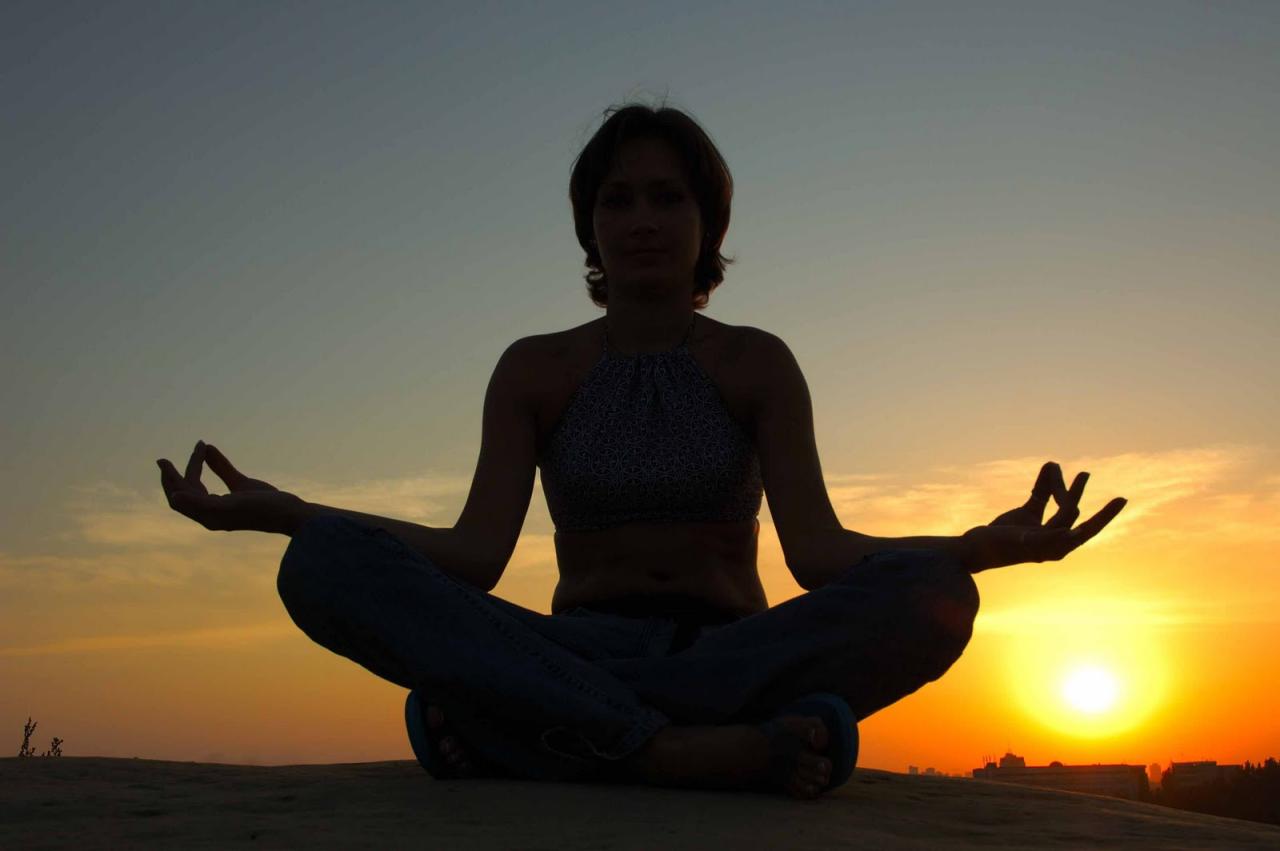
Establishing a regular meditation practice is fundamental to overcoming self-doubt and cultivating enduring self-confidence. Developing a sustainable routine requires intentional planning, discipline, and the ability to navigate challenges that may arise along the way. When meditation becomes an integral part of daily life, its benefits extend beyond moments of doubt, fostering resilience, clarity, and a positive self-view over time.Creating a consistent meditation routine involves more than just setting aside time; it requires establishing habits that seamlessly integrate into daily activities.
This consistency helps reinforce a sense of discipline and commitment, which are essential for long-term growth. By dedicating regular intervals to meditation, individuals can build trust in their ability to manage worry and self-doubt, ultimately leading to increased self-assurance and emotional stability.
Strategies for Establishing Daily Meditation Habits and Overcoming Common Obstacles
Developing a sustainable meditation practice demands practical strategies that address typical hurdles such as procrastination, discomfort, or lack of motivation. To foster a lasting habit:
- Set Specific, Achievable Goals: Define clear intentions for daily meditation, such as committing to five minutes each morning or evening. Start small to build confidence and gradually increase duration as comfort grows.
- Create a Dedicated Space: Designate a quiet, comfortable area solely for meditation. A consistent environment enhances the mental association with practice, making it easier to establish a routine.
- Establish Cues and Triggers: Link meditation to existing habits, such as brushing teeth or preparing coffee, to serve as reminders. This pairing helps reinforce the habit through contextual cues.
- Use Reminders and Alarms: Utilize phone notifications or calendar alerts to prompt meditation sessions, especially during busy or unpredictable days.
- Practice Self-Compassion: Recognize that missed days are natural. Instead of self-criticism, gently recommit and focus on progress rather than perfection.
Common obstacles include feeling too busy, distracted, or impatient. Overcoming these involves cultivating patience, adjusting expectations, and recognizing the long-term benefits of consistency. Flexibility, such as shorter sessions during hectic days, ensures continuity without feeling overwhelmed.
Tips for Integrating Meditation into Busy Schedules for Sustained Practice
Incorporating meditation into a hectic lifestyle requires creative planning and prioritization. The following tips support maintaining a consistent practice despite time constraints:
- Identify Short, Effective Sessions: Even five-minute meditations can significantly impact mental clarity and emotional balance. Short, focused sessions are more manageable during busy days.
- Leverage Routine Activities: Practice mindful breathing during commutes, while waiting in lines, or before bed. These moments are opportunities to reinforce meditation without requiring extra time.
- Schedule Meditation as a Non-Negotiable Appointment: Block dedicated time on daily calendars, treating meditation as a vital appointment rather than optional activity.
- Utilize Guided Meditations and Apps: Use meditation apps that offer short, structured sessions tailored for busy schedules, providing guidance and accountability.
- Integrate Movement-Based Meditation: Incorporate gentle yoga or walking meditation when seated practice feels impractical, promoting mindfulness during physical activity.
Maintaining consistency amid a demanding schedule is achievable by prioritizing mental well-being and viewing meditation as an essential component of self-care. Regular practice, even in small doses, accumulates to produce meaningful shifts in confidence and emotional resilience.
Weekly Planner Template to Monitor Consistency and Emotional Outcomes
Monitoring progress through a structured planner enhances accountability and provides insights into emotional patterns associated with meditation practice. The following weekly template assists in tracking daily meditation sessions, duration, and emotional responses:
| Day | Scheduled Meditation Time | Actual Meditation Duration | Type of Meditation (e.g., mindfulness, guided) | Emotional State Before Meditation | Emotional State After Meditation | Notes / Observations |
|---|---|---|---|---|---|---|
| Monday | 7:00 AM | 10 minutes | Mindfulness | Anxious | Calm | Felt more centered after session |
| Tuesday | 7:00 AM | 5 minutes | Guided | Worried | Less worried | Brief but effective |
| Wednesday | 7:00 AM | 8 minutes | Breathing exercises | Distracted | Focused | Needed extra focus today |
Consistent use of this planner enables individuals to observe trends, identify effective practices, and adjust routines to maximize emotional benefits. Recognizing progress reinforces motivation and solidifies meditation as a vital tool for enhancing self-confidence and emotional resilience over the long term.
Final Wrap-Up

Incorporating meditation into your life can significantly transform how you perceive yourself and handle stress. With consistent practice and the right mindset, overcoming self-doubt and worry becomes an achievable goal. Embrace these techniques to cultivate lasting confidence and tranquility in your everyday life.