Discover effective meditation techniques designed to help you let go of anxieties related to the future and promote a sense of calm and mental clarity. Learning how to manage these worries is crucial for maintaining overall well-being and inner peace in our often unpredictable world.
This comprehensive guide explores the essential steps and practices to ease future-related concerns through meditation, including preparation, mindfulness, overcoming obstacles, and establishing a sustainable routine to support ongoing mental serenity.
Introduction to Meditation for Releasing Worry About the Future

In today’s fast-paced world, many individuals find themselves overwhelmed by concerns about the future. Worrying about what may come can lead to stress, anxiety, and a sense of helplessness, adversely affecting mental and physical well-being. Meditation emerges as a powerful tool to address these challenges by fostering a sense of calm and mental clarity.
Meditation provides a structured approach to observing and releasing anxious thoughts, allowing individuals to shift focus from future uncertainties to the present moment. Through consistent practice, meditation can help manage anxiety, improve emotional resilience, and promote a peaceful state of mind.
Key Benefits of Meditation in Managing Future-Related Anxiety
Understanding the advantages of meditation in alleviating worries about the future can motivate individuals to incorporate it into their daily routines. The following table summarizes the primary benefits, the techniques used, and the expected outcomes of meditation focused on releasing future worries.
| Benefits | Techniques | Expected Outcomes |
|---|---|---|
| Reduces Anxiety and Stress | Mindfulness meditation, focused breathing exercises, body scan meditation | Lower levels of cortisol, decreased feelings of tension, and a calmer mind |
| Enhances Mental Clarity | Guided visualization, open awareness meditation, noting thoughts without judgment | Improved focus, better decision-making, and increased emotional stability |
| Promotes Present-Moment Awareness | Breath awareness, sensory meditation, grounding techniques | Reduced rumination about the future, increased sense of peace and acceptance |
| Builds Emotional Resilience | Loving-kindness meditation, compassion meditation, self-compassion exercises | Greater emotional balance, enhanced patience, and reduced reactivity to worries |
| Fosters Inner Peace and Well-being | Transcendental meditation, mantra repetition, body relaxation techniques | Deepened sense of tranquility, improved overall mental health, and resilience against future stressors |
Understanding Worry and Its Impact on Mental Health
Worry is a common emotional experience that many individuals face as they navigate life’s uncertainties. While occasional concern can be adaptive, persistent and excessive worry about the future can significantly affect mental health and overall well-being. Recognizing the roots and effects of worry helps in developing effective strategies to manage it, including meditation and other mindfulness practices.
Prolonged worry triggers a cascade of psychological and physiological responses that can undermine mental resilience. Understanding these responses is essential for fostering healthier mental states and preventing the negative consequences associated with chronic worry.
Common Causes of Worry About the Future
Worry about the future arises from various sources, often rooted in personal experiences, societal influences, and unpredictable external events. These causes can include financial instability, health concerns, job security, relationships, and global crises such as economic downturns or environmental disasters. Personal history of trauma or failure can also heighten sensitivity to potential future challenges, fostering a constant state of anticipation of negative outcomes.
Such worries tend to intensify when individuals lack control over circumstances or feel uncertain about their ability to influence future events. This sense of helplessness amplifies anxiety, making it difficult to focus on present moments and fostering a cycle of rumination about what might happen.
Psychological and Physiological Responses to Worry
When experiencing worry, the brain activates stress-related pathways that prepare the body to respond to perceived threats. This involves the release of stress hormones such as adrenaline and cortisol, which induce physical sensations like increased heart rate, rapid breathing, and muscle tension. These responses are part of the body’s natural fight-or-flight mechanism but can become maladaptive when activated excessively or unnecessarily.
Psychologically, worry can lead to persistent negative thinking, decreased concentration, irritability, and feelings of helplessness. Over time, chronic worry can contribute to mental health conditions such as anxiety disorders, depression, and sleep disturbances, further impairing daily functioning and quality of life.
Typical Symptoms and Consequences of Worry
Understanding the physical and psychological signs of worry aids in early recognition and intervention. Below are common symptoms and potential long-term consequences associated with persistent worry:
- Physical Symptoms:
- Increased heart rate and palpitations
- Muscle tension and headaches
- Shortness of breath or hyperventilation
- Gastrointestinal discomfort, such as nausea or upset stomach
- Sleep disturbances, including insomnia or restless sleep
- Psychological Symptoms:
- Persistent negative or catastrophic thoughts
- Difficulty concentrating or focusing
- Irritability and mood swings
- Feelings of restlessness or agitation
- Overwhelming sense of dread or impending disaster
Consequences of unchecked worry extend beyond immediate discomfort, potentially leading to significant mental health challenges such as generalized anxiety disorder, panic attacks, and depression. It can also impair decision-making, reduce productivity, and diminish overall life satisfaction. Recognizing these signs early allows for timely intervention and the cultivation of healthier coping mechanisms through mindfulness practices like meditation.
Preparatory Steps for Effective Meditation
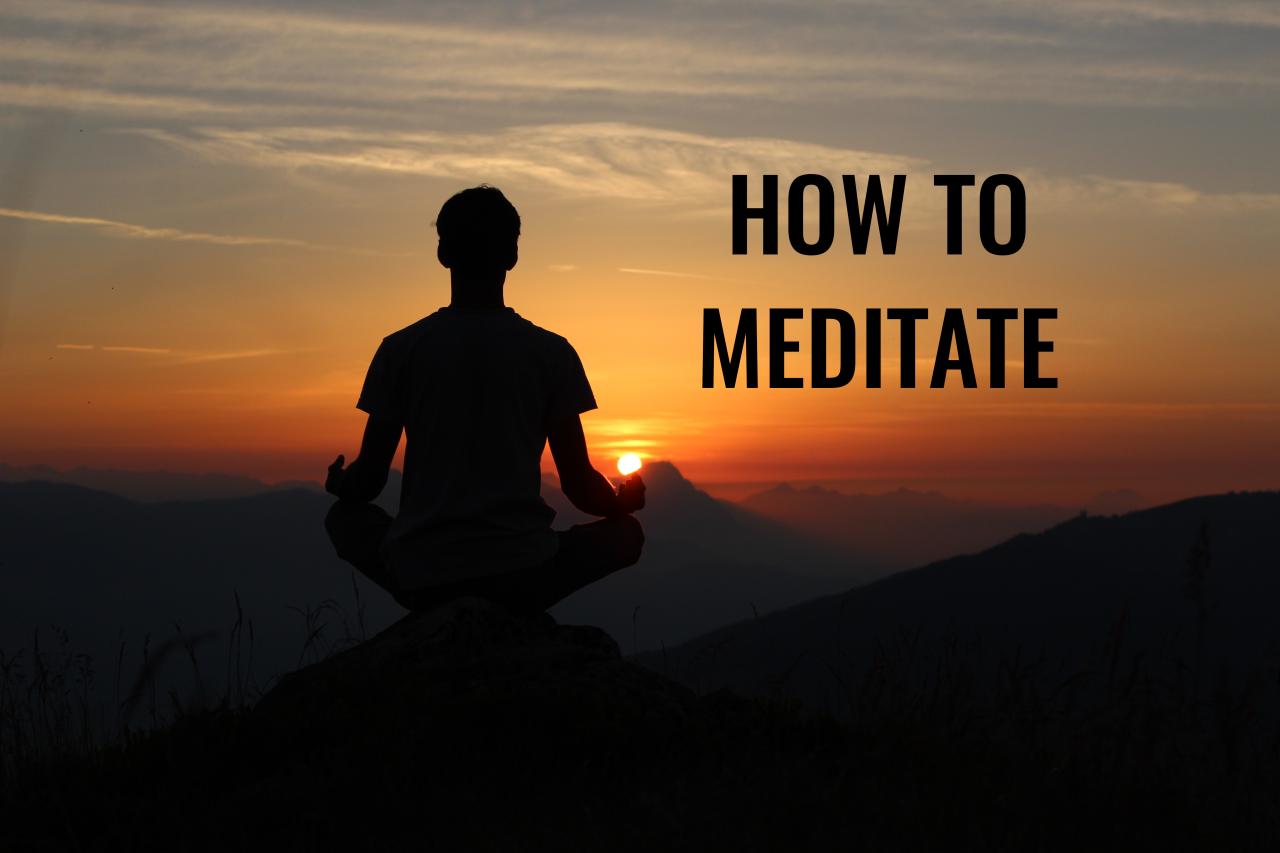
Establishing a conducive environment and preparing oneself properly are essential steps to ensure that meditation sessions are productive and promote a sense of calm. Proper preparation helps in minimizing distractions, aligning your mental focus, and enhancing the overall effectiveness of your practice. Taking the time to set up the right conditions allows you to enter a meditative state more easily, fostering a deeper connection with the process of releasing worry about the future.
Implementing specific preparatory steps enables you to create a tranquil space and cultivate mental clarity before meditation. These steps are simple yet impactful, serving as a bridge between your everyday routines and the inward journey of meditation. Carefully considering your environment and personal readiness can significantly influence your ability to relax, concentrate, and achieve the desired mental state necessary for releasing worry about the future.
Ideal Environment and Setting for Meditation Sessions
The environment plays a vital role in cultivating a peaceful mind during meditation. An ideal setting should be quiet, free from interruptions, and comfortable to support prolonged periods of focus. Natural light or soft, ambient lighting is preferable, as it fosters relaxation and reduces mental tension. Ensuring the space is clean, clutter-free, and dedicated solely to meditation can help signal to your brain that it is time to unwind and focus inward.
Temperature and air quality are also important considerations. The room should be at a comfortable temperature—neither too hot nor too cold—and well-ventilated to promote a sense of ease. Incorporating elements such as calming scents like lavender or chamomile, or sounds like gentle nature sounds, can further enhance the environment by creating a sensory experience conducive to relaxation.
Consistency in choosing the same space can help condition your mind to associate that environment with meditation, making it easier to transition into a receptive state each time. Personalize your space with items that inspire tranquility—such as cushions, a soft mat, or calming artwork—to foster a nurturing atmosphere for your practice.
Step-by-Step Procedure to Prepare Mind and Body for Meditation
Preparation extends beyond the environment and includes deliberate steps to ready both your mind and body for meditation. These steps help to clear mental clutter and promote physical relaxation, laying a solid foundation for a meaningful practice.
- Choose a Specific Time: Select a consistent time each day for meditation, preferably when your mind is relatively calm, such as early morning or late evening. Consistency reinforces habit and signals to your brain that this is a dedicated time for inner focus.
- Wear Comfortable Clothing: Opt for loose, breathable attire that does not restrict movement or cause discomfort, allowing you to relax physically and focus inward without distraction.
- Perform Gentle Physical Movements: Engage in light stretching or simple yoga poses to release physical tension accumulated throughout the day. Focus on areas like the neck, shoulders, and back, which tend to hold stress.
- Practice Deep Breathing: Before settling into meditation, take several deep, slow breaths to calm the nervous system. Inhale gradually through the nose, hold briefly, then exhale slowly through the mouth or nose, ensuring each breath is deliberate and relaxed.
- Set an Intention: Clarify your goal for the session—such as releasing worry about the future—and mentally affirm this intention. This focus guides your practice and enhances your mental preparedness.
- Eliminate Distractions: Turn off electronic devices, silence notifications, and inform others of your meditation time to minimize interruptions. Creating a disturbance-free environment supports sustained concentration.
- Adopt a Comfortable Posture: Sit upright with your back straight but relaxed, either cross-legged on a cushion or on a chair with feet flat on the ground. Keep your hands resting gently on your lap or knees, maintaining a posture that encourages alertness and relaxation.
Preparation Table for Meditation
| Preparation Step | Description | Tips |
|---|---|---|
| Designate a Quiet Space | Select a dedicated area that is away from noise, clutter, and distractions. Ensure it is comfortable and conducive to relaxation. | Use calming decor or elements like plants and soft lighting to enhance tranquility. Maintain the space regularly to keep it inviting. |
| Choose a Consistent Time | Set a specific time each day for meditation to build a routine, such as early morning or before bedtime. | Align it with your daily schedule to ensure consistency. Avoid scheduling during times of high activity or stress. |
| Wear Comfortable Clothing | Dress in loose, breathable attire that allows full physical ease during practice. | Avoid tight or restrictive clothing that could cause discomfort or distraction. |
| Perform Physical Relaxation | Engage in gentle stretches or yoga to loosen tight muscles and release physical tension. | Focus on areas where you hold stress, such as shoulders, neck, and lower back. |
| Practice Deep Breathing | Take slow, deep breaths to calm your nervous system and center your focus before meditation. | Use diaphragmatic breathing techniques, inhaling through the nose and exhaling through the mouth or nose. |
| Set a Clear Intention | Mentally affirm your purpose, such as releasing worry about the future, to guide your practice. | Repeat your intention softly to reinforce mental focus. |
| Minimize Distractions | Turn off electronic devices and inform others to avoid interruptions during your session. | Use calming background sounds or silence to maintain focus. |
| Adopt an Appropriate Posture | Sit upright with relaxed shoulders, maintaining alertness and comfort. | Use cushions or chairs to support your posture if needed. |
Guided Meditation Techniques for Releasing Future Worry
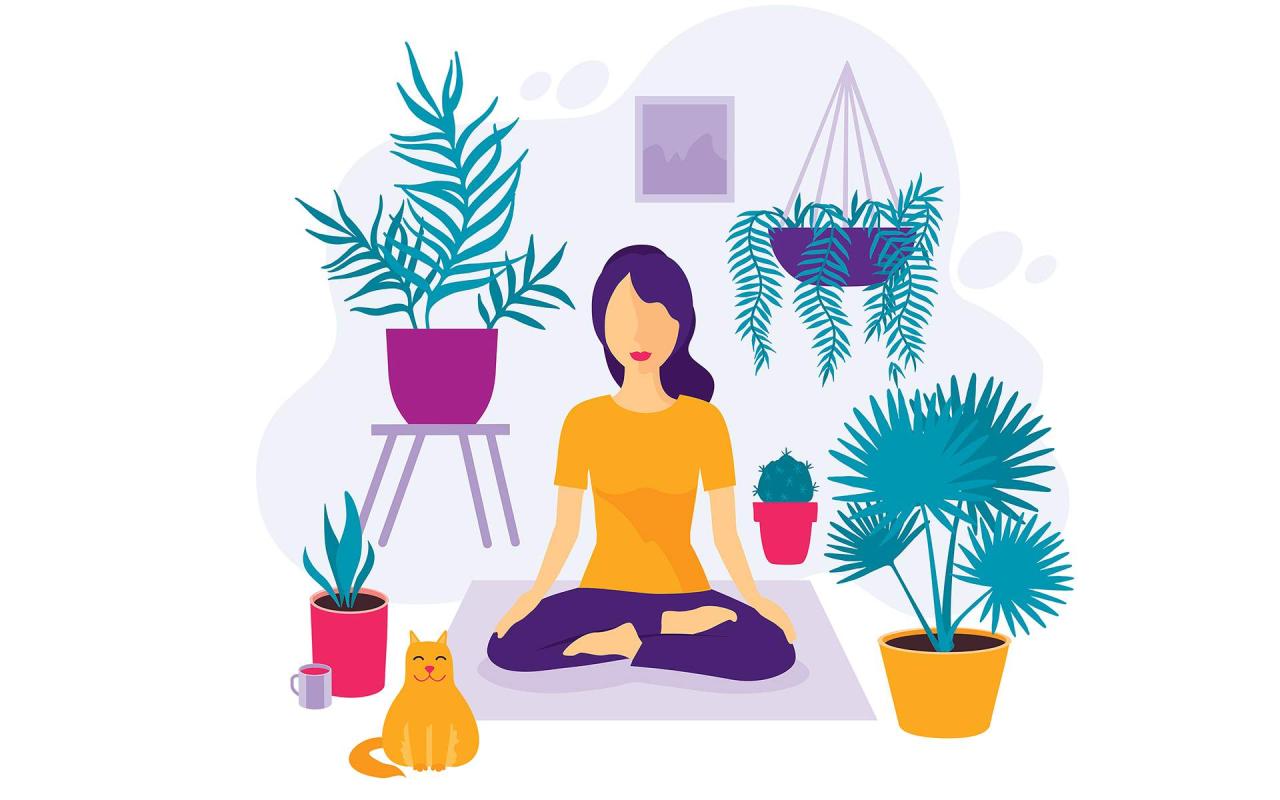
Effective meditation practices can serve as powerful tools to alleviate anxiety about the future. By engaging in specific techniques such as mindful breathing, body scan, and visualization, individuals can cultivate a sense of calm and clarity, helping to diminish worries that often feel overwhelming. These methods, when practiced regularly, reinforce mental resilience and foster a present-focused mindset that diminishes the impact of future uncertainties.
Each technique offers a unique approach to calming the mind and releasing worries. Implementing these practices with intention and consistency can significantly enhance mental well-being, enabling individuals to approach future challenges with greater equanimity and confidence.
Mindful Breathing
Mindful breathing is a foundational meditation practice that anchors attention to the breath, fostering awareness of the present moment. This technique helps to soothe the nervous system and create a sense of stability amidst worry about what lies ahead. Focusing on each breath cycle allows the mind to detach from future-oriented thoughts and return to a state of calm.
- Find a comfortable seated position with your back straight but relaxed, ensuring the body is at ease.
- Close your eyes gently or soften your gaze, directing attention inward.
- Inhale slowly through your nose, feeling the air fill your lungs and expand your chest and abdomen.
- Pause briefly at the top of the inhale, maintaining awareness of the sensation.
- Exhale smoothly and fully through your nose or mouth, releasing tension and worry with the breath.
- Repeat this cycle, observing the natural rhythm of your breathing without trying to control it.
“Focus your attention on the sensation of breath entering and leaving the body, anchoring your awareness in the present.”
Body Scan Meditation
The body scan technique promotes relaxation by systematically bringing awareness to different parts of the body. This process helps to identify and release physical tension that may be exacerbating mental worries. The body scan also encourages a grounded sense of self, making it easier to detach from anxious thoughts about the future.
- Lie down in a comfortable position or sit in a supportive chair with feet flat on the floor.
- Close your eyes and take a few deep, calming breaths to settle into the practice.
- Begin by directing your attention to the crown of your head, noticing any sensations or tension.
- Gradually move your awareness downward, covering your forehead, eyes, cheeks, and jaw, observing sensations without judgment.
- Continue to scan through your neck, shoulders, arms, and hands, releasing any tightness or discomfort.
- Proceed to your chest, abdomen, hips, legs, and finally your feet, maintaining awareness and releasing tension as needed.
“A gentle awareness of your body helps anchor you in the present, reducing the grip of worry and anxiety.”
Visualization for Releasing Future Worry
Visualization involves creating vivid mental images that promote relaxation and positive emotional states. When tailored to address future worries, visualization can transform anxiety into a sense of control and serenity. By imagining calming scenes or successful handling of future challenges, individuals reinforce a mindset of resilience and peace.
- Begin by choosing a quiet space where you will not be disturbed, assuming a comfortable seated or lying position.
- Close your eyes and take several deep breaths to center yourself.
- Visualize a serene and safe place, such as a tranquil beach, lush forest, or peaceful meadow. Focus on the details—colors, sounds, textures, and smells—that make this scene calming.
- Imagine yourself in this environment, feeling completely at ease and grounded.
- Picture a specific future scenario where you face a worry or challenge, such as an upcoming presentation, a difficult conversation, or a decision you need to make.
- Visualize yourself navigating this situation with confidence, clarity, and calmness. See yourself handling each step successfully, feeling empowered and composed.
- Enhance the visualization by incorporating descriptive details: the warmth of the sun, the gentle rustling of leaves, the steady heartbeat of confidence within you.
- Finish the practice by slowly bringing your focus back to your breath, carrying the sense of calm into your everyday life.
“Create vivid mental images that reinforce your ability to handle future challenges with calm and confidence, transforming worry into empowerment.”
Incorporating Mindfulness and Presence During Meditation
Practicing mindfulness and cultivating a sense of presence are essential components of meditation, especially when the aim is to release worry about the future. These practices help anchor the mind in the present moment, reducing the tendency to ruminate over past regrets or future uncertainties. By staying present, individuals can alleviate anxiety and foster a sense of calm and clarity, making meditation a more effective tool for managing worry and cultivating mental resilience.
Incorporating mindfulness into meditation involves intentionally directing attention to the present experience, acknowledging thoughts and feelings without judgment, and gently returning focus whenever the mind drifts. This process enhances awareness and promotes a non-reactive stance toward internal and external stimuli, ultimately reducing the habitual tendency to worry about what has not yet occurred.
Methods to Cultivate Present-Moment Awareness During Meditation
Developing present-moment awareness requires consistent practice and specific techniques that deepen mindfulness during meditation sessions:
- Focused Breathing: Paying close attention to the sensations of each inhale and exhale helps anchor the mind in the present. Observing the rise and fall of the chest or the feeling of air passing through the nostrils can serve as a reliable point of focus.
- Body Scan: Systematically bringing awareness to different parts of the body—from the toes to the head—encourages a grounded experience of the present moment. Noticing tension or relaxation in each area fosters mindfulness of bodily sensations.
- Sensory Awareness: Engaging the senses by intentionally observing sounds, textures, smells, or tastes during meditation enhances present-moment engagement. For example, focusing on the subtle sounds in the environment or the texture of a meditation cushion brings attention to the here and now.
- Labeling Thoughts and Emotions: When thoughts or feelings arise, silently noting them as “thinking,” “feeling,” or “worrying” helps detach from automatic reactions and promotes acceptance of the present experience.
Practicing these methods consistently helps cultivate a habit of mindfulness that extends beyond meditation, fostering a greater ability to stay present in daily life and mitigating future-based anxieties.
Comparison Table: Mindfulness Practices Versus Automatic Thought Patterns
| Aspect | Mindfulness Practices | Automatic Thought Patterns |
|---|---|---|
| Focus | Intentionally directs attention to the present moment, sensory experiences, and bodily sensations. | Unconscious, often speculative or imaginative thoughts about future events, past regrets, or hypothetical scenarios. |
| Reaction to Thoughts | Noticing thoughts without judgment and gently returning focus to the present. | Engaging or ruminating on thoughts, which can amplify worry or anxiety. |
| Impact on Mental State | Reduces stress, enhances clarity, and cultivates acceptance of the current experience. | Increases feelings of anxiety, fear, and helplessness about the future. |
| Practiced During Meditation | Engaged actively through techniques like breath awareness, body scan, and sensory observation. | Often occurs automatically, without conscious control, leading to spirals of worry. |
| Effect on Future Worry | Builds resilience to worry by training the mind to stay present and accept uncertainty. | Maintains or exacerbates worry by focusing on unknown or uncontrollable future events. |
By understanding the distinction between mindful awareness and automatic thought patterns, practitioners can develop strategies to consciously shift from worry-driven mental habits to present-focused mindfulness, thereby fostering a calmer and more centered state of mind during meditation and everyday life.
Overcoming Challenges and Distractions in Meditation

Meditation is a powerful practice for releasing worries about the future, but it often presents obstacles that can hinder progress. Recognizing and addressing common challenges such as wandering thoughts, restlessness, and impatience is essential for maintaining a consistent and effective meditation routine. By understanding these obstacles and employing practical strategies, practitioners can deepen their practice and experience greater mental clarity and peace.During meditation, it is natural for the mind to drift away from the focus point, especially when dealing with ongoing worries or a busy mental state.
Restlessness may manifest as physical fidgeting or an urge to check the time, while impatience can lead to frustration with perceived lack of progress. Addressing these issues with gentle awareness and specific techniques helps cultivate patience and resilience, allowing meditation to become a supportive tool rather than a source of frustration.
Common Obstacles in Meditation
Several typical challenges can arise during meditation sessions, affecting concentration and overall effectiveness. These include:
- Wandering thoughts: The mind naturally seeks novelty or comfort, often leading to distractions from the meditation focus. Thoughts about past events or future worries can intrude, especially when practicing to release specific concerns like future anxiety.
- Restlessness: Physical discomfort, fidgeting, or an inability to stay still may hinder deep relaxation. Restlessness often reflects underlying tension or impatience.
- Impatience: Expecting immediate results can cause frustration, making it harder to sustain focus and patience with the process.
Strategies to Gently Redirect Attention
Implementing gentle, non-judgmental techniques helps bring the attention back when distractions occur. These strategies encourage a compassionate approach to oneself, fostering patience and persistence:
- Labelting thoughts: When wandering thoughts arise, softly acknowledge them without judgment—such as saying, “thinking,” “planning,” or “worrying”—and then gently return focus to the breath or meditation object.
- Using breath as an anchor: Focus intently on the sensation of the breath, such as the feeling of air entering and leaving the nostrils or the rise and fall of the abdomen. When distracted, return attention to these sensations calmly.
- Practicing patience: Recognize that distraction is a natural part of meditation. Instead of fighting it, accept interruptions and see them as opportunities to strengthen your mindfulness muscle.
- Shortening meditation sessions: Begin with brief periods of meditation and gradually extend the duration, accommodating your comfort level and reducing impatience.
Practical Tips for Maintaining Consistency and Patience
Developing a sustainable meditation practice requires commitment and gentle perseverance. The following tips can help maintain consistency and foster patience:
- Establish a routine: Meditate at the same time each day, creating a habit that becomes part of your daily schedule.
- Create a dedicated space: Designate a quiet, comfortable area for meditation to build a mental association with relaxation and focus.
- Set realistic expectations: Understand that progress may be gradual. Celebrate small improvements and avoid self-criticism for wandering thoughts or restlessness.
- Use guided meditations: Incorporate recordings or apps that provide structure and support, especially when facing challenges or distractions.
- Practice self-compassion: Be kind to yourself during setbacks. Recognize that persistence is key; every session is a step forward.
- Remember the purpose: Keep your focus on the intention of releasing worry about the future, allowing this awareness to motivate persistence through difficulties.
Gently redirect your attention without judgment, embrace distractions as part of the process, and cultivate patience—these are the pillars of a resilient meditation practice.
Creating a Regular Meditation Routine to Sustain Peace
Establishing a consistent meditation routine is fundamental to maintaining ongoing mental calmness, especially when working to release worries about the future. Regular practice transforms meditation from an occasional activity into a sustainable habit that supports emotional resilience and clarity over time. By integrating meditation into daily life, individuals can foster a steady sense of inner peace and develop skills to manage stress proactively.
Designing a practical and adaptable routine involves understanding personal schedules, preferences, and lifestyle demands. Consistency helps reinforce the habit, making meditation an integral part of daily well-being. The following strategies and ideas aim to help cultivate a sustainable meditation practice that fits even the busiest schedules.
Techniques for Establishing a Daily Meditation Schedule
Effective ways to embed meditation into everyday routines include choosing specific times that align with natural daily rhythms, such as early mornings, lunch breaks, or evenings. Setting a dedicated time creates a mental association, making it easier to adhere to the practice. Using reminders, alarms, or calendar alerts can reinforce this commitment and reduce the likelihood of skipping sessions.
Starting with short, manageable periods — such as five to ten minutes — and gradually increasing duration helps prevent overwhelm and promotes consistency. Tracking progress with a journal or digital app can provide motivation and highlight improvements over time. Additionally, pairing meditation with existing habits, like brushing teeth or commuting, can seamlessly integrate the practice without requiring significant lifestyle adjustments.
Ideas for Integrating Meditation into Busy Lifestyles
Incorporating meditation into hectic schedules requires flexibility and creative planning. Breathing exercises or mindfulness moments can be performed during brief intervals throughout the day, such as waiting in line, during a coffee break, or while commuting. Listening to guided meditations via smartphone apps offers convenience and structure for on-the-go practice.
Utilizing technology, such as meditation timers or mindfulness reminders, can prompt mindful pauses during busy periods. Additionally, integrating mini-meditation sessions into daily routines—like during household chores, before meetings, or after work—helps sustain mental clarity without extra time commitments. Remember that even short, consistent practices can accumulate significant mental health benefits over time.
Sample Meditation Routine Table
| Routine Element | Suggested Practice | Tips for Success |
|---|---|---|
| Morning Wake-Up | Dedicate 5-10 minutes immediately after waking to focused breathing or a guided meditation session. | Place your meditation cushion or chair in a consistent spot to create a dedicated space, and set an alarm as a reminder. |
| Lunchtime Break | Engage in a brief mindfulness practice, such as body scan or deep breathing, for 5 minutes during lunch. | Use a meditation app to quickly guide you through the session, ensuring it fits within a busy schedule. |
| Evening Reflection | Spend 10 minutes before bed practicing gratitude meditation or progressive relaxation techniques. | Establish a calming environment by dimming lights and avoiding screens to enhance relaxation. |
| On-the-Go Practice | Perform mindful breathing exercises during errands, commutes, or waiting periods. | Keep a small guided meditation recording accessible on your device for easy use wherever you are. |
“Consistency in meditation practice cultivates a resilient mind capable of navigating life’s uncertainties with calm and clarity.”
Additional Practices to Support Meditation for Future Worry Release
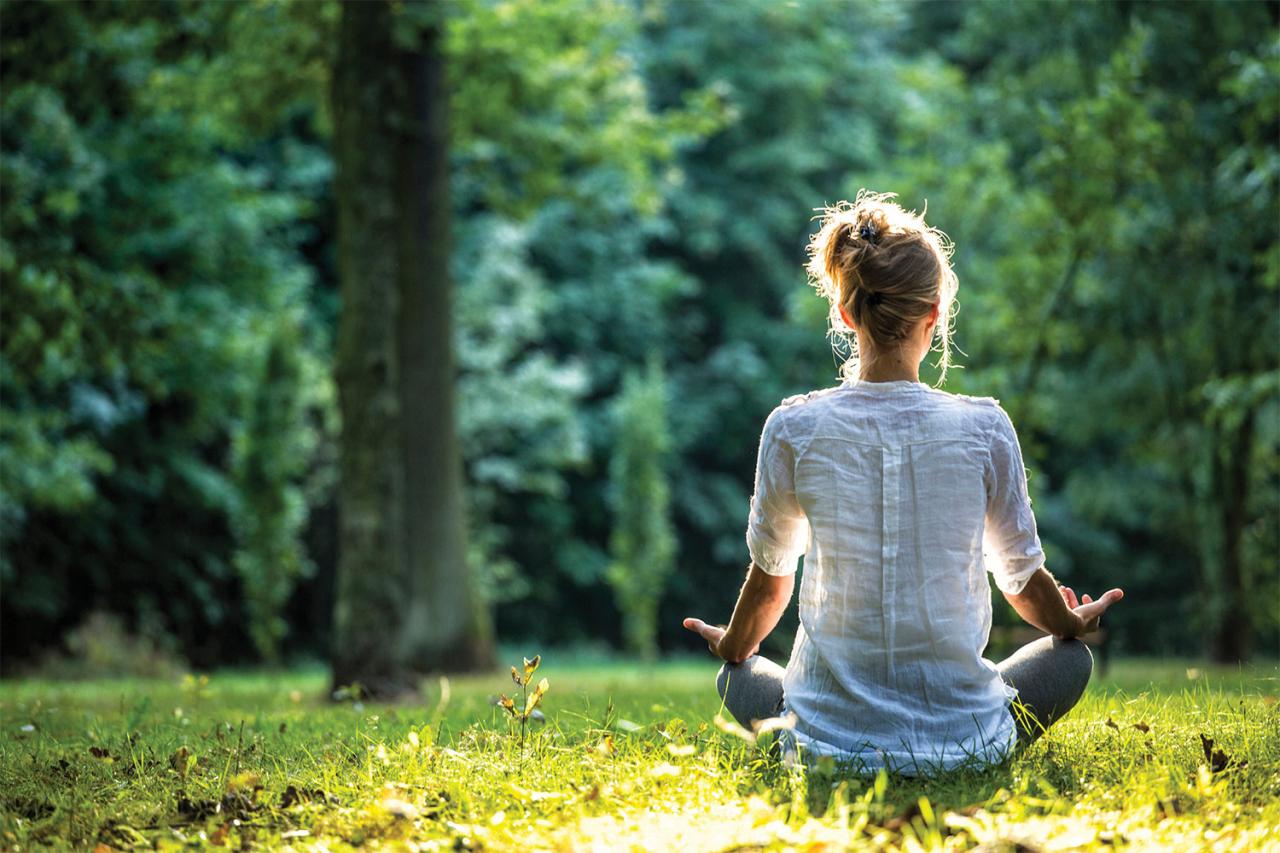
Engaging in supplementary activities alongside meditation can enhance your ability to release worries about the future effectively. These practices serve to reinforce the calming and grounding effects of meditation, fostering a more resilient and peaceful mental state. Incorporating such activities into your routine can deepen your understanding of your thoughts and emotions, contributing to sustained mental clarity and emotional balance.These complementary practices are designed to address different aspects of mental and emotional health, creating a holistic approach to managing worry.
When combined thoughtfully with meditation, they can help you cultivate greater mindfulness, self-compassion, and resilience in the face of uncertainty about the future.
Journaling to Process and Release Worry
Journaling provides a safe space for expressing and clarifying worries about the future. This activity encourages honest reflection, helping to identify specific sources of anxiety and track emotional patterns over time. Writing down your thoughts can also serve to externalize worries, making them more manageable and less overwhelming.To integrate journaling with meditation:
- Set aside a few minutes after your meditation session to write about lingering thoughts or emotions. This reflection can deepen your understanding of the root causes of worry.
- Use guided journal prompts focused on releasing fears about the future, such as “What am I most afraid of right now?” or “What positive outcomes can I imagine instead?”
- Review previous entries periodically to observe progress and gain insights into recurring themes or triggers.
Affirmations for Cultivating Confidence and Peace
Positive affirmations reinforce a mindset of trust and calmness regarding the future. When practiced regularly, affirmations can counteract negative thought patterns and cultivate a sense of inner stability and optimism.To effectively combine affirmations with meditation:
- Repeat affirmations silently or aloud during meditation sessions, focusing on phrases that promote trust and resilience, such as “I trust in the process of life” or “I am safe in the present moment.”
- Create a list of personalized affirmations and incorporate them into daily routines, especially during moments of stress or anticipation about the future.
- Write affirmations on sticky notes placed in visible areas as reminders to maintain a positive and centered perspective throughout the day.
Gentle Movement for Embodying Calmness
Incorporating gentle movement, such as yoga or tai chi, can help release physical tension associated with worry and reinforce mindfulness. Movement activities stimulate the nervous system in a calming way while grounding your awareness in bodily sensations.To integrate movement practices with meditation:
- Start or end your meditation sessions with gentle stretches or slow, mindful movements that focus on breath and body awareness.
- Practice specific yoga poses known for calming the nervous system, such as Child’s Pose, Cat-Cow, or Legs-Up-The-Wall, in conjunction with meditation techniques.
- Engage in brief movement routines during the day, especially when you notice rising anxiety about the future, to reset your mental state and reconnect with the present moment.
Combining these activities with meditation creates a comprehensive approach that nurtures emotional resilience, clarity, and peace, making it easier to navigate uncertainties about the future with confidence and serenity.
Last Point
By incorporating these meditation strategies into your daily life, you can cultivate a more peaceful mindset and reduce the burden of future worries. Embracing consistent practice and supportive activities will empower you to navigate uncertainties with greater resilience and calm.