Discovering effective meditation practices can significantly enhance your positive outlook and emotional resilience. Incorporating these techniques into your daily routine can lead to profound mental and emotional benefits, fostering a more optimistic perspective on life. This guide explores practical methods to help you cultivate positivity through meditation, empowering you to face each day with renewed hope and clarity.
By learning how to prepare your environment, utilize various meditation styles, and incorporate visualization and affirmations, you can develop a sustainable practice that nurtures your mental well-being. Overcoming common challenges and integrating complementary activities like journaling and gentle exercises further reinforce your journey towards a brighter mindset. Tracking your progress allows you to measure the transformative impact of consistent meditation, ultimately leading to a more positive and resilient outlook.
Introduction to Meditation for a Positive Outlook
Meditation serves as a powerful tool in cultivating a positive outlook and building emotional resilience. In today’s fast-paced world, where stress and negativity can easily take hold, integrating meditation into daily routines offers a pathway to mental clarity and emotional stability. Regular practice not only promotes inner peace but also equips individuals to navigate life’s challenges with greater ease and optimism.
Through consistent meditation, individuals can influence their mental and emotional health profoundly. It encourages mindfulness, reduces stress levels, and fosters a sense of gratitude and acceptance. Scientific research has demonstrated that meditation activates regions of the brain associated with positive emotions, enhancing overall well-being and resilience. This holistic approach to mental health underscores the importance of incorporating meditation into daily life for sustained positivity and emotional strength.
Benefits of Meditation in Fostering Positivity
Understanding the benefits of meditation provides motivation for adopting this practice as a regular habit. Meditation influences various aspects of mental and emotional health, leading to a more optimistic and resilient mindset.
- Reduction of Stress and Anxiety: Meditation helps lower cortisol levels, the hormone associated with stress. This reduction leads to decreased feelings of anxiety and an improved mood.
- Enhancement of Emotional Regulation: Regular meditation cultivates awareness of emotional responses, enabling individuals to manage negative feelings more effectively and respond with calmness and clarity.
- Promotion of Mindfulness and Presence: Meditation fosters a heightened sense of mindfulness, allowing individuals to live in the present moment, reducing rumination on past failures or future worries.
- Improvement of Cognitive Functions: Consistent practice enhances concentration, memory, and decision-making capabilities, contributing to a more positive outlook on life.
- Boosting of Self-Aceptance and Compassion: Meditation encourages self-reflection and kindness towards oneself, fostering a more forgiving and accepting attitude.
Influence of Meditation on Mental and Emotional Health
Meditation exerts a significant impact on the brain’s structure and function, which in turn influences mental and emotional well-being. Neuroscientific studies have shown that regular practitioners experience increased gray matter density in areas associated with emotional regulation, such as the prefrontal cortex. Such structural changes enhance resilience against emotional disturbances.
Emotionally, meditation cultivates a sense of equilibrium by facilitating the recognition and acceptance of thoughts and feelings without judgment. This process reduces the tendency toward negative thought patterns and promotes a more balanced emotional state. Additionally, meditation can help rewire neural pathways associated with negativity, making positivity and resilience more accessible over time. Integrating meditation into daily routines can thus serve as a foundational strategy to promote lasting mental and emotional health benefits, fostering a more optimistic and resilient outlook on life.
Preparing for Meditation Sessions
Establishing a suitable environment and routine is fundamental to the effectiveness of meditation. Proper preparation ensures that your mind and body are receptive, helping you to cultivate a positive outlook through consistent practice. By thoughtfully arranging your space, choosing optimal times, and gathering necessary materials, you set the foundation for a peaceful and productive meditation experience.Creating a conducive environment involves selecting a space that promotes tranquility and focus.
This space should be quiet, free from interruptions, and comfortable enough to sit or lie down for the duration of your session. Natural lighting or soft, ambient illumination can enhance relaxation, while a clutter-free area minimizes distractions. Personalizing the space with calming elements such as plants, candles, or soft textiles can further deepen your sense of calm and readiness.Choosing suitable meditation times requires alignment with your daily schedule to foster consistency.
Mornings shortly after waking are often ideal, as the mind tends to be more clear and less influenced by daily stresses. Alternatively, evenings before bedtime can serve as a relaxing wind-down, helping to reinforce positive thoughts before sleep. Identifying a time slot that regularly fits into your routine and committing to it enhances discipline and facilitates long-term habit formation. Avoid scheduling during moments of high activity or fatigue, which can hinder focus and receptivity.To optimize your meditation sessions, assembling a checklist of essential materials can be highly beneficial.
This may include a comfortable cushion or chair for proper seating, a meditation mat, or a blanket for warmth. Consider incorporating items such as a timer to monitor session duration, calming music or nature sounds if preferred, and perhaps a journal for reflective notes afterward. Ensuring these materials are readily accessible before each session minimizes interruptions and allows you to fully immerse yourself in your practice.
Creating a Peaceful Environment
A tranquil setting is pivotal for deepening meditation. Select a quiet corner of your home, free from external noise and disruptions. Use soundproofing solutions if necessary, such as noise-canceling headphones or soft background sounds that mask disturbances. Keep the area tidy and free of clutter to prevent your mind from wandering to distractions. Incorporate elements that evoke serenity, like fresh plants or images of nature, to reinforce a calming atmosphere.
Maintain a consistent space that becomes associated with your meditation practice, strengthening your mental readiness.
Timing Your Meditation Sessions
Aligning meditation times with your most alert and receptive periods enhances the quality of your practice. For many, early mornings before starting daily activities provide a fresh mental state, while others find evenings ideal for unwinding. Consistency is key—setting a specific time each day helps establish a routine that becomes a natural part of your day. Avoid choosing times when you are rushed, hungry, or fatigued, as these conditions can diminish focus and relaxation.
Essential Materials for a Better Experience
Having the right materials on hand streamlines your meditation routine and encourages ongoing commitment. A comfortable cushion or chair supports proper posture, preventing discomfort that can distract from your practice. A timer allows you to meditate for a predetermined duration without constantly checking the clock, fostering mindfulness of the present moment. Soft lighting, soothing sounds, or essential oils can create an ambiance conducive to relaxation.
Keeping these items organized and within easy reach ensures that each session begins smoothly and remains uninterrupted.
Techniques for Meditation to Strengthen Positivity
Enhancing your positive outlook through meditation involves engaging in specific techniques that cultivate feelings of gratitude, kindness, and calmness. By practicing various styles of meditation, you can develop a resilient and optimistic mindset that influences your daily life, relationships, and overall well-being.
Different meditation methods serve unique purposes in fostering positivity. The key lies in understanding these styles and integrating them into a consistent practice tailored to your personal preferences and needs. The following sections detail some of the most effective techniques, along with practical procedures to incorporate into your daily routine.
Mindfulness Meditation
Mindfulness meditation emphasizes present-moment awareness, encouraging individuals to observe their thoughts, feelings, and bodily sensations without judgment. This practice helps reduce negativity by cultivating acceptance and gratitude for the current experience, fostering a more positive perspective over time.
Regular mindfulness practice involves paying attention to the breath, bodily sensations, or the environment, allowing thoughts to come and go without attachment. This ongoing process increases emotional resilience, reduces stress, and enhances overall positivity by shifting focus from worries to the present.
Loving-Kindness Meditation
Loving-kindness meditation, also known as Metta, centers on generating feelings of compassion and goodwill toward oneself and others. This technique is particularly effective in strengthening positive feelings and diminishing negative biases, ultimately fostering a more optimistic outlook.
Practitioners typically repeat specific phrases or affirmations aimed at cultivating kindness, such as “May I be happy, may I be healthy, may I be safe, may I live with ease.” Gradually, this practice extends outward toward loved ones, acquaintances, and even challenging individuals, broadening the scope of compassion and positivity.
Engaging in loving-kindness meditation regularly can lead to increased emotional warmth, improved relationships, and a more hopeful attitude toward life’s challenges.
Guided Visualizations
Guided visualization involves imagining peaceful and uplifting scenes facilitated by a recorded guide or personal imagination. This technique helps shift focus from negative thoughts to positive images, thereby reinforcing optimistic mental states.
Participants might visualize themselves succeeding in personal goals, experiencing gratitude, or enveloped in a serene environment. Visualization enhances motivation, reduces stress, and cultivates a sense of hope and positivity, especially when practiced consistently.
Procedures for Deep Breathing and Body Scans
Deep breathing and body scans are foundational practices that promote relaxation and mental clarity, creating an optimal state for positive reflection and affirmation. These techniques serve as grounding tools to cultivate calmness and emotional stability.
Deep Breathing Exercise: This simple yet powerful practice involves inhaling slowly through the nose for a count of four, holding the breath for a count of four, then exhaling gently through the mouth for a count of four. Repeat this cycle for several minutes, focusing on the rhythm of your breath. Deep breathing activates the parasympathetic nervous system, reducing stress hormones and fostering a tranquil mindset conducive to positivity.
“Calmness is the cradle of strength.” — This phrase highlights how controlled breathing can build inner resilience and a positive outlook.
Body Scan Technique: Begin by lying comfortably or sitting upright. Close your eyes and bring your attention to your toes, noticing any sensations or tension. Gradually move upward through your feet, ankles, knees, and other body parts, observing each area carefully without judgment. As you identify tension, consciously release it, replacing it with feelings of relaxation. This practice enhances body awareness, reduces mental clutter, and creates space for positive thoughts to flourish.
Step-by-Step Guide for a Daily Meditation Routine Focusing on Positive Affirmations
Establishing a consistent meditation routine centered on positive affirmations can significantly influence your mindset. Below is a structured approach designed to integrate affirmations seamlessly into your daily practice:
- Find a Quiet Space: Choose a comfortable, distraction-free environment where you can meditate without interruptions.
- Set a Regular Time: Dedicate a specific time each day, such as morning or evening, to build a sustainable habit.
- Begin with Deep Breathing: Start with 3-5 minutes of deep breathing exercises to calm the mind and body.
- Practice Body Scan (Optional): Spend a few minutes scanning your body to release tension and enhance relaxation.
- Focus on Affirmations: Silently or softly repeat positive affirmations aligned with your goals and values. Examples include:
- “I am worthy of happiness and success.”
- “Every day, I grow more positive and resilient.”
- “I attract joy and abundance into my life.”
- Visualization (Optional): Visualize yourself embodying these affirmations, experiencing the feelings associated with them.
- Conclude with Gratitude: End your session by mentally acknowledging things you are grateful for, reinforcing positive emotions.
- Maintain Consistency: Aim for at least 10-15 minutes daily, gradually increasing duration as you become more comfortable with the practice.
With dedication to this routine, your mind gradually aligns with positive beliefs, fostering a more optimistic outlook and reinforcing your inner strength.
Using Visualization to Reinforce a Positive Outlook
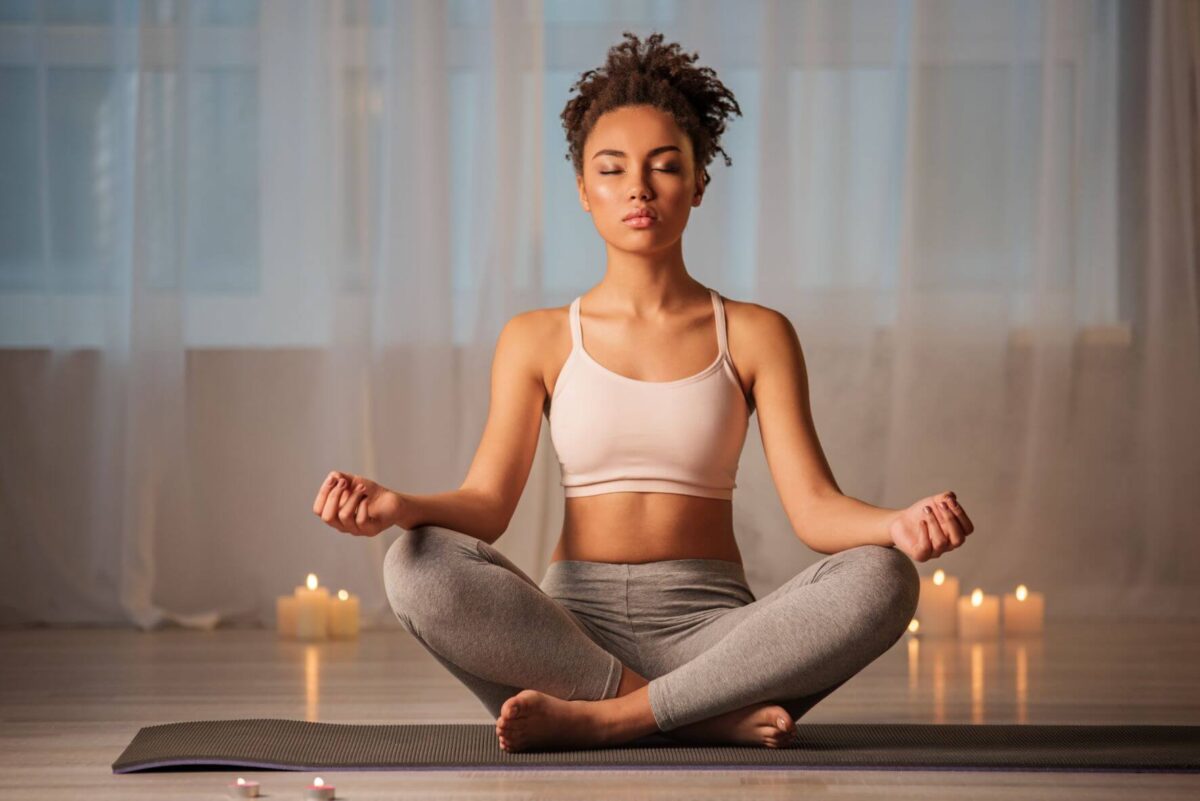
Visualization is a powerful meditation technique that allows individuals to harness the mind’s creative capacity to foster a more optimistic and resilient outlook. By intentionally forming vivid mental images of success, happiness, and positive outcomes, practitioners can rewire thought patterns and cultivate a sense of well-being that extends beyond their meditation sessions. This method not only enhances mood but also builds a mental framework geared toward optimism, which can influence daily life and interpersonal interactions.
Developing effective visualization exercises involves creating personalized mental scenarios that resonate deeply with one’s aspirations and values. When these images are vivid, detailed, and emotionally engaging, they become more effective in reinforcing a positive mindset. Consistent practice of such visualizations can lead to a more automatic and subconscious association with positivity, ultimately strengthening overall mental resilience and an optimistic outlook.
Creating Vivid Mental Images of Success and Happiness
To craft impactful visualization exercises, it is essential to focus on clarity and sensory richness. Begin by choosing specific goals or positive states you wish to embody, such as feeling confident during a presentation or experiencing profound joy during a family gathering. Use all five senses to bring these images to life:
- Visualize the scene with sharp details—the colors, surroundings, and facial expressions.
- Incorporate sounds, such as applause, laughter, or calming music.
- Engage the sense of touch by imagining textures, temperatures, or sensations, like the warmth of a hug or the smoothness of a trophy.
- Include smells that are associated with happiness, such as fresh flowers or a favorite meal.
- Recall or imagine the feelings associated with success or joy, like pride, gratitude, or peacefulness.
Practicing this detailed sensory engagement during meditation enhances the emotional impact of the visualization, making it more effective in reinforcing positivity.
Developing Personalized Positive Imagery Exercises
Creating imagery exercises tailored to individual aspirations involves reflecting on personal motivations and core values. Consider the following steps:
- Identify specific positive goals or emotional states you wish to reinforce, such as confidence, gratitude, or tranquility.
- Construct a mental scene that encapsulates these goals, ensuring the imagery aligns with what personally inspires and motivates you.
- Include symbols or objects that hold personal significance, making the visualization more meaningful.
- Practice regularly, gradually increasing the complexity and detail of the images to deepen emotional engagement.
- Adjust the exercises based on feedback from your emotional responses, refining the imagery to maximize positivity.
Such personalized exercises leverage individual values and aspirations, making the visualization more authentic and impactful, thereby increasing its effectiveness in fostering a positive outlook.
Visualization Techniques and Their Effects
Different visualization methods can produce varying effects depending on their focus and execution. The following table compares common techniques and their typical outcomes:
| Visualization Technique | Description | Primary Effect |
|---|---|---|
| Success Imagery | Imagining oneself achieving specific goals or milestones in vivid detail. | Boosts motivation, reinforces goal-oriented behavior, and enhances self-confidence. |
| Happiness Scenes | Creating mental images of joyful moments, such as smiling with loved ones or experiencing a peaceful environment. | Increases feelings of contentment, reduces stress, and fosters emotional resilience. |
| Future Visualization | Envisioning a positive future scenario, including overcoming challenges and reaching desired states. | Builds hope, prepares the mind for success, and reduces anxiety about future uncertainties. |
| Inner Strength Imagery | Visualizing a powerful inner light or energy that embodies resilience and confidence. | Enhances emotional stability, self-efficacy, and reduces negative self-talk. |
Choosing the appropriate visualization technique depends on individual goals and needs. Combining methods can also create a comprehensive mental practice that addresses different aspects of positivity and well-being.
Incorporating Affirmations into Meditation Practice
Integrating positive affirmations into your meditation routine can significantly enhance your mindset and reinforce a resilient, optimistic outlook. When practiced consistently, affirmations serve as powerful tools that reprogram your subconscious mind, fostering a sense of self-belief and emotional strength. During meditation, these affirmations become a focal point, helping to replace negative thought patterns with empowering beliefs, ultimately cultivating a more positive perspective on life.
Effective incorporation of affirmations requires intentionality and personalization. By crafting affirmations that resonate deeply with your individual experiences and goals, you create a more meaningful and impactful practice. When combined with mindful breathing and visualization techniques, affirmations can deepen your internal dialogue, leading to sustained positivity and mental clarity.
Powerful Positive Affirmations for Meditation
To support your journey toward a positive outlook, consider these affirmations, which are widely recognized for their uplifting and empowering qualities:
- “I am worthy of love and happiness.”
- “Every day, I grow more confident and resilient.”
- “I attract positivity and good energy into my life.”
- “I am capable of overcoming any challenges I face.”
- “My mind is calm, clear, and focused.”
- “I embrace self-love and compassion.”
- “I deserve success and fulfillment.”
- “Each moment is an opportunity for growth.”
- “I release negativity and welcome peace.”
- “My positive thoughts create a joyful reality.”
Crafting Personalized Affirmations
Personalized affirmations are tailored statements that reflect your unique aspirations, values, and circumstances. To craft effective affirmations, identify areas in your life where you seek growth or healing. Use present tense and positive language to reinforce belief and immediacy. Keep affirmations concise and emotionally resonant, ensuring they evoke a genuine sense of empowerment when repeated.
For example, if self-confidence is a goal, an affirmation might be:
“I am confident in my abilities and trust my decisions.”
If overcoming stress is a focus, you might create:
“I am calm, centered, and in control.”
Regularly revising your affirmations to align with evolving goals ensures they remain relevant and impactful. Writing affirmations down and repeating them aloud during meditation deepens their integration into your subconscious mind.
Integrating Affirmations Seamlessly into Meditation Sessions
Using a structured approach helps incorporate affirmations smoothly within your meditation practice. The following table illustrates effective methods to do so, ensuring your affirmations complement your mindfulness routine without distraction.
| Method | Description | Application Example |
|---|---|---|
| Repetition | Repeat affirmations slowly and mindfully, focusing on each word to internalize their meaning. | During meditation, silently or softly say, “I am worthy of love and happiness,” several times, feeling each word deeply. |
| Visualization with Affirmations | Combine affirmations with vivid mental imagery that aligns with the positive statement. | Visualize yourself confidently speaking in front of a crowd while affirming, “I am capable and confident.” |
| Mantra Technique | Use an affirmation as a mantra, repeating it rhythmically to anchor your meditation. | Select a short affirmation like “I am peace,” and gently repeat it throughout your session to maintain focus. |
| Focused Reflection | Pause at intervals to reflect on a specific affirmation, contemplating its truth and relevance. | After breathing exercises, silently affirm, “I attract positivity,” and reflect on moments where positivity manifested in your life. |
| Implementation Tips | Incorporate affirmations into your meditation by setting aside dedicated time for focused repetition, integrating them into breathing patterns, or pairing them with visualization exercises. Consistency and genuine intention amplify their effectiveness, transforming affirmations into a powerful catalyst for cultivating a positive outlook. | |
Overcoming Challenges in Maintaining a Regular Practice
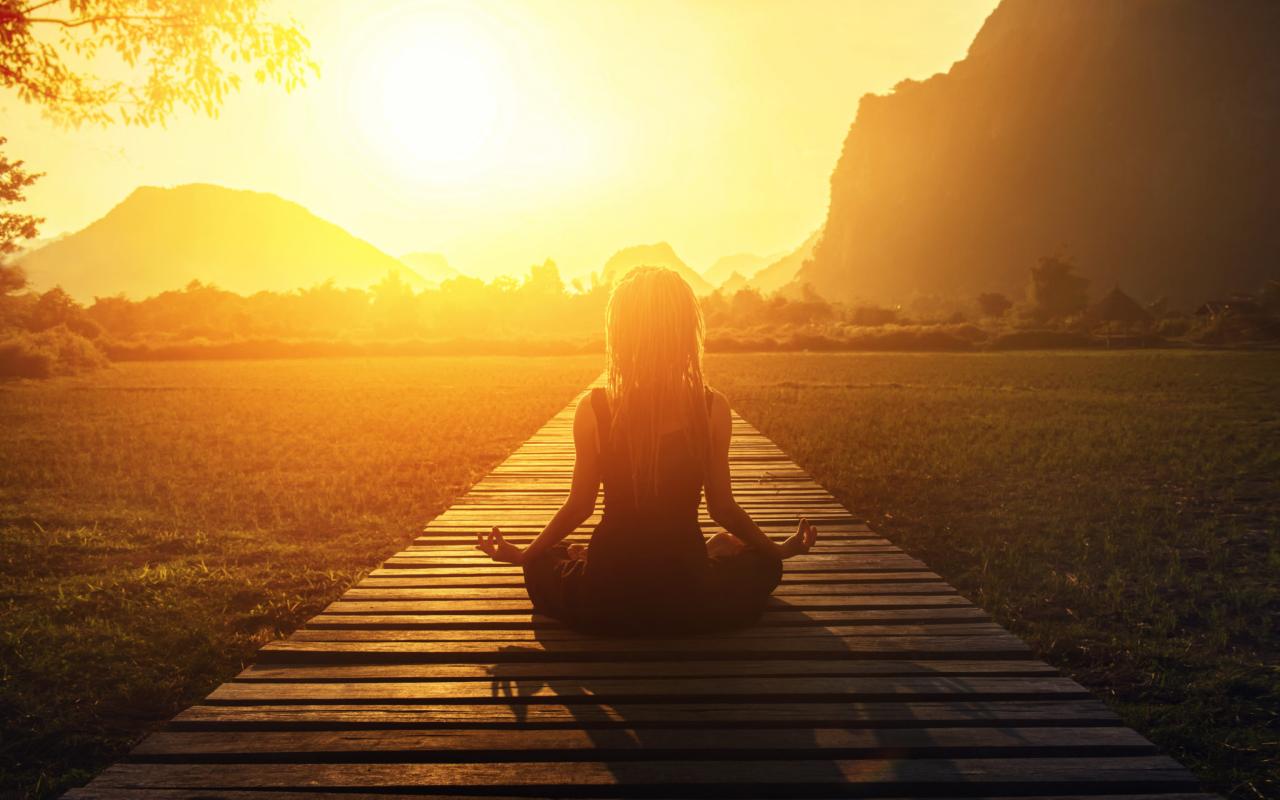
Maintaining a consistent meditation routine can sometimes present obstacles that test your commitment and resolve. Recognizing these challenges and implementing effective strategies can significantly enhance your ability to stay dedicated to your practice. Developing resilience against common issues such as distraction, impatience, or skepticism ensures that meditation becomes a sustainable and beneficial part of your daily life.Distractions, impatience, and skepticism are among the most prevalent hurdles faced by individuals striving for regular meditation.
These obstacles can diminish motivation, disrupt focus, and lead to feelings of doubt about the effectiveness of meditation. Addressing these issues with practical techniques and mindset shifts can help nurture a steady and rewarding practice.
Managing Distractions During Meditation
Distractions are a natural part of the meditation process, especially in a world filled with constant stimuli. To effectively manage them:
- Designate a quiet, clutter-free space for meditation to minimize external interruptions.
- Set a specific time each day to establish a routine, conditioning your mind to expect meditation at that period.
- Use gentle reminders or alarms to reinforce your commitment, helping to reduce the tendency to postpone sessions.
Focusing on your breath or a specific object during meditation can anchor your attention and reduce the impact of wandering thoughts.
Cultivating Patience and Managing Impatience
Impatience can arise when progress feels slow or when immediate results are not evident. To cultivate patience:
- Understand that meditation is a gradual process; benefits accrue over time with consistent practice.
- Set realistic expectations, recognizing that even short daily sessions contribute to overall well-being.
- Practice mindfulness in everyday activities to reinforce a patient attitude beyond formal meditation sessions.
Tracking your journey allows you to observe subtle improvements, encouraging continued effort despite challenging moments.
Addressing Skepticism and Maintaining Motivation
Skepticism about the benefits of meditation can hinder persistence. To counteract doubt:
- Educate yourself on scientific studies and testimonials that validate meditation’s positive effects on mental health and outlook.
- Reflect on personal experiences or small shifts in mood and perspective as evidence of progress.
- Involve a meditation community or support group to share experiences and stay motivated through collective encouragement.
Celebrating small victories, such as maintaining a daily routine or noticing moments of calm, reinforces your commitment and transforms skepticism into trust in the process.
Strategies for Sustaining a Consistent Practice
Staying motivated over the long term requires deliberate effort and planning:
- Set Clear, Achievable Goals: Define specific intentions for your meditation practice, such as improving focus or cultivating gratitude.
- Use a Meditation Journal: Record your sessions, experiences, and insights to visualize your progress and identify patterns.
- Reward Your Efforts: Celebrate milestones—like completing a week or month of consistent practice—with small rewards or new meditation tools.
- Seek Inspiration: Read books, listen to guided meditations, or attend workshops to renew your enthusiasm and deepen your understanding.
By organizing your approach and acknowledging small achievements, you reinforce your commitment and foster a resilient meditation habit that supports your positive outlook.
Enhancing Meditation with Complementary Activities
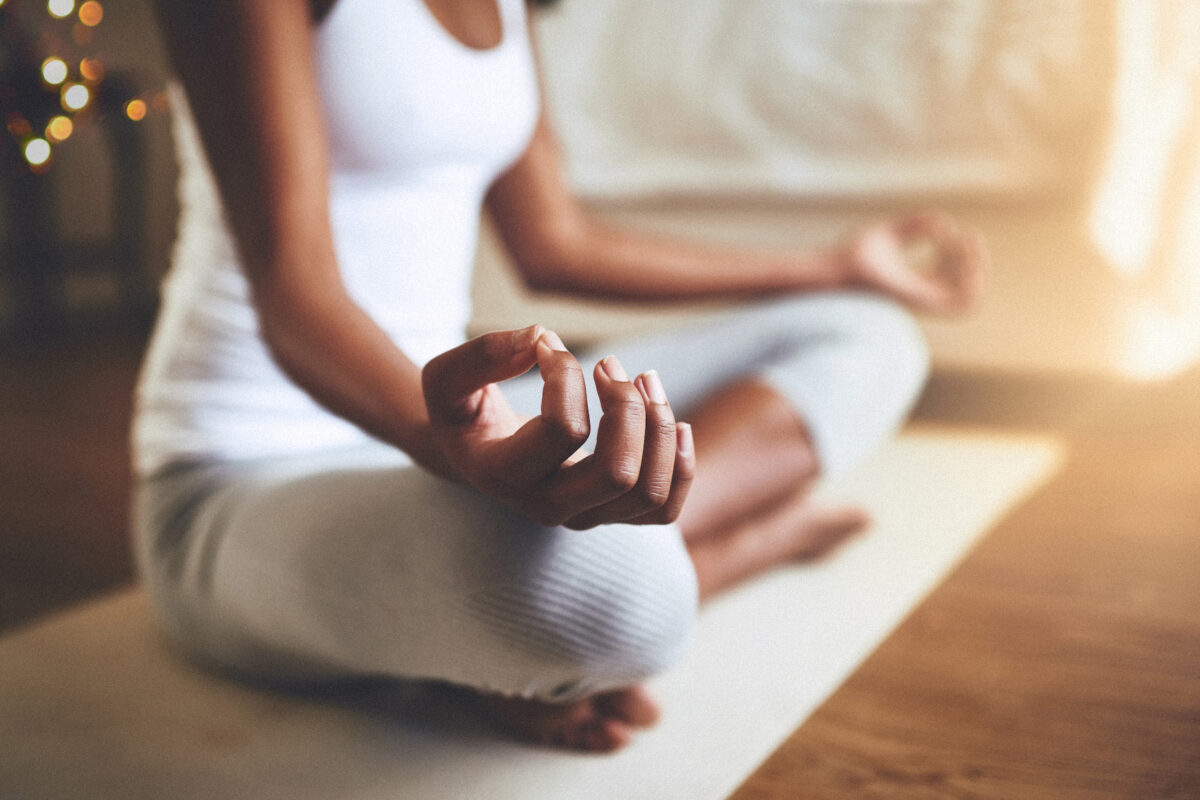
Engaging in activities that complement your meditation practice can significantly amplify its benefits, fostering a more positive outlook and holistic mental well-being. When combined thoughtfully, these activities serve to deepen your meditation experience, reinforce positive patterns, and create an environment conducive to sustained mental health benefits.Incorporating complementary activities such as journaling gratitude, gentle physical exercises, and other mindful practices can reinforce the intentions set during meditation.
These practices help anchor positive emotions, promote physical relaxation, and establish routines that support mental resilience over time.
Journaling Gratitude to Amplify Positivity Post-Meditation
Journaling gratitude immediately after meditation sessions can deepen the feelings of positivity cultivated during your practice. This activity involves writing down specific aspects of your life, experiences, or qualities that you genuinely appreciate, fostering an attitude of thankfulness that extends beyond the meditation space. Regular gratitude journaling enhances neural pathways associated with positive thinking, making it easier to access feelings of contentment during daily life.
When combined with meditation, this practice can serve as a reinforcing cycle: meditation clears mental clutter and opens space for gratitude, which, when recorded, solidifies positive neural associations. For example, after a meditation focused on compassion, journaling about moments of kindness experienced during the day can strengthen compassionate feelings and promote ongoing positivity.
Combining Meditation with Gentle Physical Exercises like Yoga
Gentle physical exercises, particularly yoga, complement meditation by fostering physical relaxation, improving body awareness, and reducing stress levels. Yoga’s slow, mindful movements synergize with meditation’s emphasis on present-moment awareness, creating a comprehensive approach to mental and physical well-being.Practicing yoga before meditation can prepare the body and mind to enter a state of calm and openness, making meditation more accessible and effective.
Conversely, integrating yoga post-meditation can help release residual tension, deepen the sense of relaxation, and reinforce positive emotional states. For instance, gentle stretches combined with breath awareness enhance mindfulness and promote a sense of vitality, which supports a sustained positive outlook.
Ideas for Creating a Holistic Approach to Mental Well-Being
To cultivate a balanced and resilient mental state, consider integrating the following structured activities into your routine:
- Mindful Movement: Incorporate daily practices like walking meditation or gentle yoga to connect physical movement with mental presence.
- Consistent Journaling: Dedicate time each day for gratitude journaling or reflective writing to reinforce positive insights gained during meditation.
- Breathwork Exercises: Use deep breathing techniques or pranayama to enhance emotional regulation and promote calmness throughout the day.
- Nature Connection: Spend time outdoors, engaging in mindful observation of natural surroundings to boost mood and stress resilience.
- Healthy Lifestyle Choices: Maintain a balanced diet, adequate sleep, and regular physical activity to support overall mental health and energy levels.
- Structured Rituals: Establish morning and evening routines that include meditation, gratitude practices, and physical activity to create stability and predictability in your mental health journey.
Implementing these activities creates a comprehensive framework that nurtures positivity, resilience, and emotional balance, complementing and enhancing your meditation practice for long-term mental well-being.
Measuring the Impact of Meditation on Your Outlook
Assessing the effects of meditation on your overall attitude, mood, and stress levels is essential to understanding its benefits and tailoring your practice for optimal results. Tracking these changes over time allows you to recognize patterns, celebrate progress, and identify areas needing adjustment. By adopting consistent evaluation methods, you can deepen your awareness of how meditation influences your mental and emotional well-being.
Effective measurement involves both qualitative and quantitative approaches. Reflective journaling provides rich, personalized insights into your emotional state, while structured tracking tools help quantify changes. Observing shifts in your day-to-day experiences, such as increased patience, reduced anxiety, or improved resilience, further validates the positive impact of your meditation practice.
Monitoring Mood, Attitudes, and Stress Levels
Regular observation of your emotional and mental states is key to understanding meditation’s influence. Keep in mind that improvements may be gradual and subtle, requiring attentive listening to your inner experiences. Noticing patterns in your mood, attitude, and stress responses can help you appreciate progress that might otherwise go unnoticed.
- Track your daily mood using descriptive words or numerical scales to identify trends over weeks or months.
- Note specific situations that trigger stress or positive feelings, observing how meditation alters your responses.
- Reflect on your attitude toward challenges, noting increased patience, acceptance, or optimism over time.
- Assess physical stress indicators such as muscle tension, heart rate, and sleep quality, as meditation can influence these areas.
Reflective Journaling for Personal Growth
Journaling offers a powerful avenue to evaluate your emotional journey. By documenting your meditation experiences, thoughts, and feelings, you create a personal archive that reveals patterns and insights. Regularly reviewing your journal entries helps you recognize progress, identify obstacles, and reinforce positive changes.
“Writing about your experiences deepens self-awareness and consolidates the benefits gained from meditation.” – Mindful Living Expert
To maximize journaling benefits, consider setting aside a few minutes after each meditation session to note your mental state, any notable thoughts, or physical sensations. Over time, you may observe increased feelings of calm, improved outlook, or decreased reactivity, providing tangible evidence of your growth.
Tracking Tools and Structured Observation
Utilizing structured tools can simplify the process of monitoring your progress. Creating a straightforward table to record meditation frequency and emotional states allows for easy review and pattern recognition. Such tools can be physical charts or digital spreadsheets, customized to suit your preferences.
| Date | Meditation Duration | Mood Before | Mood After | Stress Level Before | Stress Level After | Notes on Experience |
|---|---|---|---|---|---|---|
| 2024-04-01 | 15 min | Anxious | Calm | High | Low | Felt more centered after session |
| 2024-04-02 | 20 min | Stressed | Relaxed | Very High | Moderate | Noticed clearer thinking |
Consistent documentation over weeks or months illuminates tangible trends, reinforcing the positive impact meditation has on emotional resilience and outlook. Reviewing your records periodically enables you to adjust practices and set achievable goals, fostering continuous personal growth.
Final Wrap-Up
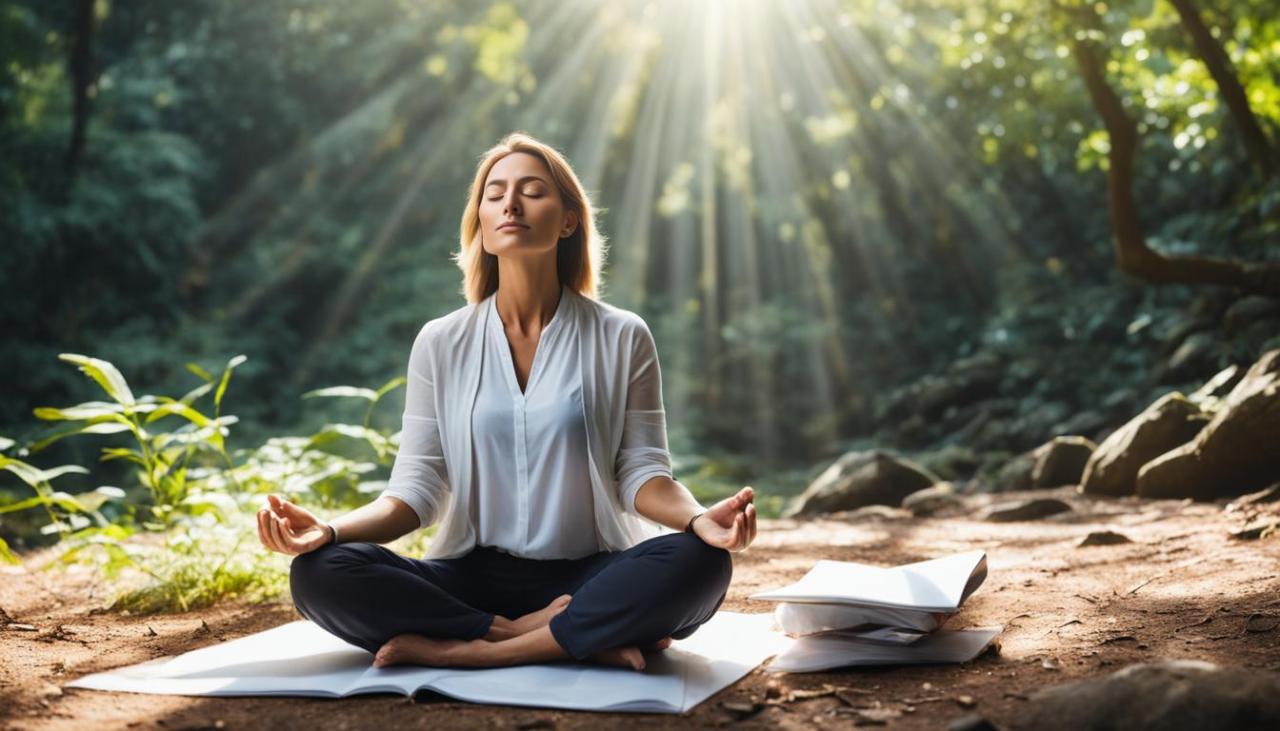
Embracing meditation as a routine offers a powerful pathway to strengthen your positive outlook and emotional health. With dedication and the right techniques, you can cultivate a resilient mindset that not only improves your daily experiences but also enriches your overall well-being. Remember, each mindful moment brings you closer to a more optimistic and fulfilled life.