Embarking on a journey of self-discovery, this guide, “How to Meditate for Strengthening Patience and Focus,” offers a comprehensive exploration of meditation’s transformative power. We delve into the intricate relationship between patience and focus, revealing how these essential qualities are cultivated through consistent practice. This exploration will guide you through practical techniques and insightful strategies to enhance your mental clarity and emotional resilience.
From understanding the foundational principles to mastering advanced practices, this resource provides a step-by-step approach. You will learn how to prepare your mind and body, navigate challenges, and integrate meditation into your daily life. Discover how to overcome restlessness, manage racing thoughts, and measure your progress, ultimately transforming your perception of the world and enhancing your overall well-being.
Understanding Patience and Focus in Meditation
Meditation, at its core, is a practice that cultivates two essential qualities: patience and focus. These two elements are not merely beneficial side effects; they are intrinsically linked, working synergistically to enhance the meditative experience and, by extension, our daily lives. Cultivating these qualities through meditation provides a powerful framework for navigating the challenges of modern life with greater ease and resilience.
Interconnectedness of Patience and Focus
Patience and focus are deeply intertwined in the practice of meditation. Focus, the ability to direct and sustain attention, is the foundation upon which patience is built. Without the focused effort to observe the breath, body sensations, or thoughts, the mind is likely to wander, and the opportunity to develop patience is diminished. Conversely, patience is essential for maintaining focus.
The inevitable distractions, arising thoughts, and physical discomforts that arise during meditation can easily derail our focus. It is through patience – the ability to accept these experiences without judgment or reactivity – that we can gently guide our attention back to the present moment and strengthen our focus. The practice of returning to the object of meditation, time and again, regardless of distractions, is where both patience and focus are honed.
Cultivating Patience Through Meditation
Meditation directly cultivates patience through several key mechanisms. The practice itself, especially when undertaken consistently, necessitates patience. The mind naturally tends to wander; therefore, the meditator learns to accept the wandering mind without judgment. This acceptance is the bedrock of patience.
- Acceptance of Impermanence: Meditation often involves observing the changing nature of thoughts, emotions, and sensations. This observation fosters an understanding of impermanence, the principle that everything is in a constant state of flux. This understanding cultivates patience because it helps us accept that difficulties and unpleasant experiences will eventually pass.
- Non-Reactivity to Thoughts and Emotions: During meditation, practitioners learn to observe thoughts and emotions without getting carried away by them. This non-reactivity is a form of patience. It allows us to experience challenging feelings, such as frustration or anxiety, without immediately reacting or trying to suppress them. Instead, we learn to simply observe them as they arise and pass away.
- Developing Tolerance for Discomfort: Meditation, particularly extended periods of sitting, can involve physical discomfort. Learning to remain present with these sensations, without the urge to fidget or escape, cultivates a tolerance for discomfort, which is a crucial aspect of patience.
- Cultivating Compassion for Self: Meditation encourages a non-judgmental attitude toward oneself. This practice fosters self-compassion, which allows us to accept our imperfections and limitations with kindness and understanding. This self-compassion extends to our interactions with others, promoting greater patience in our relationships.
Patience in meditation is not about eliminating distractions; it’s about developing the ability to return to the present moment, again and again, with kindness and acceptance.
Impact of Lack of Focus in Daily Life
A lack of focus can significantly impair our ability to function effectively in daily life. It can manifest in various ways, impacting our productivity, relationships, and overall well-being.
- Reduced Productivity: When focus is lacking, tasks take longer to complete, and errors are more likely to occur. This can lead to missed deadlines, poor work quality, and increased stress. For example, a student struggling to focus on their studies might spend hours on a single assignment, achieving little.
- Difficulty in Relationships: A wandering mind can make it difficult to fully listen and engage in conversations, leading to misunderstandings and strained relationships. A person who is easily distracted might interrupt others, miss important cues, or appear inattentive, causing others to feel unheard or undervalued.
- Increased Stress and Anxiety: A lack of focus can exacerbate feelings of overwhelm and anxiety. The inability to concentrate on the present moment can lead to dwelling on worries about the future or regrets about the past. This constant mental chatter can contribute to chronic stress.
- Impaired Decision-Making: When focus is compromised, it becomes harder to evaluate information objectively and make sound decisions. This can lead to poor choices and negative consequences in various aspects of life.
- Reduced Cognitive Performance: Cognitive functions, such as memory, attention, and executive functions, are negatively impacted by a lack of focus. This can lead to difficulty remembering information, making plans, and completing complex tasks.
Benefits of Increased Patience and Focus
The benefits of increased patience and focus are numerous and far-reaching, impacting almost every aspect of our lives.
| Benefit | Description | Example | Impact |
|---|---|---|---|
| Enhanced Productivity | Increased ability to concentrate and complete tasks efficiently. | A writer, previously struggling with writer’s block, finds they can now consistently produce high-quality content in a shorter timeframe. | Achieving goals more effectively, reduced stress, and increased job satisfaction. |
| Improved Relationships | Greater ability to listen attentively, respond thoughtfully, and manage conflicts constructively. | A couple, previously prone to arguments, now communicates more calmly and respectfully, resolving conflicts more easily. | Stronger bonds, increased empathy, and improved communication skills. |
| Reduced Stress and Anxiety | Increased ability to remain calm under pressure, accept challenges, and regulate emotions. | An individual, previously experiencing frequent panic attacks, finds their anxiety levels significantly reduced, and panic attacks are less frequent. | Improved mental well-being, increased resilience, and a greater sense of inner peace. |
| Enhanced Cognitive Function | Improved memory, attention span, and decision-making abilities. | A student finds it easier to retain information and perform well in exams. | Improved learning, increased cognitive flexibility, and better overall mental performance. |
Preparing for Meditation
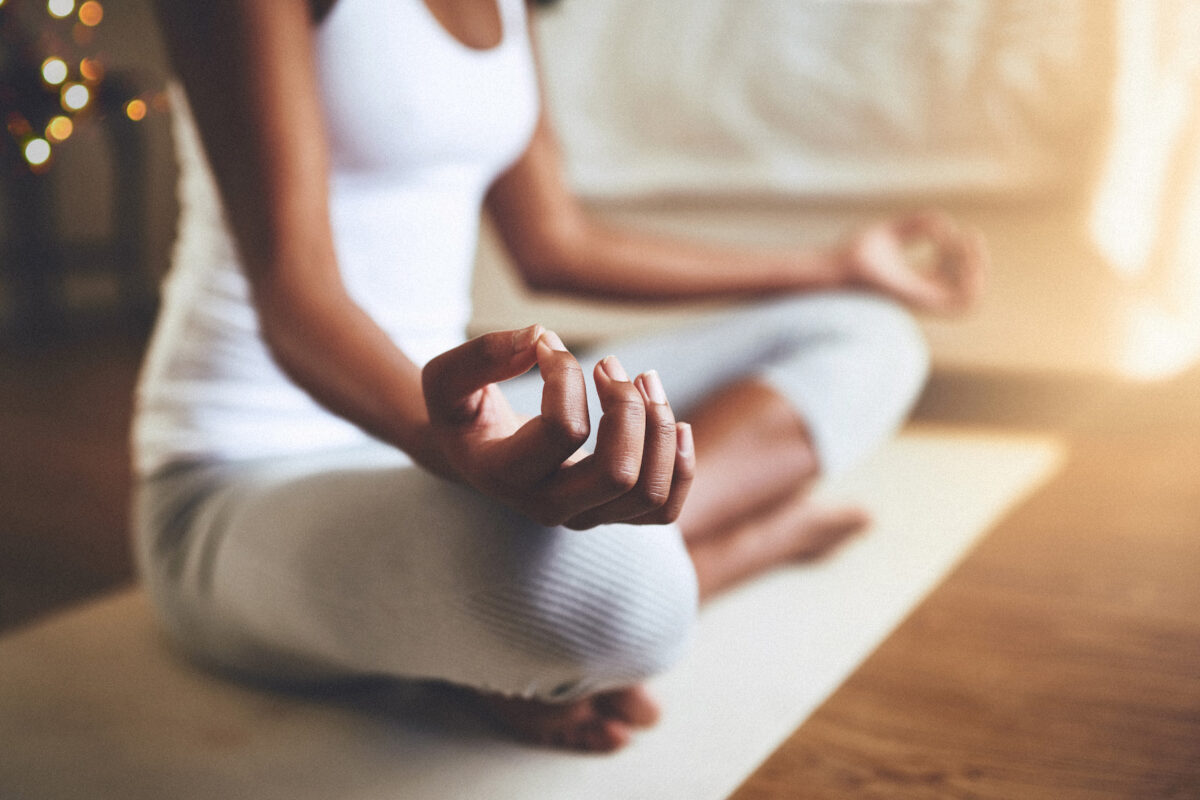
Preparing for meditation is crucial for cultivating a successful and beneficial practice. It involves creating an environment conducive to focus, establishing a consistent routine, and readying both the body and mind. This structured approach maximizes the likelihood of achieving a state of calm and centeredness, fostering the development of patience and focus.
Ideal Meditation Environment
The environment significantly impacts the meditation experience. Creating a space that minimizes distractions and promotes tranquility is essential.The ideal environment should consider:* Quiet Location: Choose a place free from interruptions, noise, and visual distractions. This could be a dedicated room, a quiet corner, or even a natural setting like a park (weather permitting).
Comfortable Temperature
Ensure the room is neither too hot nor too cold. Temperature fluctuations can disrupt focus.
Dim Lighting
Soft, natural light or dimmed artificial light is preferable to bright, harsh lighting, which can be overstimulating.
Minimal Clutter
A clean and organized space promotes mental clarity. Remove unnecessary objects that might draw your attention.
Dedicated Space (Optional)
Designating a specific area for meditation can help establish a ritual and signal to your mind that it’s time to meditate.
Aromatherapy (Optional)
Some people find that using calming scents like lavender or sandalwood can enhance relaxation. Use with caution, as strong smells can be distracting for some.
Importance of a Consistent Meditation Schedule
Consistency is key to reaping the benefits of meditation. Regular practice, even for short periods, is more effective than sporadic, longer sessions. Establishing a consistent schedule helps to train the mind and body to anticipate and embrace the meditation practice.A consistent meditation schedule helps to:* Establish a Habit: Regular practice makes meditation a natural part of your daily routine.
Train the Mind
Consistent practice trains the mind to settle more quickly and easily.
Enhance Focus
Regular meditation strengthens the ability to concentrate and maintain focus over time.
Promote Discipline
Sticking to a schedule cultivates discipline and self-control.
Reduce Procrastination
Scheduling meditation can help to overcome the tendency to put off practice.
Track Progress
A consistent schedule allows you to monitor your progress and make adjustments as needed.Consider these factors when establishing a schedule:* Time of Day: Experiment with different times of day to find what works best for you. Many people find that meditating in the morning or evening is most effective.
Duration
Start with short sessions (5-10 minutes) and gradually increase the duration as you become more comfortable.
Frequency
Aim for daily practice, even if it’s just for a few minutes. If daily practice isn’t feasible, try to meditate at least several times a week.
Commitment
Treat your meditation sessions like important appointments. Make a firm commitment to stick to your schedule as much as possible.
Comfortable Sitting Positions for Meditation
Choosing a comfortable sitting position is crucial for a successful meditation session. The goal is to maintain a posture that is both stable and relaxed, allowing you to remain still for the duration of your practice.Here are some common sitting positions:* Cross-Legged (Sukhasana): This is a classic position where you sit on the floor with your legs crossed.
You can place a cushion or blanket under your hips to elevate them slightly, making it easier to maintain a straight spine.
Burmese Position
Similar to the cross-legged position, but with the feet placed in front of the opposite thigh, with both legs parallel to the ground.
Lotus Position (Padmasana)
This is a more advanced position where each foot is placed on the opposite thigh. This position requires significant flexibility and is not recommended for beginners.
Seiza
This involves kneeling with the buttocks resting on the heels. A cushion can be used to support the ankles and provide additional comfort.
Chair Sitting
Sit in a chair with your feet flat on the floor and your back straight but not stiff. Ensure your spine is straight and your shoulders are relaxed.
Lying Down (Savasana)
Lying flat on your back with your arms at your sides, palms facing up. This position is suitable for relaxation and can be particularly helpful for beginners or those with physical limitations.Regardless of the position chosen, it is important to:* Keep your spine straight: This promotes proper breathing and allows energy to flow freely.
Relax your shoulders
Avoid hunching or tensing your shoulders.
Keep your head and neck balanced
Your head should be aligned with your spine.
Maintain a comfortable position
Adjust your posture as needed to avoid discomfort.
Use props
Cushions, blankets, and bolsters can be used to support your body and enhance comfort.
Step-by-Step Guide to Preparing Body and Mind
Preparing your body and mind before meditation sets the stage for a more effective and enjoyable experience. This involves physical preparation and mental preparation.Here is a step-by-step guide:
- Choose your location and time. Select a quiet, comfortable space and schedule a time that fits your routine.
- Prepare your physical posture. Sit in your chosen meditation position, ensuring your spine is straight, shoulders relaxed, and head balanced.
- 1
3. Gentle Stretching (Optional)
Perform some gentle stretches to release any tension in your body. This can include neck rolls, shoulder rotations, and gentle twists.
4. Deep Breathing
Take a few deep breaths to calm your nervous system. Inhale deeply through your nose, filling your abdomen with air, and exhale slowly through your mouth. Repeat this several times.
5. Body Scan
Bring your attention to different parts of your body, starting with your toes and moving upwards. Notice any areas of tension and consciously release them.
6. Mental Preparation
Set an intention for your meditation session. This could be to cultivate patience, focus, or simply to be present.
7. Clear the Mind
Acknowledge any thoughts or feelings that arise without judgment. Gently guide your attention back to your breath or chosen focus.
8. Establish a Focus
Choose a focus for your meditation, such as your breath, a mantra, or a visual image. Gently direct your attention to this focus whenever your mind wanders.
9. Set a timer
Use a timer to track the duration of your meditation session. This helps you to avoid checking the time and disrupting your focus.
0. Start meditating
Begin your meditation practice, focusing on your breath, mantra, or visual image.
The preparation phase, though often overlooked, is as vital as the meditation itself. By diligently setting the stage, you’re not just increasing the likelihood of a successful session; you’re also cultivating the discipline and awareness that are central to the practice.
Basic Meditation Techniques for Patience and Focus
Developing patience and focus through meditation involves cultivating specific practices that train the mind. These techniques are designed to gently guide you towards a state of present-moment awareness, enhancing your ability to observe thoughts and manage distractions. Consistent practice of these methods can significantly improve your mental resilience and overall well-being.
Simple Breathing Exercise for Focus
The breath is a natural anchor for the mind. This exercise, known as mindful breathing, uses the breath to bring your attention back to the present moment. It’s a fundamental technique for developing focus.To begin, find a comfortable seated position. You can sit on a cushion, a chair, or even lie down. Gently close your eyes or soften your gaze.
Bring your attention to your breath. Notice the sensation of the air entering and leaving your body. Observe the rise and fall of your abdomen or chest. Don’t try to change your breath; simply observe it as it is. When your mind wanders, as it inevitably will, gently redirect your attention back to your breath.
You can count each inhale and exhale, up to a count of ten, and then start again. This simple act of returning to the breath is a powerful exercise in focus. Practice this for five to ten minutes daily, gradually increasing the duration as you become more comfortable.
Observing Thoughts Without Judgment
One of the core practices in meditation is learning to observe thoughts without judgment. This involves recognizing that thoughts are simply mental events that arise and pass, without needing to be acted upon or analyzed.The goal is to cultivate a non-reactive awareness. When a thought arises, acknowledge it without getting caught up in its content. Imagine your thoughts as clouds passing in the sky.
You are the sky, and the clouds (thoughts) come and go. Do not try to push the thoughts away or hold onto them. Instead, simply observe them, allowing them to exist without judgment. This practice builds mental space and reduces the tendency to overthink or become emotionally entangled with thoughts. With consistent practice, you will find it easier to detach from your thoughts and remain present.
Dealing with Distractions During Meditation
Distractions are a natural part of the meditation process. The key is to learn how to respond to them with patience and awareness, rather than frustration.When a distraction arises – a sound, a physical sensation, or a thought – acknowledge it without judgment. Gently bring your attention back to your chosen anchor, such as your breath. It’s important not to fight the distraction or get angry with yourself for being distracted.
The more you practice, the easier it will become to recognize and release distractions. If a particular distraction persists, try labeling it mentally – “thinking,” “sound,” “sensation” – and then return to your focus. This simple act of labeling can help you detach from the distraction and maintain your focus.
Different Types of Meditation for Beginners
There are several types of meditation suitable for beginners, each with its unique approach to cultivating patience and focus. Exploring different styles can help you find the practice that best suits your needs and preferences.
- Mindfulness Meditation: This involves paying attention to the present moment without judgment. It’s a foundational practice that can be applied to any experience, including the breath, body sensations, thoughts, and emotions. This technique is often recommended as a starting point for beginners.
- Loving-Kindness Meditation (Metta): This practice focuses on cultivating feelings of love, kindness, and compassion towards oneself and others. It involves repeating phrases of well-wishing, which can foster a sense of inner peace and reduce feelings of stress and anxiety.
- Body Scan Meditation: This technique involves systematically bringing awareness to different parts of the body. It can help you become more attuned to your physical sensations and release tension. This can be helpful in reducing stress and promoting relaxation.
- Walking Meditation: This is a moving meditation that involves paying attention to the sensations of walking. It can be practiced anywhere and helps to cultivate a sense of presence in everyday activities.
Cultivating Patience During Meditation
Developing patience during meditation is a crucial aspect of deepening your practice and reaping its benefits. It’s inevitable that challenging emotions and distractions will arise. Learning how to navigate these experiences with equanimity is key to cultivating a resilient and focused mind. This section will explore practical techniques for handling difficult emotions, returning your attention to the present moment, and employing mental exercises to build patience.
Handling Difficult Emotions During Meditation
Meditation can sometimes unearth uncomfortable emotions. This is a natural part of the process as we become more aware of our inner world. Instead of suppressing or judging these feelings, the goal is to observe them with detachment and acceptance.
- Recognizing the Emotion: The first step is to acknowledge the emotion. Identify what you are feeling – is it sadness, anger, anxiety, or something else? Name it without judgment. This simple act of labeling can help create distance from the emotion.
- Observing the Sensation: Pay attention to the physical sensations associated with the emotion. Where in your body do you feel it? Is there tension, tightness, or a racing heart? Observing the physical manifestations of the emotion allows you to experience it without getting carried away by the story behind it.
- Allowing the Emotion: Resist the urge to push the emotion away. Instead, allow it to be present. Acknowledge that it is there and that it will eventually pass. Remember that emotions are temporary.
- Returning to the Breath: When you find yourself overwhelmed by an emotion, gently bring your attention back to your breath. Focus on the sensation of the breath entering and leaving your body. This acts as an anchor to the present moment, preventing you from getting lost in the emotion.
- Practicing Loving-Kindness: Consider directing loving-kindness towards yourself or the source of the emotion. This can involve silently repeating phrases like, “May I be free from suffering. May I be at peace.” This practice can help soften the emotional experience.
Returning Your Attention to the Present Moment
The mind will inevitably wander during meditation. This is not a failure; it’s an opportunity to practice patience and focus. The process of gently redirecting your attention back to the present moment is, in itself, a meditation practice.
- Noticing the Distraction: Become aware that your mind has wandered. Recognize the thought, feeling, or sensation that has pulled you away from your focus.
- Acknowledging the Distraction: Acknowledge the distraction without judgment. Simply note its presence. You might say to yourself, “Thinking,” or “Planning,” or “Feeling.”
- Gently Redirecting Your Attention: Without force or frustration, gently guide your attention back to your chosen focus, such as your breath, a mantra, or a body scan.
- Repeating the Process: The mind will wander repeatedly. Each time, repeat the process of noticing, acknowledging, and redirecting your attention. This is the core of the practice.
- Cultivating Self-Compassion: Be kind to yourself. Recognize that everyone’s mind wanders during meditation. Approach each distraction with patience and understanding. This self-compassion is essential for building a sustainable practice.
“The key to everything is patience. You get the chicken by hatching the egg, not by smashing it.”Arnold H. Glasgow
Mental Exercises to Build Patience
These mental exercises can be incorporated into your meditation practice to cultivate patience and strengthen your ability to handle challenging situations.
- Delayed Gratification Visualization: Visualize a scenario where you are waiting for something you desire, such as a goal or a reward. Focus on the feelings of anticipation and the passing of time. Practice remaining calm and accepting of the delay. For example, you could imagine waiting for a job promotion, focusing on the present moment and the steps you are taking, rather than becoming frustrated by the waiting period.
This exercise mirrors real-life situations.
- Mindful Waiting: Practice mindful waiting in everyday situations. When waiting in line, at a traffic light, or for a meeting to start, focus on the present moment. Observe your thoughts and feelings without getting carried away by them. Acknowledge any impatience or frustration that arises, and gently return your attention to your breath or the sensations in your body.
- Challenging Thoughts about Time: When you find yourself feeling impatient, challenge the thoughts that contribute to that feeling. Are you telling yourself that something “should” happen faster? Are you comparing yourself to others? Replace these thoughts with more realistic and compassionate ones. For instance, instead of thinking, “I should have achieved this by now,” you might think, “Progress takes time, and I am doing my best.”
- Breathing Exercises: Practice deep breathing exercises, such as box breathing (inhaling for a count of four, holding for four, exhaling for four, and holding for four), to calm the nervous system and promote a sense of peace. This can be especially helpful when feeling impatient or agitated.
- Body Scan Meditation with a Focus on Patience: During a body scan meditation, intentionally focus on areas of tension or discomfort. Observe these sensations with curiosity and acceptance, practicing patience as you allow the sensations to be present without judgment or a desire to change them immediately. This teaches you to be comfortable with discomfort, a key aspect of patience.
Enhancing Focus Through Meditation
Meditation is a powerful tool for cultivating focus, offering a pathway to sharpen mental clarity and improve concentration. This section delves into specific techniques and strategies to harness the benefits of meditation for enhanced focus, addressing challenges and providing practical solutions for integrating these practices into a busy lifestyle.
The Role of Mindfulness in Enhancing Focus
Mindfulness plays a pivotal role in improving focus by training the mind to be present in the moment. It involves observing thoughts, feelings, and sensations without judgment. Through regular mindfulness practice, individuals can become more aware of distractions and gently redirect their attention back to the chosen object of focus. This awareness is crucial for building and maintaining concentration.
Techniques for Maintaining Concentration on a Chosen Object
Maintaining focus on a chosen object during meditation requires consistent practice and the application of specific techniques. The object of focus can vary; it might be the breath, a mantra, a visual image, or a sensation in the body.
- Breath Awareness: This is a foundational technique. Focus on the sensation of the breath entering and leaving the body. When the mind wanders, gently bring the attention back to the breath.
- Mantra Meditation: Repeat a word or phrase (mantra) silently or aloud. The mantra acts as an anchor, helping to keep the mind from wandering. Examples include “Om,” “Peace,” or a personal affirmation.
- Visual Focus: Concentrate on a visual object, such as a candle flame or a specific image. This practice helps to train the mind to sustain attention on a single point.
- Body Scan Meditation: Systematically bring awareness to different parts of the body, noticing any sensations. This helps to cultivate a sense of presence and reduces mind-wandering.
The key is to gently acknowledge distractions and redirect your attention back to the chosen object without self-criticism. Consistent practice strengthens the mind’s ability to focus.
Methods for Incorporating Meditation into a Busy Schedule
Integrating meditation into a busy schedule can seem challenging, but it is achievable with a few strategic adjustments. Even short periods of meditation can yield significant benefits.
- Set Realistic Goals: Start with short meditation sessions, such as 5-10 minutes per day. Gradually increase the duration as comfort and consistency improve.
- Schedule Meditation Time: Treat meditation as an important appointment and schedule it into your daily routine. This could be first thing in the morning, during a lunch break, or before bed.
- Utilize Short Meditation Breaks: Incorporate brief mindfulness exercises throughout the day. For example, take a few deep breaths before a meeting or during a break.
- Use Guided Meditations: Guided meditations can be particularly helpful for beginners and those with limited time. Numerous apps and online resources offer guided sessions of varying lengths.
- Find a Quiet Space: Identify a quiet and comfortable space where you can meditate without interruptions. This could be a specific room, a corner of your office, or even a park.
Common Challenges to Focus and Their Solutions During Meditation
Meditation can present various challenges to maintaining focus. Recognizing these obstacles and employing effective solutions can significantly improve the practice.
| Challenge | Description | Solution |
|---|---|---|
| Mind-Wandering | The mind drifts to thoughts, memories, or plans, pulling attention away from the chosen object. | Gently acknowledge the thoughts without judgment, and redirect the attention back to the breath or chosen focus. This is a normal part of meditation. |
| Physical Discomfort | Physical sensations, such as aches, itches, or stiffness, can distract from the meditation practice. | Adjust the posture as needed to find a comfortable position. Use a cushion or chair for support. Acknowledge the sensation and gently bring the attention back to the breath. |
| Restlessness and Agitation | A feeling of being unable to sit still, coupled with racing thoughts or anxiety. | Try a walking meditation to channel the energy. If seated, focus on the physical sensations of the body. Deep breathing can help calm the nervous system. |
Advanced Meditation Practices for Strengthening Patience and Focus
![The Inner Strength of Patience - Meditation in Back Bay [04/04/23]](https://teknopoint.web.id/wp-content/uploads/2025/10/the-inner-strength-of-patience-meditation-in-back-bay.jpg "The Inner Strength of Patience - Meditation in Back Bay [04/04/23]")
As you deepen your meditation practice, exploring advanced techniques can significantly enhance your ability to cultivate patience and focus. These practices build upon the foundational techniques discussed earlier, offering more nuanced approaches to navigate the challenges of the mind and cultivate a more resilient and centered inner state. Integrating these methods into your routine can lead to a profound transformation in your capacity for sustained attention and equanimity.
Advanced Breathing Techniques to Deepen Meditation
Advanced breathing techniques provide a powerful means to deepen the meditative state and enhance the cultivation of patience and focus. These practices move beyond basic breath awareness, employing specific patterns and rhythms to influence the nervous system and promote a calmer, more focused mind.
- Diaphragmatic Breathing (Extended Practice): This technique, also known as belly breathing, focuses on using the diaphragm for deeper, more efficient breaths. In the advanced version, you consciously extend the inhale and exhale, aiming for a balanced rhythm. This can be particularly helpful for calming the nervous system and reducing anxiety, thereby fostering patience. The extended exhale also activates the parasympathetic nervous system, promoting relaxation and reducing the tendency to become agitated.
- Alternate Nostril Breathing (Nadi Shodhana): This practice involves alternating the flow of breath between the nostrils. It is believed to balance the energies (prana) within the body and calm the mind. Closing one nostril with a finger, inhale deeply through the other. Then, close the inhaling nostril and exhale through the first. Continue this pattern, switching nostrils with each breath.
This technique can significantly enhance focus and reduce mental distractions.
- Box Breathing (Sama Vritti): Box breathing involves a specific pattern of inhaling, holding the breath, exhaling, and holding the breath again, all for equal counts. For example, inhale for a count of four, hold for four, exhale for four, and hold for four. This technique promotes a sense of calm and control, enhancing both patience and focus. It helps regulate the breath and the nervous system, creating a stable mental environment conducive to meditation.
- Ujjayi Breath (Victorious Breath): This technique involves constricting the back of the throat slightly while breathing, creating a soft, ocean-like sound. The gentle constriction slows the breath, promoting relaxation and focus. Ujjayi breath is particularly helpful in extending the duration of meditation sessions and maintaining a state of calm awareness.
Guidance on Using Visualization Techniques
Visualization is a powerful tool for enhancing both patience and focus in meditation. By consciously creating mental images, you can train your mind to stay present and focused, while also cultivating positive emotional states.
- Creating a Calm Scene: Visualize a peaceful place, such as a tranquil beach, a serene forest, or a quiet mountain. Focus on the details: the sights, sounds, and sensations of the environment. This practice helps to anchor the mind and cultivate a sense of calm, making it easier to be patient with the inevitable mental distractions.
- Visualizing a Goal: Visualize a specific goal or aspiration, seeing yourself achieving it. This technique can enhance focus and motivation, helping you stay committed to your meditation practice. Imagine the details of success: the feeling, the environment, the positive outcomes.
- Body Scan Visualization: Combine a body scan with visualization. As you bring your awareness to different parts of your body, visualize the energy flowing smoothly and effortlessly through those areas. This practice can help to release tension and promote a sense of ease, fostering both patience and focus.
- Using Symbolic Imagery: Employ symbolic imagery, such as a still lake or a blossoming flower, to represent qualities like patience, focus, and resilience. Focusing on these images can help to internalize these qualities, strengthening your ability to embody them in your daily life.
Sharing Practices for Incorporating Loving-Kindness Meditation
Loving-kindness meditation (Metta) is a practice designed to cultivate feelings of love, compassion, and kindness towards oneself and others. It can be a powerful tool for enhancing patience and focus, as it directly addresses the emotional roots of impatience and frustration.
- Directing Kindness to Yourself: Begin by directing feelings of loving-kindness towards yourself. Repeat phrases like “May I be well. May I be happy. May I be peaceful. May I be free from suffering.” This practice builds self-compassion, which is essential for cultivating patience.
- Extending Kindness to Loved Ones: Next, extend these feelings to someone you love. Visualize them and repeat the same phrases. This practice expands your capacity for empathy and compassion, which can help you respond to challenging situations with greater patience.
- Extending Kindness to Neutral Individuals: Then, extend these feelings to a neutral person, someone you neither particularly like nor dislike. This step helps to broaden your circle of compassion, allowing you to approach a wider range of interactions with patience.
- Extending Kindness to Difficult People: Finally, extend these feelings to someone with whom you have a difficult relationship. This is often the most challenging part of the practice, but it is also where the greatest potential for growth lies. By sending loving-kindness to someone who provokes frustration, you are actively cultivating patience and compassion.
- Extending Kindness to All Beings: Conclude by extending loving-kindness to all beings, wishing everyone well. This practice promotes a sense of interconnectedness and universal compassion, fostering a deep sense of peace and patience.
Designing a Bulleted List of Resources for Further Exploration of Meditation Practices
Continuing your exploration of meditation practices requires access to reliable and comprehensive resources. The following list provides a variety of options to deepen your understanding and practice.
- Books:
- Mindfulness for Beginners by Jon Kabat-Zinn: Introduces the core principles of mindfulness meditation in an accessible way.
- Wherever You Go, There You Are by Jon Kabat-Zinn: Offers a comprehensive guide to mindfulness and its integration into daily life.
- The Mind Illuminated by John Yates (Culadasa): Provides a detailed, step-by-step guide to meditation, emphasizing focus and concentration.
- Loving-Kindness: The Revolutionary Art of Happiness by Sharon Salzberg: Explores the practice of loving-kindness meditation and its transformative power.
- Online Resources:
- Headspace: Offers guided meditations, courses, and resources for various meditation techniques.
- Insight Timer: Provides a vast library of free guided meditations, talks, and music.
- UCLA Mindful Awareness Research Center (MARC): Offers free guided meditations and educational resources.
- YouTube Channels: Many channels provide guided meditations, including those focused on specific themes like patience and focus. Search for “guided meditation for patience” or “guided meditation for focus.”
- Apps:
- Calm: Offers guided meditations, sleep stories, and music for relaxation and mindfulness.
- Ten Percent Happier: Provides guided meditations and talks from experts, focusing on practical approaches to meditation.
- Buddhify: Features guided meditations designed for various activities and situations.
- Retreats and Workshops:
- Local Meditation Centers: Search for meditation centers or groups in your area. Many offer introductory workshops and ongoing classes.
- Retreat Centers: Consider attending a meditation retreat to deepen your practice in a focused environment. Search for retreat centers offering courses on mindfulness and meditation.
Common Challenges and Solutions
Meditation, while a profoundly beneficial practice, isn’t always easy. It’s common to encounter obstacles that can disrupt your session and lead to frustration. Understanding these challenges and having strategies to address them is crucial for developing a consistent and rewarding meditation practice, which is particularly important for cultivating patience and focus. This section provides practical solutions to help you navigate common pitfalls and maintain your commitment to meditation.
Overcoming Restlessness During Meditation
Restlessness, characterized by physical fidgeting or a racing mind, is a frequent challenge. It’s important to understand that restlessness is a natural occurrence, especially when starting meditation. Several techniques can help you manage and eventually overcome it.
- Adjusting Your Posture: Ensure you are comfortable. Experiment with different sitting positions (e.g., cross-legged, on a chair) and make small adjustments as needed. Consider using cushions or a meditation bench for added support.
- Deep Breathing Exercises: Employ deep, slow breaths to calm the nervous system. Focus on the sensation of the breath entering and leaving your body. Try the 4-7-8 breathing technique: inhale for 4 seconds, hold for 7 seconds, and exhale for 8 seconds.
- Body Scan Meditation: Bring awareness to different parts of your body, noticing any tension or discomfort. Gently release any tension as you exhale. This can help ground you in the present moment.
- Gentle Movement: If you feel the need to move, do so mindfully. Acknowledge the urge, then slowly and deliberately change your position. Avoid impulsive movements.
- Shorten Meditation Sessions: If you find it difficult to sit still for extended periods, start with shorter meditation sessions (e.g., 5-10 minutes) and gradually increase the duration as you become more comfortable.
Strategies for Dealing with Racing Thoughts
Racing thoughts, a constant stream of mental chatter, are another common obstacle. The goal isn’t to eliminate thoughts entirely, as this is nearly impossible, but to learn to observe them without getting carried away. Here are some effective strategies.
- Acknowledging and Letting Go: Recognize that thoughts are simply mental events. When a thought arises, acknowledge it without judgment and gently redirect your attention back to your chosen focus, such as your breath or a mantra.
- Labeling Thoughts: Mentally label thoughts as “thinking,” “planning,” or “remembering.” This creates distance between you and the thoughts, making them less compelling.
- Visualization Techniques: Visualize your thoughts as clouds passing in the sky or leaves floating down a stream. This helps create a sense of detachment.
- Mantra Meditation: Repeating a mantra (a word or phrase) can help quiet the mind and provide a point of focus. Choose a mantra that resonates with you, such as “peace,” “calm,” or “I am present.”
- Mindful Observation: Simply observe your thoughts without judgment. Notice their patterns, their content, and their emotional impact. This can help you understand your thought processes better.
Techniques for Managing Physical Discomfort
Physical discomfort can be a significant distraction during meditation. It’s essential to address any discomfort without letting it dominate your practice.
- Choosing a Comfortable Posture: As mentioned earlier, experiment with different sitting positions and use cushions or a meditation bench to provide support.
- Gentle Stretching: Before meditating, do some gentle stretching to release tension in your body. Focus on areas where you tend to hold tension, such as your shoulders, neck, and back.
- Body Scan Meditation: Regularly scan your body for areas of tension and consciously relax those areas.
- Breaks During Longer Sessions: If you’re meditating for an extended period, take short breaks to stretch, walk around, or change your position.
- Acceptance of Discomfort: Accept that some discomfort is inevitable. Acknowledge the sensation without resistance, and focus on your breath. This can help you develop a greater tolerance for physical sensations.
Common Pitfalls and Solutions
Here’s a table summarizing common challenges encountered during meditation and effective strategies for overcoming them.
| Common Pitfall | Description | Potential Solutions | Benefits of the Solution |
|---|---|---|---|
| Restlessness | Physical fidgeting, an inability to sit still. | Adjust posture, practice deep breathing, body scan meditation, and start with shorter sessions. | Promotes relaxation, increases body awareness, and builds a foundation for longer, more focused sessions. |
| Racing Thoughts | A continuous stream of mental chatter, making it difficult to concentrate. | Acknowledge and let go of thoughts, label thoughts, visualize thoughts passing, use a mantra, and observe thoughts mindfully. | Reduces mental clutter, cultivates detachment from thoughts, and improves focus. |
| Physical Discomfort | Pain, stiffness, or other physical sensations that distract from meditation. | Choose a comfortable posture, gentle stretching before meditation, body scan meditation, take breaks during longer sessions, and accept discomfort. | Increases physical comfort, enhances body awareness, and fosters acceptance of physical sensations. |
| Lack of Motivation/Consistency | Difficulty establishing a regular meditation practice due to lack of motivation or time constraints. | Set realistic goals, schedule meditation sessions, meditate at the same time each day, find a meditation buddy, and be patient. | Increases adherence to the practice, fosters discipline, and promotes long-term consistency. |
The Role of Consistency and Practice
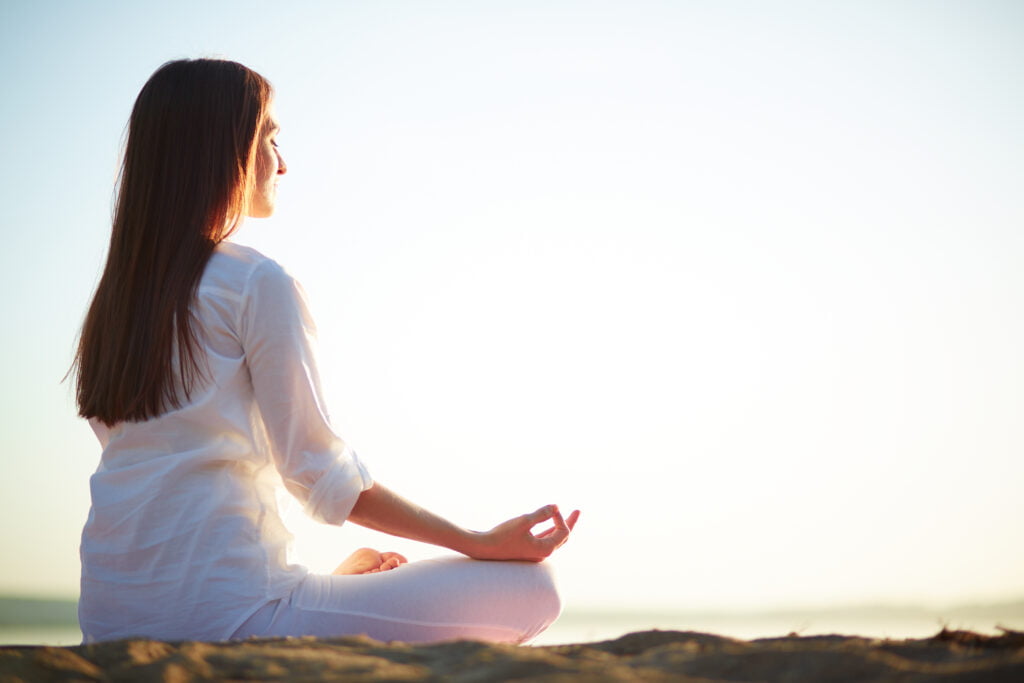
The journey to cultivate patience and focus through meditation is not a sprint; it’s a marathon. The benefits of meditation, including enhanced patience and focus, are realized through consistent practice. Like any skill, the more you practice, the more proficient you become. This section explores the crucial role of consistency in meditation and provides practical strategies to help you establish and maintain a regular practice.
Importance of Regular Practice for Achieving Results
Regular meditation practice is the cornerstone of achieving lasting results. It’s through consistent engagement that the brain adapts and rewires itself, strengthening the neural pathways associated with patience and focus. Sporadic sessions, while beneficial, do not provide the same level of impact as a well-established routine.The brain’s neuroplasticity, its ability to reorganize itself by forming new neural connections throughout life, is key here.
When you meditate regularly, you’re essentially exercising your brain, reinforcing the circuits that govern attention and emotional regulation. Studies, such as those conducted at Massachusetts General Hospital, have shown that even short daily meditation sessions can lead to measurable changes in brain structure, including increased gray matter in areas associated with attention and emotional control. This illustrates that consistency is not just about showing up; it’s about fundamentally changing how your brain functions.
Strategies for Maintaining a Consistent Meditation Routine
Establishing a consistent meditation routine can seem challenging initially, but with the right strategies, it becomes more manageable. Here are some proven techniques:
- Schedule Specific Times: Treat your meditation sessions like important appointments. Block out time in your calendar and stick to it. This could be first thing in the morning, during your lunch break, or before bed.
- Start Small: Begin with short meditation sessions, perhaps 5-10 minutes, and gradually increase the duration as you become more comfortable. This makes the practice less daunting and easier to integrate into your daily life.
- Find a Dedicated Space: Designate a quiet, comfortable space where you can meditate without distractions. This could be a corner of your bedroom, a spare room, or even a quiet spot outdoors.
- Use Reminders: Set reminders on your phone or use meditation apps to prompt you to meditate. This helps you stay on track, especially during the initial stages of establishing your routine.
- Integrate Meditation into Existing Routines: Link your meditation practice to an existing habit, such as after brushing your teeth or before your morning coffee. This creates a cue that triggers your meditation session.
- Choose a Variety of Practices: Explore different meditation techniques, such as mindfulness meditation, loving-kindness meditation, or body scan meditation, to keep your practice engaging and prevent boredom.
- Be Kind to Yourself: There will be days when you miss a session. Don’t get discouraged. Simply acknowledge it and get back on track as soon as possible. Consistency is more important than perfection.
How to Measure Progress Over Time
Tracking your progress is essential for staying motivated and understanding the impact of your practice. While the benefits of meditation are often felt internally, there are ways to measure your growth over time.Consider these methods for tracking your progress:
- Keep a Meditation Journal: Write down your experiences after each session. Note any challenges, insights, or feelings you had. This helps you identify patterns and track your progress.
- Assess Your Patience and Focus in Daily Life: Observe how you react to stressful situations. Are you less reactive? Are you able to maintain focus on tasks for longer periods?
- Use Meditation Apps: Many meditation apps offer features to track your practice time, number of sessions, and even provide insights into your mood and focus levels.
- Take Periodic Self-Assessments: Regularly take short questionnaires or self-assessments that measure your levels of patience and focus. Compare your results over time to see if there are improvements.
- Seek Feedback from Others: If you feel comfortable, ask trusted friends or family members if they’ve noticed any changes in your behavior, such as increased patience or improved listening skills.
Tips for Staying Motivated with Meditation
Maintaining motivation is key to sticking with your meditation practice long-term. Here are some tips to help you stay inspired:
- Set Realistic Goals: Don’t aim for perfection. Start with small, achievable goals, such as meditating for 5 minutes a day.
- Find a Meditation Buddy: Meditating with a friend or family member can provide support and accountability.
- Join a Meditation Group or Class: Connecting with others who share your interest can provide encouragement and a sense of community.
- Experiment with Different Meditation Styles: Explore various meditation techniques to find the ones that resonate with you.
- Listen to Guided Meditations: Guided meditations can be helpful, especially when you’re starting out. They provide structure and guidance.
- Reward Yourself: Celebrate your progress by rewarding yourself for achieving your meditation goals. This could be anything from enjoying a relaxing bath to treating yourself to a healthy meal.
- Remember Your “Why”: Reflect on why you started meditating in the first place. Reminding yourself of the benefits, such as reduced stress, improved focus, and increased self-awareness, can help you stay motivated.
Integrating Meditation into Daily Life
Successfully incorporating meditation into daily life is crucial for reaping its full benefits, including enhanced patience and focus. This integration transforms meditation from a practice performed in isolation to a powerful tool for navigating the complexities of everyday existence. It’s about bringing mindfulness and equanimity to every moment, from mundane tasks to significant challenges.
Applying Mindfulness in Everyday Activities
Mindfulness, the practice of paying attention to the present moment without judgment, can be seamlessly integrated into various daily activities. This practice enhances awareness and cultivates a sense of calm amidst the busyness of life.Here are ways to apply mindfulness in daily life:
- Mindful Eating: Pay attention to the taste, texture, and aroma of your food. Notice the sensation of chewing and swallowing. This practice helps to curb overeating and promotes a deeper appreciation for the nourishment you receive. For example, when eating a piece of fruit, focus solely on the experience of eating it, from the visual appeal to the final taste.
- Mindful Walking: When walking, focus on the sensations of your feet touching the ground, the movement of your body, and the surrounding environment. Notice the sights, sounds, and smells without getting lost in thought. This practice can transform a simple walk into a meditation session, reducing stress and increasing presence.
- Mindful Listening: Actively listen to conversations, focusing entirely on the speaker’s words and tone. Avoid interrupting or formulating your response while the other person is speaking. This practice enhances communication and fosters deeper connections. For instance, in a meeting, focus on the presenter’s key points, avoiding distractions and internal commentary.
- Mindful Washing Dishes: While washing dishes, concentrate on the feel of the water, the soap, and the dishes themselves. Let go of thoughts about other tasks and focus on the present moment. This transforms a chore into an opportunity for mindfulness.
- Mindful Commuting: During your commute, whether driving, taking public transport, or cycling, pay attention to your breath and the sensations of the journey. Observe your thoughts and emotions without judgment. This helps to reduce stress and improve your response to unexpected delays or traffic.
Using Meditation to Manage Stress
Meditation provides powerful tools for managing stress, offering a sanctuary of calm amidst the chaos of daily life. Regular meditation practice can significantly reduce the physiological and psychological effects of stress.Meditation can be used to manage stress in the following ways:
- Stress Reduction Techniques: Deep breathing exercises, such as diaphragmatic breathing (belly breathing), can quickly calm the nervous system. When feeling stressed, take several slow, deep breaths, inhaling deeply through your nose, holding the breath for a few seconds, and exhaling slowly through your mouth.
- Body Scan Meditation: A body scan meditation involves bringing awareness to different parts of the body, noticing any tension or discomfort without judgment. This practice helps to release physical tension and promotes relaxation.
- Mindfulness of Thoughts and Emotions: Meditation allows you to observe your thoughts and emotions without getting carried away by them. Recognizing that thoughts are transient and do not define you helps to reduce their impact on your stress levels.
- Developing a Calm Mindset: Regular meditation cultivates a calm and centered mindset, making you more resilient to stressors. This allows you to respond to challenges with greater clarity and composure.
- Short Meditation Breaks: Incorporate short meditation breaks throughout the day. Even a few minutes of focused breathing or mindful observation can provide a quick respite from stress.
Cultivating Patience in Challenging Situations
Patience is a key outcome of regular meditation practice. Cultivating patience allows you to navigate challenging situations with greater equanimity and resilience. This skill is particularly useful in managing difficult interactions, setbacks, and long-term goals.Here are techniques for cultivating patience in challenging situations:
- Acceptance of Imperfection: Recognize that challenges and setbacks are a natural part of life. Accepting that things won’t always go as planned reduces frustration and fosters patience.
- Focus on the Present Moment: Instead of dwelling on past mistakes or worrying about the future, concentrate on the present moment. This reduces the tendency to become impatient.
- Deep Breathing Exercises: When faced with a challenging situation, take a few deep breaths to calm your nervous system. This helps to regain composure and approach the situation with greater clarity.
- Mindful Observation of Emotions: Notice your emotions without judgment. Acknowledge feelings of frustration or anger without reacting impulsively. This practice helps to create space between you and your emotions, allowing you to respond more thoughtfully.
- Practice Gratitude: Cultivating gratitude shifts your focus from what is lacking to what you have. This practice fosters contentment and reduces impatience. Take a moment to appreciate the positive aspects of the situation or your life.
“Meditation is not a means of escaping from the world, but a means of seeing the world more clearly.”Eknath Easwaran. This transformation involves a shift in perspective, where you begin to perceive the world with greater clarity, compassion, and understanding. This clarity allows you to respond to challenges with greater wisdom and equanimity, fostering inner peace and resilience.
Measuring and Tracking Progress
Tracking your progress is essential to understanding how your meditation practice is impacting your patience and focus. Regular self-assessment allows you to identify areas of strength and areas needing further development. This information helps you tailor your practice for optimal results and maintain motivation.
Methods for Self-Assessment
Regular self-assessment involves reflecting on your experiences during and after meditation sessions. This process helps you understand the effectiveness of your practice.
- Mindful Observation: Pay close attention to your thoughts, emotions, and bodily sensations during meditation. Notice when your mind wanders, when you experience frustration, and when you achieve a state of focused attention.
- Post-Meditation Reflection: Immediately after each meditation session, take a few minutes to reflect on your experience. Ask yourself questions like, “How easily did I become distracted?”, “How did I handle feelings of impatience?”, and “Did I maintain focus on my chosen object of meditation?”.
- Regular Check-ins: Schedule periodic reviews, perhaps weekly or monthly, to assess your overall progress. This involves looking back at your meditation journal and noting any trends or patterns in your experiences.
Guidance on Keeping a Meditation Journal
A meditation journal serves as a valuable tool for documenting your meditation journey. It provides a record of your practice and helps you track changes over time.
- Daily Entries: Make a brief entry after each meditation session. Include the date, time, and duration of your meditation.
- Session Details: Describe your experience in detail. Note any challenges you faced, such as restlessness or racing thoughts. Also, document moments of clarity, calmness, or insight.
- Emotional and Physical States: Record your emotional and physical state before and after meditation. This helps you understand the impact of meditation on your well-being. For example, you might note feeling stressed before a session and then more relaxed afterward.
- Specific Observations: Include specific observations about your patience and focus. Did you find it easier to stay present with your breath? Did you react less impulsively to distracting thoughts?
- Use of Scales: Incorporate simple scales to quantify your experiences. For instance, rate your level of patience and focus on a scale of 1 to 10, with 1 being very low and 10 being very high.
Ways to Track Improvements in Patience and Focus
Measuring improvements in patience and focus requires a multifaceted approach, combining subjective self-assessment with objective metrics. This approach provides a comprehensive view of your progress.
- Noticing Thought Patterns: Observe the frequency and intensity of distracting thoughts. Over time, you should notice a decrease in the number of intrusive thoughts and a reduction in their emotional impact.
- Measuring Time of Focus: Keep track of how long you can maintain focus on your chosen object of meditation, such as your breath. Gradually increasing the duration of focused attention is a key indicator of progress.
- Assessing Reactions to Frustration: Pay attention to your reactions to frustration during meditation. Note whether you can remain calm and centered when faced with challenges or distractions.
- Real-Life Applications: Observe how your meditation practice influences your behavior in daily life. Notice if you respond to stressful situations with more patience and clarity.
Metrics for Measuring Progress
The following table provides a framework for tracking your progress in meditation. Use this as a starting point, and adapt it to fit your individual needs.
| Metric | Description | Measurement Method | Expected Improvement |
|---|---|---|---|
| Duration of Focused Attention | The length of time you can maintain focus on your chosen object of meditation without distraction. | Use a timer to measure the duration of focused attention during meditation sessions. Start with a baseline and track the increase over time. | Increase in average duration of focused attention per session over weeks or months. For example, starting at 5 minutes and increasing to 15 minutes consistently. |
| Frequency of Distracting Thoughts | The number of times your mind wanders during a meditation session. | Mentally count the number of times your mind wanders, or use a journal to record each instance. This metric helps you track your mind’s tendency to stray. | Reduction in the number of distracting thoughts per session over time. For example, decreasing from 20 distractions per session to 10. |
| Patience Level (Subjective Rating) | Your perceived level of patience during meditation and in daily life. | Use a subjective scale (e.g., 1-10) to rate your patience after each meditation session and at the end of each day. | Increase in average patience rating over time. For example, increasing from an average of 6 to 8 on a 1-10 scale over several weeks. |
| Reaction to Impatience/Frustration | Your ability to remain calm and centered when faced with challenging thoughts or emotions during meditation. | Observe your reactions during meditation. Note instances of impatience, frustration, or irritation. Record these in your journal. | Decreased frequency and intensity of reactive responses to distractions and challenging emotions over time. For example, fewer instances of irritation during meditation sessions. |
Wrap-Up
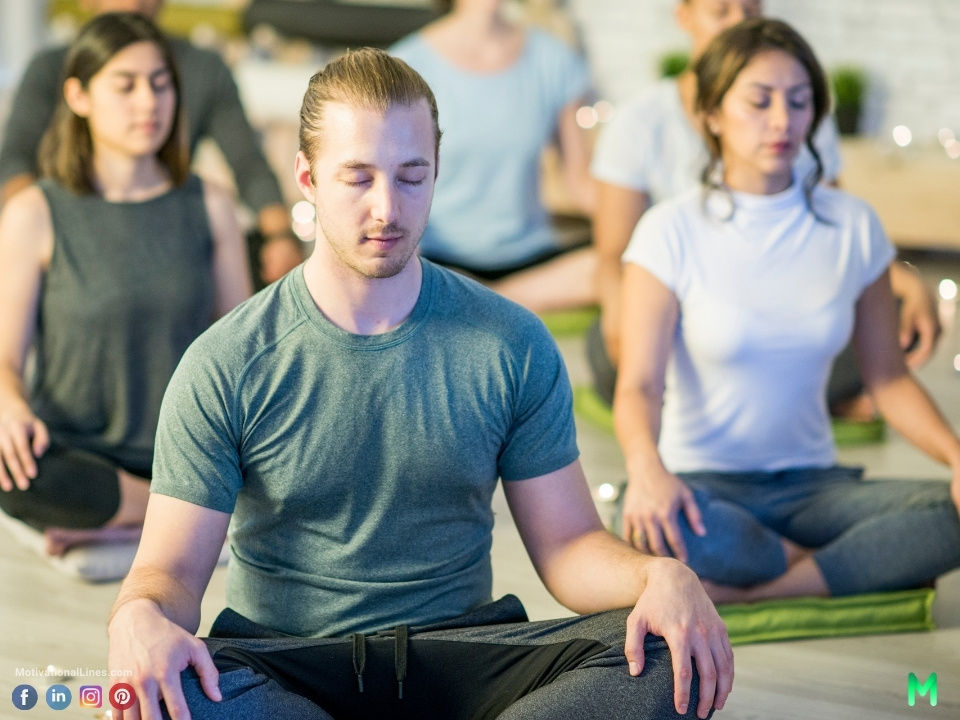
In conclusion, “How to Meditate for Strengthening Patience and Focus” illuminates the path to a more focused and patient existence. By consistently applying the techniques and strategies Artikeld, you can cultivate inner peace, manage stress, and navigate life’s challenges with greater ease. Embrace the practice of meditation, and witness the profound transformation it brings to your mental and emotional landscape, fostering a life of enhanced clarity and resilience.