Embarking on a journey to improve your sleep quality begins with understanding the profound connection between a calm body and restful nights. Many individuals struggle with racing thoughts, physical tension, and the inability to unwind before sleep. This guide, “How to Meditate for Calming the Body Before Rest,” delves into practical techniques and strategies to help you overcome these challenges, fostering a sense of tranquility that paves the way for deeper, more restorative sleep.
We’ll explore the science behind body relaxation, examining how stress impacts our ability to sleep and how specific practices can counteract these effects. From creating the perfect pre-sleep environment to mastering guided meditation, breathing exercises, and mindful movement, this guide offers a comprehensive toolkit to help you cultivate a state of serenity conducive to peaceful slumber. Furthermore, we’ll discuss how to address common obstacles and personalize your practice for optimal results.
The Importance of Body Calmness Before Sleep
Establishing a state of bodily calmness before sleep is crucial for achieving restorative rest and optimizing overall health. The body’s physical state profoundly influences the quality of sleep, and conversely, inadequate sleep can significantly impact physical well-being. Creating a conducive environment for sleep includes not only a comfortable bed and a quiet room but also the intentional cultivation of a relaxed body.Many individuals struggle to quiet their bodies before sleep, leading to fragmented rest and a cascade of negative health consequences.
This difficulty can stem from various factors, including stress, physical tension, and the overstimulation of modern life. Addressing these challenges and prioritizing body calmness is a proactive step towards improved sleep quality and a healthier lifestyle.
The Connection Between Body Relaxation and Sleep Quality
The relationship between a relaxed body and sound sleep is direct and well-established. When the body is tense, the nervous system remains in a state of heightened alert, making it difficult to transition into the deeper stages of sleep necessary for physical and mental restoration. Conversely, a relaxed body signals to the brain that it is safe to rest, promoting a quicker onset of sleep and a more restful night.
Common Challenges to Body Calmness Before Sleep
Several common factors can hinder the body’s ability to relax before sleep. Recognizing these challenges is the first step in overcoming them:
- Stress and Anxiety: The persistent presence of stress hormones, such as cortisol, keeps the body in a state of hyperarousal, making it difficult to unwind.
- Physical Tension: Muscle tension, often stemming from poor posture, physical exertion, or underlying conditions, can prevent the body from fully relaxing.
- Overstimulation: Exposure to bright lights, electronic devices, and stimulating content close to bedtime can disrupt the body’s natural sleep-wake cycle and hinder relaxation.
- Poor Sleep Hygiene: Irregular sleep schedules, caffeine consumption, and alcohol intake can all contribute to difficulty in achieving a relaxed state before sleep.
Benefits of a Calm Body for Overall Well-being
The advantages of cultivating a calm body before sleep extend far beyond improved sleep quality. These benefits encompass both physical and mental health:
- Improved Physical Health: Deep, restful sleep allows the body to repair and regenerate tissues, boost the immune system, and regulate hormones. A calm body facilitates this process.
- Enhanced Mental Clarity and Focus: Adequate sleep promotes better cognitive function, including improved memory, concentration, and decision-making abilities.
- Reduced Stress and Anxiety: Prioritizing body calmness before sleep helps to regulate the nervous system, reducing the production of stress hormones and promoting a sense of calm.
- Improved Mood and Emotional Regulation: Sufficient sleep contributes to emotional stability and helps to mitigate feelings of irritability and depression.
- Reduced Risk of Chronic Diseases: Consistent sleep deprivation has been linked to an increased risk of developing chronic conditions such as heart disease, diabetes, and obesity.
Techniques for Cultivating Body Calmness Before Sleep
Several effective techniques can be employed to promote body calmness before sleep:
- Mindfulness and Meditation: Practicing mindfulness or meditation helps to quiet the mind and body, reducing stress and promoting relaxation.
- Deep Breathing Exercises: Techniques like diaphragmatic breathing can activate the parasympathetic nervous system, inducing a state of calm.
- Progressive Muscle Relaxation: This technique involves tensing and then releasing different muscle groups throughout the body to release physical tension.
- Gentle Stretching and Yoga: Light stretching or yoga can help to release muscle tension and improve flexibility.
- Creating a Relaxing Bedtime Routine: Establishing a consistent routine that includes calming activities like reading, taking a warm bath, or listening to relaxing music can signal to the body that it is time to sleep.
“Sleep is the golden chain that binds health and our bodies together.”
Thomas Dekker
Understanding the Body’s Response to Stress and Sleep
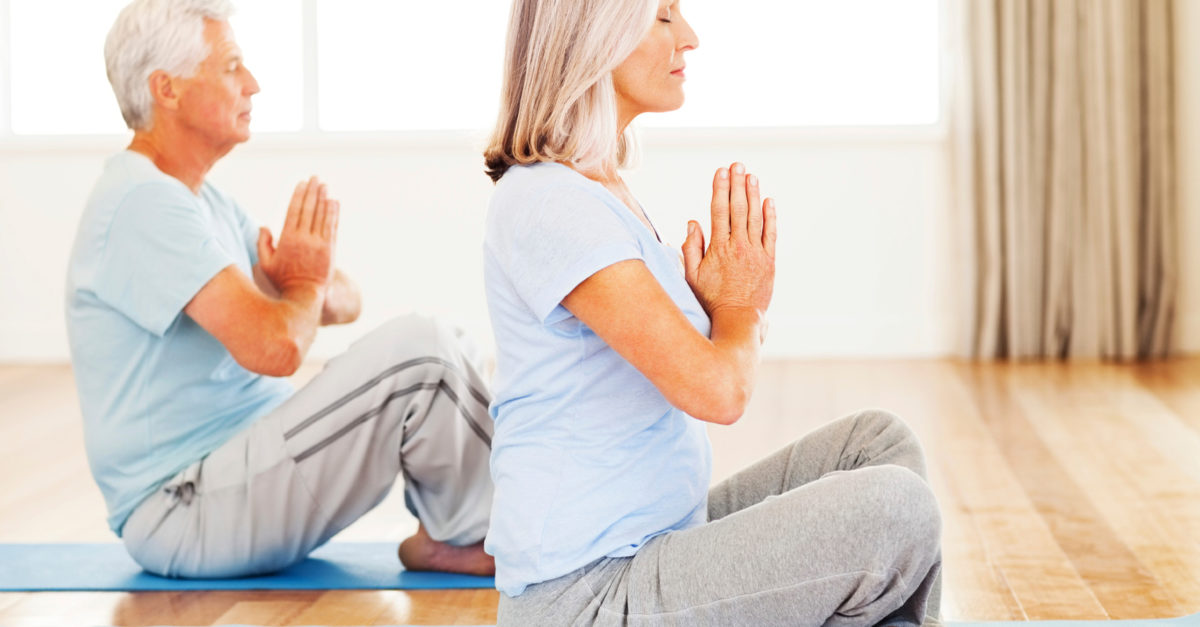
The relationship between stress and sleep is a complex and critical one. When the body perceives a threat, whether real or imagined, it activates a cascade of physiological responses designed to promote survival. However, these same responses, when chronically activated, can severely disrupt the ability to fall asleep and stay asleep. Understanding this interplay is the first step toward fostering a body calm enough for restful sleep.
Physiological Changes During Stress and Their Impact on Sleep
Stress triggers a series of physiological changes that are fundamentally incompatible with sleep. These changes are mediated by the release of stress hormones and the activation of the sympathetic nervous system.The body undergoes several significant transformations when under stress:
- Increased Heart Rate and Blood Pressure: The adrenal glands release adrenaline and cortisol, leading to a faster heart rate and elevated blood pressure. This prepares the body for “fight or flight,” making it difficult to achieve the relaxed state necessary for sleep.
- Elevated Breathing Rate: Breathing becomes more rapid and shallow, reducing the amount of oxygen available to the body and brain. This hyperventilation can lead to feelings of anxiety and further exacerbate sleep difficulties.
- Muscle Tension: Muscles tense up in preparation for action. This tension can cause physical discomfort, making it challenging to find a comfortable sleeping position and contributing to restless sleep.
- Suppressed Digestive Function: The digestive system slows down as blood flow is diverted to the muscles and brain. This can lead to digestive issues and discomfort, which can further interfere with sleep.
- Increased Alertness and Cognitive Activity: The brain becomes more active, with increased production of neurotransmitters like norepinephrine. This heightened alertness makes it difficult to quiet the mind and fall asleep.
These physiological responses, while adaptive in the short term, become detrimental to sleep when stress is chronic. The body remains in a state of heightened arousal, preventing the necessary relaxation for sleep onset and maintenance.
The Role of the Nervous System in Regulating Stress and Rest
The nervous system plays a central role in regulating the body’s response to stress and facilitating rest. It does this through two primary branches: the sympathetic nervous system (SNS) and the parasympathetic nervous system (PNS).The sympathetic nervous system is often referred to as the “fight or flight” system. When activated by stress, the SNS initiates the physiological changes described above.
- The SNS increases heart rate, breathing rate, and blood pressure.
- It diverts blood flow to the muscles and brain.
- It releases stress hormones like adrenaline and cortisol.
Conversely, the parasympathetic nervous system is known as the “rest and digest” system. It promotes relaxation, recovery, and sleep.
- The PNS slows the heart rate and breathing rate.
- It lowers blood pressure.
- It stimulates digestive function.
- It promotes the release of hormones like melatonin, which are crucial for sleep.
The balance between the SNS and PNS is critical for sleep. When the SNS is dominant, the body is in a state of high alert, making sleep difficult. When the PNS is dominant, the body is relaxed and ready for sleep. Effective stress management techniques aim to shift the balance towards the PNS, promoting relaxation and improving sleep quality.
Comparing a Stressed Body and a Relaxed Body
The physical differences between a stressed and relaxed body are readily apparent and measurable. These differences reflect the activity of the sympathetic and parasympathetic nervous systems.Here’s a comparison:
| Feature | Stressed Body | Relaxed Body |
|---|---|---|
| Heart Rate | Rapid (above resting rate, e.g., above 100 beats per minute) | Slow (close to resting rate, e.g., 60-80 beats per minute) |
| Breathing | Rapid and shallow (e.g., over 20 breaths per minute) | Slow and deep (e.g., 12-16 breaths per minute) |
| Muscle Tension | High (muscles are tense and contracted) | Low (muscles are relaxed and loose) |
| Blood Pressure | Elevated | Lowered |
| Hormone Levels | High cortisol and adrenaline | Lower cortisol and adrenaline, increased melatonin |
For instance, consider a person experiencing a stressful work deadline. Their heart rate might be significantly elevated, and they might find themselves breathing rapidly and shallowly. In contrast, someone who has just finished a relaxing yoga session might have a slow, steady heart rate, deep, even breathing, and relaxed muscles. These observable differences highlight the profound impact of stress on the body and the importance of cultivating relaxation for optimal sleep.
Preparation
Preparing your environment and yourself is crucial for a successful meditation session aimed at calming the body before sleep. A well-prepared space and a pre-meditation routine can significantly enhance your ability to relax and drift off peacefully. This section will guide you through creating the ideal setting and establishing helpful habits to support your practice.
Designing a Sleep-Conducive Environment
Creating an environment that promotes relaxation is key to effective meditation for sleep. This involves carefully considering various factors to ensure your body and mind are at ease.* Lighting: Dim lighting is ideal for meditation before bed. Bright lights can signal your body to wake up, while softer, warmer light encourages the production of melatonin, the sleep hormone.
Consider using a bedside lamp with a low-wattage bulb or a Himalayan salt lamp, which provides a gentle, ambient glow. Avoid using electronic devices with bright screens in the hour leading up to your meditation session.* Temperature: A comfortable temperature is essential for relaxation. The ideal temperature for sleep typically ranges between 60 and 67 degrees Fahrenheit (15-19 degrees Celsius).
This range allows your body to cool down naturally, which is a key process in initiating sleep. Adjust your thermostat accordingly and use blankets or a fan to regulate your body temperature during your meditation.* Noise Levels: Minimize noise distractions to facilitate a peaceful meditation experience. Loud noises can disrupt your focus and hinder relaxation. Consider using earplugs, a white noise machine, or a fan to mask any disruptive sounds.
If you live in a noisy environment, closing windows and doors can also help reduce external noise.
Items to Enhance the Meditation Experience
Certain items can significantly enhance your meditation practice and contribute to a more comfortable and relaxing experience.* Meditation Cushion or Blanket: A comfortable seating arrangement is essential for maintaining a relaxed posture during meditation. A meditation cushion or a folded blanket can provide support for your back and hips, allowing you to sit comfortably for an extended period. Experiment with different positions to find what works best for you.* Blankets: Having a warm blanket readily available can help you feel cozy and relaxed.
This is particularly helpful if you tend to get cold easily. A soft, comfortable blanket can also help you feel secure and safe.* Aromatherapy: Certain scents can promote relaxation and sleep. Lavender, chamomile, and sandalwood are known for their calming properties. Use an essential oil diffuser, a scented candle (with caution, ensuring it is placed safely), or a pillow spray to introduce these scents into your environment.* Eye Mask: An eye mask can block out any remaining light and enhance the darkness, promoting the production of melatonin.
This can be especially helpful if you have a light-sensitive environment.
Pre-Meditation Preparation Checklist
A consistent pre-meditation routine can signal to your body and mind that it’s time to relax and prepare for sleep. Following a checklist ensures that you create the right environment for a successful meditation session.* Turn off Electronic Devices: Put away your phone, tablet, and any other electronic devices at least 30 minutes before your meditation session. The blue light emitted from these devices can interfere with sleep.* Set a Comfortable Temperature: Adjust your thermostat or use blankets to ensure your room is at a comfortable temperature.* Dim the Lights: Dim the lights or use a bedside lamp to create a calming atmosphere.* Choose a Quiet Space: Select a quiet and peaceful space where you won’t be disturbed.* Prepare Your Seating: Arrange your meditation cushion or blanket for comfortable seating.* Optional: Prepare Aromatherapy: If using aromatherapy, prepare your diffuser or candle before you begin.* Optional: Use an Eye Mask: Have your eye mask ready for use during meditation.
Guided Meditation Techniques for Body Calmness
Achieving body calmness before sleep is significantly aided by specific meditation techniques. These practices directly address physical tension and promote a state of relaxation conducive to restful sleep. Employing these techniques regularly can cultivate a greater awareness of the body and its responses to stress, facilitating quicker and more effective relaxation.
Progressive Muscle Relaxation
Progressive Muscle Relaxation (PMR) is a technique designed to systematically reduce muscle tension throughout the body. It involves tensing and then releasing specific muscle groups, allowing the individual to become more aware of the difference between tension and relaxation.
The process typically involves the following steps, executed sequentially for each muscle group:
- Tensing: Consciously tense a specific muscle group. Contract the muscles as firmly as comfortable, but avoid causing pain. Hold the tension for approximately 5-10 seconds, focusing on the sensation of tightness.
- Releasing: Suddenly release the tension in the muscle group. Allow the muscles to go completely limp and relaxed. Focus on the sensation of relaxation and letting go.
- Observing: Take 10-20 seconds to observe the difference between the tense and relaxed states. Notice the feelings of warmth, heaviness, or calmness.
Here’s a detailed guide for each muscle group:
- Hands and Forearms: Make a tight fist with both hands. Feel the tension. Hold. Release the tension, and feel the relaxation spread through your hands and forearms. Imagine the tension melting away.
- Biceps and Triceps: Bend your arms at the elbows, tensing the biceps. Hold the tension. Release, and let your arms relax completely. Notice the difference in your upper arms.
- Forehead: Raise your eyebrows as high as you can, creating tension in your forehead. Hold. Release, and smooth out your forehead. Feel the relaxation.
- Eyes and Nose: Close your eyes tightly, and scrunch up your nose. Hold. Release, and let your facial muscles relax, feeling the relaxation around your eyes and nose.
- Mouth and Jaw: Clench your teeth and press your lips together tightly. Hold. Release, and let your jaw drop slightly, feeling the relaxation in your mouth and jaw.
- Neck and Shoulders: Shrug your shoulders up towards your ears, tensing your neck and shoulders. Hold. Release, and let your shoulders drop, feeling the relaxation in your neck and shoulders.
- Chest: Take a deep breath and hold it, tensing your chest muscles. Hold. Exhale slowly, releasing the tension in your chest.
- Back: Arch your back, tensing the muscles. Hold. Relax your back, allowing it to flatten. Feel the relaxation in your back.
- Abdomen: Tighten your abdominal muscles, pulling your stomach in. Hold. Release, and let your abdomen relax.
- Thighs: Tense your thigh muscles by straightening your legs and pressing your knees down. Hold. Release, and feel the relaxation in your thighs.
- Calves: Point your toes towards your shins, tensing your calf muscles. Hold. Release, and let your calves relax.
- Feet: Curl your toes downwards, tensing your feet. Hold. Release, and let your feet relax.
Body Scan Meditation
Body scan meditation cultivates body awareness and promotes relaxation by systematically bringing attention to different parts of the body. This practice helps identify areas of tension and encourages the release of that tension.
A body scan meditation typically follows these steps:
- Preparation: Lie down comfortably on your back, with your arms at your sides and your palms facing up. Close your eyes gently.
- Focus on Breath: Begin by bringing your attention to your breath. Notice the natural rhythm of your inhales and exhales.
- Scan the Body:
- Feet and Toes: Bring your attention to your feet and toes. Notice any sensations – warmth, coolness, tingling, or tension. Acknowledge these sensations without judgment. Gently release any tension you find.
- Ankles and Calves: Move your attention up to your ankles and calves. Observe any sensations. If you notice tension, imagine the tension melting away with each exhale.
- Knees and Thighs: Continue to move your attention up to your knees and thighs. Notice any tension or discomfort. With each exhale, visualize the tension dissolving.
- Hips and Pelvis: Bring your attention to your hips and pelvis. Notice any sensations, and gently release any tension you find.
- Abdomen and Chest: Move your attention to your abdomen and chest. Observe the rise and fall of your breath. Relax your abdominal muscles.
- Back: Bring your attention to your back. Notice any areas of tension, especially in your lower back. Imagine your back relaxing into the support beneath you.
- Hands and Arms: Move your attention to your hands and arms. Notice any sensations. Gently release any tension you find.
- Shoulders and Neck: Bring your attention to your shoulders and neck. Often, these areas hold a lot of tension. Gently release any tension you find.
- Face and Head: Move your attention to your face and head. Relax your jaw, forehead, and eyes.
- Whole Body: Finally, bring your attention to your whole body. Notice the overall feeling of relaxation and calmness.
- Returning to Breath: After scanning the entire body, gently bring your attention back to your breath.
- Transition: Slowly bring yourself back to the present moment. Wiggle your fingers and toes, and gently open your eyes.
Guided Meditation: Breath and Imagery
Guided meditations that focus on the breath, coupled with calming imagery, can effectively promote relaxation and prepare the body for sleep. These meditations use specific language and visualizations to quiet the mind and ease physical tension.
Here is a script for a guided meditation focusing on the breath and imagery:
“Find a comfortable position, lying down or sitting. Close your eyes gently. Take a few deep breaths, inhaling deeply and exhaling slowly.
Now, bring your attention to your breath. Notice the sensation of the air entering your nostrils, filling your lungs, and leaving your body. Focus on the natural rhythm of your breath. With each inhale, imagine you are drawing in calmness and peace. With each exhale, release any tension, stress, or worries you may be holding.
Imagine you are standing on a beautiful beach. The sun is setting, casting a warm glow across the sand. Feel the soft, warm sand beneath your feet. The gentle waves are lapping at the shore, creating a soothing sound. Listen to the rhythmic sound of the waves, in and out, in and out.
Visualize a soft, golden light surrounding your body. This light represents peace and tranquility. Feel the light warming your body, from the top of your head to the tips of your toes. As the light washes over you, any tension in your body begins to melt away.
Picture a beautiful, clear blue sky above you. There are no clouds, just pure, endless blue. In the distance, you see a flock of birds gracefully soaring through the air. As you watch them, you feel a sense of freedom and weightlessness. Your worries and anxieties begin to float away like the birds.
Now, bring your attention back to your breath. Feel the gentle rise and fall of your chest or abdomen. With each inhale, imagine you are breathing in peace. With each exhale, imagine you are releasing all the tension and stress. Your body is becoming heavy, relaxed, and calm.
Continue to breathe deeply and calmly. Allow yourself to drift into a state of deep relaxation. You are safe, you are peaceful, and you are ready for a restful night’s sleep.
When you are ready, slowly bring your awareness back to your surroundings. Gently wiggle your fingers and toes. Take a deep breath. Slowly open your eyes. You are now ready for sleep.
Breathing Exercises for Immediate Relaxation

Integrating specific breathing exercises into your pre-sleep routine can significantly enhance your body’s ability to relax and prepare for restful sleep. These techniques are designed to quickly shift your nervous system from a state of alert to one of calm, promoting a sense of tranquility that is conducive to falling asleep easily. Regular practice can increase your resilience to stress and improve your overall sleep quality.
Diaphragmatic Breathing for Calming the Nervous System
Diaphragmatic breathing, also known as belly breathing, is a fundamental technique for calming the nervous system. This type of breathing encourages the full use of the diaphragm, a large muscle located at the base of the lungs, to draw air deeply into the abdomen. This contrasts with shallow chest breathing, often associated with stress.The benefits of diaphragmatic breathing are numerous.
By engaging the diaphragm, you stimulate the vagus nerve, a key component of the parasympathetic nervous system, responsible for the “rest and digest” response. This activation helps to:
- Reduce heart rate.
- Lower blood pressure.
- Decrease the production of stress hormones like cortisol.
- Increase oxygen flow throughout the body.
To practice diaphragmatic breathing:
- Find a comfortable position, either lying down or sitting with your back straight.
- Place one hand on your chest and the other on your abdomen.
- Inhale slowly and deeply through your nose, allowing your abdomen to rise while keeping your chest relatively still.
- Exhale slowly through your mouth, letting your abdomen fall.
- Continue this process for several minutes, focusing on the sensation of your abdomen rising and falling.
The 4-7-8 Breathing Technique and its Impact
The 4-7-8 breathing technique is a powerful method for quickly inducing relaxation. This technique, developed by Dr. Andrew Weil, is based on ancient yogic breathing practices and is designed to calm the nervous system and reduce anxiety.The technique involves the following steps:
- Exhale completely through your mouth, making a whooshing sound.
- Close your mouth and inhale quietly through your nose for a count of four.
- Hold your breath for a count of seven.
- Exhale completely through your mouth, making a whooshing sound, for a count of eight.
- Repeat this cycle four times.
The impact of this technique on heart rate and stress levels is significant. The extended exhale (8 count) helps to slow the heart rate and promote relaxation. Studies have shown that practicing the 4-7-8 breathing technique can lead to a noticeable decrease in heart rate variability, a measure of the balance between the sympathetic and parasympathetic nervous systems. This, in turn, can lead to:
- Reduced feelings of anxiety and stress.
- Improved sleep quality.
- A sense of calm and well-being.
Other Breathing Exercises and Their Benefits
Beyond diaphragmatic and 4-7-8 breathing, several other breathing exercises can promote relaxation. These techniques often focus on altering the rhythm and pattern of breathing to influence the nervous system.Alternate nostril breathing, also known as Nadi Shodhana, is another effective technique. This practice is rooted in yoga and aims to balance the flow of energy within the body by alternating the breath through each nostril.To practice alternate nostril breathing:
- Sit comfortably with your spine straight.
- Close your right nostril with your right thumb and inhale deeply through your left nostril.
- Close your left nostril with your ring finger and release your right thumb, exhaling through your right nostril.
- Inhale through your right nostril.
- Close your right nostril with your thumb and release your ring finger, exhaling through your left nostril.
- Continue alternating nostrils for several rounds.
The benefits of alternate nostril breathing include:
- Reducing stress and anxiety.
- Balancing the nervous system.
- Improving focus and concentration.
- Promoting a sense of calm and well-being.
Mindful Movement and Gentle Stretching

Incorporating mindful movement and gentle stretching into your pre-sleep routine is a powerful way to calm the body and prepare it for restful sleep. These practices help release physical tension accumulated throughout the day, improve body awareness, and signal to the brain that it’s time to wind down. By consciously moving and stretching, you can reduce the likelihood of tossing and turning, allowing for a smoother transition into sleep.
Examples of Gentle Stretches for Releasing Physical Tension
Gentle stretches, when performed regularly, can significantly reduce physical tension. They work by lengthening muscles, increasing blood flow, and releasing built-up stress. These stretches are best done slowly and mindfully, focusing on the sensation of the stretch and your breath.
- Neck Rolls: Gently drop your chin to your chest, then slowly roll your right ear towards your right shoulder. Hold for a few breaths, then roll your head back to the center and repeat on the left side. This helps release tension in the neck and upper back.
- Shoulder Rolls: Gently roll your shoulders forward in a circular motion for a few repetitions, then reverse the direction, rolling them backward. This helps to ease tension in the shoulders and upper back, often caused by prolonged sitting or stress.
- Chest Stretch: Interlock your fingers behind your back, and gently lift your arms away from your body, opening your chest. Hold this stretch for several breaths to counteract the effects of slouching and promote deeper breathing.
- Seated Forward Fold: Sit on the edge of your bed with your legs extended. Gently lean forward from your hips, reaching towards your toes. If you can’t reach your toes, simply reach as far as comfortable. This stretches the hamstrings and lower back, promoting relaxation.
- Knee-to-Chest Pose: Lie on your back and bring one knee towards your chest, hugging it gently. Hold for a few breaths, then switch legs. This helps to release tension in the lower back and abdomen.
- Cat-Cow Stretch: Start on your hands and knees. As you inhale, arch your back and drop your belly towards the floor (Cow pose). As you exhale, round your spine towards the ceiling and tuck your chin to your chest (Cat pose). Repeat this flow several times to increase spinal flexibility and reduce tension.
Benefits of Mindful Movement for Body Awareness and Relaxation
Mindful movement practices, such as yoga and Tai Chi, are specifically designed to enhance body awareness and promote relaxation. These practices emphasize the connection between the mind and body, helping individuals become more attuned to their physical sensations and emotional states.
- Yoga: Yoga combines physical postures (asanas), breathing techniques (pranayama), and meditation to improve flexibility, strength, and mental clarity. Regular yoga practice can reduce stress hormones like cortisol, leading to improved sleep quality. A 2015 study published in the journal JAMA Internal Medicine found that yoga significantly improved sleep quality in older adults with insomnia.
- Tai Chi: Tai Chi is a gentle form of exercise that involves slow, flowing movements and deep breathing. It has been shown to reduce stress, improve balance, and promote relaxation. A meta-analysis of studies on Tai Chi for sleep, published in the journal BMC Complementary and Alternative Medicine in 2016, showed that Tai Chi significantly improved sleep quality and reduced sleep disturbances.
- Enhanced Body Awareness: Both yoga and Tai Chi encourage a focus on the present moment and the sensations within the body. This heightened awareness helps individuals identify and release areas of tension, making it easier to relax before sleep.
- Reduced Stress and Anxiety: The combination of physical movement, deep breathing, and mindfulness in yoga and Tai Chi helps to calm the nervous system, reducing feelings of stress and anxiety that can interfere with sleep.
Simple Stretches for a Pre-Sleep Routine
Creating a consistent pre-sleep routine that incorporates gentle stretches can significantly improve sleep quality. This routine should be short, manageable, and designed to prepare the body for rest.
- Start with Deep Breathing: Begin by taking a few deep, diaphragmatic breaths to center yourself and calm your nervous system. Inhale deeply through your nose, filling your belly with air, and exhale slowly through your mouth.
- Neck and Shoulder Rolls: Perform neck rolls and shoulder rolls to release tension in the upper body. Repeat each movement 5-10 times.
- Chest Stretch: Interlock your fingers behind your back and gently lift your arms, opening your chest. Hold for 30 seconds.
- Seated Forward Fold: Sit with your legs extended and gently fold forward, reaching towards your toes. Hold for 30 seconds.
- Knee-to-Chest Pose: Lie on your back and bring one knee towards your chest, hugging it gently. Hold for 30 seconds, then switch legs.
- Gentle Twists: Lie on your back with your knees bent and feet flat on the floor. Gently drop your knees to one side, keeping your shoulders on the floor. Hold for 30 seconds, then repeat on the other side.
- Finish with Relaxation: End your routine with a few minutes of quiet relaxation, focusing on your breath and allowing your body to fully relax before sleep.
Sensory Techniques for Relaxation
Incorporating sensory techniques into your pre-sleep routine can significantly enhance your body’s ability to relax and prepare for restful sleep. By engaging your senses, you can effectively reduce stress, quiet the mind, and create a more conducive environment for sleep. These techniques work by stimulating the parasympathetic nervous system, which is responsible for the “rest and digest” response, counteracting the effects of the “fight or flight” sympathetic nervous system.
Aromatherapy for Relaxation and Sleep
Aromatherapy utilizes the therapeutic properties of essential oils to promote relaxation and improve sleep quality. The olfactory system, which processes scents, is directly connected to the limbic system, the brain region responsible for emotions and memories. Inhaling certain scents can trigger the release of neurotransmitters that reduce anxiety and promote feelings of calm.
- Lavender: Lavender is perhaps the most well-known essential oil for sleep. It has been shown in numerous studies to reduce anxiety, lower heart rate, and improve sleep quality. For example, a 2005 study published in the
-Journal of Alternative and Complementary Medicine* found that lavender aromatherapy significantly improved sleep quality in postpartum women. - Chamomile: Chamomile is another popular choice, often used in teas and aromatherapy. It contains compounds that have mild sedative effects. The scent of chamomile can help to soothe the nervous system and ease tension.
- Cedarwood: Cedarwood essential oil has grounding and calming properties. It can help to reduce feelings of stress and promote a sense of security, making it a good choice for those who experience anxiety before bed.
- Sandalwood: Sandalwood has a rich, woody aroma that can help to quiet the mind and promote relaxation. It’s often used in meditation practices and can be helpful in preparing the body for sleep.
- Bergamot: Bergamot has a citrusy, uplifting scent that can also be calming. It can help to reduce feelings of stress and improve mood, which can be beneficial for sleep.
To use aromatherapy, you can diffuse essential oils in a diffuser, add a few drops to a warm bath, or apply diluted essential oils to your skin (always dilute essential oils with a carrier oil, such as jojoba or almond oil, before applying to the skin).
Ambient Sounds for a Relaxing Atmosphere
Ambient sounds, such as nature sounds or white noise, can create a relaxing atmosphere that promotes sleep. These sounds help to mask distracting noises, such as traffic or noisy neighbors, allowing your mind to quiet and your body to relax. The consistent and predictable nature of these sounds can also be soothing, helping to reduce anxiety and promote a sense of security.
- Nature Sounds: Nature sounds, such as the sound of rain, ocean waves, or a flowing stream, can be incredibly relaxing. These sounds often mimic the sounds of nature that humans have evolved to find calming.
- White Noise: White noise is a consistent sound that contains all frequencies at equal intensity. It can effectively mask distracting noises and create a more peaceful environment. Examples of white noise include the sound of a fan, an air conditioner, or a white noise machine.
- Pink Noise: Pink noise is similar to white noise but with more emphasis on lower frequencies. Examples include the sound of a heartbeat, steady rainfall, or rustling leaves. Some people find pink noise even more relaxing than white noise.
You can access ambient sounds through various sources, including sleep apps, streaming services, and white noise machines. Experiment with different sounds to find what works best for you.
Visualization Techniques for Creating a Calming Mental Image
Visualization involves using your imagination to create a mental image that promotes relaxation and reduces stress. This technique can be particularly effective in quieting the mind and preparing the body for sleep. By focusing on a calming image, you can shift your attention away from stressful thoughts and promote a sense of peace.Here’s how to practice visualization:
- Find a comfortable position: Lie down or sit comfortably in a quiet place. Close your eyes.
- Take a few deep breaths: Begin by taking a few slow, deep breaths to relax your body.
- Choose your image: Select a calming image that resonates with you. This could be a peaceful beach, a serene forest, or any place that brings you a sense of calm.
- Engage your senses: As you visualize your image, engage all your senses. Imagine the sights, sounds, smells, and even the textures associated with your chosen place. For example, if you’re visualizing a beach, imagine the warmth of the sun on your skin, the sound of the waves, the smell of the salty air, and the feel of the sand beneath your feet.
- Hold the image: Hold the image in your mind for several minutes, allowing yourself to fully immerse in the experience.
- If your mind wanders: It’s normal for your mind to wander. When you notice your thoughts drifting, gently redirect your attention back to your visualization.
- End with gratitude: When you’re ready, slowly bring yourself back to the present moment. Take a few more deep breaths and express gratitude for the experience.
Visualization is a powerful tool that can be practiced regularly to promote relaxation and improve sleep quality.
Building a Consistent Pre-Sleep Routine
Establishing a consistent pre-sleep routine is crucial for signaling to your body that it’s time to wind down and prepare for rest. This predictability helps regulate your circadian rhythm, the body’s internal clock, making it easier to fall asleep and improve sleep quality. Integrating relaxation techniques like meditation and breathing exercises into your evening ritual can significantly enhance your ability to calm your body and mind, paving the way for a more restful night’s sleep.
Creating a Pre-Sleep Schedule
Developing a structured pre-sleep schedule involves setting aside a specific time each evening to engage in relaxation practices. This consistency is key. Your body thrives on routine; a predictable schedule conditions your system to associate these activities with sleep, triggering the release of melatonin, the sleep hormone. Start by choosing a consistent bedtime and working backward to determine when you should begin your pre-sleep routine.
Incorporating Techniques into a Daily Schedule
Integrating meditation, breathing exercises, and other relaxation techniques into your daily schedule is about more than just the exercises themselves; it’s about creating a calming environment. Dim the lights, silence your phone, and find a comfortable space. This routine should begin approximately 1-2 hours before your desired bedtime.Consider the following steps:* Choose Your Time: Determine when you’ll begin your routine based on your bedtime.
For example, if you aim to be asleep by 11:00 PM, begin your routine around 9:30 PM or 10:00 PM.
Set the Mood
Dim the lights, turn off electronic devices, and create a relaxing atmosphere.
Select Activities
Choose the relaxation techniques that resonate with you most, such as meditation, deep breathing exercises, gentle stretching, or reading.
Consistency is Key
Stick to your schedule as consistently as possible, even on weekends, to reinforce your body’s natural sleep-wake cycle.
Sample Pre-Sleep Routine
The following table presents a sample pre-sleep routine. Adjust the timings and activities to fit your personal preferences and needs.
| Time | Activity | Description | Duration |
|---|---|---|---|
| 9:30 PM | Prepare for Bed | Turn off electronics, dim the lights, and get ready for your relaxation activities. | 10 minutes |
| 9:40 PM | Gentle Stretching/Mindful Movement | Perform gentle stretches or engage in mindful movement, focusing on your breath and body sensations. | 15 minutes |
| 9:55 PM | Breathing Exercises | Practice deep breathing exercises such as diaphragmatic breathing or the 4-7-8 technique. | 10 minutes |
| 10:05 PM | Meditation/Visualization | Engage in a guided meditation or visualize a calming scene. | 15 minutes |
| 10:20 PM | Relaxing Activity | Read a book, listen to calming music, or engage in another relaxing activity. | 30 minutes |
| 10:50 PM | Prepare for Sleep | Get into bed and prepare for sleep. | 10 minutes |
| 11:00 PM | Sleep | Go to sleep. | – |
Remember, this is a sample. The key is to find a routine that works for you and that you can consistently maintain. Over time, your body will learn to associate these activities with sleep, making it easier to fall asleep and improve your overall sleep quality.
Troubleshooting Common Challenges

Meditation, particularly before sleep, is a powerful tool for calming the body and mind. However, like any practice, it can present challenges. Understanding and addressing these obstacles is crucial for a successful and consistent meditation routine. This section provides practical solutions for common issues that may arise.
Identifying Common Obstacles to Falling Asleep and Meditating Before Bed
Several factors can hinder the ability to fall asleep and meditate effectively. Recognizing these obstacles allows for proactive strategies to overcome them.
- A Racing Mind: This is perhaps the most prevalent challenge. Intrusive thoughts, worries, and mental chatter can prevent the mind from settling.
- Physical Discomfort: Physical pain, tension, or an uncomfortable posture can distract from the meditation process and make it difficult to relax.
- External Distractions: Noise, light, or an uncomfortable environment can disrupt the meditation session and the sleep process.
- Poor Sleep Hygiene: Irregular sleep schedules, excessive screen time before bed, and caffeine or alcohol consumption close to bedtime can interfere with sleep and meditation.
- Unrealistic Expectations: Expecting immediate results or feeling discouraged by occasional setbacks can lead to frustration and discontinuation of the practice.
- Stress and Anxiety: Elevated stress levels can make it difficult to relax the body and mind, hindering both meditation and sleep.
Solutions for Dealing with a Racing Mind and Intrusive Thoughts During Meditation
A racing mind is a common experience during meditation. Learning techniques to manage these thoughts is essential for maintaining focus and achieving relaxation.
- Acknowledging Thoughts Without Judgment: Recognize thoughts as they arise without getting carried away by them. Simply observe them and gently redirect your attention back to your chosen focus, such as your breath.
- Using a Mantra: Repeating a calming word or phrase (a mantra) can provide a focal point to anchor your attention and quiet the mental chatter. Choose a mantra that resonates with you, such as “calm,” “peace,” or “relax.”
- Visualization Techniques: Imagine a peaceful scene or environment. Engage your senses by visualizing the details of the scene – the sights, sounds, smells, and textures. This can help to shift your focus away from intrusive thoughts.
- Body Scan Meditation: Systematically bringing awareness to different parts of the body can help ground you in the present moment and distract from racing thoughts.
- Progressive Muscle Relaxation: Tensing and releasing different muscle groups throughout the body can help to release physical tension, which can contribute to a racing mind.
- Acceptance and Patience: Understand that a wandering mind is normal. Be patient with yourself and do not get discouraged. The goal is not to eliminate thoughts entirely, but to develop the ability to observe them without judgment.
Troubleshooting Guide for Dealing with Physical Discomfort During Meditation
Physical discomfort can be a significant barrier to effective meditation. The following strategies can help alleviate these issues.
- Experimenting with Different Positions: Find a comfortable position that supports your body. Consider sitting in a chair with your feet flat on the floor, lying down, or using a cushion to support your back.
- Using Props: Use cushions, blankets, or bolsters to support your body and maintain a comfortable posture. A rolled-up towel can provide support for your lower back.
- Gentle Movement Before Meditation: Perform gentle stretches or mindful movement exercises before meditation to release any physical tension.
- Adjusting Your Position During Meditation: If you experience discomfort, gently adjust your position. Do not be afraid to move, but try to do so mindfully.
- Addressing Underlying Physical Issues: If you experience persistent pain or discomfort, consult with a healthcare professional to address any underlying physical issues.
- Focusing on Your Breath: When you experience discomfort, focus on your breath. The breath can serve as an anchor and help you to remain present, even when you are uncomfortable. As you breathe, mentally scan the area where you feel discomfort. Notice the sensations without judgment, and with each exhale, visualize the tension releasing.
- Example: Imagine someone experiencing back pain while meditating. They could try a different posture, like sitting in a chair with lumbar support, or use a cushion to support their lower back. If the pain persists, they might consult a physical therapist for guidance.
Enhancing the Experience
To maximize the benefits of meditation for body calmness and improved sleep, several techniques and resources can be employed. Personalizing the practice to suit individual needs and preferences is crucial for sustained engagement and effectiveness. This section provides practical tips, resources, and personalization strategies to elevate your meditation journey.
Utilizing Guided Meditations and Apps
Guided meditations offer structured support, particularly for beginners. They provide a framework, guiding the listener through specific techniques, visualizations, and affirmations. This structure can help to maintain focus and deepen the relaxation experience.
- Guided Meditation Apps: Numerous apps offer a wide range of guided meditations, often categorized by duration, focus (e.g., sleep, stress reduction, body scan), and instructor. Some popular examples include:
- Headspace: Known for its user-friendly interface and diverse content, Headspace provides guided meditations for various needs, including sleep and stress management.
- Calm: Offers a comprehensive library of guided meditations, sleep stories, and relaxing music, specifically designed to promote calmness and sleep.
- Insight Timer: Boasts a vast collection of free guided meditations, music tracks, and courses, created by a global community of teachers.
- Benefits of Guided Meditations:
- Reduced Mind-Wandering: The structured guidance helps to keep the mind focused, minimizing distractions.
- Introduction to Techniques: Guided meditations expose individuals to different meditation styles and techniques.
- Consistency and Routine: Apps often offer features to track progress and schedule regular meditation sessions.
- Choosing the Right Guide: Select a guide whose voice and style resonate with you. Experiment with different instructors and meditation types to find what works best. Consider factors like the guide’s accent, pace, and the overall tone of the meditation.
Resources for Further Learning
Expanding your knowledge of meditation and sleep can enhance your practice and provide a deeper understanding of the underlying principles. A variety of resources, including books, websites, and online courses, can offer valuable insights.
- Books:
- “Wherever You Go, There You Are” by Jon Kabat-Zinn: Introduces mindfulness meditation and its applications in daily life.
- “Full Catastrophe Living” by Jon Kabat-Zinn: Provides a comprehensive guide to mindfulness-based stress reduction (MBSR).
- “Why We Sleep” by Matthew Walker: Explores the science of sleep and its impact on health and well-being.
- “The Sleep Revolution” by Arianna Huffington: Discusses the importance of sleep and offers practical tips for improving sleep quality.
- Websites and Online Resources:
- Mindful.org: Offers articles, guided meditations, and resources on mindfulness practices.
- UCLA Mindful Awareness Research Center: Provides guided meditations, research articles, and information on mindfulness-based programs.
- SleepFoundation.org: Offers comprehensive information on sleep disorders, sleep hygiene, and research findings.
- Online Courses: Consider enrolling in online courses offered by reputable institutions or meditation teachers. These courses often provide in-depth instruction and personalized feedback.
Personalizing Your Meditation Practice
Tailoring your meditation practice to your individual needs and preferences is key to long-term success. This involves experimenting with different techniques, adjusting the environment, and modifying the duration of sessions.
- Experiment with Different Techniques: Explore various meditation styles, such as:
- Body Scan Meditation: Focus on bringing awareness to different parts of the body.
- Loving-Kindness Meditation: Cultivate feelings of compassion and kindness.
- Walking Meditation: Practice mindfulness while walking.
- Create a Comfortable Environment:
- Temperature: Ensure the room is at a comfortable temperature.
- Lighting: Adjust the lighting to create a calming atmosphere (e.g., dim lighting, candles).
- Sound: Use calming music, nature sounds, or white noise to mask distracting sounds.
- Adjust the Duration and Timing: Start with short meditation sessions (e.g., 5-10 minutes) and gradually increase the duration as you become more comfortable. Experiment with different times of day to find the most effective time for your practice. Consider meditating just before bed to further promote relaxation.
- Incorporate Personal Preferences:
- Use affirmations or mantras: Choose phrases that resonate with you and repeat them silently during meditation.
- Incorporate visualization: Imagine a peaceful scene or a positive outcome.
- Choose a comfortable posture: Experiment with different sitting or lying-down positions.
Final Wrap-Up
In conclusion, “How to Meditate for Calming the Body Before Rest” offers a roadmap to transforming your nightly routine, leading you towards a calmer body and, consequently, improved sleep. By integrating meditation, breathing exercises, and mindful practices into your pre-sleep ritual, you can effectively manage stress, reduce physical tension, and create an environment that naturally invites relaxation. Embrace these techniques, personalize your approach, and embark on a journey to discover the profound benefits of a well-rested mind and body.