Embark on a journey of self-discovery and inner peace with “How to Meditate for Developing an Open Heart.” This comprehensive guide explores the transformative power of meditation in cultivating compassion, empathy, and a profound sense of connection with oneself and others. Discover how ancient practices, rooted in mindfulness and loving-kindness, can reshape your emotional landscape and foster a more fulfilling and meaningful life.
Within these pages, you will delve into the core principles of an open heart, understanding the nuances of compassion and empathy, and how they manifest in daily life. You will learn practical techniques, including guided meditations, breathing exercises, and visualizations, designed to unlock your innate capacity for kindness and understanding. Whether you are a seasoned meditator or a curious beginner, this guide provides a clear roadmap to cultivate a heart that is both resilient and receptive, allowing you to navigate life’s challenges with grace and equanimity.
Understanding the Open Heart
Cultivating an open heart is a central theme in many meditation practices. It involves developing a capacity for compassion, empathy, and unconditional acceptance towards oneself and others. This section explores the core concepts related to an open heart, examining its impact on various aspects of life.
Defining Compassion and Empathy
Compassion and empathy are often used interchangeably, but they represent distinct yet interconnected emotional responses. Understanding their differences is crucial for developing an open heart.Compassion involves recognizing the suffering of others and a desire to alleviate that suffering. It goes beyond simply acknowledging pain; it motivates action and a willingness to help.
Compassion is feeling the suffering of another and wanting to help.
Empathy, on the other hand, is the ability to understand and share the feelings of another person. It involves stepping into another person’s shoes and experiencing the world from their perspective.
Empathy is the ability to understand and share the feelings of another.
The key difference lies in the action. Empathy is primarily about understanding, while compassion extends to a desire to help and alleviate suffering. Both are vital for an open heart.
Behaviors and Attitudes that Demonstrate an Open Heart
An open heart manifests in various behaviors and attitudes, reflecting a genuine connection with oneself and others. These include active listening, forgiveness, and a non-judgmental attitude.An individual with an open heart is characterized by the following:
- Active Listening: Paying full attention to others, seeking to understand their perspective without interruption or judgment.
- Empathy and Understanding: Showing a genuine interest in others’ feelings and experiences, demonstrating the ability to relate to their struggles.
- Forgiveness: Being able to forgive oneself and others, releasing resentment and moving forward.
- Non-Judgmental Attitude: Approaching situations and individuals without prejudice or preconceived notions.
- Kindness and Generosity: Acting with kindness and offering help to others, even when it is inconvenient.
- Gratitude: Appreciating the good things in life and expressing thanks.
- Acceptance: Embracing both the positive and negative aspects of oneself and others.
These behaviors contribute to creating a supportive and loving environment, both internally and externally.
Impact of an Open Heart on Relationships and Overall Well-being
An open heart profoundly impacts relationships and overall well-being. It fosters deeper connections, reduces conflict, and promotes a sense of inner peace.When individuals approach relationships with an open heart, they create an environment of trust, understanding, and support. This leads to:
- Stronger Relationships: Deeper and more meaningful connections with family, friends, and partners.
- Reduced Conflict: Increased ability to resolve disagreements constructively.
- Improved Communication: Enhanced ability to express oneself and listen to others effectively.
- Increased Happiness: Greater overall life satisfaction.
- Reduced Stress: Lower levels of anxiety and stress due to improved emotional regulation.
Opening the heart also positively affects mental and physical health. Studies show that people with high levels of compassion and empathy experience less stress, better immune function, and a greater sense of purpose in life. For example, a study published in the
Journal of Personality and Social Psychology* found that individuals with high levels of compassion reported greater life satisfaction and lower levels of depression.
Benefits of an Open Heart in Various Aspects of Life
The advantages of cultivating an open heart extend across multiple facets of life, including relationships, work, and self-perception. The table below summarizes these benefits:
| Aspect of Life | Benefits | Examples |
|---|---|---|
| Relationships | Deeper connections, increased trust, reduced conflict, improved communication. | Successful partnerships built on mutual respect and understanding; strong family bonds. |
| Work | Improved teamwork, enhanced leadership skills, increased job satisfaction, greater resilience. | Leaders who inspire and motivate their teams; employees who support each other during challenging projects. |
| Self-Perception | Increased self-acceptance, reduced self-criticism, greater self-compassion, enhanced emotional resilience. | Individuals who are able to forgive themselves for mistakes and learn from them; a stronger sense of self-worth. |
Preparing for Meditation
Preparing for meditation is a crucial step in cultivating an open heart. This involves creating a supportive environment, adopting a comfortable posture, setting a clear intention, and developing strategies to manage distractions. These preparatory actions significantly enhance the effectiveness of the meditation practice, allowing for deeper exploration of emotions and fostering a greater sense of compassion and connection.
Ideal Environment for Meditating
The ideal environment for meditating with the intention of cultivating an open heart is one that promotes tranquility and minimizes external stimuli. This setting should ideally be a space where you feel safe, comfortable, and undisturbed.Consider these factors:* Location: Choose a quiet space in your home, a park, or any place where you can minimize noise and interruptions.
A dedicated meditation space, even a small corner, can be beneficial.
Lighting
Opt for soft, natural light or dim artificial lighting. Avoid harsh or flickering lights, which can be distracting.
Temperature
Ensure the room is at a comfortable temperature. Being too hot or too cold can make it difficult to focus.
Noise
Minimize noise by turning off electronic devices, closing windows, and using earplugs if necessary. Background music, such as ambient sounds or instrumental music, can sometimes be helpful.
Cleanliness
Keep the space clean and tidy. A cluttered environment can contribute to mental clutter.
Ambiance
Consider adding elements that promote a sense of peace, such as plants, candles, or incense. However, be mindful of potential allergies or sensitivities.By creating a supportive environment, you can signal to your mind and body that it is time to relax and focus on the practice of opening your heart.
Meditation Postures
Various meditation postures can be adopted, each influencing the experience of openness in different ways. The choice of posture often depends on personal preference, physical abilities, and the specific meditation practice. The primary goal is to find a posture that is both comfortable and conducive to sustained focus.Here are some common postures:* Sitting Postures:
Full Lotus
Sitting with both feet resting on the opposite thighs. This posture is considered the most stable but may be challenging for beginners.
Half Lotus
Similar to full lotus, but with only one foot resting on the opposite thigh.
Burmese
Sitting with legs crossed, with the knees resting on the floor. This is a relatively stable and comfortable posture.
Seiza
Kneeling with the buttocks resting on the heels. This posture is often used in Zen meditation.
Chair
Sitting in a chair with feet flat on the floor and the back straight. This is a good option for those with physical limitations.
Other Postures
Supine (Lying Down)
Lying on your back with arms at your sides and palms facing up. This posture is suitable for relaxation and can promote a sense of surrender.
Walking Meditation
Slowly walking while paying attention to the sensations of the feet and body. This is a dynamic form of meditation that can be practiced in various environments.Regardless of the posture chosen, it is essential to maintain a straight spine, relaxed shoulders, and a gentle tuck of the chin. This helps to keep the energy flowing freely and promotes alertness.
Importance of Intention-Setting
Setting a clear intention before beginning a meditation session is a powerful practice that helps to focus the mind and direct the energy of the meditation. The intention acts as a guiding principle, reminding you of the purpose of your practice and supporting your efforts to cultivate an open heart.Consider these points when setting your intention:* Clarity: Define your intention in clear and concise terms.
For example, “I intend to cultivate compassion for myself and others” or “I intend to open my heart to love and acceptance.”
Positivity
Frame your intention in a positive and affirmative way. Avoid using negative language or focusing on what you want to avoid.
Relevance
Ensure your intention aligns with your overall goals for meditation and the cultivation of an open heart.
Specificity
While the intention should be clear, it can also be specific to the current needs and challenges.
Repetition
Repeat your intention silently or aloud at the beginning of the meditation session. This helps to reinforce the focus and commitment to the practice.Setting an intention can transform a simple meditation session into a purposeful and transformative experience. It reminds you of the core values and aspirations that guide your practice, helping you to navigate the challenges and reap the rewards of opening your heart.
Managing Distractions
Distractions are an inevitable part of meditation. The mind naturally wanders, and thoughts, emotions, and external stimuli can pull you away from the present moment. The ability to manage distractions is a key skill in developing an open heart.Here are some strategies for managing distractions:* Acceptance: Acknowledge that distractions will arise and that it is okay. Do not judge yourself for having them.
Non-Judgment
Observe distractions without getting carried away by them. Simply notice the thought or sensation and gently bring your attention back to your chosen focus.
Focus on the Breath
Use the breath as an anchor to return to the present moment. When you notice your mind wandering, gently redirect your attention to the sensation of the breath entering and leaving your body.
Labeling
Mentally label distractions as “thinking,” “feeling,” or “sound.” This can help to create distance between you and the distraction, making it easier to let go.
Gentle Return
When you realize you are distracted, gently bring your attention back to your chosen focus. Do not force yourself; simply guide your mind back to the present moment.
Practice
The more you practice, the easier it becomes to manage distractions. Be patient with yourself and remember that the goal is not to eliminate distractions but to learn how to work with them.By practicing these strategies, you can develop the ability to stay present, even when faced with distractions. This strengthens your capacity to cultivate an open heart and experience greater peace and well-being.
Preparatory Steps
Incorporating preparatory steps before meditation can enhance the overall experience and make it easier to access a state of openness. These steps help to calm the mind, relax the body, and set the stage for a more profound practice.Here are some preparatory steps:* Body Scan:
Bring awareness to the body, starting with the toes and gradually moving up to the head.
Notice any areas of tension or discomfort.
Gently release any tension by consciously relaxing the muscles.
The goal is to become aware of the body and promote relaxation.
Breathing Exercises
Deep breathing exercises can help to calm the nervous system and reduce stress.
Examples include
Diaphragmatic breathing (belly breathing)
Inhale deeply, allowing the abdomen to expand. Exhale slowly, allowing the abdomen to contract.
Alternate nostril breathing
Close one nostril and inhale through the other. Close the other nostril and exhale through the first. Repeat, alternating nostrils. Breathing exercises can also enhance the flow of energy. –
Affirmations
Affirmations are positive statements that can help to reprogram the mind and cultivate a more open heart.
Examples include
“I am worthy of love.”
“I am filled with compassion.”
“I am open to receiving love.”
“I am at peace.”
Repeat affirmations silently or aloud, focusing on the meaning and feeling behind the words.
Gentle Stretching
Light stretching can help to release physical tension and promote relaxation.
Focus on stretching the neck, shoulders, and back.
Avoid any strenuous movements.
This helps to improve the flow of energy throughout the body.
Mindful Movement
Incorporating slow, deliberate movements can enhance awareness and connect with the body.
Examples include
Gentle yoga poses
Tai Chi movements
Walking meditation
Focus on the sensations of movement and the breath.
These preparatory steps are not rigid rules but rather guidelines. Experiment with different techniques and find what works best for you. The key is to create a ritual that prepares you physically and mentally for the practice of meditation and the cultivation of an open heart.
Guided Meditations for an Open Heart
Cultivating an open heart is a journey that often benefits from guided practices. These meditations provide structured frameworks to explore and nurture feelings of love, compassion, and forgiveness. They offer specific techniques and prompts to guide the practitioner toward a more receptive and empathetic state of being. The following sections detail several guided meditation techniques, providing instructions and insights into their application.
Loving-Kindness Meditation (Metta)
Loving-Kindness Meditation, also known as Metta meditation, is a powerful practice aimed at cultivating feelings of unconditional love and kindness towards oneself and others. This practice involves directing positive wishes and sentiments to specific individuals or groups, fostering a sense of connection and empathy. Metta meditation helps to dissolve feelings of anger, resentment, and negativity, replacing them with compassion and understanding.The role of Loving-Kindness Meditation in opening the heart is multifaceted.
It directly addresses the heart’s capacity for love by repeatedly focusing on loving intentions. Regular practice can lead to:
- Increased feelings of self-compassion and self-acceptance.
- Greater empathy and understanding towards others.
- Reduced feelings of anger, fear, and anxiety.
- Enhanced feelings of connection and belonging.
Step-by-Step Instructions for Practicing Loving-Kindness Meditation
To begin a Loving-Kindness meditation, find a comfortable and quiet place where you can sit undisturbed. Follow these steps:
- Preparation: Sit comfortably, either on a cushion or chair, with your back straight but not stiff. Close your eyes gently, or lower your gaze. Take a few deep breaths to center yourself.
- Self-Love: Begin by directing loving-kindness towards yourself. Silently repeat phrases such as:
“May I be well. May I be happy. May I be peaceful. May I be free from suffering.”
Visualize yourself as a child or in a moment of happiness, allowing feelings of self-compassion to arise.
- Loved One: Next, direct your loving-kindness towards a loved one. Visualize this person and repeat the same phrases, substituting their name. Focus on sending them your wishes for well-being.
- Neutral Person: Think of someone you see regularly but do not know well, such as a cashier or a neighbor. Direct loving-kindness towards this person, using the same phrases. This helps to extend compassion beyond familiar relationships.
- Difficult Person: This is often the most challenging part. Think of someone with whom you have a difficult relationship. Acknowledge any feelings of anger or resentment, and then gently direct loving-kindness towards them, wishing them well. This is not about condoning their actions, but about cultivating compassion for their suffering.
- All Beings: Finally, expand your loving-kindness to encompass all beings. Visualize the entire world and repeat the phrases, extending your wishes for well-being to everyone.
- Closing: Gently bring your attention back to yourself. Acknowledge any feelings that have arisen during the meditation. Slowly open your eyes.
Compassion Meditation
Compassion meditation builds upon the foundation of Loving-Kindness meditation, specifically focusing on the suffering of others. It aims to cultivate a deep sense of empathy and a desire to alleviate suffering. This practice involves acknowledging the pain of others, understanding the universality of suffering, and developing a genuine wish to help.The focus of compassion meditation is to:
- Recognize and acknowledge the suffering of oneself and others.
- Develop empathy and a sense of shared humanity.
- Cultivate a sincere wish to alleviate suffering.
- Foster a willingness to act with kindness and compassion.
Compassion meditation often utilizes visualizations and reflections on the experiences of others to enhance the sense of connection and empathy.
The Role of Visualization in Cultivating an Open Heart
Visualization plays a crucial role in guided meditations for opening the heart. By creating vivid mental images, practitioners can deepen their emotional experience and enhance the impact of the meditation. Visualization can involve:
- Visualizing loved ones: Seeing the faces of loved ones and directing positive wishes toward them.
- Visualizing difficult people: Imagining those with whom you have challenges, and extending compassion.
- Visualizing oneself: Creating an image of oneself radiating love and compassion.
- Visualizing a light: Imagining a warm, radiant light emanating from the heart, spreading outwards to encompass all beings.
Visualizations serve as a powerful tool to:
- Strengthen emotional connections.
- Promote empathy.
- Facilitate the experience of compassion.
- Transform negative emotions into positive ones.
Comparison of Guided Meditation Techniques
The following table compares and contrasts different guided meditation techniques.
| Meditation Technique | Focus | Key Practices | Benefits | Challenges |
|---|---|---|---|---|
| Loving-Kindness (Metta) | Cultivating unconditional love and kindness. | Repeating phrases of well-wishing; visualizing loved ones, neutral people, difficult people, and all beings. | Increased self-compassion; reduced anger; enhanced empathy; feelings of connection. | Difficulty directing kindness towards difficult people; potential for emotional resistance. |
| Compassion Meditation | Developing empathy and alleviating suffering. | Reflecting on the suffering of others; visualizing their pain; generating a wish to help. | Increased empathy; reduced emotional reactivity; greater desire to help others; improved well-being. | Potential for emotional overwhelm; confronting difficult emotions; can be challenging to maintain focus. |
| Forgiveness Meditation | Releasing resentment and promoting healing. | Acknowledging hurt; understanding the other person’s perspective; offering forgiveness. | Reduced anger and resentment; improved relationships; enhanced emotional well-being. | Difficulty in forgiving; confronting painful memories; can be emotionally challenging. |
Breathing Techniques and Their Role in Opening the Heart
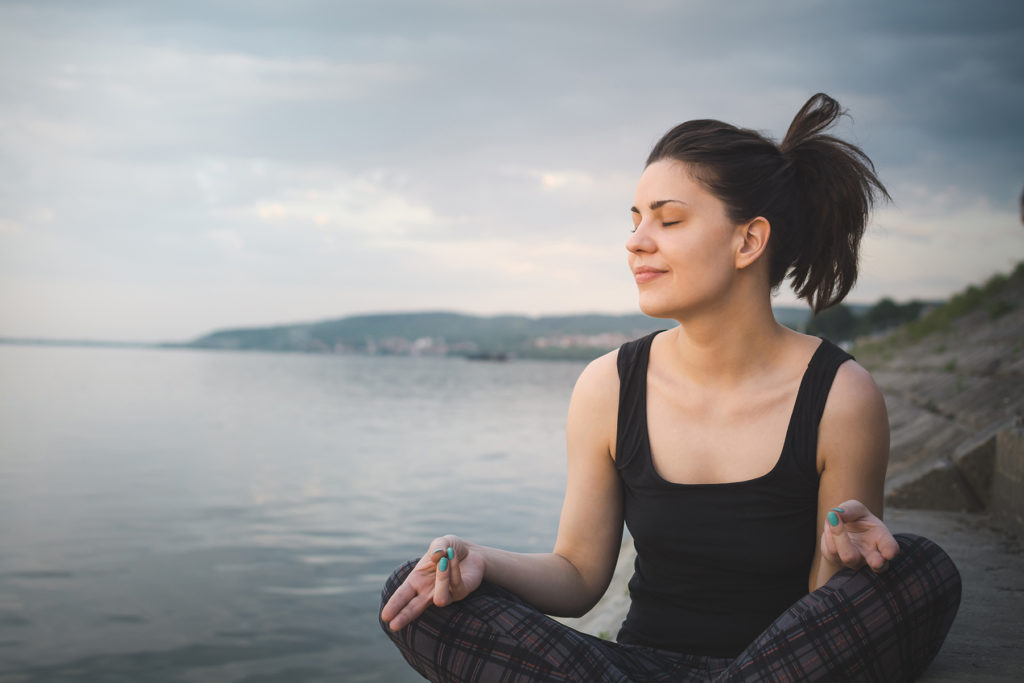
The breath serves as a vital bridge between our physical and emotional states. By consciously regulating our breath, we can significantly influence our emotional landscape, cultivating a sense of openness, compassion, and inner peace. This section delves into the profound connection between breathing techniques and the cultivation of an open heart.
Connection Between Breath and Emotional Regulation
Our breath is intrinsically linked to our nervous system, particularly the autonomic nervous system, which controls involuntary bodily functions like heart rate and digestion. When we experience stress or strong emotions, our breath often becomes shallow and rapid. This triggers the “fight or flight” response, releasing stress hormones like cortisol and adrenaline. Conversely, when we breathe deeply and consciously, we activate the parasympathetic nervous system, often referred to as the “rest and digest” system.
This promotes relaxation, slows the heart rate, and helps to calm the mind, allowing for a greater capacity for emotional regulation.
Deep Breathing for Calming the Nervous System and Promoting Openness
Deep breathing exercises, particularly diaphragmatic breathing, can be powerful tools for calming the nervous system and fostering a sense of openness. When we engage in deep, slow breaths, we signal to our brain that we are safe and secure. This, in turn, helps to reduce anxiety, alleviate stress, and create space for compassion and empathy to flourish. Practicing deep breathing regularly can help to establish a baseline of calm, making it easier to navigate challenging emotions and cultivate a more open and receptive heart.
Practicing Diaphragmatic Breathing
Diaphragmatic breathing, also known as belly breathing, is a fundamental technique for calming the nervous system. This technique involves engaging the diaphragm, a large muscle located at the base of the lungs.Here’s how to practice diaphragmatic breathing:
- Find a comfortable position, either lying down or sitting upright with your back straight.
- Place one hand on your chest and the other on your abdomen.
- Inhale slowly and deeply through your nose, allowing your abdomen to rise while keeping your chest relatively still.
- Exhale slowly through your mouth, allowing your abdomen to fall.
- Continue breathing in this manner for several minutes, focusing on the rise and fall of your abdomen.
By practicing diaphragmatic breathing regularly, you can strengthen the diaphragm and improve your ability to access a state of calm and relaxation.
Specific Breathing Techniques for Enhancing Compassion
Certain breathing techniques can be particularly effective in cultivating compassion and empathy. These techniques often involve focusing on the breath while visualizing feelings of love, kindness, and connection.Here are some examples of breathing exercises that can enhance compassion:
- Loving-Kindness Meditation (Metta): This practice involves silently repeating phrases of loving-kindness, such as “May I be happy, may I be healthy, may I be safe, may I live with ease,” while focusing on the breath. The phrases are then extended to loved ones, neutral people, difficult people, and all beings.
- Alternate Nostril Breathing (Nadi Shodhana): This technique involves alternating breathing through each nostril. It is believed to balance the nervous system and promote a sense of calm and centeredness, which can create a greater capacity for compassion.
- Box Breathing: This technique involves inhaling for a count of four, holding the breath for a count of four, exhaling for a count of four, and holding the breath again for a count of four. This rhythmic breathing pattern can help to calm the mind and promote emotional balance, allowing for greater empathy.
These breathing exercises, when practiced regularly, can help to cultivate a more open and compassionate heart.
Overcoming Obstacles
The journey toward an open heart through meditation isn’t always smooth. You might encounter various challenges, ranging from distracting thoughts and difficult emotions to self-criticism. Recognizing these obstacles and developing strategies to navigate them is crucial for a successful and fulfilling practice. This section explores common hurdles and offers practical advice on how to approach them with compassion and resilience.
Common Challenges to Openness
Several obstacles frequently arise during meditation for cultivating an open heart. Understanding these challenges beforehand can help you prepare and respond effectively when they surface.
- Distracting Thoughts: The mind naturally generates thoughts. These can range from daily worries and to-do lists to memories and fantasies. These thoughts can pull you away from your focus on your breath or any other meditation anchor.
- Restlessness and Physical Discomfort: The physical body can also present challenges. Discomfort, such as back pain, itching, or a restless feeling, can make it difficult to remain still and present.
- Difficult Emotions: Meditation can sometimes bring buried emotions to the surface. This might include sadness, anger, fear, or grief. Experiencing these emotions can feel overwhelming.
- Self-Criticism and Judgment: The inner critic often surfaces during meditation. You might find yourself judging your practice, your thoughts, or yourself.
- Doubt and Skepticism: Doubts about the effectiveness of meditation or the possibility of achieving an open heart can hinder progress.
Dealing with Difficult Emotions
Difficult emotions are a natural part of the human experience, and they can arise during meditation. Learning how to navigate these emotions constructively is key to cultivating an open heart.
One of the most effective strategies is to simply acknowledge the emotion without judgment. Recognize that the emotion is present, and allow yourself to feel it without getting swept away by it. Observe the physical sensations associated with the emotion, such as a racing heart or a tightening chest. Try to avoid getting caught up in the story or the thoughts that are fueling the emotion.
Instead, gently bring your attention back to your breath or your chosen meditation anchor.
Another helpful technique is to practice loving-kindness meditation, directing compassion toward yourself and the difficult emotion. You can silently repeat phrases like “May I be safe, May I be happy, May I be healthy, May I live with ease,” and then extend those wishes to the emotion itself. For example, “May this sadness be met with kindness.”
It’s also important to recognize that difficult emotions are often temporary. They come and go. Allow them to arise, experience them fully, and then allow them to pass. If the emotions become overwhelming, consider shortening your meditation session or taking a break. If the emotions are persistent or severe, seeking support from a therapist or counselor is advisable.
Handling Self-Criticism and Judgment
The inner critic can be a significant obstacle to cultivating an open heart. This internal voice often judges your thoughts, your actions, and even your meditation practice. Learning to address self-criticism with compassion is essential.
The first step is to recognize the presence of the inner critic. Notice the critical thoughts as they arise, and acknowledge that they are present without getting carried away by them. Try to identify the source of the criticism. Is it rooted in past experiences, societal expectations, or personal insecurities?
Once you’ve identified the inner critic, you can begin to challenge its judgments. Ask yourself whether the criticism is truly accurate or helpful. Is it based on facts or on assumptions? Would you speak to a friend in the same critical way? Often, the inner critic’s voice is overly harsh and unrealistic.
Replace self-critical thoughts with self-compassionate ones. When you notice a critical thought, try to respond with kindness and understanding. For example, instead of thinking “I’m terrible at this,” try thinking “This is challenging, and it’s okay to struggle. I am doing my best.”
Practice self-compassion in other areas of your life. Treat yourself with the same kindness and understanding that you would offer a friend. This will help to weaken the power of the inner critic.
Cultivating Self-Compassion
Self-compassion is the practice of treating yourself with the same kindness, care, and understanding that you would offer a loved one. It involves recognizing your own suffering, responding to it with kindness, and understanding that suffering is a shared human experience.
Cultivating self-compassion involves several key elements:
- Self-Kindness: Treat yourself with warmth and understanding, especially when you’re struggling or experiencing difficult emotions.
- Common Humanity: Recognize that suffering and imperfection are a part of the human experience. You are not alone in your struggles.
- Mindfulness: Observe your thoughts and feelings without judgment. Be present with your experience.
To cultivate self-compassion, you can practice self-compassion meditations. These meditations often involve repeating phrases like “May I be kind to myself,” “May I accept myself as I am,” and “May I learn from my suffering.” You can also practice self-compassion in your daily life by treating yourself with kindness, forgiving yourself for your mistakes, and acknowledging your own suffering.
It’s important to remember that self-compassion is not self-pity. It’s not about wallowing in your suffering or making excuses for your behavior. Instead, it’s about acknowledging your pain, offering yourself kindness, and taking steps to heal and grow.
Example Dialogue:
Meditator: “I keep getting distracted by thoughts about work during my meditation. I feel like I’m failing.”
Teacher: “It’s completely normal for thoughts to arise. Everyone experiences this. The goal isn’t to eliminate thoughts, but to learn to observe them without judgment. When you notice your mind wandering, gently bring your attention back to your breath. Each time you do this, you are strengthening your ability to focus and be present.
Instead of judging yourself for having thoughts, try to acknowledge them and then redirect your attention. This is the practice.”
Meditator: “So, it’s okay that my mind wanders?”
Teacher: “Yes, absolutely. It’s part of the process. The key is to be patient and kind to yourself. Every time you return to your breath, you are making progress.”
Integrating Open-Heartedness into Daily Life
The cultivation of an open heart doesn’t end when the meditation session concludes. The true test of this practice lies in its integration into the everyday realities of life. By consciously applying the principles learned during meditation, individuals can transform their interactions, responses to challenges, and overall approach to the world, fostering deeper connections and a greater sense of well-being.
This section focuses on practical strategies for extending the benefits of an open heart beyond the meditation cushion.
Applying Open-Hearted Principles Outside of Meditation
The core principles of open-heartedness – compassion, empathy, acceptance, and non-judgment – can be applied to every aspect of daily life. This involves bringing mindful awareness to each moment, recognizing the interconnectedness of all beings, and choosing responses that reflect these values. This shift in perspective can significantly impact how individuals navigate relationships, manage stress, and find meaning in their experiences.
Mindful Practices for Promoting Openness Throughout the Day
Mindfulness is key to maintaining an open heart. Engaging in mindful practices throughout the day helps individuals stay present and connected to their inner experience, making them more receptive to others and less reactive to difficult situations.Here are some examples:* Mindful Walking: Paying attention to the sensations of walking – the feeling of your feet on the ground, the movement of your body, the sights and sounds around you.
This simple practice can ground you in the present moment and reduce stress.
Mindful Eating
Savoring each bite of food, noticing the flavors, textures, and aromas. This practice can cultivate appreciation and prevent overeating.
Mindful Listening
Truly listening to others without interrupting or formulating your response. This involves giving your full attention and trying to understand their perspective.
Mindful Breathing Breaks
Taking short breaks throughout the day to focus on your breath. This can help calm the nervous system and reduce anxiety.
Mindful Observation
Paying attention to your thoughts and emotions without judgment. Recognizing that thoughts are just thoughts and feelings are just feelings, without getting carried away by them.
The Role of Gratitude in Cultivating an Open Heart
Gratitude is a powerful catalyst for opening the heart. By focusing on the good things in life, individuals shift their attention away from negativity and cultivate a sense of appreciation and contentment. This positive outlook makes them more receptive to others and more resilient in the face of challenges. Practicing gratitude regularly can rewire the brain to focus on positive experiences, increasing feelings of happiness and well-being.Consider this: Studies have shown that individuals who regularly practice gratitude report higher levels of happiness and life satisfaction.
This highlights the direct correlation between gratitude and a more open and positive emotional state.
Responding to Difficult Situations with Compassion
Difficult situations are inevitable. When faced with challenges, the practice of open-heartedness provides a framework for responding with compassion, both towards oneself and others. This involves recognizing the suffering inherent in the situation, choosing empathy over judgment, and acting with kindness.Here are some strategies:* Pause and Breathe: Before reacting, take a moment to pause and breathe. This helps calm the nervous system and allows for a more thoughtful response.
Practice Empathy
Try to understand the other person’s perspective. Consider their feelings and experiences, even if you disagree with their actions.
Choose Compassionate Language
Use words that are kind, respectful, and non-judgmental. Avoid accusatory or defensive language.
Set Boundaries
While responding with compassion, it’s important to set healthy boundaries to protect your own well-being. This may involve limiting contact or disengaging from a difficult situation.
Forgive
Holding onto anger and resentment only harms oneself. Forgiveness, even if the other person doesn’t deserve it, can free you from the emotional burden.
Incorporating Open-Heartedness into Daily Activities
Integrating open-heartedness into daily activities is a process of mindful practice and intentional action. By making small, consistent changes in your interactions and behaviors, you can gradually cultivate a more open and compassionate approach to life.Here are some practical suggestions:* Communication:
Listen actively and attentively, giving the speaker your full attention.
Use kind and respectful language, avoiding criticism and judgment.
Express your needs and feelings honestly and openly.
Offer words of encouragement and support to others.
Interactions with Others
Practice empathy by trying to understand others’ perspectives.
Offer help to those in need, whether it’s a friend, family member, or stranger.
Be patient and understanding with people, especially when they are struggling.
Recognize the inherent worth of every individual, regardless of their background or beliefs. –
Self-Care
Practice self-compassion, treating yourself with the same kindness and understanding you would offer to a friend.
Engage in activities that bring you joy and help you relax.
Set healthy boundaries to protect your time and energy.
Prioritize your physical and mental health.
Dealing with Conflict
Approach conflicts with a desire to understand and find a resolution.
Avoid personal attacks and focus on the issue at hand.
Be willing to compromise and find common ground.
Forgive yourself and others for mistakes.
Mindful Consumption
Be aware of the impact of your choices on the environment and others.
Support businesses that align with your values.
Reduce waste and consumption.
Practice gratitude for the resources you have.
The Science Behind Open-Heartedness
Open-heartedness, characterized by compassion, empathy, and a willingness to connect with others, isn’t just a philosophical ideal; it’s backed by a growing body of scientific evidence. Research increasingly reveals the profound impact of cultivating an open heart on our mental, emotional, and physical well-being. This section delves into the scientific underpinnings of open-heartedness, exploring the research that supports its benefits and the mechanisms through which it operates.
Summarizing Scientific Studies Supporting the Benefits of Compassion and Meditation
Numerous studies have investigated the effects of compassion and meditation, consistently demonstrating positive outcomes. These studies often employ neuroimaging techniques, physiological measurements, and self-report questionnaires to assess changes in brain activity, emotional regulation, and overall well-being.
- A study published in the
-Journal of Consulting and Clinical Psychology* examined the effects of compassion meditation on individuals with social anxiety. The results indicated a significant reduction in social anxiety symptoms and increased feelings of self-compassion in the meditation group compared to a control group. This suggests that compassion-focused interventions can effectively alleviate social anxiety. - Research published in
-Psychological Science* demonstrated that practicing loving-kindness meditation, a form of meditation that cultivates feelings of love and kindness towards oneself and others, led to increased positive emotions, reduced negative emotions, and enhanced social connection. Participants reported feeling more connected to others and experiencing greater life satisfaction. - A meta-analysis of multiple studies, published in
-JAMA Internal Medicine*, found that mindfulness meditation was associated with moderate improvements in anxiety, depression, and pain. This highlights the broad applicability of meditation practices for improving mental health.
Describing How Meditation Affects the Brain and Its Impact on Emotional Regulation
Meditation, particularly practices that focus on compassion and loving-kindness, significantly alters brain structure and function. These changes contribute to improved emotional regulation and a greater capacity for open-heartedness.
- Neuroimaging studies have shown that regular meditation practice increases gray matter density in brain regions associated with empathy, compassion, and emotional regulation, such as the insula and the prefrontal cortex. The insula plays a crucial role in processing emotions and bodily sensations, while the prefrontal cortex is involved in executive functions, including emotional control.
- Meditation has been found to reduce activity in the amygdala, the brain’s fear center. This reduction in amygdala activity can lead to decreased reactivity to stressful situations and improved emotional stability.
- Meditation promotes the strengthening of connections between different brain regions, particularly between the prefrontal cortex and the amygdala. This enhanced connectivity allows for better communication between the areas responsible for emotional processing and emotional regulation, leading to improved control over emotional responses.
Explaining the Link Between Open-Heartedness and Physical Health
The benefits of open-heartedness extend beyond mental and emotional well-being, impacting physical health as well. Cultivating compassion and kindness can have a positive influence on various physiological processes.
- Research indicates that open-hearted practices, such as compassion meditation, can lower levels of cortisol, the primary stress hormone. Chronic stress is linked to numerous health problems, including cardiovascular disease, weakened immune function, and accelerated aging. By reducing stress, open-heartedness contributes to improved physical health.
- Studies have shown that individuals who practice compassion and empathy tend to have stronger immune systems. This may be due to the reduction in stress hormones and the activation of the parasympathetic nervous system, which promotes relaxation and supports immune function.
- Open-heartedness can also positively affect cardiovascular health. Research suggests that cultivating compassion and kindness can lower blood pressure and improve heart rate variability, both of which are indicators of a healthy cardiovascular system.
Discussing the Impact of Open-Heartedness on Stress Reduction
Open-heartedness acts as a powerful buffer against the negative effects of stress. By fostering a sense of connection, empathy, and self-compassion, it helps individuals navigate stressful situations more effectively.
- Compassion and loving-kindness practices help to activate the parasympathetic nervous system, the “rest and digest” system, which counteracts the effects of the “fight or flight” response triggered by stress. This shift promotes relaxation and reduces physiological arousal.
- Open-heartedness cultivates resilience. When individuals approach stressful situations with compassion, they are less likely to become overwhelmed by negative emotions. Instead, they can access resources of self-compassion and empathy to cope with difficulties.
- By fostering a sense of social connection, open-heartedness reduces feelings of isolation, which is a major source of stress. Knowing that one is not alone and having a support system can significantly buffer the impact of stressful events.
Table Detailing the Scientific Evidence Supporting the Benefits of Open-Heartedness
This table summarizes the key findings from scientific research, highlighting the benefits of open-heartedness across different domains.
| Benefit | Supporting Evidence | Key Findings |
|---|---|---|
| Mental Well-being | Studies on compassion meditation and loving-kindness meditation. | Reduced symptoms of anxiety and depression; increased positive emotions; enhanced self-compassion and social connection. For example, research shows that individuals who practice loving-kindness meditation experience a significant decrease in feelings of loneliness and isolation, promoting a stronger sense of belonging. |
| Brain Function | Neuroimaging studies (fMRI, etc.) examining the effects of meditation on brain structure and function. | Increased gray matter density in regions associated with empathy and emotional regulation; reduced amygdala activity; enhanced connectivity between the prefrontal cortex and the amygdala. For instance, a study using advanced brain imaging techniques revealed that long-term meditators showed thicker cortical regions related to emotional regulation, indicating enhanced ability to manage their emotions. |
| Physical Health | Research on stress hormones, immune function, and cardiovascular health in relation to open-hearted practices. | Lowered cortisol levels; improved immune function; reduced blood pressure and improved heart rate variability. For example, individuals with a regular meditation practice showed a measurable increase in the production of antibodies after vaccination, suggesting improved immune response. |
Cultivating Forgiveness: Releasing Past Hurts and Opening the Heart

Forgiveness is a cornerstone of cultivating an open heart. It’s not merely about condoning harmful actions, but rather, it’s about freeing oneself from the emotional burden of resentment, anger, and bitterness. This process is essential for healing past wounds and allowing the heart to expand with compassion and understanding. By practicing forgiveness, we liberate ourselves from the past and create space for present-moment joy and future well-being.
The Importance of Forgiveness in Opening the Heart
Forgiveness is a vital component in the journey toward an open heart because it directly addresses the emotional blockages that hinder compassion and empathy. Holding onto anger and resentment hardens the heart, making it difficult to connect with others and experience genuine love. Forgiveness softens these barriers, allowing for greater emotional resilience and the capacity to relate to others with kindness.
It is also associated with decreased stress levels and improved mental health outcomes. Research consistently shows that individuals who practice forgiveness experience lower rates of anxiety and depression, and report a greater sense of overall life satisfaction.
Steps Involved in Practicing Forgiveness Meditation
Forgiveness meditation offers a structured approach to releasing past hurts and fostering self-compassion and compassion towards others. It generally involves the following steps:
- Preparation and Setting: Find a quiet and comfortable space where you won’t be disturbed. Sit in a posture that supports relaxation and focus, such as cross-legged or in a chair with your feet flat on the floor. Close your eyes gently.
- Mindfulness of the Present Moment: Begin by focusing on your breath. Observe the sensation of the air entering and leaving your body. This helps to ground you in the present and calm the mind.
- Identifying the Hurt: Bring to mind a person or situation you are holding onto resentment about. Acknowledge the emotions associated with the hurt, such as anger, sadness, or disappointment.
- Recognizing the Shared Humanity: Reflect on the shared human experience. Consider the other person’s potential motivations, struggles, and imperfections. Recognize that everyone makes mistakes.
- Offering Forgiveness: Silently or verbally, offer forgiveness to the person or situation. This may involve saying something like, “I forgive you,” or “I release you from this burden.”
- Extending Compassion: Extend compassion to both yourself and the other person. Acknowledge your own pain and the other person’s potential suffering.
- Releasing and Letting Go: Visualize the feelings of resentment, anger, or sadness dissolving and releasing from your body. Imagine these emotions transforming into feelings of peace and acceptance.
- Concluding and Integrating: Gently bring your attention back to your breath. Slowly open your eyes and carry the feeling of forgiveness and compassion into your daily life.
Forgiving Oneself and Others
Forgiveness is a two-fold process, encompassing both self-forgiveness and forgiving others. Both are crucial for cultivating an open heart.
Forgiving Oneself: Self-forgiveness is about accepting your imperfections and learning from your mistakes. It involves acknowledging your shortcomings without self-judgment and extending compassion to yourself. This process can be facilitated by practices like mindfulness, self-compassion meditation, and journaling. It also involves taking responsibility for your actions and making amends where possible. It is important to remember that everyone makes mistakes; the key is to learn from them and move forward with self-compassion.
Forgiving Others: Forgiving others involves releasing the anger, resentment, and bitterness associated with past hurts. It does not mean condoning the actions that caused the hurt, but rather, it is about releasing yourself from the emotional burden of those actions. This often involves understanding the other person’s perspective, recognizing their shared humanity, and making a conscious choice to let go of the negativity.
It is also important to set healthy boundaries to protect yourself from further harm.
Benefits of Forgiveness for Emotional and Physical Well-being
The benefits of forgiveness extend beyond the emotional realm, positively impacting physical well-being. Studies show a strong correlation between practicing forgiveness and various health benefits:
- Reduced Stress and Anxiety: Forgiveness helps to lower stress hormones like cortisol, which can reduce anxiety and promote a sense of calm.
- Improved Cardiovascular Health: Research indicates that forgiveness can lead to lower blood pressure and improved heart rate variability, promoting cardiovascular health.
- Enhanced Immune Function: Forgiveness is associated with a stronger immune system, as it reduces the negative impact of chronic stress on the body’s defenses.
- Increased Life Satisfaction: Individuals who practice forgiveness tend to report higher levels of life satisfaction and overall well-being.
- Reduced Symptoms of Depression: Forgiveness can alleviate symptoms of depression by releasing negative emotions and fostering a more positive outlook on life.
Guided Forgiveness Meditation (Short Version)
Find a comfortable position and close your eyes gently. Take a few deep breaths, allowing your body to relax. Bring to mind a person you have difficulty forgiving. Visualize them in your mind’s eye. Acknowledge the hurt and the emotions you feel.
Now, silently, say to them, “I acknowledge your humanity, and I release you from my anger.” Extend compassion to them and yourself. Visualize any feelings of anger or resentment dissolving. Breathe in peace and breathe out forgiveness. Take a few more deep breaths, and when you are ready, slowly open your eyes, carrying this feeling of forgiveness with you.
Visualizations for Expanding Compassion
Visualization is a potent tool in the journey toward an open heart, acting as a mental rehearsal for compassion. By consciously creating and inhabiting vivid mental images, we can rewire our brains, fostering empathy and cultivating a deeper understanding of ourselves and others. This section explores the power of visualization and provides practical exercises to expand compassion and cultivate inner peace.
The Power of Visualization in Cultivating Compassion
Visualization harnesses the brain’s remarkable ability to respond to imagined experiences as if they were real. Neuroscientific research, including studies using fMRI, demonstrates that visualizing an action activates similar neural pathways as actually performing that action. When we visualize acts of kindness, empathy, or forgiveness, we stimulate the brain regions associated with these emotions, such as the prefrontal cortex (involved in decision-making and social behavior) and the insula (linked to empathy and emotional awareness).
This process can lead to tangible changes in our emotional responses and behaviors. Repeated visualization strengthens these neural connections, making compassion a more accessible and natural state.
Visualization Exercise for Promoting Empathy
This exercise focuses on cultivating empathy by stepping into the shoes of another.Imagine a person you know, perhaps someone you find challenging or someone you’d like to understand better. Picture them clearly in your mind.Focus on their physical appearance, their expressions, and their posture. Then, imagine a typical day in their life.Consider the challenges they might face, the pressures they might experience, and the joys they might encounter.Imagine the emotions they might be feeling – their worries, their hopes, their disappointments.Try to feel these emotions as if they were your own.
Allow yourself to feel their pain, their frustration, their joy.As you visualize, silently repeat phrases such as, “May you be free from suffering,” “May you know peace,” “May you be happy.”After a few minutes, gently release the image. Reflect on how this exercise has shifted your perspective and feelings toward the person.This exercise encourages you to consider the world from another person’s perspective, fostering understanding and compassion.
Visualization Exercise for Expanding Compassion to All Beings
This visualization expands compassion beyond individual relationships to encompass all living beings.Begin by finding a comfortable position and closing your eyes.Imagine yourself in a serene, open space, such as a vast meadow under a clear blue sky.Visualize yourself surrounded by all beings, including people, animals, and plants.Imagine that all beings are interconnected, like threads in a vast tapestry.Visualize sending loving-kindness and compassion to all beings.
Start with those closest to you, such as family and friends.Then, expand your focus to include neutral individuals, people you don’t know, and even those you find difficult.Extend your compassion to all animals, visualizing their well-being and freedom from suffering.Finally, extend your compassion to all living beings on Earth, including the environment.As you visualize, silently repeat phrases such as, “May all beings be happy,” “May all beings be healthy,” “May all beings be safe.”Allow the feeling of compassion to fill your heart and radiate outward, encompassing all of existence.This exercise helps to dissolve the boundaries of separation and cultivate a sense of interconnectedness.
Using Visualizations to Cultivate Inner Peace and Joy
Visualizations can be used not only to cultivate compassion for others but also to foster inner peace and joy. These visualizations involve creating mental images that promote a sense of well-being and contentment. For instance, visualizing yourself in a peaceful environment, such as a tranquil forest or a serene beach, can help to reduce stress and anxiety. Imagining yourself succeeding in a goal or achieving a desired outcome can boost self-esteem and motivation.
By regularly engaging in these types of visualizations, you can train your mind to focus on positive experiences and emotions, thereby cultivating inner peace and joy.
Types of Visualization Exercises and Their Specific Goals
Visualization exercises vary in their focus and goals.
- Loving-Kindness Meditation (Metta): This involves visualizing and sending feelings of love, kindness, and compassion to oneself and others. The goal is to cultivate a sense of connection and goodwill.
- Gratitude Visualization: This exercise focuses on visualizing things you are grateful for. The goal is to cultivate appreciation and contentment.
- Goal Visualization: This involves visualizing the successful achievement of a specific goal. The goal is to increase motivation and confidence.
- Healing Visualization: This involves visualizing the body healing itself. The goal is to promote physical and emotional well-being.
- Creative Visualization: This exercise focuses on visualizing a desired outcome or scenario. The goal is to manifest positive change.
Sustaining the Practice
Cultivating an open heart is a journey, not a destination. Like any worthwhile endeavor, it requires consistent effort and dedication to reap the long-term benefits. This section focuses on strategies to maintain your meditation practice, ensuring the cultivation of an open heart becomes a lasting and enriching aspect of your life.
Importance of Consistency in Meditation Practice
Consistency is the cornerstone of a successful meditation practice. Regular meditation, even for short periods, strengthens the neural pathways associated with compassion, empathy, and emotional regulation. This neuroplasticity allows the brain to become more resilient to stress and more naturally inclined towards open-heartedness.
- Building Momentum: Consistent practice builds momentum. Regular sessions make it easier to sit and meditate, reducing the initial resistance often experienced.
- Reinforcing Neural Pathways: Repeated meditation strengthens the neural connections associated with positive emotions and prosocial behaviors.
- Developing Mindfulness: Regular practice cultivates a heightened awareness of thoughts, feelings, and bodily sensations, enhancing mindfulness in daily life.
- Fostering Emotional Resilience: Consistent meditation helps to build emotional resilience, enabling individuals to navigate challenging situations with greater equanimity and composure.
Tips for Staying Motivated and Committed to the Practice
Maintaining motivation is key to long-term adherence to a meditation practice. Several strategies can help you stay committed and engaged with your practice, transforming it from a chore into a cherished part of your routine.
- Set Realistic Goals: Start with short, manageable meditation sessions. Gradually increase the duration as your practice deepens. A goal of 5-10 minutes daily is often more sustainable than aiming for an hour every other day.
- Schedule Meditation: Treat meditation like any other important appointment. Schedule it in your calendar and make it non-negotiable.
- Find a Dedicated Space: Create a comfortable and quiet space where you can meditate without distractions. This could be a corner of a room, a specific cushion, or a dedicated meditation room.
- Track Your Progress: Keep a journal or use a meditation app to track your sessions. Seeing your progress can be highly motivating.
- Experiment with Different Techniques: Explore various meditation techniques to find what resonates with you. This can prevent boredom and keep the practice fresh.
- Connect with Your “Why”: Remind yourself of the reasons you started meditating. Write down the benefits you’ve experienced, and refer back to them when motivation wanes.
- Join a Meditation Group: Find a local meditation group or online community for support and accountability.
- Reward Yourself: Celebrate milestones in your practice. Small rewards can help reinforce positive habits.
Strategies for Dealing with Setbacks
Setbacks are inevitable on the path to cultivating an open heart. The key is to approach them with compassion and understanding, learning from the experience and continuing forward.
- Acknowledge and Accept: Don’t judge yourself harshly for missing a session or experiencing a challenging day. Acknowledge the setback without dwelling on it.
- Reframe the Experience: View setbacks as opportunities for growth. What can you learn from the experience? How can you adjust your approach?
- Practice Self-Compassion: Treat yourself with the same kindness and understanding you would offer a friend. Remind yourself that everyone experiences difficulties.
- Return to the Basics: If you’re feeling overwhelmed, go back to the fundamental practices, such as breath awareness or body scan meditation.
- Adjust Your Approach: If a particular technique isn’t working, experiment with different approaches. Consider shortening your meditation time or meditating at a different time of day.
- Seek Support: Talk to a meditation teacher, therapist, or friend for support and guidance.
Guidance on Finding a Meditation Community or Teacher
Connecting with a community or teacher can significantly enhance your meditation practice. A supportive environment provides encouragement, guidance, and a sense of belonging.
- Research Local Centers: Search online for meditation centers, yoga studios, or spiritual communities in your area.
- Attend Introductory Workshops: Participate in introductory workshops or classes to learn the basics and experience different meditation styles.
- Explore Online Resources: Numerous online platforms offer guided meditations, courses, and communities.
- Ask for Recommendations: Seek recommendations from friends, family, or colleagues who meditate.
- Observe and Participate: Attend group meditations and observe the teacher or facilitator. Engage in discussions and ask questions to assess if the community aligns with your values and goals.
- Consider Teacher Qualifications: If you choose to work with a teacher, inquire about their experience, training, and teaching philosophy.
- Join a Sangha (Community): A sangha offers a supportive environment to practice together, share experiences, and learn from each other.
Weekly Schedule to Maintain a Meditation Practice
A structured weekly schedule can help integrate meditation into your life, promoting consistency and discipline. This table provides a sample schedule, adaptable to your personal preferences and commitments.
| Day | Time | Activity | Notes |
|---|---|---|---|
| Monday | 7:00 AM | 10-Minute Guided Meditation | Use a guided meditation app or recording. Focus on breath awareness. |
| Tuesday | 6:00 PM | 15-Minute Silent Meditation | Find a quiet space. Observe thoughts and feelings without judgment. |
| Wednesday | 7:00 AM | 10-Minute Loving-Kindness Meditation | Direct loving-kindness towards yourself, loved ones, neutral individuals, and difficult people. |
| Thursday | 6:00 PM | 15-Minute Body Scan Meditation | Focus on different parts of your body, noticing sensations. |
| Friday | 7:00 AM | 10-Minute Guided Meditation | Explore a different guided meditation style or technique. |
| Saturday | 9:00 AM | 30-Minute Meditation (Optional) | Dedicate more time to meditation, perhaps incorporating walking meditation. |
| Sunday | Anytime | Mindful Activity | Engage in a mindful activity, such as eating, walking, or listening to music. |
Final Wrap-Up
In conclusion, “How to Meditate for Developing an Open Heart” offers a powerful pathway to personal growth and lasting well-being. By embracing the principles of mindfulness, compassion, and forgiveness, you can transform your inner world and create a life filled with greater joy, connection, and purpose. This guide provides the tools and insights necessary to cultivate an open heart, empowering you to navigate life’s journey with kindness, resilience, and a profound sense of inner peace.
Start your journey today and experience the profound benefits of an open heart.