Embark on a journey to discover the transformative power of meditation in managing your emotions. This guide, starting with “How to Meditate for Increasing Self-Control in Emotions,” unveils the secrets to cultivating inner peace and resilience. It explores the profound connection between meditation and emotional regulation, offering practical techniques to navigate the complexities of your inner world.
From understanding the basics of meditation, including its various forms and physiological effects, to mastering advanced practices, this guide provides a step-by-step roadmap. Learn how to prepare your mind and body, incorporate mindfulness into daily life, and overcome common challenges. Discover guided meditation techniques, breathwork exercises, and visualization strategies designed to enhance self-control and emotional mastery. This resource equips you with the knowledge and tools to build a personalized meditation routine and track your progress, ultimately fostering a more balanced and fulfilling life.
Understanding the Basics of Meditation
Meditation, at its core, is a practice designed to train the mind and cultivate awareness. It involves focusing attention on a specific object, thought, or activity to achieve a mentally clear and emotionally calm and stable state. This ancient practice has been embraced by individuals across cultures and backgrounds, not just for its spiritual benefits but also for its tangible positive effects on mental and physical well-being.
Understanding the foundational principles of meditation is the first step toward harnessing its power for enhanced self-control and emotional regulation.
Core Principles of Meditation and Self-Awareness
The essence of meditation lies in cultivating present moment awareness. This involves observing thoughts, feelings, and sensations without judgment. The goal isn’t to eliminate thoughts, which is nearly impossible, but to recognize them as they arise and pass, without getting carried away by them. This practice of mindful observation fosters self-awareness, the ability to understand one’s own emotions, thoughts, and behaviors.
Through regular meditation, individuals develop a greater capacity to recognize emotional triggers and patterns, allowing them to respond more thoughtfully rather than react impulsively.
Defining Meditation: Forms and Practices
Meditation encompasses a wide range of techniques, each with its own specific approach and focus. These practices can be broadly categorized based on their primary objective. Some common forms include:
- Mindfulness Meditation: This involves paying attention to the present moment, observing thoughts, feelings, and sensations without judgment. It is often practiced by focusing on the breath, body sensations, or sounds.
- Focused Attention Meditation: This technique involves concentrating on a single point of focus, such as a mantra, an object, or the breath. The goal is to maintain concentration and gently redirect the mind when it wanders.
- Loving-Kindness Meditation (Metta): This practice cultivates feelings of love, kindness, and compassion, first toward oneself and then extending outwards to others.
- Transcendental Meditation (TM): TM involves using a specific mantra to quiet the mind and achieve a state of deep relaxation.
- Body Scan Meditation: This practice involves systematically bringing awareness to different parts of the body, noticing sensations without judgment.
These are just a few examples, and within each category, there are many variations. The key is to find a practice that resonates with you and to be consistent in your efforts.
Physiological and Psychological Effects of Meditation
Regular meditation practice has been shown to produce a variety of positive effects on both the body and the mind. Scientifically validated benefits include:
- Physiological Effects:
- Reduced Stress Hormones: Meditation has been shown to decrease the levels of cortisol, the primary stress hormone, in the body. Studies have demonstrated that regular meditation can lower cortisol levels, leading to reduced feelings of stress and anxiety. For instance, a study published in the Journal of Alternative and Complementary Medicine found that participants who meditated for 20 minutes a day for eight weeks experienced a significant reduction in cortisol levels compared to a control group.
- Improved Cardiovascular Health: Meditation can lower blood pressure and heart rate. Research published in the American Journal of Hypertension indicated that meditation techniques can be as effective as medication in managing hypertension for some individuals.
- Enhanced Immune Function: Meditation may boost the immune system. Studies have shown that meditation can increase the production of antibodies in response to vaccines, suggesting improved immune response.
- Psychological Effects:
- Increased Self-Awareness: Meditation cultivates present moment awareness, helping individuals to become more attuned to their thoughts, feelings, and bodily sensations.
- Reduced Anxiety and Depression: Meditation has been shown to be effective in reducing symptoms of anxiety and depression. Mindfulness-Based Stress Reduction (MBSR) programs, which incorporate meditation, are widely used in clinical settings to treat these conditions.
- Improved Emotional Regulation: Meditation enhances the ability to manage emotions, reducing reactivity and increasing resilience. Individuals who meditate regularly are better able to cope with stressful situations and regulate their emotional responses.
- Enhanced Attention and Focus: Meditation strengthens the brain’s ability to focus and concentrate. Research using brain imaging techniques, such as fMRI, has demonstrated that meditation can increase grey matter density in brain regions associated with attention and focus.
The cumulative effect of these physiological and psychological benefits is a greater sense of well-being, improved emotional stability, and enhanced self-control.
The Connection Between Meditation and Emotional Regulation
Meditation, at its core, is a practice that cultivates awareness and acceptance of the present moment. This simple act has profound implications for our emotional lives, offering a powerful pathway to greater self-control and resilience. By training the mind to observe thoughts and feelings without judgment, meditation helps us to understand and manage our emotional responses more effectively.
Meditation’s Impact on Brain Regions Associated with Emotional Control
Meditation alters brain structure and function, particularly in areas crucial for emotional regulation. These changes are not merely theoretical; they have been documented through neuroimaging studies, demonstrating the tangible effects of consistent practice.The key brain regions impacted by meditation include:
- The Amygdala: This almond-shaped structure is the brain’s “fear center,” responsible for processing and reacting to threats. Meditation has been shown to reduce the amygdala’s activity, leading to a decreased reactivity to stressors.
- The Prefrontal Cortex (PFC): Located at the front of the brain, the PFC is involved in higher-level cognitive functions, including planning, decision-making, and emotional regulation. Meditation strengthens the PFC, improving its ability to regulate emotional responses and manage impulses.
- The Hippocampus: This structure plays a crucial role in memory and learning. Meditation can increase the size of the hippocampus, which may contribute to improved emotional regulation by enhancing the ability to learn from past experiences and manage stress.
- The Default Mode Network (DMN): The DMN is active when the mind is at rest, and it’s often associated with mind-wandering and self-referential thoughts. Excessive activity in the DMN can contribute to rumination and negative emotions. Meditation can reduce DMN activity, promoting a calmer and more focused state.
These neurological changes demonstrate how meditation rewires the brain to promote emotional balance and enhance the capacity for self-control.
Emotional Responses: Meditator vs. Non-Meditator in Stressful Situations
The contrast in emotional responses between meditators and non-meditators is often striking, particularly under stress. The practice of meditation cultivates a different relationship with emotions, leading to more adaptive and resilient responses.Consider the following scenario: An individual is stuck in heavy traffic, late for an important meeting.
- Non-Meditator: A non-meditator may experience a surge of negative emotions, such as anger, frustration, and anxiety. They might become easily agitated, engage in negative self-talk, and their actions could be impulsive, like aggressive driving or making unproductive phone calls. This reaction stems from the amygdala’s heightened reactivity and a weaker prefrontal cortex, leading to a rapid and often unhelpful emotional response.
- Meditator: A meditator, on the other hand, might acknowledge the situation without immediate emotional escalation. They would recognize the feelings of stress and frustration as temporary sensations, observing them without judgment. They would then consciously choose a more adaptive response, such as focusing on their breath, listening to calming music, or accepting the situation. Their prefrontal cortex, strengthened through meditation, allows them to regulate their emotions, make rational decisions, and respond thoughtfully rather than react impulsively.
This difference reflects the enhanced emotional regulation skills cultivated through regular meditation practice.
The meditator’s response is characterized by greater emotional awareness, reduced reactivity, and a conscious choice of how to respond. This difference underscores the power of meditation to create emotional space and foster self-control in the face of adversity.
Specific Emotional Challenges Meditation Can Help Manage
Meditation is a versatile tool that can be applied to a wide range of emotional challenges. By cultivating awareness and acceptance, meditation provides strategies to address various emotional difficulties.Meditation can be beneficial in managing:
- Anxiety: By reducing amygdala reactivity and promoting relaxation, meditation helps to calm the nervous system and alleviate anxious thoughts and feelings. Studies have shown that regular meditation can be as effective as medication in treating mild to moderate anxiety. For example, a study published in the
-Journal of the American Medical Association* found that mindfulness meditation significantly reduced anxiety symptoms in participants. - Depression: Meditation can help to interrupt the cycle of negative thoughts and rumination that often accompanies depression. By fostering a more positive and present-focused mindset, meditation can improve mood and reduce feelings of hopelessness. A study published in
-JAMA Internal Medicine* showed that mindfulness meditation can be effective in preventing relapse in individuals with recurrent depression. - Anger: Meditation teaches individuals to observe anger without judgment, allowing them to recognize its triggers and develop more constructive responses. Through practices like loving-kindness meditation, individuals can cultivate compassion and reduce feelings of hostility. For example, a study in the
-Journal of Consulting and Clinical Psychology* showed that meditation significantly reduced anger and aggression in participants. - Stress: Meditation helps to regulate the body’s stress response, lowering cortisol levels and promoting a sense of calm. By cultivating a greater awareness of the present moment, meditation can help individuals detach from stressful thoughts and situations. Studies have shown that regular meditation practice can lead to decreased stress levels and improved overall well-being.
- Impulsivity: Meditation strengthens the prefrontal cortex, improving impulse control and decision-making. This can be particularly helpful for individuals struggling with addictions, overeating, or other impulsive behaviors.
These examples illustrate the wide-ranging benefits of meditation for managing a variety of emotional challenges, making it a valuable tool for promoting emotional well-being and self-control.
Preparing for Your Meditation Practice
Before you begin meditating to enhance your emotional self-control, it’s crucial to create an environment and establish a routine that supports your practice. This preparation phase sets the stage for a more effective and fulfilling meditation experience, helping you to cultivate mindfulness and inner peace. Proper preparation minimizes distractions and maximizes your ability to focus on the present moment.
Designing a Quiet and Comfortable Space
Creating a dedicated meditation space is a fundamental step in preparing for your practice. This space should be designed to minimize distractions and promote a sense of calm and tranquility.
- Choosing a Location: Select a quiet area in your home or environment where you are less likely to be disturbed. This could be a spare room, a corner of a room, or even a quiet outdoor space if the weather permits. The key is to find a place where you feel safe and undisturbed.
- Minimizing Distractions: Reduce potential distractions by turning off your phone, closing doors, and informing others in your household that you require uninterrupted time. If possible, eliminate visual clutter by tidying the space and removing items that might draw your attention.
- Creating Comfort: Ensure the space is physically comfortable. This includes controlling the temperature to your liking, providing adequate ventilation, and selecting comfortable seating. You may choose to sit on a cushion, a chair, or even lie down, depending on your preference and physical needs.
- Adding Personal Touches: Personalize your space to enhance its calming effect. This could involve adding elements like soft lighting (candles or dimmable lamps), plants, or objects that have personal significance and evoke positive emotions.
Organizing a Step-by-Step Guide on How to Prepare the Mind and Body Before Meditating
Preparing your mind and body is an essential element in effective meditation. This pre-meditation routine helps you transition from your daily activities to a state of focused awareness. It is designed to gently guide you into a state of relaxation and mental clarity.
- Setting an Intention: Begin by setting a clear intention for your meditation session. This could be as simple as, “I intend to cultivate calmness and awareness,” or “I will focus on my breath.” Setting an intention provides a sense of purpose and directs your focus.
- Physical Preparation: Prepare your body by ensuring you are comfortable. Choose a posture that allows you to sit upright without straining. You can sit on a cushion, chair, or even lie down. If sitting, ensure your back is straight but not rigid. Relax your shoulders and let your hands rest comfortably.
- Gentle Stretching (Optional): Perform gentle stretches to release any physical tension. This could include neck rolls, shoulder rotations, or gentle twists. Stretching can help improve circulation and release physical stress, promoting a more relaxed state.
- Deep Breathing Exercises: Start with a few rounds of deep breathing exercises to calm your nervous system. Inhale deeply through your nose, filling your abdomen with air, and exhale slowly through your mouth. This helps to reduce anxiety and prepare the mind for meditation.
- Mindful Awareness of Thoughts: As you settle into your posture, gently observe your thoughts without judgment. Acknowledge them as they arise, but do not engage with them. Simply allow them to pass, like clouds moving across the sky.
- Body Scan (Optional): Conduct a body scan to become aware of any areas of tension. Start at your toes and gradually move your awareness upwards, noticing any areas where you are holding tension. As you identify tension, gently release it.
- Transition to Focused Attention: Once you feel relaxed and present, gently shift your focus to your chosen meditation object, such as your breath, a mantra, or a visual image. This focus anchors your awareness and helps to prevent the mind from wandering.
Creating a Checklist of Essential Items and Resources for Beginners
Having the right tools and resources can greatly enhance your meditation experience, especially when you are a beginner. This checklist provides a list of essential items to help you get started.
- Comfortable Seating: This could be a meditation cushion (zafu), a bench, a chair with good back support, or a comfortable surface if you prefer to lie down.
- Timer or Meditation App: Use a timer or a meditation app to track your session duration. Many apps also provide guided meditations and ambient sounds.
- Quiet Environment: Choose a quiet location with minimal distractions.
- Blanket or Shawl (Optional): A blanket or shawl can provide warmth and comfort, especially during longer meditation sessions.
- Journal and Pen (Optional): Keep a journal to record your experiences, thoughts, and feelings before or after your meditation sessions. This can help you track your progress and gain insights.
- Books or Online Resources: Explore books, websites, or apps that provide guidance on meditation techniques, mindfulness practices, and emotional regulation.
- Water Bottle: Keep a water bottle nearby to stay hydrated.
- Comfortable Clothing: Wear loose, comfortable clothing that allows for easy movement and does not restrict your breathing.
Guided Meditation Techniques for Self-Control

Now that we’ve covered the groundwork of meditation and its connection to emotional regulation, let’s dive into practical techniques. These guided meditations are designed to be accessible and effective in cultivating self-control over your emotions. Remember, consistency is key; the more you practice, the more adept you will become at managing your emotional responses.
Breath Awareness Meditation for Emotional Regulation
Breath awareness meditation is a fundamental technique for emotional regulation. It centers your attention on the breath, allowing you to observe your emotional state without judgment. This increased awareness provides a crucial pause between a triggering event and your reaction, creating space for self-control.To practice this technique:
- Find a comfortable posture, either sitting or lying down.
- Gently close your eyes or soften your gaze.
- Bring your attention to your breath. Notice the sensation of the air entering and leaving your body. You can focus on the rise and fall of your abdomen, the feeling of the air at your nostrils, or the sensation of your breath in your chest.
- When your mind wanders – and it will – gently redirect your attention back to your breath. Do not judge yourself for these distractions; simply acknowledge them and return to the breath.
- Continue this practice for 5-10 minutes, or longer as desired.
The beauty of this technique lies in its simplicity and portability. You can practice it anywhere, anytime, to regain composure in the face of stress or strong emotions.
Body Scan Meditation for Identifying Emotional Tension
Body scan meditation involves systematically bringing awareness to different parts of your body, noticing any sensations, including tension or discomfort. This technique helps you become more attuned to the physical manifestations of your emotions, which is a crucial step in gaining control.To practice a body scan:
- Begin by finding a comfortable position, either lying down or sitting.
- Close your eyes or soften your gaze.
- Start by focusing on your toes. Notice any sensations present – warmth, tingling, pressure, or nothing at all.
- Slowly move your attention up your body, from your feet to your ankles, then your lower legs, knees, thighs, and so on.
- As you scan each part of your body, observe any tension or discomfort without judgment. Acknowledge the sensation, and allow yourself to simply observe it.
- If you encounter areas of tension, you can try consciously relaxing those muscles with each exhale.
- Continue this process until you have scanned your entire body, from your toes to the top of your head.
- Conclude the meditation by taking a few deep breaths, and gently open your eyes.
Body scan meditation is particularly helpful in identifying early warning signs of emotional distress. For instance, you might notice a tightening in your shoulders or a clenched jaw before you even become consciously aware of feeling stressed. Recognizing these physical cues allows you to intervene before the emotion escalates.
Loving-Kindness Meditation for Cultivating Compassion and Self-Control
Loving-kindness meditation, also known as Metta meditation, is a powerful practice for cultivating compassion, both for yourself and others. By directing feelings of kindness and goodwill, you can soften the harshness of self-criticism and foster greater emotional resilience.To practice loving-kindness meditation:
- Find a comfortable and quiet place.
- Close your eyes or soften your gaze.
- Begin by bringing to mind someone for whom you feel genuine affection – a close friend, a family member, or even a pet.
- Silently repeat phrases of loving-kindness, such as:
May you be happy.
May you be healthy.
May you be safe.
May you live with ease. - Visualize this person, and direct these wishes towards them, feeling the warmth and sincerity of your words.
- Next, extend these wishes to yourself. Imagine yourself receiving the loving-kindness you have just offered to another.
- Then, extend these wishes to a neutral person – someone you don’t know particularly well, like a cashier or a neighbor.
- Finally, extend these wishes to a difficult person – someone with whom you have a challenging relationship. This can be the most challenging, but also the most rewarding part of the practice.
- Conclude the meditation by extending these wishes to all beings, everywhere.
Loving-kindness meditation can be particularly helpful in managing anger, resentment, and other difficult emotions. By cultivating compassion, you create space for understanding and forgiveness, which are essential for self-control.
The Role of Breathwork in Managing Emotional Responses
Breathwork is an integral component of many meditation practices, and it plays a critical role in managing emotional responses. The breath is intimately connected to the nervous system, and by consciously regulating your breath, you can directly influence your emotional state.Here’s how breathwork impacts emotional regulation:
- Calming the Nervous System: Deep, slow breathing activates the parasympathetic nervous system, which is responsible for the “rest and digest” response. This counteracts the “fight or flight” response triggered by stress and strong emotions.
- Reducing Physiological Symptoms: Rapid, shallow breathing often accompanies anxiety and panic. By consciously slowing down your breath, you can reduce physical symptoms such as a racing heart, muscle tension, and dizziness.
- Increasing Awareness: Focusing on your breath grounds you in the present moment, which can help you detach from overwhelming thoughts and emotions.
- Creating Space for Response: The act of taking a deep breath before reacting to a situation can provide a valuable pause, allowing you to choose a more thoughtful and controlled response.
Various breathing techniques can be used during meditation. For example:
- Diaphragmatic Breathing (Belly Breathing): Inhale deeply, allowing your abdomen to expand. Exhale slowly, drawing your belly button towards your spine. This technique is particularly effective for calming the nervous system.
- Box Breathing (Square Breathing): Inhale for a count of four, hold for a count of four, exhale for a count of four, and hold for a count of four. This technique can help regulate your breath and promote a sense of calm.
- Alternate Nostril Breathing (Nadi Shodhana): Alternately block one nostril while inhaling and exhaling through the other. This technique is believed to balance the energy in the body and promote relaxation.
By incorporating breathwork into your meditation practice, you can equip yourself with a powerful tool for managing emotional responses in real-time.
Affirmations for Cultivating Self-Control During Meditation
Affirmations are positive statements that you repeat to yourself during meditation. They serve to reprogram your subconscious mind, reinforcing desired thoughts and behaviors. When used consistently, affirmations can be a powerful tool for cultivating self-control.Here are some affirmations you can use during meditation to cultivate self-control:
- “I am in control of my emotions.”
- “I choose to respond with calmness and clarity.”
- “I am patient with myself and others.”
- “I observe my emotions without judgment.”
- “I have the power to choose my reactions.”
- “I release any tension and embrace inner peace.”
- “I am resilient and capable of navigating challenges.”
- “I choose thoughts that support my well-being.”
- “I am strong and centered.”
- “I am present and aware.”
When using affirmations:
- Choose affirmations that resonate with you. The more genuine the affirmation, the more effective it will be.
- Repeat the affirmations with sincerity and belief. Visualize yourself embodying the qualities described in the affirmations.
- Use affirmations consistently. Incorporate them into your daily meditation practice for maximum impact.
- Combine affirmations with breathwork. As you inhale, silently repeat an affirmation. As you exhale, release any resistance to the affirmation.
By regularly practicing these guided meditation techniques, incorporating breathwork, and using affirmations, you can significantly enhance your ability to manage your emotions and cultivate greater self-control in your daily life.
Cultivating Mindfulness in Daily Life
Integrating mindfulness into everyday life is crucial for sustaining emotional self-control. It transforms the practice from a formal exercise into a continuous process of awareness, enhancing your ability to navigate emotional challenges with greater ease and resilience. By consciously incorporating mindfulness into your daily routines, you cultivate a deeper understanding of your thoughts, feelings, and bodily sensations, allowing you to respond to stressful situations more effectively.
Integrating Mindfulness Practices into Everyday Activities
Mindfulness isn’t confined to a meditation cushion. It’s a practice that can be woven into every aspect of your day. The key is to bring focused attention to the present moment, regardless of the activity. This practice can be applied to various activities.
- Mindful Eating: Pay close attention to the taste, texture, and aroma of your food. Notice the act of chewing and swallowing. Avoid distractions like television or reading during meals. A 2013 study published in the
-Journal of the American Dietetic Association* found that mindful eating can lead to improved eating behaviors and weight management. - Mindful Walking: Focus on the sensation of your feet making contact with the ground. Notice the movement of your body and the surrounding environment. Even a short walk can be a powerful mindfulness exercise.
- Mindful Listening: When engaging in conversations, give your full attention to the speaker. Avoid interrupting or formulating your response while the other person is speaking. Truly hearing what is being said fosters better communication and understanding.
Mindfulness Exercises for Stressful Moments
Stressful moments can trigger strong emotional reactions. Mindfulness provides tools to navigate these situations with greater awareness and composure. The following exercises can be used to de-escalate emotional responses.
- The 5-4-3-2-1 Senses Exercise: This exercise anchors you in the present moment by engaging your senses.
- Acknowledge 5 things you can see.
- Acknowledge 4 things you can touch.
- Acknowledge 3 things you can hear.
- Acknowledge 2 things you can smell.
- Acknowledge 1 thing you can taste.
This technique is useful because it redirects your focus away from the stressful thoughts and into the physical world.
- Deep Breathing: Take slow, deep breaths, focusing on the sensation of the breath entering and leaving your body. Inhale deeply, hold for a few seconds, and exhale slowly. Deep breathing activates the parasympathetic nervous system, which helps calm the body and mind. A study in the
-Journal of Alternative and Complementary Medicine* (2017) demonstrated the effectiveness of deep breathing exercises in reducing stress and anxiety levels. - Body Scan Meditation: Briefly scan your body, noticing any areas of tension or discomfort. Bring awareness to each part of your body without judgment. This practice promotes body awareness and can help you identify early signs of stress.
Recognizing and Responding to Emotional Triggers with Awareness
Emotional triggers are situations, people, or thoughts that evoke strong emotional responses. Recognizing your triggers and developing mindful responses is essential for emotional self-control.
- Identifying Triggers: Keep a journal to track situations, people, or thoughts that consistently elicit strong emotional reactions. Note the specific emotions experienced and any physical sensations. Over time, patterns will emerge, revealing your common triggers.
- Creating Space: When a trigger arises, pause and create space between the trigger and your reaction. This can be achieved through deep breathing, counting to ten, or taking a brief mental break.
- Responding, Not Reacting: Instead of immediately reacting to a trigger, choose a mindful response. Ask yourself: “What am I feeling right now?” and “What is the best way to respond to this situation?” This approach allows you to make a conscious decision about how to behave, rather than being driven by your emotions.
- Practicing Self-Compassion: Be kind to yourself. Everyone has triggers, and everyone experiences strong emotions. Treat yourself with the same compassion you would offer a friend. Remember, emotional regulation is a skill that develops over time with consistent practice.
Overcoming Challenges in Meditation
Meditation, while a powerful tool for self-control and emotional regulation, is not always easy. Many individuals encounter obstacles that can make consistent practice challenging. Understanding these hurdles and developing effective strategies to overcome them is crucial for reaping the full benefits of meditation. This section explores common challenges meditators face and provides practical solutions to help you stay on track.
Common Obstacles and Solutions
The path of meditation is often paved with unexpected difficulties. Recognizing these common hurdles can empower you to navigate them more effectively. Here are some frequently encountered obstacles and practical solutions:
- Distractions: The mind naturally wanders. External noises, intrusive thoughts, and physical discomfort are common distractions.
- Solution: Acknowledge distractions without judgment. Gently redirect your attention back to your chosen focus, such as your breath. Consider using earplugs or a quiet space to minimize external noise.
- Restlessness: Physical and mental restlessness can make it difficult to sit still and concentrate.
- Solution: Start with shorter meditation sessions. Incorporate gentle stretching or mindful movement before meditation. Experiment with different meditation postures to find what’s most comfortable for you.
- Doubt and Discouragement: It’s easy to feel discouraged if you don’t see immediate results or if you miss a session.
- Solution: Be patient and persistent. Remember that meditation is a practice, not a performance. Focus on the process rather than the outcome. Celebrate small victories.
- Sleepiness: Meditation can sometimes lead to drowsiness, especially when you’re tired.
- Solution: Meditate at a time when you are most alert. Try sitting upright with good posture. Splash cold water on your face or take a short walk before meditating.
- Physical Discomfort: Pain or discomfort can make it difficult to focus.
- Solution: Adjust your posture as needed. Use cushions or blankets for support. If pain persists, consider consulting with a healthcare professional.
Strategies for Dealing with Distractions
Distractions are an inevitable part of meditation. However, the way you respond to them can significantly impact your practice. Different strategies can be employed to manage these mental interruptions.
- Focus on the Breath: This is a classic technique. When a distraction arises, gently redirect your attention back to the sensation of your breath. Observe the inhale and exhale. This helps to anchor your awareness.
- Labeling: Mentally label distractions as “thinking,” “noise,” or “feeling” without getting carried away by the content of the distraction. This creates space between you and the thought, allowing you to detach from it.
- Open Monitoring: Instead of fighting distractions, allow them to arise and pass without judgment. Observe the thoughts, feelings, and sensations as they come and go, maintaining a non-reactive awareness. This technique fosters acceptance and reduces mental clinging.
- Visualization: Imagine the distracting thoughts as clouds passing in the sky or leaves flowing down a stream. This visualization technique can help create a sense of distance from your thoughts.
Maintaining a Consistent Meditation Practice
Consistency is key to experiencing the long-term benefits of meditation. Establishing a regular practice requires commitment and strategic planning. Here’s how to cultivate a sustainable meditation routine:
- Set Realistic Goals: Start with short meditation sessions, such as 5-10 minutes per day, and gradually increase the duration as you become more comfortable. Trying to meditate for an hour every day from the start can be overwhelming.
- Schedule Your Practice: Treat meditation like any other important appointment. Choose a specific time of day and incorporate it into your daily routine. For example, meditate first thing in the morning or during your lunch break.
- Create a Dedicated Space: Designate a quiet and comfortable area for your meditation practice. This could be a corner of a room or a specific cushion. Having a dedicated space can help signal your mind that it’s time to meditate.
- Use Reminders: Set reminders on your phone or use meditation apps to prompt you to meditate. These reminders can help you stay consistent, especially when you’re first starting out.
- Find a Meditation Buddy: Meditating with a friend or joining a meditation group can provide support and accountability. Sharing your experiences and challenges can also be beneficial.
- Be Kind to Yourself: There will be days when you miss your meditation session or struggle to focus. Don’t beat yourself up. Simply acknowledge the missed session and get back on track the next day.
- Track Your Progress: Keep a meditation journal to track your sessions and note any challenges or insights you experience. This can help you monitor your progress and identify areas where you might need to adjust your approach.
Advanced Meditation Practices for Emotional Mastery
Deepening your meditation practice allows for the cultivation of advanced techniques, specifically designed to enhance emotional self-control. These practices build upon the foundational skills of mindfulness and present-moment awareness, enabling a more profound understanding and regulation of emotional responses. Integrating these advanced techniques into your routine can lead to significant and lasting improvements in your emotional well-being.
Advanced Techniques for Emotional Regulation
These advanced meditation practices go beyond basic mindfulness and delve deeper into the intricacies of emotional processing. Consistent application of these techniques can significantly improve your ability to navigate challenging emotional landscapes.
- Loving-Kindness Meditation (Metta): This practice involves cultivating feelings of goodwill, kindness, and compassion towards oneself and others. It begins by directing these feelings inward, towards yourself, then gradually extends to loved ones, neutral individuals, difficult people, and eventually, all beings. Regularly practicing loving-kindness meditation can help to soften negative emotions, reduce self-criticism, and foster a greater sense of connection and empathy.
- Compassion Meditation: Building on loving-kindness, compassion meditation focuses on developing empathy and compassion for the suffering of others. This practice involves acknowledging the pain and difficulties that others experience and cultivating a heartfelt wish for their well-being and freedom from suffering. By repeatedly engaging in compassion meditation, you can enhance your ability to respond to difficult emotions with understanding and kindness, both within yourself and towards others.
- Choiceless Awareness: This advanced technique involves observing all experiences – thoughts, feelings, and sensations – without judgment or resistance. The goal is to develop a non-reactive awareness of the present moment, allowing you to simply observe your inner world without getting carried away by your thoughts or emotions. Choiceless awareness cultivates a sense of spaciousness and equanimity, providing a powerful tool for emotional regulation.
- Visualization Techniques: These techniques utilize mental imagery to create a desired emotional state or to process difficult emotions. For example, you might visualize a calming scene to reduce anxiety or imagine a challenging situation and practice responding to it with composure. Visualization can be particularly helpful in preparing for potentially stressful events and developing resilience.
- Body Scan Meditation with Emotional Awareness: This practice combines the body scan technique with an awareness of emotional sensations. As you scan your body, you pay attention not only to physical sensations but also to any associated emotional feelings. This helps you to become more attuned to the subtle ways in which emotions manifest in your body, allowing you to recognize and respond to them more effectively.
Designing a Meditation Schedule
Integrating advanced practices requires a structured approach. A well-designed schedule promotes consistency and maximizes the benefits of these techniques.
Here’s a sample schedule for integrating advanced meditation practices into your routine. This schedule is a suggestion, and you can adjust it to fit your personal preferences and time constraints.
- Morning (20-30 minutes): Begin your day with a 10-minute mindfulness meditation to set the tone. Follow this with 10-20 minutes of loving-kindness meditation.
- Midday (Optional, 10-15 minutes): If possible, incorporate a short meditation session during your lunch break or another break. This could be a brief body scan or a guided meditation focused on compassion.
- Evening (20-30 minutes): Dedicate this time to choiceless awareness or visualization techniques. Consider alternating between these practices or selecting the one that best suits your needs for the day.
- Weekend Integration: On weekends, you might extend your meditation sessions or experiment with longer retreats or workshops to deepen your practice.
- Weekly Review: Regularly review your schedule and progress. Make adjustments as needed to ensure the practices remain enjoyable and effective. Consider keeping a journal to track your experiences and insights.
Resources for Further Learning
Numerous resources are available for further exploration and deepening your understanding of meditation and emotional regulation. These resources can provide guidance, support, and a wealth of information to enhance your practice.
- Books:
- Wherever You Go, There You Are by Jon Kabat-Zinn: This book provides a comprehensive introduction to mindfulness meditation.
- Mindfulness: An Eight-Week Plan for Finding Peace in a Frantic World by Mark Williams and Danny Penman: Offers a structured program for developing mindfulness.
- Radical Acceptance by Tara Brach: Explores the practice of self-compassion and accepting oneself.
- Websites and Online Courses:
- Mindfulness-Based Stress Reduction (MBSR) Programs: Many websites and organizations offer MBSR programs, which provide structured courses in mindfulness meditation.
- Insight Timer: A popular meditation app with a vast library of guided meditations, including advanced practices.
- UCLA Mindful Awareness Research Center: Provides free guided meditations and resources.
- Retreats and Workshops:
- Meditation Retreat Centers: Consider attending retreats or workshops led by experienced teachers to deepen your practice.
- Local Meditation Groups: Join a local meditation group to connect with other practitioners and receive support.
Measuring Progress and Staying Motivated
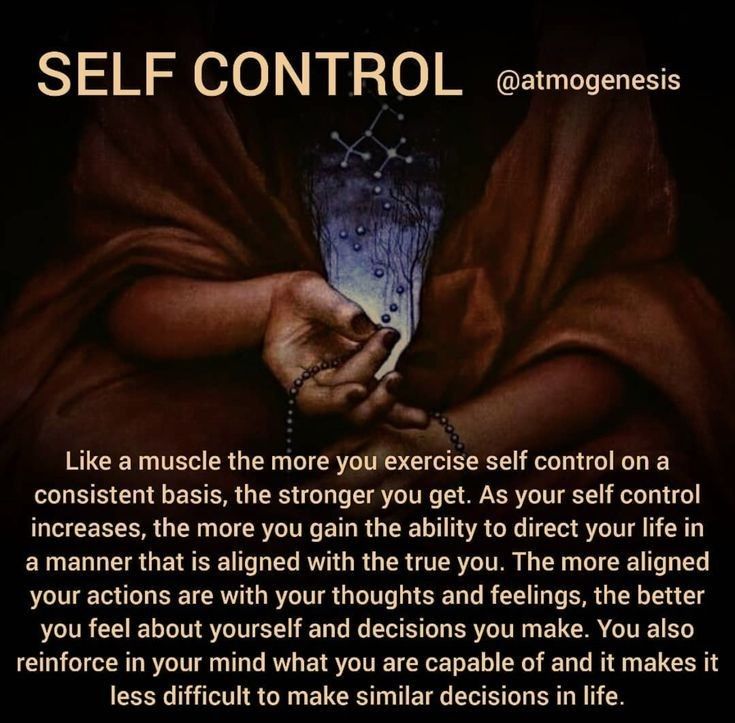
Tracking progress and maintaining motivation are crucial for a successful meditation practice aimed at improving emotional self-control. Regularly assessing your progress helps you understand the impact of meditation, while staying motivated ensures you remain committed to the practice. This section explores methods for measuring your progress and strategies for staying engaged.
Methods for Tracking Progress
Tracking progress involves monitoring changes in your emotional responses, behaviors, and overall well-being. Several methods can be employed to effectively gauge the impact of your meditation practice.
- Journaling: Keeping a journal is a powerful tool for self-assessment. Regularly write down your experiences, including any emotional triggers, your reactions, and how you managed them. Note the intensity of your emotions (e.g., on a scale of 1-10) before and after meditating. Also, document any changes in your thoughts, behaviors, and interactions with others. This detailed record helps identify patterns and track improvements over time.
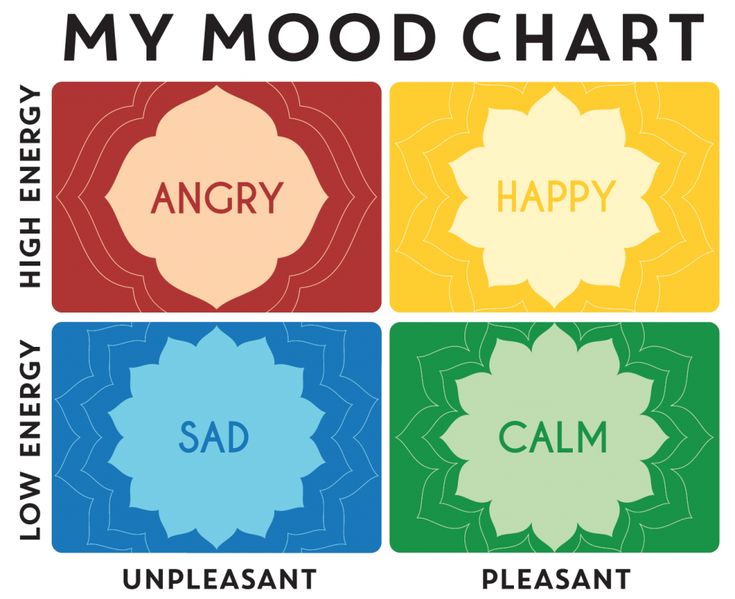
- Using a Mood Tracker: Employing a mood tracker, either a physical journal or a digital app, can help you visualize your emotional state. These tools allow you to record your mood daily and track fluctuations. Over time, you can observe trends, such as a decrease in the frequency or intensity of negative emotions, and an increase in positive emotions.
- Self-Report Questionnaires: Utilize validated self-report questionnaires that assess emotional regulation and mindfulness. These questionnaires typically involve answering questions about your thoughts, feelings, and behaviors. Repeating these questionnaires periodically (e.g., monthly) provides quantifiable data on your progress. Examples include the Difficulties in Emotion Regulation Scale (DERS) and the Mindful Attention Awareness Scale (MAAS).
- Behavioral Observation: Pay attention to your behaviors in real-life situations. Are you reacting more calmly to stressful events? Are you responding less impulsively? Notice any changes in your communication style, decision-making processes, and overall ability to handle challenging situations.
- Seeking Feedback: Ask trusted friends, family members, or a therapist for feedback on your emotional responses and behavior. Their observations can offer an external perspective on your progress. Be open to constructive criticism and use it to identify areas for improvement.
Strategies for Staying Motivated
Maintaining motivation is essential for adhering to a regular meditation practice. Several strategies can help you stay committed and reap the long-term benefits.
- Setting Realistic Goals: Begin with achievable goals. For example, start with five minutes of meditation daily and gradually increase the duration as you become more comfortable. Setting overly ambitious goals can lead to discouragement.
- Establishing a Routine: Integrate meditation into your daily schedule. Choose a specific time and place for your practice and treat it as an important appointment. Consistency is key to building a habit.
- Finding a Supportive Community: Join a meditation group or online forum. Sharing your experiences and connecting with others who are on a similar journey can provide encouragement and accountability.
- Experimenting with Different Techniques: Explore various meditation techniques, such as mindfulness meditation, loving-kindness meditation, or body scan meditation. Finding techniques that resonate with you can make the practice more enjoyable and engaging.
- Celebrating Milestones: Acknowledge and celebrate your progress. Reward yourself for reaching milestones, such as meditating consistently for a week, a month, or a year. These rewards can be simple, such as enjoying a relaxing activity or treating yourself to something you enjoy.
- Understanding the Benefits: Continuously remind yourself of the benefits of meditation. Review your journal entries and mood tracker data to see the positive impact on your emotional well-being. Recognizing the positive changes can motivate you to continue.
- Addressing Challenges: Be prepared to face challenges, such as distractions, restlessness, or negative thoughts. Develop strategies to manage these challenges, such as redirecting your attention to your breath or gently acknowledging and letting go of intrusive thoughts.
Benefits of Consistent Meditation Practice: Real-Life Scenarios
Consistent meditation practice can lead to significant improvements in emotional self-control, impacting various aspects of your life. Here are some real-life scenarios illustrating these benefits.
- Scenario 1: Workplace Stress A project manager, consistently practicing mindfulness meditation for six months, faces a critical deadline at work. In the past, this situation would have triggered intense anxiety and irritability, leading to poor decision-making and strained relationships with colleagues. However, with regular meditation, the project manager is now able to recognize the onset of stress. They take a few minutes to practice deep breathing and focus on the present moment.
As a result, they remain calm, focused, and make rational decisions, successfully leading the team to meet the deadline.
- Scenario 2: Interpersonal Conflict A parent, who has been meditating for a year, finds themselves in a disagreement with their teenager. Previously, such conflicts often escalated into heated arguments. Now, when the disagreement arises, the parent recognizes their emotional reaction and pauses before responding. They consciously choose to respond calmly and empathetically, actively listening to their teenager’s perspective. This leads to a more productive conversation, resolving the conflict and strengthening their relationship.
- Scenario 3: Managing Chronic Pain A person with chronic pain begins meditating daily for pain management. Initially, the pain significantly impacted their mood and ability to function. Over time, through regular meditation practice, they learn to observe their pain without judgment, reducing the emotional distress associated with it. They report a decrease in the intensity of their pain and improved coping mechanisms, enabling them to engage more fully in daily activities and experience an improved quality of life.
- Scenario 4: Public Speaking Anxiety An individual who experiences anxiety before public speaking starts meditating regularly. They incorporate mindfulness practices into their preparation, focusing on their breath and present moment awareness. Before a presentation, they use a short meditation session to calm their nerves. This results in a reduction in physical symptoms of anxiety (such as a racing heart and shaky hands), increased confidence, and a more effective delivery of their presentation.
Incorporating Visualization Techniques
Visualization, a powerful tool in meditation, allows you to mentally rehearse desired outcomes and emotional states. By creating vivid mental images, you can train your mind to respond differently to triggers, ultimately enhancing your self-control over emotions. This technique leverages the brain’s plasticity, the ability to change and adapt throughout life, to reshape neural pathways associated with emotional responses.
Enhancing Emotional Regulation with Visualization
Visualization involves actively creating and focusing on mental images, sounds, and sensations. It’s not simply daydreaming; it’s a focused practice. This practice can strengthen the mind-body connection and facilitate emotional regulation. When you repeatedly visualize yourself responding calmly to stressful situations, your brain begins to treat those mental images as real experiences, making it easier to exhibit those behaviors in reality.
Effective Visualization Types for Specific Emotions
Different visualizations can address specific emotional needs. Selecting the right type of visualization is key to maximizing its effectiveness.
- For Anxiety: Visualize yourself in a safe and peaceful place, like a serene beach or a quiet forest. Focus on the sensory details: the warmth of the sun, the sound of the waves, or the scent of pine trees. This can help to activate the parasympathetic nervous system, promoting relaxation.
- For Sadness: Imagine yourself surrounded by supportive people or envision a time when you felt joy. Focus on the positive emotions and memories associated with these images.
- For Anger: Visualize a calm and controlled response to the trigger. Imagine yourself taking deep breaths and speaking calmly.
- For Fear: Imagine yourself successfully navigating the feared situation. Visualize yourself handling the challenges with confidence and resilience.
Visualization Exercise for Managing Anger and Frustration
This exercise provides a step-by-step approach to using visualization to manage anger and frustration. The goal is to create a mental framework for responding to anger-inducing situations with greater calm and control.
- Preparation: Find a quiet and comfortable space where you won’t be disturbed. Sit comfortably, either on a cushion or in a chair, and close your eyes. Take a few deep breaths to center yourself.
- Recall the Trigger: Bring to mind a recent situation that triggered your anger or frustration. Identify the specific people, events, or thoughts that caused your emotional response.
- Visualize the Situation: Now, replay the situation in your mind, but this time, change your reaction. Instead of reacting with anger, imagine yourself taking deep, slow breaths.
- Visualize a Calm Response: See yourself responding calmly and rationally. Imagine yourself speaking in a measured tone, using assertive but non-aggressive language. Visualize yourself choosing a different behavior, such as walking away to calm down or calmly expressing your needs.
- Focus on the Body: Pay attention to your body’s physical sensations. As you visualize a calm response, notice how your body feels. Imagine your heart rate slowing down, your muscles relaxing, and your breath becoming even.
- Reinforce the Image: Repeat this visualization several times, focusing on the details and the positive emotions associated with your calm response.
- Practice Regularly: Perform this exercise regularly, even when you are not feeling angry. This will help to strengthen the neural pathways associated with your desired emotional responses. Consistent practice is crucial for making this technique effective.
By consistently practicing this visualization exercise, you train your brain to respond differently to anger-inducing situations. This can lead to a significant improvement in your ability to manage your emotions and maintain self-control.
Building a Personalized Meditation Routine
Creating a meditation routine tailored to your individual needs and lifestyle is crucial for sustained practice and achieving the desired benefits of emotional self-control. A personalized routine ensures meditation integrates seamlessly into your daily life, making it more likely you’ll stick with it. This section provides a framework for designing and implementing such a routine.
Template for Designing a Personalized Meditation Routine
Developing a personalized meditation routine begins with self-assessment and planning. Consider these elements when designing your practice:
- Identify Your Goals: Determine what you want to achieve through meditation. Are you aiming to reduce stress, improve focus, or cultivate emotional regulation? Clearly defined goals will help you choose appropriate meditation techniques. For example, if reducing anxiety is your primary goal, you might focus on breathwork and body scan meditations.
- Assess Your Time Availability: Realistically evaluate how much time you can dedicate to meditation each day. Even short, consistent sessions are more effective than infrequent, longer ones. Starting with 5-10 minutes daily is often a good approach.
- Choose Meditation Techniques: Based on your goals, select meditation techniques that align with your needs. Explore various options, such as mindfulness meditation, loving-kindness meditation, or guided meditations. Consider the techniques you find most enjoyable and effective.
- Select a Suitable Time and Location: Determine when and where you will meditate. Consider factors like noise levels, lighting, and privacy. The best time is often when you are least likely to be interrupted. Some people find the morning to be ideal, while others prefer the evening. Designate a specific meditation space, if possible, to create a sense of consistency and tranquility.
- Establish a Schedule: Create a schedule that integrates your chosen techniques, time slots, and duration. Consistency is key, so try to meditate at the same time each day.
- Track Your Progress: Keep a journal or use a meditation app to track your sessions and note your experiences. This will help you monitor your progress and make adjustments as needed.
Organizing a Weekly Schedule Incorporating Various Meditation Techniques and Practices
A well-structured weekly schedule can help you diversify your meditation practice and prevent boredom. Here’s a sample schedule, incorporating different techniques:
- Monday: Mindfulness Meditation (10 minutes). Focus on your breath and body sensations.
- Tuesday: Loving-Kindness Meditation (10 minutes). Direct positive intentions towards yourself and others.
- Wednesday: Body Scan Meditation (15 minutes). Bring awareness to different parts of your body.
- Thursday: Walking Meditation (15 minutes). Focus on the sensations of walking. This can be done outdoors or indoors.
- Friday: Guided Meditation for Stress Reduction (15 minutes). Utilize a guided meditation designed to calm the mind and body.
- Saturday: Free Meditation (20 minutes). Allow yourself to meditate without a specific technique, letting your mind wander.
- Sunday: Review and Planning (10 minutes). Review the week’s practice and plan for the next week. Note any challenges or successes.
This schedule is a starting point and can be adjusted based on individual preferences and progress. It’s crucial to be flexible and adapt the schedule as needed.
Tips for Adapting the Routine to Changing Needs and Circumstances
Life is dynamic, and your meditation routine should be as well. Being able to adapt your practice to changing needs and circumstances is essential for long-term success. Consider these strategies:
- Be Flexible: Don’t be discouraged if you miss a session. Simply resume your practice as soon as possible. Flexibility prevents rigid adherence that can lead to burnout.
- Adjust Duration and Techniques: If you’re short on time, shorten the duration of your sessions or choose a shorter technique. If you’re feeling particularly stressed, opt for a stress-reduction guided meditation.
- Incorporate Meditation into Daily Activities: Practice mindfulness in everyday tasks, such as eating, washing dishes, or commuting. This helps integrate meditation into your life even when you can’t dedicate time to formal practice.
- Modify Your Environment: If your usual meditation space is unavailable, find an alternative location. Adapt to changing conditions rather than abandoning your practice. For example, if you’re traveling, you can meditate in your hotel room or even on the plane.
- Listen to Your Body: Pay attention to how you feel. If you’re feeling overwhelmed, take a break and adjust your routine accordingly.
- Seek Guidance: Consult with a meditation teacher or therapist if you need support or guidance. They can offer personalized advice and help you adapt your routine to your specific needs.
- Regularly Review and Revise: Every few weeks or months, evaluate your routine. Is it still serving your goals? Make adjustments as needed. For instance, if you find a particular technique is no longer effective, try something new.
By implementing these tips, you can create a sustainable meditation practice that evolves with your needs and supports your journey toward emotional self-control.
Last Word
In conclusion, “How to Meditate for Increasing Self-Control in Emotions” provides a complete framework for anyone seeking emotional well-being. By integrating the techniques and strategies Artikeld, you can cultivate self-awareness, manage emotional responses, and build a lasting practice of mindfulness. Embrace the power of meditation and unlock your potential for a more centered, resilient, and emotionally intelligent life. Remember, consistent practice is key to unlocking the profound benefits of meditation and achieving lasting emotional mastery.