Embarking on a journey of self-discovery, this guide, “How to Meditate for Coping with Anxiety and Fear,” unveils the profound connection between mindfulness and emotional well-being. We’ll explore the intricate dance of anxiety and fear, dissecting their physiological underpinnings and common triggers. This comprehensive exploration will then illuminate the transformative power of meditation, offering practical techniques to navigate the challenges of modern life with greater resilience and inner peace.
From understanding the science behind meditation’s impact on the brain to mastering foundational practices like breath awareness and body scans, this resource provides a step-by-step approach. We’ll delve into specific meditation practices tailored for anxiety, including mindfulness, visualization, and progressive muscle relaxation. Moreover, you’ll learn how to seamlessly integrate these techniques into your daily routine, creating a sustainable path towards lasting calm and emotional stability.
Understanding Anxiety and Fear
Anxiety and fear are fundamental human emotions, serving as essential survival mechanisms. However, when these emotions become excessive or persistent, they can significantly impair daily functioning and well-being. Understanding the underlying mechanisms and triggers of anxiety and fear is crucial for developing effective coping strategies, including meditation.
Physiological Responses Associated with Anxiety
Anxiety triggers a cascade of physiological changes designed to prepare the body for a perceived threat, often referred to as the “fight-or-flight” response. This response, orchestrated by the sympathetic nervous system, involves several key physiological changes.
- Increased Heart Rate: The heart beats faster to pump more blood to the muscles, providing them with the oxygen and nutrients needed for action.
- Rapid Breathing: Breathing becomes faster and shallower, increasing oxygen intake and preparing the body for exertion.
- Muscle Tension: Muscles tense up, preparing the body for potential physical action.
- Digestive Changes: Digestion slows down or shuts down to conserve energy, often leading to nausea or stomach upset.
- Sweating: Sweat glands become active, helping to cool the body and regulate temperature.
- Adrenaline and Cortisol Release: The adrenal glands release adrenaline (epinephrine) and cortisol, hormones that further enhance the fight-or-flight response, increasing alertness and providing energy.
These physiological responses, while adaptive in acute stressful situations, can become maladaptive when chronically activated, leading to a variety of physical and mental health problems.
Common Triggers of Anxiety and Fear
Anxiety and fear can be triggered by a wide range of factors, often varying from person to person. These triggers can be broadly categorized, although overlap is common.
- Social Triggers: These relate to social interactions and evaluations. Examples include:
- Public speaking or presentations.
- Meeting new people.
- Social gatherings.
- Fear of judgment or rejection.
- Health-Related Triggers: Concerns about health and well-being often fuel anxiety. Examples include:
- Fear of illness or disease.
- Medical procedures.
- Chronic pain.
- Health-related news or information.
- Financial Triggers: Financial instability or uncertainty can be a significant source of anxiety. Examples include:
- Job loss or unemployment.
- Debt and financial burdens.
- Economic downturns.
- Investment losses.
- Environmental Triggers: Certain environments or situations can also provoke anxiety. Examples include:
- Crowded places.
- Confined spaces (claustrophobia).
- Heights (acrophobia).
- Natural disasters.
- Relationship Triggers: Difficulties within relationships can trigger anxiety. Examples include:
- Relationship conflicts.
- Breakups or divorces.
- Fear of abandonment.
- Relationship insecurities.
Understanding the specific triggers that contribute to an individual’s anxiety is a crucial step in developing personalized coping strategies.
Distinguishing Normal Anxiety from Anxiety Disorders
It is important to differentiate between normal anxiety, which is a common and adaptive emotion, and anxiety disorders, which are characterized by excessive and persistent anxiety that interferes with daily life. The following table provides a comparison of these two conditions.
| Feature | Normal Anxiety | Anxiety Disorder | Example |
|---|---|---|---|
| Intensity | Mild to moderate | Severe and debilitating | Feeling nervous before a presentation vs. experiencing panic attacks that prevent going to work. |
| Duration | Temporary, tied to a specific situation or event | Persistent, often lasting for months or years | Worrying about a test result for a few days vs. chronic, generalized worry that interferes with sleep and daily activities. |
| Functionality | Does not significantly impair daily life | Significantly impairs daily functioning, relationships, and overall well-being | Feeling anxious before a job interview, but still able to perform well vs. social anxiety that prevents attending social events or working. |
| Response to Triggers | Proportional to the perceived threat; resolves when the threat is removed | Disproportionate to the actual threat; may persist even when the threat is gone | Feeling anxious about a deadline vs. experiencing panic attacks in situations perceived as safe. |
The table illustrates the key distinctions between normal anxiety and anxiety disorders, highlighting the severity, duration, impact on daily life, and the appropriateness of the anxious response. Individuals experiencing symptoms consistent with an anxiety disorder should seek professional help.
Impact of Chronic Anxiety and Fear on Mental and Physical Health
Chronic anxiety and fear, if left unmanaged, can have profound and wide-ranging effects on both mental and physical health. The persistent activation of the stress response can lead to numerous health problems.
- Mental Health: Chronic anxiety significantly increases the risk of developing other mental health conditions, including:
- Depression.
- Other anxiety disorders (e.g., generalized anxiety disorder, panic disorder, social anxiety disorder).
- Substance use disorders (as a coping mechanism).
- Increased risk of suicidal ideation.
- Physical Health: The constant stress response can wreak havoc on the body, leading to:
- Cardiovascular problems (e.g., high blood pressure, heart disease). The sustained release of stress hormones can damage the cardiovascular system over time.
- Gastrointestinal issues (e.g., irritable bowel syndrome, ulcers). Chronic stress disrupts digestive function.
- Weakened immune system, making individuals more susceptible to infections. The immune system can be suppressed during chronic stress.
- Chronic pain conditions (e.g., headaches, muscle tension). Persistent muscle tension and inflammation contribute to pain.
- Sleep disturbances (e.g., insomnia). Anxiety often interferes with sleep quality and quantity.
Early intervention and the implementation of coping strategies, such as meditation, are crucial to mitigate the adverse effects of chronic anxiety and fear and promote overall well-being.
The Science Behind Meditation for Anxiety
Meditation, a practice rooted in ancient traditions, has garnered significant attention in modern science for its potential to alleviate anxiety. This section delves into the neurobiological mechanisms underlying meditation’s effects, examining its impact on brain activity, the nervous system, and relevant neurotransmitters. We will also explore the scientific evidence supporting its efficacy in anxiety reduction.
Brainwave Activity Changes
Meditation demonstrably alters brainwave activity, shifting the brain’s dominant frequency towards states associated with relaxation and reduced anxiety. This is measurable through electroencephalography (EEG), a technique used to monitor electrical activity in the brain.
- During periods of anxiety, the brain often exhibits a prevalence of beta waves (12-30 Hz), linked to heightened alertness, stress, and worry.
- Meditation, particularly practices like mindfulness meditation, tends to increase alpha wave activity (8-12 Hz). Alpha waves are associated with a relaxed, yet alert, state. This shift helps to calm the mind and reduce overthinking.
- Longer-term meditation practice can also lead to an increase in theta wave activity (4-8 Hz), often observed during deep relaxation and even sleep. Theta waves are linked to enhanced creativity, intuition, and a sense of calm.
- Some advanced meditators show increased gamma wave activity (30-100 Hz), which is associated with heightened awareness and cognitive integration.
The Parasympathetic Nervous System and Meditation
The parasympathetic nervous system (PNS) plays a crucial role in regulating the body’s “rest and digest” response, counteracting the “fight or flight” response of the sympathetic nervous system (SNS). Meditation activates the PNS, promoting relaxation and reducing anxiety symptoms.
- The SNS is activated during stressful situations, releasing stress hormones like cortisol and adrenaline, leading to increased heart rate, rapid breathing, and muscle tension.
- Meditation, by contrast, stimulates the PNS, which slows the heart rate, lowers blood pressure, and promotes a sense of calm. This is achieved through various mechanisms, including the stimulation of the vagus nerve, a major component of the PNS.
- The vagus nerve, when activated, releases acetylcholine, a neurotransmitter that promotes relaxation and counteracts the effects of stress hormones.
- Regular meditation practice can strengthen the PNS, making the body more resilient to stress and less prone to anxiety symptoms. For example, a study published in the
-Journal of Alternative and Complementary Medicine* found that mindfulness meditation significantly reduced the levels of cortisol in participants with generalized anxiety disorder (GAD).
Scientific Evidence for Anxiety Reduction
Numerous studies have investigated the effectiveness of meditation for anxiety reduction, providing compelling evidence of its benefits. Research consistently shows that meditation can significantly decrease anxiety levels, improve mood, and enhance overall well-being.
- A meta-analysis published in
-JAMA Internal Medicine* examined the effects of mindfulness meditation on various mental health conditions, including anxiety. The analysis, which included data from numerous studies, found that mindfulness meditation was associated with a moderate reduction in anxiety symptoms. - Research published in the
-Journal of Consulting and Clinical Psychology* demonstrated that mindfulness-based stress reduction (MBSR), a structured meditation program, was effective in reducing anxiety and improving quality of life in individuals with GAD. - A study in the
-Health Psychology* journal found that meditation can alter brain structure and function, particularly in regions associated with emotional regulation, such as the amygdala (the brain’s fear center). This suggests that meditation may lead to long-term changes in how the brain processes and responds to anxiety. - Studies also suggest that meditation can be as effective as some medications in treating mild to moderate anxiety, with fewer side effects. For example, a study comparing MBSR to an antidepressant medication for GAD found that both treatments were effective in reducing anxiety symptoms.
Neurotransmitters Impacted by Meditation
Meditation influences the levels and activity of several neurotransmitters, contributing to its anxiety-reducing effects. These chemical messengers play critical roles in mood regulation, stress response, and overall mental well-being.
- Gamma-aminobutyric acid (GABA): Meditation can increase GABA levels in the brain. GABA is the primary inhibitory neurotransmitter, meaning it helps to calm the nervous system and reduce feelings of anxiety. Low GABA levels are often associated with anxiety disorders.
- Serotonin: Meditation can boost serotonin levels. Serotonin is involved in regulating mood, sleep, and appetite. Low serotonin levels are linked to depression and anxiety.
- Dopamine: Meditation may increase dopamine levels, particularly in reward pathways. Dopamine is associated with feelings of pleasure, motivation, and focus. While dopamine is not directly linked to anxiety, it can improve mood and reduce the anhedonia (loss of pleasure) often associated with anxiety and depression.
- Norepinephrine (Noradrenaline): Meditation can help regulate norepinephrine levels. While high levels of norepinephrine contribute to the “fight or flight” response, meditation can help to modulate this response, preventing it from becoming excessive.
- Endorphins: Meditation may trigger the release of endorphins, which are natural pain relievers and mood elevators. Endorphins can reduce feelings of stress and promote a sense of well-being.
Preparing for Meditation
Establishing a consistent meditation practice requires careful preparation. This involves creating an environment conducive to relaxation, choosing comfortable postures, selecting an optimal time, and developing strategies to minimize distractions. These elements collectively enhance the meditation experience, making it easier to focus and derive the full benefits of the practice for managing anxiety and fear.
Designing a Comfortable Meditation Space
The physical environment significantly impacts the effectiveness of meditation. A well-designed space promotes relaxation and reduces external stimuli that can disrupt the practice.Consider these factors when designing your meditation space:
- Lighting: Soft, natural light or dim artificial light is preferable. Avoid harsh, direct light that can be distracting. Consider using candles or Himalayan salt lamps to create a calming ambiance.
- Temperature: Maintain a comfortable temperature. The ideal temperature varies based on individual preferences, but generally, a slightly cool room (around 68-72°F or 20-22°C) is conducive to relaxation.
- Noise: Minimize noise pollution. This might involve closing windows, using earplugs, or playing ambient sounds such as nature sounds or instrumental music at a low volume.
- Decor: Create a visually calming space. This could include using neutral colors, incorporating plants, and minimizing clutter. A dedicated meditation cushion or mat can also help to define the space.
Recommended Meditation Postures and Their Pros and Cons
Choosing the right posture is crucial for comfort and maintaining focus during meditation. Several postures are commonly used, each with its own advantages and disadvantages.Here’s a list of common meditation postures:
- Sitting Cross-legged (Lotus or Half-Lotus): This posture involves sitting on the floor with legs crossed, feet resting on the opposite thighs (Lotus) or against the inner thigh (Half-Lotus).
- Pros: Promotes stability, encourages an upright spine, and is traditional.
- Cons: Can be challenging for those with inflexible hips or knees. Requires practice to maintain comfort.
- Sitting in a Chair: Sitting upright in a chair with feet flat on the floor.
- Pros: Accessible for people of all ages and abilities. Provides good back support.
- Cons: Can be less stable than floor postures, and it may be easier to slouch.
- Seiza (Kneeling): Kneeling with the buttocks resting on the heels.
- Pros: Promotes an upright spine and is a traditional posture.
- Cons: Can be uncomfortable for people with knee or ankle issues. Requires a cushion for support.
- Supine (Lying Down): Lying on your back with arms at your sides, palms facing up.
- Pros: Extremely relaxing, good for those with back pain or limited mobility.
- Cons: Can lead to drowsiness, making it less suitable for some types of meditation.
- Walking Meditation: Slow, mindful walking.
- Pros: Combines meditation with gentle exercise.
- Cons: Requires a quiet space and may be less effective for deep introspection.
Choosing the right posture depends on your physical condition and personal preferences. Experiment with different postures to find the one that allows you to sit comfortably and maintain focus for an extended period.
Selecting the Right Time of Day for Meditation
Consistency is key to developing a successful meditation practice. Choosing a time of day that aligns with your schedule and preferences will make it easier to establish a routine.Consider these factors when choosing the time of day for your meditation practice:
- Morning: Meditating in the morning can set a positive tone for the day. It may be easier to find quiet time before the day’s activities begin.
- Lunch Break: A short meditation during a lunch break can provide a refreshing pause in the middle of the day.
- Evening: Meditating in the evening can help to release stress and promote relaxation before sleep.
- Consistency: The most important factor is consistency. Try to meditate at the same time each day to establish a routine.
- Individual Schedules: Consider your personal schedule and choose a time that works best for you.
- Experimentation: Try meditating at different times of day to see which time feels most beneficial.
Tips for Managing Distractions During Meditation
Distractions are inevitable during meditation. Learning to manage them is a crucial part of the practice.Here are some tips for handling common distractions:
- Internal Distractions (Thoughts): Acknowledge thoughts without judgment, and gently redirect your attention back to your breath or chosen focal point. Think of thoughts as clouds passing in the sky.
- External Distractions (Sounds): Accept sounds as they are. Don’t try to block them out, but rather observe them without getting carried away.
- Physical Discomfort: Adjust your posture if needed. If discomfort persists, acknowledge it without dwelling on it, and bring your attention back to your breath.
- Interruptions: Inform others of your meditation time and request to not be disturbed. If interruptions occur, gently resume your practice after the interruption is over.
- Preparation: Before you begin, turn off your phone, let others know you are meditating, and ensure you have everything you need.
- Practice: With consistent practice, you will develop the ability to maintain focus despite distractions.
Foundational Meditation Techniques
Having explored the understanding of anxiety and fear, the science behind meditation, and the crucial preparation steps, we now delve into the core practices themselves. These foundational meditation techniques provide practical tools for managing anxiety and cultivating inner peace. They are designed to be accessible to everyone, regardless of prior experience, and can be adapted to fit individual needs and preferences.
Consistent practice of these techniques can lead to significant improvements in emotional regulation and overall well-being.
Breath Awareness Meditation
Breath awareness meditation is a simple yet powerful technique that focuses on the natural rhythm of the breath. It serves as a fundamental building block for other meditation practices and offers an immediate anchor to the present moment, helping to calm the mind and reduce anxiety.To practice breath awareness meditation, follow these steps:
- Find a comfortable position. You can sit in a chair with your feet flat on the floor, sit cross-legged on a cushion, or lie down. The most important thing is to maintain a posture that allows you to be relaxed and alert.
- Gently close your eyes or soften your gaze.
- Bring your attention to your breath. Notice the sensation of the breath entering and leaving your body. You can focus on the feeling of the air moving through your nostrils, the rise and fall of your chest or abdomen, or any other sensation associated with breathing.
- When your mind wanders, and it will, gently redirect your attention back to your breath. Do not judge yourself or get frustrated. Wandering thoughts are a natural part of the process. Simply acknowledge the thought and let it go, returning your focus to the breath.
- Continue this practice for 5-10 minutes, gradually increasing the duration as you become more comfortable.
The goal is not to stop thoughts from arising but to observe them without getting carried away. With consistent practice, breath awareness meditation can cultivate a greater sense of presence and equanimity, making it easier to navigate challenging emotions.
Body Scan Meditation
Body scan meditation involves systematically bringing awareness to different parts of the body, noticing any sensations present without judgment. This technique helps to cultivate body awareness, release tension, and promote a sense of relaxation and grounding. It is particularly useful for individuals experiencing physical symptoms of anxiety, such as muscle tension or racing heart.Here is a step-by-step guide to practicing body scan meditation:
- Find a comfortable position, typically lying down on your back with your arms at your sides and your palms facing up.
- Gently close your eyes or soften your gaze.
- Begin by bringing your attention to your toes. Notice any sensations present in your toes, such as tingling, warmth, pressure, or simply the absence of sensation.
- Gradually move your attention up your body, systematically scanning each part: feet, ankles, calves, knees, thighs, hips, lower back, abdomen, chest, upper back, shoulders, arms, hands, neck, face, and head.
- As you scan each part of your body, notice any sensations without judgment. If you encounter areas of tension or discomfort, simply acknowledge them and allow yourself to breathe into them.
- If your mind wanders, gently redirect your attention back to the body scan.
- Continue this practice for 10-20 minutes.
The practice of body scan meditation can promote a deeper connection with your physical self, helping you to identify and release areas of tension. This can lead to a greater sense of relaxation and a reduced experience of anxiety.
Loving-Kindness Meditation
Loving-kindness meditation, also known as Metta meditation, cultivates feelings of compassion and goodwill towards oneself and others. This practice can be particularly effective in countering feelings of self-criticism, isolation, and fear. It involves repeating phrases that express well-wishing, first towards oneself, then towards loved ones, neutral individuals, difficult people, and finally, all beings.Here are some examples of loving-kindness phrases, along with scripts for self and others:
Loving-Kindness Phrases:
- May I be well.
- May I be happy.
- May I be peaceful.
- May I be free from suffering.
- May I be free from fear.
Script for Self:
- Begin by closing your eyes or softening your gaze.
- Bring to mind a feeling of warmth or compassion.
- Silently repeat the loving-kindness phrases, directing them towards yourself: “May I be well. May I be happy. May I be peaceful. May I be free from suffering. May I be free from fear.”
- As you repeat the phrases, try to feel the meaning behind them. Imagine yourself receiving these wishes.
- Continue for several minutes.
Script for Others:
- After practicing loving-kindness towards yourself, shift your focus to a loved one.
- Visualize the person clearly in your mind.
- Silently repeat the loving-kindness phrases, directing them towards them: “May you be well. May you be happy. May you be peaceful. May you be free from suffering. May you be free from fear.”
- Feel the intention of your wishes towards that person.
- Continue for several minutes.
- You can then extend the practice to neutral individuals, difficult people, and eventually, all beings.
Loving-kindness meditation helps to cultivate a sense of connection and compassion, which can significantly reduce feelings of anxiety and isolation. It promotes empathy and understanding, fostering a more positive and resilient mindset.
Guided Meditations for Anxiety
Guided meditations provide structured guidance, often with a voice leading you through the steps of a meditation practice. They are particularly helpful for beginners, offering a framework to follow and supporting the development of a consistent meditation practice. Many guided meditations are specifically designed to address anxiety, offering techniques for calming the mind, managing difficult emotions, and promoting relaxation.Reputable resources for finding guided meditations include:
- Apps: Headspace, Calm, Insight Timer, and Ten Percent Happier are popular apps that offer a wide variety of guided meditations, including those specifically for anxiety. These apps often have subscription models, but also offer free content.
- Websites: Websites such as UCLA Mindful Awareness Research Center, and The Honest Guys provide free guided meditations.
- YouTube: Many mindfulness teachers and meditation experts offer guided meditations on YouTube.
- Books: Many books on meditation and mindfulness include guided meditation scripts or accompanying audio recordings.
When selecting a guided meditation, consider the following:
- The voice and style of the guide: Choose a guide whose voice and style resonate with you.
- The length of the meditation: Start with shorter meditations and gradually increase the duration as you become more comfortable.
- The specific techniques used: Look for meditations that address your specific needs, such as those focused on breath awareness, body scan, or loving-kindness.
By incorporating guided meditations into your routine, you can gain access to a wealth of support and guidance, helping you to develop a consistent and effective meditation practice for managing anxiety.
Specific Meditation Practices for Anxiety and Fear
Now that we’ve covered the foundational techniques, let’s delve into specific meditation practices designed to directly address anxiety and fear. These techniques build upon the principles discussed earlier, providing practical tools for managing challenging emotions and cultivating a sense of inner peace. They are tailored to provide immediate relief and develop long-term resilience.
Mindfulness Meditation for Observing and Accepting Anxious Thoughts and Feelings
Mindfulness meditation is particularly effective for anxiety because it teaches us to observe our thoughts and feelings without judgment. This allows us to create space between ourselves and our anxieties, preventing us from being swept away by them.The practice involves:
- Finding a Comfortable Position: Sit comfortably, either on a cushion or a chair, with your back straight but not stiff. Close your eyes gently or soften your gaze.
- Focusing on the Breath: Bring your attention to your breath. Notice the sensation of the air entering and leaving your body. You can focus on the rise and fall of your abdomen, the feeling of air passing through your nostrils, or any other sensation associated with breathing.
- Acknowledging Thoughts and Feelings: When thoughts and feelings arise – and they inevitably will – simply acknowledge them without getting caught up in them. Label them mentally as “thinking,” “anxiety,” “fear,” or whatever feels appropriate.
- Returning to the Breath: Gently redirect your attention back to your breath whenever your mind wanders. This is the core of mindfulness – repeatedly returning to the present moment.
- Practicing Non-Judgment: Resist the urge to judge your thoughts or feelings. Remember that everyone experiences a wandering mind. The goal is to observe without criticism.
By consistently practicing this technique, you’ll begin to notice that your anxious thoughts and feelings are not facts but simply mental events. This awareness can significantly reduce their power over you. For example, a study published in the
Journal of Consulting and Clinical Psychology* found that mindfulness-based stress reduction (MBSR), a program centered on mindfulness meditation, significantly reduced anxiety symptoms in participants.
Visualization Techniques for Creating Calm and Security
Visualization involves using your imagination to create mental images that evoke feelings of calm, safety, and security. This technique can be a powerful tool for managing anxiety and fear by directly influencing your emotional state.The process involves:
- Choosing a Calm Scene: Close your eyes and imagine a place where you feel safe and at peace. This could be a beach, a forest, a cozy room, or any environment that brings you comfort.
- Engaging Your Senses: As you visualize, engage all your senses. What do you see? What do you hear? What do you smell? What do you feel?
The more detailed your visualization, the more effective it will be.
- Adding Positive Emotions: As you experience the scene, focus on the positive emotions it evokes. Feel the warmth of the sun, the gentle breeze, or the sense of security.
- Extending the Visualization: Stay with the visualization for several minutes, allowing the feelings of calm and security to deepen.
- Repeating the Practice: Practice this technique regularly, especially when you feel anxious or fearful. The more you practice, the easier it will become to access these feelings of calm.
An example could be visualizing yourself on a serene beach. You see the clear blue water, feel the warm sun on your skin, and hear the gentle sound of the waves. You are completely safe and at peace. This practice can calm the nervous system.
Progressive Muscle Relaxation Meditation
Progressive Muscle Relaxation (PMR) is a technique that involves systematically tensing and relaxing different muscle groups throughout your body. This practice can help reduce physical tension, which is often associated with anxiety.To practice PMR:
- Find a Comfortable Position: Lie down or sit comfortably in a quiet place.
- Start with Your Feet: Begin by tensing the muscles in your feet. Curl your toes tightly and hold for 5-10 seconds.
- Release and Observe: Slowly release the tension and notice the feeling of relaxation in your feet. Focus on the difference between tension and relaxation.
- Move Up the Body: Progressively work your way up your body, tensing and relaxing different muscle groups. This might include your calves, thighs, abdomen, chest, arms, shoulders, neck, and face.
- Hold and Release: For each muscle group, tense the muscles for 5-10 seconds, then release and focus on the feeling of relaxation.
- Deep Breathing: Throughout the exercise, focus on your breath, breathing deeply and evenly.
- Complete the Sequence: Once you have worked through all the muscle groups, take a few moments to simply relax and enjoy the feeling of overall relaxation.
Regular practice of PMR can help you become more aware of physical tension and learn to release it, thereby reducing anxiety symptoms. Studies have demonstrated the effectiveness of PMR in reducing both physiological and psychological indicators of anxiety, such as heart rate and feelings of worry.
Using a Mantra to Counter Negative Thoughts and Feelings
A mantra is a word or phrase that you repeat silently or aloud to focus your mind and counter negative thoughts. Mantras can be particularly helpful when you’re experiencing anxious or fearful thoughts.
“I am calm.””I am safe.””I am strong.””This too shall pass.”
The choice of mantra is personal. The key is to select a phrase that resonates with you and helps you to feel more grounded and secure. When you notice anxious thoughts arising, gently repeat your mantra, focusing on its meaning and allowing it to replace the negative thoughts. This practice helps to reframe your thinking and cultivate a sense of inner peace.
Integrating Meditation into Daily Life
Integrating meditation into your daily routine is crucial for harnessing its full potential in managing anxiety and fear. Consistency is key, and even short, regular sessions can yield significant benefits. This section provides practical strategies and tips to help you seamlessly incorporate meditation into your busy life.
Incorporating Short Meditation Sessions into a Busy Schedule
Finding time to meditate amidst a hectic schedule might seem challenging, but it’s entirely achievable with strategic planning. The goal is to integrate meditation into your day, not to add another burden.
- Morning Meditation: Begin your day with a short meditation session. Even five to ten minutes can set a positive tone for the rest of your day. Consider meditating immediately after waking up, before checking emails or social media. This can reduce morning anxiety and improve focus.
- Lunch Break Meditation: Use your lunch break as an opportunity to meditate. Find a quiet space, even if it’s just a corner of your office or a nearby park. A quick 10-15 minute session can help you de-stress and return to work refreshed.
- Commute Meditation: If you use public transportation, utilize your commute time for meditation. Close your eyes and focus on your breath. If you drive, consider practicing mindful listening, focusing on the sounds of your car or the environment. This is not recommended if it impacts driving safety.
- Evening Meditation: End your day with a meditation session to unwind and prepare for sleep. This can help quiet the mind and reduce evening anxiety. This can be done just before going to bed.
- Micro-Meditations: Integrate “micro-meditations” throughout the day. These are short, mindful moments. For example, take a few deep breaths before a meeting, while waiting in line, or before making an important phone call.
Using Meditation Techniques in Stressful Situations
Meditation is not just for quiet times; it’s a powerful tool for managing anxiety and fear when you need it most. The techniques you learn can be applied in real-time, during stressful situations.
- Deep Breathing Exercises: When feeling anxious, immediately employ deep breathing techniques. Focus on slow, deep inhales and exhales. This activates the parasympathetic nervous system, promoting relaxation.
- Body Scan Meditation: If feeling overwhelmed, quickly scan your body for tension. Notice where you are holding stress and consciously release it.
- Mindful Observation: In a stressful situation, focus on your surroundings. Observe your thoughts and emotions without judgment. This can create a sense of detachment, reducing emotional reactivity.
- Use a Mantra: Repeat a calming word or phrase, such as “calm,” “peace,” or “I am safe.” This can help to anchor your attention and quiet racing thoughts.
- Grounding Techniques: Employ grounding techniques to connect with the present moment. Focus on your senses: what you see, hear, smell, taste, and touch. This can pull you out of anxious thoughts and into the present.
Building a Consistent Meditation Practice
Building a consistent meditation practice requires setting realistic goals and developing habits that support your practice.
- Start Small: Begin with short meditation sessions, perhaps 5-10 minutes per day. Gradually increase the duration as you become more comfortable.
- Set Realistic Goals: Avoid setting overly ambitious goals, which can lead to discouragement. Aim for consistency over intensity.
- Choose a Consistent Time and Place: Establish a routine by meditating at the same time and in the same place each day. This helps to create a habit.
- Track Your Progress: Use a journal or meditation app to track your sessions. This can provide motivation and help you identify patterns in your practice.
- Be Patient and Kind to Yourself: It’s normal for your mind to wander during meditation. When this happens, gently redirect your attention back to your chosen focus. Don’t get discouraged.
- Find a Meditation Buddy or Group: Meditating with others can provide support, accountability, and a sense of community.
- Integrate into existing routines: Combine meditation with an existing habit, such as brushing your teeth or drinking your morning coffee. This can help you remember to meditate.
A Schedule of Daily Meditation Activities for Improved Well-being
A well-structured daily meditation schedule can contribute significantly to improved well-being. This example schedule incorporates various meditation techniques.
Morning (7:00 AM – 7:10 AM): 10-minute guided meditation for stress reduction and setting intentions for the day. This may involve a guided visualization of a peaceful environment or affirmations to promote calm and positivity. This is best done in a quiet area, such as a bedroom, before starting the day’s activities.
Mid-day (1:00 PM – 1:10 PM): 10-minute mindful breathing exercise during lunch break to release work-related tension and rejuvenate the mind. Focus on the breath, noticing the sensations of each inhale and exhale. If in a busy office, find a quiet space like a break room or outside.
Evening (8:00 PM – 8:20 PM): 20-minute body scan meditation to relieve physical tension and prepare for sleep. Lying down comfortably, systematically bring awareness to different parts of the body, noticing any tension or discomfort. Release it with each exhale. This helps in promoting relaxation and improving sleep quality.
Throughout the Day: Practice micro-meditations, such as taking a few deep breaths before a meeting or while waiting in line. This will help to manage stress in real-time. When feeling overwhelmed, immediately employ deep breathing techniques, focusing on slow, deep inhales and exhales. This activates the parasympathetic nervous system, promoting relaxation.
Addressing Challenges and Troubleshooting
Beginning a meditation practice, especially when dealing with anxiety and fear, can present various hurdles. It’s common to encounter racing thoughts, physical discomfort, and feelings of frustration. This section provides practical strategies and resources to navigate these challenges effectively, fostering a more consistent and beneficial meditation experience.
Handling Racing Thoughts During Meditation
Racing thoughts are a common experience for meditators, especially those with anxiety. The goal isn’t to eliminate thoughts, which is nearly impossible, but to change your relationship with them.
- Recognizing Thoughts: The first step is to acknowledge the presence of thoughts without judgment. Think of them as clouds passing in the sky; observe them without getting carried away.
- Gentle Redirection: When you notice your mind wandering, gently redirect your attention back to your chosen focus, such as your breath, a mantra, or a visual image. Avoid self-criticism; simply acknowledge the thought and return to your anchor.
- Labeling Thoughts: Some practitioners find it helpful to mentally label thoughts as “thinking,” “planning,” or “remembering.” This can create a sense of distance and detachment from the thought.
- Thought Journaling: If persistent thoughts are disruptive, consider keeping a journal to write them down after your meditation session. This can help you process them and reduce their impact during meditation.
- Mindfulness of Thoughts: Practice observing the nature of thoughts themselves. Notice their impermanence; they arise, stay for a while, and then pass. This perspective helps reduce the grip of thoughts.
Solutions for Dealing with Restlessness and Physical Discomfort During Meditation
Physical discomfort and restlessness are often barriers to a comfortable meditation practice. Addressing these issues can significantly improve your experience.
- Adjusting Posture: Experiment with different postures to find one that supports comfort and stability. This might include sitting in a chair, using a cushion, or lying down. Maintain a straight spine without rigidity.
- Breaks and Movement: If discomfort arises, gently adjust your position or take a short break. If you are practicing a longer meditation, plan for movement breaks.
- Body Scan Meditation: Incorporate body scan meditation to become aware of tension in your body. As you identify areas of tension, consciously relax them.
- Warm-up Exercises: Before meditating, consider doing gentle stretching or yoga to release physical tension.
- Choosing the Right Time: Consider meditating at a time when you are less likely to be physically restless, such as after a relaxing activity or before bed.
Managing Feelings of Frustration or Discouragement When Starting a Meditation Practice
It’s normal to feel frustrated or discouraged when starting to meditate. Building a consistent practice takes time and patience.
- Realistic Expectations: Understand that progress isn’t always linear. There will be good days and challenging days. Don’t expect immediate results.
- Self-Compassion: Treat yourself with kindness and understanding. Avoid self-criticism; acknowledge your feelings and be patient with yourself.
- Short Sessions: Start with short meditation sessions (e.g., 5-10 minutes) and gradually increase the duration as you become more comfortable.
- Celebrate Small Wins: Acknowledge and celebrate your successes, no matter how small. This can help build momentum and motivation.
- Consistency Over Perfection: Focus on consistency rather than perfection. Even a few minutes of meditation each day is more beneficial than sporadic longer sessions.
Resources for Finding a Meditation Teacher or Support Group
Seeking guidance and support can be invaluable when learning to meditate. Here are some resources to help you find a teacher or join a support group.
- Online Meditation Platforms: Websites and apps like Headspace, Calm, and Insight Timer offer guided meditations and resources for beginners. They often include courses led by experienced teachers.
- Local Meditation Centers and Studios: Search for meditation centers or yoga studios in your area. These centers often offer classes, workshops, and group meditations.
- Community Centers and Libraries: Check your local community centers and libraries for meditation classes or groups.
- Mindfulness-Based Stress Reduction (MBSR) Programs: MBSR programs are evidence-based programs that teach mindfulness meditation techniques. These programs are often led by trained instructors and provide a structured learning environment.
- Mental Health Professionals: Some therapists and counselors incorporate mindfulness and meditation into their practices. Ask your healthcare provider for recommendations.
Advanced Meditation Techniques (Optional)
As you progress in your meditation practice and become more comfortable with foundational techniques, you may wish to explore advanced methods to deepen your experience and further cultivate resilience against anxiety and fear. These techniques offer new avenues for self-discovery and provide additional tools for navigating challenging emotions. This section presents several optional advanced practices that can enhance your mindfulness journey.
Walking Meditation
Walking meditation combines the physical act of walking with mindful awareness. It provides a unique opportunity to cultivate presence in motion and can be particularly beneficial for those who find it difficult to sit still for extended periods.To practice walking meditation:
- Find a Suitable Space: Choose a quiet and safe environment, such as a park, a walking path, or even a room in your home. Ensure the space is free from distractions.
- Establish a Gentle Pace: Begin by walking at a slow, natural pace. The key is to move deliberately and mindfully.
- Focus on Sensations: Pay attention to the sensations of walking. Notice the feeling of your feet making contact with the ground, the movement of your legs, and the shifting of your weight.
- Observe the Breath: As you walk, maintain awareness of your breath. Notice the rise and fall of your chest or abdomen. Use the breath as an anchor to keep you present.
- Cultivate Awareness: Be mindful of your surroundings. Observe the sights, sounds, and smells around you without judgment.
- Address Distractions: When your mind wanders, gently bring your attention back to the sensations of walking and your breath. Avoid getting caught up in thoughts or worries.
- Practice Regularly: Start with short sessions, such as five to ten minutes, and gradually increase the duration as you become more comfortable. Regular practice will enhance your ability to maintain presence during movement.
Walking meditation offers several advantages. It can help reduce stress, improve focus, and enhance body awareness. It also provides a practical way to integrate mindfulness into daily life, as walking is a common activity.
Incorporating Mindfulness into Everyday Activities
Mindfulness is not limited to formal meditation sessions; it can be cultivated throughout your day. By bringing awareness to your everyday activities, you can reduce anxiety and increase your sense of calm. This involves paying attention to the present moment without judgment, regardless of what you are doing.To incorporate mindfulness into daily activities:
- Mindful Eating: Pay attention to the taste, texture, and smell of your food. Chew slowly and savor each bite. Notice the sensations in your mouth and the feeling of fullness.
- Mindful Washing: When washing dishes, brushing your teeth, or taking a shower, focus on the physical sensations. Feel the water, the soap, and the movements of your body.
- Mindful Commuting: During your commute, whether you are driving, taking public transportation, or walking, pay attention to your surroundings. Observe the sights, sounds, and sensations without getting lost in thought.
- Mindful Listening: When someone is speaking, give them your full attention. Listen without interrupting or formulating your response. Focus on understanding what they are saying.
- Mindful Working: Approach your work with intention and focus. Pay attention to each task, and avoid multitasking. Take breaks to stretch and refocus.
- Mindful Conversations: Engage in conversations with full presence. Listen actively, and respond thoughtfully. Avoid getting distracted by your own thoughts or judgments.
By practicing mindfulness in everyday activities, you can cultivate a greater sense of awareness and presence. This can help you manage stress, improve your relationships, and increase your overall well-being. The more you practice, the more naturally mindfulness will become a part of your daily life.
Practicing Metta Meditation with Challenging Individuals
Metta meditation, or loving-kindness meditation, is a practice that cultivates feelings of goodwill, kindness, and compassion towards oneself and others. It can be particularly beneficial for managing anxiety and fear, as it promotes a sense of connection and reduces feelings of isolation. Applying metta meditation to challenging individuals can be difficult, but it is a powerful way to transform negative emotions and promote inner peace.To practice metta meditation with challenging individuals:
- Start with Yourself: Before extending metta to others, begin by directing loving-kindness towards yourself. Repeat phrases such as, “May I be happy. May I be well. May I be safe. May I be peaceful and at ease.” This self-compassion sets the foundation for extending kindness to others.
- Visualize the Person: Bring the challenging individual to mind. Visualize their face, or if that is too difficult, simply imagine their presence.
- Acknowledge Their Humanity: Recognize that this person, like you, desires happiness and wants to avoid suffering. Remind yourself that they are also experiencing challenges and difficulties in their life.
- Offer Metta Phrases: Silently repeat metta phrases towards the person, such as:
“May you be happy. May you be well. May you be safe. May you be peaceful and at ease.”
- Cultivate Compassion: If you find yourself feeling negative emotions, gently redirect your focus back to the metta phrases. Remember that compassion is not about condoning their behavior but about recognizing their suffering.
- Practice Regularly: Start with short sessions, and gradually increase the duration as you become more comfortable. Consistent practice will help you cultivate a more compassionate attitude towards challenging individuals.
- Accept Limitations: It’s important to recognize that you may not always be able to change the behavior of others. The goal of metta meditation is to transform your own inner state, not to control the actions of others.
Practicing metta meditation with challenging individuals can be a transformative experience. It can help you release anger, resentment, and fear, and cultivate a greater sense of empathy and understanding. This, in turn, can reduce your own anxiety and promote inner peace.
Benefits of Different Meditation Types
Different types of meditation offer unique benefits. Understanding these benefits can help you choose the practices that best suit your needs and goals. The following table illustrates the benefits of several common meditation types.
| Meditation Type | Primary Focus | Key Benefits |
|---|---|---|
| Mindfulness Meditation | Present moment awareness | Reduces stress and anxiety, improves focus, enhances self-awareness, increases emotional regulation. |
| Loving-Kindness (Metta) Meditation | Cultivating compassion and kindness | Increases feelings of love and connection, reduces feelings of isolation, decreases negative emotions, improves social relationships. |
| Walking Meditation | Mindful movement | Enhances body awareness, reduces stress, improves focus, integrates mindfulness into daily life. |
| Body Scan Meditation | Awareness of bodily sensations | Reduces physical tension, increases body awareness, promotes relaxation, improves interoceptive awareness. |
| Transcendental Meditation | Effortless mental silence | Reduces stress, promotes deep relaxation, improves cognitive function, enhances creativity. |
This table is not exhaustive, but it provides a general overview of the benefits associated with each type of meditation. Experimenting with different techniques can help you discover which practices are most effective for managing your anxiety and fear and improving your overall well-being.
Concluding Remarks
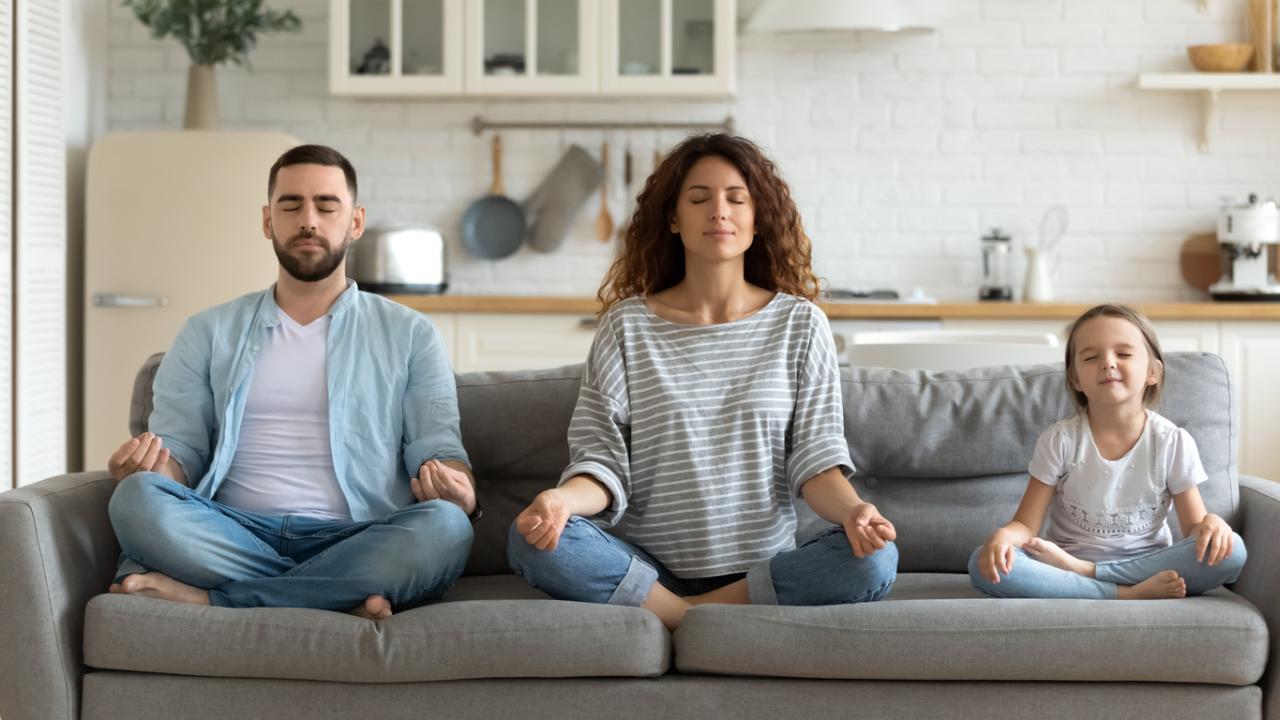
In conclusion, “How to Meditate for Coping with Anxiety and Fear” serves as a valuable roadmap, empowering you to cultivate a more mindful and balanced approach to life. By understanding the nature of anxiety, embracing the science-backed benefits of meditation, and implementing practical techniques, you can unlock the potential for greater emotional resilience and a profound sense of inner peace.
Embrace the journey, practice with consistency, and witness the transformative power of meditation unfold in your life.