How to Meditate for Unlocking Peace During Stressful Times presents a journey into the art of meditation, a practice that offers a sanctuary from the relentless demands of modern life. Stress, a ubiquitous companion in our fast-paced world, often manifests in both our physical and mental well-being. This guide serves as your companion, offering practical tools and techniques to navigate the turbulent waters of stress and cultivate a sense of inner calm.
This comprehensive exploration delves into the physiological and psychological impacts of stress, providing a foundation for understanding its effects. From the fundamental principles of mindfulness meditation to advanced practices, we will explore various techniques. We’ll guide you through preparing your environment, managing distractions, and integrating meditation seamlessly into your daily routine, ensuring you’re well-equipped to harness its transformative power.
Understanding Stress and Its Impact
Stress is an unavoidable aspect of modern life. Recognizing its nature and impact is the first step towards effective management. Understanding the physiological and psychological responses to stressors can empower individuals to take proactive steps toward well-being. This section will explore the multifaceted effects of stress, providing a comprehensive overview of its manifestations and consequences.
Physiological Effects of Stress on the Body
Stress triggers a cascade of physiological changes, designed to prepare the body for “fight or flight” responses. Chronic stress, however, can lead to detrimental health outcomes.The physiological effects of stress are wide-ranging:
- Elevated Heart Rate and Blood Pressure: The release of stress hormones like adrenaline and cortisol increases heart rate and blood pressure, potentially leading to cardiovascular issues over time. This is a natural response to perceived threats.
- Weakened Immune System: Prolonged stress suppresses the immune system, making the body more susceptible to infections and illnesses. This is because the body diverts resources away from immune function to cope with the stressor.
- Digestive Problems: Stress can disrupt the digestive process, leading to symptoms such as stomachaches, nausea, and changes in bowel habits. The gut-brain axis plays a significant role in this interaction.
- Muscle Tension: Stress causes muscles to tense up, leading to headaches, back pain, and other musculoskeletal problems. This is a common physical manifestation of emotional strain.
- Sleep Disturbances: Stress can interfere with sleep patterns, making it difficult to fall asleep, stay asleep, or experience restful sleep. Lack of sleep further exacerbates stress levels.
Psychological Effects of Stress
Stress significantly impacts mental and emotional well-being. These psychological effects can be as debilitating as the physical ones.The psychological impacts of stress can include:
- Anxiety: Feeling excessive worry, nervousness, and unease is a common response to stress. This can manifest in various ways, including panic attacks.
- Irritability: Increased frustration and a short temper are often associated with stress, making it difficult to manage emotions.
- Difficulty Concentrating: Stress can impair cognitive function, making it hard to focus, remember things, and make decisions. This is a result of the stress hormones affecting brain function.
- Mood Swings: Experiencing rapid shifts in mood, from sadness to anger, can be a sign of stress. These mood swings can be unpredictable.
- Depression: Prolonged and unmanaged stress can contribute to the development of depressive symptoms. This can significantly impact daily life.
Common Stressors and Their Manifestations in Daily Life
Stressors are diverse, ranging from external events to internal pressures. Recognizing these triggers is crucial for managing stress effectively.Examples of common stressors and their manifestations include:
- Work-Related Stress:
- Stressors: Excessive workload, deadlines, difficult colleagues, job insecurity.
- Manifestations: Feeling overwhelmed, difficulty concentrating at work, procrastination, burnout, and physical symptoms like headaches or stomach problems.
- Financial Stress:
- Stressors: Debt, unexpected expenses, job loss, and economic uncertainty.
- Manifestations: Constant worry about money, difficulty sleeping, irritability, strained relationships, and unhealthy coping mechanisms like overspending or isolation.
- Relationship Stress:
- Stressors: Conflicts with partners, family problems, social isolation.
- Manifestations: Arguments, emotional withdrawal, increased conflict, feeling unsupported, and a decline in overall well-being.
- Health Concerns:
- Stressors: Illness, chronic conditions, medical appointments, and the health of loved ones.
- Manifestations: Anxiety about health, physical symptoms related to stress, difficulty coping with illness, and changes in lifestyle.
- Major Life Events:
- Stressors: Moving, marriage, divorce, the death of a loved one, and significant life changes.
- Manifestations: Emotional distress, difficulty adjusting, changes in sleep patterns, social withdrawal, and a sense of loss.
The Link Between Stress and Mental Health Challenges
Unmanaged stress is a significant contributor to various mental health conditions. Recognizing this connection is vital for early intervention and treatment.The relationship between stress and mental health is profound:
- Increased Risk of Anxiety Disorders: Chronic stress can trigger and exacerbate anxiety disorders, including generalized anxiety disorder, social anxiety disorder, and panic disorder.
- Contribution to Depression: Prolonged stress can deplete neurotransmitters like serotonin and dopamine, increasing the likelihood of developing depression.
- Exacerbation of Existing Conditions: Stress can worsen symptoms of pre-existing mental health conditions, making them more difficult to manage.
- Increased Substance Abuse: People may turn to alcohol, drugs, or other substances to cope with stress, leading to addiction and other mental health problems.
- Development of Post-Traumatic Stress Disorder (PTSD): Traumatic events, coupled with the stress response, can lead to PTSD.
Benefits of Stress Management Techniques
Employing effective stress management techniques offers numerous benefits, promoting both physical and mental well-being.The benefits of stress management include:
- Improved Physical Health: Reducing stress can lower blood pressure, strengthen the immune system, and improve overall physical health.
- Enhanced Mental Well-being: Stress management techniques can reduce anxiety, improve mood, and promote a sense of calm and control.
- Better Sleep Quality: Managing stress can improve sleep patterns, allowing for more restful and restorative sleep.
- Increased Productivity and Focus: By reducing stress, individuals can improve their ability to concentrate, make decisions, and be more productive.
- Stronger Relationships: Managing stress can improve communication and reduce conflict, leading to healthier relationships.
The Foundations of Meditation
Understanding the foundations of meditation is crucial for unlocking inner peace, especially during stressful times. This section will clarify what meditation is, distinguish it from other relaxation techniques, and explore various meditation practices and common misconceptions. This will provide a solid base for your meditation journey.
Defining Meditation and Differentiating it from Relaxation Techniques
Meditation is a practice that involves training the mind to focus and redirect thoughts. It’s a technique used to cultivate awareness, and achieve a mentally clear and emotionally calm and stable state. Unlike relaxation techniques, which primarily aim to reduce physical tension, meditation delves deeper, working to change mental habits and patterns.Meditation differs from other relaxation techniques in several key ways:
- Focus: Meditation emphasizes focused attention on a specific object, thought, or sensation, such as the breath. Relaxation techniques may involve general muscle relaxation or pleasant imagery.
- Goal: The primary goal of meditation is to cultivate awareness and insight into the nature of thoughts and feelings. Relaxation techniques aim to reduce physical and mental tension.
- Technique: Meditation often involves sitting or lying still, while relaxation techniques may involve physical activities or specific exercises.
- Effect: The long-term effects of meditation can include improved emotional regulation, reduced stress, and increased self-awareness. Relaxation techniques offer immediate stress relief.
Core Principles of Mindfulness Meditation
Mindfulness meditation forms the bedrock of many meditation practices. It involves paying attention to the present moment without judgment. This includes observing thoughts, feelings, and sensations as they arise, without getting carried away by them. The core principles are:
- Present Moment Awareness: The practice focuses on being aware of the present moment, without dwelling on the past or worrying about the future. This involves bringing attention to the breath, body sensations, sounds, and thoughts as they occur.
- Non-Judgment: Observing thoughts and feelings without judgment is essential. This means accepting experiences as they are, without labeling them as good or bad.
- Acceptance: Accepting experiences as they are, without resistance, allows for a more peaceful relationship with thoughts and emotions. This involves acknowledging feelings without trying to change or suppress them.
- Patience: The practice requires patience, as the mind may wander. Gently redirecting attention back to the chosen focus is a key part of the practice.
- Beginner’s Mind: Approaching each meditation session with a fresh perspective, as if it’s the first time, can help to avoid preconceived notions and expectations.
Different Types of Meditation Practices
Different meditation practices offer various approaches to cultivating mindfulness and inner peace. Each practice utilizes a different technique to focus attention and achieve a state of calm.
- Breath Awareness Meditation: This involves focusing on the breath, noticing the sensation of the air entering and leaving the body. This is often the starting point for beginners, as the breath provides a readily available and constant anchor for attention.
- Body Scan Meditation: Body scan meditation involves bringing awareness to different parts of the body, one at a time. This helps to increase body awareness and release tension. The practice typically starts at the toes and moves up the body, noticing sensations along the way.
- Loving-Kindness Meditation (Metta): This practice involves cultivating feelings of love and kindness, first towards oneself, then towards loved ones, neutral individuals, difficult people, and finally, all beings. This helps to develop compassion and reduce feelings of anger and resentment.
- Walking Meditation: This practice involves bringing mindful awareness to the physical sensations of walking. It can be done indoors or outdoors, focusing on the feeling of the feet on the ground and the movement of the body.
- Transcendental Meditation (TM): TM involves using a mantra, a specific word or sound, to quiet the mind. This practice is typically taught by certified teachers and involves meditating for 10-20 minutes twice a day.
- Visualization Meditation: This practice involves creating mental images to promote relaxation and focus. This might include visualizing a peaceful scene or a positive outcome.
Common Misconceptions About Meditation
Several misconceptions surround meditation, often leading to unrealistic expectations and discouragement. Recognizing and addressing these misconceptions can help people approach meditation with a more realistic and beneficial perspective.
- Myth: Meditation is about stopping thoughts.
Reality: Meditation is about observing thoughts without judgment, not stopping them. The goal is to become aware of thoughts without getting carried away by them.
- Myth: You need to be in a specific environment to meditate.
Reality: Meditation can be practiced anywhere, anytime. While a quiet environment can be helpful, it is not essential. You can meditate on a bus, at your desk, or anywhere you can find a few minutes.
- Myth: Meditation is only for spiritual people.
Reality: Meditation is for everyone, regardless of their beliefs or background. It is a secular practice that can benefit anyone seeking to reduce stress and improve well-being.
- Myth: If you are not good at it, you are failing.
Reality: There is no right or wrong way to meditate. The mind will wander, and that is perfectly normal. The key is to gently bring your attention back to the focus.
- Myth: Meditation is a quick fix.
Reality: Meditation is a skill that takes time and practice to develop. While some benefits may be felt quickly, the long-term effects require consistent practice.
Preparing for Meditation
Preparing for meditation is a crucial step in cultivating a successful and peaceful practice. It involves creating an environment that supports focused attention, adopting a comfortable posture, and establishing a pre-meditation routine. This section provides guidance on how to set the stage for a beneficial meditation experience, mitigating potential distractions and maximizing the benefits of the practice.
Ideal Environment for Meditation Practice
The environment significantly impacts the effectiveness of meditation. A well-prepared space minimizes external disturbances and fosters a sense of tranquility.
- Quiet Location: Choose a location where you are unlikely to be interrupted by noise or activity. This could be a dedicated meditation room, a quiet corner in your home, or even a natural setting like a park.
- Comfortable Temperature: Ensure the room is at a comfortable temperature, neither too hot nor too cold. Temperature fluctuations can be distracting and disrupt focus.
- Dim Lighting: Soft, natural light or dim artificial lighting is preferable. Bright lights can be overstimulating, while darkness can induce sleepiness. Consider using candles or a Himalayan salt lamp for a gentle glow.
- Minimal Distractions: Remove visual distractions, such as clutter or excessive decorations. A simple, uncluttered space helps to calm the mind. Turn off or silence electronic devices like phones, televisions, and computers.
- Aromatherapy (Optional): If desired, incorporate calming scents such as lavender, chamomile, or sandalwood. Use essential oil diffusers or incense, ensuring the fragrance is subtle and not overwhelming.
- Ventilation: Ensure adequate ventilation to maintain fresh air circulation. This can help to prevent feelings of stuffiness and promote alertness.
Finding a Comfortable Meditation Posture
A comfortable posture is essential for prolonged meditation sessions. The goal is to maintain an alert yet relaxed state, minimizing physical discomfort.
- Sitting Postures:
- Cross-legged: This is a common posture, often used in yoga. It involves sitting with the legs crossed, ideally with the ankles resting on the opposite thighs (lotus position). Modify this if needed, using a half-lotus or simply crossing the legs comfortably.
- Seiza (Japanese sitting): Kneel on the floor with the buttocks resting on the heels. A cushion can be used to elevate the hips for added comfort.
- Chair Sitting: Sit in a chair with your back straight but not stiff. Ensure your feet are flat on the floor, and your hands rest comfortably on your lap or thighs.
- Body Alignment:
- Spine: Keep your spine straight but not rigid. Imagine a string pulling you upwards from the crown of your head.
- Shoulders: Relax your shoulders, allowing them to drop naturally. Avoid hunching or slumping.
- Hands: Rest your hands gently on your lap or thighs. You can form a mudra (a symbolic hand gesture) if desired.
- Eyes: Close your eyes gently or keep them slightly open, gazing downwards at a point on the floor.
- Using Props:
- Cushions and Pillows: Use cushions or pillows to elevate your hips, making it easier to maintain a straight spine.
- Blankets: Place a blanket under your knees for added support, especially in the cross-legged position.
- Adjustments: Adjust your posture as needed to maintain comfort. Slight movements are acceptable, but avoid fidgeting excessively. The goal is to find a balance between stillness and comfort.
Designing a Routine for Preparing the Mind and Body Before Meditating
Establishing a pre-meditation routine can significantly enhance the meditation experience. This routine helps to prepare both the mind and body for the practice.
- Physical Preparation:
- Gentle Stretching: Perform gentle stretches to release tension in the body. Focus on areas like the neck, shoulders, and back.
- Deep Breathing Exercises: Practice deep breathing exercises, such as diaphragmatic breathing or the 4-7-8 technique, to calm the nervous system.
- Hydration: Drink a glass of water to stay hydrated and support overall well-being.
- Mental Preparation:
- Mindful Observation: Take a few moments to observe your thoughts and feelings without judgment. Acknowledge any distractions or emotions that arise.
- Setting an Intention: Define a clear intention for your meditation session. This could be to cultivate inner peace, reduce stress, or simply to be present.
- Gratitude Practice: Reflect on things you are grateful for. This can help to shift your focus to positive aspects of your life.
- Creating a Ritual:
- Consistent Timing: Meditate at the same time each day to establish a routine.
- Dedicated Space: Use the same space for meditation to create a sense of familiarity and comfort.
- Pre-Meditation Activities: Incorporate activities such as lighting a candle, playing calming music, or reciting a mantra.
- Duration: Begin with shorter meditation sessions (5-10 minutes) and gradually increase the duration as you become more comfortable. Consistency is more important than length.
Managing Distractions During Meditation
Distractions are a common experience during meditation. Learning how to manage them effectively is key to maintaining focus and cultivating a deeper state of awareness.
- Acknowledging Distractions: When a thought or sensation arises, acknowledge it without judgment. Simply notice it and gently redirect your attention back to your chosen focus (e.g., your breath).
- Types of Distractions:
- Thoughts: Thoughts are the most common distraction. When a thought arises, label it mentally (e.g., “thinking”) and gently return your attention to your focus.
- Sensations: Physical sensations, such as itching or discomfort, can be distracting. Acknowledge the sensation without reacting to it.
- Emotions: Emotions can also arise during meditation. Observe the emotion without getting carried away by it.
- External Sounds: External sounds, such as traffic or conversations, can be distracting. Accept these sounds as part of the environment and gently return your focus to your chosen object.
- Techniques for Managing Distractions:
- Focus on the Breath: The breath serves as an anchor for your attention. When distracted, gently return your focus to the sensation of breathing.
- Body Scan Meditation: In a body scan, systematically bring awareness to different parts of your body. This can help to ground you in the present moment and reduce mental chatter.
- Mantra Meditation: Repeating a mantra can help to quiet the mind and reduce distractions.
- Visualization: Visualize a peaceful scene or object to focus your attention.
- Patience and Persistence: Managing distractions takes practice. Be patient with yourself and persistent in your efforts. Each time you gently redirect your attention, you strengthen your ability to focus.
Guided Meditation Techniques for Stress Relief
In this section, we’ll explore several guided meditation techniques specifically designed to alleviate stress. These practices offer practical tools for cultivating inner peace and resilience, allowing you to navigate challenging situations with greater calm and clarity. Each technique provides a unique approach to quieting the mind and connecting with the present moment.
Basic Breath Awareness Meditation
Breath awareness meditation is a foundational practice that cultivates present moment awareness by focusing on the breath. This technique is accessible to everyone and can be practiced anywhere, offering immediate stress relief.To practice breath awareness meditation:
- Find a comfortable position: Sit upright in a chair with your feet flat on the floor, or sit cross-legged on a cushion. Ensure your spine is straight but relaxed. You can also lie down if that’s more comfortable, but be mindful of falling asleep.
- Close your eyes or gently soften your gaze: This helps to minimize external distractions and turn your attention inward.
- Bring your attention to your breath: Notice the sensation of your breath as it enters and leaves your body. Observe the rise and fall of your abdomen or chest, or the feeling of the air passing through your nostrils.
- Follow the breath: Simply follow the natural rhythm of your breath. Don’t try to control it; just observe it.
- Acknowledge and gently redirect your wandering mind: It’s natural for your mind to wander. When you notice your thoughts drifting, gently acknowledge them without judgment, and redirect your attention back to your breath. Use phrases like “thinking,” “planning,” or “worrying” to label the thoughts, and then return to the breath.
- Practice regularly: Aim for 5-10 minutes of breath awareness meditation each day, gradually increasing the duration as you become more comfortable.
Regular practice of breath awareness meditation has been shown to reduce stress hormones, such as cortisol, and improve overall well-being.
Body Scan Meditation Procedure
Body scan meditation involves systematically bringing awareness to different parts of the body, noticing any sensations present. This practice promotes relaxation, increases body awareness, and can help to release physical tension.To perform a body scan meditation:
- Find a comfortable position: Lie down on your back with your arms at your sides, palms facing up. Close your eyes.
- Take a few deep breaths: Allow your body to relax and settle into the position.
- Bring your attention to your toes: Starting with your toes, gently bring your awareness to the sensations in this area. Notice any feelings of warmth, coolness, tingling, or pressure.
- Gradually move through your body: Slowly move your awareness up through your feet, ankles, calves, knees, thighs, hips, abdomen, chest, back, shoulders, arms, hands, neck, and head.
- Observe and accept: As you move through each body part, simply observe the sensations without judgment. If you experience any tension or discomfort, acknowledge it and gently breathe into it.
- Visualize releasing tension: As you exhale, visualize any tension or stress leaving your body with each breath.
- Complete the scan: Once you’ve scanned your entire body, take a few moments to appreciate the feeling of relaxation and peace.
- Gently return to the present: Slowly wiggle your fingers and toes, and when you’re ready, gently open your eyes.
A study published in theJournal of Alternative and Complementary Medicine* found that body scan meditation significantly reduced pain and improved sleep quality in individuals with chronic pain. This demonstrates its potential for managing stress-related physical symptoms.
Loving-Kindness Meditation Practice
Loving-kindness meditation (Metta) is a practice that cultivates feelings of love, compassion, and kindness towards oneself and others. This meditation can help to reduce feelings of isolation, increase empathy, and promote overall well-being.To practice loving-kindness meditation:
- Find a comfortable position: Sit in a quiet place, closing your eyes or gently softening your gaze.
- Begin with yourself: Start by directing loving-kindness towards yourself. Silently repeat phrases such as:
- “May I be filled with loving-kindness.”
- “May I be well.”
- “May I be peaceful and at ease.”
- “May I be happy.”
- Extend to loved ones: Visualize someone you care about and repeat the phrases, directing the loving-kindness towards them.
- Expand to neutral individuals: Think of someone you don’t know well, such as a person you see in the grocery store. Repeat the phrases, extending your wishes to them.
- Include difficult people: This can be the most challenging step. Think of someone you find difficult or challenging and direct the loving-kindness phrases towards them. This is not about condoning their actions, but about wishing them well.
- Extend to all beings: Finally, expand your loving-kindness to encompass all beings, wishing them well.
- Conclude the practice: Take a moment to feel the sense of connection and compassion you’ve cultivated.
Research published in the
Journal of Consulting and Clinical Psychology* demonstrated that loving-kindness meditation significantly reduced symptoms of depression and anxiety, and increased feelings of social connectedness.
Guided Visualization Exercise Focused on Calming Imagery
Guided visualization involves using mental imagery to create a sense of calm and relaxation. This technique can be particularly effective for reducing stress and promoting a sense of peace.Here is a sample script for a guided visualization exercise:
Find a comfortable position. Close your eyes, or gently soften your gaze. Take a few deep breaths, allowing your body to relax. Imagine yourself in a peaceful place. It could be a beach, a forest, a mountain meadow, or any place that brings you a sense of calm.
See the details of this place. Notice the colors, the light, and the shadows. Hear the sounds around you. Perhaps the gentle lapping of waves, the rustling of leaves, or the singing of birds. Feel the temperature of the air on your skin. Notice any smells, such as the salty air of the ocean or the fragrance of flowers.
As you take in this scene, feel your body relaxing further. Imagine that with each breath, you’re becoming more and more peaceful. Any tension or stress is gently dissolving away.
Perhaps you see a path in front of you. Walk along this path, enjoying the beauty of your surroundings. Notice any objects along the path. Maybe a stream flows nearby, or a gentle breeze is blowing. Feel the warmth of the sun on your skin.
As you continue your journey, notice any feelings that arise. Allow yourself to simply experience them. If any thoughts or worries come to mind, acknowledge them and gently let them go, returning your attention to the peaceful scene.
Continue to breathe deeply and relax. Allow the peace of this place to fill your entire being. Know that you can return to this peaceful place anytime you need to.
Take a few more deep breaths. Slowly bring your awareness back to the present moment. Wiggle your fingers and toes. When you’re ready, gently open your eyes, carrying the sense of peace with you.
Studies have shown that guided visualization can reduce stress hormones and improve mood. For instance, a study by the American Cancer Society found that visualization techniques helped cancer patients manage anxiety and pain, demonstrating its potential for diverse applications in stress management.
Methods to Handle Difficult Thoughts and Emotions
Managing difficult thoughts and emotions is a cornerstone of stress reduction and cultivating inner peace through meditation. This section delves into practical strategies for navigating challenging mental and emotional states that may arise during meditation and in daily life. These techniques aim to foster self-awareness, acceptance, and emotional resilience, allowing individuals to respond to stress with greater composure and clarity.
Observing Thoughts Without Judgment
Observing thoughts without judgment involves recognizing thoughts as mental events without attaching personal meaning or reacting emotionally. This practice helps to create a space between oneself and one’s thoughts, reducing the power that negative or stressful thoughts hold.
- Mindful Awareness of Thoughts: The core of this practice is cultivating awareness of thoughts as they arise. Instead of getting caught up in the content of the thought, the meditator simply notices its presence. It’s like observing clouds passing in the sky; you acknowledge their existence without trying to change them or chase after them.
- Detachment and Non-Identification: The goal is to detach from thoughts, understanding that they are not necessarily reflections of reality or truths about oneself. The practice involves recognizing thoughts as mental constructs, not as who you are. For instance, instead of thinking “I am a failure,” you might observe, “The thought ‘I am a failure’ is present.”
- Labeling Thoughts: Labeling thoughts can be a helpful technique. When a thought arises, you can mentally label it as a “thought,” a “memory,” or a “judgment.” This simple act creates distance and helps to prevent identification with the thought. For example, if you notice a thought about a past mistake, you might label it “memory” or “regret.”
- Cultivating Curiosity: Approach thoughts with curiosity rather than judgment. Ask yourself, “What is this thought about?” or “Where did this thought come from?” This fosters a sense of exploration and understanding rather than automatic reactivity.
- Example: Imagine a person struggling with anxiety about an upcoming presentation. They might notice the thought “I’m going to fail.” Through mindful observation, they would simply acknowledge the thought without judgment, perhaps labeling it as “anxiety thought.” This allows them to observe the thought’s intensity and frequency without being overwhelmed by it.
Acknowledging and Accepting Difficult Emotions
Acknowledging and accepting difficult emotions is crucial for emotional well-being. Instead of suppressing or fighting emotions, this approach encourages individuals to recognize and validate their feelings, allowing them to process and move through them.
- Recognizing Emotional Experiences: The first step is to identify and name the emotions you are experiencing. This involves paying attention to the physical sensations in your body (e.g., a racing heart, tense muscles) and the mental narratives associated with the emotion (e.g., feelings of sadness, anger, or fear).
- Acceptance of Emotions: Acceptance doesn’t mean liking or agreeing with the emotion; it means allowing the emotion to be present without resistance. It involves acknowledging that the emotion is a valid experience, even if it’s unpleasant. This involves resisting the urge to suppress, deny, or judge the emotion.
- Allowing the Emotional Experience: Allow the emotion to run its course without trying to change it. This can involve simply sitting with the feeling, breathing deeply, and observing how it unfolds. Avoid getting caught up in the stories the emotion is telling.
- Self-Compassion: Treat yourself with kindness and understanding during emotional experiences. Remind yourself that it’s okay to feel what you’re feeling and that everyone experiences difficult emotions from time to time. This involves practicing self-compassion, which is the act of being kind and understanding towards oneself in times of suffering.
- Example: A person experiencing grief after a loss might feel intense sadness and a sense of emptiness. Instead of trying to “snap out” of it, they would acknowledge their sadness, allow themselves to cry, and recognize that their feelings are a natural response to their loss. They might practice self-compassion by saying to themselves, “It’s okay to feel sad; this is a difficult time.”
Using Meditation to Cultivate Emotional Resilience
Meditation can significantly enhance emotional resilience, the ability to bounce back from adversity. Regular meditation practice strengthens the mind’s capacity to manage stress, regulate emotions, and cultivate a sense of inner stability.
- Strengthening the Mind-Body Connection: Meditation often involves focusing on the breath or other physical sensations. This practice strengthens the connection between the mind and body, allowing for greater awareness of emotional responses and physical reactions to stress.
- Developing Emotional Regulation Skills: Through meditation, individuals learn to observe their emotions without getting swept away by them. This practice helps to develop emotional regulation skills, such as the ability to calm the nervous system, manage impulsive reactions, and choose more skillful responses to challenging situations.
- Reducing Reactivity: Meditation helps to reduce reactivity to stressful situations. Regular practice cultivates a sense of distance from thoughts and emotions, allowing individuals to respond to stressors with greater composure and less emotional intensity.
- Cultivating a Sense of Inner Peace: Meditation can help to cultivate a sense of inner peace and well-being. This inner stability provides a buffer against stress and adversity, making it easier to cope with difficult emotions and navigate challenging situations.
- Example: A study published in the
-Journal of Consulting and Clinical Psychology* found that mindfulness meditation significantly reduced symptoms of anxiety and depression. Participants in the study who practiced mindfulness meditation showed greater emotional regulation and resilience compared to those in the control group.
Gently Redirecting Attention During a Meditation Session
During meditation, the mind will inevitably wander. Gently redirecting attention is a core skill that allows practitioners to stay focused and deepen their practice.
- Recognizing Mind Wandering: The first step is to notice when the mind has wandered away from the chosen focus (e.g., the breath). This might involve realizing that you’ve been thinking about a task you need to do, a conversation you had, or other distractions.
- Acknowledging the Thought: Once you notice the mind wandering, acknowledge the thought or distraction without judgment. You can simply say to yourself, “Thinking,” or “Wandering mind.”
- Gently Returning to the Focus: Without getting caught up in the thought or judging yourself for having it, gently bring your attention back to your chosen focus. This could be the breath, a mantra, or another object of meditation.
- Avoiding Struggle: Avoid struggling or forcing your attention back to the focus. The key is to be patient and kind to yourself. Each time you gently redirect your attention, you are strengthening your ability to focus and cultivate mindfulness.
- Using a Soft Approach: Think of it as gently guiding a child back to a task rather than forcefully dragging them. Acknowledge the distraction, and with kindness, bring your focus back.
- Example: During a meditation session, you might find your mind wandering to a work-related problem. You acknowledge the thought, perhaps labeling it “work thought,” and then gently redirect your attention back to your breath. Each time the mind wanders, you repeat this process, gradually strengthening your ability to stay focused.
Integrating Meditation into Daily Life
Integrating meditation into your daily routine can significantly enhance its benefits, especially during stressful times. Making meditation a consistent practice, similar to other essential activities like eating and sleeping, allows you to cultivate a sense of inner peace and resilience more effectively. This section provides practical strategies for seamlessly incorporating meditation into your busy life.
Creating a Schedule for Meditation in a Busy Routine
Establishing a realistic schedule is crucial for consistent meditation. The key is to find times that work with your existing commitments and to be flexible enough to accommodate unexpected events.
Here’s a sample schedule you could adapt:
- Morning Meditation (5-10 minutes): Upon waking, before checking emails or engaging in other activities, dedicate a few minutes to meditation. This sets a positive tone for the day and helps reduce morning stress.
- Midday Meditation (5-10 minutes): During your lunch break or a brief pause in your workday, find a quiet space to meditate. This can help to recharge your mind and reduce stress accumulation.
- Evening Meditation (10-15 minutes): Before dinner or before bed, use meditation to unwind and prepare for sleep. This can improve sleep quality and promote relaxation.
Remember, the duration of your meditation sessions can be adjusted based on your availability. Even short bursts of meditation can be effective.
Maintaining a Consistent Meditation Practice
Consistency is key to reaping the long-term benefits of meditation. Several strategies can help you stay committed to your practice.
These tips can help:
- Set Realistic Goals: Start with short meditation sessions and gradually increase the duration as you become more comfortable. Trying to meditate for an hour every day when you’re just starting out can be overwhelming.
- Find a Dedicated Space: Designate a specific area in your home or office for meditation. This could be a quiet corner, a comfortable chair, or a meditation cushion. This space should be free from distractions and associated with relaxation.
- Use Reminders: Set reminders on your phone or calendar to prompt you to meditate. These reminders serve as a gentle nudge to stay on track.
- Track Your Progress: Keep a journal or use a meditation app to track your sessions. This helps you monitor your progress and stay motivated. Seeing how often you’ve meditated can encourage you to continue.
- Join a Meditation Group or Community: Practicing with others can provide support and accountability. This can also expose you to different meditation techniques and perspectives.
- Be Patient and Kind to Yourself: There will be days when you miss a session or find it difficult to concentrate. Don’t get discouraged. Simply acknowledge the missed session and recommit to your practice.
Recognizing and Addressing Potential Challenges in Meditation
Challenges are a natural part of the meditation journey. Understanding these challenges and how to address them can help you stay on track.
Common challenges and solutions include:
- Mind Wandering: It is normal for your mind to wander during meditation. When you notice your thoughts drifting, gently redirect your attention back to your breath or chosen focus. Don’t judge yourself; simply acknowledge the thought and let it pass.
- Restlessness and Physical Discomfort: If you feel restless, adjust your posture or take a short break. If you experience physical discomfort, try using a cushion or sitting in a chair. Experiment with different meditation postures to find what is most comfortable for you.
- Drowsiness: If you tend to feel sleepy during meditation, try meditating in a well-lit room, sitting upright, or taking a short walk before meditating. You can also try a more active meditation technique.
- Difficulty Concentrating: If you have trouble concentrating, start with shorter meditation sessions. Choose a simple focus, such as your breath, and gradually increase the duration as your ability to concentrate improves.
- Negative Emotions: Meditation can sometimes bring up difficult emotions. Allow yourself to feel these emotions without judgment. If the emotions become overwhelming, take a break from meditation and practice self-compassion. Consider seeking support from a therapist or counselor.
Designing a Plan for Using Meditation During Stressful Moments
Meditation is a powerful tool for managing stress in the moment. Having a plan in place can help you respond to stressful situations more effectively.
Here’s a plan you can follow:
- Recognize the Stress: Become aware of the physical and emotional signs of stress, such as a racing heart, shallow breathing, or feelings of anxiety.
- Take a Moment to Pause: When you feel stress rising, take a few deep breaths. This simple act can help to calm your nervous system.
- Practice a Short Meditation: Use a quick meditation technique, such as a guided meditation for stress relief, a breath awareness exercise, or a body scan. Even a few minutes of meditation can make a difference.
- Use a Mantra: Repeat a calming mantra, such as “I am calm,” “I am at peace,” or a phrase that resonates with you.
- Engage Your Senses: If possible, engage your senses in a calming way. Look at a peaceful image, listen to calming music, or smell a relaxing scent, such as lavender.
- Practice Self-Compassion: Be kind to yourself. Acknowledge that stress is a normal part of life, and don’t judge yourself for feeling stressed.
Exploring Advanced Meditation Practices
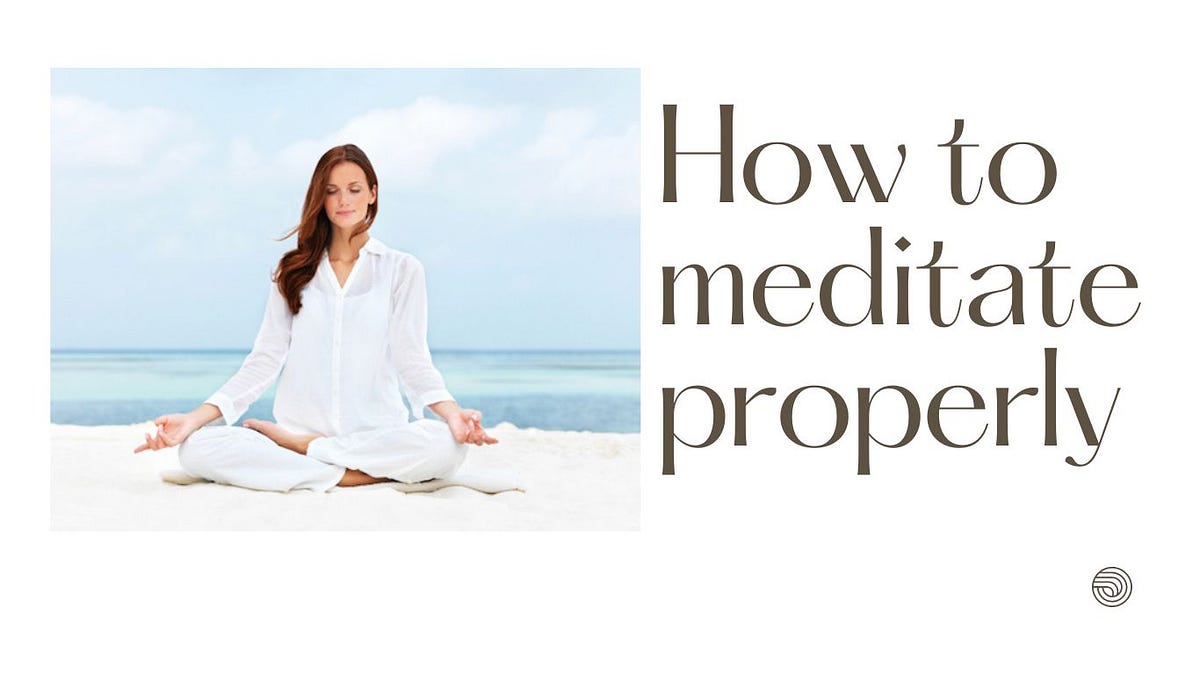
As you deepen your meditation practice and become more comfortable with the foundational techniques, you may find yourself drawn to exploring more advanced methods. These practices offer new avenues for self-discovery, stress reduction, and cultivating inner peace. This section will delve into several advanced meditation techniques, including walking meditation and mindful movement, along with the benefits of meditation retreats and the guidance provided by meditation teachers.
Advanced Meditation Techniques
Beyond the basic seated meditation, a variety of techniques can be employed to deepen your practice and integrate mindfulness into your daily life. These techniques often build upon the principles of focused attention and awareness.
- Walking Meditation: This involves bringing mindful awareness to the act of walking. The focus is on the sensations of your feet making contact with the ground, the movement of your body, and the environment around you. This practice can be done anywhere, indoors or outdoors. Start by walking at a slow, steady pace, paying attention to each step. Observe the rise and fall of your feet, the subtle shifts in your weight, and the sensations in your legs and body.
Allow your thoughts to come and go without getting carried away by them. When your mind wanders, gently bring your attention back to the present moment – the sensation of walking.
- Mindful Movement: This encompasses practices like yoga, Tai Chi, and Qigong, where the focus is on the present moment through physical movement. The goal is to connect with your body and cultivate a sense of presence. As you move, pay attention to your breath, the sensations in your muscles, and the alignment of your body. Avoid striving for perfect form; instead, focus on the feeling of the movement.
Mindful movement can help release tension, increase body awareness, and enhance your overall well-being.
- Body Scan Meditation: This involves systematically bringing your attention to different parts of your body, noticing the sensations present in each area. It helps to increase body awareness, release tension, and cultivate a sense of acceptance. Start by lying down comfortably. Begin with your toes and gradually move your attention upwards, scanning your feet, ankles, calves, knees, thighs, and so on, until you reach the top of your head.
Notice any sensations, such as tingling, warmth, or pressure, without judgment. If you find any areas of tension, consciously relax those muscles.
- Loving-Kindness Meditation (Metta): This practice involves cultivating feelings of love, kindness, and compassion, first towards yourself and then extending those feelings to others. It can help to reduce negative emotions, increase feelings of connection, and promote a sense of well-being. Begin by focusing on yourself, repeating phrases like “May I be happy. May I be healthy. May I be safe.
May I live with ease.” Then, extend these wishes to loved ones, neutral people, difficult people, and eventually, all beings.
Meditation Retreats
Meditation retreats provide an immersive environment for deepening your practice. These retreats offer an opportunity to step away from the distractions of daily life and dedicate time and space to focused meditation.
- Benefits of Meditation Retreats: Meditation retreats offer a number of significant advantages for practitioners. The dedicated time and space allows for deeper immersion in meditation practice, fostering a more profound experience of mindfulness and self-awareness. The structured schedule, which often includes guided meditations, silent periods, and mindful activities, helps to establish a strong foundation for a consistent practice. The supportive environment, surrounded by like-minded individuals and guided by experienced teachers, can provide a sense of community and encouragement.
Furthermore, the absence of everyday distractions allows for a greater degree of mental clarity and emotional resilience. Research suggests that even short meditation retreats can lead to measurable reductions in stress hormones and improvements in overall well-being. For example, a study published in the
-Journal of Consulting and Clinical Psychology* found that participants in a week-long mindfulness retreat experienced significant decreases in anxiety and depression symptoms. - Types of Retreats: Retreats vary in length, from weekend workshops to month-long silent retreats. They also differ in their focus, with some emphasizing specific meditation techniques, such as Vipassana (insight meditation), while others explore different spiritual traditions. The intensity of the retreat can also vary. Some retreats involve periods of silence, while others incorporate discussions and group activities. The choice of retreat should align with your personal goals and experience level.
It is important to research and choose a retreat that aligns with your values and comfort level.
- Preparing for a Retreat: Preparation for a meditation retreat is essential for maximizing its benefits. Before attending, it is beneficial to establish a regular meditation practice and familiarize yourself with the techniques that will be taught. It is important to inform family or colleagues that you will be unavailable for a period of time. Packing comfortable clothing, a meditation cushion or bench, and any personal items that will help you feel at ease is also advised.
Being open to the experience and willing to embrace the challenges that may arise are important.
The Role of a Meditation Teacher or Guide
A meditation teacher or guide can play a crucial role in your meditation journey, offering valuable support, guidance, and encouragement.
- Benefits of Guidance: A qualified teacher can provide personalized instruction, clarify techniques, and help you navigate the challenges that may arise during your practice. They can offer feedback on your posture, breath, and mental focus, helping you to refine your technique and avoid common pitfalls. A teacher can also provide insights into the underlying principles of meditation, offering a deeper understanding of the practice.
Furthermore, a teacher can act as a source of inspiration and support, helping you to stay motivated and committed to your practice.
- Finding a Teacher: Finding a qualified teacher is an important step in your meditation journey. Seek recommendations from friends, family, or other experienced practitioners. Research the teacher’s qualifications, experience, and teaching style. Look for someone who has a solid understanding of meditation techniques and a genuine commitment to the practice. Consider attending a class or workshop to get a feel for the teacher’s approach.
A good teacher should create a safe and supportive environment for learning and growth.
- Teacher-Student Relationship: The relationship between a teacher and student is often based on trust and respect. Be open to learning from your teacher, asking questions, and seeking guidance when needed. It is also important to take responsibility for your own practice and be willing to put in the effort. The teacher is there to guide and support you, but ultimately, the responsibility for your progress lies with you.
Practicing Meditation in a Group Setting
Meditating in a group setting can enhance your experience and provide additional support.
- Advantages of Group Meditation: Meditating in a group offers a number of benefits. The collective energy of a group can amplify the experience of meditation, creating a sense of connection and support. It provides an opportunity to learn from others, share experiences, and receive encouragement. The structure of a group session, with a set time and place, can help you to establish a regular practice.
Being in a group can help to stay motivated, as you will be more inclined to show up and participate.
- Finding a Meditation Group: Numerous meditation groups are available in most communities. Search online for local meditation centers, yoga studios, or spiritual organizations that offer group meditation sessions. Ask friends, family, or colleagues if they know of any groups. Some groups are free, while others charge a fee. Choose a group that aligns with your schedule, interests, and comfort level.
- Etiquette in a Group Setting: There are a few simple guidelines to follow when meditating in a group. Arrive on time and be respectful of the space and other participants. Silence your phone and avoid unnecessary distractions. Follow the instructions provided by the leader. If you need to leave early, do so quietly and without disturbing others.
Be mindful of your body language and avoid fidgeting or making excessive noise.
Benefits Beyond Stress Reduction
Meditation, while renowned for its stress-reducing capabilities, offers a wealth of advantages that extend far beyond simply managing anxiety. Regular practice cultivates a profound impact on various facets of well-being, leading to a more balanced and fulfilling life. This section will delve into some of these additional benefits, supported by research and practical insights.
Improved Focus and Self-Awareness
Meditation is a powerful tool for enhancing cognitive functions, particularly focus and self-awareness. Consistent practice trains the mind to become more present and less susceptible to distractions.
- Enhanced Focus: Meditation strengthens the ability to concentrate. Studies using electroencephalography (EEG) have shown that experienced meditators exhibit increased alpha and theta brainwave activity, which are associated with focused attention and a state of relaxed awareness. This heightened focus translates into improved performance in various tasks, from work and studies to everyday activities. For instance, a study published in the
-Journal of Cognitive Enhancement* found that mindfulness meditation significantly improved attention and working memory in participants after only a few weeks of practice. - Increased Self-Awareness: Meditation fosters a deeper understanding of one’s thoughts, emotions, and physical sensations. By observing these internal experiences without judgment, individuals gain valuable insights into their patterns of behavior and reactions. This heightened self-awareness allows for more informed choices and a greater capacity for emotional regulation. Consider the example of recognizing a pattern of procrastination stemming from underlying anxiety; through meditation, an individual can become aware of this pattern and address the root cause, ultimately improving productivity and well-being.
Impact of Meditation on Sleep Quality
Sleep quality is significantly influenced by the practice of meditation. Meditation can positively affect both the ability to fall asleep and the overall quality of sleep.
- Improved Sleep Onset: Meditation helps to calm the mind and relax the body, making it easier to fall asleep. The techniques learned during meditation, such as deep breathing and body scans, can be employed to quiet racing thoughts and reduce physical tension that often interfere with sleep.
- Enhanced Sleep Quality: Meditation promotes deeper, more restful sleep. By reducing stress and anxiety, meditation can decrease the frequency of nighttime awakenings and improve the overall quality of sleep. A study published in
-JAMA Internal Medicine* found that mindfulness meditation was effective in improving sleep quality in older adults with moderate sleep disturbances. - Reduced Insomnia Symptoms: Meditation can be a valuable tool for individuals struggling with insomnia. By addressing the underlying causes of sleep problems, such as stress and anxiety, meditation can help to alleviate insomnia symptoms and promote better sleep habits.
Positive Effects of Meditation on Physical Health
The benefits of meditation extend beyond mental well-being, positively impacting physical health. Research has uncovered several ways in which meditation contributes to improved physical health.
- Reduced Blood Pressure: Studies have shown that regular meditation can help to lower blood pressure. Meditation activates the parasympathetic nervous system, which is responsible for the “rest and digest” response, counteracting the effects of the sympathetic nervous system, which is associated with the “fight or flight” response. This relaxation response can lead to a decrease in blood pressure over time.
- Pain Management: Meditation can be an effective tool for managing chronic pain. Mindfulness meditation, in particular, has been shown to reduce the intensity and unpleasantness of pain by changing how the brain processes pain signals. A study published in the
-Journal of the American Medical Association* demonstrated that mindfulness meditation significantly reduced pain intensity in individuals with chronic low back pain. - Boosted Immune Function: Meditation can strengthen the immune system. Research suggests that meditation can increase the production of antibodies and other immune cells, making the body more resilient to illness. A study published in
-Psychosomatic Medicine* found that mindfulness meditation improved immune function in participants who received a flu vaccine, resulting in a stronger antibody response. - Improved Cardiovascular Health: By reducing stress, lowering blood pressure, and promoting relaxation, meditation contributes to better cardiovascular health. These factors can reduce the risk of heart disease and stroke.
Resources for Further Learning and Exploration
To continue learning about meditation and its benefits, and to deepen your practice, numerous resources are available.
- Books:
- “Wherever You Go, There You Are” by Jon Kabat-Zinn: A foundational text on mindfulness meditation.
- “Mindfulness for Beginners” by Jon Kabat-Zinn: An accessible guide to mindfulness practices.
- “10% Happier” by Dan Harris: A personal account of how meditation transformed the life of a news anchor.
- Websites and Apps:
- Mindfulness.org: Provides resources, guided meditations, and articles on mindfulness.
- Headspace: A popular meditation app with guided meditations for various needs.
- Calm: Another well-regarded meditation app offering guided meditations, sleep stories, and music.
- Meditation Centers and Retreats: Consider visiting a local meditation center or attending a retreat to learn from experienced teachers and deepen your practice. Examples include:
- The Insight Meditation Society (IMS)
- Spirit Rock Meditation Center
Common Challenges and Troubleshooting
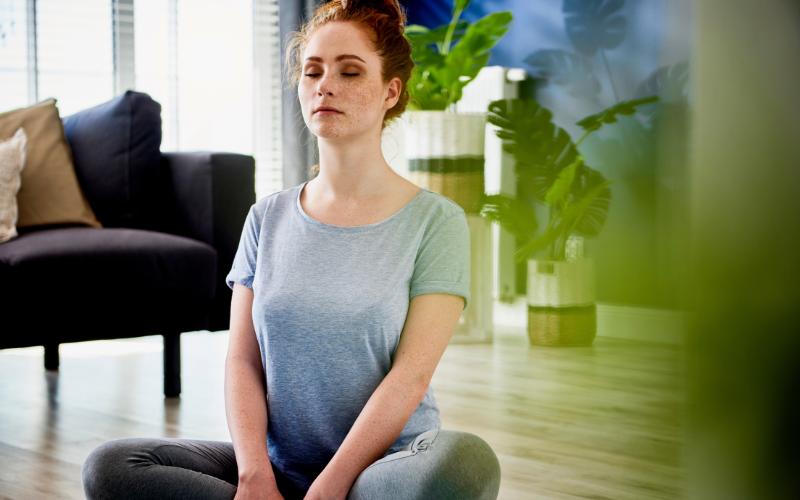
Meditation, while a powerful tool for stress reduction and inner peace, isn’t always a smooth journey. Various challenges can arise, potentially leading to frustration or discouragement. Understanding these common obstacles and having strategies to overcome them is crucial for a consistent and rewarding meditation practice. This section addresses frequently encountered difficulties and provides practical solutions to help you navigate them effectively.
Handling Restlessness During Meditation
Restlessness, a common experience during meditation, manifests as an inability to sit still, a racing mind, or a feeling of being fidgety. This can be frustrating, but it’s important to recognize it as a normal part of the process. The key is to acknowledge the restlessness without judgment and gently guide your attention back to your chosen focus.
- Acknowledge and Observe: When you notice restlessness, simply acknowledge it. Think, “I am feeling restless.” Don’t fight it; instead, observe it as a passing sensation.
- Adjust Your Posture: Sometimes, physical discomfort contributes to restlessness. Gently adjust your posture to find a more comfortable position. However, avoid excessive movement, which can disrupt your focus.
- Deep Breathing: Employ deep, diaphragmatic breathing. This can help calm the nervous system and reduce physical tension. Inhale deeply, allowing your abdomen to expand, and exhale slowly, releasing any held tension.
- Gentle Movement: If permissible, incorporate gentle movements before or during your meditation. This could include stretching or a short walk to release pent-up energy.
- Shorten Meditation Sessions: If restlessness is persistent, start with shorter meditation sessions (e.g., 5-10 minutes) and gradually increase the duration as you become more comfortable.
- Focus on the Breath: The breath is an anchor. Whenever restlessness arises, gently bring your attention back to the sensation of your breath. Focus on the rise and fall of your abdomen or the air entering and leaving your nostrils.
Addressing Intruding Thoughts During Meditation
Intruding thoughts are a natural part of the meditation process. The mind is designed to think, and it’s unrealistic to expect it to be completely blank. The goal isn’t to eliminate thoughts but to observe them without getting carried away.
- Recognize and Label: When a thought arises, simply acknowledge it. You can silently label it as “thinking,” “planning,” or whatever it may be. This creates distance between you and the thought.
- Gently Redirect Attention: After acknowledging the thought, gently redirect your attention back to your chosen focus, such as your breath, a mantra, or a body scan.
- Avoid Judging Thoughts: Refrain from judging your thoughts as “good” or “bad.” Simply observe them as they arise and pass.
- Use a Mantra: A mantra can serve as an anchor to return to when your mind wanders. When you notice a thought, silently repeat your mantra and refocus your attention.
- Practice Thought-Stopping Techniques: If a particular thought is persistent and disruptive, try a gentle thought-stopping technique. For instance, imagine the thought floating away on a cloud or visualize it being placed in a box and set aside.
- Increase Awareness: Over time, with consistent practice, you’ll become more aware of when your mind is wandering, allowing you to redirect your attention more quickly.
Managing Physical Discomfort During Meditation
Physical discomfort can significantly hinder your meditation experience. However, there are several strategies to minimize discomfort and make your practice more enjoyable.
- Choose a Comfortable Posture: Experiment with different postures, such as sitting on a cushion, chair, or lying down. The key is to find a position that allows you to remain alert and relaxed.
- Use Props: Utilize props like cushions, blankets, or a meditation bench to support your body and reduce strain.
- Listen to Your Body: If you experience pain, don’t push yourself. Gently adjust your posture or take a short break.
- Gradual Progression: Gradually increase the duration of your meditation sessions. This allows your body to adapt to the posture and minimizes the likelihood of discomfort.
- Warm-Up Exercises: Before meditating, consider doing some gentle stretches or yoga to loosen your muscles and prepare your body.
- Body Scan Meditation: A body scan meditation can help you become aware of areas of tension and discomfort. By focusing on these areas, you can consciously relax them.
Tips for Staying Motivated and Committed to the Practice
Maintaining a consistent meditation practice requires dedication and motivation. Here are some tips to help you stay committed:
- Set Realistic Goals: Start with short meditation sessions (e.g., 5-10 minutes) and gradually increase the duration as you become more comfortable.
- Establish a Routine: Schedule your meditation sessions at the same time each day. This helps create a habit and makes it easier to stick to your practice.
- Find a Dedicated Space: Designate a quiet, comfortable space for your meditation practice. This helps create a sense of ritual and makes it easier to focus.
- Track Your Progress: Keep a journal or use a meditation app to track your sessions. Seeing your progress can be a great motivator.
- Join a Meditation Group: Meditating with others can provide support, encouragement, and a sense of community.
- Be Patient and Kind to Yourself: Don’t get discouraged if you miss a session or have a challenging meditation experience. Just start again the next day. Remember, consistency is key.
- Explore Different Techniques: Experiment with different meditation techniques to find what resonates with you.
- Remind Yourself of the Benefits: Reflect on the positive effects meditation has on your life, such as reduced stress, increased focus, and improved well-being. This can reinforce your commitment.
Creating a Personalized Meditation Practice
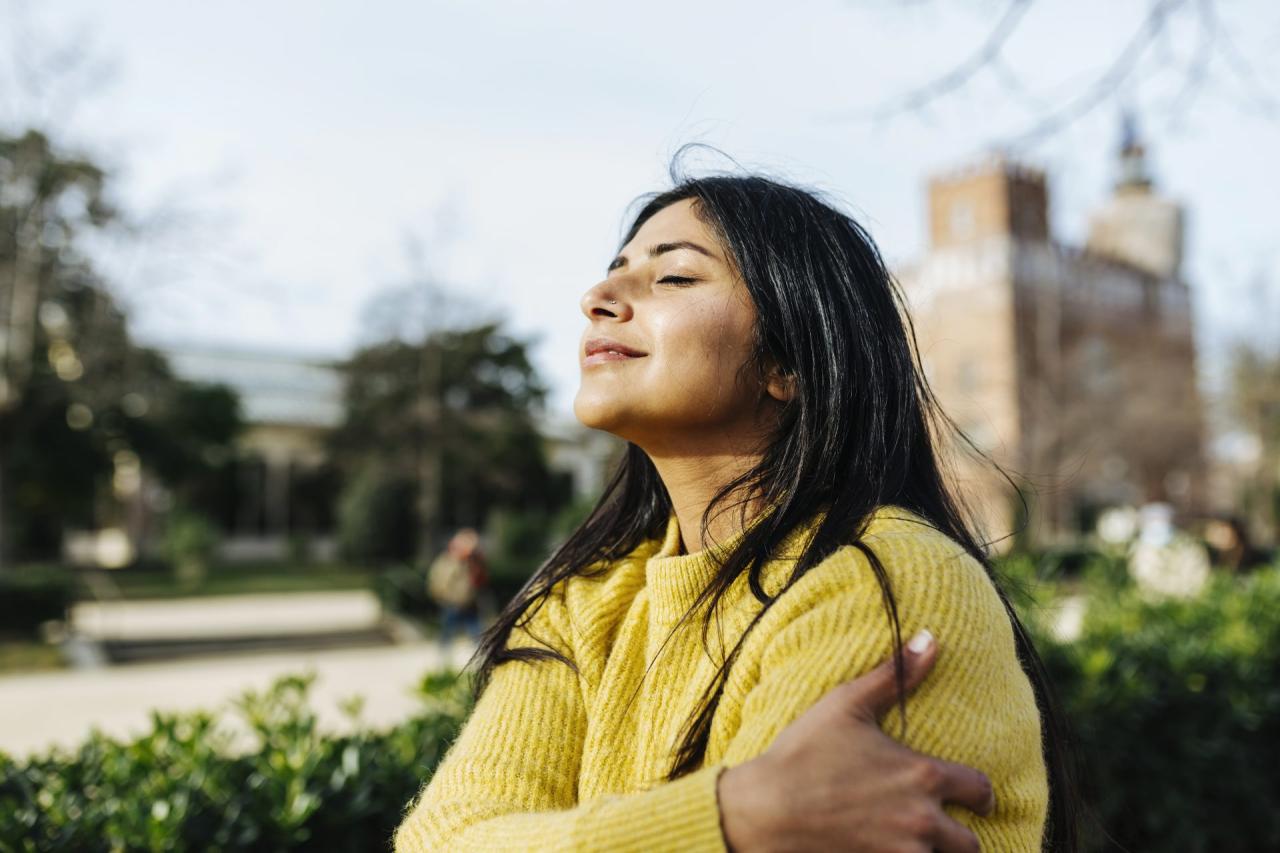
Customizing your meditation practice is crucial for long-term adherence and maximizing its benefits. A one-size-fits-all approach rarely works. By tailoring your practice to your individual needs, preferences, and lifestyle, you’re more likely to find it enjoyable and sustainable, transforming meditation from a chore into a cherished daily ritual. This section provides practical guidance and tools to help you create a meditation practice that truly resonates with you.
Designing a Checklist for Individual Needs and Preferences
Developing a personalized meditation practice begins with self-assessment. Consider the following checklist to guide your exploration and design a practice that aligns with your unique circumstances.
- Time Availability: Determine how much time you can realistically dedicate to meditation each day. Even short sessions (5-10 minutes) can be beneficial, especially when starting. Consistency is more important than duration.
- Preferred Time of Day: Experiment with meditating at different times of day to find when you feel most receptive and least distracted. Consider morning, lunchtime, or evening.
- Meditation Environment: Identify a quiet, comfortable space where you can meditate without interruptions. This could be a dedicated room, a corner of your home, or even a quiet spot outdoors.
- Meditation Style Preferences: Explore different meditation styles (e.g., mindfulness, loving-kindness, guided meditation) to discover which ones resonate with you most.
- Physical Comfort: Consider your physical comfort. Do you prefer sitting on a cushion, a chair, or lying down? Experiment to find a position that supports relaxation without causing discomfort.
- Focus of Meditation: Determine what you want to focus on during your meditation. This could be your breath, a mantra, a visualization, or body sensations.
- Use of Guided Meditations: Decide whether you prefer guided meditations, which provide instructions and support, or silent meditation.
- Use of Meditation Aids: Consider using meditation aids like music, ambient sounds, or essential oils to enhance your experience.
- Integration with Daily Life: Plan how you will integrate meditation into your daily routine. This might involve setting reminders, scheduling sessions, or linking meditation with other activities.
- Goal Setting: Establish clear goals for your meditation practice. What do you hope to achieve? (e.g., stress reduction, improved focus, emotional regulation).
Experimenting with Different Meditation Styles
Exploring various meditation styles is essential for discovering what works best for you. Each style offers unique benefits and approaches. Here’s how to experiment effectively:
- Mindfulness Meditation: Focus on present-moment awareness. Pay attention to your breath, body sensations, thoughts, and emotions without judgment. This can be practiced anywhere, anytime.
- Loving-Kindness Meditation (Metta): Cultivate feelings of love, compassion, and kindness towards yourself and others. This practice involves repeating phrases of well-wishing.
- Body Scan Meditation: Bring awareness to different parts of your body, noticing any sensations without judgment. This helps to increase body awareness and reduce tension.
- Walking Meditation: Combine meditation with walking. Focus on the sensations of walking, such as the feeling of your feet on the ground and the movement of your body.
- Transcendental Meditation (TM): Use a specific mantra given by a certified teacher. TM involves meditating for 10-20 minutes twice a day.
- Guided Meditation: Follow the instructions of a teacher or audio guide. Guided meditations are available for various purposes, such as stress reduction, sleep, and self-compassion.
- Breath Awareness Meditation: Focus solely on your breath. Observe the inhale and exhale without trying to change your breathing pattern.
- Choose a style: Start with one or two styles that appeal to you. Experiment with them for a week or two to see how they feel.
- Vary the duration: Try different durations for each style. Some styles might be more enjoyable in shorter or longer sessions.
- Record your experience: Keep a journal to track your experiences. Note any challenges, insights, or feelings you experience during and after each session.
- Seek guidance: Consider taking a class or workshop to learn more about different meditation styles.
Meditation Apps and Their Features
Meditation apps provide a convenient and accessible way to practice meditation. They offer a wide range of guided meditations, timers, and tracking features.
| App Name | Key Features | Meditation Styles Offered | Pricing |
|---|---|---|---|
| Headspace | Guided meditations, courses, sleep sounds, animations, progress tracking | Mindfulness, stress, sleep, focus, anxiety | Subscription-based (monthly/annual) |
| Calm | Guided meditations, sleep stories, music, nature sounds, breathing exercises | Mindfulness, sleep, stress, anxiety, gratitude | Subscription-based (monthly/annual) |
| Insight Timer | Largest free library of meditations, guided meditations, music, talks, community features | Various styles, including mindfulness, yoga, sleep, and more | Freemium (free with in-app purchases) |
| Breethe | Guided meditations, sleep stories, music, daily meditations, mood tracking | Mindfulness, sleep, anxiety, stress, relationships | Subscription-based (monthly/annual) |
Personal Experiences Using Meditation
My journey with meditation began during a particularly stressful period in my life. I was overwhelmed with work and personal challenges. Initially, I struggled to quiet my mind, but with persistence and guidance from a meditation app, I gradually learned to focus on my breath and let thoughts pass without judgment. Over time, I noticed significant improvements in my ability to manage stress and anxiety. I started to experience moments of calm and clarity even in the midst of chaos. Meditation became a daily practice, a refuge, and a source of inner peace that has profoundly transformed my life. I’ve also found that it helps me to be more patient and understanding in my relationships, and more present in everyday moments.
Last Recap
In conclusion, “How to Meditate for Unlocking Peace During Stressful Times” offers a pathway to navigate the complexities of stress and cultivate inner resilience. By understanding the science behind stress, mastering foundational meditation techniques, and integrating them into your daily life, you can unlock a profound sense of peace. This guide is a starting point; with consistent practice and self-compassion, you can transform your relationship with stress and cultivate a life of greater balance and well-being.