Embarking on a journey to enhance mental energy can be transformative, and this guide, “How to Meditate for Boosting Mental Energy,” offers a detailed exploration of this powerful practice. In today’s fast-paced world, maintaining peak mental performance is crucial for productivity, well-being, and overall success. This comprehensive overview will delve into the science behind meditation, providing practical techniques and strategies to harness the benefits of this ancient practice in modern life.
We will uncover the profound impact of meditation on the brain and nervous system, offering step-by-step instructions for various meditation techniques. From focused-attention to loving-kindness, we will explore methods to cultivate mental clarity, reduce stress, and enhance your overall vitality. This guide is designed to empower you with the knowledge and tools necessary to integrate meditation seamlessly into your daily routine, fostering a more focused, energized, and fulfilling life.
Understanding Mental Energy
Mental energy is a vital resource, much like physical energy, that fuels our cognitive functions and powers our ability to think, learn, and perform. It’s the capacity of the brain to maintain focus, process information, and make decisions. Cultivating and managing mental energy is essential for optimal performance in all aspects of life, from professional endeavors to personal well-being.
The Concept of Mental Energy
Mental energy is a multifaceted concept, often described as the brain’s fuel. It’s not simply the absence of fatigue, but rather the active ability to engage in cognitive tasks. This energy fluctuates throughout the day, influenced by various factors such as sleep, nutrition, stress levels, and emotional state. A high level of mental energy allows for greater focus, improved memory, and enhanced problem-solving skills.
Conversely, low mental energy leads to difficulty concentrating, increased irritability, and a diminished capacity to cope with challenges.
Situations Where Mental Energy is Crucial
Mental energy is paramount in numerous situations, impacting our ability to perform effectively.
- Academic Pursuits: Students require significant mental energy to absorb information, participate in class, and complete assignments. A lack of it can lead to poor grades and difficulty retaining knowledge.
- Professional Environments: Professionals in various fields, such as project management, software development, or healthcare, need high mental energy to meet deadlines, solve complex problems, and make critical decisions.
- Creative Endeavors: Artists, writers, and musicians depend on mental energy to generate ideas, maintain focus during creation, and overcome creative blocks.
- Social Interactions: Engaging in meaningful conversations, navigating social situations, and managing interpersonal relationships require cognitive effort and mental stamina.
- Daily Tasks: Even routine tasks like managing finances, planning meals, or driving a car demand a degree of mental energy.
Impact of Low Mental Energy
When mental energy is depleted, the consequences can be significant, affecting both productivity and overall well-being.
- Reduced Productivity: Low mental energy leads to decreased efficiency and difficulty completing tasks. Individuals may experience procrastination, struggle to stay on track, and produce work of lower quality.
- Impaired Cognitive Function: Concentration becomes difficult, memory falters, and problem-solving abilities are diminished. This can impact decision-making and increase the likelihood of errors.
- Increased Stress and Irritability: Low mental energy can amplify stress levels and make individuals more susceptible to negative emotions like frustration and anxiety.
- Negative Impact on Physical Health: Chronic low mental energy is linked to various health problems, including sleep disturbances, weakened immune function, and increased risk of chronic diseases.
- Reduced Motivation and Engagement: Individuals with low mental energy often lack the drive to pursue goals or engage in activities they once enjoyed. This can lead to a sense of apathy and disinterest.
The Science Behind Meditation and Mental Energy
Meditation, an ancient practice, has gained significant attention in modern science for its potential to enhance mental energy. Understanding the biological mechanisms through which meditation influences the brain and body is crucial for appreciating its benefits. This section will delve into the neurological and physiological impacts of meditation, supported by scientific research.
Meditation’s Effects on the Brain and Nervous System
Meditation demonstrably alters brain structure and function. Regular practice can lead to increased gray matter density in areas associated with attention, emotional regulation, and self-awareness. These changes contribute to improved cognitive performance and a more resilient mental state, which in turn, supports the conservation and efficient use of mental energy.
- Brain Wave Activity: Meditation is associated with shifts in brain wave patterns. During meditation, there is a noticeable increase in alpha and theta brain wave activity, particularly in experienced meditators. Alpha waves (8-12 Hz) are linked to a state of relaxed wakefulness, while theta waves (4-7 Hz) are associated with deep relaxation and creativity. These shifts suggest a transition towards a more calm and focused mental state, which can reduce mental fatigue.
- Neural Connectivity: Meditation enhances connectivity within the brain, particularly between the default mode network (DMN) and other brain regions. The DMN is active when the mind is at rest, engaged in self-referential thoughts, and mind-wandering. Excessive DMN activity is often linked to stress and mental fatigue. Meditation helps to regulate the DMN, leading to reduced mind-wandering and improved focus, thereby conserving mental energy.
- Neurotransmitter Modulation: Meditation influences neurotransmitter levels, including dopamine and serotonin. Dopamine is associated with motivation, reward, and pleasure, while serotonin plays a role in mood regulation. Meditation can increase the release of these neurotransmitters, contributing to a more positive emotional state and potentially boosting mental energy levels.
- Amygdala Regulation: The amygdala, responsible for processing emotions, particularly fear and anxiety, is often less active in experienced meditators. Meditation helps to regulate the amygdala, reducing reactivity to stressful stimuli. This emotional regulation conserves mental energy by minimizing the mental resources devoted to managing stress and anxiety.
Physiological Changes During Meditation
The benefits of meditation extend beyond the brain, impacting various physiological processes. These changes contribute to a state of relaxation and enhanced well-being, supporting the efficient use of mental energy.
- Reduced Stress Hormones: Meditation lowers levels of cortisol, the primary stress hormone. Chronic stress depletes mental energy. By reducing cortisol, meditation helps to create a physiological environment conducive to relaxation and mental clarity.
- Decreased Heart Rate and Blood Pressure: Meditation promotes a state of calm, leading to a decrease in heart rate and blood pressure. This reduces the physical demands on the body, conserving energy and promoting a sense of well-being.
- Improved Respiratory Rate: Meditation often involves conscious control of breathing, leading to a slower and more regular respiratory rate. This enhances oxygen intake and improves the efficiency of energy utilization by the body and the brain.
- Enhanced Immune Function: Some studies suggest that meditation can boost immune function. While the exact mechanisms are still being researched, the ability to reduce stress and promote relaxation likely plays a significant role in supporting the immune system. A healthy immune system contributes to overall well-being, which indirectly supports mental energy.
Scientific Studies Linking Meditation and Mental Energy
Numerous scientific studies support the connection between meditation and improved mental energy. These studies utilize various methodologies, including brain imaging, physiological measurements, and psychological assessments, to investigate the effects of meditation.
- Mindfulness-Based Stress Reduction (MBSR): MBSR programs, which incorporate meditation practices, have been shown to reduce stress and improve cognitive performance. Research indicates that participants in MBSR programs experience enhanced attention and focus, which contribute to improved mental energy. For instance, a study published in the
-Journal of Consulting and Clinical Psychology* found that MBSR significantly reduced perceived stress and improved working memory capacity in participants. - Neuroimaging Studies: Brain imaging techniques, such as fMRI, have revealed that regular meditation practice leads to structural and functional changes in the brain. These changes, including increased gray matter density in areas associated with attention and emotional regulation, correlate with improvements in mental clarity and energy.
- Studies on Attention and Focus: Meditation has been shown to enhance attention and focus. Research indicates that meditation practice can improve the ability to sustain attention, reduce mind-wandering, and improve performance on cognitive tasks. For example, a study in
-Psychological Science* demonstrated that even brief meditation training can improve attentional performance. - Studies on Fatigue and Burnout: Some studies have investigated the impact of meditation on fatigue and burnout. The findings suggest that meditation can reduce feelings of exhaustion and increase feelings of vitality. These results are particularly relevant in high-stress environments where mental energy is constantly depleted.
Preparing for Meditation
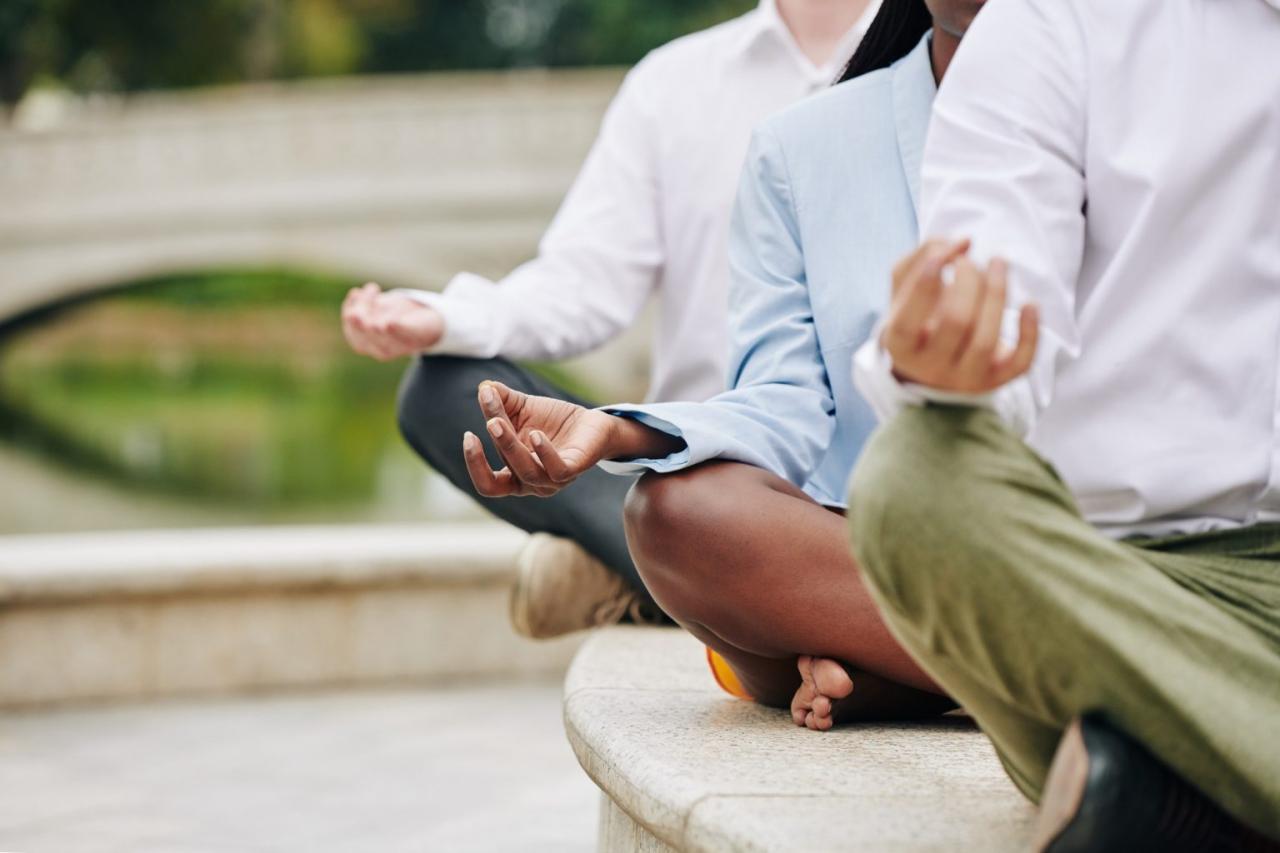
Preparing for meditation is a crucial step in maximizing its benefits. It involves creating an environment conducive to focus and relaxation, as well as establishing a routine that prepares both the mind and body. This section will guide you through the essential elements of preparing for a successful meditation session.
Selecting a Suitable Meditation Space
Choosing the right space is paramount for a productive meditation practice. The environment significantly influences your ability to relax and concentrate.Consider these factors when selecting your meditation space:
- Quietness: Minimize distractions by choosing a location free from noise. This could be a quiet room in your home, a secluded corner in a park, or any place where you can escape the hustle and bustle of daily life. The goal is to create a sanctuary of silence.
- Comfort: Ensure the space is comfortable. This includes the temperature, the level of light, and the overall ambiance. A room that is too hot or too cold can be distracting. Natural light is often preferred, but you can also use soft, indirect lighting.
- Cleanliness: A clean and organized space promotes a sense of calm. Clutter can be a visual distraction, making it harder to focus your mind. Regularly clean and declutter your meditation area.
- Designated Space: Ideally, dedicate a specific area solely for meditation. This helps to create a mental association with the practice, making it easier to transition into a meditative state. Even a small corner of a room can serve this purpose.
- Accessibility: The meditation space should be easily accessible. If you have to travel far to meditate, you might be less likely to practice regularly. The easier it is to access, the more likely you are to stick to your routine.
Designing a Routine for Preparing the Mind and Body Before Meditation
A pre-meditation routine sets the stage for a deeper and more effective meditation session. This helps to quiet the mind and relax the body, allowing you to enter a state of focused awareness.Here’s a suggested routine:
- Set a Timer: Decide on the duration of your meditation session and set a timer. This helps you to stay focused and prevents you from constantly checking the time. Start with shorter sessions (5-10 minutes) and gradually increase the duration as you become more comfortable.
- Gentle Stretching or Movement: Perform gentle stretches or engage in light movement. This helps to release physical tension and improve circulation. Consider practices like yoga poses, tai chi, or simply stretching your arms, legs, and neck.
- Deep Breathing Exercises: Practice deep breathing exercises, such as diaphragmatic breathing (belly breathing). This helps to calm the nervous system and reduce stress. Inhale deeply through your nose, allowing your abdomen to expand, and exhale slowly through your mouth.
- Mindful Observation: Take a few moments to observe your thoughts and emotions without judgment. Acknowledge them without getting carried away. This helps to detach from mental chatter and cultivate present moment awareness.
- Set an Intention: Before you begin, set a clear intention for your meditation session. This could be to cultivate compassion, reduce stress, or simply to be present. Having an intention provides direction and purpose to your practice.
“The mind is everything. What you think you become.” – Buddha
Organizing a List of Comfortable Meditation Postures
Choosing a comfortable posture is essential for a successful meditation session. The goal is to maintain a stable and relaxed position that allows you to sit for an extended period without physical discomfort.Here are several meditation postures:
- Sitting Cross-Legged (Sukhasana): This is a classic posture, sitting with your legs crossed comfortably. You can place a cushion or folded blanket under your hips to elevate them, which can help to straighten your spine.
- Burmese Position: Similar to Sukhasana, but with the feet closer to the body, one foot in front of the other.
- Half Lotus (Ardha Padmasana): One foot is placed on the opposite thigh. This posture requires some flexibility.
- Full Lotus (Padmasana): Both feet are placed on the opposite thighs. This posture requires significant flexibility and is not recommended for everyone.
- Seiza (Japanese Sitting): Kneel with your buttocks resting on your heels. This posture can be supported by a cushion.
- Chair Meditation: Sit in a chair with your feet flat on the floor and your back straight but not stiff.
- Standing Meditation: Stand with your feet shoulder-width apart, your knees slightly bent, and your spine straight. This posture can be helpful for those who find it difficult to sit for long periods.
- Lying Down (Savasana): Lie flat on your back with your arms at your sides, palms facing up. This posture is ideal for relaxation, but it can also lead to sleep, so it might not be suitable for all meditation practices.
Basic Meditation Techniques for Energy

Now that we understand the importance of mental energy and the science behind meditation, let’s delve into practical techniques. These methods are designed to directly boost your mental energy levels through focused practice. Regular implementation can lead to increased alertness, improved focus, and a greater sense of well-being.
Focused-Attention Meditation Fundamentals
Focused-attention meditation involves concentrating on a single point of focus to quiet the mind. This can be a physical sensation, such as the breath, a visual object, or a mantra. The primary goal is to train the mind to remain present and resist distractions. It’s a foundational technique for building mental resilience.
Mindfulness Meditation Procedure
Mindfulness meditation encourages present moment awareness without judgment. It involves observing thoughts, feelings, and sensations as they arise, without getting carried away by them. Practicing mindfulness can cultivate a greater sense of self-awareness and emotional regulation.
- Find a Comfortable Position: Sit or lie down in a posture that allows you to be both relaxed and alert. A straight spine helps maintain alertness.
- Set Your Intention: Before you begin, set a clear intention. For example, you might intend to simply observe your thoughts and feelings without judgment.
- Focus on Your Breath: Pay attention to the sensation of your breath entering and leaving your body. Notice the rise and fall of your abdomen or the feeling of air passing through your nostrils.
- Acknowledge Distractions: Your mind will wander; that is perfectly normal. When you notice your mind has drifted, gently acknowledge the thought or sensation without judgment.
- Gently Redirect Your Attention: Without criticizing yourself, bring your attention back to your breath. This is the core practice: repeatedly returning to your chosen focus.
- Practice Regularly: Aim for consistent practice, even if it’s just for a few minutes each day. Regularity is key to experiencing the benefits of mindfulness.
- Extend Awareness Beyond Meditation: As you become more skilled, try to bring this mindful awareness to your daily activities, noticing sensations and thoughts without being swept away by them.
Breath Awareness as a Tool for Mental Energy
Breath awareness is a powerful technique for cultivating mental energy. By focusing on the breath, we can calm the nervous system, reduce stress, and increase our ability to concentrate. This simple practice can be done anywhere, anytime.
“The breath is the bridge between the body and the mind.”
Thich Nhat Hanh
- Observe Your Natural Breath: Begin by simply observing your breath without trying to change it. Notice the rhythm, depth, and speed of your inhalations and exhalations.
- Deep Breathing Exercises: Once you are comfortable with observing your breath, you can begin to practice deep breathing techniques. One popular technique is diaphragmatic breathing (belly breathing). Place one hand on your chest and the other on your abdomen. Inhale deeply through your nose, allowing your abdomen to expand while keeping your chest relatively still. Exhale slowly through your mouth, allowing your abdomen to contract.
- Alternate Nostril Breathing (Nadi Shodhana): This technique involves alternately breathing through each nostril. It is believed to balance the nervous system and promote mental clarity. Use your thumb to close your right nostril and inhale through your left nostril. Then, close your left nostril with your ring finger and exhale through your right nostril. Inhale through your right nostril, close it with your thumb, and exhale through your left nostril.
Repeat this cycle for several rounds.
- Box Breathing (Sama Vritti): Box breathing involves a rhythmic pattern of inhalation, holding the breath, exhalation, and holding the breath. Inhale for a count of four, hold for a count of four, exhale for a count of four, and hold for a count of four. Repeat this cycle several times.
- Benefits and Applications: Breath awareness can be used to manage stress in high-pressure situations. For example, a study published in the
-Journal of the American Medical Association* demonstrated that controlled breathing techniques can reduce blood pressure in individuals with hypertension. This demonstrates a direct link between breath control and physiological well-being. In a stressful work meeting, a few minutes of conscious breathing can help regain focus and clarity.
Advanced Meditation Techniques for Enhanced Energy
Building upon the foundational techniques, advanced meditation practices offer sophisticated methods for amplifying mental energy. These techniques delve deeper into the mind-body connection, fostering a more profound experience of inner peace and vitality. They are designed to cultivate specific mental states and harness the power of intention, visualization, and movement to significantly boost energy levels and promote overall well-being.
Loving-Kindness Meditation
Loving-kindness meditation, also known as Metta meditation, is a practice centered on cultivating feelings of love, compassion, and kindness towards oneself and others. This practice is rooted in Buddhist traditions and has been shown to have a significant impact on mental and emotional well-being. Its effects extend beyond the immediate practice, influencing daily interactions and overall outlook. The practice typically involves the following steps:
- Focus on Yourself: Begin by directing feelings of loving-kindness towards yourself. Repeat phrases like “May I be happy, may I be healthy, may I be safe, may I live with ease.” This step is crucial as it establishes a foundation of self-compassion.
- Extend to Loved Ones: Next, extend these feelings to a loved one. Visualize them and repeat the same phrases, wishing them happiness and well-being. This helps to broaden the scope of compassion.
- Include Neutral Individuals: The practice then expands to include neutral individuals – people you may encounter daily but do not have a strong emotional connection with. This step challenges any biases or indifference and cultivates a sense of universal connection.
- Encompass Difficult People: Subsequently, direct loving-kindness towards someone you find challenging or difficult. This is the most challenging aspect of the practice and requires significant effort and intentionality. The goal is to cultivate empathy and understanding.
- Expand to All Beings: Finally, broaden the scope to encompass all beings, extending the wishes for happiness, health, safety, and ease to the entire world. This step promotes a sense of interconnectedness and universal compassion.
The impact of loving-kindness meditation is multifaceted. Research, such as studies conducted by researchers at the University of North Carolina, Chapel Hill, has demonstrated that regular practice can increase positive emotions, reduce negative emotions, and enhance social connectedness. For example, participants in a study showed a significant increase in positive emotions, such as joy and contentment, after practicing loving-kindness meditation for several weeks.
Furthermore, this practice has been linked to reduced stress levels and improved immune function, contributing to increased mental and physical energy.
Visualization Techniques for Boosting Energy
Visualization is a powerful technique that leverages the mind’s ability to create vivid mental images to influence the body and mind. By consciously visualizing desired outcomes, one can tap into the subconscious mind and reprogram it to support goals, including increasing mental energy. This technique can be integrated into meditation practices to amplify their effectiveness. Here are some effective visualization techniques:
- Energy Source Visualization: Imagine a powerful source of energy, such as the sun, a vibrant color, or a flowing river. Visualize this energy entering your body, flowing through every cell, and revitalizing you. Feel the warmth and vibrancy as it infuses you with energy.
- Goal Visualization: Visualize yourself successfully completing a task or achieving a goal. Imagine the positive emotions associated with success – confidence, joy, and satisfaction. This technique can boost motivation and energy by creating a clear mental picture of the desired outcome. For example, if you’re preparing for a presentation, visualize yourself delivering it confidently and engagingly.
- Healing Visualization: If you’re feeling depleted, visualize your body healing and restoring its energy. Imagine any areas of tension or fatigue dissolving as the energy flows freely. This technique can be particularly helpful for combating physical and mental exhaustion.
- Environment Visualization: Create a mental image of a serene and energizing environment. This could be a peaceful forest, a sunny beach, or a calming mountain vista. Immerse yourself in this environment, allowing it to rejuvenate your mind and body.
The effectiveness of visualization is supported by neuroscientific research. Studies using fMRI technology have shown that the brain activity during visualization mirrors the brain activity during actual experience. For instance, when athletes visualize performing a skill, the same brain regions are activated as when they are physically performing the skill. This demonstrates the brain’s ability to treat visualization as a form of practice, thereby enhancing performance and, in this context, increasing energy levels.
Integrating Movement into Meditation Practices
Combining movement with meditation offers a dynamic approach to enhancing mental energy. These practices harness the synergistic effects of physical activity and mindfulness, promoting both physical and mental vitality. The integration of movement can help to release physical tension, improve circulation, and deepen the meditative experience. Here are several methods for integrating movement into meditation:
- Walking Meditation: This practice involves mindful walking, paying attention to the sensations of each step, the movement of the body, and the surrounding environment. It can be done at any pace, but a slow, deliberate pace is often recommended. Walking meditation combines the benefits of physical activity with the focus of meditation, providing a boost to both physical and mental energy.
- Yoga and Tai Chi: Yoga and Tai Chi are excellent practices that seamlessly blend movement, breathwork, and mindfulness. These practices improve flexibility, strength, and balance while promoting a state of calm and focus. The flowing movements and controlled breathing help to release tension and enhance energy flow.
- Qigong: Qigong involves coordinated body postures, movements, breathing, and meditation. It’s a practice that cultivates and balances “qi,” or vital energy. The gentle movements and focused breathing exercises of Qigong can invigorate the body and mind, increasing energy levels and promoting a sense of well-being.
- Dynamic Meditation: Some meditation practices incorporate dynamic movements, such as Osho Dynamic Meditation, which involves a series of active stages followed by a period of stillness. This can be a powerful way to release pent-up energy and emotions, leading to a feeling of renewed vitality.
The integration of movement and meditation is supported by research on the mind-body connection. Studies have shown that physical activity can increase the production of endorphins, which have mood-boosting and pain-relieving effects. Furthermore, movement enhances blood flow to the brain, which can improve cognitive function and increase energy levels. For example, a study published in the
Journal of Aging and Physical Activity* found that regular Tai Chi practice significantly improved energy levels and reduced fatigue in older adults.
Integrating Meditation into Daily Life
Integrating meditation into your daily life is crucial for reaping its benefits in boosting mental energy. Consistency is key, and establishing a routine can significantly improve your ability to focus, reduce stress, and enhance overall well-being. This section provides practical strategies for incorporating meditation seamlessly into your everyday activities.
Creating a Schedule for Short Meditation Sessions
Developing a realistic schedule is essential for making meditation a sustainable practice. It involves identifying optimal times and durations for your sessions, taking into account your daily commitments and energy levels.
Consider the following:
- Morning Meditation: Start your day with a brief meditation session. This can set a positive tone for the rest of the day. A 5-10 minute session upon waking can be highly effective.
- Mid-Day Meditation: Schedule a short break during your lunch hour or mid-afternoon to meditate. This can help combat afternoon fatigue and refresh your mind. Even a 3-5 minute session can make a difference.
- Evening Meditation: Wind down your day with meditation before dinner or bedtime. This can promote relaxation and improve sleep quality. Aim for 10-15 minutes.
- Consistency is Paramount: The most effective schedule is one that you can consistently adhere to. Adjust the duration and timing of your sessions to fit your lifestyle.
Example of a Sample Daily Schedule:
| Time | Activity | Duration |
|---|---|---|
| 7:00 AM | Morning Meditation | 5 minutes |
| 1:00 PM | Mid-Day Meditation | 3 minutes |
| 9:00 PM | Evening Meditation | 10 minutes |
Designing a Strategy for Handling Distractions During Meditation
Distractions are inevitable during meditation. Developing a strategy to manage these distractions is crucial for maintaining focus and deepening your practice. This involves recognizing distractions, gently redirecting your attention, and cultivating a non-judgmental attitude.
Consider these approaches:
- Recognize Distractions: Acknowledge thoughts, sounds, or physical sensations as they arise without judgment. Simply observe them.
- Gently Redirect Attention: When you notice your mind wandering, gently bring your focus back to your chosen anchor, such as your breath, a mantra, or a visual object.
- Create a Calm Environment: Minimize external distractions by meditating in a quiet space, turning off notifications on your phone, and informing others of your meditation time.
- Practice Patience: Understand that it takes time to train your mind. Don’t get discouraged if distractions occur. Each time you redirect your attention, you strengthen your ability to focus.
- Use Noise-Canceling Technology: If external noise is a persistent issue, consider using noise-canceling headphones or earplugs. White noise or nature sounds can also be helpful.
Key Strategy:
Focus on your breath, noticing the sensation of each inhale and exhale. When your mind wanders, simply acknowledge the thought or sensation and gently return your attention to your breath.
Organizing Tips for Maintaining a Consistent Meditation Practice
Maintaining a consistent meditation practice requires discipline, self-compassion, and a supportive environment. Here are some tips to help you stay committed to your practice.
Here’s a list to follow:
- Set Realistic Goals: Start with short meditation sessions and gradually increase the duration as you become more comfortable.
- Choose a Dedicated Space: Designate a specific area in your home as your meditation space. This can help create a sense of ritual and focus.
- Find a Meditation Partner or Group: Meditating with others can provide support, accountability, and motivation. Consider joining a meditation group or finding a meditation buddy.
- Track Your Progress: Keep a meditation journal or use a meditation app to track your sessions and monitor your progress. This can help you stay motivated and identify any challenges.
- Be Kind to Yourself: There will be days when you miss your meditation sessions. Don’t beat yourself up. Simply get back on track the next day.
- Incorporate Meditation into Existing Routines: Link meditation to other habits, such as brushing your teeth or drinking your morning coffee. This can make it easier to remember to meditate.
Common Challenges and Troubleshooting
Meditation, while beneficial, is not without its hurdles. The path to cultivating mental energy through meditation is often paved with common obstacles. Understanding these challenges and having effective troubleshooting strategies can significantly enhance your practice and make it more rewarding. This section will delve into the most frequent difficulties encountered during meditation and provide practical solutions to overcome them.
Wandering Mind Solutions
The human mind is naturally prone to distraction. A wandering mind is perhaps the most universal challenge in meditation. Thoughts, memories, and sensory input constantly compete for attention. Successfully navigating this requires patience, awareness, and specific techniques.One of the most effective methods is to gently redirect your focus whenever you notice your mind has drifted. Instead of judging yourself for having wandering thoughts, simply acknowledge them and bring your attention back to your chosen focal point, such as your breath or a mantra.
This practice of returning to the present moment is crucial for building mindfulness.
- Breath Awareness: Concentrating on the sensation of your breath is a foundational technique. When your mind wanders, gently guide your attention back to the rise and fall of your abdomen or the air entering and leaving your nostrils.
- Mantra Repetition: Repeating a mantra, a word or phrase, can provide a consistent anchor for your attention. If thoughts arise, gently return to the mantra.
- Body Scan: Focusing on different parts of your body, noticing sensations without judgment, can help ground you in the present. If your mind wanders, simply bring your attention back to the body part you are scanning.
- Mindful Observation: Observing your thoughts without getting carried away by them. This allows you to recognize the thought, label it (e.g., “thinking,” “planning”), and let it pass, much like clouds moving across the sky.
Restlessness Management
Physical and mental restlessness can also impede meditation practice. Feeling fidgety, anxious, or experiencing an inability to settle can make it difficult to focus. Addressing restlessness often involves adjusting your approach to create a more conducive environment for meditation.
- Adjusting Posture: Ensure you are sitting comfortably. Experiment with different postures – sitting on a cushion, in a chair, or even lying down – to find what supports your body best. Maintain a straight but relaxed spine.
- Deep Breathing Techniques: Employing deep breathing exercises can help calm the nervous system and reduce restlessness. Practices such as diaphragmatic breathing (belly breathing) or alternate nostril breathing can be particularly effective.
- Gentle Movement: If restlessness is predominantly physical, incorporate gentle movements before or during meditation. Stretching, yoga, or even mindful walking can help release pent-up energy.
- Progressive Muscle Relaxation: This technique involves systematically tensing and relaxing different muscle groups, which can help release physical tension and promote a sense of calm.
Comparison of Approaches to Restlessness
Different approaches to managing restlessness suit different individuals. Choosing the right method depends on the root cause of the restlessness and personal preferences.
| Approach | Description | Best Suited For | Potential Drawbacks |
|---|---|---|---|
| Physical Adjustment | Adjusting posture, using a cushion, or taking breaks to move. | Those with physical discomfort or those who are naturally fidgety. | May interrupt the flow of meditation if done too frequently. |
| Breathing Techniques | Employing deep breathing exercises like diaphragmatic breathing or alternate nostril breathing. | Those experiencing anxiety or high levels of mental activity. | May require some practice to master. |
| Mindful Movement | Incorporating gentle stretches, yoga, or mindful walking before or during meditation. | Those with excess physical energy or those who hold tension in their bodies. | May not be suitable for all meditation styles or environments. |
| Progressive Muscle Relaxation | Systematically tensing and relaxing different muscle groups. | Those with physical tension or those who experience stress-related restlessness. | May take time to learn and may not be effective for all types of restlessness. |
The key to overcoming challenges in meditation is to approach them with patience and self-compassion. It’s about recognizing the difficulties, experimenting with different techniques, and finding what works best for you.
Measuring and Tracking Progress
Tracking your progress is essential to understanding the impact of meditation on your mental energy. It allows you to identify what works, adjust your practice as needed, and stay motivated. This section Artikels practical methods for assessing changes in mental energy levels, tracking your meditation practice, and using journaling to monitor the effects of meditation.
Assessing Changes in Mental Energy Levels
Regularly assessing your mental energy is key to understanding the benefits of meditation. This involves using various methods to gauge your energy levels before, during, and after meditation sessions, as well as throughout your day. These assessments help to provide valuable insights into the effectiveness of your practice.
- Self-Reported Energy Scales: Utilize simple scales, such as a 1-10 rating system, to assess your energy levels. Before and after each meditation session, note your energy level. Do the same at different times throughout the day. This provides a baseline and tracks changes over time. For instance, you might rate your energy at a 3 before meditating, a 7 immediately after, and a 5 later in the afternoon.
- Observe Cognitive Performance: Monitor your cognitive functions, like focus, memory, and clarity. Note how easily you concentrate on tasks, recall information, or make decisions. Notice any improvements or changes in your cognitive abilities after meditation. For example, if you find yourself able to work on a complex project for a longer duration with fewer distractions, it suggests an increase in mental energy.
- Track Physical Sensations: Pay attention to physical signs of energy, such as posture, breathing patterns, and muscle tension. Increased energy often manifests as a more upright posture, deeper breaths, and relaxed muscles. Conversely, fatigue may lead to slumped posture, shallow breathing, and muscle tension.
- Monitor Sleep Quality: Keep a record of your sleep patterns, including how quickly you fall asleep, the number of times you wake up during the night, and how refreshed you feel upon waking. Meditation can improve sleep quality, leading to increased energy levels during the day.
- Observe Emotional Regulation: Note your emotional responses to daily stressors. Increased mental energy often leads to improved emotional regulation. For example, you may find yourself less reactive to stressful situations and more able to remain calm.
Tracking Meditation Practice Over Time
Consistent tracking of your meditation practice is vital for understanding the long-term effects on your mental energy. This can be done through a variety of methods, providing a clear picture of your progress and allowing for adjustments to optimize your practice.
- Meditation Logs: Maintain a detailed log of your meditation sessions. Include the date, time, duration, and type of meditation practiced. Also, note your energy level before and after each session, and any significant thoughts or feelings experienced.
- Use of Meditation Apps: Many meditation apps offer tracking features. These apps can automatically record your session duration, track your streaks, and provide insights into your practice patterns. Some apps also allow you to log your mood and energy levels.
- Calendar Marking: Simply marking your calendar each day you meditate is a visual reminder of your consistency. This helps to build a habit and maintain momentum.
- Data Visualization: Consider creating charts or graphs to visualize your progress over time. This can help you identify trends and patterns in your practice and its effects on your energy levels. For example, you could create a graph that plots your average energy level each week against the number of meditation sessions you completed.
Using Journaling to Monitor the Effects of Meditation
Journaling provides a powerful tool for in-depth analysis of how meditation affects your mental energy. Writing down your experiences, thoughts, and feelings allows for a deeper understanding of the changes occurring within you. This self-reflection can enhance your awareness and motivation.
- Daily Entries: Write daily entries in your journal. Describe your meditation session, including any challenges or breakthroughs. Also, note your energy levels, mood, and any significant events of the day.
- Focused Prompts: Use specific prompts to guide your journaling. For example, “How did meditation impact my focus today?” or “What emotions did I experience during my meditation session?”.
- Reflection on Challenges: Journal about any difficulties you encounter during meditation or in integrating it into your daily life. Reflecting on these challenges can help you find solutions and adjust your practice.
- Identify Patterns: Review your journal entries regularly to identify patterns and trends. Look for connections between your meditation practice and your energy levels, mood, and cognitive function.
- Track Specific Metrics: Include specific metrics in your journaling, such as the number of hours worked productively, the number of times you felt stressed, or the quality of your sleep. This helps you quantify the impact of meditation.
Dietary and Lifestyle Factors That Support Meditation
Integrating a holistic approach to well-being, including dietary choices and lifestyle habits, significantly enhances the benefits derived from meditation. The food we consume and the way we live directly influence our mental clarity, energy levels, and overall ability to focus, all of which are crucial for an effective meditation practice. By consciously incorporating these factors, individuals can create an optimal environment for deepening their meditative experiences and maximizing the positive impacts on their mental energy.
Relationship Between Diet and Mental Energy
The relationship between diet and mental energy is deeply interconnected. The brain requires a consistent supply of nutrients to function optimally. A diet rich in processed foods, sugar, and unhealthy fats can lead to inflammation, which, in turn, can impair cognitive function and reduce mental energy. Conversely, a diet filled with whole, unprocessed foods provides the necessary fuel for the brain, supporting focus, memory, and overall cognitive performance.
This includes the production of neurotransmitters that play a vital role in mood regulation and mental clarity. For example, a study published in the
Journal of the American Medical Association* found a correlation between a diet high in processed foods and increased risk of depression and anxiety, which can deplete mental energy.
Foods That Enhance Mental Clarity
Consuming specific foods can greatly enhance mental clarity and support a more focused meditation practice. These foods are generally rich in nutrients that nourish the brain and promote optimal cognitive function.
- Fatty Fish: Salmon, tuna, and mackerel are excellent sources of omega-3 fatty acids, essential for brain health. These fatty acids support cognitive function, improve memory, and reduce inflammation. A study in
-Neurology* demonstrated that regular consumption of omega-3s was associated with improved cognitive performance. - Berries: Blueberries, strawberries, and raspberries are packed with antioxidants that protect the brain from oxidative stress. These antioxidants help improve memory and cognitive function. For instance, research indicates that blueberries can enhance cognitive performance, particularly in older adults.
- Nuts and Seeds: Walnuts, almonds, and flax seeds are rich in vitamin E, antioxidants, and healthy fats. They contribute to brain health and improve cognitive function. Consuming a handful of walnuts daily can significantly improve cognitive performance, according to research.
- Leafy Green Vegetables: Spinach, kale, and other leafy greens are loaded with vitamins, minerals, and antioxidants. They support overall brain health and can improve cognitive function. Consuming leafy greens is linked to slower cognitive decline.
- Avocados: Avocados are rich in healthy fats and antioxidants, which support blood flow to the brain and improve cognitive function. The healthy fats in avocados support the production of myelin, which is crucial for efficient nerve transmission.
Importance of Sleep in Supporting Meditation Practice
Adequate sleep is fundamental for supporting a successful meditation practice and maximizing mental energy. During sleep, the brain consolidates memories, clears out toxins, and repairs itself. Sleep deprivation can impair cognitive function, making it difficult to focus during meditation and reducing the benefits derived from the practice. Getting sufficient sleep enhances focus, emotional regulation, and overall cognitive performance.
The National Sleep Foundation recommends that adults get 7-9 hours of sleep per night for optimal cognitive function and overall health.
Regular sleep patterns, consistent with the body’s natural circadian rhythm, contribute to a more stable mental state and a greater ability to focus. This, in turn, enhances the effectiveness of meditation in boosting mental energy. Sleep disturbances, such as insomnia or sleep apnea, can significantly hinder the ability to meditate effectively. Prioritizing sleep, therefore, is an essential component of any holistic approach to improving mental clarity and increasing mental energy through meditation.
Building a Meditation Practice

Establishing a consistent meditation practice is crucial for reaping the long-term benefits of increased mental energy. It requires a structured approach, incorporating realistic goals, a well-defined routine, and readily available resources. This section provides a framework for developing a sustainable meditation practice.
Creating a Regular Meditation Routine
Consistency is key to successful meditation. A well-defined routine helps to make meditation a habit, reducing the likelihood of skipping sessions.
- Time of Day: Choose a time that best suits your schedule and energy levels. Early mornings, before work or other commitments, are often favored for their tranquility. Evenings, before bed, can also be effective for winding down and promoting restful sleep. Consider how your body feels and choose the moment that best suits you.
- Duration: Start with short sessions, such as 5-10 minutes. Gradually increase the duration as your comfort and focus improve. Avoid overwhelming yourself early on; a short, consistent practice is more beneficial than infrequent, lengthy sessions.
- Location: Designate a quiet, comfortable space free from distractions. This could be a specific room, a corner of a room, or even a comfortable chair. The goal is to create a space that feels conducive to relaxation and focus.
- Environment: Ensure the environment is comfortable. This includes considering temperature, lighting, and any sensory elements that promote relaxation. Some people find soft music or ambient sounds helpful, while others prefer complete silence.
- Consistency: Aim to meditate at the same time each day, or at least on most days. Treat meditation as an important appointment that you wouldn’t miss. Even meditating for a few minutes daily is better than meditating for an hour sporadically.
- Flexibility: While consistency is important, be flexible. Life happens. If you miss a session, don’t get discouraged. Simply resume your practice as soon as possible.
Designing Realistic Meditation Goals
Setting achievable goals is essential for maintaining motivation and tracking progress. Overly ambitious goals can lead to frustration and abandonment of the practice.
- Start Small: Begin with modest goals. For example, aim to meditate for 5 minutes daily for the first week.
- Increase Gradually: Slowly increase the duration of your meditation sessions as you become more comfortable. Add a few minutes each week or every other week.
- Focus on Consistency: Prioritize consistency over duration. It is more beneficial to meditate for a short time daily than to meditate for a longer time inconsistently.
- Set Process Goals: Focus on the process of meditation, such as the number of sessions or the amount of time spent meditating, rather than outcome-based goals, such as achieving a specific state of mind.
- Track Progress: Use a journal or app to track your meditation sessions. This helps you monitor your progress and identify any patterns or challenges.
- Be Patient: Recognize that it takes time to develop a consistent meditation practice and experience its benefits. Be patient with yourself and celebrate small victories.
- Review and Adjust: Regularly review your goals and adjust them as needed. If a goal is too easy, increase the challenge. If it’s too difficult, scale it back.
Organizing Resources for Continued Learning and Support
Access to reliable resources and support can significantly enhance your meditation journey. This includes guidance, inspiration, and assistance in overcoming challenges.
- Meditation Apps: Utilize meditation apps, such as Headspace, Calm, or Insight Timer, for guided meditations, timers, and tracking features. These apps offer a wide range of content for all levels of experience.
- Online Courses and Workshops: Explore online courses and workshops offered by reputable meditation teachers or organizations. These resources provide structured learning and expert guidance.
- Books and Articles: Read books and articles on meditation, mindfulness, and related topics. This will expand your knowledge and deepen your understanding of the practice.
- Meditation Groups: Join a local or online meditation group. Connecting with others can provide support, motivation, and a sense of community.
- Teachers and Mentors: Consider working with a meditation teacher or mentor. A qualified teacher can provide personalized guidance and feedback.
- Retreats: Participate in meditation retreats to immerse yourself in the practice and deepen your experience. These retreats often provide a supportive environment and expert instruction.
- Support Networks: Seek support from friends, family, or a therapist. Sharing your experiences and challenges can be helpful.
Illustrative Examples of Meditation Practices
Meditation practices can be tailored to address specific needs, and enhancing mental energy is a common goal. This section offers practical examples of different meditation techniques, demonstrating how they can be applied to boost mental clarity, focus, and overall energy levels. These examples are designed to be easily adaptable into guided meditation scripts or visual representations, making them accessible to both beginners and experienced meditators.
5-Minute Guided Meditation for Energy
This guided meditation provides a quick and effective method for increasing mental energy. It incorporates breathwork, body awareness, and positive affirmations to help revitalize the mind.
- Preparation (0:00-0:30): Begin by finding a comfortable seated position, either on a cushion or in a chair. Ensure your back is straight but relaxed, and your hands rest gently in your lap or on your knees. Close your eyes softly or maintain a gentle downward gaze. Take a few deep breaths, inhaling slowly through your nose, filling your belly with air, and exhaling slowly through your mouth.
- Breath Awareness (0:30-1:30): Shift your focus to your breath. Notice the sensation of the air entering and leaving your body. Don’t try to change your breath; simply observe its natural rhythm. When your mind wanders, gently guide your attention back to the breath. Visualize your breath as a stream of energy, flowing in and out, revitalizing your mind and body.
- Body Scan (1:30-2:30): Bring your awareness to your body. Starting with your toes, notice any sensations—warmth, tingling, or pressure. Move your attention slowly up your body, scanning your feet, ankles, calves, knees, thighs, hips, abdomen, chest, back, shoulders, arms, hands, neck, and head. Release any tension you find, allowing your body to soften with each exhale.
- Affirmations (2:30-3:30): Repeat positive affirmations silently to yourself. Choose affirmations that resonate with you, such as “I am energized,” “I am focused,” “My mind is clear,” or “I am filled with vitality.” Visualize these affirmations as a source of light and energy filling your being. Imagine this energy radiating from your core and expanding outwards.
- Integration (3:30-4:30): Return your focus to your breath, taking a few more deep, energizing breaths. Notice how you feel—more alert, refreshed, and focused. Gently wiggle your fingers and toes.
- Transition (4:30-5:00): Open your eyes slowly, maintaining a sense of calm and awareness. Carry this sense of energy and clarity with you as you return to your daily activities.
Visualization Technique for Boosting Mental Energy
Visualization is a powerful tool for enhancing mental energy. This technique uses imagery to create a sense of rejuvenation and focus.
Imagine a radiant sun, a source of pure, vibrant energy, positioned just above your head. Feel the warmth of its golden light gently cascading down, washing over you. Visualize this light entering the crown of your head and flowing through your entire body, revitalizing every cell. As the light permeates you, notice any areas of tension or fatigue begin to dissolve.
Next, picture this light transforming into a clear, bright beam, focused directly on your mind. Imagine this beam sweeping away any mental clutter, clearing away distractions, and sharpening your focus. See thoughts that are not serving you, such as doubts or worries, dissolving in the radiant light. Visualize your mind becoming calm, clear, and alert, like a still, reflective lake.
Finally, imagine this energized state expanding beyond you, into your surroundings. See your environment, your workspace, or your home, bathed in the same vibrant, energizing light. Know that you are carrying this energy with you, and it is empowering you to tackle any task with renewed vigor and clarity.
Body Scan Meditation for Increased Awareness
Body scan meditation cultivates awareness of the body, promoting relaxation and enhancing mental clarity.
In a comfortable position, begin by closing your eyes. Take a few deep breaths, focusing on the sensation of the air entering and leaving your body. Start by bringing your attention to your toes.
Image Description: Imagine a detailed illustration of a foot. The illustration should focus on the toes, with each toe clearly delineated and subtly shaded to indicate depth. The skin should appear smooth, with fine lines suggesting texture. The image should convey a sense of calm and stillness, as if the foot is resting peacefully.
Notice any sensations—warmth, tingling, pressure, or any other feelings. Don’t judge the sensations; simply observe them. Then, slowly move your attention to your feet, your ankles, your calves, your knees, and so on, gradually scanning your entire body.
Image Description: As the attention moves up the body, each subsequent illustration would show the specific body part being focused on, with a similar level of detail and a sense of peaceful observation. The illustrations would gradually ascend the body, highlighting the contours and textures of each part. The lighting should be soft and even, creating a feeling of relaxation and introspection.
As you scan, acknowledge any areas of tension or discomfort. With each exhale, imagine releasing the tension. Allow your body to relax further with each breath. This practice enhances body awareness and cultivates a deeper connection with your physical self.
Creating Content with Structure
Effective content structure is crucial for conveying information clearly and engagingly. Organizing information logically, using visual aids, and employing different content formats can significantly enhance comprehension and retention. This section focuses on creating structured content to improve the accessibility and impact of information on meditation and mental energy.
Comparing Meditation Techniques for Energy
Different meditation techniques offer varying approaches to boosting mental energy. The following table compares several techniques, highlighting their benefits and drawbacks. This comparison helps in selecting the most suitable technique based on individual preferences and needs.
| Meditation Technique | Benefits | Drawbacks | Ideal For |
|---|---|---|---|
| Mindfulness Meditation | Increases awareness, reduces stress, improves focus, cultivates present moment awareness. | Can be challenging for beginners due to the need to manage thoughts, may require consistent practice to see significant results. | Individuals seeking stress reduction, improved focus, and increased self-awareness. |
| Loving-Kindness Meditation | Enhances feelings of compassion and empathy, reduces negativity, increases positive emotions, promotes social connection. | May feel awkward initially, requires a willingness to embrace positive emotions, can be emotionally draining for some. | Individuals looking to cultivate compassion, improve relationships, and reduce feelings of isolation. |
| Breathwork Meditation | Increases oxygen flow to the brain, boosts energy levels, calms the nervous system, reduces anxiety. | May cause dizziness or lightheadedness if not practiced correctly, requires guidance for certain techniques, can trigger emotional responses. | Individuals seeking immediate energy boosts, managing anxiety, and improving respiratory health. |
| Walking Meditation | Combines physical activity with mindfulness, improves focus, reduces stress, enhances body awareness. | Requires a suitable environment, may be difficult in adverse weather conditions, can be challenging for those with mobility issues. | Individuals who prefer physical activity, seeking to integrate mindfulness into daily routines, and improving body awareness. |
Benefits of Meditation for Mental Energy
Meditation offers a multitude of benefits that contribute to enhanced mental energy. Understanding these benefits provides a strong foundation for establishing and maintaining a consistent meditation practice. The following bullet points Artikel key advantages.
- Increased Focus and Concentration: Meditation trains the mind to stay present, improving the ability to concentrate on tasks. Studies, such as those published in the Journal of Cognitive Enhancement, show consistent meditation practice can lead to significant improvements in attentional performance.
- Reduced Stress and Anxiety: Meditation activates the parasympathetic nervous system, promoting relaxation and reducing the levels of stress hormones like cortisol. This leads to a calmer mental state, which conserves energy.
- Improved Sleep Quality: Regular meditation can improve sleep patterns by calming the mind and reducing racing thoughts, as demonstrated by research in the JAMA Internal Medicine. Better sleep naturally leads to increased energy levels.
- Enhanced Emotional Regulation: Meditation helps individuals become more aware of their emotions and develop strategies to manage them effectively. This prevents emotional reactivity and conserves mental energy.
- Increased Self-Awareness: Through meditation, individuals gain a deeper understanding of their thoughts, feelings, and behaviors. This self-awareness allows for better decision-making and more efficient use of mental resources.
- Increased Cognitive Flexibility: Meditation can enhance the brain’s ability to switch between tasks and adapt to new information. Research published in Psychological Science supports the positive impact on cognitive flexibility.
- Increased Creativity: By quieting the mind and allowing for new perspectives, meditation can boost creativity and innovation.
Key Steps of a Specific Meditation Practice
The following blockquote details the key steps for practicing the Body Scan Meditation, a technique designed to enhance body awareness and reduce tension, thereby contributing to increased mental energy.
Step 1: Find a Comfortable Position: Lie down on your back or sit comfortably, ensuring your spine is straight. Close your eyes gently or keep them slightly open with a soft gaze.
Step 2: Bring Awareness to the Body: Begin by focusing your attention on your toes. Notice any sensations, such as warmth, tingling, or pressure. If you experience discomfort, acknowledge it without judgment.
Step 3: Scan the Body: Slowly move your attention up your body, systematically scanning each part: feet, ankles, calves, knees, thighs, hips, abdomen, chest, hands, forearms, elbows, upper arms, shoulders, neck, face, and head.
Step 4: Observe Sensations: As you scan each part of your body, simply observe any sensations without trying to change them. If your mind wanders, gently bring your attention back to the body part you are focusing on.
Step 5: Release Tension: As you scan, consciously try to release any tension you find. Imagine that you are breathing into the areas of tension, allowing them to soften and relax.
Step 6: Return to the Whole Body: Once you have scanned your entire body, take a moment to feel the overall sensation of your body. Notice how it feels now, compared to the beginning of the scan.
Step 7: Conclude the Practice: Gently bring your attention back to your surroundings. Take a few deep breaths and slowly open your eyes.
End of Discussion

In conclusion, “How to Meditate for Boosting Mental Energy” has provided a clear roadmap for cultivating mental energy through meditation. By understanding the science, preparing effectively, practicing various techniques, and integrating meditation into daily life, you can unlock your full potential. Remember that consistency and patience are key, and the rewards of a focused, energized mind are immeasurable. Embrace the journey, and discover the transformative power of meditation.