How to Meditate for Releasing Emotional Baggage is a journey into the profound practice of using meditation to free yourself from the weight of past experiences and unresolved emotions. We all carry emotional baggage – the lingering feelings of sadness, anger, fear, or resentment that can cloud our present and hinder our well-being. This guide will illuminate how meditation, with its various techniques, can be a powerful tool in navigating and ultimately releasing these emotional burdens.
From understanding the roots of emotional baggage to mastering specific meditation practices, this exploration offers a step-by-step approach. We will delve into creating the ideal meditation environment, learning breathing exercises, and adopting comfortable postures. You will discover guided meditation scripts, visualization techniques, and the use of mantras to soothe the mind. Furthermore, we will explore how to integrate these practices into your daily life, address potential challenges, and seek additional resources for support.
Understanding Emotional Baggage
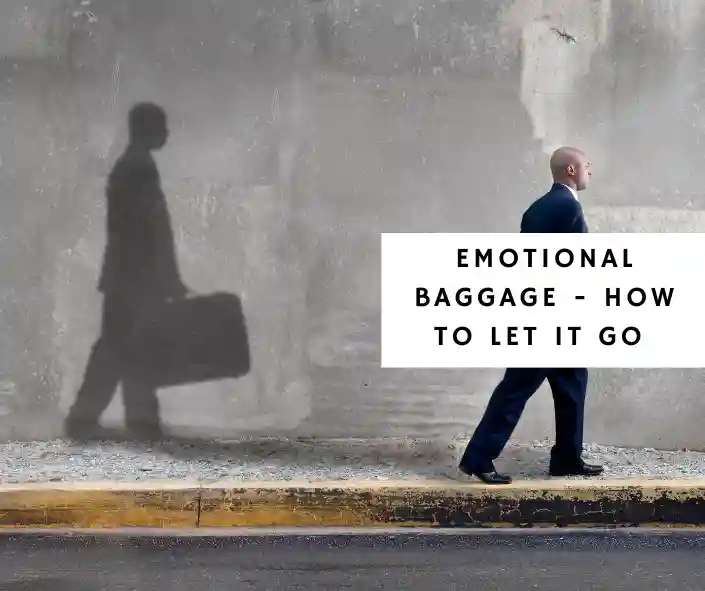
Emotional baggage, a term often used in conversations about personal growth and well-being, refers to the unresolved emotional issues, past experiences, and negative feelings that individuals carry with them. These unresolved issues can significantly impact various aspects of life, from relationships and decision-making to overall mental and physical health. Understanding the nature and origins of emotional baggage is the first step toward releasing it.
Defining Emotional Baggage and Its Manifestations
Emotional baggage encompasses a range of negative emotions and thought patterns that linger from past experiences. It often manifests in various ways, influencing behavior, relationships, and overall well-being.
- Negative Emotions: Common manifestations include persistent feelings of sadness, anger, fear, anxiety, guilt, and shame. These emotions may be triggered by current events or situations that remind the individual of past traumas or difficult experiences.
- Behavioral Patterns: Individuals carrying emotional baggage may exhibit certain behavioral patterns, such as:
- Difficulty trusting others.
- Avoiding intimacy or close relationships.
- Self-sabotaging behaviors.
- Perfectionism.
- People-pleasing tendencies.
- Procrastination.
- Cognitive Distortions: These are unhealthy patterns of thinking that can reinforce negative emotions and behaviors. Examples include:
- Catastrophizing (exaggerating the negative consequences of a situation).
- Overgeneralization (drawing broad conclusions based on limited evidence).
- Black-and-white thinking (seeing things in extremes, such as all good or all bad).
- Physical Symptoms: Emotional baggage can also manifest physically, leading to symptoms such as:
- Chronic pain.
- Fatigue.
- Digestive issues.
- Sleep disturbances.
Sources of Emotional Baggage
The sources of emotional baggage are diverse, stemming from various life experiences. Recognizing these sources can help individuals identify the root causes of their emotional challenges.
- Past Experiences: Traumatic events, such as abuse, neglect, or loss, are significant contributors to emotional baggage. These experiences can leave lasting scars, impacting an individual’s sense of self, their relationships, and their overall mental health. For instance, someone who experienced childhood abuse may struggle with trust issues and difficulty forming healthy attachments in adulthood.
- Relationships: Difficult relationships, whether with family members, romantic partners, or friends, can also contribute to emotional baggage. Conflicts, betrayals, and unresolved issues within these relationships can lead to feelings of anger, resentment, and insecurity. A person who has been in a toxic relationship may develop a fear of abandonment or a tendency to people-please in future relationships.
- Societal Pressures: Societal expectations and pressures can also contribute to emotional baggage. These include pressures related to success, appearance, and social status. Individuals may internalize these pressures, leading to feelings of inadequacy, anxiety, and self-doubt. For example, someone who feels pressured to conform to unrealistic beauty standards may develop body image issues and low self-esteem.
- Unresolved Grief: The failure to process grief following a loss, whether it be the death of a loved one, the end of a relationship, or a job loss, can also lead to emotional baggage. Unresolved grief can manifest as prolonged sadness, difficulty coping with everyday life, and a sense of disconnection from others.
Impact of Holding Onto Emotional Baggage
Holding onto emotional baggage can have significant consequences for both mental and physical well-being. It can negatively affect relationships, career, and overall quality of life.
- Mental Health: Emotional baggage is closely linked to mental health issues. It can increase the risk of developing conditions such as:
- Anxiety disorders.
- Depression.
- Post-traumatic stress disorder (PTSD).
- Personality disorders.
- Physical Health: The impact of emotional baggage extends to physical health as well. Chronic stress associated with unresolved emotional issues can weaken the immune system, making individuals more susceptible to illness. It can also contribute to the development of chronic conditions, such as:
- Heart disease.
- High blood pressure.
- Gastrointestinal problems.
- Relationships: Emotional baggage can strain relationships. Individuals carrying unresolved emotional issues may struggle with:
- Trust issues.
- Communication difficulties.
- Difficulty forming healthy attachments.
- Decision-Making: Emotional baggage can cloud judgment and impair decision-making abilities. Individuals may make choices based on fear, insecurity, or past experiences, rather than on rational thought.
- Overall Quality of Life: Holding onto emotional baggage can significantly diminish overall quality of life. It can lead to feelings of:
- Unhappiness.
- Dissatisfaction.
- A lack of fulfillment.
Preparing for Meditation
Preparing for meditation is crucial for maximizing its benefits. It’s about creating the right conditions to quiet the mind and foster a sense of inner peace. This involves setting up an environment conducive to relaxation and employing specific techniques to prepare the body and mind for the practice. By carefully attending to these aspects, you can significantly enhance your meditation experience and its effectiveness in releasing emotional baggage.
Optimal Environment for Meditation
Creating an optimal environment for meditation involves carefully considering factors that influence your senses. The goal is to minimize distractions and promote a sense of calm and focus.
- Lighting: Soft, natural light is generally preferred. Avoid harsh, direct sunlight or overly bright artificial lights. If natural light isn’t available, opt for dimmable lamps or candles to create a gentle ambiance. Dim lighting can help to calm the nervous system and reduce visual stimulation.
- Noise: Minimize noise distractions. Choose a quiet location where you are unlikely to be interrupted. If complete silence is unattainable, consider using ambient sounds like nature sounds, white noise, or instrumental music to mask distracting noises. The key is to find sounds that are soothing and don’t interfere with your focus.
- Temperature: Maintain a comfortable temperature. The ideal temperature varies from person to person, but generally, a room that is neither too hot nor too cold is best. Ensure proper ventilation to maintain a comfortable atmosphere. Being too hot or too cold can distract from the meditation practice.
- Other Considerations:
- Space: Dedicate a specific space for meditation if possible. This helps to create a ritual and a sense of consistency.
- Clutter: Keep the space tidy and free of clutter. A clean and organized environment can promote a sense of peace and order.
- Aromatherapy: Consider using calming scents like lavender or sandalwood. These scents can enhance relaxation and promote a sense of well-being. Use essential oils in a diffuser or by applying them to a cotton ball.
Simple Breathing Exercise for Preparation
Breathing exercises, or pranayama, are powerful tools for calming the mind and preparing the body for meditation. This simple exercise, known as “Box Breathing,” is easy to learn and can be practiced anywhere.
- Find a Comfortable Position: Sit comfortably with your back straight but not stiff. You can sit in a chair, on a cushion, or on the floor.
- Inhale: Close your eyes and slowly inhale through your nose for a count of four. Feel the air filling your lungs.
- Hold: Hold your breath for a count of four.
- Exhale: Slowly exhale through your mouth for a count of four.
- Hold: Hold your breath again for a count of four.
- Repeat: Continue this cycle of inhaling, holding, exhaling, and holding for several minutes.
“Box Breathing can help to reduce stress and anxiety by regulating the nervous system and promoting relaxation.”
This breathing exercise helps to regulate the breath, slow the heart rate, and calm the mind, making it easier to transition into a meditative state. It’s a simple yet effective technique for quieting the mental chatter and focusing on the present moment.
Comfortable Meditation Postures
Choosing a comfortable posture is essential for a successful meditation practice. The goal is to find a position that allows you to sit or lie still for an extended period without discomfort. There are several options to choose from, depending on your physical abilities and preferences.
- Seated Meditation: This is the most common posture.
- Seated on a Cushion: Sit cross-legged on a cushion or pillow, allowing your hips to be slightly higher than your knees. This can help to keep your spine straight.
- Seated in a Chair: Sit with your feet flat on the floor and your back straight but not stiff. Avoid leaning against the back of the chair.
- Key Considerations: Keep your back straight, your shoulders relaxed, and your hands resting gently in your lap or on your knees. Close your eyes or keep them softly focused on a point in front of you.
- Lying Down Meditation: This posture is ideal for those who have physical limitations or find it difficult to sit for extended periods.
- Supine Position: Lie on your back with your legs extended and your arms at your sides, palms facing up.
- Key Considerations: Ensure your body is relaxed and supported. You can use a pillow under your head and knees for added comfort. Be mindful of falling asleep.
- Walking Meditation: This is a dynamic form of meditation that involves mindful walking.
- Slow and Deliberate Pace: Walk at a slow and deliberate pace, paying attention to the sensations of your feet making contact with the ground.
- Focus on the Breath: Coordinate your breath with your steps. Inhale as you take one step and exhale as you take the next.
- Key Considerations: Choose a quiet and safe place to walk, such as a park or a quiet street. Be mindful of your surroundings and avoid distractions.
Choosing the right posture is about finding what works best for your body and your needs. Experiment with different postures to find the one that allows you to relax and focus your attention.
Meditation Techniques for Emotional Release
Now that we’ve explored understanding and preparing for emotional release through meditation, let’s delve into specific techniques you can utilize during your practice. These methods are designed to help you actively engage with your emotions, process them in a healthy way, and ultimately find greater peace and well-being. Remember, consistency is key. Regular practice of these techniques will deepen your ability to navigate emotional challenges with greater ease.
Guided Meditation Script for Acknowledging and Accepting Emotions
This guided meditation script offers a framework for acknowledging and accepting your emotions. It encourages a non-judgmental stance, allowing you to observe your feelings without getting carried away by them. Find a comfortable position, either sitting or lying down. Close your eyes gently and begin.
Focus on your breath.
Inhale deeply, feeling the air fill your lungs, and exhale slowly, releasing any tension. Continue this deep breathing, anchoring yourself in the present moment.
Now, bring your awareness to your body. Notice any sensations – warmth, coolness, tingling, pressure. Simply observe these sensations without judgment.
Next, begin to scan your body for any emotions you might be experiencing. Don’t try to force anything; simply notice what arises. Are you feeling sadness, anger, fear, joy, or something else?
Acknowledge the emotion. Say to yourself, “I am aware of [emotion].” For example, “I am aware of sadness.” Or, “I am aware of anger.”
Allow the emotion to be present.
Resist the urge to push it away or suppress it. Instead, offer it acceptance. Imagine holding the emotion gently, like a precious object.
Understand that emotions are temporary. They come and go like waves in the ocean.
Remind yourself that this feeling will eventually pass.
If you find yourself getting caught up in the emotion, gently redirect your attention back to your breath. Inhale and exhale, anchoring yourself in the present.
Continue to observe the emotion without judgment. Notice its intensity, its location in your body, and any thoughts that accompany it.
Finally, when you are ready, gently release the emotion. Allow it to flow through you, knowing that you are safe and supported.
Slowly bring your awareness back to your body. Notice the sensations in your hands and feet. Wiggle your fingers and toes.
When you are ready, gently open your eyes.
Remember, the goal of this practice is not to eliminate emotions but to develop a healthy relationship with them. Through consistent practice, you will cultivate greater emotional resilience and self-awareness.
Method for Visualizing and Releasing Negative Emotions During Meditation
Visualizing and releasing negative emotions involves using your imagination to create a safe space for processing difficult feelings. This technique can be a powerful tool for emotional healing. It’s important to approach this with gentleness and self-compassion.
Begin by finding a comfortable position and closing your eyes. Take a few deep breaths to relax and center yourself.
Bring to mind the negative emotion you wish to address. It could be anger, fear, sadness, or any other difficult feeling.
Visualize the emotion. Give it a shape, color, and texture. Is it a dark cloud, a heavy stone, a ball of fire?
Let your imagination run free.
Now, imagine a safe and supportive space. This could be a peaceful garden, a quiet beach, or any place where you feel calm and secure.
Bring the visualized emotion into this safe space. Observe it without judgment.
Acknowledge its presence and its impact on you.
Now, imagine releasing the emotion. There are several ways to do this:
- Dissolving: Visualize the emotion slowly dissolving, melting away, or evaporating into the air.
- Transforming: Imagine the emotion transforming into something positive, like a flower blooming or a ray of sunshine.
- Releasing: Visualize the emotion flowing away from you, perhaps carried away by a river, blown away by the wind, or absorbed by the earth.
As you release the emotion, focus on the feeling of letting go. Allow yourself to feel lighter and freer.
Once you have released the emotion, visualize filling the space with positive energy, such as peace, love, or compassion.
Take a few more deep breaths, feeling the positive energy flowing through you.
Slowly bring your awareness back to your body.
Wiggle your fingers and toes, and gently open your eyes.
This technique can be adapted to suit your individual needs and preferences. The key is to approach it with kindness and self-compassion, allowing yourself to feel and release the emotion in a safe and supportive way.
Technique for Using Mantras to Soothe and Calm the Mind While Processing Emotional Baggage
Mantras are powerful tools for calming the mind and fostering a sense of inner peace. They are repetitive phrases or sounds that can help you focus your attention and process emotional baggage more effectively. The use of mantras can reduce the impact of intrusive thoughts, as suggested by research on mindfulness-based interventions, where repetitive phrases or focused attention have been shown to reduce rumination.
Here’s how to use mantras during meditation for emotional release:
Choose a mantra. Select a phrase that resonates with you and reflects your intention. Some examples include:
- “I am safe.”
- “I am worthy of love.”
- “I release all negativity.”
- “I am at peace.”
- “I am strong.”
Find a comfortable position and close your eyes. Take a few deep breaths to relax and center yourself.
Silently repeat your chosen mantra. Focus your attention on the mantra, allowing it to fill your mind. You can repeat it aloud initially, then transition to silently repeating it in your mind.
As you repeat the mantra, notice any thoughts or emotions that arise. Don’t try to suppress them; simply acknowledge them and gently redirect your attention back to the mantra.
If you find yourself getting caught up in a negative thought or emotion, use the mantra as an anchor. Repeat the mantra to help you return to a state of calm and focus.
Continue repeating the mantra for the duration of your meditation. Allow the mantra to soothe and calm your mind.
After your meditation, take a few moments to reflect on your experience. Notice how you feel.
Mantras can be used in various ways.
You can repeat them continuously, or you can use them as a tool to counter negative thoughts or emotions as they arise. The key is to find a mantra that resonates with you and to use it consistently. This practice can promote resilience and help you navigate difficult emotions with greater ease.
Specific Meditation Practices
Having established the foundational understanding and preparatory steps, we now delve into specific meditation practices directly applicable to releasing emotional baggage. These techniques provide practical tools for navigating and processing difficult emotions, ultimately fostering a greater sense of inner peace and well-being. Each practice offers a unique approach, allowing individuals to find methods that best suit their needs and preferences.
Body Scan Meditation for Identifying and Releasing Tension
Body scan meditation involves systematically bringing awareness to different parts of the body, noticing any sensations present. This practice is particularly effective for identifying and releasing physical tension often associated with emotional baggage. By cultivating this mindful awareness, individuals can become more attuned to their bodies and the subtle ways emotions manifest physically.The process typically involves:
- Finding a comfortable position, either lying down or sitting.
- Beginning by focusing on the breath, gently guiding the attention inward.
- Directing awareness to the toes, noticing any sensations such as warmth, tingling, or tightness.
- Gradually moving the attention up the body, scanning each area – feet, ankles, calves, knees, thighs, hips, abdomen, chest, back, shoulders, arms, hands, neck, and head.
- Acknowledging any sensations without judgment. If tension is present, simply observe it.
- Using the breath to soften and release the tension, visualizing the breath flowing into the area and dissolving the tightness.
- Continuing the scan, allowing the awareness to move through the body at a comfortable pace.
“The body holds the memory of trauma.”Bessel van der Kolk,
The Body Keeps the Score
Brain, Mind, and Body in the Healing of Trauma*.
This quote emphasizes the significance of body awareness in processing emotional experiences. Body scan meditation provides a direct pathway to address the physical manifestations of emotional baggage, allowing for release and healing. For instance, someone experiencing chronic anxiety might notice tension in their shoulders. Through body scan meditation, they can become aware of this tension, acknowledge it, and consciously relax the muscles, thus beginning to unravel the emotional knot.
Loving-Kindness Meditation for Cultivating Compassion
Loving-kindness meditation, also known as Metta meditation, is a practice focused on cultivating feelings of love, kindness, and compassion. This practice is highly beneficial for releasing emotional baggage by fostering self-compassion and extending compassion to others. It helps to soften the harsh self-criticism often associated with difficult emotions and promotes a sense of connection and empathy.The practice typically involves:
- Finding a comfortable and quiet space.
- Beginning by focusing on the breath, calming the mind.
- Directing feelings of loving-kindness towards oneself, silently repeating phrases such as: “May I be safe. May I be happy. May I be healthy. May I live with ease.”
- Expanding the loving-kindness to loved ones, visualizing them and repeating similar phrases.
- Extending the compassion to neutral people, those one doesn’t know particularly well.
- Then to difficult people, those with whom one struggles, silently offering them the same wishes for well-being.
- Finally, expanding the loving-kindness to all beings, wishing them happiness and peace.
By consistently practicing loving-kindness meditation, individuals can develop a more compassionate and accepting attitude towards themselves and others. This, in turn, facilitates the release of negative emotions such as anger, resentment, and self-doubt. For example, someone struggling with feelings of inadequacy might practice loving-kindness meditation, directing phrases of self-compassion toward themselves. Over time, this can help to counter negative self-talk and cultivate a more positive self-image.
Studies in the
Journal of Consulting and Clinical Psychology* have shown that loving-kindness meditation can significantly reduce self-criticism and increase self-compassion.
Mindfulness Meditation for Observing Thoughts and Feelings
Mindfulness meditation cultivates a non-judgmental awareness of the present moment, including thoughts, feelings, and bodily sensations. This practice is essential for releasing emotional baggage because it allows individuals to observe their emotions without getting carried away by them. By simply witnessing their inner experience, they create space between themselves and their emotions, allowing for a more objective perspective.The practice generally involves:
- Finding a comfortable posture, usually sitting with a straight back.
- Focusing on the breath as an anchor for attention.
- Noticing thoughts and feelings as they arise, without judgment.
- Labeling thoughts and feelings, such as “thinking” or “sadness,” to create distance.
- Gently redirecting the attention back to the breath whenever the mind wanders.
- Practicing this observation consistently, allowing the mind to become calmer and more present.
Mindfulness meditation equips individuals with the ability to observe their thoughts and feelings without identifying with them. This skill is crucial for managing emotional baggage, allowing them to acknowledge and process difficult emotions without becoming overwhelmed. For instance, someone experiencing a wave of sadness might, through mindfulness, observe the sadness without getting lost in it. They might notice the physical sensations associated with the sadness, such as a heavy chest or tears, and simply observe them without trying to change them.
This detached observation allows the emotion to run its course without causing undue distress. Research published in
Psychological Science* has demonstrated the effectiveness of mindfulness meditation in reducing emotional reactivity and improving emotional regulation.
Handling Difficult Emotions
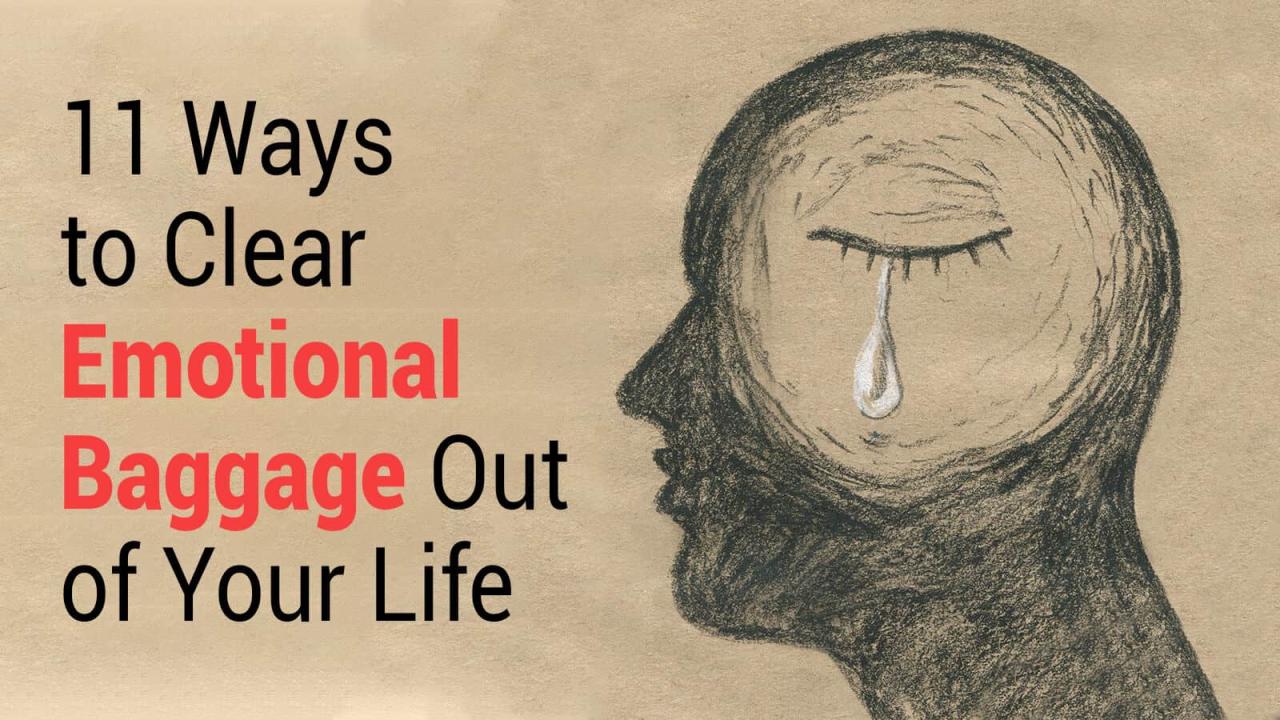
Meditation, while a powerful tool for emotional release, can sometimes bring challenging emotions to the surface. This is a natural part of the process, as you become more aware of your inner landscape. The key is to develop skillful ways of navigating these experiences without getting overwhelmed. This section provides practical strategies for working with difficult emotions, managing distractions, and gently returning to the present moment during your meditation practice.
Approaching Overwhelming Emotions
When intense emotions like anger, sadness, or fear arise during meditation, it’s crucial to approach them with compassion and awareness. Remember that you are not your emotions; they are simply experiences passing through. The goal isn’t to suppress or eliminate these feelings, but to observe them without judgment.
- Observe the Emotion: Acknowledge the emotion without getting swept away by it. Notice where you feel it in your body. Is it a tightness in your chest, a knot in your stomach, or a heat rising in your face? This physical awareness can help you stay grounded.
- Name the Emotion: Silently label the emotion. Saying “anger,” “sadness,” or “fear” can create a sense of distance and objectivity. This simple act of naming can help to diffuse the intensity.
- Breathe Through the Emotion: Use your breath as an anchor. Focus on the sensation of your breath entering and leaving your body. Each inhale and exhale can provide a moment of calm amidst the storm. Deep, slow breaths can also help to regulate your nervous system.
- Allow the Emotion to Be Present: Resist the urge to push the emotion away or analyze it excessively. Instead, allow it to be there, like a cloud passing through the sky. This acceptance can help the emotion to naturally dissipate.
- Cultivate Self-Compassion: Treat yourself with kindness and understanding. Remind yourself that it’s okay to feel this way and that you are not alone. Use phrases like, “This is difficult, and I am doing my best,” or “May I be kind to myself in this moment.”
Managing Distractions and Racing Thoughts
Distractions are a common experience during meditation. Your mind will naturally wander, and thoughts will arise. The key is to develop a gentle and non-judgmental approach to these mental occurrences.
- Acknowledge the Distraction: When you realize your mind has wandered, simply acknowledge it without judgment. You might silently think, “Thinking,” or “Wandering mind.” This recognition is the first step in returning to the present moment.
- Identify the Source: Briefly notice the nature of the thought or distraction. Is it a worry about the future, a memory from the past, or a physical sensation? This awareness can help you understand the triggers for your mental activity.
- Gently Redirect Your Attention: Without force, gently redirect your attention back to your chosen anchor, such as your breath, a mantra, or a body scan. Treat your mind like a puppy that needs to be gently guided back to the task at hand.
- Practice Consistency: The more you meditate, the better you will become at managing distractions. It’s like training a muscle; with consistent practice, you will build mental resilience and focus.
- Acceptance and Patience: Remember that it’s normal for your mind to wander. Don’t get discouraged if you find yourself frequently distracted. Approach each distraction as an opportunity to practice returning to the present moment.
Returning to the Present Moment
Gently returning to the present moment is a core skill in meditation. It involves bringing your awareness back to your chosen anchor whenever your mind wanders.
- Use a Cue: Develop a specific cue, such as your breath, a mantra, or a body scan, to bring your attention back. When you realize your mind has wandered, gently return to this anchor.
- Short, Frequent Returns: Don’t try to force your mind to stay focused for extended periods. Instead, aim for short, frequent returns to your anchor. Each time you bring your attention back, you strengthen your ability to focus.
- Non-Judgmental Observation: Observe your thoughts and feelings without judgment. Acknowledge their presence and then gently let them go. Avoid getting caught up in the content of your thoughts.
- Embrace the Process: View the act of returning to the present moment as the meditation itself. Each time you redirect your attention, you are practicing mindfulness.
- Adjust Your Practice: If you find yourself consistently struggling with distractions, consider adjusting your meditation practice. You might try a shorter meditation session, a different meditation technique, or meditating in a quieter environment.
Integrating Meditation into Daily Life
Integrating meditation into your daily life is crucial for maintaining the benefits of emotional release. Consistent practice, even in small doses, can significantly impact your overall well-being. This section provides practical strategies for seamlessly incorporating meditation into your routine, regardless of how busy you are.
Incorporating Short Meditation Breaks
Finding time for meditation amidst a hectic schedule might seem challenging, but short, focused sessions can be incredibly effective. These brief pauses allow you to reconnect with yourself and process emotions without requiring extensive time commitments.
- Micro-Meditations: Incorporate micro-meditations throughout the day. These can be as short as one to five minutes. For instance, take a moment to focus on your breath before a meeting, during a coffee break, or while waiting in line. The key is consistency.
- Commute Meditation: If you use public transportation, use the commute time for meditation. Close your eyes and focus on your breath, or listen to a guided meditation. Even if you are driving, you can use the time to focus on your breath.
- Mindful Moments: Practice mindfulness in everyday activities. While washing dishes, pay attention to the sensation of the water and the soap. When eating, savor each bite. These mindful moments are forms of meditation.
- Set Reminders: Use phone reminders to prompt you to meditate. Schedule these reminders at different times throughout the day to ensure you integrate meditation into your daily routine.
- Break it down: Divide a longer meditation session into smaller chunks. If you only have 20 minutes, you can do two 10-minute sessions, or four 5-minute sessions.
Comparing Morning Versus Evening Meditation Sessions
The optimal time for meditation varies from person to person. Both morning and evening sessions offer unique benefits, and the best choice depends on your personal preferences and lifestyle. Understanding these differences allows you to tailor your practice for maximum effectiveness.
- Morning Meditation: Morning meditation can set a positive tone for the day. It can help you feel more grounded, focused, and less reactive to stressors. Many people find that meditating first thing in the morning reduces anxiety and improves mood. The morning is often quieter, making it easier to find a peaceful environment.
- Evening Meditation: Evening meditation can help you unwind after a long day. It can reduce stress, improve sleep quality, and help you process any challenging emotions that arose during the day. Evening meditation allows you to release tension and prepare for a restful night’s sleep.
- Combined Approach: Some people find it beneficial to meditate both in the morning and the evening. A short morning meditation can set the stage for a positive day, while an evening session helps to release any accumulated stress. This approach provides a balanced approach to emotional well-being.
Designing a Weekly Meditation Schedule
Creating a structured weekly meditation schedule can enhance consistency and maximize the benefits of your practice. This schedule should be tailored to your individual needs and preferences.
Below is an example of a weekly meditation schedule. Adjust the times and durations to fit your lifestyle.
| Day | Time | Duration | Type of Meditation | Notes |
|---|---|---|---|---|
| Monday | 7:00 AM | 15 minutes | Mindfulness Meditation | Focus on breath and body scan. |
| Tuesday | 12:00 PM | 10 minutes | Loving-Kindness Meditation | Cultivate feelings of compassion and kindness. |
| Wednesday | 7:00 AM | 15 minutes | Mindfulness Meditation | Focus on breath and body scan. |
| Thursday | 7:00 PM | 10 minutes | Guided Meditation | Use a guided meditation for emotional release. |
| Friday | 7:00 AM | 15 minutes | Mindfulness Meditation | Focus on breath and body scan. |
| Saturday | 9:00 AM | 20 minutes | Walking Meditation | Focus on the sensation of walking. |
| Sunday | 7:00 PM | 20 minutes | Body Scan Meditation | Focus on different parts of the body. |
Advanced Techniques and Considerations
As you deepen your meditation practice for emotional release, you’ll encounter advanced techniques and considerations that can significantly enhance your journey. These elements address the integration of insights, the support of a teacher, and the management of potential challenges. This section provides guidance to navigate these complexities effectively.
Journaling After Meditation for Integration
Journaling is a powerful tool for consolidating insights gained during meditation and facilitating emotional processing. It provides a structured way to reflect on your experiences, identify patterns, and track your progress.To effectively use journaling after meditation, consider these steps:
- Immediate Writing: After your meditation session, immediately begin writing. This captures the freshest thoughts and feelings before they fade.
- Free Writing: Don’t worry about grammar or structure. Simply let your thoughts flow onto the page.
- Key Prompts: Consider using prompts to guide your writing, such as:
- “What emotions arose during the meditation?”
- “What insights did I gain?”
- “What patterns or themes emerged?”
- “How does this relate to my daily life?”
- Specific Details: Focus on the details of your experience. Describe the sensations, thoughts, and emotions that arose.
- Regular Review: Regularly review your journal entries to identify recurring themes, track your progress, and gain a deeper understanding of your emotional landscape.
By incorporating journaling into your practice, you can transform fleeting insights into lasting self-awareness and promote a more integrated emotional life.
The Role of a Meditation Teacher or Guide
A meditation teacher or guide can provide invaluable support on your journey of emotional release. Their experience, knowledge, and perspective can help you navigate challenges, deepen your practice, and gain clarity.The benefits of working with a meditation teacher include:
- Expert Guidance: Teachers offer personalized guidance tailored to your specific needs and challenges. They can provide techniques and strategies to address your unique emotional landscape.
- Accountability: A teacher can help you stay committed to your practice and provide a sense of accountability. Regular sessions can motivate you to continue meditating even when faced with difficulties.
- Perspective: Teachers offer an objective perspective, helping you identify patterns and blind spots that you might miss on your own. They can provide valuable insights and alternative viewpoints.
- Support: Teachers create a safe and supportive space for you to explore your emotions. They can offer encouragement, empathy, and practical advice.
- Troubleshooting: A teacher can help you troubleshoot challenges that arise during meditation, such as restlessness, intrusive thoughts, or overwhelming emotions.
Choosing a meditation teacher involves considering their experience, qualifications, teaching style, and personal compatibility. Look for someone with a strong background in meditation and a demonstrated ability to guide others.
Potential Challenges and Solutions
The process of emotional release through meditation can sometimes present challenges. Recognizing these potential obstacles and having strategies to address them is crucial for maintaining a consistent and effective practice.Common challenges and their solutions include:
- Restlessness and Distraction: The mind naturally wanders.
- Solution: Gently redirect your attention back to your chosen focal point (e.g., breath). Acknowledge the thoughts or sensations without judgment, and let them pass. Increase the duration of meditation sessions gradually.
- Intrusive Thoughts: Negative or repetitive thoughts can arise.
- Solution: Observe these thoughts as if you were an outsider. Avoid engaging with them. Label them (e.g., “thinking,” “worry”) and let them go. Consider using guided meditations focused on thought management.
- Overwhelming Emotions: Intense emotions may surface.
- Solution: Practice grounding techniques, such as focusing on your breath or body sensations. If the emotions become too intense, take a break from meditation and return to it later. Consider seeking support from a therapist or counselor.
- Physical Discomfort: Pain or discomfort may arise during meditation.
- Solution: Adjust your posture to find a comfortable position. Use cushions or blankets for support. If pain persists, consult a healthcare professional. Incorporate gentle stretching or yoga into your routine.
- Discouragement: Feeling like you’re not making progress can lead to discouragement.
- Solution: Remember that progress is not always linear. Be patient with yourself. Celebrate small victories. Revisit your initial intentions and goals.
Consider joining a meditation group for support and encouragement.
- Solution: Remember that progress is not always linear. Be patient with yourself. Celebrate small victories. Revisit your initial intentions and goals.
By anticipating these challenges and implementing effective solutions, you can navigate the complexities of emotional release with greater resilience and achieve a more fulfilling meditation practice.
Examples of Emotional Baggage and Corresponding Meditation Approaches
Emotional baggage manifests in various forms, stemming from past experiences, relationships, and unresolved grief. Understanding the specific type of baggage and its associated symptoms is crucial for selecting the most effective meditation approach. This section provides examples of common emotional baggage and corresponding meditation techniques to facilitate emotional release and promote well-being.This table Artikels several types of emotional baggage, their common symptoms, suggested meditation approaches, and the expected outcomes.
The table is designed to be easily readable on various devices.
Emotional Baggage and Meditation Techniques
| Type of Emotional Baggage | Common Symptoms | Meditation Approach | Expected Outcome |
|---|---|---|---|
| Grief and Loss | Sadness, difficulty sleeping, loss of interest in activities, feelings of emptiness, social withdrawal. |
|
Increased feelings of peace and acceptance, reduced intensity of grief, improved sleep quality, renewed interest in life. |
| Relationship Issues (Betrayal, Rejection) | Anxiety, mistrust, difficulty forming new relationships, anger, low self-esteem, feeling of being unworthy. |
|
Reduced anxiety, improved self-esteem, increased capacity for trust, ability to form healthier relationships. |
| Past Trauma | Flashbacks, nightmares, hypervigilance, anxiety, depression, difficulty regulating emotions, avoidance behaviors. |
|
Reduced symptoms of PTSD, improved emotional regulation, increased sense of safety and control, improved sleep. |
For example, someone experiencing grief might find that Loving-Kindness meditation helps to soften the sharp edges of their sorrow. They might begin by directing kindness towards themselves, acknowledging their pain, and then extending that kindness to the person they have lost. This can help transform feelings of loss into a sense of connection and peace. Similarly, an individual dealing with relationship issues might utilize Mindfulness of Thoughts and Emotions, observing the thoughts and feelings associated with the relationship without judgment.
This approach allows them to recognize the transient nature of these emotions, reducing their intensity and promoting emotional detachment.
Resources and Support
Cultivating emotional well-being is an ongoing journey, and having access to reliable resources and support systems can significantly enhance your progress. This section provides a curated list of tools and professionals to aid you in your meditation practice and emotional release journey.
Recommended Learning Materials
Expanding your knowledge and understanding of emotional baggage and meditation can deepen your practice. The following resources offer valuable insights and guidance.
- Books:
Several books provide excellent foundational knowledge and practical techniques. These include:
- “Emotional Alchemy: How the Mind Can Heal the Heart” by Tara Bennett-Goleman: Explores the connection between emotions and the body, offering practical exercises.
- “The Body Keeps the Score: Brain, Mind, and Body in the Healing of Trauma” by Bessel van der Kolk: A comprehensive examination of how trauma affects the brain and body, with insights into healing through various methods, including mindfulness and body-based therapies.
- “Radical Acceptance: Embracing Your Life With the Heart of a Buddha” by Tara Brach: Focuses on self-compassion and acceptance as essential tools for emotional healing.
- “Wherever You Go, There You Are: Mindfulness Meditation in Everyday Life” by Jon Kabat-Zinn: Introduces mindfulness principles and practices for daily living.
- Websites:
Numerous websites offer valuable information, guided meditations, and support for emotional well-being. Consider exploring these:
- Mindful.org: Provides articles, guided meditations, and resources on mindfulness and meditation.
- Greater Good Magazine (Greater Good Science Center, UC Berkeley): Features research-backed articles on happiness, well-being, and emotional resilience.
- The Trauma Center at Justice Resource Institute: Offers information and resources related to trauma and its treatment.
- Apps:
Mobile applications can provide convenient access to guided meditations and mindfulness exercises. Some popular choices include:
- Headspace: Offers guided meditations for various purposes, including stress reduction, sleep, and emotional well-being.
- Calm: Provides guided meditations, sleep stories, and relaxing music.
- Insight Timer: Features a vast library of free guided meditations, as well as courses and talks from various teachers.
Guided Meditation Resources
Guided meditations specifically designed for emotional release can be incredibly helpful. These resources provide structured guidance and support during your practice.
- YouTube Channels: Many channels offer free guided meditations. Search for channels that specialize in emotional release, such as those led by meditation teachers, therapists, or mindfulness experts.
- Meditation Apps: Apps like Headspace, Calm, and Insight Timer often feature guided meditations focused on emotional healing, processing difficult emotions, and cultivating self-compassion. Search within these apps for relevant content.
- Specific Meditation Programs: Some meditation programs offer specialized courses or series of guided meditations centered on emotional release. Look for programs that align with your specific needs and preferences.
Importance of Professional Support
While meditation can be a powerful tool for emotional well-being, it’s essential to recognize its limitations. Seeking professional help from qualified therapists or counselors is crucial when dealing with deep-seated emotional issues or trauma.
A therapist or counselor can provide:
- Expert Guidance: They can help you understand the root causes of your emotional baggage and develop effective coping strategies.
- Safe Space: A therapist offers a confidential and supportive environment to explore difficult emotions.
- Evidence-Based Therapies: They can provide therapies like Cognitive Behavioral Therapy (CBT), Eye Movement Desensitization and Reprocessing (EMDR), or other specialized approaches.
- Trauma-Informed Care: If you have experienced trauma, a therapist can provide specialized support and treatment.
Remember, seeking professional help is a sign of strength, not weakness. It’s a vital step in prioritizing your mental and emotional health.
When to Seek Professional Help:
- If your emotional baggage significantly impacts your daily life, relationships, or overall well-being.
- If you experience persistent or overwhelming negative emotions, such as anxiety, depression, or anger.
- If you have a history of trauma or abuse.
- If you find yourself struggling to cope with difficult emotions despite consistent meditation practice.
Common Misconceptions and FAQs

Embarking on the journey of meditation and emotional release often brings forth a variety of questions and misconceptions. It’s crucial to address these to ensure a clear understanding of the process and to manage expectations realistically. Dispelling myths and providing accurate information can empower individuals to approach meditation with confidence and clarity.
Misconceptions About Meditation and Emotional Release
Several common misconceptions can hinder progress and lead to frustration. Addressing these head-on is essential for fostering a realistic and beneficial practice.
- Meditation is about emptying the mind. This is a common misunderstanding. The goal isn’t to eliminate thoughts entirely, which is virtually impossible. Instead, it’s about observing thoughts without judgment, allowing them to pass without getting carried away.
- Emotional release through meditation is always a dramatic event. While some individuals may experience intense emotional releases, others may have more subtle experiences. Emotional release can manifest as a gentle shift in perspective, a feeling of lightness, or a gradual decrease in the intensity of emotional triggers.
- Meditation is only for quiet, still environments. While a peaceful setting can be helpful, meditation can be practiced anywhere. It’s about cultivating inner stillness regardless of external circumstances. Practicing meditation in noisy environments, such as a busy street or public transportation, can build resilience and the ability to focus amidst distractions.
- Meditation is a quick fix for emotional baggage. Emotional healing is a process, not a destination. Meditation provides tools for navigating emotions, but it takes time, consistency, and self-compassion to process and release emotional baggage effectively. Expect ups and downs along the journey.
- You need to sit in a specific posture to meditate. While seated postures like the lotus position are traditional, any comfortable position is suitable. The most important thing is to maintain a posture that allows you to remain alert and relaxed. Lying down can be an option, but it may increase the likelihood of falling asleep.
Frequently Asked Questions (FAQs) Regarding Meditation and Emotional Baggage
Navigating the complexities of meditation and emotional release often prompts specific inquiries. Addressing these questions directly offers clarity and guidance.
- How long should I meditate each day? Start with short sessions, such as 5-10 minutes, and gradually increase the duration as you become more comfortable. Consistency is more important than duration. Even a few minutes of daily meditation can be beneficial.
- What if I get distracted during meditation? It’s completely normal to have a wandering mind. When you notice your mind wandering, gently redirect your attention back to your chosen focus, such as your breath or a mantra. Avoid judging yourself; simply acknowledge the distraction and return to the present moment.
- Can meditation worsen my emotional state? In some cases, particularly for individuals with a history of trauma or severe mental health conditions, meditation can bring up difficult emotions. It’s crucial to approach meditation with self-compassion and to seek support from a therapist or counselor if needed. Start with guided meditations or shorter sessions.
- How do I know if meditation is working? The effects of meditation can be subtle and may not be immediately apparent. Over time, you may notice increased self-awareness, reduced reactivity to triggers, improved emotional regulation, and a greater sense of inner peace.
- What if I can’t “turn off” my thoughts? The goal isn’t to eliminate thoughts, but to observe them without judgment. Allow thoughts to arise and pass without getting caught up in them. Practice gently redirecting your attention back to your chosen focus.
- Can I meditate while experiencing strong emotions? Yes, meditation can be a valuable tool for navigating strong emotions. However, it’s important to approach meditation with self-compassion and to adjust your practice as needed. You might choose a meditation specifically designed for emotional release or simply focus on your breath.
- Should I talk to someone about the emotions that arise during meditation? Yes, it can be helpful to talk to a therapist, counselor, or trusted friend about your experiences. Sharing your thoughts and feelings can provide support and help you process your emotions more effectively.
- Are there different types of meditation that are better for emotional release? Yes, some meditation techniques are specifically designed for emotional release. These include loving-kindness meditation, body scan meditation, and guided meditations that focus on processing specific emotions. Experiment with different techniques to find what works best for you.
- How does meditation help with specific types of emotional baggage, such as anxiety or grief? Meditation helps by increasing self-awareness, promoting emotional regulation, and fostering a sense of acceptance. Specific practices, such as mindful breathing for anxiety or compassion meditation for grief, can be particularly helpful. For instance, in the case of grief, a study published in the
-Journal of Consulting and Clinical Psychology* found that mindfulness-based interventions significantly reduced symptoms of complicated grief. - Is it possible to become addicted to meditation? While not a common occurrence, it’s possible to become overly reliant on meditation as a coping mechanism. If meditation starts to interfere with your daily life or relationships, it’s essential to practice it in moderation and to seek support from a therapist or counselor.
Ultimate Conclusion
In conclusion, learning How to Meditate for Releasing Emotional Baggage provides a path towards emotional freedom and enhanced well-being. By incorporating meditation into your routine, you can cultivate self-awareness, develop resilience, and gently release the emotional baggage that no longer serves you. Remember that this is a journey of self-discovery and healing. Embrace the process, be patient with yourself, and allow meditation to be your guide towards a more peaceful and fulfilling life.
Consider the provided resources and support systems to further enrich your journey.