Embarking on the journey of “How to Meditate for Finding Peace Within the Mind” unveils a path to tranquility, offering a sanctuary within the whirlwind of daily life. Meditation, in its essence, is a practice that cultivates a deeper understanding of the self, fostering a serene mental state.
This comprehensive guide illuminates the path to inner peace, starting with foundational techniques and progressing to advanced practices. We will explore various meditation methods, including breathing exercises, mindfulness, and visualization, each designed to quiet the mind and enhance your overall well-being. You’ll learn how to prepare your environment, overcome common challenges, and integrate meditation seamlessly into your daily routine.
Introduction
Embarking on a journey to find peace within the mind begins with understanding the fundamental concepts of meditation and inner peace. This introductory section lays the groundwork for exploring how these two elements intertwine to cultivate a more tranquil and fulfilling life.
Defining Meditation
Meditation, at its core, is a practice that trains the mind to focus and redirect thoughts. It’s a technique for cultivating a state of mental clarity and emotional calmness. It does not involve any religious or spiritual belief. It’s a secular practice.
Understanding Inner Peace
Inner peace signifies a state of mental and emotional tranquility. It’s characterized by a sense of contentment, acceptance, and freedom from internal conflict. It is not the absence of stress or challenges but rather the ability to navigate them with equanimity.
The Relationship Between Meditation and Inner Peace
Meditation serves as a powerful tool for achieving inner peace. Through consistent practice, meditation helps to:
- Reduce stress and anxiety: Meditation activates the parasympathetic nervous system, which promotes relaxation and reduces the production of stress hormones like cortisol.
- Increase self-awareness: By observing thoughts and emotions without judgment, meditation enhances our understanding of ourselves and our reactions to the world.
- Cultivate emotional regulation: Meditation equips us with the ability to manage difficult emotions, such as anger, sadness, and fear, in a healthy and constructive manner.
- Enhance focus and concentration: Regular meditation practice strengthens the mind’s ability to concentrate, making it easier to stay present and engaged in daily activities.
Meditation, therefore, is a pathway to experiencing inner peace by directly addressing the mental and emotional factors that hinder it.
Preparing for Meditation
Creating a conducive environment and establishing a comfortable posture are fundamental to a successful meditation practice. Proper preparation minimizes distractions and allows for a deeper, more focused experience. This section will guide you through setting the stage for your meditation sessions, ensuring you are physically and mentally prepared to cultivate inner peace.
Ideal Environment for Meditation
The environment significantly impacts the quality of your meditation. Consider the following factors to optimize your space for focused practice:
- Noise: Minimize distractions by choosing a quiet location. This could involve closing windows to block out external sounds, turning off electronic devices, or using earplugs if necessary. Consider ambient noise, like nature sounds, as an alternative if absolute silence is unattainable.
- Lighting: Opt for soft, natural light if possible. Avoid harsh, direct light that can strain your eyes. Dimming the lights or using candles can create a calming atmosphere.
- Temperature: Maintain a comfortable temperature. Being too cold can distract you, while being too warm can make you sleepy. A well-ventilated room contributes to alertness and focus.
- Space: Dedicate a specific area for meditation, if possible. This creates a sense of ritual and helps signal your mind that it’s time to meditate. This space could be a corner of a room, a specific cushion, or a designated chair.
Comfortable Meditation Postures
Choosing a comfortable posture is crucial for extended meditation sessions. The goal is to maintain a position that is stable and relaxed, allowing you to sit still without discomfort. Here are some common meditation postures suitable for various physical conditions:
| Posture Name | Description | Illustration Description |
|---|---|---|
| Full Lotus (Padmasana) | Sit on the floor with your legs crossed, each foot resting on the opposite thigh. Keep your back straight, but not stiff. This posture is considered ideal for advanced practitioners but can be challenging for beginners. | Imagine a person sitting cross-legged on a cushion. Each foot is placed on the opposite thigh, with the soles of the feet facing upward. The spine is erect, the head is balanced, and the hands rest gently on the knees. |
| Half Lotus (Ardha Padmasana) | Similar to Full Lotus, but only one foot rests on the opposite thigh. The other leg is folded comfortably beneath the opposite thigh. This is a good alternative for those who find the Full Lotus too difficult. | Visualize a person seated with one leg folded, the foot resting on the opposite thigh, and the other leg folded comfortably underneath. The back is straight, and the hands are resting on the knees. |
| Burmese Position | Sit on the floor with your legs crossed, one in front of the other. The shins are on the floor, and the feet are tucked in towards the body. This posture is generally more accessible than the Lotus positions. | Picture a person seated with legs crossed comfortably in front of them, shins on the floor, and feet tucked in close to the body. The back is straight, and the hands are resting on the knees. |
| Seiza Position | Kneel on the floor with your buttocks resting on your heels. Your back should be straight. This posture is common in Japanese meditation practices. Consider using a seiza bench for added comfort. | Envision a person kneeling with their buttocks resting on their heels, back straight, and hands resting on their thighs. A small bench can be used to elevate the buttocks slightly for comfort. |
| Chair Meditation | Sit in a chair with your feet flat on the floor and your back straight but not stiff. Keep your hands resting comfortably on your lap or your thighs. This is an accessible option for those with physical limitations. | Imagine a person sitting upright in a chair, feet flat on the floor, back straight, and hands resting gently on their lap. The shoulders are relaxed, and the head is balanced. |
| Supine (Lying Down) | Lie on your back with your legs extended and your arms at your sides, palms facing up. This posture is best suited for relaxation and can be conducive to falling asleep, so it is not always recommended for focused meditation. | Visualize a person lying on their back, legs extended, arms at their sides with palms facing up. The body is relaxed, and the eyes are closed. |
Checklist of Items Needed for a Meditation Session
Gathering the necessary items before you begin will help minimize distractions and ensure a smooth meditation experience. Here’s a checklist:
- Meditation Cushion or Bench: Provides comfort and support for your chosen posture.
- Blanket or Shawl: Keeps you warm and comfortable, especially during longer sessions.
- Timer or Meditation App: Helps you keep track of the duration of your meditation.
- Eye Pillow or Blindfold (Optional): Blocks out light and promotes relaxation.
- Water: Stay hydrated.
- Comfortable Clothing: Loose-fitting clothing that allows for ease of movement.
- Earplugs or Noise-canceling headphones (Optional): To minimize distractions.
Foundational Meditation Techniques
Having prepared your environment and settled into a comfortable position, the next step in your meditation journey involves mastering foundational techniques. These techniques serve as anchors for the mind, helping to cultivate focus and stability. They are the building blocks upon which deeper meditative practices are built, and they offer immediate benefits in terms of stress reduction and mental clarity.
Among these, breathing exercises are particularly accessible and powerful tools.
Breathing Exercises and Their Impact on the Mind
The breath is a constant, readily available resource, a natural rhythm that can be consciously controlled to influence the state of the mind. It acts as a direct link to the autonomic nervous system, which governs involuntary functions like heart rate and digestion. By focusing on the breath, we can regulate these systems, thereby influencing our emotional and mental states.
A slow, deep breath can calm the nervous system, reducing feelings of anxiety and promoting relaxation. Conversely, shallow, rapid breathing can exacerbate stress. The breath is therefore a powerful tool for bringing the mind into the present moment, anchoring awareness and providing a focal point to return to when the mind wanders.
Diaphragmatic Breathing Technique
Diaphragmatic breathing, also known as belly breathing, is a simple yet profoundly effective technique for calming the mind and body. It emphasizes the use of the diaphragm, the large muscle located at the base of the lungs, to draw in air.
- Find a Comfortable Position: Sit upright in a chair with your feet flat on the floor or lie down on your back with your knees bent. Ensure your back is straight but not rigid.
- Place Your Hands: Place one hand on your chest and the other on your belly. This allows you to monitor the movement of your breath.
- Inhale Deeply Through Your Nose: Slowly inhale, focusing on filling your belly with air. You should feel your belly rise while your chest remains relatively still. The hand on your belly should move outwards.
- Exhale Slowly Through Your Mouth: Gently exhale through your mouth, letting the air out slowly. As you exhale, feel your belly fall. The hand on your belly should move inwards.
- Repeat and Focus: Continue this pattern, focusing on the sensation of your breath entering and leaving your body. Aim for slow, deep breaths, allowing your breath to naturally guide your awareness.
This technique helps to activate the parasympathetic nervous system, the “rest and digest” system, which counters the effects of stress. Practicing diaphragmatic breathing for even a few minutes can significantly reduce feelings of anxiety and promote a sense of calm.
Alternate Nostril Breathing Technique
Alternate nostril breathing, known as Nadi Shodhana Pranayama in Sanskrit, is a powerful technique that balances the flow of energy within the body. It involves breathing through one nostril while blocking the other, alternating with each breath. This practice is believed to purify the nadis, the subtle energy channels in the body, and promote a sense of balance and well-being.
- Find a Comfortable Position: Sit comfortably with your spine straight. You can sit cross-legged, in a chair, or in any position that allows you to maintain a straight back.
- Prepare Your Hand: Use your right hand. Bring your index and middle fingers to rest gently between your eyebrows.
- Close the Right Nostril: Use your thumb to gently close your right nostril.
- Inhale Through the Left Nostril: Inhale slowly and deeply through your left nostril.
- Close the Left Nostril and Release the Right: Close your left nostril with your ring finger, releasing your thumb from the right nostril.
- Exhale Through the Right Nostril: Exhale slowly and completely through your right nostril.
- Inhale Through the Right Nostril: Inhale slowly and deeply through your right nostril.
- Close the Right Nostril and Release the Left: Close your right nostril with your thumb, releasing your ring finger from the left nostril.
- Exhale Through the Left Nostril: Exhale slowly and completely through your left nostril. This completes one round.
- Continue and Focus: Repeat this cycle for several rounds, focusing on the sensation of the breath flowing in and out of each nostril.
The benefits of alternate nostril breathing include reduced stress and anxiety, improved mental clarity, and a sense of overall balance. It is also believed to enhance the flow of prana, or life force energy, within the body.
Box Breathing Technique
Box breathing, also known as square breathing, is a simple and effective technique for calming the nervous system and reducing stress. It involves a rhythmic pattern of inhaling, holding the breath, exhaling, and holding the breath again, all for equal durations. This technique helps to regulate the breath and slow down the heart rate, promoting a sense of calm and focus.
- Find a Comfortable Position: Sit or lie down in a comfortable position, with your spine straight.
- Inhale: Inhale slowly and deeply through your nose for a count of four.
- Hold: Hold your breath for a count of four.
- Exhale: Exhale slowly through your mouth for a count of four.
- Hold: Hold your breath for a count of four.
- Repeat: Continue this cycle, inhaling, holding, exhaling, and holding, all for a count of four (or any equal count that is comfortable for you).
The calming effects of box breathing are often noticeable within a few minutes of practice. It is a useful technique to employ in stressful situations, before public speaking, or anytime you need to regain a sense of control and composure. It is also a great practice to incorporate before sleep to promote relaxation.
Guiding the Mind: Mindfulness Meditation
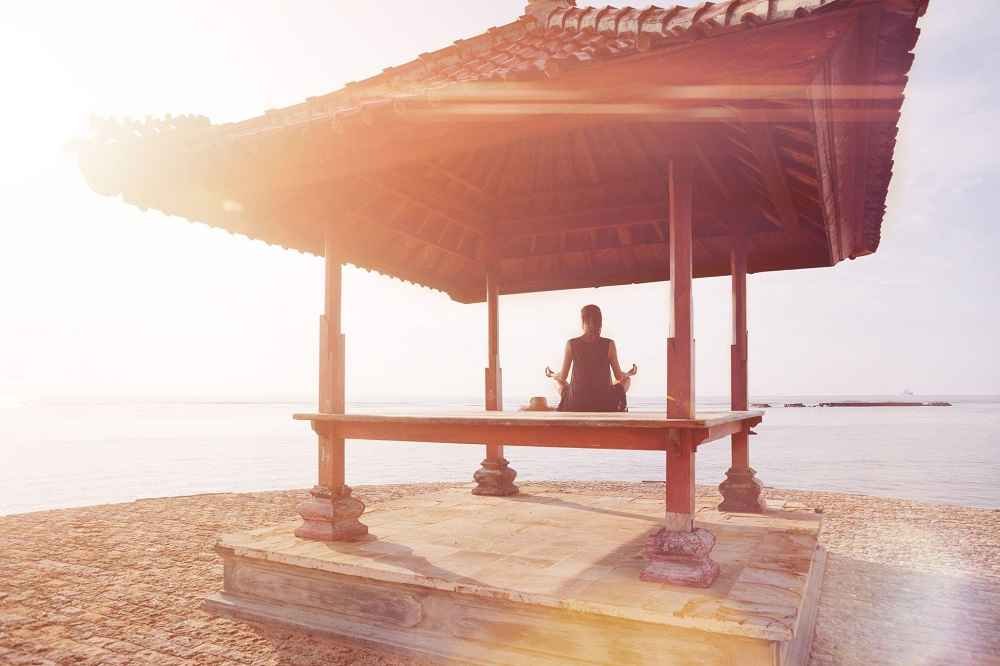
Mindfulness meditation is a powerful practice that cultivates awareness of the present moment without judgment. It’s a core component of many contemplative traditions and has gained significant recognition in modern psychology for its effectiveness in reducing stress, improving focus, and enhancing overall well-being. This section delves into the principles and practical application of mindfulness meditation, providing tools and techniques to guide the mind towards inner peace.
Core Principles of Mindfulness Meditation
Mindfulness meditation operates on several fundamental principles. Understanding these principles is crucial for effective practice.
- Present Moment Awareness: The primary focus is on observing experiences as they arise in the present moment. This includes thoughts, emotions, bodily sensations, and external stimuli. The aim is not to change or suppress these experiences but to simply acknowledge them.
- Non-Judgment: A key aspect of mindfulness is to observe experiences without judgment or evaluation. This means accepting whatever arises without labeling it as good or bad, right or wrong. This allows for a more balanced and objective perspective.
- Acceptance: Embracing experiences as they are, without resistance, is essential. This includes accepting difficult emotions or uncomfortable physical sensations. Acceptance fosters a sense of inner peace and reduces suffering.
- Observation: Mindfulness involves cultivating a detached perspective, observing thoughts and feelings as if they were passing clouds. This allows for a greater understanding of the nature of experience and reduces identification with thoughts and emotions.
- Patience: Mindfulness is a practice that develops over time. Patience is essential, as the mind will naturally wander. With consistent practice, the ability to maintain focus and awareness strengthens.
Practicing Mindfulness of Thoughts
Mindfulness of thoughts involves observing the stream of thoughts as they arise in the mind. It is a practice of witnessing the mental activity without getting carried away by it.
- Find a Comfortable Position: Begin by finding a comfortable posture, either sitting or lying down. Ensure your back is straight but not stiff. Close your eyes gently or keep them softly focused on a point in front of you.
- Focus on the Breath: Start by bringing your attention to your breath. Notice the sensation of the air entering and leaving your body. Observe the rise and fall of your abdomen or the sensation of the breath at your nostrils.
- Acknowledge Thoughts: As thoughts arise, and they inevitably will, acknowledge them without judgment. Simply notice the thought as it appears. You might silently label it as “thinking.”
- Let Thoughts Pass: Do not engage with the thoughts. Do not try to analyze them or follow their train of thought. Imagine your thoughts as clouds passing in the sky. Allow them to drift by.
- Gently Redirect Attention: When you notice your mind has wandered, gently redirect your attention back to your breath. There is no need to get frustrated or critical. Simply acknowledge the distraction and return to your focus.
- Practice Regularly: Consistency is key. Practice mindfulness of thoughts for a few minutes each day, gradually increasing the duration as you become more comfortable.
Script for a Short Mindfulness Meditation Focusing on Body Sensations
This short script guides you through a mindfulness meditation focusing on body sensations.
“Find a comfortable position, either sitting or lying down. Close your eyes gently, or keep them softly focused on a point in front of you. Take a few deep breaths, inhaling deeply and exhaling slowly. Now, bring your attention to your body. Notice the points of contact between your body and the surface beneath you – the chair, the floor, or the bed. Observe the sensations of your body. Notice any areas of tension or relaxation. Start with your feet. Notice the sensations in your feet, the pressure, the temperature, any tingling or numbness. Move your attention slowly up your body, noticing the sensations in your ankles, your calves, your knees, your thighs. Continue moving your awareness upwards, noticing the sensations in your hips, your abdomen, your back, your chest. Bring your attention to your hands. Notice the sensations in your fingers, your palms, your wrists, your forearms. Move your attention to your shoulders, your neck, your head. Notice the sensations in your face, your jaw, your forehead, your scalp. As you observe these sensations, simply notice them without judgment. If you find your mind wandering, gently bring your attention back to the sensations in your body. Continue to observe your body sensations for a few more breaths. Slowly bring your attention back to the room, and when you are ready, gently open your eyes.”
Common Distractions and How to Redirect Focus
Distractions are a natural part of mindfulness practice. The key is to recognize them and gently redirect your attention.
- Thoughts: The mind naturally generates thoughts. When you notice your mind wandering in thought, simply acknowledge the thought (e.g., “thinking,” “planning,” “remembering”) and gently redirect your attention back to your chosen focus, such as your breath or body sensations.
- Emotions: Emotions can be powerful distractions. When an emotion arises, acknowledge it without judgment (e.g., “anger,” “sadness,” “joy”). Allow the emotion to be present without getting carried away by it. Then, gently redirect your attention back to your focus.
- Physical Sensations: Itches, aches, and other physical sensations can also distract. Acknowledge the sensation and observe it without judgment. If it becomes overwhelming, you can gently shift your posture. Then, redirect your attention back to your focus.
- External Sounds: Sounds are inevitable. When you hear a sound, simply acknowledge it as “sound.” Allow the sound to be present without getting caught up in it. Redirect your attention back to your focus.
- Planning and Worrying: The mind often drifts into planning or worrying. When you notice yourself planning or worrying, acknowledge the thoughts and gently redirect your attention back to your focus on the present moment.
Expanding Awareness: Visualization Techniques
Visualization is a powerful meditation technique that involves using your imagination to create mental images. It can enhance your meditation practice by deepening relaxation, promoting positive emotions, and fostering a sense of inner peace. By consciously focusing on these images, you train your mind to experience them more vividly, influencing your thoughts, feelings, and overall well-being. This section will explore the benefits of visualization and provide practical exercises to expand your awareness.
Visualizing a Peaceful Scene
Visualizing a serene environment is a common and effective way to calm the mind and reduce stress. This technique allows you to mentally transport yourself to a place where you feel safe, relaxed, and at peace. It’s a sensory experience, involving not just sight, but also sound, touch, smell, and even taste, to make the visualization as immersive as possible.
- Choosing Your Scene: Select a location that evokes feelings of tranquility for you. This could be a beach, a forest, a mountain meadow, or any other place where you feel comfortable and at ease. The key is to choose a place that resonates with your personal sense of peace.
- Creating the Image: Close your eyes and begin to form a clear mental picture of your chosen scene. Start with the overall landscape, the horizon, and the key features. For example, if you choose a beach, visualize the expanse of sand, the gentle waves, and the clear blue sky.
- Engaging the Senses: Bring all your senses into play. What do you see? What colors are present? Are there any specific objects or details that stand out? What do you hear?
The sound of the waves, the wind rustling through the trees, or the calls of birds. What do you feel? The warmth of the sun on your skin, the cool breeze, the texture of the sand. What do you smell? The salty air, the scent of pine needles, or the fragrance of flowers.
What do you taste? (If relevant) The freshness of the air, or a specific food or drink you might associate with the scene.
- Adding Details: As you become more immersed, add more details to your visualization. Include specific objects, people, or animals that enhance the experience. For instance, you might imagine yourself sitting under a shady tree, the sun warming your skin, or perhaps a friendly dog resting peacefully nearby.
- Sustaining the Visualization: Hold the image in your mind for several minutes, allowing yourself to fully experience the scene. If your mind wanders, gently guide your attention back to the visualization. Practice regularly, gradually increasing the duration of your practice.
Practicing Loving-Kindness Meditation
Loving-kindness meditation, also known as Metta meditation, is a practice focused on cultivating feelings of love, compassion, and kindness towards oneself and others. It involves repeating phrases that express these sentiments, directing them first towards oneself, then towards loved ones, neutral individuals, difficult people, and finally, all beings. This practice can foster empathy, reduce negative emotions, and promote a sense of connection and well-being.
- Preparation: Find a comfortable posture and close your eyes. Take a few deep breaths to relax and center yourself.
- Directing Loving-Kindness to Yourself: Begin by directing loving-kindness towards yourself. Silently repeat phrases such as:
May I be happy. May I be well. May I be safe. May I be peaceful and at ease.
Feel the meaning of these words and allow them to resonate within you.
- Directing Loving-Kindness to a Loved One: Bring to mind someone you care about, such as a family member or a close friend. Visualize them clearly and repeat the same phrases, substituting “I” with “you” or their name:
May you be happy. May you be well. May you be safe. May you be peaceful and at ease.
Focus on sending them your positive wishes.
- Directing Loving-Kindness to a Neutral Person: Think of someone you don’t know well, perhaps a person you encounter in your daily life. Visualize this person and repeat the loving-kindness phrases:
May you be happy. May you be well. May you be safe. May you be peaceful and at ease.
Cultivating kindness towards neutral individuals can broaden your sense of connection.
- Directing Loving-Kindness to a Difficult Person: This is often the most challenging part of the practice. Think of someone with whom you have a difficult relationship. Visualize this person and repeat the loving-kindness phrases. It may be helpful to modify the phrases slightly, focusing on their well-being rather than your own feelings about them. For example:
May you be happy, even if I disagree with you. May you be well, despite our differences. May you be safe, regardless of our conflicts. May you be peaceful and at ease, even if you cause me difficulty.
The goal is to cultivate compassion, not necessarily to condone their actions.
- Directing Loving-Kindness to All Beings: Finally, expand your loving-kindness to encompass all beings, including yourself, loved ones, neutral people, difficult people, and all living creatures. Repeat the phrases, envisioning a world filled with happiness, health, safety, and peace.
Visualizing Releasing Negative Emotions
Visualization can also be used to release negative emotions, such as anger, sadness, or fear. This technique involves acknowledging the emotion, visualizing its physical manifestation, and then releasing it through a symbolic act. This process can help to alleviate emotional distress and promote inner peace.
- Identifying the Emotion: Begin by acknowledging the negative emotion you are experiencing. Name it: anger, sadness, fear, etc. Recognize the feeling without judgment.
- Visualizing the Emotion’s Physical Manifestation: Close your eyes and imagine the emotion taking a physical form within your body. Where do you feel it? In your chest, stomach, throat, or elsewhere? What color, shape, and texture does it have? For example, anger might appear as a red, burning ball in your chest, while sadness might manifest as a heavy, dark cloud around your heart.
- Releasing the Emotion: Choose a method to symbolically release the emotion. Several options are available:
- Blowing it Away: Imagine the emotion as a physical object. Visualize yourself breathing deeply, gathering the negative energy, and then exhaling it forcefully, blowing it away from your body. Picture it dissipating into the air.
- Sending it into the Earth: Imagine the emotion as a physical object. Visualize yourself directing the emotion downward, releasing it into the earth. Picture the earth absorbing and transforming the negative energy into something positive.
- Transforming it: Imagine the emotion changing its form and nature. For example, transform anger into understanding, sadness into acceptance, or fear into courage.
- Replacing with Positive Energy: After releasing the negative emotion, visualize replacing it with positive energy, such as peace, love, or compassion. Imagine this positive energy filling the space where the negative emotion once resided. Feel the shift within your body and mind.
- Practicing Regularly: Repeat this practice regularly, especially when experiencing negative emotions. The more you practice, the more effective it will become in helping you manage and release these emotions.
Overcoming Challenges
Meditation, while profoundly beneficial, is not always easy. It’s common to encounter obstacles that can make the practice feel difficult or even frustrating, especially for beginners. Recognizing these challenges and having strategies to navigate them is crucial for cultivating a consistent and rewarding meditation practice. This section addresses some of the most frequently experienced hurdles and provides practical solutions to overcome them.
Wandering Thoughts and the Racing Mind
One of the most prevalent challenges in meditation is the tendency of the mind to wander. Thoughts, memories, worries, and daydreams can easily pull us away from the present moment. This is a normal occurrence, and it doesn’t mean you’re “bad” at meditating. The key is to develop the ability to gently redirect your attention back to your chosen focus.Here are some strategies for dealing with a racing mind:
- Acknowledge and Accept: Recognize that thoughts will arise. Don’t fight them or judge yourself for having them. Simply acknowledge their presence without getting carried away. Think of your thoughts as clouds passing in the sky; observe them without getting attached.
- Gentle Redirection: When you notice your mind has wandered, gently guide your attention back to your chosen anchor, such as your breath, a mantra, or a body scan. Avoid forceful redirection, which can create tension.
- Use a Focus Object: Employ a specific point of focus to help anchor your attention. This could be the sensation of your breath entering and leaving your body, a visual object, or a specific sound. When your mind wanders, gently return to your focus object.
- Mindful Labeling: As thoughts arise, mentally label them briefly. For example, you might think, “thinking,” “planning,” or “worry.” This can help create some distance between you and your thoughts.
- Increase Practice Duration Gradually: Start with shorter meditation sessions and gradually increase the duration as your ability to maintain focus improves. This allows you to build mental stamina.
- Practice Patience: It takes time and consistent practice to train the mind. Be patient with yourself, and don’t expect immediate results.
Physical Discomfort During Meditation
Physical discomfort, such as back pain, stiff joints, or itching, can be another significant challenge during meditation. While the goal isn’t to ignore pain, it’s important to learn how to manage it effectively so it doesn’t become a major distraction.Here are methods for handling physical discomfort:
- Choose a Comfortable Posture: Experiment with different postures to find one that is sustainable for the duration of your meditation session. This could include sitting in a chair, on a cushion, or lying down. The key is to maintain a straight spine without being rigid.
- Adjust Your Position: If you experience discomfort, gently adjust your posture. Small movements are acceptable; the goal is to maintain a comfortable position without disrupting your meditation.
- Be Mindful of the Sensation: When discomfort arises, bring your attention to it. Notice the location, intensity, and quality of the sensation without judgment. Observe it without reacting.
- Use Gentle Stretching Before Meditation: Prior to meditating, perform gentle stretches to loosen your muscles and increase flexibility. This can help minimize physical tension.
- Breathe into the Discomfort: Use your breath to soften around the area of discomfort. Imagine your breath flowing into the area, helping to relax and ease the tension.
- Consider the Underlying Cause: If discomfort is persistent or severe, consider seeking medical advice. Addressing underlying physical issues can significantly improve your meditation experience.
Managing Impatience and Frustration
It’s common to feel impatient or frustrated when starting meditation. The perceived lack of immediate results or the persistence of wandering thoughts can lead to feelings of discouragement. Cultivating patience and acceptance is essential for a successful meditation practice.Here are methods for managing impatience and frustration:
- Set Realistic Expectations: Understand that meditation is a process, not a destination. The benefits of meditation, such as increased calm and clarity, develop gradually over time.
- Focus on the Process: Instead of focusing on achieving specific outcomes, concentrate on the act of meditating itself. Appreciate the present moment and the effort you are putting in.
- Practice Loving-Kindness: Direct feelings of compassion and kindness towards yourself. Acknowledge your struggles and offer yourself gentle encouragement.
- Recognize Impermanence: Remember that all experiences, including feelings of frustration, are temporary. This perspective can help to reduce the intensity of your emotions.
- Celebrate Small Victories: Acknowledge and celebrate any progress you make, no matter how small. This can help to boost your motivation and reinforce positive habits.
- Seek Support: If you are struggling with impatience or frustration, consider joining a meditation group or seeking guidance from a meditation teacher. Sharing your experiences with others can provide valuable support and perspective.
Building a Consistent Practice: Establishing a Routine
Establishing a consistent meditation practice is crucial for experiencing the full benefits of mindfulness and inner peace. Just like any skill, meditation requires regular practice to cultivate its positive effects. This section provides practical strategies and tools to help you integrate meditation seamlessly into your daily life, fostering a sustainable and rewarding practice.
Integrating Meditation into a Daily Schedule
Creating a routine is essential for consistency. Consider these suggestions for incorporating meditation into your daily schedule:
- Choose a Consistent Time: Select a specific time each day, such as morning or evening, to meditate. This helps establish a rhythm and signals your body and mind that it’s time for practice.
- Start Small: Begin with short meditation sessions, perhaps 5-10 minutes, and gradually increase the duration as you become more comfortable. This prevents feeling overwhelmed and makes the practice more manageable.
- Schedule it Like an Important Appointment: Treat your meditation time as an important appointment that you wouldn’t miss. Block out the time in your calendar and prioritize it.
- Find a Dedicated Space: Designate a quiet, comfortable space where you can meditate without distractions. This could be a corner of a room, a specific chair, or a meditation cushion.
- Use Reminders: Set reminders on your phone or use a meditation app to prompt you to meditate at your scheduled time. This helps maintain consistency, especially when starting.
- Integrate with Existing Routines: Link your meditation practice to an existing habit, such as meditating immediately after brushing your teeth or before your morning coffee. This can make it easier to remember and integrate into your day.
- Be Flexible: While consistency is important, be flexible. If you miss a session, don’t get discouraged. Simply return to your practice as soon as possible.
A Week-Long Meditation Plan
Here is a sample week-long meditation plan incorporating different techniques to provide variety and deepen your practice:
- Monday: Focused Attention Meditation (10 minutes): Concentrate on your breath, noticing the sensation of the air entering and leaving your body. Gently redirect your attention whenever your mind wanders.
- Tuesday: Body Scan Meditation (15 minutes): Systematically bring awareness to different parts of your body, noticing any sensations without judgment. Start with your toes and move upwards, focusing on the present moment.
- Wednesday: Loving-Kindness Meditation (12 minutes): Direct feelings of love and compassion towards yourself, loved ones, neutral people, difficult people, and all beings. Repeat phrases such as, “May I be happy. May I be well.”
- Thursday: Mindfulness of Sounds Meditation (10 minutes): Sit quietly and pay attention to the sounds around you, without labeling or judging them. Acknowledge the sounds as they arise and pass.
- Friday: Walking Meditation (15 minutes): Walk slowly and mindfully, paying attention to the sensations of your feet making contact with the ground, the movement of your body, and your surroundings.
- Saturday: Visualization Meditation (15 minutes): Visualize a peaceful scene, such as a calm beach or a serene forest. Engage your senses by imagining the sights, sounds, smells, and feelings associated with the scene.
- Sunday: Gratitude Meditation (10 minutes): Reflect on things you are grateful for, such as relationships, experiences, or simple pleasures. Focus on the positive aspects of your life.
Template for Tracking Meditation Sessions and Progress
Tracking your meditation sessions and progress is a great way to stay motivated and monitor your development. Use this template to log your sessions:
| Date | Time | Duration | Technique | Notes/Observations |
|---|---|---|---|---|
| [Date] | [Time] | [Duration] | [Technique Used] | [Any thoughts, challenges, or insights] |
| [Date] | [Time] | [Duration] | [Technique Used] | [Any thoughts, challenges, or insights] |
| [Date] | [Time] | [Duration] | [Technique Used] | [Any thoughts, challenges, or insights] |
This table can be adapted to include additional columns, such as mood before and after meditation or any specific goals you have set.
Tips for Maintaining Motivation and Commitment
Maintaining motivation and commitment is key to a successful meditation practice. Here are some tips to help you stay on track:
- Set Realistic Goals: Avoid setting overly ambitious goals that can lead to discouragement. Start small and gradually increase the duration and frequency of your practice.
- Find a Meditation Buddy: Meditating with a friend or joining a meditation group can provide support and accountability. Sharing your experiences and challenges can also be helpful.
- Celebrate Small Victories: Acknowledge and celebrate your progress, no matter how small. Recognize that every meditation session is a step forward.
- Be Patient and Kind to Yourself: Meditation is a journey, not a destination. There will be days when your mind wanders, and you feel restless. Be patient with yourself and don’t give up.
- Experiment with Different Techniques: If you find yourself losing interest in a particular technique, try a different one. Variety can help keep your practice fresh and engaging.
- Read Books and Listen to Podcasts: Educate yourself about meditation and mindfulness by reading books, listening to podcasts, or watching videos. This can deepen your understanding and inspire you to continue practicing.
- Join a Class or Workshop: Participating in a meditation class or workshop can provide guidance, support, and a structured learning environment.
- Remember the Benefits: Regularly remind yourself of the benefits of meditation, such as reduced stress, improved focus, and increased self-awareness. This can help you stay motivated.
Advanced Techniques: Exploring Deeper Levels
As you become more comfortable with foundational meditation practices, you can explore advanced techniques to deepen your experience and cultivate a more profound sense of inner peace. These techniques offer new ways to engage with your mind and body, allowing you to access deeper levels of awareness and understanding. They can also help you navigate challenges and maintain your practice over time.
Mantra Meditation
Mantra meditation involves focusing on a specific word or phrase, repeated silently or aloud. Mantras are often rooted in ancient traditions and can be Sanskrit words or phrases, but they can also be any word or phrase that resonates with you.
- The purpose of a mantra is to quiet the mind. The repetition of the mantra acts as an anchor, drawing your attention away from wandering thoughts and bringing you back to the present moment.
- How to Practice: Choose a mantra. Sit comfortably with your spine straight. Close your eyes and begin to silently repeat your mantra. You can coordinate the mantra with your breath, repeating it on the inhale or exhale, or simply repeat it at a natural pace. When your mind wanders, gently bring your attention back to the mantra.
- Examples of Mantras:
- “Om” (a universal sound often used in Hinduism and Buddhism)
- “So Hum” (meaning “I am That,” often used in the Vedic tradition)
- “Peace” or “Love” (simple words that can be personalized)
- Benefits: Mantra meditation can reduce stress, improve focus, and promote a sense of calm and well-being. It can also foster a deeper connection to your inner self and spiritual beliefs.
Walking Meditation
Walking meditation is a mindful practice that integrates the movement of walking with the awareness cultivated through meditation. It encourages a heightened sense of presence and allows you to experience the world around you with greater clarity.
- How to Practice: Find a quiet space, either indoors or outdoors, where you can walk at a slow and steady pace. Begin by standing still and taking a few deep breaths to center yourself.
- As you begin to walk, pay attention to the sensations of your feet making contact with the ground, the movement of your legs, and the overall experience of walking.
- Maintain a relaxed posture and avoid rushing. If your mind wanders, gently bring your attention back to the physical sensations of walking.
- Benefits: Walking meditation can reduce anxiety, improve balance, and enhance your awareness of the present moment. It is also a good way to integrate meditation into your daily routine, especially for those who find it difficult to sit still for extended periods.
Mindful Movement and Yoga
Incorporating mindful movement, such as yoga, into your routine complements meditation by fostering a deeper connection between your mind and body. Yoga combines physical postures (asanas), breathing techniques (pranayama), and meditation to promote physical and mental well-being.
- How it Helps:
- Increased Body Awareness: Yoga cultivates a greater awareness of your body’s sensations, allowing you to identify and release tension.
- Improved Flexibility and Strength: The physical postures of yoga can enhance flexibility, strength, and balance, contributing to overall physical health.
- Reduced Stress and Anxiety: Yoga’s combination of movement, breathwork, and meditation helps calm the nervous system, reducing stress and anxiety.
- Benefits: Regular yoga practice can improve your ability to focus during meditation, deepen your relaxation, and enhance your overall sense of well-being. Yoga provides a physical outlet for releasing tension and emotional blockages, making meditation more effective.
- Integration: You can practice yoga before or after your meditation session, or even incorporate mindful movement into your meditation itself. For example, you might stretch gently or practice a few yoga poses while maintaining awareness of your breath and body.
Exploring Different Meditation Traditions
Meditation is practiced in many different traditions around the world, each with its own unique approach and philosophy. Exploring these different traditions can broaden your understanding of meditation and provide you with new tools and techniques.
- Examples of Traditions:
- Vipassana Meditation (Insight Meditation): Focuses on observing the present moment without judgment. This tradition emphasizes the development of mindfulness and insight into the nature of reality.
- Zen Meditation (Zazen): Involves sitting meditation, often with a focus on posture and breath. Zen emphasizes direct experience and the cultivation of a calm and focused mind.
- Transcendental Meditation (TM): Involves the use of a specific mantra to promote deep relaxation and reduce stress. TM is known for its simplicity and ease of practice.
- Loving-Kindness Meditation (Metta): Focuses on cultivating feelings of love, compassion, and kindness towards oneself and others. This practice can help to reduce feelings of anger, resentment, and negativity.
- How to Explore:
- Research: Learn about different meditation traditions through books, articles, and online resources.
- Attend Workshops or Retreats: Participate in workshops or retreats led by experienced teachers. This can provide you with hands-on experience and guidance.
- Experiment: Try different techniques and practices to find what resonates with you.
- Benefits: Exploring different traditions can provide you with a deeper understanding of meditation, expose you to new techniques, and help you find a practice that best suits your needs and preferences. It can also broaden your perspective and enrich your overall spiritual journey.
Benefits of Meditation: The Rewards of Practice
Regular meditation practice offers a wealth of benefits, impacting various aspects of well-being. From emotional regulation to cognitive enhancement and physical health improvements, the positive effects of consistent meditation are well-documented. Cultivating a meditation practice is an investment in overall wellness, leading to a more balanced and resilient state of being.
Emotional Benefits of Regular Meditation
Meditation has a profound impact on emotional well-being. By training the mind to observe thoughts and feelings without judgment, individuals can develop greater emotional resilience and stability.
- Increased Self-Awareness: Meditation fosters a deeper understanding of one’s emotions, thoughts, and behaviors. This heightened self-awareness allows for the identification of emotional triggers and patterns.
- Enhanced Emotional Regulation: Through consistent practice, individuals learn to manage their emotional responses more effectively. They become less reactive and better equipped to navigate challenging situations with composure.
- Reduced Reactivity: Meditation helps to create space between a stimulus and the emotional response. This allows for a more thoughtful and less impulsive reaction to events.
- Increased Compassion and Empathy: Meditation, particularly practices like loving-kindness meditation, cultivates feelings of compassion and empathy towards oneself and others.
- Improved Mood: Studies have shown that regular meditation can lead to a significant reduction in symptoms of depression and anxiety, promoting a more positive outlook on life.
Cognitive Benefits of Meditation
The cognitive benefits of meditation are extensive, impacting focus, memory, and overall mental clarity. Meditation acts as a mental workout, strengthening the brain’s capacity for attention and processing information.
- Improved Focus and Concentration: Meditation trains the mind to stay present and focused on the task at hand. This leads to enhanced concentration and reduced mind-wandering.
- Enhanced Memory: Research suggests that meditation can improve memory function, including both short-term and long-term memory recall.
- Increased Cognitive Flexibility: Meditation promotes the ability to switch between tasks and adapt to changing circumstances more effectively.
- Reduced Cognitive Decline: Studies have indicated that regular meditation may help to slow age-related cognitive decline and protect against neurodegenerative diseases.
- Increased Creativity: Meditation can foster a more open and receptive state of mind, allowing for greater creative thinking and problem-solving abilities.
Reducing Stress and Anxiety Through Meditation
Meditation is a powerful tool for managing stress and anxiety. The practice helps to calm the nervous system, reduce the production of stress hormones, and promote a sense of inner peace.
- Stress Reduction: Meditation helps to activate the parasympathetic nervous system, often referred to as the “rest and digest” system, counteracting the effects of stress.
- Anxiety Reduction: By teaching the mind to observe anxious thoughts without getting caught up in them, meditation can significantly reduce anxiety levels.
- Lowered Cortisol Levels: Regular meditation practice has been shown to lower cortisol, the primary stress hormone, in the body.
- Improved Sleep Quality: Meditation can help to quiet the mind and relax the body, leading to improved sleep quality and reduced insomnia.
- Increased Sense of Calmness: Meditation cultivates a sense of inner peace and tranquility, helping individuals to feel more calm and centered in their daily lives.
Physical Health Benefits of Meditation
Beyond its mental and emotional benefits, meditation also has a positive impact on physical health. Regular practice can promote relaxation, improve cardiovascular health, and boost the immune system.
- Reduced Blood Pressure: Studies have shown that meditation can lower blood pressure, reducing the risk of heart disease and stroke.
- Improved Heart Rate Variability: Meditation can improve heart rate variability, which is an indicator of overall cardiovascular health and resilience to stress.
- Boosted Immune Function: Meditation has been shown to strengthen the immune system, making the body more resistant to illness.
- Pain Management: Meditation can help to manage chronic pain by reducing the perception of pain and promoting relaxation.
- Improved Sleep: As previously mentioned, meditation can improve sleep quality, which is essential for physical health and overall well-being.
Incorporating Meditation into Daily Life: Staying Present
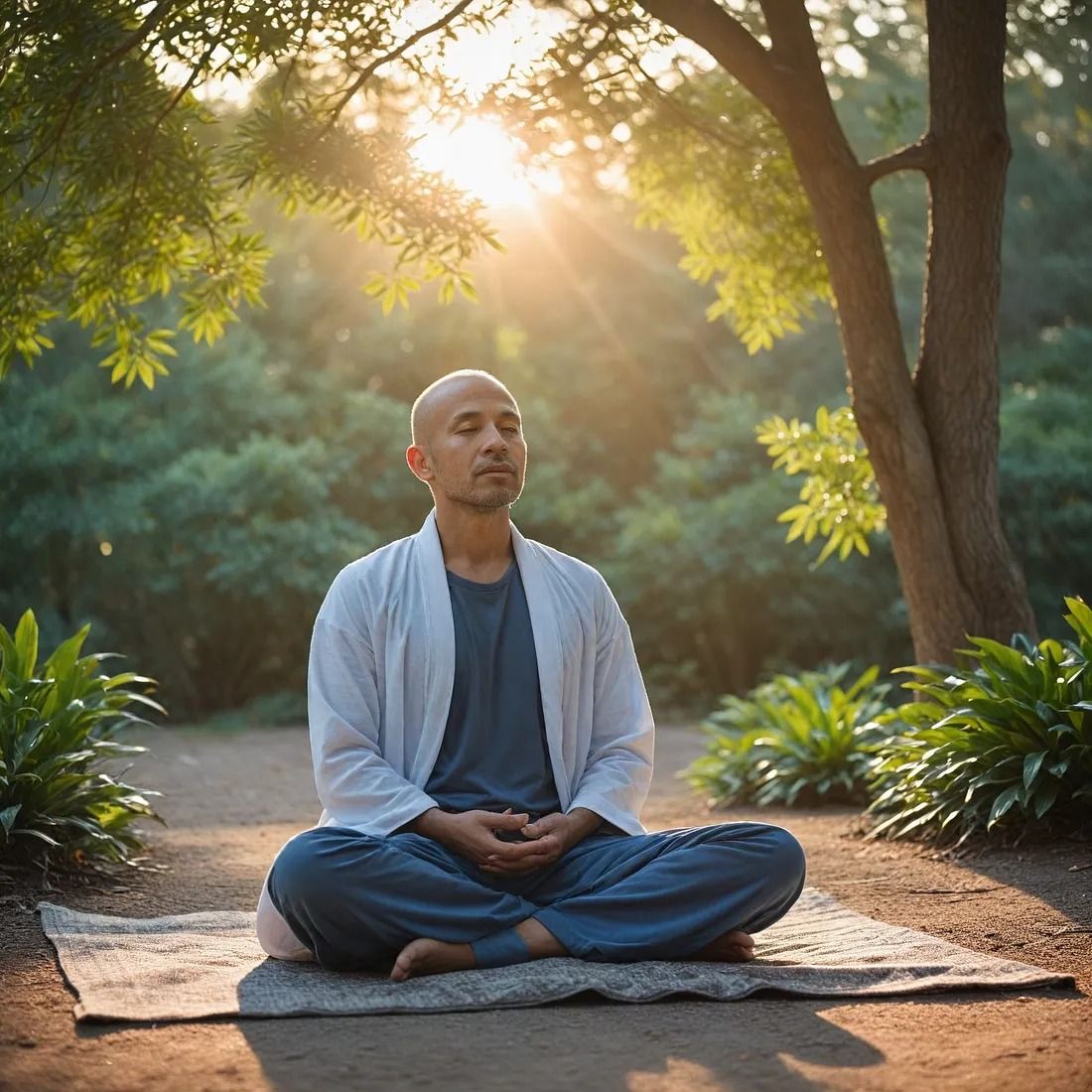
Integrating meditation into daily life is about extending the benefits of your practice beyond the cushion. It’s about cultivating mindfulness in every activity, from the mundane to the challenging. This approach transforms everyday experiences into opportunities for inner peace and self-awareness, fostering a more resilient and fulfilling life.
Practical Tips for Staying Mindful Throughout the Day
Cultivating mindfulness throughout the day involves conscious effort and practice. By integrating these tips, you can weave mindfulness into the fabric of your daily routine, transforming ordinary moments into opportunities for presence and peace.
- Start with a Morning Ritual: Begin your day with a brief meditation session. Even five minutes can set a positive tone, grounding you before the day’s demands arise. This could involve a guided meditation, mindful breathing, or simply observing your thoughts.
- Incorporate Mindful Breaks: Schedule short breaks throughout the day to practice mindfulness. Step away from your work, close your eyes, and focus on your breath for a minute or two. This helps to reset your mind and reduce stress.
- Practice Mindful Eating: Approach meals with full awareness. Pay attention to the taste, texture, and smell of your food. Eat slowly and without distractions, savoring each bite. This enhances the enjoyment of your meals and can aid in better digestion.
- Mindful Movement: Engage in activities like walking, stretching, or yoga with awareness. Notice the sensations in your body, the movement of your limbs, and your breath. This helps to connect you with your physical self and reduces stress.
- Use Reminders: Set reminders on your phone or computer to prompt you to pause and check in with yourself. These reminders can serve as gentle nudges to bring your attention back to the present moment.
- Cultivate Mindful Listening: When communicating with others, actively listen. Focus on the speaker’s words, tone, and body language. Resist the urge to interrupt or formulate your response while they are still speaking.
- Practice Gratitude: Take a few moments each day to reflect on things you are grateful for. This can shift your perspective and cultivate a sense of contentment and positivity. Keeping a gratitude journal is a great way to do this.
Using Meditation Techniques in Stressful Situations
Stressful situations are inevitable, but meditation techniques offer powerful tools to navigate them with greater ease and resilience. By applying these techniques, you can regain composure, reduce reactivity, and make more thoughtful choices.
- Deep Breathing Exercises: When feeling overwhelmed, practice deep, slow breathing. Inhale deeply through your nose, filling your lungs, and exhale slowly through your mouth. This activates the parasympathetic nervous system, promoting relaxation.
- Body Scan Meditation: If experiencing physical tension, perform a body scan. Bring your awareness to different parts of your body, noticing any areas of tightness or discomfort. Gently release the tension with each exhale.
- Mindful Observation of Thoughts: In moments of anxiety, observe your thoughts without judgment. Acknowledge them as they arise, but don’t get carried away by them. Remind yourself that thoughts are transient and do not define you.
- Visualization: Use visualization techniques to create a sense of calm. Imagine yourself in a peaceful place, such as a serene beach or a quiet forest. Engage your senses and focus on the details of this scene.
- Pause and Reflect: Before reacting in a stressful situation, pause and take a moment to reflect. Ask yourself, “What is happening right now?” and “How can I respond with wisdom and compassion?” This helps to prevent impulsive reactions.
- Focus on the Present Moment: When feeling overwhelmed, ground yourself in the present moment. Focus on your breath, the sensations in your body, or the sounds around you. This anchors you and prevents you from getting lost in worries about the past or future.
- Use Mantra: Recite a calming mantra, such as “I am peaceful” or “I am strong.” Repeat the mantra silently or aloud, focusing on its meaning and letting it wash over you.
The Role of Self-Compassion in Maintaining Inner Peace
Self-compassion is a cornerstone of inner peace, especially during challenging times. It involves treating yourself with the same kindness, understanding, and care you would offer a friend. Cultivating self-compassion can significantly enhance your ability to navigate difficulties with resilience and maintain a sense of inner calm.
- Recognize Common Humanity: Understand that suffering and imperfection are universal experiences. Remind yourself that everyone faces challenges, makes mistakes, and experiences difficult emotions. This realization can foster a sense of connection and reduce feelings of isolation.
- Practice Mindfulness of Suffering: When you are experiencing pain or difficulty, be mindful of your emotions without judgment. Acknowledge your feelings and allow yourself to experience them fully. Avoid suppressing or ignoring your emotions.
- Treat Yourself with Kindness: Speak to yourself in a gentle and supportive manner, just as you would speak to a friend. Offer yourself words of encouragement and reassurance. Avoid self-criticism and harsh judgments.
- Practice Self-Forgiveness: When you make mistakes or experience setbacks, forgive yourself. Acknowledge your errors, learn from them, and move forward with compassion. Recognize that everyone makes mistakes.
- Cultivate a Sense of Connection: Remember that you are not alone. Reach out to friends, family, or support groups when you are struggling. Sharing your experiences with others can provide comfort and perspective.
- Embrace Imperfection: Accept that you are not perfect and that it’s okay to make mistakes. Release the pressure to be perfect and allow yourself to be human. This reduces self-criticism and promotes self-acceptance.
- Engage in Self-Care: Prioritize self-care activities that nurture your well-being. This includes activities like getting enough sleep, eating nutritious food, exercising regularly, and engaging in enjoyable activities.
Examples of Everyday Activities That Can Be Approached Mindfully
Mindfulness is not limited to formal meditation sessions; it can be integrated into almost any daily activity. By approaching everyday tasks with awareness, you can transform them into opportunities for presence and inner peace.
- Walking: As you walk, pay attention to the sensations in your feet, the movement of your body, and the sights and sounds around you. Notice the feeling of the ground beneath your feet and the air on your skin.
- Washing Dishes: While washing dishes, focus on the feel of the water, the scent of the soap, and the movement of your hands. Notice the colors and shapes of the dishes.
- Eating: When eating a meal, savor each bite. Pay attention to the taste, texture, and smell of your food. Eat slowly and without distractions.
- Brushing Your Teeth: As you brush your teeth, focus on the sensation of the toothbrush in your mouth, the taste of the toothpaste, and the movement of your hands.
- Showering: While showering, feel the warmth of the water on your skin. Notice the scent of the soap and the sound of the water.
- Driving: When driving, pay attention to the road, the other vehicles, and your body. Notice the sensation of the steering wheel in your hands and the sounds of the engine. Avoid distractions such as using your phone.
- Working: When working on a task, focus on the present moment. Avoid multitasking and give your full attention to the task at hand. Notice your thoughts and feelings without getting carried away by them.
Closing Summary
In conclusion, “How to Meditate for Finding Peace Within the Mind” offers a roadmap to a more balanced and fulfilling life. By embracing the principles of meditation and incorporating these practices into your daily routine, you can cultivate a profound sense of inner peace, reduce stress, and enhance your overall well-being. The journey may have its challenges, but the rewards—a calmer mind, greater self-awareness, and a deeper connection with yourself—are immeasurable.
Start your meditation practice today, and experience the transformative power of finding peace within.