Embark on a transformative journey with “How to Meditate for Overcoming Emotional Burnout,” a guide designed to navigate the complexities of emotional exhaustion and reclaim your inner peace. This exploration delves into the core symptoms of burnout, illustrating its pervasive effects on various aspects of life, from professional settings to personal relationships, and elucidates the potential long-term consequences if left unaddressed.
The narrative seamlessly transitions into the scientific underpinnings of meditation, unveiling its profound impact on the brain. Discover how meditation reshapes neural pathways, particularly those related to stress and emotional regulation. We will explore scientific studies that validate meditation’s efficacy in mitigating stress and burnout, alongside the physiological changes that occur during meditation, such as alterations in heart rate variability and cortisol levels.
This sets the foundation for a practical, step-by-step approach to integrating meditation into your daily routine.
Understanding Emotional Burnout
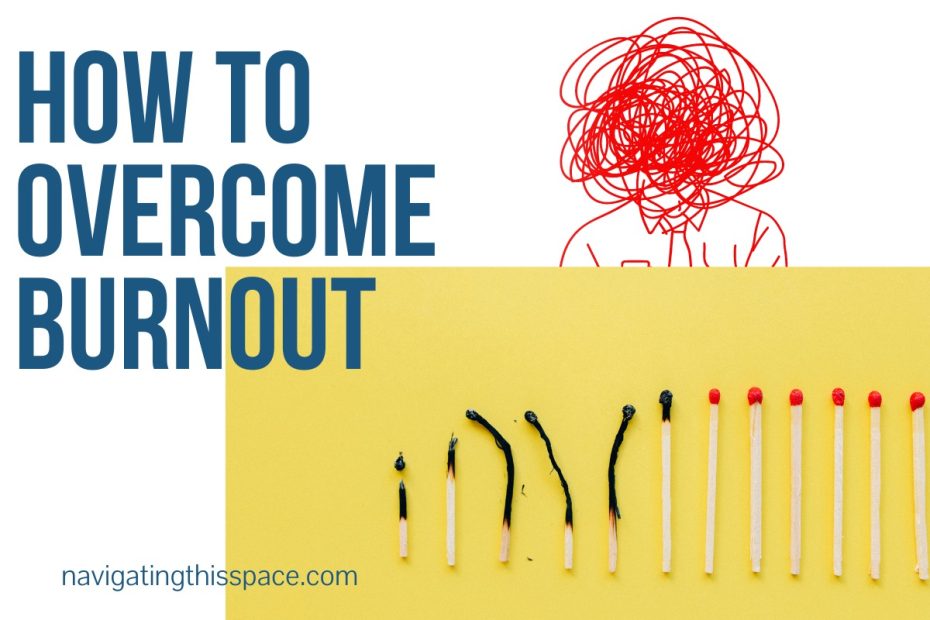
Emotional burnout is a state of emotional, physical, and mental exhaustion caused by prolonged or excessive stress. It occurs when you feel overwhelmed, emotionally drained, and unable to meet constant demands. Understanding the core symptoms, how they manifest in different areas of life, and the potential long-term consequences is crucial for recognizing and addressing this serious condition.
Core Symptoms and Signs of Emotional Burnout
Recognizing the signs of emotional burnout is the first step towards recovery. These symptoms can be subtle initially, but they progressively worsen if left unaddressed.
- Exhaustion: This is a pervasive feeling of being depleted and lacking energy, even after adequate rest. It’s not just feeling tired; it’s a profound sense of being worn out.
- Increased cynicism and detachment: This involves a loss of interest in your work, relationships, and other activities. You may become critical, cynical, and detached from others, viewing them negatively.
- Reduced professional efficacy: This manifests as a decline in your performance at work. You may struggle to concentrate, feel less effective, and experience a sense of failure.
- Physical symptoms: Burnout often presents with physical symptoms, such as headaches, stomach problems, changes in appetite, and sleep disturbances.
- Emotional instability: Experiencing frequent mood swings, feeling irritable, anxious, or depressed are common indicators.
Manifestations of Emotional Burnout in Different Aspects of Life
Emotional burnout impacts various areas of life, creating a ripple effect that can affect your well-being and relationships. The way burnout manifests differs depending on the context of your life.
- Work: In a work environment, burnout can lead to decreased productivity, procrastination, difficulty concentrating, and a negative attitude towards your job. You may feel overwhelmed by your workload and lack motivation. For example, a teacher experiencing burnout might become less patient with students and struggle to prepare lesson plans.
- Relationships: Burnout can strain personal relationships. You may withdraw from social activities, become irritable with loved ones, and experience difficulty maintaining intimacy. This can lead to conflicts and feelings of isolation. For example, a parent experiencing burnout might become less engaged with their children and have less patience for their needs.
- Personal: Burnout can impact your self-care and personal interests. You may neglect your health, lose interest in hobbies, and experience a general sense of dissatisfaction with life. This can lead to a decline in your overall well-being. For instance, someone experiencing burnout might stop exercising, eating healthy meals, and spend less time pursuing their interests.
Potential Long-Term Consequences of Untreated Emotional Burnout
Ignoring emotional burnout can lead to significant and lasting negative consequences for your health and well-being. It’s essential to address the issue before it escalates.
- Mental health disorders: Untreated burnout can increase the risk of developing depression, anxiety disorders, and other mental health problems.
- Physical health problems: Chronic stress associated with burnout can weaken the immune system, making you more susceptible to illness. It can also contribute to cardiovascular problems, gastrointestinal issues, and other physical ailments.
- Substance abuse: Some individuals may turn to alcohol, drugs, or other substances to cope with the symptoms of burnout, leading to addiction.
- Relationship difficulties: Burnout can severely damage relationships, leading to conflict, separation, or divorce.
- Decreased quality of life: Untreated burnout can significantly reduce your overall quality of life, making it difficult to enjoy activities and experience a sense of fulfillment.
- Increased risk of suicide: In severe cases, burnout can contribute to suicidal thoughts and behaviors. Seeking professional help is crucial if you are experiencing such thoughts.
The Science Behind Meditation and Its Benefits
Meditation, far from being a mystical practice, has a robust scientific foundation. Numerous studies have explored its effects on the brain and body, revealing its potential to mitigate stress and improve emotional well-being. Understanding these scientific underpinnings can empower individuals to approach meditation with confidence and recognize its tangible benefits.
Neurological Effects of Meditation
Meditation profoundly impacts the brain, particularly regions associated with stress and emotional regulation. Functional Magnetic Resonance Imaging (fMRI) and electroencephalography (EEG) studies have provided valuable insights into these effects.
- Amygdala Reduction: Meditation has been shown to decrease activity in the amygdala, the brain’s fear center. This reduction contributes to a diminished stress response and reduced feelings of anxiety.
- Prefrontal Cortex Enhancement: Regular meditation practice can increase the thickness of the prefrontal cortex, the brain region responsible for executive functions like attention, decision-making, and emotional regulation. This enhanced activity allows for improved impulse control and a greater ability to manage emotional responses.
- Hippocampus Changes: Meditation can also affect the hippocampus, a brain region involved in memory and learning. Studies suggest that meditation can increase the size and density of the hippocampus, potentially improving memory and reducing age-related cognitive decline.
- Increased Alpha and Theta Waves: EEG studies reveal that during meditation, the brain produces more alpha and theta brain waves. These brain waves are associated with relaxation, calmness, and a state of focused awareness, further supporting the stress-reducing benefits of meditation.
Scientific Studies on Meditation and Stress Reduction
Numerous scientific studies have demonstrated the effectiveness of meditation in reducing stress and burnout. These studies employ various methodologies and often compare meditation groups with control groups to assess the impact of the practice.
- Mindfulness-Based Stress Reduction (MBSR): MBSR programs, typically eight weeks long, have consistently shown reductions in perceived stress levels, anxiety, and depression. A 2010 study published in the
-Journal of Consulting and Clinical Psychology* found that participants in an MBSR program experienced significant reductions in psychological distress compared to a control group. - Mindfulness-Based Cognitive Therapy (MBCT): MBCT, which combines mindfulness meditation with cognitive behavioral therapy, has been shown to be effective in preventing relapse in individuals with recurrent depression. Research published in
-The Lancet* demonstrated that MBCT was as effective as antidepressant medication in preventing depressive episodes. - Workplace Studies: Studies in workplace settings have found that meditation interventions can reduce employee burnout and improve job satisfaction. For example, a study published in the
-Journal of Occupational Health Psychology* showed that a brief meditation program led to lower levels of perceived stress and improved well-being among employees.
Physiological Changes During Meditation
Meditation triggers a range of physiological changes that contribute to its stress-reducing effects. These changes can be measured and observed, providing objective evidence of the practice’s benefits.
- Heart Rate Variability (HRV): Meditation often leads to an increase in HRV. HRV refers to the variation in the time intervals between heartbeats. Higher HRV is associated with better cardiovascular health and a more resilient response to stress. Meditation can promote a state of calm and balance in the autonomic nervous system, leading to increased HRV.
- Cortisol Reduction: Cortisol is the primary stress hormone. Meditation has been shown to reduce cortisol levels in the body. Lower cortisol levels contribute to reduced feelings of stress and anxiety, as well as improved overall health. Studies have shown that even short meditation sessions can lead to measurable reductions in cortisol.
- Blood Pressure Regulation: Meditation can help regulate blood pressure. Research has indicated that regular meditation practice can lower both systolic and diastolic blood pressure, reducing the risk of cardiovascular disease.
- Immune System Enhancement: Meditation can also positively impact the immune system. Studies have shown that meditation can increase the production of antibodies and improve immune cell function, leading to a stronger defense against illness.
Preparing for Meditation
Preparing your environment and establishing a consistent routine are crucial steps in developing a successful meditation practice, particularly when aiming to overcome emotional burnout. Creating a dedicated space and adhering to a schedule helps to signal your mind and body that it’s time to unwind and focus inward, making the practice more effective and sustainable. This section will guide you through creating a peaceful environment, establishing a routine, and gathering essential items for your meditation journey.
Designing a Peaceful and Conducive Environment for Meditation
The environment significantly impacts the effectiveness of your meditation practice. A space that promotes relaxation and focus can enhance the meditative experience. Consider these elements when designing your meditation space:
- Location: Choose a quiet area in your home, free from distractions like noise from traffic, televisions, or conversations. A spare room, a corner of a bedroom, or even a dedicated space in your garden can work well. The key is to minimize interruptions.
- Lighting: Soft, natural light is ideal. If natural light is limited, use dimmable lamps or candles. Avoid harsh overhead lighting, which can be jarring and counterproductive to relaxation.
- Temperature: Ensure the room is at a comfortable temperature. Too hot or too cold can be distracting. Consider using a fan, heater, or adjusting the thermostat as needed.
- Sound: Minimize external noise. You might consider using earplugs or noise-canceling headphones if complete silence isn’t possible. Gentle background sounds, such as nature sounds or ambient music, can also be beneficial.
- Decor: Create a visually calming space. Use neutral colors, soft textures, and minimal clutter. Incorporate elements that inspire peace, such as plants, artwork, or inspirational quotes.
- Seating: Choose comfortable seating that supports good posture. A meditation cushion, a comfortable chair, or even sitting on the floor with your back supported against a wall are all options. The goal is to maintain a relaxed yet alert posture.
- Scent: Consider using aromatherapy to enhance the atmosphere. Scents like lavender, sandalwood, or chamomile are known for their calming properties. Use essential oil diffusers or candles with natural scents.
Organizing a Routine to Establish Consistency and Make Meditation a Habit
Consistency is key to making meditation a habit and reaping its benefits, especially when dealing with emotional burnout. Establishing a regular routine helps to train your mind and body to anticipate and embrace meditation. Here’s how to organize a successful meditation routine:
- Schedule: Choose a specific time of day for your meditation practice. Morning is often recommended, as it can set a positive tone for the day. However, the best time is the one you can consistently adhere to.
- Duration: Start with short meditation sessions, such as 5-10 minutes, and gradually increase the duration as you become more comfortable. Longer sessions are not necessarily better; consistency is more important.
- Location: Meditate in the same place each time. This helps to create a mental association between the space and meditation, making it easier to settle into the practice.
- Preparation: Before each session, prepare your space and gather any necessary items. This might include dimming the lights, putting on calming music, or setting up your meditation cushion.
- Integration: Incorporate meditation into your daily routine. This could involve meditating before breakfast, during your lunch break, or before bed.
- Flexibility: Be flexible. Some days you may have more time than others. If you miss a session, don’t get discouraged. Simply return to your routine as soon as possible.
- Tracking: Consider keeping a meditation journal or using a meditation app to track your progress. This can help you stay motivated and monitor your consistency.
Creating a List of Essential Items to Support a Meditation Practice
Having the right tools can enhance your meditation practice and make it more comfortable and enjoyable. Here’s a list of essential items to consider:
- Meditation Cushion or Bench: Provides comfortable support for your posture during meditation. Choose a cushion or bench that suits your body type and preferred sitting position. Consider the Zafu cushion, a round, firm cushion, or a bench to support your knees and back.
- Comfortable Clothing: Wear loose, comfortable clothing that allows for ease of movement and doesn’t restrict your breathing. Natural fibers like cotton or linen are good choices.
- Blanket or Shawl: Keeps you warm and comfortable, especially during longer meditation sessions or in cooler environments.
- Timer or Meditation App: Helps you track the duration of your meditation sessions. Many apps offer guided meditations, timers, and tracking features. Examples include Calm, Headspace, and Insight Timer.
- Journal and Pen: Provides a space to record your thoughts, feelings, and experiences before or after meditation. This can help you track your progress and gain insights.
- Eye Mask or Pillow: Can help block out light and enhance relaxation.
- Essential Oil Diffuser or Candles: Creates a calming atmosphere through aromatherapy. Choose scents known for their relaxing properties, such as lavender or sandalwood.
- Water Bottle: Stay hydrated before and after meditation.
- Books or Guides: Provides inspiration and guidance for your meditation practice.
Foundational Meditation Techniques for Beginners
Now that we’ve explored the nature of emotional burnout, the science behind meditation, and the preparatory steps, let’s delve into practical techniques. These foundational methods will provide you with the essential tools to cultivate mindfulness and begin your journey towards managing emotional exhaustion. They are designed to be accessible to everyone, regardless of prior experience. Consistent practice of these techniques will build a strong base for more advanced meditation practices.
Basic Principles of Mindfulness Meditation
Mindfulness meditation is about cultivating a non-judgmental awareness of the present moment. It’s not about emptying your mind or achieving a specific state of bliss. Instead, it’s about observing your thoughts, feelings, and sensations without getting carried away by them.The core principles of mindfulness meditation include:
- Present Moment Awareness: The focus is always on the “here and now.” This means paying attention to your current experience – your breath, body sensations, sounds, thoughts, and emotions – as they arise.
- Non-Judgment: Observing your experiences without labeling them as good or bad. Simply acknowledge what is present without trying to change it. This allows for acceptance and reduces reactivity.
- Acceptance: Recognizing and accepting your thoughts and feelings, even the unpleasant ones. Resistance to difficult emotions often intensifies them. Acceptance allows you to experience them without being overwhelmed.
- Patience: The mind will wander, and that’s perfectly normal. When your attention drifts, gently guide it back to your chosen point of focus without frustration.
- Beginner’s Mind: Approaching each meditation session with a sense of curiosity and openness, as if you are experiencing it for the first time. This helps to reduce preconceived notions and judgments.
The practice of mindfulness is like training a muscle. The more you practice, the stronger your ability to be present and aware becomes, which in turn, helps you to better manage emotional burnout.
Practicing Breath Awareness Meditation
Breath awareness meditation is a foundational technique that helps you anchor your attention in the present moment. It’s a simple yet powerful practice that can be done anywhere, anytime. It involves focusing on the sensation of your breath as it enters and leaves your body.Here’s a step-by-step guide to practicing breath awareness meditation:
- Find a Comfortable Position: Sit comfortably on a chair with your feet flat on the floor, or sit cross-legged on a cushion. Your back should be straight but not stiff. You can also lie down if that’s more comfortable, but be aware that this may increase the likelihood of falling asleep.
- Close or Soften Your Eyes: Gently close your eyes or soften your gaze, looking down at a fixed point on the floor.
- Bring Your Attention to Your Breath: Notice the sensation of your breath as it enters and leaves your body. You can focus on the sensation of the air passing through your nostrils, the rise and fall of your abdomen, or the expansion and contraction of your chest.
- Observe Your Breath: Simply observe the natural rhythm of your breath without trying to control it. Notice the length, depth, and quality of each inhale and exhale.
- Acknowledge Wandering Thoughts: Your mind will naturally wander. When you notice your attention has drifted to thoughts, feelings, or other sensations, gently acknowledge them without judgment. Think to yourself, “Thinking,” and then gently redirect your attention back to your breath.
- Practice Regularly: Start with short sessions of 5-10 minutes and gradually increase the duration as you become more comfortable. Consistency is key. Aim to practice at the same time each day to establish a routine.
- Be Patient and Kind to Yourself: Don’t get discouraged if your mind wanders frequently. This is a normal part of the process. Treat yourself with kindness and compassion. Each time you gently bring your attention back to your breath, you are strengthening your ability to focus and be present.
Regular practice of breath awareness meditation can help you reduce stress, improve focus, and cultivate a sense of calm amidst the challenges of daily life. Remember, the goal isn’t to stop your thoughts, but to observe them without getting carried away.
Demonstrating a Simple Body Scan Meditation Technique
Body scan meditation involves systematically bringing your awareness to different parts of your body, noticing any sensations present without judgment. This practice can help you become more aware of your physical sensations, release tension, and cultivate a deeper connection with your body. It’s a valuable tool for managing the physical symptoms of emotional burnout, such as muscle tension and fatigue.Here’s a simple body scan meditation technique:
- Find a Comfortable Position: Lie down on your back on a comfortable surface, such as a bed or yoga mat. Place your arms at your sides, with your palms facing up. Close your eyes or gently soften your gaze.
- Bring Your Awareness to Your Breath: Take a few deep breaths, allowing your body to relax. Feel the rise and fall of your abdomen with each inhale and exhale.
- Scan Your Body: Starting with your toes, bring your attention to the sensations in your feet. Notice any sensations present – warmth, tingling, pressure, or any other feeling. If you don’t feel anything, that’s okay too. Simply observe.
- Move Upward: Slowly move your attention up your body, one area at a time: ankles, calves, knees, thighs, hips, lower back, abdomen, chest, upper back, hands, forearms, elbows, upper arms, shoulders, neck, jaw, face, and head.
- Observe Sensations: As you move through each part of your body, simply observe any sensations without judgment. Notice any areas of tension or discomfort.
- Acknowledge and Release: If you notice any tension, acknowledge it without trying to change it. You can imagine your breath flowing into the area of tension, softening and releasing it.
- Return to the Whole Body: After scanning your entire body, bring your awareness to your whole body as a single unit. Notice the overall feeling of your body, from head to toe.
- End the Meditation: Gently wiggle your fingers and toes. Take a few deep breaths. Slowly open your eyes.
Body scan meditation can be practiced for 10-20 minutes. Regular practice can help you become more aware of your body’s signals, release physical tension, and cultivate a greater sense of self-awareness. For example, if you notice tension in your shoulders, it could be a sign that you are experiencing stress, allowing you to address it before it escalates into emotional burnout.
Advanced Meditation Techniques for Emotional Regulation
As you progress in your meditation practice, you can explore advanced techniques designed to cultivate emotional resilience and effectively manage burnout. These techniques go beyond basic mindfulness, providing tools to directly address and transform challenging emotions. They offer a pathway to deeper self-awareness and the ability to respond to difficult situations with greater composure and compassion.
Loving-Kindness Meditation and Self-Compassion
Loving-kindness meditation (LKM) is a powerful practice that cultivates feelings of goodwill, kindness, and compassion towards oneself and others. It is a particularly effective tool for combating the self-criticism and negative self-talk often associated with emotional burnout. The core of LKM involves systematically directing positive wishes towards different categories of people.The process typically involves the following stages:
- Self: Begin by directing loving-kindness towards yourself. This involves silently repeating phrases such as “May I be well. May I be happy. May I be peaceful. May I be free from suffering.” This step is crucial, as it lays the foundation for extending compassion to others.
- Loved Ones: Next, extend these wishes to someone you care about. Visualize them and silently repeat the same phrases, focusing on their well-being.
- Neutral Person: Think of someone you don’t know well, perhaps a person you see regularly but don’t have a strong relationship with. Direct your loving-kindness towards them.
- Difficult Person: This is the most challenging, yet often the most rewarding, step. Visualize someone you find difficult or with whom you have a conflict. Offer them the same wishes for well-being. This can help to soften negative feelings and foster understanding.
- All Beings: Finally, expand your loving-kindness to encompass all beings everywhere. This fosters a sense of interconnectedness and universal compassion.
Regular practice of LKM has been shown to increase self-compassion. Research indicates that individuals who regularly practice LKM report higher levels of self-compassion, lower levels of self-criticism, and reduced symptoms of anxiety and depression. For example, a study published in theJournal of Consulting and Clinical Psychology* found that a LKM intervention significantly reduced symptoms of depression and increased positive emotions in participants.
The consistent practice of LKM can transform your relationship with yourself, allowing you to approach difficult emotions with greater kindness and acceptance, thereby mitigating the effects of emotional burnout.
Guided Meditation for Managing Specific Emotions
Guided meditations provide structured support for navigating challenging emotions. They often involve a narrator who leads you through a series of visualizations, affirmations, and breathing exercises designed to regulate emotional responses. These meditations can be tailored to address specific emotions like anger, anxiety, or sadness, offering a practical toolkit for managing these experiences. Guided Meditation for Anger:This type of meditation often focuses on:
- Awareness of Physical Sensations: The guided meditation begins by encouraging you to become aware of the physical sensations associated with anger, such as a racing heart, tense muscles, or a flushed face.
- Identification of Triggers: You are guided to identify the thoughts, situations, or people that typically trigger your anger. This step enhances self-awareness.
- Breathing Exercises: Deep breathing exercises, such as diaphragmatic breathing (belly breathing), are introduced to help calm the nervous system and reduce the intensity of the emotional response.
- Visualization of Calmness: The meditation guides you to visualize a peaceful scene, such as a calm lake or a serene forest, to help shift your focus away from the anger and towards a state of relaxation.
- Affirmations: Affirmations such as “I am calm,” “I am in control,” and “I choose peace” are used to reinforce a sense of inner strength and resilience.
Guided Meditation for Anxiety:These meditations typically focus on:
- Body Scan: A body scan helps you become aware of tension in different parts of your body.
- Breath Awareness: Focusing on the breath helps to anchor you in the present moment and calm the mind.
- Identifying Anxious Thoughts: The meditation encourages you to acknowledge anxious thoughts without judgment.
- Challenging Negative Thoughts: Guided meditation provides tools to challenge negative thought patterns.
- Visualization of a Safe Place: Creating a mental image of a safe and comforting environment.
These techniques, when practiced regularly, can help to interrupt the cycle of emotional reactivity and promote a more balanced and resilient emotional state.
Visualization Exercise for Emotional Healing
Visualization is a powerful technique that utilizes the mind’s ability to create mental images to promote healing and emotional well-being. This exercise can be adapted to address various emotional challenges, including the symptoms of emotional burnout. Script for a Visualization Exercise:Close your eyes and take a few deep breaths. Inhale deeply, filling your lungs, and exhale slowly, releasing any tension you may be holding.
- Creating a Safe Space: Imagine yourself in a peaceful and safe place. It could be a natural setting, such as a quiet beach or a serene forest. Visualize the details: the sights, sounds, smells, and textures. Feel the warmth of the sun on your skin, the gentle breeze, or the soft earth beneath your feet. This safe space represents a sanctuary where you can feel protected and at ease.
- Identifying the Emotion: Bring to mind the specific emotion you are experiencing, such as sadness, anger, or anxiety. Acknowledge this emotion without judgment. Notice where you feel it in your body. Is it a tightness in your chest, a knot in your stomach, or a tension in your shoulders?
- Transforming the Emotion: Now, visualize this emotion as a color, shape, or object. For example, anger might be a dark, swirling cloud; sadness might be a heavy weight. Imagine this form slowly transforming. Perhaps the dark cloud begins to dissipate, revealing a clear blue sky. The heavy weight might begin to lift, becoming lighter and easier to manage.
- Receiving Healing Light: Visualize a warm, healing light entering your safe space. This light could be golden, white, or any color that feels comforting to you. Allow this light to fill your entire being, washing away any negativity and promoting healing. Imagine this light flowing into the areas of your body where you feel the emotion, dissolving tension and promoting relaxation.
- Embracing Compassion: Imagine wrapping yourself in a cloak of compassion. Feel the warmth and comfort of this cloak. Repeat to yourself, “I am worthy of love and compassion. I am safe. I am healing.”
- Returning to the Present: Slowly bring your awareness back to the present moment. Take a few more deep breaths. When you are ready, gently open your eyes. Carry the feeling of peace and healing with you throughout your day.
This visualization exercise, when practiced regularly, can help to process difficult emotions, promote self-compassion, and foster a sense of inner peace. This, in turn, can help to alleviate the symptoms of emotional burnout and promote overall well-being.
Integrating Meditation into Daily Life
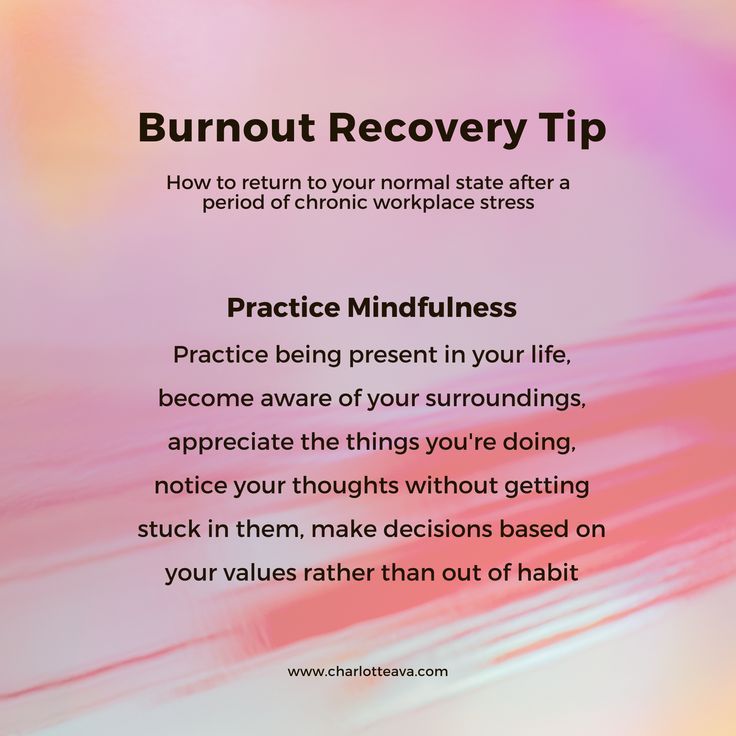
Integrating meditation into daily life is crucial for reaping its long-term benefits and effectively combating emotional burnout. Consistent practice, even in small doses, can significantly impact stress levels, emotional regulation, and overall well-being. This section provides practical strategies for incorporating meditation into your routine, addressing common challenges, and fostering a sustainable practice.
Incorporating Short Meditation Breaks Throughout the Workday
Taking brief meditation breaks during the workday can act as a powerful reset button, mitigating stress and improving focus. These breaks don’t need to be lengthy; even a few minutes can make a difference.Here are several methods for integrating short meditation breaks:
- Mindful Breathing Exercise: Take a few minutes to focus on your breath. Sit comfortably, close your eyes, and observe the sensation of each inhale and exhale. If your mind wanders, gently redirect your attention back to your breath. This can be done at your desk, in a quiet corner, or even during a short walk.
- Body Scan Meditation: Perform a quick body scan to identify areas of tension. Starting with your toes, mentally scan your body, noticing any tightness or discomfort. Consciously relax those areas as you move up your body. This can be done in a seated position or while standing.
- Guided Meditation Apps: Utilize guided meditation apps or recordings specifically designed for short breaks. Many apps offer 5-10 minute sessions focused on stress reduction, focus enhancement, or gratitude. This is a convenient option for those who prefer structured guidance.
- Micro-Meditations: Incorporate micro-meditations into daily tasks. For example, take a moment to focus on the sensation of washing your hands, drinking a cup of tea, or waiting for an elevator. This helps cultivate present moment awareness throughout the day.
Methods for Using Meditation to Manage Stress During Challenging Situations
Meditation provides valuable tools for navigating stressful situations. Different techniques are effective depending on the nature and intensity of the stressor.Here are various approaches to manage stress using meditation:
- The “Pause and Breathe” Technique: When faced with a stressful situation, immediately pause. Take several deep, conscious breaths. Focus on the physical sensations of breathing to ground yourself in the present moment. This helps to interrupt the fight-or-flight response and regain composure.
- Loving-Kindness Meditation: During a stressful interaction, practice loving-kindness meditation. Silently offer wishes of well-being to yourself, then to the person you are interacting with. This can help soften your reaction and foster empathy. This technique is helpful when dealing with difficult people or situations.
- Visualization: In moments of stress, visualize a calming environment, such as a peaceful beach or a serene forest. Engage your senses, imagining the sights, sounds, and smells of this environment. This technique can help to disengage from the stressful situation and promote relaxation.
- Mindful Observation of Thoughts and Emotions: Recognize that thoughts and emotions are transient. Observe them without judgment, acknowledging their presence without getting carried away by them. This technique, practiced regularly, can help to reduce the intensity of emotional reactions.
- Progressive Muscle Relaxation: If physical tension is present, use progressive muscle relaxation. Systematically tense and then release different muscle groups throughout your body. This helps to reduce physical tension and promote a sense of calm.
Identifying and Overcoming Common Obstacles to Consistent Meditation
Consistency is key to the effectiveness of meditation. Identifying and addressing common obstacles can help to establish a sustainable practice.Here are common obstacles and potential solutions:
- Lack of Time: Many people cite lack of time as a barrier. The solution is to prioritize meditation and incorporate short sessions into your daily routine. Even 5-10 minutes a day can be beneficial. Schedule it like any other important appointment.
- Difficulty Concentrating: A wandering mind is normal. Don’t get discouraged. When your mind wanders, gently redirect your attention back to your chosen focus, such as your breath or a mantra. Practice makes progress.
- Restlessness and Physical Discomfort: Experiment with different meditation postures to find what works best for you. Use a comfortable cushion or chair. If restlessness persists, try incorporating movement meditation, such as walking meditation or yoga, before or after your seated practice.
- Self-Doubt and Negative Self-Talk: Challenge negative thoughts and self-criticism. Remind yourself of the benefits of meditation and be patient with yourself. Focus on the process rather than striving for perfection.
- Boredom and Lack of Motivation: Vary your meditation practice by trying different techniques, such as guided meditations, walking meditations, or mindful movement. Track your progress and celebrate small victories to maintain motivation. Join a meditation group or find a meditation buddy for support and accountability.
Choosing the Right Meditation Style
Selecting the right meditation style is crucial for effectively addressing emotional burnout. Different practices offer unique approaches to calming the mind and regulating emotions. Understanding these differences allows individuals to choose a method that aligns with their personality, preferences, and specific needs. This tailored approach significantly increases the likelihood of consistent practice and positive outcomes.
Comparing Meditation Styles for Emotional Burnout
Various meditation styles exist, each with its unique focus and benefits. Some emphasize mindfulness, while others concentrate on mantra repetition or visualization. Understanding these distinctions is vital for selecting a practice that best suits individual needs in managing emotional burnout.
- Mindfulness Meditation: This practice involves paying attention to the present moment without judgment. It focuses on observing thoughts, feelings, and sensations as they arise, fostering a non-reactive awareness. Mindfulness meditation is particularly effective for reducing stress and improving emotional regulation, making it a valuable tool for managing burnout.
- Transcendental Meditation (TM): TM utilizes a specific mantra that is silently repeated to quiet the mind. This technique aims to promote a state of deep relaxation and inner peace. TM has been shown to reduce anxiety and improve overall well-being, potentially aiding in alleviating the symptoms of emotional burnout.
- Zen Meditation (Zazen): Zazen involves sitting in a specific posture and focusing on the breath. It emphasizes the development of present moment awareness and insight. Zen meditation can help cultivate mental clarity and emotional resilience, assisting individuals in coping with the challenges of burnout.
- Loving-Kindness Meditation (Metta): This practice centers on cultivating feelings of love, compassion, and kindness towards oneself and others. Loving-kindness meditation can help reduce feelings of isolation and increase empathy, which are often beneficial for those experiencing emotional burnout.
Selecting a Meditation Practice Based on Personality and Preferences
Choosing a meditation style should consider individual personality traits and preferences. A practice that feels natural and enjoyable is more likely to be sustained over time, leading to greater benefits. Consider these factors when making your choice.
- Introverted individuals may find practices like TM or Zazen, which emphasize inward focus, more appealing.
- Extroverted individuals might prefer practices like Loving-Kindness meditation, which involve connecting with others.
- Those who struggle with racing thoughts may benefit from practices that provide a specific focus, such as mantra repetition in TM.
- Individuals seeking a more active approach might enjoy walking meditation or mindful movement practices.
Comparative Table of Meditation Styles
The following table compares different meditation styles, highlighting their focus and benefits for managing emotional burnout.
| Meditation Style | Focus | Benefits for Emotional Burnout |
|---|---|---|
| Mindfulness Meditation | Present moment awareness, observation of thoughts and feelings without judgment. | Reduces stress, improves emotional regulation, increases self-awareness. |
| Transcendental Meditation (TM) | Silent repetition of a mantra. | Reduces anxiety, promotes deep relaxation, enhances overall well-being. |
| Zen Meditation (Zazen) | Focused attention on breath, posture, and present moment awareness. | Cultivates mental clarity, fosters emotional resilience, promotes insight. |
| Loving-Kindness Meditation (Metta) | Cultivating feelings of love, compassion, and kindness towards oneself and others. | Reduces feelings of isolation, increases empathy, fosters positive emotions. |
Common Challenges and Troubleshooting
Meditation, while a powerful tool, isn’t always a smooth journey. It’s common to encounter obstacles along the way, and understanding how to navigate these challenges is crucial for maintaining a consistent and beneficial practice. This section provides practical strategies for addressing some of the most frequently experienced difficulties.
Dealing with a Racing Mind During Meditation
A racing mind is a very common experience for new and experienced meditators. The mind naturally generates thoughts, and attempting to completely suppress them is often counterproductive. The key is to develop a different relationship with these thoughts, learning to observe them without judgment.To manage a racing mind:
- Acknowledge and Accept Thoughts: When you notice your mind wandering, simply acknowledge the thought without getting carried away by it. Think, “Oh, there’s a thought,” and then gently redirect your attention back to your chosen focus, such as your breath.
- Use a Focus Object: Anchor your attention to a specific point. This could be your breath, a mantra, a visual image, or a physical sensation. Each time your mind wanders, gently bring your focus back to this object.
- Practice Mindfulness of Thoughts: Instead of fighting thoughts, try observing them as if they were clouds passing in the sky. Notice their shape, their texture, and how they come and go. This detached observation can help reduce their emotional impact.
- Short Meditation Sessions: Start with shorter meditation sessions (5-10 minutes) and gradually increase the duration as your ability to stay focused improves. This prevents frustration and builds a sustainable practice.
- Consider Guided Meditations: Guided meditations can be particularly helpful for beginners. The guidance provides a structure to follow, reducing the burden on your mind to find its own focus. The narrator’s voice provides an anchor to your attention, and helps you to re-focus when the mind wanders.
Managing Physical Discomfort During Meditation
Physical discomfort can be a significant distraction during meditation. However, with mindful adjustments and modifications, it’s possible to find a comfortable position that supports your practice.To manage physical discomfort:
- Choose a Comfortable Posture: There is no single “correct” posture. Experiment with different positions, such as sitting in a chair with your feet flat on the floor, sitting cross-legged on a cushion, or lying down. The most important thing is to find a position that allows you to maintain a straight spine and feel relaxed.
- Use Support: Use cushions, blankets, or bolsters to support your back, hips, or knees. This can help alleviate pressure and promote better alignment. For instance, a small cushion under the hips can help tilt the pelvis forward, supporting a straighter spine.
- Adjust Your Position: If you feel discomfort, gently adjust your position. Don’t feel you have to remain completely still. A slight shift or stretch can often alleviate discomfort.
- Scan Your Body: Regularly scan your body for areas of tension. When you identify tension, consciously relax those muscles. You can use a body scan meditation to systematically bring awareness to different parts of your body.
- Listen to Your Body: Pay attention to your body’s signals. If you experience pain, don’t push yourself. Modify your posture or end your meditation session if necessary. Ignoring pain can lead to injury.
Handling Intrusive Thoughts and Emotions That Arise During Meditation
Meditation can sometimes bring up difficult emotions or intrusive thoughts. This is a natural part of the process, as meditation creates space for these experiences to surface. The goal isn’t to suppress these feelings, but to observe them with compassion and understanding.Strategies for handling intrusive thoughts and emotions:
- Acknowledge and Accept Emotions: When an emotion arises, simply acknowledge it without judgment. Think, “I am experiencing sadness,” or “I am feeling anxious.” Avoid getting caught up in the story associated with the emotion.
- Allow Emotions to Pass: Like thoughts, emotions are impermanent. Allow them to flow through you without trying to hold onto them or push them away. Imagine the emotion as a wave that rises, crests, and then subsides.
- Practice Loving-Kindness: Cultivate feelings of kindness and compassion towards yourself and others. This can help soften difficult emotions. You can use phrases like, “May I be safe, may I be healthy, may I be happy, may I live with ease.”
- Focus on the Breath: When overwhelmed by an emotion, return your attention to your breath. The breath serves as an anchor, grounding you in the present moment and providing a sense of stability.
- Seek Professional Support: If you are consistently struggling with difficult emotions during meditation, or if these emotions are impacting your daily life, consider seeking guidance from a therapist or counselor. A professional can provide support and strategies for managing these challenges.
Measuring Progress and Staying Motivated

Tracking progress and maintaining motivation are crucial for long-term success in any endeavor, and meditation is no exception. The benefits of meditation are cumulative, meaning that consistent practice yields greater rewards over time. Recognizing your progress and staying motivated will help you overcome challenges and maintain your meditation practice, ultimately leading to greater emotional resilience and a reduction in burnout symptoms.
Tracking Meditation Progress
To effectively monitor your progress, consider using a variety of methods that capture both subjective experiences and objective measures. This multi-faceted approach provides a comprehensive view of your journey.
- Meditation Journaling: Keep a detailed journal to record your experiences after each meditation session. Note your emotional state before and after meditating, any physical sensations, and any insights or thoughts that arose. This allows you to track changes in your emotional reactivity, self-awareness, and overall well-being. For example, after a month of daily practice, you might notice a decrease in the intensity of your anxiety or an increased ability to remain present in challenging situations.
- Using Meditation Apps and Tracking Tools: Many meditation apps offer built-in tracking features. These can provide statistics on the duration of your sessions, the number of days you’ve meditated consecutively, and sometimes, even your heart rate variability (HRV) during meditation. HRV is a measure of the variation in time between heartbeats and is linked to stress levels and emotional regulation. A higher HRV generally indicates better emotional resilience.
- Self-Assessment Questionnaires: Periodically use standardized questionnaires designed to measure aspects of mental and emotional well-being, such as the Perceived Stress Scale (PSS) or the Depression, Anxiety, and Stress Scale (DASS-21). Administer these questionnaires at the beginning of your practice and then at regular intervals (e.g., monthly) to objectively assess changes in your stress, anxiety, and depression levels.
- Mindfulness of Daily Activities: Pay attention to how you react to everyday situations. Notice if you are responding with more calmness and clarity, or if you’re less easily triggered by stressful events. This involves actively observing your behavior and identifying patterns that may indicate changes in your emotional state.
Maintaining Motivation and Preventing Relapse
Maintaining motivation requires a proactive approach. It’s common to experience periods where you feel less inclined to meditate. Strategies to address these challenges are essential for long-term success.
- Set Realistic Goals: Start with short meditation sessions (e.g., 5-10 minutes) and gradually increase the duration as you become more comfortable. Avoid setting overly ambitious goals that could lead to discouragement. Consistency is more important than the length of each session.
- Establish a Consistent Routine: Choose a specific time and place for your meditation practice and try to stick to it as much as possible. Consistency helps to build a habit and makes it easier to integrate meditation into your daily life. Consider meditating at the same time as another daily activity, like drinking your morning coffee.
- Find a Meditation Buddy or Group: Sharing your experiences and supporting others can provide accountability and encouragement. Joining a meditation group or finding a meditation buddy can make the practice more enjoyable and reduce feelings of isolation.
- Vary Your Meditation Techniques: Experiment with different meditation styles (e.g., mindfulness, loving-kindness, body scan) to keep your practice engaging. Switching techniques can prevent boredom and address different emotional needs.
- Acknowledge and Address Challenges: Recognize that setbacks are normal. Don’t be discouraged by missed sessions or moments of distraction. When you experience a setback, gently acknowledge it, learn from it, and get back to your practice as soon as possible.
- Celebrate Your Progress: Acknowledge and reward yourself for your efforts. This could be as simple as taking a few minutes to reflect on your accomplishments or treating yourself to something you enjoy after reaching a milestone.
Benefits of Consistent Meditation Practice
Consistent meditation practice offers a wide range of benefits that can significantly improve your overall well-being and resilience to burnout. These benefits are supported by scientific research and personal anecdotes.
- Reduced Stress and Anxiety: Meditation helps to regulate the nervous system, lowering cortisol levels (the stress hormone) and promoting a sense of calm. This can lead to a significant reduction in stress and anxiety symptoms.
- Improved Emotional Regulation: Meditation cultivates self-awareness and allows you to observe your thoughts and emotions without judgment. This increased awareness helps you to respond to difficult emotions with greater composure and resilience.
- Enhanced Self-Awareness: Meditation fosters a deeper understanding of your thoughts, feelings, and patterns of behavior. This increased self-awareness is a key factor in overcoming emotional burnout.
- Increased Focus and Concentration: Regular meditation practice strengthens your ability to focus and concentrate, improving your cognitive function and productivity.
- Better Sleep Quality: Meditation can promote relaxation and reduce the racing thoughts that often interfere with sleep. This leads to improved sleep quality and overall well-being.
- Increased Compassion and Empathy: Meditation, especially loving-kindness meditation, can cultivate feelings of compassion and empathy for yourself and others. This can improve your relationships and social connections.
- Improved Physical Health: Meditation has been linked to various physical health benefits, including lower blood pressure, reduced chronic pain, and a stronger immune system.
Resources and Support
Finding the right resources and support is crucial for navigating the journey of meditation and emotional well-being. This section provides a curated list of online tools, reading materials, and professional guidance to help you on your path to overcoming emotional burnout. Accessing these resources can significantly enhance your practice and provide you with the support you need.
Reputable Online Resources and Apps for Guided Meditation
The digital landscape offers a wealth of guided meditation resources, making it easier than ever to incorporate mindfulness into your daily routine. These platforms offer a variety of guided sessions, tailored to different needs and experience levels.
- Headspace: Headspace provides a comprehensive library of guided meditations, courses, and animations on various topics, including stress, sleep, and focus. They offer beginner-friendly programs and advanced techniques. The app features a visually appealing interface and progress tracking. Headspace’s content is often developed in collaboration with mental health experts.
- Calm: Calm is another popular app known for its guided meditations, sleep stories, and relaxing music. It features a user-friendly design and offers content for both adults and children. Calm often collaborates with celebrities to provide guided meditations and other content. The app also includes breathing exercises and stretching routines.
- Insight Timer: Insight Timer is a free app with a vast library of guided meditations, music tracks, and talks from various teachers worldwide. It offers a wide range of styles and durations. Users can create personalized playlists and join live sessions. The app also features a community forum where users can connect and share their experiences.
- UCLA Mindful Awareness Research Center (MARC): The MARC website offers free guided meditations and resources based on the research of the UCLA Mindful Awareness Research Center. Their content is rooted in scientific principles and is suitable for both beginners and experienced meditators. The website also provides information about mindfulness courses and workshops.
- Smiling Mind: Smiling Mind is a free app developed by psychologists and educators. It offers guided meditations for adults and children, focusing on mental health and emotional well-being. The app provides programs for various age groups and needs, including programs for schools and workplaces.
Books and Articles on Meditation and Emotional Well-being
Reading provides valuable insights and expands your understanding of meditation and its impact on emotional health. The following books and articles offer guidance, inspiration, and evidence-based information.
- “Wherever You Go, There You Are” by Jon Kabat-Zinn: This book is a classic introduction to mindfulness meditation. It provides practical guidance and explains the benefits of mindfulness in everyday life. Kabat-Zinn’s writing is accessible and encourages readers to cultivate present-moment awareness.
- “Full Catastrophe Living” by Jon Kabat-Zinn: This book details the Mindfulness-Based Stress Reduction (MBSR) program and its effectiveness in managing stress, chronic pain, and other health conditions. It offers a comprehensive approach to integrating mindfulness into daily life. The book provides exercises and techniques to reduce suffering and enhance well-being.
- “Mindfulness for Beginners” by Jon Kabat-Zinn: A more accessible introduction to mindfulness, this book is ideal for those new to the practice. It offers clear explanations and simple exercises to cultivate mindfulness in daily activities. Kabat-Zinn provides practical advice and encouragement to help readers develop a regular meditation practice.
- “The Mindful Way Through Depression” by Mark Williams, John Teasdale, Zindel Segal, and Jon Kabat-Zinn: This book presents a mindfulness-based cognitive therapy (MBCT) approach to managing depression. It provides tools and techniques to prevent relapse and cultivate emotional resilience. The authors explain how mindfulness can help individuals break free from negative thought patterns.
- “Daring Greatly” by Brené Brown: While not exclusively about meditation, this book explores vulnerability, courage, and the importance of self-compassion, all of which are essential for emotional well-being. Brown’s research provides insights into how to cultivate authentic connections and overcome shame. The book encourages readers to embrace their imperfections and live a wholehearted life.
- Articles from Psychology Today: Psychology Today’s website features numerous articles on meditation, mindfulness, and emotional well-being. These articles are written by experts and provide evidence-based information and practical tips. The website covers a wide range of topics, including stress management, anxiety, and depression.
- Research Papers on PubMed: PubMed is a database of biomedical literature that includes numerous research papers on the effects of meditation on mental and physical health. Searching for s such as “meditation,” “mindfulness,” and “emotional regulation” can provide access to scientific studies. Research papers offer insights into the physiological and psychological mechanisms underlying the benefits of meditation.
Directory of Mental Health Professionals Specializing in Mindfulness and Meditation
Seeking professional guidance can be beneficial for deepening your meditation practice and addressing specific emotional challenges. This directory helps you find qualified mental health professionals.
- Psychologists: Licensed psychologists with expertise in mindfulness-based therapies, such as MBCT and MBSR, can provide individual or group therapy sessions. They can help you develop coping mechanisms and address underlying emotional issues. Search for psychologists specializing in mindfulness and meditation through professional organizations like the American Psychological Association (APA).
- Therapists: Licensed therapists, including licensed clinical social workers (LCSWs) and licensed professional counselors (LPCs), can offer support and guidance in incorporating meditation into your life. They can help you explore your emotions and develop strategies for managing stress and anxiety. Look for therapists with experience in mindfulness-based approaches through directories like Psychology Today.
- Psychiatrists: Psychiatrists are medical doctors who can prescribe medication and provide therapy. They can be particularly helpful if you are experiencing severe emotional symptoms or mental health conditions. Psychiatrists can assess your needs and recommend a treatment plan that may include meditation and medication. Find psychiatrists specializing in mindfulness through professional directories.
- Mindfulness Teachers and Coaches: Certified mindfulness teachers and coaches can provide guidance and support in your meditation practice. They can offer instruction in various meditation techniques and help you integrate mindfulness into your daily life. Look for certified teachers through organizations like the Mindfulness Training Institute (MTI).
- Online Directories: Online directories such as Psychology Today, GoodTherapy, and Zocdoc allow you to search for mental health professionals based on location, specialty, and insurance coverage. These directories often provide profiles of therapists, including their areas of expertise and experience with mindfulness and meditation.
- Local Wellness Centers: Local wellness centers and community centers often offer mindfulness workshops, meditation classes, and support groups. These centers can provide a supportive environment for practicing meditation and connecting with others. Check the websites of local wellness centers for schedules and registration information.
Final Summary
In conclusion, “How to Meditate for Overcoming Emotional Burnout” serves as a beacon of hope and a practical guide for anyone seeking to alleviate the burden of emotional exhaustion. From understanding the science behind meditation to mastering foundational and advanced techniques, this resource equips you with the knowledge and tools to cultivate resilience, self-compassion, and lasting well-being. Embrace the power of meditation, and step into a life defined by balance, clarity, and renewed vitality.