Embark on a journey to unlock your full potential with “How to Meditate for Developing Better Focus,” a comprehensive guide designed to transform your mental clarity and concentration. This exploration delves into the profound benefits of meditation, providing a detailed roadmap for anyone seeking to enhance their focus and navigate the complexities of modern life with greater ease.
From understanding the neurological underpinnings of focus to mastering practical techniques, this guide offers a step-by-step approach to establishing a consistent meditation practice. Discover how to create the perfect meditation environment, master fundamental techniques, and overcome common challenges, all while integrating mindfulness into your daily routine for enhanced productivity and well-being.
Understanding the Benefits of Meditation for Focus
Meditation, a practice rooted in ancient traditions, offers a powerful pathway to enhance focus and mental clarity. It’s not merely about emptying the mind; rather, it’s a training regimen for the brain, strengthening its ability to concentrate and filter out distractions. Regular meditation cultivates a more focused and present state of mind, which can have a profound impact on various aspects of life, from work and studies to personal relationships.
Improved Concentration and Mental Clarity
Meditation significantly enhances concentration and mental clarity through a multifaceted approach. It trains the mind to stay present, allowing it to focus on the task at hand without getting lost in thoughts or external stimuli. This focused attention gradually improves the ability to sustain concentration for longer periods, which is essential for productivity and learning.The practice involves:
- Training the Attention: Meditation teaches the mind to recognize and gently redirect attention back to the present moment whenever the mind wanders. This constant redirection strengthens the “attention muscle,” making it easier to stay focused.
- Reducing Mind-Wandering: By regularly practicing meditation, individuals become more aware of their thoughts and the tendency of the mind to wander. This awareness allows for early detection of distractions, enabling individuals to gently bring their attention back to the present task.
- Enhancing Cognitive Flexibility: Meditation promotes cognitive flexibility, the ability to switch between different tasks and adapt to changing circumstances. This flexibility allows individuals to handle multiple demands without losing focus.
- Promoting Mental Clarity: Meditation clears the mental clutter that can cloud thinking. It reduces the noise of racing thoughts, worries, and anxieties, creating a calmer and more focused mental state, leading to better decision-making and problem-solving.
Neurological Effects of Meditation on Brain Regions Associated with Focus
Meditation’s benefits extend to the neurological level, influencing brain regions crucial for focus. Through neuroplasticity, the brain adapts and strengthens the connections associated with concentration. The changes that occur through regular practice are observable and measurable, which reinforces its effectiveness.Key areas affected by meditation include:
- Prefrontal Cortex (PFC): The PFC, responsible for executive functions like attention, decision-making, and working memory, experiences significant changes. Meditation increases the grey matter density in the PFC, enhancing its capacity for focus and cognitive control. Studies, such as those conducted at Harvard University, have demonstrated this effect, showing increased activity in the PFC during meditation and improved performance on attention-based tasks.
- Anterior Cingulate Cortex (ACC): The ACC plays a vital role in attention regulation and error detection. Meditation strengthens the ACC, improving the ability to monitor and regulate attention. This allows for better detection of distractions and a quicker return to the focus point.
- Amygdala: The amygdala, which is responsible for processing emotions, including stress and anxiety, is also influenced. Meditation can reduce the size and activity of the amygdala, which contributes to lower stress levels and improved emotional regulation. This, in turn, supports enhanced focus, as the mind is less likely to be distracted by emotional turmoil.
- Default Mode Network (DMN): The DMN is a network of brain regions active when the mind is at rest, often associated with mind-wandering. Meditation helps to reduce the activity of the DMN, leading to fewer distractions and a greater ability to stay present.
Advantages of Meditation for Managing Distractions in Daily Life
The skills cultivated through meditation translate directly into managing distractions in daily life. By training the mind to recognize and gently redirect attention, meditation provides a practical toolkit for navigating the constant barrage of stimuli in the modern world.The advantages include:
- Increased Awareness of Distractions: Meditation cultivates heightened awareness of the internal and external factors that pull attention away from the task at hand. This self-awareness is the first step in effectively managing distractions.
- Improved Ability to Re-focus: When distractions inevitably arise, meditation equips individuals with the ability to gently bring their attention back to the task. This is achieved through practice, developing the capacity to recognize when the mind has wandered and redirecting it.
- Reduced Reactivity to Distractions: Meditation helps individuals to become less reactive to distractions. Rather than getting caught up in thoughts or emotions, they learn to observe them without judgment and return their focus to the present moment. This reduced reactivity minimizes the disruptive impact of distractions.
- Enhanced Emotional Regulation: Many distractions are rooted in emotions like stress, anxiety, or boredom. Meditation helps to regulate emotions, making individuals less susceptible to emotional triggers that lead to distraction.
- Greater Resilience to External Stimuli: The practice of meditation strengthens the ability to filter out irrelevant information and maintain focus in environments filled with noise and activity. This resilience is crucial for maintaining productivity and well-being in a world of constant stimulation.
Preparing for Your Meditation Practice
Setting the stage for your meditation practice is crucial for maximizing its benefits. A well-prepared environment and comfortable posture can significantly enhance your focus and reduce distractions, allowing you to delve deeper into your practice. This section provides a comprehensive guide to help you create an optimal meditation experience.
Setting Up Your Meditation Environment
The environment in which you meditate plays a significant role in your ability to focus. Creating a space conducive to relaxation and concentration can greatly enhance the effectiveness of your meditation sessions.
- Lighting: Choose soft, natural lighting whenever possible. Direct sunlight can be distracting, so consider using sheer curtains or blinds to diffuse the light. Alternatively, a dimly lit room can also promote relaxation. Avoid harsh fluorescent lights, which can be stimulating and may hinder your ability to relax.
- Temperature: Maintain a comfortable temperature that prevents distractions. A room that is too hot or too cold can make it difficult to settle into your meditation. Aim for a temperature where you feel neither chilled nor overheated. Consider a range between 68-72°F (20-22°C) as a comfortable starting point.
- Noise Levels: Minimize external noise as much as possible. This could involve closing windows, turning off electronic devices, or using a white noise machine or ambient music to mask disruptive sounds. If complete silence is not achievable, aim to reduce noise to a level where it does not constantly interrupt your focus.
Essential Items for a Comfortable Meditation Session
Having the right items at hand can significantly enhance your comfort and focus during meditation. A well-prepared meditation kit ensures you have everything you need to settle in and relax.
- Meditation Cushion or Bench: A cushion or bench provides support for your posture, particularly if you are sitting on the floor. Choose a cushion that supports your hips and allows your spine to remain straight. A meditation bench can also be helpful for those who find it difficult to sit cross-legged.
- Blanket or Shawl: A blanket or shawl can help you stay warm and comfortable, especially if you tend to get cold during meditation. This can be particularly useful if you are meditating in a cooler environment.
- Eye Mask or Pillow: An eye mask can block out light and enhance relaxation. If you prefer, a small pillow can be used to support your neck and head, adding to your comfort.
- Timer or Meditation App: Use a timer or a meditation app to track your sessions. This helps you to stay focused and prevents you from constantly checking the time, allowing you to relax and fully immerse yourself in the practice.
- Water: Keep a bottle of water nearby to stay hydrated. This is particularly helpful for longer meditation sessions.
Finding a Comfortable Posture for Meditation
Finding a comfortable posture is fundamental to a successful meditation session. The goal is to maintain a position that allows you to be both alert and relaxed.
- Sitting Postures:
- Cross-legged (Sukhasana or Lotus Pose): This is a classic posture, but it may not be suitable for everyone. If you are flexible, this posture can be comfortable. However, it can be difficult for those with tight hips or knees. Consider using a cushion to elevate your hips.
- Seiza (Kneeling): Kneeling with your buttocks resting on your heels can be comfortable for some. Using a meditation bench can provide additional support for this posture.
- Chair Sitting: Sitting in a chair with your feet flat on the floor is a viable option. Ensure your back is straight but not stiff. Avoid leaning against the back of the chair.
- Body Alignment: Regardless of your chosen posture, aim for the following:
- Spine: Keep your spine straight but not rigid. Imagine a string gently pulling your head towards the ceiling.
- Shoulders: Relax your shoulders, allowing them to drop naturally.
- Hands: Rest your hands comfortably in your lap, palms up or down, or on your knees.
- Eyes: You can close your eyes or keep them softly focused on a point in front of you.
- Adaptation for Body Types:
- For those with back issues: Consider sitting in a chair with good lumbar support. Use cushions for additional support if needed.
- For those with tight hips: Use a meditation cushion or folded blanket to elevate your hips, making cross-legged positions more comfortable.
- For those with knee issues: Avoid postures that put strain on your knees. Sitting in a chair or using a kneeling bench is recommended.
Basic Meditation Techniques for Beginners
Now that you’ve understood the benefits and prepared for meditation, let’s delve into the core techniques that will help you develop better focus. These practices are designed to be accessible to everyone, regardless of prior experience. Consistent practice is key to unlocking the full potential of these techniques.
Mindfulness Meditation: Cultivating Present Moment Awareness
Mindfulness meditation is the cornerstone of many meditation practices. It focuses on observing your thoughts, feelings, and sensations without judgment. The goal isn’t to stop thinking, but to become aware of your thoughts as they arise, allowing you to detach from them. This detachment fosters a sense of calm and presence.The process involves the following steps:
- Find a Comfortable Position: Sit upright, either on a chair with your feet flat on the floor or on a cushion on the floor. Ensure your back is straight, but not stiff. You can close your eyes or keep them gently lowered.
- Focus on Your Breath: Pay attention to the sensation of your breath as it enters and leaves your body. Notice the rise and fall of your abdomen or the air moving through your nostrils.
- Acknowledge Wandering Thoughts: Your mind will inevitably wander. When you notice your thoughts drifting, gently acknowledge them without judgment. You might mentally label them as “thinking,” “planning,” or “remembering.”
- Gently Redirect Your Attention: Without getting caught up in the thoughts, gently bring your attention back to your breath. Think of it as a gentle return, not a struggle.
- Practice Regularly: Start with short sessions, perhaps five to ten minutes a day, and gradually increase the duration as you become more comfortable.
Focusing on the Breath: A Core Meditation Technique
Focusing on the breath is a fundamental meditation technique that helps to anchor your attention and quiet the mind. The breath serves as an easily accessible point of focus, available to you at all times. It’s a powerful tool for cultivating present moment awareness and improving concentration.The practice involves the following:
- Choose a Comfortable Posture: Sit comfortably with your spine straight, shoulders relaxed, and hands resting gently.
- Observe Your Breath: Pay attention to the natural rhythm of your breath. Notice the sensation of the air entering and leaving your body. You can focus on the rise and fall of your abdomen, the feeling of the air at your nostrils, or the entire breathing process.
- Handling Wandering Thoughts: As you meditate, your mind will inevitably wander. Thoughts, feelings, and sensations will arise. The key is to observe these thoughts without judgment. When you realize your mind has wandered, gently bring your attention back to your breath. Don’t get frustrated; it’s a natural part of the process.
- Returning to the Breath: Each time you notice your mind has wandered, gently and without judgment, redirect your attention back to your breath. This act of returning is, in itself, a form of meditation. It strengthens your ability to focus and cultivates a sense of calm.
- Practice Consistently: Regular practice, even for short periods, will yield significant benefits. Start with five to ten minutes a day and gradually increase the duration as you feel comfortable.
Body Scan Meditation: A Guide to Physical Awareness
Body scan meditation is a technique that involves bringing awareness to different parts of your body, one at a time. It helps to cultivate a deeper connection with your physical sensations, promote relaxation, and reduce stress. By paying attention to the body, you can identify areas of tension and release them.Here is a simple body scan meditation exercise:
- Find a Comfortable Position: Lie down on your back on a comfortable surface, such as a bed or a mat. Ensure your arms are at your sides, palms facing up, and your legs are slightly apart. You can close your eyes or keep them gently lowered.
- Start with Your Feet: Bring your attention to your feet. Notice the sensations in your toes, the soles of your feet, and your heels. Feel the contact between your feet and the surface beneath you. Stay with this awareness for a few breaths.
- Move Up Your Body: Slowly move your attention up your body, focusing on each part in turn.
- Ankles and lower legs: Notice any sensations, such as tingling, warmth, or pressure.
- Knees and thighs: Feel the support of the surface beneath you.
- Hips and pelvis: Notice any tension or relaxation.
- Abdomen and chest: Feel the rise and fall of your breath.
- Back: Notice the contact between your back and the surface.
- Hands and fingers: Pay attention to any sensations, such as tingling or warmth.
- Forearms and upper arms: Notice any tension.
- Shoulders: Allow your shoulders to relax.
- Neck and head: Gently release any tension in your jaw, forehead, and scalp.
- Notice the Whole Body: After scanning each part of your body, take a moment to notice your entire body as a whole. Feel the sensations of your body resting on the surface.
- Return to the Breath: Finally, bring your attention back to your breath. Notice the sensation of the air entering and leaving your body.
- Practice Regularly: Body scan meditation can be practiced for 10 to 20 minutes. With practice, you will develop a greater awareness of your body and learn to relax more deeply.
Advanced Meditation Techniques for Enhanced Focus
Developing focus is an ongoing journey, and as you progress, exploring advanced meditation techniques can significantly amplify your ability to concentrate. These methods build upon the foundational practices, offering deeper insights and more potent tools for cultivating a focused mind. This section will delve into specific advanced techniques, exploring their unique benefits and how they can be integrated into your practice.
Focused Attention Meditation
Focused attention meditation (FAM) is a powerful method for training the mind to stay present and resist distractions. The core principle is to choose a single point of focus – such as the breath, a mantra, or a visual object – and gently redirect your attention back to it whenever your mind wanders. This constant return to the chosen focal point strengthens the neural pathways associated with attention and reduces mind-wandering.To maintain concentration during FAM, consider these methods:
- Choosing a Suitable Focal Point: The focal point should be something that is easily accessible and consistently present. The breath is a common choice because it is always available. A mantra, a word or phrase repeated silently, can also serve as an effective anchor.
- Recognizing and Accepting Distractions: Distractions are inevitable. The key is to acknowledge them without judgment. Notice the thought or sensation that has captured your attention, and then gently guide your awareness back to your focal point. Avoid getting caught up in the content of the distraction.
- Gradually Increasing Meditation Duration: Start with short meditation sessions, perhaps 5-10 minutes, and gradually increase the duration as your focus improves. This allows your mind to adapt to longer periods of concentration without becoming overwhelmed.
- Establishing a Consistent Practice Schedule: Regularity is crucial. Aim to meditate at the same time each day, in the same place, to create a routine that supports your focus. This predictability helps signal your mind to prepare for meditation.
- Utilizing External Supports: Consider using tools like a timer to mark meditation intervals, or a guided meditation to provide structure and support. Some people find it helpful to meditate in a quiet, uncluttered environment.
Comparing and Contrasting Meditation Techniques
Different meditation techniques employ various approaches to cultivate focus. Understanding these distinctions can help you tailor your practice to your specific needs and preferences. Here’s a comparison of some prominent techniques and their focus-enhancing properties:
| Technique | Description | Focus-Enhancing Properties |
|---|---|---|
| Focused Attention Meditation (FAM) | Focusing on a single point of attention, such as the breath or a mantra. | Directly trains the mind to stay present, strengthens attentional control, and reduces mind-wandering. |
| Mindfulness Meditation | Observing thoughts, feelings, and sensations without judgment. | Develops awareness of the present moment, reduces reactivity to distractions, and cultivates a non-judgmental attitude towards the mind. |
| Loving-Kindness Meditation (Metta) | Cultivating feelings of love and compassion towards oneself and others. | Reduces negative emotions that can hinder focus, promotes a sense of calm and well-being, and increases empathy. |
| Transcendental Meditation (TM) | Using a mantra to quiet the mind and promote a state of restful alertness. | Reduces mental activity, promotes relaxation, and enhances cognitive function, potentially leading to improved focus. |
| Body Scan Meditation | Bringing awareness to different parts of the body, noticing sensations without judgment. | Increases body awareness, reduces physical tension, and cultivates present moment awareness, indirectly supporting focus. |
Each technique offers a unique pathway to enhanced focus. FAM directly strengthens attention, while mindfulness develops a broader awareness of the present moment. Loving-kindness meditation can help reduce emotional distractions, and Transcendental Meditation promotes relaxation. The best approach depends on your individual needs and preferences. Experimenting with different techniques can help you find the practice that resonates most effectively.
Incorporating Visualization Techniques
Visualization techniques involve using your imagination to create mental images, which can be a powerful tool for enhancing focus. By vividly picturing a specific goal or a state of focused attention, you can train your mind to stay on task and reduce distractions.Here are some examples for incorporating visualization techniques:
- Visualizing Your Ideal Focus State: Before beginning a task, take a few moments to visualize yourself fully engaged and focused. Picture yourself working efficiently, free from distractions, and successfully completing the task. This mental rehearsal can prime your mind for focused action.
- Visualizing a Calming Scene: When you find your mind wandering, imagine a peaceful and calming scene, such as a serene beach, a quiet forest, or a flowing river. Focus on the details of the scene – the colors, sounds, and sensations. This can help to redirect your attention away from distracting thoughts and back to the present moment.
- Visualizing Your Breath: During focused attention meditation, visualize your breath as it enters and leaves your body. Imagine the air flowing in through your nostrils, filling your lungs, and then gently exhaling. This can provide a tangible anchor for your attention and enhance your focus.
- Visualizing a Specific Task: Before starting a project, visualize the steps involved, the tools you will use, and the successful outcome. This can help you to stay organized, motivated, and focused on the task at hand. For example, if you are writing a report, visualize the finished report with the title, the introduction, the body, and the conclusion.
- Using a Visualization Mantra: Combine visualization with a mantra. For example, visualize a clear, bright light and repeat a mantra such as “I am focused,” or “My mind is clear.” This combination can enhance your focus and create a sense of calm.
Visualization can be an effective tool for enhancing focus when practiced regularly. By incorporating these techniques into your meditation practice and daily life, you can cultivate a more focused and present mind.
Managing Distractions During Meditation

Meditation, particularly for focus, is not about eliminating thoughts or external stimuli entirely. Instead, it’s about developing the ability to observe them without getting carried away. This skill is crucial for cultivating a focused mind, as it allows you to gently guide your attention back to your chosen anchor, whether it be your breath, a mantra, or a specific sensation.
This section will explore common distractions and effective strategies to navigate them.
Identifying Common Distractions
Distractions are inevitable during meditation. Recognizing their nature, both internal and external, is the first step toward managing them effectively.
- Internal Distractions: These originate within your mind and are often the most challenging to address. They can include:
- Thoughts: Random thoughts, memories, worries, plans, or judgments that pop into your awareness.
- Emotions: Feelings such as anxiety, sadness, joy, or boredom that arise and can pull your attention away from your practice.
- Physical Sensations: Itches, aches, discomfort, or other bodily sensations that may become prominent.
- External Distractions: These originate from the environment and are often easier to identify. Examples include:
- Sounds: Noises such as traffic, conversations, or the sounds of household appliances.
- Visuals: Movements or objects in your visual field that capture your attention.
- Physical Environment: Discomfort due to temperature, lighting, or the position you are sitting in.
Strategies for Redirecting Attention
The key to managing distractions is not to fight them but to gently redirect your attention. This involves acknowledging the distraction and then returning your focus to your chosen anchor.
- Acknowledging and Naming: When a distraction arises, simply acknowledge it without judgment. Mentally label it (e.g., “thought,” “noise,” “itch”) to create some distance.
- Gentle Redirection: Without getting caught up in the distraction, gently bring your attention back to your chosen anchor. This could be your breath, the sensation of your body, or a mantra.
- Patience and Persistence: Understand that distractions are normal and will occur frequently. Be patient with yourself, and each time you redirect your attention, you strengthen your ability to focus.
- Adjusting Your Environment: If external distractions are persistent, consider adjusting your environment. This might involve using earplugs, meditating in a quieter space, or adjusting the lighting.
Cultivating a Non-Reactive Attitude
A crucial aspect of managing distractions is cultivating a non-reactive attitude toward your thoughts and emotions. This involves observing them without judgment, attachment, or resistance.
- Observe, Don’t Engage: View thoughts and emotions as passing phenomena, like clouds in the sky. Don’t get caught up in them; simply observe their presence and then let them go.
- Acceptance: Embrace the fact that thoughts and emotions will arise. Resisting them only strengthens their power. Acceptance allows them to pass more easily.
- Detachment: Recognize that you are not your thoughts or emotions. They are experiences that you are having, not who you are. This detachment allows you to respond to them with greater clarity and equanimity.
- The Practice of Metta (Loving-Kindness): Cultivating feelings of compassion and kindness towards yourself and others can help to reduce reactivity. As you practice metta, you become less likely to judge your thoughts and emotions and more able to accept them with understanding. For instance, you could silently repeat phrases such as, “May I be happy, may I be peaceful, may I be free from suffering.” This practice can be incorporated into your meditation, fostering a more positive and accepting mindset.
Integrating Meditation into Daily Life
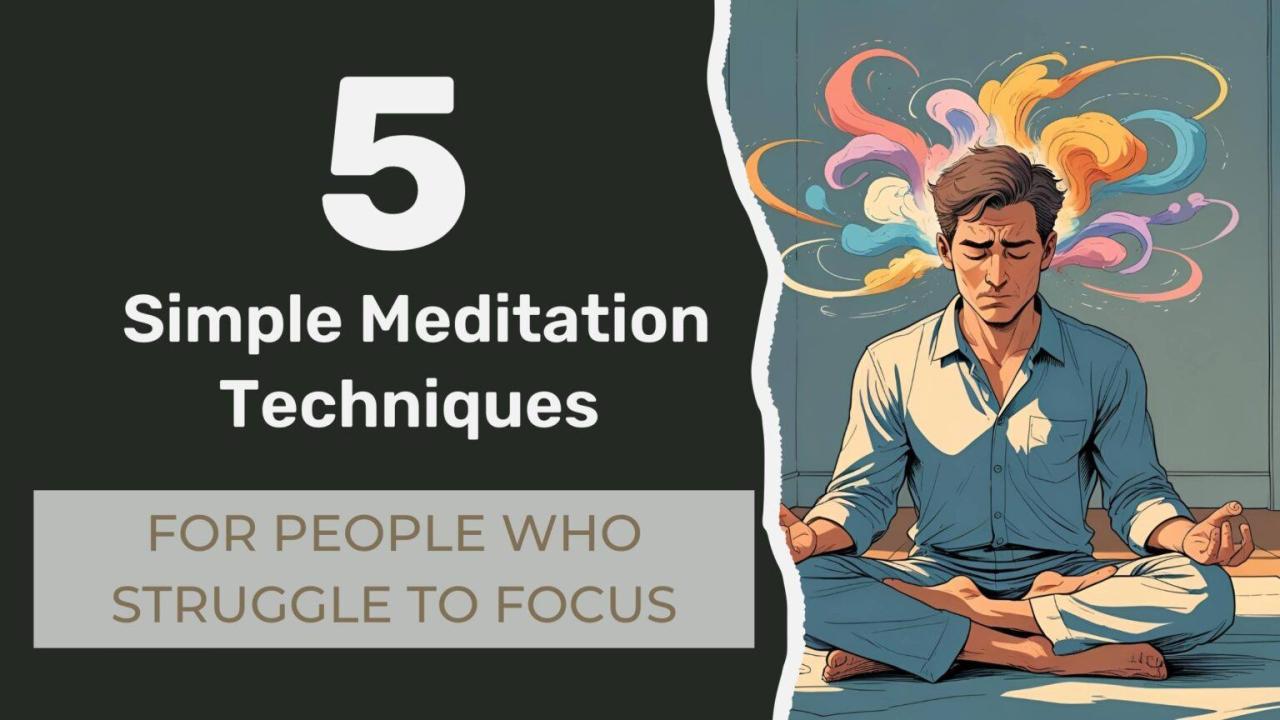
Integrating meditation into your daily life is crucial for sustaining the benefits of enhanced focus and mental clarity. It’s not enough to meditate only occasionally; consistency is key to transforming meditation from a practice into a habit that positively impacts your overall well-being. This section provides practical strategies for seamlessly incorporating meditation into your busy schedule and maintaining a consistent practice.
Creating a Schedule for Meditation Sessions
Establishing a realistic and sustainable schedule is fundamental to integrating meditation into your daily routine. Consider your daily commitments and identify optimal times for meditation.Here’s a sample schedule that can be adapted to fit various lifestyles:
- Morning Meditation (5-10 minutes): Begin your day with a brief meditation session. This sets a positive tone and promotes a focused mindset for the day ahead. Even a short session can significantly impact your productivity and stress levels.
- Midday Meditation (5 minutes): Schedule a short meditation during your lunch break or a brief work break. This can help to reduce stress and refresh your mind, preventing afternoon fatigue.
- Evening Meditation (10-15 minutes): Conclude your day with a longer meditation session to unwind and prepare for restful sleep. This can help to clear your mind of the day’s worries and promote relaxation.
Remember, the duration of your meditation sessions can be adjusted based on your personal preferences and time constraints. The most important factor is consistency, not the length of the sessions.
Meditating On the Go
Meditation doesn’t require a quiet room or a specific setting. With a little creativity, you can meditate virtually anywhere, turning everyday moments into opportunities for mindfulness.Here are some practical tips for meditating on the go:
- Commuting: Utilize your commute time, whether on public transport or as a passenger in a car, to practice mindful breathing or body scan meditation. Focus on your breath or observe the sensations in your body without judgment.
- Breaks: During work breaks, take a few minutes to practice a quick mindfulness exercise. Close your eyes, focus on your breath, and observe any thoughts or feelings that arise.
- Waiting Time: Transform waiting times, such as in a queue or at a doctor’s office, into opportunities for meditation. Use the time to practice a short mindfulness exercise, focusing on your breath or observing your surroundings.
- Walking Meditation: Practice walking meditation by focusing on the sensations of your feet on the ground, the movement of your body, and your breath. This can be done while walking to work, during a lunch break, or even while running errands.
These on-the-go techniques can help you maintain your meditation practice, even when you’re away from your usual meditation space.
Maintaining a Consistent Meditation Practice
Consistency is the cornerstone of a successful meditation practice. Establishing habits and addressing potential challenges can help ensure that meditation becomes a sustainable part of your life.Here are strategies to help you maintain a consistent practice:
- Start Small: Begin with short meditation sessions (5-10 minutes) and gradually increase the duration as you become more comfortable. This makes it easier to integrate meditation into your routine without feeling overwhelmed.
- Set Realistic Goals: Don’t aim for perfection. There will be days when you miss a session or your mind wanders. Acknowledge these moments without judgment and simply return to your practice the next day.
- Schedule and Stick to It: Treat your meditation sessions like any other important appointment. Schedule them in your calendar and make a commitment to yourself to follow through.
- Find a Meditation Buddy: Meditating with a friend or family member can provide support and accountability. Share your experiences and encourage each other to stay consistent.
- Use Meditation Apps or Guided Meditations: Utilize meditation apps or guided meditations to keep your practice engaging and structured. These resources can provide prompts, reminders, and guided sessions to help you stay focused.
- Track Your Progress: Keep a meditation journal or use a meditation app to track your sessions. This can help you monitor your progress, identify patterns, and stay motivated.
- Be Patient: It takes time to develop a consistent meditation practice. Be patient with yourself and celebrate your progress along the way.
By implementing these strategies, you can build a sustainable meditation practice that enhances your focus, reduces stress, and improves your overall well-being.
Using Meditation to Improve Work Performance
Meditation, often perceived as a practice solely for relaxation, offers a powerful toolkit for enhancing professional performance. By cultivating focus, reducing stress, and improving cognitive function, meditation can significantly boost productivity, creativity, and decision-making abilities in the workplace. Incorporating meditation into a daily routine can transform the way individuals approach their work, leading to greater efficiency and overall success.
Enhancing Productivity and Creativity Through Meditation
Meditation’s ability to sharpen focus and reduce mental clutter directly translates into increased productivity. By training the mind to remain present, individuals can minimize distractions and work more efficiently on tasks. This leads to better time management and a greater ability to meet deadlines. Moreover, meditation fosters creativity by promoting a state of mental openness, allowing for new ideas and innovative solutions to emerge.
- Improved Focus and Concentration: Regular meditation practice strengthens the ability to concentrate, making it easier to stay on task and avoid distractions. This is particularly beneficial in fast-paced work environments where focus is critical. For example, a study published in the
-Journal of Occupational Health Psychology* found that mindfulness meditation training significantly improved participants’ attention and reduced mind-wandering during work tasks. - Reduced Mental Clutter: Meditation helps clear the mind of distracting thoughts and worries. This mental clarity allows for more efficient processing of information and improved problem-solving skills.
- Increased Creativity: Meditation promotes a state of mental openness, which can lead to greater creativity and innovation. By quieting the inner critic and allowing for free-flowing thoughts, individuals can tap into their creative potential. An example of this can be seen in the practices of numerous tech companies, which often incorporate meditation or mindfulness exercises to encourage innovation among employees.
- Enhanced Problem-Solving: With a clearer mind, individuals can approach challenges with greater clarity and insight. Meditation fosters a more objective perspective, enabling more effective problem-solving.
Reducing Stress and Improving Decision-Making Skills with Meditation
Workplace stress is a common challenge, and meditation offers a powerful antidote. By practicing meditation, individuals can regulate their emotional responses to stressful situations, reducing feelings of anxiety and overwhelm. This stress reduction, in turn, enhances decision-making skills, as individuals are better equipped to make rational choices under pressure.
- Stress Reduction: Meditation activates the parasympathetic nervous system, the body’s “rest and digest” response, which counteracts the effects of stress. Regular meditation practice lowers cortisol levels, the primary stress hormone, leading to a calmer and more resilient state of mind.
- Improved Emotional Regulation: Meditation helps individuals become more aware of their emotions and develop the ability to manage them effectively. This can prevent impulsive reactions and improve interactions with colleagues and clients.
- Enhanced Decision-Making: By reducing stress and improving emotional regulation, meditation allows for clearer and more rational decision-making. Individuals are less likely to be swayed by emotions and more likely to consider all available information before making a choice.
- Increased Self-Awareness: Meditation cultivates self-awareness, enabling individuals to recognize their own biases and thought patterns. This awareness is crucial for making informed and objective decisions.
The Connection Between Meditation and Improved Cognitive Function
Meditation has a profound impact on cognitive function, enhancing various mental abilities essential for success in the workplace. Research has shown that regular meditation practice can improve attention span, memory, and overall cognitive performance. This translates into greater efficiency, improved learning, and a stronger ability to adapt to new challenges.
- Enhanced Attention Span: Meditation strengthens the ability to focus and maintain attention over extended periods. This is crucial for tasks that require concentration, such as writing reports, analyzing data, or participating in meetings.
- Improved Memory: Studies have shown that meditation can improve both short-term and long-term memory. This can be particularly beneficial for remembering important details, learning new information, and recalling past experiences. For instance, research published in
-Psychological Science* found that mindfulness meditation training improved working memory capacity. - Increased Cognitive Flexibility: Meditation enhances the brain’s ability to switch between tasks and adapt to changing circumstances. This cognitive flexibility is essential for navigating the complexities of the modern workplace.
- Improved Processing Speed: Regular meditation practice can speed up the processing of information, allowing individuals to think and react more quickly. This is valuable in situations that require rapid decision-making and problem-solving.
Common Challenges and Solutions
Embarking on a meditation journey, while rewarding, often presents obstacles. Recognizing these hurdles and equipping oneself with effective solutions is crucial for cultivating a consistent and beneficial practice. This section identifies common challenges and provides practical strategies to navigate them.
Restlessness and Wandering Mind
One of the most frequently encountered challenges is the inability to quiet the mind. Thoughts, worries, and distractions inevitably arise, pulling the meditator away from the present moment.
To address this:
- Acknowledge, Don’t Fight: Recognize that a wandering mind is normal. Instead of struggling against thoughts, gently acknowledge them without judgment. Treat them as clouds passing in the sky.
- Return to the Anchor: Whenever you notice your mind wandering, gently redirect your attention back to your chosen anchor, such as your breath, a mantra, or a visual object.
- Gradual Practice: Start with shorter meditation sessions and gradually increase the duration as your ability to focus improves. For instance, begin with 5 minutes and progressively extend to 10, 15, or even 20 minutes.
- Mindfulness of the Senses: Engage with your senses. If a sound distracts you, observe it without getting carried away by it. “Oh, there’s a car horn,” and then bring your focus back.
Boredom and Lack of Motivation
Meditation, particularly in the beginning, can sometimes feel monotonous, leading to boredom and a decline in motivation.
To overcome these feelings:
- Vary Your Techniques: Experiment with different meditation techniques, such as walking meditation, loving-kindness meditation, or body scan meditation, to keep your practice engaging.
- Set Realistic Goals: Avoid setting overly ambitious goals that might lead to discouragement. Focus on consistency rather than perfection. Even a few minutes of meditation each day is beneficial.
- Find a Meditation Partner or Group: Sharing your meditation journey with others can provide support, accountability, and motivation. Group meditation can foster a sense of community and shared experience.
- Visualize the Benefits: Remind yourself of the benefits of meditation, such as reduced stress, improved focus, and increased self-awareness. Visualize these positive outcomes to fuel your motivation.
Physical Discomfort
Physical discomfort, such as back pain, stiffness, or tingling sensations, can disrupt the meditation experience.
To address physical discomfort:
- Choose a Comfortable Posture: Experiment with different sitting positions, such as sitting in a chair with your feet flat on the floor, using a cushion, or sitting cross-legged on the floor. Find a position that supports your body without causing undue strain.
- Use Props: Utilize props such as cushions, blankets, or bolsters to provide support and alignment.
- Take Breaks: If discomfort arises, gently adjust your posture or take a short break. Acknowledge the sensation and then return to your meditation.
- Gentle Stretching: Before or after meditation, perform gentle stretches to release tension in your body. Consider incorporating yoga or other forms of mindful movement into your routine.
Doubt and Skepticism
It’s common to experience doubt or skepticism about the effectiveness of meditation, especially when you don’t see immediate results.
To overcome doubt and skepticism:
- Be Patient: Meditation is a practice that requires time and consistency to yield noticeable results. Don’t expect immediate transformations.
- Focus on the Process: Instead of fixating on outcomes, focus on the process of meditation itself. Enjoy the present moment and the act of being mindful.
- Read About the Benefits: Research the scientific evidence supporting the benefits of meditation. Numerous studies demonstrate the positive effects of meditation on mental and physical health.
- Keep a Journal: Track your meditation practice and any changes you notice in your mood, focus, or overall well-being. This can provide tangible evidence of your progress.
Troubleshooting Guide for Common Meditation Issues
Here’s a troubleshooting guide for common meditation issues, offering quick solutions.
| Issue | Possible Solution |
|---|---|
| Mind Wandering | Gently redirect attention back to the anchor (breath, mantra). |
| Boredom | Vary meditation techniques, set realistic goals. |
| Physical Discomfort | Adjust posture, use props, take breaks. |
| Doubt | Be patient, focus on the process, research benefits. |
| Difficulty Concentrating | Start with shorter sessions, practice regularly. |
| Restlessness | Acknowledge thoughts, return to anchor, practice mindfulness. |
Remember, meditation is a journey, not a destination. There will be ups and downs. The key is to cultivate a consistent practice and approach challenges with patience and self-compassion.
Creating a Meditation Routine with a Table

Establishing a consistent meditation routine is crucial for cultivating and maintaining improved focus. A structured schedule helps solidify the practice, making it easier to integrate into daily life and reap its benefits. This section provides a sample meditation schedule suitable for beginners, presented in a mobile-friendly table format. This schedule is a starting point; feel free to adjust it to fit your personal needs and preferences.
Sample Weekly Meditation Schedule
The following table Artikels a week-long meditation plan, incorporating different focus areas and techniques to provide a well-rounded introduction to meditation. The session lengths are designed to be manageable for beginners, allowing for gradual progression.
| Day | Session Length | Technique | Focus Area |
|---|---|---|---|
| Monday | 5 minutes | Focused Breathing | Present Moment Awareness |
| Tuesday | 7 minutes | Body Scan Meditation | Physical Sensations |
| Wednesday | 10 minutes | Mindfulness of Thoughts | Observing Thoughts without Judgment |
| Thursday | 7 minutes | Focused Breathing with a Mantra | Concentration and Calm |
| Friday | 10 minutes | Loving-Kindness Meditation | Compassion and Self-Acceptance |
| Saturday | 12 minutes | Guided Meditation (Focus on Nature) | Environmental Awareness and Relaxation |
| Sunday | 15 minutes | Combination: Focused Breathing and Body Scan | Overall Mindfulness and Integration |
This table provides a practical example. For instance, Focused Breathing involves concentrating on the breath, noticing the sensation of each inhale and exhale. Body Scan Meditation systematically brings awareness to different parts of the body, noticing any sensations without judgment. Mindfulness of Thoughts encourages observing thoughts as they arise, recognizing them without getting carried away. Loving-Kindness Meditation cultivates feelings of compassion and goodwill towards oneself and others.
Guided meditations, readily available online, offer structured sessions often themed around specific goals like nature or relaxation.
Illustrative Examples of Meditative Practices
Meditation can take many forms, and the choice of practice often depends on individual preferences and the desired outcome. Visualization is a powerful technique, allowing the mind to focus on specific imagery to cultivate focus and tranquility. These examples offer detailed descriptions of scenes designed to guide you through various visualization exercises, promoting a deeper meditative experience.
Serene Forest Scene Visualization
The following details provide a rich and immersive experience to guide your visualization.Imagine yourself standing at the edge of a vast, ancient forest. Sunlight filters through the canopy, creating dappled patterns of light and shadow on the forest floor. The air is fresh and carries the scent of damp earth, pine needles, and blooming wildflowers.
- The Sunlight: Picture the sunlight streaming through the leaves. Visualize the golden rays, some piercing through and creating brilliant spots of light, while others are softened by the density of the foliage. Notice how the light dances and shifts as the wind gently rustles the leaves. Feel the warmth of the sun on your skin.
- The Sounds: Listen carefully to the sounds of the forest. Hear the gentle rustling of leaves in the breeze, the soft chirping of birds, and the distant murmur of a flowing stream. Focus on each sound individually, letting it wash over you. Allow yourself to become completely absorbed by the natural soundscape.
- The Smells: Inhale deeply and appreciate the forest’s unique aroma. Breathe in the earthy scent of the soil, the sweet fragrance of pine, and the delicate perfume of wildflowers. Notice how the different scents combine to create a complex and invigorating olfactory experience.
- The Details: Observe the details around you. See the intricate patterns of the bark on the trees, the vibrant colors of the wildflowers, and the various textures of the leaves and moss. Let your gaze wander freely, absorbing the beauty and tranquility of the scene.
This visualization exercise aims to create a sense of peace and connection with nature, which can enhance focus and reduce stress.
Calm, Flowing River Visualization
The calming nature of flowing water can be a powerful tool for promoting focus. This visualization encourages you to observe the river’s gentle motion.Envision a wide, slow-moving river. The water is crystal clear, reflecting the sky and surrounding trees. The river flows smoothly, undisturbed by rapids or strong currents. The banks are lined with smooth, rounded stones and lush green vegetation.
- The Water’s Movement: Focus on the constant, gentle flow of the water. Observe how it moves effortlessly downstream, never stopping, always changing. Imagine the water carrying away your worries and distractions.
- The Reflections: Notice the reflections on the water’s surface. See the images of the sky, the trees, and the clouds mirrored perfectly. Observe how the reflections shift and shimmer with the movement of the water.
- The Sounds: Listen to the soft sounds of the river. Hear the gentle lapping of water against the banks and the subtle gurgling as it flows over the stones. These sounds provide a calming backdrop.
- The Feeling: Imagine placing your feet in the cool, clear water. Feel the gentle current flowing around your ankles. Sense the calmness and tranquility that the river evokes.
This practice encourages a sense of presence and helps to cultivate a state of focused attention. The continuous, predictable motion of the river provides a steady point of focus, making it easier to quiet the mind.
Candle Flame Visualization
Focusing on a candle flame is a classic meditation technique. This example describes the elements of the flame to guide your practice.Picture a single candle flame, burning steadily in a darkened room. The flame is a vibrant, dancing entity, casting a warm glow. Observe its colors and movement.
- The Color: Notice the colors of the flame. At the base, closest to the wick, it may be a deep blue. As it rises, the flame transitions to a warm yellow, orange, and sometimes even red at the tips.
- The Movement: Observe the flame’s movement. It dances and flickers, never remaining perfectly still. Watch how it bends and sways, responding to subtle air currents.
- The Shape: Notice the flame’s shape. It’s generally teardrop-shaped, constantly changing yet maintaining its form.
- The Warmth: Feel the warmth emanating from the flame. Imagine the heat gently warming your face and hands. The warmth creates a sense of comfort and relaxation.
The candle flame visualization helps to train the mind to focus on a single point, which enhances concentration. The flickering movement of the flame provides a dynamic point of focus, while the warmth and light create a soothing atmosphere.
Concluding Remarks

In conclusion, “How to Meditate for Developing Better Focus” provides a transformative pathway to enhanced mental clarity and improved cognitive function. By embracing the techniques Artikeld in this guide, you can cultivate a stronger focus, manage distractions effectively, and integrate mindfulness into your daily life. Start your journey today and unlock the power of meditation to transform your life, one mindful moment at a time.