Embarking on a journey to enhance emotional intelligence, this guide explores the profound benefits of meditation for cultivating a deeper understanding of our inner world. It serves as an insightful exploration of how the practice of meditation, rooted in ancient traditions and supported by modern science, can be a powerful tool for emotional well-being.
This guide will unpack the intricate connection between meditation and the brain’s emotional processing centers, providing a roadmap for anyone seeking to navigate their emotional landscape with greater clarity and resilience. We will explore practical techniques, from foundational breath awareness to advanced practices like loving-kindness meditation, offering actionable strategies to integrate mindfulness into daily life, ultimately empowering individuals to transform their relationship with their emotions.
Understanding the Link Between Meditation and Emotional Awareness
The practice of meditation offers a powerful pathway to enhance emotional awareness. This heightened awareness isn’t just about recognizing feelings; it’s about understanding the intricate relationship between our thoughts, emotions, and bodily sensations. By cultivating a consistent meditation practice, individuals can develop the ability to observe their emotional landscape with greater clarity and equanimity. This ability to observe, rather than react, is a cornerstone of emotional intelligence and overall well-being.
The Neuroscientific Basis of Meditation’s Impact on Emotional Processing
Meditation’s effectiveness in improving emotional awareness stems from its impact on specific brain regions. Regular meditation alters brain structure and function, leading to changes in how we process and react to emotions.* The Amygdala: This almond-shaped structure plays a crucial role in processing emotions, particularly fear and anxiety. Meditation has been shown to reduce amygdala activity, leading to decreased reactivity to stressful situations.
Research published in
NeuroImage* (2011) demonstrated that individuals with extensive meditation experience exhibited smaller amygdala volumes and reduced amygdala reactivity to emotional stimuli compared to non-meditators.
* The Prefrontal Cortex (PFC): The PFC, especially the dorsolateral prefrontal cortex (DLPFC), is involved in executive functions like attention, decision-making, and emotional regulation. Meditation strengthens the PFC, improving the ability to regulate emotions and make more thoughtful choices. Studies have found that meditation can increase the thickness of the prefrontal cortex, which correlates with improved emotional regulation.* The Default Mode Network (DMN): The DMN is a network of brain regions active when the mind is at rest, often associated with mind-wandering and self-referential thought.
Excessive DMN activity can contribute to rumination and negative self-talk. Meditation helps to regulate the DMN, reducing mind-wandering and promoting a more present-moment awareness. A study published in the
Proceedings of the National Academy of Sciences* (2013) found that mindfulness meditation reduced activity in the DMN, which was associated with decreased self-referential processing and improved attention.
Common Emotional States and Their Manifestations
Emotions are complex experiences that involve both mental and physical components. Understanding these manifestations can provide valuable insights into our emotional state.* Anxiety: Anxiety manifests physically as increased heart rate, rapid breathing, muscle tension, and digestive issues. Mentally, it presents as worry, racing thoughts, difficulty concentrating, and a sense of unease.
Sadness
Physically, sadness can be associated with fatigue, changes in appetite, and a feeling of heaviness. Mentally, it often involves feelings of loss, hopelessness, and withdrawal from social activities.
Anger
Anger can manifest physically as increased heart rate, clenched fists, and facial flushing. Mentally, it involves feelings of frustration, irritability, and a desire to lash out.
Joy
Joy manifests physically as a feeling of lightness, increased energy, and a smile. Mentally, it involves feelings of happiness, contentment, and a sense of well-being.It is important to note that these manifestations can vary significantly from person to person, and the intensity of the emotional experience will also influence the degree to which these manifestations are present.
Differentiating Between Observing and Reacting to Emotions Through Meditation
A core benefit of regular meditation practice is the ability to observe emotions without being consumed by them. This skill is developed through consistent practice, which allows individuals to create space between an emotion and their response to it.* Cultivating Non-Judgmental Awareness: Meditation encourages observing emotions without judgment. This means acknowledging the feeling without labeling it as “good” or “bad.” This approach allows for a more objective understanding of the emotional experience.
Developing Detachment
Regular meditation helps create a sense of detachment from emotions. This is not about suppressing feelings, but rather about recognizing that emotions are temporary states that do not define the self.
Enhancing Emotional Regulation
By observing emotions without reacting, individuals gain the ability to regulate their emotional responses more effectively. This leads to greater resilience in the face of stress and challenging situations.
“Between stimulus and response there is a space. In that space is our power to choose our response. In our response lies our growth and our freedom.”
Viktor Frankl
Preparing for Meditation
Setting the stage for meditation is crucial for maximizing its benefits. A well-prepared environment and a conscious approach to physical and mental readiness can significantly enhance the meditative experience. This section focuses on establishing the ideal conditions for a successful meditation practice.
The Ideal Environment for Meditation
Creating a conducive environment is essential for a focused and effective meditation session. Several factors contribute to an ideal space, promoting relaxation and minimizing distractions.
- Lighting: Soft, natural light is generally preferred. Avoid harsh or overly bright lights, which can be distracting and may strain the eyes. If natural light is unavailable, consider using dimmable lamps or candles to create a calming ambiance. A dimly lit room can encourage a sense of introspection.
- Noise: Minimize external noise as much as possible. Complete silence is ideal, but not always achievable. Use earplugs, noise-canceling headphones, or ambient sounds like nature recordings to mask distracting noises. White noise, such as a fan or air purifier, can also be helpful.
- Temperature: Maintain a comfortable temperature. Being too hot or too cold can disrupt focus. A slightly cool temperature is often preferred, as it can promote a sense of alertness. Ensure proper ventilation to maintain air quality.
- Space: Choose a space that is clean, uncluttered, and dedicated to meditation if possible. A designated meditation area can help signal to the mind that it’s time to meditate. Personalize the space with items that inspire tranquility, such as plants, artwork, or meaningful objects.
Comfortable Meditation Postures
Selecting a comfortable posture is paramount for sustaining focus during meditation. Different postures offer varying levels of support and stability, catering to individual needs and preferences.
Here is a table summarizing some common meditation postures, along with their descriptions, benefits, and drawbacks:
| Posture | Description | Benefits/Drawbacks |
|---|---|---|
| Sitting Cross-Legged (Sukhasana/Easy Pose) | Sitting on the floor with legs crossed, hands resting on the knees or in the lap. The spine is kept straight but not stiff. |
|
| Sitting in a Chair | Sitting upright in a chair with feet flat on the floor and back straight but not rigid. Hands can rest on the lap or thighs. |
|
| Lotus Position (Padmasana) | Sitting cross-legged with each foot resting on the opposite thigh. The spine is erect, and the hands rest in the lap or on the knees. |
|
| Supine Position (Savasana/Corpse Pose) | Lying on your back with legs extended, arms relaxed at your sides, and palms facing up. |
|
Preparing the Body and Mind Before Meditation
Preparing both the body and mind is crucial for entering a state of focused awareness during meditation. This involves several preparatory steps designed to promote relaxation and minimize mental distractions.
Here’s a step-by-step procedure for preparing for a meditation session:
- Find a quiet space: Choose a location free from interruptions. This might be a dedicated meditation room, a quiet corner in your home, or even a park.
- Set a timer: Determine the duration of your meditation session and set a timer. This eliminates the need to constantly check the time and allows you to fully immerse yourself in the practice.
- Choose a comfortable posture: Select a posture that you can maintain comfortably for the duration of your meditation. Ensure your spine is aligned, whether sitting or lying down.
- Gentle physical preparation: Before sitting, gently stretch the body. This can include neck rolls, shoulder shrugs, and light stretches to release tension.
- Deep breathing exercises: Engage in several rounds of deep breathing to calm the nervous system. Inhale deeply through the nose, hold the breath for a few seconds, and exhale slowly through the mouth. This helps to reduce anxiety and center the mind. Consider practicing the 4-7-8 breathing technique: inhaling for a count of 4, holding for a count of 7, and exhaling for a count of 8.
- Mindful awareness of the body: Bring your attention to your body. Notice any areas of tension or discomfort and gently release them. Scan the body from head to toe, observing any sensations without judgment.
- Establish a focus: Select a focus for your meditation. This could be your breath, a mantra, a visual object, or a specific emotion. Gently redirect your attention back to your chosen focus whenever your mind wanders.
- Cultivate intention: Set a clear intention for your meditation session. This could be to cultivate mindfulness, reduce stress, or increase self-awareness.
- Begin the meditation: Gently close your eyes and begin your chosen meditation practice.
- Gentle return: When the timer goes off, gently bring your awareness back to your surroundings. Take a few deep breaths before opening your eyes.
Foundational Meditation Techniques for Emotional Awareness
Developing emotional awareness through meditation requires consistent practice with specific techniques. These foundational practices cultivate the ability to observe and understand emotions without judgment. By mastering these techniques, individuals can build a strong base for further exploration of their inner world and improve their capacity to manage emotional responses.
Core Principles of Mindfulness Meditation
Mindfulness meditation involves paying attention to the present moment without judgment. It encourages a non-reactive awareness of thoughts, feelings, and bodily sensations. The core principles of mindfulness meditation emphasize present moment awareness, acceptance, and non-judgment.Mindfulness meditation’s principles are:
- Present Moment Awareness: This involves focusing attention on the here and now, whether it’s the breath, body sensations, or sounds. The goal is to avoid dwelling on the past or worrying about the future.
- Non-Judgment: Observing experiences without labeling them as good or bad is critical. This helps to cultivate acceptance and reduces the tendency to get caught up in emotional reactivity.
- Acceptance: Accepting experiences as they are, without trying to change them, allows for a more peaceful and balanced response to life’s challenges. This includes accepting difficult emotions as they arise.
- Non-Reactivity: Observing thoughts and feelings without reacting to them allows individuals to create space between themselves and their emotional experiences. This can help prevent impulsive behaviors driven by emotions.
- Beginner’s Mind: Approaching each moment with curiosity and openness, as if experiencing it for the first time, can enhance the richness of experience and reduce the impact of preconceived notions.
Guided Breath Awareness Meditation
Breath awareness meditation is a foundational technique for cultivating mindfulness. It involves focusing attention on the breath as it enters and leaves the body. This practice anchors the mind in the present moment and can help to calm the nervous system.Here’s a basic script for a breath awareness meditation:
Find a comfortable position, either sitting or lying down. Close your eyes gently, or keep them softly focused on a point in front of you.
Bring your attention to your breath. Notice the sensation of the breath entering your body, perhaps at your nostrils, chest, or abdomen. Notice the sensation of the breath leaving your body.
There’s no need to change your breath in any way. Just observe its natural rhythm. Notice the length of each inhale and exhale.
As thoughts, feelings, or sensations arise, acknowledge them without judgment. Gently redirect your attention back to your breath. It’s normal for your mind to wander; the practice is in returning.
Continue to focus on your breath for several minutes. Allow yourself to be present with each inhale and exhale.
When you are ready, slowly bring your awareness back to the room. Gently open your eyes.
This meditation can be practiced daily for 5-10 minutes to start. Regular practice can improve focus, reduce stress, and increase emotional awareness.
Body Scan Meditation and Its Role in Recognizing Physical Sensations Linked to Emotions
Body scan meditation involves systematically bringing awareness to different parts of the body, noticing any sensations present. This practice enhances the ability to connect with the body’s signals, which often reflect emotional states. By observing these physical sensations, individuals can identify the emotional triggers that they might otherwise overlook.Body scan meditation typically involves focusing on the following body parts:
- Feet: Notice the sensations in your toes, the soles of your feet, the heels, and the tops of your feet.
- Lower Legs: Bring your awareness to your ankles, calves, and shins.
- Knees: Observe the sensations in your knees, including the front, back, and sides.
- Upper Legs: Notice the sensations in your thighs, including the front, back, and sides.
- Pelvis and Hips: Bring your attention to your pelvic area and hips, noticing any sensations.
- Abdomen: Focus on your abdomen, noticing the rise and fall with each breath.
- Chest: Observe the sensations in your chest, including the front and back.
- Back: Bring your awareness to your lower back, middle back, and upper back.
- Hands: Notice the sensations in your fingers, palms, and the backs of your hands.
- Lower Arms: Bring your awareness to your wrists, forearms, and elbows.
- Upper Arms: Observe the sensations in your upper arms, including the front, back, and sides.
- Shoulders: Focus on your shoulders, noticing any tension or relaxation.
- Neck and Throat: Bring your attention to your neck and throat.
- Face: Notice the sensations in your jaw, cheeks, nose, eyes, and forehead.
- Head: Bring your awareness to the top of your head.
For example, during a body scan, a person experiencing anxiety might notice a clenched jaw, tight shoulders, and a racing heart. Recognizing these physical signs can provide valuable insights into the emotional state and allow for proactive responses. Regular body scan practice can increase self-awareness and improve emotional regulation.
Exploring Emotions During Meditation
As you progress in your meditation practice, a key area of focus becomes the exploration of your emotional landscape. This involves cultivating a deeper understanding of your feelings and how they manifest within your mind and body. This section will guide you through the process of observing emotions without judgment, handling challenging feelings, and labeling emotions with precision.
Observing Emotions Without Judgment
The core principle of mindful meditation, particularly when exploring emotions, is observation without judgment. This means acknowledging the presence of an emotion without getting caught up in it or assigning it a value judgment (good or bad, right or wrong). The aim is to become a detached observer of your own internal experience.
The practice is to simply notice what is happening, without trying to change it.
This approach is often compared to watching clouds drift across the sky. You see them, you acknowledge their shapes and movement, but you don’t try to stop them or cling to them. Similarly, with emotions, you acknowledge their presence, observe their intensity, and note how they affect your body (e.g., a tightening in your chest with anxiety, or a warmth in your belly with joy).
Handling Challenging Emotions
Inevitably, during meditation, challenging emotions such as anger, sadness, fear, or frustration will arise. It’s important to have strategies in place to navigate these experiences constructively.
- Acceptance: The first step is to accept the emotion as a natural part of the human experience. Resisting or fighting an emotion often amplifies its intensity. Recognize that it’s okay to feel what you feel.
- Breathing Techniques: Employ deep, slow breathing to calm the nervous system. Inhaling deeply and exhaling slowly can help to regulate your heart rate and reduce the physical sensations of the emotion. Try box breathing (inhale for 4 seconds, hold for 4 seconds, exhale for 4 seconds, hold for 4 seconds).
- Gentle Self-Compassion: Treat yourself with the same kindness and understanding you would offer a friend experiencing a difficult emotion. Remind yourself that it’s okay to struggle, and that this too shall pass.
- Grounding Techniques: When overwhelmed, focus on your physical senses. Notice the feeling of your body against the cushion or chair, the sounds around you, or the temperature of the air. This can help bring you back to the present moment.
- Pausing and Re-centering: If an emotion becomes too intense, gently pause your meditation. Take a few deep breaths and re-center yourself. You can resume your meditation when you feel ready, or choose to end the session.
Labeling Emotions
Developing the skill of labeling emotions is a powerful tool for increasing emotional awareness. This involves identifying and naming the specific feelings that arise during meditation. This practice helps to clarify your internal experience and allows you to respond to your emotions with greater understanding.
Labeling emotions can help to reduce their intensity by putting them into words.
Here is a list of feeling words, categorized by emotion, to assist you in this process:
- Anger:
- Irritated
- Frustrated
- Annoyed
- Furious
- Enraged
- Resentful
- Offended
- Aggravated
- Sadness:
- Unhappy
- Gloomy
- Depressed
- Lonely
- Miserable
- Despondent
- Grief-stricken
- Melancholy
- Joy:
- Happy
- Glad
- Cheerful
- Delighted
- Ecstatic
- Content
- Thrilled
- Elated
- Fear:
- Afraid
- Anxious
- Scared
- Worried
- Nervous
- Panicked
- Threatened
- Apprehensive
- Love:
- Affectionate
- Caring
- Loving
- Compassionate
- Devoted
- Fond
- Attached
- Tender
- Surprise:
- Amazed
- Astonished
- Startled
- Shocked
- Flabbergasted
- Speechless
- Taken aback
- Bewildered
Advanced Meditation Practices for Deeper Emotional Insight
As you deepen your meditation practice and become more attuned to your emotions, you can explore advanced techniques designed to cultivate even greater emotional awareness, resilience, and compassion. These practices move beyond simply observing emotions to actively working with them, fostering a more profound understanding of your inner landscape. This section delves into specific advanced meditation practices, providing practical guidance and scripts to support your journey.
Loving-Kindness Meditation and Its Effects on Empathy and Compassion
Loving-kindness meditation, also known as Metta meditation, is a powerful practice that cultivates feelings of love, kindness, and compassion towards oneself and others. This meditation has been shown to increase empathy and reduce feelings of social isolation, fostering a sense of connection and well-being. The practice involves silently repeating phrases that express well wishes, starting with oneself and then extending to loved ones, neutral individuals, difficult people, and eventually, all beings.Here’s how loving-kindness meditation fosters empathy and compassion:
- Promotes Emotional Regulation: Loving-kindness meditation helps to regulate emotions by cultivating positive feelings, which can buffer against negative emotions like anger, fear, and sadness. This emotional regulation allows for a more empathetic response to the emotions of others.
- Enhances Perspective-Taking: By directing loving-kindness towards difficult people, the practice encourages perspective-taking, the ability to understand and share the feelings of others. This can lead to a greater understanding of their actions and motivations, fostering compassion.
- Increases Social Connection: Research suggests that loving-kindness meditation can increase feelings of social connection and reduce feelings of loneliness. This sense of connection can make individuals more likely to empathize with and care for others.
- Reduces Implicit Bias: Studies have indicated that loving-kindness meditation can reduce implicit biases, which are unconscious prejudices that can affect how we perceive and interact with others. By reducing these biases, the practice can create a more compassionate and equitable outlook.
To illustrate the impact of loving-kindness meditation, consider the following scenario: A person, initially feeling frustrated with a coworker, regularly practices loving-kindness meditation. Over time, as they extend kindness to the coworker during meditation, they begin to view the coworker’s actions with more understanding and empathy, recognizing potential stressors or challenges the coworker may be facing. This shift in perspective, cultivated through consistent practice, can lead to improved communication and a stronger working relationship.
Guided Meditation Script: Accepting and Embracing Difficult Emotions
This guided meditation script is designed to help you accept and embrace difficult emotions rather than resist or suppress them. The practice focuses on creating a safe space for these emotions, acknowledging their presence, and allowing them to flow through you.
Instructions: Find a comfortable position, either sitting or lying down. Close your eyes gently and take a few deep breaths to center yourself.
Script:
“Begin by bringing your attention to your breath. Notice the sensation of the air entering and leaving your body. Feel the gentle rise and fall of your chest or abdomen. (Pause)”
“Now, gently scan your body, noticing any areas of tension or discomfort. Without judgment, simply observe these sensations.
(Pause)”
“As you continue to breathe, become aware of any emotions that may be present. Perhaps you feel sadness, anger, fear, or anxiety. Whatever emotions arise, acknowledge them without trying to change them. (Pause)”
“Imagine creating a safe and compassionate space within yourself. Acknowledge the presence of the emotion.
See if you can visualize it, what shape, color, or texture does it have? (Pause)”
“Allow yourself to feel the emotion fully. Don’t try to push it away or suppress it. Instead, breathe into it, allowing it to be present. (Pause)”
“Repeat silently to yourself: ‘This is here.
It is okay. I am safe.’ (Pause)”
“As you continue to breathe, notice the sensations associated with the emotion. Where do you feel it in your body? What thoughts are arising? (Pause)”
“Remind yourself that emotions are temporary.
They come and go like waves in the ocean. They are not permanent. (Pause)”
“Allow the emotion to flow through you, like a river. Observe it without getting carried away by it. (Pause)”
“If you find yourself getting caught up in the story of the emotion, gently bring your attention back to your breath and the sensations in your body.
(Pause)”
“As you continue to breathe, notice how the intensity of the emotion may change. It may rise and fall, or it may begin to soften. (Pause)”
“When you are ready, slowly bring your attention back to your surroundings. Wiggle your fingers and toes. Take a few deep breaths and open your eyes.
(Pause)”
“Carry this sense of acceptance and compassion with you throughout your day.”
Plan for Incorporating Self-Compassion Practices into Daily Life
Self-compassion, the practice of treating yourself with kindness and understanding, is crucial for emotional well-being. Integrating self-compassion into daily life involves being mindful of self-criticism, responding to your own suffering with kindness, and recognizing your shared humanity. Here’s a plan for incorporating self-compassion practices:
- Identify Self-Critical Thoughts:
- Become aware of the inner critic. Notice the types of self-critical thoughts you have, such as perfectionism, self-doubt, or negative self-talk.
- Keep a journal to track these thoughts. Write down the situations in which they arise and the emotions you experience.
- Practice Self-Compassion Breaks:
- Take short breaks throughout the day to practice self-compassion.
- When you notice feelings of stress, inadequacy, or self-criticism, pause and acknowledge your suffering.
- Use the following phrases:
“This is a moment of suffering.”
“Suffering is a part of life.”
“May I be kind to myself.”
- Cultivate Self-Kindness:
- Treat yourself with the same kindness and understanding you would offer a friend.
- Use kind and supportive self-talk. Replace harsh self-criticism with gentle and encouraging words.
- Engage in activities that bring you joy and relaxation, such as taking a walk, reading a book, or spending time in nature.
- Embrace Common Humanity:
- Recognize that everyone experiences difficulties and imperfections.
- Remind yourself that you are not alone in your struggles.
- Connect with others who share similar experiences. Sharing your struggles with others can help you realize that you are not alone and that your experiences are part of the shared human experience.
- Practice Mindfulness:
- Be present in the moment and observe your thoughts and feelings without judgment.
- Mindfulness helps you become aware of your inner critic and allows you to respond to it with compassion.
- Engage in mindful activities, such as mindful eating or walking, to cultivate presence and self-awareness.
- Seek Professional Support:
- If you find it difficult to practice self-compassion on your own, consider seeking support from a therapist or counselor.
- Therapy can provide you with tools and strategies to cultivate self-compassion and address underlying issues that may be contributing to self-criticism.
By implementing these strategies consistently, you can cultivate greater self-compassion, build resilience, and foster a more positive relationship with yourself.
Integrating Meditation into Daily Life for Enhanced Emotional Awareness
Integrating meditation into daily life is crucial for cultivating consistent emotional awareness. This practice helps to translate the insights gained during formal meditation sessions into practical, real-world benefits. By incorporating mindfulness into everyday activities, individuals can enhance their ability to recognize, understand, and manage their emotions more effectively, leading to improved well-being and resilience.
Practical Ways to Incorporate Short Meditation Breaks Throughout the Day
Incorporating short meditation breaks into a busy schedule is achievable with mindful planning. These brief moments of introspection can significantly contribute to emotional regulation.
- Morning Mindfulness: Begin the day with a brief meditation session, even if it’s just five minutes. This can set a positive tone and improve focus for the day ahead.
- Mid-day Reset: Schedule a short break, perhaps during lunch or a coffee break, to practice mindful breathing or a body scan. This helps to release tension and refresh the mind.
- Transition Breaks: Utilize transition times, such as waiting for a meeting to start or commuting, for short meditation exercises. This can involve focusing on the breath or observing surroundings.
- Evening Reflection: End the day with a brief reflection on the day’s events and emotional experiences. This aids in processing and understanding emotional responses.
- Mindful Moments: Incorporate mindfulness into daily activities, such as washing dishes or taking a shower, by focusing on the sensory experience.
Applying Mindfulness Techniques in Everyday Situations
Mindfulness techniques can be readily applied in everyday scenarios to improve emotional awareness. This approach involves bringing present-moment awareness to various activities and interactions.
- Mindful Conversations: During conversations, actively listen to the speaker, noticing both their words and your emotional reactions. Observe your own thoughts and feelings without judgment. For example, if someone shares frustrating news, acknowledge your own feelings of irritation or sadness before responding.
- Mindful Tasks: Approach everyday tasks, such as working on a project or doing chores, with focused attention. Pay attention to the details of the task and the physical sensations involved. This reduces distractions and enhances presence.
- Managing Stressful Tasks: When facing stressful tasks, pause and take a few deep breaths. Focus on the breath to calm the nervous system before continuing. Recognize the emotional responses to stress, such as anxiety or frustration, and acknowledge them without getting carried away.
- Responding to Difficult Situations: When confronted with challenging situations, pause before reacting. Observe the emotions that arise, such as anger or fear. Instead of immediately reacting, take a moment to respond thoughtfully and consider the impact of your actions.
Strategies for Tracking Emotional Responses and Identifying Patterns
Tracking emotional responses and identifying patterns is essential for deepening self-awareness. This process involves systematically recording and analyzing emotional experiences.
Creating an emotional awareness journal is a valuable tool for tracking emotional responses and recognizing patterns. It helps individuals gain insights into their triggers, emotional reactions, and associated physical sensations and thoughts. A structured approach to journaling can provide a clear and organized way to monitor emotional states.
| Trigger | Emotion | Physical Sensations | Thoughts |
|---|---|---|---|
| Criticism from a colleague during a meeting. | Frustration, Anger | Increased heart rate, clenching jaw, shallow breathing. | “They are trying to undermine me.”, “I am not good enough.”, “I need to defend myself.” |
| Unexpected bill arrives. | Anxiety, Worry | Stomach knots, muscle tension, racing thoughts. | “How am I going to pay this?”, “I’m going to run out of money.”, “I can’t handle this.” |
| Being stuck in traffic and late for an appointment. | Irritation, Impatience | Restlessness, tapping foot, feeling hot. | “This is so unfair.”, “I’m going to miss my appointment.”, “I’m wasting my time.” |
| Receiving a compliment from a friend. | Happiness, Gratitude | Smiling, feeling warm inside, relaxed. | “I am appreciated.”, “I have good friends.”, “I feel good about myself.” |
Regularly reviewing the journal entries will reveal recurring triggers, patterns of emotional responses, and the impact of specific thoughts and physical sensations. By analyzing these patterns, individuals can begin to develop strategies for managing their emotional responses more effectively and fostering greater emotional resilience.
Addressing Common Challenges in Meditation
Meditation, while a powerful tool for cultivating emotional awareness, isn’t always easy. Many individuals encounter hurdles along the way. Recognizing these challenges and learning effective strategies to navigate them is crucial for developing a consistent and beneficial meditation practice. This section will address some of the most frequent obstacles and provide practical solutions to help you stay on track.
Dealing with a Wandering Mind During Meditation
A wandering mind is a universal experience during meditation. Thoughts, distractions, and mental chatter are natural occurrences. The key is not to eliminate these thoughts but to develop the ability to observe them without judgment and gently redirect your attention.To manage a wandering mind:
- Acknowledge and Accept: Recognize that mind-wandering is normal. Don’t get frustrated or self-critical. Instead, simply acknowledge the thought and gently redirect your focus.
- Use an Anchor: Employ an anchor, such as your breath, a mantra, or a body scan, to bring your attention back to the present moment. Whenever you notice your mind wandering, gently return to your anchor.
- Label Thoughts: Mentally label thoughts as “thinking” or “planning” or “remembering” when they arise. This helps to create distance between you and your thoughts, allowing you to observe them more objectively.
- Shorten Meditation Sessions Initially: If you find it difficult to stay focused for extended periods, begin with shorter meditation sessions (e.g., 5-10 minutes) and gradually increase the duration as your ability to focus improves.
- Practice Regularly: Consistent practice strengthens your ability to focus. The more you meditate, the easier it will become to manage a wandering mind.
Solutions for Managing Physical Discomfort During Meditation
Physical discomfort can be a significant distraction during meditation. It’s essential to find a comfortable posture and make adjustments as needed to minimize physical tension and promote relaxation.To manage physical discomfort:
- Choose a Comfortable Posture: Experiment with different postures, such as sitting on a cushion, a chair, or lying down. The most important thing is to find a position that allows you to maintain an upright spine without straining.
- Use Props: Utilize props like cushions, blankets, or bolsters to support your body and alleviate pressure points. For example, a cushion can help to elevate your hips, making it easier to sit with a straight back.
- Make Adjustments: If you experience discomfort, gently adjust your posture. Don’t be afraid to move. The goal is to find a position that allows you to be comfortable enough to focus on your meditation.
- Focus on the Body: Incorporate a body scan into your meditation practice to become aware of any areas of tension. When you notice tension, consciously relax those muscles.
- Gradual Practice: With consistent practice, your body will adapt to the posture you choose, and discomfort will likely diminish.
Tips for Maintaining a Consistent Meditation Practice
Consistency is key to experiencing the benefits of meditation. Establishing a regular practice can be challenging, but several strategies can help you stay committed.Tips for maintaining a consistent meditation practice:
- Set Realistic Goals: Start with short meditation sessions and gradually increase the duration as you become more comfortable. Avoid setting overly ambitious goals that might lead to discouragement.
- Schedule Meditation: Treat meditation like any other important appointment. Schedule it in your calendar and make it a non-negotiable part of your day.
- Choose a Consistent Time and Place: Meditating at the same time and in the same place each day can help to establish a routine and make meditation a habit.
- Find a Meditation Buddy: Meditating with a friend or joining a meditation group can provide support, accountability, and motivation.
- Use a Meditation App or Guided Meditation: Apps and guided meditations can provide structure, guidance, and support, especially for beginners. There are numerous free and paid options available.
- Be Patient and Kind to Yourself: There will be days when you miss a meditation session or find it difficult to focus. Don’t get discouraged. Simply acknowledge the lapse and get back on track as soon as possible.
- Track Your Progress: Keep a journal or use a meditation app to track your practice. Seeing your progress can be motivating and help you stay committed.
- Make it Enjoyable: Experiment with different meditation techniques and find what resonates with you. Make meditation a pleasurable experience, not a chore.
- Integrate Meditation into Your Daily Life: Look for opportunities to incorporate mindfulness into your daily activities, such as mindful eating, walking, or washing dishes. This can help to reinforce your meditation practice and enhance your overall awareness.
Benefits of Meditation for Emotional Well-being

Meditation offers a wealth of benefits for emotional well-being, extending far beyond the immediate sense of calm it often provides. Regular practice cultivates a deeper understanding of one’s emotional landscape, leading to more effective emotional regulation, improved relationships, and a greater overall sense of well-being. This section will explore the long-term psychological advantages of meditation, its impact on social interactions, and the importance of emotional awareness.
Long-Term Psychological Benefits of Meditation on Emotional Regulation
Meditation’s influence on emotional regulation is multifaceted, fostering resilience and reducing reactivity to stressors. Over time, consistent meditation practice alters the brain’s structure and function, particularly in areas associated with emotional processing. This results in a more balanced emotional response and increased ability to manage difficult feelings.
- Reduced Reactivity to Stress: Meditation strengthens the prefrontal cortex, the brain region responsible for executive functions, including emotional regulation. This strengthens the ability to observe and manage emotional responses rather than reacting impulsively to stressors. For instance, a study published in the journal
-Psychological Science* found that participants who engaged in mindfulness meditation showed reduced activity in the amygdala, the brain’s fear center, when exposed to stressful stimuli. - Enhanced Self-Awareness: Meditation cultivates a greater awareness of one’s thoughts, feelings, and bodily sensations. This heightened self-awareness allows individuals to recognize emotional triggers and patterns early, preventing escalation and enabling more conscious responses.
- Increased Emotional Resilience: By regularly practicing meditation, individuals develop a greater capacity to cope with difficult emotions. This resilience comes from the ability to observe emotions without judgment, allowing them to pass without being overwhelmed.
- Improved Mood Regulation: Meditation can help regulate mood by influencing the levels of neurotransmitters like serotonin and dopamine, which are associated with feelings of well-being and happiness. Regular practice can lead to a more stable and positive mood.
- Reduced Symptoms of Anxiety and Depression: Research consistently demonstrates the effectiveness of meditation in reducing symptoms of anxiety and depression. By promoting relaxation, reducing rumination, and fostering a sense of presence, meditation provides a valuable tool for managing these conditions. A meta-analysis published in
-JAMA Internal Medicine* found that mindfulness meditation was effective in reducing symptoms of anxiety and depression.
Potential Impact of Meditation on Relationships and Social Interactions
The benefits of meditation extend beyond individual well-being, positively impacting relationships and social interactions. By cultivating empathy, compassion, and improved communication skills, meditation fosters healthier and more fulfilling connections with others.
- Enhanced Empathy and Compassion: Meditation practices, such as loving-kindness meditation, directly cultivate empathy and compassion. This leads to a greater understanding of others’ perspectives and a more compassionate response to their suffering. This can lead to more meaningful connections with others.
- Improved Communication Skills: Meditation fosters a greater awareness of one’s own thoughts and feelings, as well as the ability to listen attentively to others. This leads to improved communication skills, including the ability to express oneself clearly and respond to others with empathy and understanding.
- Reduced Reactivity in Social Situations: Meditation helps to reduce impulsive reactions in social situations. This enables individuals to respond more thoughtfully and appropriately to challenging interactions, leading to fewer conflicts and improved relationships.
- Increased Social Connectedness: By promoting empathy, compassion, and effective communication, meditation fosters a greater sense of social connectedness. Individuals who meditate often report feeling more connected to others and less isolated.
- Greater Emotional Intelligence: Meditation helps to develop emotional intelligence, which includes the ability to recognize, understand, and manage one’s own emotions, as well as the emotions of others. This is a valuable skill in social interactions, leading to more effective and fulfilling relationships.
Importance of Emotional Awareness
Emotional awareness is fundamental to mental well-being. It involves recognizing, understanding, and accepting one’s emotions. This understanding provides the foundation for effective emotional regulation and healthy relationships.
“Until you make the unconscious conscious, it will direct your life and you will call it fate.”Carl Jung.
Epilogue
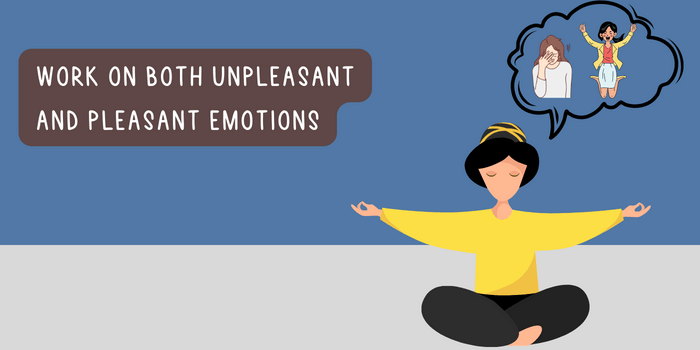
In conclusion, the path to enhanced emotional awareness through meditation is a journey of self-discovery and transformation. By consistently practicing the techniques Artikeld, individuals can cultivate a greater sense of presence, self-compassion, and emotional regulation. The benefits extend far beyond personal well-being, positively impacting relationships and overall quality of life. Embrace the power of meditation and unlock the door to a more emotionally intelligent and fulfilling existence.