Embarking on a journey to enhance mental clarity begins with understanding the profound impact of meditation. This guide, centered on “How to Meditate for Restoring Mental Clarity,” unveils the ancient practice of meditation and its remarkable ability to sharpen focus, reduce stress, and elevate overall cognitive function. We will explore the historical roots of meditation, its evolution, and its transformative potential in today’s fast-paced world.
Mental clarity, the ability to think clearly and efficiently, is crucial for success in all aspects of life. Meditation provides a powerful pathway to achieve this, offering a sanctuary from the mental clutter that often clouds our thoughts. Through a structured approach, this guide will lead you through the essential steps of establishing a consistent meditation practice, from preparing your environment and mastering foundational techniques to navigating common challenges and embracing advanced practices.
We will delve into the science behind meditation, exploring its neurological impact and the proven benefits on mental well-being.
Introduction to Meditation and Mental Clarity

Meditation, a practice rooted in ancient traditions, has gained widespread recognition in modern times for its potential to enhance well-being. This guide explores the fundamentals of meditation and its powerful connection to mental clarity, offering insights into how this practice can transform your cognitive abilities and overall quality of life.
Basic Concept of Meditation and Its Historical Origins
Meditation, at its core, is a mental exercise that trains the mind to focus and redirect thoughts. It involves techniques that cultivate awareness and achieve a mentally clear and emotionally calm and stable state. This practice typically involves focusing on a specific object, thought, or activity to achieve a mentally clear and emotionally calm and stable state. The objective is not to stop thinking, which is nearly impossible, but rather to observe thoughts without judgment and to gently redirect the focus when the mind wanders.Meditation’s origins trace back thousands of years, with evidence suggesting its practice in various ancient cultures.
- Ancient India: Meditation is deeply embedded in the traditions of Hinduism and Buddhism. The Vedas, ancient Indian scriptures dating back over 3,000 years, contain early references to meditative practices. Buddhism, founded by Siddhartha Gautama (the Buddha), emphasizes meditation as a central path to enlightenment and liberation from suffering.
- Ancient China: Taoism and Confucianism also feature meditative practices. Taoist meditation often involves aligning oneself with the Tao (the natural order), while Confucian meditation emphasizes self-cultivation and moral development.
- Other Traditions: Meditation practices are also found in other traditions, including Judaism (e.g., Kabbalah), Christianity (e.g., contemplative prayer), and Islam (e.g., Sufism), each with its unique techniques and philosophies.
Definition of Mental Clarity and Its Importance
Mental clarity refers to the ability to think clearly, focus intently, and make sound decisions. It involves having a sharp mind, free from the mental clutter of distractions, confusion, and negative thoughts. This state allows for efficient processing of information, enhanced problem-solving skills, and improved overall cognitive performance.Mental clarity is crucial for various aspects of daily life:
- Decision-Making: Clear thinking enables individuals to make informed choices, whether in personal or professional contexts.
- Productivity: A focused mind can accomplish tasks more efficiently, leading to increased productivity and reduced stress.
- Learning and Comprehension: Mental clarity enhances the ability to absorb new information and understand complex concepts.
- Emotional Regulation: A clear mind is better equipped to manage emotions, reducing the likelihood of impulsive reactions and promoting emotional stability.
- Relationships: Improved communication and understanding, fostered by mental clarity, can strengthen relationships.
Relationship Between Meditation and Mental Clarity
Meditation acts as a powerful tool for cultivating mental clarity. Through regular practice, meditation helps to quiet the mind, reduce mental chatter, and improve focus. This, in turn, strengthens the brain’s ability to process information efficiently and make better decisions.The mechanisms by which meditation enhances mental clarity include:
- Reduced Mind-Wandering: Meditation trains the mind to stay focused on the present moment, decreasing the frequency of mind-wandering and the associated mental clutter.
- Improved Attention Span: Regular meditation practice can strengthen the brain’s attention networks, leading to an increased ability to concentrate for extended periods.
- Stress Reduction: Meditation helps to lower stress hormones, such as cortisol, which can impair cognitive function. By reducing stress, meditation creates an environment conducive to clear thinking.
- Enhanced Self-Awareness: Meditation fosters self-awareness, allowing individuals to recognize and manage their thoughts and emotions more effectively. This improved emotional regulation contributes to mental clarity.
- Increased Brain Connectivity: Studies using neuroimaging techniques have shown that meditation can increase connectivity in brain regions associated with attention, focus, and emotional regulation, further supporting the practice’s positive effects on mental clarity.
Preparing for Meditation
Establishing a conducive environment and consistent practice is crucial for effective meditation. This section Artikels the key steps in setting the stage for your meditation practice, focusing on creating an ideal environment, adopting a suitable posture, and structuring a practical schedule. This will lay the groundwork for a more profound and beneficial meditation experience.
Ideal Meditation Environment
The environment significantly impacts the meditation experience. Creating a space that minimizes distractions and promotes a sense of calm is essential.
- Sound: Minimize external noise. This can involve turning off electronic devices, closing windows to reduce outside noise, or using ambient sounds like nature recordings or white noise to mask disruptive sounds. Consider using noise-canceling headphones if necessary. The goal is to create a soundscape that fosters inner quietude.
- Light: Opt for soft, natural light or dim artificial light. Bright or flickering lights can be distracting. If meditating during the day, consider using sheer curtains or blinds to diffuse sunlight. In the evening, use candles or a Himalayan salt lamp to create a warm, inviting atmosphere. The aim is to avoid visual stimulation that could draw your attention away from your inner focus.
- Temperature: Maintain a comfortable temperature. The ideal temperature varies based on personal preference, but generally, a room temperature between 68-72°F (20-22°C) is suitable. Ensure good ventilation to prevent stuffiness. Being too cold or too hot can be a distraction.
- Space: Choose a dedicated space for meditation, even if it’s a small corner. This could be a quiet room, a comfortable chair, or a meditation cushion. The key is to associate this space with meditation, making it a cue for your mind to settle.
Effective Meditation Posture
A stable and comfortable posture is fundamental to a successful meditation session. It allows the body to remain still, which in turn, helps quiet the mind.
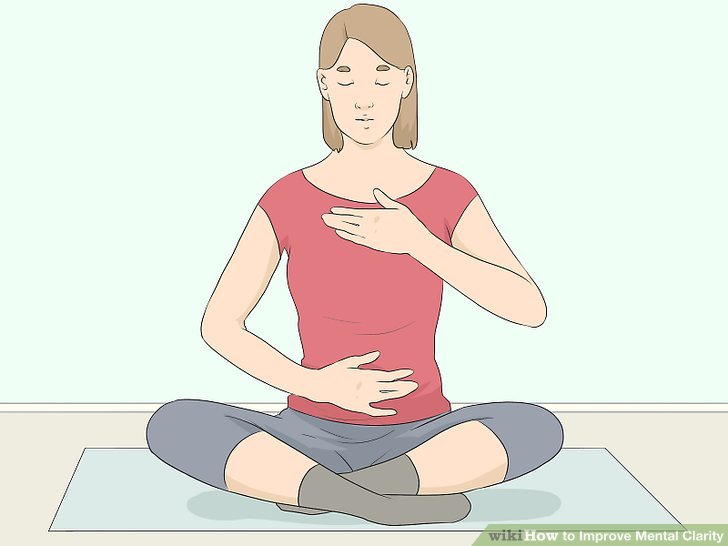
- Sitting Position: The most common posture is the cross-legged position, also known as the lotus position. If this is not comfortable, you can sit in a half-lotus position or sit in a chair with your feet flat on the floor. Maintain a straight spine, but avoid stiffness.
- Hand Position: Place your hands comfortably on your lap or knees. Common hand positions include:
- Jnana Mudra: Touching the tips of the index finger and thumb together, forming a circle, with the other fingers extended. This symbolizes the union of individual consciousness with universal consciousness.
- Chin Mudra: Similar to Jnana Mudra, but with the index finger gently pressing against the thumb.
- Head and Neck: Keep your head and neck aligned with your spine. Gently tuck your chin in slightly to lengthen the back of your neck. This posture promotes alertness and prevents drowsiness.
- Eyes: You can choose to close your eyes gently or keep them slightly open, gazing downward at a fixed point. Closing your eyes can help reduce distractions, while keeping them slightly open can prevent falling asleep.
- Benefits:
- Reduced Physical Distraction: A stable posture minimizes physical discomfort, allowing you to focus on your breath and mental practice.
- Enhanced Awareness: Proper posture promotes alertness, making it easier to maintain focus.
- Increased Energy Flow: A straight spine facilitates the free flow of energy throughout the body.
Organizing a Daily Meditation Schedule
Consistency is key to realizing the benefits of meditation. Establishing a regular schedule, even if it’s brief, will help integrate meditation into your daily routine.
- Duration: Start with short sessions, such as 5-10 minutes per day. Gradually increase the duration as you become more comfortable. Many experienced meditators practice for 20-30 minutes daily.
- Frequency: Meditate daily. Consistency is more important than the length of each session. Even a short daily practice is more beneficial than sporadic longer sessions.
- Optimal Times:
- Morning: Meditating in the morning can set a positive tone for the day. The mind is generally calmer and less cluttered by daily activities.
- Evening: Meditating in the evening can help release stress and promote relaxation before sleep.
- Consistency: Choose a time that works best for your schedule and stick to it. Consistency reinforces the practice and makes it a habit.
- Setting Reminders: Use reminders, such as phone alarms or calendar notifications, to stay consistent. This will help you remember to meditate, especially when you’re first starting.
- Example Schedule: A sample schedule could be: 7:00 AM – 10 minutes of meditation, or 6:00 PM – 15 minutes of meditation. Adjust these times based on your daily routine.
Foundational Meditation Techniques
To cultivate mental clarity, mastering foundational meditation techniques is essential. These techniques provide the building blocks for a consistent and effective meditation practice, allowing you to calm the mind and sharpen focus. By understanding and practicing these methods, you can develop a deeper awareness of your thoughts and emotions, ultimately leading to greater mental resilience and improved cognitive function.
Focused Attention Meditation
Focused attention meditation involves directing your awareness to a single point of focus. This could be your breath, a visual object, a sound, or a mantra. The goal is to maintain your attention on this chosen focus, gently redirecting your mind whenever it wanders. This technique trains the mind to concentrate, improving its ability to resist distractions and enhancing cognitive control.
Mindfulness of Breath: Step-by-Step Practice
Mindfulness of breath is a widely used technique within focused attention meditation. It involves observing the natural rhythm of your breath without trying to change it. This practice cultivates present moment awareness and helps to calm the nervous system. Here’s a step-by-step guide:
- Find a Comfortable Position: Sit comfortably, either on a cushion, chair, or any position where you can maintain an upright posture without straining. Ensure your back is straight but not rigid, and your shoulders are relaxed.
- Close or Soften Your Eyes: Gently close your eyes or lower your gaze, allowing your focus to turn inward.
- Notice Your Breath: Bring your attention to the sensation of your breath. Feel the air entering and leaving your nostrils, or the rise and fall of your abdomen.
- Observe Without Judgment: Simply observe the breath as it is, without trying to control or alter its rhythm. Notice the length, depth, and any sensations associated with your breath.
- Acknowledge Wandering Thoughts: Your mind will naturally wander. When you notice your thoughts drifting, gently acknowledge them without judgment. Remind yourself that it’s normal for the mind to wander.
- Gently Redirect Your Attention: Without getting caught up in the thought, gently redirect your attention back to the sensation of your breath. Each time you bring your attention back to the breath, you are strengthening your ability to focus.
- Practice Regularly: Consistency is key. Aim to practice mindfulness of breath daily, even if it’s just for a few minutes. Over time, you will notice improvements in your ability to focus and remain present.
The practice of mindfulness of breath is like training a muscle; the more you practice, the stronger your ability to focus becomes.
Guided Meditation Script (10-Minute Duration) to Promote Mental Clarity
This 10-minute guided meditation is designed to promote mental clarity by focusing on the breath and cultivating a sense of calm.
Instructions: Find a comfortable and quiet place where you won’t be disturbed. Sit in a comfortable position with your back straight, but not stiff. Close your eyes gently or lower your gaze.
Meditation Script:
(Begin with a few moments of silence)
Voice: “Welcome. Take a moment to settle into your body. Feel the weight of your body on the cushion or chair. Notice any points of contact and allow yourself to relax.”
(Pause)
Voice: “Gently close your eyes or lower your gaze. Take a deep breath in… and slowly exhale. Let go of any tension you might be holding in your body. Again, inhale deeply…
and exhale slowly. Feel your body becoming more relaxed with each breath.”
(Pause)
Voice: “Now, bring your attention to your breath. Notice the sensation of the air entering your nostrils, or the rise and fall of your abdomen. Simply observe the breath, without trying to change it.”
(Pause – 2 minutes)
Voice: “As you focus on your breath, your mind will naturally wander. Thoughts will arise, and that’s perfectly normal. When you notice your mind has drifted, gently acknowledge the thought without judgment. Recognize it as a thought, and then gently bring your attention back to your breath.”
(Pause – 3 minutes)
Voice: “With each inhale, feel a sense of calm entering your body. With each exhale, release any tension or stress. Let the breath be your anchor, bringing you back to the present moment.”
(Pause – 2 minutes)
Voice: “Imagine a clear, still lake. Your thoughts are like ripples on the surface of the water. As you focus on your breath, the ripples gradually calm, and the water becomes clear. Allow your mind to settle into this stillness.”
(Pause – 2 minutes)
Voice: “Continue to observe your breath, and feel a sense of clarity and peace washing over you. Know that you can return to this state of calm whenever you choose.”
(Pause – 1 minute)
Voice: “Gently bring your awareness back to your body. Notice the sensations in your hands, feet, and the rest of your body. Take a deep breath in… and slowly exhale. Open your eyes when you are ready.”
(End with a few moments of silence)
Common Challenges and Troubleshooting
Meditation, while beneficial, can present challenges. These often arise from the inherent nature of the mind and the environment. Understanding these common hurdles and having strategies to address them is crucial for a successful and sustainable meditation practice, ultimately aiding in restoring mental clarity.
Managing Distractions During Meditation
Distractions are inevitable during meditation. The mind, by its very nature, is prone to wandering. The key is not to eliminate distractions entirely, which is nearly impossible, but to learn how to manage them effectively.
- External Distractions: These originate from the environment. Noise, temperature fluctuations, and physical discomfort are common examples.
- Addressing Noise: Use earplugs, noise-canceling headphones, or white noise machines to minimize disruptive sounds. If the environment is consistently noisy, consider meditating at a different time or in a quieter location.
- Managing Temperature: Ensure the room is comfortable. Dress in layers to adjust to temperature changes.
- Physical Discomfort: Experiment with different meditation postures. Use cushions or a meditation bench to support your back. Take breaks if needed and gently stretch.
- Internal Distractions: These originate within the mind. They include thoughts, emotions, and physical sensations.
- Thoughts: The mind will generate thoughts. Acknowledge them without judgment. Label them (e.g., “thinking,” “planning,” “remembering”) and gently redirect your attention back to your chosen focus, such as your breath.
- Emotions: Emotions may arise. Allow them to be present without getting carried away by them. Observe them as temporary states, understanding that they will eventually pass. Avoid dwelling on them or suppressing them.
- Physical Sensations: Itches, aches, and other physical sensations may appear. Acknowledge these sensations without reacting to them. Notice where the sensation is in the body, its intensity, and its changing nature. This helps to detach from the sensation and reduces its impact.
- Strategies for Managing Distractions:
- Gentle Return: When you realize you’ve been distracted, gently bring your attention back to your chosen focal point. Avoid self-criticism.
- Mindful Observation: Observe the distraction without judgment. Notice the nature of the distraction, its source, and how it affects you.
- Patience and Persistence: Managing distractions takes practice. Be patient with yourself and persistent in your efforts. The ability to refocus your attention strengthens with each meditation session.
Handling Thoughts and Emotions During Meditation
The mind is a dynamic entity, and thoughts and emotions are its natural expressions. Meditation provides an opportunity to observe these mental phenomena without getting entangled in them. The goal is not to suppress thoughts or emotions but to develop a detached awareness.
- Understanding the Role of Thoughts: Thoughts are mental events that arise and pass away. They can be related to the past, present, or future.
- Non-Judgmental Observation: Observe thoughts without labeling them as good or bad. Simply notice their presence.
- Thought Labeling: Use mental labels (e.g., “thinking,” “planning,” “worrying”) to create distance from thoughts.
- Returning to the Focus: Gently redirect your attention back to your chosen meditation object whenever you notice you are caught up in thoughts.
- Understanding the Role of Emotions: Emotions are complex mental and physical states that influence our experience.
- Acceptance and Non-Reactivity: Allow emotions to arise without resisting or suppressing them. Avoid getting swept away by them.
- Emotional Awareness: Pay attention to the physical sensations associated with emotions (e.g., tightness in the chest, butterflies in the stomach).
- Emotional Detachment: Recognize that emotions are temporary and will eventually pass. Avoid identifying with them (“I am angry”) and instead, observe them (“There is anger”).
- Techniques for Working with Thoughts and Emotions:
- Mindfulness of Breathing: Use the breath as an anchor to return to when thoughts or emotions arise.
- Body Scan Meditation: Pay attention to the physical sensations in your body to ground yourself in the present moment.
- Loving-Kindness Meditation: Cultivate feelings of compassion and kindness towards yourself and others to help manage difficult emotions.
Maintaining Consistency in Meditation Practice
Consistency is a key factor in reaping the benefits of meditation. Regular practice cultivates mental clarity, reduces stress, and enhances overall well-being. Establishing a consistent routine is vital for making meditation a sustainable habit.
- Establishing a Routine:
- Setting a Specific Time: Choose a time of day that works best for you, such as early morning or before bed. This will help your body and mind adjust to the meditation practice.
- Creating a Dedicated Space: Designate a quiet and comfortable space for meditation. This could be a specific room, a corner of a room, or even a comfortable chair.
- Scheduling Meditation Sessions: Treat your meditation practice like any other important appointment. Schedule it in your calendar and commit to it.
- Overcoming Obstacles to Consistency:
- Time Constraints: Start with short meditation sessions (e.g., 5-10 minutes) and gradually increase the duration as you become more comfortable. Even a few minutes of meditation can be beneficial.
- Lack of Motivation: Remind yourself of the benefits of meditation, such as reduced stress, improved focus, and increased mental clarity. Keep a journal to track your progress and notice how meditation is positively impacting your life.
- Boredom: Experiment with different meditation techniques to keep your practice engaging. Try guided meditations, walking meditation, or other forms of meditation.
- Strategies for Maintaining Consistency:
- Start Small: Begin with short meditation sessions and gradually increase the duration. This makes it easier to incorporate meditation into your daily routine.
- Be Flexible: If you miss a meditation session, don’t get discouraged. Simply resume your practice as soon as possible. Don’t strive for perfection.
- Find Support: Join a meditation group or find a meditation buddy to provide encouragement and accountability.
- Use Reminders: Set reminders on your phone or use a meditation app to help you stay on track.
- Track Your Progress: Keep a journal to document your meditation experiences, challenges, and successes. This can help you stay motivated and track your progress over time.
Advanced Meditation Practices for Enhanced Clarity
As you deepen your meditation practice, you can explore advanced techniques designed to cultivate even greater mental clarity and resilience. These practices build upon the foundational techniques, offering more sophisticated ways to train your mind and enhance your ability to focus, manage emotions, and experience a greater sense of well-being. By integrating these advanced methods, you can further unlock the transformative potential of meditation.
Loving-Kindness Meditation and Its Effect on Mental Well-being
Loving-kindness meditation (LKM), also known as metta meditation, is a powerful practice that cultivates feelings of love, compassion, and kindness towards oneself and others. This practice involves directing positive intentions and well wishes toward various individuals, including oneself, loved ones, neutral people, difficult people, and eventually, all beings.The benefits of LKM are numerous and have been extensively studied. It has been shown to:
- Reduce Stress and Anxiety: LKM can significantly lower levels of stress hormones like cortisol and reduce feelings of anxiety. This is because the practice promotes feelings of warmth, connection, and acceptance, which counteract the physiological responses associated with stress.
- Increase Positive Emotions: Regular practice of LKM can increase the experience of positive emotions, such as joy, gratitude, and contentment. This can lead to an overall improvement in mood and a greater sense of happiness.
- Enhance Social Connection: LKM fosters feelings of empathy and compassion, which can improve relationships and increase social connectedness. It helps to break down barriers of judgment and negativity, promoting a sense of understanding and acceptance towards others.
- Improve Self-Compassion: By directing loving-kindness towards oneself, LKM can help to cultivate self-compassion, which involves treating oneself with kindness, understanding, and acceptance, particularly during times of difficulty or suffering.
- Reduce Symptoms of Depression: Studies have shown that LKM can be effective in reducing symptoms of depression by increasing feelings of self-worth, connectedness, and hope.
The process of LKM typically involves:
- Sitting comfortably and closing your eyes.
- Beginning by directing loving-kindness towards yourself, repeating phrases such as, “May I be happy. May I be healthy. May I be safe. May I live with ease.”
- Gradually expanding your circle of kindness to include loved ones, visualizing them and repeating the same phrases.
- Extending your kindness to neutral individuals, people you don’t know well or have no strong feelings towards.
- Directing kindness toward difficult people, those with whom you have challenges or negative feelings. This can be the most challenging but also the most rewarding part of the practice.
- Finally, extending loving-kindness to all beings, visualizing the entire world and offering the same wishes for happiness, health, safety, and ease.
Body Scan Meditation
Body scan meditation is a technique designed to increase body awareness and promote relaxation. It involves systematically bringing your attention to different parts of your body, observing any sensations without judgment. This practice can help to reduce physical tension, improve body awareness, and cultivate a sense of presence.Steps for body scan meditation include:
- Finding a comfortable position, either lying down or sitting.
- Closing your eyes or gently softening your gaze.
- Beginning by bringing your attention to your toes, noticing any sensations present, such as tingling, warmth, or pressure.
- Slowly moving your attention up your body, systematically scanning each part, including your feet, ankles, calves, knees, thighs, hips, abdomen, chest, back, shoulders, arms, hands, neck, and head.
- Observing any sensations without judgment, simply acknowledging what you feel. If your mind wanders, gently redirect your attention back to the body part you are scanning.
- Spending an adequate amount of time on each body part, allowing yourself to fully experience the sensations.
- As you become more aware of your body, you may notice areas of tension. Acknowledge these areas without trying to change them, simply observing the sensations.
- If you find yourself struggling with the practice, you can visualize your breath flowing into and out of the area of focus.
Body scan meditation can be practiced for various durations, from a few minutes to longer sessions. It is particularly helpful for individuals who experience chronic pain, stress, or anxiety. Regular practice can lead to increased body awareness, reduced physical tension, and a greater sense of overall well-being.
Techniques for Using Visualization to Enhance Mental Focus
Visualization is a powerful technique that involves creating mental images to achieve specific goals or states of mind. When used in meditation, visualization can significantly enhance mental focus and promote a deeper sense of calm and clarity. It can be used to visualize a peaceful scene, a specific goal, or a positive outcome.Here are some techniques for using visualization to enhance mental focus:
- Creating a Peaceful Scene:
Begin by finding a comfortable position and closing your eyes. Visualize a peaceful and calming scene, such as a serene beach, a lush forest, or a quiet mountain landscape. Engage all your senses: see the colors, hear the sounds, feel the textures, and smell the aromas. The more detailed your visualization, the more effective it will be in calming your mind.
- Visualizing a Goal:
Identify a specific goal you want to achieve, whether it’s a personal or professional objective. Visualize yourself already having achieved that goal. See yourself acting and behaving as if the goal has been realized. The more detailed your visualization, the more effective it will be in strengthening your focus and determination.
- Visualizing a Positive Outcome:
If you are facing a challenging situation, visualize a positive outcome. See yourself successfully navigating the challenge, handling it with confidence and grace. This can help to reduce anxiety and increase your belief in your ability to succeed. This technique is frequently used by athletes before a competition, by entrepreneurs before pitching their ideas, or by anyone facing an interview or exam.
- Using Guided Imagery:
Utilize guided imagery recordings or scripts to lead you through visualizations. These resources can provide detailed descriptions and prompts to help you create vivid mental images. Guided imagery can be especially helpful for beginners, as it provides structure and guidance.
- Maintaining Consistency:
Practice visualization regularly, even for short periods. Consistent practice will strengthen your ability to create and maintain mental images, enhancing your focus and concentration over time.
By incorporating these techniques into your meditation practice, you can harness the power of visualization to sharpen your mental focus, reduce stress, and cultivate a more positive and fulfilling state of mind.
The Science Behind Meditation and Mental Clarity
Meditation, once viewed primarily through a spiritual lens, is now firmly grounded in scientific research, demonstrating its profound impact on the brain and cognitive function. Studies have meticulously documented the neurological changes that occur during meditation, providing compelling evidence for its benefits in enhancing mental clarity, focus, and overall well-being. This section delves into the science behind meditation, exploring the brain’s response to this practice and the research supporting its positive effects.
Neurological Changes During Meditation
Meditation practice induces measurable changes in brain structure and function. These changes contribute significantly to improved mental clarity and cognitive performance.
- Increased Gray Matter Density: Regular meditation is associated with increased gray matter density in brain regions linked to attention, emotional regulation, and self-awareness. For example, the prefrontal cortex, responsible for executive functions like planning and decision-making, often shows increased gray matter density in long-term meditators. This can lead to enhanced focus and reduced mind-wandering.
- Thickening of the Cortex: Meditation can lead to a thickening of the cerebral cortex, the outermost layer of the brain, particularly in areas associated with attention and sensory processing. This structural change may contribute to improved processing speed and cognitive flexibility.
- Altered Brain Wave Activity: Meditation promotes specific brain wave patterns, notably an increase in alpha and theta waves. Alpha waves are associated with a relaxed, alert state, conducive to focus and creativity. Theta waves are linked to deep relaxation and introspection. These changes indicate a shift towards a calmer and more focused mental state.
- Changes in Connectivity: Meditation alters the connectivity between different brain regions. Specifically, it can strengthen connections between the prefrontal cortex and other areas, such as the default mode network (DMN), which is active when the mind is at rest and prone to mind-wandering. Enhanced connectivity can help regulate the DMN, reducing its activity and promoting a more focused state.
Scientific Studies Supporting Meditation’s Benefits on Mental Clarity
Numerous scientific studies have investigated the effects of meditation on cognitive functions related to mental clarity. These studies have employed various methodologies, including neuroimaging techniques (like fMRI and EEG), to assess the impact of meditation on attention, memory, and executive functions.
- Improved Attention Span: Studies have consistently shown that meditation practice can enhance attention span and focus. Participants in mindfulness meditation programs often demonstrate improved performance on attention-based tasks, such as the Sustained Attention to Response Task (SART).
- Reduced Mind-Wandering: Meditation has been linked to a decrease in mind-wandering, a common cause of reduced mental clarity. Neuroimaging studies show that meditation can reduce activity in the DMN, the brain network associated with mind-wandering.
- Enhanced Working Memory: Meditation may improve working memory, the ability to hold and manipulate information in the mind. Research indicates that meditation can lead to improvements in working memory capacity and efficiency.
- Reduced Stress and Anxiety: Meditation is well-known for its ability to reduce stress and anxiety. Chronic stress can impair cognitive function, and by reducing stress levels, meditation indirectly enhances mental clarity. Studies often use the Perceived Stress Scale (PSS) to measure stress reduction.
Key Scientific Findings and Their Implications
The following table summarizes key scientific findings related to meditation and mental clarity, along with their implications for cognitive function and well-being.
| Finding | Brain Region Affected | Cognitive Benefit | Implication for Daily Life |
|---|---|---|---|
| Increased gray matter density | Prefrontal cortex, insula | Enhanced attention, emotional regulation | Improved focus, reduced impulsivity, better stress management |
| Thickening of the cortex | Sensory processing areas | Improved processing speed, cognitive flexibility | Enhanced ability to handle multiple tasks, better adaptability to change |
| Altered brain wave activity (increased alpha and theta waves) | Whole brain | Relaxed alertness, deep relaxation | Increased creativity, improved sleep quality, reduced anxiety |
| Changes in brain connectivity (reduced DMN activity) | Default Mode Network (DMN) | Reduced mind-wandering, increased focus | Enhanced concentration during tasks, improved ability to stay present |
Incorporating Meditation into Daily Life
Integrating meditation into your daily routine might seem challenging, especially with a busy schedule. However, the benefits of consistent practice are significant, including enhanced mental clarity, reduced stress, and improved overall well-being. The key lies in finding practical ways to incorporate meditation, even in small doses, throughout your day. This section offers actionable strategies to seamlessly weave mindfulness into your everyday life.
Practical Tips for Integrating Meditation into a Busy Schedule
Making time for meditation doesn’t necessarily require long, dedicated sessions. Small, consistent efforts can yield substantial results. Here are some practical tips to help you incorporate meditation into a hectic schedule:
- Start Small: Begin with short meditation sessions, even just 5-10 minutes a day. It’s easier to maintain a consistent practice when you don’t feel overwhelmed by the time commitment.
- Schedule It: Treat meditation like any other important appointment. Block out time in your calendar, and set reminders to stay on track. This helps to prioritize the practice.
- Meditate at Consistent Times: Choose times that work best for you, such as first thing in the morning, during your lunch break, or before bed. Establishing a routine makes it easier to stick with it.
- Find Quiet Moments: Identify pockets of time throughout your day where you can meditate, such as while commuting on public transport, waiting in line, or during a short break at work.
- Use Technology: Utilize meditation apps, guided meditations, or timer apps to guide your practice and track your progress. These tools can be particularly helpful for beginners.
- Combine with Existing Activities: Integrate meditation with other daily activities. For instance, you can meditate while drinking your morning coffee or during your commute.
- Be Flexible: Some days will be busier than others. If you can’t fit in your usual session, adjust your practice. Even a minute or two of mindful breathing is beneficial.
- Create a Dedicated Space: Designate a quiet, comfortable space in your home for meditation. This could be a corner of a room or a specific chair. This helps to create a sense of calm and focus.
Examples of Mindful Activities That Can Be Practiced Throughout the Day
Mindfulness isn’t limited to formal meditation sessions. It can be integrated into various activities throughout the day to cultivate a greater sense of presence and awareness.
- Mindful Eating: Pay attention to the taste, texture, and aroma of your food. Eat slowly and savor each bite, avoiding distractions like phones or television.
- Mindful Walking: Focus on the sensation of your feet on the ground, the movement of your body, and the sights and sounds around you while walking.
- Mindful Breathing: Throughout the day, take a few moments to focus on your breath. Notice the rise and fall of your chest or abdomen. This can be done anywhere, anytime.
- Mindful Listening: When someone is speaking to you, give them your full attention. Listen without interrupting or formulating your response. Focus on understanding their perspective.
- Mindful Washing Dishes: Engage fully in the task. Feel the warmth of the water, notice the soap’s scent, and observe the movement of your hands.
- Mindful Commuting: Instead of getting lost in thoughts or distractions during your commute, pay attention to the present moment – the sounds, sights, and sensations of your journey.
- Mindful Working: Focus your attention on the task at hand. Avoid multitasking and instead, dedicate your full attention to each step of your work.
Checklist to Help Individuals Track Their Meditation Practice and Mental Clarity Progress
Tracking your progress is a powerful tool for staying motivated and measuring the benefits of your meditation practice. This checklist provides a simple way to monitor your consistency and the impact on your mental clarity. Consider this checklist a starting point; personalize it based on your specific goals and needs.
| Day | Meditation Duration (minutes) | Time of Day | Mental Clarity Level (1-5) | Notes/Reflections |
|---|---|---|---|---|
| Monday | ||||
| Tuesday | ||||
| Wednesday | ||||
| Thursday | ||||
| Friday | ||||
| Saturday | ||||
| Sunday |
Instructions:
- Meditation Duration: Record the length of your meditation session in minutes.
- Time of Day: Note the time of day you meditated (e.g., 7:00 AM, 12:00 PM, 6:00 PM).
- Mental Clarity Level: Rate your mental clarity on a scale of 1 to 5 (1 = very unclear, 5 = very clear) after your meditation session.
- Notes/Reflections: Briefly write down any thoughts, feelings, or observations about your meditation practice or mental state. This could include what you focused on during meditation, any challenges you faced, or any insights you gained.
Example:
- Day: Monday
- Meditation Duration: 10
- Time of Day: 7:00 AM
- Mental Clarity Level: 4
- Notes/Reflections: Focused on breath, felt calmer and more focused for the day.
Regularly reviewing this checklist will help you identify patterns, track your progress, and make adjustments to your practice as needed. For instance, if you consistently rate your mental clarity lower after meditating at a specific time of day, you might consider shifting your meditation time or experimenting with different techniques. Over time, you’ll likely observe an improvement in your mental clarity, demonstrating the effectiveness of your consistent practice.
Tools and Resources for Meditation
To support your meditation practice and enhance mental clarity, a variety of tools and resources are available. These range from readily accessible apps and online platforms to physical aids designed to create a more comfortable and conducive environment for meditation. Integrating these resources can significantly improve your experience, making meditation more accessible and effective.
Popular Meditation Apps and Their Features
Meditation apps offer a convenient way to access guided meditations, track progress, and explore different techniques. They provide structure and support, particularly for beginners.
- Headspace: Known for its user-friendly interface and a wide range of guided meditations, Headspace offers courses on stress management, sleep, and focus. It features animated videos and progress tracking to help users stay motivated.
- Calm: Calm focuses on sleep, meditation, and relaxation. It provides guided meditations, sleep stories, and nature sounds. The app is popular for its beautiful visuals and soothing audio content, which can help users unwind and improve sleep quality.
- Insight Timer: This app boasts the world’s largest free library of guided meditations, with content from a vast array of teachers. It includes features like music tracks, timers, and a community forum, fostering a sense of connection among users.
- Ten Percent Happier: This app offers guided meditations and talks from renowned meditation teachers and neuroscientists. It is based on the premise that even a few minutes of meditation can significantly improve well-being. The app features content on topics like stress, anxiety, and relationships.
Online Resources for Beginners
Numerous online resources cater to beginners, offering guidance, instruction, and support for starting a meditation practice. These resources can provide a foundation for understanding meditation and its benefits.
- Websites with Guided Meditations: Websites such as UCLA Mindful Awareness Research Center (MARC) and the Free Mindfulness Project offer free guided meditations. These resources provide access to various meditation styles and lengths, allowing beginners to experiment and find what works best for them.
- YouTube Channels: YouTube channels dedicated to meditation, like “The Honest Guys” and “Great Meditation,” provide a wealth of free guided meditations. These channels offer diverse content, including meditations for specific needs, such as anxiety relief or improved sleep.
- Online Courses: Platforms like Coursera and Udemy offer introductory meditation courses taught by experienced instructors. These courses provide structured learning, covering topics from basic techniques to the science behind meditation.
Physical Tools for Meditation
Creating a comfortable and supportive physical environment can enhance the meditation experience. Physical tools contribute to relaxation and focus.
- Meditation Cushions and Mats: Meditation cushions (zafus or gomdens) and mats provide comfortable support for the body, promoting good posture and reducing physical discomfort. These tools help maintain a stable and relaxed sitting position, which is essential for sustained meditation.
- Meditation Benches: Meditation benches offer an alternative seating option, particularly for those who find it difficult to sit cross-legged. These benches help maintain proper spinal alignment, which can reduce strain and improve focus.
- Blankets and Shawls: A comfortable blanket or shawl can be used to stay warm during meditation, especially in cooler environments. It helps create a sense of coziness and relaxation.
- Eye Pillows: Eye pillows filled with flaxseed or lavender can be placed over the eyes to block out light and promote relaxation. The gentle pressure and soothing scent can help quiet the mind and enhance focus.
- Sound Devices: Devices like singing bowls or sound machines can be used to create calming ambient sounds, helping to establish a peaceful atmosphere. These sounds can serve as a focal point for meditation, reducing distractions and promoting relaxation.
Methods for Evaluating Progress

Regular meditation practice is a journey of self-discovery and improvement. Accurately assessing your progress in restoring mental clarity is crucial for staying motivated, adjusting your practice as needed, and truly understanding the benefits of meditation. This section provides several methods to help you track your progress and measure the positive changes in your mental state.
Self-Assessment Techniques
Self-assessment involves regularly evaluating your mental state and noticing changes over time. This is a subjective but valuable method for gauging the impact of your meditation practice. The goal is to establish a baseline and then track shifts in your experiences.
- Journaling: Maintain a meditation journal. Before and after each meditation session, write down your thoughts, feelings, and any sensations you experience. Note any distractions, insights, or areas of difficulty. Over time, review your journal entries to identify patterns and trends. For example, you might notice a decrease in the frequency of racing thoughts or an increase in feelings of calmness.
- Regular Check-ins: Schedule regular self-assessment check-ins, perhaps weekly or monthly. During these check-ins, reflect on your overall mental state. Consider how well you are managing stress, your ability to focus, and the clarity of your thinking. Use a simple rating scale (e.g., 1-5, with 1 being the lowest and 5 being the highest) for different aspects of your mental clarity, such as focus, emotional regulation, and memory.
- Mindfulness of Daily Activities: Pay close attention to your mental state throughout the day. Notice how you react to stressful situations, how easily you get distracted, and the clarity with which you make decisions. The more aware you are of your mental processes in everyday life, the better you will be at recognizing improvements.
- Feedback from Others: Consider asking trusted friends, family members, or colleagues for feedback. They may notice changes in your behavior, communication style, or overall demeanor that you might not be aware of. Be open to their observations, and use them as another data point to assess your progress. However, remember that this is subjective and should be used as supplementary information.
Signs of Improved Mental Clarity
Recognizing the specific benefits of meditation is key to understanding your progress. Here are some common signs that indicate improved mental clarity:
- Enhanced Focus and Concentration: You find it easier to concentrate on tasks for extended periods without your mind wandering. You may notice a decrease in procrastination and an increased ability to stay on track with your goals. For instance, you might be able to work on a complex project for an hour without checking your phone or getting distracted.
- Reduced Mental Clutter: You experience fewer racing thoughts, and your mind feels less cluttered. You can more easily quiet the inner chatter and access a state of mental stillness. This can manifest as a feeling of being less overwhelmed and more present in the moment.
- Improved Decision-Making: You make decisions more thoughtfully and with greater clarity. You are less prone to impulsive choices and are better able to consider different perspectives before making a decision. For example, you might find yourself weighing the pros and cons of a situation more effectively.
- Increased Emotional Regulation: You become more aware of your emotions and better able to manage them. You experience fewer mood swings and react less intensely to stressful situations. You might find that you can stay calm in challenging circumstances.
- Enhanced Memory: You notice an improvement in your ability to recall information and remember details. You may find it easier to remember names, appointments, and other important information.
- Greater Self-Awareness: You develop a deeper understanding of your thoughts, feelings, and behaviors. You become more aware of your triggers and patterns of thinking. This increased self-awareness can lead to more mindful choices and a greater sense of control over your life.
- Reduced Stress and Anxiety: You experience a decrease in overall stress and anxiety levels. You feel calmer and more relaxed in your daily life. This can manifest as fewer physical symptoms of stress, such as headaches or muscle tension.
- Increased Creativity and Insight: You find that you are more creative and have more insightful ideas. You may experience moments of inspiration and have a greater ability to think outside the box.
Overcoming Obstacles and Maintaining Practice
Developing a consistent meditation practice can be challenging. Many individuals start with enthusiasm but find their practice faltering over time. This section addresses the common pitfalls that lead to discontinuation and offers strategies to maintain a regular and beneficial meditation routine. Understanding these challenges and having proactive solutions is crucial for long-term success.
Reasons for Discontinuation and Strategies to Avoid Them
Several factors contribute to the abandonment of meditation practices. Recognizing these obstacles is the first step toward overcoming them.
- Lack of Time: The perception that one doesn’t have enough time is a primary reason for stopping.
Avoidance: Instead of allocating large blocks of time, integrate shorter meditation sessions into your daily routine. Even five to ten minutes can be effective. Schedule meditation like any other important appointment, and prioritize it.
- Unrealistic Expectations: Expecting immediate results, such as complete mental stillness or profound insights, can lead to discouragement.
Avoidance: Understand that meditation is a process. The benefits, such as increased focus and reduced stress, often accrue gradually. Focus on the act of meditating itself rather than fixating on specific outcomes. Remember that the goal isn’t to eliminate thoughts but to observe them without judgment.
- Boredom and Disinterest: Feeling bored or losing interest in the practice can lead to abandonment.
Avoidance: Experiment with different meditation techniques, such as guided meditations, walking meditations, or mindfulness exercises. Varying your practice can keep it fresh and engaging. Consider joining a meditation group or using a meditation app to provide structure and motivation.
- Physical Discomfort: Physical discomfort, such as back pain or restlessness, can make meditation challenging.
Avoidance: Adjust your posture. Experiment with sitting on a cushion, using a chair, or even lying down. Ensure your environment is comfortable and supportive. Consider gentle stretching or yoga before meditation to ease physical tension.
- External Distractions: Noise, interruptions, or a chaotic environment can disrupt meditation.
Avoidance: Create a dedicated meditation space that is quiet and free from distractions. Inform family or housemates of your meditation time and request that you not be disturbed. Use noise-canceling headphones or play calming music to mask external sounds.
Strategies for Maintaining Consistency
Consistency is key to experiencing the full benefits of meditation. Establishing a routine and incorporating specific strategies can significantly increase your likelihood of maintaining a regular practice.
- Establish a Routine: The most effective approach is to meditate at the same time and in the same place each day. This creates a ritual that signals your mind and body that it’s time to meditate. Choose a time that fits your schedule, such as first thing in the morning or before bed.
- Start Small: Begin with short meditation sessions, perhaps five to ten minutes, and gradually increase the duration as you become more comfortable. This approach makes it easier to stick to your practice, especially when you are first starting out.
- Set Realistic Goals: Don’t aim for perfection. It’s normal to miss a day or have an off session. The key is to get back on track as soon as possible.
- Track Your Progress: Keep a meditation journal or use a meditation app to track your sessions. Seeing your progress can provide motivation and help you stay committed.
- Find a Support System: Meditating with others or joining a meditation group can provide encouragement and accountability. Sharing your experiences with others can also deepen your understanding of the practice.
- Make it Enjoyable: Experiment with different meditation techniques and find what works best for you. If you enjoy your practice, you are more likely to stick with it.
Techniques for Dealing with Impatience and Frustration
Impatience and frustration are common experiences during meditation, especially when you’re just starting. Learning to manage these emotions is essential for cultivating a more positive and productive practice.
- Acknowledge and Accept: Recognize that impatience and frustration are natural reactions. Don’t judge yourself for experiencing these emotions. Simply acknowledge them without getting caught up in them.
- Focus on the Breath: When you feel impatient or frustrated, gently redirect your attention to your breath. The breath serves as an anchor to the present moment, helping to ground you and reduce mental agitation.
- Practice Loving-Kindness: Cultivating loving-kindness towards yourself and others can help soften feelings of frustration. Silently repeat phrases such as, “May I be happy. May I be healthy. May I be safe. May I live with ease.”
- Break Down the Practice: If you’re struggling with a longer meditation session, break it down into smaller segments. For example, if you’re meditating for 20 minutes, tell yourself you’ll meditate for 5 minutes at a time, then reassess.
- Adjust Your Expectations: Remember that meditation is not about achieving a specific outcome but about the process of being present. Letting go of expectations can help you approach meditation with greater ease and acceptance.
- Use Guided Meditations: Guided meditations can be particularly helpful when you’re feeling impatient or frustrated. The guidance can provide structure and support, helping you stay focused and calm.
Conclusion

In conclusion, “How to Meditate for Restoring Mental Clarity” offers a comprehensive roadmap for cultivating a clear and focused mind. By embracing the practices Artikeld, from setting the stage for meditation to incorporating mindfulness into daily life, readers can unlock the transformative power of meditation. Remember that consistency, patience, and a willingness to explore are the keys to unlocking the full potential of meditation.
As you integrate these techniques, you will find a profound shift in your ability to think clearly, manage stress, and experience a greater sense of peace and well-being.