Embarking on a journey toward inner peace can seem daunting, but with the practice of meditation, it becomes an achievable and transformative endeavor. This guide, “How to Meditate for Building a Peaceful Mindset,” delves into the core principles of meditation, exploring how this ancient practice can significantly enhance your mental well-being. We’ll uncover the profound benefits of meditation, from reducing stress and anxiety to cultivating a deeper sense of self-awareness and tranquility.
This comprehensive guide offers a structured approach to meditation, covering everything from preparing your environment and mastering basic techniques to exploring advanced practices and integrating meditation into your daily life. We’ll explore various meditation methods, address common challenges, and provide resources to support your journey. Whether you’re a beginner or looking to deepen your practice, this guide offers practical tools and insights to help you cultivate a peaceful and resilient mindset.
Introduction: Understanding the Power of Meditation
Meditation, at its core, is a practice of training your mind to focus and redirect your thoughts. It’s a technique anyone can learn, involving various methods to cultivate awareness and achieve a mentally clear and emotionally calm state. This practice helps to quiet the mental chatter that often fills our minds, allowing us to observe thoughts and feelings without judgment.Meditation is a powerful tool for mental well-being, particularly in cultivating a peaceful mindset.
It provides a sanctuary from the stresses of daily life, reducing anxiety, and promoting emotional stability. By regularly practicing meditation, individuals can develop a greater sense of self-awareness, leading to improved emotional regulation and a more positive outlook on life.
Core Principles of Meditation
The fundamental principles of meditation involve focusing on a single point of reference, such as the breath, a mantra, or a visual image. This focused attention helps to quiet the mind and reduce mental distractions. Consistency and patience are key; the benefits of meditation are realized over time with regular practice.
Benefits of Meditation for Mental Well-being
Meditation offers a multitude of benefits for mental well-being. It has been scientifically proven to reduce stress hormones like cortisol, thereby lowering blood pressure and improving cardiovascular health. Moreover, meditation increases gray matter in the brain regions associated with emotional regulation and focus.
- Reduced Stress and Anxiety: Meditation activates the parasympathetic nervous system, promoting relaxation and counteracting the fight-or-flight response. Regular practice can significantly lower levels of anxiety and stress, fostering a sense of calm.
- Improved Emotional Regulation: Meditation cultivates self-awareness, allowing individuals to recognize and manage their emotions more effectively. This leads to greater emotional resilience and stability.
- Enhanced Focus and Concentration: Meditation trains the mind to focus, improving attention span and cognitive function. This is particularly beneficial for tasks requiring concentration and mental clarity.
- Increased Self-Awareness: Meditation encourages introspection, allowing individuals to observe their thoughts and feelings without judgment. This increased self-awareness leads to a deeper understanding of oneself and one’s motivations.
- Cultivation of a Peaceful Mindset: Through consistent practice, meditation fosters a sense of inner peace and contentment. This peaceful mindset allows individuals to approach challenges with greater equanimity and resilience.
A Transformative Anecdote
Consider the story of Sarah, a busy executive who was constantly overwhelmed by work-related stress. She struggled with anxiety and found it difficult to relax. After incorporating a daily 15-minute meditation practice into her routine, Sarah noticed a significant shift. Initially, her mind would race with thoughts, but with each session, she learned to gently redirect her attention back to her breath.
Over time, she found herself becoming less reactive to stressful situations and more capable of maintaining a calm and focused demeanor. Sarah’s anxiety decreased, her sleep improved, and she reported a newfound sense of inner peace. She transformed her mindset from one of constant stress to one of resilience and calm through the consistent practice of meditation.
Preparing for Meditation
Preparing your environment and schedule is crucial for a successful and fulfilling meditation practice. This section focuses on creating the optimal conditions to support your journey towards a peaceful mindset, covering the importance of space, environment, and time. By carefully considering these elements, you can significantly enhance your ability to focus, relax, and experience the benefits of meditation.
Finding a Quiet and Comfortable Space
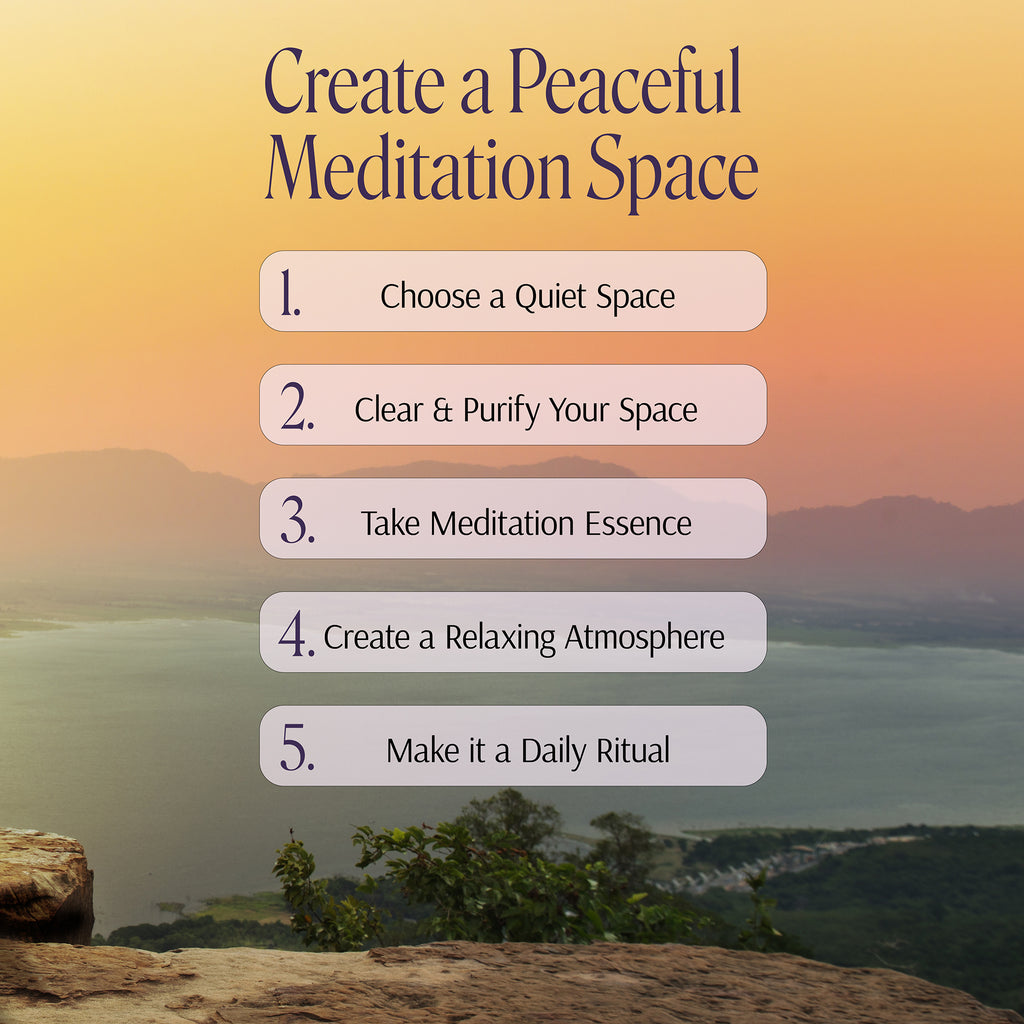
The selection of a suitable meditation space is fundamental to establishing a consistent practice. A dedicated area, free from distractions, allows you to fully immerse yourself in the present moment and cultivate inner peace.
- Minimizing Distractions: Choose a location where you are unlikely to be interrupted. This could be a spare room, a quiet corner, or any space where you can comfortably sit or lie down without disturbance from noise, people, or pets.
- Comfort and Support: Ensure the space is comfortable. This means selecting seating or a lying-down position that supports your posture and allows you to relax. Consider using a meditation cushion, a comfortable chair, or a yoga mat.
- Consistency: Whenever possible, meditate in the same location each time. This helps your mind associate the space with meditation, making it easier to transition into a meditative state. The consistent environment becomes a cue for your brain to prepare for the practice.
Creating a Conducive Environment
The environment significantly impacts your meditation experience. Adjusting lighting and temperature can profoundly influence your ability to relax and focus.
- Lighting: Soft, natural lighting is generally preferred. If natural light is unavailable, opt for dim, warm lighting. Avoid harsh fluorescent lights, which can be overstimulating. The goal is to create a calm and peaceful atmosphere. Imagine a dimly lit room bathed in the soft glow of candlelight, or the gentle light filtering through a window at dawn.
- Temperature: Maintain a comfortable temperature. Too hot or too cold can be distracting. The ideal temperature will vary depending on individual preferences, but generally, a slightly cool room is conducive to relaxation. Consider opening a window for fresh air or using a fan to maintain a comfortable temperature.
- Aromatherapy (Optional): Some individuals find that using essential oils, such as lavender or sandalwood, enhances their meditation practice. Use a diffuser or simply place a few drops on a cotton ball. However, avoid strong or overpowering scents that might be distracting.
Selecting the Ideal Time of Day
The optimal time for meditation varies depending on individual schedules and preferences. Experimenting with different times is crucial to discover what works best for you.
- Morning Meditation: Many practitioners find that meditating in the morning helps them set a positive tone for the day. It can reduce stress and improve focus. The early morning hours are often quieter and less prone to interruptions.
- Evening Meditation: Evening meditation can be a way to unwind after a busy day, releasing tension and promoting restful sleep. It can help you process the day’s events and prepare for a peaceful night.
- Mid-Day Meditation: If your schedule allows, a short meditation session during the midday can help refresh your mind and boost your energy levels. This is particularly useful during periods of stress or fatigue.
- Consistency is Key: The most important factor is to meditate at a time when you can be consistent. Choose a time that you can realistically commit to, even if it’s just for a few minutes each day. Regularity is more important than the specific time.
- Adapting to Your Schedule: Consider your daily routine and identify the times when you are least likely to be interrupted or distracted. This might involve waking up earlier, taking a break during your lunch hour, or setting aside time before bed. For example, if you are a morning person, starting your day with meditation might be ideal. If you are a night owl, meditating before sleep could be more suitable.
Basic Meditation Techniques
Building a peaceful mindset often begins with mastering fundamental meditation techniques. These practices serve as the building blocks for cultivating inner peace, reducing stress, and enhancing self-awareness. By consistently engaging in these foundational methods, individuals can develop a stronger capacity for mindfulness and emotional regulation.
Focusing on the Breath
Focusing on the breath is a widely recommended starting point for meditation. It is readily accessible, requiring no special equipment or environment, and provides a stable anchor for the mind. This technique helps to quiet the mental chatter and bring awareness to the present moment.The process involves the following steps:
- Find a comfortable posture. This could be sitting on a cushion, chair, or lying down. The key is to maintain a position that allows you to be both relaxed and alert.
- Gently close your eyes or lower your gaze. This helps to minimize external distractions.
- Bring your attention to your breath. Notice the sensation of the breath entering and leaving your body. You can focus on the rise and fall of your abdomen, the feeling of the air passing through your nostrils, or any other sensation related to your breath.
- When your mind wanders, as it inevitably will, gently redirect your attention back to your breath. Do not judge yourself or get frustrated. It is natural for the mind to wander. Each time you bring your attention back to your breath, you are strengthening your ability to focus.
- Continue this practice for a set period, such as 5, 10, or 15 minutes. Over time, you can gradually increase the duration.
The breath is always with you. It is a constant, reliable anchor in the present moment.
Body Scan Meditation
Body scan meditation is a technique designed to cultivate awareness of physical sensations throughout the body. It helps to identify areas of tension and promote relaxation. This practice can be particularly helpful for individuals who experience chronic pain, stress, or anxiety.Here’s how to practice body scan meditation:
- Lie down comfortably on your back. You may want to use a pillow to support your head and a blanket to keep warm.
- Close your eyes or gently lower your gaze.
- Begin by bringing your attention to your toes. Notice any sensations you feel: warmth, tingling, pressure, or any other feeling. If you don’t feel anything, that’s perfectly fine.
- Gradually move your attention up your body, systematically scanning each part: your feet, ankles, calves, knees, thighs, hips, abdomen, chest, back, shoulders, arms, hands, neck, and head.
- As you scan each area, simply observe any sensations that arise. Do not try to change anything. Just be present with the experience.
- If you encounter any areas of tension or discomfort, acknowledge them without judgment. You can imagine your breath flowing into and around the tense area, helping to soften and release the tension.
- Continue this process, moving slowly and deliberately through your entire body.
- When you have completed the scan, take a few moments to simply rest and observe the overall state of your body.
Mindfulness Meditation
Mindfulness meditation cultivates present moment awareness, observing thoughts, feelings, and sensations without judgment. It is a powerful tool for reducing stress, increasing emotional regulation, and fostering a sense of inner peace. It is about observing what is happening in your mind and body without getting carried away by it.The practice involves these steps:
- Find a comfortable posture. You can sit, lie down, or even walk.
- Close your eyes or gently lower your gaze.
- Bring your attention to your breath, using it as an anchor to the present moment.
- As thoughts, feelings, or sensations arise, simply acknowledge them without judgment. Notice them as they come and go, like clouds passing in the sky.
- Avoid getting caught up in your thoughts. Do not analyze them, judge them, or try to change them. Simply observe them with curiosity and acceptance.
- When your mind wanders, gently redirect your attention back to your breath or the present moment.
- Practice this for a set period, gradually increasing the duration as you become more comfortable.
Mindfulness is not about emptying the mind; it’s about training the mind to pay attention to the present moment without judgment.
Common Meditation Methods
Exploring various meditation techniques can significantly enhance your practice and tailor it to your individual needs and preferences. Different methods offer unique approaches to cultivating mindfulness, managing emotions, and fostering inner peace. Understanding these diverse techniques empowers you to find the practices that resonate most with you and support your journey towards a peaceful mindset.
Loving-Kindness Meditation and Its Impact on Compassion
Loving-kindness meditation, also known as Metta meditation, is a practice designed to cultivate feelings of love, kindness, and compassion towards oneself and others. This meditation technique focuses on extending positive emotions and well-wishing. It begins by directing these feelings inward and then gradually expanding them to include loved ones, neutral individuals, difficult people, and ultimately, all beings.The practice typically involves repeating phrases or mantras that express loving-kindness, such as:
“May I be happy. May I be well. May I be safe. May I be peaceful and at ease.”
These phrases are then adapted to include others, such as:
“May you be happy. May you be well. May you be safe. May you be peaceful and at ease.”
The impact of loving-kindness meditation on compassion is well-documented. Regular practice can lead to:
- Increased feelings of empathy and connection with others.
- Reduced feelings of anger, resentment, and negativity.
- Enhanced ability to forgive oneself and others.
- Greater sense of overall well-being and happiness.
Studies have shown that individuals who regularly practice loving-kindness meditation exhibit increased activity in brain regions associated with empathy and social connection. This supports the idea that this meditation technique can rewire the brain to promote more compassionate responses. For example, research published in the
Journal of Consulting and Clinical Psychology* found that participants who engaged in loving-kindness meditation showed significant increases in positive emotions and decreases in depressive symptoms compared to a control group.
Guided Meditations: Resources and Selection
Guided meditations provide structured support for your meditation practice. They involve a voice guiding you through a specific meditation technique, often including instructions on posture, breathing, and visualization. Guided meditations are particularly helpful for beginners, as they offer clear direction and can help to overcome common challenges like wandering thoughts. They are also beneficial for experienced meditators seeking to explore new techniques or deepen their practice.There are numerous resources available for finding guided meditations:
- Meditation Apps: Apps like Headspace, Calm, Insight Timer, and Ten Percent Happier offer a wide variety of guided meditations, often categorized by theme (e.g., stress reduction, sleep, anxiety) and duration. Many offer free introductory content and subscription options for more advanced features.
- Websites and Podcasts: Websites and podcasts such as UCLA Mindful Awareness Research Center, and Tara Brach’s podcast provide free guided meditations. These resources often feature experienced meditation teachers and cover a wide range of meditation styles.
- YouTube: YouTube offers a vast library of guided meditations from various teachers and practitioners. Searching for specific types of meditation, such as “guided meditation for sleep” or “guided meditation for anxiety,” can yield numerous options.
When selecting a guided meditation, consider the following factors:
- The Meditation Teacher: Choose a teacher whose voice and style you find calming and engaging. Consider their experience and qualifications.
- The Meditation Technique: Select a meditation that aligns with your goals. For example, if you’re struggling with sleep, choose a sleep-focused meditation. If you’re looking to reduce stress, opt for a stress-reduction meditation.
- The Duration: Start with shorter meditations (5-10 minutes) and gradually increase the duration as you become more comfortable.
- The Theme: Choose a theme that resonates with your current needs. Guided meditations are often themed around topics like stress, anxiety, sleep, self-compassion, and body scan.
- Reviews and Ratings: Read reviews and check ratings to gauge the quality and effectiveness of the meditation.
Mantras in Meditation: Selection and Repetition
Mantras are words or phrases repeated during meditation to focus the mind and promote a sense of calm and inner peace. The use of mantras is a powerful technique that can help to quiet the mind, reduce distractions, and cultivate a deeper state of awareness. The effectiveness of a mantra lies not just in the words themselves, but also in the intention and focus with which they are repeated.Choosing a mantra involves considering your personal preferences and meditation goals.
Here are some common types of mantras:
- Traditional Mantras: These are often derived from ancient languages like Sanskrit and have specific meanings. Examples include “Om” (a universal sound), “So Hum” (meaning “I am That” or “I am the universe”), and “Om Mani Padme Hum” (a Buddhist mantra associated with compassion).
- Affirmation Mantras: These are positive statements that affirm your desired state of being. Examples include “I am calm,” “I am peaceful,” “I am worthy of love,” or “I am strong.”
- Personalized Mantras: These are mantras that you create yourself, based on your personal values, goals, or aspirations.
The process of repeating a mantra effectively involves:
- Choosing a Comfortable Position: Sit in a comfortable posture, either cross-legged on the floor, in a chair, or lying down.
- Closing Your Eyes: Gently close your eyes to minimize distractions.
- Focusing on the Breath: Begin by taking a few deep breaths to center yourself.
- Silently Repeating the Mantra: Silently repeat your chosen mantra, either in your mind or with your lips moving slightly.
- Maintaining Focus: When your mind wanders, gently redirect your attention back to the mantra. Do not get frustrated; it is natural for the mind to wander.
- Setting a Duration: Begin with short meditation sessions (5-10 minutes) and gradually increase the duration as you become more comfortable.
The effectiveness of mantra meditation often increases with consistency. Regular practice can help to deepen your focus, reduce mental chatter, and cultivate a greater sense of inner peace.
Overcoming Challenges
Embarking on a meditation journey often presents hurdles that can test our resolve. Recognizing these obstacles and equipping ourselves with effective strategies is crucial for maintaining a consistent and beneficial practice. This section addresses common challenges, providing practical techniques to navigate them successfully.
Wandering Mind Management
A wandering mind is perhaps the most frequent challenge encountered by those new to meditation. Thoughts, memories, and external stimuli naturally compete for our attention, pulling us away from the present moment. The key lies not in eliminating thoughts entirely, but in learning to gently redirect your focus back to your chosen anchor.
- Acknowledging the Thoughts: When you notice your mind wandering, simply acknowledge the thought without judgment. Observe it as if you were watching a cloud pass in the sky.
- Gentle Re-Focusing: Once you’ve acknowledged the thought, gently guide your attention back to your chosen anchor. This could be your breath, a mantra, or a specific sensation in your body. Avoid frustration; each redirection strengthens your ability to focus.
- Using a Mantra: Repeating a mantra, a word or phrase, can provide a point of focus that gently nudges the mind back to the present. Mantras can be spoken silently or aloud. Consider using the phrase “I am present” or a calming word like “peace”.
- Body Scan Technique: Employing the body scan meditation, systematically bringing awareness to different parts of the body, is a powerful technique to anchor your attention. This practice helps ground you in the present physical sensations, reducing mental distractions.
Distraction Management Strategies
Distractions can originate from both internal and external sources. Noise, physical discomfort, and even intrusive thoughts can disrupt your meditation practice. Employing specific strategies can help mitigate these disturbances.
- Creating a Dedicated Space: Designate a quiet and comfortable space for your meditation practice. This could be a corner of your room or a specific cushion. A consistent environment helps signal to your mind that it’s time to meditate.
- Managing External Noise: If noise is a problem, consider using earplugs, noise-canceling headphones, or white noise machines. Experiment with different sounds to find what best suits your needs.
- Addressing Physical Discomfort: Choose a comfortable posture that allows you to sit for an extended period without strain. Use cushions or blankets to support your back and neck. Adjust your position as needed during the meditation.
- Dealing with Intrusive Thoughts: Recognize that intrusive thoughts are normal. Don’t fight them; simply observe them without getting carried away. Imagine the thoughts as leaves floating down a stream.
- Mindful Movement: Incorporate gentle stretching or mindful walking before or after your meditation to release physical tension. This can improve your comfort and focus.
Dealing with Difficult Emotions
Meditation can sometimes bring difficult emotions to the surface. This can be a sign of deep-seated issues coming to the fore. It’s important to approach these feelings with compassion and understanding.
- Acceptance and Non-Judgment: Approach any difficult emotions that arise with acceptance and without judgment. Recognize that these emotions are temporary and a natural part of the human experience.
- Allowing the Emotion: Instead of trying to suppress or analyze the emotion, allow yourself to feel it fully. Breathe into the sensation and observe it without getting carried away.
- Seeking Professional Support: If difficult emotions are overwhelming or persistent, consider seeking support from a therapist or counselor. They can provide guidance and strategies for processing these emotions.
- Loving-Kindness Meditation: Practicing loving-kindness meditation can help to cultivate compassion and self-acceptance. Direct feelings of love and kindness toward yourself and others, even those with whom you struggle.
- Grounding Techniques: If you feel overwhelmed, use grounding techniques to bring yourself back to the present moment. Focus on your breath, the sensations in your body, or the sounds around you.
Integrating Meditation into Daily Life
Integrating meditation into your daily life transforms it from a practice into a lifestyle. This section provides a structured approach to seamlessly incorporate meditation into your routine, fostering consistency and long-term benefits. We will explore how to design a daily schedule, maintain a consistent practice, and track progress to stay motivated on your meditation journey.
Designing a Daily Meditation Routine
Establishing a regular meditation schedule is key to building a consistent practice. The optimal time for meditation varies from person to person, considering individual preferences and daily routines.
- Morning Meditation: Starting the day with meditation can set a positive tone and reduce stress. Dedicate 5-10 minutes to meditation immediately after waking up. This could involve sitting quietly, focusing on your breath, and setting intentions for the day.
- Midday Meditation: A short meditation session during the workday can help manage stress and improve focus. A 5-minute break can be sufficient to recenter yourself. Consider using guided meditations or mindfulness exercises.
- Evening Meditation: Meditating before bed can promote relaxation and improve sleep quality. Aim for 10-15 minutes of meditation to unwind and prepare for a restful night.
- Flexibility and Adaptation: Recognize that life is unpredictable. Be prepared to adjust your schedule as needed. If you miss a session, don’t get discouraged; simply resume your practice as soon as possible.
Maintaining a Consistent Meditation Practice
Consistency is crucial for reaping the full benefits of meditation. The following tips can help maintain a regular practice.
- Choose a Dedicated Space: Designate a quiet and comfortable space for meditation. This could be a specific corner in your home, a meditation cushion, or a comfortable chair. Having a dedicated space can help you mentally prepare for meditation.
- Set Realistic Goals: Start with short meditation sessions and gradually increase the duration as you become more comfortable. Aim for 5-10 minutes daily initially, then increase to 15-20 minutes as your practice evolves.
- Use Reminders: Set reminders on your phone or use meditation apps to prompt you to meditate. This can help you stay on track and prevent you from forgetting your sessions.
- Find a Meditation Buddy: Meditating with a friend or family member can provide accountability and support. Share your experiences and encourage each other to stay consistent.
- Incorporate Meditation into Existing Habits: Link meditation to existing routines, such as after brushing your teeth or before eating breakfast. This can help integrate meditation seamlessly into your daily life.
- Practice Self-Compassion: There will be days when you miss a session or struggle to focus. Treat yourself with kindness and understanding. Don’t let setbacks discourage you from continuing your practice.
Tracking Progress and Staying Motivated
Tracking your progress and staying motivated are essential components of a successful meditation journey. This can provide insights into your practice and encourage continued engagement.
- Keep a Meditation Journal: Document your meditation sessions, including the duration, time of day, and any notable experiences or insights. This can help you identify patterns and track your progress over time.
- Use Meditation Apps: Many apps offer tracking features, allowing you to monitor your meditation minutes, streaks, and other metrics. These apps often provide guided meditations, music, and other resources to support your practice.
- Set Achievable Milestones: Establish short-term and long-term goals to maintain motivation. Celebrate your achievements, such as meditating consistently for a week or reaching a specific meditation duration.
- Reflect on the Benefits: Regularly reflect on the positive changes you’ve experienced since starting meditation, such as reduced stress, improved focus, or enhanced emotional regulation. This can reinforce your commitment to the practice.
- Join a Meditation Community: Connect with other meditators online or in person. Sharing your experiences and learning from others can provide support and inspiration.
- Reward Yourself: Celebrate your progress with small rewards. This could be anything from enjoying a cup of tea after a meditation session to treating yourself to a relaxing activity.
The Science Behind Meditation
The benefits of meditation are increasingly supported by scientific research. Studies using various methodologies, including neuroimaging and physiological measurements, have provided compelling evidence of meditation’s positive effects on mental and physical health. This section delves into the scientific basis of these benefits, examining how meditation impacts the brain and body.
Brain Activity and Meditation
Neuroimaging techniques, such as fMRI (functional magnetic resonance imaging) and EEG (electroencephalography), allow scientists to observe brain activity during meditation. These studies have revealed specific changes in brain structure and function associated with regular meditation practice.
- Increased Gray Matter Density: Research indicates that consistent meditation can lead to increased gray matter density in brain regions associated with attention, emotional regulation, and self-awareness. For example, studies have shown increased gray matter in the prefrontal cortex, which is involved in executive functions such as planning and decision-making.
- Changes in Brain Wave Activity: Meditation is often associated with specific brain wave patterns. EEG studies frequently observe an increase in alpha waves, which are linked to a state of relaxed wakefulness. Some forms of meditation may also increase theta waves, associated with deeper relaxation and creativity.
- Impact on the Default Mode Network (DMN): The DMN is a network of brain regions active when the mind is at rest, such as during mind-wandering. Studies suggest that meditation can reduce DMN activity, which may contribute to a decrease in mind-wandering and an increase in present-moment awareness.
Meditation and Stress Reduction
The impact of meditation on stress reduction is a well-documented area of scientific inquiry. Numerous studies demonstrate meditation’s effectiveness in mitigating the physiological and psychological effects of stress.
- Reduced Cortisol Levels: Cortisol is a hormone released by the adrenal glands in response to stress. Research shows that regular meditation can lead to lower baseline cortisol levels and a reduced cortisol response to stressful situations.
- Lower Heart Rate and Blood Pressure: Meditation has been shown to promote relaxation and reduce the physical symptoms of stress, such as increased heart rate and blood pressure. This is due to the activation of the parasympathetic nervous system, which counteracts the “fight-or-flight” response.
- Improved Immune Function: Chronic stress can suppress the immune system. Some studies suggest that meditation can enhance immune function by increasing the activity of immune cells and reducing inflammation.
Emotional Regulation and Meditation
Meditation techniques, especially those focusing on mindfulness, have a significant impact on emotional regulation. Practicing meditation can improve one’s ability to manage emotions, respond to challenges with greater equanimity, and cultivate positive emotional states.
- Increased Emotional Awareness: Mindfulness meditation, in particular, encourages individuals to observe their thoughts and feelings without judgment. This practice fosters greater emotional awareness, allowing individuals to identify and understand their emotional responses more effectively.
- Reduced Reactivity to Negative Emotions: Meditation can help individuals develop a greater sense of detachment from their emotions. This can reduce the tendency to become overwhelmed by negative emotions, such as anger or anxiety.
- Enhanced Positive Emotions: Studies have shown that meditation can promote positive emotional states, such as compassion, gratitude, and joy. These practices cultivate a more positive outlook on life and improve overall well-being.
Advanced Techniques: Deepening Your Practice
As your meditation practice becomes more established, you might find yourself seeking ways to deepen your experience and unlock even greater benefits. This section delves into advanced techniques designed to take your practice to the next level, fostering a more profound sense of peace, self-awareness, and connection to the present moment. These techniques require a degree of familiarity with basic meditation principles and a commitment to consistent practice.
Visualization in Meditation
Visualization is a powerful technique that involves using your imagination to create mental images, scenes, or experiences. It’s a tool that can be used to cultivate specific emotions, promote relaxation, and achieve personal goals. Regularly practicing visualization can enhance your ability to focus, reduce stress, and even improve your physical well-being.Here’s how to effectively utilize visualization in your meditation practice:
- Choosing a Focus: Begin by selecting a specific goal or emotion you wish to cultivate. This could be anything from reducing anxiety to fostering feelings of joy or visualizing a successful outcome for a project.
- Creating the Scene: Once you have your focus, create a vivid mental picture. Engage all your senses – sight, sound, smell, taste, and touch. Imagine the scene in detail, paying attention to colors, textures, and the overall atmosphere. For example, if you’re visualizing success, picture yourself achieving your goal, feeling the associated emotions, and experiencing the positive outcomes.
- Engaging the Senses: The more vividly you engage your senses, the more effective the visualization will be. Imagine the sounds, smells, and physical sensations associated with your chosen scenario. For example, if you are visualizing a peaceful beach, imagine the sound of the waves, the smell of the salt air, and the warmth of the sun on your skin.
- Maintaining the Image: Hold the image in your mind for a set period. It’s natural for your mind to wander, so gently bring your attention back to the visualization whenever you notice your thoughts drifting.
- Repeating the Practice: Regular practice is key. Aim to visualize for at least 10-15 minutes each day, preferably at the same time and in the same place.
Consider this example: A business owner consistently visualized the successful launch of a new product. She imagined the positive customer feedback, the increased sales, and the feeling of accomplishment. After several weeks of consistent visualization, the product launch exceeded expectations, and the business saw a significant increase in revenue. This highlights the potential of visualization to influence outcomes.
Cultivating Gratitude and Appreciation Through Meditation
Gratitude meditation is a practice that involves focusing on and appreciating the positive aspects of your life. It can profoundly impact your mental and emotional well-being by shifting your focus away from negativity and fostering a sense of contentment and happiness. Practicing gratitude regularly can lead to increased optimism, improved relationships, and a greater sense of overall satisfaction.Here are some techniques for incorporating gratitude into your meditation practice:
- Gratitude Journaling: Before or after your meditation, take a few moments to write down things you are grateful for. This could include anything from your health and relationships to the beauty of nature and simple pleasures.
- Focused Reflection: During your meditation, consciously reflect on specific things you appreciate. Think about people, experiences, or objects that bring you joy and happiness.
- Mental Appreciation: Silently express gratitude for the good things in your life. You can repeat phrases such as, “I am grateful for…” or “I appreciate…” while focusing on the object of your gratitude.
- Visualization of Gratitude: Imagine yourself surrounded by all the things you are grateful for. Feel the warmth and joy that gratitude brings. Visualize the people you appreciate and send them feelings of love and appreciation.
- Gratitude Mantras: Use affirmations that reflect gratitude. For example, repeat phrases like, “I am grateful for my health,” or “I appreciate the love in my life.”
For example, consider a person facing a challenging health issue. By incorporating gratitude meditation into their daily routine, they can focus on the aspects of their health theydo* have, the support of their loved ones, and the advancements in medical care. This shift in perspective can significantly reduce feelings of anxiety and hopelessness, and cultivate a sense of hope and resilience.
Exploring Different Meditation Styles
Experimenting with various meditation styles can help you discover what resonates best with you and deepen your overall practice. Different styles offer unique approaches to mindfulness, focusing on various aspects of awareness and self-discovery.Here’s a method for exploring different meditation styles:
- Research Different Styles: Familiarize yourself with various meditation techniques. Some popular styles include:
- Walking Meditation: This involves mindful walking, paying attention to the sensations of your feet on the ground and your body’s movement.
- Loving-Kindness Meditation: This focuses on cultivating feelings of love and compassion for yourself and others.
- Body Scan Meditation: This involves systematically bringing awareness to different parts of your body.
- Transcendental Meditation: This technique uses a mantra to quiet the mind and promote deep relaxation.
- Set Aside Time for Exploration: Dedicate a specific period to try out each meditation style. Start with a short session, such as 10-15 minutes, and gradually increase the duration as you become more comfortable.
- Create a Meditation Schedule: Plan to try a different style each day or week, depending on your availability. This structured approach will ensure you give each style a fair chance.
- Practice Walking Meditation: Find a quiet, natural environment for walking meditation. Focus on the sensation of your feet touching the ground, the movement of your body, and the surrounding environment. Start slowly and maintain a steady pace.
- Keep a Journal: After each meditation session, record your experiences in a journal. Note any challenges, insights, or feelings you experienced. This will help you track your progress and identify which styles you find most beneficial.
- Be Patient and Persistent: It takes time to become familiar with any new meditation technique. Be patient with yourself, and don’t get discouraged if you don’t feel an immediate effect. The key is to remain consistent and open to the experience.
- Seek Guidance: Consider attending workshops or classes led by experienced meditation teachers. This can provide valuable insights and guidance.
For example, someone who typically practices sitting meditation might decide to explore walking meditation. They start by finding a quiet park and walking slowly, focusing on the feeling of their feet making contact with the ground. Initially, their mind might wander, but through practice, they become more present, noticing the sights, sounds, and smells of their surroundings. This shift in focus can reduce stress and increase feelings of calm.
Resources and Tools: Supporting Your Journey
Embarking on a meditation journey is greatly aided by access to reliable resources and supportive tools. These resources provide a wealth of information, guidance, and community support to enhance your practice and help you cultivate a peaceful mindset. This section focuses on key resources to help you on your path.
Recommended Books and Websites
The following books and websites provide valuable insights into meditation, mindfulness, and related practices. They offer different perspectives and approaches, allowing you to explore and find what resonates best with you.
- Books:
- “Wherever You Go, There You Are: Mindfulness Meditation in Everyday Life” by Jon Kabat-Zinn: This book is a foundational text that introduces mindfulness meditation and its application to daily life. It offers practical guidance and encourages a present-moment focus.
- “Mindfulness for Beginners: Reclaiming the Present Moment and Your Life” by Jon Kabat-Zinn: This book provides a simplified and accessible introduction to mindfulness, making it suitable for those new to meditation.
- “The Miracle of Mindfulness: An Introduction to the Practice of Meditation” by Thich Nhat Hanh: This book offers a clear and gentle guide to mindfulness, emphasizing its role in daily activities and fostering a sense of peace.
- “10% Happier” by Dan Harris: A journalist’s personal account of his journey into meditation, this book combines personal anecdotes with scientific research to make meditation accessible and relatable.
- “Buddha’s Brain: The Practical Neuroscience of Happiness, Love, and Wisdom” by Rick Hanson: This book explores the neuroscience behind meditation and how it can reshape the brain for greater well-being.
- Websites:
- Mindful.org: Offers articles, guided meditations, and resources on mindfulness practices.
- UCLA Mindful Awareness Research Center (MARC): Provides guided meditations, courses, and research on mindfulness.
- Headspace.com: Offers guided meditations, articles, and animations on meditation and mindfulness.
- Greater Good Science Center (GGSC) at UC Berkeley: Shares research-based insights on happiness, well-being, and mindfulness.
Meditation Apps and Resources
Meditation apps and other digital resources offer convenient and accessible tools for your practice. These resources provide guided meditations, timers, and tracking features to support your progress.
- Meditation Apps:
- Headspace: Offers a wide variety of guided meditations, courses, and animations.
- Calm: Features guided meditations, sleep stories, and relaxing music.
- Insight Timer: Provides a vast library of free guided meditations, music, and talks.
- Breethe: Offers guided meditations, sleep stories, and masterclasses.
- Smiling Mind: Provides free mindfulness programs for all ages, developed by psychologists and educators.
- Other Digital Resources:
- YouTube Channels: Many channels offer free guided meditations and mindfulness practices.
- Podcasts: Podcasts like “Ten Percent Happier” and “Tara Brach” provide talks and guided meditations.
Finding Meditation Communities and Groups
Joining a meditation community or group can provide valuable support, encouragement, and a sense of belonging. These communities offer opportunities to connect with others, share experiences, and deepen your practice.
- Finding Local Groups:
- Search Online: Use search engines like Google or Bing with terms such as “meditation groups near me” or “mindfulness classes [your city/region]”.
- Check Community Centers: Many community centers, libraries, and yoga studios host meditation groups and classes.
- Explore Yoga Studios: Yoga studios often offer meditation classes or host meditation groups.
- Look for Retreats: Consider attending meditation retreats to immerse yourself in a focused practice environment. These retreats, offered by various organizations and centers, typically span from a weekend to several weeks, providing intensive meditation sessions, workshops, and opportunities for personal reflection. For example, the Spirit Rock Meditation Center in California and the Insight Meditation Society in Massachusetts are renowned for their retreats.
- Online Communities:
- Facebook Groups: Search for meditation or mindfulness groups on Facebook.
- Online Forums: Participate in online forums and communities dedicated to meditation.
- Meditation App Communities: Some meditation apps have built-in communities where users can connect and share experiences.
Creating Content for a Peaceful Mindset: Additional Practices
Cultivating a peaceful mindset is an ongoing journey that extends beyond formal meditation practices. Integrating supplementary activities into your daily life can significantly enhance your ability to maintain inner tranquility and resilience. These practices offer diverse avenues for fostering mindfulness, self-awareness, and a deeper connection with yourself and the world around you.
Yoga and Its Relationship to Meditation
Yoga and meditation share a profound and complementary relationship, both aiming to cultivate a sense of inner peace and well-being. Yoga, derived from the Sanskrit word “yuj,” meaning “to yoke” or “to unite,” encompasses a variety of physical postures (asanas), breathing techniques (pranayama), and meditation practices designed to harmonize the body, mind, and spirit.Yoga prepares the body and mind for meditation in several ways:
- Physical Preparation: Asanas increase flexibility, strength, and balance, reducing physical tension that can hinder meditation. Regular practice can also improve posture, making it easier to sit comfortably for extended periods during meditation.
- Breath Awareness: Pranayama techniques cultivate awareness of the breath, which is a fundamental aspect of many meditation practices. Controlled breathing helps calm the nervous system, reduce stress, and enhance focus.
- Mental Clarity: Yoga promotes mental clarity and focus by reducing distractions and cultivating a sense of present-moment awareness. This makes it easier to quiet the mind and enter a meditative state.
- Mind-Body Connection: Yoga fosters a deep connection between the body and mind, enhancing self-awareness and emotional regulation. This increased awareness allows you to recognize and address mental and emotional patterns that contribute to stress and anxiety.
Yoga can be seen as a preparatory practice for meditation, while meditation can deepen the insights gained through yoga. They work synergistically to create a holistic approach to well-being. For example, a person might practice a series of sun salutations (Surya Namaskar) to warm up the body and increase energy, followed by a seated meditation to cultivate inner peace.
The Importance of Patience and Persistence
Cultivating a peaceful mindset through meditation is a journey, not a destination. It requires dedication, understanding, and, above all, patience and persistence. These two qualities are the cornerstones of a successful meditation practice, enabling individuals to navigate the inevitable challenges and reap the profound rewards of a calmer, more centered life.
The Significance of Patience in Meditation
Patience is crucial in meditation because the mind, by its nature, is often restless and easily distracted. Expecting immediate results or a perfectly still mind from the outset is unrealistic and can lead to frustration, discouraging the practice altogether. Meditation is about observing the thoughts and emotions that arise without judgment, allowing them to pass without getting carried away. This process inherently requires patience.
Patience in meditation is not about suppressing thoughts but about allowing them to be.
It’s about recognizing that progress is gradual, and that setbacks are a normal part of the process. Practicing patience fosters a more accepting and compassionate attitude toward oneself, which in turn, deepens the meditation experience. For example, a beginner might find their mind wandering constantly during their first few sessions. With patience, they learn to gently redirect their attention back to their breath or chosen focus, each time strengthening their ability to stay present.
Strategies for Overcoming Setbacks and Maintaining Commitment
Setbacks are inevitable in any long-term practice, including meditation. These can manifest as a lack of time, difficulty concentrating, or a general feeling of discouragement. However, several strategies can help individuals navigate these challenges and maintain their commitment.
- Establishing a Consistent Routine: Dedicating a specific time each day for meditation, even if it’s just for a few minutes, creates a habit and makes it easier to stick to the practice. Consider integrating meditation into your morning or evening routine. For instance, after waking up, before the day’s activities fully begin, is a good time to meditate.
- Setting Realistic Expectations: Understanding that progress is not always linear helps to avoid discouragement. There will be days when the mind feels more restless than others. Accepting these fluctuations without judgment is key.
- Starting Small and Gradually Increasing Duration: Begin with short meditation sessions and slowly increase the duration as comfort and focus improve. This approach makes the practice less overwhelming and more sustainable. Start with five minutes a day and, as you become more comfortable, gradually increase the time to ten, fifteen, or twenty minutes.
- Finding a Supportive Environment: Meditating in a quiet, comfortable space can enhance the experience. Consider creating a dedicated meditation area at home or joining a meditation group or class for support and guidance.
- Being Kind to Yourself: Self-compassion is essential. If you miss a session or find yourself struggling, don’t beat yourself up. Simply acknowledge the situation and gently recommit to the practice.
- Experimenting with Different Meditation Techniques: If one method isn’t working, try another. There are many different types of meditation, such as mindfulness, loving-kindness, or walking meditation, each offering a unique approach to cultivating a peaceful mindset.
- Keeping a Meditation Journal: Writing down experiences, challenges, and insights can provide valuable insights into the practice and help track progress over time. It is a way to monitor your progress and see how your meditation practice evolves.
Long-Term Rewards of Consistent Meditation
The benefits of consistent meditation extend far beyond the immediate sense of calm experienced during a session. Regular practice can lead to significant long-term changes in mental and emotional well-being. These rewards are well-documented by scientific research.
- Reduced Stress and Anxiety: Meditation has been shown to lower cortisol levels (the stress hormone) and promote relaxation. Studies have shown that consistent meditation can reduce symptoms of anxiety disorders and improve overall mental health.
- Improved Emotional Regulation: Meditation helps individuals become more aware of their emotions and develop the ability to respond to them with greater equanimity. This can lead to fewer impulsive reactions and a greater sense of emotional stability.
- Enhanced Focus and Concentration: Regular meditation strengthens the ability to focus attention, which can benefit both personal and professional life. This enhanced focus is particularly noticeable during tasks requiring sustained concentration.
- Increased Self-Awareness: Meditation encourages introspection and self-reflection, leading to a deeper understanding of oneself, including thoughts, feelings, and motivations.
- Greater Compassion and Empathy: Practices like loving-kindness meditation cultivate feelings of compassion and empathy towards oneself and others. This can lead to improved relationships and a greater sense of connection.
- Improved Physical Health: Research suggests that meditation can have positive effects on physical health, including lowering blood pressure, improving sleep quality, and boosting the immune system.
- Enhanced Creativity and Intuition: By quieting the mind, meditation can create space for new ideas and insights to emerge. Many individuals report increased creativity and intuition after practicing meditation regularly.
Visualizing Peace: Techniques for Enhancing Mental Clarity
Cultivating a peaceful mindset often involves actively engaging the imagination. Visualization techniques provide powerful tools to calm the mind, reduce stress, and enhance mental clarity. By vividly imagining serene environments and positive affirmations, individuals can reshape their thought patterns and foster a deeper sense of inner peace. This section explores practical methods to harness the power of visualization for personal growth.
Serene Landscape Visualization
The practice of visualizing a peaceful scene is a cornerstone of many meditation practices. This exercise helps to quiet the mind and create a sense of tranquility. The key is to engage all the senses, making the visualization as rich and immersive as possible.Imagine yourself standing on a gentle, sun-drenched meadow. The air is warm and carries the scent of wildflowers, a delicate blend of lavender and chamomile.
Before you stretches a valley, lush with vibrant green grass and dotted with wildflowers in hues of red, yellow, and blue. A crystal-clear river meanders lazily through the valley floor, reflecting the azure sky above.Listen to the gentle sound of the river as it flows over smooth stones. Birds sing sweetly in the branches of ancient, gnarled trees that provide shade along the riverbank.
Feel the warmth of the sun on your skin, and the gentle breeze as it rustles through the leaves.Further in the distance, snow-capped mountains rise majestically, their peaks piercing the clouds. The sky is a brilliant blue, with only a few fluffy white clouds drifting lazily by. Observe the natural beauty surrounding you and breathe in the clean, crisp air.
This is a place of absolute peace and serenity. Allow yourself to fully immerse in this peaceful environment, feeling the stress melt away with each breath. This visualization provides a safe and comforting space where the mind can find respite from daily anxieties.
Creating a Personal Mantra
A mantra is a word or phrase repeated silently or aloud to focus the mind and promote a state of tranquility. The process of creating a personal mantra allows individuals to craft a tool specifically tailored to their needs and aspirations.The creation of a personal mantra is a deeply personal process. The mantra should be short, memorable, and resonate with the individual’s values and goals.Here’s a simple process for creating a mantra:
- Identify Your Intention: What is the core feeling or state of being you wish to cultivate? This could be peace, calm, self-love, or any other positive attribute.
- Choose Your Words: Select words that reflect your intention. Keep it simple and positive. Avoid negative language.
- Craft Your Phrase: Combine your chosen words into a concise and meaningful phrase. Aim for a phrase that is easy to remember and repeat.
- Test and Refine: Repeat your mantra silently or aloud several times. Does it feel right? Does it resonate with you? Adjust as needed until it feels authentic.
Examples of mantras include: “I am peaceful,” “I am strong,” “I am loved,” or “Let go and breathe.” Regularly repeating the mantra during meditation helps to anchor the mind and foster a sense of inner peace. The effectiveness of a mantra increases with consistent practice.
Using Affirmations with Meditation
Affirmations are positive statements that are used to challenge and overcome negative or self-defeating thoughts. When combined with meditation, affirmations amplify their impact, promoting a more positive self-image and fostering inner peace.The integration of affirmations into a meditation practice involves several steps:
- Choose Your Affirmations: Select affirmations that align with your goals and values. These should be positive, present-tense statements.
- Meditate: Begin with a few minutes of meditation to calm the mind.
- Repeat Your Affirmations: Silently or aloud, repeat your chosen affirmations. Focus on the meaning of each word and allow yourself to feel the emotions associated with them.
- Visualize: As you repeat your affirmations, visualize yourself living in accordance with them. Imagine the feelings and experiences that accompany these positive statements.
- Practice Regularly: Consistency is key. Repeat this practice daily to reinforce positive self-talk and cultivate a peaceful mindset.
Examples of affirmations include:
- “I am worthy of love and happiness.”
- “I am resilient and capable of overcoming challenges.”
- “I release all negativity and embrace peace.”
- “I am calm and centered.”
The combination of meditation and affirmations provides a powerful tool for promoting self-compassion, reducing stress, and fostering a deep sense of inner peace. Regular practice can lead to significant improvements in mental well-being.
Last Point
In conclusion, “How to Meditate for Building a Peaceful Mindset” offers a clear roadmap for cultivating inner peace through meditation. By understanding the fundamentals, exploring different techniques, and integrating mindfulness into your daily life, you can unlock a world of calm, clarity, and emotional resilience. Remember that consistency and patience are key. Embrace the journey, and allow meditation to transform your mindset, leading you toward a more peaceful and fulfilling life.