Discover effective meditation techniques designed to alleviate burnout and fatigue, empowering you to reclaim your energy and mental clarity. This guide explores how mindful practices can transform your daily routine, offering relief from stress and exhaustion that often hinder productivity and well-being.
By understanding the physiological and psychological benefits of meditation, along with practical steps to establish a consistent practice, you can create a sustainable approach to enhancing your overall health. Whether you are new to meditation or seeking to deepen your existing routine, this overview provides valuable insights to help you thrive amid life’s demands.
Introduction to Meditation for Burnout and Fatigue
In today’s fast-paced world, many individuals experience persistent feelings of exhaustion, emotional strain, and decreased motivation, collectively known as burnout and fatigue. These conditions can significantly impair personal well-being, work performance, and overall quality of life. Meditation has emerged as a valuable tool for mitigating these challenges, offering a pathway to restore mental clarity and physical energy.
Regular meditation practice has been scientifically shown to provide a multitude of benefits, both physiological and psychological. It helps reduce stress hormone levels, improve sleep quality, and enhance emotional resilience. Psychologically, meditation fosters mindfulness, promotes self-awareness, and cultivates a calmer, more centered outlook. Despite its proven advantages, there are common misconceptions that often hinder individuals from exploring meditation as a viable solution, such as the belief that it requires extensive time or that it is only suitable for spiritual practitioners.
Clarifying these misconceptions is essential to encourage more people to incorporate meditation into their routines for combating burnout and fatigue.
Physiological and Psychological Benefits of Regular Meditation
Understanding the comprehensive benefits of meditation highlights its importance as a preventive and restorative practice. Physiologically, consistent meditation can significantly lower blood pressure, decrease cortisol levels (the primary stress hormone), and improve immune function. These effects collectively contribute to a reduction in physical symptoms associated with chronic stress and exhaustion.
Psychologically, meditation nurtures mental clarity and emotional stability. It helps individuals develop greater resilience to stressors, enhances concentration, and fosters a sense of inner peace. Over time, this can lead to decreased symptoms of anxiety and depression, which are often exacerbated by burnout and fatigue. Regular practice also promotes better emotional regulation, enabling individuals to respond more thoughtfully rather than react impulsively to stress-inducing situations.
Common Misconceptions About Meditation
Many people hesitate to adopt meditation due to misconceptions that can prevent them from experiencing its full benefits. It is often thought that meditation requires hours of daily practice or that it is only relevant to those with spiritual or religious inclinations. Others perceive meditation as a complex or mystical activity that is difficult to learn or maintain.
However, these beliefs are largely inaccurate. Meditation is a flexible, accessible technique that can be tailored to fit any schedule, even as little as five minutes a day. It is primarily about cultivating awareness and presence, which can be achieved through simple breathing exercises or focused attention practices. Dispelling these myths encourages a broader adoption of meditation, making it a practical and effective approach for alleviating burnout and fatigue in diverse populations.
Understanding Burnout and Fatigue
In our increasingly demanding lives, recognizing the difference between everyday tiredness and more serious states like burnout and fatigue is essential. These conditions can significantly impair one’s personal and professional functioning, affecting overall well-being and quality of life. By understanding their definitions, signs, and distinctions, individuals can better identify early warning signals and seek appropriate strategies to manage and recover from them.
Burnout and fatigue are often used interchangeably, yet they represent distinct experiences with unique implications. Burnout typically results from prolonged stress and emotional exhaustion, often linked to work or caregiving roles. Fatigue, on the other hand, refers to a more general feeling of tiredness or lack of energy that can stem from physical, mental, or emotional sources. Differentiating these conditions helps in implementing targeted interventions and supports healthier coping mechanisms.
Defining Burnout and Fatigue
Burnout is a state of emotional, mental, and physical exhaustion caused by prolonged and excessive stress, particularly related to work, caregiving, or other responsibilities. It is characterized by feelings of cynicism or detachment from one’s duties, reduced productivity, and a sense of ineffectiveness. Burnout can affect various aspects of life, including personal relationships, mood, and physical health, often leading to feelings of helplessness and despair.
Fatigue, in contrast, refers to a pervasive sense of tiredness that can be physical, mental, or both. It is not necessarily linked to stress but can result from factors such as lack of sleep, poor nutrition, chronic illness, or overexertion. Fatigue manifests as reduced energy, diminished motivation, and decreased ability to perform daily tasks efficiently. Unlike burnout, fatigue often improves with rest or medical intervention if underlying causes are addressed.
Signs and Symptoms of Burnout and Fatigue
Recognizing the early signs of burnout and fatigue is crucial for timely intervention. Below are common indicators of each condition, highlighting how they can manifest in daily life.
In the case of burnout, individuals may experience:
- Persistent feelings of exhaustion and emotional depletion
- Cynicism, detachment, or a negative outlook toward work or responsibilities
- Decreased productivity and a sense of inefficacy
- Physical symptoms such as headaches, gastrointestinal issues, or sleep disturbances
- Increased irritability or mood swings
- Withdrawal from colleagues, friends, or family members
Symptoms of fatigue often include:
- Consistent tiredness despite adequate sleep
- Reduced concentration and mental clarity
- Physical weakness or muscle tiredness
- Difficulty motivating oneself to complete tasks
- Feeling overwhelmed by daily activities
- Changes in appetite or sleep patterns
Distinguishing Burnout from General Tiredness
While both burnout and fatigue involve feelings of exhaustion, their causes and manifestations differ significantly. Understanding these differences is vital for proper management and recovery strategies.
Burnout tends to develop gradually over extended periods of chronic stress, often linked to specific environments such as workplaces or caregiving roles. It is characterized by emotional exhaustion, detachment, and a sense of ineffectiveness. Burnout’s impact extends beyond physical tiredness, affecting motivation, attitude, and overall mental health.
Fatigue, however, can be temporary and often resolves with rest. It may result from lifestyle factors such as insufficient sleep, poor diet, or overexertion. Unlike burnout, fatigue typically does not involve feelings of cynicism or emotional depletion unless it persists or is linked to underlying health issues. Recognizing whether exhaustion stems from burnout or fatigue allows for appropriate interventions, whether that involves lifestyle adjustments, seeking medical advice, or implementing stress management techniques.
Preparing for Meditation Practice
Establishing an appropriate environment and routine is essential for maximizing the benefits of meditation, especially when aiming to alleviate burnout and fatigue. Proper preparation helps in creating a tranquil space that fosters focus and relaxation, making it easier to integrate meditation into daily life. Developing a consistent routine ensures that meditation becomes a regular part of your self-care practices, leading to more sustained mental and emotional well-being.
By thoughtfully organizing your surroundings, schedule, and necessary tools, you set the foundation for a successful and enriching meditation experience. The following guidelines will assist you in creating an optimal environment, establishing a routine, and gathering the essential materials needed for your practice.
Creating a Conducive Meditation Environment
A calm and inviting environment significantly enhances meditation effectiveness. Consider the following steps to configure your space:
- Lighting: Opt for soft, natural lighting or dimmed artificial lights. Candles or Himalayan salt lamps can add a soothing glow that promotes relaxation.
- Noise Level: Choose a quiet area, free from interruptions. If external sounds are unavoidable, use noise-canceling headphones or play gentle, calming background music or nature sounds to mask disturbances.
- Seating: Select a comfortable seat, such as a cushion, meditation bench, or chair that supports an upright posture without causing discomfort. Ensure your seating allows your back to be straight, promoting alertness while remaining relaxed.
A well-organized space that minimizes distractions and promotes comfort encourages longer, more focused meditation sessions. Personalize your environment with elements that evoke tranquility, such as plants or calming artwork, to deepen your sense of peace.
Organizing a Routine Schedule
Consistency in meditation practice enhances its effectiveness in reducing burnout and fatigue. Establishing a daily routine helps in embedding meditation into your lifestyle, making it a dependable stress relief method. To develop an effective schedule:
- Identify a specific time each day that suits your daily rhythm, such as early morning, lunch break, or evening before bed.
- Set a realistic duration for each session, starting with 5–10 minutes and gradually increasing as comfort and familiarity grow.
- Use reminders or alarms to signal your meditation time, ensuring it becomes a habitual part of your day.
- Be flexible and forgiving if occasional disruptions occur, but strive to return to your routine consistently.
Creating a dedicated schedule fosters discipline and ensures that meditation remains a priority, ultimately helping your mind and body to adapt and benefit from regular practice.
Necessary Materials and Tools
Having the right materials and tools can enhance your meditation experience by promoting comfort and focus. Below is a list of essential items commonly used:
| Material or Tool | Purpose | Additional Details |
|---|---|---|
| Cushions or Meditation Bench | Support comfortable seated posture | Provides elevation for hips, reduces strain on the back and knees |
| Timer or Meditation App | Monitor session duration and maintain discipline | Use a gentle alarm or chime to signal the end of the session |
| Calming Music or Nature Sounds | Create a relaxing auditory background | Use softly played tracks or apps designed for meditation |
| Blanket or Shawl | Maintain warmth and comfort during longer sessions | Keep a cozy item nearby to prevent feeling cold or distracted |
“Preparing your environment and tools ensures a seamless transition into meditation, making it more effective in alleviating stress and fatigue.”
Techniques for Meditation to Reduce Burnout and Fatigue
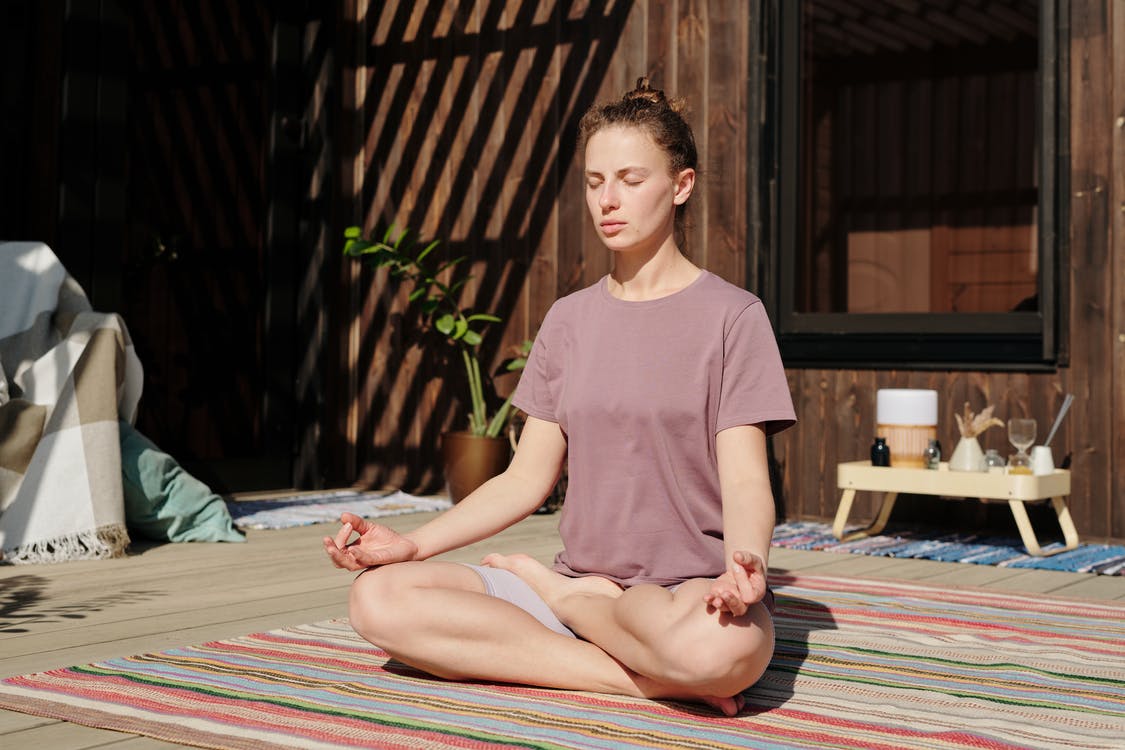
Engaging in effective meditation techniques can significantly alleviate feelings of burnout and fatigue by fostering mental clarity, emotional resilience, and physical relaxation. Different methods cater to various preferences and needs, making it essential to understand their unique approaches and benefits. By incorporating these practices into daily routines, individuals can create a sustainable strategy for maintaining energy and well-being.
Below are some of the most widely recommended meditation techniques designed specifically to combat burnout and fatigue. Each method offers distinct advantages and can be tailored to personal comfort and lifestyle. Following step-by-step procedures and adhering to tips for beginners can enhance the effectiveness of your meditation practice, ensuring consistency and focus.
Mindfulness Meditation
Mindfulness meditation involves paying deliberate attention to your present moment experience, observing thoughts, sensations, and emotions without judgment. This technique helps develop awareness of stress triggers and cultivates a calm, centered mind, which is particularly beneficial for reducing fatigue caused by mental overload.
- Find a comfortable seated position with your back straight and relax your shoulders.
- Close your eyes gently or keep a soft gaze directed downward.
- Take slow, deep breaths, focusing your attention on the sensation of the breath entering and leaving your body.
- Notice any sensations, thoughts, or emotions that arise, acknowledging them without attachment or judgment.
- If your mind wanders, gently redirect your focus back to your breath.
- Practice for 5-10 minutes initially, gradually increasing the duration as you become more comfortable.
Benefits: Enhances emotional regulation, reduces stress levels, and improves concentration, which collectively diminish feelings of burnout.
Tips for Beginners: Use guided recordings to stay focused, set a consistent daily schedule, and be patient with your progress.
Body Scan Meditation
The body scan technique involves systematically directing your attention through different parts of the body, promoting physical relaxation and releasing tension accumulated from stress or fatigue. This method is particularly effective for reconnecting with bodily sensations and fostering a sense of deep calm.
- Lie down on a comfortable surface, arms resting at your sides, or sit comfortably with your back supported.
- Close your eyes and take a few deep breaths to settle into the practice.
- Begin by directing your awareness to your toes, noting any sensations or tension.
- Gradually move your attention upward through your feet, ankles, calves, knees, thighs, abdomen, chest, arms, shoulders, neck, and finally your head.
- At each area, observe sensations and intentionally release any tension you notice.
- Spend about 20-30 seconds on each body region for a thorough scan.
- Conclude the session with a few deep breaths and a moment of gratitude for taking time to care for yourself.
Benefits: Reduces physical tension and mental stress, enhances body awareness, and fosters feelings of relaxation and rejuvenation.
Tips for Beginners: Use a guided body scan meditation audio if needed, and maintain a slow, steady breathing pattern throughout.
Guided Imagery
Guided imagery uses visualization techniques to evoke calming mental images, helping to distract the mind from stressors and promote relaxation. This method can be particularly effective for individuals who benefit from imaginative engagement and mental escapism to recuperate from burnout or fatigue.
- Sit or lie in a comfortable position and close your eyes.
- Take several slow, deep breaths to relax your mind and body.
- Follow a guided recording or your own mental instructions to imagine a peaceful, safe environment—such as a beach, forest, or garden.
- Focus on vivid details: the sights, sounds, smells, textures, and sensations associated with the scene.
- Allow yourself to fully immerse in this environment for about 10-15 minutes.
- Gradually bring your awareness back to the present moment and open your eyes when ready.
Benefits: Promotes mental escape from stress, reduces anxiety, and refreshes mental energy—key factors in combating burnout.
Tips for Beginners: Use recordings with descriptive narration to enhance visualization, and practice in a quiet, comfortable space to minimize distractions.
Additional Tips for Effective Practice
Practicing these techniques consistently and with mindfulness enhances their benefits. For beginners, maintaining focus can be challenging; here are some helpful tips:
- Set a regular schedule, ideally at the same time each day.
- Avoid rushing; allocate sufficient time to fully engage in each session.
- Minimize external distractions by choosing a quiet environment.
- If your mind wanders, gently acknowledge the distraction and return your focus without self-criticism.
- Start with shorter sessions and gradually increase the duration as your comfort grows.
Applying these techniques thoughtfully can significantly contribute to mitigating burnout and restoring vitality through the power of meditation.
Breathing Exercises to Enhance Meditation Effectiveness
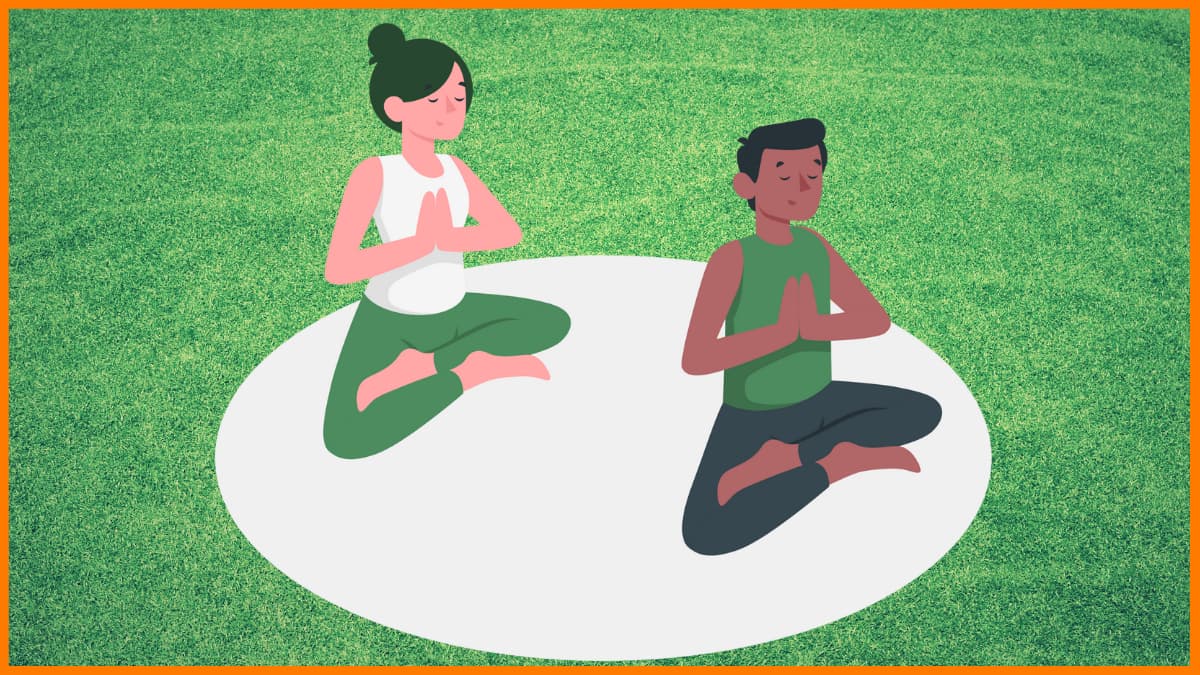
Incorporating specific breathing techniques into your meditation practice can significantly amplify its benefits, especially in reducing burnout and fatigue. These exercises help calm the nervous system, improve oxygen flow, and promote a sense of relaxation that is essential for combating stress-related exhaustion.
Understanding and practicing various breathing methods can provide you with versatile tools to manage stress levels effectively. Each technique offers unique benefits, making them suitable for different situations and personal preferences. Mastering these exercises can lead to a more profound meditation experience and contribute to long-term mental and physical well-being.
Diaphragmatic Breathing
Diaphragmatic breathing, also known as belly breathing, emphasizes deep breaths that engage the diaphragm muscle. This technique encourages full oxygen exchange, activating the parasympathetic nervous system to induce relaxation and lower stress hormones.
- Find a comfortable seated or lying position with your shoulders relaxed.
- Place one hand on your chest and the other on your abdomen, just below the rib cage.
- Inhale slowly through your nose, aiming to expand your abdomen rather than your chest. Focus on feeling your belly rise as you breathe in.
- Pause briefly once you’ve inhaled fully, then exhale slowly through your nose or mouth, allowing your abdomen to fall.
- Repeat this cycle for 5 to 10 minutes, maintaining a steady, unforced rhythm.
This technique is particularly effective in reducing stress and fatigue because it stimulates the vagus nerve, promoting a calming response and decreasing cortisol levels.
Box Breathing
Box breathing, also known as four-square breathing, involves equal intervals of inhaling, holding, exhaling, and pausing. This method creates a rhythmic pattern that enhances focus, reduces anxiety, and fosters mental clarity.
- Begin by sitting comfortably with your back straight and shoulders relaxed.
- Inhale slowly through your nose for a count of four seconds.
- Hold your breath for a four-second pause.
- Exhale gently through your mouth or nose for four seconds.
- Pause again at the end of the exhale for four seconds before repeating the cycle.
Practicing box breathing for several minutes can help regulate your nervous system, lessen feelings of fatigue, and improve overall emotional resilience during stressful periods.
4-7-8 Breathing Technique
The 4-7-8 breathing method is designed to promote relaxation and facilitate sleep, making it highly beneficial for reducing burnout and fatigue caused by overexertion and stress.
- Position yourself comfortably with your tongue touching the roof of your mouth just behind the front teeth.
- Exhale completely through your mouth, making a gentle whooshing sound.
- Close your mouth and inhale quietly through your nose for a count of four.
- Hold your breath for seven seconds, maintaining a relaxed posture.
- Exhale slowly and completely through your mouth for a count of eight, making the same whooshing sound.
- This completes one cycle. Repeat for four to eight rounds, gradually increasing as you become more comfortable.
This technique reduces stress by engaging the parasympathetic nervous system and slowing the heart rate, thereby alleviating feelings of fatigue and promoting restful states.
Incorporating these breathing exercises into your daily meditation routine can markedly enhance relaxation, diminish stress, and help alleviate burnout. Regular practice not only improves the immediate sense of calm but also contributes to long-term resilience against mental and physical exhaustion.
Incorporating Mindfulness into Daily Life

Integrating mindfulness into everyday routines can significantly amplify the benefits of meditation, helping to manage burnout and fatigue more effectively. When mindfulness becomes a habitual part of daily activities, it cultivates a more present and calm state of mind, reducing stress and improving overall well-being. These practices are accessible, simple to implement, and can serve as valuable tools to sustain mental clarity amidst busy schedules.
By consciously practicing mindfulness outside formal meditation sessions, individuals can create a continuous, supportive environment for mental health. These techniques help in fostering awareness, emotional regulation, and resilience, making it easier to navigate the challenges of work and personal life without becoming overwhelmed.
Strategies to Practice Mindfulness Outside Formal Meditation Sessions
Adopting mindfulness into daily routines involves conscious awareness during routine activities and moments of transition. These strategies can be seamlessly integrated into various parts of the day, helping to maintain a sense of presence and calmness regardless of external circumstances.
- Mindful Commutes: Use your travel time, whether driving, walking, or using public transport, to focus solely on your breath, the sensations of movement, and your surroundings. Avoid distractions like phone notifications to fully experience the environment.
- Mindful Eating: Pay close attention to the taste, texture, aroma, and appearance of your meals. Eating slowly and savoring each bite can enhance digestion and create a moment of relaxation amidst busy schedules.
- Breath Awareness During Breaks: Incorporate brief breathing exercises during short breaks at work or home. Even two minutes of deep, intentional breathing can reset your mental state, reduce stress, and improve focus.
- Single-Tasking: Focus on one activity at a time instead of multitasking. Whether it’s listening to a colleague, washing dishes, or writing an email, immerse yourself fully in the task without distraction.
- Mindful Walking: Take short walks, paying attention to the sensation of your feet touching the ground, the sounds around you, and your environment. This simple activity can serve as a quick mental reset.
Quick Mindfulness Exercises Suitable for Work or Home
These exercises are designed to be brief and effective, fitting easily into busy routines at work or home. Regular practice of these techniques can contribute to a sustained sense of calm and reduce accumulated stress and fatigue.
| Exercise | Description | Duration |
|---|---|---|
| Five-Second Breath Reset | Take a slow, deep breath for five seconds, hold for a second, and exhale slowly. Repeat three times to center yourself during stressful moments. | 30 seconds |
| Body Scan Check-In | Pause briefly to scan your body from head to toe, noting areas of tension or discomfort, and consciously relax those areas. | 2-3 minutes |
| Mindful Listening | Focus solely on sounds in your environment, such as the hum of a computer, birds outside, or colleagues speaking, without judgment or analysis. | 1-2 minutes |
| Focused Observation | Select an object nearby, like a pen or a plant, and observe it carefully, noticing details such as texture, color, and shape without rushing. | 1-2 minutes |
| Gratitude Moment | Pause to reflect on something you are grateful for in that moment, fostering positive emotions and perspective shift. | 1 minute |
“Incorporating brief moments of mindfulness throughout the day transforms ordinary routines into opportunities for mental renewal and resilience.”
Overcoming Challenges in Meditation Practice
Engaging in meditation to reduce burnout and fatigue can sometimes present obstacles that hinder progress or discourage consistency. Recognizing these common challenges and implementing strategies to address them is essential for sustaining a meaningful meditation routine. By understanding how to navigate difficulties such as restlessness and impatience, individuals can foster resilience and deepen their practice, ultimately enhancing its benefits for mental and physical well-being.Meditation practices, especially when starting out or trying to maintain regularity, often encounter hurdles that stem from internal states and external circumstances.
These challenges are a natural part of the learning process and can be transformed into opportunities for growth with mindful adjustments and supportive techniques. Adapting your approach to suit your evolving needs can lead to more fulfilling and consistent meditation sessions, helping to effectively combat burnout and fatigue over time.
Common Obstacles in Meditation Practice
Understanding typical difficulties faced during meditation enables practitioners to develop targeted solutions that foster perseverance and progress. The most frequently reported challenges include restlessness, impatience, wandering thoughts, physical discomfort, and distractions from the environment. Recognizing these issues as normal rather than failures encourages a compassionate attitude toward oneself, which is crucial for sustained practice.
“Restlessness and impatience are natural reactions when the mind is untrained; patience and gentle persistence are key.”
Restlessness manifests as a feeling of agitation or an inability to stay still, often leading to the temptation to abandon the practice prematurely. Impatience arises from expectations of immediate results, which can diminish motivation. External distractions, such as noise or interruptions, further compound these issues, making it challenging to maintain focus. Physical discomfort, like soreness or stiffness, can also impede prolonged meditation sessions.
Strategies to Maintain Motivation and Consistency
Maintaining motivation and consistency in meditation requires deliberate efforts to create sustainable habits and positive reinforcement. Here are essential tips to support your practice:
- Set Realistic Goals: Begin with short, manageable sessions that gradually increase in duration. Celebrating small milestones reinforces a sense of accomplishment.
- Create a Dedicated Space: Establish a quiet, comfortable environment conducive to meditation, which signals your mind to relax and focus.
- Develop a Routine: Meditate at the same time each day to cultivate a habit, integrating it seamlessly into your daily schedule.
- Use Reminders or Journals: Keep a meditation journal or set reminders to reinforce commitment and track progress over time.
- Embrace Flexibility: Recognize that some days will be more challenging; adapt sessions by shortening or modifying techniques rather than skipping altogether.
- Seek Support and Community: Joining meditation groups or classes can provide encouragement and accountability, fostering motivation.
These practices help cultivate patience and resilience, reducing the likelihood of frustration and maintaining journey momentum despite obstacles.
Adapting Meditation Practices to Individual Needs
Personalization of meditation techniques ensures that each individual can find approaches that resonate and are sustainable. Factors such as physical ability, mental state, lifestyle, and personal preferences influence the suitability of different practices.
Practitioners should consider experimenting with various techniques, including guided meditation, mindfulness, body scans, or movement-based practices like walking meditation. Adjusting session lengths, choosing comfortable postures, and integrating sensory elements, such as focusing on sounds or smells, can make meditation more accessible and enjoyable.
Listening to the body’s signals and respecting limits enhances comfort and prevents discouragement. For example, someone with physical limitations might prefer seated meditation with support or lying down, rather than traditional cross-legged sitting. Similarly, incorporating brief breaks during longer sessions can help maintain focus and reduce fatigue.
Ultimately, tailoring meditation to individual needs fosters a sense of ownership and reduces barriers, making regular practice more feasible and effective in alleviating burnout and fatigue.
Tracking Progress and Maintaining Motivation

Maintaining a consistent meditation practice aimed at reducing burnout and fatigue requires ongoing evaluation and encouragement. Monitoring your progress not only helps you recognize improvements but also reinforces your commitment, fostering a sustainable wellness routine. By employing effective tracking methods and motivational techniques, you can stay focused and inspired as you integrate meditation into your long-term health strategy.Understanding how to measure changes in energy levels and stress reduction can significantly enhance your mindfulness journey.
Combined with strategies to sustain motivation, these practices enable you to develop a resilient wellness routine that adapts to your evolving needs and lifestyle.
Monitoring Improvements in Energy Levels and Stress Reduction
Accurate assessment of your progress involves a combination of subjective and objective measures. Regular self-reflection through journals or digital logs is a valuable method to document daily experiences. Note specific feelings of fatigue, mental clarity, emotional stability, and overall energy levels before and after meditation sessions. Over time, patterns can emerge that reveal tangible benefits such as increased vitality or decreased perceived stress.In addition, utilizing validated tools like stress and fatigue scales can provide more structured insights.
For example, the Perceived Stress Scale (PSS) or the Fatigue Severity Scale (FSS) can be administered periodically to quantify your stress and fatigue levels objectively. Incorporating wearable devices that monitor heart rate variability (HRV) can also offer real-time data on your body’s relaxation response, indicating improvements in autonomic nervous system balance associated with reduced stress.Tracking physical and mental changes through these methods fosters a comprehensive understanding of your progress, reinforcing the value of meditation in managing burnout.
Motivational Techniques to Reinforce Meditation Habits
Sustaining motivation is essential to maintaining a consistent meditation practice over the long term. Setting achievable goals helps create a sense of purpose and direction. For instance, starting with five minutes daily and gradually increasing duration can build confidence and prevent burnout from overcommitment.Celebrating small milestones, such as completing a week of daily practice or noticing decreased stress levels, reinforces positive behavior.
Incorporating reminders or visual cues—like placing your meditation cushion in a visible spot or setting alarms—can serve as gentle prompts to maintain consistency.Engagement with supportive communities or accountability partners enhances motivation by providing encouragement and shared experiences. Participating in local meditation groups, online forums, or wellness classes offers social reinforcement, making the journey more enjoyable and less isolating. Additionally, tracking progress visually with charts or digital apps that generate progress reports can serve as motivating feedback, showing tangible evidence of your efforts.
“Consistency is key; small, regular steps produce meaningful long-term results.”
Maintaining motivation often involves reminding oneself of the initial reasons for starting meditation—such as reducing fatigue or improving mental clarity—and revisiting these motivations regularly.
Integrating Meditation into a Long-term Wellness Routine
Embedding meditation into your daily routine transforms it from a temporary activity into a sustainable component of overall wellness. Establishing a fixed time each day—such as morning upon waking or evening before bed—creates consistency and makes meditation a habitual practice. Linking meditation with existing daily activities, like after brushing your teeth or during lunch breaks, helps reinforce its place in your schedule.To ensure longevity, diversify your meditation practices to prevent boredom and address evolving needs.
Incorporate different techniques such as guided imagery, body scans, or mindful walking to keep engagement high. Additionally, pairing meditation with other wellness habits—like regular physical activity, balanced nutrition, and adequate sleep—creates a holistic approach to well-being that effectively combats burnout and fatigue.Creating a dedicated physical space for meditation can also reinforce commitment. A quiet, comfortable corner free from distractions signals your brain that it’s time to unwind and focus.
Over time, this space becomes a symbol of your dedication, strengthening your resolve to prioritize mental health and resilience.Regularly reviewing your progress, celebrating milestones, and adjusting your practices as needed foster a resilient, lifelong meditation habit—integrated seamlessly into your overall wellness journey.
Summary
Incorporating meditation into your daily life offers a powerful pathway to reduce burnout and restore vitality. As you develop these mindful habits, you’ll find increased resilience and a renewed sense of balance, enabling you to face challenges with clarity and calmness. Embrace this journey toward well-being and enjoy the long-term benefits of a healthier, more energized lifestyle.