Discover effective meditation techniques to enhance your resilience and maintain composure in high-pressure situations. Learning how to stay calm under stress is vital for personal and professional growth, and regular practice can significantly improve your emotional regulation and mental clarity.
This guide explores various meditation methods, routines, breathing exercises, and mindfulness practices designed to help you cultivate inner calmness, build emotional strength, and effectively manage distractions, empowering you to face challenging moments with confidence and tranquility.
Introduction to Meditation for Calmness Under Pressure
Meditation has long been recognized as a powerful tool for fostering mental clarity, emotional stability, and physical relaxation. Its application in managing stress and maintaining composure during high-pressure situations is increasingly valued in today’s fast-paced world. Cultivating a regular meditation practice can serve as an essential strategy for individuals seeking to enhance their resilience and emotional regulation when faced with challenges that demand quick and steady responses.
By engaging in meditation, individuals develop a heightened awareness of their inner state, allowing them to observe stress triggers without immediate reactivity. This mindful awareness fosters a sense of calmness, even amidst chaos, and equips individuals with the mental clarity needed to make deliberate and composed decisions. The cumulative benefits of meditation extend beyond momentary relief, contributing to a more resilient mindset capable of navigating complex emotional landscapes over time.
Significance of Meditation in Managing Stress and Maintaining Composure
Meditation serves as a scientifically supported method to lower cortisol levels—the hormone associated with stress—thereby reducing overall anxiety and tension. Regular practice helps regulate the nervous system, shifting it from a hyperactive state to one of balance and calmness. In high-pressure environments such as workplaces with looming deadlines, emergency response scenarios, or competitive sports, these mental and physiological adjustments enable individuals to stay focused, think clearly, and respond effectively.
Enhancement of Resilience in High-Pressure Situations
Resilience refers to the capacity to recover quickly from difficulties. Meditation enhances this attribute by strengthening the prefrontal cortex, the area responsible for executive functions such as decision-making, impulse control, and emotional regulation. Studies indicate that consistent meditation practice results in increased gray matter density in brain regions associated with resilience, making individuals better equipped to handle stress without becoming overwhelmed.
Benefits of Regular Meditation Practice for Emotional Regulation
Engaging in daily meditation fosters a proactive approach to emotional regulation, which is crucial for maintaining composure under pressure. Some key benefits include:
- Improved Focus and Attention: Regular meditation trains the mind to sustain attention, reducing susceptibility to distractions during stressful moments.
- Enhanced Emotional Awareness: Meditation heightens awareness of emotional responses, allowing for more deliberate and controlled reactions rather than impulsive ones.
- Reduced Anxiety and Negative Thought Patterns: Consistent practice helps reframe negative thoughts and diminish tendencies toward rumination, promoting a more balanced emotional state.
- Greater Self-Compassion and Patience: Meditation cultivates kindness toward oneself, which is vital when facing pressure-induced stress or setbacks.
Incorporating meditation into daily routines creates a foundation of mental stability that supports individuals in remaining calm, composed, and effective regardless of external pressures. This practice not only enhances immediate coping capacity but also builds long-term emotional resilience, empowering individuals to face life’s pressures with confidence and clarity.
Foundations of Meditation Techniques
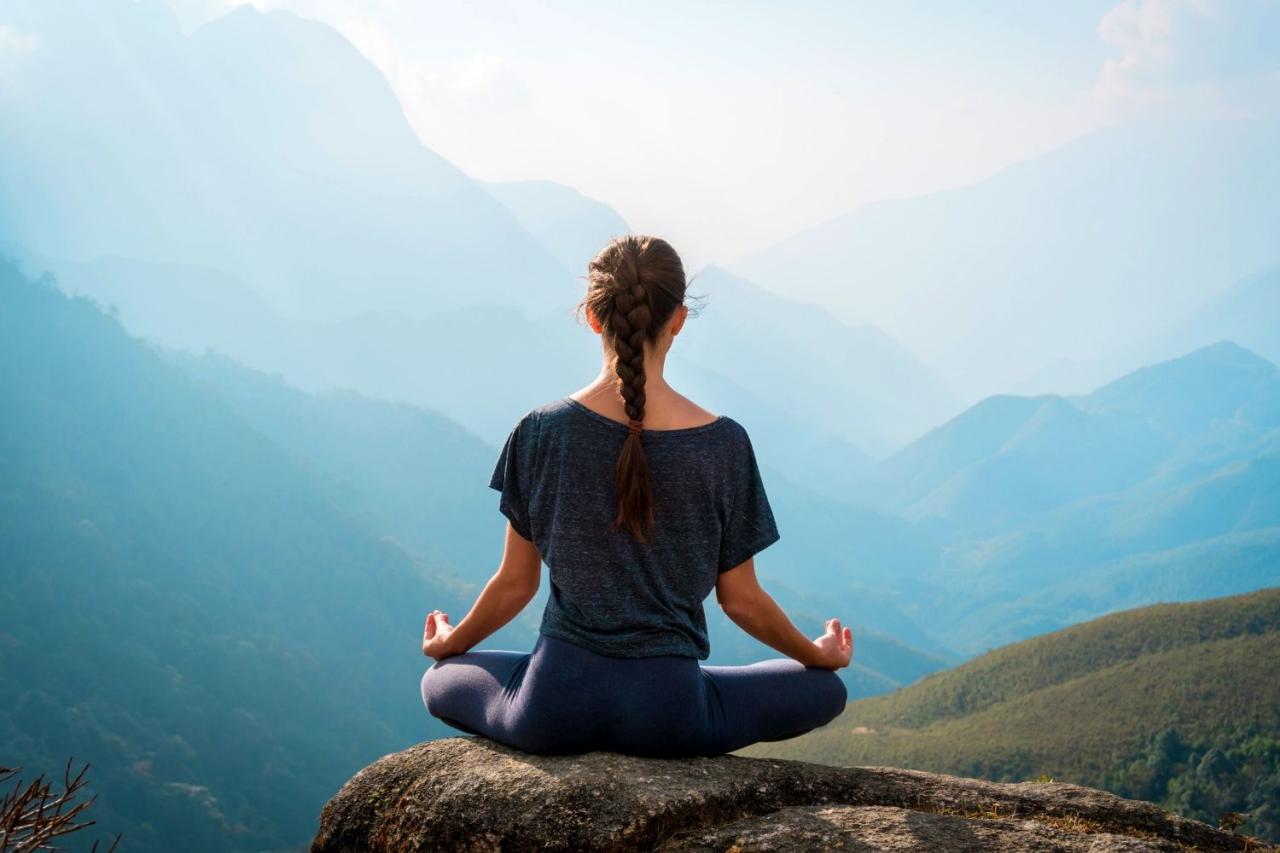
Understanding the core meditation methods provides a strong foundation for cultivating calmness and resilience under pressure. Different techniques address various aspects of mental focus, relaxation, and visualization, enabling individuals to select practices that best suit their personalities and needs. For beginners, mastering these foundational techniques is essential for building a sustainable meditation routine that enhances their ability to remain composed in challenging situations.
Meditation techniques can vary significantly in approach, but they all aim to cultivate awareness, reduce stress, and promote mental clarity. By exploring these methods, practitioners can develop a personalized practice that supports their goal of maintaining calmness under pressure, whether in high-stakes work environments, personal conflicts, or daily stressors.
Mindfulness Meditation
Mindfulness meditation involves focusing attention on the present moment in a non-judgmental way. It helps individuals observe their thoughts, feelings, and physical sensations without reacting to them, fostering calmness and emotional regulation.
- Step 1: Find a quiet, comfortable place where you can sit with your back straight but relaxed.
- Step 2: Close your eyes or soften your gaze, and take a few deep breaths to settle into the practice.
- Step 3: Shift your attention to your breath, noticing the sensation of air entering and leaving your nostrils, or the rise and fall of your chest or abdomen.
- Step 4: When your mind wanders, gently redirect your focus back to your breath without self-judgment.
- Step 5: Practice for 5 to 10 minutes initially, gradually increasing the duration as you become more comfortable.
Consistency is vital for mindfulness meditation to strengthen your ability to stay calm during pressure-filled moments. Regular practice enhances your awareness of your internal state and improves emotional resilience over time.
Deep Breathing Techniques
Deep breathing exercises are simple yet powerful tools for calming the nervous system and reducing immediate stress responses. They are especially effective in acute pressure situations, helping to regulate heartbeat and decrease anxiety.
- Step 1: Sit comfortably with your back straight and shoulders relaxed.
- Step 2: Inhale slowly through your nose for a count of four, filling your lungs completely.
- Step 3: Hold your breath for a count of four, maintaining awareness of the inhale.
- Step 4: Exhale slowly and evenly through your mouth or nose for a count of six to eight, releasing tension.
- Step 5: Repeat the cycle for 3 to 5 minutes, focusing solely on your breath.
“Deep breathing activates the parasympathetic nervous system, promoting relaxation and mental clarity during stressful moments.”
This technique can be employed discreetly anytime you feel overwhelmed, making it a practical approach to maintaining calmness under pressure.
Guided Visualization
Guided visualization involves imagining a peaceful and safe scene to evoke relaxation and mental calmness. It leverages the power of imagination to shift focus away from stressors and foster a sense of control and tranquility.
- Step 1: Sit or lie down comfortably in a quiet environment.
- Step 2: Close your eyes and take several deep breaths to settle your mind.
- Step 3: Visualize a serene place—such as a beach, forest, or mountain top—using all your senses to enhance the experience.
- Step 4: Focus on details: the sounds, smells, textures, and colors of this peaceful scene.
- Step 5: Spend 5 to 10 minutes immersing yourself in this visualization, returning your attention to your breath as needed.
This method is particularly useful for mentally rehearsing calmness in anticipation of stressful situations or as a quick mental escape during demanding moments.
Comparison of Meditation Styles
| Style | Focus | Ideal For | Duration | Complexity |
|---|---|---|---|---|
| Mindfulness Meditation | Present moment awareness, non-judgmental observation | Stress reduction, emotional regulation | 5-20 minutes daily | Moderate; requires sustained attention |
| Deep Breathing | Physiological relaxation through controlled respiration | Immediate stress relief, anxiety management | 1-10 minutes per session | Low; very easy to learn and do anywhere |
| Guided Visualization | Imagery and sensory engagement for relaxation | Reducing mental tension, mental rehearsal | 5-15 minutes | Moderate; involves imagining detailed scenes |
| Transcendental Meditation | Silent mantra repetition to transcend thoughts | Deep mental rest, stress relief | 20 minutes twice daily | Moderate to high; often requires instruction |
| Body Scan | Systematic awareness of bodily sensations | Reducing physical tension, promoting relaxation | 10-20 minutes | Moderate; involves systematic attention |
Breathing Exercises to Stay Calm Under Pressure
Effective breathing techniques are fundamental tools in maintaining calmness and mental clarity during stressful situations. By consciously controlling your breath, you can influence your physiological response to stress, helping to manage anxiety and enhance your ability to remain composed under pressure. These exercises are simple yet powerful practices that can be integrated into daily routines or used spontaneously when stress levels rise.
Controlled breathing works by activating the parasympathetic nervous system, often referred to as the body’s relaxation response. This activation reduces the production of stress hormones such as cortisol and adrenaline, which are typically elevated during periods of tension. As a result, practitioners experience lower heart rates, decreased blood pressure, and a calmer mental state, even amidst challenging circumstances.
Diaphragmatic Breathing
Diaphragmatic breathing, also known as belly breathing, involves engaging the diaphragm fully to maximize oxygen intake and promote relaxation. This technique encourages deep, slow breaths that stimulate the vagus nerve, an essential component of the parasympathetic nervous system. Practicing diaphragmatic breathing can significantly reduce feelings of anxiety and improve overall stress resilience.
To perform diaphragmatic breathing:
- Sit or lie down in a comfortable position, ensuring your back is straight to allow full lung expansion.
- Place one hand on your chest and the other on your abdomen, just below the rib cage.
- Inhale slowly through your nose, aiming to direct the breath toward your abdomen. Your stomach should rise as you fill your lungs with air, while your chest remains relatively still.
- Pause briefly at the top of the inhale, then exhale gently through pursed lips or your nose, allowing your abdomen to fall naturally.
- Repeat this process for several minutes, focusing on slow, rhythmic breaths.
“Diaphragmatic breathing enhances oxygen exchange, activates the relaxation response, and diminishes stress hormones, fostering a state of calmness.”
Box Breathing
Box breathing, also called square breathing, is a disciplined technique that involves equal parts inhaling, holding, exhaling, and pausing. This structured pattern fosters mental clarity, reduces anxiety, and stabilizes physiological responses during moments of high pressure. Its simplicity makes it accessible and effective for individuals in various settings, including high-stakes environments.
To practice box breathing:
- Inhale slowly through your nose for a count of four seconds.
- Hold your breath at the top of the inhale for four seconds.
- Exhale steadily through your mouth or nose for four seconds.
- Hold your breath at the bottom of the exhale for four seconds.
- Repeat the cycle, maintaining awareness of your breath and the count, for several minutes.
“Box breathing balances the autonomic nervous system, reduces cortisol levels, and enhances focus, making it an ideal technique for managing stress in demanding situations.”
Mindfulness Practices to Enhance Resilience
Incorporating mindfulness into daily routines significantly bolsters an individual’s resilience, especially when faced with high-pressure situations. Mindfulness cultivates a heightened awareness of the present moment, enabling individuals to respond thoughtfully rather than react impulsively. Developing consistent mindfulness habits can transform stress responses, improve emotional regulation, and foster a calmer, more centered outlook even during challenging circumstances.
This section explores practical methods to embed mindfulness into everyday activities, emphasizing the importance of present-moment awareness in minimizing reactive behaviors. Additionally, it provides a curated list of simple, effective mindfulness exercises that can be seamlessly integrated into work environments or during moments of stress.
Methods to Incorporate Mindfulness into Daily Activities
Integrating mindfulness into daily routines involves intentionally bringing awareness to routine tasks and interactions. This deliberate focus helps reduce automatic reactions to stressors and cultivates a sense of calm and clarity. Practical approaches include establishing mindful pauses throughout the day, engaging fully in each activity, and setting aside specific times dedicated to mindfulness practice. For example, turning mundane tasks such as washing dishes or walking into opportunities for mindfulness can significantly improve resilience over time.
Encouraging the habit of mindful listening during conversations, paying close attention to physical sensations, and observing thoughts without attachment are effective strategies. These practices foster a continuous state of present awareness, which acts as a buffer against stress and enhances overall emotional stability.
The Role of Present-Moment Awareness in Reducing Reactivity
Present-moment awareness serves as a foundational element in reducing emotional reactivity. When individuals focus on what is happening right now, they diminish the tendency to ruminate on past mistakes or worry about future outcomes. This mindfulness reduces the likelihood of impulsive reactions driven by stress or anxiety, thus enabling more thoughtful responses to pressure.
For example, during a high-stakes meeting, a person practicing present-moment awareness might notice feelings of frustration but choose to acknowledge them without acting impulsively. Instead, they engage in a brief breathing exercise or grounding technique, allowing their response to be guided by calmness and clarity rather than emotion. This approach fosters resilience by strengthening the capacity to remain composed and make rational decisions under duress.
Mindfulness Exercises for Work and Stressful Moments
To support resilience during work or stressful situations, several brief mindfulness exercises can be employed. These activities are designed to be quick yet effective, fostering immediate calmness and clarity:
- Deep Breathing Pause: Take a deliberate, slow inhale through the nose for four seconds, hold for four seconds, then exhale slowly through the mouth for four seconds. Repeat this cycle for 3-5 minutes to activate the body’s relaxation response.
- Body Scan Technique: Conduct a quick mental scan from head to toe, paying attention to areas of tension. As you identify tense spots, consciously relax those muscles, fostering physical and mental calmness.
- Grounding Exercise: Focus on the physical sensations of your feet on the ground, the chair supporting your back, or the feeling of your breath. Anchoring yourself in these sensations helps ground your awareness in the present moment.
- Mindful Observation: Select an object within your view, such as a pen or a plant, and observe it meticulously without judgment. Notice colors, textures, and shapes, cultivating focused attention that distracts from stressors.
- Five Senses Check-in: Briefly assess your environment using all five senses—identify five things you see, four you hear, three you feel, two you smell, and one you taste. This exercise brings your focus to the present and diminishes reactivity.
Consistent practice of these mindfulness exercises during moments of stress enhances emotional regulation, builds resilience, and cultivates a calm, centered demeanor even under pressure.
Visualization Strategies for Building Emotional Strength
In high-pressure environments, maintaining emotional resilience is crucial for effective performance and personal well-being. Visualization serves as a powerful mental tool to prepare the mind for challenging situations by fostering calmness and confidence. Through deliberate imagery, individuals can train their brains to respond to stressors with composed and positive reactions, thereby strengthening their emotional endurance over time.
By creating vivid mental scenarios that depict successful and peaceful responses to pressure, one can reinforce a resilient mindset. These visualization techniques not only enhance self-efficacy but also condition the nervous system to default to calmness when faced with real-world stressors. Regular practice of these strategies integrates seamlessly into meditation routines, further solidifying the ability to stay centered amidst adversity.
Using Visualization to Imagine Calm Responses
Effective visualization involves mentally rehearsing situations where a calm and controlled response is essential. This process primes the brain to accept calmness as the default reaction during actual stressful events. When practicing, focus on creating detailed and realistic images of yourself remaining composed in scenarios such as public speaking, high-stakes meetings, or emergency situations.
During visualization, pay attention to sensory details, including sights, sounds, and feelings, to deepen the immersive experience. Visualize yourself adopting a relaxed posture, breathing steadily, and speaking with confidence. Reinforcing these images regularly can help rewire subconscious responses, making calm reactions more automatic in real life.
Creating Personalized Mental Scenarios to Foster Resilience
Building emotional strength through visualization begins with customizing scenarios that resonate personally and reflect realistic challenges. Tailoring mental images ensures that the practiced responses are relevant and effective, increasing the likelihood of automatic deployment in actual pressure situations. Begin by identifying specific stressors that commonly occur in your life or work environment.
Develop detailed mental stories where you navigate these scenarios with tranquility, competence, and resilience. For example, if public speaking causes anxiety, imagine yourself entering the venue confidently, delivering your message clearly, and receiving positive feedback. Incorporate positive affirmations and facial expressions to reinforce a sense of mastery and resilience during these visualizations.
Consistent rehearsal of these scenarios through meditation enhances neural pathways associated with calmness, effectively preparing you to handle real-world pressures with steadiness and emotional strength.
Reinforcing Positive Mental Images through Meditation
Reinforcement of mental images during meditation amplifies their effectiveness in cultivating emotional resilience. By dedicating a portion of meditation sessions to focus exclusively on positive and calming visuals, individuals can strengthen these neural associations. Clear, vivid imagery becomes more accessible and automatic over time, aiding in maintaining composure during stressful moments.
Start by finding a comfortable seated position and closing your eyes. Recall a mental image where you respond to pressure with calmness—such as taking slow, deep breaths, maintaining steady eye contact, or executing a task with confidence. Visualize this scene in detail, engaging all senses to deepen the experience.
Use affirmations such as
“I remain calm and in control regardless of external pressures.”
while holding these images. Repeating this process regularly builds a mental repository of peaceful responses, reinforcing resilience and emotional strength in your daily life and high-pressure situations.
Managing Distractions and Maintaining Focus
Maintaining unwavering focus during meditation is essential for strengthening your ability to stay calm under pressure. Distractions, whether external or internal, can interrupt the meditative flow and diminish the effectiveness of your practice. Implementing strategies to minimize interruptions and sustain concentration enhances the quality of your meditation sessions and builds resilience over time, enabling you to remain composed in high-stress situations.External distractions can come from noise, interruptions, or environmental disturbances that divert attention from the practice.
Internal distractions, such as wandering thoughts or emotional turbulence, also challenge focus. Developing effective techniques to manage these distractions allows for deeper immersion and more consistent progress in meditation.
Minimizing External Interruptions During Meditation Sessions
Creating a dedicated, tranquil environment significantly reduces the likelihood of external disturbances. Choose a quiet space where interruptions are least expected, and inform others around you of your meditation schedule to prevent unexpected interruptions. Using physical barriers, such as closing doors or using screens, can also dampen external noise. Turning off or silencing electronic devices ensures that notifications or calls do not break your focus.Implementing a routine that aligns with times of minimal activity, such as early mornings or late evenings, can further minimize disruptions.
If possible, select a location with soundproofing or natural barriers like thick curtains or carpets that absorb noise. Establishing these environmental controls fosters a consistent and undisturbed meditation practice.
Sustaining Concentration Through Guided Focus Techniques
Guided focus techniques help anchor attention and prevent the mind from wandering. These methods involve directing awareness toward specific sensations, objects, or mental images, serving as steady points of reference during meditation. Focusing on the breath, a candle flame, or a specific mantra can serve as anchors to maintain concentration.Structured practices, such as counting breaths or silently repeating a calming phrase, offer tangible goals that bolster sustained attention.
When distractions arise, gently bringing focus back to the chosen anchor without self-criticism enhances mental resilience. Regularly practicing these techniques trains the mind to remain engaged and improves the ability to stay calm under pressure.
Tools and Environments Conducive to Effective Meditation
Creating an optimal environment and utilizing appropriate tools can significantly improve focus and reduce distractions. A well-designed meditation space should be quiet, comfortable, and free from clutter, fostering a sense of tranquility. Incorporating elements like soft lighting, calming scents such as lavender or sandalwood, and comfortable seating promotes relaxation.Tools that aid focus include meditation cushions or mats that provide physical comfort, soundproof headphones to block external noise, and guided recordings that help structure the session.
Using timers with gentle alarms ensures sessions end smoothly without abrupt interruptions. These environmental and tool considerations help establish a conducive setting, making it easier to enter a state of deep concentration and maintain it throughout the practice.
Tracking Progress and Adjusting Practices
Developing the ability to stay calm under pressure through meditation is a gradual process that benefits greatly from consistent monitoring and thoughtful adjustments. Recognizing improvements and understanding when to modify your routines can significantly enhance your emotional resilience and overall effectiveness. Implementing structured methods to track your development allows for a clearer picture of progress and helps identify which practices yield the best results, ensuring your meditation routine remains dynamic and tailored to your evolving needs.Monitoring your progress involves both qualitative and quantitative assessments.
By paying close attention to your emotional responses, physiological signs, and overall mental clarity during stressful situations, you can gauge how well your meditation practices are supporting your calmness. Additionally, adjustments to your routine should be based on observed outcomes, ensuring that your efforts remain aligned with your goals of enhanced resilience and emotional stability. Utilizing logs or journals to record daily or weekly reflections is an effective way to capture insights, track patterns, and make informed modifications to your meditation practices.
Methods for Monitoring Improvements in Calmness and Emotional Control
Consistent evaluation of your progress requires a combination of self-awareness techniques and objective measures. Regularly reflecting on your emotional state during high-pressure scenarios can reveal subtle changes in your ability to maintain composure. Noting physical sensations such as reduced muscle tension or slower heartbeat can serve as indicators of increased calmness. In addition, employing standardized self-assessment tools, such as mood scales or stress questionnaires, can provide quantifiable data to track changes over time.
For example, rating your stress levels on a scale from 1 to 10 before and after meditation sessions can help measure immediate effects, while longer-term assessments may involve tracking the frequency and intensity of emotional reactions during challenging situations.Behavioral observations, such as improved decision-making, decreased impulsivity, or enhanced focus during stressful events, also reflect progress. It is advisable to maintain a consistent observation routine, noting specific incidents where emotional control was tested, and recording your responses for comparison over time.
Criteria for Adjusting Meditation Routines
Adjustments to meditation practices should be guided by clear criteria that reflect their effectiveness in fostering calmness and resilience. These criteria include improvements in self-reported calmness, physiological markers, and behavioral responses during stressful circumstances.When progress plateaus or regressions are observed, it may indicate the need to refine your routine. For instance, if you find that breathing exercises no longer produce a calming effect, incorporating new techniques such as body scans or progressive muscle relaxation might be beneficial.
Conversely, if certain practices feel overly demanding or lose their effectiveness, simplifying or shortening sessions can help maintain consistency and prevent burnout.It is also essential to periodically review your goals. If your initial aim was to manage acute stress better, but you find that your reactions to chronic stressors are still intense, you might need to incorporate additional mindfulness or resilience-building strategies.
A flexible approach ensures that your routine remains relevant and effective, supporting ongoing personal growth.
Using Logs or Journals to Record Experiences and Insights
Maintaining a dedicated journal or log facilitates a systematic approach to tracking your meditation journey. Writing down daily experiences, emotional states, and insights provides a rich resource for evaluating progress and identifying patterns. Begin each entry with details about the meditation session, including duration, techniques practiced, and any notable observations. Follow with reflections on your emotional responses during stressful situations, noting whether you maintained calmness or experienced difficulty.
Recording physiological responses, such as changes in heart rate or muscle tension, can complement subjective assessments.Over time, reviewing these logs reveals trends that inform your practice adjustments. For example, you might notice that visualizations are particularly effective during mornings, or that mindfulness exercises are more beneficial after certain routines, prompting you to tailor your schedule accordingly.Incorporate prompts that encourage honest self-assessment, such as: “How did I feel before and after the session?”, “What challenges did I encounter?”, and “What strategies worked best?” This practice deepens your awareness and promotes a proactive approach to enhancing your resilience against pressure.
Consistent recording and reflection enable you to transform subjective experiences into actionable insights, making your meditation practice more responsive and effective in cultivating calmness under pressure.
Overcoming Common Challenges in Meditation Practice
Maintaining a consistent meditation routine can present several obstacles that may hinder progress and diminish motivation. Recognizing these challenges and implementing effective strategies can significantly enhance your ability to sustain a regular practice. Addressing common difficulties with practical solutions ensures that meditation becomes a manageable and rewarding part of your daily life, especially when faced with obstacles such as wandering thoughts or limited time.Meditation, while highly beneficial, often confronts practitioners with hurdles that can lead to frustration or discouragement.
It’s important to approach these challenges with patience and a proactive mindset, understanding that persistence and adaptability are key components of long-term success.
Managing Wandering Thoughts and Distractions
One of the most frequent challenges in meditation is the tendency for the mind to wander or become distracted. This natural occurrence can cause frustration or feelings of failure, but it is a normal part of the meditation process that can be managed with specific techniques.
- Practice gentle acknowledgment: When thoughts drift away, acknowledge their presence without judgment and gently redirect your focus back to your breath, mantra, or chosen point of concentration. This process strengthens mental resilience over time.
- Use anchoring techniques: Employ anchor points such as your breath, bodily sensations, or a calming phrase to maintain focus. When distraction occurs, returning to these anchors can help bring your attention back swiftly and smoothly.
- Schedule shorter sessions: Starting with brief meditation periods, such as 5-10 minutes, reduces the likelihood of your mind wandering excessively and helps develop consistency without overwhelming yourself.
- Create a dedicated, quiet space: Minimizing external distractions by choosing a quiet, comfortable environment supports sustained concentration and minimizes interruptions that can lead to wandering thoughts.
Overcoming Time Constraints and Busy Schedules
Time scarcity is a common barrier that prevents many individuals from establishing a regular meditation practice. Balancing personal and professional commitments requires practical strategies to integrate meditation seamlessly into daily routines.
- Prioritize short, frequent sessions: Even brief daily sessions, such as 3-5 minutes, can accumulate meaningful benefits. Consistency is often more important than duration, especially during busy periods.
- Schedule meditation at specific times: Designate fixed times in your daily calendar—such as upon waking or before bed—to establish routines that become habitual, reducing the likelihood of skipping sessions.
- Combine meditation with existing activities: Incorporate mindfulness into routine tasks such as walking, commuting, or waiting in line. This approach makes efficient use of limited time without requiring additional hours.
- Utilize guided meditation resources: Using app-based or online guided meditations can streamline the process, making it easier to start and stay committed despite a busy schedule.
Maintaining Motivation and Consistency
Sustaining motivation over time can be challenging, especially when immediate benefits are not always evident. Developing strategies to reinforce commitment is essential for long-term success.
- Set clear, achievable goals: Establish specific objectives such as improving focus or reducing stress, which can motivate ongoing practice and provide a sense of accomplishment.
- Track progress and celebrate milestones: Use journals or meditation apps to monitor your practice, acknowledging consistency and progress to boost motivation.
- Connect with a community: Joining meditation groups or online forums creates a sense of accountability and provides encouragement from shared experiences.
- Practice patience and self-compassion: Recognize that progress varies and setbacks are natural. Gentle self-talk and understanding foster resilience and perseverance during challenging phases.
Consistency and patience are fundamental to overcoming obstacles in meditation. Adapting your approach based on personal circumstances ensures that meditation remains a sustainable and enriching practice.
Final Thoughts
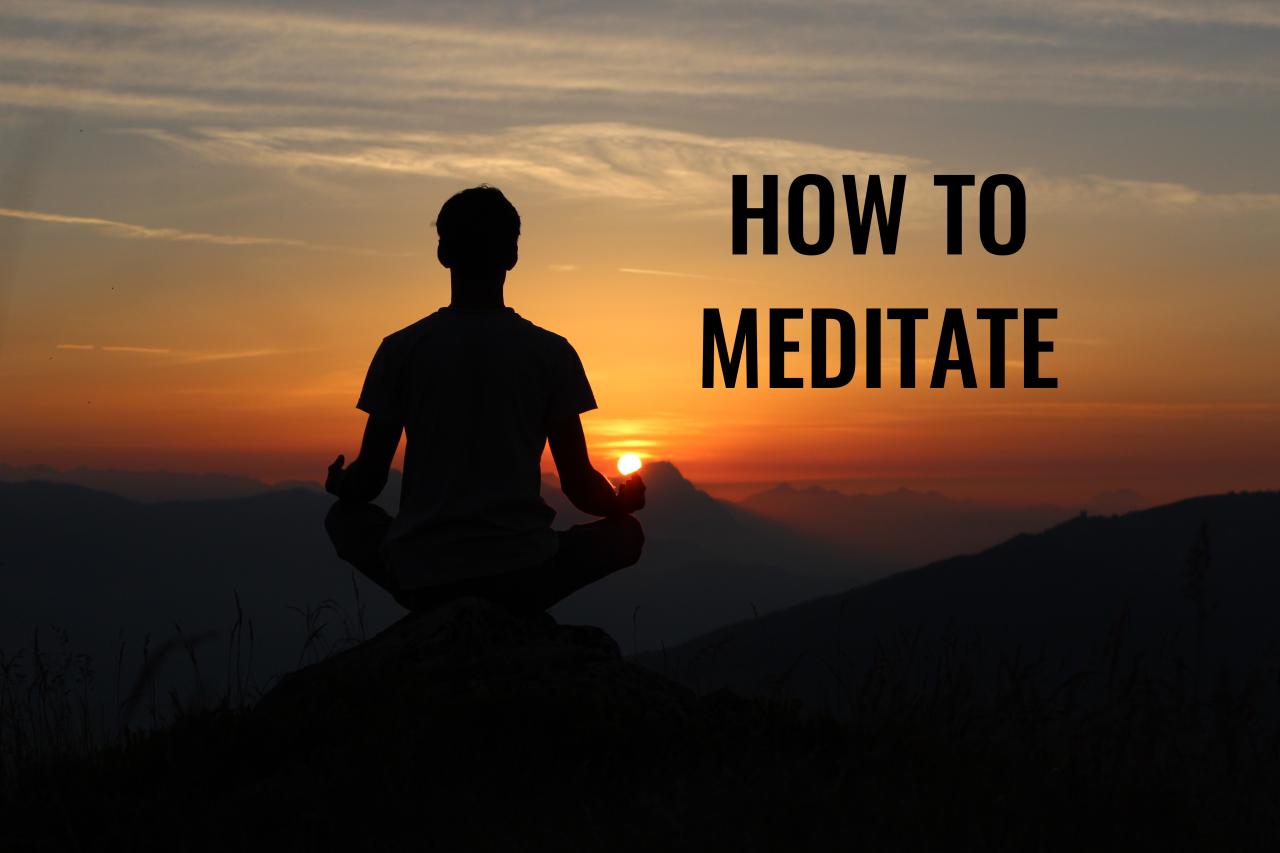
By integrating these meditation strategies into your daily life, you can develop a resilient mindset that withstands pressure and reduces stress reactions. Consistency and perseverance will allow you to experience sustained emotional stability and improved focus, ultimately leading to a more balanced and composed approach to life’s challenges.