Enhancing patience in the workplace is essential for maintaining professionalism and fostering a positive environment. Incorporating meditation into your daily routine offers an effective way to develop emotional regulation, reduce stress, and improve overall patience levels. This practice not only benefits individual well-being but also contributes to a more harmonious and productive work setting.
By understanding various meditation techniques and establishing a consistent routine, professionals can better navigate stressful situations and maintain composure during challenging moments. This guide provides practical steps and strategies to help you integrate meditation seamlessly into your workday for lasting patience improvement.
Introduction to Meditation for Patience at Work
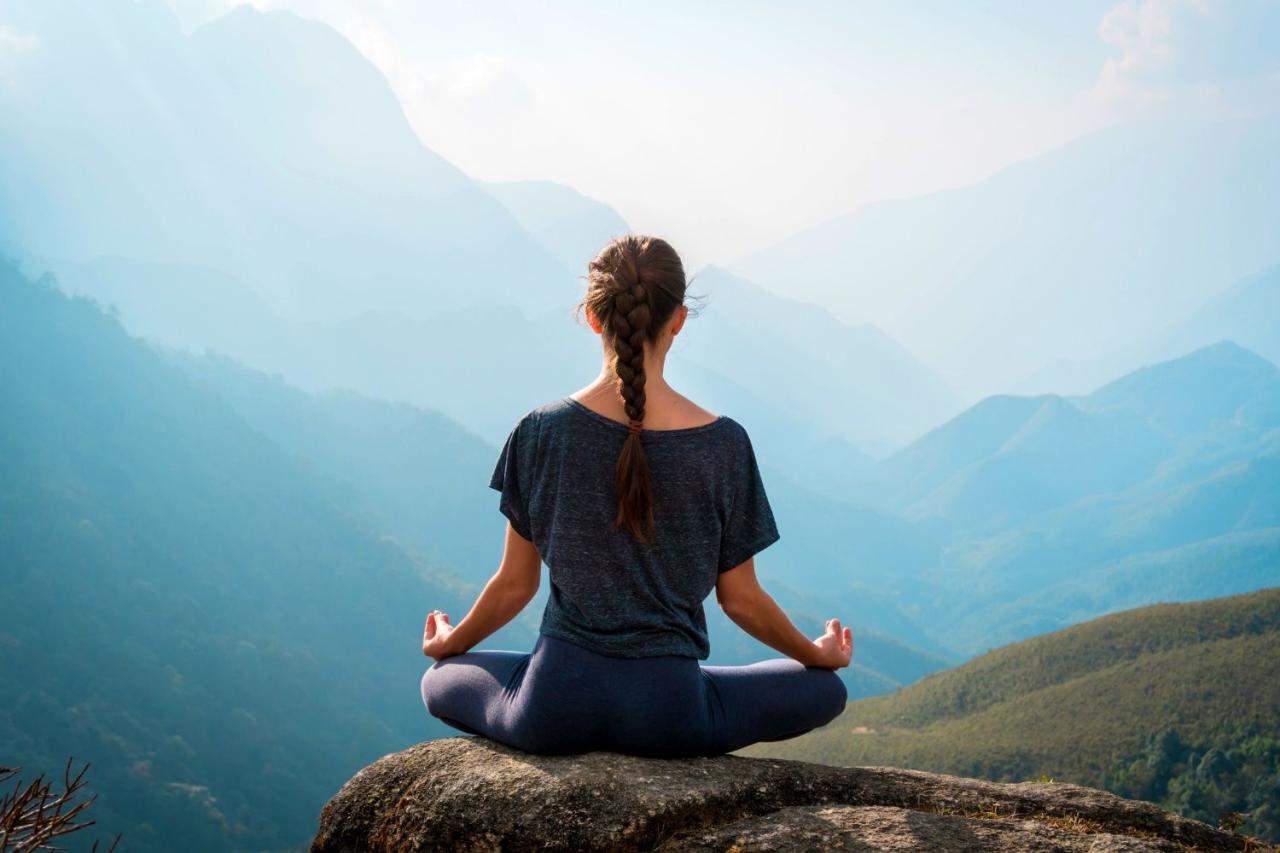
In today’s fast-paced professional environments, maintaining patience is essential for effective communication, teamwork, and overall productivity. Patience enables employees to navigate challenging situations calmly, respond thoughtfully, and foster positive relationships with colleagues and clients. However, cultivating this trait can be demanding amidst deadlines, high expectations, and workplace pressures.
Meditation emerges as a powerful tool to support the development of patience by enhancing emotional regulation and reducing stress. Regular practice allows individuals to observe their thoughts and feelings without immediate reaction, fostering a mindset of calmness and resilience. This mental clarity contributes to better decision-making, increased tolerance, and a more harmonious work atmosphere.
The Impact of Meditation on Emotional Regulation and Stress Reduction
Meditation influences the brain’s neural pathways associated with emotional control. Scientific studies have demonstrated that consistent meditation practice can lead to increased activity in regions responsible for self-awareness and emotional regulation, such as the prefrontal cortex. As a result, individuals become better equipped to manage impulsive reactions and maintain composure during tense situations.
Additionally, meditation significantly lowers cortisol levels—the hormone associated with stress. Lower stress levels translate into decreased frustration and impatience, enabling employees to approach work challenges with a calmer mindset. This stress reduction also improves overall mental health, reduces burnout, and enhances resilience in demanding work environments.
Benefits of Incorporating Meditation into Daily Work Routines
Integrating meditation into daily work routines offers numerous advantages that contribute to professional growth and personal well-being. Regular practice can lead to enhanced focus, increased emotional stability, and better interpersonal interactions. It also helps in managing workload-related stress more effectively, thus minimizing burnout and promoting sustained productivity.
By dedicating even a few minutes each day—such as during breaks or before starting work—employees can experience cumulative benefits, including improved patience and a more positive attitude towards workplace challenges. Employers who encourage meditation practices often observe a more cohesive team environment, greater employee satisfaction, and reduced conflict.
Preparing for Meditation Practice

Establishing an appropriate environment and routine is essential for cultivating a consistent and effective meditation practice aimed at boosting patience at work. Proper preparation minimizes distractions, enhances focus, and fosters a tranquil mindset, all of which are vital for gaining maximum benefits from meditation sessions.
Creating a dedicated space for meditation, selecting appropriate materials, and choosing optimal times during the workday are key components that contribute to a successful practice. These steps help in integrating meditation seamlessly into daily routines, ensuring that the process remains sustainable and impactful.
Creating a Calming Space at Work or Home
A peaceful and comfortable environment significantly enhances the quality of meditation. The following steps guide individuals in setting up such a space efficiently:
- Select a Quiet Location: Identify a spot free from noise, interruptions, and high foot traffic. This could be a corner in an office, a small unused room, or a dedicated space at home such as a nook or closet space that can be transformed into a tranquil zone.
- Ensure Adequate Privacy: Use room dividers, curtains, or signage to indicate your meditation time, minimizing distractions from colleagues or family members.
- Control Lighting: Opt for soft, natural light or dimmable lamps to create a soothing atmosphere. Avoid harsh fluorescent lighting that can disrupt relaxation.
- Maintain a Clutter-Free Environment: Keep the space tidy by removing unnecessary items. A clean environment promotes mental clarity and reduces stress during practice.
- Incorporate Nature Elements: Adding plants, a small fountain, or natural décor can enhance the calming effect and connect you with nature, further promoting relaxation.
Necessary Materials and Items
Having the right materials facilitates comfort and focus during meditation sessions. The following items are recommended:
- Cushions or Meditation Mats: Use supportive cushions or mats that provide comfort during sitting. These help maintain proper posture, reducing physical discomfort and enabling longer meditation periods.
- Blankets or Shawls: Keep warm with a blanket or shawl, especially in cooler environments, to prevent physical distractions caused by discomfort.
- Calming Music or Nature Sounds: Soft instrumental music, binaural beats, or nature sounds like flowing water or bird songs can mask ambient noise and deepen relaxation.
- Timer or Meditation App: Use a gentle timer or meditation app to signal the duration of your session without the need to check the clock constantly.
- Essential Oils or Incense: Aromatherapy with calming scents such as lavender, chamomile, or sandalwood can enhance the meditative atmosphere, provided they are used safely and in moderation.
Guidelines for Selecting Appropriate Meditation Times
Timing plays a crucial role in establishing a sustainable meditation routine within a busy work schedule. The following guidelines assist in choosing optimal times:
Identify periods during the day when mental alertness is relatively high and disruptions are minimal. Common effective times include:
- Morning Before Starting Work: Engaging in meditation early sets a calm tone for the day, helping to cultivate patience and mental clarity for upcoming tasks.
- Mid-Morning Break: A short session after initial work tasks can reset focus and reduce impatience caused by early work frustrations.
- Lunch Break: Midday meditation provides a mental reset, diminishing stress accumulated during the morning and preparing for the afternoon.
- Afternoon Pause: A brief session during mid-afternoon can counteract the post-lunch sluggishness and impatience often experienced during busy periods.
- End of the Workday: Concluding with meditation helps transition from work mode to personal time, fostering patience and relaxation for the evening.
Choosing consistent times enhances habit formation and ensures that meditation becomes an integral part of your routine, providing ongoing benefits for patience and emotional regulation at work.
Techniques for Meditating to Enhance Patience
Practicing meditation methods tailored to cultivating patience can significantly improve your ability to remain calm and composed in challenging work situations. Each technique offers unique advantages and approaches, allowing individuals to select the method that best suits their preferences and needs. Consistent practice of these meditation styles can help foster a more resilient and understanding mindset, ultimately enhancing patience in both professional and personal environments.
Understanding various meditation methods enables practitioners to diversify their approach, making their practice more engaging and effective. Whether focusing on breath, body awareness, or cultivating positive emotions, these techniques help in managing distractions and maintaining attention, which are crucial factors in developing patience.
Overview of Meditation Methods for Patience
| Method | Steps | Benefits |
|---|---|---|
| Mindful Breathing |
|
|
| Body Scan Meditation |
|
|
| Loving-Kindness Meditation |
|
|
Focusing Attention and Managing Distractions During Meditation
Maintaining focus during meditation is essential for cultivating patience, particularly when faced with the inevitable distractions that arise. A skilled meditator learns to acknowledge distractions without judgment and gently redirect attention back to the chosen point of focus, such as the breath, body sensations, or positive phrases. Developing this skill enhances patience by training the mind to stay present and resilient in the face of interruptions or impatience-triggering stimuli.
Effective strategies for managing distractions include setting a dedicated meditation space, establishing a regular practice schedule, and employing anchor points like breathing cues or visualizations. When the mind drifts, recognizing the distraction with curiosity rather than frustration allows practitioners to return their focus calmly and patiently, reinforcing a resilient mental state conducive to workplace patience.
Developing a Personal Meditation Routine
Establishing a consistent meditation routine tailored to your busy work schedule is fundamental to cultivating patience and reducing workplace stress. A well-structured routine ensures that meditation becomes an integral part of your daily life, allowing you to experience sustained benefits over time. By designing a personalized schedule, you can better manage your energy levels, accommodate work demands, and foster a habit that enhances your emotional resilience.Creating an effective meditation routine involves understanding your daily obligations and identifying optimal times for practice.
It is essential to start with manageable durations and gradually increase the length of your sessions as you become more comfortable. Consistency, patience, and adaptability are key components in ensuring your routine remains sustainable and effective in boosting your patience at work.
Sample Daily Meditation Schedule for Busy Workdays
For professionals with tight schedules, integrating short, focused meditation sessions can produce significant benefits. Here is a sample schedule:
- Morning (Before Work): 5-10 minutes of mindful breathing or guided meditation to set a calm tone for the day. This prepares your mind to handle challenges with patience and clarity.
- Lunchtime Break: 5-minute body scan or gratitude meditation to refresh your mental state. This break helps reduce midday stress and recharges your patience reservoir.
- Mid-afternoon (Post-Meeting or Work Block): 5-7 minutes of focused breathing exercises or visualizations to regain composure, especially after stressful interactions.
- Evening (After Work): 10-15 minutes of reflective meditation, such as mindfulness or loving-kindness meditation, to unwind and process the day’s experiences, fostering patience for future challenges.
Implementing this routine requires commitment but can be adjusted based on your daily workload. Consistency is vital; even brief daily sessions can significantly enhance your patience and overall well-being when practiced regularly.
Tips for Maintaining Consistency and Overcoming Obstacles
Maintaining a meditation routine amidst a busy schedule can be challenging. Here are practical tips to help you stay committed and overcome common obstacles:
Set realistic goals to prevent burnout. Even a few minutes daily can be effective.
- Schedule meditation time as an appointment: Block specific times in your calendar to reinforce commitment and treat meditation as a non-negotiable part of your day.
- Create a dedicated meditation space: A quiet, comfortable corner can improve focus and signal your mind that it’s time to meditate.
- Use reminders and alarms: Gentle notifications can prompt you to pause and meditate, especially when your schedule is hectic.
- Start small and build gradually: Short sessions are easier to maintain and can be extended as your habit solidifies.
- Be adaptable: If unforeseen work demands interfere, opt for shorter sessions rather than skipping altogether, ensuring consistency over time.
- Track your progress: Maintain a journal or app to monitor meditation days and note improvements in patience and stress management, reinforcing your motivation.
Overcoming obstacles also involves managing mental resistance, such as impatience with the process or difficulty finding quiet time. Recognizing that meditation is a skill developed over time helps set realistic expectations and encourages persistence.
Comparison of Meditation Durations and Their Impact on Patience
Different meditation durations can influence the development of patience in various ways. The following table compares common session lengths, highlighting their benefits and considerations:
| Duration | Impact on Patience | Suitability for Busy Schedules |
|---|---|---|
| 5 Minutes | Provides quick mental resets, helps develop discipline, and fosters a sense of achievement. Suitable for beginners and busy days, encouraging consistency. | Highly practical; easy to incorporate multiple times a day, making it ideal for tight schedules. |
| 10 Minutes | Allows deeper engagement with meditation, leading to more noticeable improvements in patience and stress regulation over time. | Moderately manageable; requires a dedicated time slot but still feasible during short breaks or early mornings. |
| 15 Minutes | Facilitates significant mental clarity and emotional regulation, enhancing patience more effectively. Suitable for those with flexible schedules. | May be challenging during very busy days but provides substantial benefits when integrated regularly. |
Real-life cases show that even brief sessions of 5 minutes, practiced consistently over weeks, can lead to measurable improvements in patience. As practitioners progress, gradually increasing meditation duration can deepen these benefits, fostering resilience and composure in demanding work environments.
Practical Applications of Meditation for Workplace Patience
In the fast-paced environment of modern workplaces, maintaining patience can be challenging. Meditation offers practical tools that employees and managers can apply in real-time to foster a calmer, more composed attitude amidst daily stressors. By integrating simple mindfulness techniques into various work scenarios, individuals can enhance their ability to respond thoughtfully rather than react impulsively, leading to improved communication, collaboration, and overall productivity.
Applying meditation in the workplace is not solely about formal seated sessions; it involves quick, focused exercises that can be performed during hectic moments or conflicts. These strategies help to ground individuals, reduce emotional reactivity, and promote a more patient and resilient mindset. Below are common workplace situations where meditation can be highly effective, along with actionable techniques and quick exercises for immediate calmness.
Workplace Scenarios Where Meditation Enhances Patience
- Handling customer complaints or difficult client interactions: Maintaining patience can be difficult when faced with demanding clients. Meditation helps to foster empathy and calmness, enabling employees to listen actively and respond thoughtfully rather than defensively.
- Managing tight deadlines and workload pressures: When time feels overwhelming, mindful breathing exercises can reduce stress levels and improve focus, preventing frustration from escalating.
- Participating in team conflicts or misunderstandings: Meditation techniques can help individuals stay centered, allowing for a more constructive approach to resolving disagreements without impulsive reactions.
- Dealing with interruptions and frequent distractions: Practicing quick mindfulness exercises during interruptions helps reset attention and maintain composure, avoiding irritation or impatience.
- Facilitating meetings and group discussions: Cultivating patience through meditation enables facilitators to listen carefully, manage differing opinions gracefully, and foster a respectful environment.
Strategies for Applying Mindfulness Techniques During Stressful Moments or Conflicts
In high-pressure situations, quick application of mindfulness can significantly alter the emotional trajectory of a conflict or stressful episode. The key is to employ simple, effective techniques that can be practiced discreetly and rapidly. These strategies help create space between stimulus and response, allowing for more thoughtful actions.
Focus on breath as an anchor: A few deep, slow breaths can instantly reduce adrenaline levels and promote a sense of calm.
- Pause and Breathe: When feeling overwhelmed or provoked, take three to five slow, deep breaths. Focus solely on the sensation of the air moving in and out to center your attention.
- Body Scan in Moments of Tension: Briefly scan your body from head to toe, noticing areas of tension. Relax those muscles consciously, which can reduce emotional reactivity.
- Grounding Technique: Focus on the physical sensation of your feet on the ground or your back against the chair. This grounding helps detach from heightened emotional states and regain composure.
- Silent Observation: Mentally note your feelings, thoughts, and bodily sensations without judgment. This awareness diminishes impulsive reactions and fosters patience.
- Visualization of Calm: Close your eyes briefly and imagine a peaceful scene or a positive outcome. This mental shift can lessen frustration and promote patience during conflicts.
Implementing these techniques during moments of stress not only calms immediate emotional responses but also builds long-term resilience and patience in workplace interactions.
Quick Meditation Exercises for Immediate Calmness
These exercises are designed to be performed within a minute or two, providing rapid relief from stress and fostering patience when needed most. They can be integrated seamlessly into busy work routines.
- Box Breathing: Inhale slowly through the nose for a count of four, hold the breath for four counts, exhale gently through the mouth for four counts, and hold the breath out for four counts. Repeat this cycle 3-5 times. This technique stabilizes the nervous system and enhances emotional regulation.
- Five-Counts Focus: Close your eyes and breathe in slowly for five seconds, then exhale for five seconds, paying close attention to each phase. Repeat until you feel a sense of calm.
- Mini Body Scan: Briefly scan your body from head to toe, noticing any areas of tension. Consciously relax those muscles to reduce agitation and promote patience.
- Focused Attention on a Single Object: Select an object on your desk, such as a pen or a plant. Focus your gaze and attention on it for one minute, observing its details. This anchoring technique redirects your focus from frustration or impatience to the present moment.
- Silent Counting: Count silently from one to ten with each breath, synchronizing each count with the inhale or exhale. This simple act calms the mind and creates space for patient responses.
By regularly practicing these quick exercises, individuals can cultivate a habitual response to stressful situations, thereby enhancing patience and emotional stability in the workplace.
Measuring Progress and Adjusting Practices

Maintaining and improving patience through meditation at work requires ongoing assessment and adaptation of your practices. Recognizing tangible signs of progress helps motivate continued effort, while understanding how to modify your routines ensures they remain effective amidst changing work demands. This process of evaluation and adjustment is essential for sustaining long-term benefits and integrating meditation seamlessly into your professional life.When incorporating meditation for patience, it is valuable to develop methods for tracking improvements over time.
Consistent monitoring allows you to observe subtle shifts in your behavior and mindset, providing motivation and insights for refining your practice. Equally important is the flexibility to modify meditation techniques based on personal effectiveness and evolving work responsibilities. By tailoring your approach, you can maximize the benefits and ensure your practice remains practical and sustainable.
Signs of Increased Patience and Meditation Adjustments
Identifying behavioral and emotional signs that indicate increased patience can guide you in evaluating your progress. Correspondingly, adjusting your meditation practices based on these signs and current work demands enhances their effectiveness. The following table highlights common signs of progress and recommended adjustments to your meditation routine:
| Signs of Increased Patience | Corresponding Meditation Adjustments |
|---|---|
|
Extend meditation sessions to include longer mindfulness or loving-kindness practices, fostering deeper emotional resilience. |
|
Incorporate brief breathing exercises or body scans before meetings to promote proactive patience. |
|
Increase the frequency of meditation sessions throughout the day, such as short midday practices to sustain patience levels. |
|
Introduce guided meditations focused on compassion and empathy, reinforcing patience in interpersonal interactions. |
|
Adjust your practice to include visualization techniques that prepare you mentally for challenging scenarios. |
By regularly observing these signs and tailoring your meditation practices accordingly, you create a responsive approach that evolves with your personal growth and work environment. This dynamic process ensures that meditation remains an effective tool for building and sustaining patience in the workplace.
Overcoming Challenges in Meditation Practice

Engaging in meditation consistently can sometimes present obstacles that hinder progress, especially when attempting to cultivate patience in a busy workplace. Understanding these common barriers and implementing effective strategies to overcome them is essential for maintaining a sustainable meditation routine. Recognizing setbacks not as failures but as opportunities for growth empowers individuals to stay committed and attentive to their personal development journey.Disruptions in meditation practice are often caused by practical issues such as limited time, environmental distractions, or dwindling motivation.
Addressing these challenges requires a combination of practical adjustments and mental resilience. Developing an adaptive mindset allows practitioners to navigate obstacles with greater ease, ensuring that meditation remains a valuable and manageable part of daily life.
Common Barriers to Meditation and Practical Solutions
Recognizing and addressing common barriers enhances the likelihood of establishing a consistent meditation routine. Here are the primary obstacles and effective strategies to overcome them:
- Time Constraints: Busy schedules and demanding work commitments often leave little room for meditation. To counter this, integrate short sessions into daily routines, such as a five-minute mindfulness exercise during breaks or before starting work. Setting a specific time each day creates a habit that becomes easier to maintain over time.
- Distractions and Environmental Noise: A noisy or chaotic environment can interfere with focus. Solutions include creating a dedicated, quiet space for meditation, using noise-canceling headphones, or listening to calming background sounds. Even a brief moment of focused breathing amidst chaos can be beneficial.
- Lack of Motivation: Maintaining enthusiasm can be challenging, especially if immediate benefits are not apparent. Setting clear, achievable goals and keeping a meditation journal can reinforce progress. Reminding oneself of the positive impacts on patience at work can motivate continued practice.
- Physical Discomfort or Restlessness: Uncomfortable seating or restless thoughts can hinder concentration. Use comfortable cushions, adjust posture as needed, and acknowledge restless thoughts without judgment. Over time, increased patience through meditation can diminish physical discomfort and mental agitation.
Strategies and Tips to Sustain Meditation Practice
Sustaining a meditation routine requires intentional effort and a supportive mindset. Consider the following motivational tips:
- Start Small and Build Gradually: Initiate with brief sessions, such as 3-5 minutes, and gradually increase duration as comfort and confidence grow. This prevents overwhelm and fosters consistency.
- Establish a Routine: Designate a specific time and place for meditation daily. Consistency turns the activity into an ingrained habit, making it easier to practice even amidst busy schedules.
- Utilize Reminders and Alarms: Use notifications or visual cues to prompt meditation sessions. These reminders reinforce the habit and reduce the likelihood of skipping sessions.
- Seek Support and Community: Join meditation groups or online communities focused on workplace patience. Sharing experiences and challenges can provide encouragement and accountability.
- Practice Self-Compassion: Be gentle with setbacks, understanding that fluctuations are natural. Celebrate small successes to maintain motivation and positive reinforcement.
Step-by-Step Guide to Resetting Meditation Routines After Setbacks
Setbacks in meditation practice are common and can happen for various reasons such as illness, increased workload, or loss of motivation. Resuming a routine requires a mindful and structured approach:
- Acknowledge the Disruption: Recognize that interruptions are normal and do not signify failure. Accepting this reduces feelings of guilt and stress, creating a supportive environment for restart.
- Reflect on the Cause: Identify the specific reasons for the setback, whether time constraints, fatigue, or environmental factors. Understanding these helps in devising realistic solutions.
- Adjust Goals and Expectations: Modify meditation duration or frequency temporarily to accommodate current circumstances. For example, reduce from 15 to 5 minutes if time is limited, then gradually increase when possible.
- Re-establish a Routine: Choose a specific time and space to resume meditation. Consistency is key; even brief sessions can restore momentum and reinforce commitment.
- Implement Supportive Strategies: Use reminders, motivational quotes, or accountability partners to regain focus and enthusiasm. Reflect on previous positive outcomes to motivate renewed effort.
- Practice Patience and Self-Compassion: Understand that setbacks are part of the growth process. Maintain a forgiving attitude, recognizing that persistence ultimately yields benefits for patience at work and overall well-being.
Summary
Incorporating meditation into your daily routine can significantly enhance your patience and emotional resilience at work. By following tailored techniques and adjusting practices as needed, you can transform stressful interactions into opportunities for growth and calmness. Embracing this journey towards mindfulness empowers you to create a more balanced, focused, and harmonious professional life.