Discovering moments of tranquility amidst a hectic lifestyle can significantly enhance your mental clarity and emotional well-being. Learning how to meditate effectively allows you to cultivate inner peace even when external circumstances are demanding and chaotic. This guide provides practical strategies and techniques to help you find stillness regardless of your busy schedule, empowering you to lead a more balanced and mindful life.
By understanding the fundamentals of meditation, preparing your environment, and integrating simple practices into daily routines, you can achieve a state of calmness and focus. Whether you’re new to meditation or seeking to deepen your existing practice, this comprehensive overview offers valuable insights to help you find serenity amidst life’s hustle and bustle.
Introduction to Meditation and Stillness in a Busy World
In today’s fast-paced environment, the constant influx of information, responsibilities, and distractions can overwhelm our minds and bodies. Amidst this chaos, discovering moments of stillness becomes essential for maintaining mental health and emotional resilience. Meditation offers a practical and accessible path to cultivate this serenity, allowing individuals to find clarity and balance even during the busiest days.
Engaging in regular meditation practice can significantly enhance mental clarity by calming the mind and reducing scattered thoughts. It fosters emotional balance by helping individuals manage stress, anxiety, and negative emotions more effectively. As a result, meditation becomes a vital tool for navigating the complexities of modern life, enabling one to achieve inner peace despite external turbulence.
Understanding the Significance of Stillness in Daily Life
In a world that constantly demands our attention, finding stillness is not merely a luxury but a necessity for sustaining overall well-being. Stillness provides a mental reset, allowing us to step back from reactive patterns and observe our thoughts and feelings with greater objectivity. This heightened awareness can improve decision-making, enhance relationships, and foster a sense of groundedness amidst external chaos.
Benefits of Meditation for Mental and Emotional Well-Being
Meditation’s benefits extend beyond simple relaxation. It is a scientifically supported practice that can lead to lasting positive changes in the brain and emotional health. Regular meditation can:
- Reduce Stress and Anxiety: Meditation activates the parasympathetic nervous system, promoting relaxation and lowering stress hormones such as cortisol.
- Enhance Focus and Concentration: Consistent practice strengthens attention span and mental clarity, making daily tasks more manageable.
- Improve Emotional Regulation: Meditation helps individuals recognize and manage emotional reactions, fostering resilience and emotional stability.
- Increase Self-Awareness: It encourages introspection, helping individuals understand their thoughts and behaviors better.
- Promote Inner Peace: Over time, meditation cultivates a sense of serenity and acceptance, providing a refuge amid external disturbances.
Achieving Inner Peace in a Hectic Environment
Meditation serves as a practical approach for achieving inner peace despite external pressures. By dedicating even a few minutes daily to mindfulness or breathing exercises, individuals can create a personal sanctuary of calm within their busy routines. This inner calm acts as a buffer against stress and helps maintain emotional stability. Moreover, integrating meditation into daily activities—such as mindful walking, breathing during breaks, or mindful listening—can embed a sense of stillness throughout a hectic day, leading to sustained well-being and resilience.
Preparing for Meditation Sessions
Engaging in meditation requires more than just sitting quietly; it involves creating an environment and mindset conducive to achieving inner calm and focus. Proper preparation can significantly enhance the effectiveness of your practice, enabling you to cultivate stillness amidst a busy world. Establishing a dedicated space, selecting appropriate tools, and adopting mindful routines before each session lay the foundation for a meaningful meditation experience.A well-thought-out preparation routine ensures that your mind is primed and distractions are minimized.
This process involves organizing your environment, gathering necessary items, choosing an optimal time, and cultivating a focused state of awareness. By paying attention to these elements, you can foster a sense of reverence for your practice and ease into meditation with greater ease and intention.
Creating a Calm and Clutter-Free Space
A tranquil environment is fundamental to successful meditation. The space should be free from clutter and external distractions, allowing your mind to settle into stillness. Selecting a quiet corner of your home, free from noise or interruptions, helps establish consistency and comfort.Begin by clearing the area of unnecessary items—papers, electronics, or any visual clutter that can divert attention. If possible, dedicate this space exclusively to meditation, reinforcing its significance.
Soft lighting, such as natural sunlight or dim lamps, can create a soothing atmosphere. Introducing elements like a small plant, a piece of calming artwork, or natural stones can further enhance the sense of serenity and grounding.
Essential Tools and Items for Meditation
Having the right tools available can support your focus and comfort during meditation sessions. These items serve as anchors to deepen your practice and maintain consistency over time.The following essentials are recommended:
- Cushion or Meditation Ben: Provides physical comfort and proper posture, reducing strain and encouraging alertness.
- Timer or Meditation App: Helps you set and stick to your desired session length without the need to check the clock frequently.
- Calming Scents: Essential oils such as lavender, chamomile, or sandalwood can evoke relaxation and a peaceful state of mind.
- Blanket or Shawl: Keeps you warm and comfortable, especially during longer sessions.
- Quiet Environment: Ensuring minimal noise and interruptions is crucial for maintaining focus.
Choosing the Optimal Time for Practice
The time of day you select for meditation can influence its effectiveness and your ability to cultivate stillness. Consistency in timing helps establish a routine and signals your mind to transition into a meditative state more readily.Morning hours shortly after waking, before engaging with daily tasks, are often optimal due to a quieter environment and a fresh mind. Alternatively, late evening sessions, after completing the day’s activities, can serve as a peaceful transition into rest.Consider your natural energy cycles and daily commitments when scheduling your practice.
Identifying a time when your mind is less likely to be preoccupied or restless ensures a more profound experience. Recording your experience can help determine the most suitable time and adjust accordingly, fostering a sustainable and effective meditation routine.
Techniques to Cultivate a Focused Mindset Before Beginning
Preparing the mind for meditation involves gentle practices that center attention and reduce mental noise. Cultivating a focused mindset enhances your capacity to enter a state of stillness and maintains it throughout the session.Begin by taking a few deep breaths, inhaling slowly through the nose and exhaling through the mouth, to release tension and bring awareness to the present moment.
Visualizing a peaceful scene or repeating a calming phrase or affirmation can help anchor your thoughts.Engaging in a brief body scan, starting from the toes and moving upward, allows you to release physical tension and shift focus inward. This practice heightens mindfulness and primes your mind for meditation.Developing a pre-meditation ritual, such as lighting a candle, playing soft ambient sounds, or setting an intention, can serve as a mental cue to transition into stillness.
Consistently employing these techniques cultivates a receptive state of mind, making each session more accessible and enriching your journey toward inner calm.
Techniques for Meditation to Cultivate Stillness
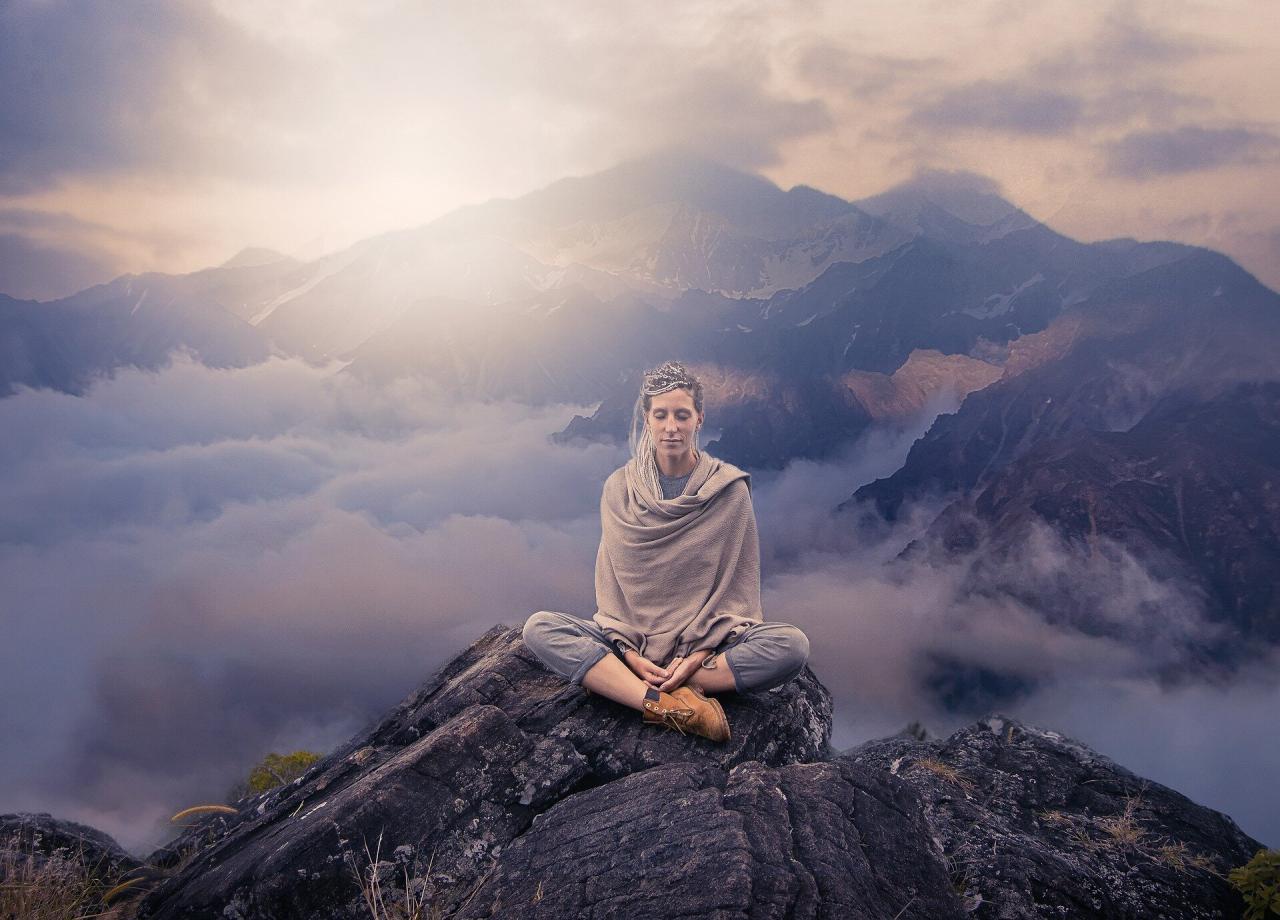
Developing a sense of inner calm and tranquility amidst the chaos of modern life is a central objective of meditation. Different techniques are designed to help practitioners focus their attention, calm the mind, and cultivate a deep sense of stillness. Exploring a variety of methods allows individuals to discover which practices resonate most and effectively support their journey toward mental clarity and serenity.
Each meditation technique offers unique features and intended outcomes, making it essential to understand their differences and applications. Incorporating these practices consistently can significantly enhance one’s ability to maintain focus and prevent distractions during meditation sessions. Additionally, structured approaches such as guided recordings or scripts can provide valuable support, especially for beginners or those seeking more disciplined routines.
Common Meditation Techniques to Cultivate Stillness
Various meditation methods serve to quiet the mind, foster presence, and nurture inner stillness. Understanding these techniques provides a foundation for effective practice and personalized exploration.
| Technique | Features | Intended Outcomes |
|---|---|---|
| Breath Awareness | Focuses attention solely on the breath, observing inhalation and exhalation without trying to control it. Typically performed sitting comfortably with eyes closed or softly gazed. | Develops mindfulness, enhances concentration, and calms mental chatter. It anchors the practitioner in the present moment. |
| Body Scan | Progressively brings awareness to different parts of the body, often starting from the toes and moving upward. Usually practiced lying down or sitting comfortably. | Deepens relaxation, releases physical tension, and promotes a heightened sense of bodily awareness that cultivates mental stillness. |
| Mantra Repetition | Involves silently or audibly repeating a specific word or phrase (mantra). The repetition helps focus the mind and drown out extraneous thoughts. | Creates a meditative rhythm, induces a state of absorption, and fosters mental clarity and calmness. |
| Guided Visualization | Uses audio recordings or verbal instructions to lead the practitioner through calming mental images or scenarios. | Enhances relaxation, reduces stress, and cultivates a sense of peacefulness and inner stillness. |
| Chanting or Singing | Involves vocalizing specific sounds, chants, or mantras in harmony with breath. Usually performed in group settings or alone with recordings. | Balances energy, promotes focus, and heightens a sense of unity and spiritual connection, aiding in stillness. |
Maintaining Focus and Preventing Distractions
Achieving sustained focus during meditation is vital for cultivating stillness. External distractions and internal wandering thoughts are common barriers that can disrupt practice. Developing strategies to maintain attention ensures a more profound and consistent experience.
- Set a dedicated, quiet space free from interruptions to establish a conducive environment for practice.
- Use gentle reminders such as soft bells or timers to signal session beginnings and endings, helping to anchor attention.
- When the mind wanders, acknowledge the distraction without judgment and gently redirect focus back to the chosen point of attention, such as the breath or mantra.
- Employ a gentle attitude toward wandering thoughts, understanding that distraction is natural, and use it as an opportunity to develop patience and resilience.
Consistency in practice, along with patience and kindness toward oneself, significantly enhances the ability to sustain focus. Over time, the mind naturally becomes more adept at returning to stillness with less effort.
Incorporating Guided Meditation Recordings or Scripts
Guided meditations serve as valuable tools for structuring meditation sessions, especially for beginners or individuals seeking external guidance. These recordings or scripts provide clear instructions, soothing narration, and a sense of direction that can deepen the practice and foster a more profound state of stillness.
Practitioners can select guided meditations tailored to their specific goals, such as calming the mind, releasing tension, or developing mindfulness. Listening to these recordings during dedicated sessions helps maintain focus, provides a rhythm for the practice, and prevents the mind from wandering. Additionally, scripts can be customized or created to reflect personal preferences and needs, offering flexibility and continuity in the meditation routine.
Incorporating regular use of guided recordings can also serve as a means of accountability, ensuring consistent practice and a structured approach to cultivating inner silence. Many guided meditations are available through apps, websites, or audio collections, providing a diverse array of options suitable for all experience levels.
Strategies for Incorporating Meditation into a Busy Schedule
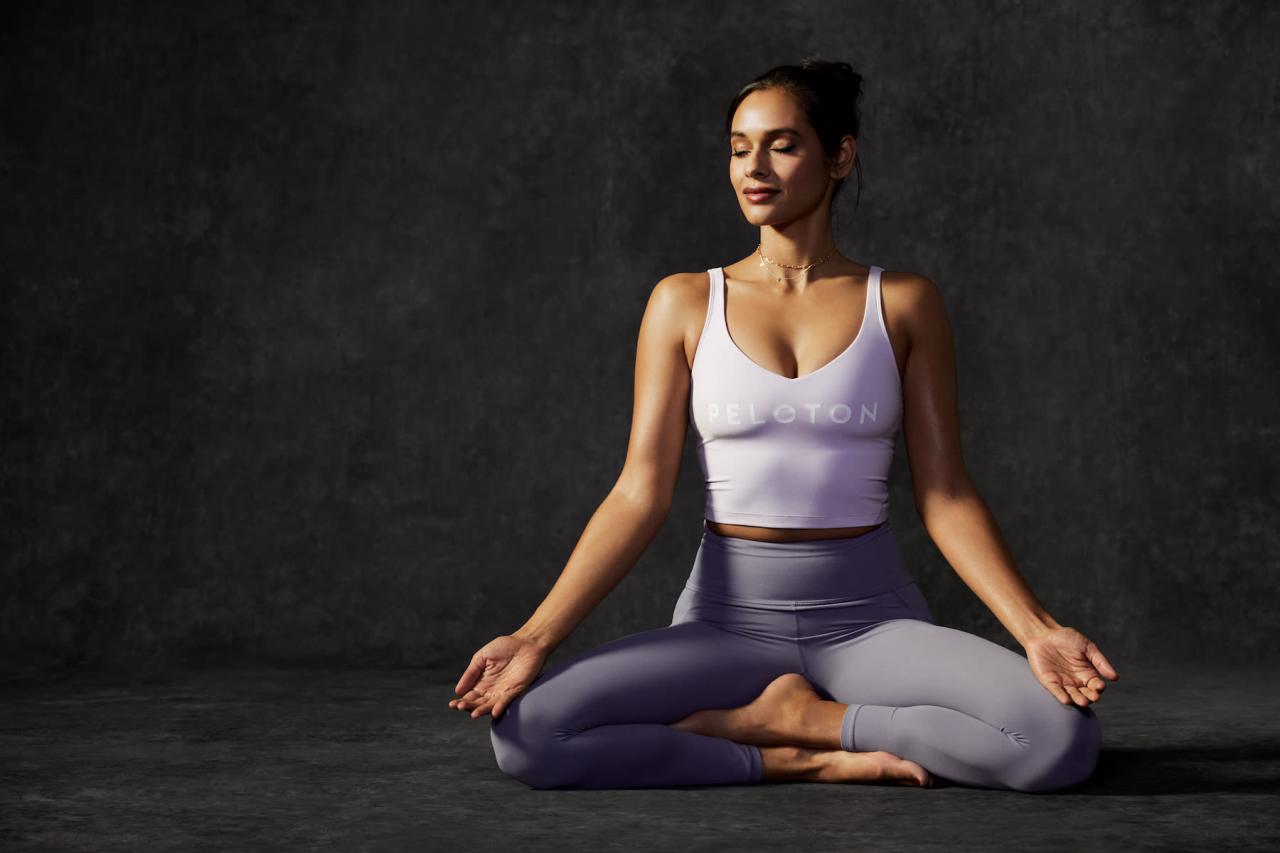
Maintaining a consistent meditation practice can be challenging amid a hectic daily routine. However, integrating short, mindful pauses throughout the day can significantly enhance mental clarity, reduce stress, and foster a sense of calm amidst chaos. Developing practical strategies ensures that meditation becomes a sustainable part of life, even for those with demanding schedules, allowing for moments of stillness and reflection whenever needed.Effective integration of meditation into daily routines requires deliberate planning and small adjustments.
By recognizing natural breaks and utilizing brief periods for mindfulness, individuals can cultivate a continuous thread of awareness that complements their busy lives. The key is to make these moments accessible, realistic, and aligned with personal routines to foster consistency and long-term benefits.
Procedures for Short, Effective Meditation Sessions During Work or Daily Routines
Incorporating brief meditation sessions into everyday activities enables individuals to reap the benefits of mindfulness without extensive time commitments. These practices can be seamlessly embedded into work breaks, commutes, or daily chores, providing a mental reset and reducing accumulated stress.
- Allocate specific moments during the day, such as a 3- to 10-minute pause, to focus solely on breathing or body awareness.
- During work, use a quick body scan to release tension, focusing on each part from head to toe, which can be done at your desk or in a quiet corner.
- Practice mindful breathing exercises during short breaks, inhaling slowly through the nose for a count of four, holding briefly, then exhaling gently for the same duration.
- During routine activities like washing dishes or waiting in line, engage in mindful observation of sensations, sounds, and smells without judgment.
- Incorporate guided meditation recordings designed for short sessions, which can be played discreetly on a smartphone or computer, guiding you through calming visuals and breathing techniques.
Methods to Set Reminders and Develop Consistency in Practice
Consistency in meditation practice is vital for experiencing its full benefits. Establishing reliable cues and creating habitual routines help in embedding mindfulness into daily life, making sessions feel natural rather than burdensome.
- Use digital reminders such as alarms or calendar alerts set at specific times each day, reminding you to pause for a moment of meditation.
- Associate meditation with existing routines, such as immediately after brushing your teeth, before meals, or during scheduled breaks, to reinforce habit formation.
- Keep a visible reminder in your workspace or home, like a sticky note or a dedicated meditation corner, to prompt mindfulness when passing by.
- Track progress using journals or mobile apps that record daily sessions, providing visual motivation to maintain consistency.
- Share your goals with colleagues, friends, or family members to foster accountability and encouragement in maintaining your practice.
Integrating Mindfulness into Everyday Activities
Transforming routine activities into opportunities for mindfulness enables ongoing practice with minimal disruption. These moments can serve as natural gateways to a state of presence, reducing mental clutter and enhancing overall well-being.
Walking
Practice walking meditation by paying close attention to each step, feeling the contact of your feet with the ground, and observing surrounding sounds and sights without judgment.
Eating
Engage in mindful eating by savoring each bite, noticing flavors, textures, and the sensations involved, without rushing or distractions.
Commuting
During commutes, focus on the breath, observe the environment outside, or listen to calming guided meditations or ambient sounds to foster presence.
Household chores
Turn tasks like sweeping or laundry into mindfulness exercises by paying full attention to the movements, textures, and sounds involved.
Waiting periods
Use waiting times to do simple breathing exercises, body scans, or visualizations, turning idle moments into opportunities for mental stillness.
Tips to Overcome Common Obstacles Such as Impatience or Mind Wandering
Despite best intentions, common hurdles like impatience and a wandering mind can disrupt meditation routines. Recognizing these challenges and employing practical strategies can help sustain focus and deepen practice over time.
- Practice patience by reminding yourself that meditation is a skill developed gradually, and moments of distraction are natural. Use gentle self-compassion rather than frustration.
- When the mind wanders, acknowledge the distraction without judgment, then gently redirect attention back to your breath, sensations, or chosen focus point.
- Use anchor points such as the breath, bodily sensations, or a specific sound to stabilize attention during sessions.
- Keep sessions short initially, gradually increasing duration as comfort and focus improve, which helps in managing impatience.
- Incorporate loving-kindness or compassion phrases to counteract impatience, cultivating a kind attitude toward oneself during practice.
- Remember that consistency is more important than duration; even brief daily sessions accumulate benefits, reinforcing the habit and resilience against distraction.
Deepening the Practice and Enhancing Stillness
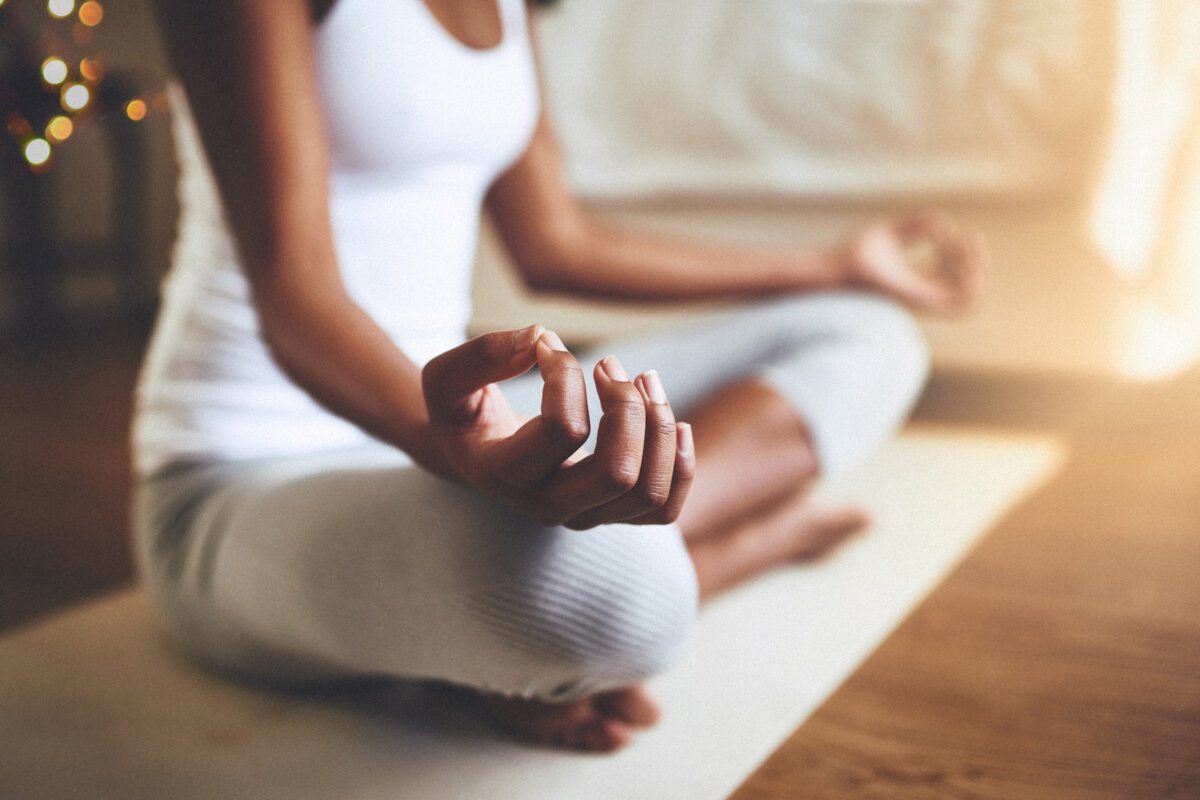
In cultivating a deeper state of meditation, practitioners often seek to extend their sessions and refine their focus to reach greater levels of stillness. This process involves a gradual approach that respects individual capacity while progressively challenging the mind to sustain attention and inner calm. Developing techniques for deeper awareness not only enhances the quality of meditation but also translates into a more grounded and centered presence in daily life.Achieving profound stillness requires patience, consistency, and intentional effort.
By gradually increasing the duration of meditation sessions, practitioners can allow the mind to settle more fully and access heightened states of tranquility. Simultaneously, employing refined techniques for focus helps to diminish distractions and deepen awareness of subtle sensations, thoughts, and emotions. These practices create a fertile ground for experiencing true stillness, which can be profound and restorative.
Extending Meditation Duration for Deeper Stillness
Progressively increasing the length of meditation sessions allows the mind to become more accustomed to sustained focus and calm. This gradual approach prevents feelings of overwhelm or frustration, making it sustainable over months or years of practice. Begin by adding short increments, such as 2-5 minutes every week, aiming for consistency rather than immediate lengthening. For example, a practitioner starting with 10-minute sessions might extend to 15 minutes after two weeks, then to 20 minutes over subsequent weeks.
Use a timer to track progress and maintain a comfortable, alert posture to avoid physical discomfort that could interrupt the session. As sessions lengthen, incorporate mindful awareness of physical sensations and breath to anchor attention, ensuring the extended duration remains engaging and effective. Over time, this practice fosters a deeper capacity for stillness and concentration that can be sustained even during everyday activities.
Refining Focus and Deepening Awareness During Sessions
Strengthening the ability to focus and cultivating a deeper sense of awareness are essential for enhancing meditation depth. These techniques help practitioners to transcend superficial distraction and access subtle layers of consciousness.Conscious breathing practices such as
- diaphragmatic breathing* or
- box breathing* can serve as anchors to refine focus. Paying close attention to the breath’s texture, rhythm, and temperature cultivates a heightened state of presence. Incorporate techniques such as
- noting*, where each thought, sensation, or emotion is observed without judgment, to deepen awareness of transient mental states.
Mindfulness of bodily sensations, including tension or relaxation points, can also strengthen somatic awareness. Additionally, visualization practices focusing on inner light or energy flow may deepen concentration and facilitate access to stillness.
“Deepening awareness involves gently observing without attachment, allowing insights to emerge naturally from within.”
Progressive Meditation Plan Over Weeks or Months
A structured, gradual plan supports sustained growth in meditation depth and stillness. This plan can be customized according to individual schedules and goals.
| Week | Focus Area | Duration | Key Technique |
|---|---|---|---|
| 1-2 | Establishing consistency and basic breath awareness | 10 minutes daily | Breath counting and body scan |
| 3-4 | Increasing duration and refining focus | 15 minutes daily | Silent observation of breath and sensation |
| 5-8 | Deepening awareness and reducing distraction | 20 minutes daily | Noting and visualization techniques |
| 9-12 | Integration of mindfulness into daily life and advanced techniques | 25-30 minutes daily | Compassion meditation, open awareness |
This phased approach encourages gradual adaptation, minimizes frustration, and fosters sustainable progress. Adjustments can be made based on personal experience, emphasizing comfort and natural progression.
Reflective Journaling to Track Progress
Maintaining a journal after each meditation session provides valuable insights into personal growth and challenges. Reflective journaling helps to recognize patterns, track improvements, and deepen commitment.Encourage practitioners to note the duration, focus quality, sensations experienced, emotional states, and any distractions encountered. Writing about the sense of stillness or clarity achieved can reveal subtle changes over time. For example, noting a decrease in mental chatter or increased ease in maintaining focus signals progress.Reflective entries foster mindfulness outside sessions and serve as a motivational record when faced with difficulties.
Over weeks or months, reviewing journal entries reveals trends, highlights breakthroughs, and helps in adjusting techniques or goals for ongoing development.
“Consistent reflection transforms meditation from a fleeting practice into a pathway of ongoing self-discovery and inner growth.”
Overcoming Challenges in Maintaining Stillness

Maintaining mental and environmental stillness during meditation can be challenging, especially in today’s fast-paced world filled with distractions. These obstacles can hinder progress and diminish the effectiveness of meditation practices. Recognizing common difficulties and implementing practical strategies helps cultivate a resilient and consistent meditation habit, ultimately leading to deeper stillness and inner peace.Mental distractions such as wandering thoughts, worries, or emotional turbulence often surface during meditation sessions.
Environmental distractions, including noise, interruptions, or uncomfortable surroundings, can also interfere with concentration. Addressing these challenges requires a combination of mindfulness techniques, environmental adjustments, and cultivating patience. The goal is to develop resilience against interruptions and to gently guide the mind back to the present moment without frustration.
Troubleshooting Meditation Difficulties
Below is a table outlining common issues faced during meditation sessions and corresponding practical steps to resolve them effectively.
| Problem | Possible Causes | Troubleshooting Steps |
|---|---|---|
| Mind Wandering | Natural tendency of the mind to seek distraction or avoid stillness |
|
| Restlessness or Physical Discomfort | Uncomfortable posture, environment, or underlying health issues |
|
| External Noise Distractions | Uncontrollable surroundings or unexpected disturbances |
|
| Frustration or Impatience | Expectations of immediate results or difficulty maintaining focus |
|
Methods to Cultivate Patience and Resilience
Patience and resilience are essential qualities for a sustained meditation practice, especially when facing persistent challenges. Developing these qualities involves intentional mental conditioning and lifestyle adjustments that support a calm and accepting attitude toward the process.One effective approach is to incorporate mindfulness into daily activities outside formal meditation sessions. By maintaining present-moment awareness in everyday tasks, individuals strengthen their ability to remain centered when obstacles arise during meditation.
Additionally, practicing self-compassion reduces frustration and promotes perseverance, acknowledging that difficulties are part of the growth process.Resilience can be enhanced through consistent practice, setting small achievable goals, and celebrating progress regardless of how incremental. Recognizing that fluctuations are natural encourages persistence. Techniques such as visualizing resilience or repeating affirmations—like “I am patient and capable”—can reinforce a resilient mindset.
Adapting Meditation Techniques to Personal Preferences and Lifestyles
Tailoring meditation practices to fit individual preferences and lifestyles increases the likelihood of consistency and enjoyment. Flexibility in technique selection and session structure allows practitioners to integrate stillness practices seamlessly into daily routines.For those with busy schedules, guided meditations or shorter sessions, such as five to ten minutes, can be highly effective. For individuals who prefer movement, walking meditation offers a dynamic alternative to seated practice, fostering mindfulness through physical activity.
Personal preferences regarding posture also matter; some may find sitting cross-legged comfortable, while others prefer a chair or lying down.Lifestyle considerations, such as work commitments or family responsibilities, necessitate creative scheduling. Early mornings, lunch breaks, or evening routines are ideal opportunities to incorporate meditation. Using technology, including meditation apps or timers, can facilitate adherence and make practice more accessible. Importantly, maintaining a non-judgmental attitude toward the form of meditation used ensures that personal comfort and lifestyle demands are respected, supporting a sustainable and fulfilling practice.
Visualizations and Imagery to Support Stillness
Incorporating visualization techniques into meditation can significantly deepen one’s state of stillness and mental clarity. By cultivating calming mental images, practitioners can quiet the mind, reduce stress, and foster a sense of inner peace. The use of natural scenes, geometric patterns, and symbolic imagery serves as powerful tools to anchor attention and facilitate a tranquil meditative experience. Developing skillful visualization practices allows individuals to access profound serenity, even amidst a busy and chaotic environment.
Effective visualization exercises involve creating vivid mental landscapes that evoke feelings of calm and stability. These mental images act as anchors, helping the meditator to maintain focus and sustain stillness for longer periods. Regular practice of these techniques not only enhances concentration but also trains the mind to retrieve a sense of calmness in everyday situations. The following strategies provide detailed guidance on how to incorporate visualization exercises into daily meditation routines to cultivate lasting stillness.
Creating Calming Mental Images During Meditation
Developing calming mental images begins with selecting scenes or symbols that evoke tranquility and stability. Visualization should be detailed and immersive, engaging multiple senses to strengthen the mental image. The goal is to transport the mind to a peaceful landscape or symbol that naturally induces relaxation. Practitioners are encouraged to focus on sensory-rich details, such as sights, sounds, textures, and scents, to deepen their experience.
Regularly practicing these visualizations can lead to quicker access to stillness during meditation sessions, even in stressful circumstances.
Use of Natural Scenes, Geometric Patterns, and Symbolic Imagery
Natural scenes are among the most effective imagery choices, as they mirror the innate harmony found in nature. Examples include a tranquil lake reflecting the sky, a gentle forest path, or a quiet mountain summit. These scenes evoke a sense of vastness and serenity, promoting mental expansion and calmness.
Geometric patterns, such as mandalas, spirals, or fractals, are used to focus attention and induce a meditative state. Their repetitive and symmetrical nature can help to quiet the chatter of the mind, providing a visual anchor for concentration. For instance, visualizing a mandala with intricate, symmetrical designs can promote a sense of order and equilibrium within.
Symbolic imagery involves visualizing meaningful symbols that resonate personally or culturally, such as a lotus flower representing purity, a radiant sun symbolizing energy and clarity, or a calm ocean signifying depth and tranquility. These symbols serve as mental touchstones that reinforce inner stability and stillness during practice.
Techniques for Incorporating Visualization Exercises into Daily Practice
To effectively integrate visualization into everyday meditation, practitioners should establish a routine that dedicates specific time for guided or self-directed imagery exercises. Starting with brief sessions of 5–10 minutes allows gradual adaptation and mastery of the technique. During meditation, find a comfortable seated or lying position, close the eyes, and take a few deep breaths to settle the mind. Then, intentionally create the chosen mental image, gradually adding sensory details and emotions associated with calmness.
Repeating visualization exercises consistently enhances their effectiveness and makes accessing stillness more automatic over time.
Using guided visualization recordings or scripts can be particularly helpful for beginners. These recordings often include detailed descriptions and soothing soundscapes that support the visualization process. As familiarity and confidence grow, practitioners can develop their own imagery scripts tailored to personal preferences and needs, making the practice more meaningful and effective.
Examples of Descriptive Explainings for Vivid Mental Landscapes
Imagine standing at the edge of a pristine mountain lake just after dawn. The water is perfectly still, reflecting the soft pastel hues of the sunrise. A gentle breeze stirs the surface, creating delicate ripples that shimmer with the colors of the sky. You can hear the subtle lapping of water against the shore and the distant call of a solitary bird.
The air is crisp and clean, carrying the faint scent of pine and fresh earth. As you breathe deeply, the tranquility of this scene flows into your mind, anchoring you in a state of calm and stillness.
Visualize a luminous, intricate mandala with symmetrical patterns radiating from a central point. The design features vibrant colors—deep blues, golds, and silvers—that shift and glow softly. As you focus on this pattern, let your gaze follow the geometric shapes inward and outward, feeling the harmony and balance it embodies. Each time your mind drifts, gently bring your attention back to the mandala, allowing its repetitive structure to lull you into deeper stillness and concentration.
Picture a warm, golden sun descending behind rolling hills, casting a gentle glow over a peaceful meadow. Wildflowers sway softly in the breeze, and a distant stream murmurs quietly. The landscape is alive with subtle movements, yet an sense of stillness pervades the scene. Visualizing this sunset calms your mind, helping you release tension and find a deep sense of inner silence.
Focusing on the warm light and serene environment enables you to cultivate a peaceful, unshakeable presence during your meditation practice.
Last Recap
Embracing meditation as a regular practice can transform your approach to stress and chaos, fostering a sense of inner stillness that persists throughout your day. With consistent effort and the right techniques, you can develop resilience, enhance your awareness, and enjoy the profound benefits of mental clarity and emotional balance. Remember, finding stillness in a busy world is a journey that yields lasting peace and fulfillment.