Discovering and reinforcing your sense of purpose through meditation offers a profound pathway to personal growth and fulfillment. By engaging in mindful practices, individuals can gain clarity on their life goals and cultivate a deeper connection with their core values. Incorporating meditation into daily routines not only enhances self-awareness but also empowers you to live intentionally and align your actions with your true purpose.
Introduction to Meditation for Purpose

Meditation serves as a powerful tool in the journey of self-discovery and personal growth, particularly in uncovering and reinforcing one’s sense of purpose. By dedicating moments of reflective stillness, individuals can gain deeper insight into their true motivations, values, and life aspirations. This practice fosters a profound connection between the mind and the heart, enabling clarity amidst life’s constant distractions.
Engaging in mindfulness meditation enhances one’s ability to observe thoughts and feelings without judgment, creating a mental space where clarity of intention can flourish. When consistently integrated into daily routines, meditation helps align daily actions with core values, thereby strengthening personal purpose and fostering a sense of fulfillment. Such practices not only clarify life goals but also cultivate resilience and a heightened awareness of one’s unique path.
Connection Between Mindfulness Practices and Clarity of Life Goals
Mindfulness meditation involves paying deliberate attention to the present moment, which significantly contributes to understanding and defining life goals. When practiced regularly, mindfulness sharpens self-awareness, allowing individuals to recognize what truly matters to them beyond superficial pursuits. This heightened awareness serves as a foundation for setting authentic and meaningful objectives.
Through consistent mindfulness exercises, individuals become more attuned to subtle internal cues—such as feelings of joy, frustration, or dissatisfaction—that signal whether they are aligned with their purpose. This enhanced clarity supports better decision-making, encourages intentional actions, and fosters a deeper commitment to personal growth. Over time, mindfulness becomes a compass guiding individuals toward a more purposeful and fulfilling life.
Benefits of Integrating Meditation into Daily Routines to Enhance Personal Intent
Embedding meditation into everyday life offers numerous benefits that extend beyond momentary tranquility. Regular practice strengthens mental resilience, reduces stress, and improves emotional regulation, all of which contribute to a clearer understanding of personal intentions. Moreover, daily meditation cultivates patience, discipline, and self-compassion, essential qualities for pursuing long-term goals.
By establishing a consistent meditation routine, individuals create a sacred space for reflection and self-assessment. This routine nurtures a habit of intentional living, where each action is aligned with a well-understood purpose. As a result, people experience increased motivation, greater focus, and a more profound connection to their life’s overarching mission, making purposeful living an accessible and sustainable aspect of everyday life.
Preparing for Meditation Sessions
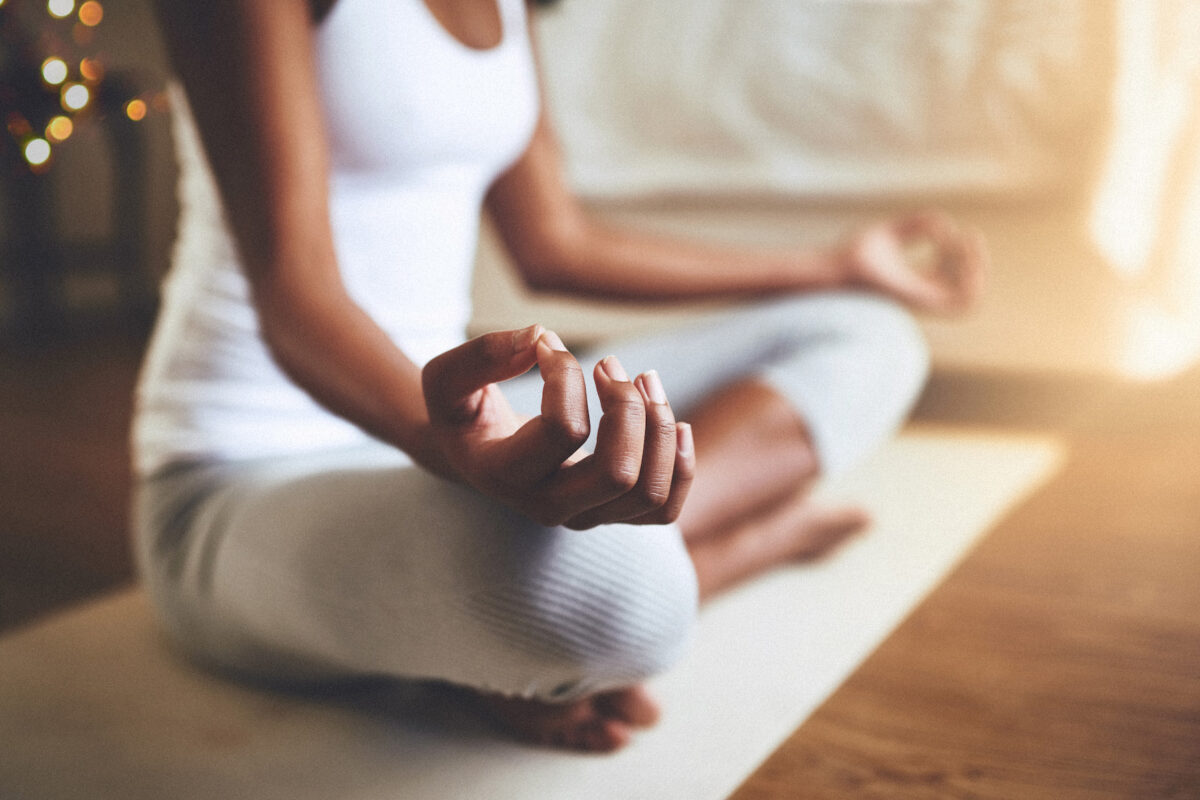
Establishing a dedicated and mindful environment is essential for enhancing the effectiveness of your meditation practice, particularly when it is aimed at strengthening your sense of purpose. Proper preparation creates a peaceful space that minimizes distractions and cultivates a focused mindset, enabling you to fully immerse yourself in your meditation and deepen your connection with your intentions. By thoughtfully setting the stage, you can foster a sense of calm and readiness that supports a meaningful and purposeful meditation experience.Creating an environment conducive to meditation involves paying attention to both physical surroundings and mental readiness.
A well-chosen space that is quiet, clean, and free from interruptions helps maintain concentration and promotes relaxation. Incorporating elements that appeal to your senses—such as gentle lighting, soothing scents, or calming sounds—can significantly enhance your ability to enter a mindful state. Establishing a routine for preparing your space signals to your mind that it is time to focus inward, reinforcing the habit of purposeful meditation.
Setting and Ambiance
Setting up your meditation space requires intentional choices that promote tranquility and focus. Choose a quiet area where external noise is minimized, and where you can sit comfortably without discomfort or distraction. Decluttering the space creates a sense of order and serenity, preventing visual clutter from diverting your attention during meditation. Soft, warm lighting, such as dim lamps or candles, can create a calming atmosphere that encourages relaxation.Incorporating natural elements like plants or a small water fountain can further enhance the ambiance by connecting you to nature, which often reinforces feelings of grounding and purpose.
Use calming scents like lavender, sandalwood, or frankincense through candles or diffusers to stimulate relaxation and mental clarity. Consistent use of these sensory cues can deepen your focus and establish a ritual that signals your mind to shift into a meditative state.
Essential Tools and Objects
Supportive tools and objects can serve as anchors during your meditation sessions, helping to maintain focus and comfort. While not mandatory, certain items are widely recognized for their helpfulness in creating a conducive meditation environment.
- Cushions or Meditation Benches: Provide physical comfort and promote proper posture, reducing discomfort that may distract from your practice.
- Candles or Incense: Offer gentle, calming scents that enhance relaxation and signal the beginning of your meditation routine.
- Calming Music or Nature Sounds: Soft background sounds can mask disruptive noise and help maintain a steady rhythm for your breathing or meditation technique.
- Timer or Meditation App: Ensures your session duration is maintained without the need to constantly check the clock, allowing you to focus solely on your practice.
- Altar or Sacred Objects: Items like crystals, statues, or meaningful symbols can serve as visual reminders of your purpose and intention behind your meditation.
Guiding Procedure to Settle into a Mindful State
Before beginning your meditation, it is beneficial to follow a structured routine to settle your mind and body, preparing you to engage fully with your practice. This process helps shift from everyday busyness into a receptive, mindful state aligned with your purpose.Start by finding a comfortable seated position, ensuring your back is straight yet relaxed. Close your eyes gently or soften your gaze downward to minimize visual distractions.
Take several slow, deep breaths—inhale through your nose, filling your lungs completely, and exhale slowly through your mouth or nose. Focus on the sensation of your breath, observing its natural rhythm without attempting to control it.Allow your attention to settle on a specific intention related to your purpose, such as clarity, resilience, or alignment. Repeating a purposeful affirmation or mantra softly can reinforce this focus.
Scan your body for any tension, consciously relaxing tight muscles or areas of discomfort. As you deepen your breath and relax your muscles, visualize a sense of calm spreading throughout your entire being.Finally, set a clear intention for your session, affirming your commitment to nurturing your sense of purpose through this practice. This mindful settling creates a fertile ground for your meditation to be meaningful and transformative.
Techniques for Meditating to Strengthen Your Sense of Purpose

Developing a strong sense of purpose through meditation requires intentional practice using specific techniques that focus your mind and deepen your understanding of your personal goals. These methods help anchor your awareness, foster vivid visualizations, and promote reflective insights, making your sense of purpose more tangible and resilient.
Incorporating these techniques into your meditation routine can significantly enhance your clarity and commitment to your life’s mission. Each method is designed to cultivate inner awareness, foster positive visualization, and encourage meaningful reflection, ultimately strengthening your connection to your purpose.
Focused Breathing Exercises Anchoring Awareness on Personal Purpose
Breathing exercises serve as the foundational practice in meditation, helping to calm the mind and anchor your awareness directly onto your sense of purpose. Consistent practice of focused breathing can increase mindfulness, reduce distractions, and facilitate a deeper connection with your inner motivations.
These exercises involve consciously controlling and observing your breath, which anchors your attention and creates a calm mental state conducive to purposeful reflection. When your mind begins to wander, gently redirect your focus back to your breath, reinforcing your intent to cultivate clarity around your personal goals.
- diaphragmatic breathing : Breathe deeply into the abdomen, filling the lungs fully, then slowly exhale. Focus on the sensation of the air filling and leaving your body, aligning each breath with your intention to connect with your purpose.
- Box breathing : Inhale for a count of four, hold the breath for four, exhale for four, and hold again for four. This rhythmic pattern stabilizes your nervous system and increases focus on your purpose during each cycle.
- Counting breaths : Count each inhale and exhale up to ten, then start over. This technique anchors your awareness and minimizes mental distractions, fostering a reflective state conducive to purpose-driven meditation.
Visualization Method to Vividly Imagine Living Your Purpose
Visualization is a powerful technique that actively engages your imagination to create clear, detailed mental images of yourself living in alignment with your purpose. This process enhances motivation, reinforces intentions, and clarifies the steps needed to realize your goals.
Follow this step-by-step visualization process to deepen your connection to your purpose:
- Settle into a comfortable position: Find a quiet space and adopt a posture that allows you to relax yet remain alert.
- Begin with deep breathing: Use focused breathing exercises to calm your mind and create a receptive state.
- Close your eyes and imagine your ideal day: Visualize waking up energized and purposeful, engaging in activities that align with your core goals and values.
- Include sensory details: Imagine the sights, sounds, smells, and feelings associated with living your purpose vividly. For instance, if your purpose involves helping others, visualize interactions filled with compassion and gratitude.
- Experience emotional resonance: Feel the positive emotions—joy, pride, fulfillment—that accompany living your purpose. Allow these feelings to deepen as you immerse yourself in the visualization.
- Conclude with affirmation: End the visualization by silently affirming your commitment to pursue and embody your purpose every day.
Practicing this visualization regularly strengthens your subconscious connection to your purpose, making your goals feel more attainable and motivating ongoing action.
Reflective Journaling Post-Meditation
After engaging in meditation, dedicating time to reflective journaling can consolidate insights gained and clarify your personal goals. This practice transforms abstract intentions into tangible plans and reinforces your commitment to living purposefully.
Here’s a structured approach for post-meditation reflection:
- Set an intention: Begin by noting your purpose or the specific focus of your meditation session.
- Describe your experience: Write about the sensations, thoughts, and emotions you encountered during meditation. Include any vivid visualizations or insights.
- Identify key insights: Highlight moments of clarity or realizations about your goals, motivations, or values that emerged during meditation.
- Artikel actionable steps: Based on your reflections, list small, concrete actions you can take toward embodying your purpose in daily life.
- Reaffirm your commitment: Conclude by writing a supportive affirmation or statement of intent to reinforce your dedication to your purpose.
Consistent journaling helps track your growth, deepen your understanding of your purpose, and maintain motivation. Over time, this practice cultivates a strong, unwavering sense of direction rooted in your inner insights.
Aligning Meditation with Personal Values and Goals
Integrating meditation into your daily routine as a tool for clarifying and reinforcing your core values and goals can significantly deepen your sense of purpose. This process involves intentionally using meditation sessions to explore what truly matters to you, ensuring that your actions and aspirations align with your authentic self. By consciously aligning meditation practices with your personal principles, you create a powerful foundation for sustained motivation, inner harmony, and purposeful living.
When meditation is tailored to reflect your core values and long-term objectives, it transforms from a generic relaxation technique into a meaningful practice that guides your decisions and behaviors. This alignment fosters greater self-awareness, resilience, and clarity in pursuing your unique purpose in life. The following framework offers practical approaches to identify your foundational values, craft affirmations, and evaluate your current actions within this context.
Identifying Core Values Through Meditation
Discovering your core values involves introspective exercises that can be enhanced by meditation. The goal is to create a clear map of what fundamentally guides your beliefs, behaviors, and life choices. During meditation sessions, you can focus on introspection prompts that help surface these deeply held principles.
Begin by setting the intention to explore your inner landscape, inviting insights about what truly matters to you. Use mindfulness to observe recurring thoughts, feelings, or themes that emerge naturally during your practice. For example, you might notice frequent reflections on honesty, compassion, achievement, or connection. Writing down these recurring insights after meditation helps solidify your understanding of your core values.
Engaging in visualization techniques, such as imagining your ideal life aligned with your deepest beliefs, can further clarify what values are central to your purpose. Over time, this process reveals foundational principles that serve as guiding stars for your decisions and actions.
Crafting Personal Affirmations to Reinforce Purpose
Personal affirmations are positive, present-tense statements that encapsulate your purpose and values. During meditation, crafting and repeating these affirmations can anchor your intentions and strengthen your resolve to live in alignment with your purpose.
To create effective affirmations, start by reflecting on your core values and future goals. Use clear, concise language that resonates emotionally. For example, if your purpose centers around compassion, an affirmation might be,
“I embody kindness and understanding in all my interactions.”
or if achievement is vital,
“I am confident and committed to realizing my potential.”
Integrate these affirmations into your meditation sessions by repeating them silently or aloud, allowing their positive energy to permeate your subconscious. Consistent practice helps reprogram your mindset, making purposeful actions feel natural and authentic.
Evaluating Alignment Between Actions and Purpose
Periodic assessment of how your current life actions reflect your core values and goals is essential for maintaining alignment and staying true to your purpose. Structured activities can facilitate this evaluation, encouraging conscious reflection and informed adjustments.
One effective approach involves maintaining a purpose journal, where you record daily or weekly reflections on your actions and decisions. Ask yourself questions such as, “Did I act in accordance with my values today?” or “What choices reflected my purpose?”
In addition, engaging in guided meditation sessions focused on intention setting and review can help identify discrepancies between your aspirations and daily behaviors. During these sessions, visualize your ideal state of living in harmony with your purpose, then compare this vision with your current lifestyle.
Organizing periodic purpose audits—such as monthly reviews—helps you recognize patterns, celebrate successes, and identify areas for growth. Adjusting your goals or behaviors based on these insights ensures that your life continually aligns with your core purpose, reinforcing the meaningfulness of your meditation practice.
Incorporating Meditation into Daily Practices
Developing a consistent meditation routine that emphasizes purposeful reflection can significantly enhance your sense of purpose and clarity throughout the day. Integrating mindfulness and intentional reflection into your daily schedule ensures that your meditation practice becomes a seamless part of life, reinforcing your commitments and values at various points during the day. By designing a structured approach, you can maintain focus, foster resilience, and stay aligned with your personal goals, ultimately strengthening your sense of purpose over time.A well-crafted daily meditation schedule involves allocating specific times for reflection, mindfulness exercises, and brief moments of pause.
This approach helps embed purposeful meditation into your routine, making it sustainable and impactful. Additionally, incorporating quick techniques during busy moments enables you to realign with your purpose amidst daily activities. Tracking your progress further ensures that your efforts remain consistent and that you can identify patterns or areas needing adjustment, fostering continuous growth in your purpose-driven journey.
Designing a Daily Meditation Schedule with Purposeful Reflection
Creating a daily schedule that integrates purposeful reflection requires thoughtful planning around your natural routines and commitments. Establishing fixed times for meditation helps establish consistency, which is critical in cultivating a habit that reinforces your sense of purpose. For example, mornings can start with a brief session focused on setting intentions for the day, while evenings may be dedicated to reflection on achievements and challenges faced.
Midday pauses serve as checkpoints to realign your actions with your core values.Incorporate specific periods into your day dedicated to purposeful meditation:
- Morning Intentions: A 5-10 minute session upon waking to visualize your day’s goals aligned with your purpose.
- Midday Reflection: A 3-5 minute breathing exercise or brief mindfulness practice during lunch breaks to reset your focus.
- Evening Gratitude and Reflection: A 10-minute session to review your day’s progress, acknowledge successes, and realign any actions that may have diverged from your purpose.
- Pre-Sleep Reflection: A calming meditation to consolidate insights and prepare your mind for restful sleep, reinforcing your purpose-driven mindset.
Brief Meditation Techniques for Purposeful Breaks
During busy schedules, short and effective meditation techniques can serve as powerful tools to reconnect with your purpose and maintain mental clarity. These techniques are designed to be quick yet impactful, allowing you to regain focus and motivation even amidst a hectic day.Examples of brief meditation practices include:
- Focused Breathing: Take a deliberate inhale for four seconds, hold for four seconds, and exhale slowly for four seconds. Repeat this cycle for 1-2 minutes to calm your mind and center your thoughts.
- Purpose Visualization: Close your eyes briefly and vividly imagine a moment when you felt most connected to your purpose. Engage all your senses to deepen this visualization, which can re-energize your commitment.
- Mental Affirmations: Silently repeat affirmations aligned with your purpose, such as “I am focused on my goals” or “My actions reflect my true values,” for a few minutes to reinforce positive intentions.
- Gratitude Pause: Spend a minute recognizing three specific things you are grateful for related to your purpose, which can enhance motivation and perspective.
Maintaining Consistency and Tracking Progress in Purpose-Driven Meditation
Consistency is key to experiencing the full benefits of purposeful meditation. Establishing procedures to maintain regular practice and monitor your growth helps solidify these habits and enhances your awareness of progress.Effective methods include:
Setting specific, achievable goals for your meditation practice, such as meditating daily for ten minutes or completing weekly reflection sessions, fosters accountability.
Utilize tools like journals, apps, or habit-tracking charts to record your daily meditation activities and reflections. This documentation provides insight into your consistency and highlights patterns in your emotional or mental states over time. Regularly reviewing your entries can reveal progress in clarity, purpose alignment, and resilience.Additionally, consider establishing a feedback loop:
- Set monthly or weekly review sessions to assess your meditation goals and reflect on how your practice influences your sense of purpose.
- Adjust your schedule or techniques based on your reflections, ensuring that your meditation remains relevant and effective.
- Celebrate milestones, such as completing a 30-day streak or noticing increased clarity, to reinforce motivation and commitment.
Incorporating these procedures into your daily life ensures that purposeful meditation remains a dynamic and vital part of your ongoing journey towards a more purposeful existence.
Overcoming Challenges in Purposeful Meditation
Engaging in meditation with the intention of strengthening your sense of purpose can present unique challenges that may hinder progress or diminish the experience’s effectiveness. Recognizing these obstacles and implementing effective strategies is essential for maintaining consistency and deepening your practice. When obstacles arise, it is important to approach them with patience and adaptability, fostering resilience as you refine your meditation journey toward clarity and purpose.Meditation aimed at purpose cultivation often encounters distractions, impatience, or feelings of superficiality.
These hurdles are common and can disrupt focus or diminish motivation. Developing awareness of these challenges enables practitioners to address them constructively and to evolve their practice in alignment with personal insights and growth.
Managing Distractions and Enhancing Focus
External noise, wandering thoughts, or internal restlessness can divert attention during meditation sessions. To effectively manage these distractions:
- Establish a dedicated, quiet meditation space that minimizes external interruptions. A consistent environment fosters familiarity and reduces external stimuli.
- Use gentle guiding techniques such as focusing on the breath, visualizations, or mantra repetition to anchor attention. When the mind drifts, gently return focus without self-criticism.
- Implement shorter meditation intervals initially, gradually increasing duration to build concentration stamina over time.
- Practice mindfulness during daily activities to strengthen present-moment awareness, which transfers more seamlessly into seated meditation.
Addressing Impatience and Cultivating Patience
Impatience may surface when progress feels slow or when meditation sessions seem unproductive. Recognizing that deepening purpose takes consistent effort helps in cultivating patience:
“Progress in purposeful meditation is a gradual process that unfolds with perseverance and gentle persistence.” – Meditation Practitioners’ Insights
Strategies to foster patience include:
- Setting realistic expectations for progress and acknowledging small improvements as significant milestones.
- Adopting a compassionate attitude toward oneself, understanding that obstacles are part of the growth process.
- Maintaining a regular meditation schedule, which reinforces discipline and signals commitment despite challenges.
- Reflecting periodically on personal intentions and reconnecting with the core motivation for meditating on purpose, which revitalizes commitment and diminishes frustration.
Deepening Practice Amid Superficial or Unfulfilling Experiences
Initial meditation attempts may sometimes feel superficial or lacking in depth, leading to a sense of dissatisfaction. To deepen the practice:
- Introduce varied techniques such as body scans, loving-kindness meditation, or visualization to explore different aspects of purpose and consciousness.
- Increase meditation duration gradually, allowing more time for insights and internal reflection to emerge naturally.
- Incorporate journaling post-meditation to capture thoughts, sensations, and insights, fostering a deeper connection to the purpose-centered experience.
- Seek guidance from experienced meditation teachers or join group sessions to gain new perspectives and accountability, which can invigorate practice and offer fresh insights.
- Practice patience and self-compassion, recognizing that depth develops through consistent practice rather than immediate results.
Adapting Meditation Practices to Evolving Personal Insights
As personal insights about purpose evolve, it is important to adapt meditation practices accordingly to remain aligned and meaningful:
- Regularly revisit and refine your meditation goals and focus areas based on new insights or shifts in personal values.
- Integrate specific affirmations, intentions, or visualizations that resonate with your current understanding of purpose, making practice more relevant and impactful.
- Use reflective meditation sessions to explore emerging questions or challenges related to your purpose, encouraging deeper understanding and integration.
- Maintain flexibility in techniques, combining different methods to accommodate changing needs and deepen insight into evolving purpose topics.
- Engage in ongoing self-assessment or coaching to ensure that meditation remains a dynamic and responsive tool in your overall purpose development process.
Final Wrap-Up

In conclusion, integrating purposeful meditation into your daily life can significantly strengthen your understanding of personal goals and values. Overcoming common challenges and maintaining consistency ensures that this practice becomes a powerful tool for ongoing self-discovery. Embracing these techniques paves the way for a more purposeful and fulfilling life journey.