Embarking on a healing journey often involves exploring various holistic approaches, among which meditation stands out as a powerful tool. This practice not only fosters mental clarity and emotional resilience but also complements physical recovery processes, making it an essential component for those seeking overall wellness. Understanding how to effectively incorporate meditation into your routine can significantly enhance your path toward healing and self-discovery.
This guide offers comprehensive insights into preparing for meditation, exploring different techniques, integrating breathwork, addressing emotional and physical barriers, establishing a consistent practice, and combining meditation with other healing modalities. By following these strategies, individuals can cultivate a supportive environment that nurtures their journey toward health and well-being.
Introduction to Meditation for Healing
Meditation has been embraced across cultures and eras as a powerful tool to foster mental, emotional, and physical well-being. Its role in supporting personal healing journeys is rooted in the ability to cultivate awareness, release tension, and promote a sense of inner peace. As individuals navigate the complexities of recovery—whether from physical ailments, emotional trauma, or mental stress—meditation offers a gentle yet effective means of fostering resilience and facilitating holistic healing.
Incorporating meditation into recovery and wellness routines can lead to numerous benefits, including reduced stress levels, improved emotional regulation, enhanced focus, and a deeper connection with oneself. Over time, consistent practice can strengthen the body’s natural healing mechanisms, support immune function, and create a foundation for lasting wellness. The significance of meditation in healing spans thousands of years, with roots embedded in ancient traditions such as Buddhism, Hinduism, Taoism, and Indigenous practices.
These cultures recognized the profound connection between the mind and body, viewing meditation as a vital pathway to restoring balance and harmony within oneself.
Historical Context and Cultural Significance of Meditation in Healing
Historically, meditation has played a central role in spiritual and healing practices across diverse civilizations. In ancient India, practices like Yoga and Pranayama were developed not only as spiritual disciplines but also as methods for physical and mental healing. The Ayurvedic tradition integrated meditation as a complementary approach to medicine, emphasizing the importance of mental clarity and emotional stability in maintaining health.
Similarly, in Traditional Chinese Medicine, meditation was used alongside herbal remedies, acupuncture, and other techniques to balance the body’s vital energy, or Qi, thereby promoting healing and longevity. In Buddhist traditions, meditation was believed to cultivate compassion, reduce suffering, and attain enlightenment—concepts closely related to inner healing and recovery from mental afflictions.
During the 20th century, scientific research began to validate these ancient practices, revealing the physiological and psychological benefits of meditation. This convergence of science and tradition has led to the integration of meditation into modern healthcare settings, where it is used to support mental health, manage chronic pain, and assist in recovery from various health challenges. The enduring cultural significance of meditation underscores its universal recognition as a vital modality for healing across ages and societies.
Preparing for Meditation Practice
Establishing the right environment and routine is fundamental to cultivating a consistent and effective meditation practice. Proper preparation helps quiet the mind, reduce external distractions, and create a sense of safety and comfort. This stage sets the foundation for a meaningful meditation experience that can support your healing journey and overall well-being.
Thoughtful preparation involves arranging your surroundings, selecting appropriate tools, and developing a routine that signals your mind and body to transition into a relaxed, focused state. These steps enhance your capacity to meditate with intention and ease, fostering a deeper connection to your inner self and the healing process.
Creating a Calming Environment
Designing an environment conducive to meditation involves minimizing distractions, controlling sensory inputs, and fostering a peaceful atmosphere. This setting acts as a sanctuary where your mind can settle, and your body can relax fully.
- Choose a quiet space where external noise and interruptions are minimal. If necessary, use earplugs or white noise machines to block disruptive sounds.
- Ensure the area is clean and clutter-free to promote mental clarity and relaxation.
- Adjust lighting to a soft, warm glow, or opt for natural light. Dim lighting helps signal your brain that it is time to relax and meditate.
- Maintain a comfortable temperature that is neither too hot nor too cold, supporting physical ease during meditation sessions.
Consistency in your environment reinforces the meditative state and makes it easier to enter a focused mindset over time.
Recommended Tools and Props
Utilizing specific tools and props can enhance comfort and deepen your meditation experience. They serve as physical anchors that remind you of your intention and help maintain proper posture.
- Cushions or Meditation Chairs: Provide support to keep your spine aligned and reduce discomfort during prolonged sitting. Cushions can be placed under the hips or knees for added comfort.
- Candles: Soft candlelight creates a gentle ambiance that calms the nervous system and aids focus. Always practice fire safety when using candles.
- Incense or Aromatherapy: Scents like lavender, sandalwood, or frankincense can promote relaxation, reduce stress, and elevate the sensory experience.
- Blankets: Keep warm and comfortable, especially during meditation in cooler environments, preventing physical distractions caused by coldness.
- Timer or Bell: Use a gentle timer or bell to mark the beginning and end of your session, allowing you to focus inward without checking the clock.
Establishing a Consistent Routine
Creating a simple, repeatable routine helps turn meditation into a habitual practice, making it a natural part of your daily life. Consistency fosters progress and allows your mind and body to anticipate and prepare for meditation sessions.
- Set a specific time each day dedicated to meditation, such as morning upon waking or evening before bed. Regular timing reinforces discipline and facilitates habit formation.
- Start with a manageable duration, such as five to ten minutes, gradually increasing as your comfort and skill grow.
- Develop a pre-meditation ritual, like gentle stretching, deep breathing exercises, or sipping herbal tea, to signal your transition into a calm state.
- Keep your meditation space ready and accessible, so there are minimal barriers to beginning each session.
- Track your progress with a journal or mindfulness app, which can motivate consistency and provide insight into your healing journey.
By integrating these elements into your routine, meditation becomes a reliable, nurturing practice that supports your ongoing healing and personal growth.
Techniques for Supporting Healing Through Meditation
Implementing diverse meditation techniques can significantly enhance your healing process by addressing physical, emotional, and mental well-being. Each method offers unique benefits and can be tailored to individual needs, providing a personalized approach to recovery and inner balance. Understanding and practicing these techniques can deepen your connection to healing energies and foster a nurturing environment for your journey.
Below, we explore several effective meditation methods—mindfulness, guided visualization, loving-kindness, and body scan—each with illustrative examples and step-by-step guidance to incorporate into your routine.
Mindfulness Meditation
Mindfulness meditation involves paying deliberate attention to present-moment experiences with openness and non-judgment. It encourages awareness of sensations, thoughts, and emotions as they arise, fostering acceptance and reducing stress that can hinder healing.
- Find a comfortable seated position, either on a chair or cushion, with your back straight but relaxed.
- Close your eyes gently and take a few deep breaths, inhaling through the nose and exhaling through the mouth.
- Begin to focus your attention on your breath, noticing the sensation of air entering and leaving your nostrils or the rise and fall of your chest or abdomen.
- If your mind wanders, gently acknowledge the distraction without judgment and redirect your focus back to your breath.
- Practice this for 10-15 minutes daily to cultivate presence and awareness, supporting emotional resilience and physical recovery.
Guided Visualization
Guided visualization uses mental imagery to promote relaxation, healing, and emotional release. It often involves following spoken instructions that guide you through serene scenarios or healing environments, activating the body’s natural healing responses.
- Choose a quiet space and get comfortable, either seated or lying down.
- Close your eyes and take several deep, slow breaths to settle your mind.
- Listen to a guided visualization recording or imagine a peaceful place, such as a lush forest or tranquil beach.
- Visualize healing energies or light entering your body through specific areas needing support, such as an aching shoulder or a troubled heart.
- Imagine this healing energy washing over and penetrating your tissues, promoting regeneration and relief.
- End the session with gratitude and slowly bring your awareness back to the present moment.
Loving-Kindness Meditation
Loving-kindness, or Metta meditation, involves cultivating feelings of compassion, warmth, and goodwill towards oneself and others. It can be particularly powerful in fostering emotional healing and reducing feelings of isolation or anger.
- Adopt a comfortable seated posture and close your eyes gently.
- Begin by silently repeating affirmations of well-being, such as “May I be healthy, may I be safe, may I be at peace.”
- Visualize loved ones, friends, or even those you find challenging, and repeat similar phrases directed towards them, e.g., “May you be happy, may you be free from suffering.”
- Extend these wishes to all beings, embracing a universal sense of compassion and interconnectedness.
- Practice this meditation for 10-15 minutes to nurture emotional resilience and foster a supportive healing environment.
Body Scan Meditation
The body scan technique involves systematically bringing awareness to different parts of the body, promoting relaxation and releasing tension that may impede healing. It enhances connection with bodily sensations and encourages gentle acceptance.
- Lie down comfortably in a quiet space and close your eyes.
- Take slow, deep breaths to center yourself and begin to focus on your toes.
- Gradually move your attention upwards through your body—legs, pelvis, abdomen, chest, arms, neck, and head.
- At each area, observe sensations such as warmth, tingling, or tightness without judgment, simply acknowledging their presence.
- If you notice tension or discomfort, imagine breathing in healing energy and directing it to that area, softening the tightness.
- Complete the scan by cultivating a sense of overall relaxation and gratitude for your body’s capacity to heal.
Comparison of Meditation Types for Healing
| Meditation Type | Primary Purpose | Core Process |
|---|---|---|
| Mindfulness | Increase present-moment awareness, reduce stress, support emotional stability | Focused attention on breath, sensations, thoughts, and emotions; non-judgmental observation |
| Guided Visualization | Promote relaxation, activate healing imagery, reduce pain and emotional distress | Listening to guided cues or imagining calming and healing scenarios to evoke positive responses |
| Loving-Kindness | Enhance emotional well-being, foster compassion, reduce feelings of anger or blame | Recitation of affirmations, visualization of sending goodwill to oneself and others |
| Body Scan | Relax muscles, release tension, increase bodily awareness for healing | Sequential focus on different body parts, observing sensations, intentional relaxation |
Incorporating Breathwork in Healing Meditation

Integrating conscious breathing techniques into meditation practices significantly enhances the body’s natural healing processes. Breathwork not only calms the nervous system but also deepens the meditative state, fostering emotional balance and physical restoration. When combined intentionally, these practices support a holistic approach to healing, allowing individuals to access deeper states of relaxation and self-awareness.Effective breathwork techniques involve specific patterns and postures that optimize oxygen flow, promote relaxation, and stimulate healing pathways.
By mastering these methods, practitioners can cultivate a more profound connection between mind and body, facilitating a more efficient healing journey.
Breathing Techniques for Healing Meditation
Understanding and applying various breathing methods can greatly influence the effectiveness of meditation for healing. Each technique offers unique benefits and can be selected based on individual needs and comfort levels.
Here are some of the most effective breathing techniques to incorporate into healing meditation sessions:
- Diaphragmatic Breathing: Also known as belly breathing, this method emphasizes deep inhalation into the diaphragm, expanding the abdomen. It activates the parasympathetic nervous system, promoting relaxation and reducing stress. This technique is particularly useful for calming anxiety and supporting emotional healing.
- Alternate Nostril Breathing (Nadi Shodhana): A balanced breathing pattern that involves inhaling through one nostril while closing the other with fingers, then switching sides for exhalation. This practice harmonizes the left and right hemispheres of the brain, balances energy, and enhances mental clarity, which can facilitate emotional and physical healing.
- Deep Belly Breathing: Similar to diaphragmatic breathing but with an emphasis on slow, deliberate inhalations and exhalations into the lower lungs and abdomen. This method increases oxygen intake, helps release tension, and supports the body’s natural healing processes.
To effectively integrate breathwork into meditation sessions, follow these procedures:
- Begin by finding a comfortable seated or lying position that allows your spine to remain straight and relaxed. Use cushions or supports if needed to maintain comfort.
- Close your eyes gently, bringing awareness to your natural breathing pattern without attempting to modify it initially.
- Choose a specific breath technique—such as diaphragmatic or alternate nostril breathing—that suits your intention for healing.
- Start with a few minutes, focusing solely on the chosen breathing pattern, ensuring each inhale and exhale is smooth and controlled.
- Gradually increase the duration as comfort and familiarity with the technique deepen, aiming for 10-15 minutes per session.
- Throughout the practice, maintain gentle awareness of your breath, allowing it to anchor your attention and deepen your relaxation.
Proper posture is essential for effective breathwork. Ensure your back is straight, shoulders relaxed, and chest open to facilitate full lung expansion and optimal airflow during each breath cycle.
Visualizing proper breathing postures can further enhance practice. Imagine a tall, elongated spine with relaxed shoulders, and a gentle lift of the chest with each inhale. During diaphragmatic breathing, visualize the abdomen expanding like a balloon filling with air, and contracting as you exhale. For alternate nostril breathing, maintain a steady hand position with the thumb and ring finger controlling the nostrils, keeping the rest of the face relaxed to prevent unnecessary tension.
By consciously applying these techniques and maintaining proper postures, individuals can significantly amplify the healing benefits of meditation, fostering greater resilience, emotional stability, and physical recovery.
Addressing Emotional and Physical Blockages
Healing through meditation often involves uncovering and releasing deep-seated emotional and physical blockages that can hinder overall well-being. These blockages may manifest as stress, anxiety, physical pain, or unresolved trauma. Meditation provides a safe and focused space to explore these areas, fostering emotional resilience and physical relaxation. By consciously engaging with our inner sensations, we can facilitate profound healing, allowing old wounds to surface and be released in a conscious manner.
Understanding how to identify and work through these blockages enhances the efficacy of meditation as a healing tool. This process involves cultivating awareness of bodily sensations, emotional states, and subconscious patterns. Through dedicated practice, individuals can move beyond surface-level awareness to connect more deeply with underlying issues, ultimately promoting holistic healing and emotional freedom.
Focusing Meditation on Body Awareness and Sensation
Body awareness meditation centers on attentively sensing physical sensations to uncover areas of tension, pain, or emotional holding. Developing a heightened sensitivity to bodily sensations helps in recognizing where emotional trauma might be stored physically, such as tightness in the chest or knots in the stomach. This practice encourages a non-judgmental, compassionate observation of sensations, enabling the release of stored stress and emotional burdens.
Practicing body scan meditation involves systematically directing attention to different parts of the body, observing sensations without attempting to change them. For example, starting from the toes and moving upward, one may notice areas of warmth, tingling, or discomfort. This focused awareness promotes relaxation, increases mindfulness, and can reveal physical tensions that correlate with emotional states, thus aiding in their release.
Affirmations and Mantras to Support Emotional Healing
Incorporating positive affirmations and mantras during meditation can reinforce emotional healing and foster a sense of safety and self-compassion. These phrases serve as gentle reminders of inner strength and resilience, helping to reframe negative beliefs and promote emotional balance. Repeating affirmations during meditation can anchor your focus and create a supportive mental environment conducive to releasing emotional blockages.
Below is a list of affirmations and mantras that are particularly effective for emotional healing:
-
“I am worthy of love and healing.”
-
“I release what no longer serves me.”
-
“I am safe, grounded, and at peace.”
-
“All my emotions are valid, and I honor them.”
-
“With each breath, I let go of tension and embrace serenity.”
-
“Healing begins within me.”
-
“I am open to love, forgiveness, and compassion.”
-
“My body and mind are restoring balance and harmony.”
Using these affirmations consistently during meditation sessions helps in rewiring thought patterns, encouraging a compassionate attitude towards oneself, and supporting the safe release of emotional and physical blockages. Over time, this practice fosters a greater sense of emotional resilience and physical well-being, essential for a holistic healing journey.
Developing a Consistent Meditation Routine
Establishing a regular meditation routine is a vital step in supporting your healing journey. Consistency fosters deeper mindfulness, enhances emotional resilience, and helps integrate meditation into your daily life. By creating a structured schedule and maintaining motivation, you can develop a sustainable practice that yields long-term benefits for your well-being.A well-established routine transforms meditation from an occasional activity into a dependable tool for healing and self-awareness.
It provides stability amidst life’s uncertainties, encourages discipline, and makes it easier to observe your progress over time. Developing such a routine involves thoughtful planning, commitment, and strategies to keep your motivation high, even during challenging periods.
Creating a Meditation Schedule
Developing a realistic and personalized timetable is essential to embed meditation into your daily or weekly activities. Consider your daily commitments, energy levels, and preferred times of the day to choose consistent periods for practice. For beginners, starting with 5–10 minutes daily can be effective, gradually increasing duration as comfort and familiarity grow.To foster consistency:
- Select specific times each day—such as early morning, lunch break, or before bedtime—that align with your routine.
- Designate a quiet, comfortable space dedicated to meditation to reinforce the habit.
- Use reminders like alarms or calendar alerts to prompt your practice sessions.
- Adjust your schedule as needed, maintaining flexibility without sacrificing regularity.
Creating a visual timetable helps reinforce your commitment and provides a clear overview of your meditation journey. Incorporate periods of reflection on how your practice impacts your healing process, which can motivate continued engagement.
Tracking Meditation Sessions and Progress
Monitoring your meditation practice allows you to recognize patterns, observe benefits, and identify areas for adjustment. Keeping a dedicated journal or using digital tools can facilitate this process effectively.A simple table can help organize your sessions and progress:
| Date | Duration | Type of Meditation | Notes/Observations |
|---|---|---|---|
| 2024-04-01 | 10 minutes | Breath Awareness | Felt more relaxed after session |
| 2024-04-02 | 12 minutes | Body Scan | Noticed emotional release during practice |
Regularly reviewing this record can highlight progress and motivate ongoing effort. Celebrate milestones, such as completing a week of daily practice or noticing specific emotional or physical improvements. Use these insights to refine your routine and deepen your healing process.
Motivational Strategies for Long-Term Commitment
Maintaining enthusiasm and dedication over time can be challenging; therefore, adopting motivational strategies is crucial. Recognize that healing is a gradual process, and consistency is more important than intensity.Consider the following approaches:
- Set clear, attainable goals—such as meditating every morning for a month—to foster a sense of achievement.
- Incorporate variety in meditation techniques to prevent monotony and explore what resonates best with your healing needs.
- Join meditation groups or online communities to share experiences and receive encouragement from like-minded individuals.
- Use affirmations or motivational quotes related to healing and mindfulness to reinforce your commitment.
- Reflect periodically on the positive effects of your practice, including emotional clarity, reduced stress, and physical comfort.
Building a supportive environment—both internally through positive reinforcement and externally via community engagement—strengthens your resolve. Remember, patience and self-compassion are fundamental; progress may be slow but every session contributes significantly to your healing journey.
Combining Meditation with Other Healing Modalities
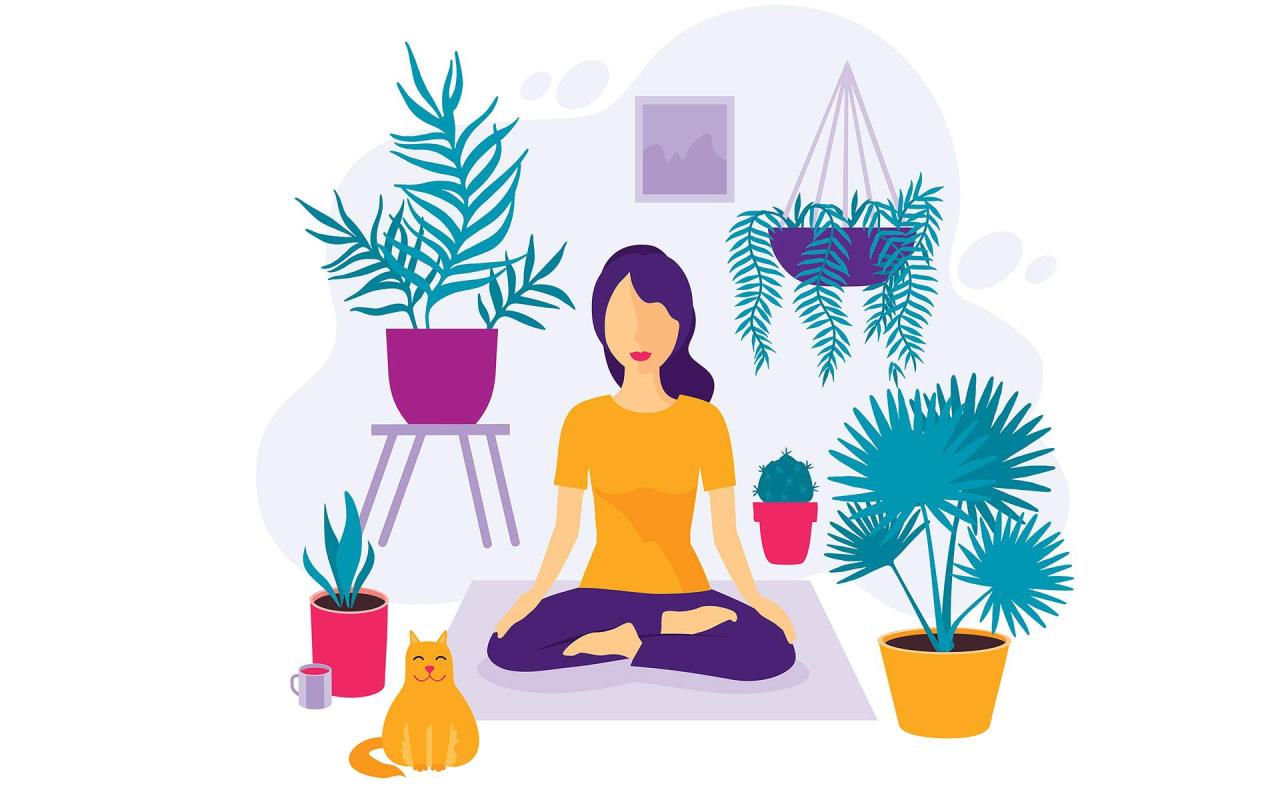
Integrating meditation into a broader healing framework can significantly enhance overall well-being and accelerate recovery processes. When combined thoughtfully with practices such as yoga, acupuncture, or psychotherapy, meditation serves as a complementary tool that deepens healing experiences and encourages holistic health. This approach nurtures the mind-body connection, fostering a more comprehensive pathway toward physical, emotional, and spiritual wellness.By leveraging the strengths of various healing modalities alongside meditation, individuals can create personalized, effective plans that target specific health concerns.
This synergy not only broadens the scope of healing but also promotes sustained commitment and deeper engagement in health practices. The following sections explore how to incorporate these modalities seamlessly into a cohesive healing routine.
Integrating Meditation with Yoga
Yoga and meditation are naturally aligned practices that support physical flexibility, strength, and mental clarity. When combined, they facilitate a harmonious flow between body and mind, amplifying the benefits of both. During a yoga session, practitioners often incorporate meditation techniques such as mindfulness or guided imagery to deepen relaxation and enhance body awareness.For example, beginning a yoga practice with a few minutes of mindful breathing can prepare the mind for focused movement, while concluding with a meditation session helps integrate the physical experience into mental calmness.
This integration can alleviate stress, improve posture, and cultivate a sense of inner peace, making it especially effective for managing chronic pain, anxiety, or post-traumatic stress.
Combining Meditation with Acupuncture
Acupuncture stimulates specific points on the body to promote energy flow and balance, often resulting in reduced pain and enhanced vitality. When paired with meditation, patients can harness the calming effects of focused breathing or visualization techniques to deepen the therapeutic impact of the treatment.Prior to or following an acupuncture session, engaging in meditation can help anchor the calming sensations and increase the body’s receptiveness to healing energies.
For example, a patient might visualize healing energy flowing through their meridians during meditation, supporting the acupuncturist’s work. This integrative approach can lead to more sustained pain relief, reduced anxiety, and improved emotional resilience.
Incorporating Meditation into Therapy
Psychotherapy, particularly modalities like cognitive-behavioral therapy (CBT) or trauma-informed therapy, can be complemented with meditation to enhance emotional regulation and self-awareness. Meditation techniques such as loving-kindness or body scan can assist clients in developing mindfulness, reducing rumination, and fostering self-compassion.Practitioners may recommend daily meditation practices to reinforce therapeutic insights, help manage symptoms of depression or anxiety, and cultivate resilience. For instance, a therapist may guide a client in a meditation focusing on acceptance and self-compassion, which complements therapeutic goals of emotional healing and cognitive restructuring.
Designing a Holistic Healing Plan
Creating an effective, holistic healing plan that includes meditation involves assessing individual needs, preferences, and health goals. It is essential to select complementary modalities aligned with specific conditions, lifestyle, and personal inclinations. Incorporating various practices should be gradual, ensuring the individual can integrate each method meaningfully without feeling overwhelmed.A balanced plan might include regular meditation sessions alongside physical activities such as yoga or Tai Chi, periodic acupuncture treatments for energy balancing, and psychotherapy sessions for emotional support.
Tracking progress and adjusting practices based on responses can optimize healing outcomes. This comprehensive approach acknowledges the interconnectedness of physical, emotional, and mental health, fostering sustainable and profound healing experiences.
Overcoming Common Challenges in Meditation Practice
Maintaining a consistent meditation practice can present various challenges that may hinder progress and reduce the effectiveness of your healing journey. Recognizing these obstacles early and implementing practical strategies can help you sustain a fulfilling and transformative meditation routine. This section explores common difficulties faced during meditation and offers effective methods to address them, ensuring a smoother and more focused practice.Meditation challenges are widespread and often arise from internal and external factors.
Distractions, impatience, and physical discomfort are among the most frequent issues practitioners encounter. Understanding why these obstacles occur and how to manage them can significantly enhance your ability to stay committed and present during meditation.
Distraction and Wandering Mind
Distraction is perhaps the most common challenge, especially for beginners. The mind tends to drift to thoughts, sounds, or sensations outside the meditation focus. This mental wandering can lead to frustration or the feeling that meditation is ineffective.To effectively manage distractions:
- Establish a dedicated, quiet space for meditation that minimizes external noise and interruptions.
- Use gentle grounding techniques, such as focusing on the sensation of your breath or the contact of your body with the chair or floor.
- Implement a gentle mental note-taking approach, acknowledging distractions without judgment and guiding your focus back to your chosen anchor.
- Practice mindfulness outside of meditation sessions to strengthen your ability to remain present in daily life, which translates into better focus during practice.
Consistent practice and patience are key, as mental wandering diminishes with time and experience.
Impatience and Frustration
Practitioners often experience impatience, especially when expecting quick results or feeling their progress is slow. This can lead to frustration, potentially causing one to abandon the practice prematurely.To cultivate patience:
- Set realistic expectations about meditation outcomes, understanding that healing and mindfulness are gradual processes.
- Celebrate small milestones, such as maintaining focus for a few extra breaths or calming the mind during a challenging session.
- Incorporate loving-kindness or self-compassion meditations to foster patience and acceptance toward your practice and progress.
- Remember that meditation is not a goal-oriented activity but a journey of ongoing self-awareness and healing.
Practicing non-judgmental awareness helps in reducing the tendency toward impatience and nurtures a compassionate attitude toward yourself.
Physical Discomfort and Restlessness
Physical discomfort, including back pain, numbness, or restlessness, can interfere with meditation, especially during prolonged sessions. This discomfort may lead to shifting positions, which can break concentration.Addressing physical challenges:
- Adjust your seated posture to ensure comfort without sacrificing alertness—use cushions or chairs if necessary.
- Incorporate gentle stretching or body scans prior to meditation to release tension.
- Practice shorter sessions initially and gradually increase duration as your body adapts.
- Use guided meditations that include body awareness components to help recognize and release physical tension.
Physical discomfort is often alleviated through mindful awareness and incremental adjustments, enabling sustained and comfortable meditation.
Troubleshooting Guide for Common Meditation Issues
A practical approach can help resolve frequent obstacles encountered during meditation. Below is a troubleshooting guide to assist in identifying and addressing specific issues:
| Challenge | Possible Cause | Recommended Strategies |
|---|---|---|
| Difficulty focusing | Overstimulating environment or mental fatigue | Choose a quiet time and space, start with shorter sessions, and gradually extend duration |
| Feeling restless or agitated | Accumulated stress or physical discomfort | Practice gentle movement or body scans before meditation, and include calming breathwork |
| Sleepiness during practice | Practicing at a time when you are tired or in a low-energy environment | Practice in a well-lit, alert setting and consider meditating at a different time of day |
| Emotional overwhelm or crying | Unresolved emotional issues surfacing during meditation | Allow the emotions to flow without judgment, and seek support from a therapist if needed |
| Inconsistent routine | Lack of motivation or time constraints | Establish a specific schedule, set small achievable goals, and integrate meditation into daily activities |
By proactively identifying specific issues and applying targeted solutions, you can sustain your meditation practice and deepen your healing process.
Last Word
In conclusion, integrating meditation into your healing routine can be a transformative experience that addresses emotional, physical, and spiritual aspects of recovery. With consistent practice and mindful application of various techniques, you can overcome common challenges and create a sustainable path toward holistic wellness. Embrace this journey with patience and openness, and witness the profound benefits it can bring to your life.