How to Meditate for Strengthening Your Awareness of Breath offers a comprehensive guide to cultivating mindfulness through focused breathing. This practice, rooted in ancient traditions and embraced worldwide, enhances mental clarity and emotional stability by deepening your connection with each breath you take. Whether you are a beginner or seeking to deepen your meditation routine, understanding and developing breath awareness can be a transformative experience.
This guide explores effective preparation, various techniques to observe and deepen breath focus, methods for maintaining consistency, and practical ways to incorporate mindful breathing into everyday life. By engaging with these practices, you can achieve greater presence, reduce stress, and foster a more balanced state of mind.
Introduction to Meditation for Breath Awareness

Breath awareness meditation is a foundational practice that centers attention on the natural process of breathing. It serves as a gateway to cultivating mindfulness, fostering a deeper connection between the mind and the body, and creating a state of calm and clarity. Throughout history, various cultures and spiritual traditions have recognized the significance of conscious breathing as a powerful tool for mental and emotional well-being.
By intentionally focusing on the breath, individuals can develop heightened awareness of the present moment, which in turn enhances mental clarity, reduces stress, and promotes emotional stability. This practice not only supports spiritual growth but also offers practical benefits for everyday life, helping individuals navigate challenges with greater resilience.
Historical and Cultural Contexts of Breath-Focused Meditation
Breath-centered meditation has ancient roots across many civilizations, reflecting its universal importance in human consciousness. In the Indian tradition, Pranayama, a core component of yoga, emphasizes controlling and regulating breath to achieve spiritual awakening and physical health. Similarly, Buddhist practices incorporate mindfulness of breathing (Anapanasati) as a core technique for developing concentration and insight.
In Chinese philosophy, Taoist meditation emphasizes the flow of Qi (life energy) through breath awareness, contributing to holistic health and spiritual harmony. Western contemplative practices, influenced by these ancient traditions, have integrated breath awareness as a means to attain mental clarity and emotional balance, especially within modern mindfulness movements.
Benefits of Strengthening Awareness of Breath
Deepening the focus on one’s breath offers numerous psychological and physiological advantages. Enhancing awareness of breathing patterns can lead to greater mental clarity by calming the mind and reducing mental clutter. It fosters emotional stability by helping individuals recognize and regulate their emotional responses more effectively, leading to reduced anxiety and stress levels.
Moreover, consistent practice contributes to improved concentration, better stress management, and a heightened sense of presence. These benefits extend into daily activities, improving overall quality of life and supporting mental health. As awareness of the breath deepens, practitioners often experience a greater sense of inner peace and resilience in facing life’s challenges.
Techniques to Enhance Breath Awareness
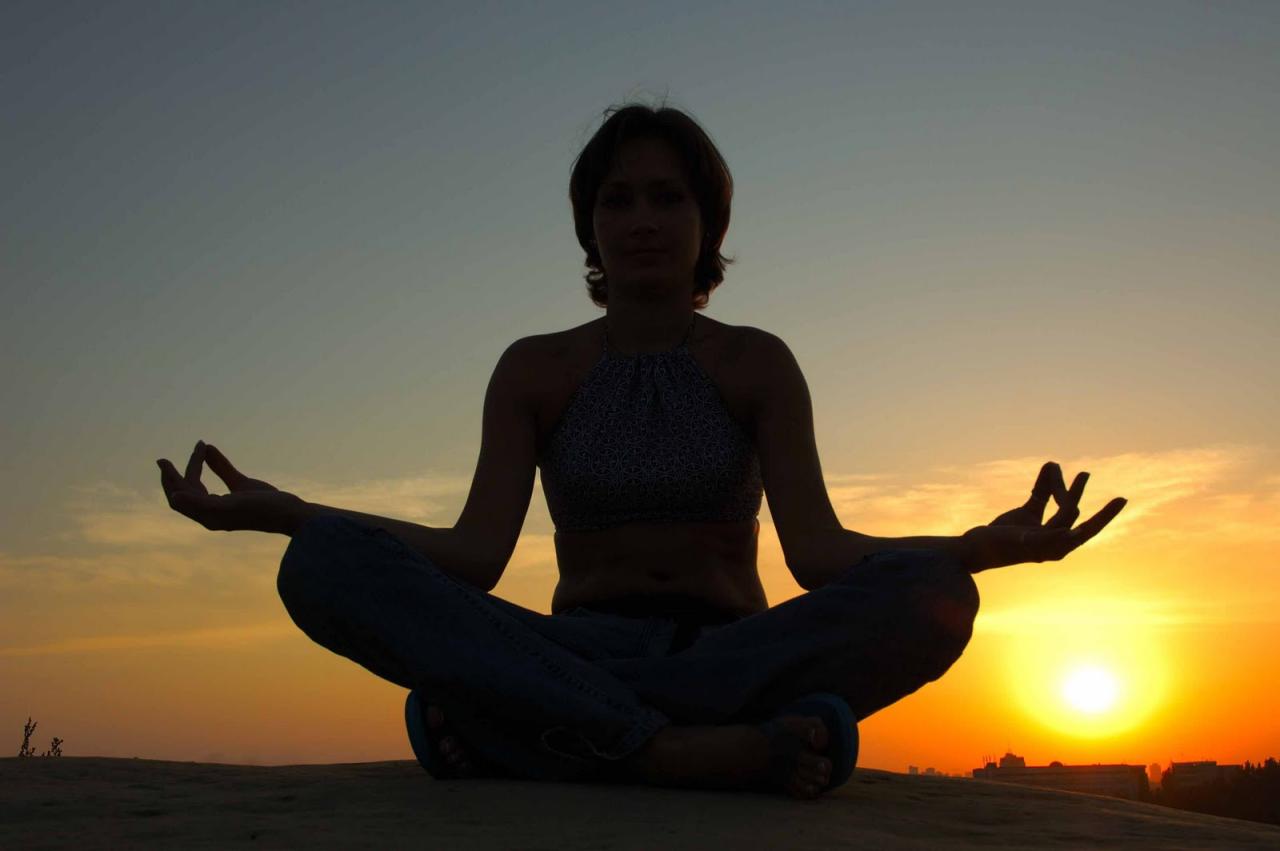
Enhancing awareness of your breath is a fundamental step toward deepening your meditation practice. By adopting specific techniques, you can cultivate a more refined sensitivity to the natural flow of inhalation and exhalation, leading to greater mindfulness and tranquility. These methods help to anchor your attention, reduce distractions, and foster a calm, focused mind.
Implementing these techniques involves engaging in structured exercises that encourage observation without interference, utilizing visual or sensory cues to maintain concentration, and understanding common breathing patterns. This progression not only deepens your connection to your breath but also enhances your overall meditative experience and mental clarity.
Observing Natural Breathing Without Control
Practicing non-interfering observation of your breath allows you to witness its natural rhythm and flow without attempting to modify or control it. This approach develops acceptance and patience, essential qualities in meditation.
- Begin by sitting comfortably in a relaxed posture, ensuring your spine is upright but not rigid. Close your eyes if comfortable or soften your gaze, bringing gentle attention inward.
- Gently direct your awareness to the sensation of breath at the nostrils or the rise and fall of the chest or abdomen. Allow the breath to flow naturally without trying to alter its speed or depth.
- Notice the subtle qualities of each inhale and exhale—its duration, texture, and the slight variations that occur naturally.
- If your attention drifts away, calmly acknowledge the distraction and softly bring your focus back to your breath, without judgment.
Sequence of Exercises to Deepen Focus
Structured exercises can progressively deepen your focus on both inhalation and exhalation, fostering greater mindfulness and concentration. These exercises serve as stepping stones to more refined breath awareness.
- Counting Breath Cycles: Count each inhalation and exhalation cycle up to a set number, such as ten. After reaching the target, start again, maintaining gentle awareness. This method stabilizes focus and prevents mind wandering.
- Silent Observation: Observe the natural length of inhalations and exhalations without attempting to adjust them. Notice any subtle differences and the sensations associated with each phase.
- Focus on Transition Points: Pay attention to the moments where inhalation shifts to exhalation and vice versa. Recognize the pause or the gentle changeover, enhancing your awareness of breath flow continuity.
- Deepening Breath Awareness: Gradually extend the duration of each inhalation and exhalation in a comfortable manner, emphasizing smoothness and consistency. This helps in cultivating a more profound connection to your breathing process.
Visual and Descriptive Cues to Maintain Attention
Using sensory cues can serve as anchors to sustain your focus on the breath during meditation. Descriptive visualization and physical sensations act as reminders and guides that enhance your concentration.
- Visualization of Breath Flow: Imagine your breath as a gentle wave or a soft stream flowing in and out, with each inhale drawing in calmness and each exhale releasing tension. Visualize the movement as smooth, continuous, and natural.
- Physical Sensations: Focus on sensations at specific points, such as the coolness of air at the nostrils, the rise and fall of the chest or abdomen, or the expansion and contraction of the rib cage. These tactile cues reinforce attention.
- Mantra or Affirmation: Silently repeat a calming phrase aligned with your breath, such as “Inhale peace, exhale tension,” synchronizing it with each breath cycle to deepen focus.
- Breathing Rate Cue: Mentally note the natural rhythm—”steady, gentle, effortless”—to reinforce a relaxed, attentive state.
Common Breathing Patterns to Observe
Understanding typical breathing patterns enhances your ability to recognize and accept the natural variations in your breath during meditation. Common patterns include diaphragmatic, thoracic, and abdominal breathing, each with distinct characteristics.
| Pattern | Description | Key Features |
|---|---|---|
| Diaphragmatic (Abdominal) Breathing | Breath primarily engages the diaphragm, causing the abdomen to rise and fall with each inhale and exhale. | Deep, slow, and relaxed; the abdomen expands visibly during inhalation and contracts during exhalation. |
| Thoracic (Chest) Breathing | Breath involves expansion and contraction of the chest cavity, with less movement in the abdomen. | Shallower rhythm; chest rises and falls; common during stress or exertion. |
| Clavicular (Shoulder) Breathing | Upper chest and shoulders move significantly, often associated with rapid breathing. | Often shallow and rapid; may indicate tension or anxiety. |
| Alternating Nostril Breathing | Respiration alternates between nostrils, often used in pranayama practices, promoting balance. | Rhythmic and controlled; involves closing one nostril while inhaling/exhaling through the other. |
Recognizing these patterns allows you to observe your breath objectively, fostering a non-judgmental attitude and subtle awareness that enhances your meditation practice.
Developing Consistency and Deepening Practice

Establishing a regular meditation routine centered on breath awareness is fundamental for progressing in this practice. Consistency not only reinforces the habit but also enhances the benefits, including increased calmness, mental clarity, and heightened awareness. As you deepen your practice, you will notice subtle shifts in how you perceive your breath and experience mindfulness throughout your day. This section offers practical guidance on creating sustainable routines, overcoming challenges, and fostering continual growth in your meditation journey.Maintaining a steady meditation practice requires dedication and intentional effort.
By systematically incorporating breath awareness into your daily schedule, you cultivate resilience against distractions and cultivate a more profound state of mindfulness. Over time, your ability to sustain longer meditation sessions will improve naturally, building mental stamina and focus. Tracking your progress and staying motivated are essential components to ensure long-term commitment and meaningful development in your practice.
Establishing a Regular Meditation Routine
Creating a consistent schedule is vital for integrating meditation into daily life. Select a specific time each day—whether morning, midday, or evening—that aligns with your natural energy levels and daily commitments. Starting with a manageable duration, such as 5 to 10 minutes, allows for easier habit formation. Gradually, you can extend these sessions as your comfort and stamina increase, aiming for 20 to 30 minutes or more over time.To facilitate routine adherence:
- Set a dedicated, quiet space free from distractions where you can meditate comfortably each day.
- Use reminders, such as alarms or calendar notifications, to prompt your meditation sessions.
- Integrate meditation into existing routines, such as after brushing your teeth or before bedtime, to make it habitual.
Consistency in timing and environment reinforces mental associations, making meditation a natural part of your daily rhythm.
Overcoming Common Distractions and Mind Wandering
Distractions are an inherent part of meditation, especially in the initial stages. The key is to develop gentle awareness and patience when the mind drifts away from the breath. Recognizing wandering thoughts without judgment allows you to return focus to your breath with increased mindfulness over time.Effective strategies include:
- Using a soft mental note such as
“Breath” or “Inhale, Exhale”
to anchor attention and gently redirect when distracted.
- Accepting wandering thoughts as natural and part of the process, rather than a failure, reduces frustration and discouragement.
- Implementing environmental controls, such as dim lighting and minimizing noise, to create a more conducive meditation setting.
Regularly practicing patience and compassion towards oneself cultivates resilience and steadiness amid distractions.
Gradually Extending Meditation Duration to Build Stamina
Progressively increasing meditation time allows your mental and physical stamina to develop naturally, preventing burnout or frustration. Starting with brief sessions enables your mind to acclimate to sustained focus, and as comfort grows, you can extend durations incrementally.Practical approaches include:
- Adding 1-2 minute increments weekly, based on comfort and focus levels, until reaching your desired duration.
- Using a timer with gentle sound alerts to mark the end of each session without abrupt interruptions.
- Paying attention to physical cues, such as relaxed breathing and reduced restlessness, to gauge readiness for longer sessions.
Building stamina is not about forcing longer periods but gradually cultivating a capacity for extended mindful awareness.
Tracking Progress and Maintaining Motivation
Consistent progress tracking fosters awareness of growth and reinforces motivation. Recording your meditation sessions and reflections provides tangible evidence of your journey and highlights the evolving benefits of your practice.Methods to monitor and stay motivated include:
- Maintaining a meditation journal to note session duration, experiences, and insights gained during each practice.
- Using meditation apps or calendars that log each session and offer visual progress charts.
- Setting small, achievable goals—such as completing a consecutive week of daily practice—and celebrating these milestones to bolster commitment.
Engaging with a community or accountability partner can also provide encouragement, shared experiences, and inspiration to deepen your dedication over time.
Incorporating Breath Awareness into Daily Life
Maintaining mindfulness of the breath extends beyond dedicated meditation sessions and can become a valuable tool for cultivating calm, clarity, and presence throughout everyday activities. Integrating conscious breathing into daily routines helps reinforce mindfulness, reduces stress, and enhances overall well-being. Developing these habits ensures that the benefits of breath awareness are accessible at any moment, regardless of circumstances, fostering a sustained state of mindful alertness.By intentionally applying breath awareness during various moments of the day, individuals can create a continuous thread of mindfulness that supports emotional regulation, improves focus, and encourages a more balanced approach to life’s challenges.
Practical strategies enable seamless integration, transforming simple breathing exercises into a natural element of daily living.
Strategies for Applying Mindful Breathing in Stressful Situations
In moments of heightened stress or emotional turbulence, conscious breath awareness serves as an immediate calming technique. Slowing down the breath and focusing on each inhalation and exhalation helps to activate the parasympathetic nervous system, promoting relaxation and reducing feelings of anxiety or frustration. Techniques such as diaphragmatic breathing, where one deliberately expands the abdomen during inhalation, can be particularly effective.
During stressful encounters, taking a brief pause to observe the breath can interrupt automatic reactions and foster a sense of control. Visualizing the breath as a soothing wave or using a calming phrase while breathing deeply can anchor attention, preventing escalation of negative emotions. Consistent practice equips individuals with the mental resilience needed to navigate challenging situations with greater equanimity.
Quick Breath Awareness Techniques for Busy Days
When time is limited, employing quick and effective breathing exercises can help restore composure and clarity amidst a hectic schedule. These techniques are designed for instant application and minimal disruption:
- 3-2-4 Breathing: Inhale quietly through the nose for 3 seconds, hold the breath for 2 seconds, then exhale slowly through the mouth or nose for 4 seconds. Repeat a few times to promote calmness.
- Box Breathing: Inhale for 4 seconds, hold the breath for 4 seconds, exhale for 4 seconds, then pause for 4 seconds before the next inhale. This rhythmic pattern enhances focus and reduces stress.
- Miniature Breath Scan: Pause for a moment, then quickly scan awareness to the breath, noticing its natural rhythm without attempting to control it. This quick check-in centers the mind.
- Deep Belly Breathing: Take a rapid but mindful inhale that expands the belly, followed by an easy exhale. Performing this for a few breaths helps reset mental energy.
Integrating Breath-Focused Moments into Routine Activities
Embedding mindful breathing into routine activities transforms mundane moments into opportunities for awareness and relaxation. During walking, for instance, synchronizing breath with steps—such as inhaling for three steps and exhaling for three steps—creates a rhythmic flow that anchors attention. This practice encourages presence and reduces mental wandering.At work, short breath-focused pauses can be incorporated during transitions between tasks or meetings.
For example, before commencing a new project, taking a few deep, conscious breaths can clear mental clutter and enhance concentration. Similarly, during breaks, focusing solely on the breath while stretching or standing promotes mindfulness and alleviates physical tension.Daily routines such as washing dishes, commuting, or waiting in line offer natural moments to practice breath awareness. Paying attention to the sensations of the breath during these times fosters a continuous thread of mindfulness that seamlessly integrates into existing habits.
Using Breath Awareness to Enhance Overall Mindfulness and Presence
Consistently monitoring the breath cultivates a heightened state of mindfulness that extends to all areas of life. As the breath functions as an anchor to the present moment, developing this awareness fosters a shift away from ruminative thoughts and future anxieties towards current experience. This grounding effect naturally enhances clarity, emotional regulation, and a sense of calm.Practicing breath awareness during daily interactions—such as listening attentively during conversations or observing surroundings with curiosity—strengthens overall mindfulness.
It encourages a non-judgmental attitude towards thoughts and emotions, fostering acceptance and patience. Over time, this cultivated presence becomes an intrinsic part of one’s mental landscape, enriching relationships, decision-making, and resilience in the face of life’s uncertainties.
Advanced Practices and Variations

Building on foundational breath awareness techniques, advanced practices introduce nuanced approaches that deepen concentration, enhance mental clarity, and integrate mindfulness more seamlessly into daily life. These methods are designed to refine one’s meditative skill set, offering richer experiences and greater control over mental states. Implementing these variations can significantly heighten awareness, foster inner calm, and promote a sustained meditative practice.Understanding and applying these advanced techniques enable practitioners to elevate their meditative journey beyond basic exercises, cultivating a more profound sense of presence and mental resilience.
Counting Breaths to Deepen Concentration
Counting breaths is a powerful method for anchoring the mind and increasing focus during meditation. This technique involves silently assigning a numerical count to each inhalation and exhalation cycle, typically from one to ten, then repeating the sequence multiple times. The act of counting directs attention to the breath’s rhythm, reducing mind-wandering and enhancing concentration.Practitioners can adapt this practice by gradually increasing the count, integrating pauses or brief affirmations at specific counts to deepen engagement.
Consistent application of breath counting cultivates patience, mental stability, and a heightened sense of control over mental distractions.
Incorporating Visualization or Affirmation with Breath Awareness
Enhancing breath awareness through visualization or affirmations introduces a multi-sensory dimension to meditation. Visualization involves creating mental images associated with calm or inner strength, such as imagining a gentle wave flowing with each breath or picturing a luminous light expanding with each inhalation. Affirmations are positive statements repeated silently or aloud during the practice, reinforcing mindfulness and intention.By pairing visualization or affirmations with breath awareness, practitioners can deepen emotional resilience, foster positive mental states, and anchor their focus more effectively.
For example, silently affirming “I am calm and centered” with each breath can reinforce a sense of stability and peace.
Synchronizing Breath with Body Movements or Sounds
Synchronizing breath with physical movements or external sounds creates a dynamic meditative experience that enhances bodily awareness and sensory integration. Techniques such as breath with walking, where each step aligns with an inhalation or exhalation, foster mindfulness of movement and balance. Similarly, coordinating breath with sounds, like the rhythmic ringing of a bell or chanting, anchors attention and cultivates a harmonious state of presence.These practices are particularly useful for cultivating embodied awareness and can serve as effective transitions into deeper states of meditation.
They also help integrate breath awareness into everyday activities, promoting mindfulness beyond seated practice.
Comparison of Simple and Advanced Breath-Awareness Exercises
| Aspect | Simple Breath-Awareness Exercises | Advanced Breath-Awareness Practices |
|---|---|---|
| Focus | Observing the natural flow of breath without interference | Engaging in detailed techniques like counting, visualization, or synchronization |
| Concentration Level | Basic attention on breath sensation | Deepened focus through structured methods and multi-sensory engagement |
| Duration | Short to moderate periods, typically 5-10 minutes | Extended sessions lasting 15 minutes or longer, with varied techniques |
| Application | Ideal for beginners establishing a foundational practice | Suitable for experienced practitioners seeking progression and deeper mindfulness |
| Techniques | Noticing breath sensations, relaxed observation | Counting breaths, visualization, affirmations, synchronized movements |
Conclusive Thoughts
Incorporating breath awareness into your daily routine can significantly improve your mental clarity and emotional resilience. Through consistent practice and mindful application, you will find yourself more centered and present in both challenging and routine moments. Embrace these techniques to deepen your meditation journey and enjoy the lasting benefits of a more mindful, peaceful life.